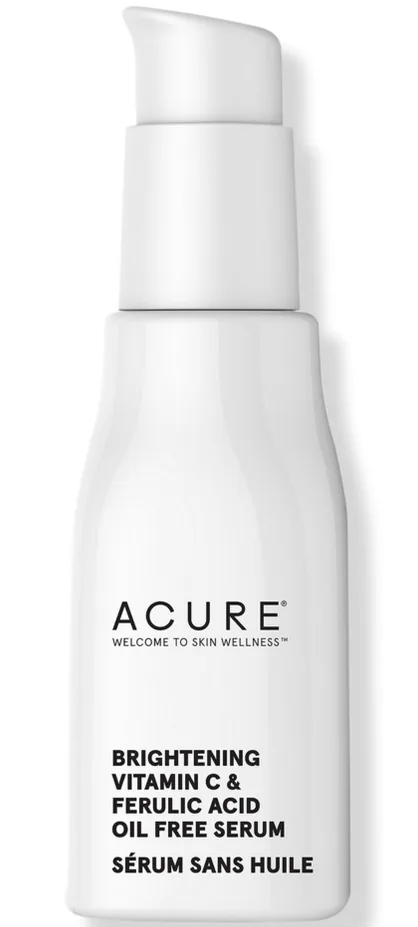
A genuinely smart budget vitamin C serum that uses THD ascorbate instead of cheap derivatives, delivering gentle brightening at a fraction of prestige prices. It won't replace a 15% L-ascorbic acid serum for hardcore brightening, but for sensitive skin or anyone tired of stinging, it's one of the better drugstore options.
Brightening Vitamin C & Ferulic Acid Serum
A genuinely smart budget vitamin C serum that uses THD ascorbate instead of cheap derivatives, delivering gentle brightening at a fraction of prestige prices. It won't replace a 15% L-ascorbic acid serum for hardcore brightening, but for sensitive skin or anyone tired of stinging, it's one of the better drugstore options.
Score Breakdown
Where this product gains points and where it loses them — broken down across the four scoring pillars.
A genuinely gentle vitamin C serum at a budget price. Loses points on ingredient quality only because THD ascorbate has less head-to-head clinical data than L-ascorbic acid, not because it's a bad choice.
Pros & Cons
- ✓Uses THD ascorbate, a stable and lipid-soluble vitamin C derivative
- ✓Doesn't sting like L-ascorbic acid serums
- ✓Genuinely gentle for sensitive and reactive skin types
- ✓Ferulic acid pairing adds synergistic antioxidant action
- ✓Pregnancy-safe and fungal-acne-safe formulation
- ✓Affordable price compared to prestige THD ascorbate serums
- ✓EWG Verified, vegan, and cruelty-free
- ✗Less potent than 15-20% L-ascorbic acid for fast pigment fading
- ✗Dropper packaging exposes product to air with each use
- ✗No vitamin E to complete the classic C+E+ferulic antioxidant trio
- ✗Brightening is gradual rather than dramatic
Full Review
The vitamin C serum aisle is one of the most confusing parts of skincare to navigate, mostly because the word "vitamin C" covers about a dozen different molecules with very different properties. L-ascorbic acid is the gold standard with the strongest clinical evidence but also the most stability problems and the most irritation. Sodium ascorbyl phosphate, magnesium ascorbyl phosphate, ascorbyl glucoside, ethyl ascorbic acid, and tetrahexyldecyl ascorbate are all derivatives — variations on the molecule designed to trade some potency for stability or gentleness. Most budget vitamin C serums pick the cheapest derivative on the list, slap "vitamin C" on the label, and call it a day.
Acure's Brightening Vitamin C & Ferulic Acid Serum did something a little different. It went with tetrahexyldecyl ascorbate, also known as THD ascorbate or BV-OSC. THD is a lipid-soluble vitamin C derivative that's both more stable than L-ascorbic acid and more expensive than the budget alternatives. It penetrates the skin's lipid layer effectively, converts to active vitamin C in the cells, and delivers brightening and antioxidant benefits without the pH-related sting. It's the same vitamin C type used in some prestige serums priced four to five times higher. Pairing it with ferulic acid — the same antioxidant that stabilizes prestige C serums — is the logical next step, and Acure took it.
That's the science story. The practical experience matches it. The serum is a lightweight clear gel that absorbs without tackiness, doesn't sting on application, doesn't oxidize visibly in the bottle, and fits easily under moisturizer and sunscreen. After about a week of daily morning use, most people notice their skin looks slightly more luminous — a subtle radiance rather than a dramatic transformation. Over 8-12 weeks of consistent use, dullness improves and minor post-inflammatory pigmentation gradually fades. The brightening curve is slower than a traditional 15% L-ascorbic acid serum, but it's also a curve you can stay on without your skin filing complaints.
The gentleness is the real selling point. Anyone who's tried a high-percentage L-ascorbic acid serum on sensitive or rosacea-prone skin knows the experience: an immediate sting, a flush of redness, and the question of whether the brightening is worth the daily inflammation. THD ascorbate sidesteps that entirely. There's no sting, no flushing, and no need to build up tolerance. You can use this serum from day one, daily, on skin that doesn't tolerate harsher options. For people who've previously given up on vitamin C because their skin couldn't handle it, this is a real alternative rather than a watered-down compromise.
The trade-off is potency. Despite being more stable than L-ascorbic acid, THD ascorbate is generally considered less potent for fast brightening of stubborn pigmentation. If you have severe melasma or deeply set sun spots, this serum alone won't deliver dramatic fading the way a strong L-ascorbic acid formula or prescription tretinoin would. It's better understood as a daily maintenance and antioxidant protection serum, not a heavyweight pigment treatment. Pair it with SPF and a retinoid at night and you have a complete brightening routine. Use it alone and expect modest results.
The formulation also has some honest limitations beyond just the active. The dropper packaging exposes the product to air every time you open the bottle, which is less of a problem with stable THD than it would be with L-ascorbic acid but still not ideal. The aloe base is pleasant but adds little beyond hydration. There's no vitamin E in the formula, which would have completed the classic C+E+ferulic antioxidant trio that prestige serums lean on. None of these are dealbreakers — they're just notes about where the formula could have gone further.
At around $20 for a one-ounce bottle, the math is hard to argue with. Comparable THD ascorbate serums from prestige brands typically run $80-$150. You're getting the same active type at a fraction of the price, in a formulation that's reasonable if not maximalist. That's a genuine value proposition, especially for sensitive skin types who would otherwise be priced out of the gentler vitamin C options.
Where this serum sits in the broader Acure lineup is also worth noting. The cleansing gel and the walnut shell scrub from this same brand both have their issues — fragrance in one, outdated abrasion in the other. This serum is the line's strongest entry, by a meaningful margin. It reflects what Acure can do when the brand commits to a thoughtful formulation choice rather than leaning on plant-based marketing alone. If you're skeptical of clean beauty as a category but want to give the brand a fair test, this is the product to start with.
Formula
Key Ingredients
The hero actives that drive this product's performance.
| Ingredient | Function | Evidence |
|---|---|---|
| Tetrahexyldecyl Ascorbate (THD Ascorbate) | An oil-soluble, stable derivative of vitamin C that delivers brightening and antioxidant benefits without the irritation and pH instability of L-ascorbic acid. THD ascorbate converts to active vitamin C in the skin and penetrates the lipid layer effectively, making this serum a gentler alternative to traditional 15-20% L-ascorbic acid formulas. | promising |
| Ferulic Acid | A plant-derived polyphenol that stabilizes the vitamin C in this serum and adds its own antioxidant capacity. The C+ferulic combination is the same logic behind the much pricier prestige serums in this category — though those typically use L-ascorbic acid rather than the THD derivative. | well-established |
| Aloe Vera Leaf Juice | Replaces water as the primary solvent in this serum, providing soothing polysaccharides and a small dose of additional hydration. The aloe base helps offset any minor dryness from the gel-textured formula. | promising |
| Fruit Enzyme Blend (Pineapple, Papaya) | Contributes mild enzymatic exfoliation that complements the brightening goals of the vitamin C. The bromelain in pineapple and papain in papaya are gentle proteolytic enzymes that loosen surface debris without the sting of acid exfoliants. | limited |
Full INCI List
Water (Eau), Aloe Barbadensis Leaf Juice, Tetrahexyldecyl Ascorbate, Ferulic Acid, Ananas Sativus (Pineapple) Fruit Extract, Camellia Sinensis Leaf Extract, Carica Papaya (Papaya) Fruit Extract, Glycerin, Sclerotium Gum, Xanthan Gum, Hydroxyethylcellulose, Sodium Phytate, Ethylhexylglycerin, Potassium Sorbate, Sodium Benzoate, Citric Acid
Product Flags
✓ Fragrance Free✓ Alcohol Free✓ Oil Free✓ Silicone Free✓ Paraben Free✓ Sulfate Free✓ Cruelty Free✓ Vegan✓ Fungal Acne Safe
Compatibility
Skin Match
Best For
sensitive normal combination dry
Works For
Not Ideal For
Addresses These Conditions
dullness hyperpigmentation sun damage aging dehydration
Routine Step
serum
Time of Day
AM
Pregnancy Safe
Yes ✓
Layering Tips
Apply in the morning after cleansing and toning, before moisturizer and SPF. The THD ascorbate base is stable, so storage is less finicky than L-ascorbic acid serums. Pair with broad-spectrum sunscreen for the best photoprotection synergy.
Results Timeline
Subtle radiance after 1-2 weeks of consistent morning use. Gradual brightening of dullness and minor pigmentation over 8-12 weeks. Long-term photoprotection benefits develop over months when paired with daily SPF.
Pairs Well With
sunscreenniacinamidevitamin-eferulic-acid
Sample AM Routine
- Gentle cleanser
- Hydrating toner
- Acure Brightening Vitamin C & Ferulic Acid Serum
- Moisturizer
- SPF 50
Sample PM Routine
- Oil cleanser
- Gentle cleanser
- Niacinamide serum
- Retinoid
- Ceramide moisturizer
Evidence
Science & Expert Perspective
The Science
Tetrahexyldecyl ascorbate (THD ascorbate) is one of the most studied stable vitamin C derivatives in cosmetic chemistry. Unlike L-ascorbic acid, which is water-soluble and unstable at higher pH, THD ascorbate is lipid-soluble and stable at neutral pH, allowing it to penetrate the stratum corneum more effectively and remain active in formulations longer. Research has documented its conversion to active ascorbic acid within skin cells and its ability to provide antioxidant and brightening benefits, though clinical comparisons with L-ascorbic acid generally favor the latter for sheer potency.
Ferulic acid is a plant-derived hydroxycinnamic acid with well-documented antioxidant activity. The classic 2005 study by Lin et al., published in the Journal of Investigative Dermatology, demonstrated that combining 15% L-ascorbic acid with 1% alpha-tocopherol and 0.5% ferulic acid provides synergistic photoprotection that significantly exceeds any individual ingredient alone. While the Acure formulation uses THD ascorbate rather than L-ascorbic acid and skips the vitamin E, the inclusion of ferulic acid still adds meaningful antioxidant capacity and stabilization to the active vitamin C component.
The enzymatic and botanical extracts in this formula (pineapple, papaya, aloe, green tea) provide secondary supporting benefits. Bromelain and papain are mild proteolytic enzymes that contribute to gentle surface refinement, while green tea polyphenols add additional antioxidant activity. None of these replace the vitamin C and ferulic acid as the primary actives, but they add a meaningful supporting layer to the formulation.
References
- Ferulic acid stabilizes a solution of vitamins C and E and doubles its photoprotection of skin — Journal of Investigative Dermatology (2005)
Dermatologist Perspective
Dermatologists routinely recommend vitamin C as part of a daytime antioxidant routine, particularly for patients seeking brightening, sun damage prevention, and overall radiance. Board-certified dermatologists generally consider L-ascorbic acid the gold standard for clinical efficacy, but acknowledge that stable derivatives like THD ascorbate are reasonable alternatives for patients with sensitive skin or those who can't tolerate the irritation of low-pH formulations. Many dermatologists note that a tolerable vitamin C used consistently outperforms a stronger formula that gets abandoned due to irritation. For brightening goals, dermatologists typically pair vitamin C with daily SPF and often add a retinoid at night for complementary mechanisms. Patients with severe melasma or deep hyperpigmentation are usually directed toward stronger options including prescription hydroquinone or in-office treatments.
Guidance
Usage Guide
How to Use
Apply 3-5 drops to clean, dry skin in the morning after toning. Pat gently into the face and neck, avoiding the immediate eye area. Allow to absorb for 30-60 seconds before applying moisturizer. Always follow with broad-spectrum SPF 30 or higher — vitamin C and sunscreen work synergistically for photoprotection. Store the bottle upright in a cool, dark place. Discontinue if the serum turns dark brown or develops an off smell.
Value Assessment
At around $20 for one ounce, this serum delivers THD ascorbate plus ferulic acid at roughly a quarter to a fifth of the price of comparable prestige formulations. The bottle lasts about 2-3 months with daily morning use, putting the cost-per-day in pennies. From an established budget brand with a decade of distribution, the price feels honest for the formulation choice — you're paying for the thoughtful active selection, not just the brand name. Compared to other budget vitamin C serums using cheaper derivatives, this is a meaningfully better choice at the same price point.
Who Should Buy
Sensitive, reactive, or rosacea-prone skin types who can't tolerate L-ascorbic acid. Beginners building their first brightening routine on a budget. Pregnant or nursing users who want a vitamin C step. Anyone curious about THD ascorbate without paying prestige prices.
Who Should Skip
People with severe melasma, deep sun damage, or stubborn pigmentation who need maximum-potency brightening. Anyone already happy with a higher-strength L-ascorbic acid formula. Users who want a dramatic fast-acting brightener rather than a gentle daily maintenance serum.
Ready to try Acure Brightening Vitamin C & Ferulic Acid Serum?
Details
Details
Texture
Lightweight clear gel-serum with a slight slip from the aloe base
Scent
Faint herbal note from aloe and ferulic acid; no added fragrance
Packaging
Glass bottle with dropper; opaque exterior helps protect from light
Finish
lightweightfast-absorbingnon-greasy
What to Expect on First Use
No tingling or burning on application — a notable contrast from L-ascorbic acid serums. Skin feels lightly hydrated and slightly more luminous within the first week. Brightening is gradual rather than dramatic.
How Long It Lasts
About 2-3 months with daily morning use
Period After Opening
12 months
Best Season
All Year
Certifications
EWG VerifiedVeganCruelty-Free
Background
The Why
Acure launched the Brightening Vitamin C & Ferulic Acid Serum in 2019 as a budget alternative to luxury vitamin C serums dominating the prestige market. The decision to use THD ascorbate rather than L-ascorbic acid was unusual for a drugstore-priced product — most budget brands use cheaper derivatives or stick with L-ascorbic acid despite its instability. The product became one of the brand's most-recommended budget picks for sensitive skin types who couldn't tolerate stronger vitamin C formulas.
About Acure Established Brand (5–20 years)
Acure launched in 2010 as a budget clean beauty brand and has built broad distribution at Target, Whole Foods, and Ulta. Its products use plant-based formulations and are EWG Verified, though clinical validation of specific products is limited.
Brand founded: 2010 · Product launched: 2019
Myth vs. Reality
Myths & Misconceptions
Myth
Vitamin C derivatives don't actually work — only L-ascorbic acid is effective.
Reality
L-ascorbic acid has the strongest clinical evidence, but several derivatives — including THD ascorbate, magnesium ascorbyl phosphate, and ascorbyl glucoside — have published research supporting brightening and antioxidant activity. Derivatives are generally less potent but also more stable and less irritating, which makes them a reasonable trade-off for many users.
Myth
If a vitamin C serum doesn't sting, it isn't strong enough.
Reality
Stinging is a property of low pH and L-ascorbic acid specifically. Stable derivatives like THD ascorbate work at a higher pH and don't sting, but they still convert to active vitamin C in the skin. Sting is not a measure of effectiveness — it's a measure of how acidic the formula is.
FAQ
Frequently Asked Questions
How does this compare to SkinCeuticals C E Ferulic?
SkinCeuticals C E Ferulic uses 15% L-ascorbic acid plus vitamin E and ferulic acid, with the strongest published evidence for the C+ferulic combination. Acure uses tetrahexyldecyl ascorbate (a stable derivative) and ferulic acid, without vitamin E. The Acure version is gentler, more affordable, and more shelf-stable, but less potent. It's a reasonable budget alternative for sensitive skin, not an equivalent.
Why doesn't this serum sting like other vitamin C serums?
Because it uses tetrahexyldecyl ascorbate, an oil-soluble vitamin C derivative that works at a neutral pH. Stinging in vitamin C serums comes from L-ascorbic acid at low pH, which this formula doesn't contain. The lack of sting doesn't mean lack of efficacy — it just means the chemistry is different.
Will this serum oxidize and turn brown?
THD ascorbate is much more stable than L-ascorbic acid and doesn't oxidize the same way. The serum should remain clear or very pale yellow throughout its shelf life. If it turns dark brown or develops an off smell, discontinue use.
Can I use this with retinol?
Yes — vitamin C derivatives like THD ascorbate pair well with retinoids in a routine. Use this in the morning and your retinoid at night for a complementary brightening and texture-improving combination. Both work better when paired with daily SPF.
Is this safe during pregnancy?
Yes. Vitamin C derivatives, ferulic acid, and the rest of this formulation are considered pregnancy-safe by mainstream dermatology guidance. It's a good morning serum option for pregnant or nursing users who want to maintain a brightening step.
How long until I see results?
Subtle radiance within 1-2 weeks. Visible brightening of dullness and minor pigmentation over 8-12 weeks. Long-term photoprotection benefits accumulate over months when paired with daily broad-spectrum SPF — vitamin C and sunscreen work better together than either alone.
Community
Community Voices
Common Praise
"Doesn't sting like L-ascorbic acid serums"
"Affordable entry point to vitamin C"
"Lightweight gel-serum texture"
"No oxidation issues with stable derivative"
Common Complaints
"Brightening is slower than traditional vitamin C serums"
"Not as potent as 15-20% L-ascorbic acid"
"Bottle dropper packaging exposes product to air"
Notable Endorsements
EWG VerifiedTarget beauty bestseller
Appears In
best budget vitamin c serum best gentle vitamin c serum best thd ascorbate serum best vitamin c for sensitive skin best vegan vitamin c serum
Related Conditions
dullness hyperpigmentation sun damage
Related Ingredients
You Might Also Like
 Sensitive Skin Soother
 Polyphenols In Propolis 15% Ampoule
A 15% propolis ampoule that earns its name with a real polyphenol stack — French Auvergne propolis layered over a houttuynia cordata base, with tulsi and pomegranate piling on. It's slightly sticky and not cheap by volume, but for sensitive, breakout-prone skin chasing calm, this is one of the most reliable K-beauty soothers in production.
 Budget Brightening Hero
 Chlorophyll Discoloration Serum
A quietly brilliant brightening serum that proves you do not need luxury prices or harsh actives to fade dark spots effectively. The alpha-arbutin and licorice root combination delivers genuine multi-pathway melanin inhibition, the sensitive-skin-friendly formula is impeccable, and $20 makes it accessible to virtually everyone. The chlorophyllin is more marketing differentiator than scientific powerhouse, but it does not hurt anything either.
 The People's HA Serum
 Revitalift Derm Intensives 1.5% Pure Hyaluronic Acid Serum
A masterclass in minimalist formulation — thirteen ingredients, no filler, four functional actives, and over thirty thousand glowing reviews. L'Oréal's multi-weight HA system delivers genuine hydration at every level of the skin, and the fragrance-free, alcohol-free formula is clean enough for virtually anyone. The drugstore serum that embarrasses its prestige competitors.
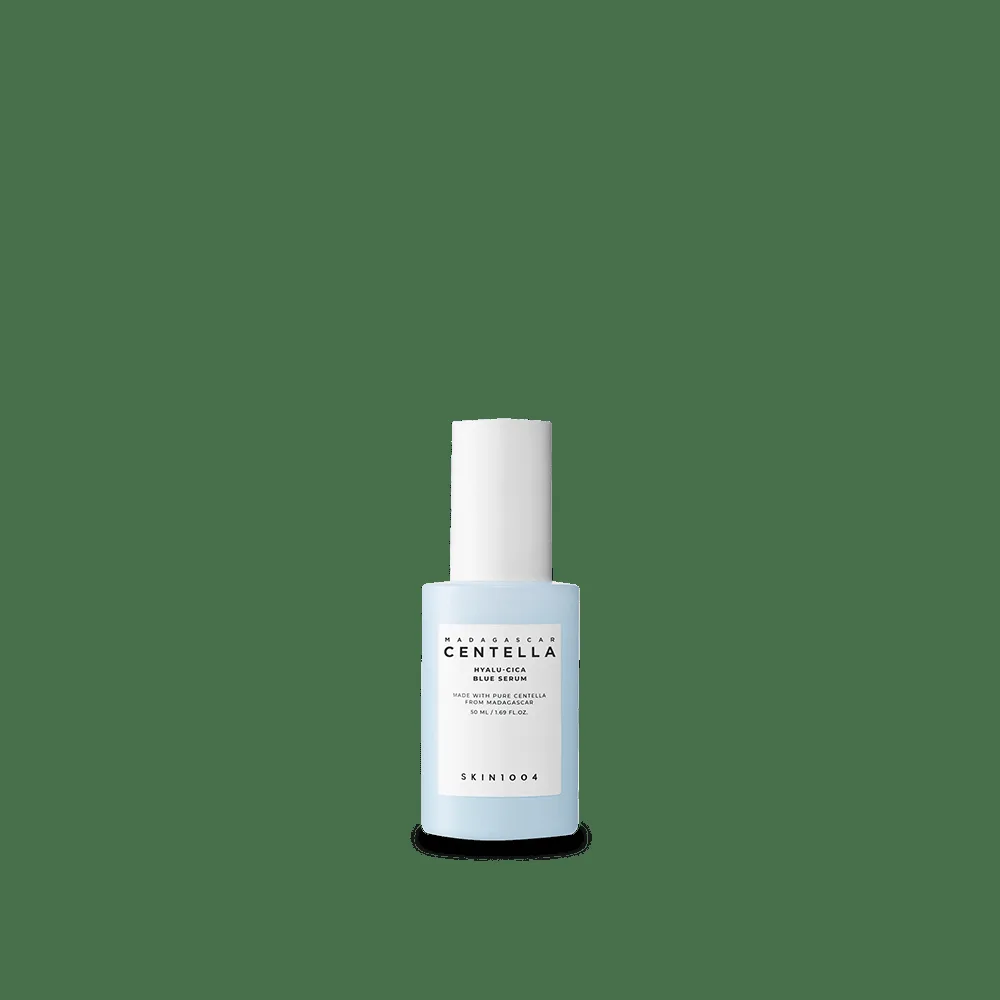 Budget Hydration Holy Grail
 Hyalu-Cica Blue Serum
A quietly excellent budget serum that stacks Centella asiatica leaf water, five types of hyaluronic acid, niacinamide, ceramide NP, and adenosine into a fragrance-free under-$20 bottle. It is genuinely one of the best hydration-plus-soothing serums at any price, and the fact that it costs less than a salad in Manhattan is the point.
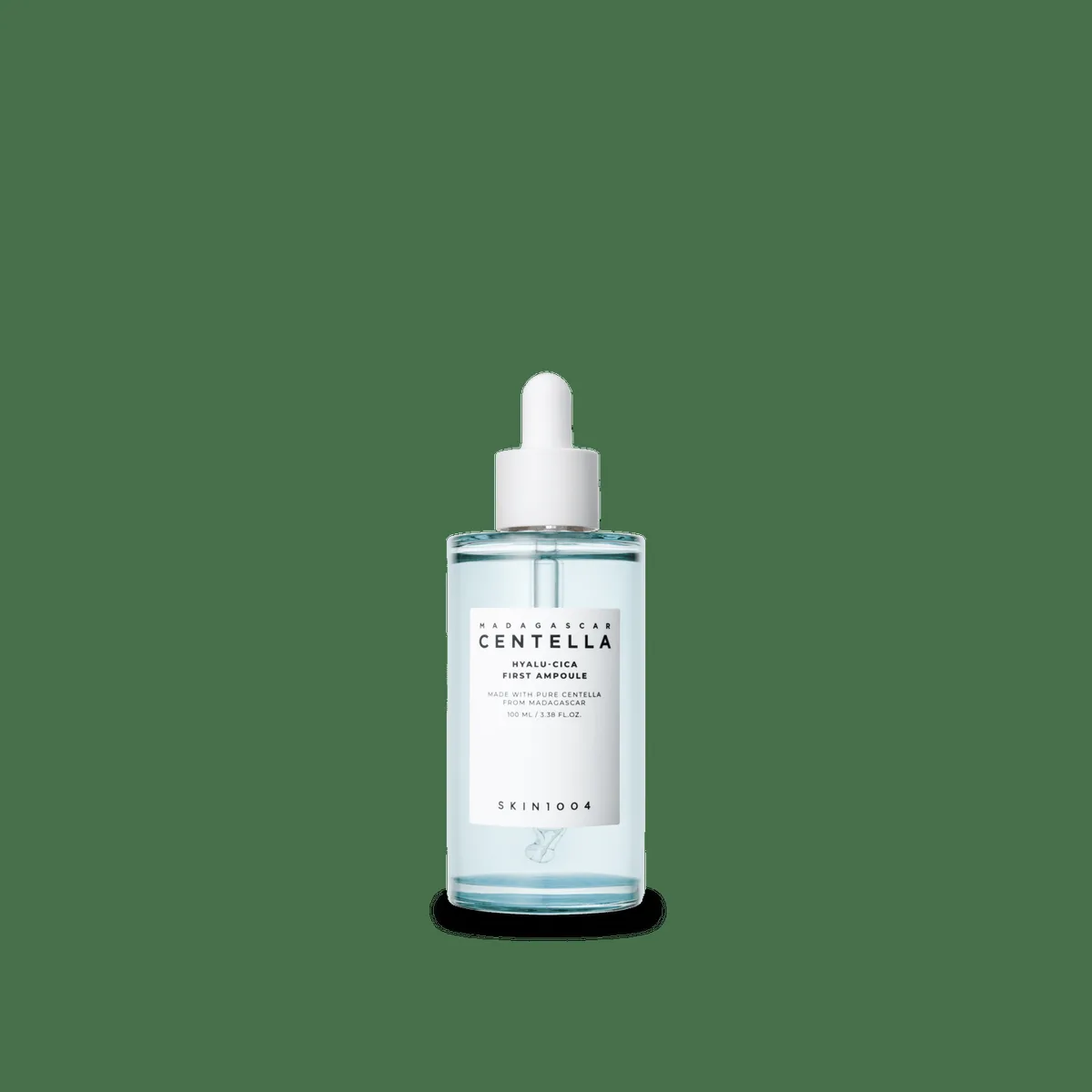 Sensitive Skin First-Line Defense
 Hyalu-Cica First Ampoule
A 92% Centella asiatica extract ampoule paired with niacinamide and a multi-weight HA complex, fragrance-free and purpose-built for sensitive, compromised, and reactive skin. At $25 for 100ml, it is one of the most justifiable skincare purchases a budget-conscious buyer can make, and it earns a place in almost any routine that needs a soothing anchor.
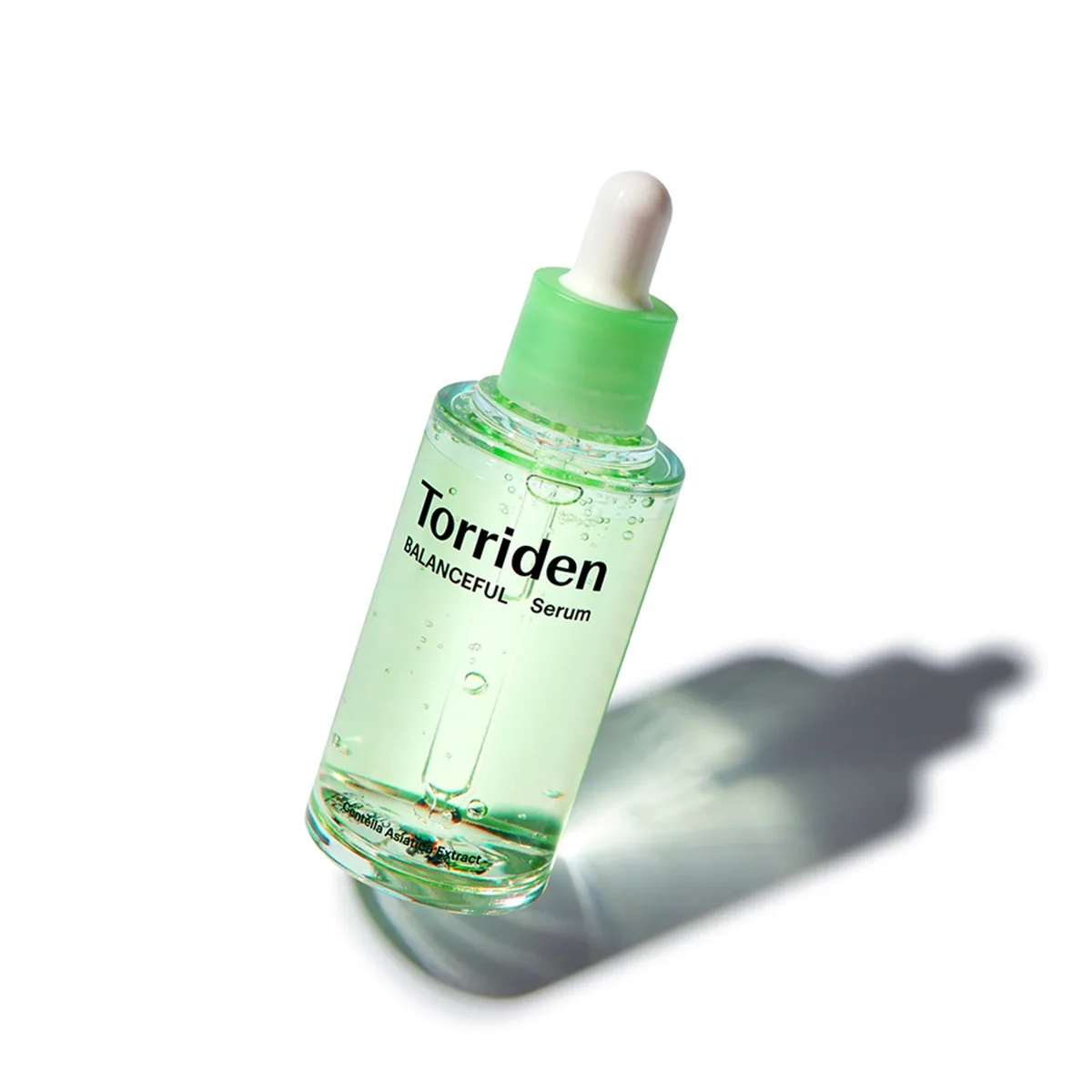 Sensitive Skin MVP
 Balanceful Cica Serum
Torriden's Balanceful Cica Serum is one of the most recommendable calming serums in K-beauty — a genuinely fragrance-free, multi-weight hyaluronic acid and 5D cica complex treatment that quietly reduces redness, supports the barrier, and buffers other actives without drama. At under $25 it's a near-automatic pick for sensitive, rosacea-prone, and barrier-compromised skin.