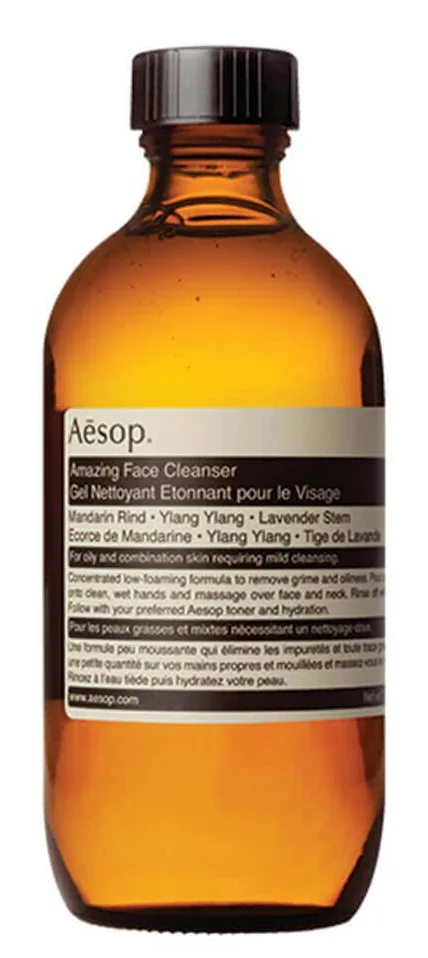
A competent, pleasantly designed mild gel cleanser that delivers a satisfying sensory ritual and a non-stripping wash — at roughly three times the price of ingredient-equivalent formulas. Worth it if you value the aesthetic and scent. Overkill if you're strictly chasing skincare efficiency.
Amazing Face Cleanser
A competent, pleasantly designed mild gel cleanser that delivers a satisfying sensory ritual and a non-stripping wash — at roughly three times the price of ingredient-equivalent formulas. Worth it if you value the aesthetic and scent. Overkill if you're strictly chasing skincare efficiency.
Score Breakdown
Where this product gains points and where it loses them — broken down across the four scoring pillars.
A competent, well-formulated mild gel cleanser with a soothing feel — but at $39 for 100ml, it's significantly overpriced compared to clinically equivalent cleansers at a quarter of the cost. The fragrance also limits suitability for sensitive users.
Pros & Cons
- ✓Mild, non-stripping surfactant system suitable for most skin types
- ✓Beautifully designed sensory experience with signature botanical scent
- ✓Supported by glycerin, panthenol, and allantoin for post-wash comfort
- ✓Contains a touch of lactic acid for subtle surface refinement
- ✓Iconic amber glass packaging that feels considered
- ✓Vegan and Leaping Bunny certified
- ✓Works well as a second cleanse in a double cleansing routine
- ✗Significantly overpriced compared to clinically equivalent mild cleansers
- ✗Fragrance with disclosed allergens rules it out for sensitive users
- ✗Does not remove heavy or waterproof makeup without a first cleanse
- ✗No standout active ingredients beyond a soft lactic acid touch
- ✗Pump mechanism can clog as the bottle empties
Full Review
Aesop is one of the few skincare brands that has managed to convince intelligent, budget-conscious people to pay $39 for a 100ml bottle of face wash, and the Amazing Face Cleanser is the product that does most of that convincing. It sits in the iconic amber glass bottle with the beige Century Gothic label, it smells like a very expensive herb garden, and it lives in bathrooms where everything else is either Aesop or Le Labo. The question isn't whether this cleanser is good — it is, on its own terms. The question is what exactly you are paying for, and whether that trade is the right one for you specifically.
Let's separate the two axes. As a cleanser, this is a well-formulated, genuinely mild surfactant-based gel wash. The primary cleansing agents are sodium methyl cocoyl taurate and cocamidopropyl betaine, both categorized among the gentler anionic and amphoteric surfactants respectively, supported by PEG-7 glyceryl cocoate and a small amount of decyl glucoside. Collectively this is a low-irritation system that produces a soft, low-volume lather and rinses without the squeaky-tight feeling that harsher sulfate cleansers leave behind. Glycerin and panthenol cushion the wash, allantoin and aloe calm it further, and a low dose of lactic and citric acid gives the formula a slight refining nudge. If you handed this INCI list to a formulation chemist with the brand hidden, they would describe it as a good, middle-tier mild gel cleanser. Not groundbreaking. Not clinically novel. Just solidly built.
As a sensory object, it's operating in a completely different category. The fragrance is the hook — a distinctly botanical blend that reads as herbaceous, slightly citrusy, and unmistakably Aesop. Customers who love it describe it as aromatherapy at the sink; customers who don't describe it as overpowering. Both reactions are legitimate. Aesop uses actual essential oils plus synthetic fragrance components, which is why the ingredient list openly declares linalool, limonene, geraniol, and citronellol — the EU's required-disclosure fragrance allergens. For most users these show up in trace amounts too small to provoke reactions, but for anyone with reactive skin, rosacea, or a history of fragrance sensitivity, this is a cleanser to avoid regardless of how pleasant it looks on the shelf.
Performance in real use is predictable. Skin feels refreshed rather than stripped, makeup of the light-to-medium variety rinses cleanly, and the post-wash feel is soft enough that skipping moisturizer briefly would not feel like a disaster (though you should still apply it). For heavier makeup or sunscreen, you'll want to double cleanse, starting with an oil or balm — this cleanser doesn't have the solvent power of an oil-based first step. Acne-prone, oily, combination, and normal skin types will all find it pleasantly mild. Very dry skin can use it but might prefer Aesop's own Fabulous Face Cleanser, which is creamier. Genuinely sensitive skin should look elsewhere.
The elephant in the amber glass bottle is the price. $39 for 100ml is a lot of money for a cleanser, and the formula — while well-made — does not contain anything that would justify the cost on purely clinical grounds. A CeraVe Hydrating Cleanser delivers a similar non-stripping wash for around $15. A La Roche-Posay Toleriane Hydrating Cleanser does the same for roughly the same money. Vanicream Gentle Facial Cleanser strips out the fragrance entirely for $10. If skincare value is your only metric, those are the honest comparisons, and they all outperform Aesop on price-to-quality ratio.
But — and this is where the category matters — Aesop is not competing on price-to-quality ratio. It is competing on bathroom aesthetic, on the sensory ritual of washing your face, on the cultural credential of having the amber bottle visible when a friend comes over. These are not trivial or shallow things. People derive real pleasure and real routine consistency from products they enjoy handling, and a cleanser you use every day because you love the experience is more valuable than a cheaper cleanser you forget to reach for. The honest question is whether you specifically get that pleasure here. Many users do. Many don't, and eventually drift back to the drugstore aisle.
For customers who love the Aesop experience, who use this daily and find the ritual genuinely calming, it's a reasonable purchase in a context where enjoyment matters. For customers evaluating on pure skincare merit, there are better ways to spend $39 — pair a $15 CeraVe cleanser with a $24 treatment serum and you'll do more for your skin than this cleanser ever will. Know which camp you're in before you commit, because both choices can be the right one depending on what you actually want out of the wash step.
Formula
Key Ingredients
The hero actives that drive this product's performance.
| Ingredient | Function | Evidence |
|---|---|---|
| Sodium Methyl Cocoyl Taurate | The primary mild anionic surfactant in this cleanser, paired with cocamidopropyl betaine to create a low-foaming, low-irritation wash that rinses clean without the squeaky stripped feel of harsher sulfate systems — critical for Aesop's customer base, which skews toward dry and combination skin. | well-established |
| Lactic Acid | Included here at a low exfoliating concentration — more of a pH adjuster and mild surface refiner than a true AHA treatment — working with the citric acid to gently dissolve surface debris and give the rinse a slight brightening effect that more basic gel cleansers lack. | well-established |
| Panthenol (Provitamin B5) | Offsets any potential tightness from the surfactant system, working alongside the allantoin and aloe to leave skin feeling conditioned rather than stripped after rinsing — the difference between Aesop's cleanser and a cheaper gel wash is often most noticeable here. | well-established |
| Botanical Extract Blend (Cucumber, Aloe, Green Tea, Chamomile) | The Aesop signature — a quartet of soothing plant extracts that each contribute modest antioxidant and anti-inflammatory support. They're not doing the heavy cleansing work, but they shape the overall sensory experience and contribute to the calming, apothecary feel the brand is known for. | limited |
Full INCI List
Water (Aqua), Glycerin, Cocamidopropyl Betaine, Sodium Methyl Cocoyl Taurate, PEG-7 Glyceryl Cocoate, Decyl Glucoside, Citric Acid, Lactic Acid, Panthenol, Hydrolyzed Wheat Protein, Allantoin, Betaine, Sodium Lactate, Cucumis Sativus (Cucumber) Fruit Extract, Aloe Barbadensis Leaf Juice, Camellia Sinensis (Green Tea) Leaf Extract, Chamomilla Recutita (Matricaria) Flower Extract, Fragrance (Parfum), Linalool, Limonene, Geraniol, Citronellol, Sodium Benzoate, Phenoxyethanol, Ethylhexylglycerin.
Product Flags
✗ Fragrance Free✓ Alcohol Free✓ Oil Free✓ Silicone Free✓ Paraben Free✓ Sulfate Free✓ Cruelty Free✓ Vegan✓ Fungal Acne Safe
Potential Irritants
fragrancelinaloollimonenegeraniolcitronellol
Common Allergens
fragrance
Compatibility
Skin Match
Best For
Works For
Not Ideal For
Addresses These Conditions
Use With Caution
sensitivity rosacea eczema compromised skin barrier
Routine Step
cleanser
Time of Day
AM & PM
Pregnancy Safe
Yes ✓
Layering Tips
Use as the first step in your routine, AM and PM. Follow with a toner or essence, then serums and moisturizer. Can be used as a second cleanse after an oil cleanser.
Results Timeline
Immediate refreshing, clean feeling with a noticeable absence of post-wash tightness. After 1-2 weeks, skin typically feels softer and looks more even-toned from the mild AHA activity. No dramatic long-term changes should be expected from a cleanser.
Pairs Well With
hyaluronic-acidniacinamideceramides
Sample AM Routine
- Aesop Amazing Face Cleanser
- Aesop In Two Minds Facial Toner
- Vitamin C serum
- Moisturizer
- Sunscreen
Sample PM Routine
- Oil cleanser (if wearing makeup)
- Aesop Amazing Face Cleanser
- Toner
- Treatment serum
- Night moisturizer
Evidence
Who Should Skip
- Significantly overpriced compared to clinically equivalent mild cleansers
- Fragrance with disclosed allergens rules it out for sensitive users
- Does not remove heavy or waterproof makeup without a first cleanse
- No standout active ingredients beyond a soft lactic acid touch
Science & Expert Perspective
The Science
The formulation logic here is almost entirely about surfactant selection. Sodium methyl cocoyl taurate is a taurate-based anionic surfactant widely considered one of the mildest in common use, with a lower irritation profile than sulfate alternatives like sodium lauryl sulfate. It's been shown in standard irritation assays to be significantly gentler on the skin barrier, and its use as a primary surfactant in a cleanser is a reliable marker of a formulator aiming for low irritation. Cocamidopropyl betaine, the amphoteric co-surfactant here, further reduces the overall irritation potential and helps generate the soft lather that gel cleansers need.
The lactic acid inclusion is interesting but modest. Lactic acid is a well-studied alpha hydroxy acid with demonstrated effects on stratum corneum thickness, pigmentation, and hydration in leave-on treatments at 5-10% concentrations. In a cleanser, where contact time is under a minute and the product rinses off, the clinical relevance is limited — but low-dose AHAs can still contribute to a perceivable refining effect over weeks of consistent use. Pairing it with citric acid also helps maintain a skin-compatible pH (most modern mild cleansers target around 5-6, close to the skin's natural acidity), though Aesop does not publish a specific pH value for this formula.
The botanical extracts — cucumber, aloe, green tea, chamomile — each have small bodies of research supporting mild anti-inflammatory or antioxidant effects, but in a rinse-off product at extract-level concentrations, their clinical impact is primarily sensory and brand-signaling rather than pharmacologically meaningful. This is not a criticism specific to Aesop; it applies to virtually every cleanser that includes botanical extracts. The real skincare work is done by the surfactant system and the humectant supports around it.
Dermatologist Perspective
Dermatologists generally rate Aesop's mild cleansers as acceptable for patients with normal, combination, or dry skin who are not fragrance-reactive, though most would note that the clinical performance does not match the price tag. Board-certified dermatologists often point out that cleansers are the lowest-impact product in a routine and that spending luxury-tier money on a wash step offers diminishing returns. For patients with rosacea, eczema, perioral dermatitis, or known fragrance sensitivity, dermatologists typically steer away from any cleanser containing perfume, regardless of how gentle the surfactant system is. This product is commonly recommended by dermatologists only when a patient is already committed to the brand and wants a version that fits their skin type, rather than as a first-line suggestion.
Guidance
Usage Guide
How to Use
Wet the face with lukewarm water. Dispense a small amount (one pump is typically enough) into damp hands, work into a soft lather, and massage gently over the face for 30-60 seconds. Rinse thoroughly with water and pat dry. Use twice daily, or as a second cleanse after an oil or balm cleanser when removing heavy makeup or sunscreen. Follow with a toner, serum, and moisturizer. Avoid getting directly into the eyes. If any tightness or stinging occurs, reduce to once-daily use or patch test on the neck first.
Value Assessment
This is where the review gets uncomfortable. At $39 for 100ml, the Amazing Face Cleanser is roughly three to four times the cost of clinically equivalent mild gel cleansers like CeraVe Hydrating, La Roche-Posay Toleriane, or Vanicream Gentle — all of which match or exceed this product on pure ingredient performance. Aesop does offer a larger 200ml and 500ml refill size at a slightly better per-ml cost, which is worth noting. The honest value framing is that you are paying for brand, aesthetic, and the pleasure of the sensory ritual, not for skincare sophistication. Whether that premium is reasonable depends entirely on how much joy you get from using the product. For some users, that joy is real and worth paying for. For users evaluating on skincare merit alone, the markup is hard to defend.
Who Should Buy
Normal, combination, and oily skin types who enjoy a sensory-first cleanser ritual, love the Aesop aesthetic and scent profile, and have the budget to prioritize experience as part of their routine. Also appropriate for established Aesop customers building out a branded routine for aesthetic consistency.
Who Should Skip
Anyone with sensitive or reactive skin, rosacea, eczema, or fragrance allergies — the disclosed allergens in the perfume make this a risk. Also skip if you're evaluating skincare purely on cost-to-efficacy, since significantly cheaper formulas deliver equal or better cleansing performance.
Ready to try Aesop Amazing Face Cleanser?
Details
Details
Texture
A clear, light-amber gel that spreads easily and lathers into a soft, low-volume foam.
Scent
The hallmark Aesop aromatic — herbaceous, slightly citrusy, botanical. Lingers briefly after rinsing.
Packaging
The iconic amber glass Aesop bottle with minimalist beige label — heavier and more considered than most cleanser packaging, though the pump can clog toward the end.
Finish
non-greasysatin
What to Expect on First Use
Lathers into a soft low-volume foam that smells distinctly botanical. Skin feels immediately refreshed after rinsing — not stripped, not tight. The scent is noticeable but fades within a minute.
How Long It Lasts
2-4 months with twice-daily face use, depending on how much product you dispense.
Period After Opening
12 months
Best Season
All Year
Certifications
Leaping BunnyVegan
Background
The Why
Aesop launched in 1987 as a Melbourne-based botanical brand, growing out of founder Dennis Paphitis's hair salon. The Amazing Face Cleanser is one of the brand's longest-standing cleansers and became a cult favorite in the early 2000s when Aesop expanded internationally through minimalist apothecary-style stores.
About Aesop Legacy Brand (20+ years)
Aesop was founded in Melbourne in 1987 by Dennis Paphitis and has spent nearly four decades building a globally recognized botanical skincare brand. Its reputation rests on aesthetic consistency, ingredient transparency, and a loyal following rather than clinical trials or dermatologist endorsement.
Brand founded: 1987
Myth vs. Reality
Myths & Misconceptions
Myth
Expensive cleansers work better than drugstore ones.
Reality
Cleansers are generally the least important place to spend your skincare budget — they're on your skin for under a minute. This one is well-made, but equivalent mild surfactant systems exist for $10-15.
Myth
Any cleanser with AHAs in it can replace a treatment product.
Reality
The lactic acid here is at a low concentration and rinses off within seconds. It contributes a very mild refining effect, nothing close to a dedicated AHA serum or toner.
FAQ
Frequently Asked Questions
Is the Aesop Amazing Face Cleanser worth the price?
That depends entirely on what you're buying it for. If you want a well-formulated mild cleanser at the best price, no — there are excellent alternatives for $10-15. If you enjoy the sensory ritual and fragrance profile, the premium covers experience, packaging, and brand more than ingredient sophistication.
Does it remove makeup?
It removes light makeup and sunscreen adequately, but for heavy or waterproof makeup you'll want to double cleanse — use an oil or balm cleanser first, then follow with this one.
Is it safe for sensitive skin?
Proceed with caution. The surfactant system is genuinely mild, but the formula contains fragrance with known allergens like linalool, limonene, geraniol, and citronellol. Users with rosacea, eczema, or fragrance reactivity should choose a fragrance-free cleanser instead.
How does this compare to Aesop's Fabulous or In Two Minds cleansers?
Amazing Face is the brand's most all-purpose gel option. Fabulous is creamier and better for drier skin. In Two Minds is oilier-skin focused with a slight astringent feel. Amazing Face is the neutral middle ground that suits most skin types.
Will the lactic acid exfoliate my skin?
Only very mildly. Because the cleanser is on your skin for less than a minute and rinses clean, the lactic acid contributes a subtle refining effect rather than true chemical exfoliation. Don't use this as a substitute for a dedicated AHA product.
Is the fragrance natural or synthetic?
Aesop uses a mix of botanical essential oils and synthetic aroma components, which is why the INCI list includes both 'fragrance' and the named allergens. Users sensitive to either natural or synthetic fragrance should avoid it.
How long does one bottle last?
With twice-daily face use, the 100ml size typically lasts 2-4 months depending on how much you dispense. A little lathers further than most drugstore cleansers.
Community
Community Voices
Common Praise
"Luxurious sensory experience"
"Doesn't leave skin tight"
"Signature Aesop aromatic scent"
"Lasts longer than expected"
Common Complaints
"Expensive for a gel cleanser"
"Fragrance bothers some users"
"Doesn't remove heavy makeup alone"
"Smaller than expected bottle"
Notable Endorsements
Editorial darling in Vogue, Byrdie, Into The Gloss
Appears In
best luxury cleanser best gel cleanser combination skin best aesop cleanser best high end face wash best cleanser for sensory experience
Related Conditions
Related Ingredients
You Might Also Like
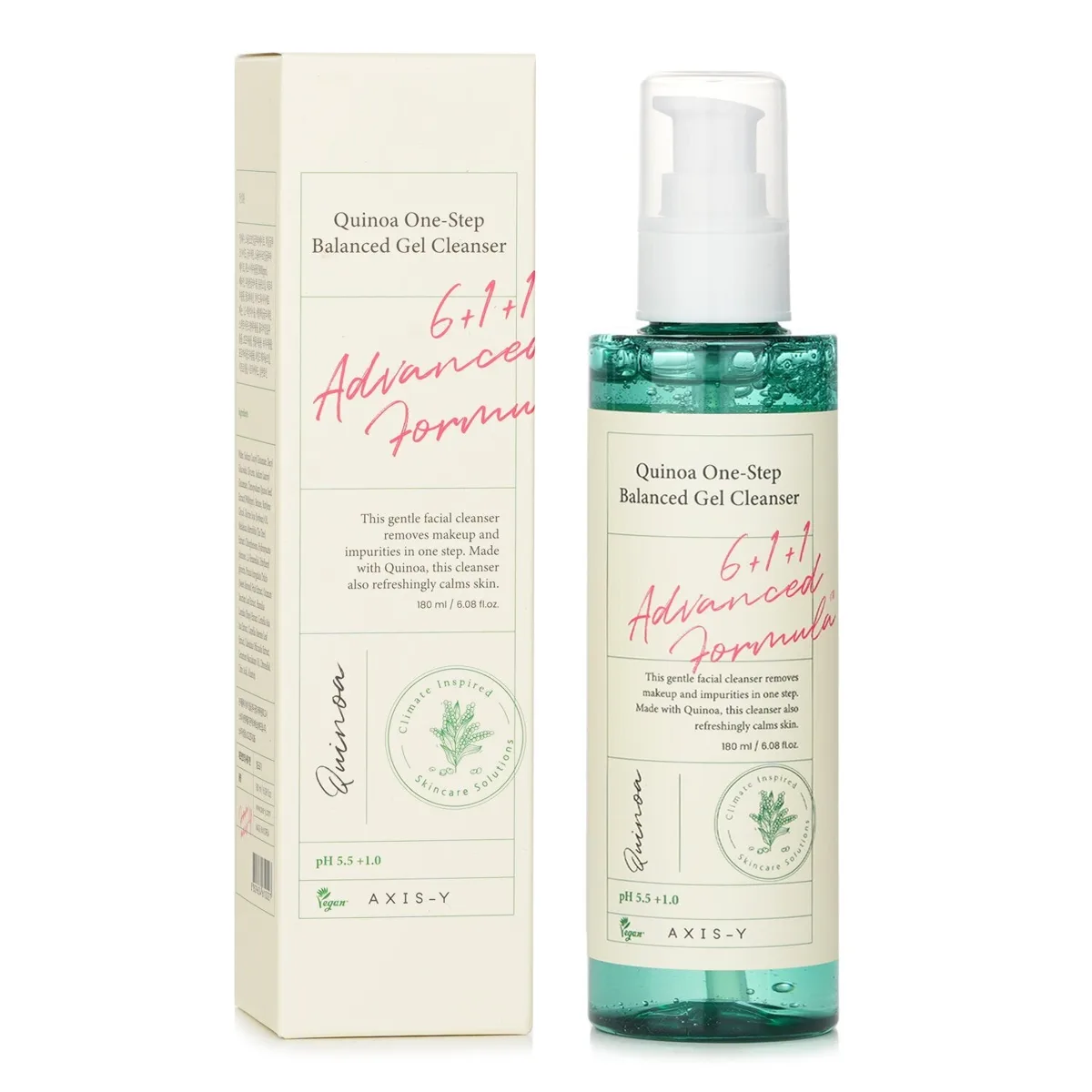 Quinoa-Led Gentle Daily Cleanser
 Quinoa One Step Balanced Gel Cleanser
A fragrance-free, sulfate-free gel cleanser built around quinoa seed extract and a gentle amphoteric-plus-nonionic surfactant pair. Non-stripping, broadly suitable, and priced reasonably — one of the safest recommendations in the daily gentle cleanser category.
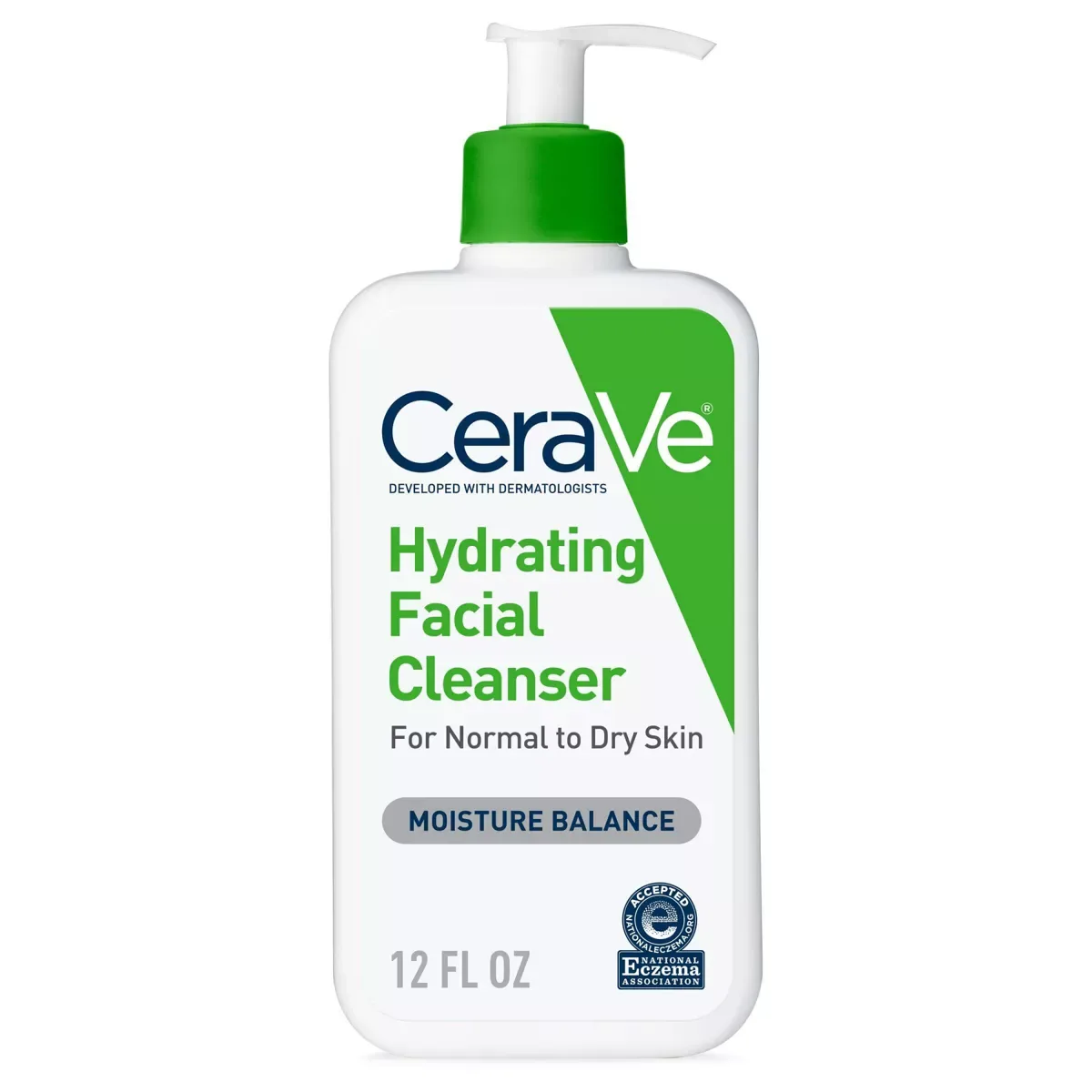 Sensitive Skin MVP
 Hydrating Facial Cleanser
The CeraVe Hydrating Facial Cleanser is the cleanser that taught a generation of dry-skin sufferers that washing your face does not have to mean punishing it. A lotion-textured, non-foaming formula that genuinely hydrates while it cleans, it remains the benchmark drugstore cleanser for anyone whose skin drinks moisture faster than most products can provide it.
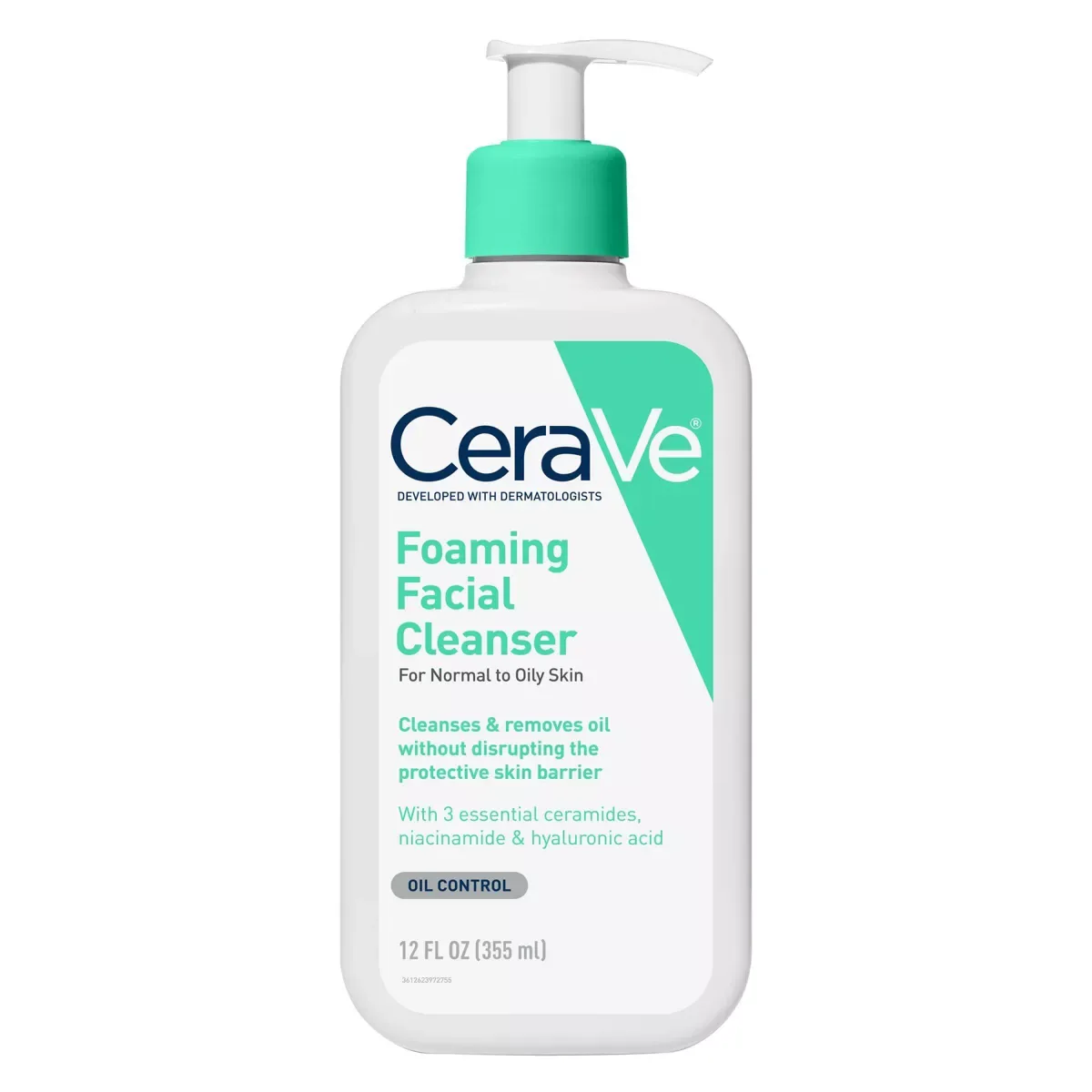 Derm Office Staple
 Foaming Facial Cleanser
The CeraVe Foaming Facial Cleanser is the rare drugstore cleanser that dermatologists actually use themselves — a genuinely gentle foaming wash that removes excess oil without triggering the rebound sebum production that plagues most lathering cleansers. At under sixteen dollars for a bottle that lasts months, it makes skipping it almost irrational.
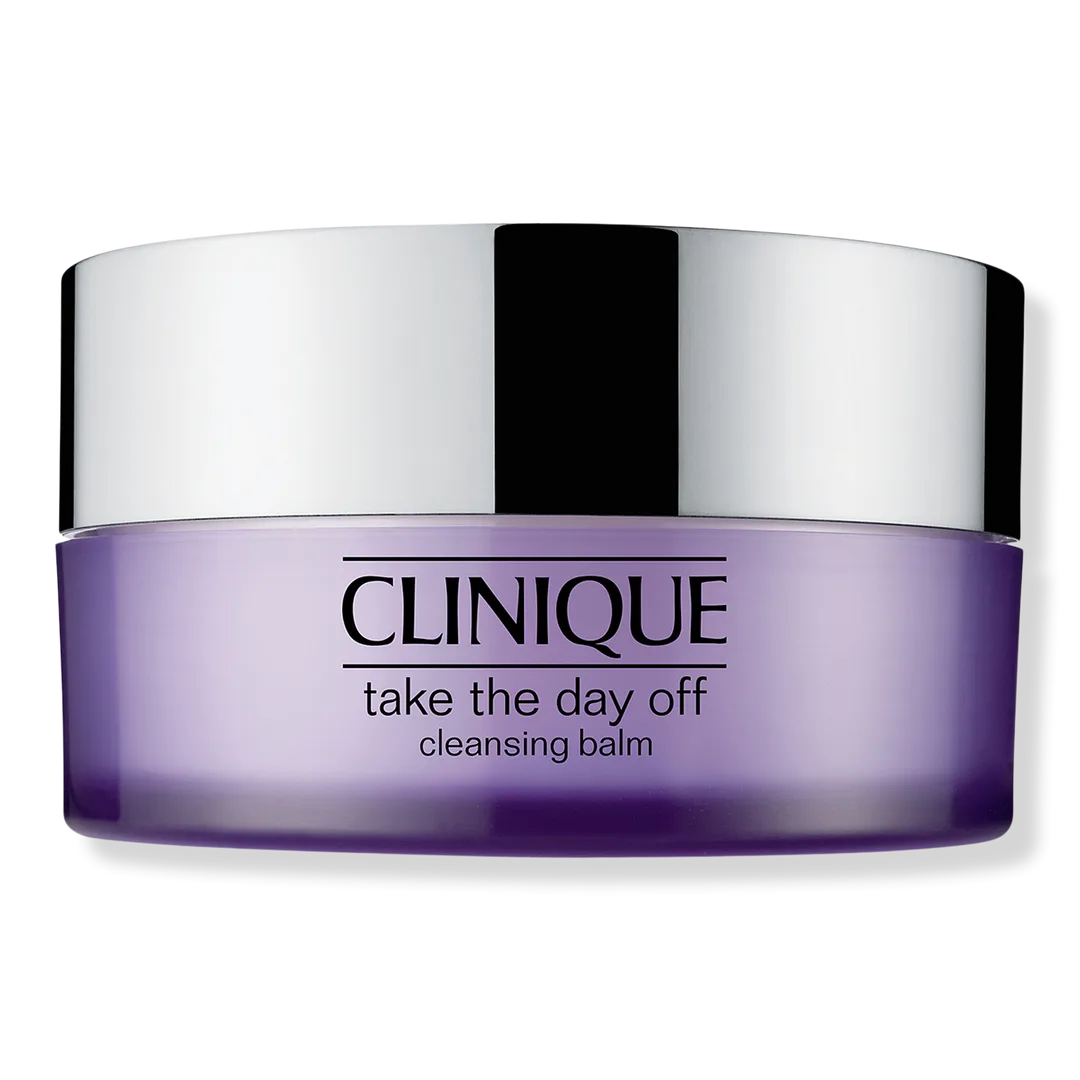 Cult-Status Makeup Eraser
 Take the Day Off Cleansing Balm
The cleansing balm that earned its cult status through radical restraint — nine ingredients, zero fragrance, and the ability to dissolve anything from waterproof mascara to SPF 50 without disturbing even the most reactive skin. Not the most glamorous product in any routine, but possibly the most universally reliable.
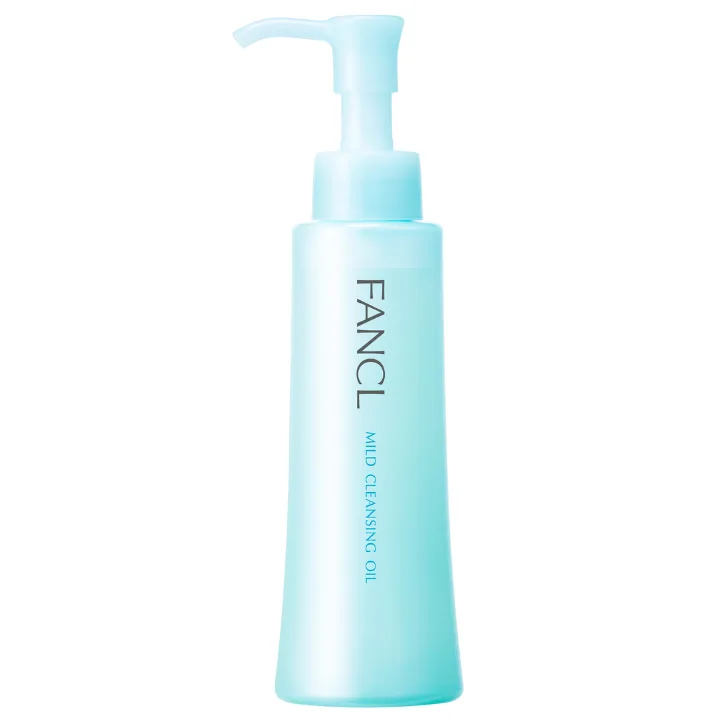 Japanese Drugstore Classic
 Mild Cleansing Oil
A two-decade-old Japanese drugstore staple that still outperforms most modern cleansing oils on the single metric that matters: does it remove sunscreen cleanly without leaving a film. The fragrance-free, ester-based formula is gentle enough for reactive skin and thoughtfully augmented with vitamin C and plant oils. Quietly one of the best first-cleanse options on the market.
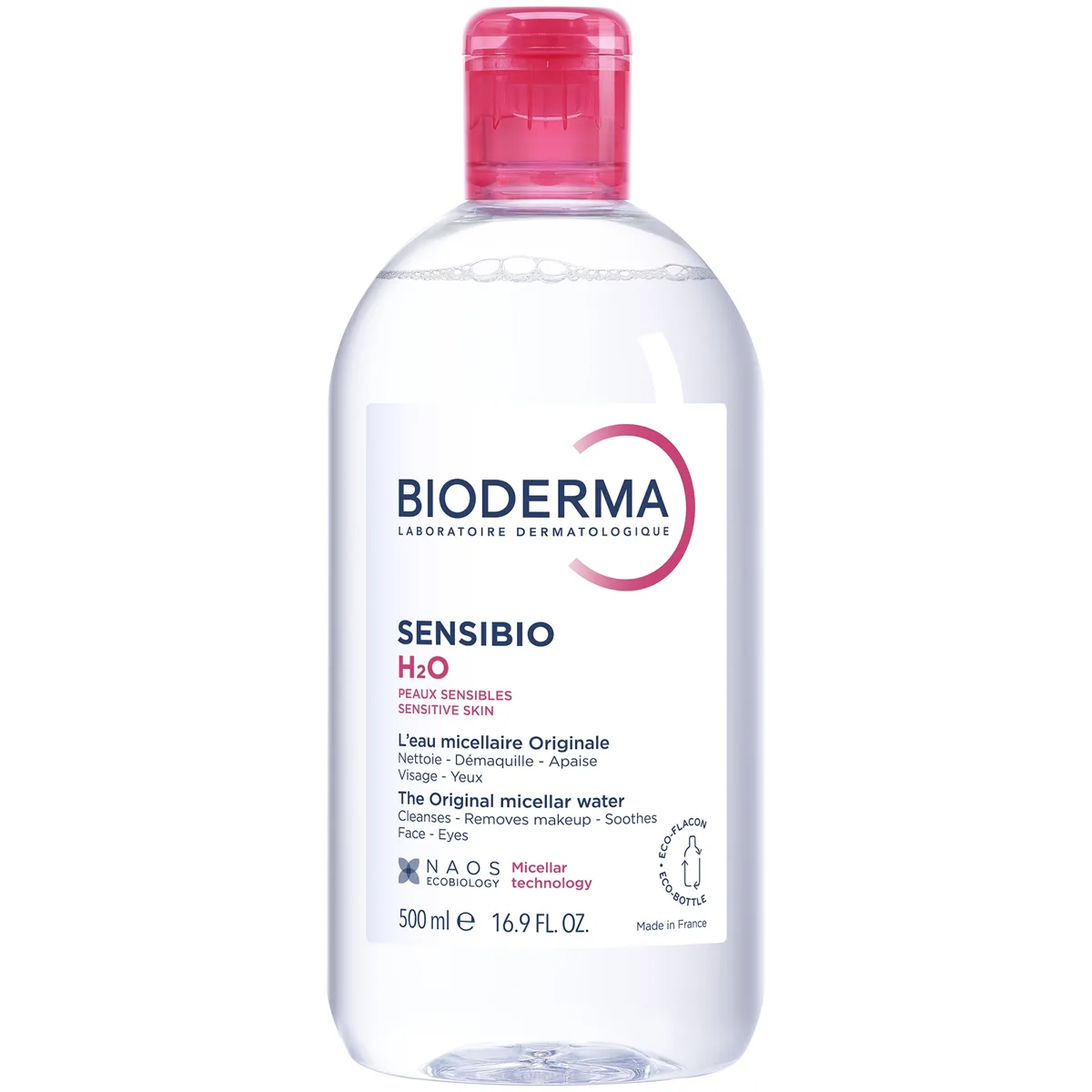 The Original Micellar Water
 Sensibio H2O Micellar Water
The product that launched an entire skincare category remains, three decades later, one of the gentlest and most effective no-rinse cleansers available. Bioderma Sensibio H2O earns its cult status through radical simplicity — 10 ingredients, zero fragrance, and a formula so mild it was originally dispensed by prescription.
This review reflects our independent analysis of publicly available ingredient data, manufacturer claims, and verified user reviews. We are reader-supported — Amazon links may earn us a commission at no cost to you. We do not accept paid placements; rankings are based solely on the evidence.