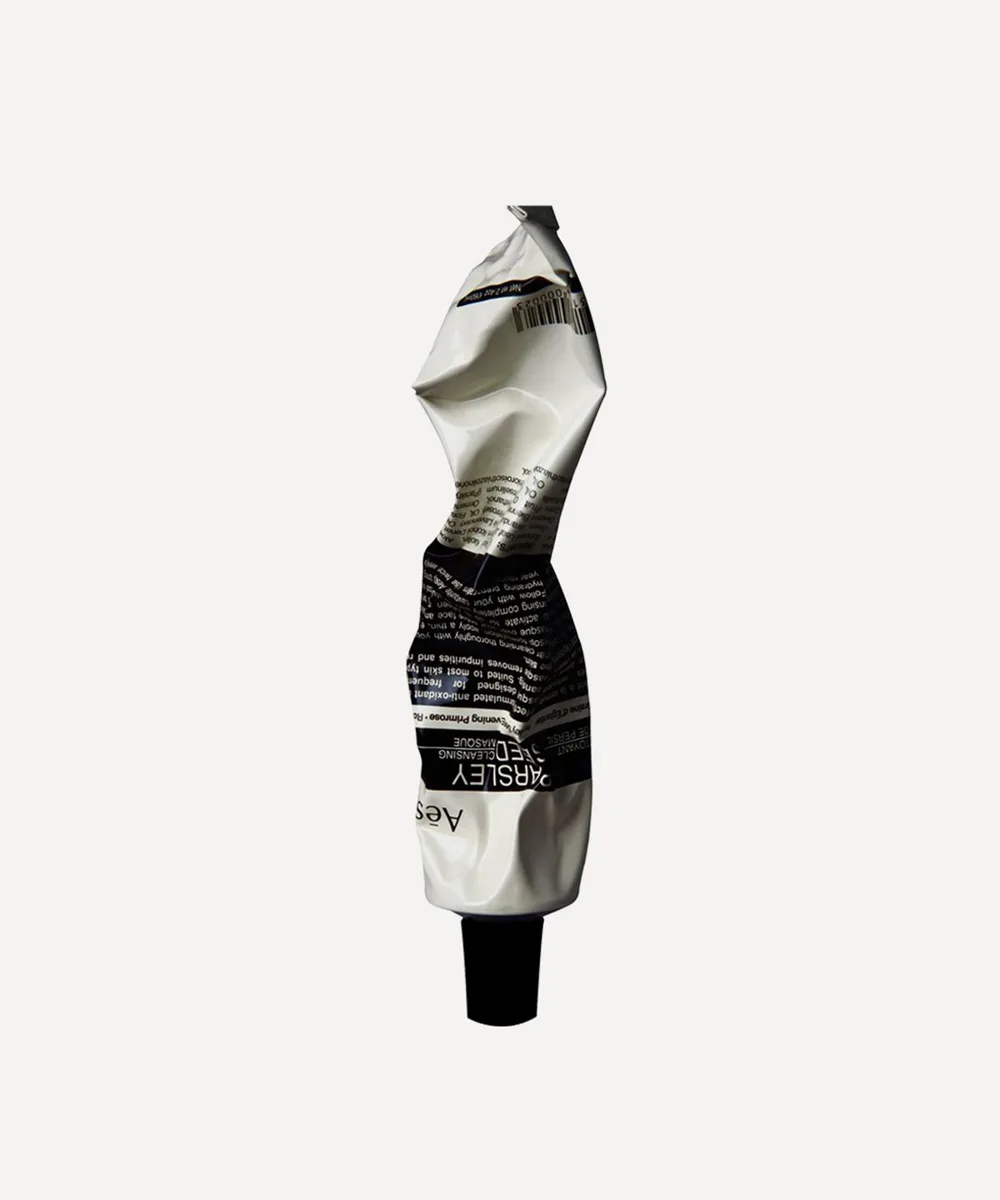
Aesop's Parsley Seed Cleansing Masque is a thoughtfully cushioned clay mask that pairs kaolin and bentonite with enough aloe and oil to keep skin from feeling stripped after rinse-off. It's a competent luxury entry in a category dominated by drying drugstore options, but the denatured alcohol and luxury price keep it from being a clear win — there are gentler clay masks at lower prices for skin that needs them.
Parsley Seed Cleansing Masque
Aesop's Parsley Seed Cleansing Masque is a thoughtfully cushioned clay mask that pairs kaolin and bentonite with enough aloe and oil to keep skin from feeling stripped after rinse-off. It's a competent luxury entry in a category dominated by drying drugstore options, but the denatured alcohol and luxury price keep it from being a clear win — there are gentler clay masks at lower prices for skin that needs them.
Score Breakdown
Where this product gains points and where it loses them — broken down across the four scoring pillars.
A competent kaolin-and-bentonite clay mask with a thoughtful aloe and oil cushion, weakened by the inclusion of denatured alcohol high on the list and a luxury price for a functionally familiar formula.
Pros & Cons
- ✓Layered kaolin and bentonite clay system balances absorbency and gentleness
- ✓Aloe juice high on the INCI cushions the clay action
- ✓Evening primrose and rosehip oils prevent post-mask tightness
- ✓Doesn't crack or feel stripped during wear
- ✓Visible reduction in surface shine and texture after first use
- ✓Hygienic aluminum tube format
- ✓Pregnancy-friendly active profile
- ✗Denatured alcohol sits high on the ingredient list
- ✗Lavender oil and allergens limit sensitive-skin suitability
- ✗Premium price for a functionally familiar clay mask
- ✗Not appropriate for dry or barrier-compromised skin
- ✗Luxury cost-per-use compared to drugstore clay alternatives
Full Review
Most clay masks have the same problem. They do what they say — they pull oil and surface debris off the skin — and then they keep going. The clay continues to absorb past the point where it's working on the surface and starts pulling moisture from the stratum corneum itself. Your skin tightens, the mask cracks, you rinse it off ten minutes later than you should have, and the rest of the day is spent layering moisturizer to undo the dryness. The category has trained users to expect this trade-off and to call it 'detoxifying,' which is mostly a marketing word for 'mildly damaged.' Aesop's Parsley Seed Cleansing Masque is one of the few clay masks built to avoid that exact failure mode, and the way it does it is the most interesting thing about the formula.
Look at the INCI and the strategy becomes clear. Kaolin sits in the second slot, the dominant clay — and kaolin is, importantly, the gentler clay. It absorbs sebum and surface debris without the more aggressive moisture-pulling of pure bentonite. Bentonite shows up in the fourth position, layered behind kaolin to add stronger absorbent activity for the T-zone and congested areas, with a smaller amount of illite providing additional clay character. So the mask isn't relying on a single aggressive clay to do all the work. It's using a layered clay system, with the gentler one as the headline and the stronger one as the supporting cast. That's a better formulation choice than most luxury clay masks make, and it explains why the mask feels less punishing than its category peers.
More importantly, look at what sits between the clays and the rest of the formula. Aloe leaf juice is the third ingredient, well above the denatured alcohol and the active oils. That's an unusual placement for a clay mask, and it's the most functionally important part of the design. The aloe contributes humectant and soothing activity that runs in the opposite direction from the clays — it draws water in while the clays draw oil out. Then there's evening primrose oil and rosehip fruit oil further down, providing essential fatty acids and a small lipid cushion that prevents the post-mask tightness that defines most clay treatments. The result is a mask that does the absorbent work of a clay product without the moisture-stripping side effect that the category usually treats as inevitable.
The texture confirms the design intent. Pull a thin layer of the masque from the tube and it spreads cool, smooth, and slightly grainy across the skin — almost soothing on application, with the herbal scent from the parsley seed and lavender hitting before the clay sensation. As the mask sits on the skin, it doesn't dry into a stiff cracked surface the way aggressive clay masks do. It stays slightly tacky throughout the wear time, which is by design and is the correct way to use any clay mask. Rinse it off with lukewarm water at five to ten minutes — Aesop's instructions are accurate on the timing — and the skin underneath feels matte, smooth, and balanced rather than dry. There's no tight pull, no flaking, no need to immediately layer three serums to feel comfortable again.
The limitation that any honest review has to flag is the denatured alcohol. It sits in the fifth position on the INCI, above the glycerin, and that's higher than most modern formulators would place it. Alcohol denat. in a clay mask serves a few legitimate functions — it improves spreadability, helps the formula dry to the right tackiness, and acts as a mild solvent for the essential oils — but it also adds an irritation and dryness vector that the rest of the formula then has to compensate for. The aloe and oils do that compensation work fairly well, and most users won't feel any harshness. But the inclusion is a real ingredient choice and worth understanding. If your skin is reliably non-reactive to alcohol in topical products, this is a non-issue. If you have rosacea, eczema, or any history of barrier disruption, it's a reason to consider a fragrance-free clay mask without alcohol denat. instead.
Results are immediate and visible in the way that all good clay masks are — the surface shine drops noticeably after the first use, the skin feels smoother to the touch, and there's a subtle tone evenness that lasts for several hours. Combination and oily skin types are the clear best fit for this product, and twice-weekly use produces a steady, ongoing improvement in surface texture and the look of pore congestion. What the mask won't do is structurally change pore size, dramatically clear deeply embedded blackheads, or treat acne. Clay masks are a complement to a treatment routine, not a substitute for it. A salicylic acid product remains the right answer for persistent congestion. This mask is the supporting cast that makes the overall picture look better.
The pleasing thing about the formula is that the post-mask experience is consistent. Skin doesn't feel stripped, doesn't crave heavy moisturizer immediately, doesn't develop the tight pulled sensation that defines worse clay products. You can rinse this off and proceed straight to your normal serum and moisturizer without any rescue layering, which is honestly the standard a luxury clay mask should be held to. Drugstore clay masks rarely manage this — they tend to leave the skin in worse condition than they found it, and the post-mask dryness becomes its own problem. Aesop's biggest functional advantage here is the absence of that side effect.
Which brings the conversation around to value, where the math gets harder. Fifty-eight dollars for sixty milliliters of a kaolin and bentonite clay mask is firmly in luxury territory. The actives — clays, aloe, plant oils — are not rare or expensive ingredients, and there are competent clay masks at every price point below this. What you are paying for is the texture refinement, the careful clay layering and aloe cushioning, the herbal scent profile, and the Aesop tube on your bathroom shelf. For someone who wanted a clay mask that doesn't punish their skin and is willing to pay for the formulation discipline, the math can work. For someone who simply wants the absorbent function of a clay mask and doesn't care about the post-mask experience, there are five-dollar masks that will technically deliver. The honest framing is that you are paying for restraint, not for novelty.
The other axis to consider is sensitive skin. The lavender oil, ormenis oil, and the disclosed allergens at the bottom of the INCI mean this isn't the right pick for fragrance-reactive skin, even with the rest of the formula's softening cast. Sensitive types will be better served by a fragrance-free, alcohol-free clay mask — and there are luxury options that exist in that profile, just not from Aesop's Parsley Seed line. The brand's broader pattern of using essential oils as identity markers shows up here just as it does across the rest of the catalog.
Application is straightforward but worth doing right. Start with clean, dry skin. Squeeze a chickpea-sized amount onto your fingertips and spread it as thin and even a layer as you can across the face — heavy application doesn't make the mask work better, it just wastes product and lengthens rinse-off. Avoid the eye area and the lip line. Wait five to ten minutes (set a timer; it's very easy to leave clay masks on too long) and rinse with lukewarm water. Follow immediately with a hydrating serum and moisturizer. Twice-weekly use is the right cadence for combination and oily skin; once weekly is appropriate for normal skin. The 60 ml tube should last about two to three months of consistent use.
What the Parsley Seed Cleansing Masque is, ultimately, is a quietly competent luxury clay mask that respects the people using it more than most products in its category do. It's not revolutionary, it's not the only well-made clay mask on the market, and it doesn't completely earn its price on actives alone. But it does what it says, doesn't punish your skin for using it, and earns a place in routines for combination and oily skin types who can tolerate the fragrance and want the kind of formulation refinement that drugstore options skip. For everyone else, there are better-targeted and lower-priced options.
Formula
Key Ingredients
The hero actives that drive this product's performance.
| Ingredient | Function | Evidence |
|---|---|---|
| Kaolin Clay | Sits second on the INCI as the dominant clay in this mask. Kaolin is one of the gentler absorbent clays — it pulls excess sebum and surface debris from the skin without the more aggressive draw of bentonite alone, which is why Aesop chose it as the primary clay rather than relying on bentonite as the headline. | well-established |
| Bentonite Clay | Layered behind kaolin to add stronger absorbent activity, particularly for the T-zone and pore-clogged areas. The combination of kaolin and bentonite — paired with a smaller amount of illite — gives the mask its broad-spectrum cleansing profile without leaning entirely on a single clay. | well-established |
| Aloe Barbadensis Leaf Juice | Sits third on the INCI, well above the alcohol and clays, which softens the otherwise drying nature of a clay mask. The aloe contributes humectant and soothing activity that helps the mask come off without the tight, pulled feeling that aggressive clay masks can leave behind. | promising |
| Evening Primrose Oil | Adds a small lipid layer rich in gamma-linolenic acid (GLA) that softens the surface and helps prevent the post-mask tightness that clay treatments can cause. Combined with the rosehip oil further down, it gives the formula a more conditioning finish than a pure clay mask would deliver. | promising |
| Rosehip Fruit Oil | Contributes essential fatty acids and a small amount of natural carotenoids. Its primary role here is conditioning the skin during and after the clay's absorbent action, helping the mask leave the skin feeling soft rather than stripped. | promising |
Full INCI List
Water (Aqua), Kaolin, Aloe Barbadensis Leaf Juice, Bentonite, Alcohol Denat., Glycerin, Illite, Phenoxyethanol, Lavandula Angustifolia (Lavender) Oil, Oenothera Biennis (Evening Primrose) Oil, Rosa Canina Fruit Oil, Linalool, Ormenis Multicaulis Oil, Limonene, Carum Petroselinum (Parsley) Seed Oil, Geraniol.
Product Flags
✗ Fragrance Free✗ Alcohol Free✗ Oil Free✓ Silicone Free✓ Paraben Free✓ Sulfate Free✓ Cruelty Free✓ Vegan✗ Fungal Acne Safe
Potential Irritants
Alcohol Denat.Lavandula Angustifolia (Lavender) OilOrmenis Multicaulis OilLinaloolLimoneneGeraniol
Common Allergens
LinaloolLimoneneGeraniolLavender Oil
Compatibility
Skin Match
Best For
Works For
Not Ideal For
Addresses These Conditions
oiliness blackheads large pores dullness
Use With Caution
sensitivity rosacea eczema dryness
Avoid With
compromised skin barrier post procedure
Routine Step
treatment
Time of Day
AM & PM
Pregnancy Safe
Yes ✓
Layering Tips
Apply a thin, even layer to clean dry skin and leave for 5-10 minutes. Do not allow it to fully dry and crack — that's when clay masks start pulling moisture from the skin. Rinse thoroughly with lukewarm water and follow with a hydrating serum and moisturizer.
Results Timeline
Immediate visible reduction in surface shine and a smoother feeling after the first use. Pore-related improvements are temporary — clay masks remove surface debris but don't structurally change pore size. Use 1-2 times per week for ongoing benefit.
Pairs Well With
hydrating-serumsceramide-moisturizers
Conflicts With
high-strength-aha-bha-treatments-same-dayactive-retinoid-irritation-phase
Sample AM Routine
- Gentle cleanser
- Vitamin C serum
- Moisturizer
- SPF
Sample PM Routine
- Oil cleanser
- Gentle cleanser
- THIS PRODUCT (1-2x weekly)
- Hydrating serum
- Moisturizer
Evidence
Science & Expert Perspective
The Science
The cleansing mechanism of this masque rests on a layered clay system: kaolin as the primary clay, bentonite as the secondary, and a smaller amount of illite contributing additional absorbent character. Kaolin is one of the most studied cosmetic clays, with documented sebum-absorption activity and a gentler profile than bentonite — its larger particle size and lower swelling capacity translate to less aggressive moisture extraction from the skin. Bentonite, by contrast, has a much higher swelling capacity and a stronger surface charge, which makes it more efficient at pulling oil and debris but also more prone to causing post-mask dryness. The combination of the two is a deliberate balance: kaolin handles the bulk of the absorbent work without the irritation cost, and bentonite adds targeted strength for sebum-heavy areas. Published work on cosmetic clays supports their role in surface degreasing and short-term improvements in the appearance of pore congestion, with the caveat that these effects are temporary and surface-level rather than structurally pore-modifying. The cushioning components — aloe vera leaf juice, glycerin, evening primrose oil, and rosehip fruit oil — are the formulation feature that distinguishes this mask from more aggressive clay products. Aloe contributes polysaccharide-driven humectant activity along with mild anti-inflammatory traditional-use claims; glycerin is the most studied small-molecule humectant in cosmetic chemistry; and evening primrose and rosehip oils provide essential fatty acids (gamma-linolenic acid in evening primrose, omega-3 and omega-6 in rosehip) that contribute to barrier comfort and post-mask softness. The denatured alcohol in the formula — sitting in the fifth position on the INCI — serves as a spreading aid, a solvent for the essential oils, and a contributor to the controlled drying behavior of the clay layer. Its inclusion is a legitimate formulation choice but does add an irritation vector for alcohol-reactive skin. The essential oil components (lavender, ormenis, parsley seed) and their disclosed allergens contribute aromatic identity and minor anti-inflammatory traditional-use claims, but they are also the formula's main contact-sensitization risk for fragrance-reactive users.
Dermatologist Perspective
Dermatologists generally view kaolin-based clay masks as a reasonable supplementary treatment for combination and oily skin types looking to manage surface sebum and the appearance of congested pores. Board-certified dermatologists frequently recommend clay masks once or twice weekly as part of a broader routine, and they typically emphasize that clay masks should be removed while still slightly tacky to avoid the moisture-pulling effect that occurs when the mask fully dries. The standard dermatologic caveats with this specific product are the denatured alcohol high on the INCI and the essential oil profile — both of which dermatologists routinely flag as suboptimal for patients with rosacea, eczema, or compromised barrier function. For sensitive patients, dermatologists typically recommend a fragrance-free, alcohol-free clay mask instead. Clay masks should not be used immediately after in-office procedures, on actively irritated skin, or in conjunction with active prescription retinoid routines on the same evening, as the cumulative drying can compound irritation.
Guidance
Usage Guide
How to Use
Apply a thin, even layer to clean, dry skin once or twice a week. Avoid the eye area and lip line. Leave on for 5-10 minutes — do not allow the mask to fully dry and crack on the skin, as this causes moisture to be drawn from the stratum corneum. Rinse off with lukewarm water and follow immediately with a hydrating serum and moisturizer. Patch test on the inner forearm for 48 hours before first full use if you have any history of fragrance or alcohol sensitivity. Do not use on the same evening as a prescription retinoid, immediately after in-office procedures, or on actively irritated skin.
Value Assessment
At $58 for the 60 ml tube, the masque sits firmly in luxury clay-mask pricing. The actives — kaolin, bentonite, aloe, plant oils — are not rare or expensive ingredients, and there are competent clay masks at every price point below this. What you are paying for is the layered clay system, the aloe and oil cushioning that prevents the post-mask stripping common to drugstore options, the herbal scent, and the Aesop packaging. For a buyer who has been disappointed by harsher clay masks and wants the formulation discipline that prevents post-treatment dryness, the math can work. For someone optimizing on dollars per treatment, drugstore clay masks at a fraction of the price will technically deliver the absorbent function — just with less restraint.
Who Should Buy
People with combination, oily, or normal skin who want a luxury clay mask that doesn't strip or punish the skin after rinse-off, and who tolerate fragrance and trace alcohol well. It's a particularly strong fit for buyers who have had frustrating experiences with cheaper clay masks that left their skin feeling tight and dry.
Who Should Skip
Anyone with dry, dehydrated, sensitive, rosacea-prone, or barrier-compromised skin should choose a fragrance-free, alcohol-free clay mask or skip clay treatments entirely. Skip it too if you specifically need treatment of persistent blackheads or active acne — a salicylic acid product is the more targeted answer.
Ready to try Aesop Parsley Seed Cleansing Masque?
Details
Details
Texture
Smooth, cool, slightly grainy clay paste that spreads thin and even.
Scent
Distinct herbal — parsley seed and lavender over a faint earthy clay note.
Packaging
Aesop's signature aluminum tube with a screw cap, in a paper carton. The tube format is hygienic and travel-friendly, and it dispenses a controlled amount each time.
Finish
mattenon-greasy
What to Expect on First Use
First application is cool and almost soothing, with the herbal scent registering immediately. The mask doesn't fully dry on the skin — it stays slightly tacky throughout the wear time, which is by design and prevents the moisture-pulling that aggressive clay masks cause. Rinse-off reveals immediate matte refinement.
How Long It Lasts
Approximately 12-18 uses at twice-weekly application — roughly 2-3 months of regular use.
Period After Opening
12 months
Best Season
All Year
Certifications
VeganCruelty-Free
Background
The Why
The Parsley Seed Cleansing Masque has been part of Aesop's catalog for over a decade and represents the brand's approach to treatment masks: pair traditional absorbent clays with humectant and oil-based softening so the skin feels balanced rather than punished after rinse-off. It has remained essentially unchanged because the format works for the brand's combination-skin-leaning audience.
About Aesop Legacy Brand (20+ years)
Aesop launched in Melbourne in 1987 and the Parsley Seed range has been one of its anchor lines for nearly two decades. The Cleansing Masque has been in continuous distribution for over a decade, with consistent formulation and broad global retailer presence supporting its credibility within the prestige clay-mask category.
Brand founded: 1987 · Product launched: 2010
Myth vs. Reality
Myths & Misconceptions
Myth
Clay masks should fully dry and crack on the skin.
Reality
That cracked, stiff sensation means the clay has run out of surface moisture and is now pulling water from your skin. The best practice is to remove a clay mask while it's still slightly tacky — which is exactly how this formula is designed to be used.
Myth
Clay masks shrink your pores.
Reality
No topical product structurally changes pore size. Clay masks temporarily clear surface debris and absorb sebum, which can make pores look smaller for a short window, but the effect is cosmetic and reversible.
FAQ
Frequently Asked Questions
How often should I use this mask?
Once or twice a week is the right cadence for most skin types. Combination and oily skin can use it twice weekly; normal skin will do better with once. Daily use is too frequent for any clay-based mask and risks over-drying.
Should I let it fully dry before rinsing?
No. Remove the mask while it's still slightly tacky — usually after 5-10 minutes. Letting clay masks fully dry causes them to pull moisture from your skin, which is the opposite of what you want.
Does it work for blackheads?
It can help by clearing surface sebum and softening the debris that contributes to congested pores, but it won't structurally remove deeply embedded blackheads. For persistent blackheads, a salicylic acid treatment is more effective. Clay masks are a complement, not a replacement.
Is it suitable for dry skin?
Not really. Despite the aloe and oil softening agents, the clay base and denatured alcohol high on the INCI make this a poor fit for dry or dehydrated skin. Aesop's other masks are better suited to dryness.
Can I use it with retinol?
Use them on different days. Clay masks can compound the dryness and irritation of an active retinoid routine. Apply the mask on a non-retinoid evening and skip your retinoid that night.
Is it pregnancy-safe?
Yes. The active profile contains nothing typically restricted during pregnancy. It can be used throughout pregnancy and breastfeeding, though sensitive pregnancy skin may benefit from less frequent use.
How long does the 60 ml tube last?
Roughly twelve to eighteen uses at a thin, even application — about two to three months at twice-weekly use.
Community
Community Voices
Common Praise
"Smooth, cool clay texture that spreads easily"
"Doesn't crack or feel tight on the skin"
"Visible reduction in surface shine after rinsing"
"Pleasant herbal scent"
"Skin feels balanced rather than stripped"
Common Complaints
"Denatured alcohol high on the INCI"
"Premium price for a clay mask"
"Lavender oil and allergens limit sensitive-skin use"
"Functionally similar to drugstore clay masks at a fraction of the price"
Notable Endorsements
Long-running Aesop Parsley Seed rangeStocked at Liberty London, NET-A-PORTER, Niche Beauty
Appears In
best luxury clay mask best non stripping clay mask best aesop mask best clay mask for combination skin
Related Conditions
oiliness blackheads large pores dullness
Related Ingredients
You Might Also Like
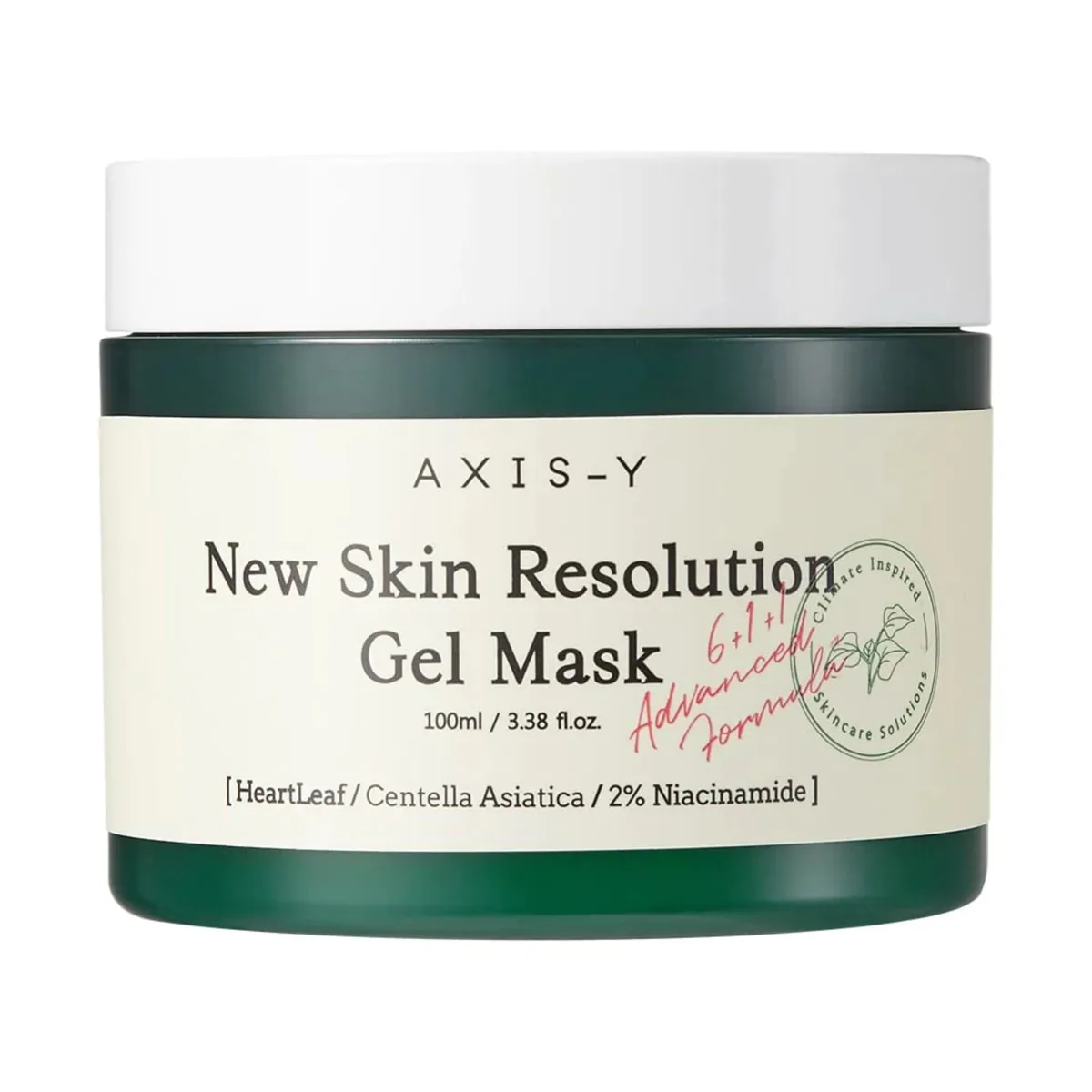 Full Centella Overnight Gel
 New Skin Resolution Gel Mask
A fragrance-free overnight gel mask built around the complete centella complex, a physiological ceramide-cholesterol pair, and supporting adenosine and niacinamide. Lightweight enough to work across skin types and calming enough to make a real difference on reactive skin over a few weeks of regular use.
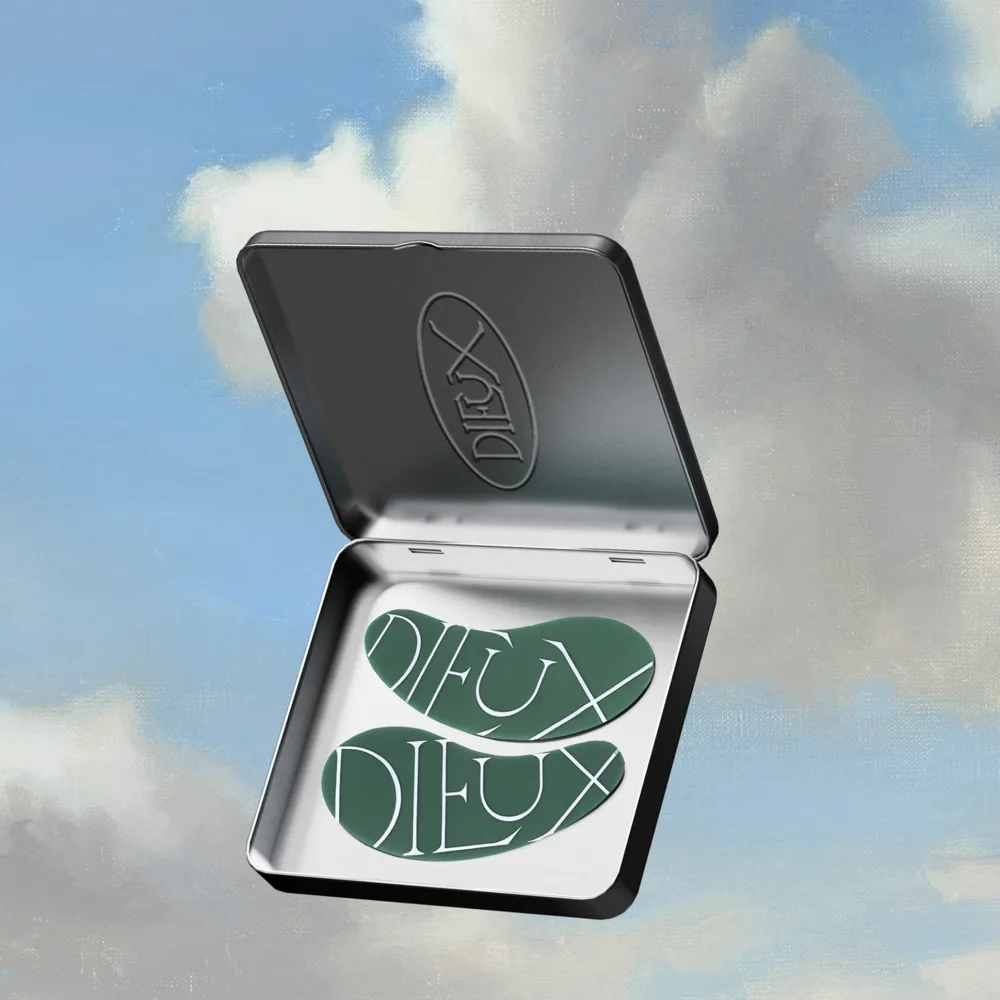 Sustainability Icon
 Forever Eye Mask
The rare sustainability product that works genuinely better than the disposable alternative it replaces. A pair of reusable medical-grade silicone patches that create a real occlusive seal to drive your eye serum absorption, lasting years with proper care. At $28 it has already paid for itself after about ten single-use patch sessions.
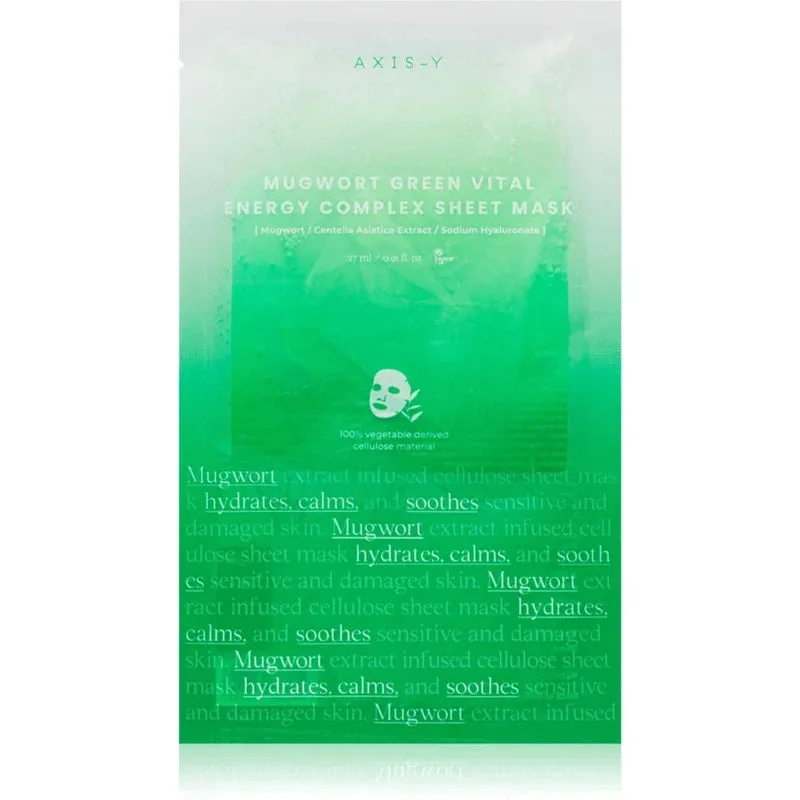 Mugwort-Led Calming Mask
 Mugwort Green Vital Energy Complex Sheet Mask
A fragrance-free calming sheet mask with mugwort at the very top of the INCI and a genuine multi-plant supporting cast. Sheet masks have a low ceiling by format, but within the category this is one of the more thoughtfully formulated calming options from the K-beauty mid-tier.
 K-Beauty Overnight Recovery Pick
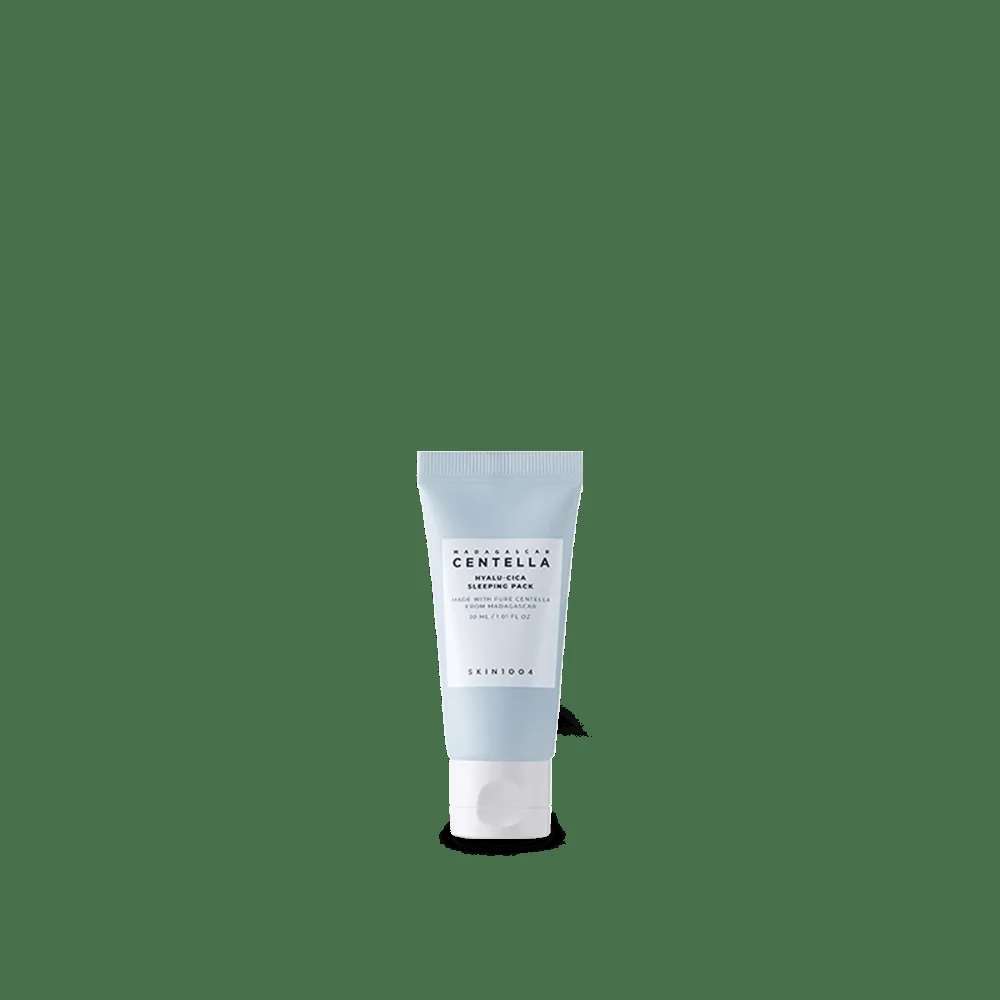
 Hyalu-Cica Sleeping Pack
A genuinely serious centella sleeping pack that discloses its active concentrations with unusual transparency — 40.9% centella leaf water as the hydration base and 1.44% total hyaluronic acid, which is higher than most competitors dare to disclose. Lightweight, calming, and fairly priced for 100ml of overnight treatment.
 K-Beauty Calming Sheet Mask Pick
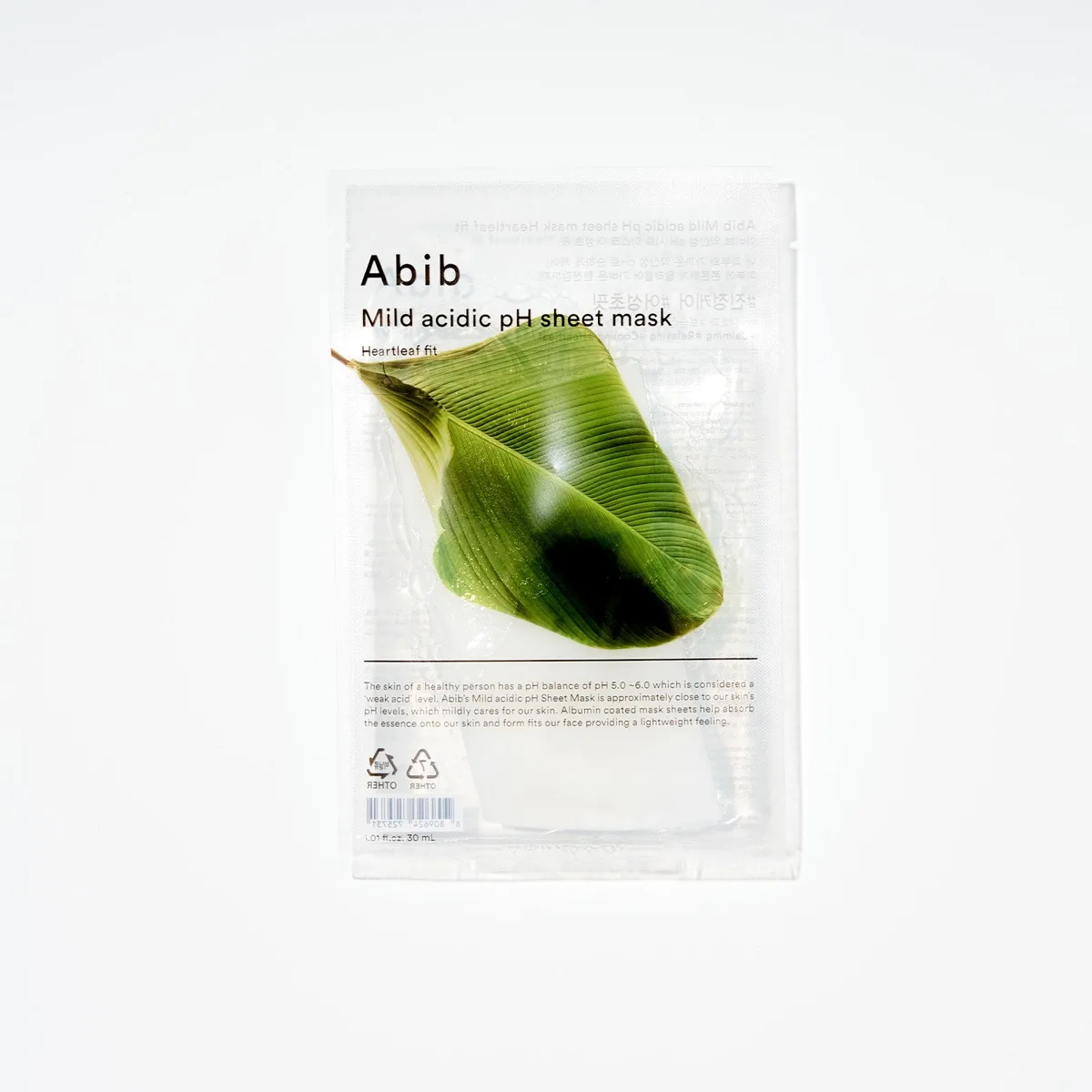
 Mild Acidic pH Sheet Mask Heartleaf Fit
Abib's Mild Acidic pH Sheet Mask Heartleaf Fit is one of the better-formulated calming sheet masks in K-beauty — the same Heartleaf-line logic of Houttuynia cordata, full centella complex, niacinamide, and tri-humectant hydration, applied to a 100% cotton sheet that actually fits the face and an essence calibrated to the skin's natural pH 5.5. A reliable supplement to the daily Heartleaf routine.
 Viral Mask Worth The Hype
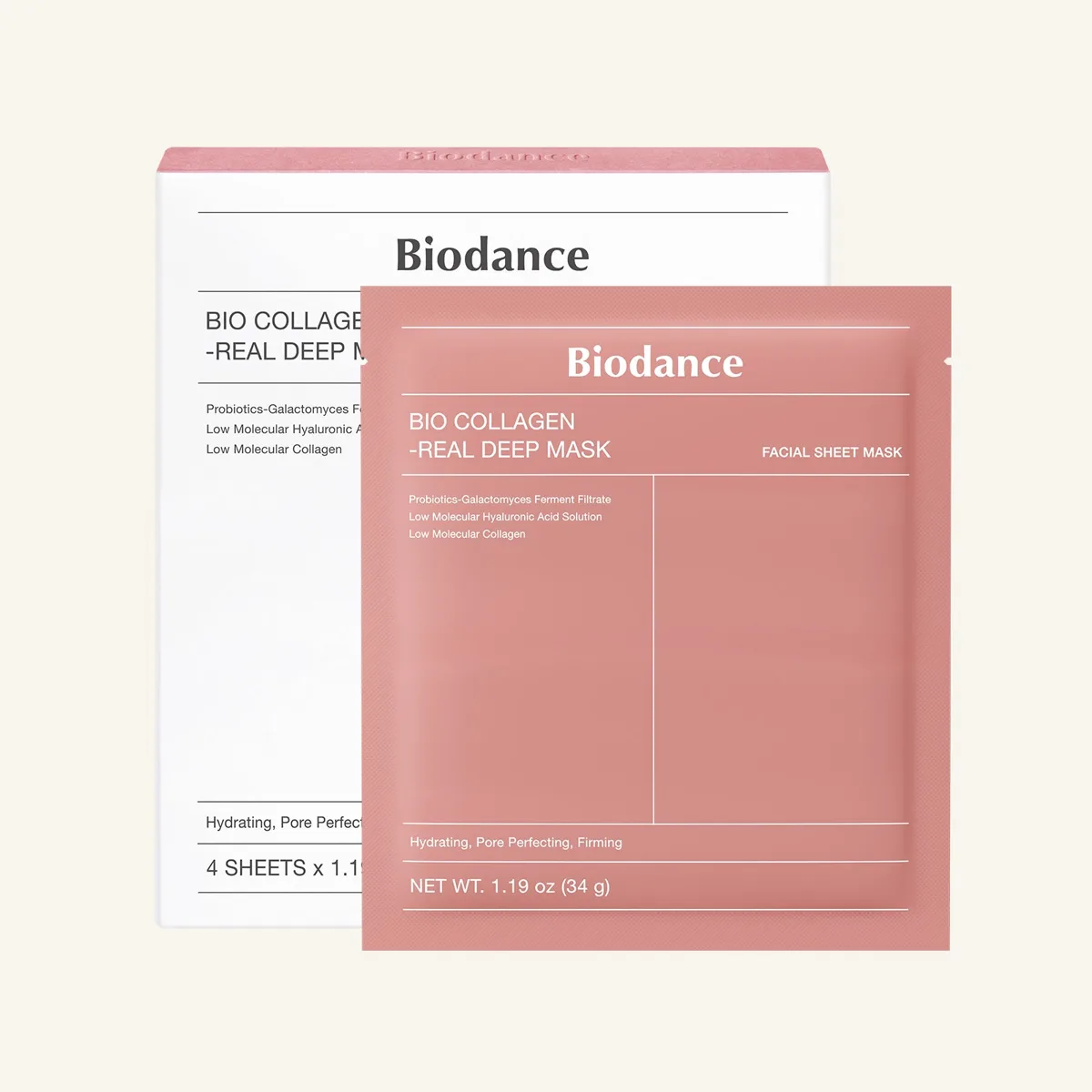
 Bio Collagen Hydrogel Concentrated Mask
The viral mask mostly earns the hype — a genuinely novel hydrogel delivery matrix, a fragrance-free formula with layered hyaluronic acid, a four-ferment probiotic bench, and a readable niacinamide dose. The morning-after plumping and pore-refining effect is real and consistent, even if the benefits fade without repeat use. Treat it as a weekly special step, not a daily treatment.