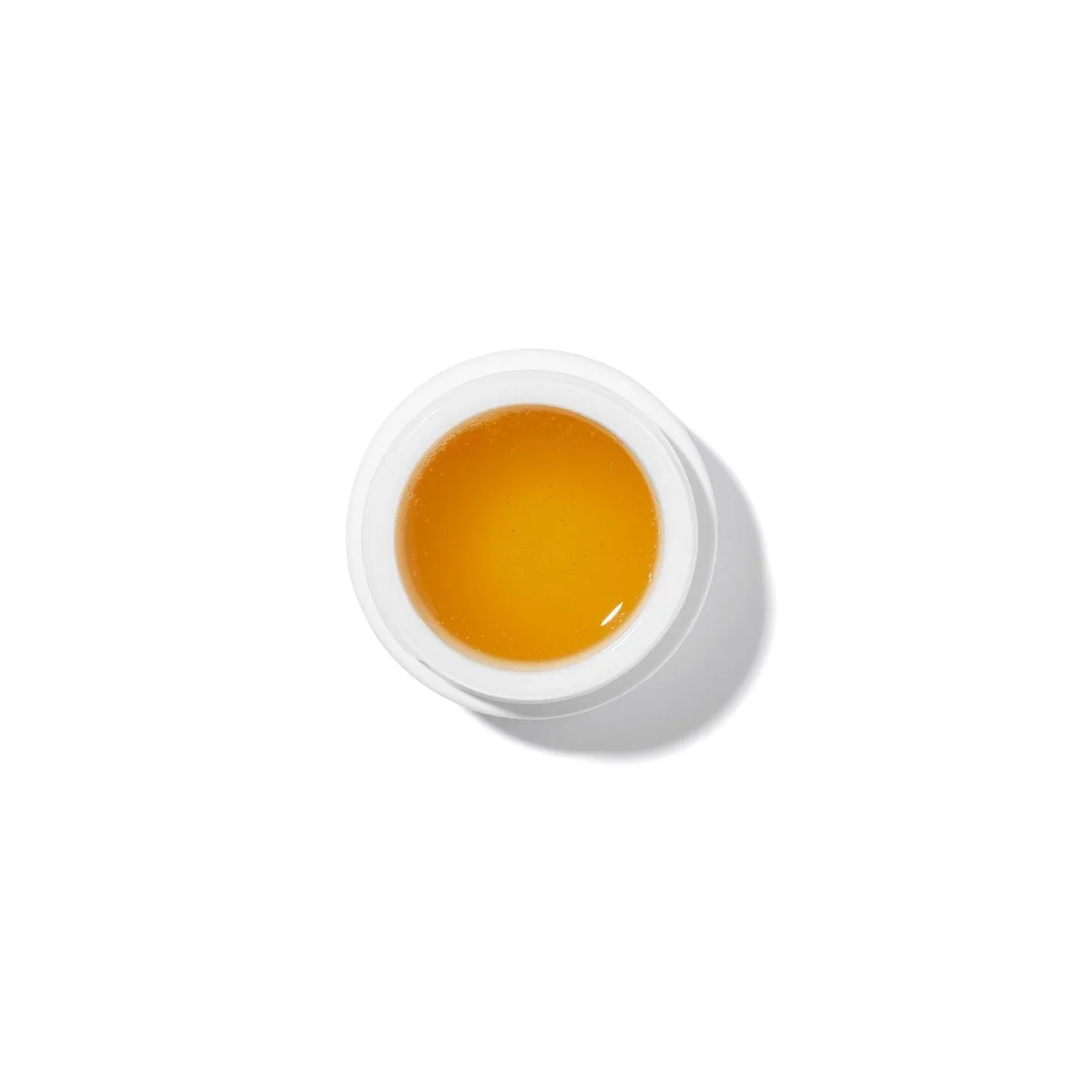
Holi(Bright) is a thoughtfully formulated three-acid powder mask that delivers genuine resurfacing — but you're paying a serious clean-beauty premium for what is essentially mandelic and lactic acid with botanical color. If you love the powder ritual and the brand ethos, it earns its place. If you're shopping ingredients, look elsewhere.
Holi(Bright) Resurfacing Mask
Holi(Bright) is a thoughtfully formulated three-acid powder mask that delivers genuine resurfacing — but you're paying a serious clean-beauty premium for what is essentially mandelic and lactic acid with botanical color. If you love the powder ritual and the brand ethos, it earns its place. If you're shopping ingredients, look elsewhere.
Score Breakdown
Where this product gains points and where it loses them — broken down across the four scoring pillars.
A pleasant powder-activated AHA mask with a thoughtful three-acid blend, but the price is steep for what is essentially mandelic and lactic acid with botanical powders.
Pros & Cons
- ✓Powder format delivers fresh, full-strength acids every use
- ✓Three-acid blend is thoughtfully balanced for tolerability
- ✓Mandelic-led formula gentler than glycolic alternatives
- ✓Visible brightening and smoothing after the first application
- ✓Vegan and free of synthetic preservatives
- ✓Compact jar travels well without leak risk
- ✗Very expensive relative to comparable acid formulations
- ✗Stings noticeably and can irritate sensitive skin types
- ✗Wide-mouth jar is prone to powder spills
- ✗30g jar lasts only about 2 months with weekly use
Full Review
There's something quietly subversive about a powder mask in 2026. Most acid treatments come pre-mixed in tubes or jars, which means the moment a brand fills the packaging, the formula begins its slow chemical decline — pH drifts, actives degrade, and what you're slathering on a year later is rarely what the lab specced. Powder formats sidestep that problem entirely. You're activating fresh acid every single time, the way an old apothecary would have compounded a treatment for a customer waiting at the counter. Holi(Bright) leans hard into that idea, and the ritual of mixing it is a meaningful part of why people love it.
The formula itself is built around three acids: mandelic, lactic, and tartaric. Mandelic leads the INCI, which matters because it's the largest molecule of the three and exfoliates more slowly and gently than glycolic acid. Lactic adds a hydrating-exfoliating dimension that softens what could otherwise be a tightness-inducing experience. Tartaric, derived from grapes, helps stabilize the activated pH and adds a final layer of surface resurfacing. It's a smart blend — these three acids genuinely complement each other, and the choice to lead with mandelic rather than glycolic is the right call for a mask designed to be tolerated by a wider range of skin types.
The rest of the powder is botanical. Hibiscus contributes the signature pink color and a small amount of organic acid activity. Bilberry, sugar cane, sugar maple, lemon, and orange add fruit-derived AHAs that round out the formulation. Turmeric is in there for the antioxidant story, though the topical evidence for curcumin is thinner than supplement studies suggest. Green tea adds a polyphenol note. None of these botanicals are doing the heavy lifting — the three named acids are the active engine — but they're not just decoration either. They contribute to the slightly grainy, plant-forward character of the mask, which is part of what people pay for.
The activation ritual is genuinely lovely. You scoop a small amount of powder into a non-metal dish, add an equal amount of water, and stir until it forms a thin pink paste. The paste smells faintly of citrus and turmeric — not perfumed, just plant. You apply it to clean dry skin with fingertips or a brush, and within about thirty seconds you'll feel the first tingle. By minute three, the tingle has settled into a low warmth. By minute five or six, your skin is communicating clearly that it would like the mask removed, please. This is not a relaxing spa mask. It is a working acid treatment in a powder costume.
Results are immediate and real. After rinsing, your skin looks brighter, feels noticeably smoother, and seems to reflect light differently — the kind of effect that makes you understand why people pay $85 for this. Cumulative use over four to six weeks at once a week brings tone-evening on areas of mild hyperpigmentation, refined-looking pores, and an overall textural smoothness. None of this is unique to Holi(Bright) — any well-formulated AHA treatment will deliver similar results. But the mask delivers them reliably, and the powder format means you're getting full acid strength every time.
The honest case against this mask is the price-to-ingredient ratio. At $85 for 30g, with weekly use giving you maybe two months per jar, the cost per use lands somewhere uncomfortable. You can find mandelic-lactic combinations from formulary brands like The Ordinary, Stratia, or Naturium for one quarter the price, and they work essentially the same chemistry on your skin. What you're paying the premium for here is the powder format, the clean beauty positioning, and the brand identity that Agent Nateur has built around founder Jena Covello's wellness philosophy. Some buyers will find that worth it. Others will feel slightly burned when they realize the active ingredients account for a small fraction of what they paid.
The other limitation is who this mask is actually for. Despite the clean beauty framing that often gets read as gentle, this is a potent low-pH treatment that can absolutely irritate sensitive skin, rosacea-prone skin, or anyone with a compromised barrier. The citrus extracts add irritation risk on top of the acids. If you patch test and find it tolerable, fantastic. If it stings hard from minute one, this is not your mask. There is no clean-beauty exemption from acid mechanics.
Holi(Bright) is, in the end, a well-formulated mask in expensive clean-beauty clothing. The acids are real, the powder format is genuinely interesting, and the experience of using it feels intentional and considered. Whether it's worth the price tag depends entirely on how much you value the brand identity and the activation ritual versus the actual molecules going onto your face. There's no wrong answer — just clarity about what you're buying.
Formula
Key Ingredients
The hero actives that drive this product's performance.
| Ingredient | Function | Evidence |
|---|---|---|
| Mandelic Acid | Listed first on the powder INCI, this larger-molecule AHA exfoliates the surface more gently than glycolic — in this powder format, you control intensity by how long you leave the activated mask on the skin. Pairs with the smaller lactic and tartaric acids for layered exfoliation depth. | well-established |
| Lactic Acid | Adds a hydrating-exfoliating dimension that mandelic alone doesn't provide. In this powder mask, lactic acid loosens dead corneocytes while also drawing moisture into the surface, which mitigates the tightness AHA-only masks can leave behind. | well-established |
| Tartaric Acid | A grape-derived AHA that helps stabilize the pH of the activated mask while contributing extra surface exfoliation. It rounds out the three-acid blend that does the actual resurfacing work. | promising |
| Hibiscus Flower Powder | Contains naturally occurring organic acids that contribute additional gentle exfoliation while adding the mask's signature pink hue. More about adding plant-derived character than driving the resurfacing effect. | limited |
| Turmeric Root Powder | Curcumin offers antioxidant and anti-inflammatory support that's nice in theory for a post-exfoliation mask, though the evidence for topical curcumin is more limited than its supplement form. | emerging |
Full INCI List · pH 3.5
Mandelic Acid, Lactic Acid, Tartaric Acid, Vaccinium Myrtillus (Bilberry) Fruit Extract, Saccharum Officinarum (Sugar Cane) Extract, Citrus Aurantium Dulcis (Orange) Fruit Extract, Citrus Limon (Lemon) Fruit Extract, Acer Saccharum (Sugar Maple) Extract, Hibiscus Sabdariffa Flower Powder, Camellia Sinensis (Green Tea) Leaf Powder, Curcuma Longa (Turmeric) Root Powder, Vanilla Planifolia Fruit Powder
Product Flags
✓ Fragrance Free✓ Alcohol Free✓ Oil Free✓ Silicone Free✓ Paraben Free✓ Sulfate Free✓ Cruelty Free✓ Vegan✓ Fungal Acne Safe
Potential Irritants
Citrus extracts
Compatibility
Skin Match
Best For
Works For
Not Ideal For
Addresses These Conditions
dullness texture hyperpigmentation blackheads large pores
Use With Caution
Avoid With
Routine Step
treatment
Time of Day
PM
Pregnancy Safe
Yes ✓
Layering Tips
Use 1-2 times per week max. Apply on cleansed skin, leave 5-10 minutes for first uses, rinse thoroughly, follow with hydrating serum and moisturizer. Skip retinoids the same night.
Results Timeline
Immediate brightness and smoother texture after the first use. Cumulative tone-evening and pore refinement over 4-6 weeks of weekly use.
Pairs Well With
hyaluronic-acidceramidescentella-asiatica
Conflicts With
retinoidsvitamin-cbhaphysical-exfoliants
Sample AM Routine
- Gentle cleanser
- Hydrating serum
- Moisturizer
- Sunscreen
Sample PM Routine
- Cleanser
- THIS PRODUCT (1-2x weekly)
- Hydrating serum
- Ceramide moisturizer
Evidence
Who Should Skip
- Very expensive relative to comparable acid formulations
- Stings noticeably and can irritate sensitive skin types
- Wide-mouth jar is prone to powder spills
- 30g jar lasts only about 2 months with weekly use
Science & Expert Perspective
The Science
The resurfacing mechanism here is straightforward AHA chemistry. Mandelic acid is an alpha hydroxy acid with a molecular weight of 152 daltons, larger than glycolic acid's 76 daltons, which translates to slower stratum corneum penetration and a gentler exfoliation profile. Research on mandelic acid has shown efficacy in treating mild to moderate acne, postinflammatory hyperpigmentation, and photoaging at concentrations between 5 and 10 percent. The slower penetration is also why mandelic is generally better tolerated by darker skin tones and rosacea-prone individuals than faster-acting AHAs.
Lactic acid (90 daltons) sits between mandelic and glycolic in penetration speed and adds a unique humectant property — it's a natural moisturizing factor component, meaning it helps the skin retain water at the same time it exfoliates. Studies have shown lactic acid concentrations of 5-12% provide measurable improvements in skin tone, fine lines, and barrier function over 12 weeks of use. Tartaric acid is less studied as a standalone but contributes additional surface exfoliation and helps maintain the low pH environment needed for AHA activity.
The powder activation format addresses a real chemistry problem in pre-mixed AHA products: pH drift over time. AHAs are most active at pH levels below 4, and packaged formulations can shift toward neutral as they age, reducing efficacy. By delivering the acids as anhydrous powder, this mask sidesteps degradation entirely until the moment of activation. The trade-off is that the user has no precise control over final pH, which is why some people find it stings more than expected — fresh activation often produces a more aggressive treatment than aged pre-mixed products.
The botanical inputs (hibiscus, fruit extracts, turmeric, green tea) contribute polyphenols and minor amounts of plant-derived organic acids, but the published evidence for these as meaningful resurfacing actives is limited compared to the three named AHAs.
Dermatologist Perspective
Dermatologists frequently caution that 'natural' or 'clean' positioning does not change the underlying chemistry of acid exfoliants. Board-certified dermatologists note that mandelic-lactic combinations are well-supported for gentle resurfacing and are commonly recommended for patients with melasma, postinflammatory hyperpigmentation, or sensitive skin who cannot tolerate stronger glycolic or salicylic acid treatments. However, dermatologists also typically advise patch testing any low-pH AHA treatment before regular use, and many recommend limiting acid masks to once or twice weekly to avoid over-exfoliation. Patients with rosacea, eczema, or actively compromised barriers are generally advised to skip products like this and pursue gentler enzyme-based exfoliation instead. The lack of dermatologist or clinical involvement in Agent Nateur's product development is worth noting for buyers who weigh that factor.
Guidance
Usage Guide
How to Use
Use once or twice a week at most, in the evening. Cleanse skin and pat dry. Scoop a small amount of powder (about a quarter teaspoon) into a non-metal bowl and add an equal amount of cool water, stirring until it forms a thin paste. Apply immediately to dry skin, avoiding eye area and lips. Leave on for 3-5 minutes during initial uses, working up to 10 minutes maximum if tolerated. Rinse thoroughly with cool water. Follow with a hydrating serum and ceramide moisturizer. Skip retinoids, vitamin C, and BHA the same night, and apply sunscreen diligently the following day.
Value Assessment
At $85 for 30g, Holi(Bright) is one of the more expensive ways to get mandelic and lactic acid onto your face. There is no larger size offered, which limits any per-unit savings. Comparable mandelic-lactic blends from formulary brands sell for a small fraction of this price and deliver the same exfoliating chemistry. What you're paying for is the powder format, the clean beauty supply chain, the founder-driven brand story, and the genuinely pleasant ritual of activating the mask yourself. For buyers who care about all of those factors, the price feels intentional. For buyers focused purely on ingredients-per-dollar, this is hard to justify. Be honest with yourself about which buyer you are.
Who Should Buy
Buyers who love the ritual of activating a fresh powder treatment, value clean beauty supply chains, and want an effective mandelic-lactic acid mask without the formulation drift of pre-mixed products. Best suited to normal, combination, and oily skin types looking to address dullness and uneven texture.
Who Should Skip
Anyone with sensitive, rosacea-prone, or barrier-compromised skin, anyone shopping primarily on ingredient cost, and skincare minimalists who don't want a multi-step activation ritual. Cheaper acid options will deliver comparable results for buyers who don't care about the powder format.
Ready to try Agent Nateur Holi(Bright) Resurfacing Mask?
Details
Details
Texture
Fine pink powder that activates into a thin paste when mixed with water
Scent
Faint natural scent from the citrus and turmeric powders
Packaging
Glass jar with screw-top lid — keeps the powder dry but the wide opening is prone to spilling
Finish
natural
What to Expect on First Use
First use will tingle noticeably as the acids activate. Start with 5 minutes and rinse if you feel any burning. Skin will look immediately brighter and feel smoother, but the tingle level is real — this is not a relaxing spa mask.
How Long It Lasts
About 2-3 months with weekly use
Period After Opening
12 months
Best Season
All Year
Background
The Why
Agent Nateur founder Jena Covello built the brand around 'clean' formulations after a personal health journey, and Holi(Bright) was her answer to professional-level resurfacing without the synthetic base ingredients she avoids. The powder format was a deliberate choice to deliver acids without preservatives.
About Agent Nateur Established Brand (5–20 years)
Agent Nateur was founded in 2014 by Jena Covello as a 'clean' fragrance and skincare line that grew through influencer endorsements rather than clinical research. The brand has built a loyal celebrity-adjacent following but does not publish independent clinical studies of its formulations.
Brand founded: 2014 · Product launched: 2021
Myth vs. Reality
Myths & Misconceptions
Myth
Powder masks are gentler than liquid acid treatments.
Reality
The powder format actually delivers acids at full strength on contact — this mask has a low pH around 3.5 and can be more intense than many pre-mixed products. Treat it with respect.
Myth
Clean beauty brands are inherently better for sensitive skin.
Reality
Clean and gentle are not the same thing. This formula contains potent acids and citrus extracts that can irritate sensitive skin regardless of how 'natural' the ingredient list looks.
FAQ
Frequently Asked Questions
How often should you use Holi(Bright) Resurfacing Mask?
Once or twice a week is the maximum. The triple-acid blend in this mask is potent enough that more frequent use risks over-exfoliation, especially given the low activated pH around 3.5.
Is Holi(Bright) Resurfacing Mask worth the price?
If you value the powder format, the clean beauty positioning, and the ritual of activation, yes. If you're judging purely on the acids in the bottle, you can find similar mandelic-lactic blends for a quarter of the price.
Can sensitive skin use this mask?
Cautiously. Patch test on the jaw first, start with a 3-minute application, and skip it entirely if you have active rosacea or a compromised barrier. The citrus extracts add irritation risk beyond just the acids.
How do you activate the powder?
Mix a small amount of powder with an equal amount of water in a non-metal dish until it forms a thin paste. Apply immediately to clean dry skin, leave 5-10 minutes, and rinse thoroughly with cool water.
Is Holi(Bright) safe during pregnancy?
The acids in this mask (mandelic, lactic, tartaric) are generally considered pregnancy safe in topical concentrations, but consult your doctor first. There are no retinoids or salicylic acid in the formula.
Can you use Holi(Bright) with retinol?
Not on the same night. The acid strength of this mask combined with retinol creates real irritation risk. Use them on alternating nights, or use the mask on nights you skip your retinoid.
Community
Community Voices
Common Praise
"Skin feels smoother immediately"
"Pleasant powder-to-paste activation ritual"
"Pretty pink color"
Common Complaints
"Very expensive for the ingredients"
"Can sting on sensitive skin"
"30g doesn't last long with weekly use"
Notable Endorsements
Stocked at Credo BeautyStocked at The Detox Market
Appears In
best aha mask for dullness best clean beauty resurfacing mask best powder exfoliant mask best mandelic acid mask best mask for uneven texture
Related Conditions
dullness texture hyperpigmentation
Related Ingredients
You Might Also Like
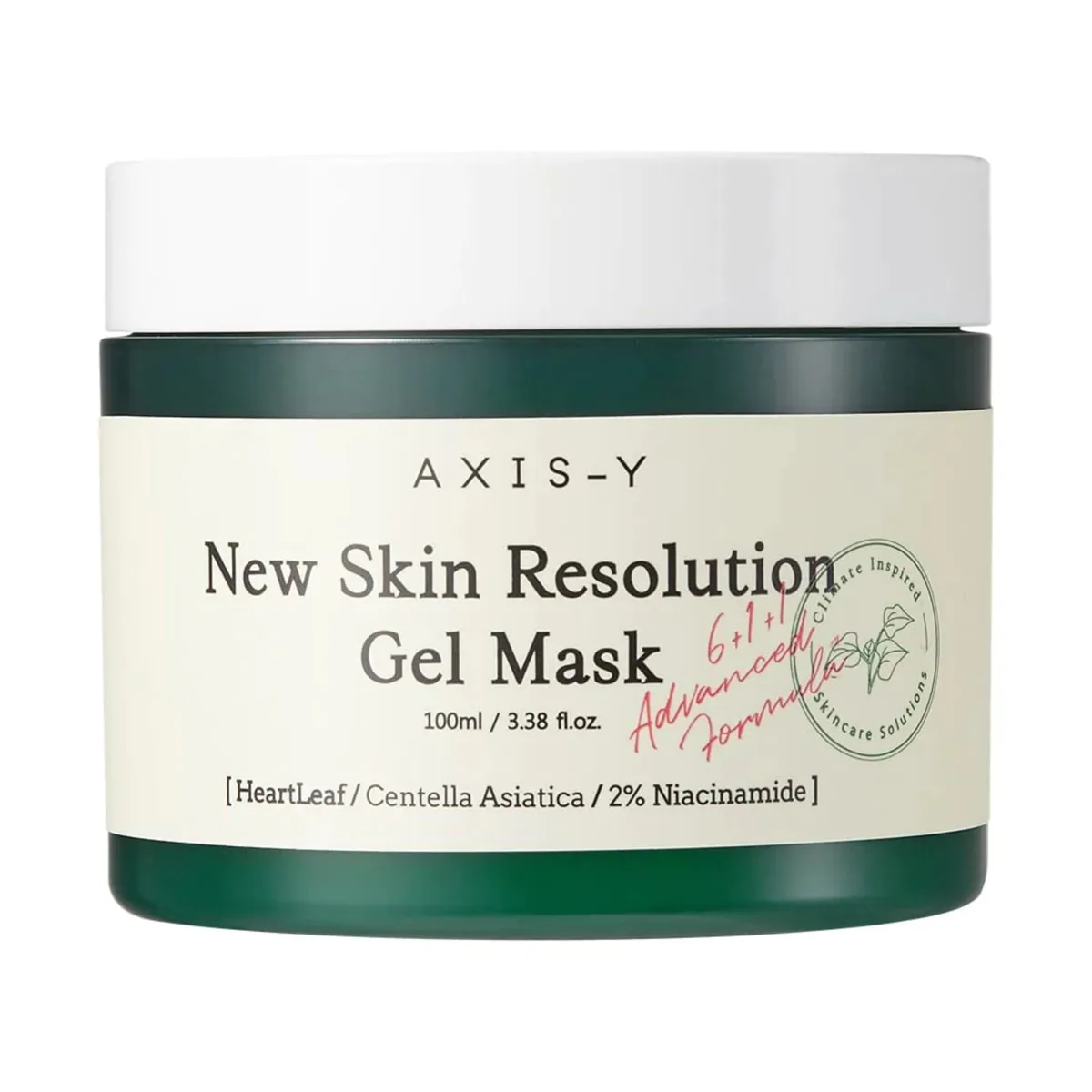 Full Centella Overnight Gel
 New Skin Resolution Gel Mask
A fragrance-free overnight gel mask built around the complete centella complex, a physiological ceramide-cholesterol pair, and supporting adenosine and niacinamide. Lightweight enough to work across skin types and calming enough to make a real difference on reactive skin over a few weeks of regular use.
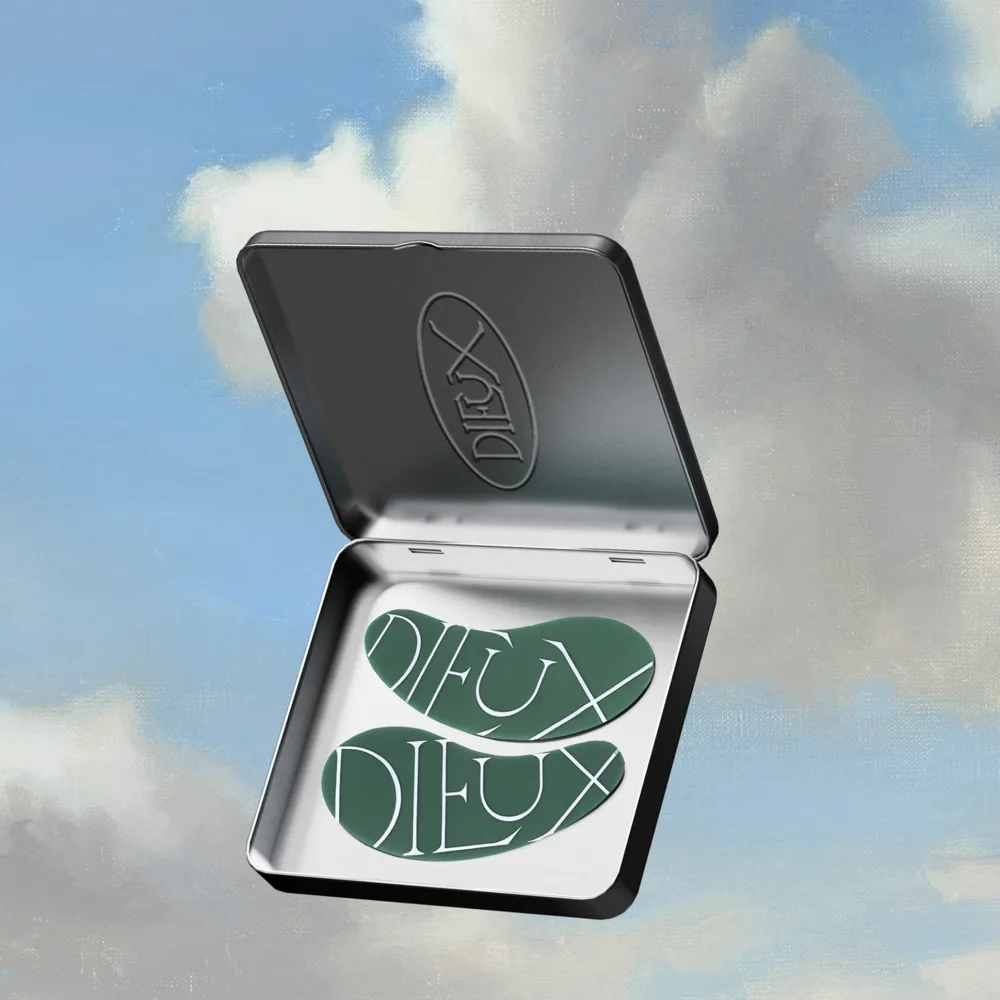 Sustainability Icon
 Forever Eye Mask
The rare sustainability product that works genuinely better than the disposable alternative it replaces. A pair of reusable medical-grade silicone patches that create a real occlusive seal to drive your eye serum absorption, lasting years with proper care. At $28 it has already paid for itself after about ten single-use patch sessions.
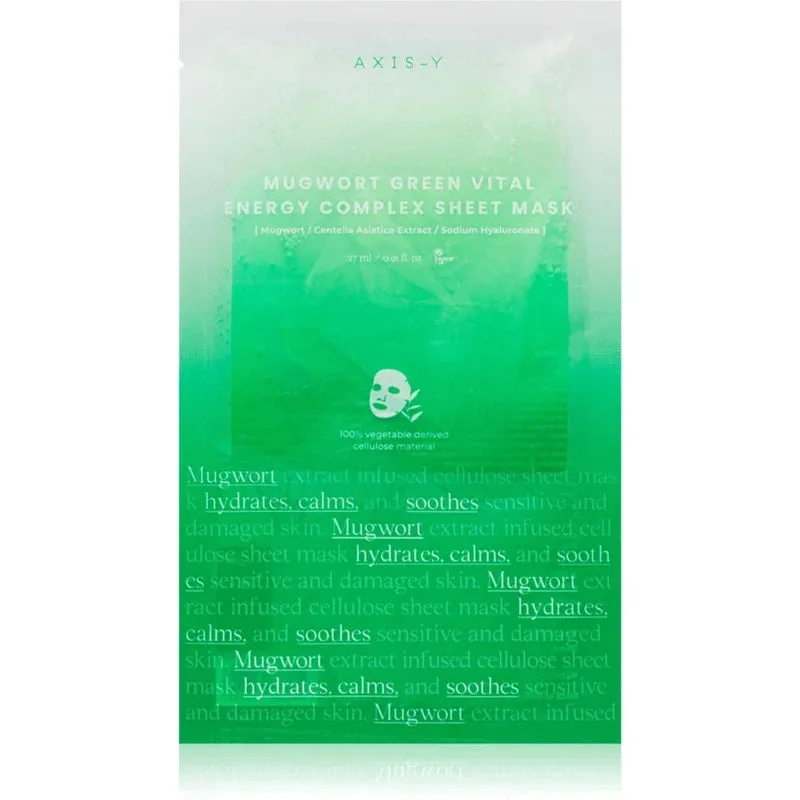 Mugwort-Led Calming Mask
 Mugwort Green Vital Energy Complex Sheet Mask
A fragrance-free calming sheet mask with mugwort at the very top of the INCI and a genuine multi-plant supporting cast. Sheet masks have a low ceiling by format, but within the category this is one of the more thoughtfully formulated calming options from the K-beauty mid-tier.
 K-Beauty Overnight Recovery Pick
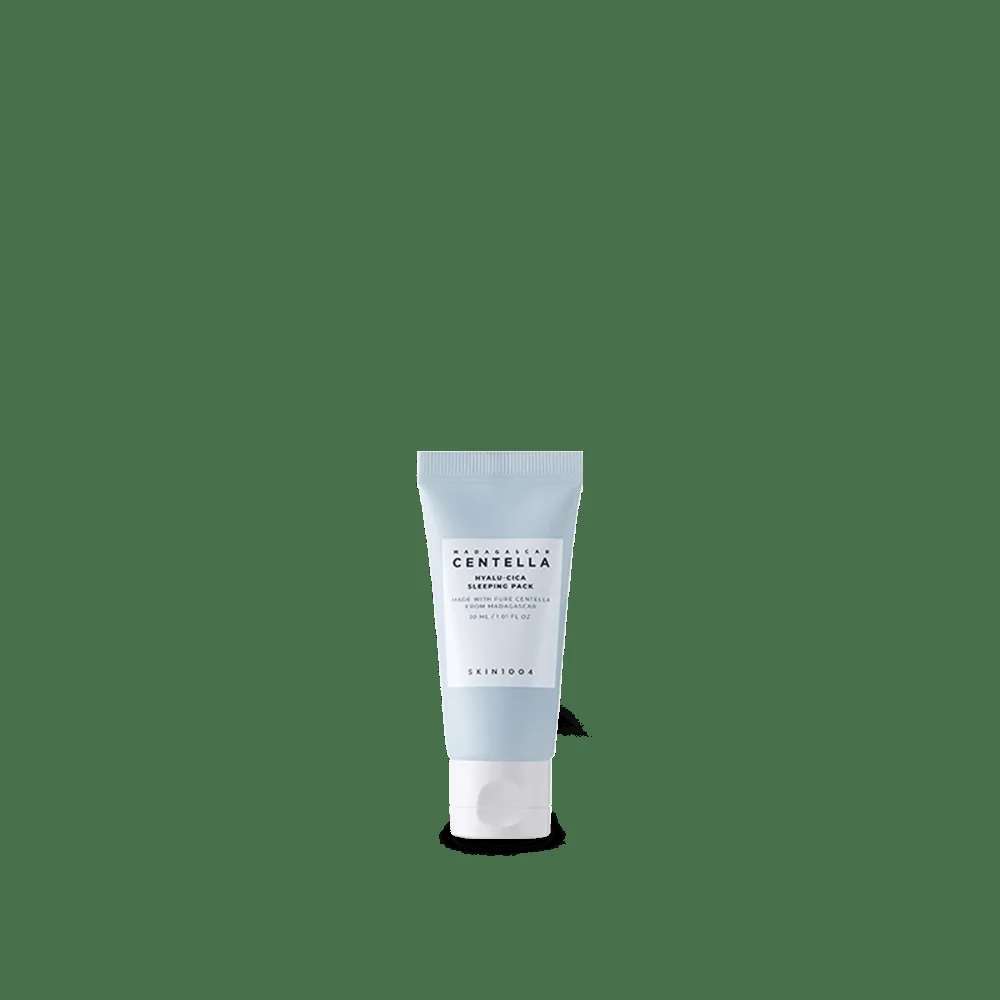
 Hyalu-Cica Sleeping Pack
A genuinely serious centella sleeping pack that discloses its active concentrations with unusual transparency — 40.9% centella leaf water as the hydration base and 1.44% total hyaluronic acid, which is higher than most competitors dare to disclose. Lightweight, calming, and fairly priced for 100ml of overnight treatment.
 K-Beauty Calming Sheet Mask Pick
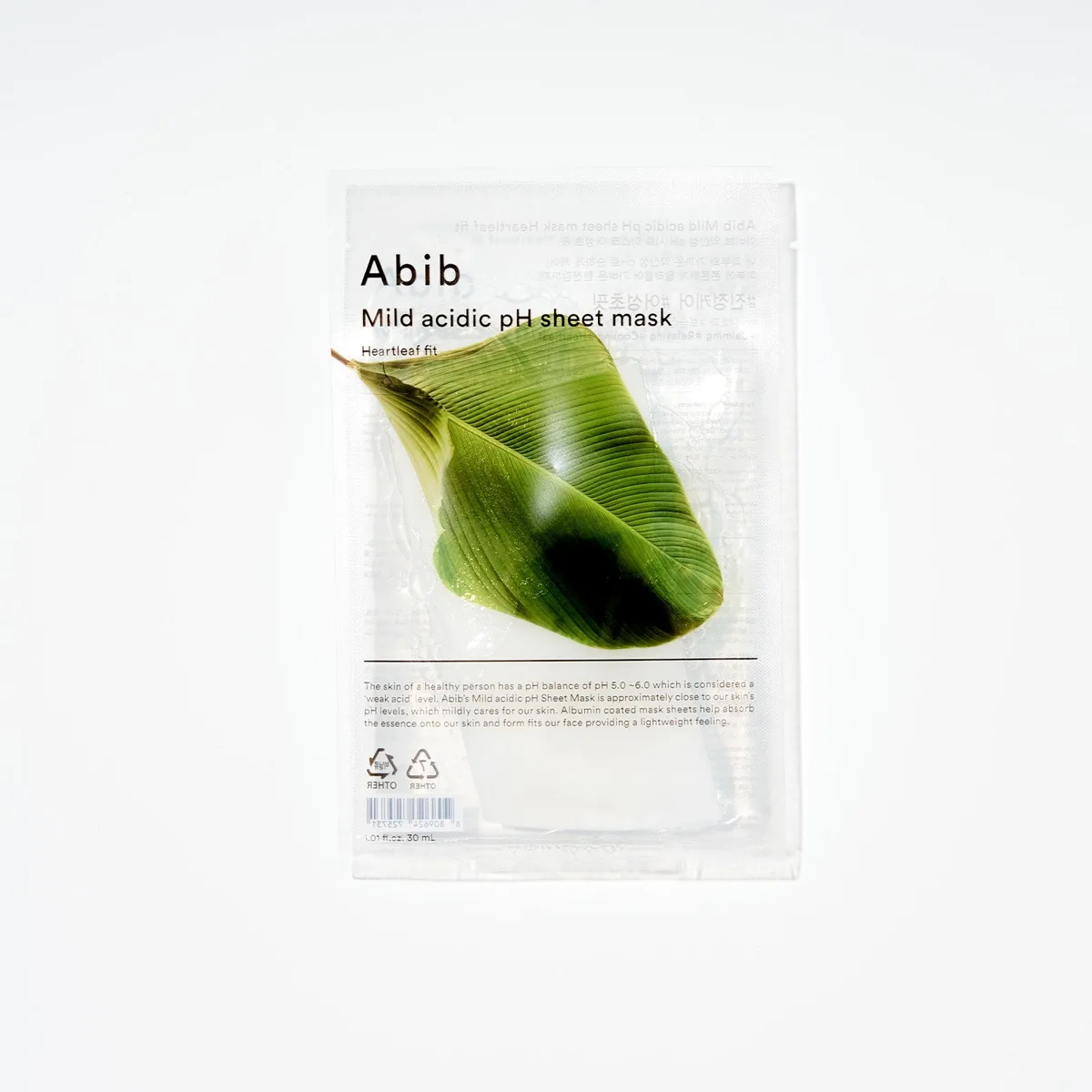
 Mild Acidic pH Sheet Mask Heartleaf Fit
Abib's Mild Acidic pH Sheet Mask Heartleaf Fit is one of the better-formulated calming sheet masks in K-beauty — the same Heartleaf-line logic of Houttuynia cordata, full centella complex, niacinamide, and tri-humectant hydration, applied to a 100% cotton sheet that actually fits the face and an essence calibrated to the skin's natural pH 5.5. A reliable supplement to the daily Heartleaf routine.
 Viral Mask Worth The Hype
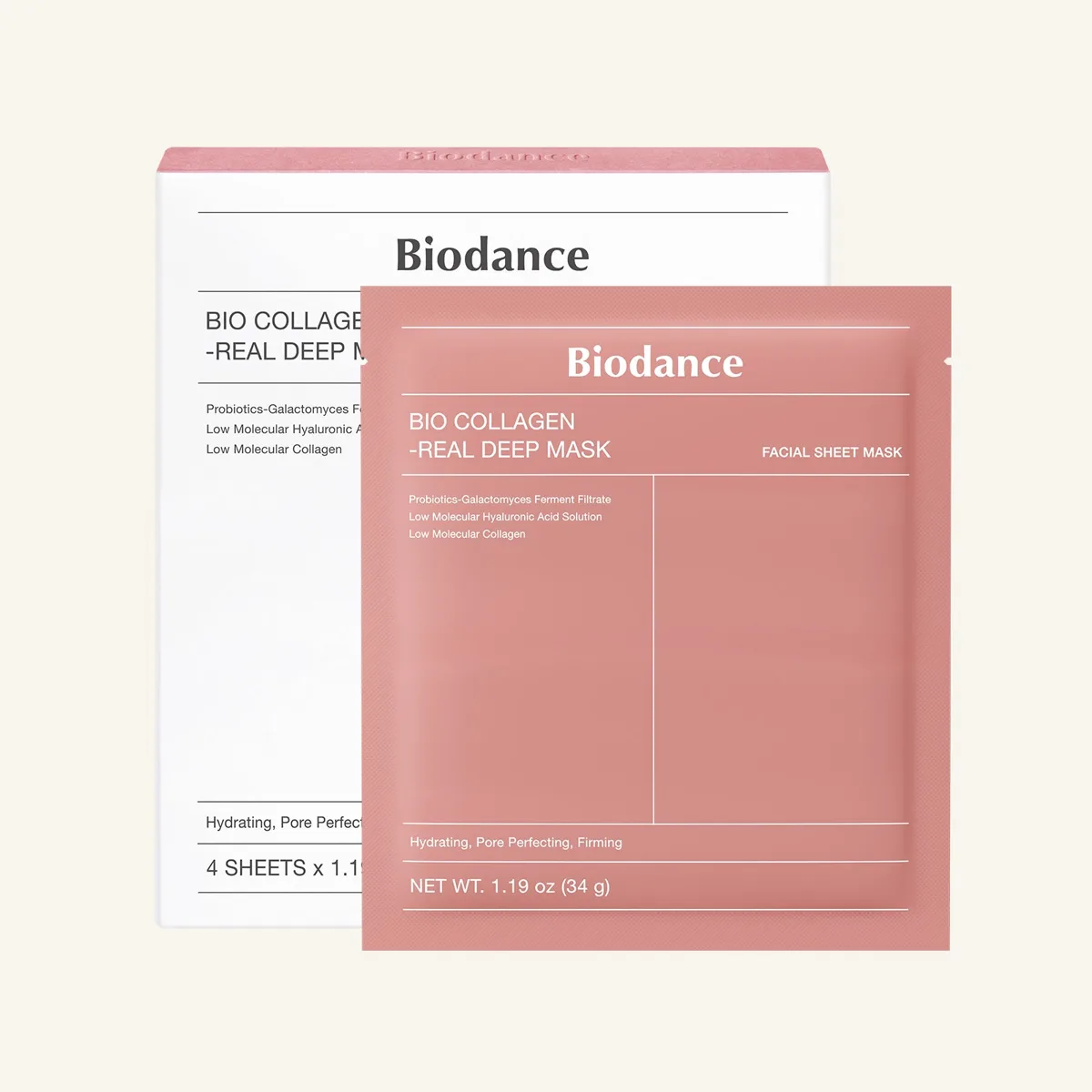
 Bio Collagen Hydrogel Concentrated Mask
The viral mask mostly earns the hype — a genuinely novel hydrogel delivery matrix, a fragrance-free formula with layered hyaluronic acid, a four-ferment probiotic bench, and a readable niacinamide dose. The morning-after plumping and pore-refining effect is real and consistent, even if the benefits fade without repeat use. Treat it as a weekly special step, not a daily treatment.
This review reflects our independent analysis of publicly available ingredient data, manufacturer claims, and verified user reviews. We are reader-supported — Amazon links may earn us a commission at no cost to you. We do not accept paid placements; rankings are based solely on the evidence.