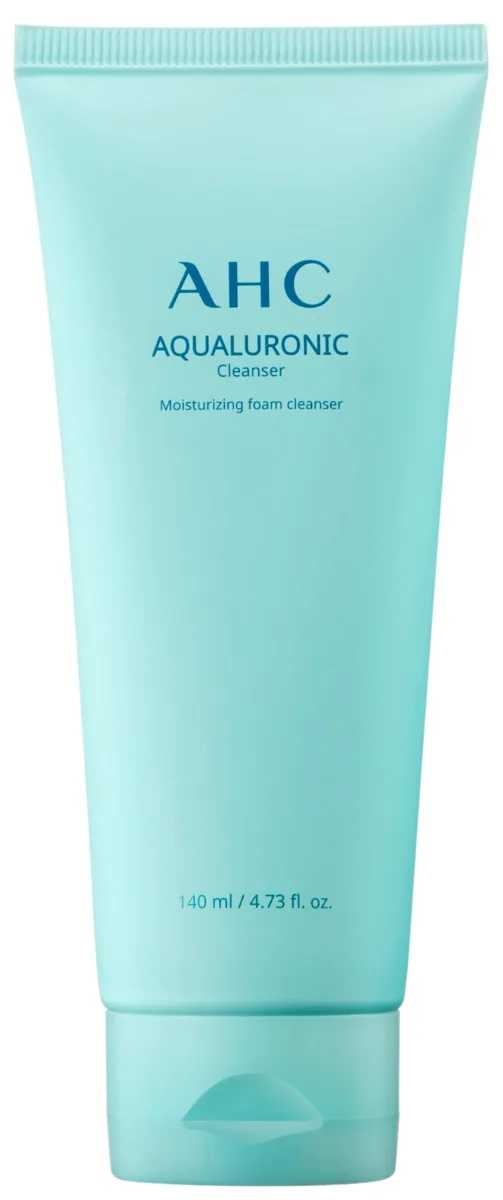
AHC Aqualuronic Cleanser is one of the more loaded soap-based cleansers in its price range — five ceramides, three algae extracts, a centella TECA quartet, and a respectable hyaluronic acid complex on top of a traditional Korean foam base. The high pH puts it on the caution list for sensitive skin, but for normal-to-oily Korean cleansing routines, it punches well above its $22 price tag.
Aqualuronic Cleanser
AHC Aqualuronic Cleanser is one of the more loaded soap-based cleansers in its price range — five ceramides, three algae extracts, a centella TECA quartet, and a respectable hyaluronic acid complex on top of a traditional Korean foam base. The high pH puts it on the caution list for sensitive skin, but for normal-to-oily Korean cleansing routines, it punches well above its $22 price tag.
Score Breakdown
Where this product gains points and where it loses them — broken down across the four scoring pillars.
A genuinely well-formulated mid-price K-beauty cleanser with an unusually loaded hero ingredient list — five ceramides, three algae extracts, centella complex — sitting on top of a traditional high-pH soap base. The base format is the main limitation.
Pros & Cons
- ✓Unusually loaded ingredient list for a $22 cleanser
- ✓Five-species ceramide complex supports barrier even in a rinse-off
- ✓Glycerin position high on INCI offsets soap-base dryness
- ✓Generous lather that rinses cleanly without residue
- ✓Pleasant marine-fresh scent without being overpowering
- ✓Performs excellently as the second step in a double cleanse
- ✗Soap-based pH around 9 unsuitable for sensitive skin
- ✗Contains added fragrance that bothers fragrance-reactive users
- ✗Not cruelty-free due to mainland China retail distribution
- ✗Can feel drying for very dry skin types
- ✗Tube packaging is functional but unremarkable
Full Review
AHC stands for Aesthetic Hydration Cosmetics, and the brand spent its first fifteen years selling almost entirely through Korean dermatology and aesthetics channels — derm offices, skincare clinics, professional facialist practices. That meant the early product development was driven by the demands of working aestheticians who needed clean, effective formulations rather than by influencer trend cycles. When Unilever's beauty arm acquired the parent company Carver Korea in 2017, AHC moved into mainstream Korean drugstore distribution and global retail, but a lot of that professional-channel formulation discipline carried over into the consumer products. The Aqualuronic Cleanser is a clear example. The price tag suggests a basic K-beauty drugstore foam. The INCI tells a very different story.
The formula is built on a traditional soap-based foaming structure — water, glycerin, palmitic acid, stearic acid, myristic acid, potassium hydroxide, lauric acid, cocamidopropyl betaine. That's the chemistry of a classic Korean foam cleanser, the kind that lathers richly and leaves skin feeling distinctly clean rather than emollient. Glycerin in the second position is the first sign that AHC took the moisturization concern seriously — many cheap foam cleansers list glycerin much lower as a courtesy. Here, it's a meaningful inclusion that helps offset the natural drying tendency of the soap base.
What comes after the surfactant complex is where the cleanser earns its reputation. Three marine algae extracts — enteromorpha compressa, codium tomentosum, and undaria pinnatifida — contribute polysaccharides and natural humectant activity. These are part of the 'aqualuronic' marketing story, the idea being that algae-derived natural hyaluronic-like compounds layer with the named sodium hyaluronate to provide multi-weight hydration. There's some real chemistry to this; algae polysaccharides are not the same as HA, but they do contribute genuine water-binding and skin-feel benefits that you can detect in the rinse-out experience.
Further down the INCI is where the formulation gets genuinely unusual for a $22 cleanser. Sodium hyaluronate, then a five-species ceramide complex including ceramide NP, AP, NS, AS, and EOP, paired with cholesterol and phytosphingosine. That is the full physiological barrier lipid family — the same combination found in much more expensive treatment products designed specifically for barrier repair. In a rinse-off cleanser, the absolute concentration is necessarily low and the residence time on the skin is brief, so the practical benefit is modest compared to a leave-on ceramide moisturizer. But it is meaningful enough to detectably reduce the post-cleansing tightness that pure soap cleansers usually deliver. The centella TECA quartet — madecassic acid, asiatic acid, asiaticoside, plus madecassoside elsewhere in the formula — adds calming activity that further counterbalances any irritation from the surfactant base. None of this is the work of a brand cutting corners.
Using the cleanser is a familiar K-beauty experience. A small amount of pearlescent cream squeezed onto wet hands works into a generous lather that you massage onto damp skin. The marine-fresh scent is noticeable but not overpowering. After about thirty seconds of massaging, you rinse with lukewarm water and your skin feels distinctly clean — the soap base is doing real work — but not stripped or squeaky. There's no residual film, no slippery feel, just clean skin that doesn't immediately demand moisturizer the way some foam cleansers do. For double cleansing as the second step after an oil cleanser, it performs particularly well.
The limitation is the soap base itself. A cleanser built on potassium hydroxide and fatty acid soaps is going to land at a relatively high pH around 9, which is significantly above skin's natural acid mantle of around 5. For normal, combination, and oily skin, this pH difference is generally well-tolerated, especially with the loaded humectant and ceramide support that AHC layered in. For sensitive skin, rosacea-prone skin, or barrier-compromised skin, the pH alone is enough to make this cleanser a poor match. K-beauty has moved heavily toward low-pH gel and cream cleansers in recent years specifically because of this concern, and AHC's formulation choice here is more traditional than current trends suggest. It's not a flaw — it's a deliberate choice that suits some skin types and not others.
The other small caution is the fragrance. The marine-fresh scent comes from added parfum, and while it's pleasant, fragrance-sensitive users should know it's there. The brand is also not cruelty-free, since AHC sells in mainland China through retail channels that require animal testing for certain categories. For buyers who weigh that factor, it's worth noting.
The value case is excellent. At $22 for 140ml of a cleanser this loaded, AHC delivers more functional ingredient sophistication than nearly any cleanser at the same price point. You get ceramide complex, algae hydration, centella support, hyaluronic acid, and competent surfactant chemistry in a product that retails for less than many basic gel cleansers from American drugstore brands. For the right skin type, this is one of the smarter affordable K-beauty cleanser options available, and the brand's hidden professional-aesthetics pedigree is part of what makes it work.
Formula
Key Ingredients
The hero actives that drive this product's performance.
| Ingredient | Function | Evidence |
|---|---|---|
| Glycerin | Listed second on the INCI as the primary humectant. In a high-pH soap-based cleanser like this, glycerin is essential for offsetting the natural drying tendency of the surfactant base — and the high position suggests AHC took that responsibility seriously. | well-established |
| Triple Hyaluronic Acid (Sodium Hyaluronate, Marine HA from algae extracts) | The brand's signature 'aqualuronic' positioning relies on multiple molecular weights of hyaluronic acid plus algae-derived natural HA from enteromorpha and codium extracts. In a rinse-off cleanser, the practical hydration benefit is modest, but it does help leave skin less stripped after washing. | well-established |
| Five-Ceramide Complex (NP, AP, NS, AS, EOP) | Five different ceramide species sit lower on the INCI alongside cholesterol and phytosphingosine — the full barrier-lipid family in a cleanser is unusual and a real value-add. Even at low concentration in a rinse-off product, this combination helps mitigate the barrier disruption a soap-based cleanser would otherwise cause. | well-established |
| Centella Asiatica Complex (Madecassic Acid, Asiatic Acid, Asiaticoside) | The active TECA quartet from centella adds soothing and barrier-supporting activity that complements the ceramide complex. In a cleanser, these are mostly there for downstream calming rather than dramatic effects. | well-established |
| Algae Extracts (Enteromorpha, Codium, Undaria) | Three marine algae extracts contribute polysaccharides, minerals, and natural humectant activity. They're part of the brand's marine-hydration positioning and add genuine moisture-binding alongside the named hyaluronic acid. | promising |
Full INCI List · pH 9
Aqua, Glycerin, Palmitic Acid, Stearic Acid, Myristic Acid, Potassium Hydroxide, Lauric Acid, Cocamidopropyl Betaine, Enteromorpha Compressa Extract, Codium Tomentosum Extract, Sodium Chloride, Undaria Pinnatifida Extract, Parfum, Butylene Glycol, Sodium Benzoate, Potassium Sorbate, Acrylates/C10-30 Alkyl Acrylate Crosspolymer, PEG-14M, Arachidic Acid, Cellulose Gum, 1,2-Hexanediol, Disodium EDTA, Silica, Citrus Paradisi Fruit Extract, Saponaria Officinalis Leaf/Root Extract, Maris Aqua, Caprylic/Capric Triglyceride, Hydrogenated Lecithin, Butyrospermum Parkii Butter, Sodium Hyaluronate, Ceramide NP, Ceramide AP, Ceramide NS, Cholesterol, Ceramide AS, Eucalyptus Globulus Leaf Extract, Madecassic Acid, Phytosphingosine, Asiatic Acid, Asiaticoside, Ceramide EOP
Product Flags
✗ Fragrance Free✓ Alcohol Free✓ Oil Free✓ Silicone Free✓ Paraben Free✓ Sulfate Free✗ Cruelty Free✓ Vegan✓ Fungal Acne Safe
Potential Irritants
High pH soap baseFragrance
Common Allergens
Fragrance
Compatibility
Skin Match
Best For
Works For
Not Ideal For
Addresses These Conditions
Use With Caution
sensitivity rosacea compromised skin barrier eczema
Routine Step
cleanser
Time of Day
AM & PM
Pregnancy Safe
Yes ✓
Layering Tips
Use as a morning cleanser or as the second step after an oil cleanser at night. The high pH means it works best for normal-to-oily skin and second cleansing routines, not as the only cleanser for already-compromised skin.
Results Timeline
Immediate clean feel without tightness. Cumulative skin comfort over 1-2 weeks of consistent use.
Pairs Well With
oil-cleansershyaluronic-tonersceramide-moisturizers
Sample AM Routine
- AHC Aqualuronic Cleanser
- Hydrating toner
- Hyaluronic serum
- Moisturizer
- Sunscreen
Sample PM Routine
- Oil cleanser
- AHC Aqualuronic Cleanser
- Toner
- Treatment
- Moisturizer
Evidence
Science & Expert Perspective
The Science
The cleansing mechanism here is traditional soap chemistry. Potassium hydroxide reacts with palmitic, stearic, myristic, and lauric fatty acids to form potassium soaps in situ — these are anionic surfactants that lift sebum, dirt, and sunscreen residue from the skin surface and allow them to be rinsed away with water. This soap-based approach has been the dominant K-beauty foam cleanser format for decades. The trade-off is well-documented: traditional soap cleansers operate at alkaline pH around 9-10, which is significantly higher than skin's natural acid mantle around 4.5-5.5. Repeated exposure to high-pH cleansers has been shown in published research to disrupt the stratum corneum, increase transepidermal water loss, and reduce ceramide content over time.
Where AHC differentiates is in the auxiliary ingredients designed to mitigate that disruption. Glycerin in the second INCI position serves as a humectant that reduces post-cleansing dryness. The five-ceramide complex (NP, AP, NS, AS, EOP) plus cholesterol and phytosphingosine represents the full physiological barrier lipid family — research on barrier repair has shown that physiological ratios of ceramides, cholesterol, and free fatty acids outperform any single lipid class for restoring barrier function. While the residence time of a rinse-off product limits how much of these lipids actually deposit on the skin, even small amounts can provide measurable benefits.
The centella asiatica complex contributes madecassic acid, asiatic acid, asiaticoside, and madecassoside — the four bioactive triterpenes from centella with published evidence for anti-inflammatory and wound-healing activity. Marine algae extracts (enteromorpha, codium, undaria) contribute polysaccharides including fucoidan and alginate that have humectant and skin-soothing properties.
The sodium hyaluronate inclusion contributes water-binding capacity, though the practical benefit in a rinse-off product is limited compared to leave-on serums and toners.
Dermatologist Perspective
Dermatologists generally consider soap-based foam cleansers acceptable for normal to oily skin types but typically recommend low-pH cream or gel cleansers for sensitive, rosacea-prone, or eczema-prone skin. Board-certified dermatologists note that the auxiliary ingredient load in AHC Aqualuronic — particularly the ceramide and centella complex — is an unusually thoughtful approach for a soap-based formula and may make this cleanser more tolerable than its pH alone would suggest. However, dermatologists also emphasize that pH is a real factor, and patients with compromised barriers are typically advised to choose cleansers with pH closer to skin's natural acid mantle. For double cleansing routines in patients with healthy, normal-to-oily skin, this product is the kind of thoughtfully formulated affordable option dermatologists may recommend as the second step after an oil cleanser.
Guidance
Usage Guide
How to Use
Use morning and night as part of your cleansing routine. Wet face with lukewarm water. Squeeze a small amount (about a pea-sized portion) onto wet hands and work into a lather. Massage gently onto damp skin for about 30 seconds, focusing on areas with sunscreen or makeup residue. Rinse thoroughly with lukewarm water and pat dry. At night, use as the second step after an oil-based cleanser for full removal of makeup, SPF, and sebum. Follow immediately with a hydrating toner, serum, and moisturizer. Avoid the eye area.
Value Assessment
At $22 for 140ml, AHC Aqualuronic Cleanser is one of the better-formulated options in the affordable K-beauty cleanser category. There is no larger size offered, so per-unit pricing is fixed. Compared to comparable Korean foam cleansers from Innisfree, Etude House, and Laneige, AHC delivers a notably more loaded ingredient list at a comparable price point. Compared to American drugstore foam cleansers, this product is in the same price range while offering significantly more functional support ingredients. The value case is genuinely strong, and the only meaningful asterisk is whether the high pH suits your skin type. For normal, combination, and oily skin in particular, this is excellent value for what's in the bottle.
Who Should Buy
Buyers with normal, combination, or oily skin who want a well-formulated affordable K-beauty foam cleanser with meaningful ingredient depth. Particularly suited for double cleansing routines as the second step after an oil cleanser, and for buyers who appreciate generous lather without aggressive stripping.
Who Should Skip
Anyone with sensitive, rosacea-prone, eczema-prone, or barrier-compromised skin should choose a low-pH cream or gel cleanser instead. Strict cruelty-free shoppers should also skip due to mainland China retail distribution, and fragrance-sensitive users should look for an unscented alternative.
Ready to try AHC Aqualuronic Cleanser?
Details
Details
Texture
Pearlescent cream that lathers into a rich foam
Scent
Fresh marine-floral with a clean soapy note
Packaging
Standard squeeze tube with flip-top cap
Finish
cleancomfortable
What to Expect on First Use
First use produces a generous lather that rinses cleanly and leaves skin feeling soft rather than tight. The marine-fresh scent is noticeable but not overpowering. If your skin feels squeaky or tight afterward, it's likely too high-pH for your skin type.
How Long It Lasts
About 2-3 months with twice-daily use
Period After Opening
12 months
Best Season
All Year
Background
The Why
AHC built its reputation in Korea through the professional aesthetics market — the brand sold to derm offices and aesthetician channels for years before expanding to consumer retail. The Aqualuronic line was developed as the brand's hydration-focused entry point for everyday consumers, with formulations more loaded than the price tag implies thanks to the marketing efficiencies of Carver Korea (now part of Unilever).
About AHC Established Brand (5–20 years)
AHC (Aesthetic Hydration Cosmetics) was founded in Korea in 1999 and built its reputation through Korea's professional aesthetics market before expanding to consumer retail. The brand is now owned by Carver Korea (Unilever) and is widely available in Korean drugstores and across Asia.
Brand founded: 1999 · Product launched: 2018
Myth vs. Reality
Myths & Misconceptions
Myth
All foaming cleansers strip the skin barrier.
Reality
Soap-based foaming cleansers can be drying, but a well-formulated one with substantial humectant and lipid support can clean effectively without compromising the barrier. This cleanser is a reasonable example of that approach.
Myth
Hyaluronic acid in a rinse-off product is pointless.
Reality
While the dramatic hydration benefits HA delivers in leave-on products are absent in cleansers, the inclusion of multi-weight HA helps offset surfactant disruption and leaves skin less stripped after rinsing — a meaningful but modest benefit.
FAQ
Frequently Asked Questions
Is AHC Aqualuronic Cleanser good for dry skin?
It's better than most foaming cleansers for dry skin thanks to the loaded humectant and ceramide content, but it's still soap-based with a relatively high pH. Very dry or sensitive skin may prefer a low-pH gel or cream cleanser instead.
What is 'aqualuronic' in this cleanser?
It's AHC's branding for their multi-weight hyaluronic acid complex combined with algae-derived natural HA from enteromorpha, codium, and undaria seaweed extracts. The idea is to provide multiple molecular weights of hyaluronic acid for layered hydration.
Can sensitive skin use this cleanser?
Cautiously. The high pH and fragrance can irritate sensitive or rosacea-prone skin. Patch test on the jaw first and switch to a low-pH cream cleanser if you notice tightness or stinging.
Is AHC cruelty-free?
AHC currently sells in mainland China through retail channels, which means animal testing is required by Chinese regulators for some categories. The brand is not certified cruelty-free.
How does AHC compare to other K-beauty cleansers?
AHC sits in the affordable mid-tier of K-beauty cleansers, with notably more loaded ingredient lists than most products at its price point. Compared to ultra-gentle cleansers from brands like COSRX or Beauty of Joseon, it's more traditionally foaming and cleansing-forward.
Should I double cleanse with this?
Yes — at night, use an oil-based cleanser first to remove makeup and sunscreen, then follow with this foam cleanser as the second step. In the morning, this cleanser alone is usually sufficient.
Community
Community Voices
Common Praise
"Skin doesn't feel stripped after washing"
"Excellent value for the ingredient quality"
"Pleasant fresh-marine scent"
"Lathers richly without feeling harsh"
Common Complaints
"Soap-based pH may be high for sensitive skin"
"Fragrance bothers some users"
"Can feel drying on already-dry skin"
Notable Endorsements
Best-seller in Korean drugstoresStocked at Olive YoungFeatured in K-beauty editorial coverage
Appears In
best k beauty foam cleanser best hydrating foam cleanser best affordable korean cleanser best cleanser with ceramides best double cleansing second step
Related Conditions
Related Ingredients
You Might Also Like
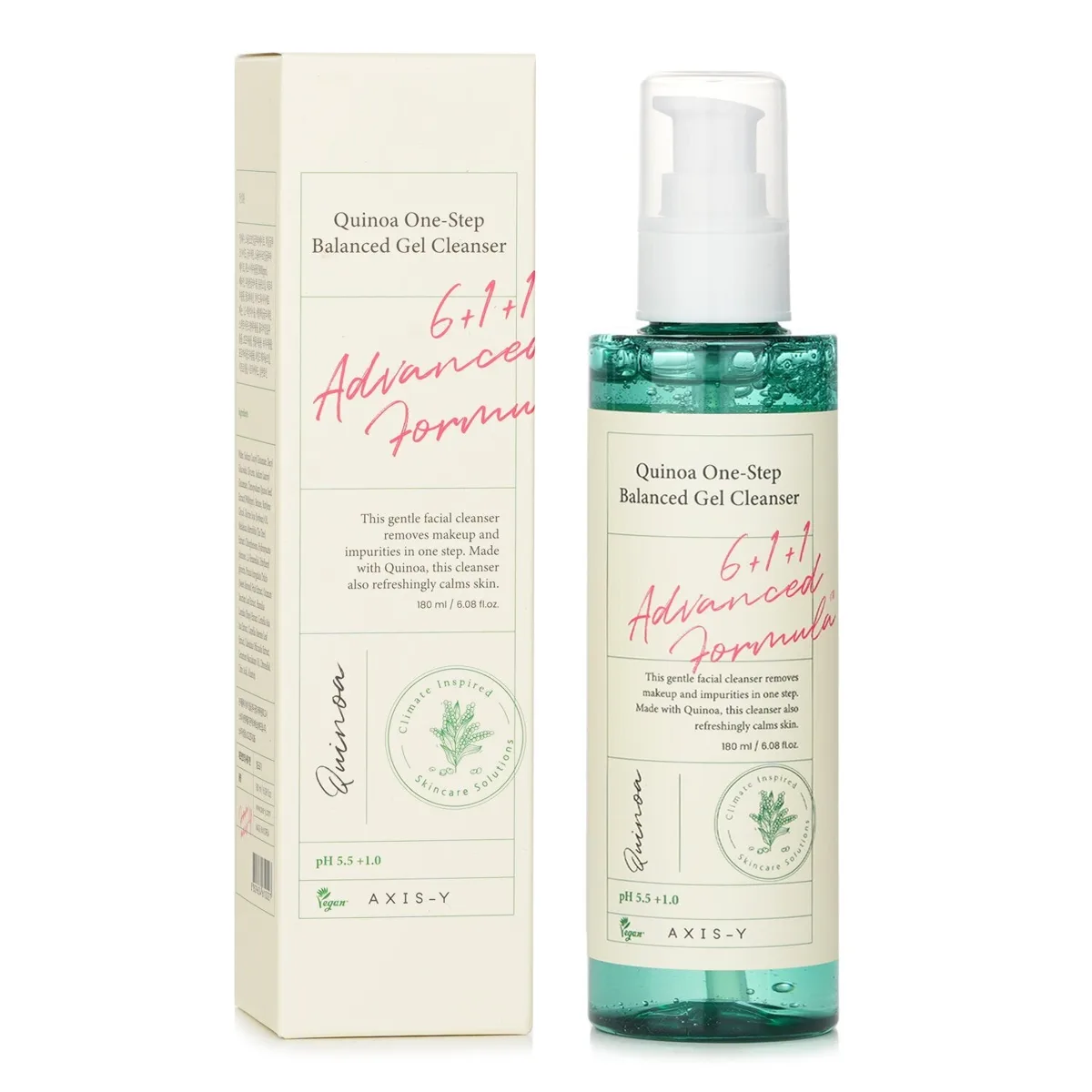 Quinoa-Led Gentle Daily Cleanser
 Quinoa One Step Balanced Gel Cleanser
A fragrance-free, sulfate-free gel cleanser built around quinoa seed extract and a gentle amphoteric-plus-nonionic surfactant pair. Non-stripping, broadly suitable, and priced reasonably — one of the safest recommendations in the daily gentle cleanser category.
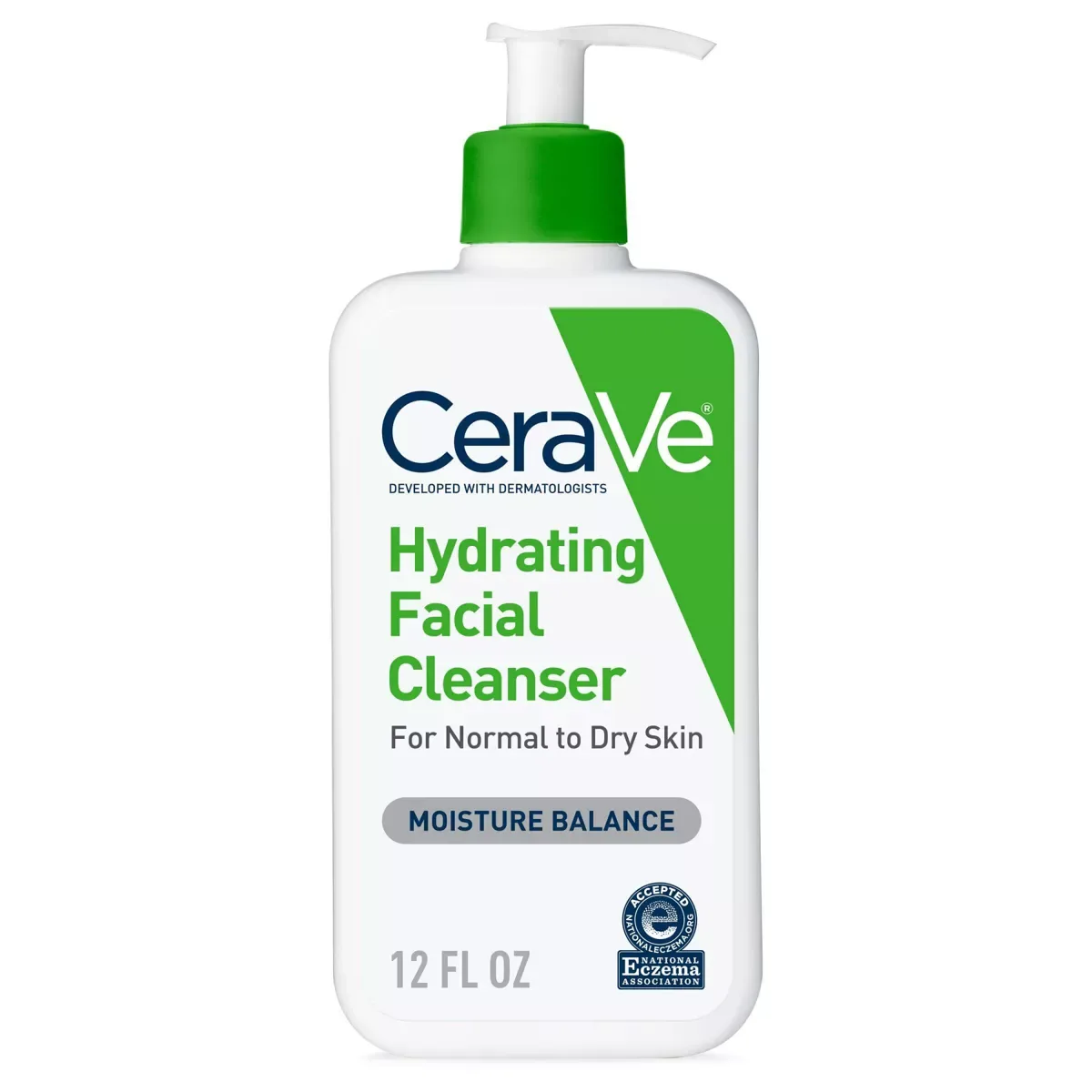 Sensitive Skin MVP
 Hydrating Facial Cleanser
The CeraVe Hydrating Facial Cleanser is the cleanser that taught a generation of dry-skin sufferers that washing your face does not have to mean punishing it. A lotion-textured, non-foaming formula that genuinely hydrates while it cleans, it remains the benchmark drugstore cleanser for anyone whose skin drinks moisture faster than most products can provide it.
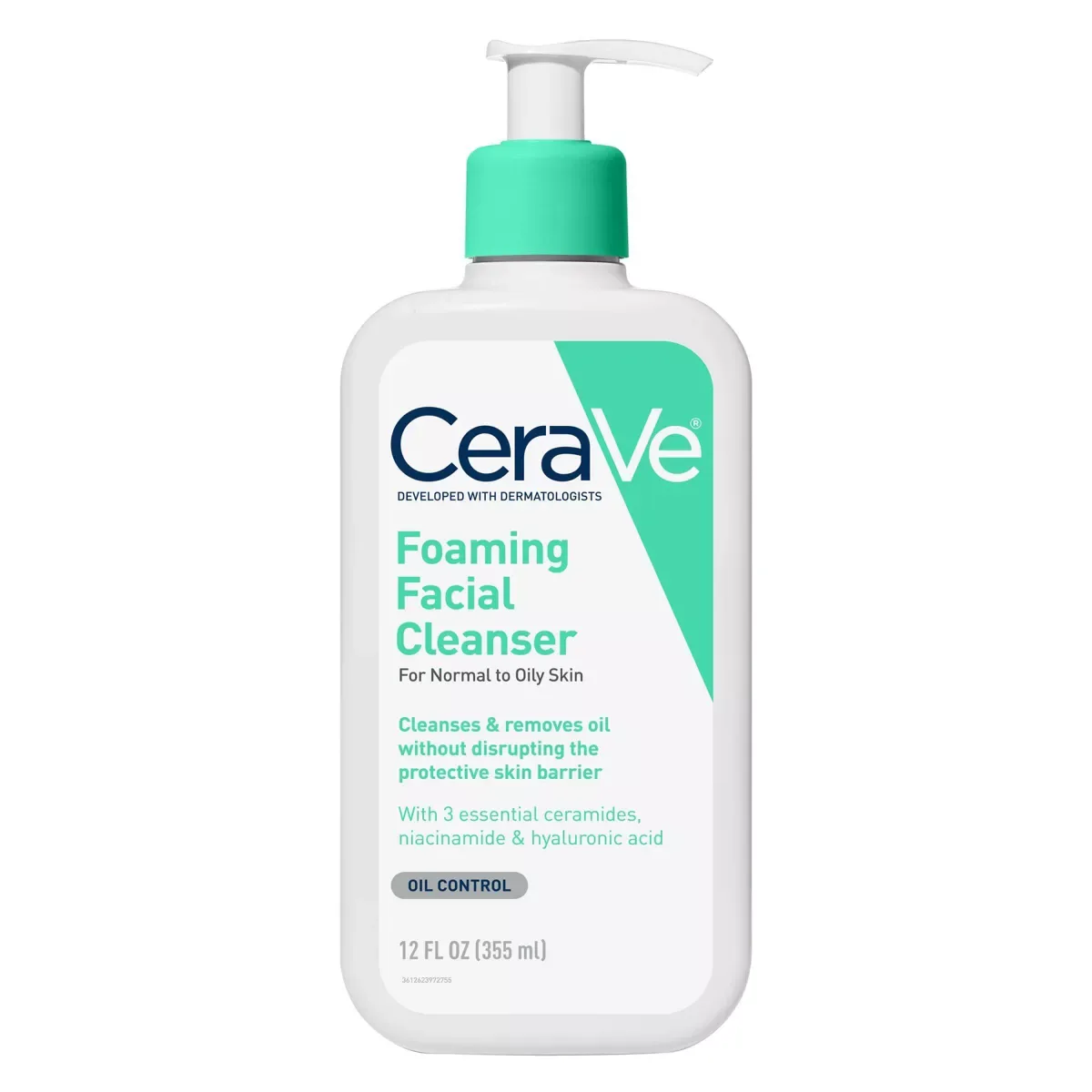 Derm Office Staple
 Foaming Facial Cleanser
The CeraVe Foaming Facial Cleanser is the rare drugstore cleanser that dermatologists actually use themselves — a genuinely gentle foaming wash that removes excess oil without triggering the rebound sebum production that plagues most lathering cleansers. At under sixteen dollars for a bottle that lasts months, it makes skipping it almost irrational.
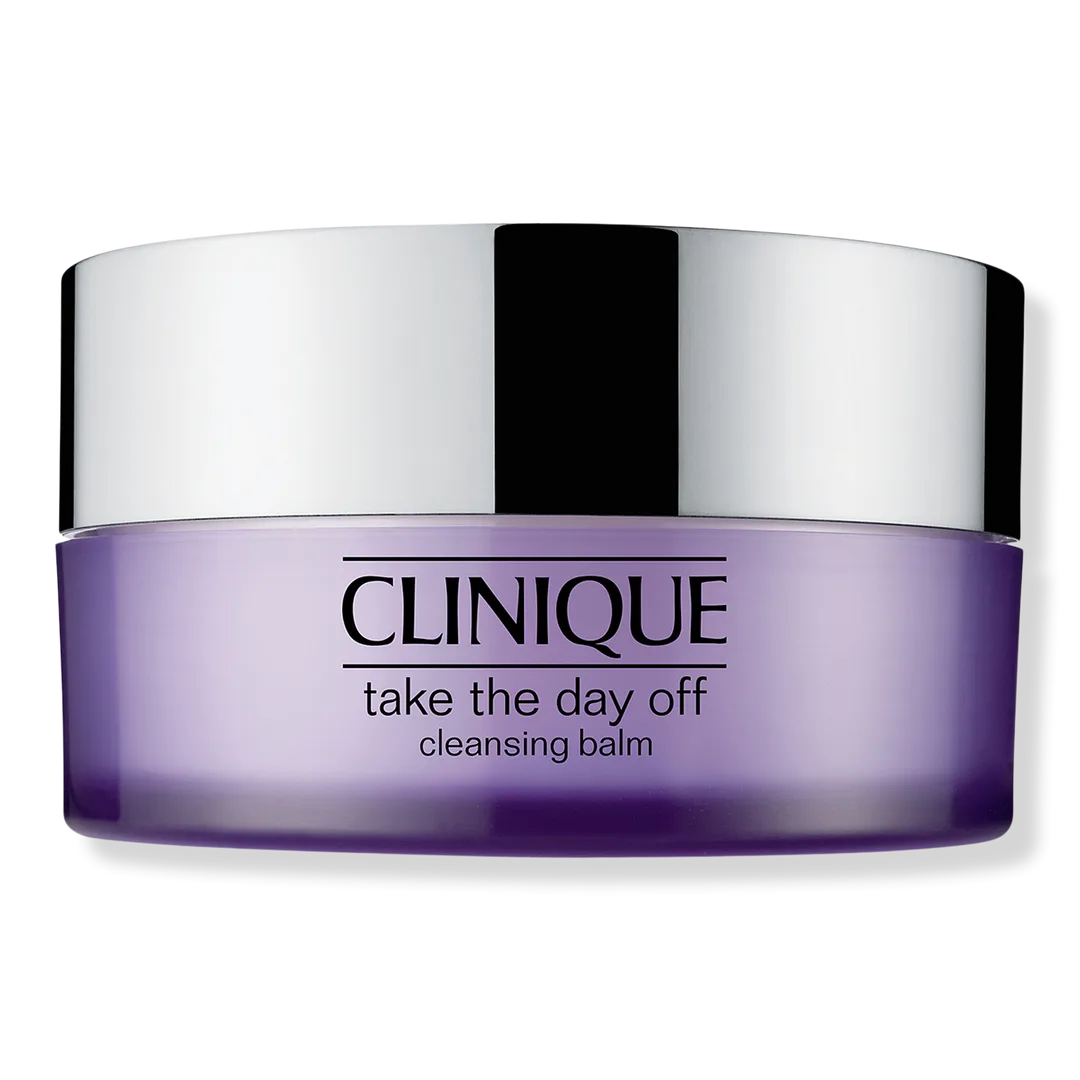 Cult-Status Makeup Eraser
 Take the Day Off Cleansing Balm
The cleansing balm that earned its cult status through radical restraint — nine ingredients, zero fragrance, and the ability to dissolve anything from waterproof mascara to SPF 50 without disturbing even the most reactive skin. Not the most glamorous product in any routine, but possibly the most universally reliable.
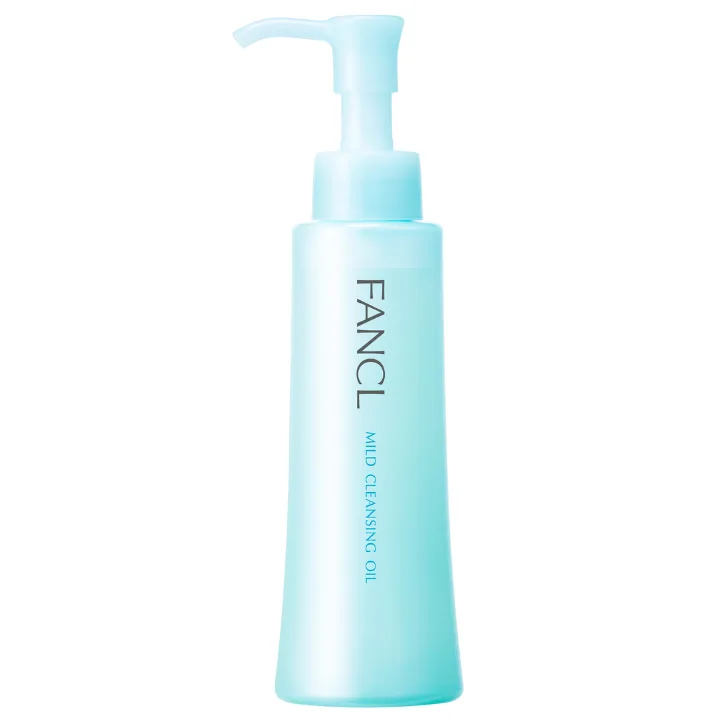 Japanese Drugstore Classic
 Mild Cleansing Oil
A two-decade-old Japanese drugstore staple that still outperforms most modern cleansing oils on the single metric that matters: does it remove sunscreen cleanly without leaving a film. The fragrance-free, ester-based formula is gentle enough for reactive skin and thoughtfully augmented with vitamin C and plant oils. Quietly one of the best first-cleanse options on the market.
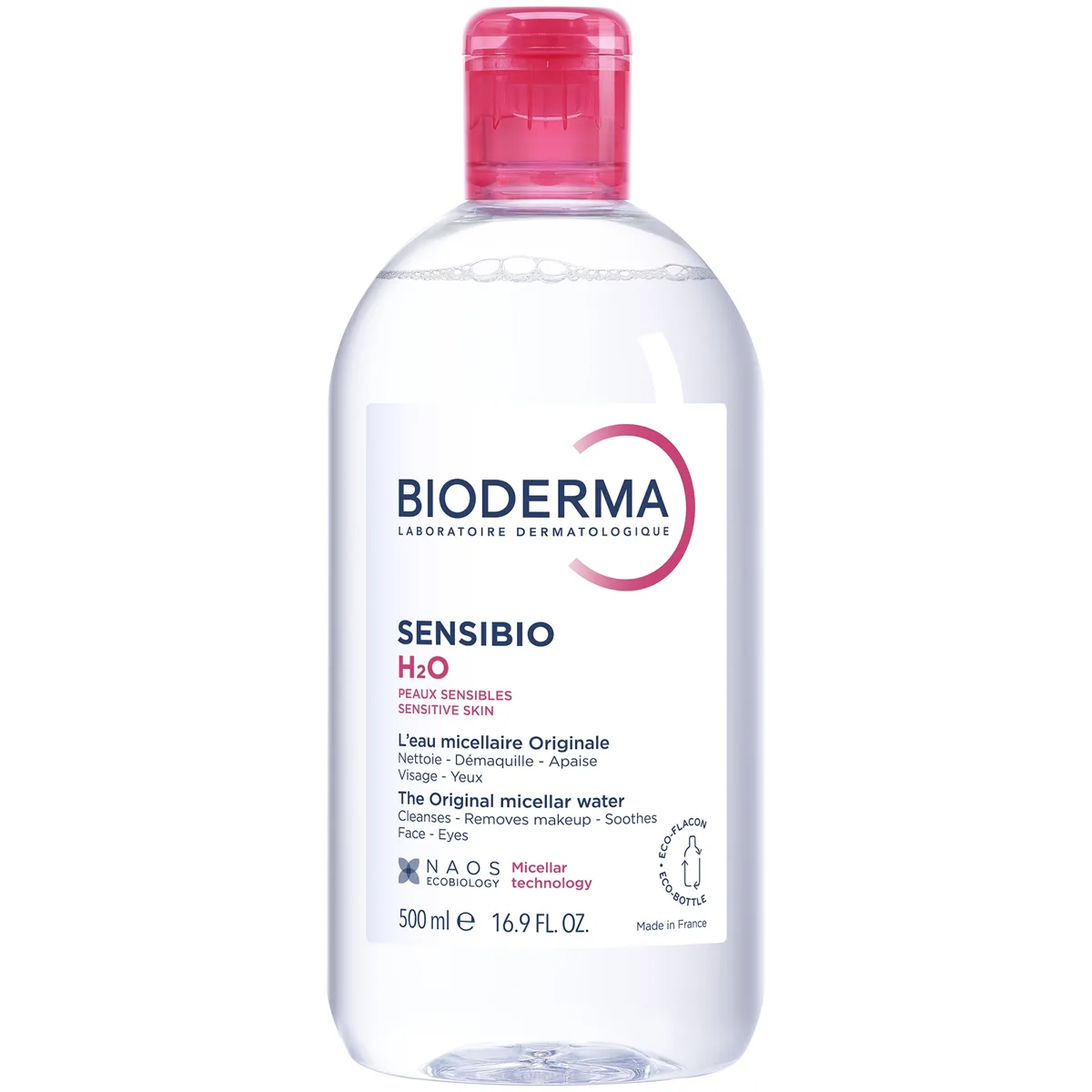 The Original Micellar Water
 Sensibio H2O Micellar Water
The product that launched an entire skincare category remains, three decades later, one of the gentlest and most effective no-rinse cleansers available. Bioderma Sensibio H2O earns its cult status through radical simplicity — 10 ingredients, zero fragrance, and a formula so mild it was originally dispensed by prescription.