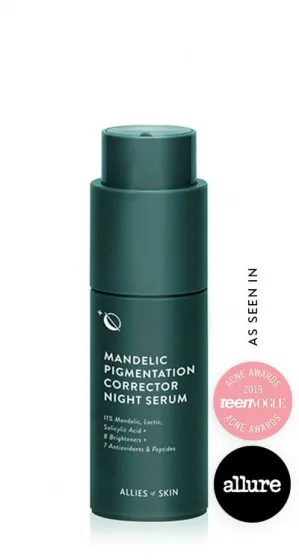
One of the most thoughtfully formulated pigmentation serums on the market. Mandelic acid leads, but the real story is the supporting cast — tranexamic acid, azelaic acid, niacinamide, and bakuchiol attacking hyperpigmentation through five different pathways. Specifically formulated to be safe on melanin-rich skin and it shows.
Mandelic Pigmentation Corrector Night Serum
One of the most thoughtfully formulated pigmentation serums on the market. Mandelic acid leads, but the real story is the supporting cast — tranexamic acid, azelaic acid, niacinamide, and bakuchiol attacking hyperpigmentation through five different pathways. Specifically formulated to be safe on melanin-rich skin and it shows.
Score Breakdown
An exceptionally well-formulated pigmentation treatment that pairs mandelic acid with tranexamic acid, azelaic acid, niacinamide, and bakuchiol. One of the strongest non-prescription approaches to hyperpigmentation in the prestige bracket.
Data Confidence: high
On market since 2020 with strong editorial coverage and extensive user reviews on Cult Beauty, Dermstore, and Space NK. Mandelic acid and tranexamic acid both have substantial published research behind them.
0/100
Overall Score
Ingredient Quality 0
Value for Money 0
Suitability Breadth 0
Irritation Risk (↑ = safer) 0
Assessment
Pros
- Mandelic acid is gentler and safer for melanin-rich skin than glycolic
- Tranexamic acid, azelaic acid, and niacinamide attack pigmentation from multiple angles
- Bakuchiol adds retinol-like signaling without retinoid irritation
- Soothing centella and bisabolol keep the active stack tolerable
- Airless opaque pump packaging protects the formula
- Specifically formulated to be safe on darker skin tones
Cons
- Premium price for a 30ml bottle
- Not safe to use during pregnancy
- Cannot be combined with retinoids on the same night
- Mild tingle on first applications may bother very reactive skin
Full Review
If you have melanin-rich skin and you've ever tried to treat hyperpigmentation with a glycolic acid serum, you probably know the heartbreak. You start using it, you get a little brighter for a couple of weeks, and then the dark spots come back darker than before because the inflammation triggered by aggressive exfoliation set off a fresh round of post-inflammatory hyperpigmentation. It's the cosmetic equivalent of pouring water on a grease fire. For decades, the skincare industry treated this as a footnote — the assumption was that everyone who wanted to fade dark spots could just use the same exfoliants the rest of the world uses, and if their skin reacted differently, that was their problem to solve. Allies of Skin's Mandelic Pigmentation Corrector is one of the cleaner attempts to actually solve the problem instead, and it's notable for that alone.
The choice of mandelic acid as the lead AHA is the first signal that the formulators knew what they were doing. Mandelic acid is a larger molecule than glycolic — almost twice the size — which means it penetrates the stratum corneum more slowly and exfoliates more gently. That gentler action is exactly what melanin-rich skin needs from an AHA: enough cell turnover to clear surface pigmentation, not so much inflammation that it triggers a fresh wave underneath. Mandelic also has independent published data for treating melasma and post-inflammatory pigmentation specifically, including studies showing it can perform comparably to glycolic with significantly better tolerance. As the headline acid in a pigmentation serum, it's the right call.
What moves this formula from 'good mandelic serum' to 'genuinely impressive multi-mechanism treatment' is everything else. Tranexamic acid is one of the most exciting topical brighteners of the past decade — it works upstream by blocking the plasminogen pathway that drives melanin overproduction, and it has clinical data in both topical and oral form for treating melasma. Azelaic acid contributes anti-inflammatory tyrosinase inhibition and brings its own extensive evidence base. Niacinamide rounds out the brightening axis by inhibiting melanosome transfer from melanocytes to surrounding skin cells, while also reinforcing the barrier so the exfoliation doesn't compound. Then there's bakuchiol, which adds retinol-like signaling activity without retinoid irritation, and a layer of soothing centella, bisabolol, allantoin, and panthenol to keep the whole stack tolerable. The result is a serum that addresses pigmentation through five distinct pathways at once. Most prestige brightening serums attack maybe two.
The texture is unobtrusive — a clear lightweight serum that absorbs in seconds and leaves no tackiness. There's a mild tingle on the first few applications, especially if your skin isn't used to acids, but it fades within a week of nightly use. The pH sits around 3.8, which is in the active range for AHA performance, and the airless opaque pump bottle protects the formula from oxidation. It layers cleanly under any moisturizer and plays well with morning vitamin C in the AM half of the routine. The only meaningful pairing rule is the obvious one: don't put this on the same night as a retinoid, and wear sunscreen religiously the next day. Both rules apply to any AHA serum and aren't unique to this one.
Results follow the usual hyperpigmentation timeline — meaning slower than people want to hear. The first noticeable change is texture and a subtle overall glow within a week or two. Post-inflammatory marks from acne start to soften around the four-to-six-week mark, and stubborn melasma or sun-damage spots usually need eight to twelve weeks of consistent nightly use plus disciplined daily SPF. If you skip the sunscreen, you'll undo the work — that's true of any pigmentation treatment, but it bears repeating. The formula does what it claims to do, but no serum on Earth will out-treat a tan you keep refreshing.
At around $99 for 30ml, this is a prestige serum, but the price is more defensible than some of Allies of Skin's other products because the active list is genuinely hard to replicate. You're not just paying for mandelic acid — you're paying for the unusually thoughtful combination of mandelic acid plus tranexamic acid plus azelaic acid plus niacinamide plus bakuchiol in a single bottle, which would otherwise require two or three separate products from other brands. The main reasons not to buy it are pregnancy (the tranexamic acid and bakuchiol are not well-studied in that context) and budget. For the right person — someone with stubborn hyperpigmentation, especially in melanin-rich skin, who has been burned by stronger acids — this is one of the strongest non-prescription pigmentation treatments available without a dermatologist's office visit.
Formula
Ingredients
The hero actives that drive this product's performance.
| Ingredient | Function | Evidence |
|---|---|---|
| Mandelic Acid | A larger-molecule alpha hydroxy acid that exfoliates more slowly and gently than glycolic, making it the ideal AHA for melanin-rich and hyperpigmentation-prone skin. In this serum it sits as the lead exfoliant precisely because it brightens without provoking the post-inflammatory pigmentation that stronger AHAs can trigger. | well-established |
| Tranexamic Acid | One of the most evidence-supported topical pigmentation modulators, blocking the plasminogen pathway that drives melanin overproduction. In this formula it works directly with mandelic acid and niacinamide as a three-pronged attack on hyperpigmentation rather than relying on exfoliation alone. | well-established |
| Azelaic Acid | Provides additional tyrosinase inhibition and anti-inflammatory action that works particularly well alongside the mandelic acid and tranexamic acid in this formula. Its anti-redness behavior also helps offset the mild flushing that AHAs can sometimes provoke. | well-established |
| Niacinamide | Inhibits melanosome transfer from melanocytes to keratinocytes and supports the barrier so the AHA exfoliation is better tolerated. In this formula it functions as the connective tissue between the exfoliant and the pigmentation modulators. | well-established |
| Bakuchiol | A plant-derived ingredient with retinol-like signaling activity that complements the brightening complex without retinoid irritation. In this serum it adds a 'PM repair' angle that doesn't conflict with the AHAs the way an actual retinoid would. | promising |
Full INCI List · pH 3.8
Water (Aqua), Mandelic Acid, Lactic Acid, Propanediol, Glycerin, Niacinamide, Azelaic Acid, Tranexamic Acid, 3-O-Ethyl Ascorbic Acid, Acetyl Glucosamine, Bakuchiol, Glycyrrhiza Glabra (Licorice) Root Extract, Centella Asiatica Extract, Bisabolol, Allantoin, Panthenol, Sodium Hyaluronate, Tetrapeptide-30, Acetyl Tetrapeptide-2, Palmitoyl Tripeptide-1, Camellia Sinensis (Green Tea) Leaf Extract, Tocopherol, Ubiquinone, Glutathione, Lactobacillus Ferment, Bifida Ferment Lysate, Sodium PCA, Trehalose, Xanthan Gum, Sodium Hydroxide, Phenoxyethanol, Ethylhexylglycerin
Product Flags
✓ Fragrance Free✓ Alcohol Free✓ Oil Free✓ Silicone Free✓ Paraben Free✓ Sulfate Free✓ Cruelty Free✓ Vegan✓ Fungal Acne Safe
Potential Irritants
Mandelic AcidLactic AcidNiacinamide
Compatibility
Skin Match
Best For
Works For
Not Ideal For
Addresses These Conditions
hyperpigmentation melasma dark spots dullness sun damage scarring
Use With Caution
rosacea compromised skin barrier
Avoid With
Routine Step
treatment
Time of Day
PM
Pregnancy Safe
No ✗
Layering Tips
Apply to clean dry skin in the evening before moisturizer. Do not pair with retinoids on the same night. Always follow with SPF the next morning — AHAs increase photosensitivity.
Results Timeline
Smoother texture and slight brightening within 1-2 weeks. Visible reduction in post-inflammatory marks at 4-8 weeks. Stubborn melasma and sun-damage spots typically take 8-12 weeks of consistent use plus disciplined SPF.
Pairs Well With
hydrating-serumceramide-moisturizermorning-vitamin-c
Conflicts With
retinoids-same-nightbenzoyl-peroxidephysical-scrubs
Sample AM Routine
- Gentle cleanser
- Vitamin C serum
- Moisturizer
- SPF 50
Sample PM Routine
- Cleanser
- Allies of Skin Mandelic Pigmentation Corrector Night Serum
- Soothing moisturizer
Evidence
Science
The Science
Mandelic acid (an aromatic alpha hydroxy acid derived from bitter almonds) has been studied specifically for hyperpigmentation in melanin-rich skin, with published trials showing it is comparable in efficacy to glycolic acid while producing less inflammation and post-inflammatory pigmentation. Its larger molecular size (approximately 152 daltons versus glycolic's 76) is the structural reason for the gentler penetration profile. Tranexamic acid has emerged in the past decade as one of the most evidence-supported topical brighteners, with clinical work demonstrating it can interrupt the plasminogen-keratinocyte signaling that drives melasma. Azelaic acid is well-established in dermatology literature as both a tyrosinase inhibitor and an anti-inflammatory, and is FDA-approved at prescription strength for rosacea and acne — over-the-counter concentrations are commonly used for adjunctive pigmentation support. Niacinamide has multiple controlled studies showing it reduces melanosome transfer from melanocytes to keratinocytes and improves the appearance of hyperpigmentation at concentrations between 2 and 5 percent. Bakuchiol has a smaller but growing body of evidence as a retinol-like signaling ingredient with better tolerance, though comparative data is still maturing. The novelty here is the integration: combining five complementary mechanisms in a single tolerable formula is more difficult than pairing any two of them.
Dermatologist Perspective
Dermatologists frequently recommend mandelic acid for patients with melanin-rich skin who have struggled with glycolic-induced post-inflammatory hyperpigmentation. Board-certified dermatologists often note that combination approaches — pairing a gentle exfoliant with a tyrosinase inhibitor and an anti-inflammatory — tend to outperform single-mechanism treatments for stubborn pigmentation. Tranexamic acid is increasingly mentioned in clinical conversation as an adjunct for melasma, and azelaic acid has long been a derm staple for both pigmentation and acne. The combination of these ingredients in one serum is consistent with current clinical thinking, though dermatologists usually emphasize that any pigmentation treatment is only as effective as the daily SPF that supports it. Patients are typically advised that visible results take several weeks and that consistency, not intensity, is the most important factor.
Guidance
Usage Guide
How to Use
Apply 3-4 drops to clean, dry skin in the evening before moisturizer. Avoid the immediate eye area. Start with three nights per week if your skin is new to AHAs, then increase to nightly as tolerated. Always pair with broad-spectrum SPF 30 or higher in the morning — AHAs increase photosensitivity, and pigmentation treatments are wasted without sun protection. Do not use on the same night as a retinoid, benzoyl peroxide, or strong physical exfoliant.
Value Assessment
At roughly $99 for 30ml, this serum sits in the prestige bracket but is more defensible than many of its peers because the active stack is genuinely difficult to replicate by combining individual products. Building an equivalent routine separately would require a mandelic acid serum, a tranexamic acid serum or essence, an azelaic acid product, and a niacinamide product — almost certainly more expensive in aggregate, with significant layering pilling risk. There is no larger value size, so per-ml cost is fixed. For users with serious hyperpigmentation concerns, the consolidated multi-mechanism approach justifies the price. For mild brightening goals, simpler and cheaper serums exist.
Who Should Buy
Anyone with stubborn hyperpigmentation, post-inflammatory marks from acne, or early melasma — particularly users with melanin-rich skin who have been burned by stronger AHAs. Also a strong fit for people who want a multi-mechanism brightening treatment without needing a dermatologist visit for prescription options.
Who Should Skip
Pregnant or breastfeeding users — tranexamic acid and bakuchiol lack sufficient pregnancy safety data. Anyone with very compromised barriers, active eczema, or rosacea flares should also wait. Budget-focused users will find more affordable single-ingredient options, though none with this formulation density.
Ready to try Allies of Skin Mandelic Pigmentation Corrector Night Serum?
Details
Details
Texture
Lightweight clear serum that absorbs quickly with a faint silky finish
Scent
Faint, neutral
Packaging
Opaque airless pump bottle
Finish
lightweightfast-absorbingnon-greasy
What to Expect on First Use
Mild tingle on the first few applications is normal and typically fades. No purging in the retinoid sense, but pre-existing congestion may surface as the AHA works through dead cell layers in the first 1-2 weeks.
How Long It Lasts
Approximately 2-3 months with nightly use, longer if alternated with other PM treatments
Period After Opening
6 months
Best Season
All Year
Certifications
Cruelty-FreeVegan
Background
The Why
The Mandelic Pigmentation Corrector launched in 2020 in response to growing demand for hyperpigmentation treatments designed for darker skin tones, where stronger AHAs and harsh peels can trigger post-inflammatory hyperpigmentation. Allies of Skin built the formula around mandelic acid precisely because of its larger molecular size and gentler exfoliation profile.
About Allies of Skin Established Brand (5–20 years)
Allies of Skin was founded in 2016 by Nicolas Travis in Singapore and is recognized for high-density multi-active formulas. The Mandelic Pigmentation Corrector launched in 2020 and is one of the few prestige night serums built around mandelic acid as the headline AHA.
Brand founded: 2016 · Product launched: 2020
Myth vs. Reality
Myths
Myth
Stronger acids fade dark spots faster.
Reality
On melanin-rich skin, stronger AHAs often trigger more post-inflammatory pigmentation than they fade. Mandelic acid's slower, gentler action is frequently the better long-term strategy for hyperpigmentation.
Myth
You need a prescription to fade post-acne marks.
Reality
Topical tranexamic acid, niacinamide, azelaic acid, and gentle AHAs have substantial published evidence for fading PIH without prescription strength.
FAQ
FAQ
How is mandelic acid different from glycolic acid?
Mandelic acid has a larger molecular size, so it penetrates more slowly and exfoliates more gently. That makes it significantly better tolerated on melanin-rich skin and less likely to trigger post-inflammatory hyperpigmentation than glycolic acid.
Can I use this serum every night?
Yes, the formula is designed for nightly PM use. Some users prefer to alternate with hydrating-only nights for the first two weeks while their skin acclimates to the AHA.
Is this safe for darker skin tones?
Yes, and it is specifically formulated with darker skin tones in mind. Mandelic acid's gentler profile combined with tranexamic acid and niacinamide is one of the safer non-prescription approaches to hyperpigmentation in deeper skin.
Can I use this with retinol?
Not on the same night. Alternate them — retinol one evening, this serum the next — to avoid stacking actives that could overwhelm the barrier.
Is this safe during pregnancy?
No. While mandelic acid alone is often considered low-risk, this formula contains tranexamic acid and bakuchiol, which lack sufficient pregnancy safety data. Look for a fragrance-free azelaic acid serum instead during pregnancy.
How long until I see results on dark spots?
Smoother texture and a slight glow appear within 1-2 weeks. Visible fading of post-inflammatory marks typically begins around 4-8 weeks. Stubborn melasma or sun-damage spots usually take 8-12 weeks plus disciplined daily SPF.
Community
Community
Common Praise
"Visible fading of post-acne marks"
"Gentler than glycolic exfoliants"
"Works on melanin-rich skin without backfire"
"No retinoid-like irritation"
Common Complaints
"Premium price for 30ml"
"Cannot use during pregnancy"
"Mild tingle on first applications"
Notable Endorsements
Featured by DermstoreCult Beauty editor pick
Appears In
best mandelic acid serum best serum for hyperpigmentation best pigmentation serum for dark skin best non prescription melasma treatment
Related Conditions
hyperpigmentation melasma dark spots scarring
Related Ingredients
mandelic acid tranexamic acid azelaic acid niacinamide bakuchiol
You Might Also Like
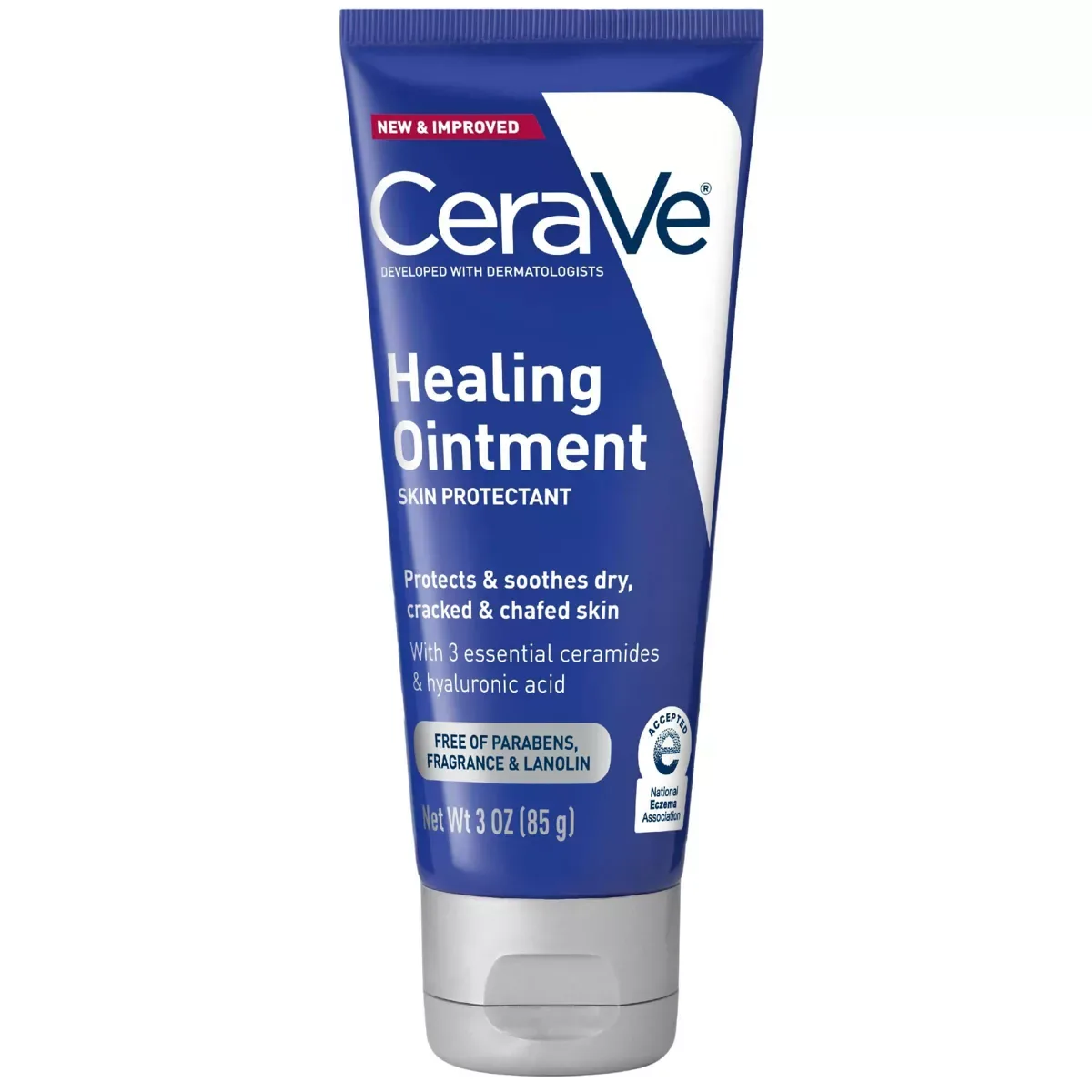 Barrier Rescue Hero
 Healing Ointment
CeraVe's Healing Ointment takes the simplest concept in skincare — seal the skin with petrolatum — and makes it genuinely intelligent by adding ceramides, hyaluronic acid, and panthenol beneath the occlusive layer. It is the gold standard drugstore occlusive for barrier rescue, slugging, and post-procedure care.
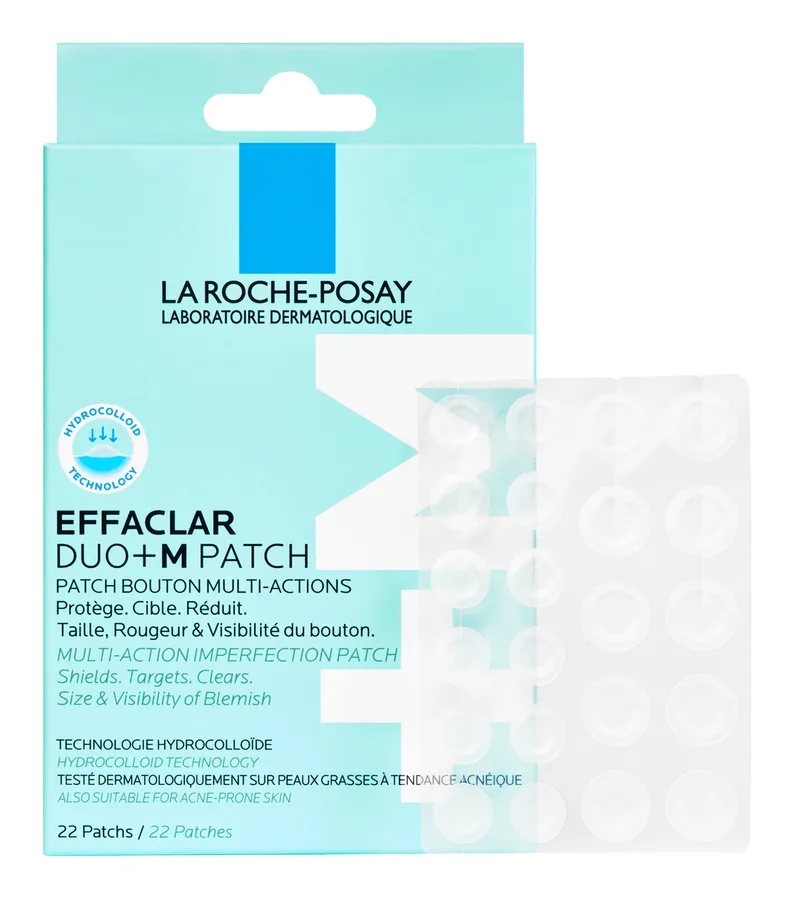 Derm Office Staple
 Effaclar Multi-Target Blemish Patches
One of the few hydrocolloid pimple patches that actually stays on overnight without curling off at 3am. At 420 microns thick with two size options in one pack and zero actives to irritate sensitive skin, this is the Effaclar line's quiet overachiever — and a legitimately good answer for anyone whose acne routine has been sabotaged by thinner patches that refuse to stay put.
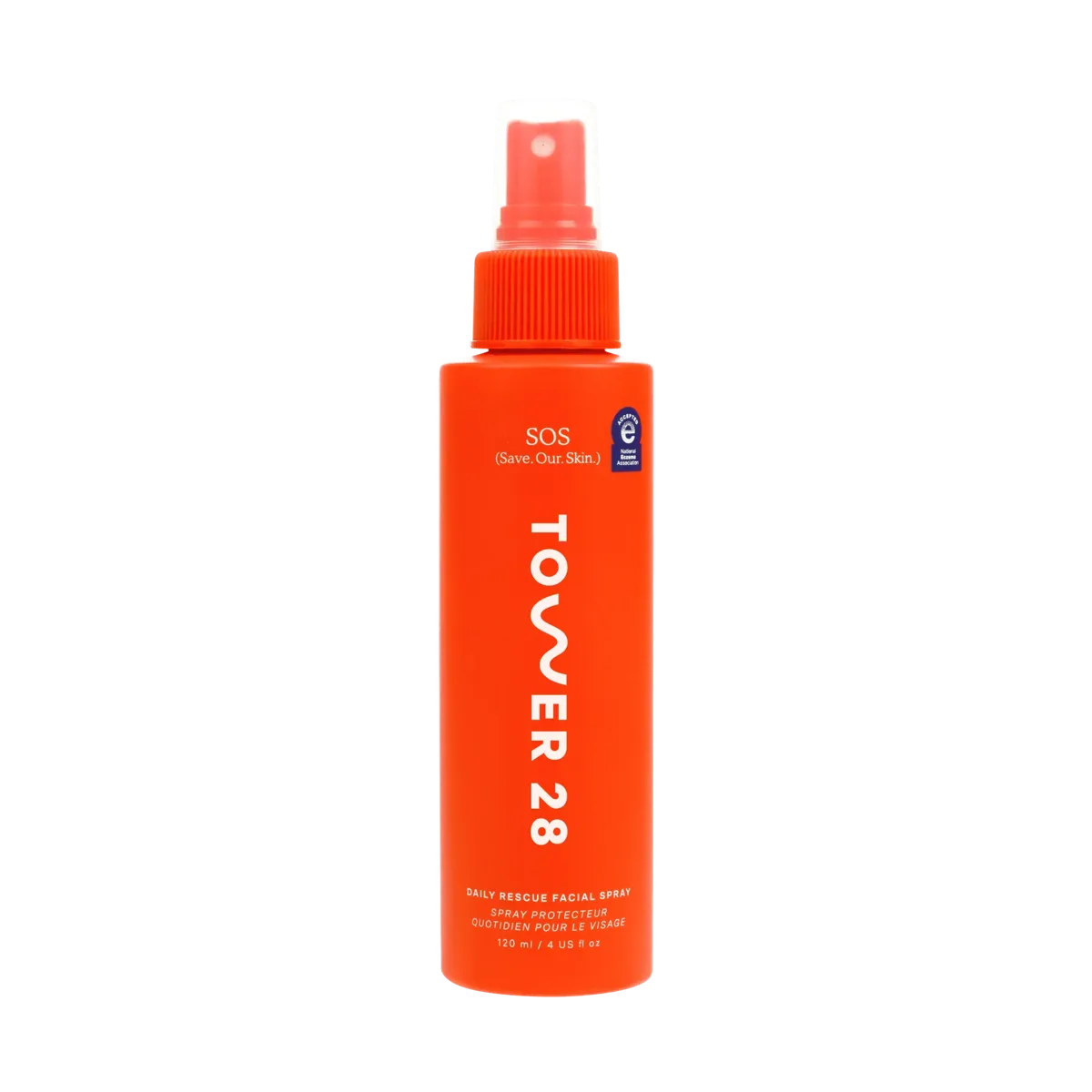 Reactive-Skin Cult Favorite
 SOS Save Our Skin Daily Rescue Facial Spray
The product that single-handedly brought hypochlorous acid into mainstream skincare. A fine-mist HOCl spray with genuine dermatology-organization validation, a near-perfect tolerability profile, and a cult following among people whose skin reacts to everything else. The price runs steeper than medical-grade HOCl, but the stabilization and design are worth the difference for daily use.
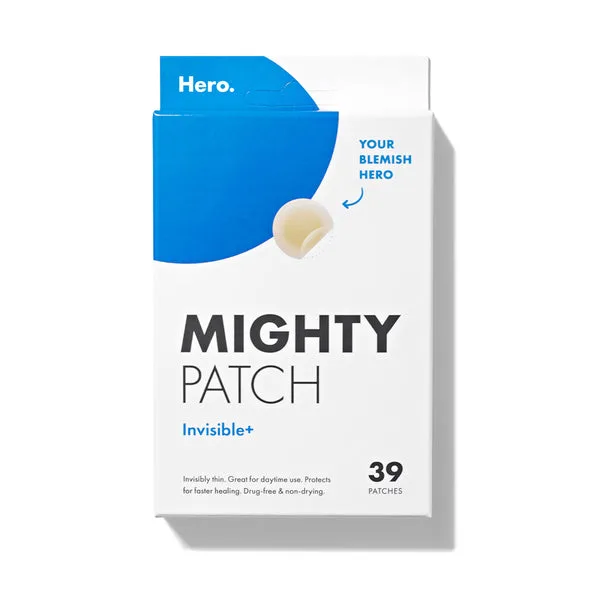
Mighty Patch Invisible+
The pimple patch that proved acne treatment could be invisible — Mighty Patch Invisible+ delivers the same fluid-absorbing hydrocolloid technology as the category-defining Original, but engineered thin enough to disappear under makeup. For daytime blemish management, nothing else comes this close to invisible.
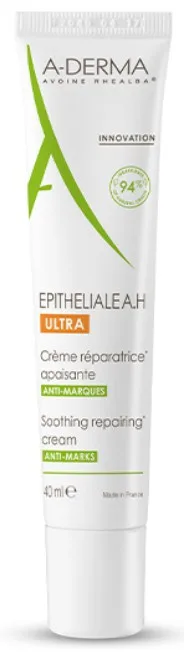 Post-Procedure MVP
 Epitheliale A.H Ultra Repairing Cream
One of the best-formulated French pharmacy repair creams on the market, full stop. Rhealba oat, three-weight HA, madecassoside, trace minerals, panthenol, and shea butter come together in a cream that handles post-procedure skin, eczema flares, friction damage, and compromised barriers with unusual competence for the price.
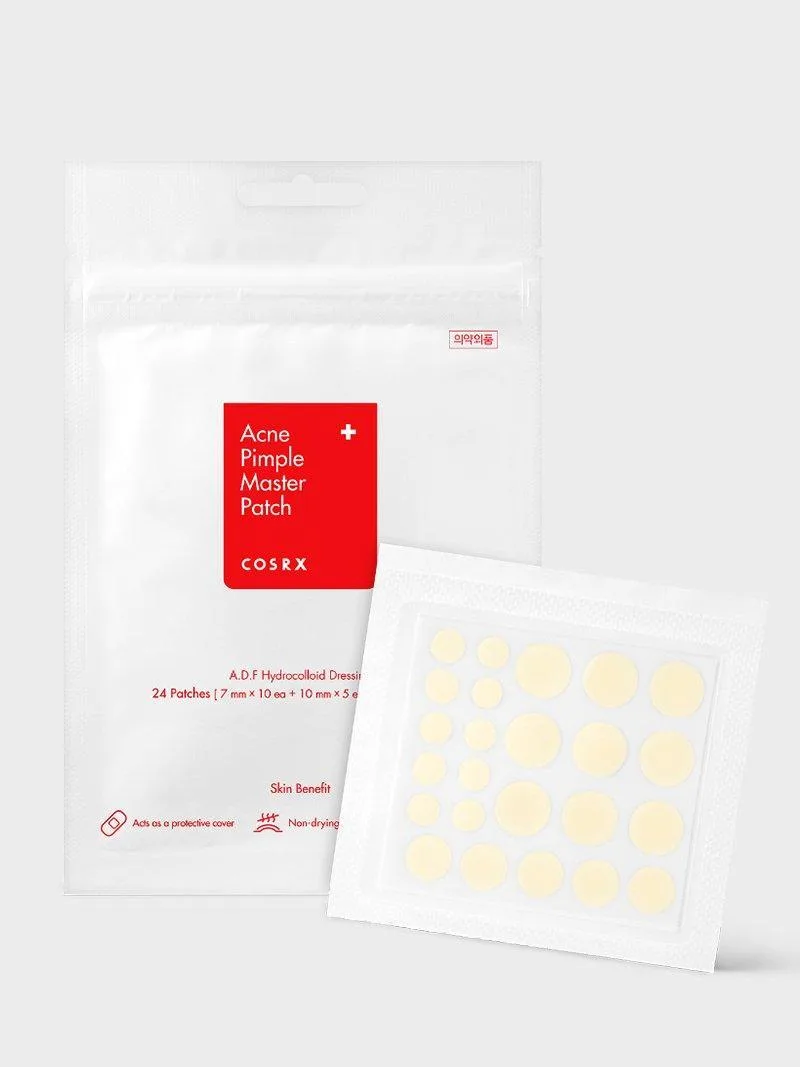 The Original Pimple Patch
 Acne Pimple Master Patch
The product that launched a category. A no-frills hydrocolloid patch that does exactly one thing — absorb fluid from surfaced blemishes and protect them while they heal — and does it so well, so cheaply, and so satisfyingly that it has sold tens of millions of units and spawned an entire industry of imitators.