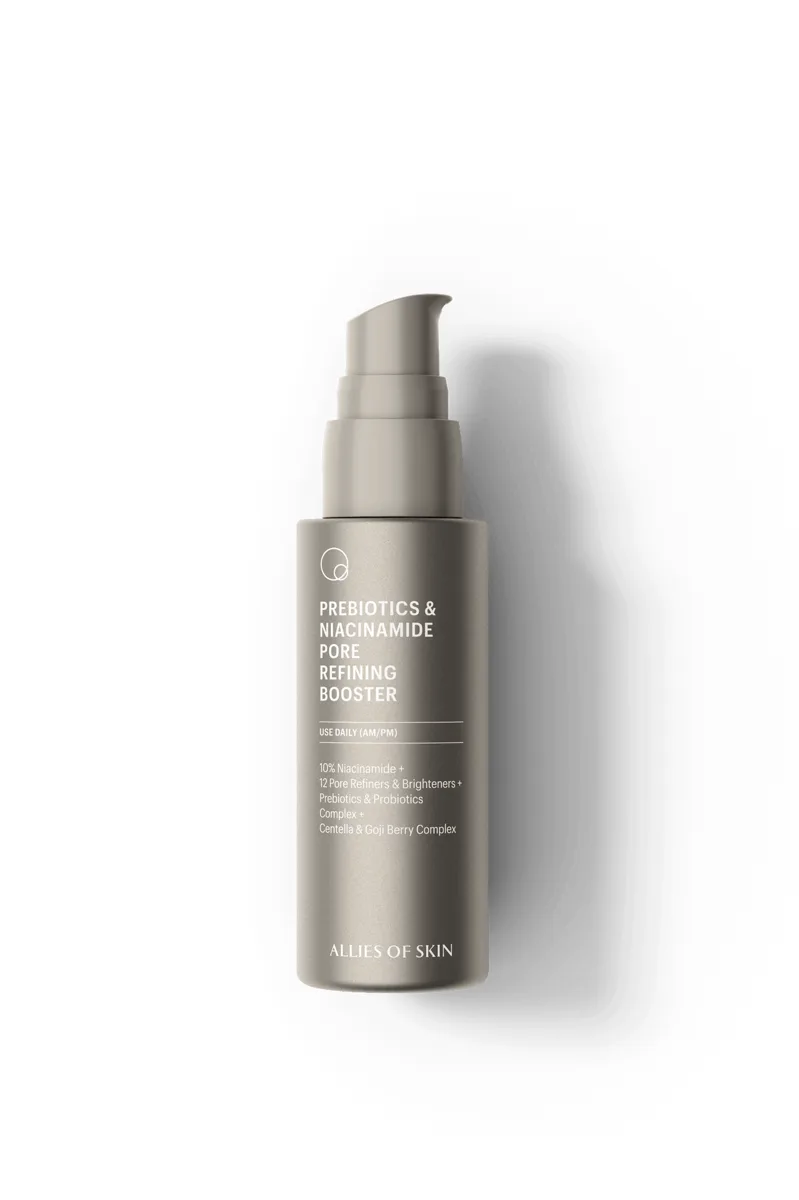
A 10% niacinamide serum with a genuine microbiome-aware twist — the prebiotic-postbiotic matrix addresses pore-driving bacterial imbalances alongside the standard sebum control work. Best for oily and combination skin users who want something more considered than budget niacinamide options. The price is hard to justify against The Ordinary unless you specifically want the microbiome angle.
Prebiotics & Niacinamide Pore Refining Booster
A 10% niacinamide serum with a genuine microbiome-aware twist — the prebiotic-postbiotic matrix addresses pore-driving bacterial imbalances alongside the standard sebum control work. Best for oily and combination skin users who want something more considered than budget niacinamide options. The price is hard to justify against The Ordinary unless you specifically want the microbiome angle.
Score Breakdown
Evidence-based 10% niacinamide paired with a sophisticated prebiotic-postbiotic matrix and gentle BHA earns high ingredient marks; the $89 price and narrow ideal audience slightly cap the total score.
Data Confidence: medium
This booster has been on market since 2020 with approximately 400-600 verified reviews across Dermstore, Cult Beauty, and SpaceNK. Scoring reflects both ingredient analysis and several years of real-world feedback from oily-skin users.
0/100
Overall Score
Ingredient Quality 0
Value for Money 0
Suitability Breadth 0
Irritation Risk (↑ = safer) 0
Assessment
Pros
- 10% niacinamide at the clinically well-studied concentration
- Genuine prebiotic and postbiotic microbiome support
- Low-dose 0.5% BHA for daily pore clarity without irritation
- Fragrance-free airless pump packaging
- Comfortable and non-pilling under makeup and sunscreen
- Includes zinc PCA for sebum regulation cofactor
Cons
- $89 is very expensive for a niacinamide serum
- The Ordinary delivers the core actives for a fraction of the price
- Can be drying for dehydrated or dry skin
- Microbiome ferments may not suit fungal-acne-prone users
- Pore refinement is slow and requires weeks of consistency
Full Review
There's a strange gap in the 10% niacinamide serum market. The category is dominated at one end by The Ordinary's Niacinamide 10% + Zinc 1% — a five-dollar formula that works — and at the other by prestige serums that deliver essentially the same niacinamide dose in prettier packaging for thirty times the price. Very few actually try to do something different with the niacinamide idea. Allies of Skin's Prebiotics & Niacinamide Pore Refining Booster is one of the exceptions. What makes it genuinely different isn't the niacinamide or the zinc or the gentle BHA — those are the standard moves. It's the three-part prebiotic matrix and postbiotic ferments built into the base.
Here's why that matters. Pore visibility and congestion are partially driven by sebum composition, partially by cellular turnover, and partially by the bacterial ecology inside the follicle. Niacinamide handles the sebum and cellular sides competently. But if the microbiome inside and around pores is out of balance — too many of the wrong strains, not enough of the right ones — the sebum production and inflammation work against you no matter how much niacinamide you apply. The prebiotic matrix here — alpha-glucan oligosaccharide, inulin, and fructooligosaccharides — is a targeted attempt to feed commensal bacteria like S. epidermidis while starving less-beneficial strains. The Lactobacillus and Bifida ferment lysates add postbiotic metabolites that further support the microbiome. The evidence base for microbiome skincare is still emerging rather than established, but this booster takes the idea more seriously than almost any competitor in the pore-refining category.
The rest of the formula is built around that microbiome core. Ten percent niacinamide sits right at the clinically well-studied dose for sebum reduction and pore appearance. Zinc PCA is included as a sebum-regulating cofactor. Salicylic acid comes in at 0.5% — low enough to avoid exfoliation-level irritation but high enough to help keep pore openings clear on a daily basis. Bakuchiol adds a retinol-adjacent signal for textural refinement without retinoid irritation. Ectoin and centella smooth out any edge, and the whole thing sits in a fragrance-free, alcohol-free, essential-oil-free base that makes it unusually comfortable for a serum with this many actives.
The texture is a plain clear water-light serum that absorbs in about twenty seconds and leaves a slight matte finish. No tack, no residue, no pilling under sunscreen or foundation. The 0.5% BHA is below the threshold where most users feel tingling. If you're coming from The Ordinary's niacinamide formula — which can occasionally flake or pill on some users — this one applies noticeably more smoothly, and the airless pump protects the ferment and prebiotic payload in a way The Ordinary's dropper doesn't.
Results are realistic rather than dramatic. Oil control is visible by the end of the first week — most users report less mid-day shine and a cleaner T-zone feel. Textural smoothness improves over three or four weeks as the BHA and niacinamide do their work. Actual pore-appearance refinement is slow and requires eight to twelve weeks of consistent use to really show, which is consistent with the published niacinamide research. The prebiotic work is harder to quantify subjectively — users who track their skin closely sometimes report fewer congestion episodes and less inflammation, but the effect is subtle and cumulative.
The honest tension with this product is value. At $89 for 30ml, you could buy The Ordinary's Niacinamide 10% + Zinc 1% for about five dollars and get the core actives at the same concentration. The argument for paying seventeen times more is the microbiome matrix, the airless packaging, the fragrance-free luxury base, and the BHA inclusion — each of which is real, but none of which is transformative on its own. For a skincare enthusiast who specifically wants the microbiome angle and is willing to pay for it, the math can make sense. For anyone primarily chasing the niacinamide work itself, The Ordinary remains unbeaten as a value pick.
There are also users this formula is clearly not for. Dry skin will find the serum too drying over time — the sebum reduction is real, and combined with 10% niacinamide and a trace of BHA, it can push already-dehydrated skin into tightness. Sensitive and reactive skin should start cautiously; while the base is soothing, the actives density is real. And users dealing with fungal acne (malassezia folliculitis) should note that the ferments could theoretically exacerbate yeast-driven breakouts, even though the booster is otherwise well-tolerated.
The brand context matters. Allies of Skin is still an emerging brand — founded 2016, no long-form clinical trials on this specific formula — and for a pore serum that's fine, because the niacinamide evidence base is robust and the prebiotic work is a sensible extension of microbiome research from academic literature. You're not paying for decades of branded clinical data. You're paying for sophisticated ingredient thinking and fragrance-free multitasking, both of which the brand consistently delivers.
If you love The Ordinary's niacinamide work but wish it came in a more considered formula with a real microbiome angle, this is the serum to try. If you've never tried 10% niacinamide, start cheaper first.
Formula
Ingredients
The hero actives that drive this product's performance.
| Ingredient | Function | Evidence |
|---|---|---|
| Niacinamide (10%) | The hero active here, used at the clinically well-studied 10% concentration to reduce sebum output, tighten the appearance of pores, and even tone. In this booster, niacinamide is paired with a prebiotic microbiome matrix — a relatively sophisticated pairing, since niacinamide's pore-refining effect depends partly on a balanced skin microbiome. | well-established |
| Prebiotic Complex (Alpha-Glucan Oligosaccharide, Inulin, FOS) | A three-part prebiotic matrix that selectively feeds commensal skin bacteria like S. epidermidis while starving pore-dwelling strains associated with breakouts and congestion. This is the distinctive formulation choice here — most pore serums attack the symptoms; this one tries to rebalance the upstream microbiome. | emerging |
| Postbiotic Ferment (Lactobacillus + Bifida) | Lysed bacterial ferments that deliver peptides, amino acids, and metabolites directly to the skin's microbiome, complementing the prebiotic feeding strategy. In this context, the postbiotics help soothe inflammation that exacerbates pore visibility rather than doing their own congestion work. | emerging |
| Zinc PCA | Added alongside the niacinamide to further modulate sebum production. The niacinamide-zinc pairing is one of the more evidence-supported combinations for oily and congested skin and works synergistically in this pore-refining context. | promising |
| Salicylic Acid (0.5%) | A low concentration of BHA included at a non-exfoliating level to help keep pore linings clear without irritation. At 0.5% it's more of a gentle daily cleanser for the pore opening than a true chemical exfoliant — which is the right move in a daily booster meant to layer with other actives. | well-established |
Full INCI List · pH 5.5
Water/Aqua/Eau, Niacinamide, Glycerin, Propanediol, Pentylene Glycol, Dimethyl Isosorbide, Alpha-Glucan Oligosaccharide, Inulin, Fructooligosaccharides, Lactobacillus Ferment, Bifida Ferment Lysate, Zinc PCA, Salicylic Acid, Hydrolyzed Sodium Hyaluronate, Sodium Hyaluronate, Bakuchiol, Ectoin, Panthenol, Allantoin, Centella Asiatica Extract, Camellia Sinensis Leaf Extract, Portulaca Oleracea Extract, Glycyrrhiza Glabra Root Extract, Tocopherol, Sodium PCA, Trehalose, Xanthan Gum, Carbomer, Ethylhexylglycerin, Disodium EDTA, Phenoxyethanol
Product Flags
✓ Fragrance Free✓ Alcohol Free✓ Oil Free✓ Silicone Free✓ Paraben Free✓ Sulfate Free✓ Cruelty Free✓ Vegan✗ Fungal Acne Safe
Potential Irritants
salicylic acid
Compatibility
Skin Match
Best For
Works For
Not Ideal For
Addresses These Conditions
large pores oiliness blackheads dullness texture
Use With Caution
Routine Step
serum
Time of Day
AM & PM
Pregnancy Safe
No ✗
Layering Tips
Apply after cleansing and toning, before heavier serums and moisturizer. Can be used AM and PM. Avoid layering directly with vitamin C or other BHA products on the same application.
Results Timeline
Oil control is visible within the first few days. Tone and texture improvements appear over 3-4 weeks. Meaningful pore-appearance refinement typically takes 8-12 weeks of consistent daily use.
Pairs Well With
ceramide-moisturizerhydrating-tonermineral-sunscreen
Conflicts With
high-strength-acidspure-vitamin-c
Sample AM Routine
- Gel cleanser
- Allies of Skin Prebiotics & Niacinamide Pore Refining Booster
- Lightweight moisturizer
- SPF 50
Sample PM Routine
- Oil cleanser
- Gel cleanser
- Allies of Skin Prebiotics & Niacinamide Pore Refining Booster
- Gel moisturizer
Evidence
Science
The Science
The niacinamide case here is rock-solid. Multiple published studies have shown that topical niacinamide at 2-10% reduces sebum excretion rate, improves the appearance of enlarged pores, and evens skin tone by interfering with melanosome transfer to keratinocytes. The 10% dose sits at the upper end of the studied range and is where most of the pore-refining and sebum-reducing data lives. Zinc PCA as a sebum cofactor has supporting evidence as well, and the niacinamide-zinc pairing is one of the better-validated combinations in the oily-skin category. Salicylic acid at 0.5% is below the typical exfoliating threshold but is still active in keeping pore linings clear and has a well-established evidence base for comedolysis at higher doses. Where this formula ventures into less-settled territory is the microbiome work. The prebiotic oligosaccharides — alpha-glucan oligosaccharide, inulin, and FOS — have emerging research showing selective support of commensal skin bacteria like S. epidermidis, with proposed downstream effects on barrier function and inflammation. The Lactobacillus and Bifida postbiotic ferments are lysed bacterial preparations that deliver peptides and metabolites; their evidence base is earlier-stage but growing. The overall logic — niacinamide for sebum and tone, BHA for pore clarity, prebiotics and postbiotics for microbiome rebalancing — is internally coherent and reflects the direction academic microbiome research has been moving. What's less clear is how much additional benefit the microbiome matrix delivers in practice compared to niacinamide and BHA alone. The honest answer is that the evidence supports the approach but doesn't quantify the added benefit, so users should treat the prebiotic work as a promising complement rather than a game-changer.
Dermatologist Perspective
Dermatologists frequently recommend 10% niacinamide as a first-line topical for patients with oily skin, enlarged pores, and mild hyperpigmentation. Board-certified dermatologists often note that niacinamide is among the best-tolerated cosmetic actives in their toolkit and can be used alongside prescription treatments without significant interaction concerns. The addition of low-dose salicylic acid and zinc makes this booster a sensible daily pore-refining option. Microbiome-aware formulations remain a newer frontier; dermatologists generally view the prebiotic-postbiotic approach as promising but not yet a substitute for evidence-based actives. For patients seeking the same core niacinamide benefit at a lower price, simpler formulations are commonly recommended as a starting point.
Guidance
Usage Guide
How to Use
Apply three to four drops to clean skin after toning or essence, morning and evening. Press into the face, focusing on the T-zone, cheeks, and any congested areas. Allow thirty to sixty seconds before layering additional serums or moisturizer. In the AM, always follow with a broad-spectrum SPF 30 or higher — niacinamide is photostable but the skin it's treating still needs protection. Avoid layering directly with other BHA products or pure ascorbic acid on the same application to prevent redundant exposure. Start with once-daily application for the first week if you're new to 10% niacinamide, then build up to twice daily.
Value Assessment
At $89 for 30ml, this booster sits firmly in the prestige indie price bracket for what is fundamentally a niacinamide serum. The value case rests on the prebiotic-postbiotic matrix, the airless packaging, the fragrance-free base, and the low-dose BHA — each adds real formulation value, but collectively they have to justify a price roughly seventeen times higher than The Ordinary's equivalent. For skincare enthusiasts specifically interested in microbiome support or users who have found budget niacinamide serums irritating or poorly formulated, the math can work. For users focused purely on the niacinamide work, cheaper options will deliver the same core benefit. Only the 30ml size is available, so there is no per-unit savings opportunity.
Who Should Buy
Oily and combination skin users looking for a more considered 10% niacinamide formula with a real microbiome angle. Also well-suited for users who have found budget niacinamide serums irritating or prone to pilling, and for skincare enthusiasts who want prebiotic and postbiotic support integrated into their pore routine.
Who Should Skip
Dry and dehydrated skin users, sensitive or reactive skin types, fungal-acne-prone users, and anyone on a budget who would be equally well-served by The Ordinary's Niacinamide 10% + Zinc 1%. Also not the right pick if your primary concern is active acne or significant hyperpigmentation requiring stronger treatment.
Ready to try Allies of Skin Prebiotics & Niacinamide Pore Refining Booster?
Details
Details
Texture
Clear watery serum with a slight slip
Scent
Fragrance-free with a very faint neutral scent
Packaging
Frosted glass bottle with airless pump to protect the ferment and prebiotic payload
Finish
lightweightfast-absorbingmatte
What to Expect on First Use
Applies as a clear, water-light serum that absorbs almost instantly. No tingling, stinging, or tightness. The 0.5% salicylic acid is below typical sensation threshold. First week usually brings visible oil reduction by mid-day; pore appearance changes are slower and require patience.
How Long It Lasts
2.5 to 3 months with twice-daily face application
Period After Opening
12 months
Best Season
All Year
Certifications
cruelty-freevegan
Background
The Why
Allies of Skin released the booster as part of a wave of microbiome-focused skincare that emerged around 2019-2020, but with the brand's characteristic maximalist approach — layering prebiotics, postbiotics, niacinamide, zinc, and a low-dose BHA into a single step. It's become a quiet cult favorite among oily-skin enthusiasts.
About Allies of Skin Emerging Brand (2–5 years)
Allies of Skin is an emerging indie brand founded in Singapore in 2016. The Prebiotics & Niacinamide Booster launched in 2020 as part of the brand's ongoing expansion into microbiome-aware formulas; credibility rests on ingredient transparency rather than decades of clinical trials.
Brand founded: 2016 · Product launched: 2020
Myth vs. Reality
Myths
Myth
Niacinamide can shrink your pores.
Reality
Pore size is genetically fixed, but niacinamide can reduce the visual appearance of pores by regulating sebum output and improving the skin's textural context. This booster's prebiotic matrix supports that effect by stabilizing the microbiome.
Myth
Prebiotics in skincare are just marketing.
Reality
The specific prebiotics used here — alpha-glucan oligosaccharide, inulin, and FOS — have emerging but real research showing they selectively feed beneficial skin bacteria. The evidence base is not as robust as for niacinamide but it's more than decorative.
FAQ
FAQ
How does this compare to The Ordinary Niacinamide 10% + Zinc 1%?
Both deliver 10% niacinamide and zinc at the evidence-based concentration. This booster adds a prebiotic-postbiotic matrix and 0.5% salicylic acid, comes in airless packaging, and costs significantly more. The Ordinary remains the value leader for pure niacinamide work; this booster is for users specifically wanting the microbiome angle.
Can I use this with other acids or vitamin C?
Avoid applying this directly with other BHAs or pure ascorbic acid on the same application — alternate them across AM and PM or on different days to prevent redundant acid exposure.
How long until I see pore improvement?
Oil control is visible within days. Textural smoothness improves over 3-4 weeks. Meaningful pore-appearance refinement typically requires 8-12 weeks of consistent daily use.
Is this safe for sensitive skin?
The formula is fragrance-free and includes soothing centella, licorice root, and panthenol, but the 10% niacinamide and 0.5% salicylic acid can be too much for very reactive skin. Patch test first and start with once-daily application.
Will this help with blackheads?
Yes — the niacinamide-zinc-BHA combination plus the prebiotic microbiome support directly targets the sebum and congestion pattern that drives blackhead formation. Expect gradual improvement rather than overnight results.
Can I use this during pregnancy?
The 0.5% salicylic acid puts this in a grey zone. Many dermatologists consider topical BHA at low concentrations acceptable in pregnancy, but check with your OB or dermatologist before using.
Community
Community
Common Praise
"visible oil control"
"smoother texture within weeks"
"comfortable under makeup"
Common Complaints
"expensive for a niacinamide serum"
"slow pore improvement"
"small bottle"
Notable Endorsements
Dermstore top ratedSkincare subreddit recommendations
Appears In
best serum for large pores best niacinamide serum best serum for oily skin best pore refining serum
Related Conditions
large pores oiliness blackheads
Related Ingredients
You Might Also Like
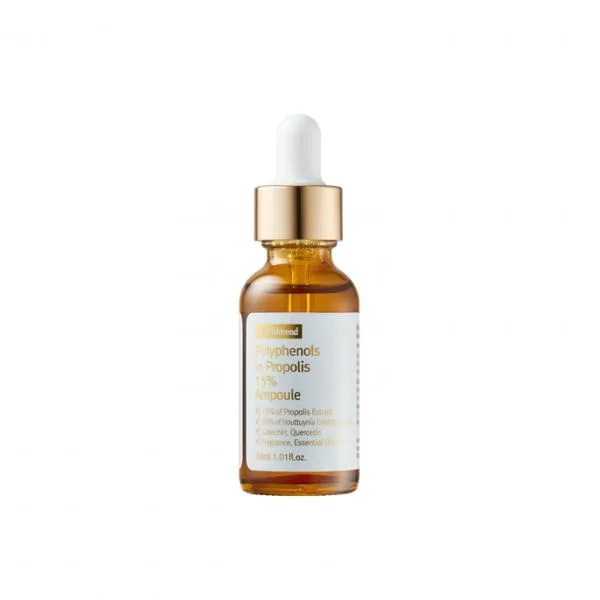 Sensitive Skin Soother
 Polyphenols In Propolis 15% Ampoule
A 15% propolis ampoule that earns its name with a real polyphenol stack — French Auvergne propolis layered over a houttuynia cordata base, with tulsi and pomegranate piling on. It's slightly sticky and not cheap by volume, but for sensitive, breakout-prone skin chasing calm, this is one of the most reliable K-beauty soothers in production.
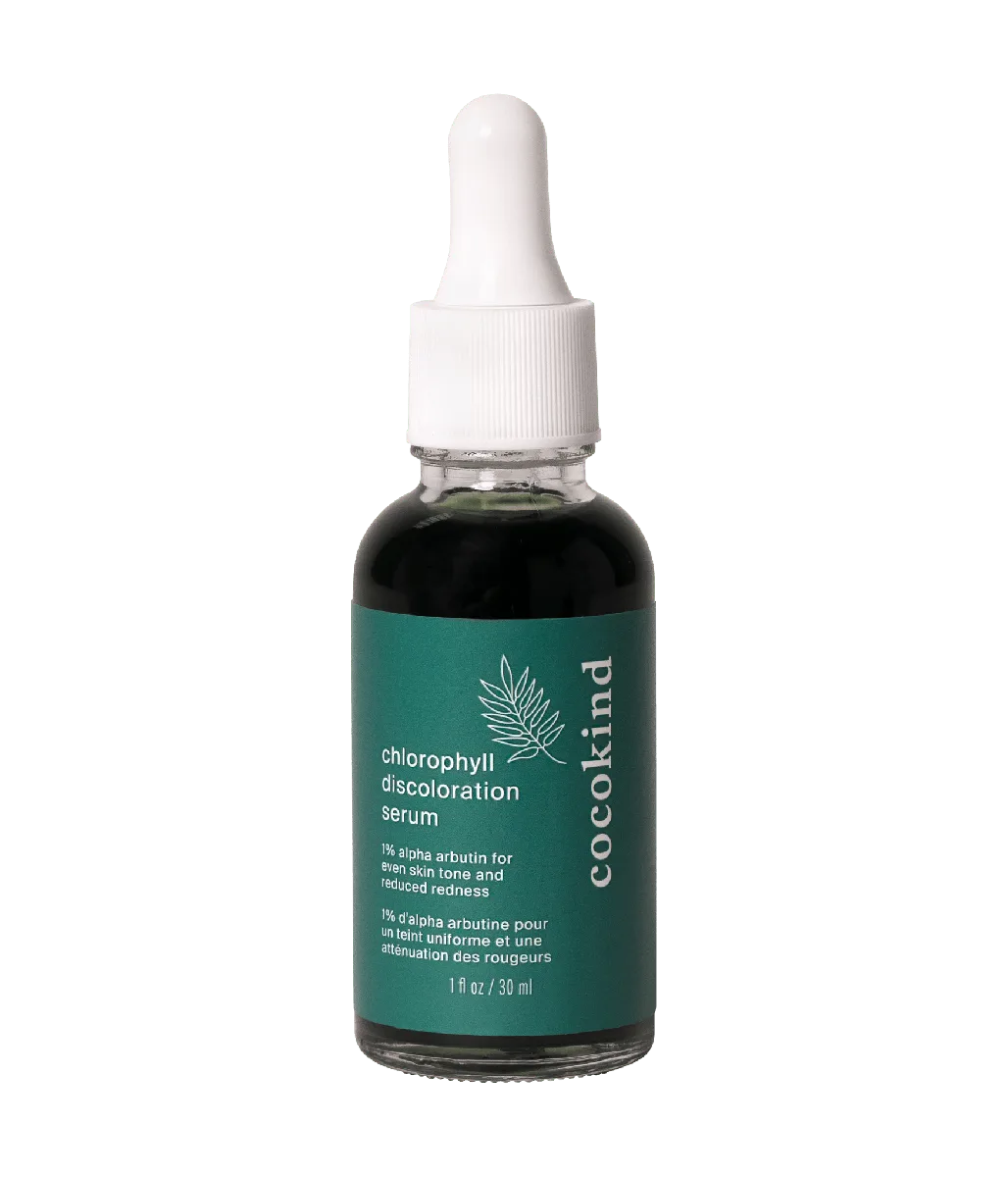 Budget Brightening Hero
 Chlorophyll Discoloration Serum
A quietly brilliant brightening serum that proves you do not need luxury prices or harsh actives to fade dark spots effectively. The alpha-arbutin and licorice root combination delivers genuine multi-pathway melanin inhibition, the sensitive-skin-friendly formula is impeccable, and $20 makes it accessible to virtually everyone. The chlorophyllin is more marketing differentiator than scientific powerhouse, but it does not hurt anything either.
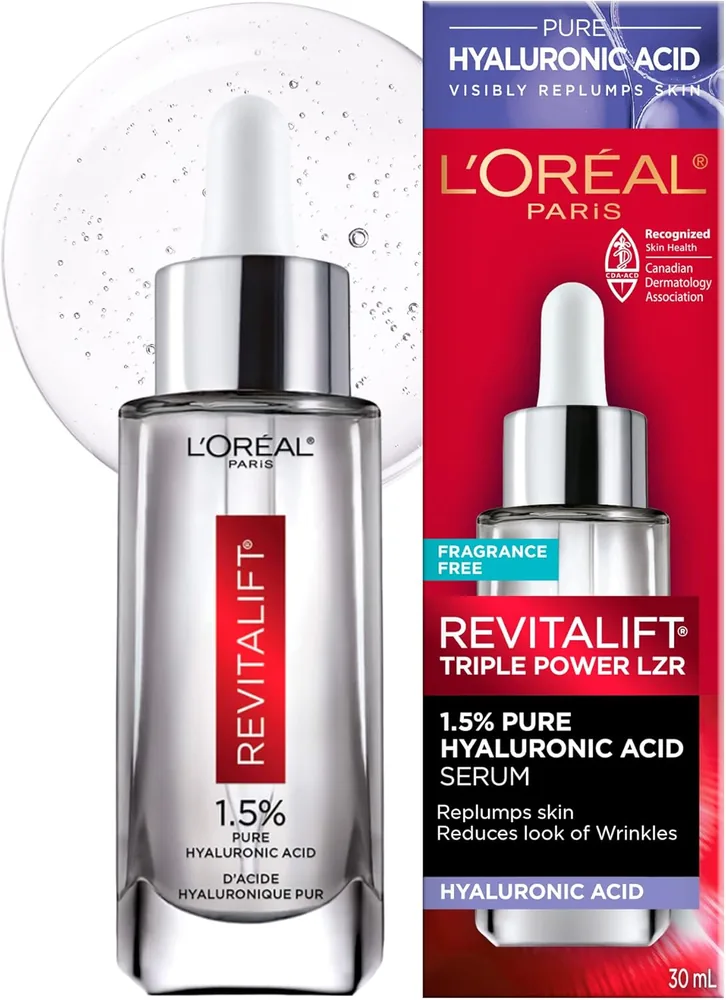 The People's HA Serum
 Revitalift Derm Intensives 1.5% Pure Hyaluronic Acid Serum
A masterclass in minimalist formulation — thirteen ingredients, no filler, four functional actives, and over thirty thousand glowing reviews. L'Oréal's multi-weight HA system delivers genuine hydration at every level of the skin, and the fragrance-free, alcohol-free formula is clean enough for virtually anyone. The drugstore serum that embarrasses its prestige competitors.
 Budget Hydration Holy Grail
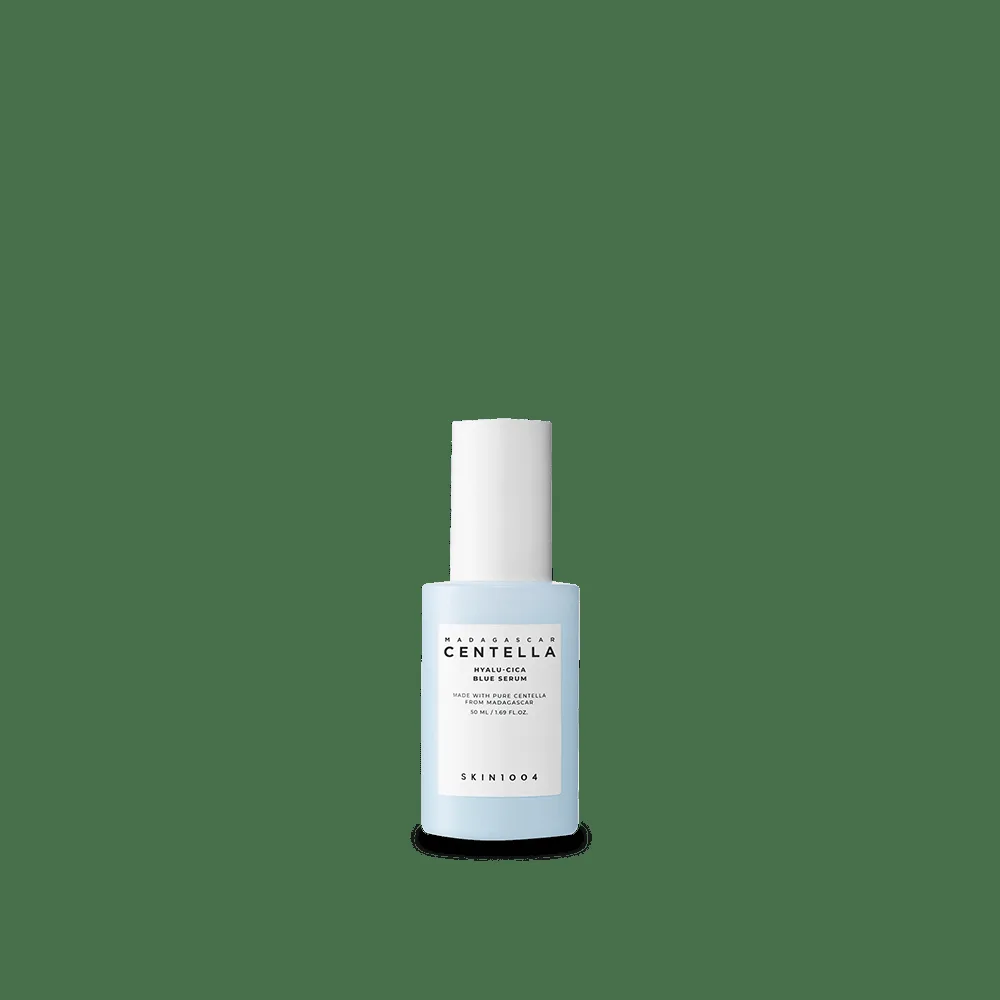
 Hyalu-Cica Blue Serum
A quietly excellent budget serum that stacks Centella asiatica leaf water, five types of hyaluronic acid, niacinamide, ceramide NP, and adenosine into a fragrance-free under-$20 bottle. It is genuinely one of the best hydration-plus-soothing serums at any price, and the fact that it costs less than a salad in Manhattan is the point.
 Sensitive Skin First-Line Defense
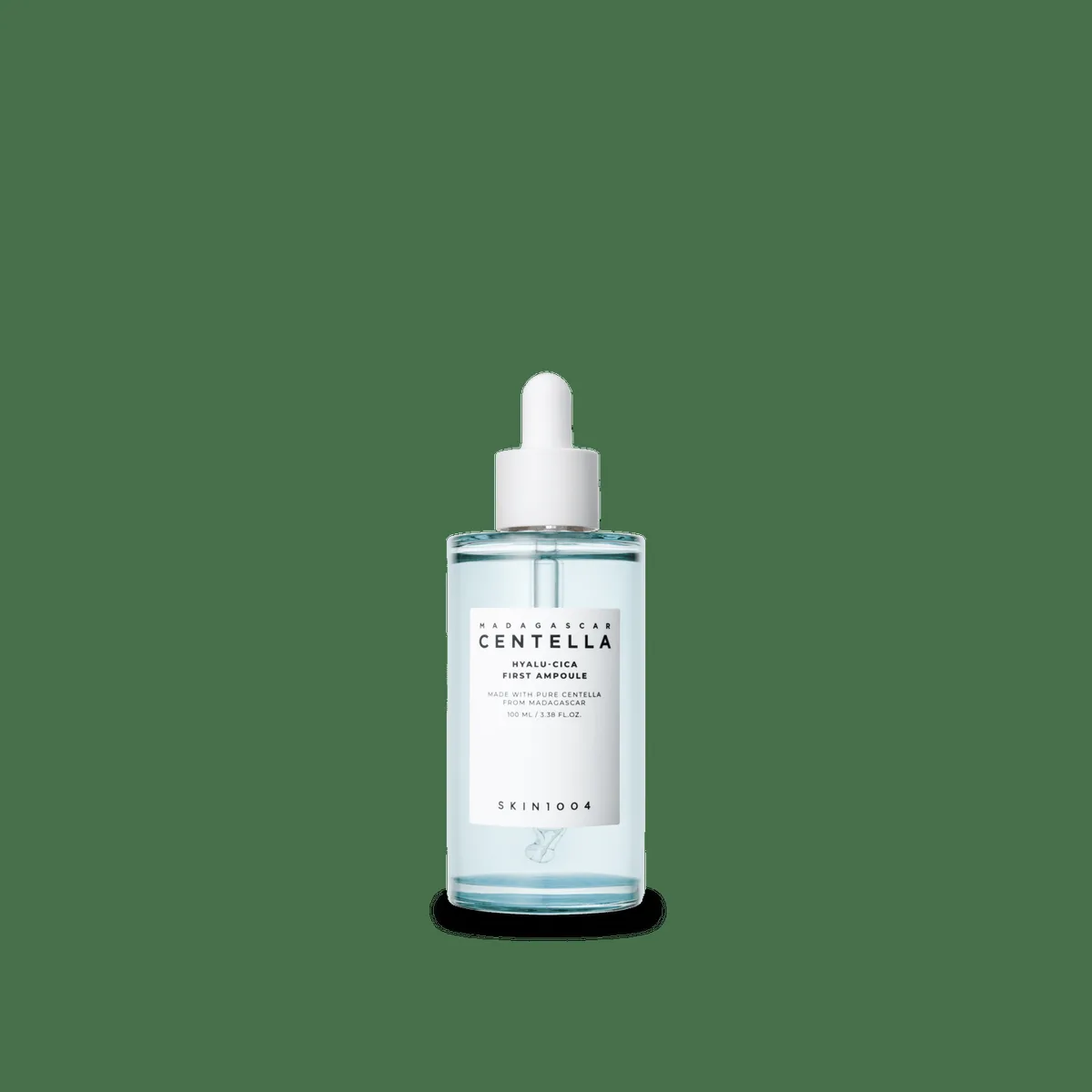
 Hyalu-Cica First Ampoule
A 92% Centella asiatica extract ampoule paired with niacinamide and a multi-weight HA complex, fragrance-free and purpose-built for sensitive, compromised, and reactive skin. At $25 for 100ml, it is one of the most justifiable skincare purchases a budget-conscious buyer can make, and it earns a place in almost any routine that needs a soothing anchor.
 Sensitive Skin MVP
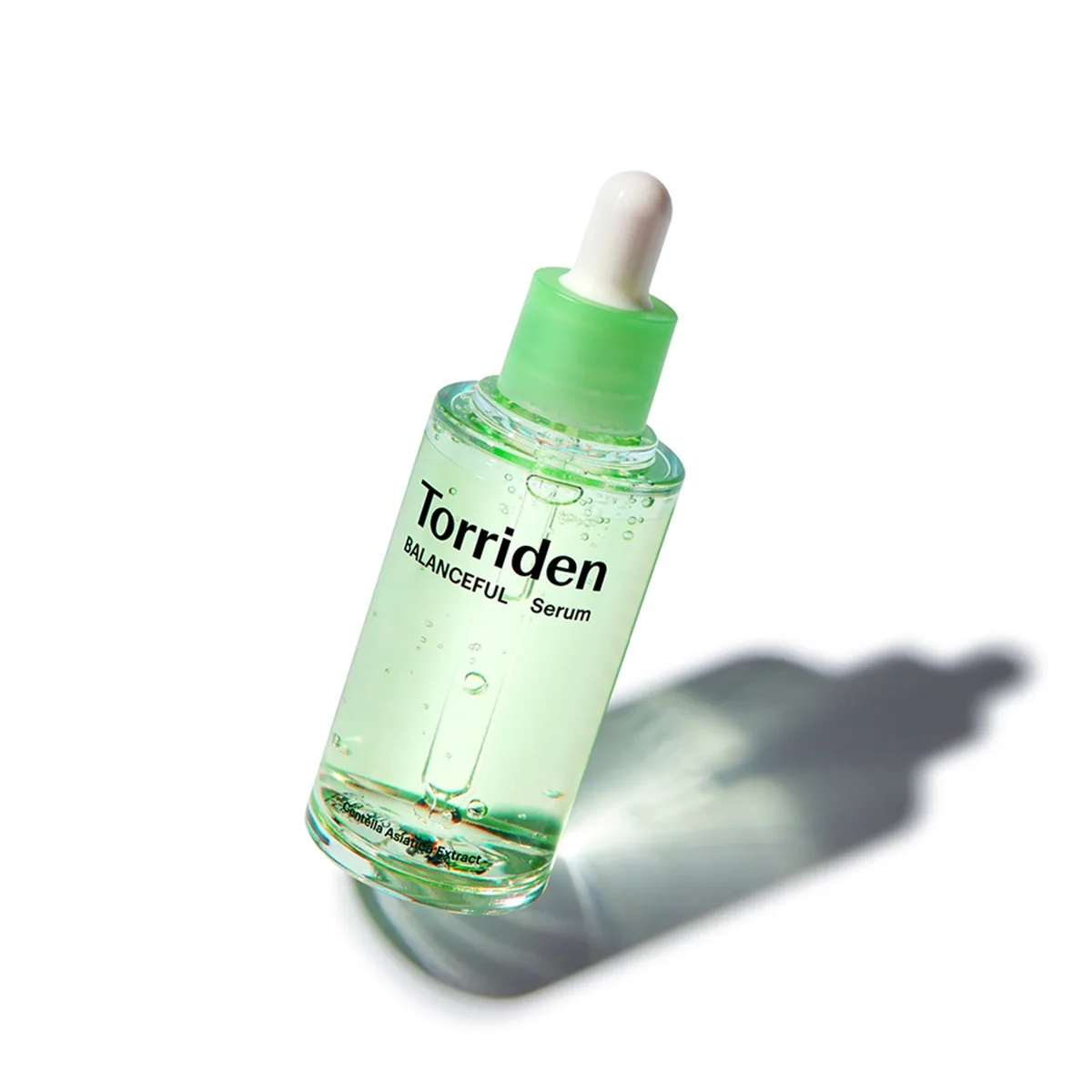
 Balanceful Cica Serum
Torriden's Balanceful Cica Serum is one of the most recommendable calming serums in K-beauty — a genuinely fragrance-free, multi-weight hyaluronic acid and 5D cica complex treatment that quietly reduces redness, supports the barrier, and buffers other actives without drama. At under $25 it's a near-automatic pick for sensitive, rosacea-prone, and barrier-compromised skin.