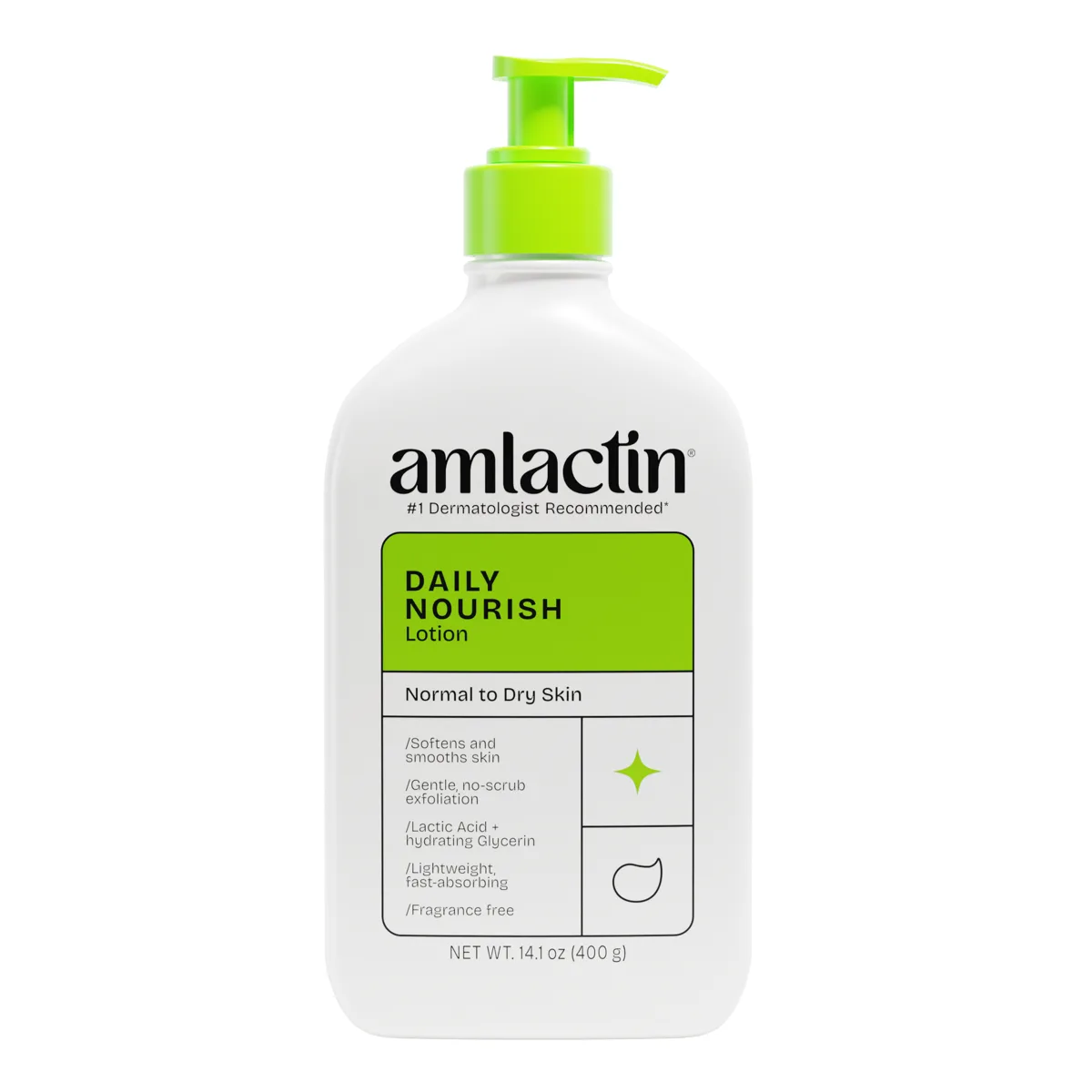
The unglamorous workhorse of body care: nearly four decades of dermatologist recommendations, a clinically proven 12% lactic acid concentration, and a price tag that makes luxury body lotions look like a confidence scheme. It won't win any beauty awards for aesthetics, but it will fix your KP. That's the trade.
Daily Moisturizing Body Lotion 12% Lactic Acid
The unglamorous workhorse of body care: nearly four decades of dermatologist recommendations, a clinically proven 12% lactic acid concentration, and a price tag that makes luxury body lotions look like a confidence scheme. It won't win any beauty awards for aesthetics, but it will fix your KP. That's the trade.
Score Breakdown
A no-frills workhorse formula with a clinically proven 12% lactic acid concentration that delivers real results on dry, rough skin. Outstanding value for money and decades of dermatologist validation, though the high acid concentration limits suitability for sensitive skin and the basic vehicle ingredients keep the ingredient quality score moderate.
Data Confidence: high
This score is based on nearly four decades of market history since 1987, tens of thousands of user reviews across Amazon, Walmart, and Target, extensive dermatologist recommendation data, and well-documented clinical evidence for ammonium lactate at this concentration.
0/100
Overall Score
Ingredient Quality 0
Value for Money 0
Suitability Breadth 0
Irritation Risk (↑ = safer) 0
Assessment
Pros
- Clinically proven 12% lactic acid concentration that genuinely exfoliates and treats keratosis pilaris
- Under fifteen dollars for the standard size — exceptional value for a dermatologist-recommended active treatment
- Fragrance-free, paraben-free, dye-free formula minimizes unnecessary irritation risk
- Nearly four decades of market history with extensive dermatologist recommendation data
- Available in multiple sizes including an economical 20 oz pump at Costco
- Simple ingredient list reduces the chance of allergic reactions or sensitivity issues
- Dual-action formula exfoliates dead skin while simultaneously hydrating as a humectant
Cons
- Causes stinging on first application to dry or cracked skin — uncomfortable but temporary
- Slightly tacky texture during application lacks the elegance of modern body lotions
- Faint lactic acid odor is noticeable during application though it dissipates quickly
- Not suitable for sensitive skin or application to freshly shaved or broken skin areas
- Basic mineral oil and dimethicone vehicle feels dated compared to contemporary formulations
- Results reverse when application is discontinued — requires ongoing consistent use
Full Review
AmLactin has been sitting on pharmacy shelves since 1987, looking exactly like something that's been sitting on pharmacy shelves since 1987. The packaging is aggressively clinical — white plastic, Times New Roman energy, zero aesthetic pretension. In a world where body lotions now come in architectural tubes designed for Instagram bathroom shelfies, AmLactin looks like it arrived from a dermatologist's sample closet. Which, of course, is precisely where many people first encounter it.
Here's what the pretty bottles can't tell you: AmLactin works. Not in the vague, aspirational way that most body lotions 'work' — it works the way a dermatologist-recommended treatment works, because that's what it is. The formula centers on 12% ammonium lactate, which is the neutralized salt form of lactic acid, an alpha-hydroxy acid with nearly half a century of published clinical evidence behind it. At this concentration, it's not just moisturizing — it's genuinely exfoliating, dissolving the bonds between dead skin cells and smoothing over the keratin plugs that make your upper arms feel like a geographic relief map.
The ingredient list is almost comically simple. After water and the ammonium lactate, you get mineral oil, glycerin, cetearyl alcohol, dimethicone, and a handful of emulsifiers and preservatives. That's it. No botanical extracts, no peptides, no fermented anything. This formula wouldn't survive five minutes in a modern clean-beauty marketing meeting. But it would survive a dermatology board review, which is arguably more useful.
Mineral oil and dimethicone serve as the occlusive backbone, creating a seal over the skin that prevents the moisture drawn in by the lactic acid and glycerin from escaping. It's not elegant, but it's effective — the same emollient strategy used in clinical settings for decades. The simplicity also means fewer potential irritants or allergens, which matters when you're applying a 12% acid to large areas of body skin.
The user experience is honest rather than luxurious. The lotion is medium-weight with a slightly tacky feel during application that takes a minute or two to absorb. There's no gorgeous scent — just a faint lactic acid odor that disappears quickly. And on first application to dry or cracked skin, there will be stinging. It's brief, it's normal, and it's the acid doing exactly what it's supposed to do. But it's worth mentioning because nobody warns you the first time.
Results, however, are undeniable. Within three to five days of twice-daily application, rough patches soften noticeably. By week two, KP bumps on upper arms start flattening. The sandpaper texture on shins and thighs smooths out. Dark spots from old hyperpigmentation begin to lighten. By week four, if you've been consistent, the transformation in skin texture is genuinely remarkable — especially given that you spent approximately fourteen dollars to achieve it.
The 12% concentration is what separates AmLactin from the growing wave of lactic acid body lotions at lower percentages. Five percent lactic acid will hydrate. Twelve percent will exfoliate. The distinction matters because keratosis pilaris, chronic dryness, and textural roughness are conditions of hyperkeratinization — too much dead skin building up — and you need a concentration high enough to actively dissolve those layers, not just moisturize on top of them.
Honest limitations: this is not a product for sensitive skin. Twelve percent lactic acid is active and can cause genuine irritation if overused or applied to compromised skin. The mineral oil base will feel heavy to anyone accustomed to lightweight, oil-free body lotions. And it absolutely should not go on your face — body skin can handle what facial skin cannot. The lack of any additional beneficial ingredients beyond the acid-and-emollient backbone means you're getting exactly one thing done very well, but nothing else.
The value proposition is almost absurd. Under fifteen dollars for a product that does what prescription-strength topicals do, available at every drugstore, Walmart, Target, and Costco in America. The 20-ounce pump bottle at Costco is perhaps the best per-dollar skincare purchase available in the United States. There's no comparison to the thirty and forty-dollar body lotions that contain a fraction of the active concentration.
AmLactin will never trend on social media. It will never be recommended by a beauty influencer doing a 'shelfie.' It will never be aesthetically pleasing enough for a brand partnership. What it will be, consistently and without fanfare, is the product your dermatologist recommends when you show them your bumpy arms or your cracked heels. It's been doing this job since 1987, and it still does it better than almost anything else on the market.
Formula
Ingredients
The hero actives that drive this product's performance.
| Ingredient | Function | Evidence |
|---|---|---|
| Ammonium Lactate (12% Lactic Acid) (12%) | The sole active ingredient in this formula, ammonium lactate is the pH-neutralized salt of lactic acid that provides both chemical exfoliation (dissolving the bonds between dead skin cells) and humectant hydration (drawing moisture into the stratum corneum) — a dual mechanism that makes it uniquely effective for chronically dry, rough, and keratotic skin. | well-established |
| Glycerin | Reinforces the ammonium lactate's humectant action by providing an additional layer of moisture-binding capacity, helping the skin retain the hydration that the lactic acid enables through its exfoliating activity. | well-established |
| Dimethicone | Creates a breathable occlusive layer that seals in the moisture delivered by the lactic acid and glycerin, preventing transepidermal water loss and protecting newly exfoliated skin from environmental irritation. | well-established |
Full INCI List · pH 4.5
Water, Ammonium Lactate, Mineral Oil, Glycerin, Cetearyl Alcohol, Dimethicone, Glyceryl Stearate SE, Steareth-2, Stearyl Alcohol, Xanthan Gum, Phenoxyethanol, Ethylhexylglycerin
Product Flags
✓ Fragrance Free✓ Alcohol Free✗ Oil Free✗ Silicone Free✓ Paraben Free✓ Sulfate Free✗ Cruelty Free✗ Vegan✗ Fungal Acne Safe
Comedogenic Ingredients
Mineral OilCetearyl Alcohol
Potential Irritants
Ammonium Lactate (at 12% concentration)
Compatibility
Skin Match
Best For
Works For
Not Ideal For
Addresses These Conditions
keratosis pilaris dryness texture dullness dark spots
Use With Caution
Avoid With
compromised skin barrier rosacea
Routine Step
moisturizer
Time of Day
AM & PM
Pregnancy Safe
Yes ✓
Layering Tips
Apply to clean, dry body skin. Can be used twice daily for maximum benefit. Avoid applying to freshly shaved or broken skin as the lactic acid will sting. No need for additional body moisturizer — this is a complete moisturizing treatment.
Results Timeline
Immediate improvement in skin hydration and softness. Within 1-2 weeks, rough patches and KP bumps begin to smooth noticeably. Full results on texture, dark spots, and persistent dryness after 4-6 weeks of twice-daily use. This is a maintenance product — consistent use is key.
Pairs Well With
gentle body washbody sunscreen for exposed areashydrating body oil on top for extra dry areas
Conflicts With
other AHA/BHA body products used simultaneouslyretinol body lotions on same area
Sample AM Routine
- Gentle body wash in shower
- Pat dry
- THIS PRODUCT on dry body skin
- Body SPF on exposed areas
Sample PM Routine
- Gentle body wash in shower
- Pat dry
- THIS PRODUCT on dry body skin
Evidence
Science
The Science
Ammonium lactate is the neutralized salt of lactic acid (alpha-hydroxy acid) at 12% concentration — a level with extensive clinical documentation. At this pH and concentration, lactic acid functions through two mechanisms: it disrupts corneocyte adhesion in the stratum corneum by weakening desmosomal bonds between dead cells (exfoliation), and it acts as a humectant by attracting water molecules into the upper layers of the epidermis (hydration).
A landmark study published in the Journal of the American Academy of Dermatology (1992) established that 12% ammonium lactate significantly increased skin hydration and reduced scaling compared to placebo in patients with xerosis (chronic dry skin). The study measured stratum corneum hydration using corneometry and found a statistically significant improvement within two weeks of twice-daily application.
For keratosis pilaris specifically, a study in the Journal of Dermatological Treatment (2003) demonstrated that 12% ammonium lactate lotion produced significant improvement in KP severity scores, reducing both the roughness and erythema associated with the condition. The mechanism is straightforward: lactic acid dissolves the excess keratin plugging the follicular openings, while the humectant properties prevent the plugs from re-forming as quickly.
The pH of approximately 4.5 is critical to the formula's efficacy — low enough to maintain the acid's activity but buffered sufficiently by the ammonium salt to reduce irritation compared to free lactic acid at the same concentration. This pH balance has been validated across multiple clinical studies as the optimal range for efficacy-tolerability in leave-on AHA formulations.
References
- Effects of ammonium lactate on skin — Journal of the American Academy of Dermatology (1992)
Dermatologist Perspective
Dermatologists have recommended AmLactin as a first-line OTC treatment for keratosis pilaris and xerosis for nearly four decades — making it one of the longest-tenured dermatologist recommendations in body care. Board-certified dermatologists consistently cite the 12% ammonium lactate concentration as the minimum effective dose for genuine exfoliation rather than simple hydration. Dermatologists note that while the formula's mineral oil vehicle is considered dated by cosmetic standards, it provides reliable occlusion that enhances the lactic acid's efficacy. The fragrance-free formulation aligns with dermatological guidelines for minimizing contact allergen exposure in patients with dry, compromised skin.
Guidance
Usage Guide
How to Use
Apply generously to clean, dry body skin twice daily — morning and evening. Focus on areas of roughness, KP bumps, or chronic dryness. Avoid applying to freshly shaved, broken, or sunburned skin. Expect mild tingling on first applications that subsides within minutes. Use sunscreen on exposed areas during the day as lactic acid increases sun sensitivity. For KP, consistency is critical — apply daily without skipping for best results.
Value Assessment
AmLactin represents arguably the best value proposition in active body care. At approximately $14 for 7.9 oz and with larger sizes available at even better per-ounce pricing, it delivers a clinically validated 12% lactic acid treatment at a fraction of the cost of trendy body care brands. The 20 oz Costco size is particularly economical for long-term users. For context, many prestige body care products charge $25-40 for formulations with lower acid concentrations and less clinical evidence. AmLactin's nearly four-decade market presence and the #1 dermatologist-recommended status are credentials that no amount of influencer marketing can replicate.
Who Should Buy
Anyone dealing with keratosis pilaris, chronically dry skin, rough elbows or knees, scaly legs, or overall body skin texture issues. Ideal for budget-conscious consumers who want a dermatologist-recommended treatment without the prestige price tag. Perfect for people who value results over aesthetics.
Who Should Skip
Those with sensitive or easily irritated body skin may find the 12% concentration too aggressive — consider AmLactin's 5% lactic acid alternative instead. If you prioritize a luxurious application experience or dislike the feel of mineral oil, this formula's utilitarian texture may frustrate you. Not recommended for facial use at this concentration.
Ready to try AmLactin Daily Moisturizing Body Lotion 12% Lactic Acid?
Details
Details
Texture
Medium-weight lotion that feels slightly thick and tacky during application but absorbs within a few minutes to a non-greasy finish
Scent
Fragrance-free but has a faint, characteristic lactic acid odor that dissipates within minutes of application
Packaging
White plastic squeeze bottle (7.9 oz) or pump bottle (14.1 oz and 20 oz) with clinical, pharmacy-style packaging
Finish
non-greasysatinfast-absorbing
What to Expect on First Use
Expect a mild to moderate stinging or tingling sensation on first application, especially on very dry or cracked skin. This is normal and subsides within minutes. The lotion feels slightly sticky initially but absorbs to a smooth finish. Results on rough skin are noticeable within the first few days of twice-daily use.
How Long It Lasts
4-6 weeks with twice-daily full-body application for the 7.9 oz size; 8-10 weeks for the 14.1 oz
Period After Opening
24 months
Best Season
All Year
Certifications
Paraben-freeFragrance-freeDye-free
Background
The Why
AmLactin was developed in 1987 as a way to deliver prescription-strength lactic acid (ammonium lactate) in an accessible, over-the-counter format. The formula has remained essentially unchanged for nearly four decades because, frankly, it didn't need to change. It's become a quiet essential in dermatology offices across America — the product that dermatologists recommend when someone asks what to do about their KP, their dry elbows, or their alligator-skin legs in winter.
About AmLactin Legacy Brand (20+ years)
AmLactin has been the number-one dermatologist-recommended lactic acid moisturizer brand since its founding in 1987. Originally developed as a prescription-strength formula, the brand has nearly four decades of market history and clinical validation. Now owned by Sandoz/Upsher-Smith, it remains a pharmacy and dermatology office staple with a singular focus on lactic acid-based skin solutions.
Brand founded: 1987 · Product launched: 1987
Myth vs. Reality
Myths
Myth
You need fancy ingredients to treat keratosis pilaris
Reality
KP is a hyperkeratinization disorder — excess keratin plugs in hair follicles. The most effective treatment is consistent chemical exfoliation at a meaningful concentration. AmLactin's 12% lactic acid directly dissolves these keratin plugs. No trendy actives needed.
Myth
The stinging means the product is damaging your skin
Reality
The mild tingling from ammonium lactate is the acid's low pH interacting with skin. It's a sign of active exfoliation, not damage. If the stinging is intense or doesn't subside, reduce frequency to once daily or apply to less compromised skin areas first.
FAQ
FAQ
Does AmLactin really work for keratosis pilaris?
AmLactin is one of the most effective OTC treatments for KP. The 12% ammonium lactate directly dissolves the keratin plugs that cause KP bumps while simultaneously hydrating the skin. Most users see significant improvement within 2-4 weeks of twice-daily application, though KP returns if use is discontinued.
Why does AmLactin sting when I apply it?
The 12% lactic acid has a pH around 4.5, which causes a mild tingling on contact with dry or compromised skin. This stinging is temporary and typically subsides within 1-2 minutes. Avoid applying to freshly shaved, broken, or cracked skin to minimize discomfort.
Can I use AmLactin on my face?
While the ingredients are safe for skin, the 12% concentration and basic vehicle are formulated for thicker body skin. Facial skin is thinner and more sensitive — using this formula on the face may cause excessive irritation, redness, or peeling. Use a face-specific AHA product instead.
How long does it take AmLactin to work?
Most users notice softer, smoother skin within 3-5 days of twice-daily application. Visible reduction in KP bumps typically occurs within 2-3 weeks. Full results on stubborn rough patches and dark spots develop over 4-6 weeks. Consistent use is essential as results reverse when application stops.
What size AmLactin is the best value?
The 20 oz pump bottle available at Costco offers the best per-ounce value for committed users. The 14.1 oz pump bottle is the most practical daily-use size. The 7.9 oz tube is ideal for trying the product or for travel.
Is AmLactin safe during pregnancy?
Lactic acid (as ammonium lactate) is generally considered pregnancy-safe as a topical moisturizer. It is not systemically absorbed in significant amounts. However, always confirm with your healthcare provider, especially for daily full-body application.
Can I use AmLactin with retinol?
Avoid applying both to the same area at the same time, as the combination can cause excessive irritation and dryness. If you use a retinol body product, alternate application times — AmLactin in the morning and retinol at night, or on different days.
Community
Community
Common Praise
"Dramatically smooths keratosis pilaris bumps with consistent use"
"Affordable and widely available at drugstores and grocery stores"
"Fragrance-free formula works without causing sensitivity reactions"
"Visibly softens rough elbows, knees, and heels within days"
"Dermatologist recommended — feels trustworthy and clinical"
Common Complaints
"Initial stinging sensation on dry or cracked skin"
"Slightly tacky texture takes a few minutes to fully absorb"
"Characteristic lactic acid smell that some find unpleasant"
"Can cause irritation if applied to freshly shaved skin"
"Basic vehicle formula lacks elegant feel compared to modern lotions"
Notable Endorsements
#1 dermatologist-recommended lactic acid moisturizer brand2024 Allure Best of Beauty Award for Best Exfoliating MoisturizerNational Eczema Association recognized
Appears In
best body care for keratosis pilaris best body care for dryness best body care for texture best body care for dullness
Related Conditions
keratosis pilaris dryness texture dullness dark spots
Related Ingredients
You Might Also Like
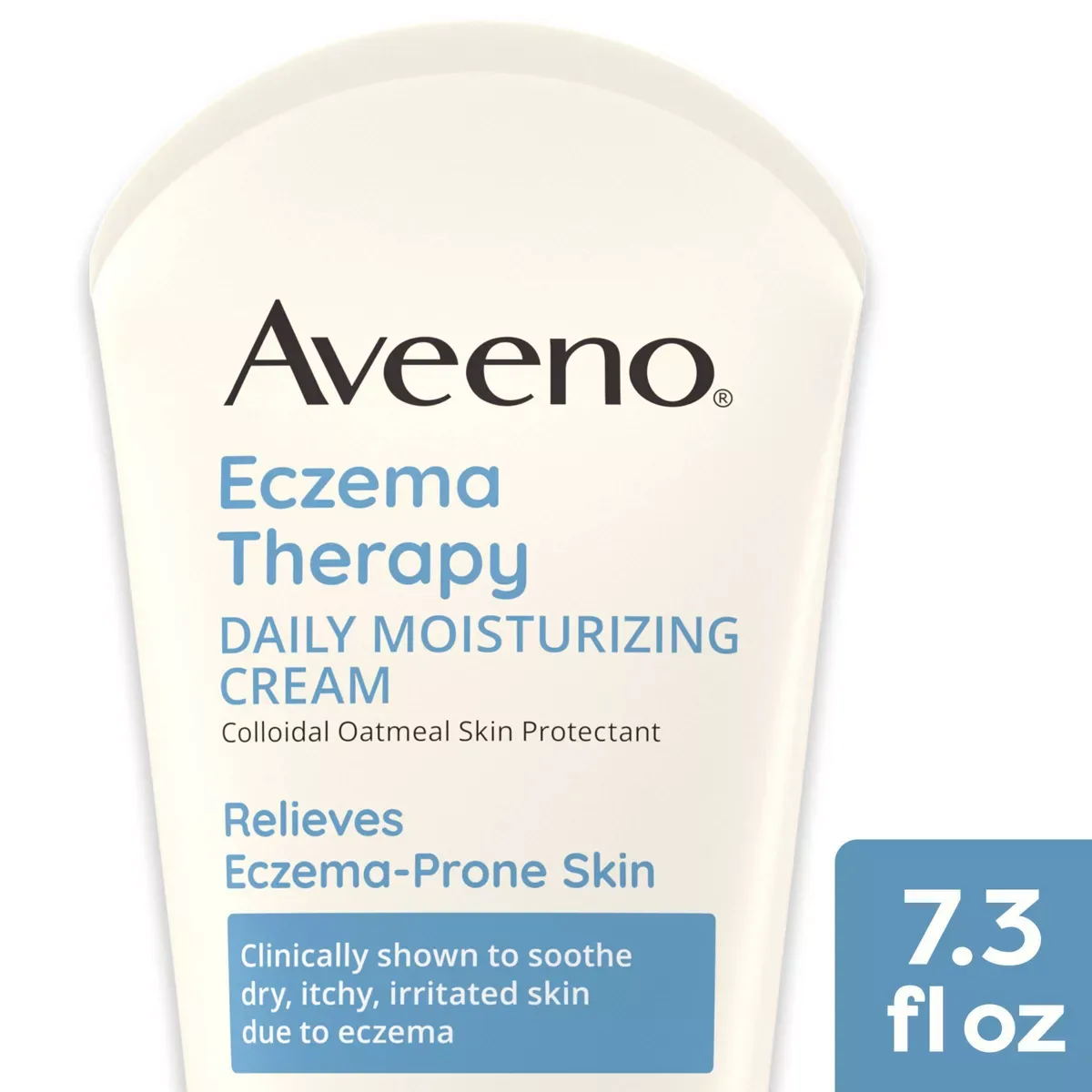 Eczema Gold Standard
 Eczema Therapy Moisturizing Cream
The strongest formulation in Aveeno's lineup for eczema-prone skin, combining FDA-regulated colloidal oatmeal with ceramide NP and panthenol for a multi-mechanism approach to barrier repair. Steroid-free, fragrance-free, and HSA/FSA eligible — this is the drugstore eczema cream dermatologists actually recommend by name.
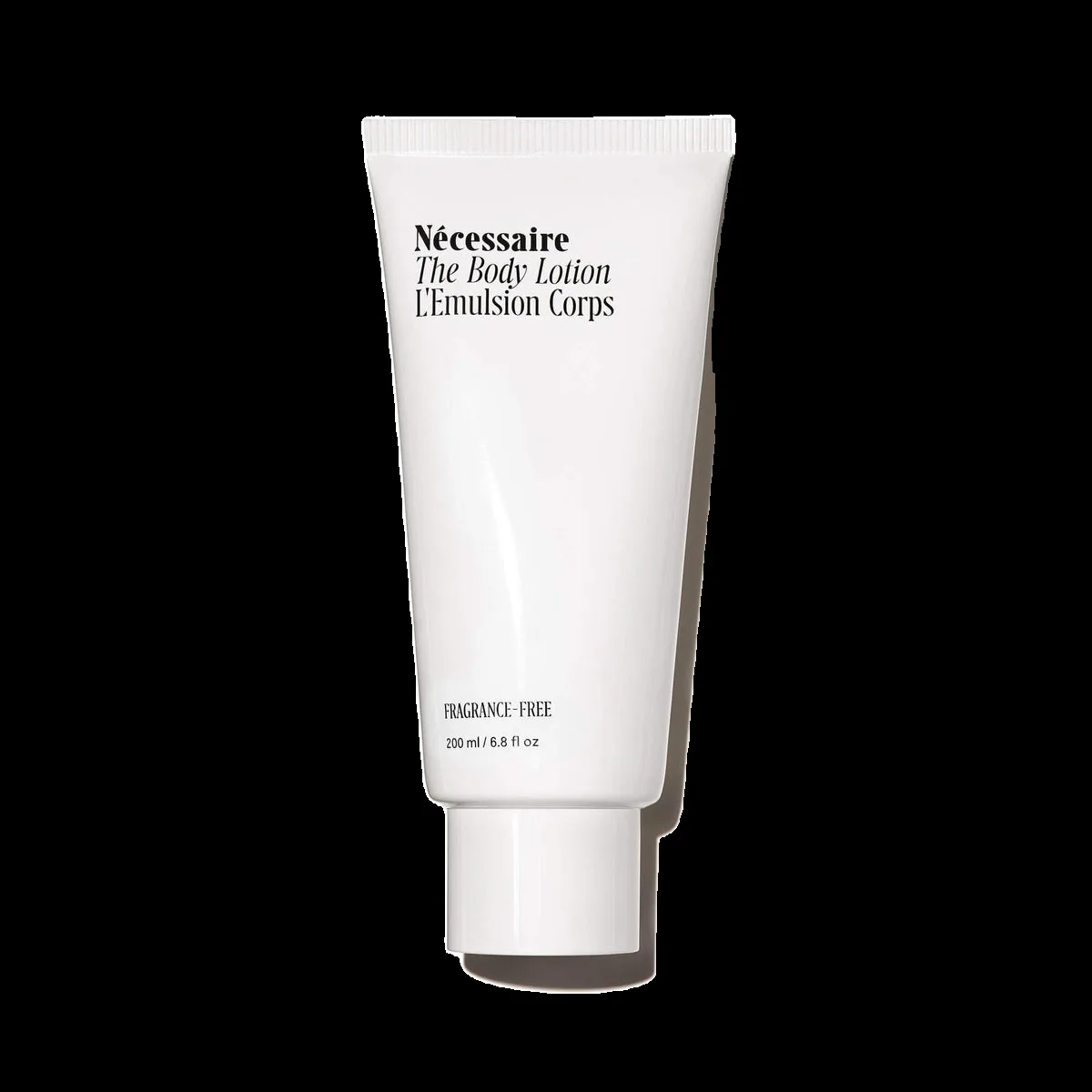 Sensitive Skin MVP
 The Body Lotion Fragrance-Free
The scented version's equal on active ingredients with none of the fragrance risk — and that makes this the better pick for sensitive skin, eczema-prone users, and anyone pregnant who wants to play it safe. At $25 it's still a premium price, but the formula genuinely earns it.
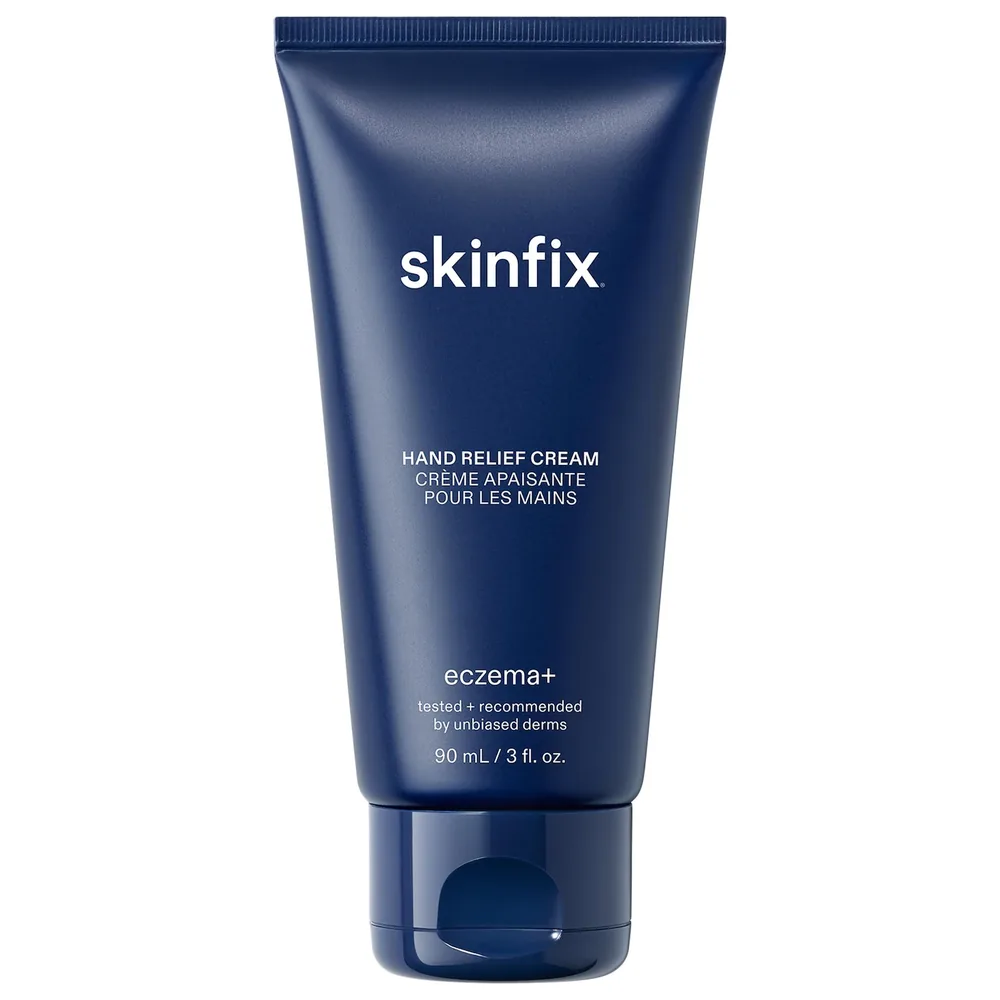 Sensitive Skin MVP
 Eczema+ Hand Repair Cream
A serious, NEA-seal-certified hand cream that treats the underlying mechanism of hand eczema rather than just coating it. Colloidal oatmeal, ceramide-cholesterol lipid repair, and panthenol combine in a texture that actually absorbs fast enough to use at the sink. At eighteen dollars it's genuinely well-priced for what it does.
 Korean Derm-Clinic Staple
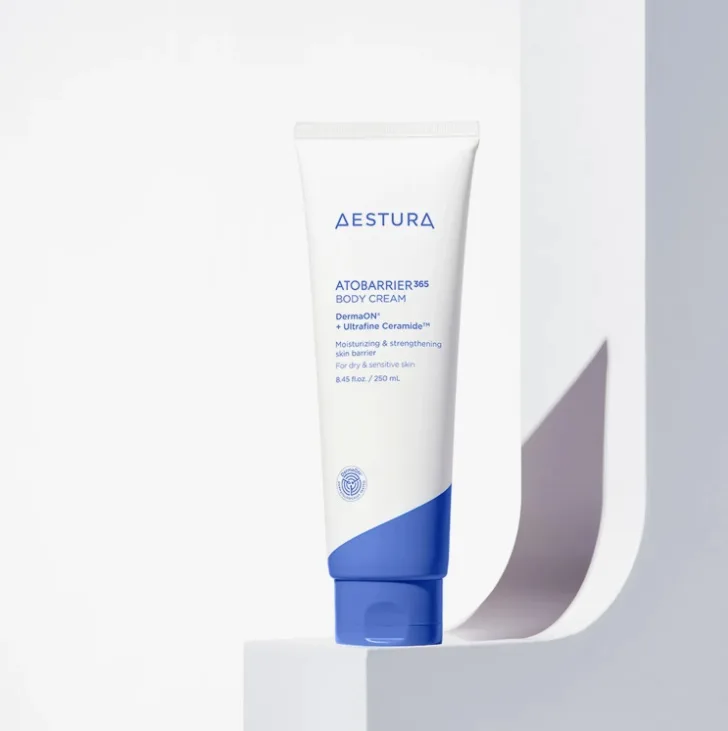
 Atobarrier 365 Body Cream
A genuinely outstanding ceramide-forward body cream from a dermatologist-developed Korean brand with real clinical backing. Fragrance-free, effective for compromised body barriers, and reasonably priced for a 300ml jar — this is one of the better body moisturizers available in the barrier-repair category.
 Clean Baby Staple
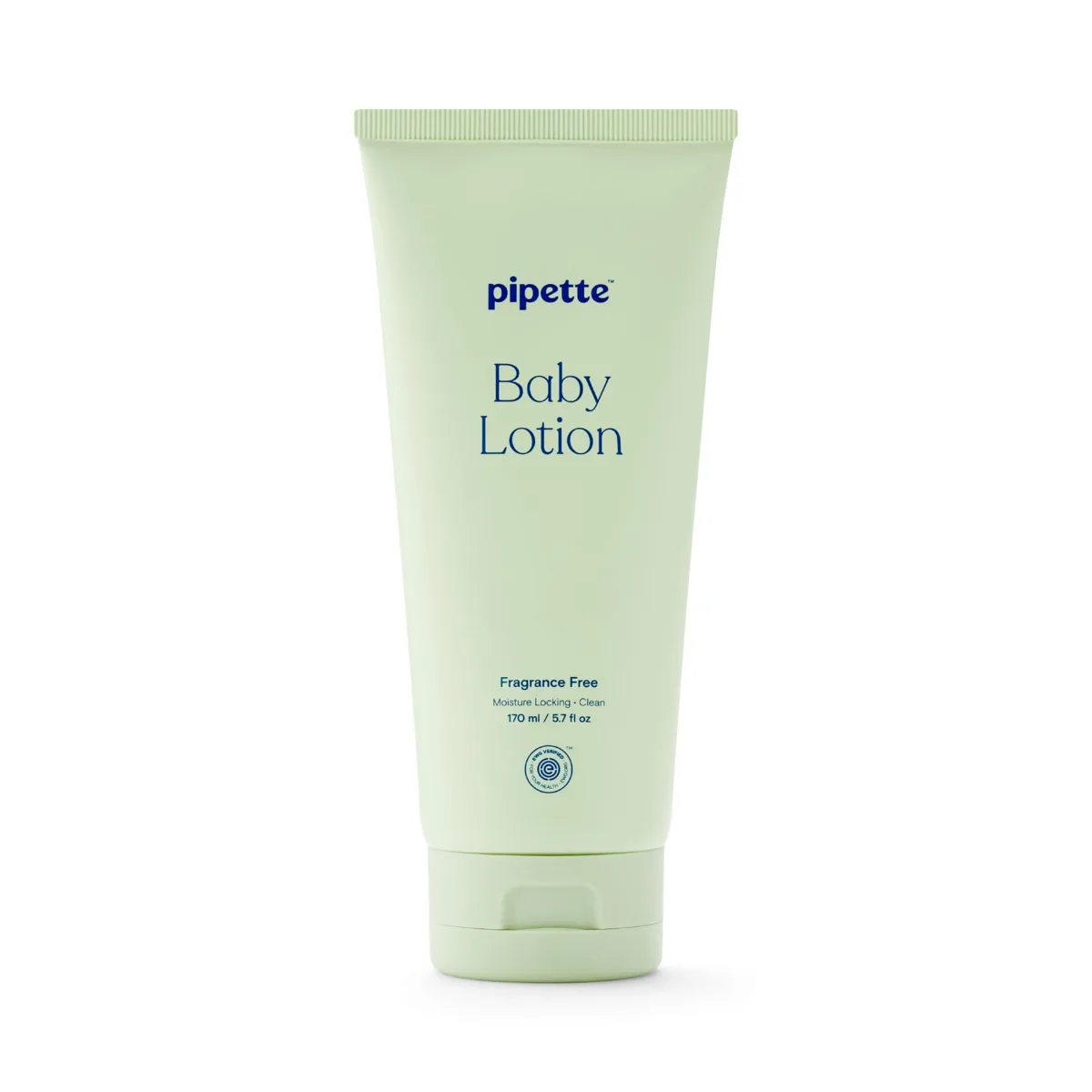
 Baby Lotion Fragrance Free
A lightweight, biomimetic baby lotion that proves you do not need mineral oil, silicones, or fragrances to deliver serious hydration. The squalane-ceramide-glycerin core provides evidence-based barrier support, and the olive-derived emulsifier system ensures it integrates into skin rather than sitting on top. At under $12 for 5.7 ounces with EWG Verified certification, the value is genuinely remarkable.
 Daily Atopic Companion
 Exomega Control Emollient Cream
The lighter sibling of A-Derma's Exomega Control balm — same Rhealba oat, sunflower oil unsaponifiables, and niacinamide active set, in a cream base that works better for year-round daily use and milder atopic-prone skin. For most adult users and for summer routines, this is the more practical choice of the two Exomega variants.