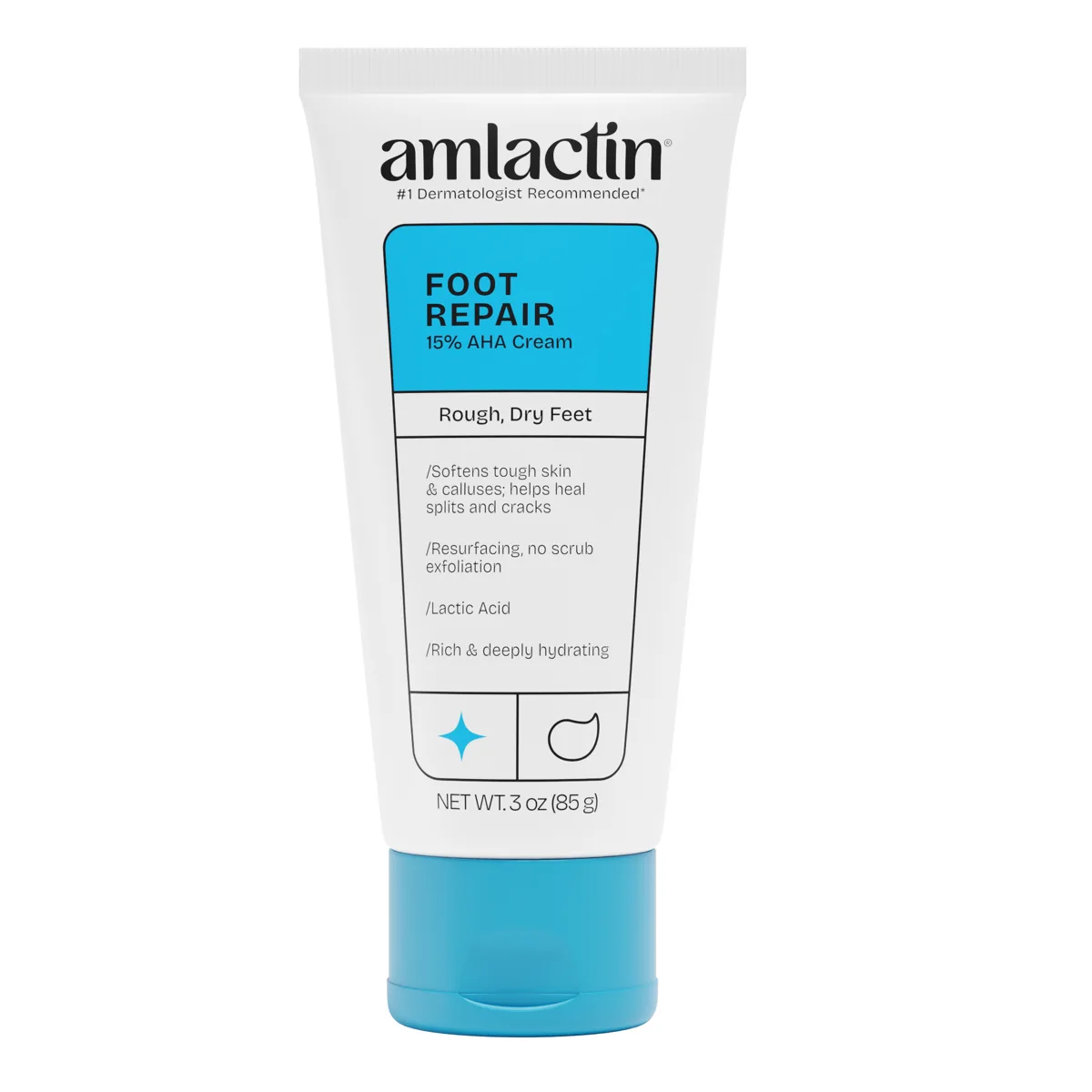
A no-frills foot cream that does exactly one thing exceptionally well — dissolves callused, cracked heel skin with prescription-grade lactic acid at a drugstore price. Not glamorous, not complicated, and not trying to be anything it is not.
Foot Repair Foot Cream Therapy
A no-frills foot cream that does exactly one thing exceptionally well — dissolves callused, cracked heel skin with prescription-grade lactic acid at a drugstore price. Not glamorous, not complicated, and not trying to be anything it is not.
Score Breakdown
Where this product gains points and where it loses them — broken down across the four scoring pillars.
A straightforward, effective foot cream built around the proven combination of 15% lactic acid with petrolatum and glycerin. The ingredient list is basic but perfectly appropriate for its purpose — thick foot skin does not need peptides or antioxidants, it needs exfoliation and occlusion. Excellent value at ~$13, but the niche foot-specific use case limits suitability breadth, and 15% lactic acid will sting on cracked or broken skin.
Pros & Cons
- ✓15% ammonium lactate provides prescription-grade chemical exfoliation at an OTC price point
- ✓Petrolatum and glycerin vehicle creates effective moisture seal over exfoliated foot skin
- ✓Dramatically softens calluses and cracked heels within days of consistent use
- ✓Eliminates the need for aggressive mechanical exfoliation (pumice stones, foot files)
- ✓Fragrance-free formula with a minimal, straightforward ingredient list
- ✓#1 dermatologist and podiatrist recommended moisturizer brand with lactic acid
- ✗Stings on cracked, broken, or fissured skin — can be uncomfortable until cracks begin to heal
- ✗Ammonium lactate has a characteristic odor that some users find unpleasant
- ✗Small 3 oz tube runs out quickly with twice-daily foot application
- ✗Results require consistent ongoing use — calluses return if you stop
- ✗Basic formula without any supporting actives beyond the lactic acid and occlusives
Full Review
There is something refreshing about a skincare product that does not pretend to be more than it is. AmLactin Foot Repair Foot Cream Therapy is not going to win any packaging awards. It does not have a patented technology with a trademarked name. It does not come in an airless pump bottle. What it does have is 15% lactic acid in a petrolatum-and-glycerin vehicle, and for the millions of people dealing with cracked heels, thick calluses, and rough foot skin, that is exactly what matters.
AmLactin has been the lactic acid brand since the early 1990s, building its entire identity around a single AHA that most skincare companies use as a supporting player. While other brands sprinkle 5-10% lactic acid into exfoliating toners and serums, AmLactin goes harder. The standard body lotion contains 12%. This foot-specific formula pushes to 15% — a concentration that puts it in the same territory as prescription-strength Lac-Hydrin, available without a prescription at your local Target or Walmart.
The active ingredient is technically ammonium lactate, the neutralized salt form of lactic acid. This matters because pH-adjusted ammonium lactate provides the same exfoliating benefits as free lactic acid while being somewhat less likely to cause the immediate sharp sting that a low-pH formula would deliver. Somewhat. On cracked heels, you will still feel it. The tingling-to-stinging spectrum is a feature, not a bug — it means the acid is reaching the keratin bonds it needs to dissolve.
Foot skin presents a unique challenge for skincare. The stratum corneum on the soles of the feet can be dozens of cell layers thick — far more than facial skin. Calluses add even more keratinized buildup. This is skin that laughs at a gentle 5% glycolic acid toner. It needs aggressive chemical exfoliation to dissolve the protein matrix holding all those dead cells together, and 15% ammonium lactate is one of the most effective tools for the job.
The supporting cast is deliberately basic. Petrolatum provides the occlusive seal that traps moisture in the newly exfoliated skin — preventing the cycle of softening and re-drying that makes cracked heels so persistent. Glycerin adds humectant activity, drawing water into the upper skin layers. Mineral oil and propylene glycol provide additional emolliency and penetration enhancement. There are no peptides, no antioxidants, no ceramides, no botanical extracts. These ingredients are unnecessary here — foot skin does not need the sophisticated molecular signaling that facial skin responds to. It needs the dead stuff dissolved and the living stuff hydrated.
The results are typically fast and convincing. Most users report noticeable softening within three to five days of twice-daily application. By the end of the first week, calluses that previously required aggressive filing with a pumice stone or foot peel are shedding naturally. Cracked heels improve significantly within one to two weeks as the acid works through the thick buildup and the petrolatum keeps the skin hydrated between applications. The transformation from rough, fissured heels to smooth, soft skin is genuinely dramatic for a product that costs thirteen dollars.
The stinging is the most frequently mentioned negative experience. On intact, merely calloused skin, it is a mild tingle that subsides in minutes. On cracked, fissured heels — which are precisely where you most want to use this product — the acid can reach deeper, sensitive layers and produce a sharper sting. The practical advice: start with once daily application, avoid applying to actively bleeding fissures, and allow the cream to seal cracks before increasing frequency. The stinging decreases as the skin smooths out and cracks close.
The smell is the other recurring complaint. Ammonium lactate has a characteristic odor — not exactly unpleasant, but noticeable. It is not a fragrance in the traditional sense (the product is genuinely fragrance-free), but a consequence of the active ingredient itself. Most users find it fades quickly after application, and when you are applying a foot cream before bed and pulling on socks, the scent is a minor consideration.
At roughly $13 for a 3 oz tube that lasts three to five weeks, the value proposition is essentially unassailable. The same active ingredient in a dermatologist-dispensed product would cost four to five times more. The absence of fancy packaging, marketing botanicals, and airless pump systems keeps the price where it belongs for a product that should be accessible to everyone with cracked heels.
The one genuine limitation is that this is a maintenance product, not a cure. Stop using it, and calluses will gradually return. Foot skin grows thick and rough because of pressure and friction — forces that a cream cannot permanently eliminate. But consistent use keeps the buildup from reaching the cracking point, and that is the practical goal.
AmLactin Foot Repair is the kind of product that dermatologists and podiatrists recommend because it works, it is affordable, and it uses an active ingredient with decades of clinical evidence behind it. It is not exciting. It is not photogenic. But when you put on sandals with smooth, crack-free heels after two weeks of use, none of that matters.
Formula
Key Ingredients
The hero actives that drive this product's performance.
| Ingredient | Function | Evidence |
|---|---|---|
| Ammonium Lactate (15% Lactic Acid) (15%) | The active powerhouse of this formula — ammonium lactate is the salt form of lactic acid, the same active ingredient found in prescription-strength Lac-Hydrin. At 15%, it provides aggressive chemical exfoliation that dissolves the bonds between dead keratinocytes in thick, calloused foot skin. The alpha hydroxy acid simultaneously attracts moisture into the newly revealed skin layers, creating a dual exfoliate-and-hydrate mechanism that is the gold standard for treating hyperkeratotic conditions on feet. | well-established |
| Petrolatum | Creates an occlusive barrier over the exfoliated foot skin, trapping the moisture drawn in by the lactic acid and preventing transepidermal water loss. On cracked heels, this seal is critical — it allows the lactic acid to continue working between applications while preventing the newly softened skin from drying out again. | well-established |
| Glycerin | A humectant that works in tandem with the lactic acid to draw moisture into the skin's upper layers. On thick foot skin where standard humectants struggle to penetrate, the lactic acid's exfoliating action clears the way for glycerin to reach viable skin cells — making both ingredients more effective together than either would be alone. | well-established |
Full INCI List
Water, Ammonium Lactate, Glycerin, Propylene Glycol, Mineral Oil, Petrolatum, Cetearyl Alcohol, Stearic Acid, Polysorbate 60, Steareth-21, Steareth-2, Sodium Benzoate, Disodium EDTA, Xanthan Gum
Product Flags
✓ Fragrance Free✓ Alcohol Free✗ Oil Free✓ Silicone Free✓ Paraben Free✓ Sulfate Free✗ Cruelty Free✗ Vegan✗ Fungal Acne Safe
Potential Irritants
Ammonium Lactate (15% — may sting on cracked or broken skin)
Compatibility
Skin Match
Best For
Works For
Not Ideal For
Addresses These Conditions
dryness keratosis pilaris texture
Use With Caution
Routine Step
treatment
Time of Day
AM & PM
Pregnancy Safe
Yes ✓
Layering Tips
Apply to clean, dry feet twice daily. For best results on severely cracked heels, apply at night and cover with cotton socks to enhance penetration. Do not apply to broken or bleeding skin. Can sting on open cracks — start with once daily application if sensitive.
Results Timeline
Noticeable softening of calluses within 3-5 days of consistent use. Visible improvement in cracked heels within 1-2 weeks. Continued use maintains softness and prevents callus recurrence.
Pairs Well With
Cotton socks (overnight)Pumice stone (weekly, before application)
Conflicts With
Other AHA/BHA products on the same area
Sample AM Routine
- Clean feet
- AmLactin Foot Repair Foot Cream Therapy
Sample PM Routine
- Clean feet
- AmLactin Foot Repair Foot Cream Therapy
- Cotton socks for enhanced absorption
Evidence
Science & Expert Perspective
The Science
Ammonium lactate is the salt form of lactic acid, an alpha hydroxy acid with extensive clinical documentation for treating hyperkeratotic skin conditions. At 15%, it exceeds the concentration found in most cosmetic AHA products and approaches the 12% ammonium lactate concentration used in prescription Lac-Hydrin, which received FDA approval in 1990 for the treatment of xerosis and ichthyosis.
Lactic acid's mechanism of action on foot skin involves disrupting the ionic bonds between corneocytes in the stratum corneum, a process called corneodesmolysis. Research published in the Journal of the American Academy of Dermatology has demonstrated that ammonium lactate at 12% significantly reduces epidermal hyperkeratosis and improves skin smoothness after 2-4 weeks of twice-daily application. The 15% concentration in this formula provides even more aggressive keratolytic activity, appropriate for the exceptionally thick stratum corneum on the plantar surface of the feet.
Beyond exfoliation, lactic acid functions as a humectant — its hygroscopic properties draw water from the environment and underlying skin layers into the stratum corneum. This dual mechanism (exfoliation plus hydration) makes it particularly effective for cracked heels, where the problem is both excess buildup and insufficient moisture in the remaining skin. The petrolatum in the formula provides a complementary occlusive barrier, reducing transepidermal water loss by up to 98% according to research published in the Journal of the Society of Cosmetic Chemists.
Dermatologist Perspective
Dermatologists and podiatrists have recommended ammonium lactate-based products for hyperkeratotic conditions for over three decades. Board-certified dermatologists note that 12-15% ammonium lactate is one of the most effective OTC treatments for thick, calloused foot skin, providing chemical exfoliation that is more consistent and less traumatic than mechanical methods. The AmLactin Foot Repair formula is commonly recommended as a first-line treatment before considering prescription options, and its accessibility at drugstore pricing makes it practical for sustained long-term use. Dermatologists typically advise starting with once-daily application on severely cracked skin and increasing to twice daily as tolerance develops.
Guidance
Usage Guide
How to Use
Apply a generous amount to clean, dry feet twice daily — morning and evening. Focus on heels, soles, and any areas of callus buildup. For severely cracked heels, apply at night and cover with cotton socks to enhance penetration and prevent the cream from rubbing off on bedding. Start with once-daily application if stinging is uncomfortable, and increase to twice daily as skin acclimates. Do not apply to actively bleeding fissures — allow them to close before introducing the lactic acid.
Value Assessment
At approximately $13 for 3 oz, this is exceptional value for a medicated foot cream with a clinically proven active ingredient at a meaningful concentration. The annual cost for consistent use ($130-225) is modest for a product that delivers real results. The same ammonium lactate concentration in a prescription or dermatologist-dispensed product would cost significantly more. The basic supporting formula reflects the price point — no luxury ingredients — but foot skin does not need luxury ingredients. It needs effective exfoliation and occlusion, and this delivers both.
Who Should Buy
Anyone dealing with cracked heels, thick calluses, rough foot skin, or keratosis pilaris on the feet. Ideal for people who want an effective, no-nonsense solution without the time commitment of regular pumice stone use. Particularly well-suited for budget-conscious shoppers who want dermatologist-recommended results at a drugstore price.
Who Should Skip
People with severely cracked, bleeding foot fissures should allow wounds to close before using this product (the 15% lactic acid will sting intensely on open wounds). Those who prefer fragrance-free products should note that while no fragrance is added, ammonium lactate has a natural odor. Not necessary for people without foot skin concerns — this is a targeted treatment product.
Ready to try AmLactin Foot Repair Foot Cream Therapy?
Details
Details
Texture
Thick, rich cream that is denser than a typical body lotion but not overly greasy. Absorbs reasonably well for a foot cream, though feet may feel slightly tacky until fully absorbed.
Scent
Fragrance-free but has a mild characteristic smell from the ammonium lactate that some users find noticeable.
Packaging
Squeeze tube with flip-top cap. Simple, functional drugstore packaging.
Finish
non-greasysatin
What to Expect on First Use
Mild tingling or stinging on application, especially over cracked or rough areas — this is the lactic acid working and is normal. Stinging subsides within a few minutes. Feet feel noticeably softer after just a few applications. Severe cracks may sting more intensely.
How Long It Lasts
3-5 weeks with twice-daily application on both feet
Period After Opening
24 months
Best Season
All Year
Background
The Why
AmLactin carved out its niche in the 1990s as the brand that made prescription-grade lactic acid technology available over the counter. The Foot Repair Cream applies this expertise to the toughest skin on the body — feet — using the highest lactic acid concentration in the brand's lineup. While other AmLactin products use 12% lactic acid, the foot formula steps up to 15% to address the significantly thicker stratum corneum found on heels and soles.
About AmLactin Legacy Brand (20+ years)
AmLactin has been formulating lactic acid-based moisturizers since the early 1990s and is the #1 dermatologist-recommended moisturizer brand with lactic acid. The brand is also the #1 podiatrist-recommended moisturizer brand. Its ammonium lactate formulations are based on the same active ingredient used in prescription-strength products.
Brand founded: 1992
Myth vs. Reality
Myths & Misconceptions
Myth
You need to scrub calluses off with a pumice stone or foot file.
Reality
Chemical exfoliation with 15% lactic acid dissolves the protein bonds holding dead skin cells together, allowing them to shed naturally without physical abrasion. This approach is more consistent and less likely to cause micro-injuries than mechanical exfoliation. Pumice stones can complement the cream for severe buildup, but for most users the lactic acid does the work on its own.
Myth
If a foot cream stings, it's damaging your skin.
Reality
Mild stinging is a normal response to 15% lactic acid on thick, rough skin — the acid is dissolving keratin bonds in the outermost dead cell layers. This is not damage but therapeutic exfoliation. However, severe or persistent pain (especially on deeply cracked or bleeding skin) means the acid is reaching live tissue, and you should reduce frequency or allow cracks to heal before resuming.
FAQ
Frequently Asked Questions
Does AmLactin Foot Repair Cream actually work for cracked heels?
Yes — the 15% lactic acid is the same active ingredient used in prescription-strength formulations. It chemically dissolves the buildup of dead skin that forms calluses and cracks. Most users see noticeable softening within 3-5 days and significant improvement in cracked heels within 1-2 weeks of consistent twice-daily use. Continued use is necessary to maintain results.
Why does AmLactin Foot Cream sting?
The 15% lactic acid concentration is therapeutically active — it dissolves keratin bonds in dead skin, which can cause mild tingling or stinging, especially on cracked or rough areas. This is normal and subsides within minutes. If you experience severe pain or the stinging does not resolve, reduce to once-daily application. Do not apply to bleeding or deeply cracked skin until it heals.
Can I use AmLactin Foot Cream on other parts of my body?
While formulated specifically for thick foot skin, some users apply it to elbows, knees, and other areas of rough, keratinized skin with good results. However, the 15% concentration is stronger than AmLactin's body formulations (12%) and may be too intense for thinner skin. For body use, AmLactin's Intensive Healing or Daily Moisturizing products are better suited.
Is AmLactin Foot Cream fragrance-free?
Yes, the formula contains no added fragrance. However, ammonium lactate has a characteristic mild smell that some users notice. It dissipates quickly after application and is not comparable to artificial fragrance in terms of potential irritation.
How long does a tube of AmLactin Foot Cream last?
The 3 oz tube lasts approximately 3-5 weeks with twice-daily application on both feet. At roughly $13 per tube, the annual cost for consistent use is approximately $130-225 — very affordable for a medicated foot cream that delivers genuine clinical results.
Community
Community Voices
Common Praise
"Dramatically softens calluses and cracked heels"
"15% lactic acid is noticeably effective"
"Affordable and widely available"
"Non-greasy formula absorbs reasonably well for a foot cream"
Common Complaints
"Stings on cracked or broken skin — can be uncomfortable initially"
"Some users find the smell unpleasant"
"3 oz tube is small and runs out quickly with daily foot use"
"Takes consistent use to maintain results — calluses return if you stop"
Notable Endorsements
#1 dermatologist-recommended moisturizer brand with lactic acid#1 podiatrist-recommended moisturizer brand
Appears In
best body care for dryness best body care for keratosis pilaris
Related Conditions
dryness keratosis pilaris texture
Related Ingredients
You Might Also Like
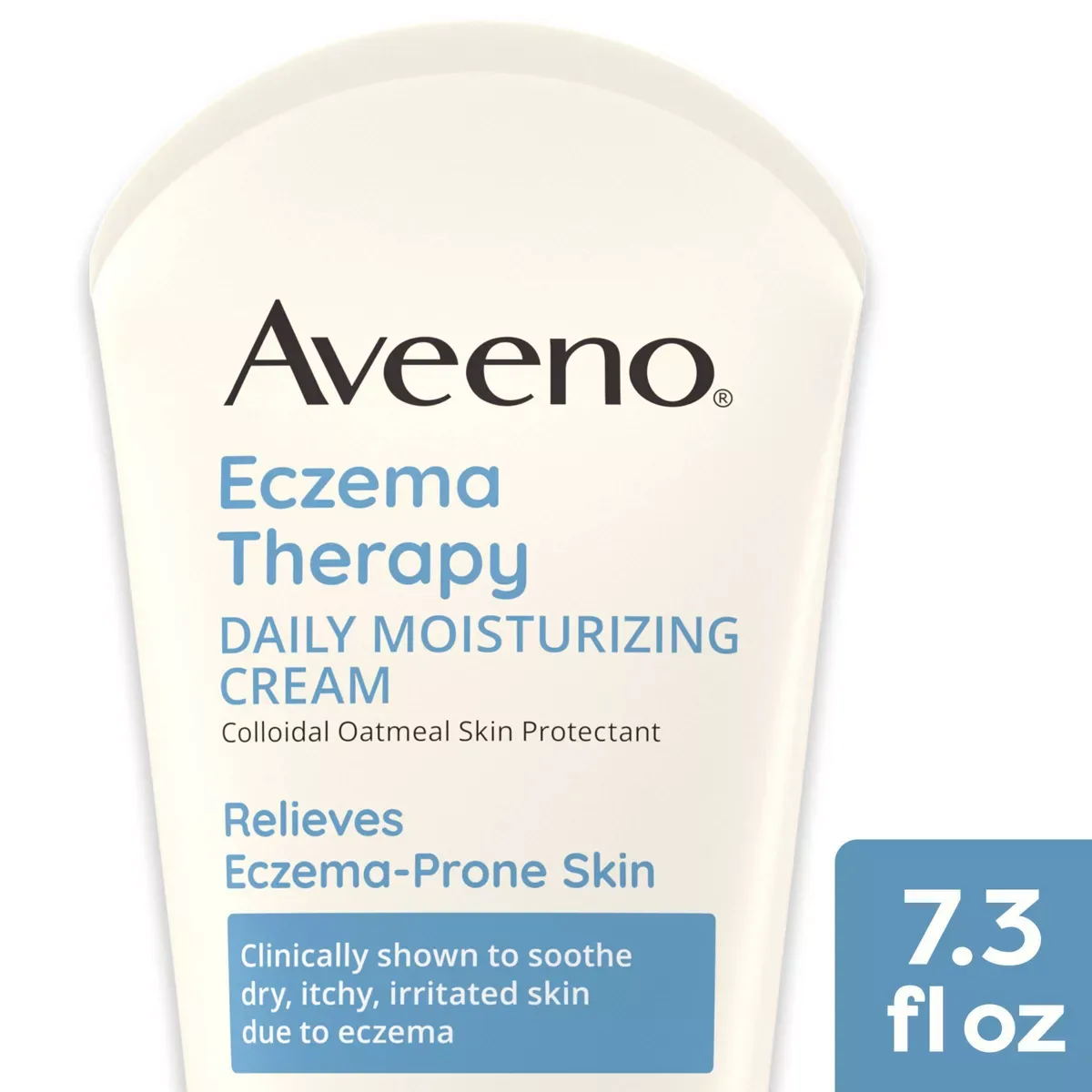 Eczema Gold Standard
 Eczema Therapy Moisturizing Cream
The strongest formulation in Aveeno's lineup for eczema-prone skin, combining FDA-regulated colloidal oatmeal with ceramide NP and panthenol for a multi-mechanism approach to barrier repair. Steroid-free, fragrance-free, and HSA/FSA eligible — this is the drugstore eczema cream dermatologists actually recommend by name.
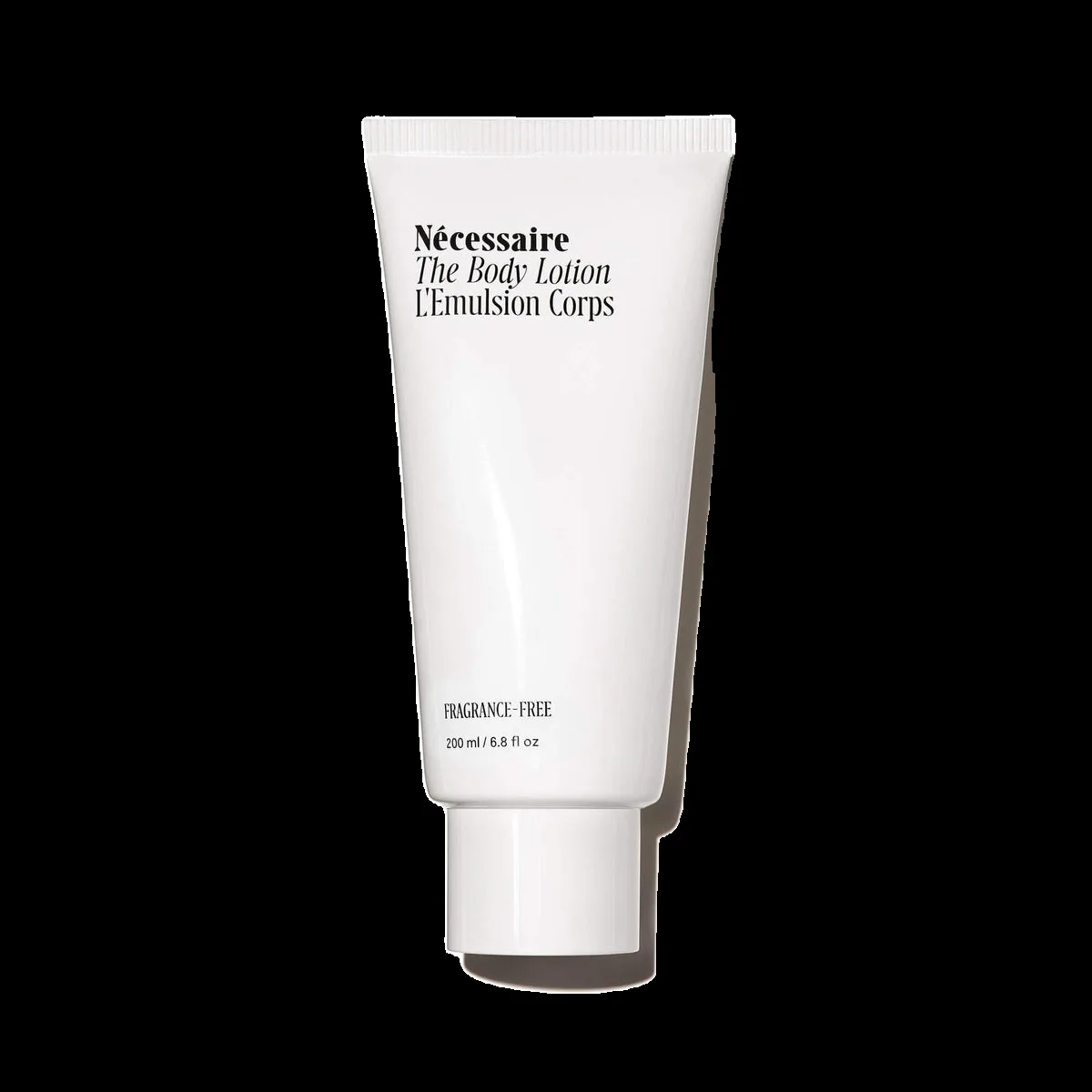 Sensitive Skin MVP
 The Body Lotion Fragrance-Free
The scented version's equal on active ingredients with none of the fragrance risk — and that makes this the better pick for sensitive skin, eczema-prone users, and anyone pregnant who wants to play it safe. At $25 it's still a premium price, but the formula genuinely earns it.
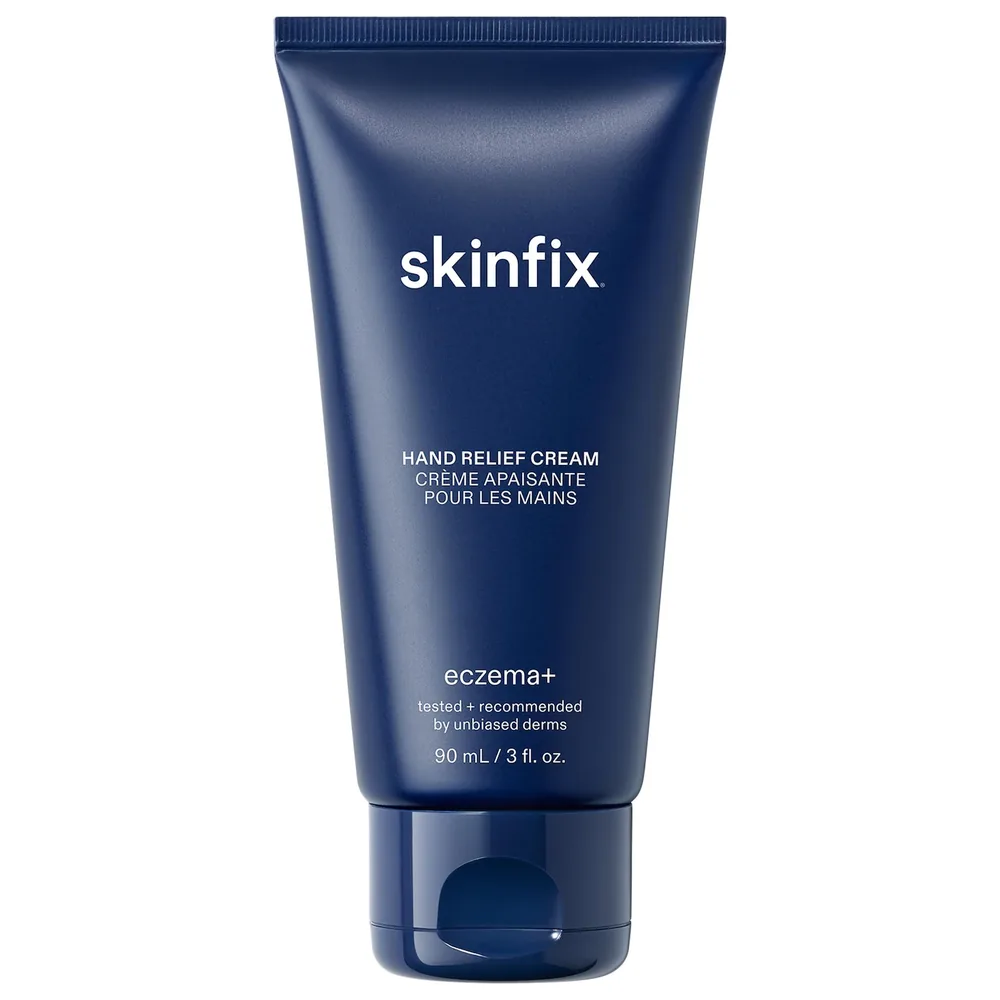 Sensitive Skin MVP
 Eczema+ Hand Repair Cream
A serious, NEA-seal-certified hand cream that treats the underlying mechanism of hand eczema rather than just coating it. Colloidal oatmeal, ceramide-cholesterol lipid repair, and panthenol combine in a texture that actually absorbs fast enough to use at the sink. At eighteen dollars it's genuinely well-priced for what it does.
 Korean Derm-Clinic Staple
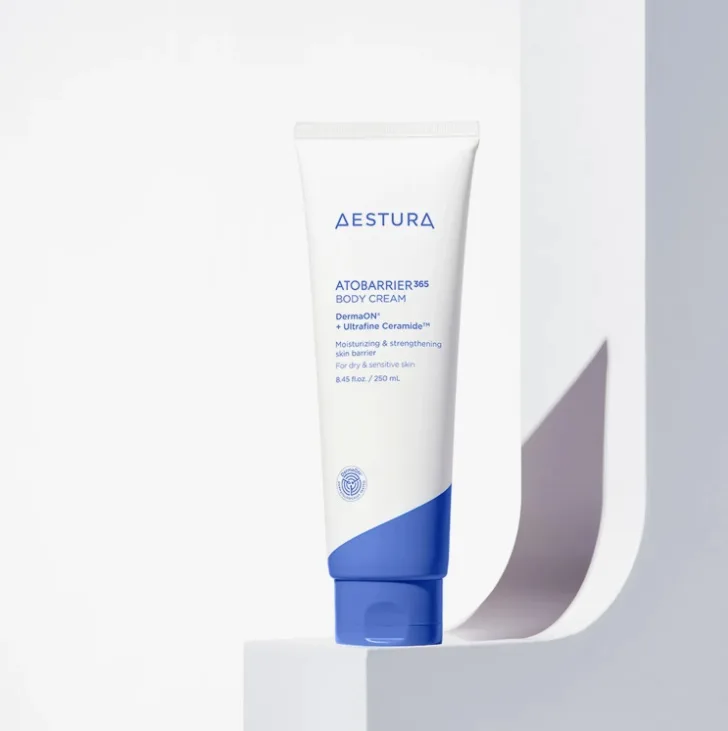
 Atobarrier 365 Body Cream
A genuinely outstanding ceramide-forward body cream from a dermatologist-developed Korean brand with real clinical backing. Fragrance-free, effective for compromised body barriers, and reasonably priced for a 300ml jar — this is one of the better body moisturizers available in the barrier-repair category.
 Clean Baby Staple
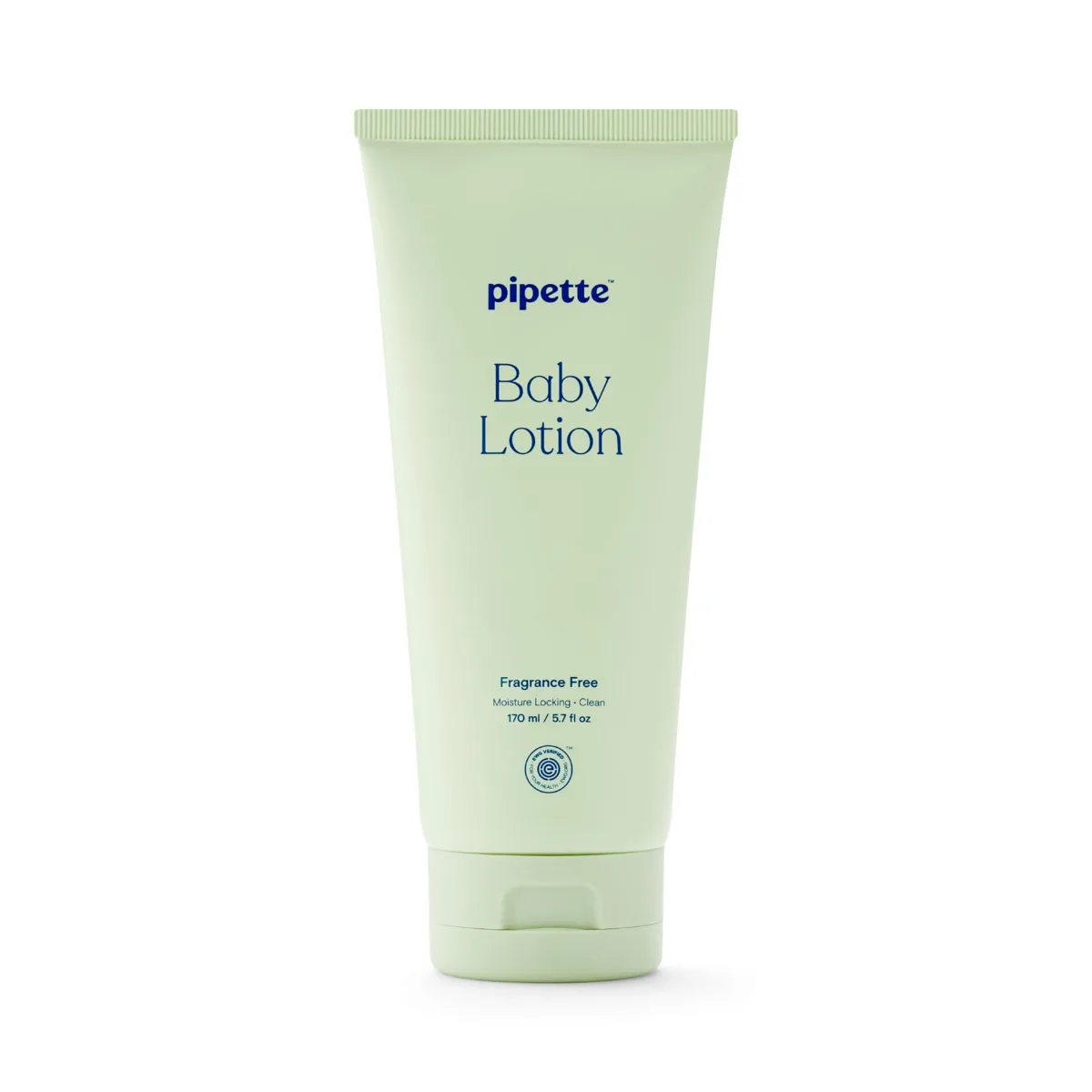
 Baby Lotion Fragrance Free
A lightweight, biomimetic baby lotion that proves you do not need mineral oil, silicones, or fragrances to deliver serious hydration. The squalane-ceramide-glycerin core provides evidence-based barrier support, and the olive-derived emulsifier system ensures it integrates into skin rather than sitting on top. At under $12 for 5.7 ounces with EWG Verified certification, the value is genuinely remarkable.
 Daily Atopic Companion
 Exomega Control Emollient Cream
The lighter sibling of A-Derma's Exomega Control balm — same Rhealba oat, sunflower oil unsaponifiables, and niacinamide active set, in a cream base that works better for year-round daily use and milder atopic-prone skin. For most adult users and for summer routines, this is the more practical choice of the two Exomega variants.