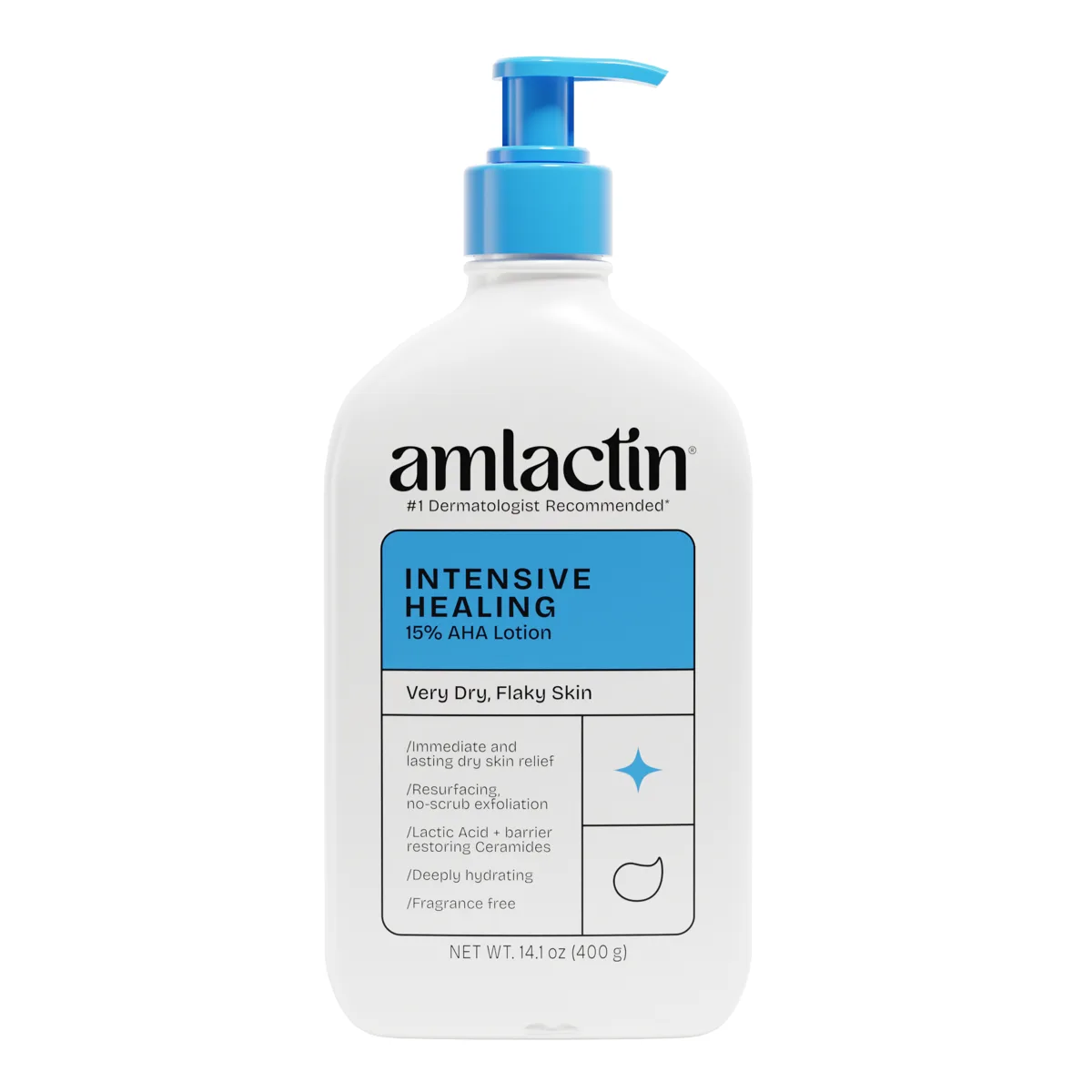
AmLactin's maximum-strength formula delivers noticeably faster results than the 12% for severely rough, dry, and KP-affected skin — the ceramide barrier repair system intelligently offsets the increased exfoliation intensity. The go-to for skin that the standard formula can't fully tame.
Rapid Relief Restoring Lotion 15% Lactic Acid
AmLactin's maximum-strength formula delivers noticeably faster results than the 12% for severely rough, dry, and KP-affected skin — the ceramide barrier repair system intelligently offsets the increased exfoliation intensity. The go-to for skin that the standard formula can't fully tame.
Score Breakdown
Where this product gains points and where it loses them — broken down across the four scoring pillars.
The most potent OTC AmLactin formula combining 15% lactic acid with a complete ceramide barrier repair system. Narrower audience than the 12% due to increased irritation potential, but delivers faster results for severe dryness and stubborn KP.
Pros & Cons
- ✓15% ULTRAPLEX triple-lactate system delivers fastest AHA exfoliation in the AmLactin range
- ✓Complete ceramide barrier repair complex prevents the over-drying typical of high-strength AHAs
- ✓Noticeably faster results than 12% — visible improvement in severe KP within 48 hours
- ✓Paraben-free reformulation uses potassium sorbate preservation
- ✓Petrolatum occlusion provides maximum moisture-sealing protection on extremely dry skin
- ✓Reasonable pricing comparable to the 12% formula despite stronger formulation
- ✗More pronounced stinging on application than the 12% formula — not suitable for sensitive skin
- ✗Heavier, tackier texture requires more absorption time and feels less elegant
- ✗Stronger characteristic lactic acid scent during application
- ✗Too aggressive for general body use on non-problematic skin areas
- ✗Contains mineral oil and petrolatum, which some consumers prefer to avoid
Full Review
There's a patient in every dermatology practice whose keratosis pilaris or severe xerosis simply refuses to yield to the standard 12% AmLactin treatment. The skin is stubbornly rough, the keratin plugs are deeply entrenched, and the regular formula — reliable as it is for most people — just isn't penetrating deeply enough or exfoliating aggressively enough to make a meaningful dent. The Rapid Relief Restoring Lotion exists for exactly these patients.
The jump from 12% to 15% may sound modest on paper, but in practice it represents a meaningful escalation in keratolytic activity. AmLactin's ULTRAPLEX system deploys three different lactic acid salts — ammonium lactate, potassium lactate, and sodium lactate — each with slightly different dissociation characteristics at the formulated pH. This triple-salt approach doesn't just increase the total lactic acid concentration; it provides a broader activity profile as different salt forms release free acid at slightly different rates, creating a more sustained exfoliation curve rather than a single sharp peak.
The critical design decision was pairing this increased exfoliation with a full ceramide barrier repair complex. Without the ceramides, a 15% lactic acid lotion would be a one-step-forward-one-step-back proposition — stripping away rough skin faster but also stripping away barrier lipids faster, potentially leaving the newly exposed skin dry and vulnerable. The three ceramides (NP, AP, EOP) with phytosphingosine and cholesterol address this directly, replenishing the lamellar lipid structures as fast as the exfoliation depletes them.
The texture reflects this dual mission. This is a noticeably heavier product than the 12% Daily formula — the petrolatum and mineral oil base provides serious occlusion, sealing in moisture while the ceramides integrate into the barrier. There's a slight tackiness after application that some users find unpleasant and others appreciate as evidence that the product is working. It takes longer to absorb than the lightweight 12% lotion, making it better suited for targeted application on problem areas rather than quick full-body use.
Stinging is real and expected. At 15%, the free acid concentration at the skin surface is meaningfully higher than at 12%, and nerve endings notice. First-time users should expect a more pronounced tingling sensation that lasts up to ten minutes on very rough or compromised skin. This is pharmacologically normal — it's lactic acid doing exactly what it's supposed to do — but it catches people off guard if they're accustomed to the gentler 12% formula. The sensation diminishes as skin acclimates over the first week.
Results arrive faster than with the 12%. Where the standard formula typically shows noticeable smoothing by day three to four, the Rapid Relief can produce visible improvement within 48 hours on the roughest areas. KP bumps flatten more aggressively, scaly patches dissolve more quickly, and the overall texture transformation happens in approximately half the time. For severely affected areas — the sandpaper-rough upper arms, the persistently scaly shins — this acceleration makes a meaningful difference in quality of life.
The paraben-free formulation is a welcome update from older AmLactin ceramide products. The preservation system relies on potassium sorbate rather than methylparaben and propylparaben, addressing the consumer concern that held some people back from the original Cerapeutic formula.
The lactic acid scent is more pronounced at 15% than at 12% — there's no way around the chemistry of having more ammonium lactate in the bottle. It fades within five to ten minutes and leaves no lingering scent, but during application, the characteristic tangy note is clearly present.
Pricing remains reasonable. At roughly $17 for 7.9 oz, the per-ounce cost is comparable to the 12% formula despite the higher concentration and added ceramide complex. For targeted use on problem areas, a single bottle lasts six to eight weeks, making annual treatment costs manageable even with twice-daily application.
The practical recommendation is straightforward: use this on areas where the 12% formula isn't getting the job done, and continue using the 12% for general body maintenance where it works well. The 15% is a targeted escalation tool, not a whole-body replacement. Sensitive skin should start with every-other-day application and increase gradually, and anyone with active eczema or severely compromised barriers should consult their dermatologist before introducing this concentration.
Formula
Key Ingredients
The hero actives that drive this product's performance.
| Ingredient | Function | Evidence |
|---|---|---|
| ULTRAPLEX (15% Lactic Acid Complex) (15%) | AmLactin's highest-strength proprietary blend of three lactic acid salts — ammonium lactate, potassium lactate, and sodium lactate — totaling 15% AHA concentration. The triple-salt approach provides more aggressive exfoliation than the 12% formula while the blend of different lactate salts offers varied release rates and slightly different pH-activity profiles for more thorough keratolytic action. | well-established |
| Ceramides NP, AP, EOP | Three essential skin-identical ceramides that rebuild the moisture barrier simultaneously with the aggressive 15% exfoliation. At this higher AHA concentration, barrier support becomes critical — the ceramides replace the lipids that accelerated exfoliation can strip, preventing the dryness paradox where intensive exfoliation makes skin temporarily worse before it gets better. | well-established |
| Petrolatum | Maximum-strength occlusion that reduces transepidermal water loss dramatically, sealing in the moisture that the lactic acid complex attracts. At 15% AHA concentration, the occlusive protection from petrolatum is essential to prevent the over-drying that could otherwise accompany this level of chemical exfoliation. | well-established |
| Phytosphingosine | A ceramide precursor with antimicrobial properties that supports endogenous ceramide production. Works alongside the exogenous ceramides to create a self-sustaining barrier repair system — especially important at the 15% concentration where the stratum corneum undergoes more rapid turnover. | well-established |
| Cholesterol | Completes the ceramide-cholesterol-fatty acid triad necessary for proper lamellar bilayer formation. Without cholesterol, the exogenously applied ceramides cannot organize into the ordered lipid structures that constitute a functional skin barrier. | well-established |
Full INCI List · pH 4.5
Water (Aqua), Ammonium Lactate, Glycerin, Sodium Lactate, Potassium Lactate, Mineral Oil, Petrolatum, Steareth-21, Dimethicone, Glyceryl Stearate SE, Stearyl Alcohol, Steareth-2, Tocopheryl Acetate, Sodium Lauroyl Lactylate, Ceramide NP, Ceramide AP, Ceramide EOP, Phytosphingosine, Cholesterol, Xanthan Gum, Carbomer, Potassium Sorbate
Product Flags
✓ Fragrance Free✓ Alcohol Free✗ Oil Free✗ Silicone Free✓ Paraben Free✓ Sulfate Free✗ Cruelty Free✗ Vegan✗ Fungal Acne Safe
Comedogenic Ingredients
mineral oilpetrolatum
Potential Irritants
lactic acid (15%)
Compatibility
Skin Match
Best For
Works For
Not Ideal For
Addresses These Conditions
keratosis pilaris dryness texture psoriasis
Use With Caution
eczema sensitivity compromised skin barrier
Routine Step
moisturizer
Time of Day
AM & PM
Pregnancy Safe
Yes ✓
Layering Tips
Apply to extremely dry, rough body areas after showering while skin is still damp. Best used on stubborn problem areas — elbows, knees, heels, shins, upper arms. The 15% concentration is more potent, so some users prefer evening-only application initially. Can be used alongside the 12% formula on less-affected areas.
Results Timeline
Immediate: intensive moisture and protective occlusion. Days 2-4: rough patches begin softening noticeably faster than with 12% formulas. Weeks 1-2: dramatic improvement in KP bumps and scaly dry patches. Weeks 3-4: severely dry, rough skin transformed to smooth, hydrated texture.
Pairs Well With
body sunscreen on exposed areas
Conflicts With
other AHA/BHA body treatments on the same areaphysical scrubs on treated areas
Sample AM Routine
- Shower
- Apply to damp problem areas
- Dress or apply body sunscreen
Sample PM Routine
- Shower or cleanse
- Apply generously to dry areas before bed
Evidence
Science & Expert Perspective
The Science
The ULTRAPLEX system in this formula represents a pharmacological optimization of lactic acid delivery. By combining three different lactate salts — ammonium lactate, potassium lactate, and sodium lactate — the formula creates a broader keratolytic activity profile than single-salt systems.
Each lactate salt has a slightly different dissociation constant and counter-ion effect at the formulated pH. This means that free lactic acid is released at slightly varied rates from each salt form, providing more sustained exfoliation rather than a single peak-and-decline pattern. At 15% total lactic acid equivalent, the free acid concentration at pH 4.5 is sufficient for aggressive disruption of corneocyte cohesion through desmoglein protein interference.
The ceramide barrier repair component is pharmacologically essential at this concentration. At 15%, the rate of stratum corneum turnover exceeds the skin's natural ability to replenish barrier lipids. Ceramides NP, AP, and EOP are the predominant ceramide subspecies in human stratum corneum, and their exogenous application has been shown to integrate into existing lamellar bilayer structures. Phytosphingosine provides additional value as both a ceramide precursor (convertible to ceramides by endogenous enzymes) and an antimicrobial agent that helps maintain the skin microbiome balance during accelerated exfoliation.
Cholesterol's role is structurally essential. Ceramides require cholesterol and free fatty acids in an approximately 1:1:1 molar ratio to organize into the ordered lamellar bilayers that constitute the functional stratum corneum barrier. Without cholesterol, exogenous ceramides cannot form these structures and instead remain disordered on the skin surface, failing to provide meaningful barrier function.
The petrolatum occlusion layer serves a dual purpose: reducing transepidermal water loss by up to 99% and creating a hydrated microenvironment that facilitates both the ceramide's integration into lamellar structures and the lactic acid's humectant activity.
Dermatologist Perspective
Board-certified dermatologists position the Rapid Relief 15% as the maximum-strength OTC lactic acid option for patients who have plateaued on the 12% formula. Dermatologists note that the addition of ceramides at this concentration is clinically important — without barrier repair, 15% lactic acid applied daily could paradoxically worsen dryness by stripping barrier lipids faster than the skin can replace them. The formula is commonly recommended for stubborn keratosis pilaris, severe winter xerosis, and as a step-down from prescription ammonium lactate preparations. Dermatologists advise starting with every-other-day application and escalating to daily use as tolerated, and recommend using the 15% only on areas that need it rather than whole-body application.
Guidance
Usage Guide
How to Use
Apply to extremely dry, rough, or KP-affected body areas after showering while skin is still damp. Focus on problem zones — upper arms, legs, elbows, knees, heels. For first-time use, start with every-other-day application to assess tolerance. Increase to daily or twice-daily use as skin acclimates. Allow 5-10 minutes for full absorption before dressing. Avoid freshly shaved, broken, or actively inflamed skin. Apply sunscreen to treated areas that will be sun-exposed.
Value Assessment
At approximately $17 for 7.9 oz, the Rapid Relief offers remarkable value for a 15% AHA body treatment with a complete ceramide complex. The per-ounce cost is barely higher than the basic 12% formula despite the stronger concentration and barrier repair ingredients. For targeted use on problem areas, a bottle lasts 6-8 weeks, keeping annual costs under $150. This is substantially cheaper than any comparable product combining high-concentration lactic acid with ceramide barrier repair.
Who Should Buy
Those with severe keratosis pilaris or stubborn dry skin that hasn't responded adequately to 12% lactic acid formulas. Anyone needing maximum-strength OTC AHA exfoliation with built-in barrier protection. Patients stepping down from prescription ammonium lactate who want to maintain results with an OTC alternative.
Who Should Skip
Those who get good results from the 12% formula — no need to escalate if the standard strength works. Sensitive skin types who find even 12% lactic acid irritating. Anyone with active eczema flares or severely compromised skin barriers. Those who dislike heavier, tackier textures on their body.
Ready to try Amlactin Rapid Relief Restoring Lotion 15% Lactic Acid?
Details
Details
Texture
Richer and more emollient than the 12% Daily formula due to the petrolatum and mineral oil base. Heavier feel with a slight tackiness that provides sustained occlusion. Takes longer to absorb than lighter AmLactin variants.
Scent
Fragrance-free but the higher concentration of lactic acid salts produces a more noticeable characteristic scent than the 12% formulas. Fades within 5-10 minutes.
Packaging
Pump bottle in 7.9 oz and 14.1 oz sizes. Standard pharmacy-style packaging consistent with the AmLactin line.
Finish
satindewy
What to Expect on First Use
Expect more pronounced tingling than the 12% formula, particularly on very rough or compromised skin areas. The sensation subsides within 5-10 minutes. The heavier texture is immediately apparent — this feels like a treatment cream rather than a light lotion. Results appear noticeably faster than with lower-concentration AmLactin products.
How Long It Lasts
1.5-2 months with twice-daily targeted application (7.9 oz)
Period After Opening
24 months
Best Season
fall winter
Background
The Why
Sandoz launched the Rapid Relief line in 2021 after acquiring AmLactin, recognizing that a segment of patients needed more than the 12% standard formula could deliver. The 15% ULTRAPLEX system with ceramides was designed as the maximum-strength OTC option — one step below prescription ammonium lactate formulations, with the added ceramide technology that prescription versions lack.
About Amlactin Legacy Brand (20+ years)
AmLactin was founded in 1997 and is the #1 dermatologist-recommended moisturizer brand with lactic acid. The Rapid Relief line was launched in 2021 under Sandoz, combining the brand's highest lactic acid concentration with ceramide barrier repair for the most stubborn dry skin conditions.
Brand founded: 1997 · Product launched: 2021
Myth vs. Reality
Myths & Misconceptions
Myth
If 12% lactic acid works, 15% will just work faster with no downsides.
Reality
The jump from 12% to 15% meaningfully increases irritation potential. The higher concentration drives faster exfoliation but also increases stinging, potential redness, and barrier stress. The ceramides in this formula are designed to offset that increased barrier demand, but sensitive skin types who tolerate 12% may not tolerate 15%. Start with every-other-day use and assess tolerance before committing to daily application.
FAQ
Frequently Asked Questions
Is Amlactin 15% better than the 12% for keratosis pilaris?
The 15% delivers faster, more aggressive results for stubborn KP that hasn't responded adequately to the 12%. However, 'better' depends on your skin — if the 12% works well for you with no irritation, there's no need to upgrade. The 15% is designed as an escalation product for skin that needs more intensive treatment, not as a replacement for the 12% for all users.
What's the difference between Amlactin Rapid Relief and Intensive Healing?
Both contain 15% lactic acid with ceramides. The Rapid Relief is in lotion format with a pump bottle, while the Intensive Healing also comes in a cream format in a tub. The lotion absorbs faster and spreads more easily, while the cream provides more intensive occlusion. The ingredient lists are very similar — the difference is primarily texture and packaging format.
Can I use Amlactin 15% on my whole body?
You can, but it's generally more practical and comfortable to use the 15% on targeted problem areas (upper arms, legs, elbows, heels) and the 12% formula for general body maintenance. The higher concentration may cause unnecessary stinging on areas that don't need intensive treatment.
Why does Amlactin Rapid Relief sting more than regular Amlactin?
The 15% total lactic acid concentration is 25% higher than the standard 12% formula. More free acid at the skin surface means more interaction with nerve endings, producing a more noticeable tingling or stinging sensation. This subsides within minutes and decreases over time as skin acclimates. If stinging is severe, reduce to every-other-day application or switch to the 12% formula.
Does Amlactin Rapid Relief contain ceramides?
Yes — ceramides NP, AP, and EOP along with phytosphingosine and cholesterol form a complete barrier repair system. This is particularly important at the 15% concentration, where the more aggressive exfoliation places greater demands on the skin's moisture barrier. The ceramides help prevent the over-drying that higher-strength AHAs can cause.
Community
Community Voices
Common Praise
"Dramatically improves stubborn keratosis pilaris faster than the 12% formula"
"Ceramide addition provides significantly better moisture retention"
"Noticeable improvement in rough, scaly skin within days"
"Paraben-free reformulation addresses modern consumer preferences"
Common Complaints
"15% concentration causes more noticeable stinging on initial application"
"Heavier texture leaves a slight tackiness that some find unpleasant"
"Stronger lactic acid scent than the 12% formula"
"Too aggressive for sensitive or non-problematic skin areas"
Notable Endorsements
#1 Dermatologist Recommended Moisturizer Brand with Lactic AcidLaunched under Sandoz pharmaceutical backing
Appears In
best body care for keratosis pilaris best body care for dryness best body care for texture best exfoliant for keratosis pilaris
Related Conditions
keratosis pilaris dryness texture psoriasis
Related Ingredients
lactic acid ceramides phytosphingosine cholesterol petrolatum
You Might Also Like
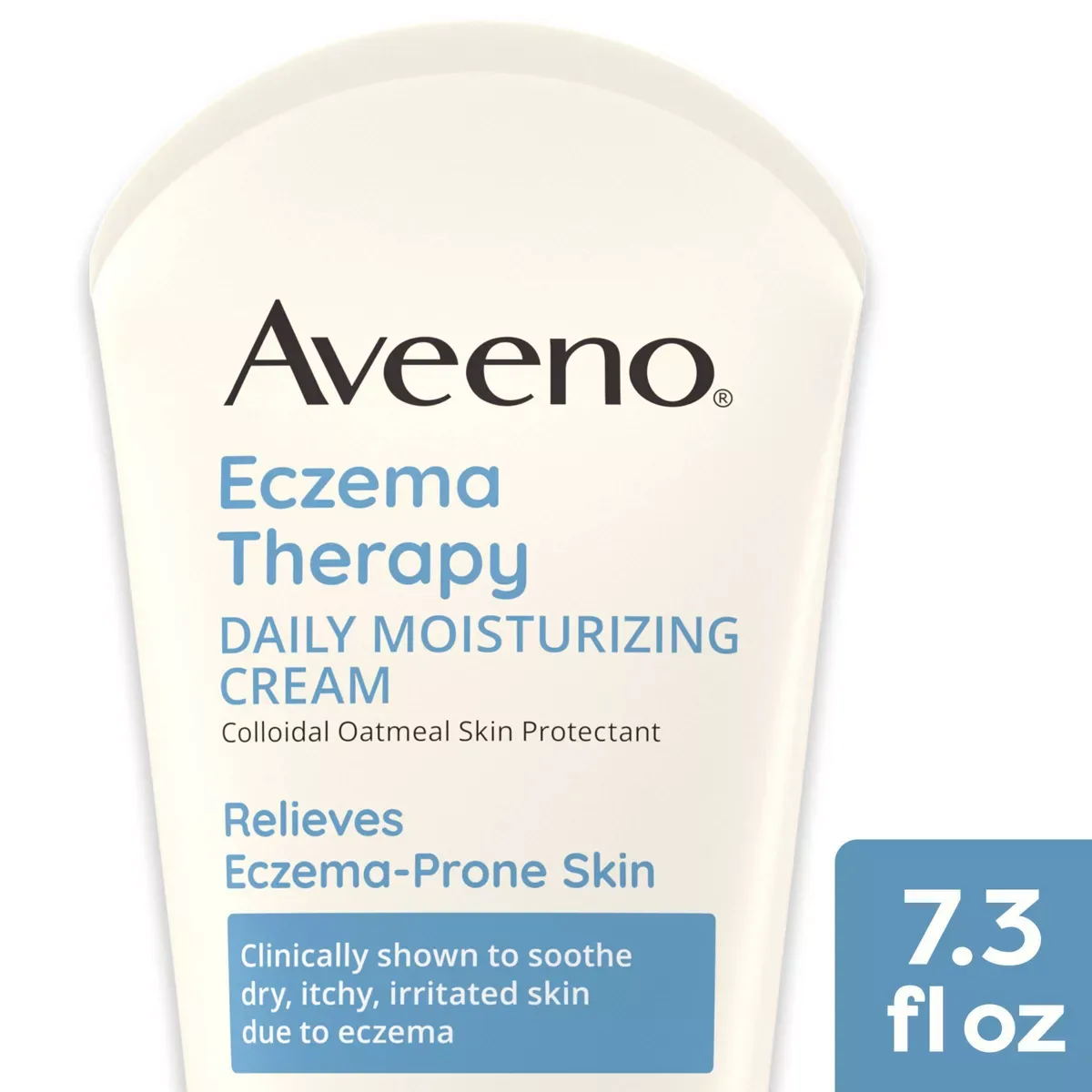 Eczema Gold Standard
 Eczema Therapy Moisturizing Cream
The strongest formulation in Aveeno's lineup for eczema-prone skin, combining FDA-regulated colloidal oatmeal with ceramide NP and panthenol for a multi-mechanism approach to barrier repair. Steroid-free, fragrance-free, and HSA/FSA eligible — this is the drugstore eczema cream dermatologists actually recommend by name.
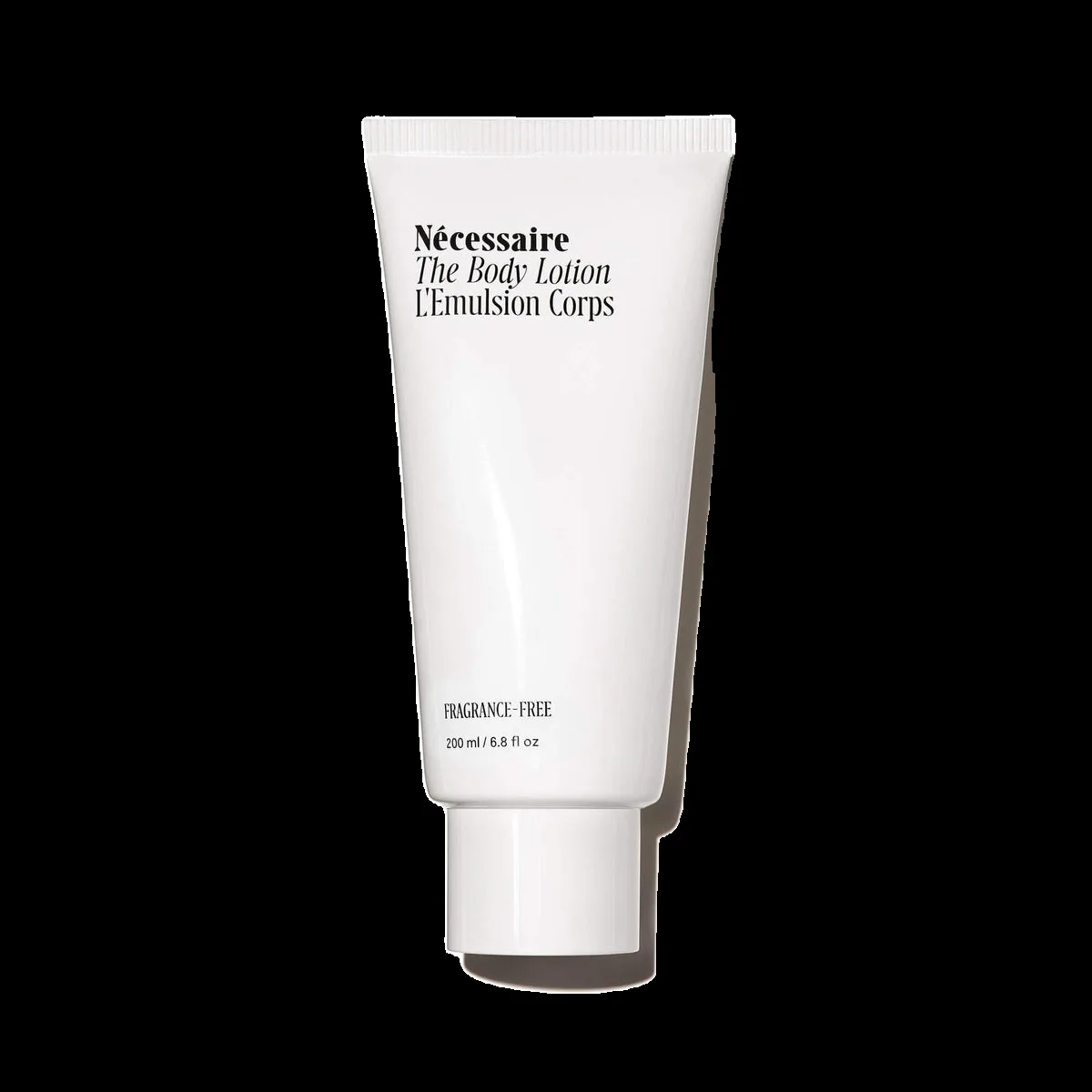 Sensitive Skin MVP
 The Body Lotion Fragrance-Free
The scented version's equal on active ingredients with none of the fragrance risk — and that makes this the better pick for sensitive skin, eczema-prone users, and anyone pregnant who wants to play it safe. At $25 it's still a premium price, but the formula genuinely earns it.
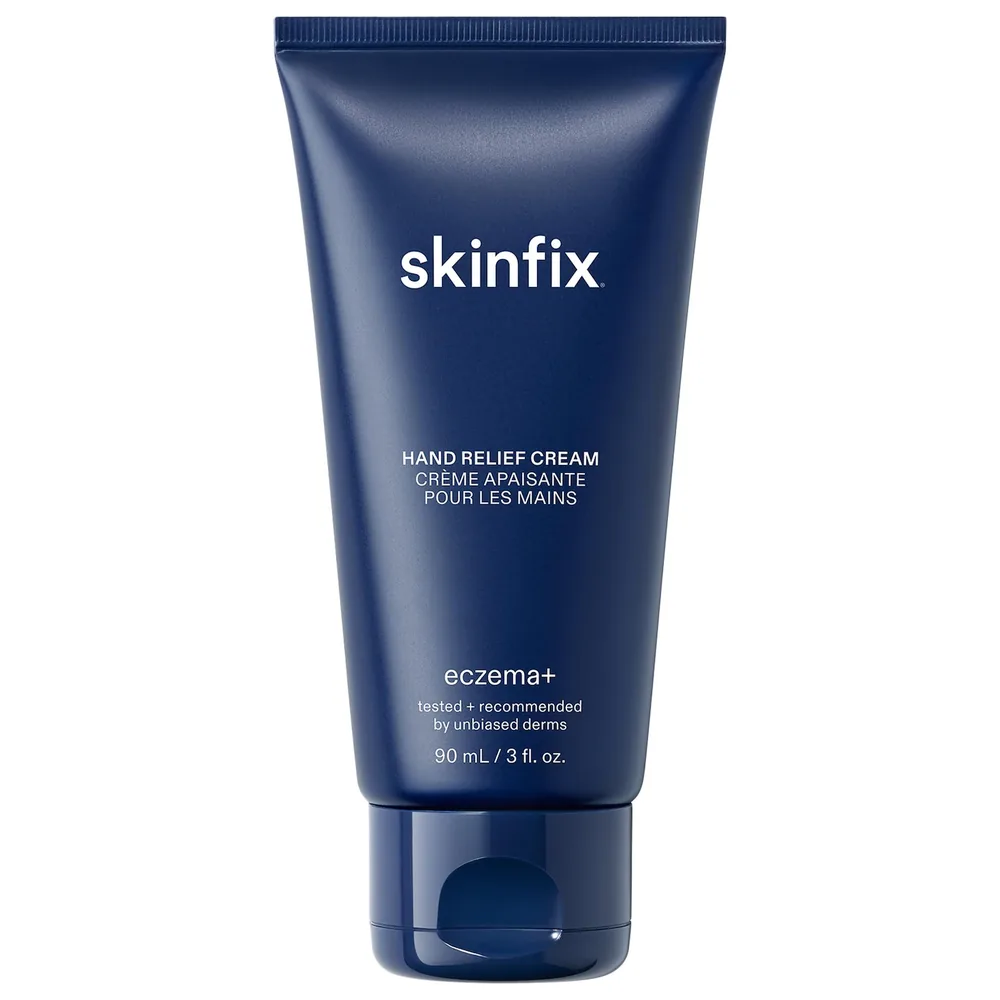 Sensitive Skin MVP
 Eczema+ Hand Repair Cream
A serious, NEA-seal-certified hand cream that treats the underlying mechanism of hand eczema rather than just coating it. Colloidal oatmeal, ceramide-cholesterol lipid repair, and panthenol combine in a texture that actually absorbs fast enough to use at the sink. At eighteen dollars it's genuinely well-priced for what it does.
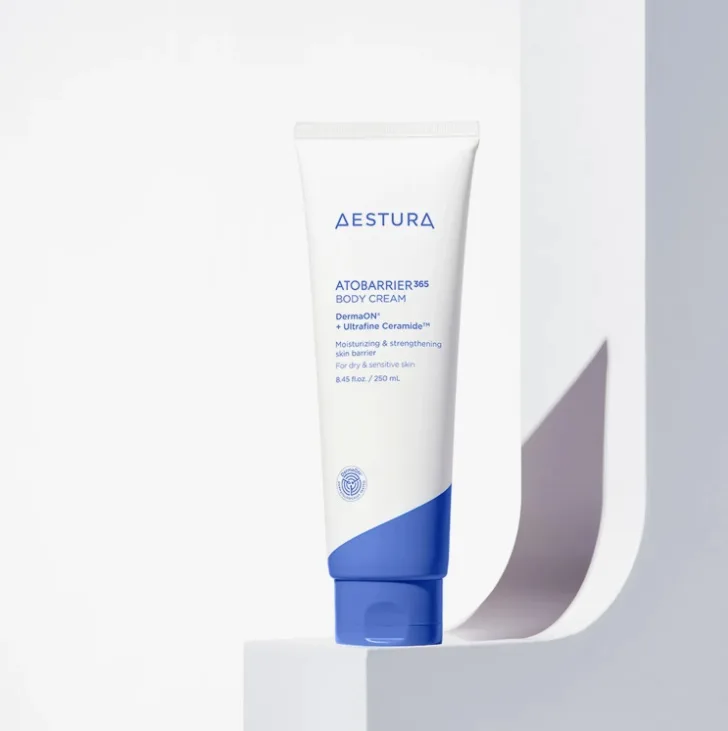 Korean Derm-Clinic Staple
 Atobarrier 365 Body Cream
A genuinely outstanding ceramide-forward body cream from a dermatologist-developed Korean brand with real clinical backing. Fragrance-free, effective for compromised body barriers, and reasonably priced for a 300ml jar — this is one of the better body moisturizers available in the barrier-repair category.
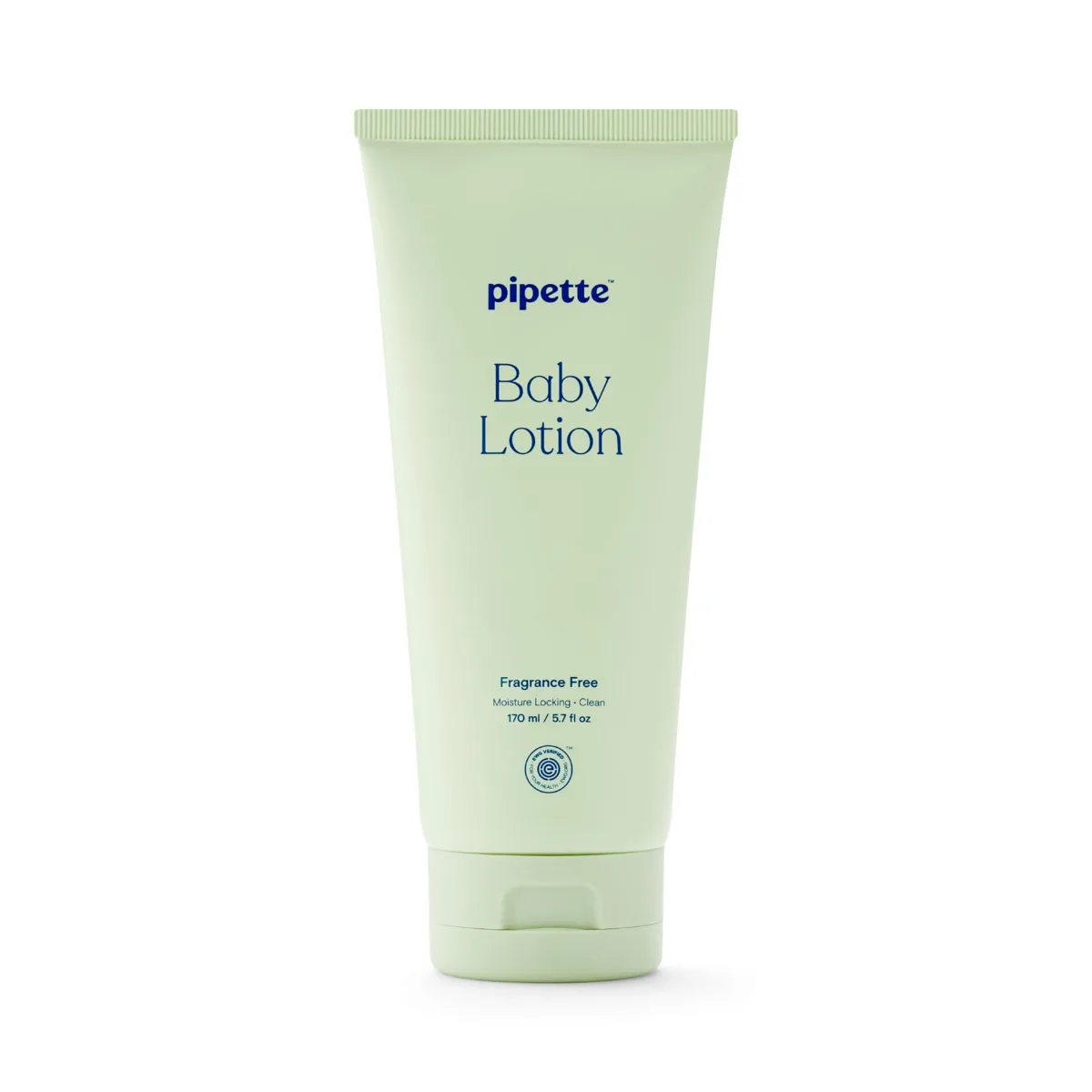 Clean Baby Staple
 Baby Lotion Fragrance Free
A lightweight, biomimetic baby lotion that proves you do not need mineral oil, silicones, or fragrances to deliver serious hydration. The squalane-ceramide-glycerin core provides evidence-based barrier support, and the olive-derived emulsifier system ensures it integrates into skin rather than sitting on top. At under $12 for 5.7 ounces with EWG Verified certification, the value is genuinely remarkable.
 Daily Atopic Companion
 Exomega Control Emollient Cream
The lighter sibling of A-Derma's Exomega Control balm — same Rhealba oat, sunflower oil unsaponifiables, and niacinamide active set, in a cream base that works better for year-round daily use and milder atopic-prone skin. For most adult users and for summer routines, this is the more practical choice of the two Exomega variants.