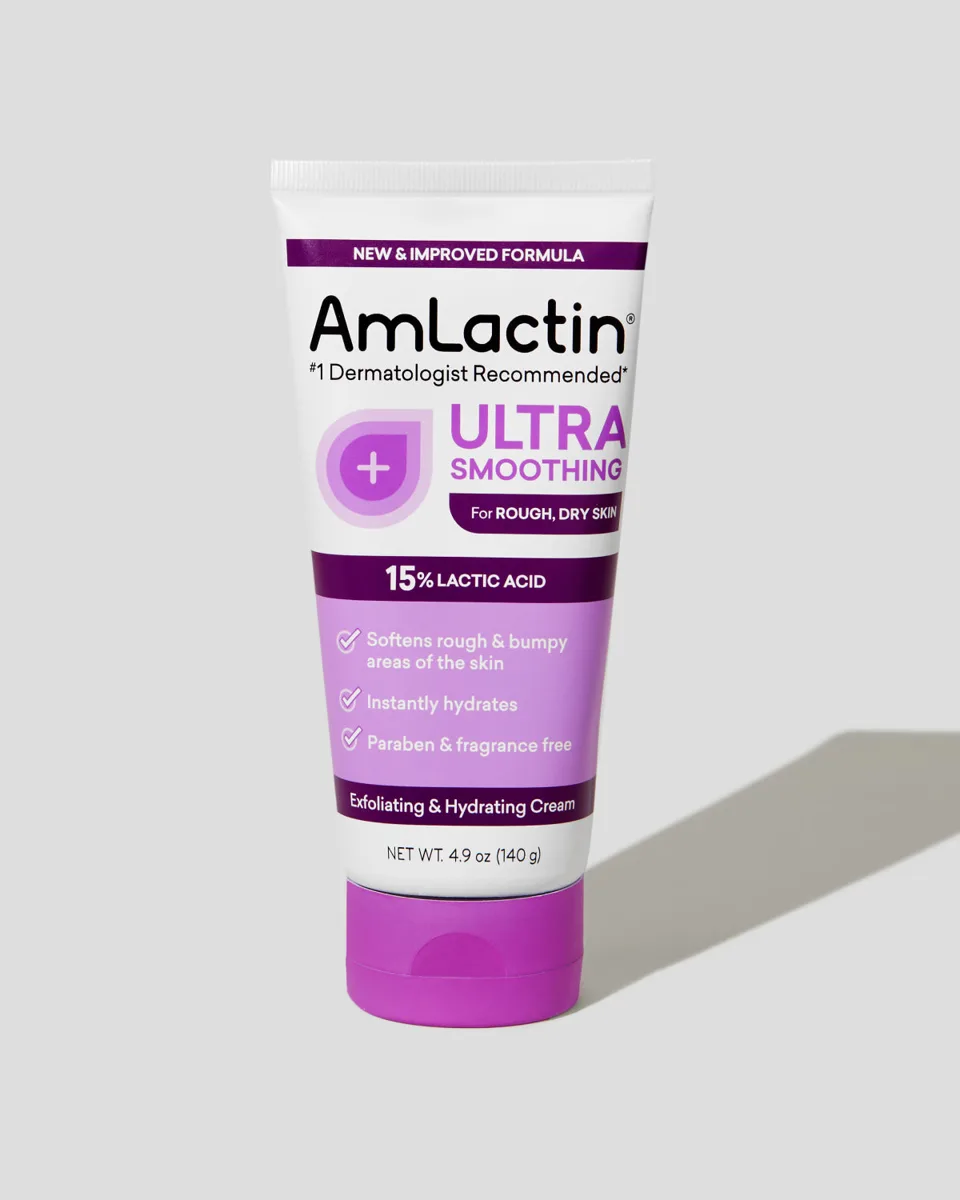
A no-frills, pharmaceutical-grade body cream that takes the fight to extreme dryness with 15% lactic acid and a heavy occlusive seal. It's not glamorous, it's not Instagram-worthy, and it smells faintly of pancakes — but it works, and it has nearly four decades of dermatological credibility to prove it.
Ultra Hydrating Body Cream
A no-frills, pharmaceutical-grade body cream that takes the fight to extreme dryness with 15% lactic acid and a heavy occlusive seal. It's not glamorous, it's not Instagram-worthy, and it smells faintly of pancakes — but it works, and it has nearly four decades of dermatological credibility to prove it.
Score Breakdown
Where this product gains points and where it loses them — broken down across the four scoring pillars.
A well-proven therapeutic body cream with effective 15% lactic acid and a solid occlusive base. Value is reasonable for the 4.9 oz size, though the basic ingredient list and AHA-related irritation potential keep it from scoring higher across broader skin types.
Pros & Cons
- ✓15% lactic acid provides therapeutic-grade exfoliation for severely dry and rough skin
- ✓Ultraplex triple-lactate formula optimizes both exfoliation and humectant properties
- ✓Heavy occlusive base with petrolatum seals moisture into freshly exfoliated skin
- ✓Fragrance-free — avoids unnecessary sensitization of already-compromised dry skin
- ✓Nearly four decades of dermatological credibility and clinical use behind the brand
- ✓Effective for both general xerosis and keratosis pilaris in a single product
- ✓Award-winning formula recognized by New York Magazine and Harper's Bazaar
- ✗Dense texture requires effort to spread and lacks the elegance of modern body creams
- ✗Natural ammonium lactate scent is sweet and off-putting for some despite unscented label
- ✗15% lactic acid stings noticeably on broken, cracked, or freshly shaved skin
- ✗4.9 oz tube runs out quickly if used on large body areas twice daily
- ✗Basic ingredient list of mineral oil and petrolatum may not appeal to clean beauty preferences
Full Review
There's something almost defiant about AmLactin's Ultra Hydrating Body Cream in an era of aesthetically curated body care. While newer brands compete to create the most Instagrammable body butter with the most exotic botanical extracts, this cream arrives in its clinical white-and-green tube with the energy of a pharmacist who has seen everything and is not here to chat. It has a job to do.
That job — transforming severely dry, rough, scaly skin into something soft and smooth — is one AmLactin has been doing since 1987, when Upsher-Smith Laboratories first brought pharmaceutical-grade ammonium lactate from prescription pads to drugstore shelves. The Ultra Hydrating formula represents the brand's higher-strength offering: 15% lactic acid in a cream base rich enough to convince your driest patches that moisture is, in fact, something they're allowed to have.
The formulation is built on AmLactin's Ultraplex technology, which combines three forms of lactic acid salts — ammonium, sodium, and potassium lactate — rather than relying on a single form. The clinical rationale is that different salt forms offer slightly different pH profiles and skin penetration characteristics, creating a more nuanced exfoliation than one salt alone. Whether this translates into a meaningful real-world difference over a standard ammonium lactate cream is debatable, but the overall concentration and clinical outcomes are well-documented.
The base formula is unapologetically functional. Mineral oil, petrolatum, glycerin, propylene glycol — these are the workhorses of dermatological moisturization, chosen for efficacy over elegance. Petrolatum alone reduces transepidermal water loss by up to 99% in clinical studies, and in a formula designed for seriously compromised skin, that level of occlusion is a feature, not a drawback. The cetearyl alcohol and stearic acid give the cream its body, while the polysorbate emulsifiers keep everything blended.
Applying this cream is a utilitarian experience. The texture is dense and takes some effort to spread, especially over rough patches. It doesn't glide like a luxury body cream or absorb with the effortless speed of a body oil. You work it in, you feel a slight tackiness for a minute or two, and then it settles. What it lacks in sensorial appeal, it compensates for in performance — within a few applications, you can feel the rough patches softening.
The tingling. Let's talk about it. Fifteen percent lactic acid on dry, potentially cracked skin will make itself known. The first few applications deliver a noticeable sting that ranges from mildly surprising to genuinely uncomfortable if your skin is particularly compromised. This is the acid at work, and it subsides as your skin adjusts over the first week. If you have open fissures or deep cracks, approach with caution — or start with the gentler 12% Daily Nourish formula and work your way up.
Then there's the scent — or the non-scent that still has a scent. AmLactin labels this unscented, and technically it is: no fragrances are added. But ammonium lactate has an inherent sweet, almost maple syrup-like aroma that some people find pleasant and others find distinctly off-putting. It dissipates within a few minutes of application, and it's a small price to pay for a fragrance-free formula, but it catches people off guard when they're expecting odorless.
Results build steadily with consistent use. By the end of week one, chronically dry areas feel noticeably smoother. By week three or four, rough patches that have resisted every conventional moisturizer start to look genuinely different — softer, less scaly, more like normal skin. The lactic acid dissolves the dead cell buildup while the glycerin and petrolatum flood the newly exposed layers with moisture. For people who have lived with rough, lizard-skin patches on their shins, forearms, or elbows for years, this transformation can be quietly revelatory.
The cream also works well for keratosis pilaris, even though AmLactin has a dedicated KP product. The higher occlusive content in this formula provides additional moisture that KP-prone skin often needs, making it a reasonable choice for someone who has both KP and generalized dryness.
Value is acceptable rather than exceptional. At roughly $18 for 4.9 ounces, it's not cheap for a body cream with basic ingredients, but the 15% lactic acid at pharmaceutical quality is genuinely difficult to find at this price point. The tube will last 6-8 weeks with focused application on problem areas, which makes the per-week cost reasonable. Full-body application would burn through it faster, and for all-over maintenance, the 12% Daily Nourish in larger sizes offers better economics.
This is a cream that earns its reputation not through clever marketing or beautiful packaging, but through decades of quietly solving a problem that millions of people deal with. Dermatologists recommended AmLactin before social media existed, and they'll be recommending it long after the current crop of aesthetically perfect body care brands have come and gone. It's not exciting. It's effective. And sometimes, that's exactly what your skin needs.
Formula
Key Ingredients
The hero actives that drive this product's performance.
| Ingredient | Function | Evidence |
|---|---|---|
| Ammonium Lactate (15% Lactic Acid) (15%) | Delivers therapeutic-level chemical exfoliation via the Ultraplex triple-lactate system (ammonium, sodium, and potassium lactate salts). In this body cream, the 15% concentration dissolves the desmosomal bonds between dead skin cells while simultaneously functioning as a humectant, drawing moisture into the stratum corneum — a dual mechanism that tackles both the roughness and the dryness of chronically dry skin in one step. | well-established |
| Petrolatum | Serves as the primary occlusive in this formula, sealing in the moisture that lactic acid draws into the skin. For extremely dry skin, this occlusive barrier is essential — it prevents the freshly exfoliated, hydrated layers from losing water back to the environment, extending the cream's hydrating effects between applications. | well-established |
| Glycerin | Reinforces the humectant action of the lactic acid, creating a layered hydration system — glycerin and lactic acid pull moisture in while petrolatum and mineral oil lock it down. This combination is particularly effective for the severely dry, flaky skin this cream targets. | well-established |
| Mineral Oil | Complements the petrolatum as a secondary emollient, softening rough, scaly patches and improving the cream's spreadability across large body areas. The combination of mineral oil and petrolatum creates a robust moisture barrier suited for extremely dry skin conditions. | well-established |
Full INCI List
Water, Ammonium Lactate, Glycerin, Propylene Glycol, Mineral Oil, Petrolatum, Cetearyl Alcohol, Stearic Acid, Polysorbate 60, Steareth-21, Steareth-2, Xanthan Gum, Sodium Benzoate, Disodium EDTA
Product Flags
✓ Fragrance Free✓ Alcohol Free✗ Oil Free✓ Silicone Free✓ Paraben Free✓ Sulfate Free✓ Cruelty Free✓ Vegan✗ Fungal Acne Safe
Potential Irritants
Ammonium Lactate (15% concentration may sting on broken or sensitive skin)Propylene Glycol
Common Allergens
Propylene Glycol
Compatibility
Skin Match
Best For
Works For
Not Ideal For
Addresses These Conditions
dryness texture keratosis pilaris
Use With Caution
eczema sensitivity compromised skin barrier
Routine Step
moisturizer
Time of Day
AM & PM
Pregnancy Safe
Yes ✓
Layering Tips
Apply generously to damp skin after showering for maximum absorption. This cream functions as both an exfoliant and a moisturizer, so no additional body lotion is needed. Use sunscreen on exposed treated areas, as lactic acid increases photosensitivity.
Results Timeline
Immediate softening noticeable after first application. Visible smoothing of rough, scaly patches within 1-2 weeks. Full hydration benefits and textural transformation at 4-6 weeks of consistent twice-daily use.
Pairs Well With
Gentle, non-stripping body washBroad-spectrum sunscreen on exposed areas
Conflicts With
Other AHA/BHA body treatments on the same area — layering exfoliants increases irritation risk
Sample AM Routine
- Gentle body wash in shower
- Pat skin damp
- THIS PRODUCT on dry/rough areas
- Sunscreen on exposed areas
Sample PM Routine
- Gentle body wash in shower
- Pat skin damp
- THIS PRODUCT on dry/rough areas
Evidence
Who Should Skip
- Dense texture requires effort to spread and lacks the elegance of modern body creams
- Natural ammonium lactate scent is sweet and off-putting for some despite unscented label
- 15% lactic acid stings noticeably on broken, cracked, or freshly shaved skin
- 4.9 oz tube runs out quickly if used on large body areas twice daily
Science & Expert Perspective
The Science
Lactic acid is among the most extensively studied alpha hydroxy acids in dermatology, with a dual mechanism that makes it uniquely suited for dry skin conditions. As a keratolytic, it disrupts the desmosomal bonds between corneocytes — the protein bridges that hold dead skin cells together — promoting faster and more even desquamation. At 15% concentration, this effect is clinically significant, dissolving the compacted dead cell layers that characterize xerosis and keratosis pilaris.
Simultaneously, lactic acid functions as a hygroscopic humectant. Its hydroxyl groups attract and bind water molecules, drawing moisture from the dermis into the epidermis. A 1996 study by Smith published in the Journal of the American Academy of Dermatology demonstrated that ammonium lactate lotions significantly increased stratum corneum hydration and reduced scaling in patients with moderate to severe xerosis after just two weeks of twice-daily application.
The occlusive component of the formula — primarily petrolatum — plays a critical role in maximizing these effects. Petrolatum reduces transepidermal water loss (TEWL) by forming a hydrophobic barrier over the skin surface. A landmark 1992 study by Ghadially et al. in the Journal of Clinical Investigation showed that petrolatum not only reduces TEWL but actually accelerates barrier recovery by providing an external lipid source that the skin can utilize during repair.
The combination of chemical exfoliation (lactic acid), humectant hydration (lactic acid + glycerin), and occlusive sealing (petrolatum + mineral oil) creates a comprehensive approach to dry skin management that addresses three distinct aspects of the condition: abnormal desquamation, inadequate water content, and excessive water loss.
References
- Epidermal Permeability Barrier in the Treatment of Keratosis Pilaris — Dermatology Research and Practice (2015)
Dermatologist Perspective
Dermatologists have relied on ammonium lactate formulations as a foundational treatment for xerosis and keratosis pilaris for over three decades. Board-certified dermatologists frequently note that the 15% concentration provides a meaningful step up from the 12% standard for patients with stubborn, clinically significant dryness that hasn't responded to conventional moisturizers. The combination of chemical exfoliation and occlusive moisturization in a single product aligns with evidence-based dry skin management protocols. Dermatologists typically recommend applying to damp skin twice daily and warn patients to expect mild stinging during the adjustment period — a sign of active exfoliation, not a reason to discontinue.
Guidance
Usage Guide
How to Use
Apply a generous amount to dry, rough, or bumpy skin areas twice daily — morning and evening. For best results, apply within a few minutes of showering while skin is still slightly damp. Massage until absorbed. Expect mild tingling on first use that diminishes over the first week. Apply sunscreen over treated areas exposed to sun, as lactic acid increases photosensitivity. Avoid application on broken, deeply cracked, or freshly shaved skin until the area has healed.
Value Assessment
At roughly $18 for 4.9 ounces, the Ultra Hydrating Body Cream sits at a reasonable price point for a pharmaceutical-grade 15% lactic acid treatment. The ingredient list is admittedly basic — mineral oil, petrolatum, and glycerin are not expensive raw materials — but the specific concentration, pH optimization, and Ultraplex triple-salt formulation represent the kind of pharmaceutical precision that generic ammonium lactate creams don't always match. For targeted use on problem areas, the per-week cost is manageable. For whole-body application, AmLactin's larger-format 12% Daily Nourish lotion offers significantly better per-ounce value. The brand's nearly four decades of dermatological trust adds intangible value that a newer brand at the same price would lack.
Who Should Buy
Anyone dealing with chronically dry, rough, scaly skin that regular moisturizers can't seem to fix — particularly on legs, arms, and elbows. Ideal for people who want a single product that exfoliates and deeply moisturizes without requiring a multi-step body care routine.
Who Should Skip
People with sensitive skin or active eczema flares should avoid the 15% concentration and start with AmLactin's gentler 12% formula. Those who prefer lightweight, fast-absorbing body lotions or are bothered by the natural ammonium lactate scent may find this cream's utilitarian texture frustrating.
Ready to try Amlactin Ultra Hydrating Body Cream?
Details
Details
Texture
Rich, dense cream that requires some effort to spread but absorbs into skin without leaving a greasy film. Heavier than a typical body lotion — feels therapeutic rather than cosmetically elegant.
Scent
Unscented formula, but the ammonium lactate has a faint natural sweetness (often described as maple syrup-like) that fades within minutes of application.
Packaging
Squeeze tube with flip-top cap. Sturdy and travel-friendly, though the 4.9 oz size can feel small for full-body application.
Finish
mattenon-greasyvelvety
What to Expect on First Use
Expect mild to moderate tingling on first use, especially on very dry or cracked areas — this is the lactic acid at work and is normal. Skin may feel slightly tacky for the first few minutes before fully absorbing. The first 3-5 days may bring increased flaking as dead skin cells shed faster. By the end of week one, skin typically feels significantly softer.
How Long It Lasts
6-8 weeks with twice-daily application on arms and legs; less if used on larger body areas
Period After Opening
12 months
Best Season
fall winter
Certifications
Cruelty-free (not tested on animals)
Background
The Why
The Ultra Hydrating cream represents AmLactin's premium tier — a step up in concentration and occlusive power from the brand's original 12% Daily Nourish formula. Born from the same pharmaceutical lineage as prescription ammonium lactate products that dermatologists have used since the 1980s, it was developed for patients whose skin dryness goes beyond cosmetic discomfort into clinically significant xerosis.
About Amlactin Legacy Brand (20+ years)
AmLactin was developed by Upsher-Smith Laboratories in 1987 and is the #1 dermatologist-recommended moisturizer brand with lactic acid. Now owned by Sandoz (acquired 2016), the brand has nearly four decades of clinical use behind its ammonium lactate formulations.
Brand founded: 1987 · Product launched: 2014
Myth vs. Reality
Myths & Misconceptions
Myth
You should exfoliate dry skin with scrubs before applying moisturizer.
Reality
Physical scrubs can worsen dryness by damaging the already-compromised skin barrier. This cream's 15% lactic acid chemically dissolves dead skin buildup while simultaneously hydrating — no scrubbing needed or recommended.
Myth
Mineral oil and petrolatum clog pores and are bad for skin.
Reality
Both are well-studied, non-comedogenic occlusives that dermatologists have used for decades. In body care for extremely dry skin, they're among the most effective ingredients for preventing transepidermal water loss. The concern is largely cosmetic preference, not evidence-based.
FAQ
Frequently Asked Questions
What's the difference between Amlactin Ultra Hydrating and Amlactin Daily Nourish?
The Ultra Hydrating cream contains 15% lactic acid compared to 12% in the Daily Nourish formula, making it more potent for stubborn dry skin and rough patches. The richer cream base with heavier occlusives also provides more intensive moisture sealing. Daily Nourish is better as an everyday whole-body lotion, while Ultra Hydrating targets problem areas.
Can I use Amlactin Ultra Hydrating Body Cream on my face?
This cream is formulated for body use. The 15% lactic acid concentration plus the heavy mineral oil and petrolatum base would be too occlusive and potentially irritating for facial skin. For facial exfoliation, choose a dedicated facial AHA product with a lower concentration and lighter vehicle.
Why does Amlactin Ultra Hydrating sting when I apply it?
The 15% lactic acid is an active exfoliant that can cause mild tingling or stinging, especially on very dry, cracked, or recently shaved skin. This typically subsides within a few minutes and decreases with continued use as the skin's condition improves. If stinging is severe or persists, reduce to once-daily application.
How long does it take for Amlactin Ultra Hydrating to show results?
Most users notice softer, smoother skin within the first week of twice-daily use. The lactic acid begins dissolving dead skin buildup immediately, but the visible transformation of rough, scaly patches typically takes 2-4 weeks of consistent application.
Is Amlactin Ultra Hydrating Body Cream good for keratosis pilaris?
Yes — while AmLactin has a dedicated KP product (KP Bumps Be Gone), the Ultra Hydrating cream's 15% lactic acid concentration is equally effective at dissolving the keratin plugs that cause KP bumps. Many users prefer this cream for KP because the richer formula provides additional moisture to the characteristically dry skin around KP bumps.
Community
Community Voices
Common Praise
"Dramatically softens extremely dry, rough skin within days"
"Effective for keratosis pilaris as well as general dryness"
"Non-greasy formula absorbs well for a heavy-duty cream"
"Fragrance-free, suitable for sensitive noses"
Common Complaints
"Natural lactic acid scent can be off-putting despite unscented label"
"Stings noticeably on broken, cracked, or freshly shaved skin"
"Tube size runs out quickly when treating large body areas"
"Can feel heavy in humid weather or on less dry body areas"
Notable Endorsements
#1 Dermatologist Recommended Moisturizer Brand with Lactic AcidNew York Magazine award winnerHarper's Bazaar award winner
Appears In
best body care for dryness best body care for texture best body care for winter skin best body care for keratosis pilaris best lactic acid for body
Related Conditions
dryness keratosis pilaris texture winter skin
Related Ingredients
You Might Also Like
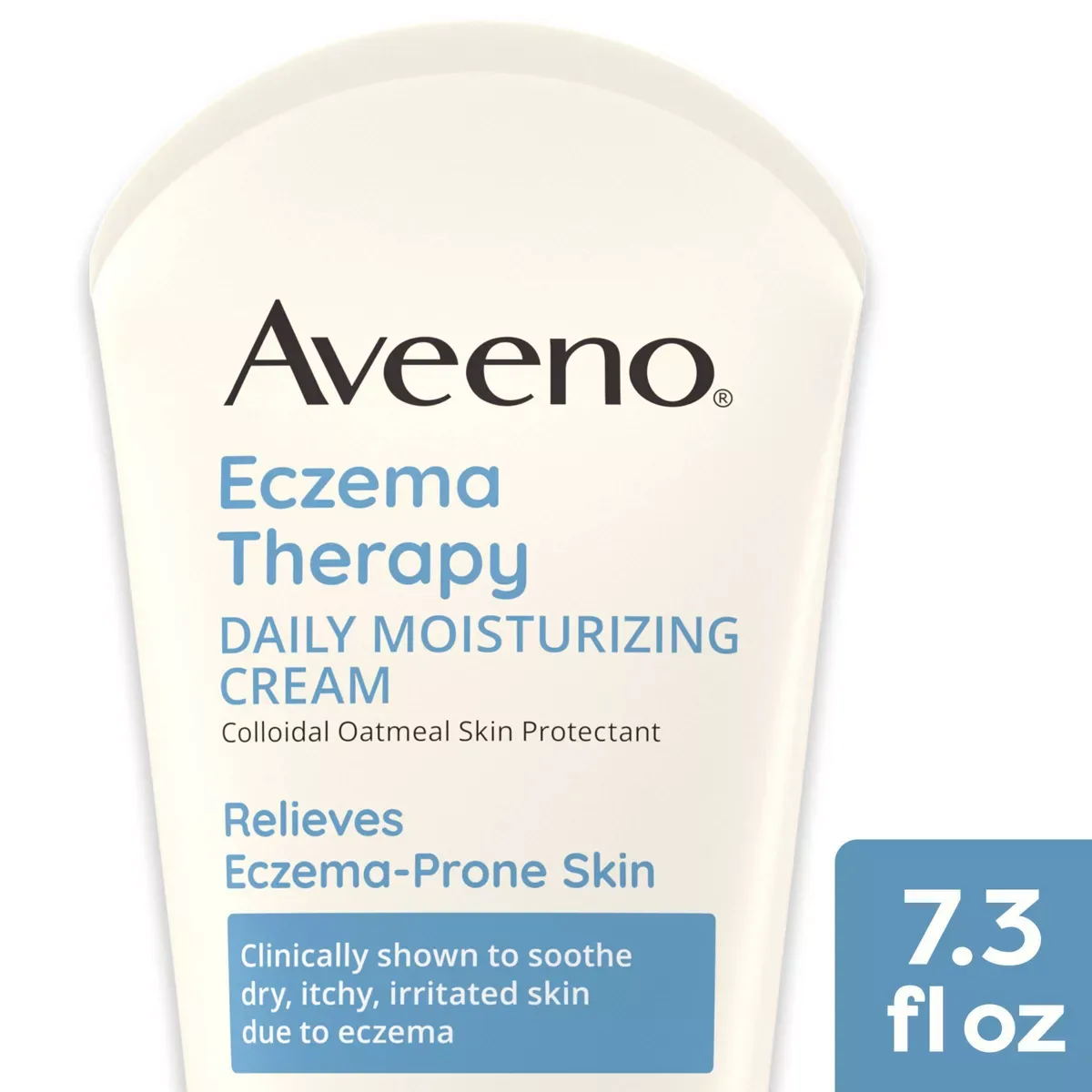 Eczema Gold Standard
 Eczema Therapy Moisturizing Cream
The strongest formulation in Aveeno's lineup for eczema-prone skin, combining FDA-regulated colloidal oatmeal with ceramide NP and panthenol for a multi-mechanism approach to barrier repair. Steroid-free, fragrance-free, and HSA/FSA eligible — this is the drugstore eczema cream dermatologists actually recommend by name.
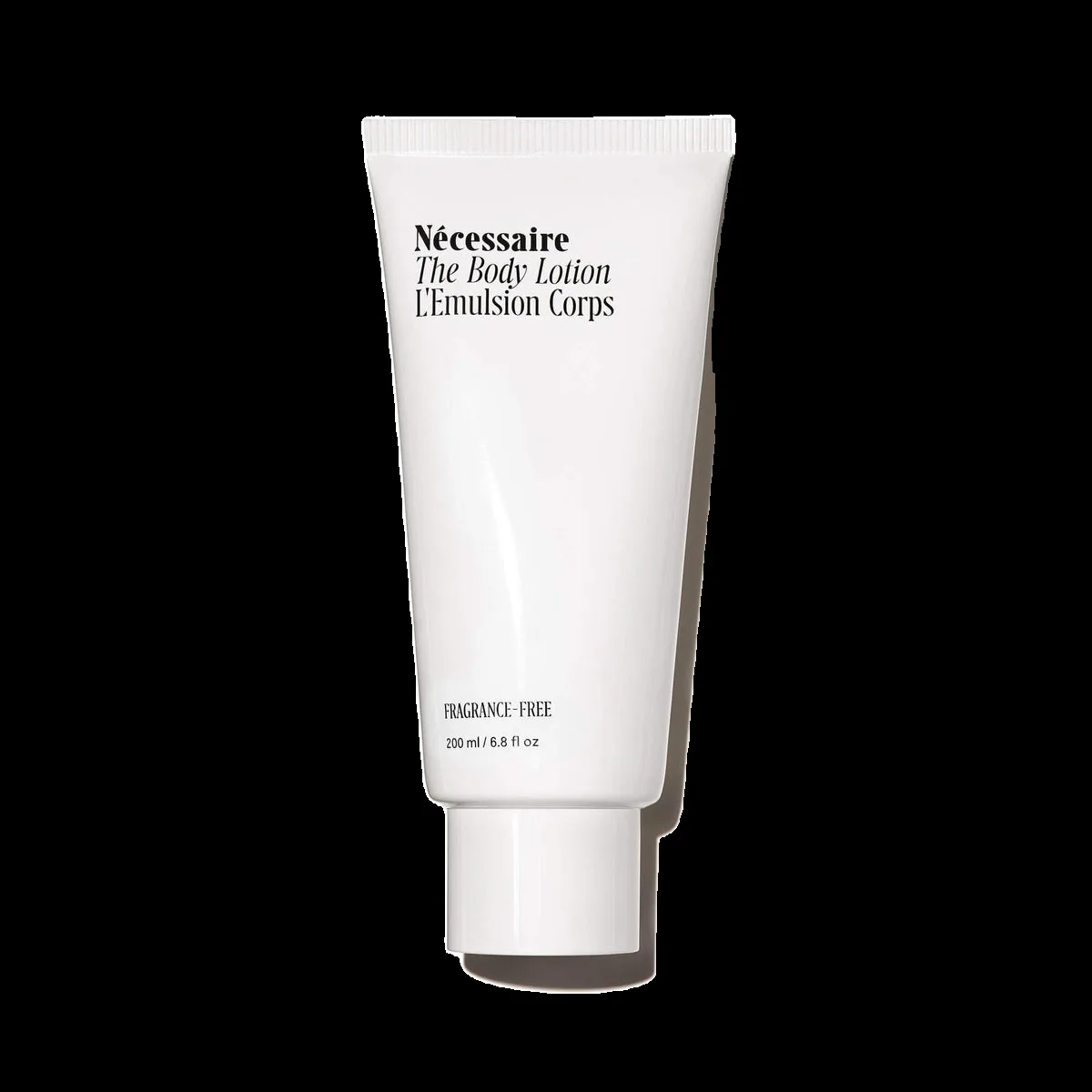 Sensitive Skin MVP
 The Body Lotion Fragrance-Free
The scented version's equal on active ingredients with none of the fragrance risk — and that makes this the better pick for sensitive skin, eczema-prone users, and anyone pregnant who wants to play it safe. At $25 it's still a premium price, but the formula genuinely earns it.
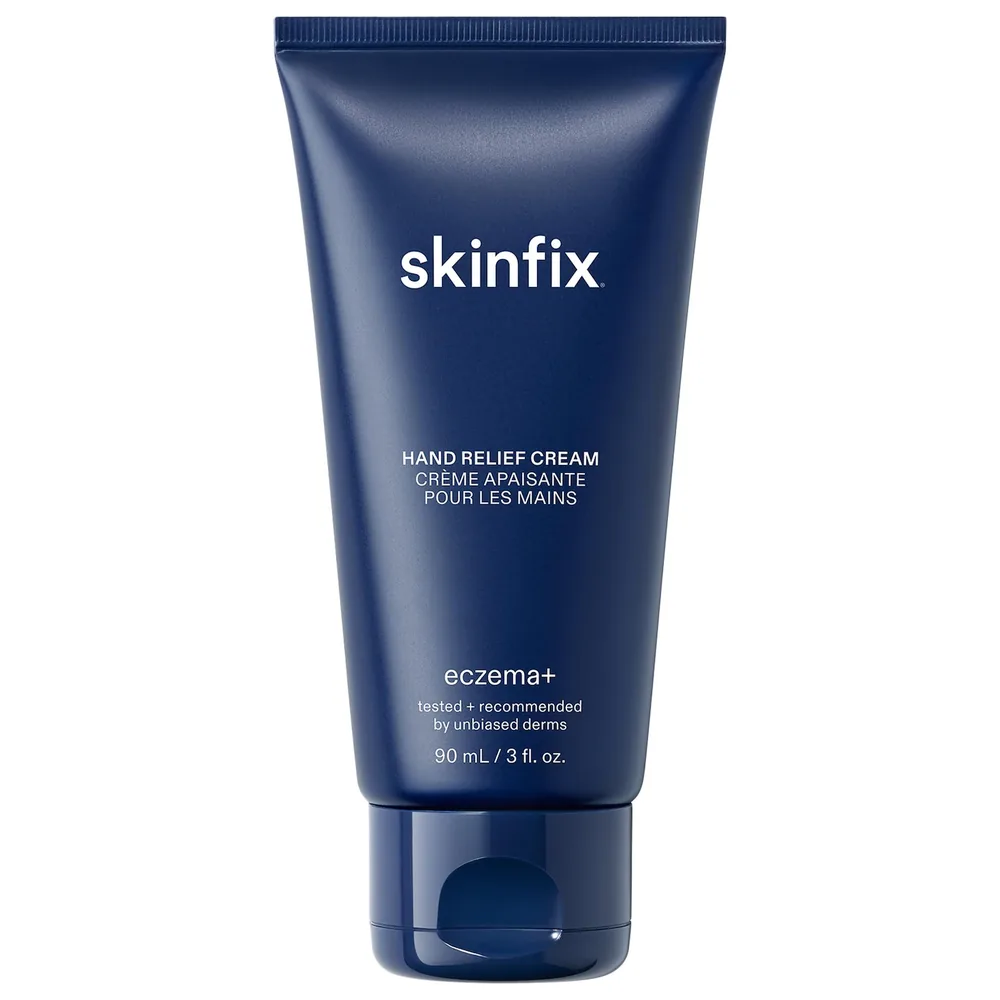 Sensitive Skin MVP
 Eczema+ Hand Repair Cream
A serious, NEA-seal-certified hand cream that treats the underlying mechanism of hand eczema rather than just coating it. Colloidal oatmeal, ceramide-cholesterol lipid repair, and panthenol combine in a texture that actually absorbs fast enough to use at the sink. At eighteen dollars it's genuinely well-priced for what it does.
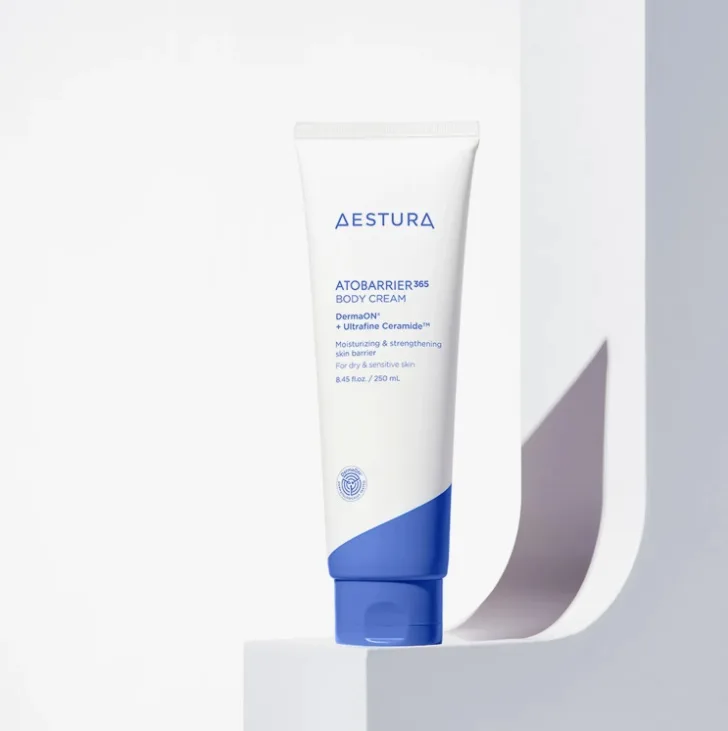 Korean Derm-Clinic Staple
 Atobarrier 365 Body Cream
A genuinely outstanding ceramide-forward body cream from a dermatologist-developed Korean brand with real clinical backing. Fragrance-free, effective for compromised body barriers, and reasonably priced for a 300ml jar — this is one of the better body moisturizers available in the barrier-repair category.
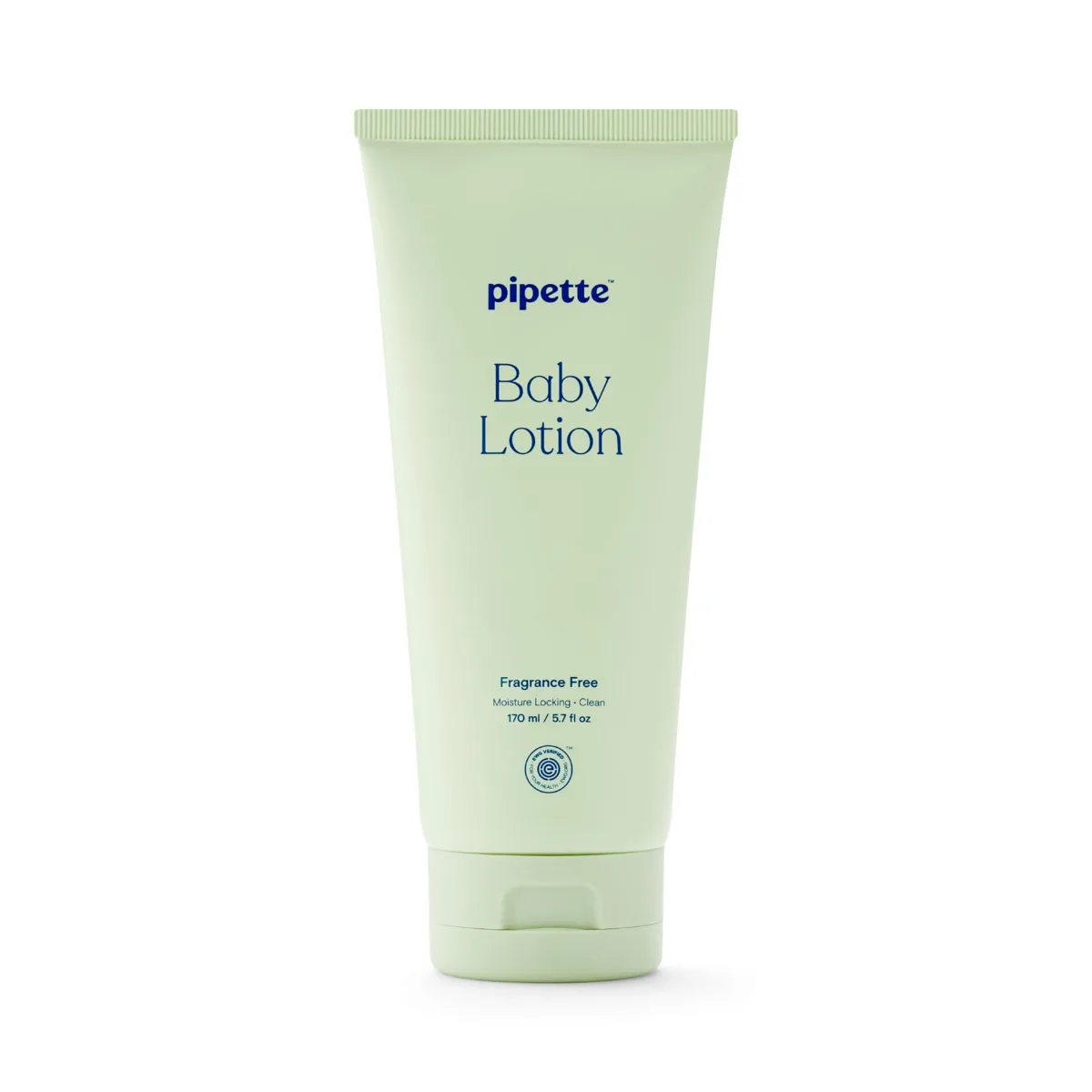 Clean Baby Staple
 Baby Lotion Fragrance Free
A lightweight, biomimetic baby lotion that proves you do not need mineral oil, silicones, or fragrances to deliver serious hydration. The squalane-ceramide-glycerin core provides evidence-based barrier support, and the olive-derived emulsifier system ensures it integrates into skin rather than sitting on top. At under $12 for 5.7 ounces with EWG Verified certification, the value is genuinely remarkable.
 Daily Atopic Companion
 Exomega Control Emollient Cream
The lighter sibling of A-Derma's Exomega Control balm — same Rhealba oat, sunflower oil unsaponifiables, and niacinamide active set, in a cream base that works better for year-round daily use and milder atopic-prone skin. For most adult users and for summer routines, this is the more practical choice of the two Exomega variants.
This review reflects our independent analysis of publicly available ingredient data, manufacturer claims, and verified user reviews. We are reader-supported — Amazon links may earn us a commission at no cost to you. We do not accept paid placements; rankings are based solely on the evidence.