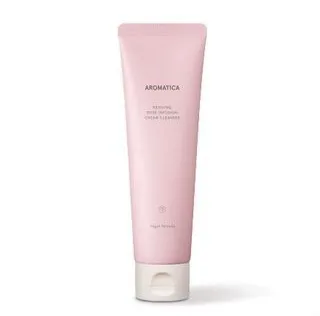
Aromatica's rose cream cleanser is a sensorially indulgent ritual product — real damask rose water, rich foaming lather, distinctive natural floral scent — built on a traditional potassium-soap system that produces the rich texture at the cost of an alkaline pH. The experience is genuine; the dermatological credentials are not the strength. Best for users who prioritize ritual over barrier-conscious gentleness.
Reviving Rose Infusion Cream Cleanser
Aromatica's rose cream cleanser is a sensorially indulgent ritual product — real damask rose water, rich foaming lather, distinctive natural floral scent — built on a traditional potassium-soap system that produces the rich texture at the cost of an alkaline pH. The experience is genuine; the dermatological credentials are not the strength. Best for users who prioritize ritual over barrier-conscious gentleness.
Score Breakdown
Where this product gains points and where it loses them — broken down across the four scoring pillars.
A pleasant rose-scented soap-based foaming cleanser at fair K-beauty pricing. The pH 8.5 alkaline soap system and the geranium and rosewood essential oil content limit it for sensitive skin and modern barrier-conscious users. The rose experience is the main draw, not the dermatological credentials.
Pros & Cons
- ✓Damask rose flower extract listed second on the INCI — real organic rose content
- ✓Distinctive natural rose fragrance from rose water, rosewood oil, and geranium
- ✓Rich indulgent foaming lather that feels genuinely luxurious
- ✓Glycerin as dominant humectant offsets some of the soap-induced dryness
- ✓Strong K-beauty value compared to equivalent Western rose-themed cleansers
- ✓EWG Verified despite the essential oil and fragrance allergen content
- ✓Cruelty-free and vegan formulation
- ✓Cleanses thoroughly and rinses cleanly without residue
- ✗Alkaline pH of approximately 8.5 disrupts the acid mantle without a follow-up toner
- ✗Geranium and rosewood essential oils plus four listed fragrance allergens
- ✗Not appropriate for sensitive, rosacea-prone, or compromised-barrier skin
- ✗Soap-based system is drier than modern syndet cleansers
- ✗Squeaky-clean feeling some users mistake for superior cleansing efficacy
Full Review
There is a quiet ongoing argument inside cosmetic chemistry between two cleanser philosophies. On one side: the modern syndet (synthetic detergent) approach, which builds cleansers around mild surfactants like sodium cocoyl isethionate or amphoteric coco-betaines, formulated at a pH close to skin's natural 5.5, designed to leave the acid mantle undisturbed. This is what most dermatologists now recommend for daily use, and it's the structural foundation of essentially every barrier-conscious cleanser launched in the past decade. On the other side: the traditional potassium-soap approach, which builds cleansers from saponified fatty acids — myristic, palmitic, stearic, lauric — neutralized with potassium hydroxide. This produces a richer foam, a more luxurious cream-to-lather texture, and the squeaky-clean post-rinse feel that some users love and that the modern dermatological orthodoxy explicitly warns against. The pH lands around 8.5, which is alkaline relative to skin's acid mantle, and modern barrier theory says that's a problem. Aromatica's Reviving Rose Infusion Cream Cleanser is a deliberate, knowing soap-based product, and understanding that choice is the key to evaluating it fairly. The brand chose a potassium soap system specifically because it produces the rich indulgent lather that pairs sensorially with the rose theme of the line. A syndet cleanser couldn't deliver the same texture, the same foam volume, or the same ritual feeling. The trade-off is the pH, and the brand made it consciously rather than accidentally. Damask rose flower extract sits at the second position on the INCI, meaning real organic rose water is a meaningful percentage of the formula rather than a label garnish. The rose comes from Bulgarian organic suppliers, the same source used by most legitimate damask rose products. The scent is the formula's most universally praised quality — rich, naturally floral, distinctively rose rather than the synthetic rose-fragrance most cleansers use. Geranium oil and rosewood wood oil reinforce the floral character. The supporting botanical extracts — raspberry leaf, elderberry, calendula, amla, rosehip, chamomile, rosemary, eclipta — are typical of the brand's positioning but practically meaningless in a rinse-off product. The contact time of a cleanser is measured in seconds. None of these botanicals deliver any cumulative benefit through that brief window, but their presence fits the marketing story. Glycerin sits first on the INCI as the dominant humectant — a deliberate counterweight to the alkaline soap system, helping offset the dryness that classic potassium soaps typically cause. The texture is the formula's biggest sensory selling point. The cream is thick and rose-scented in the tube, lathering into a dense rich foam when massaged with water and circular pressure. It feels more substantial than modern low-pH cleansers, which is exactly the point. Skin post-rinse feels squeaky-clean — which some users love and which the dermatological orthodoxy correctly identifies as the alkaline pH temporarily disrupting the acid mantle. Following immediately with a low-pH hydrating toner is genuinely recommended, not optional, if you're going to use this cleanser regularly. The honest catches are real and worth taking seriously. The pH 8.5 alkaline soap system is the biggest concern for users with sensitive, rosacea-prone, or compromised-barrier skin — modern dermatology consistently recommends syndet cleansers over soap for these conditions. The geranium oil and rosewood oil contribute to a meaningful essential oil load, and the formula lists four fragrance allergens (citronellol, geraniol, linalool, limonene) that are present naturally in these oils. For users sensitive to any of these compounds, the cleanser is a poor fit regardless of how much they enjoy the rose theme. Coconut oil is also present, though its position on the INCI is high enough to matter only marginally for acne-prone users in a rinse-off context. The price is fair. At around twenty-four dollars for one hundred and forty-five grams, this is solidly K-beauty value — meaningfully cheaper than equivalent rose-themed cleansers from Western luxury brands like Fresh Rose Deep Hydration, while delivering arguably more authentic rose content. The 145g tube lasts approximately two to three months at twice-daily use. The performance, in the context of what this product is trying to be, is good. It cleanses thoroughly, lathers richly, smells genuinely beautiful, and leaves skin feeling distinctly cleansed. It's a ritual product. It's not a barrier-conscious gentle daily cleanser, and it doesn't try to be. For users who enjoy the indulgence of a rich foaming cream cleanser, who don't react to fragrance allergens, and who follow with a low-pH toner to rebalance — this works as either a daily evening cleanser or a weekend ritual product. For users prioritizing modern dermatological best practice or with reactive skin, a syndet alternative is the more sensible choice.
Formula
Key Ingredients
The hero actives that drive this product's performance.
| Ingredient | Function | Evidence |
|---|---|---|
| Damask Rose Flower Extract | Sits at the second position on the INCI as the formula's signature ingredient — sourced as damask rose water from organic suppliers in Bulgaria. Rose water contributes a mild astringent and anti-inflammatory effect along with the formula's distinctive natural floral scent. Its high INCI position means the rose water replaces a meaningful portion of the standard cleanser water phase. | limited |
| Potassium Soap System (Myristic, Palmitic, Stearic, Lauric Acids) | The structural cleansing actives. This is a classic potassium-soap-based foaming cleanser made from saponified fatty acids — myristic, palmitic, stearic, and lauric — neutralized with potassium hydroxide. The result is a rich foaming lather that cleanses thoroughly. The soap-based system pushes the cleanser pH to around 8.5, which is alkaline relative to skin's natural acid mantle. | well-established |
| Glycerin | Listed first on the INCI as the dominant humectant. The high glycerin position is a deliberate counterweight to the alkaline soap system — glycerin helps offset the dryness that classic potassium-soap cleansers typically cause and leaves skin feeling more comfortable post-rinse than a plain soap formula would. | well-established |
| Botanical Extract Cocktail | A supporting cast of raspberry leaf, elderberry, calendula, indian gooseberry (amla), rosehip, chamomile, and rosemary. Each contributes polyphenol antioxidants and mild anti-inflammatory activity. None of them survive the rinse-off contact time in any meaningful concentration, but the marketing rationale is consistent with the brand's botanical-first positioning. | limited |
| Sodium Hyaluronate | Sits low on the INCI as a token humectant addition. The contact time of a rinse-off cleanser is too short for hyaluronic acid to deliver meaningful hydration benefit, but its inclusion fits the brand positioning and contributes a small amount of post-rinse softness. | well-established |
Full INCI List · pH 8.5
Glycerin, Rosa Damascena Flower Extract, Myristic Acid, Palmitic Acid, Aqua (Water), Stearic Acid, Potassium Hydroxide, Lauric Acid, Cocos Nucifera (Coconut) Oil, Sodium Cocoamphoacetate, Sodium Cocoyl Isethionate, Glyceryl Stearate, Sorbitan Olivate, Rubus Idaeus (Raspberry) Leaf Extract, Sambucus Nigra (Elderberry) Fruit Extract, Calendula Officinalis Flower Extract, Phyllanthus Emblica Fruit Extract, Rosa Canina Fruit Extract, Erythritol, Phenethyl Alcohol, Caprylyl Glycol, Polyquaternium-39, Sodium Chloride, Propanediol, Ethylhexylglycerin, Eclipta Prostrata Extract, Hippophae Rhamnoides (Sea Buckthorn) Oil, Pelargonium Graveolens (Geranium) Oil, Melia Azadirachta (Neem) Leaf Extract, Rosmarinus Officinalis (Rosemary) Leaf Extract, Chamomilla Recutita (Matricaria) Flower Extract, 1,2-Hexanediol, Verbena Officinalis Extract, Sodium Benzoate, Sodium Hyaluronate, Moringa Oleifera Seed Oil, Aniba Rosodora (Rosewood) Wood Oil, Citronellol, Geraniol, Limonene, Linalool
Product Flags
✗ Fragrance Free✗ Alcohol Free✗ Oil Free✓ Silicone Free✓ Paraben Free✓ Sulfate Free✓ Cruelty Free✓ Vegan✗ Fungal Acne Safe
Potential Irritants
geranium oilrosewood oilcitronellolgeraniollinaloollimonene
Common Allergens
citronellolgeraniollinaloollimonenegeranium oil
Compatibility
Skin Match
Best For
Works For
Not Ideal For
Addresses These Conditions
Use With Caution
rosacea compromised skin barrier
Avoid With
Routine Step
cleanser
Time of Day
AM & PM
Pregnancy Safe
Yes ✓
Layering Tips
Use as the second cleanser in a double cleanse routine, after an oil cleanser to remove makeup and sunscreen. Apply to damp skin, lather with water, massage gently, and rinse with lukewarm water. Follow with a hydrating toner immediately to rebalance pH.
Results Timeline
Immediately clean and refreshed feeling after first use. The cleanser does not produce cumulative skincare benefits — it is a wash-off product. Long-term value comes from consistent gentle cleansing rather than ingredient-driven outcomes.
Pairs Well With
niacinamidehyaluronic-acidceramides
Sample AM Routine
- Aromatica Reviving Rose Infusion Cream Cleanser
- Hydrating toner
- Serum
- Moisturizer
- SPF
Sample PM Routine
- Oil cleanser
- Aromatica Reviving Rose Infusion Cream Cleanser
- Toner
- Treatment
- Moisturizer
Evidence
Science & Expert Perspective
The Science
The cleanser pH debate is one of the better-established discussions in modern cosmetic dermatology. The skin's natural surface pH is approximately 5.5, maintained by the acid mantle — a mixture of sebum, sweat, and stratum corneum acids that supports the skin microbiome and barrier function. Cleansers with alkaline pH (typically pH 8-10, which is the range of most traditional soap-based formulas) have been shown in clinical studies to temporarily disrupt the acid mantle, increase transepidermal water loss, and shift the skin microbiome composition. The disruption is generally transient and corrects within an hour or two for healthy barriers, but for compromised, sensitive, or rosacea-prone skin, the temporary disruption can trigger persistent reactivity. Modern syndet cleansers, formulated at pH 5-6 with surfactants like sodium cocoyl isethionate or coco-glucoside, avoid this disruption entirely and are now the standard recommendation in dermatology guidelines for daily cleansing. This Aromatica cleanser uses a traditional potassium-soap system (myristic, palmitic, stearic, and lauric acids saponified with potassium hydroxide) which produces the rich foam characteristic of soap-based cleansers but lands at approximately pH 8.5. The high glycerin content offsets some of the dryness associated with soap cleansers, and following with a low-pH toner restores the acid mantle within minutes. The botanical extracts in the formula have limited impact in a rinse-off context regardless of their evidence base in leave-on products.
Dermatologist Perspective
Dermatologists generally recommend syndet (synthetic detergent) cleansers formulated at skin-pH 5-6 over traditional soap-based cleansers, particularly for patients with sensitive skin, rosacea, eczema, or compromised barriers. Board-certified dermatologists frequently note that the squeaky-clean feeling associated with soap cleansers is a sign of acid mantle disruption rather than superior cleansing efficacy. This Aromatica cleanser uses a soap-based system at approximately pH 8.5, which is consistent with traditional cleanser chemistry but at odds with modern dermatological best practice for daily cleansing. The essential oil and fragrance allergen content (geranium oil, rosewood oil, citronellol, geraniol, linalool, limonene) are also commonly flagged in clinical commentary as concerns for sensitive or contact-allergic patients. For users with normal-to-oily skin who follow this cleanser immediately with a low-pH hydrating toner, the temporary alkaline disruption is not necessarily problematic. For sensitive or compromised barriers, dermatologists typically recommend a syndet alternative.
Guidance
Usage Guide
How to Use
Use as a standalone cleanser in the morning or as the second step of an evening double cleanse after an oil-based makeup remover. Wet face with lukewarm water, dispense an almond-sized amount onto fingertips, and lather with water before applying to the face in circular motions. Massage for thirty to sixty seconds, avoiding the immediate eye area. Rinse thoroughly with lukewarm water. Follow immediately with a low-pH hydrating toner to rebalance the skin's acid mantle — this step is genuinely important rather than optional. Pat dry and continue with the rest of your skincare routine.
Value Assessment
At around twenty-four dollars for one hundred and forty-five grams, this cleanser is fair K-beauty value and meaningfully cheaper than equivalent Western luxury rose-themed cleansers like Fresh Rose Deep Hydration Face Cleanser, which retails closer to forty dollars for similar volume. The 145g tube lasts approximately two to three months at twice-daily use, working out to roughly eight to twelve dollars per month. The price reflects the organic damask rose sourcing and the brand's premium positioning rather than ingredient sophistication — the underlying soap system is no more expensive to produce than a standard drugstore foaming cleanser. The value calculation depends on how much you weight the rose ritual experience versus dermatological best practice. For users who want the rose theme at K-beauty pricing, the value is fine. For shoppers prioritizing barrier-conscious cleansing, less expensive syndet alternatives perform better.
Who Should Buy
Users with normal, combination, or oily skin who enjoy a rich foaming cream cleanser experience and the sensory ritual of a real damask rose product. Strong fit for K-beauty enthusiasts looking for value rose-themed cleansers compared to Western luxury alternatives. Users who already pair their cleansing routine with a low-pH hydrating toner.
Who Should Skip
Sensitive, rosacea-prone, eczema-prone, or compromised-barrier skin — the alkaline pH and essential oil content are genuine concerns. Users sensitive to fragrance allergens (citronellol, geraniol, linalool, limonene). Anyone prioritizing modern barrier-conscious dermatology over traditional soap-based ritual products. Users who don't follow cleansing with a low-pH toner.
Ready to try Aromatica Reviving Rose Infusion Cream Cleanser?
Details
Details
Texture
Thick rose-scented cream that lathers into a dense rich foam with water and circular massage
Scent
Distinct natural damask rose with geranium undertones — strong on application, fades after rinse
Packaging
White tube with screw cap — standard cleanser packaging
Finish
cleanmatte
What to Expect on First Use
On first use the rose scent is immediately noticeable and pleasantly luxurious for users who enjoy floral fragrances. The cream lathers richly into a dense foam when massaged with water — more substantial than most modern low-pH cleansers. Skin feels squeaky-clean post-rinse, which some users love and others recognize as the alkaline pH disrupting the acid mantle. Follow immediately with a low-pH toner to rebalance.
How Long It Lasts
Approximately 2-3 months with twice-daily use
Period After Opening
12 months
Best Season
All Year
Certifications
EWG VerifiedCruelty-freeVegan
Background
The Why
Aromatica launched the Reviving Rose Infusion line in 2019 as a more luxurious tier within its broader range, built around organic damask rose water and rose oil sourced from Bulgarian suppliers. The brand chose a traditional potassium-soap base specifically because it produces the rich indulgent lather that pairs sensorially with the rose theme — a deliberate trade-off between modern dermatological best practice and the experiential ritual that the line was designed to deliver.
About Aromatica Established Brand (5–20 years)
Aromatica was founded in South Korea in 2003 with a strong focus on EWG Verified clean formulation. The Reviving Rose Infusion line was launched as a more luxurious offering within the brand's range, built around damask rose water and rose oil sourced from organic suppliers in Bulgaria.
Brand founded: 2003 · Product launched: 2019
Myth vs. Reality
Myths & Misconceptions
Myth
Cream cleansers are always gentle and low-pH.
Reality
Texture and pH are unrelated. Cream cleansers can be either soap-based (alkaline) or syndet-based (skin-pH). This Aromatica formula is a creamy soap, not a creamy syndet — its texture is gentle but its pH is around 8.5.
Myth
The squeaky-clean feeling means the cleanser is doing its job better.
Reality
Squeaky-clean is actually a sign of acid mantle disruption. A well-formulated low-pH cleanser leaves skin feeling clean but soft — never tight or squeaky. The squeaky feeling here comes from the alkaline soap system, not from superior cleansing power.
FAQ
Frequently Asked Questions
What is the pH of Aromatica Reviving Rose Infusion Cream Cleanser?
Approximately 8.5, which is alkaline relative to the skin's natural pH of around 5.5. The cleanser uses a potassium soap system rather than a low-pH syndet base, which is part of what produces its rich foaming lather but also means it temporarily disrupts the acid mantle. Follow immediately with a low-pH toner.
Is this cleanser suitable for sensitive skin?
Probably not. The alkaline pH, geranium and rosewood essential oils, and listed fragrance allergens (citronellol, geraniol, linalool, limonene) make this a poor fit for sensitive, rosacea-prone, or compromised-barrier skin. A low-pH syndet cleanser without essential oils is a better choice.
Can I use this cleanser daily?
Most skin types can use it twice daily, particularly when followed with a low-pH hydrating toner to rebalance the acid mantle. Dry or sensitive skin types may prefer to use it only at night and use a gentler cleanser in the morning.
Does the rose scent come from real rose or added fragrance?
Both. The bulk of the scent comes from damask rose water and rosewood wood oil (real rose-derived ingredients), with geranium oil reinforcing the floral character. The listed fragrance allergens (citronellol, geraniol, linalool, limonene) are naturally present in these essential oils, not added separately.
Is this cleanser safe during pregnancy?
Yes, the active ingredients are pregnancy-safe. The essential oil content (geranium, rosewood) is a separate consideration — some pregnant users prefer to avoid scented products as a precaution. Confirm with your prescribing doctor if uncertain.
How does this compare to a low-pH syndet cleanser?
A low-pH syndet cleanser is dermatologically more aligned with the skin's natural acid mantle and gentler over time. This soap-based cleanser delivers a more sensorially indulgent experience — richer lather, more substantial cream texture, more pronounced fragrance — but at the cost of the alkaline pH. Different priorities, different products.
Can this be the first step in a double cleanse?
No. The first cleanser in a double cleanse should be an oil-based cleanser to dissolve makeup, sunscreen, and sebum. This is a water-activated cream cleanser and works best as the second step after an oil cleanser, or as a standalone morning cleanse.
Community
Community Voices
Common Praise
"Genuine luxurious rose scent from real rose oil"
"Rich creamy lather feels indulgent"
"Skin feels deeply cleansed without residue"
"Fair K-beauty pricing for the experience"
Common Complaints
"Alkaline pH disrupts the acid mantle"
"Geranium and rosewood essential oils irritate sensitive skin"
"Soap-based system is drying for some skin types"
"Strong fragrance allergens in the formula"
Notable Endorsements
EWG VerifiedDamask rose certified organic source
Appears In
best rose cleanser best k beauty foaming cleanser best cream cleanser best luxurious cleanser best cleanser for normal skin
Related Conditions
Related Ingredients
You Might Also Like
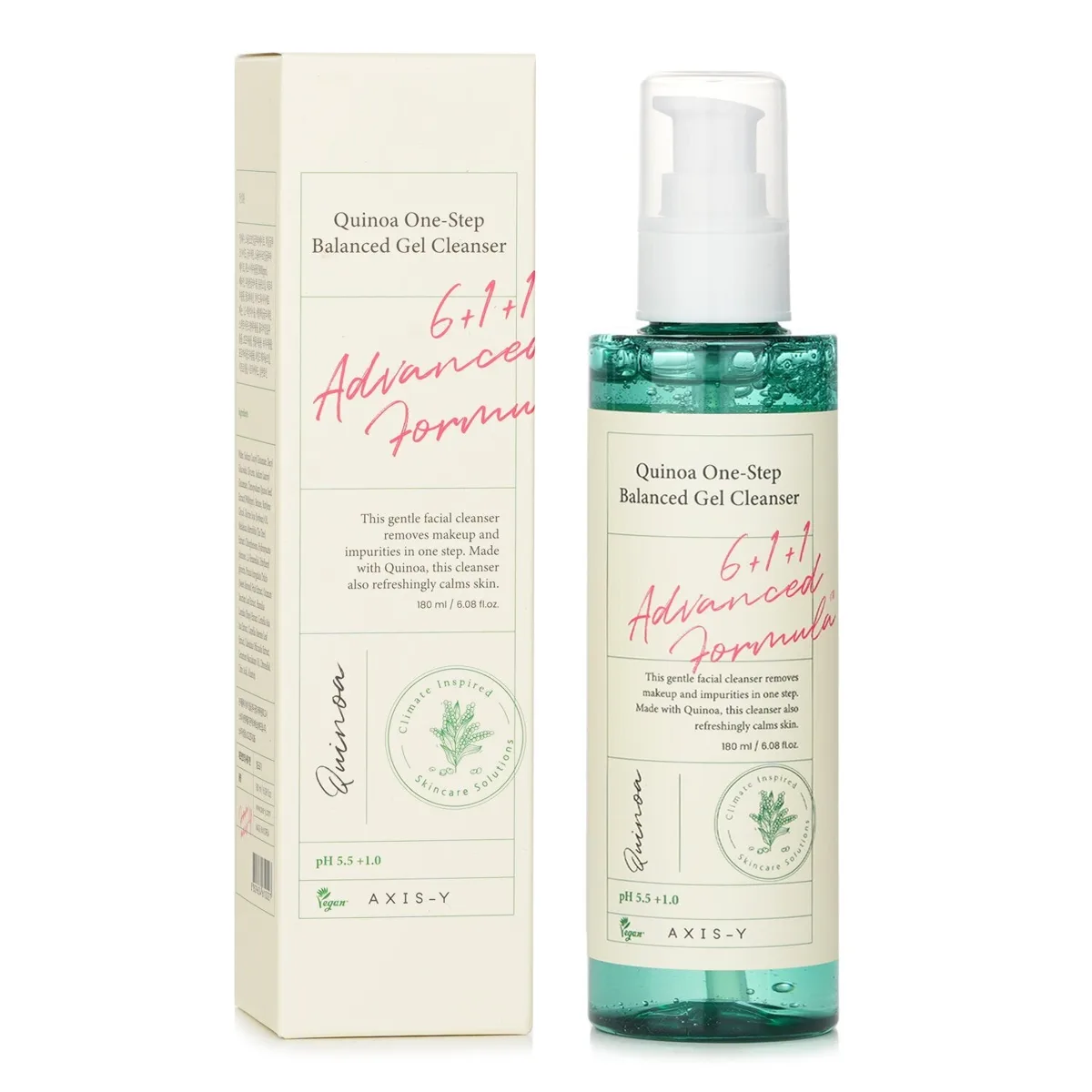 Quinoa-Led Gentle Daily Cleanser
 Quinoa One Step Balanced Gel Cleanser
A fragrance-free, sulfate-free gel cleanser built around quinoa seed extract and a gentle amphoteric-plus-nonionic surfactant pair. Non-stripping, broadly suitable, and priced reasonably — one of the safest recommendations in the daily gentle cleanser category.
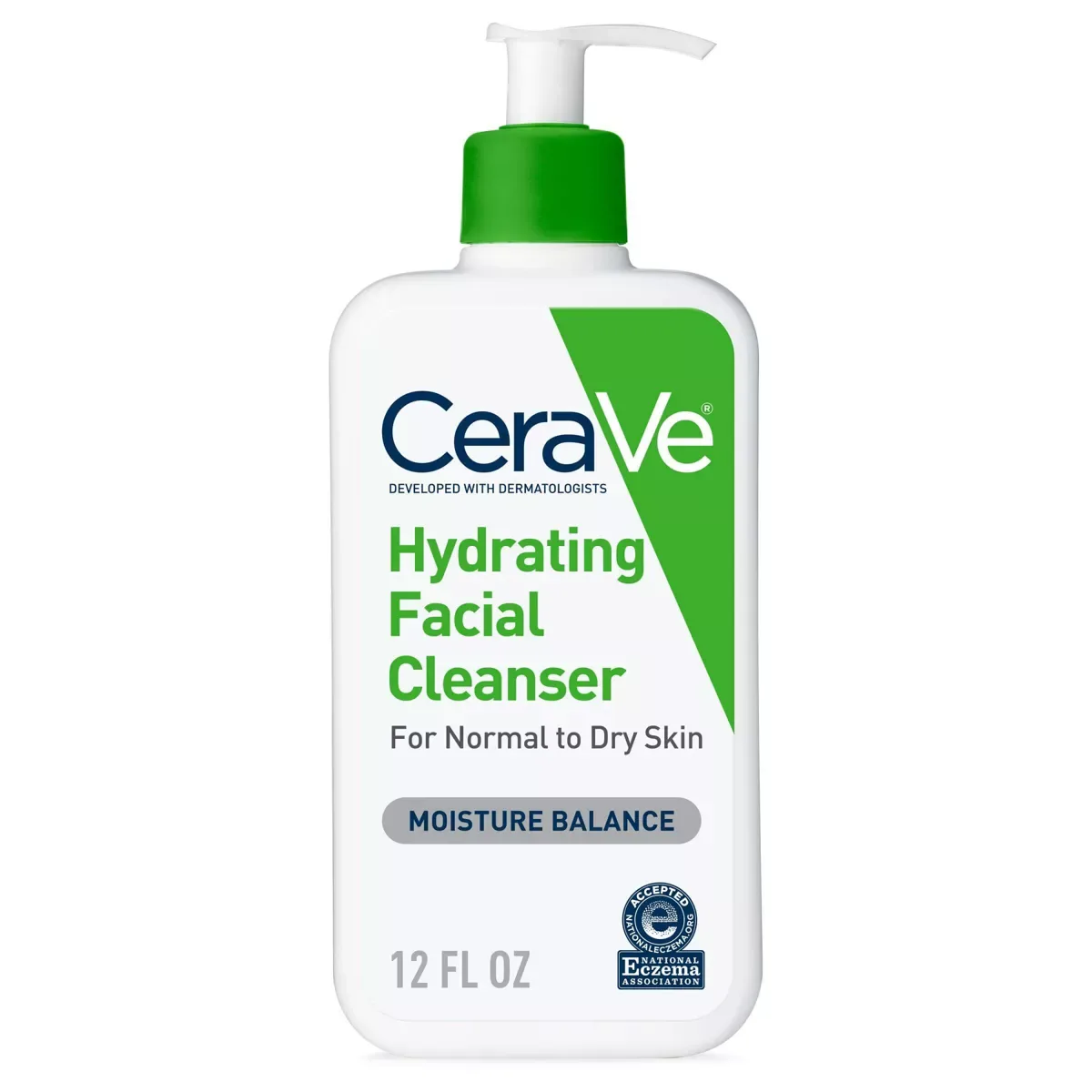 Sensitive Skin MVP
 Hydrating Facial Cleanser
The CeraVe Hydrating Facial Cleanser is the cleanser that taught a generation of dry-skin sufferers that washing your face does not have to mean punishing it. A lotion-textured, non-foaming formula that genuinely hydrates while it cleans, it remains the benchmark drugstore cleanser for anyone whose skin drinks moisture faster than most products can provide it.
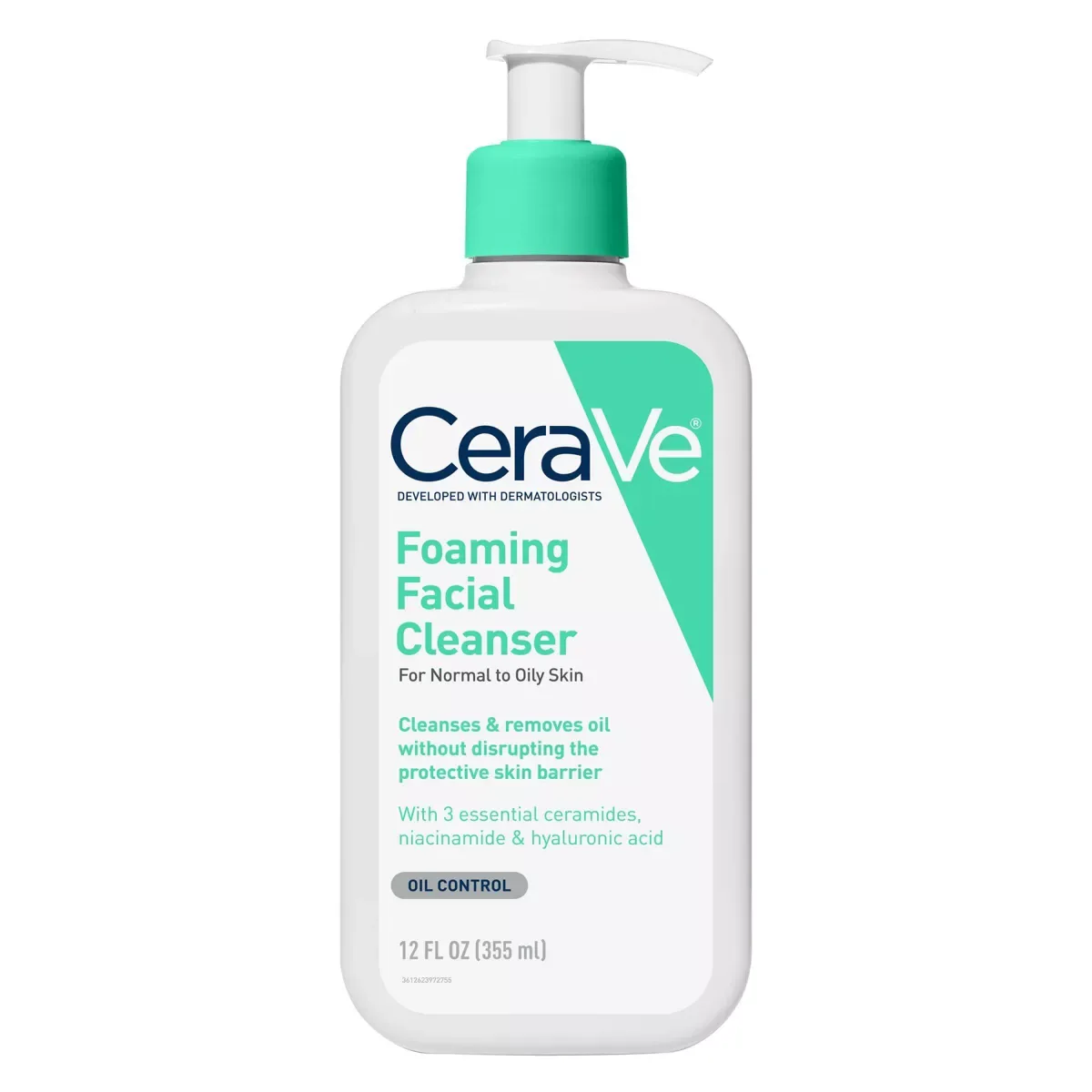 Derm Office Staple
 Foaming Facial Cleanser
The CeraVe Foaming Facial Cleanser is the rare drugstore cleanser that dermatologists actually use themselves — a genuinely gentle foaming wash that removes excess oil without triggering the rebound sebum production that plagues most lathering cleansers. At under sixteen dollars for a bottle that lasts months, it makes skipping it almost irrational.
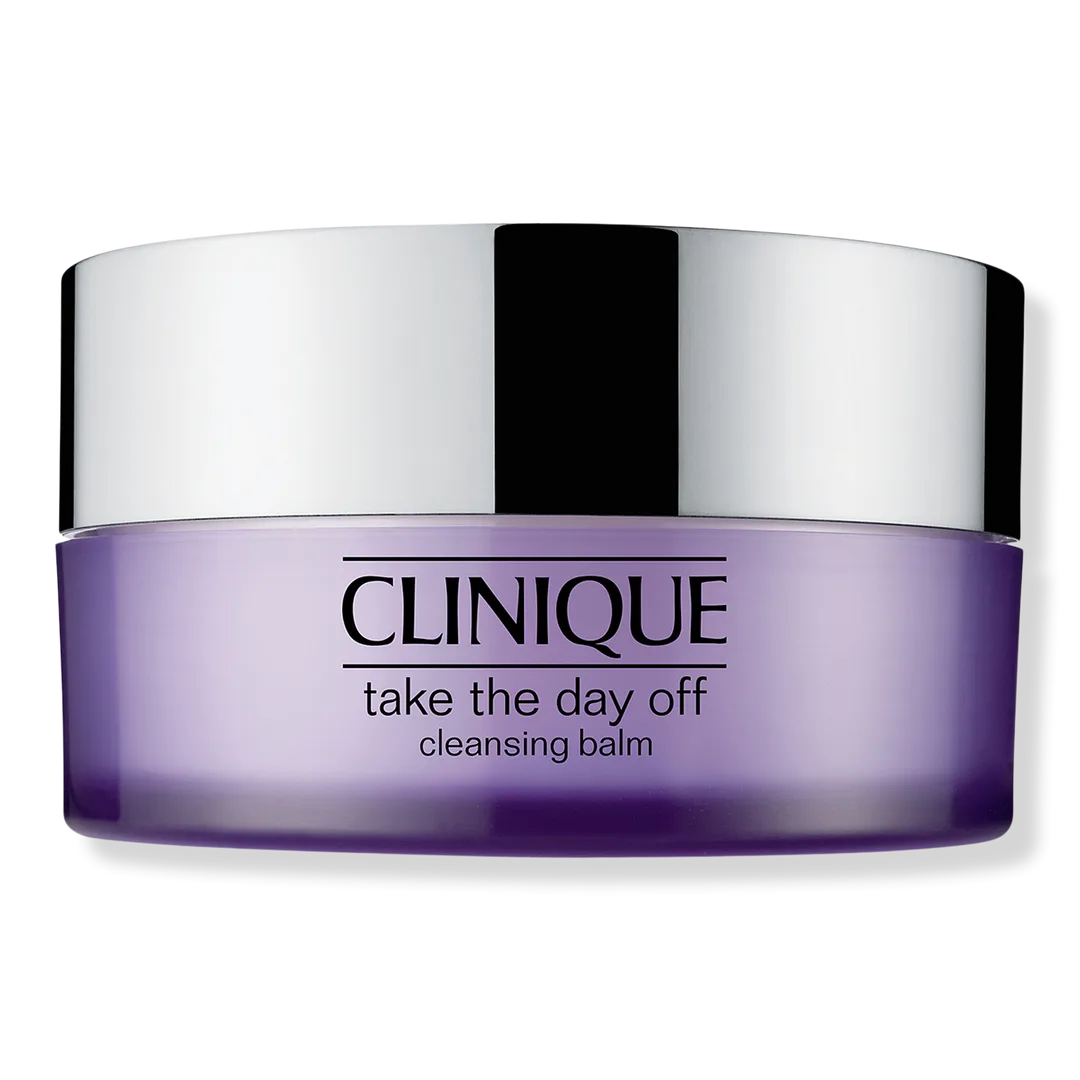 Cult-Status Makeup Eraser
 Take the Day Off Cleansing Balm
The cleansing balm that earned its cult status through radical restraint — nine ingredients, zero fragrance, and the ability to dissolve anything from waterproof mascara to SPF 50 without disturbing even the most reactive skin. Not the most glamorous product in any routine, but possibly the most universally reliable.
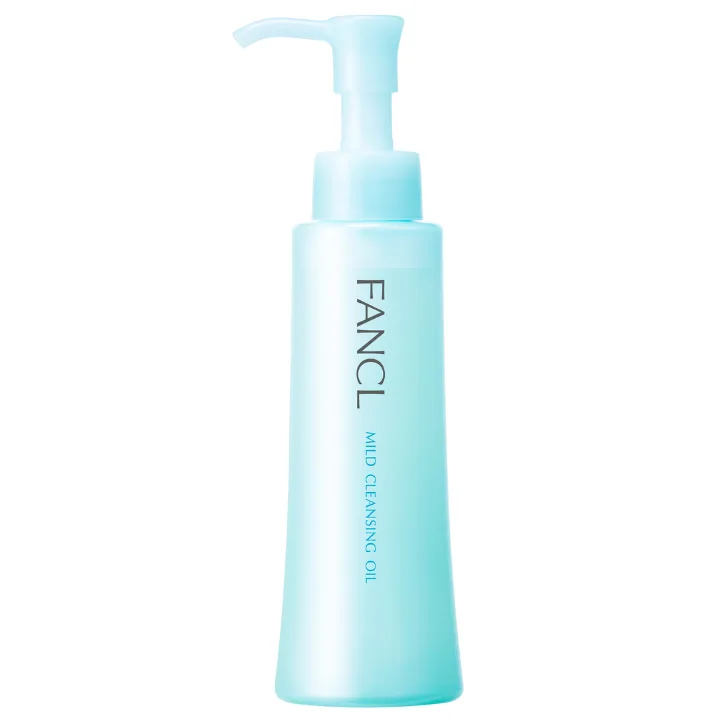 Japanese Drugstore Classic
 Mild Cleansing Oil
A two-decade-old Japanese drugstore staple that still outperforms most modern cleansing oils on the single metric that matters: does it remove sunscreen cleanly without leaving a film. The fragrance-free, ester-based formula is gentle enough for reactive skin and thoughtfully augmented with vitamin C and plant oils. Quietly one of the best first-cleanse options on the market.
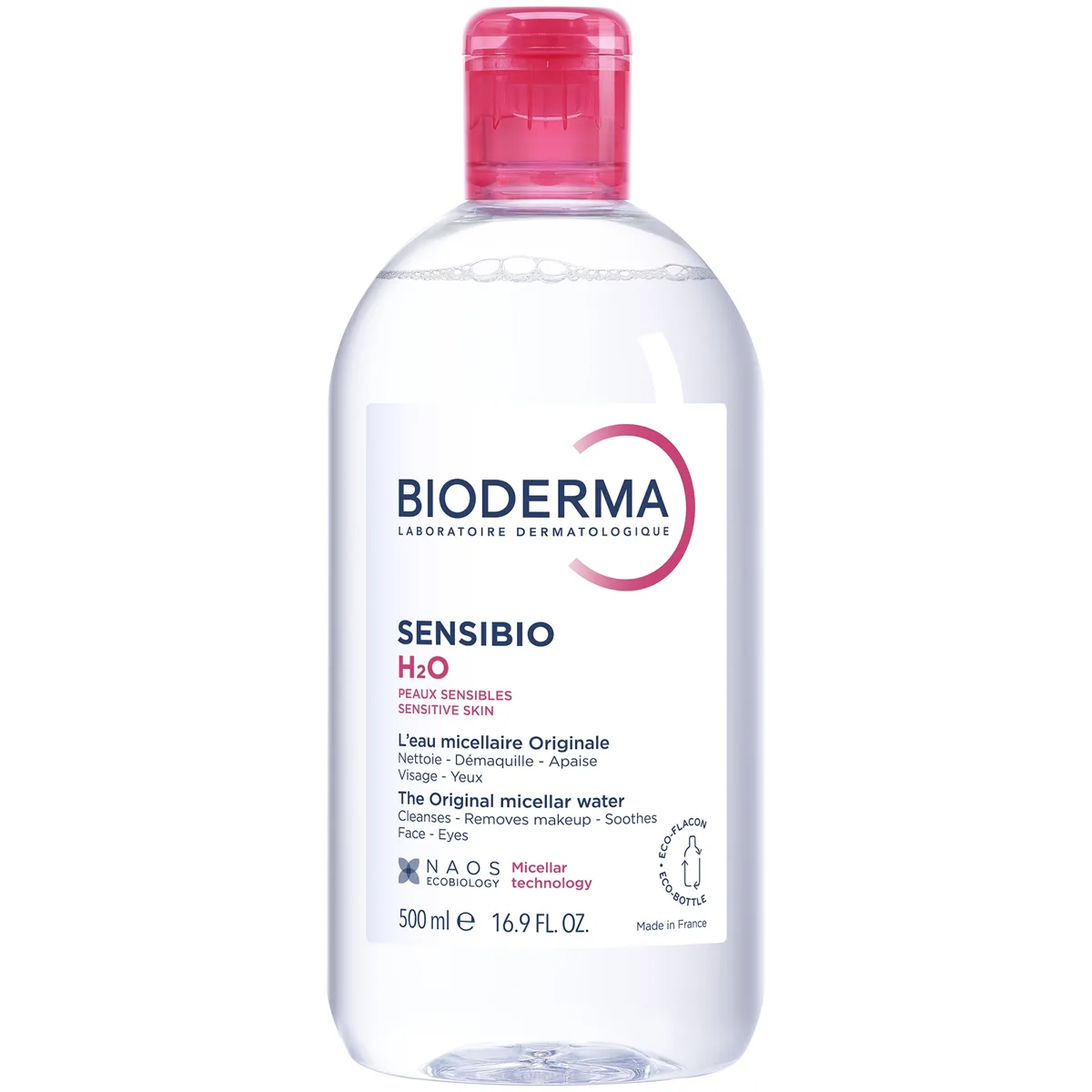 The Original Micellar Water
 Sensibio H2O Micellar Water
The product that launched an entire skincare category remains, three decades later, one of the gentlest and most effective no-rinse cleansers available. Bioderma Sensibio H2O earns its cult status through radical simplicity — 10 ingredients, zero fragrance, and a formula so mild it was originally dispensed by prescription.