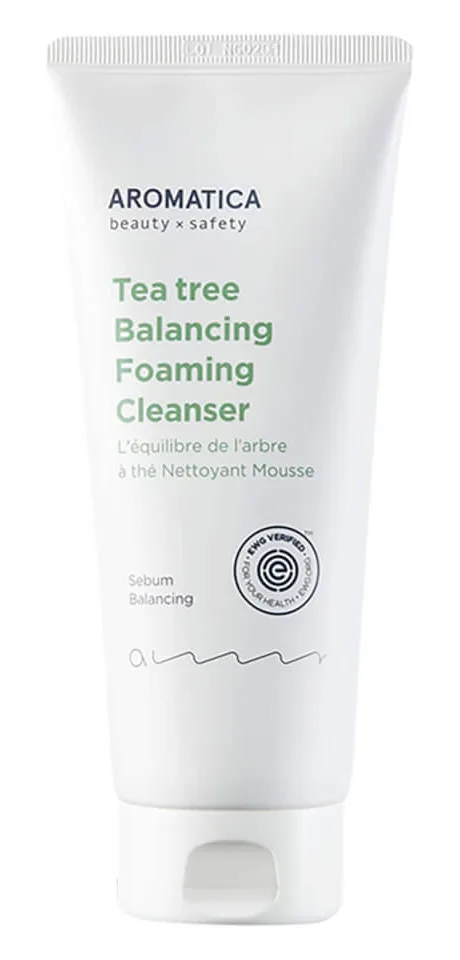
Aromatica's tea tree foaming cleanser is a heritage-style Korean cream-to-foam soap with an EWG-Verified clean-beauty conscience. Aloe in the first ingredient slot, allantoin for soothing, and both extract and oil forms of tea tree give it more thoughtfulness than the average saponified cleanser. The high-pH base means it's a clear oily-skin specialist rather than a universal pick.
Tea Tree Balancing Foaming Cleanser
Aromatica's tea tree foaming cleanser is a heritage-style Korean cream-to-foam soap with an EWG-Verified clean-beauty conscience. Aloe in the first ingredient slot, allantoin for soothing, and both extract and oil forms of tea tree give it more thoughtfulness than the average saponified cleanser. The high-pH base means it's a clear oily-skin specialist rather than a universal pick.
Score Breakdown
Where this product gains points and where it loses them — broken down across the four scoring pillars.
A well-made traditional Korean cream-to-foam cleanser with thoughtful soothing additions, but the saponified high-pH base and essential-oil load narrow its ideal audience to oily, tolerant skin.
Pros & Cons
- ✓Aloe in the first ingredient slot for built-in humectancy
- ✓Dense, creamy traditional Korean cream-to-foam lather
- ✓Dual tea tree extract and oil for soothing plus active terpenes
- ✓Allantoin and burdock add calming function uncommon in saponified cleansers
- ✓Sulfate-free, paraben-free, and EWG Verified
- ✓Excellent second-cleanse step for oily and combination skin
- ✓Long-lasting tube — 3-4 months at twice-daily use
- ✗High alkaline pH not ideal for dry or sensitive skin
- ✗Essential oil content rules it out for very reactive skin
- ✗Contains lauric and myristic acids — not reliably fungal-acne safe
- ✗Tube packaging is hard to fully empty
- ✗Single 180g size limits flexibility for travel
Full Review
If you grew up in Korea in the eighties or nineties, you remember the texture: a thick, slightly waxy cream squeezed from a tube, worked up with a little water into a marshmallow lather so dense it felt like whipped cream on your fingertips. That dense-foam cream cleanser is one of the foundational textures of K-beauty, the kind every Korean grandmother used and every Korean dermatologist still quietly recommends to patients with oily skin. It also happens to be one of the harder textures to make 'clean,' because the way you get that lather is by saponifying fatty acids with potassium hydroxide — a technique that's basically traditional soap-making. Most clean-beauty brands skipped the format entirely and switched to gentler synthetic surfactant systems. Aromatica took a different route: keep the heritage texture, replace everything else around it with EWG-friendly inputs, and trust that the audience for a Korean cream-to-foam cleanser actually wants it to feel like a Korean cream-to-foam cleanser. The first ingredient tells you the brand thought about this. Most saponified cleansers open with water; this one opens with aloe leaf extract. That's a small but structurally meaningful choice — by replacing the water phase with aloe juice, the formula bakes humectancy into the base instead of relying on a single moisturizing additive. The glycerin sitting in the second slot reinforces the same idea. Then come the four fatty acids — palmitic, stearic, lauric and myristic — saponified by potassium hydroxide, which is the actual cleansing engine. This is a high-pH soap reaction, which is why the formula lathers so densely and why oily skin tends to like it so much: it cuts sebum and product residue thoroughly, in a way that synthetic-surfactant cleansers often only approximate. Sodium cocoamphoacetate, a coconut-derived amphoteric surfactant, sits in the middle of the list to soften the harshness of the soap base and improve the foam quality. It's not technically necessary — the saponified fatty acids would foam fine on their own — but it makes the formula meaningfully more tolerable than a pure soap-bar formula in a tube. The hero ingredients are the dual tea tree forms. Aromatica uses both Melaleuca alternifolia leaf extract and a small amount of the leaf oil, which gives the formula access to both the soothing antioxidant fraction and the active terpenes responsible for tea tree's mildly antibacterial reputation. In a rinse-off cleanser, the contact time is too short for the tea tree to function as an actual acne treatment, but it does contribute a noticeable calming effect on oily, congested skin and gives the cleanser its herbal scent. The brand also throws in burdock root, comfrey root and a small allantoin dose — all traditional soothing additions that most saponified cleansers don't bother with. The texture, when you actually use it, is exactly what the formula promises. A pea-sized amount works up between damp palms into a dense, creamy lather that sits on your fingertips without dripping. Massaged onto wet skin, it cleans thoroughly and rinses cleanly with no slick film. The post-cleanse feel is squeaky in the way that genuinely oily skin tends to want — the sebum is gone, the surface is smooth, and there's no slimy residue. This is what oily-skin users describe as 'clean,' even if dermatologists sometimes wince at the alkalinity that produces it. Which brings us to the honest limitations. The pH of a saponified cleanser sits around 9-10, well above the skin's natural 4.5-5.5. For oily skin types, this is mostly fine — the acid mantle restores within minutes once you apply a properly pH-balanced toner and moisturizer, and the deep clean is what they came for. For dry skin types, the alkalinity tips into stripping, and the post-cleanse tightness signals barrier disruption. For sensitive or rosacea-prone skin, the combination of high pH and essential-oil components (bergamot, geranium, petitgrain) is a clear no — there are gentler choices in the same brand. The other thing worth flagging is that the formula contains lauric and myristic acid, which makes it not reliably fungal-acne safe. Anyone with confirmed Malassezia folliculitis should use a cleanser without medium-chain fatty acids. Where this cleanser is genuinely excellent is as the second step of a double cleanse for oily and combination skin. Used after an oil cleanser to lift sunscreen and makeup, it removes the residual oil layer thoroughly without leaving the squeaky uncomfortable feeling that harsher synthetic cleansers can produce. Used alone in the morning on oily skin, it provides a clean baseline for the rest of the routine without adding any film. The 180g tube lasts three to four months at twice-daily use, which works out to a reasonable per-month cost for a cleanser of this build quality. Aromatica's broader project has always been to take K-beauty traditions seriously enough to keep them, while quietly upgrading the inputs to meet clean-beauty standards. This cleanser is one of the cleaner case studies in that thesis — a heritage texture, a thoughtfully refined formula, and an audience that actually exists. It's specific rather than universal, which is exactly why it works for the people it works for.
Formula
Key Ingredients
The hero actives that drive this product's performance.
| Ingredient | Function | Evidence |
|---|---|---|
| Aloe Leaf Extract | Sits in the first slot ahead of water, providing the humectant base that softens what would otherwise be a fairly traditional saponified soap formula. In a foaming cleanser this matters because the alkaline pH is inherently drying, and aloe gives the formula its 'doesn't feel stripped' character. | well-established |
| Tea Tree Leaf Extract + Leaf Oil | Both forms of Melaleuca alternifolia appear in this formula — the leaf extract for soothing and antioxidant action, the leaf oil for its terpene content. In a rinse-off cleanser the dwell time is short, so they function more as a calming and lightly antibacterial supporting cast than a full treatment. | promising |
| Saponified Fatty Acid Base (Palmitic + Stearic + Lauric + Myristic) | This is the cleansing system — fatty acids saponified with potassium hydroxide to create a traditional Korean-style cream-to-foam soap. It produces a dense, creamy lather and a thorough clean, but the mechanism is high-pH saponification, which is more effective at breaking up oil and sebum than at preserving the acid mantle. | well-established |
| Sodium Cocoamphoacetate | An amphoteric, coconut-derived secondary surfactant that softens the harshness of the soap base and improves foam quality. Without it, the formula would feel noticeably more stripping; its inclusion is a small but meaningful concession to skin tolerance. | well-established |
| Allantoin | A keratolytic and soothing ingredient that supports surface smoothing and post-cleanse calm. In an alkaline saponified cleanser it's a thoughtful inclusion — most traditional soap-based formulas don't bother with soothing additives at all. | well-established |
Full INCI List · pH 9.5
Aloe Barbadensis Leaf Extract, Glycerin, Palmitic Acid, Stearic Acid, Lauric Acid, Aqua, Potassium Hydroxide, Myristic Acid, Sodium Cocoamphoacetate, Glyceryl Stearate, Sorbitan Olivate, Melaleuca Alternifolia (Tea Tree) Leaf Extract, Arctium Lappa Root Extract, Symphytum Officinale Root Extract, Melaleuca Alternifolia (Tea Tree) Leaf Oil, Allantoin, Sodium Chloride, Phenethyl Alcohol, Caprylyl Glycol, Citrus Aurantium Amara Leaf/Twig Oil, Pelargonium Graveolens Oil, Citrus Aurantium Bergamia Fruit Oil, Helianthus Annuus Seed Oil, Tocopherol, Linalool, Citronellol, Limonene, Geraniol
Product Flags
✗ Fragrance Free✓ Alcohol Free✗ Oil Free✓ Silicone Free✓ Paraben Free✓ Sulfate Free✓ Cruelty Free✓ Vegan✗ Fungal Acne Safe
Potential Irritants
tea tree oilbergamot oilgeranium oillimonenelinaloolcitronellolgeraniol
Common Allergens
limonenelinaloolcitronellolgeraniol
Compatibility
Skin Match
Best For
Works For
Not Ideal For
Addresses These Conditions
Use With Caution
sensitivity rosacea compromised skin barrier
Avoid With
Routine Step
cleanser
Time of Day
AM & PM
Pregnancy Safe
Unknown
Layering Tips
Use as the second step of a double cleanse after an oil cleanser, or as a standalone morning cleanser. A pea-sized amount is plenty — the formula expands into a thick lather, and overuse increases the stripping potential of the saponified base.
Results Timeline
Immediate: skin feels deeply clean and softer. Short-term (1-2 weeks): excess oil and small congestion bumps tend to look reduced. Full benefits (4-8 weeks): more even skin texture in oily zones with consistent use.
Pairs Well With
oil cleansersBHA tonerslightweight tea tree emulsionsbarrier moisturizers
Conflicts With
acid exfoliants used immediately after cleansing on sensitive skin
Sample AM Routine
- Aromatica Tea Tree Balancing Foaming Cleanser
- Hydrating toner
- Niacinamide serum
- Lightweight moisturizer
- SPF 50
Sample PM Routine
- Oil cleanser
- Aromatica Tea Tree Balancing Foaming Cleanser
- BHA toner
- Hydrating serum
- Moisturizer
Evidence
Science & Expert Perspective
The Science
The cleansing mechanism in this formula is traditional saponification — fatty acids reacting with potassium hydroxide to form potassium salts of fatty acids, which act as surfactants. This is the same process used to make soap, and it produces a high-pH product that effectively breaks up sebum and oil-soluble debris. The trade-off is well-documented in dermatology literature: a 2017 paper in the International Journal of Cosmetic Science by Tarun and colleagues compared cleansers across the pH spectrum and found that alkaline cleansers cause greater transient barrier disruption than syndet bars or synthetic surfactant cleansers, with the disruption typically resolving within 30-60 minutes after rinsing. For oily skin types with intact barriers, this transient disruption is usually well-tolerated; for compromised barriers, it can compound damage. The tea tree component is supported by a 2007 randomized trial published in the Indian Journal of Dermatology, Venereology and Leprology that demonstrated 5% tea tree oil gel reduced inflammatory acne lesions over six weeks compared to placebo. That study used a leave-on application, however, so its findings translate only loosely to a rinse-off cleanser where dwell time is minimal. The leaf extract and trace oil in this formula contribute mild soothing and antioxidant effects rather than acting as a treatment. Aloe and allantoin both have well-established cosmetic chemistry support: aloe contributes humectancy and modest soothing effects, and allantoin is FDA-recognized as a skin protectant with decades of clinical use in keratolytic and soothing contexts. The takeaway is that this cleanser's deep-cleansing performance comes from the well-understood saponification base, while the botanical and soothing additions soften the post-cleanse experience without changing the fundamental chemistry.
References
- Evaluation of pH of Bathing Soaps and Shampoos for Skin and Hair Care — Indian Journal of Dermatology (2014)
- The efficacy of 5% topical tea tree oil gel in mild to moderate acne vulgaris: a randomized, double-blind placebo-controlled study — Indian Journal of Dermatology, Venereology and Leprology (2007)
Dermatologist Perspective
Dermatologists generally view saponified cream-to-foam cleansers like this one as appropriate for oily, non-sensitive skin types when followed by a properly pH-balanced moisturizer or toner step. Board-certified dermatologists note that the brief post-cleanse alkalinity is well-tolerated by intact skin barriers, but caution against this cleanser type for patients with rosacea, eczema, or chronic dryness, where the higher pH can compound barrier disruption. The tea tree content is generally seen as a supportive ingredient — soothing and lightly antibacterial — rather than an acne treatment. For active inflammatory acne, dermatologists typically recommend pairing a cleanser like this with leave-on actives such as topical retinoids, benzoyl peroxide, or salicylic acid serums, which carry the actual evidence base for clearing breakouts.
Guidance
Usage Guide
How to Use
Wet your face with lukewarm water. Squeeze a pea-sized amount into damp palms and rub between hands to work up a dense, creamy lather. Massage onto the face in circular motions for 30-60 seconds, paying attention to the T-zone and any congested areas. Avoid the eye area, where the alkaline pH and essential oils can sting. Rinse thoroughly with lukewarm water and follow immediately with a hydrating toner to restore skin pH. Use morning and night, or as the second step of a double cleanse in the evening after an oil cleanser.
Value Assessment
At around $22 for a 180g tube that lasts three to four months at twice-daily use, this cleanser sits comfortably in the middle of the K-beauty cleanser tier — pricier than COSRX or Innisfree, cheaper than Sulwhasoo or Hera. The build quality, EWG Verification, and thoughtful botanical additions justify the price for the audience it's designed for. The single 180g size is the main pressure point — there's no travel size or larger refill, and the soft tube is hard to fully empty, which mildly worsens the per-ml math at the end of the tube.
Who Should Buy
Oily and combination skin types who want a deep-cleansing second cleanse step with EWG-Verified credentials, K-beauty fans who appreciate the traditional cream-to-foam texture, and people who specifically tolerate saponified cleansers and find synthetic-surfactant ones underwhelming.
Who Should Skip
Dry, sensitive, rosacea-prone or compromised-barrier skin types, anyone with confirmed fungal acne, and people who react to essential oils. Fragrance-avoidant users and those who prefer a pH-balanced syndet cleanser should also look elsewhere.
Ready to try Aromatica Tea Tree Balancing Foaming Cleanser?
Details
Details
Texture
Soft cream that whips into a dense, marshmallow-style foam when worked up with a little water
Scent
Fresh tea tree with green herbal undertones from petitgrain and geranium oils — clean and natural rather than perfumed
Packaging
Soft squeeze tube with a flip cap — practical and travel-friendly but tricky to fully empty
Finish
non-greasynatural
What to Expect on First Use
First wash gives the satisfyingly squeaky-clean feel that oily-skin users tend to want, with a slight herbal cooling from the tea tree. If your skin feels uncomfortably tight afterward, you're using too much or the formula is wrong for your skin type.
How Long It Lasts
About 3-4 months with twice-daily use
Period After Opening
12 months
Best Season
spring summer
Certifications
EWG VerifiedCOSMOS NaturalVegan Society
Background
The Why
Aromatica's tea tree line launched as part of the brand's push to make EWG-Verified versions of the K-beauty staples that had historically relied on harsher ingredients. The cleanser was designed to deliver the dense, creamy lather Korean consumers expected from a daily face wash, but without sulfates, parabens, or synthetic fragrance — a small revolution in a category where most 'natural' alternatives at the time still felt like compromises.
About Aromatica Established Brand (5–20 years)
Aromatica was founded in 2003 in South Korea and was an early adopter of EWG Verified and COSMOS Natural certifications in the K-beauty space. While not dermatologist-developed, it has built a long track record in clean botanical skincare and its formulations consistently hold up to independent ingredient analysis.
Brand founded: 2003 · Product launched: 2017
Myth vs. Reality
Myths & Misconceptions
Myth
All saponified soap cleansers are bad for your skin.
Reality
Saponified cleansers are alkaline and not ideal for everyone, but for genuinely oily skin types they can be a good fit when paired with a quick toner step afterward to restore pH. The fact that this formula is alkaline doesn't make it harmful — it just makes it specific to a use case.
Myth
Tea tree in a face wash will clear up acne.
Reality
Tea tree in a rinse-off cleanser has too short a contact time to act as an acne treatment. It contributes mild antibacterial and soothing effects, but actual acne treatment requires leave-on actives like benzoyl peroxide, BHA, or retinoids.
FAQ
Frequently Asked Questions
Is this cleanser too harsh for daily use?
For oily and combination skin, no — it's well-tolerated as a twice-daily cleanser when followed with a hydrating toner. For dry or sensitive skin, the alkaline saponified base can feel stripping, and a cream cleanser is a better daily choice.
Can I use this as the second step of a double cleanse?
Yes, that's actually its ideal use case. After an oil cleanser removes sunscreen and makeup, this foaming step lifts away residual oil and impurities. The dense lather makes it well-suited to second cleansing without needing much product.
Is it safe for fungal acne?
The fatty acid base contains lauric and myristic acids that some fungal-acne-prone users react to, and it isn't formally fungal acne safe. If you have confirmed Malassezia folliculitis, choose a cleanser without medium-chain fatty acids.
Will the high pH damage my skin barrier?
A high-pH cleanser is fine for oily skin if you follow it with a properly pH-balanced toner or moisturizer, which restores the skin's acid mantle within minutes. Problems arise when alkaline cleansers are the only step and the skin sits at high pH for extended periods.
Does it remove makeup?
It can remove light makeup and sunscreen, but it's not designed as a one-step remover for heavy or waterproof makeup. Use an oil cleanser first if you wear long-wear foundation, mascara, or chemical SPF.
Why is tea tree leaf oil so far down the ingredient list?
That's actually a good thing — tea tree oil is potent and can be irritating at higher concentrations. The brand uses both leaf extract (for soothing) and a small amount of leaf oil (for the active terpenes) at safe daily-use levels.
Does it foam well even though it's sulfate-free?
Yes — the foaming comes from the saponified fatty acid base rather than sulfates. This produces a denser, creamier lather than a sulfate cleanser would, which most users prefer once they try it.
Community
Community Voices
Common Praise
"dense creamy lather"
"clean, fresh tea tree scent"
"leaves skin feeling thoroughly clean"
"gentle enough for daily use on oily skin"
Common Complaints
"tightness if you have dry or sensitive skin"
"essential oil scent too strong for some"
"tube packaging hard to squeeze out the last bit"
Notable Endorsements
EWG VerifiedPeach & Lily carry
Appears In
best foaming cleanser for oily skin best k beauty tea tree cleanser best vegan foaming cleanser best second cleanser acne prone
Related Conditions
Related Ingredients
You Might Also Like
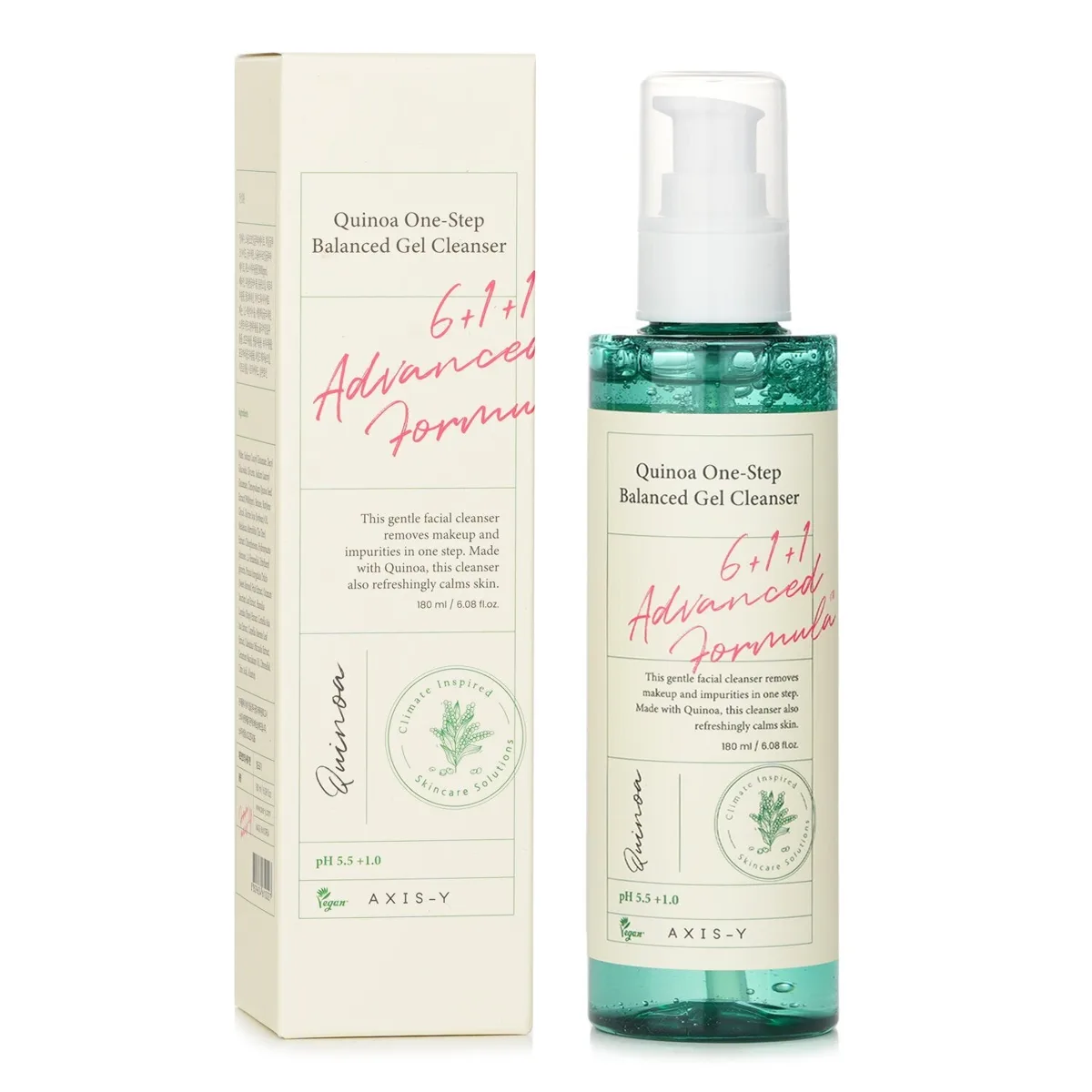 Quinoa-Led Gentle Daily Cleanser
 Quinoa One Step Balanced Gel Cleanser
A fragrance-free, sulfate-free gel cleanser built around quinoa seed extract and a gentle amphoteric-plus-nonionic surfactant pair. Non-stripping, broadly suitable, and priced reasonably — one of the safest recommendations in the daily gentle cleanser category.
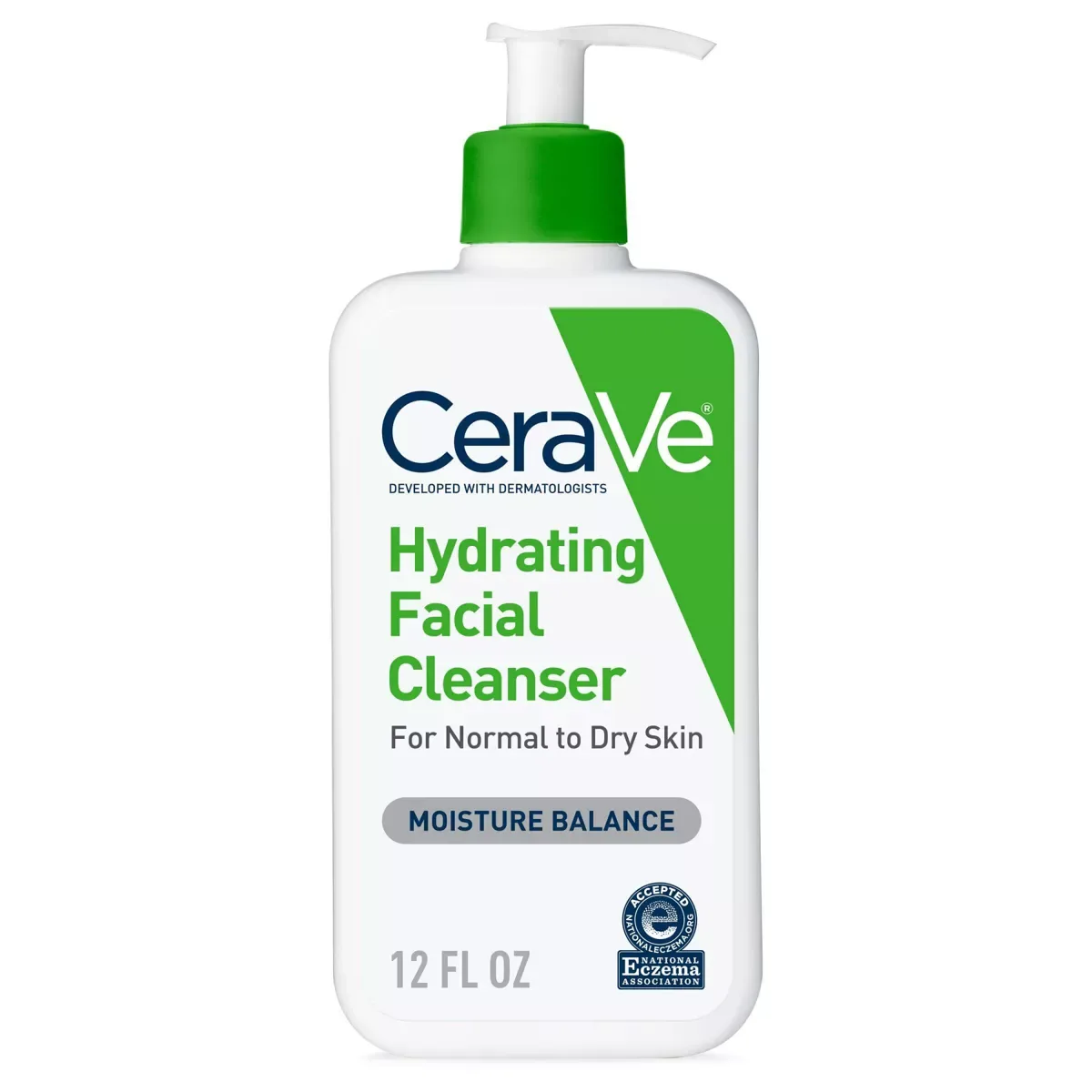 Sensitive Skin MVP
 Hydrating Facial Cleanser
The CeraVe Hydrating Facial Cleanser is the cleanser that taught a generation of dry-skin sufferers that washing your face does not have to mean punishing it. A lotion-textured, non-foaming formula that genuinely hydrates while it cleans, it remains the benchmark drugstore cleanser for anyone whose skin drinks moisture faster than most products can provide it.
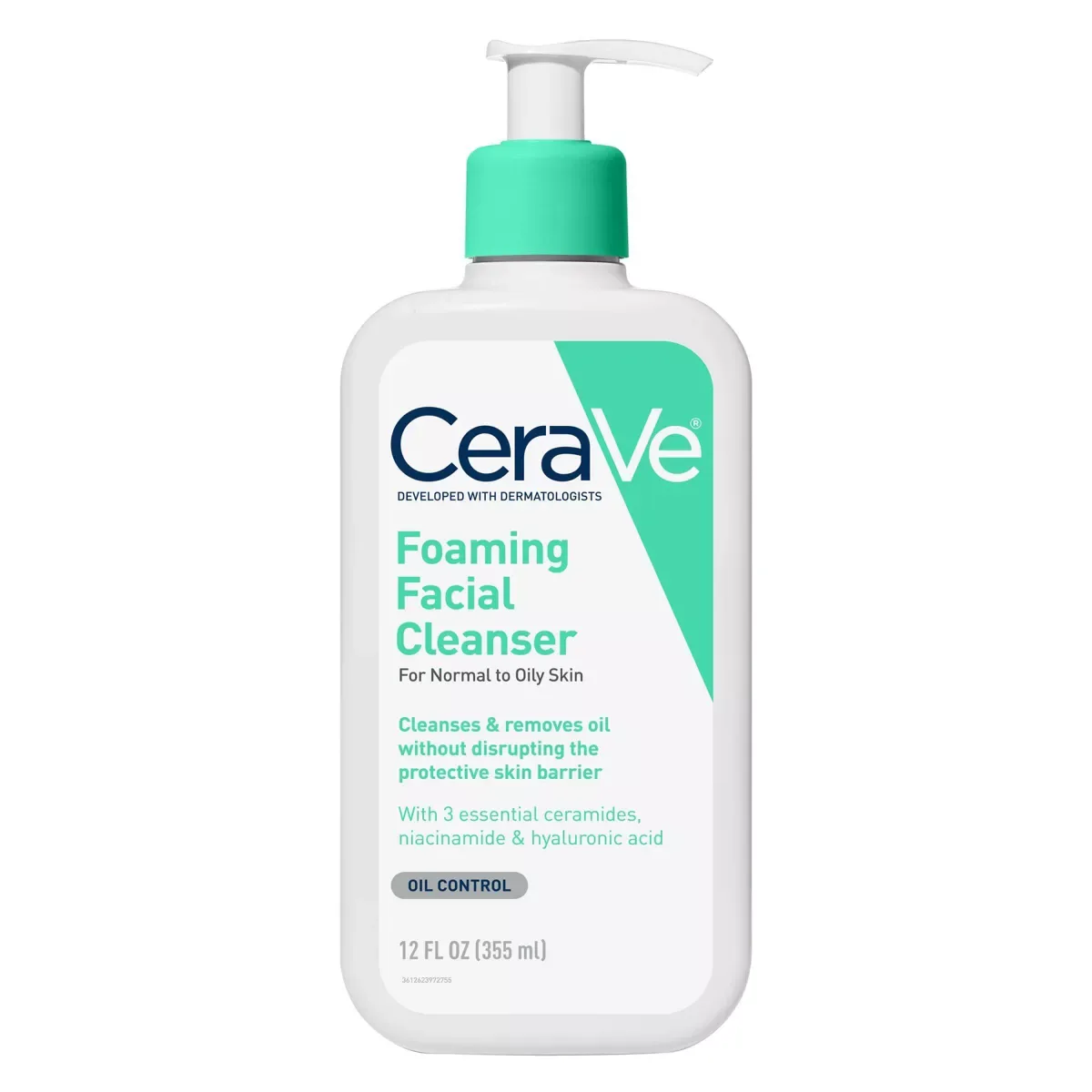 Derm Office Staple
 Foaming Facial Cleanser
The CeraVe Foaming Facial Cleanser is the rare drugstore cleanser that dermatologists actually use themselves — a genuinely gentle foaming wash that removes excess oil without triggering the rebound sebum production that plagues most lathering cleansers. At under sixteen dollars for a bottle that lasts months, it makes skipping it almost irrational.
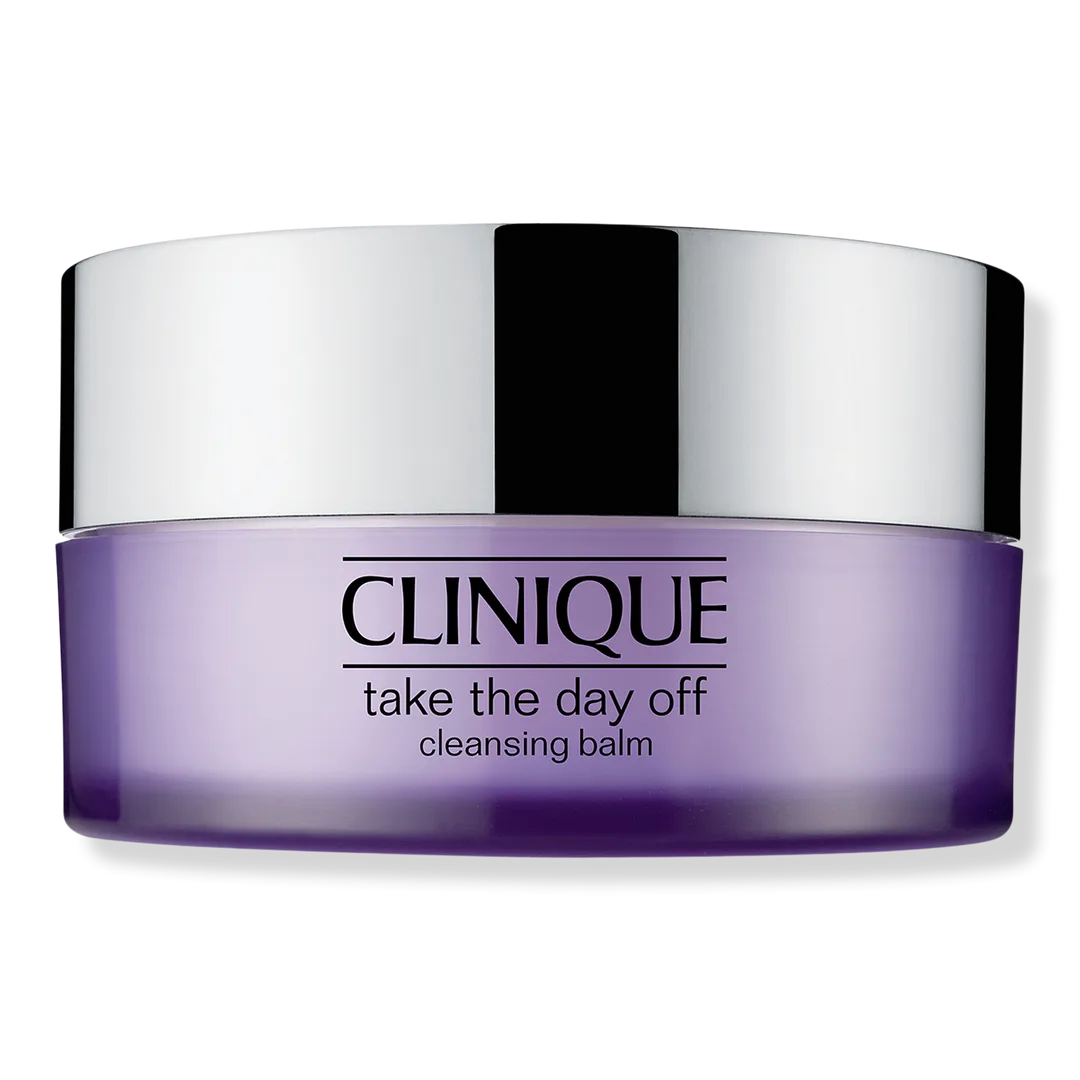 Cult-Status Makeup Eraser
 Take the Day Off Cleansing Balm
The cleansing balm that earned its cult status through radical restraint — nine ingredients, zero fragrance, and the ability to dissolve anything from waterproof mascara to SPF 50 without disturbing even the most reactive skin. Not the most glamorous product in any routine, but possibly the most universally reliable.
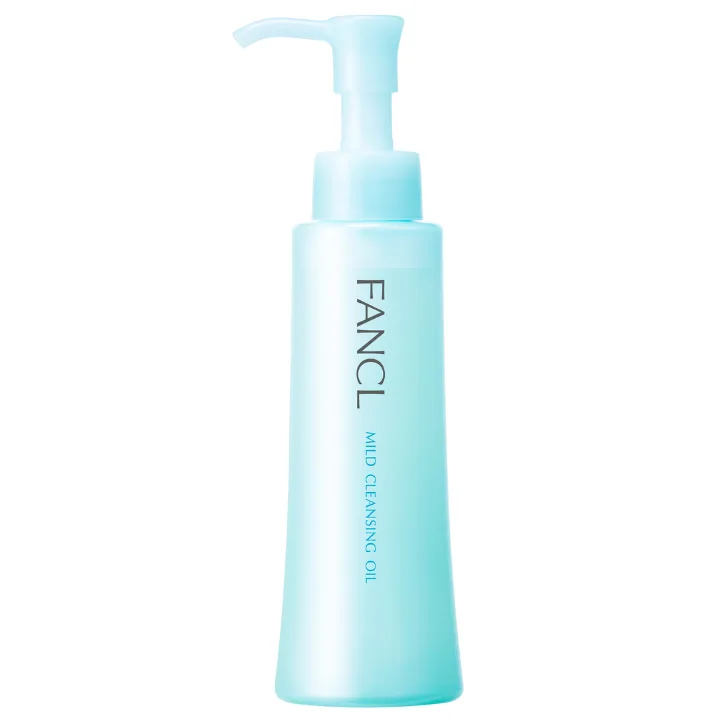 Japanese Drugstore Classic
 Mild Cleansing Oil
A two-decade-old Japanese drugstore staple that still outperforms most modern cleansing oils on the single metric that matters: does it remove sunscreen cleanly without leaving a film. The fragrance-free, ester-based formula is gentle enough for reactive skin and thoughtfully augmented with vitamin C and plant oils. Quietly one of the best first-cleanse options on the market.
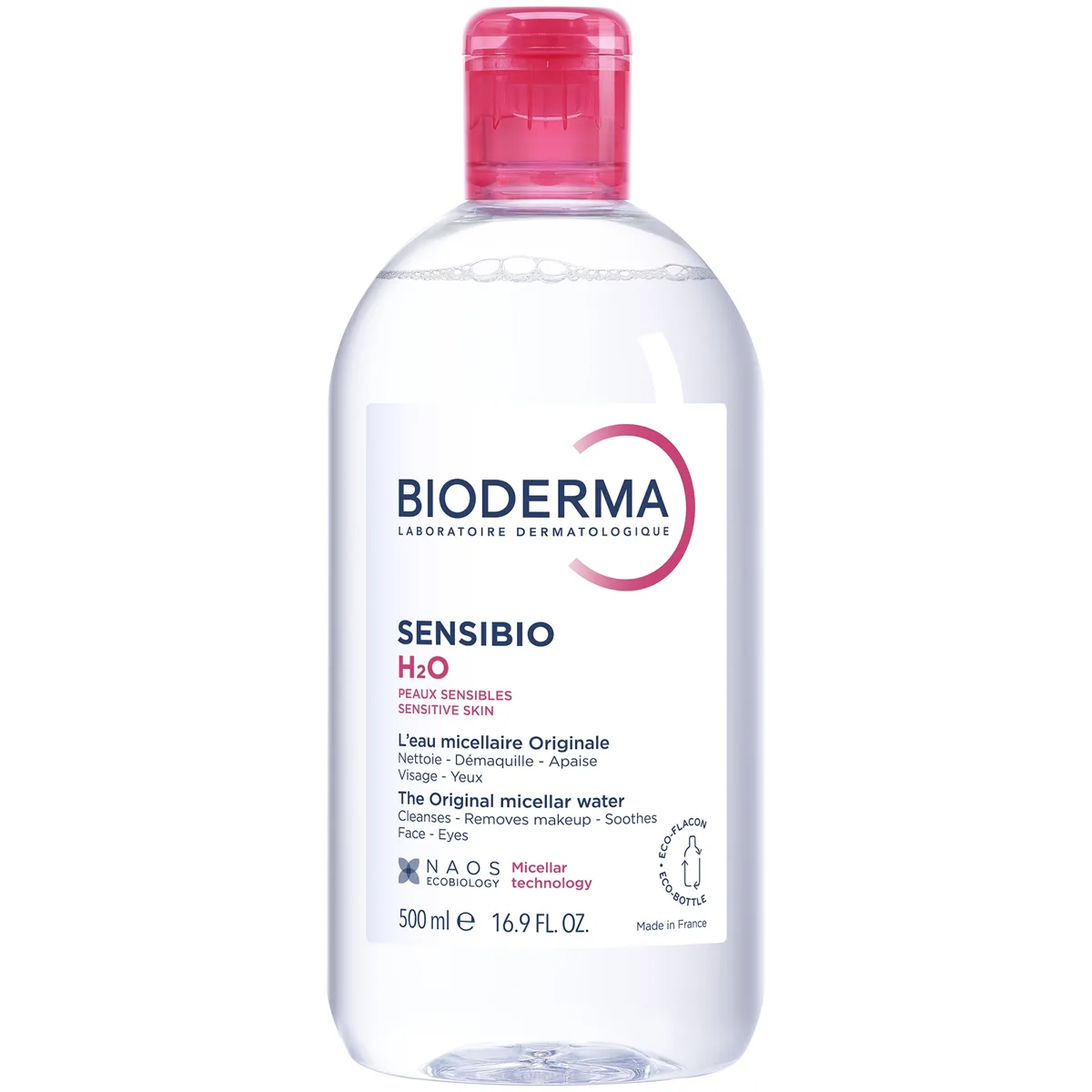 The Original Micellar Water
 Sensibio H2O Micellar Water
The product that launched an entire skincare category remains, three decades later, one of the gentlest and most effective no-rinse cleansers available. Bioderma Sensibio H2O earns its cult status through radical simplicity — 10 ingredients, zero fragrance, and a formula so mild it was originally dispensed by prescription.