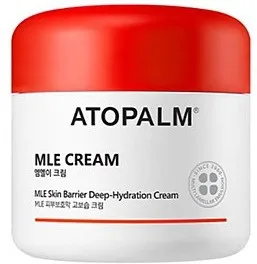
Atopalm MLE Cream is one of the genuinely scientifically anchored barrier moisturizers in K-beauty — a fragrance-free, pseudo-ceramide cream built around a patented liquid-crystal lipid structure that mimics the skin's own intercellular matrix. For eczema, atopic skin, post-procedure recovery, or anyone with a stinging compromised barrier, it's one of the most reliably effective moisturizers in the entire category.
MLE Cream
Atopalm MLE Cream is one of the genuinely scientifically anchored barrier moisturizers in K-beauty — a fragrance-free, pseudo-ceramide cream built around a patented liquid-crystal lipid structure that mimics the skin's own intercellular matrix. For eczema, atopic skin, post-procedure recovery, or anyone with a stinging compromised barrier, it's one of the most reliably effective moisturizers in the entire category.
Score Breakdown
Where this product gains points and where it loses them — broken down across the four scoring pillars.
A genuinely scientifically-anchored barrier cream with patented lipid-structure technology, fragrance-free formulation and decades of dermatological use. One of the highest-irritation-risk-protected moisturizers on the market.
Pros & Cons
- ✓Patented multi-lamellar emulsion lipid structure mimics healthy stratum corneum
- ✓Pseudo-ceramides, cholesterol and fatty acids in barrier-repair-supporting ratio
- ✓Fragrance-free and free of common irritants
- ✓Velvety, non-greasy texture despite rich lipid load
- ✓Backed by published research including 2019 UCSF collaboration
- ✓Excellent for eczema, atopic, and post-procedure skin
- ✓22-year track record of dermatologist recommendations
- ✗Jar packaging not ideal for barrier-cream hygiene
- ✗Premium price compared to drugstore ceramide creams
- ✗Too lipid-rich for oily or breakout-prone skin
- ✗Scent-free profile feels clinical to some users
- ✗Not vegan — contains cholesterol of mixed sourcing
Full Review
There is a particular kind of skincare product that gets quietly recommended by dermatologists and ingredient-obsessed K-beauty fans for years without ever quite breaking into mass-market awareness. Atopalm MLE Cream is one of those products. It's been on shelves in Korea since 2003, has a peer-reviewed lipid technology behind its name, has been the subject of a UCSF collaboration on atopic skin, and is still less famous than half the moisturizers on a TikTok 'barrier repair' playlist. The reason is partly that the brand has never spent on flashy marketing and partly that the thing that makes it special is structural rather than visible — and structural is hard to put on a label. The story starts with Dr. Raymond Park, a Korean lipid scientist whose research focused on the architecture of the stratum corneum's intercellular lipid matrix. The healthy outermost layer of human skin is built like a brick-and-mortar wall: dead corneocytes are the bricks, and a precise mixture of ceramides, fatty acids and cholesterol — arranged in a multi-lamellar liquid-crystal structure — is the mortar. When that mortar breaks down, water escapes, irritants get in, and the skin starts behaving like the reactive, stinging mess that anyone with eczema or a damaged barrier knows intimately. Park's insight, in the early 2000s, was that you couldn't fix this by just putting ceramides in a cream and hoping they'd find their way to the right place. The geometry of the lipid arrangement was the active ingredient. In 2003, Atopalm launched as the commercial home for his research. The MLE — Multi-Lamellar Emulsion — technology in this cream isn't a single ingredient on the INCI list; it's the way the lipid phase of the formula is physically structured. Pseudo-ceramides like palmitoyl palmitamide MEA and N-decanoyl serinol are arranged with cholesterol, fatty acids and other supporting lipids into a liquid-crystal architecture that mirrors the skin's own bilayer geometry. When you apply the cream, the lipids slot into the existing matrix in roughly the configuration the skin would build them itself. This is why MLE Cream behaves differently from a generic ceramide moisturizer that lists similar ingredients. The cream itself is a quiet pleasure to use. The texture is a soft white cream that softens on contact, spreads thin and absorbs in under a minute to a velvety, slightly cushioned finish that never tips into greasy. Compromised, stinging skin tends to feel calmer within a few applications — the kind of subtle but unmistakable effect where the skin stops complaining at things it was complaining at the day before. There is no fragrance, no essential oils, no acids, no high-active load. The formula is designed around tolerance, which is what eczema-prone and post-procedure skin actually needs. Glycerin sits in the second ingredient slot as the primary humectant, drawing water into the upper stratum corneum where the MLE lipid structure can hold it there. Caprylic/capric triglyceride, shea butter, jojoba oil and phytosqualane fill out the lipid phase with plant-derived emollients that complement the pseudo-ceramide system. Cholesterol, sodium hyaluronate, tocopherol and allantoin round out the supporting cast. There is nothing on the ingredient list that doesn't need to be there, and very little that any sensitive-skin user could meaningfully react to. The 2019 UCSF collaboration is worth pausing on. The study examined the cholesterol-to-ceramide-to-free-fatty-acid ratio that best supports recovery in atopic dermatitis, building on decades of work by Peter Elias and others showing that the wrong ratio of these lipids can actually slow barrier repair. Atopalm's research arm has been engaged with this question since the brand launched, and the MLE technology was designed around the principle that lipid composition matters less than lipid structure. This is the kind of brand where the science actually came first and the product came second — an inversion that's almost unheard of in the K-beauty mid-market. The honest limitations are mostly about format. The jar packaging is a heritage choice from a pre-pump K-beauty era, and it's not the most hygienic option for a barrier cream — clean fingertips or a small spatula help, and a pump version would be a meaningful upgrade if the brand ever revisits it. The price sits in the upper-mid bracket — around $32 for a 100ml jar — which is fair for the formulation chemistry but not cheap on a per-ml basis compared to drugstore ceramide creams like CeraVe. And although the cream is excellent for face use, body application gets expensive fast; the brand makes a dedicated body version that's better priced for that purpose. The fragrance-free, scent-neutral profile is a feature, not a bug, but users who want their skincare to feel sensorial may find it clinical. For oily, breakout-prone skin, the formula is too lipid-rich to be the right daily choice — it's for skin that needs lipids, not for skin that's struggling with too many. Where this cream is genuinely outstanding is at its target use case: dry, sensitive, atopic, post-procedure, or compromised-barrier skin that needs a moisturizer engineered to integrate back into the lipid matrix rather than just sit on top of it. CeraVe Moisturizing Cream is the famous comparison, and both products work — but they work differently. CeraVe is cheaper, more widely available, and uses real ceramides in an MVE delivery system. Atopalm is more cosmetically elegant, has the patented lipid architecture, and feels lighter on the skin while still doing the same structural job. For face use, particularly on reactive skin, Atopalm tends to be the more comfortable daily choice. Twenty-two years in, this cream is one of the cleanest examples of K-beauty done with actual scientific seriousness — a brand built on a chemist's research, a technology that's structurally distinct from its competitors, and a product that quietly does what it says without ever needing to shout about it.
Formula
Key Ingredients
The hero actives that drive this product's performance.
| Ingredient | Function | Evidence |
|---|---|---|
| MLE (Multi-Lamellar Emulsion) Lipid Complex | Atopalm's signature technology — a patented arrangement of pseudo-ceramides (palmitoyl palmitamide MEA, N-decanoyl serinol), fatty acids and cholesterol assembled into a liquid-crystal structure that mimics the brick-and-mortar lipid matrix of intact stratum corneum. In this cream it's not a single ingredient but the structural geometry of the entire lipid phase, which is why the formula performs differently from the same ingredients shuffled into a conventional emulsion. | promising |
| Pseudo-Ceramides (Palmitoyl Palmitamide MEA + N-Decanoyl Serinol) | Lab-synthesized analogs of skin's own ceramides, designed to slot into the lipid bilayer and replenish the barrier without the cost and stability problems of plant-derived ceramides. In Atopalm's MLE structure they sit in the configuration that matches healthy skin lipids, which is what gives the cream its characteristically calming feel on compromised barrier skin. | well-established |
| Cholesterol | The third leg of the ceramide-cholesterol-fatty acid trinity that the 2019 UCSF/Atopalm research focused on. In healthy skin these three lipids exist in a roughly 3:1:1 ratio, and applying them in that ratio has been shown to accelerate barrier recovery. Cholesterol's presence here is what differentiates this cream from generic 'ceramide' moisturizers that ignore the supporting cast. | well-established |
| Glycerin | Sits in the second slot as the primary humectant, drawing water into the upper stratum corneum. In a barrier-focused formula like this one, glycerin works in tandem with the lipid matrix — humectant pulls water in, the MLE structure prevents it from evaporating out. | well-established |
| Shea Butter + Jojoba Oil + Phytosqualane | A trio of plant-derived occlusive emollients that fill in the lipid phase alongside the pseudo-ceramide system. They contribute the soft, cushioning texture the cream is known for, and reinforce the barrier mimicry by adding fatty acids that complement the ceramides. | well-established |
Full INCI List · pH 5.5
Water, Glycerin, Caprylic/Capric Triglyceride, Cetearyl Alcohol, Pentaerythrityl Stearate/Caprate/Caprylate/Adipate, Pentylene Glycol, Butyrospermum Parkii (Shea) Butter, Propanediol, Sorbitan Stearate, Stearic Acid, Phytosqualane, Polyglyceryl-5 Stearate, Simmondsia Chinensis (Jojoba) Seed Oil, Glyceryl Stearate, Palmitoyl Palmitamide MEA, N-Decanoyl Serinol, Bis-Capryloyloxypalmitamido Isopropanol, Behenic Acid, Sodium Hyaluronate, Tocopheryl Acetate, Tocopherol, Cholesterol, Carbomer, Tromethamine, Allantoin, Disodium EDTA, Phenoxyethanol, Ethylhexylglycerin, Caprylyl Glycol
Product Flags
✓ Fragrance Free✓ Alcohol Free✗ Oil Free✓ Silicone Free✓ Paraben Free✓ Sulfate Free✓ Cruelty Free✗ Vegan✗ Fungal Acne Safe
Compatibility
Skin Match
Best For
Works For
Not Ideal For
Addresses These Conditions
eczema dryness compromised skin barrier sensitivity post procedure winter skin
Use With Caution
Routine Step
moisturizer
Time of Day
AM & PM
Pregnancy Safe
Yes ✓
Layering Tips
Apply to clean, slightly damp skin after toner and serum. The MLE lipid structure works best when not buried under heavier occlusives — keep it close to the surface where it can integrate with the skin's own lipid matrix. In winter or for very dry skin, a balm can be layered over it as a final seal.
Results Timeline
Immediate: skin feels comforted and hydrated within minutes. Short-term (1-2 weeks): visible reduction in tightness, flaking, and stinging on compromised skin. Full benefits (4-8 weeks): meaningful improvement in barrier resilience and reduced reactivity to other actives.
Pairs Well With
niacinamide serumspanthenol tonerscentella ampoulesfragrance-free retinoids
Conflicts With
high-strength acid exfoliants on the same evening
Sample AM Routine
- Gentle cleanser
- Hydrating toner
- Niacinamide serum
- Atopalm MLE Cream
- Mineral SPF
Sample PM Routine
- Cream cleanser
- Hydrating toner
- Centella or panthenol serum
- Atopalm MLE Cream
Evidence
Who Should Skip
- Jar packaging not ideal for barrier-cream hygiene
- Premium price compared to drugstore ceramide creams
- Too lipid-rich for oily or breakout-prone skin
- Scent-free profile feels clinical to some users
Science & Expert Perspective
The Science
The scientific case for this cream sits on three pillars. First, the cholesterol-ceramide-fatty acid trinity. A 1995 paper by Man, Feingold and Elias in the Journal of Clinical Investigation showed that topical application of the three barrier lipids — ceramides, cholesterol and free fatty acids — only accelerates barrier recovery when applied in approximately a 3:1:1 ratio (or with cholesterol dominant). Applying the wrong ratio actually slows recovery. Atopalm's MLE technology was built around this principle, and the 2019 UCSF collaboration extended the research into atopic dermatitis specifically. Second, the lipid-structure principle. Work by Bouwstra and colleagues, including a 2003 review in the Journal of Investigative Dermatology Symposium Proceedings, established that the lipid lamellae in healthy stratum corneum exist in a specific liquid-crystal arrangement, and that disrupting this arrangement is associated with conditions like atopic dermatitis and ichthyosis. The MLE in this cream is engineered to physically mimic that arrangement, which is why structural geometry matters as much as ingredient identity. Third, pseudo-ceramides. Palmitoyl palmitamide MEA and N-decanoyl serinol are lab-synthesized analogs designed to behave like skin's own ceramides while offering better stability and lower production cost. They've been used in dermatological research since the late 1990s and have shown comparable barrier-recovery effects to natural ceramides in controlled studies. The combination of these three principles in a single fragrance-free, low-irritant formula is what makes this cream a genuinely different proposition from a generic ceramide moisturizer.
References
- Optimization of physiological lipid mixtures for barrier repair — Journal of Investigative Dermatology (1996)
- Structure of the skin barrier and its modulation by vesicular formulations — Progress in Lipid Research (2003)
Dermatologist Perspective
Dermatologists frequently recommend Atopalm MLE Cream for patients with atopic dermatitis, eczema, post-procedure skin, and chronic barrier compromise. Board-certified dermatologists note that the underlying lipid-structure technology is one of the more scientifically rigorous approaches in the K-beauty barrier-repair category, and that the fragrance-free formulation makes it suitable for the kind of reactive skin that struggles with most cosmetic moisturizers. The cream is generally positioned as a maintenance or recovery moisturizer rather than a treatment for active inflammatory eczema flares, where prescription topicals such as corticosteroids or calcineurin inhibitors remain first-line. For patients seeking a daily moisturizer that supports rather than disrupts the stratum corneum lipid matrix, this cream is consistently among the more recommended options in the category, particularly for those who don't tolerate the heavier feel of CeraVe or the petrolatum-dominant feel of Aquaphor.
Guidance
Usage Guide
How to Use
Apply to clean, slightly damp skin after toner and serum, both morning and night. Use a clean spatula or freshly washed fingertips to scoop a pea-to-quarter sized amount from the jar — keeping the cream uncontaminated extends the formula's effectiveness. Press into the skin rather than rubbing aggressively, which helps the MLE lipids integrate with the skin's matrix. In winter or for very dry skin, an occlusive balm can be layered over the top as a final seal. In the morning, follow with a sunscreen.
Value Assessment
At around $32 for 100ml, Atopalm MLE Cream sits in the upper-mid range of the K-beauty barrier moisturizer market. Per ml, it's significantly more than CeraVe ($16 for 539g) but in line with other dermatologist-developed K-beauty creams and well below Korean luxury brands. The price reflects the patented lipid technology, the fragrance-free clinical formulation, and the 22-year track record — all of which are genuine value drivers, particularly for users who specifically need the MLE structure for compromised skin. For face-only use, the 100ml jar lasts about 2-3 months at twice-daily application, which works out to a reasonable per-month cost. The 65ml version is available for travel or trial purposes. The brand also makes a body version that's better priced for full-body use.
Who Should Buy
Anyone with eczema, atopic dermatitis, chronic dryness, post-procedure recovery needs, or a compromised skin barrier. Also a strong fit for sensitive skin that reacts to fragrance, K-beauty fans who want science over marketing, and people who specifically want the MLE lipid-structure technology.
Who Should Skip
Oily and acne-prone skin types who need a lighter daily moisturizer, vegan shoppers (the cholesterol sourcing is mixed), people who prefer a scented or sensorial product, and budget shoppers who'd be better served by a CeraVe or Cetaphil ceramide cream at half the price.
Ready to try Atopalm MLE Cream?
Details
Details
Texture
Rich, soft white cream that softens on contact and absorbs to a velvety, slightly cushioned finish
Scent
Truly fragrance-free — a faint inherent lipid smell, no perfume
Packaging
Wide-mouth jar with a sealed inner lid — pretty but not the most hygienic option for a barrier cream
Finish
non-greasyvelvetynatural
What to Expect on First Use
First application feels substantial without being heavy — the skin drinks it in within a minute and the surface feels smoother almost immediately. Compromised or stinging skin tends to settle within the first few uses, which is unusual for a moisturizer and typically the point at which users decide whether the MLE technology is doing what the brand claims.
How Long It Lasts
About 2-3 months with twice-daily face application
Period After Opening
12 months
Best Season
All Year
Background
The Why
Atopalm was founded in 2003 by Dr. Raymond Park, a Korean lipid scientist whose research focused on the structural biology of the stratum corneum's intercellular lipid matrix. The MLE technology — Multi-Lamellar Emulsion — came directly from his lab, and the brand was built specifically to commercialize barrier creams that physically rebuilt the geometry of damaged skin. In 2019 Atopalm collaborated with researchers at UCSF on a study examining the optimal cholesterol-to-ceramide-to-fatty-acid ratio for atopic dermatitis recovery, giving the technology a level of clinical pedigree most K-beauty brands can only aspire to.
About Atopalm Legacy Brand (20+ years)
Atopalm was developed in 2003 by Korean lipid scientist Dr. Raymond Park, who later commercialized his Multi-Lamellar Emulsion (MLE) technology — a patented liquid-crystal lipid structure that mimics the skin's own intercellular matrix. The technology has been the subject of clinical research, including a 2019 collaboration with UCSF on the cholesterol-fatty-acid-ceramide ratio for atopic skin, giving the brand a stronger scientific footing than most K-beauty barrier creams.
Brand founded: 2003 · Product launched: 2003
Myth vs. Reality
Myths & Misconceptions
Myth
All ceramide creams are basically the same.
Reality
Two creams can list identical ceramides and behave very differently depending on how the lipid phase is structured. Atopalm's MLE technology arranges the lipids in a liquid-crystal multi-lamellar structure that mimics the skin's natural matrix — a structural choice, not just an ingredient choice.
Myth
Eczema creams have to feel medicinal and greasy to work.
Reality
MLE Cream is fragrance-free and clinically positioned but absorbs to a velvety, non-greasy finish. The barrier-repair mechanism doesn't require an occlusive cake on top of the skin — it works by integrating the missing lipids back into the matrix.
FAQ
Frequently Asked Questions
What does MLE stand for?
Multi-Lamellar Emulsion. It's Atopalm's patented technology for arranging lipids — pseudo-ceramides, fatty acids and cholesterol — into a liquid-crystal structure that mimics the bilayer geometry of healthy stratum corneum. The term refers to the formulation architecture, not a single ingredient.
Is this safe for eczema and atopic dermatitis?
Yes — it's specifically designed for atopic and barrier-compromised skin. The fragrance-free formula, pseudo-ceramide system, and clinical research backing make it one of the more dermatologist-recommended K-beauty moisturizers for eczema. It's not a treatment for active flares (you'll still want a prescribed topical), but it's an excellent maintenance moisturizer.
Can I use it under makeup?
Yes. The texture absorbs to a velvety finish without leaving a tacky residue, so foundation and powder sit cleanly over it. Allow 60-90 seconds for full absorption before moving to makeup.
How is this different from CeraVe Moisturizing Cream?
Both are ceramide-based barrier creams, but they differ in ingredient sourcing and lipid architecture. CeraVe uses three real ceramides in an MVE delivery system; Atopalm uses pseudo-ceramides arranged in a multi-lamellar emulsion structure. Atopalm tends to feel lighter and more cosmetically elegant, while CeraVe is significantly cheaper and has more clinical NEA backing in the US market.
Is it safe to use during pregnancy?
Yes — there are no ingredients in the formula that are flagged for pregnancy avoidance. The fragrance-free, retinoid-free, salicylic-acid-free profile makes it a safe choice for pregnant and nursing skin.
Does it work on the body too?
It can, but the brand makes a dedicated body version that's better priced for larger applications. The face cream is concentrated for facial use, where the per-ml cost makes sense.
Why is the jar packaging?
Jar packaging is the brand's heritage choice from before pump packaging was common in K-beauty. It's not the most hygienic option for a barrier cream — using a clean spatula or freshly washed fingertips helps. A pump version would be a meaningful upgrade for the next reformulation.
Community
Community Voices
Common Praise
"calms eczema flares without irritation"
"fragrance-free and well-tolerated on reactive skin"
"rich but absorbs without greasiness"
"noticeable barrier improvement within a week"
Common Complaints
"jar packaging not ideal for hygiene"
"premium price for the size"
"scent-free can feel clinical for users who like aromatic skincare"
Notable Endorsements
Featured in dermatology research publicationsLong-time recommendation for atopic and eczema-prone skin
Appears In
best barrier cream for eczema best moisturizer for sensitive skin best k beauty barrier cream best fragrance free moisturizer best cream for compromised skin barrier
Related Conditions
eczema compromised skin barrier dryness sensitivity
Related Ingredients
You Might Also Like
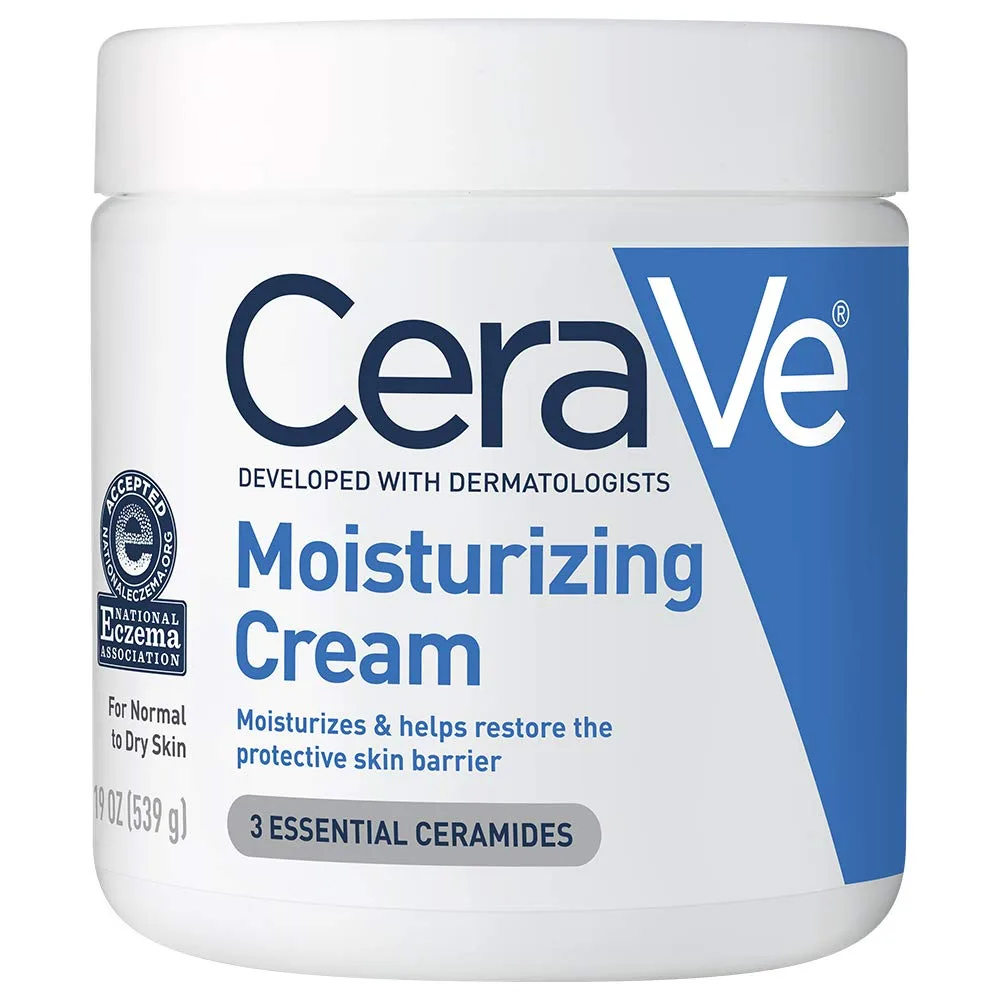 Budget Holy Grail
 Moisturizing Cream
The CeraVe Moisturizing Cream is the most important moisturizer in the drugstore — a ceramide-rich, dermatologist-developed formula that delivers barrier repair, multi-humectant hydration, and occlusive protection at a price so accessible it has no real excuse not to be in every household. Twenty-one years of consistent performance and universal dermatologist approval speak louder than any ingredient list.
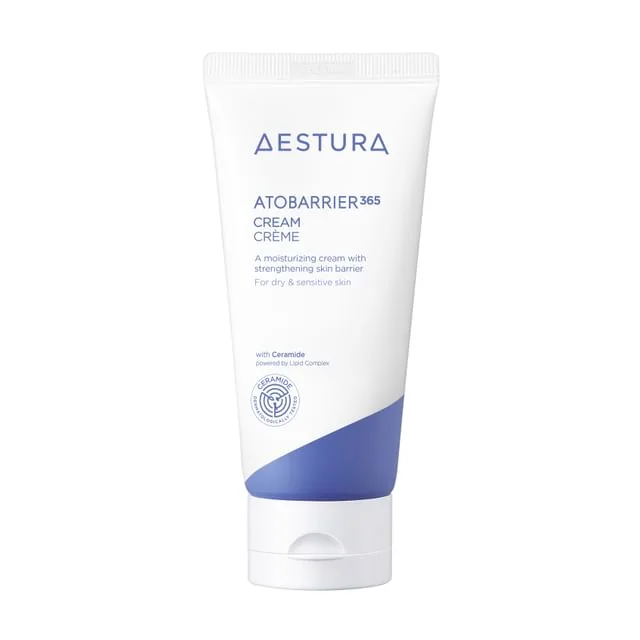 K-Beauty Barrier Repair Staple
 Atobarrier 365 Cream
A Korean pharmacy cream that earns its cult following the hard way — with a lamellar lipid structure that actually rebuilds the barrier, not just coats it. If your skin has been through a rough winter, a retinoid ramp-up, or a bad reaction, this is the jar that quietly puts it back together.
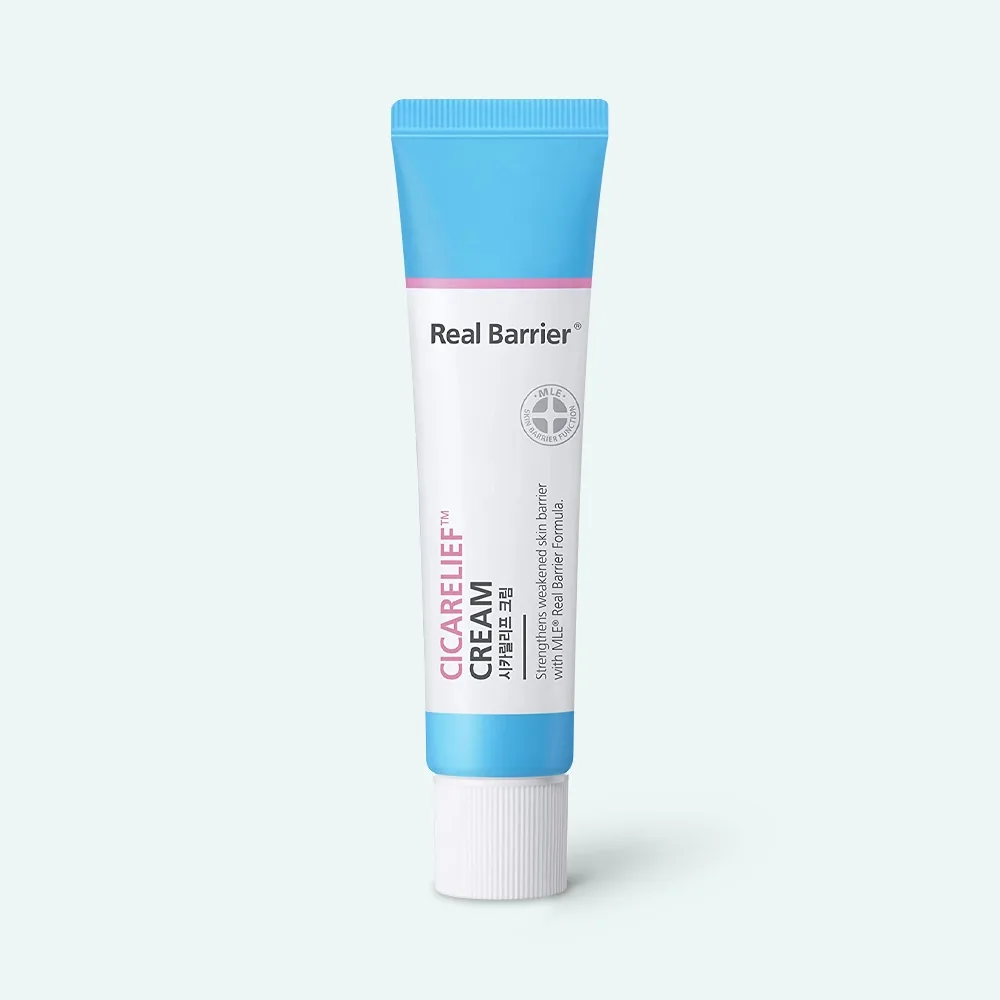 Korean Derm Clinic Recovery Pick
 Real Barrier Cicarelief Cream
One of the best consumer cica creams on the market, combining the full spectrum of centella actives with NeoPharm's MLE ceramide delivery and multiple complementary calming ingredients. Ideal for compromised, reactive, rosacea-prone, or recovering skin, and a staple in Korean dermatology clinic protocols. Minor limitations on packaging, but the formulation is genuinely excellent.
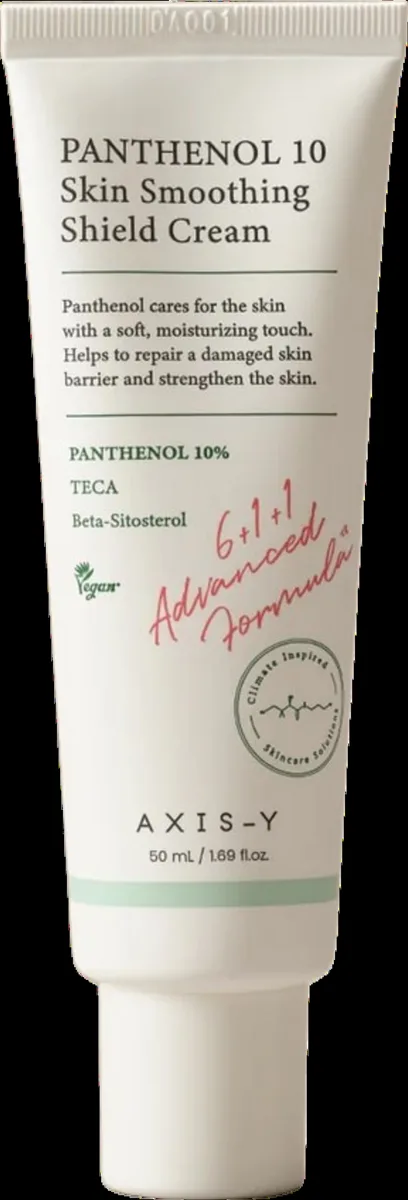 Transparent 10% Panthenol Cream
 Panthenol 10 Skin Smoothing Shield Cream
A disclosed 10% panthenol barrier cream built around a full physiological ceramide trio, a centella calming cast, and a modest shea butter occlusive. Fragrance-free, cross-season, and unusually transparent about its hero active — one of the brand's strongest moisturizer formulations.
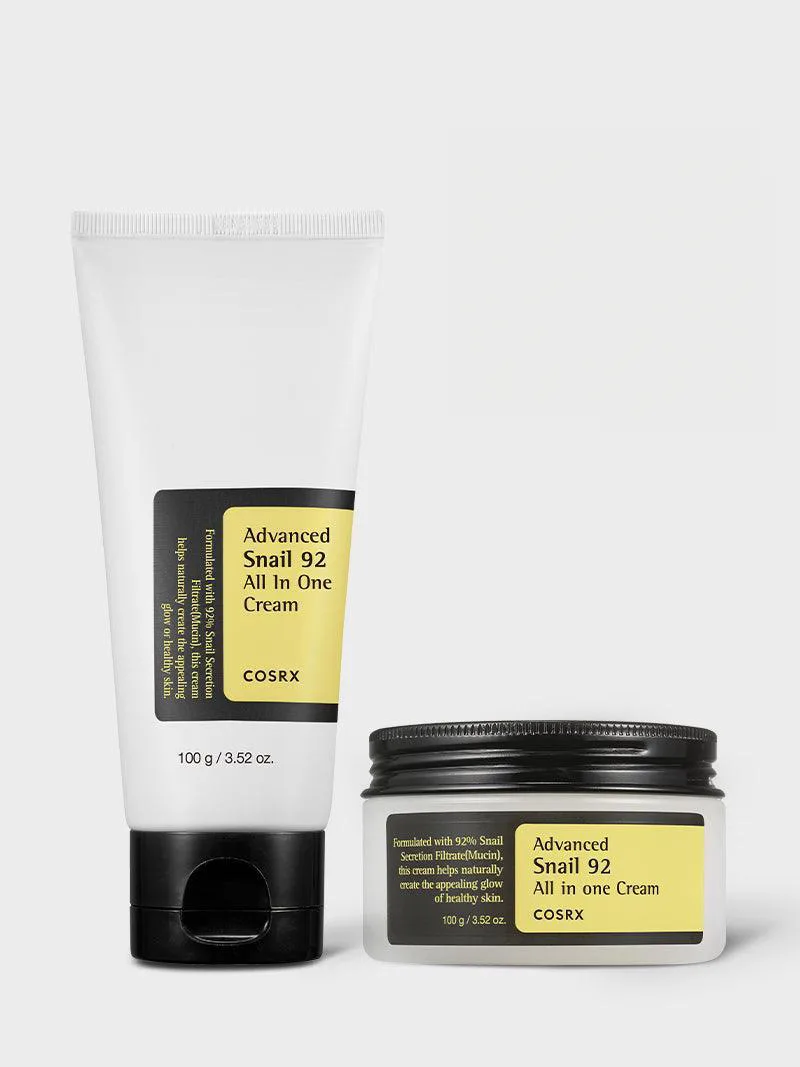 K-Beauty Icon
 Advanced Snail 92 All in One Cream
The cream that helped prove snail mucin to the world — and a decade later, it still deserves the reputation. At 92% snail secretion filtrate in a fragrance-free, gentle gel-cream, it delivers hydration, soothing, and gradual skin improvement across virtually every skin type. The texture takes getting used to, but 13 million sold units and 25,000+ reviews suggest most people manage.
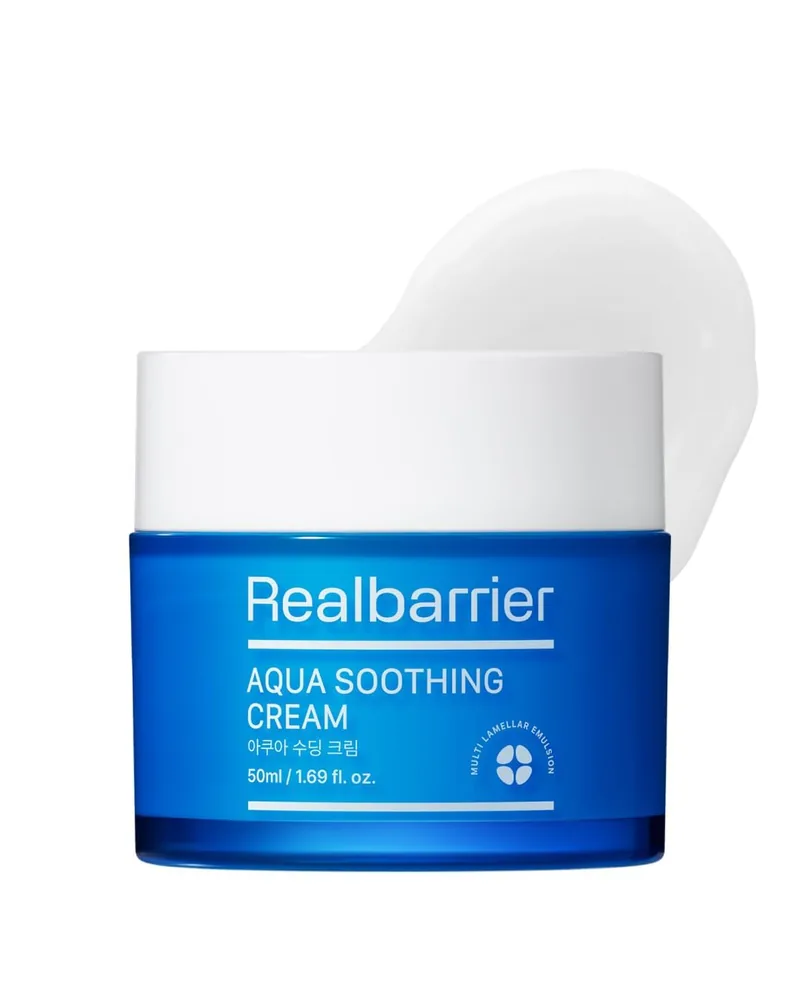 K-Beauty Barrier Staple
 Real Barrier Aqua Soothing Gel Cream
A quietly excellent Korean ceramide gel-cream built around NeoPharm's patented MLE lamellar delivery system and supported by madecassoside, panthenol, and niacinamide. Lightweight enough for oily and combination skin but still a serious barrier repair moisturizer. One of the best k-beauty picks for sensitive, reactive, or post-procedure skin at a reasonable mid-range price.
This review reflects our independent analysis of publicly available ingredient data, manufacturer claims, and verified user reviews. We are reader-supported — Amazon links may earn us a commission at no cost to you. We do not accept paid placements; rankings are based solely on the evidence.