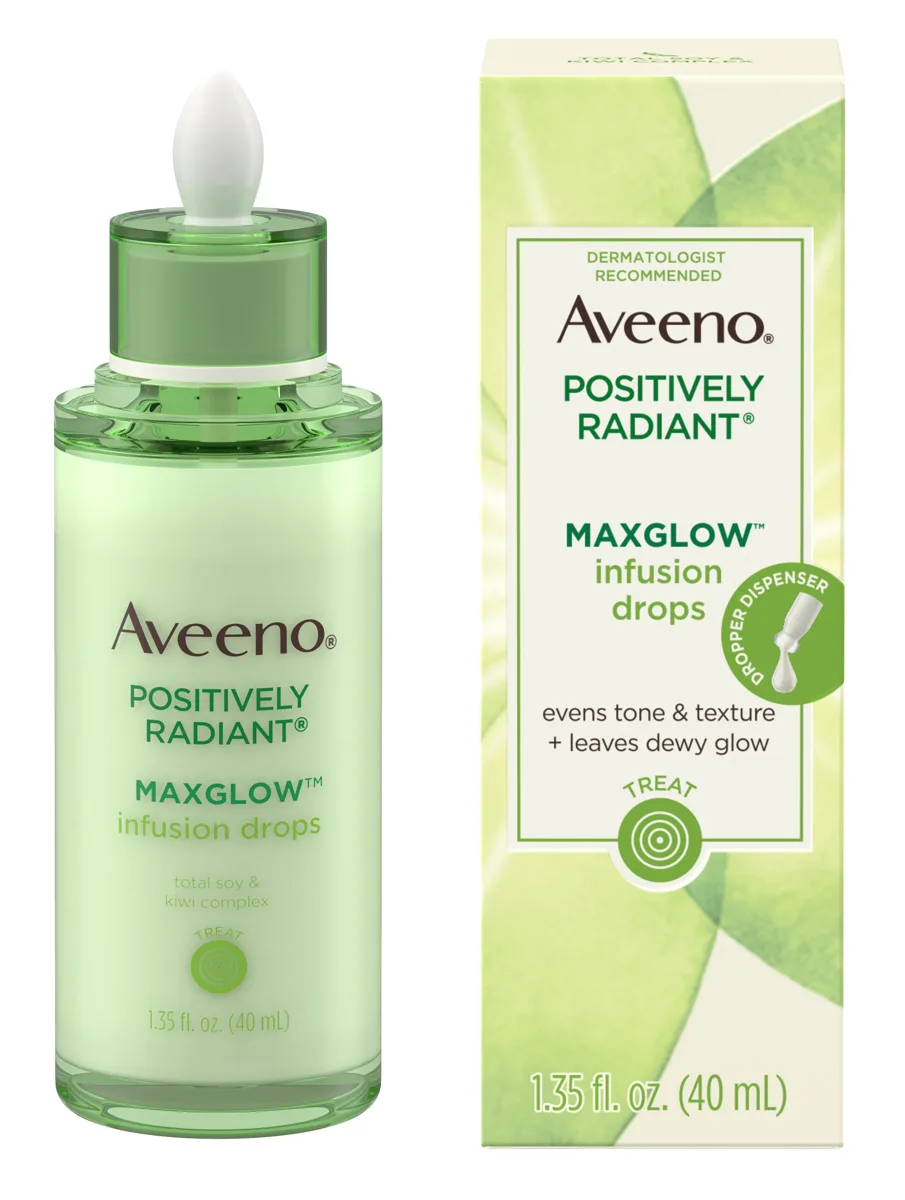
A pleasant, lightweight drugstore brightening serum that delivered genuine short-term glow but made bigger promises than its ingredient list could keep. The soy science is real, but the concentrations are questionable, and the fragrance plus lemon extract undercut the hypoallergenic positioning. Now discontinued — more interesting as a reflection of the late-2010s glow trend than as a product worth hunting down.
MaxGlow Infusion Drops
A pleasant, lightweight drugstore brightening serum that delivered genuine short-term glow but made bigger promises than its ingredient list could keep. The soy science is real, but the concentrations are questionable, and the fragrance plus lemon extract undercut the hypoallergenic positioning. Now discontinued — more interesting as a reflection of the late-2010s glow trend than as a product worth hunting down.
Score Breakdown
Where this product gains points and where it loses them — broken down across the four scoring pillars.
A decent drugstore brightening serum with an interesting soy-based depigmentation mechanism, but held back by fragrance, lemon peel extract irritation potential, and hero actives positioned suspiciously low in the ingredient list. Solid for basic hydration and glow, less convincing on tone-evening claims.
Pros & Cons
- ✓Lightweight texture absorbs in seconds and layers beautifully under other products
- ✓Soy extract targets brightening through PAR-2 pathway — a mechanism distinct from most brightening actives
- ✓Immediate optical glow effect from silicone-smoothed skin surface
- ✓Affordable drugstore pricing at roughly sixteen dollars
- ✓Oil-free and non-comedogenic for easy daily use across skin types
- ✓Paraben-free formula with alcohol-free base
- ✗Hero actives positioned low in INCI list suggesting modest concentrations
- ✗Contains fragrance and lemon peel extract despite hypoallergenic labeling
- ✗Hydration claims of forty-eight hours are significantly overstated
- ✗Discontinued by Aveeno and no longer available at standard retailers
- ✗Kiwi fruit water provides minimal active benefit at this concentration
- ✗Brightening results are subtle and slow compared to niacinamide or vitamin C alternatives
Full Review
When the glow trend peaked around 2018, every brand needed a product that promised radiance. Aveeno, a brand built on colloidal oatmeal and clinical credibility, found themselves in an unusual position — chasing an aesthetic trend that lived on Instagram rather than in dermatology textbooks. The MaxGlow Infusion Drops were their answer, and the result was a product that perfectly illustrated the tension between a serious science brand and the pressure to be trendy.
The Soy & Kiwi Complex at the heart of this formula is where Aveeno's credibility shows. Soy isoflavones have genuine science behind them for skin brightening — a 2000 study published in the Journal of Investigative Dermatology established that soybean trypsin inhibitor and Bowman-Birk inhibitor reduce pigmentation by blocking PAR-2-mediated melanosome transfer. This is a fundamentally different pathway than the tyrosinase inhibition that vitamin C and arbutin use, which means soy brightening works through a complementary mechanism rather than competing with other actives in your routine. A 2007 study in the Journal of Drugs in Dermatology confirmed that a soy moisturizer significantly improved mottled pigmentation, blotchiness, and dullness versus vehicle over twelve weeks.
The problem is concentration. Both the soy extract and kiwi fruit water sit in the bottom third of a twenty-ingredient list — below preservatives, below silicones, below the fragrance. INCI listing order reflects concentration descending, and when your marketed hero ingredients appear after the preservative system, the effective dose becomes a legitimate question. It's entirely possible that the soy is present at a meaningful level despite its INCI position — some actives work at very low concentrations — but Aveeno didn't disclose specific percentages, which makes independent verification impossible.
What this product actually does well is hydration and immediate glow. Glycerin sits high in the formula at what appears to be a meaningful concentration, supported by butylene glycol as a secondary humectant. The silicone system — a modified silane, dimethicone, and dimethiconol — creates a light occlusive film that smooths the skin surface, reflecting light more evenly and delivering that instant dewy quality the marketing promised. This isn't deep skin transformation; it's surface-level optical enhancement. And for a fifteen-dollar drugstore serum, that's actually fine.
The texture is genuinely pleasant. Lightweight, almost watery, absorbing in under twenty seconds with no residue, tackiness, or pilling. You can layer it under any moisturizer and sunscreen without interference. The dropper dispenses controlled amounts. It feels like nothing on the skin after it sets. For a product category where heavy, sticky formulas are common at this price point, the cosmetic elegance here earned its positive reviews.
But the inclusion of fragrance and citrus limon peel extract in a product labeled hypoallergenic is worth addressing. Hypoallergenic is an unregulated term — the FDA has no definition or testing standard for it — but consumers reasonably expect it to mean reduced sensitization risk. Added fragrance is the most common cosmetic allergen, and lemon peel extract contains photoactive compounds that can increase UV sensitivity. For a brand with Aveeno's clinical reputation and National Eczema Association partnerships, these inclusions feel like they belong to a different product philosophy than the one the brand usually represents.
Kiwi fruit water rounds out the formula as an antioxidant supporting ingredient. Research published in the Journal of Cellular Physiology showed that kiwi polysaccharides can stimulate keratinocyte proliferation and double collagen synthesis in skin equivalents, which is genuinely interesting science. But fruit water is not a concentrated polysaccharide extract, and at its position in this INCI list, the actual kiwi contribution to skin health is likely minimal. It's more accurate to think of it as a hydrating botanical water with mild antioxidant activity than as a potent active.
Aveeno discontinued the entire MaxGlow line, and this tells its own story. The glow trend moved on, K-beauty brands with more potent formulations captured the enthusiast market, and drugstore shelves filled with niacinamide serums that offered stronger evidence-based brightening at comparable prices. The Infusion Drops were a competent product, but not a compelling enough one to survive in a category that became increasingly crowded with better-formulated options.
At its original retail price of roughly sixteen dollars, the value proposition was reasonable — a lightweight, pleasant-to-use brightening serum from a trusted brand. It wasn't going to transform hyperpigmentation the way a prescription treatment would, but it made skin look a bit more luminous, a bit more even, and it did so without the heavyweight texture or high price of prestige alternatives. For someone already buying Aveeno cleansers and moisturizers, adding this to the routine was an easy, low-risk upgrade.
Now discontinued, the MaxGlow Infusion Drops serve mostly as a case study in how legacy brands navigate trend cycles. The soy science was real, the formulation was competent, and the user experience was good. But the gap between what the marketing promised — transformative glow through an innovative complex — and what the ingredient list delivered — modest brightening support at low concentrations — was always the product's fundamental tension.
Formula
Key Ingredients
The hero actives that drive this product's performance.
| Ingredient | Function | Evidence |
|---|---|---|
| Glycerin | The formula's primary humectant and the real workhorse behind the hydration claims. Positioned high in the INCI list at a meaningful concentration, it draws moisture to the skin surface while the silicone occlusives in the formula lock it in for sustained dewiness. | well-established |
| Glycine Soja (Soybean) Seed Extract | Aveeno's signature soy complex contains serine protease inhibitors that work through PAR-2 pathway inhibition — a depigmentation mechanism distinct from the tyrosinase inhibition most brightening products rely on. Positioned low in the INCI list, raising questions about whether the concentration is sufficient to deliver meaningful tone-evening results. | promising |
| Actinidia Chinensis (Kiwi) Fruit Water | The other half of the Soy & Kiwi Complex, providing antioxidant polyphenols that complement the soy's depigmentation mechanism. Research shows kiwi polysaccharides can stimulate collagen synthesis in fibroblasts, though the concentration here appears modest. | emerging |
| Yeast Extract | Rich in B vitamins, amino acids, and beta-glucans, this supports the hydration and glow claims by improving skin's natural moisture retention. Works alongside glycerin to condition the skin surface for a more radiant appearance. | promising |
| Dimethicone | Creates a breathable occlusive barrier over the humectant layer, preventing moisture loss and giving the serum its smooth, silky finish. Alongside dimethiconol, it provides the immediate dewy sheen that makes skin look glowy from first application. | well-established |
Full INCI List
Water, Glycerin, Butylene Glycol, Bis-PEG-18 Methyl Ether Dimethyl Silane, Pentaerythrityl Tetraethylhexanoate, Isodecyl Neopentanoate, Phenoxyethanol, Ethylhexylglycerin, Ammonium Acryloyldimethyltaurate/VP Copolymer, Chlorphenesin, Dimethicone, Yeast Extract, Succinoglycan, Fragrance, Actinidia Chinensis (Kiwi) Fruit Water, Glycine Soja (Soybean) Seed Extract, Acrylates/C10-30 Alkyl Acrylate Crosspolymer, Citrus Limon (Lemon) Peel Extract, Dimethiconol, Sodium Hydroxide
Product Flags
✗ Fragrance Free✓ Alcohol Free✓ Oil Free✗ Silicone Free✓ Paraben Free✓ Sulfate Free✗ Cruelty Free✗ Vegan✗ Fungal Acne Safe
Potential Irritants
FragranceCitrus Limon (Lemon) Peel Extract
Common Allergens
Fragrance
Compatibility
Skin Match
Best For
Works For
Not Ideal For
Addresses These Conditions
dullness dehydration hyperpigmentation dark spots
Use With Caution
Avoid With
Routine Step
serum
Time of Day
AM & PM
Pregnancy Safe
Yes ✓
Layering Tips
Apply two to three drops to clean skin after cleansing and toning, before moisturizer. Can be mixed into your moisturizer for a dewy finish. Always follow with SPF in the morning, as lemon peel extract may increase photosensitivity.
Results Timeline
Immediate subtle glow and dewiness from silicones and glycerin on first application. Skin brightening becomes noticeable after 7-10 days of consistent twice-daily use. Full tone-evening benefits at 4-8 weeks with daily use.
Pairs Well With
gentle moisturizersSPF sunscreenniacinamide serumshyaluronic acid
Conflicts With
strong AHA/BHA exfoliants (may compound irritation from lemon extract)
Sample AM Routine
- Gentle cleanser
- Aveeno MaxGlow Infusion Drops
- Moisturizer
- SPF 30+ sunscreen
Sample PM Routine
- Gentle cleanser
- Aveeno MaxGlow Infusion Drops
- Moisturizer
Evidence
Science & Expert Perspective
The Science
The soy depigmentation mechanism in this formula draws on solid published research. A landmark 2000 study in the Journal of Investigative Dermatology by Seiberg et al. established that soybean trypsin inhibitor and Bowman-Birk inhibitor reduce pigmentation by inhibiting PAR-2-mediated melanosome phagocytosis by keratinocytes. This is fundamentally different from the tyrosinase inhibition pathway used by vitamin C, arbutin, and kojic acid — making soy a complementary brightening approach rather than a redundant one. A 2007 clinical study in the Journal of Drugs in Dermatology confirmed that a soy moisturizer significantly improved mottled pigmentation, blotchiness, dullness, and skin tone versus vehicle in sixty-five women over twelve weeks. A 2023 systematic review in the Journal of Clinical Medicine analyzed thirty studies on topical and oral soy supplementation, finding that all trials observed significant improvement in at least one dermatological parameter including photoaging, barrier function, and hyperpigmentation.
The kiwi component has more limited evidence. A 2005 study in the Journal of Cellular Physiology showed that Actinidia chinensis polysaccharides stimulated keratinocyte proliferation by up to 30% and doubled collagen synthesis in fibroblast skin equivalents. However, kiwi fruit water is not a concentrated polysaccharide extract, and extrapolating cell-culture findings to a topical product at undisclosed concentration requires caution.
References
- An Alternative Approach to Depigmentation by Soybean Extracts via Inhibition of the PAR-2 Pathway — Journal of Investigative Dermatology (2000)
- Efficacy of a soy moisturizer in photoaging: a double-blind, vehicle-controlled, 12-week study — Journal of Drugs in Dermatology (2007)
- Kiwi fruit polysaccharides exert stimulating effects on cell proliferation via enhanced growth factor receptors, energy production, and collagen synthesis — Journal of Cellular Physiology (2005)
Dermatologist Perspective
Dermatologists who recommended Aveeno's soy-based products valued the PAR-2 pathway mechanism as a gentler alternative to hydroquinone for mild hyperpigmentation. Board-certified dermatologists note that soy extract can be appropriate for patients who cannot tolerate more potent depigmenting agents. However, dermatological consensus holds that the concentration and formulation of the active matters more than the mechanism — and without disclosed percentages, it is difficult to assess whether this product delivered therapeutically relevant soy exposure. Most dermatologists would now recommend niacinamide-based serums or prescription treatments for patients with meaningful hyperpigmentation concerns.
Guidance
Usage Guide
How to Use
Apply two to three drops to clean skin after cleansing and toning, before moisturizer. Can also be mixed into your moisturizer for a combined dewy-hydrating step. Use morning and evening. Always follow with SPF 30 or higher in the morning, as the lemon peel extract may contribute to photosensitivity. Allow fifteen to twenty seconds for absorption before layering the next product.
Value Assessment
At its original retail price of roughly sixteen dollars for 1.35 fl oz, this offered fair value for a branded drugstore serum — a pleasant texture, mild brightening, and genuine hydration from a trusted brand. A bottle lasted two to three months with twice-daily use. However, the discontinuation means remaining stock commands inflated secondary market prices that do not reflect the formula's actual worth. Modern drugstore niacinamide serums offer stronger evidence-based brightening at comparable or lower prices.
Who Should Buy
Normal and combination skin types looking for a lightweight, easy-to-layer brightening serum for mild dullness and uneven tone. Best suited for those who already have this product on hand — its discontinued status makes it impractical as a new purchase recommendation.
Who Should Skip
Sensitive or rosacea-prone skin, anyone with a compromised skin barrier, fragrance-averse users, and those with significant hyperpigmentation who need stronger actives like niacinamide, vitamin C, or prescription depigmenting agents. Given its discontinued status, most consumers should look at current alternatives instead.
Ready to try Aveeno MaxGlow Infusion Drops?
Details
Details
Texture
Lightweight, slightly viscous serum with a watery-to-silky consistency that absorbs in fifteen to twenty seconds. Does not pill or leave residue under moisturizer or sunscreen. Feels almost weightless once set.
Scent
Faint added fragrance — reviewers describe it as nearly odorless to a light pleasant scent. Not overwhelming but present enough that fragrance-sensitive users will detect it.
Packaging
Glass dropper bottle with clean, minimal white and green Aveeno branding. The dropper applicator dispenses controlled amounts but can be unhygienic if it contacts skin directly.
Finish
dewyglowylightweight
What to Expect on First Use
Immediate subtle dewiness and silky feel from the silicone and glycerin base. No tingling, burning, or adjustment period for most users. The glow is partly optical — silicones smooth the skin surface to reflect light more evenly. True brightening from the soy complex develops over one to two weeks.
How Long It Lasts
2-3 months with twice-daily face application
Period After Opening
12 months
Best Season
All Year
Background
The Why
The MaxGlow line was Aveeno's 2018 push into the 'glow' skincare trend that was dominating social media and K-beauty at the time. Built on their long-running Positively Radiant sub-brand that had centered soy as the hero ingredient for radiance, the Infusion Drops were the treatment step meant to complement a line that included a peel-off mask and sleep mask. Despite decent reviews and an approachable price point, the entire MaxGlow sub-line was quietly discontinued as the trend cycle moved on.
About Aveeno Legacy Brand (20+ years)
Aveeno was founded in 1945 in collaboration with the Mayo Clinic and has been a dermatologist-recommended brand for nearly eight decades. Its colloidal oatmeal and soy-based formulations are backed by clinical research, and the brand holds National Eczema Association seals on many products. Now operated by Kimberly-Clark following its acquisition from Kenvue.
Brand founded: 1945 · Product launched: 2018
Myth vs. Reality
Myths & Misconceptions
Myth
Kiwi in skincare provides significant vitamin C benefits comparable to vitamin C serums
Reality
The kiwi fruit water in this formula is not a concentrated vitamin C source. It provides mild antioxidant polyphenols, but at the concentration used here it functions more as a hydrating and conditioning ingredient than a potent brightening active.
Myth
Hypoallergenic labeling means this product won't cause irritation
Reality
This product is labeled hypoallergenic but contains added fragrance and citrus limon peel extract, both known sensitizers. Hypoallergenic is an unregulated marketing term with no standardized FDA definition or testing requirement.
FAQ
Frequently Asked Questions
Is Aveeno MaxGlow Infusion Drops discontinued?
Yes, Aveeno has officially discontinued the MaxGlow Infusion Drops. The product appears on Aveeno's discontinued products page and is no longer manufactured or sold through standard retailers. Remaining stock may appear on secondary markets at higher prices.
Does Aveeno MaxGlow Infusion Drops contain fragrance?
Yes — despite being labeled hypoallergenic, this serum contains added fragrance at position fourteen in the ingredient list, plus Citrus Limon (Lemon) Peel Extract which is a known skin sensitizer. Those with sensitive or reactive skin should be cautious.
How long does it take for Aveeno MaxGlow to show results?
Most users notice a subtle glow improvement after 7-10 days of twice-daily use, thanks to the soy extract's effect on melanin transfer pathways. The immediate dewiness on first application comes from the silicone and glycerin base rather than the brightening actives. Full tone-evening benefits typically develop over 4-8 weeks.
Is Aveeno MaxGlow good for oily skin?
The lightweight, oil-free formula absorbs quickly and generally works for oily skin types, though some combination skin users report initial oiliness from the silicone content. It layers well under moisturizer and SPF without contributing to midday shine.
What is the Soy and Kiwi Complex in Aveeno MaxGlow?
The Soy & Kiwi Complex combines Glycine Soja (Soybean) Seed Extract and Actinidia Chinensis (Kiwi) Fruit Water. The soy extract contains serine protease inhibitors that inhibit melanosome transfer through PAR-2 pathway — a depigmentation mechanism different from the tyrosinase inhibition used by vitamin C and arbutin. The kiwi provides complementary antioxidant polyphenols.
What can I use instead of Aveeno MaxGlow Infusion Drops?
Since this product is discontinued, consider serums with niacinamide or vitamin C for similar brightening goals, or look at Aveeno's remaining Positively Radiant products which still contain their signature soy complex. A niacinamide serum offers stronger evidence-based brightening at a comparable drugstore price.
Community
Community Voices
Common Praise
"Delivers visible glow and radiance improvement within one to two weeks"
"Lightweight non-greasy texture absorbs in seconds"
"Versatile — works alone, under moisturizer, or mixed into other products"
"Affordable drugstore price point for a branded serum"
"Pleasant to wear, feels like nothing on the skin after absorption"
Common Complaints
"Hydration claims of 48 hours are significantly overstated"
"Contains fragrance and lemon peel extract despite hypoallergenic labeling"
"Brightening actives appear in low concentrations based on INCI positioning"
"Discontinued and increasingly difficult to find"
"Some combination skin users report initial oiliness"
Notable Endorsements
Aveeno is broadly dermatologist-recommended as a brand
Appears In
best serum for dullness best drugstore serum for dullness best serum for dehydration best serum for hyperpigmentation
Related Conditions
dullness hyperpigmentation dehydration dark spots
Related Ingredients
You Might Also Like
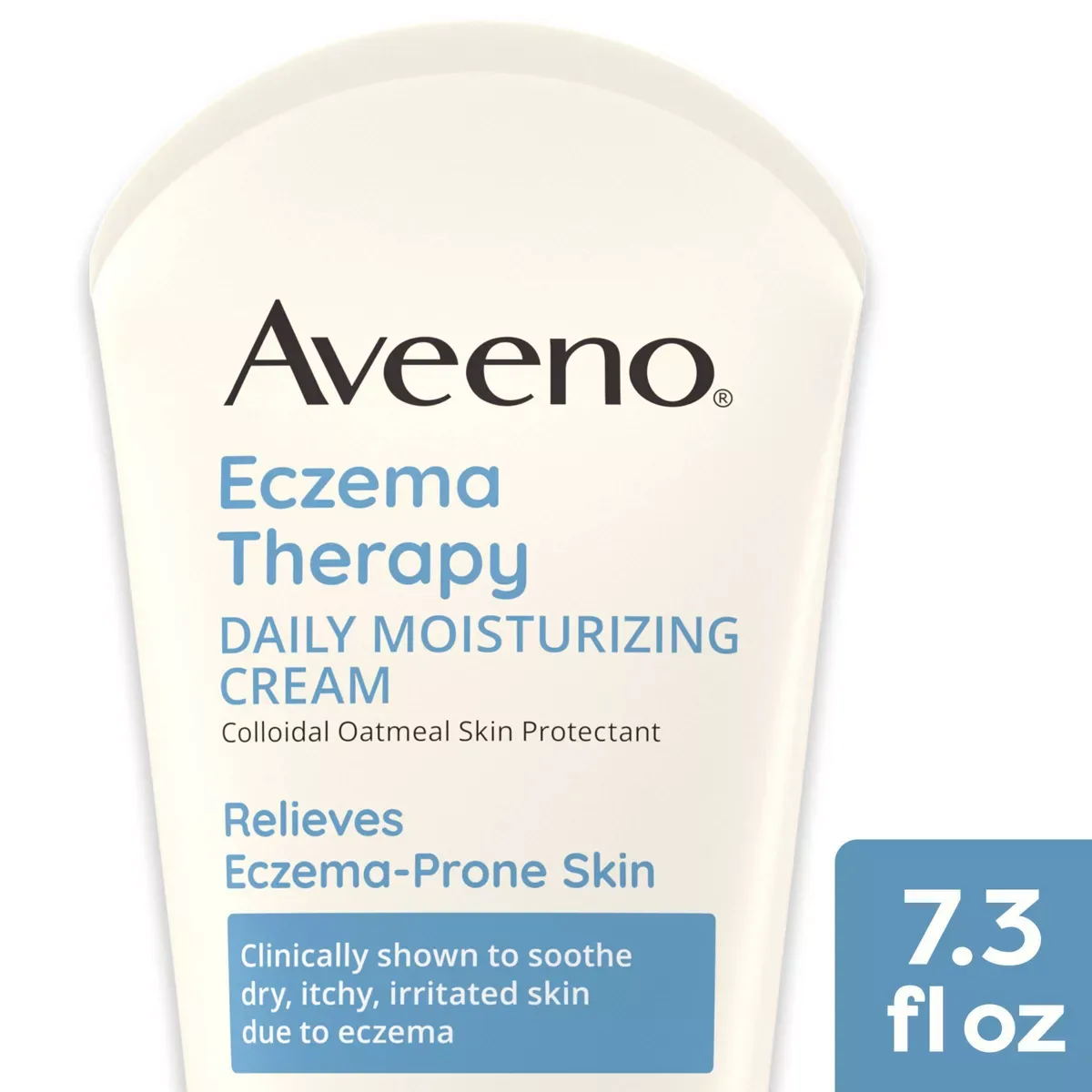 Eczema Gold Standard
 Eczema Therapy Moisturizing Cream
The strongest formulation in Aveeno's lineup for eczema-prone skin, combining FDA-regulated colloidal oatmeal with ceramide NP and panthenol for a multi-mechanism approach to barrier repair. Steroid-free, fragrance-free, and HSA/FSA eligible — this is the drugstore eczema cream dermatologists actually recommend by name.
 Sensitive Skin Soother
 Polyphenols In Propolis 15% Ampoule
A 15% propolis ampoule that earns its name with a real polyphenol stack — French Auvergne propolis layered over a houttuynia cordata base, with tulsi and pomegranate piling on. It's slightly sticky and not cheap by volume, but for sensitive, breakout-prone skin chasing calm, this is one of the most reliable K-beauty soothers in production.
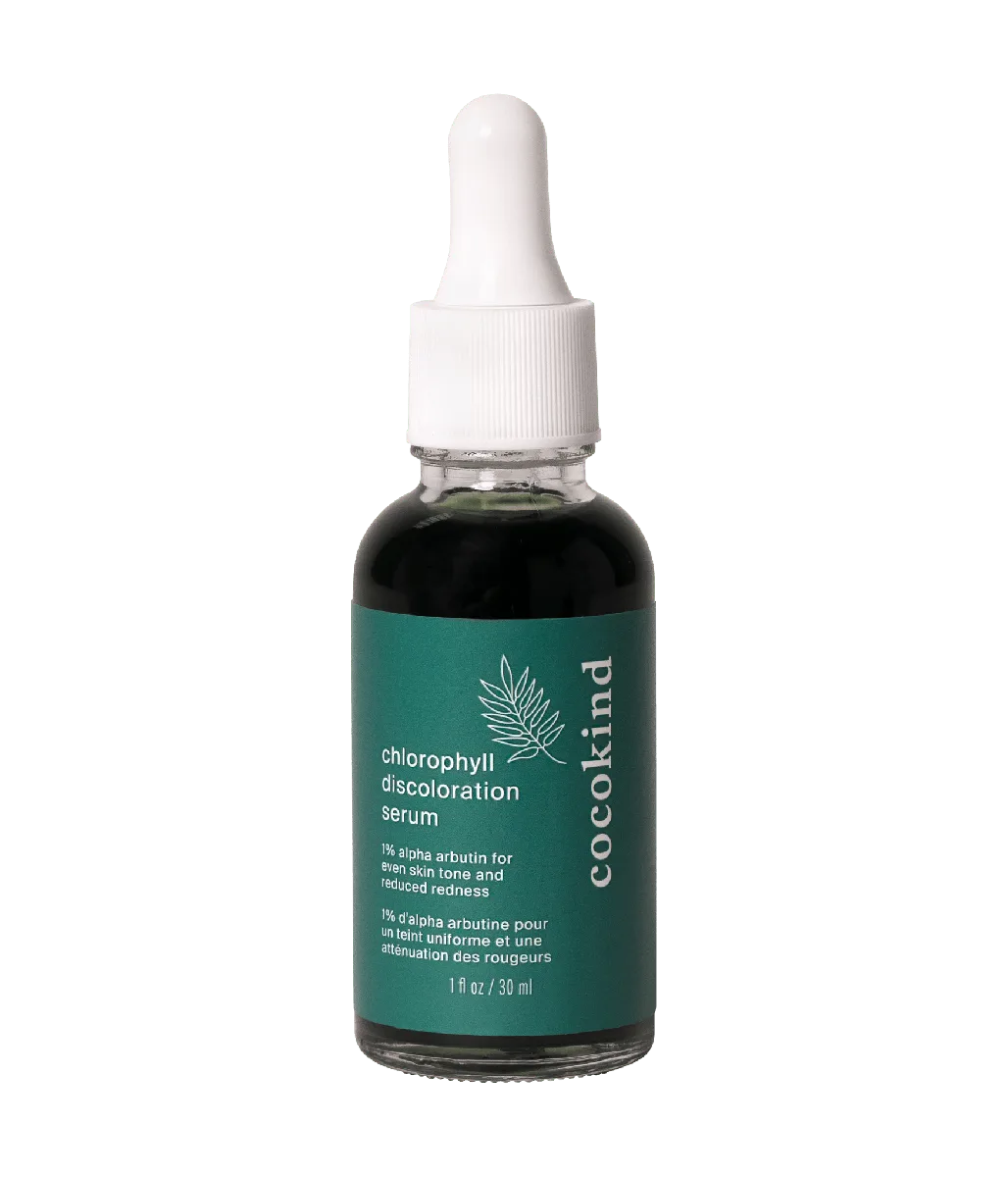 Budget Brightening Hero
 Chlorophyll Discoloration Serum
A quietly brilliant brightening serum that proves you do not need luxury prices or harsh actives to fade dark spots effectively. The alpha-arbutin and licorice root combination delivers genuine multi-pathway melanin inhibition, the sensitive-skin-friendly formula is impeccable, and $20 makes it accessible to virtually everyone. The chlorophyllin is more marketing differentiator than scientific powerhouse, but it does not hurt anything either.
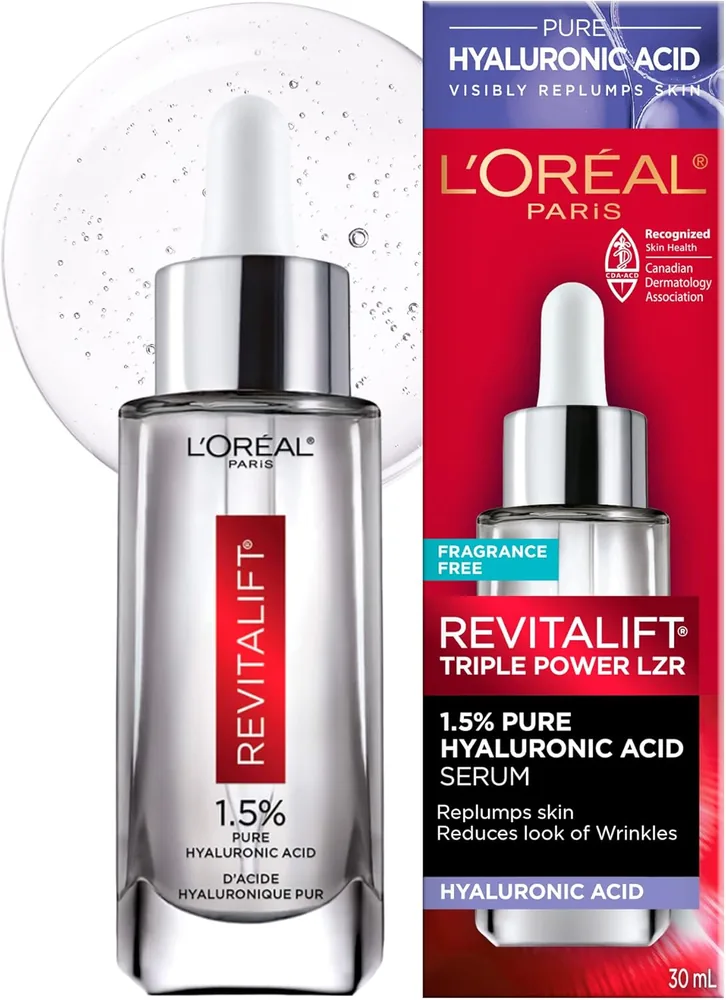 The People's HA Serum
 Revitalift Derm Intensives 1.5% Pure Hyaluronic Acid Serum
A masterclass in minimalist formulation — thirteen ingredients, no filler, four functional actives, and over thirty thousand glowing reviews. L'Oréal's multi-weight HA system delivers genuine hydration at every level of the skin, and the fragrance-free, alcohol-free formula is clean enough for virtually anyone. The drugstore serum that embarrasses its prestige competitors.
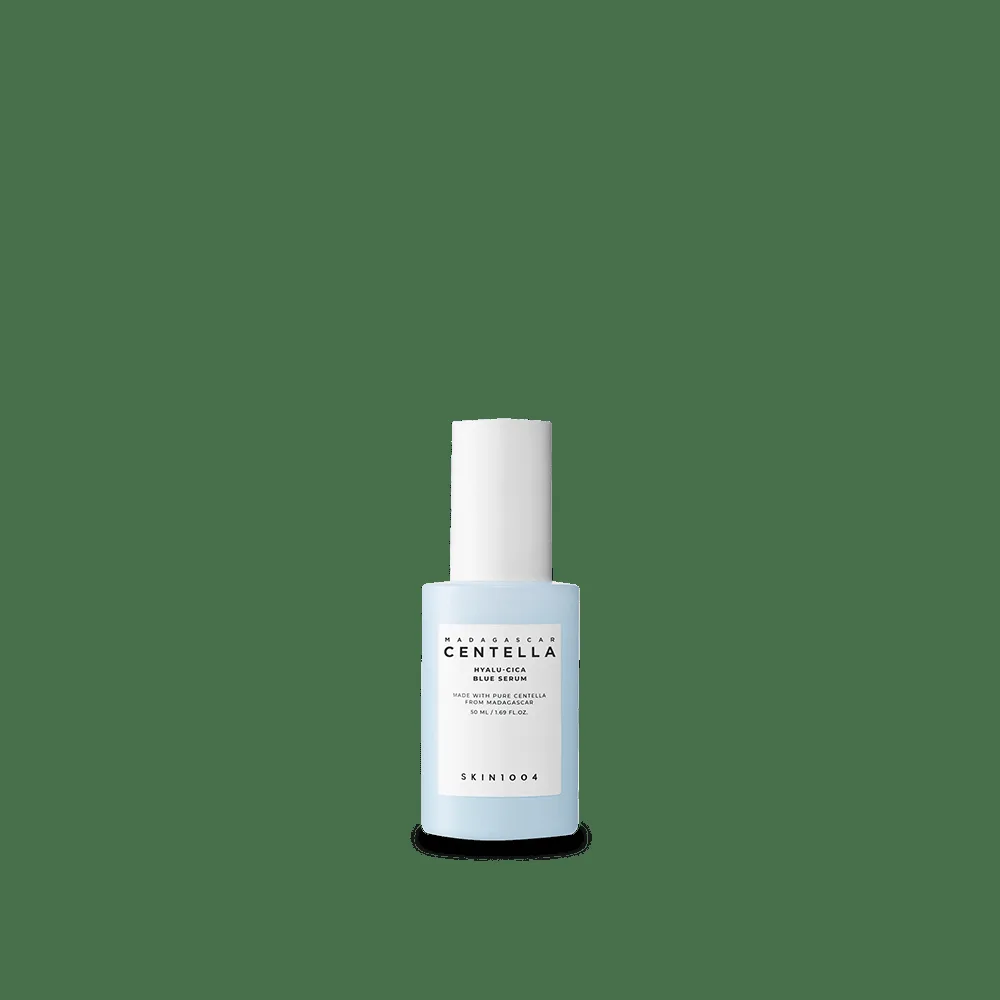 Budget Hydration Holy Grail
 Hyalu-Cica Blue Serum
A quietly excellent budget serum that stacks Centella asiatica leaf water, five types of hyaluronic acid, niacinamide, ceramide NP, and adenosine into a fragrance-free under-$20 bottle. It is genuinely one of the best hydration-plus-soothing serums at any price, and the fact that it costs less than a salad in Manhattan is the point.
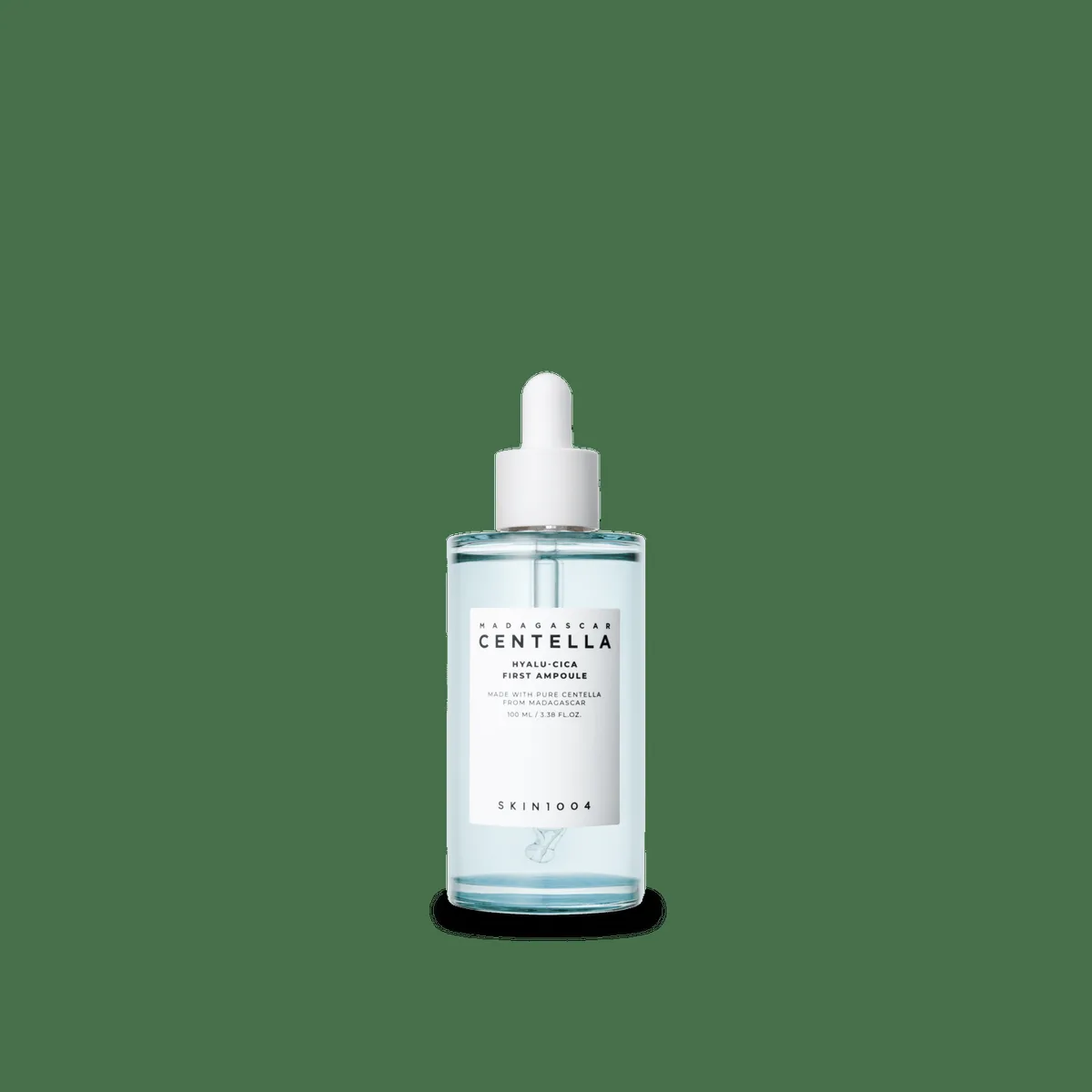 Sensitive Skin First-Line Defense
 Hyalu-Cica First Ampoule
A 92% Centella asiatica extract ampoule paired with niacinamide and a multi-weight HA complex, fragrance-free and purpose-built for sensitive, compromised, and reactive skin. At $25 for 100ml, it is one of the most justifiable skincare purchases a budget-conscious buyer can make, and it earns a place in almost any routine that needs a soothing anchor.