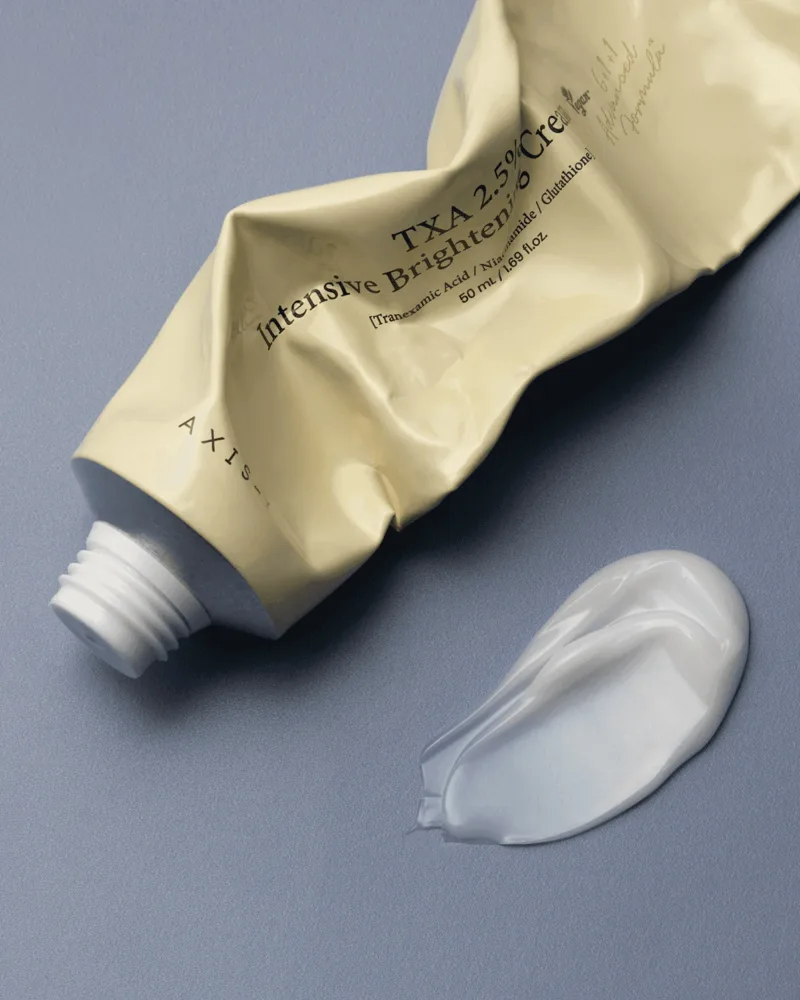
A thoughtful, well-concentrated tranexamic acid cream that delivers slow-but-real brightening without the irritation that sinks most pigmentation treatments. Ideal for post-acne marks and maintenance-grade melasma management for people who can commit to 3+ months of daily consistency.
TXA 2.5% Intensive Brightening Cream
A thoughtful, well-concentrated tranexamic acid cream that delivers slow-but-real brightening without the irritation that sinks most pigmentation treatments. Ideal for post-acne marks and maintenance-grade melasma management for people who can commit to 3+ months of daily consistency.
Score Breakdown
Where this product gains points and where it loses them — broken down across the four scoring pillars.
A well-formulated, non-irritating 2.5% tranexamic acid cream with a supportive barrier stack. The combination with niacinamide is mechanistically smart, and the price is fair for the concentration delivered.
Pros & Cons
- ✓Clinically relevant 2.5% tranexamic acid concentration
- ✓Zero tingle or irritation even on sensitive skin
- ✓Supportive ceramide and squalane barrier base
- ✓Can function as standalone moisturizer for most skin
- ✓Airless pump protects the active from oxidation
- ✓Non-competing mechanism allows stacking with vitamin C
- ✓Fragrance-free and vegan formulation
- ✗Slow onset — meaningful results require 8-12+ weeks
- ✗Deep or established melasma won't fully clear
- ✗Upper-end pricing for the Axis-Y range
- ✗Unclear pregnancy safety data for topical use
- ✗Requires diligent sunscreen habit to actually work
Full Review
Tranexamic acid has had one of the strangest glow-ups in skincare. For decades it existed in medicine primarily as an anti-bleeding drug — given during heavy menstruation, after surgery, to hemophilia patients. The pigmentation angle was a happy accident noticed when patients taking oral tranexamic acid for other reasons reported that their melasma was fading. Clinical researchers ran with it, and by the mid-2010s Korean and Japanese dermatology clinics were formulating topical versions. By 2023, it was the buzziest active in K-beauty brightening launches. And by this product, Axis-Y had put a clinically-relevant 2.5% into a daily cream available for $32 on the internet.
That's a fast migration from niche clinical curiosity to mainstream active, and the obvious question is whether the topical version at home-use concentrations actually delivers. The answer is a cautious yes, with important caveats about what 'deliver' means in a pigmentation context.
Tranexamic acid works by interfering with the plasmin-keratinocyte signaling pathway — essentially, it blocks the handshake that tells melanocytes to produce more pigment in response to UV damage, hormonal changes, and inflammation. That mechanism is genuinely different from how hydroquinone, vitamin C, or kojic acid address pigmentation, which matters because it means you can stack tranexamic acid with those other actives without redundancy. This cream pairs it with niacinamide, which has its own well-established mechanism (inhibiting melanosome transfer), and the combination is smart formulation thinking. Two different brakes on the same process.
What 2.5% actually feels like in practice: nothing. No tingling, no flushing, no heat, no peeling. Tranexamic acid is one of the most comfortable brightening actives you can use, which is a large part of why it's become the fashionable one. Compare it to 10% vitamin C (sting, oxidation, potential irritation), hydroquinone (rebound risk, ochronosis concerns with extended use), or retinol (peeling, photosensitivity), and the experience is uneventful by design. You apply a lightweight cream, it absorbs into a satin finish, and you go about your day.
The uneventfulness extends to how quickly you see results. This is not a week-one product. The first two weeks you'll see essentially nothing change. Week three or four you might notice that your post-acne marks have softened a touch. Week six to eight is when meaningful progress usually shows up — spots lightening, overall complexion looking more even, that 'wait, did something actually work?' moment that makes patience worth it. Melasma specifically, the pigmentation tranexamic acid was originally prized for, often takes three to four months to show clear improvement and benefits from continuing use indefinitely for maintenance. If you want fast, go to a clinic. If you want sustainable at-home progress on stubborn pigmentation, this is in the right category.
The formulation around the active is where this cream earns its place versus cheaper tranexamic acid products. The base contains ceramide NP, squalane, glycerin, panthenol, allantoin, and centella asiatica — a genuinely supportive barrier cocktail that means the cream functions as a moisturizer-treatment hybrid and doesn't demand an additional layer unless your skin is very dry. The 50ml airless pump jar protects the tranexamic acid from oxidation, which is practical. The texture is lightweight enough for summer humidity but comfortable enough for colder months.
Where the cream falls short: it's not a miracle worker on the worst pigmentation. Deep hormonal melasma that has been present for years, large solar lentigines, and dermal-layer pigmentation generally don't fully clear with any topical product — those respond to professional treatments. This cream can help prevent worsening and modestly fade surface components, but if your expectations are clean-slate complexion restoration, they'll be disappointed. It's also priced more like a serum than a cream — $32 is reasonable for the active concentration but is the upper end of Axis-Y's range and may feel steep if you're used to drugstore budgeting.
The tranexamic acid category is also competitive. You can find 3% TXA serums, 5% TXA ampoules, combinations with arbutin and kojic acid, and more. What recommends this specific product is the combination of a meaningful concentration, a supportive barrier base that lets it function as a standalone moisturizer, and the Axis-Y track record of transparent formulation without upsell fluff. You're paying for the active, not the branding.
For anyone dealing with post-inflammatory hyperpigmentation from acne, early-stage melasma, or general photo-damage and looking for an at-home treatment they can sustain for the 3-6 months these conditions actually require, this is a solid pick. Pair it with aggressive daily sunscreen — which you should be doing anyway, and without which any brightening treatment is a waste of money — and commit to the timeline. The results won't be dramatic, but they'll be real.
Formula
Key Ingredients
The hero actives that drive this product's performance.
| Ingredient | Function | Evidence |
|---|---|---|
| Tranexamic Acid (2.5%) | The headline active in this cream, targeting melanin production by interfering with the plasmin-keratinocyte signaling pathway that drives both hormonal melasma and post-inflammatory hyperpigmentation. 2.5% is a clinically meaningful topical concentration and is well above the token 0.5% some brightening products rely on. | promising |
| Niacinamide | Sits as the fourth ingredient, working in parallel to tranexamic acid by inhibiting melanosome transfer to keratinocytes. The two actives address pigmentation through different mechanisms, which is the thinking behind this cream's combination approach. | well-established |
| Ceramide NP | Supports the barrier while the brightening actives do their work. Pigmentation treatments often fail because users discontinue them due to irritation — the ceramide inclusion is the brand's hedge against that outcome. | well-established |
| Squalane | Provides the emollient base that keeps the cream feeling comfortable without adding pore-clogging esters. A supporting role for skin that wants a brightening treatment but doesn't want a heavy occlusive cream. | well-established |
| Centella Asiatica Extract | Calms the inflammation that often accompanies hyperpigmentation, particularly in post-acne marks. Its anti-inflammatory contribution complements the tranexamic acid's pigment-signaling inhibition. | promising |
Full INCI List · pH 5.5
Water, Glycerin, Butylene Glycol, Niacinamide, Tranexamic Acid, Caprylic/Capric Triglyceride, Cetearyl Olivate, Sorbitan Olivate, Squalane, 1,2-Hexanediol, Butyrospermum Parkii (Shea) Butter, Glyceryl Stearate, Cetearyl Alcohol, Panthenol, Allantoin, Centella Asiatica Extract, Sodium Hyaluronate, Ceramide NP, Adenosine, Tocopherol, Arginine, Carbomer, Disodium EDTA, Ethylhexylglycerin
Product Flags
✓ Fragrance Free✓ Alcohol Free✗ Oil Free✓ Silicone Free✓ Paraben Free✓ Sulfate Free✓ Cruelty Free✓ Vegan✗ Fungal Acne Safe
Compatibility
Skin Match
Best For
Works For
Not Ideal For
Addresses These Conditions
hyperpigmentation melasma dark spots post procedure
Routine Step
treatment
Time of Day
AM & PM
Pregnancy Safe
Unknown
Layering Tips
Apply after water-based serums and essences, before final moisturizer if needed. Can replace moisturizer for those wanting to simplify. Layer with daily SPF — brightening treatments are useless without sun protection.
Results Timeline
Initial subtle brightening may appear in 2-3 weeks. Meaningful reduction in pigmentation typically requires 8-12 weeks of consistent daily use, and melasma specifically can take 16+ weeks to show significant improvement. Sun protection is non-negotiable during treatment.
Pairs Well With
vitamin-cniacinamide-serumazelaic-acidsunscreen
Sample AM Routine
- Gentle cleanser
- Vitamin C serum
- Axis-Y TXA 2.5% Intensive Brightening Cream
- Sunscreen
Sample PM Routine
- Double cleanse
- Hydrating toner
- Retinol (alternate nights)
- Axis-Y TXA 2.5% Intensive Brightening Cream
- Moisturizer if needed
Evidence
Science & Expert Perspective
The Science
Tranexamic acid's anti-pigmentation mechanism centers on its inhibition of plasmin, an enzyme involved in the UV-induced signaling cascade between keratinocytes and melanocytes. When UV exposure or inflammation activates this pathway, it triggers melanocyte activity and increased melanin production; tranexamic acid interrupts that signal. Clinical research published in journals including the Journal of the American Academy of Dermatology has shown topical tranexamic acid at 2-5% produces statistically significant reductions in melasma pigmentation over 12 weeks, with efficacy comparable to 2% hydroquinone in several head-to-head trials but with substantially fewer adverse effects.
The 2.5% concentration here is within the established effective range. Higher concentrations (up to 5%) have been studied but do not necessarily produce proportionally better outcomes, and formulation stability becomes harder at higher TXA loads.
The niacinamide co-formulation is mechanistically distinct and additive rather than competitive. Niacinamide inhibits melanosome transfer from melanocytes to keratinocytes — the step after pigment production — while tranexamic acid inhibits the upstream signaling that drives production in the first place. A 2011 study in the Journal of Cosmetic Dermatology documented clinically significant brightening from 5% niacinamide over 12 weeks, and in this formulation niacinamide sits high enough on the INCI to be contributing meaningfully.
Ceramide NP's inclusion addresses a known reason pigmentation treatments fail in practice: barrier disruption. Multiple studies have linked compromised stratum corneum function to increased melanogenesis, meaning that treatments that irritate skin can actually exacerbate pigmentation while attempting to treat it.
Dermatologist Perspective
Dermatologists have increasingly embraced topical tranexamic acid over the past several years as a safer long-term alternative to hydroquinone, particularly for patients with melasma who need years of maintenance therapy. Board-certified dermatologists commonly recommend 2-5% topical tranexamic acid for at-home use, often in combination with in-office treatments like chemical peels or microneedling for more severe pigmentation. The appeal is that tranexamic acid can be used indefinitely without the cycling requirements or rebound risks associated with hydroquinone, making it well-suited for conditions like melasma that require ongoing management rather than one-time clearing. Dermatologists typically emphasize that no brightening treatment works without concurrent rigorous sun protection, and that patients starting tranexamic acid should expect to see results gradually rather than rapidly.
Guidance
Usage Guide
How to Use
Apply to clean skin after water-based serums and essences. A pea-sized amount is sufficient for the full face. Use once or twice daily — both AM and PM is optimal for faster results. Layer under sunscreen in the morning (non-negotiable) and over water-based products in the evening. Can replace moisturizer for most skin types, or be used under a separate moisturizer if skin is very dry. Commit to consistent use for at least 8 weeks before evaluating results. Discontinue if persistent redness or irritation develops, but this is uncommon with tranexamic acid.
Value Assessment
At $32 for 50ml, this sits on the higher end of the Axis-Y range but remains affordable compared to dermatologist-developed brightening creams at $60-$120. The cost-per-day for a three-to-four-month cycle comes out to under a dollar, which is reasonable for a clinically-relevant active concentration. Compared to luxury tranexamic acid products — some priced at $80+ for smaller sizes — you're getting most of the performance at less than half the cost. The value is genuinely strong if you're committed to the treatment; it becomes questionable only if you abandon the product before the 8-12 week window where results appear.
Who Should Buy
Anyone dealing with post-inflammatory hyperpigmentation, melasma, sun damage, or generally uneven tone who wants an at-home treatment they can sustain for months without irritation. Especially suited for sensitive skin that can't tolerate vitamin C or hydroquinone.
Who Should Skip
Pregnant or breastfeeding individuals (insufficient safety data), anyone seeking fast results (this is a 3-month commitment), people with deep established melasma requiring clinical treatment, and those who can't commit to daily sunscreen — without SPF, this product won't work.
Ready to try Axis-Y TXA 2.5% Intensive Brightening Cream?
Details
Details
Texture
Lightweight cream that absorbs into a satin finish
Scent
Fragrance-free
Packaging
50ml airless pump jar protecting the tranexamic acid from oxidation
Finish
satinnon-greasylightweight
What to Expect on First Use
No tingling, no purging, no visible changes in the first week or two. This is a slow-acting brightening treatment — expect subtle improvements to appear around week 3-4 and to accumulate gradually. If you want immediate gratification, this is the wrong product category entirely.
How Long It Lasts
3-4 months with twice-daily face application
Period After Opening
12 months
Best Season
All Year
Certifications
VeganCruelty-Free
Background
The Why
Axis-Y launched the TXA 2.5% cream as part of its expansion beyond core acne and brightening essentials into more targeted treatments. Tranexamic acid had become the fashionable active in Korean dermatology clinics for its efficacy in melasma, and the brand was one of the first K-beauty lines to offer a dedicated at-home cream with a clinically-relevant concentration.
About Axis-Y Emerging Brand (2–5 years)
Axis-Y launched in 2018 as a Korean-American collaboration focused on transparent, vegan formulations with a 5-3-1 ingredient philosophy. The brand has built credibility through ingredient honesty rather than clinical trials, and its formulas are well-regarded in the K-beauty community though independent third-party validation remains limited.
Brand founded: 2018 · Product launched: 2023
Myth vs. Reality
Myths & Misconceptions
Myth
Tranexamic acid only works for melasma, not other pigmentation.
Reality
While melasma is where the clinical research is strongest, tranexamic acid has been shown to help with post-inflammatory hyperpigmentation (PIH) and general photoaging marks as well. The plasmin pathway it targets is involved in multiple forms of pigmentation signaling.
Myth
2.5% is too low — clinics use oral tranexamic acid at much higher doses.
Reality
Oral and topical doses are not directly comparable. 2-5% topical tranexamic acid is the established range in dermatological formulations, and 2.5% puts this cream solidly in that effective window. Higher isn't automatically better — tolerance matters over the months-long use required.
Myth
You can skip sunscreen if you're using a brightening cream.
Reality
Completely backwards. Brightening actives are wasted effort without daily SPF. UV exposure drives the pigmentation pathway this cream is trying to interrupt, and any progress made overnight is undone by unprotected sun exposure during the day.
FAQ
Frequently Asked Questions
How long until I see results from tranexamic acid?
Expect subtle brightening at 2-3 weeks, clear progress at 6-8 weeks, and meaningful change in stubborn pigmentation at 12+ weeks. Melasma is the slowest-responding condition and may need 4+ months of consistent daily use. Patience is mandatory — this is not a fast active.
Can I use this with vitamin C or retinol?
Yes, this cream's ceramide and squalane base make it gentle enough to layer with both. Vitamin C pairs especially well in the morning — the two actives address pigmentation through different mechanisms and can complement each other without competition.
Is tranexamic acid safe during pregnancy?
Topical tranexamic acid lacks sufficient pregnancy safety data for us to confidently recommend it. Most OB-GYNs advise caution with all brightening treatments during pregnancy — melasma during pregnancy (chloasma) typically improves on its own postpartum, so waiting is usually the sensible choice.
Will this fade old sun damage?
It can help with surface pigmentation from cumulative sun damage, particularly diffuse brightening and lighter spots. Deep, well-established solar lentigines (sunspots) respond better to professional treatments like laser or chemical peels — this cream is a maintenance-grade option for ongoing use.
Is it a replacement for hydroquinone?
Not exactly. Hydroquinone is more aggressive and faster-acting but comes with stronger restrictions (prescription in many countries, cycling required, risk of ochronosis with overuse). Tranexamic acid is gentler and safer for long-term daily use, which is why derms increasingly favor it for maintenance after initial clearing.
Can I use this as my moisturizer?
For most skin types, yes — the base is emollient enough to serve as the final step. Very dry skin may still want an additional occlusive layer on top in winter.
Community
Community Voices
Common Praise
"Visible fading of post-acne marks after consistent use"
"Non-irritating even on sensitive skin"
"Pleasant lightweight cream texture"
"Good for sun-damage-prone users"
Common Complaints
"Slow to show results"
"Pricier than other Axis-Y products"
"Doesn't fully clear deep melasma"
Appears In
best tranexamic acid cream best brightening cream for melasma best k beauty pigmentation treatment best post acne mark cream
Related Conditions
hyperpigmentation melasma dark spots sun damage
Related Ingredients
You Might Also Like
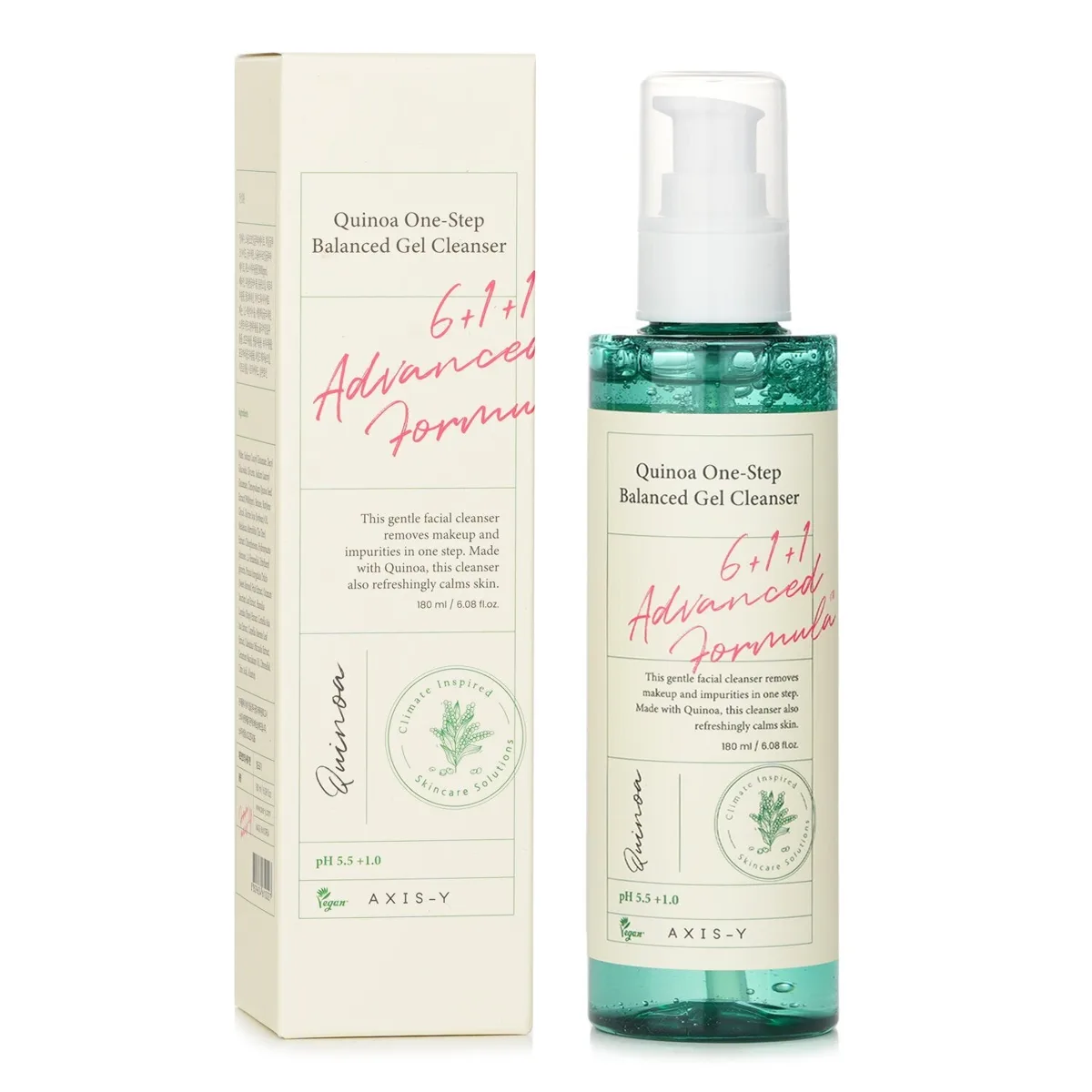 Quinoa-Led Gentle Daily Cleanser
 Quinoa One Step Balanced Gel Cleanser
A fragrance-free, sulfate-free gel cleanser built around quinoa seed extract and a gentle amphoteric-plus-nonionic surfactant pair. Non-stripping, broadly suitable, and priced reasonably — one of the safest recommendations in the daily gentle cleanser category.
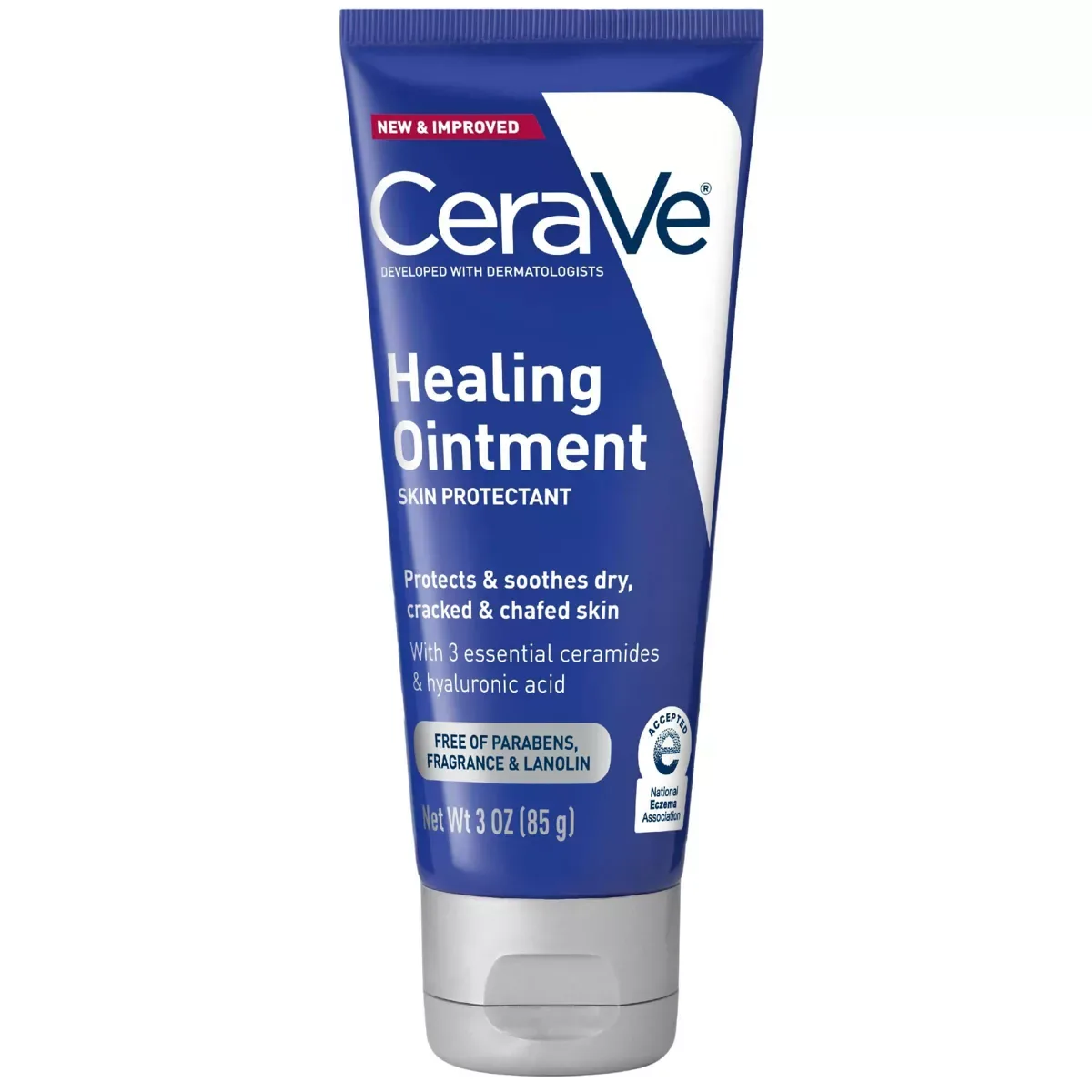 Barrier Rescue Hero
 Healing Ointment
CeraVe's Healing Ointment takes the simplest concept in skincare — seal the skin with petrolatum — and makes it genuinely intelligent by adding ceramides, hyaluronic acid, and panthenol beneath the occlusive layer. It is the gold standard drugstore occlusive for barrier rescue, slugging, and post-procedure care.
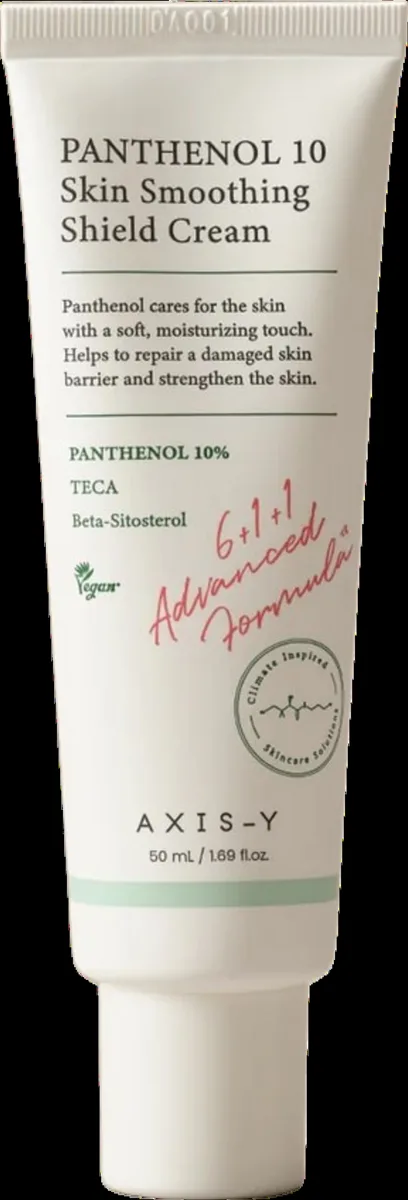 Transparent 10% Panthenol Cream
 Panthenol 10 Skin Smoothing Shield Cream
A disclosed 10% panthenol barrier cream built around a full physiological ceramide trio, a centella calming cast, and a modest shea butter occlusive. Fragrance-free, cross-season, and unusually transparent about its hero active — one of the brand's strongest moisturizer formulations.
 Derm Office Staple
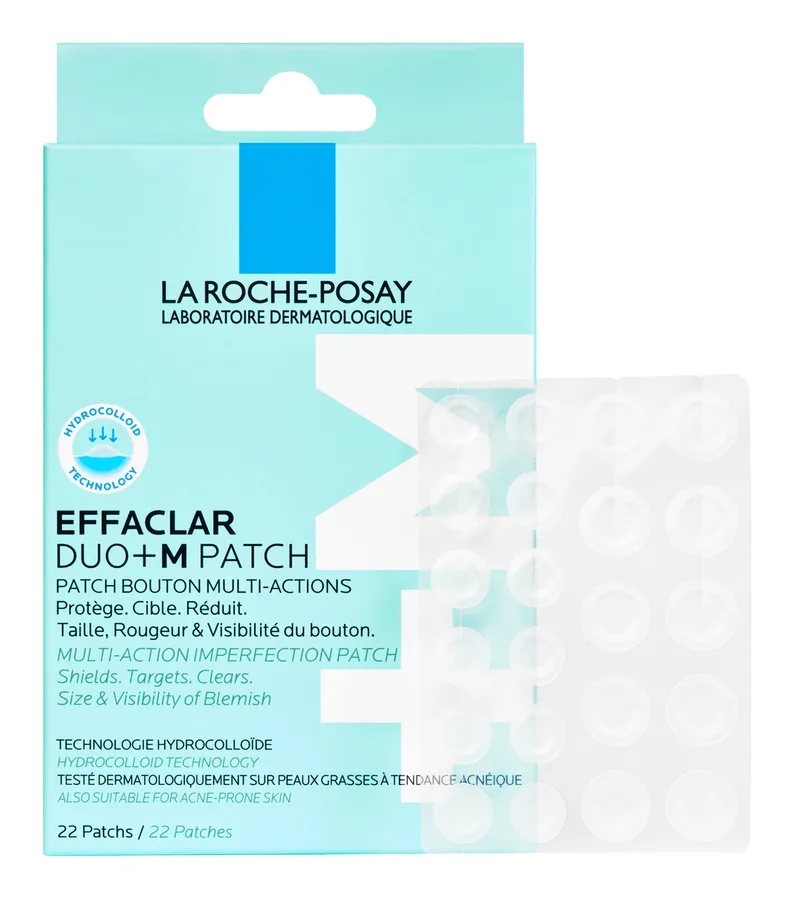
 Effaclar Multi-Target Blemish Patches
One of the few hydrocolloid pimple patches that actually stays on overnight without curling off at 3am. At 420 microns thick with two size options in one pack and zero actives to irritate sensitive skin, this is the Effaclar line's quiet overachiever — and a legitimately good answer for anyone whose acne routine has been sabotaged by thinner patches that refuse to stay put.
 Reactive-Skin Cult Favorite
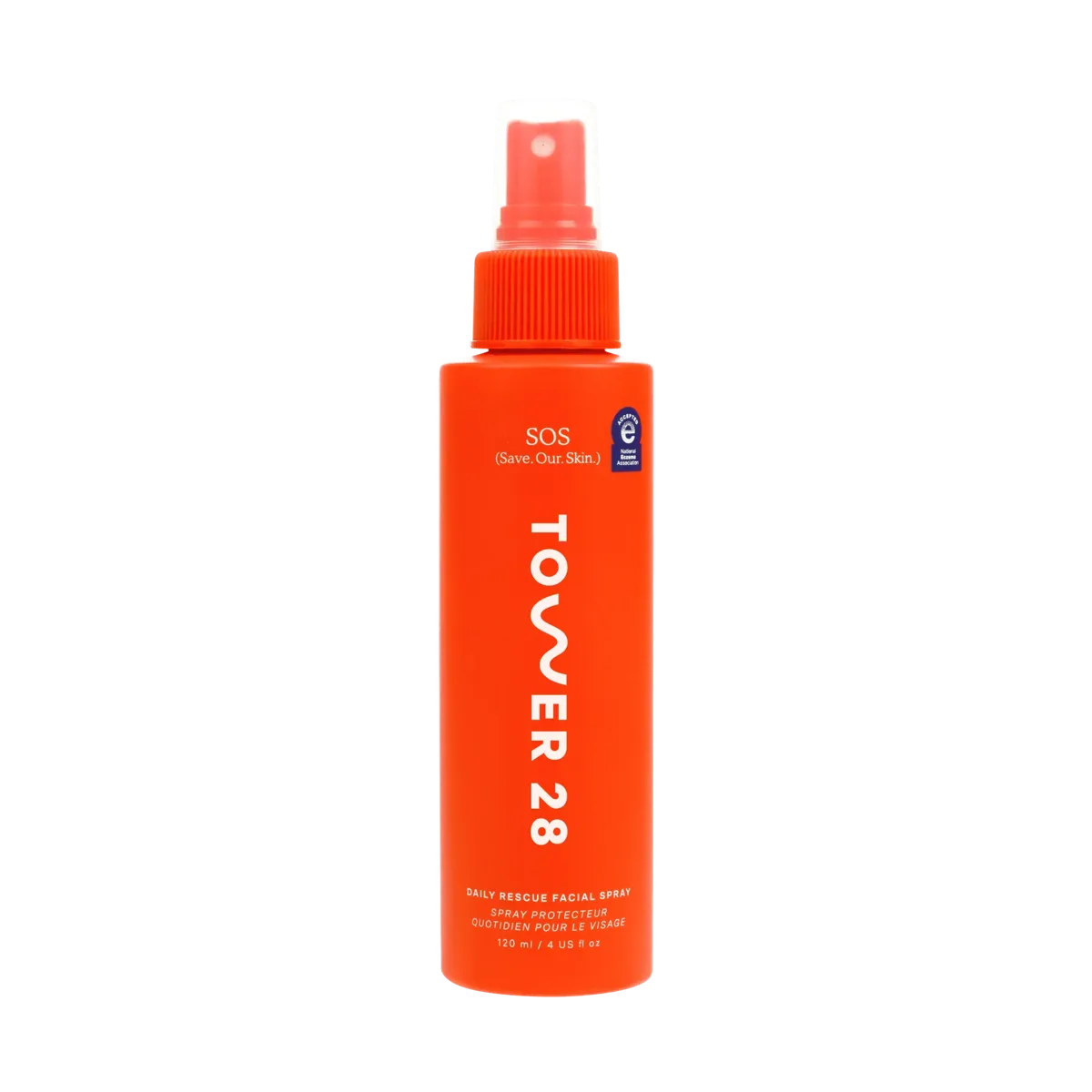
 SOS Save Our Skin Daily Rescue Facial Spray
The product that single-handedly brought hypochlorous acid into mainstream skincare. A fine-mist HOCl spray with genuine dermatology-organization validation, a near-perfect tolerability profile, and a cult following among people whose skin reacts to everything else. The price runs steeper than medical-grade HOCl, but the stabilization and design are worth the difference for daily use.
 K-Beauty Transparency MVP
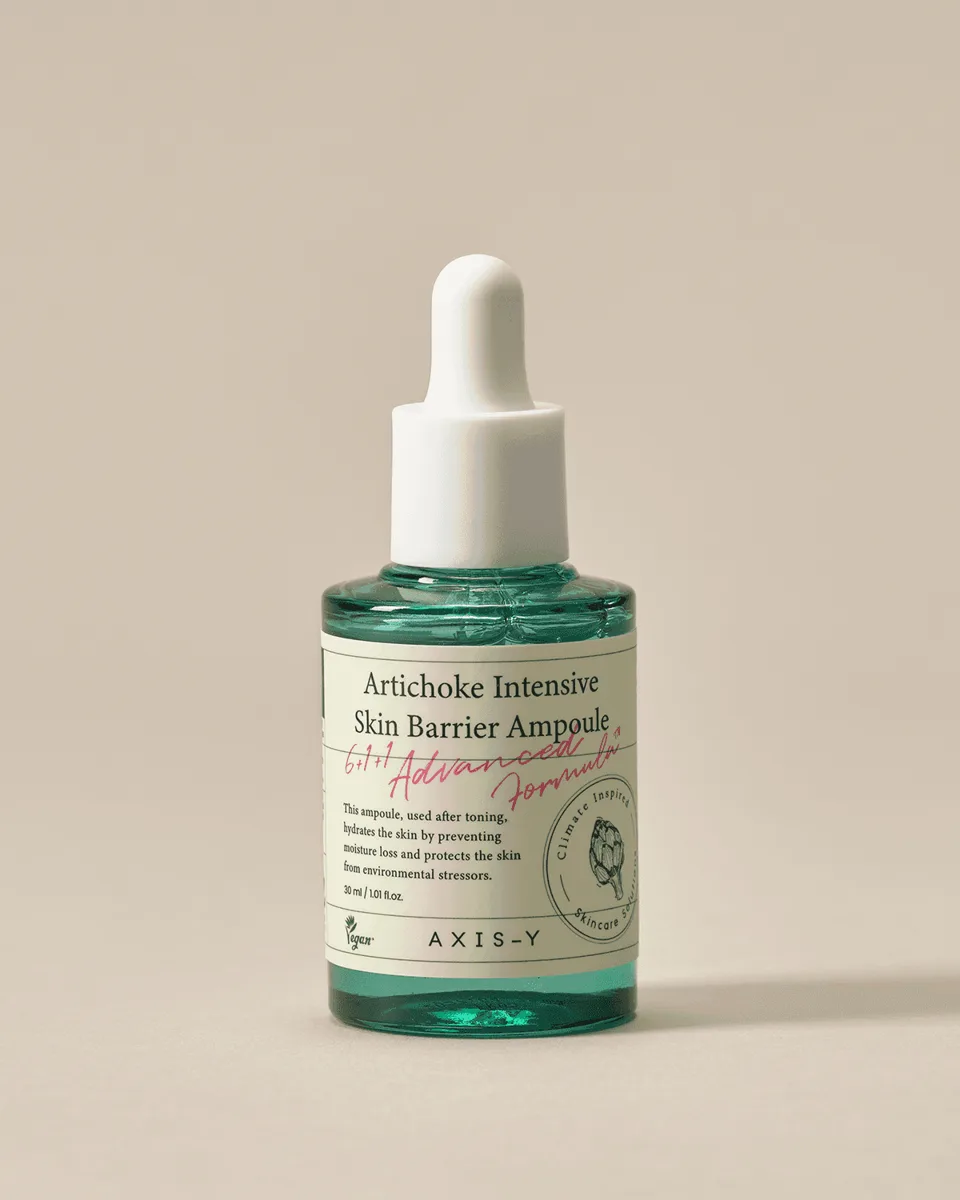
 Artichoke Intensive Skin Barrier Ampoule
One of the best-value fragrance-free barrier ampoules in Korean beauty, with a genuinely interesting hero ingredient and a transparent formulation philosophy. It's not flashy and it won't transform your skin overnight, but it quietly fixes what's wrong with reactive barriers and does it for a third of the price of luxury competitors.