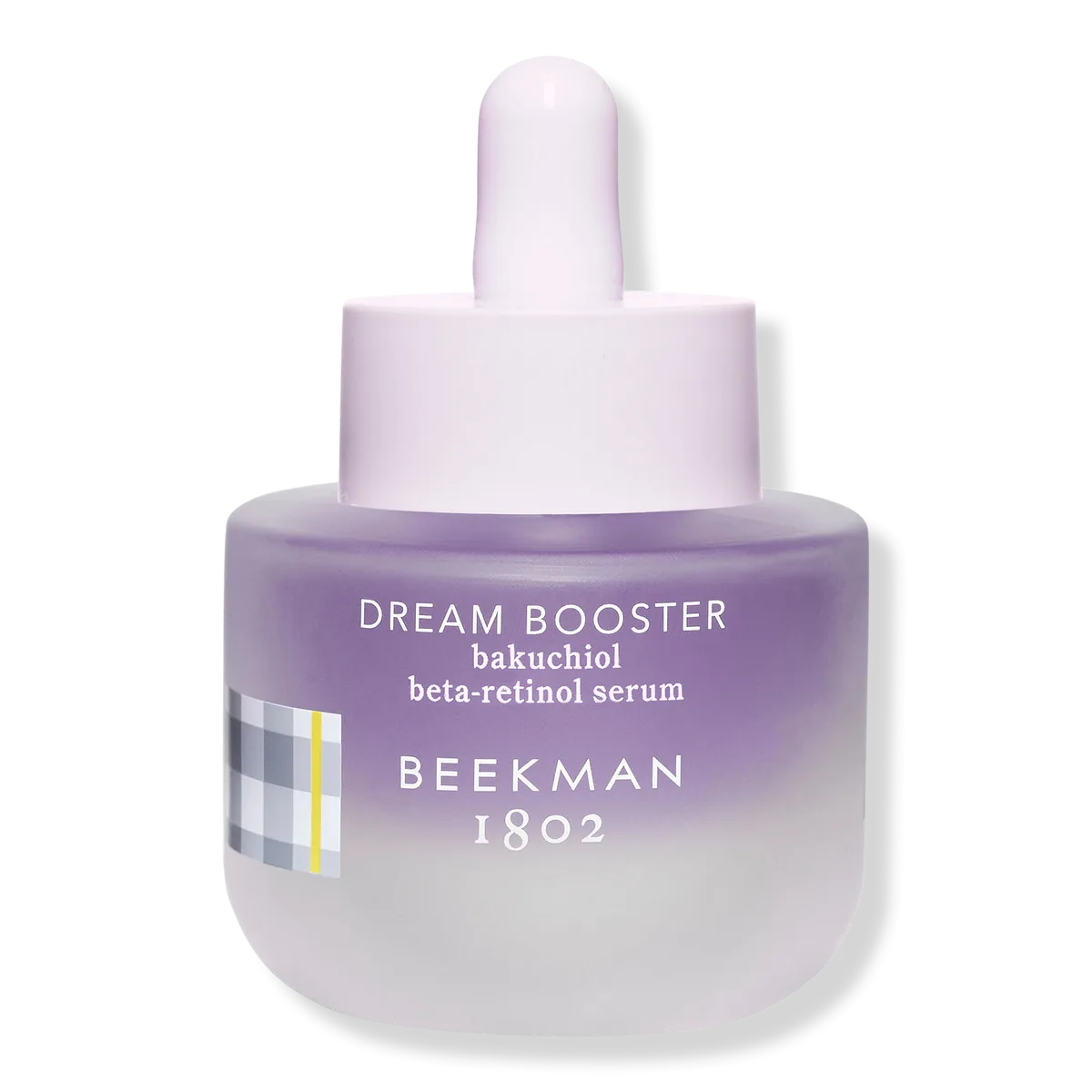
A clean, fragrance-free, vegan bakuchiol oil serum at a fair price — Beekman steps outside its goat-milk core range to build something genuinely different, with a thoughtful Ayurvedic botanical blend supporting the bakuchiol. Worth it if retinol doesn't work for you and you want a gentle plant-based alternative; the undisclosed bakuchiol percentage is the only real transparency gap.
Dream Booster Bakuchiol Better Aging Serum
A clean, fragrance-free, vegan bakuchiol oil serum at a fair price — Beekman steps outside its goat-milk core range to build something genuinely different, with a thoughtful Ayurvedic botanical blend supporting the bakuchiol. Worth it if retinol doesn't work for you and you want a gentle plant-based alternative; the undisclosed bakuchiol percentage is the only real transparency gap.
Score Breakdown
Where this product gains points and where it loses them — broken down across the four scoring pillars.
A clean, fragrance-free bakuchiol oil serum at a reasonable price — solid carrier oils, real antioxidant support, vegan, pregnancy-safe. Undisclosed bakuchiol percentage is the main transparency gap.
Pros & Cons
- ✓Bakuchiol in a thoughtful oil matrix with linoleic-acid-rich sunflower carrier
- ✓Fragrance-free and vegan — unusual for Beekman and welcome for sensitive users
- ✓Ayurvedic botanical blend adds antioxidant support beyond a minimalist formula
- ✓Pregnancy-compatible alternative to retinol with real clinical backing
- ✓No purging, tingling, or adjustment period
- ✓Fair $29 starting price with a larger jumbo size for better value
- ✓Established product with substantial user feedback
- ✗Bakuchiol percentage not disclosed on packaging
- ✗Slower visible results than comparable retinol products
- ✗15 ml regular size is small for a nightly treatment
- ✗Oil base not ideal for fungal acne sufferers
- ✗Faint herbal aroma from extracts may surprise users expecting odorless oil
Full Review
Beekman 1802 has spent the better part of two decades building its identity around goat milk. Goat milk soap was the original product back in 2008. Goat milk shows up second on the INCI list of nearly every Beekman skincare item launched since. The brand's published research is about goat milk and the skin microbiome. So it's genuinely surprising to flip the Dream Booster bottle over and find an INCI list that contains zero goat milk, zero ferments, zero water — just plant oils, bakuchiol, and an Ayurvedic-leaning botanical blend. This is the rare Beekman product that abandons the brand's signature platform entirely, and that decision is interesting because it suggests the brand is willing to build outside its identity when the active itself demands a different vehicle.
Bakuchiol is one of the few clinically studied retinol alternatives that actually has data behind it. A frequently cited 2018 trial in the British Journal of Dermatology compared 0.5% bakuchiol applied twice daily against 0.5% retinol applied once daily over 12 weeks. The two ingredients delivered comparable improvements in wrinkle depth and pigmentation, with significantly less scaling, dryness, and stinging in the bakuchiol group. Earlier in vitro work showed that bakuchiol activates similar gene expression pathways to retinol without binding the same receptors, which is mechanistically how it produces similar effects with a different side-effect profile. The trade-off is timeline: bakuchiol is slower than retinol, and users expecting retinol-speed transformation will be disappointed. Users who want sustained, gentle progress over 8-12 weeks without flaking, redness, or sun sensitivity will be pleased.
What sets Dream Booster apart from cheaper bakuchiol products is the carrier matrix. Most minimalist bakuchiol oils use medium-chain triglycerides or a single plant oil — fine, functional, unexciting. Beekman uses sunflower seed oil as the primary base, which matters: sunflower is high in linoleic acid, and linoleic acid deficiency is associated with the kind of barrier compromise that retinol-class actives can otherwise worsen. So the carrier is doing real barrier-supportive work, not just delivering the active. On top of that sit jojoba (a liquid wax that mimics human sebum), squalane (a skin-identical lipid), and moringa oil (antioxidant-rich and well tolerated). Vitamin E stabilizes the whole formula against oxidation, which matters in an oil-based product where rancidity is a real risk.
Then there's the Ayurvedic botanical blend, and this is where the formula gets genuinely interesting. Eclipta prostrata, neem, turmeric, holy basil, basil, ivy gourd, eggplant fruit extract, coral seaweed, aloe — these aren't filler-tier extracts. They're a coherent botanical tradition that Beekman has built into the formulation, and several have published evidence for antioxidant, anti-inflammatory, or barrier-supportive effects. None of them are doing the headline anti-aging work — that's bakuchiol's job — but they create a more sophisticated supporting context than you'd find in a $15 minimalist bakuchiol oil.
The texture is a lightweight golden oil that absorbs in about a minute and leaves a soft satin finish. There's no fragrance — the product is genuinely fragrance-free, which puts it within reach of users who couldn't tolerate Beekman's water-based serums in the Dewy Eyed line. There's no purging, no tingling, no adjustment period. The product is also fully vegan, which is unusual for the brand and worth flagging for vegan readers who normally have to skip Beekman entirely.
The honest caveats are short. Beekman doesn't disclose the bakuchiol percentage, which is mildly frustrating for users who want to compare against the published research range. The 15 ml regular size is small for a treatment serum, though the 0.95 oz jumbo size offers better per-ml value. Oil-based bakuchiol products generally aren't ideal for fungal acne sufferers because the carrier oils can feed Malassezia, even though the formula is otherwise non-comedogenic. And the slower bakuchiol timeline is a real consideration if you've been spoiled by retinol's faster results.
For someone asking whether to buy this, we'd say yes if you want a clean, vegan, fragrance-free bakuchiol serum from a brand with a real track record, and especially if you're pregnant or sensitive-skinned and need a retinol alternative that won't compromise your barrier. Skip it if you have fungal acne, if you're already happy with a retinol routine and don't need an alternative, or if you want stated active percentages for full formulation transparency.
Formula
Key Ingredients
The hero actives that drive this product's performance.
| Ingredient | Function | Evidence |
|---|---|---|
| Bakuchiol | The plant-derived alternative to retinol that Beekman positions as 4x gentler — works through similar pathways to nudge collagen and turnover, and here it sits in a stable oil base that protects its potency without the water-phase complications that can degrade it. | promising |
| Sunflower Seed Oil | Carries the bakuchiol in a linoleic-acid-rich base that supports the skin barrier rather than just delivering the active — particularly useful since linoleic acid deficiency is associated with the kind of barrier compromise that retinol-class actives can otherwise worsen. | well-established |
| Squalane | A skin-identical lipid that provides lightweight emollience without occlusion — pairs with the sunflower and jojoba oils to give this serum its cushioned-but-not-greasy feel and helps the bakuchiol distribute evenly across the skin. | well-established |
| Jojoba Seed Oil | A liquid wax that closely mimics human sebum, helping balance oil production while supporting the lipid-rich base — particularly compatible with users who want a gentle bakuchiol vehicle that works for both oily and dry skin. | well-established |
| Moringa Seed Oil | An antioxidant-rich oil that adds environmental defense to the bakuchiol's anti-aging work — included alongside the Ayurvedic botanical blend that gives this serum its distinctive plant-driven backbone. | promising |
| Vitamin E (Tocopheryl Acetate) | Stabilizes the bakuchiol and the carrier oils against oxidation, which matters in an oil-based formula where rancidity is a real risk — and contributes its own antioxidant work alongside the botanical extracts. | well-established |
Full INCI List
Helianthus Annuus (Sunflower) Seed Oil, Coco-Caprylate/Caprate, Simmondsia Chinensis (Jojoba) Seed Oil, Squalane, Bakuchiol, Tocopheryl Acetate, Eclipta Prostrata Extract, Melia Azadirachta Leaf/Flower Extract, Corallina Officinalis Extract, Coccinia Indica Fruit Extract, Moringa Oleifera Seed Oil, Solanum Melongena Fruit Extract, Aloe Barbadensis Flower Extract, Curcuma Longa (Turmeric) Root Extract, Ocimum Basilicum (Basil) Flower/Leaf Extract, Ocimum Sanctum Leaf Extract
Product Flags
✓ Fragrance Free✓ Alcohol Free✗ Oil Free✓ Silicone Free✓ Paraben Free✓ Sulfate Free✓ Cruelty Free✓ Vegan✗ Fungal Acne Safe
Compatibility
Skin Match
Best For
normal dry combination sensitive
Works For
Not Ideal For
Addresses These Conditions
aging dullness texture sensitivity compromised skin barrier
Use With Caution
Routine Step
treatment
Time of Day
PM
Pregnancy Safe
Yes ✓
Layering Tips
Apply 1-2 drops at night after water-based serums, before moisturizer — or as the last step if you prefer oil as a sealing layer. Bakuchiol is photostable, so AM use is technically fine, but PM use lets it work alongside the skin's overnight repair cycle. Always wear SPF during the day.
Results Timeline
Immediate: skin feels nourished and cushioned with a satin glow. Short-term (1-2 weeks): improved softness and surface texture. Full benefits (8-12 weeks): visible improvement in fine lines, pore appearance, and overall tone — bakuchiol works on a slower timeline than retinol but with a much gentler side effect profile.
Pairs Well With
hyaluronic-acidpeptidesniacinamideceramides
Sample AM Routine
- Gentle cleanser
- Vitamin C serum
- Moisturizer
- SPF 50
Sample PM Routine
- Cleanser
- Hydrating toner
- Beekman 1802 Dream Booster Bakuchiol Better Aging Serum
- Moisturizer
Evidence
Science & Expert Perspective
The Science
Bakuchiol is the most clinically studied retinol alternative on the market, and the evidence supporting its anti-aging effects has grown substantially over the past decade. A 2018 trial in the British Journal of Dermatology compared 0.5% bakuchiol applied twice daily against 0.5% retinol applied once daily over 12 weeks and found comparable improvements in wrinkle depth and pigmentation, with significantly less scaling, dryness, and stinging in the bakuchiol group. Earlier in vitro work suggested bakuchiol activates retinol-related gene expression without binding to the same receptors, which helps explain how it produces similar effects with a different side-effect profile. The carrier matters a lot in oil-based bakuchiol formulations. Sunflower seed oil — used here as the primary base — is high in linoleic acid, and clinical work has shown that topical linoleic acid supports barrier function and can improve outcomes in barrier-compromised skin. Jojoba oil's evidence base for barrier support and sebum mimicry is robust; squalane's evidence for emollience and barrier integrity is similarly well established. The Ayurvedic botanical blend is where the evidence varies. Eclipta prostrata (false daisy), neem, turmeric, and holy basil all have published antioxidant and anti-inflammatory data, mostly from in vitro and animal studies, with smaller human trials in specific contexts. None of these botanicals are doing the headline anti-aging work, but they create an antioxidant-rich supporting context that complements the bakuchiol's collagen and cell-turnover effects. What makes this formulation interesting scientifically is the coherence: bakuchiol provides the active treatment, the carrier oils handle barrier and lipid support, vitamin E stabilizes the system against oxidation, and the botanical blend adds antioxidant defense — none of it is wasted, and all of it serves the central thesis.
Dermatologist Perspective
Dermatologists frequently recommend bakuchiol as a starting point for patients who can't tolerate retinol — sensitive skin, rosacea-prone, eczema-prone, or pregnant patients — because the published evidence supports real anti-aging effects with a much milder side-effect profile. Board-certified dermatologists generally view 0.5-1% bakuchiol as the clinically validated range, and oil-based formulations using barrier-supportive carriers like sunflower, jojoba, and squalane tend to get more recommendation traction than products built on heavier or potentially comedogenic oils. The main caveat dermatologists raise is timeline expectations: patients accustomed to retinol may expect bakuchiol to deliver similar results in similar timeframes, and managing those expectations matters. Dermatologists also remind patients that no topical anti-aging product replaces daily SPF, and that retinol — when tolerated — still has the deepest evidence base for visible results.
Guidance
Usage Guide
How to Use
Apply 1-2 drops at night onto clean, dry skin after cleansing and any water-based serums, before moisturizer — or as the last step if you prefer using oil as a sealing layer. Press gently into the face and neck, avoiding the immediate eye area. Bakuchiol is photostable, so AM use is also fine, but PM use lets it work alongside the skin's overnight repair cycle. Always wear SPF 30+ during the day. Give the serum a full 8-12 weeks of consistent use before judging fine-line results. The brand recommends continued SPF use for at least a week after stopping the product.
Value Assessment
At $29 for the 15 ml regular size — or roughly $48 for the 0.95 oz jumbo — Dream Booster lands in fair-value territory for a clean, well-formulated bakuchiol serum. The jumbo size offers meaningfully better per-ml value, and most committed users will land there once they've confirmed they like the product. Per month, the regular size works out to roughly $10-$15 with nightly use, which is genuinely reasonable for a treatment serum from an established brand. Beekman's track record, the thoughtful carrier matrix, and the vegan, fragrance-free formulation all support the price. The transparency gap on the bakuchiol percentage is the main drag on the value argument — buyers can't directly compare against the clinical research range. For sensitive-skinned and pregnant users who need a gentle anti-aging option and can't tolerate retinol, the math is favorable.
Who Should Buy
Buyers who want a clean, vegan, fragrance-free bakuchiol serum from a brand with a real track record — and especially anyone who is pregnant, breastfeeding, or sensitive-skinned and needs a retinol alternative that won't compromise their barrier. Also a strong pick for first-time anti-aging users who want a gentle on-ramp.
Who Should Skip
Skip if you have fungal acne (Malassezia folliculitis), if you're already happy with a retinol routine and don't need an alternative, if you require stated active percentages for full formulation transparency, or if you simply dislike oil textures on your face.
Ready to try Beekman 1802 Dream Booster Bakuchiol Better Aging Serum?
Details
Details
Texture
Lightweight golden oil that absorbs in about a minute leaving a soft satin finish
Scent
Naturally faint herbal-vegetal aroma from the botanical extracts; no added fragrance
Packaging
Frosted glass bottle with dropper applicator
Finish
satinnon-greasynatural
What to Expect on First Use
First few uses feel cushioned and lightly nourishing — no tingling, no purging, no flaking. This is by design; bakuchiol's appeal is the absence of the retinol adjustment period. Most users notice softer skin within days but real fine-line work takes 8-12 weeks.
How Long It Lasts
2-3 months at the 15 ml size with nightly application
Period After Opening
12 months
Best Season
All Year
Certifications
cruelty-freevegan
Background
The Why
Beekman 1802 launched Dream Booster in 2021 as the brand's first serious move into anti-aging treatment territory, choosing bakuchiol over retinol to stay consistent with its gentle positioning. Unusually for Beekman, this product steps outside the goat-milk core range — it's a fully vegan, oil-based formula, demonstrating that the brand can build outside its signature platform when the active demands a different vehicle.
About Beekman 1802 Established Brand (5–20 years)
Beekman 1802 launched in 2008 from a Sharon Springs, NY goat farm and has built a microbiome-focused skincare line backed by published in-house research and several National Eczema Association seals — Dream Booster sits in their oil serum collection alongside the goat milk core range.
Brand founded: 2008 · Product launched: 2021
Myth vs. Reality
Myths & Misconceptions
Myth
Bakuchiol works exactly like retinol with no downsides
Reality
Bakuchiol activates similar pathways but is structurally different and works more slowly. It's gentler, but the trade-off is that visible results take longer than with comparable retinol products.
Myth
Oil-based serums clog pores
Reality
The carrier oils in this serum — sunflower (high linoleic), jojoba, squalane — are among the least pore-clogging in skincare. Most users with combination or even oily skin tolerate this formula without breakouts.
FAQ
Frequently Asked Questions
Is bakuchiol really as effective as retinol?
Studies show bakuchiol delivers measurable anti-aging effects on a slower timeline than retinol. For users who can't tolerate retinol — sensitive skin, pregnancy, eczema-prone — Beekman's bakuchiol oil serum is a meaningful alternative. For users who tolerate retinol well, retinol still has a deeper evidence base.
Can I use this if I'm pregnant or breastfeeding?
Yes. Bakuchiol is one of the few clinically studied anti-aging actives considered pregnancy-safe, and the rest of this formula — plant oils and botanical extracts — is also pregnancy-compatible. It's fragrance-free, vegan, and free of any flagged actives.
How long until I see results?
Skin softness and texture improve within 1-2 weeks. Visible improvement in fine lines and tone takes 8-12 weeks of consistent nightly use. Bakuchiol works more slowly than retinol — patience is part of the deal.
Will this oil cause breakouts?
For most users, no. The carrier oils — high-linoleic sunflower, jojoba, squalane — are among the least comedogenic in skincare. Users with fungal acne should be cautious because oils can feed Malassezia, but standard acne-prone skin generally tolerates this formula well.
Is the bakuchiol concentration listed?
Beekman doesn't publicly state the exact bakuchiol percentage. Most clinical research uses 0.5-1%, and based on its position on the INCI list this serum likely falls in that range, but the exact figure isn't disclosed.
Will it cause purging like retinol does?
No. Bakuchiol typically doesn't trigger the purging response that retinol can cause. Most users report no adjustment period at all, which is part of why the ingredient has gained popularity for sensitive skin.
Can I use it in the morning?
Yes — bakuchiol is photostable, unlike retinol. The PM positioning is more about layering with the skin's overnight repair cycle than about photosensitivity. Daytime use is fine if you wear SPF, which you should be doing anyway.
Community
Community Voices
Common Praise
"Users consistently praise how gentle it is compared to retinol"
"Visible texture improvement over weeks"
"Fragrance-free and well-tolerated"
"Pleasant lightweight oil feel"
Common Complaints
"Bakuchiol percentage not stated on packaging"
"Slower results than retinol"
"Small 15 ml regular size"
"Oil texture not for everyone"
Appears In
best bakuchiol serum best retinol alternative best pregnancy safe anti aging serum best vegan bakuchiol serum best fragrance free anti aging serum
Related Conditions
aging dullness texture sensitivity
Related Ingredients
You Might Also Like
 Sensitive Skin Soother
 Polyphenols In Propolis 15% Ampoule
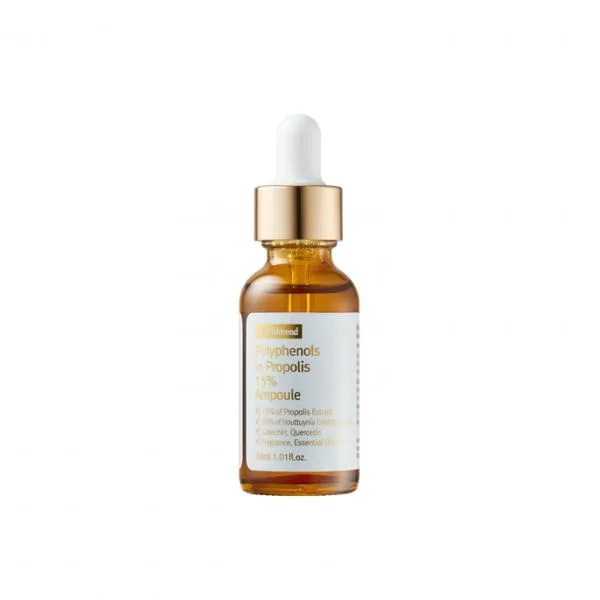
A 15% propolis ampoule that earns its name with a real polyphenol stack — French Auvergne propolis layered over a houttuynia cordata base, with tulsi and pomegranate piling on. It's slightly sticky and not cheap by volume, but for sensitive, breakout-prone skin chasing calm, this is one of the most reliable K-beauty soothers in production.
 Budget Brightening Hero
 Chlorophyll Discoloration Serum
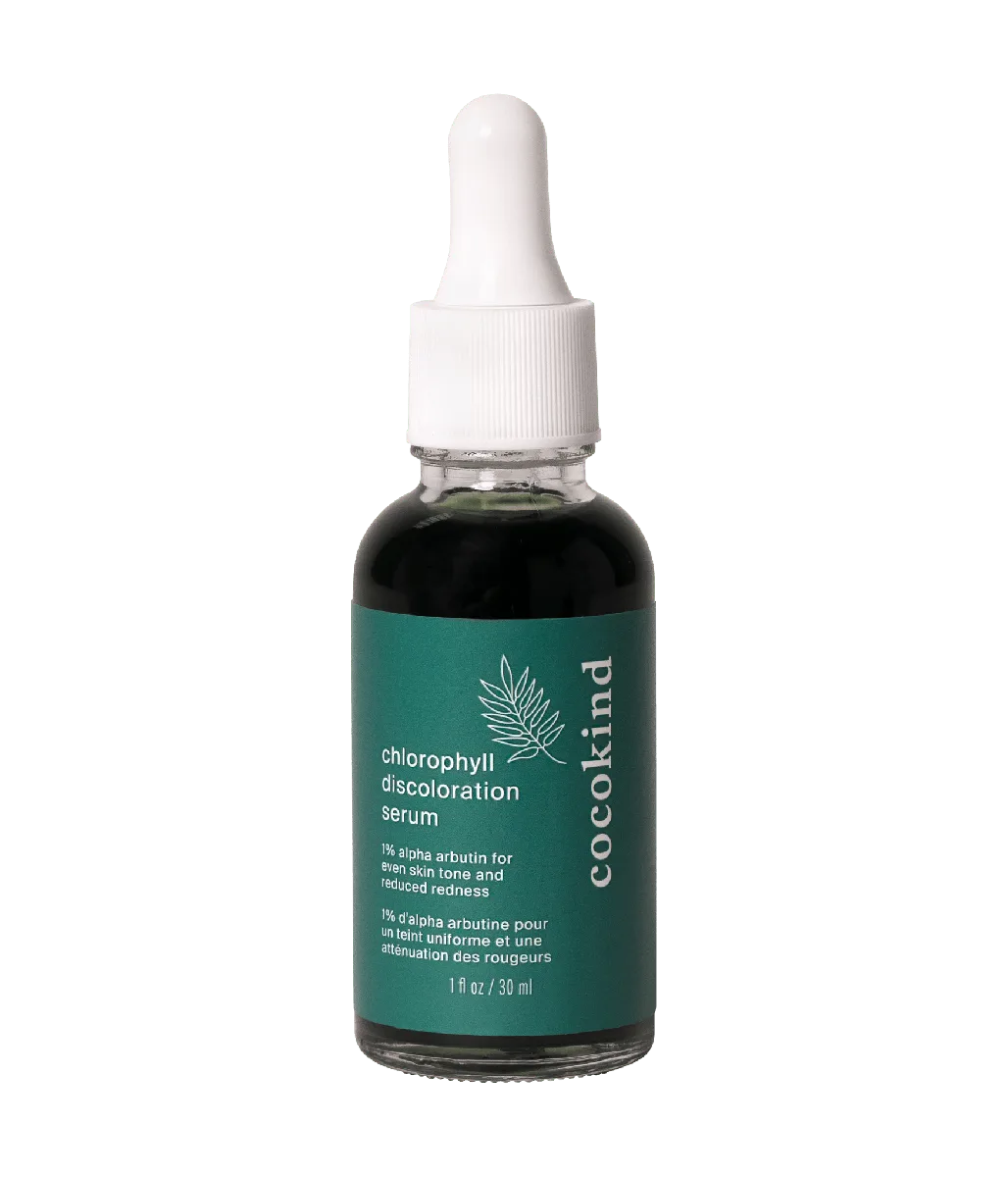
A quietly brilliant brightening serum that proves you do not need luxury prices or harsh actives to fade dark spots effectively. The alpha-arbutin and licorice root combination delivers genuine multi-pathway melanin inhibition, the sensitive-skin-friendly formula is impeccable, and $20 makes it accessible to virtually everyone. The chlorophyllin is more marketing differentiator than scientific powerhouse, but it does not hurt anything either.
 The People's HA Serum
 Revitalift Derm Intensives 1.5% Pure Hyaluronic Acid Serum
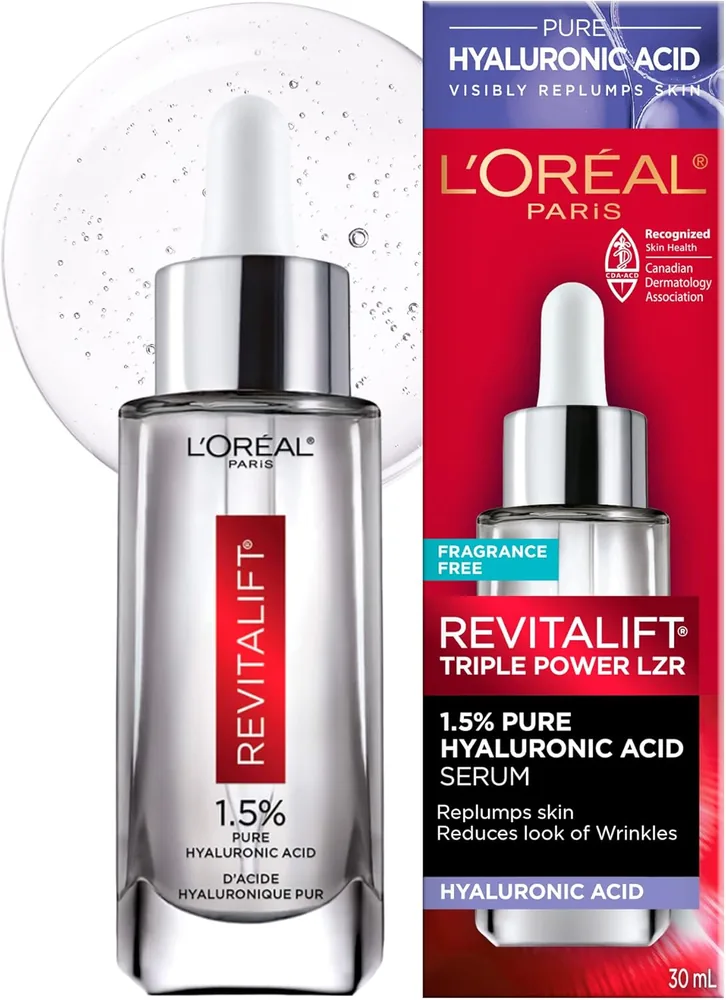
A masterclass in minimalist formulation — thirteen ingredients, no filler, four functional actives, and over thirty thousand glowing reviews. L'Oréal's multi-weight HA system delivers genuine hydration at every level of the skin, and the fragrance-free, alcohol-free formula is clean enough for virtually anyone. The drugstore serum that embarrasses its prestige competitors.
 Budget Hydration Holy Grail
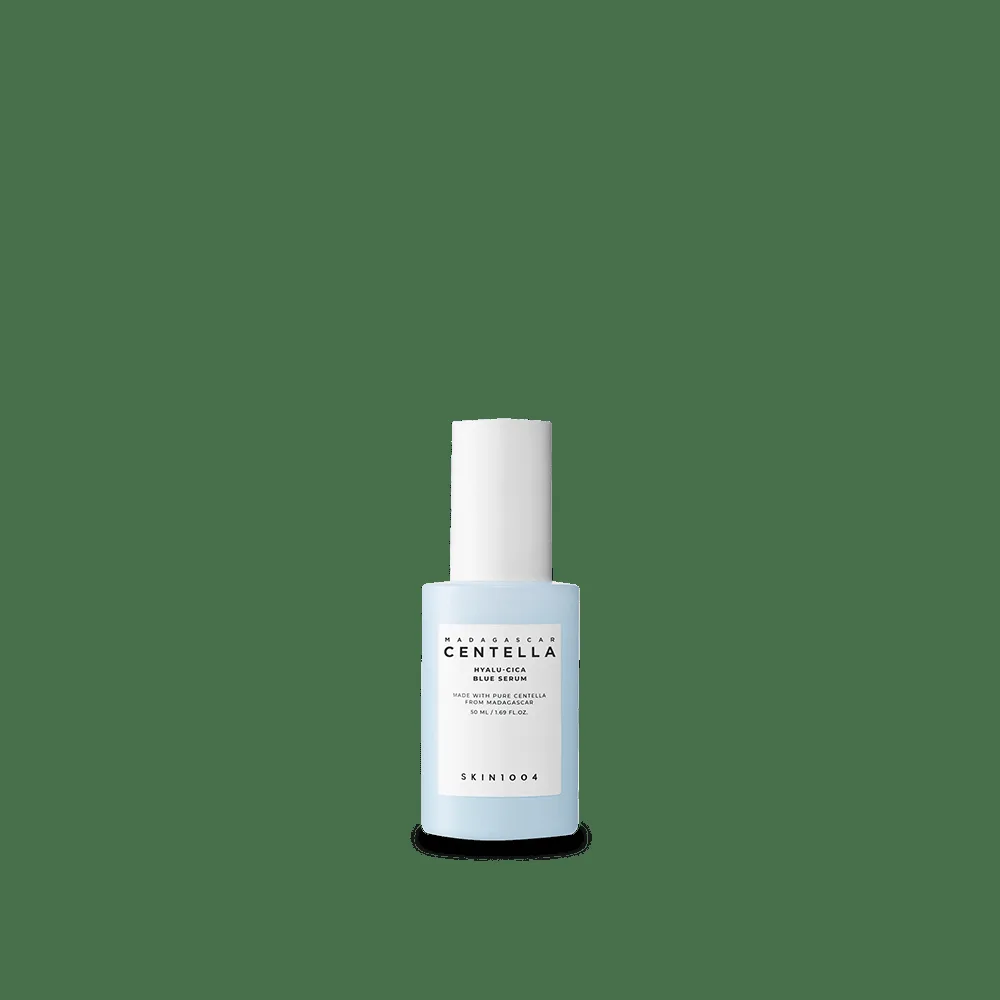
 Hyalu-Cica Blue Serum
A quietly excellent budget serum that stacks Centella asiatica leaf water, five types of hyaluronic acid, niacinamide, ceramide NP, and adenosine into a fragrance-free under-$20 bottle. It is genuinely one of the best hydration-plus-soothing serums at any price, and the fact that it costs less than a salad in Manhattan is the point.
 Sensitive Skin First-Line Defense
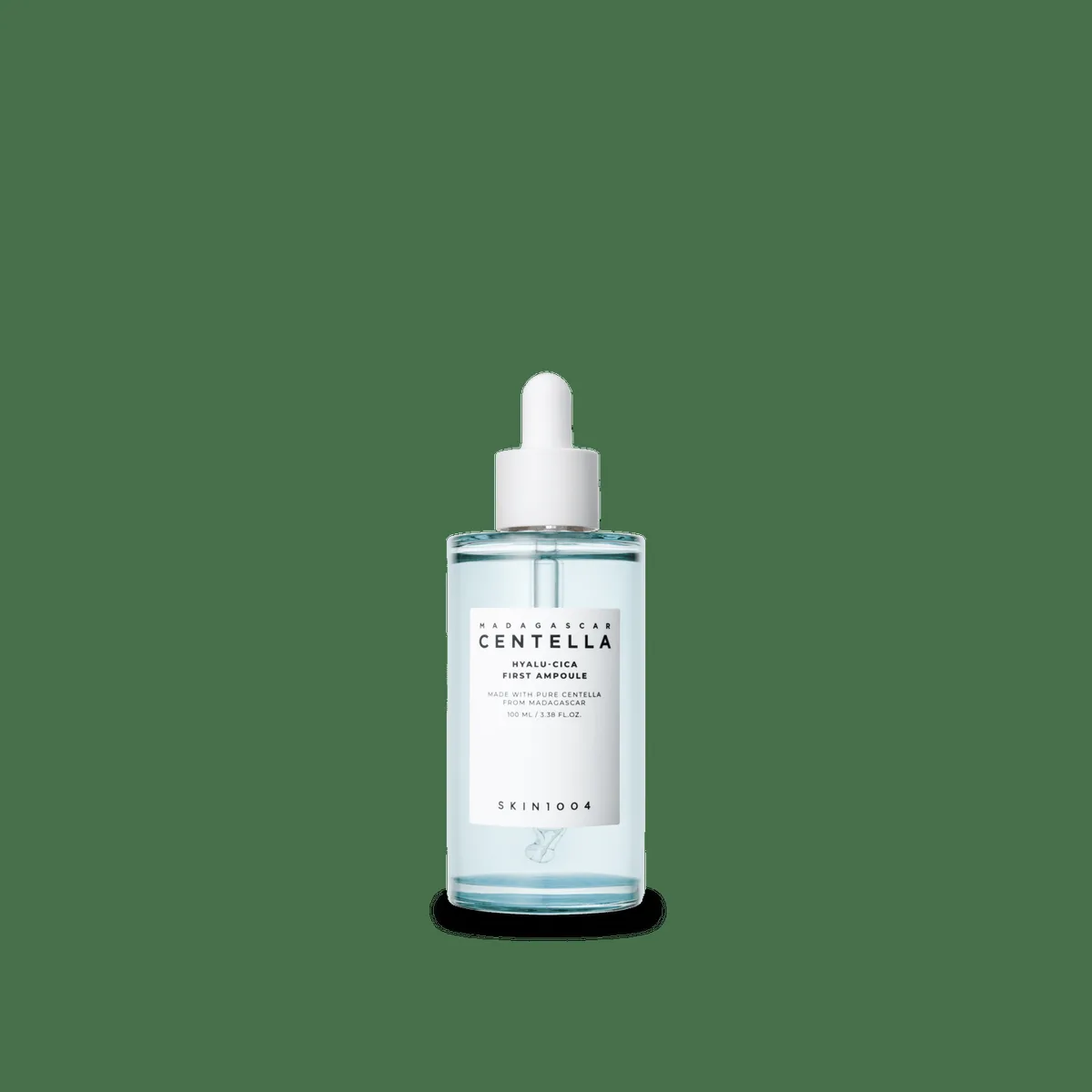
 Hyalu-Cica First Ampoule
A 92% Centella asiatica extract ampoule paired with niacinamide and a multi-weight HA complex, fragrance-free and purpose-built for sensitive, compromised, and reactive skin. At $25 for 100ml, it is one of the most justifiable skincare purchases a budget-conscious buyer can make, and it earns a place in almost any routine that needs a soothing anchor.
 Sensitive Skin MVP
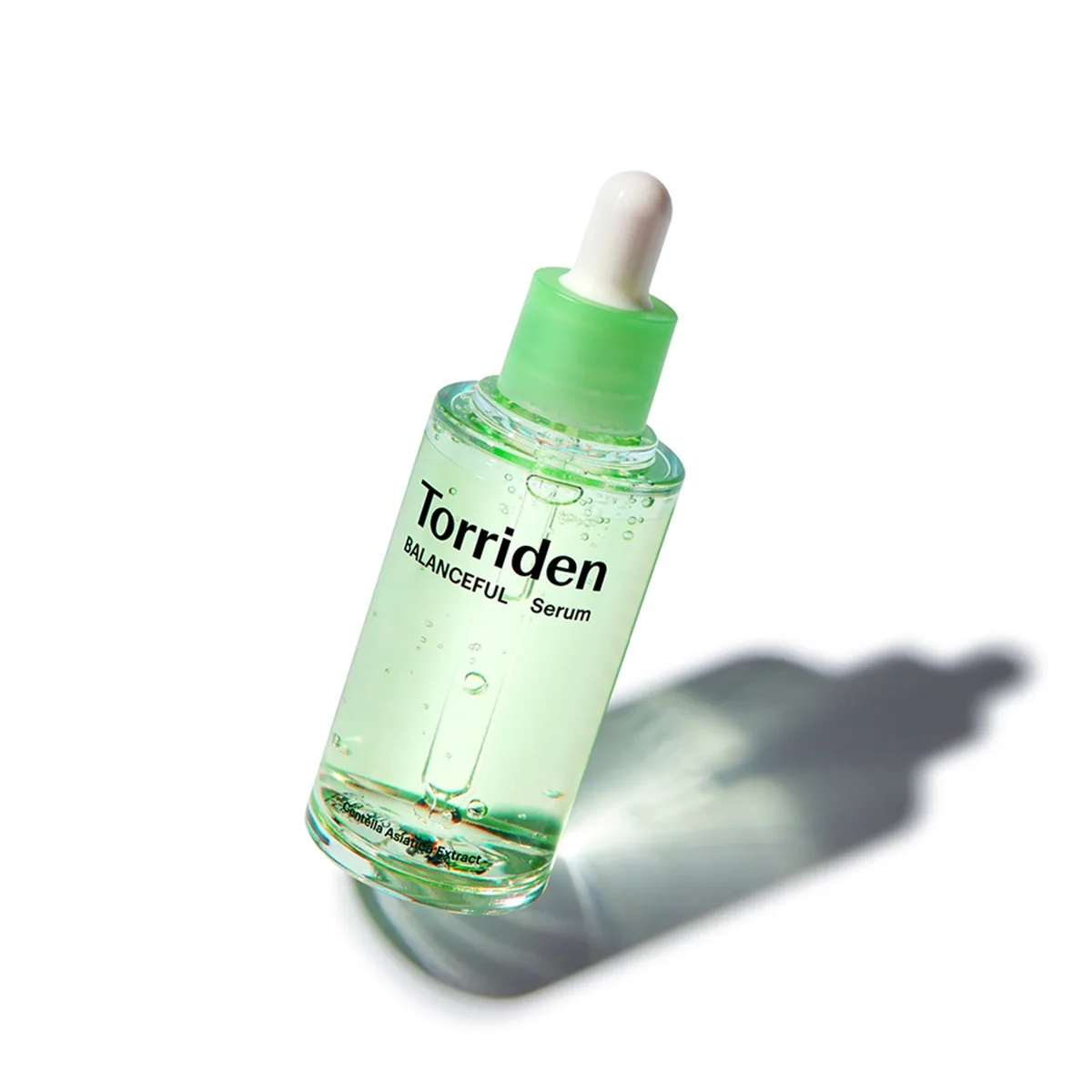
 Balanceful Cica Serum
Torriden's Balanceful Cica Serum is one of the most recommendable calming serums in K-beauty — a genuinely fragrance-free, multi-weight hyaluronic acid and 5D cica complex treatment that quietly reduces redness, supports the barrier, and buffers other actives without drama. At under $25 it's a near-automatic pick for sensitive, rosacea-prone, and barrier-compromised skin.