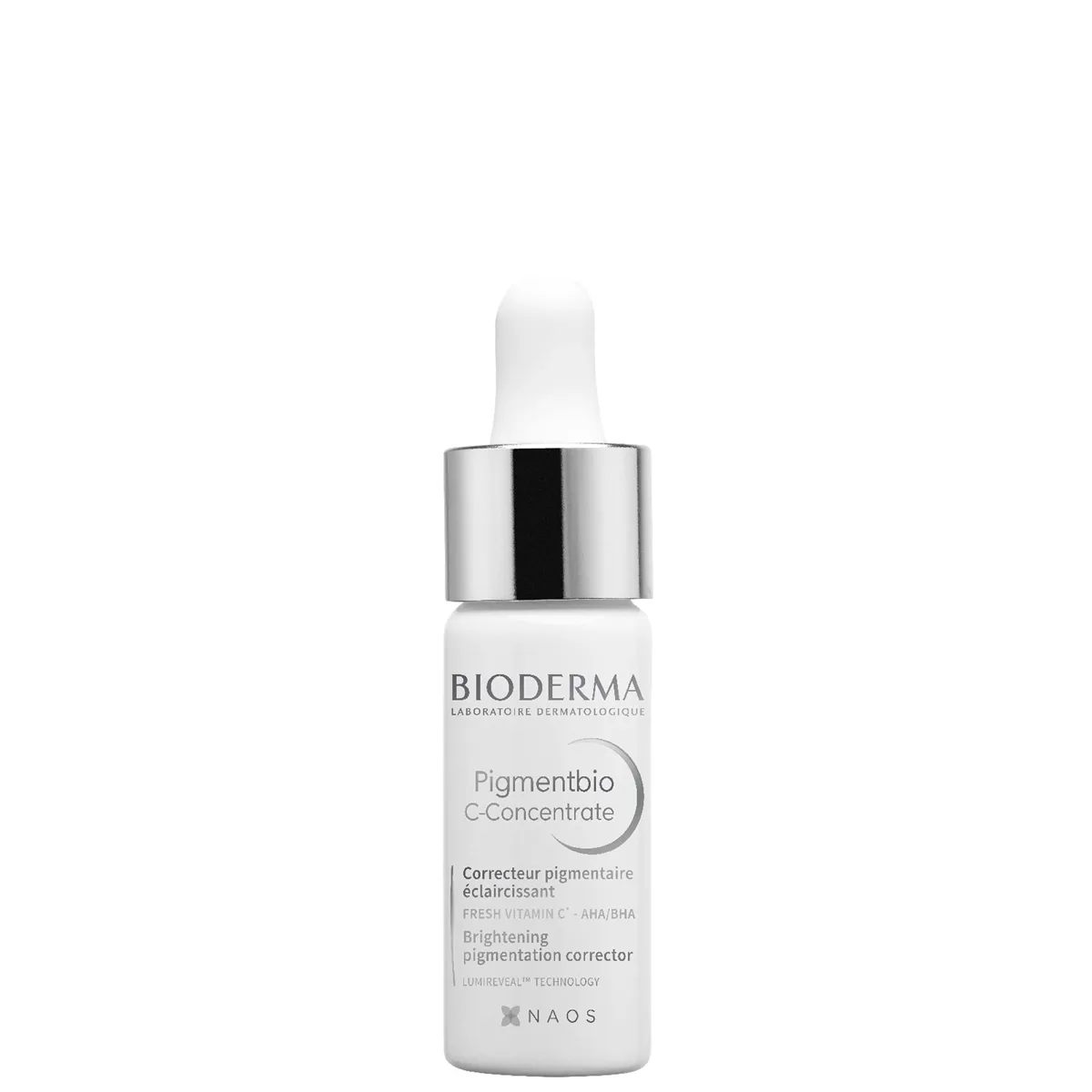
A scientifically ambitious brightening serum that attacks hyperpigmentation through multiple biochemical pathways simultaneously. The patented LumiReveal complex and clever activation system justify the pharmacy-brand pedigree, but the 4 price tag for just 15 mL demands that your dark spots be worth the investment.
Pigmentbio C-Concentrate Brightening Vitamin C Serum
A scientifically ambitious brightening serum that attacks hyperpigmentation through multiple biochemical pathways simultaneously. The patented LumiReveal complex and clever activation system justify the pharmacy-brand pedigree, but the 4 price tag for just 15 mL demands that your dark spots be worth the investment.
Score Breakdown
Where this product gains points and where it loses them — broken down across the four scoring pillars.
High ingredient quality reflects the sophisticated multi-pathway approach to pigmentation with the patented LumiReveal complex. Value suffers significantly from the 4 price for only 15 mL. Narrower suitability and higher irritation risk due to the multi-acid formula and fragrance inclusion.
Pros & Cons
- ✓Multi-pathway approach targets pigmentation through five different mechanisms simultaneously
- ✓Dual-compartment activation system preserves vitamin C potency until first use
- ✓Patented LumiReveal complex inspired by proven dermatological prescription approaches
- ✓Lighter and less irritating than pure L-ascorbic acid serums at equivalent concentrations
- ✓Clinical testing shows measurable dark spot reduction at 8 weeks
- ✓Combines AHA, BHA, azelaic acid, vitamin C, and niacinamide in one formulation
- ✗Very expensive at 3.99 for only 15 mL — runs out in 4-6 weeks
- ✗Contains fragrance in a concentrated treatment product
- ✗Multi-acid formula can cause tingling and irritation on sensitive skin
- ✗Activation mechanism is confusing for first-time users
- ✗Results require 6-8 weeks of consistent nightly use to become visible
- ✗Not suitable for compromised barrier or very sensitive skin types
Full Review
In the 1970s, dermatologist Albert Kligman developed what became known as Kligman's trio: a combination of hydroquinone, tretinoin, and a corticosteroid that attacked hyperpigmentation through three different mechanisms simultaneously. It worked — often dramatically. It also came with a list of side effects long enough to give a pharmacist pause, and it required a prescription. Four decades later, Bioderma's R&D team asked an interesting question: what if you could replicate that multi-pathway approach using ingredients gentle enough for cosmetic use?
The result is Pigmentbio C-Concentrate, and the formula reads like a thesis on pigmentation biochemistry. Where Kligman used hydroquinone to inhibit tyrosinase, Bioderma deploys azelaic acid and licorice root extract (glabridin) — both established tyrosinase inhibitors with considerably better safety profiles. Where Kligman used tretinoin for cell turnover, Bioderma uses glycolic acid and salicylic acid. Where Kligman used a corticosteroid to manage inflammation, Bioderma uses andrographolide from Andrographis paniculata. And then, for good measure, they added ascorbyl glucoside (vitamin C) for antioxidant protection and niacinamide to block melanosome transfer — two additional pathways that Kligman's original trio didn't even address.
The ambition is admirable. The execution is genuinely sophisticated. But let's talk about what you actually get in the bottle — or rather, in the clever dual-compartment system that serves as both packaging innovation and marketing talking point.
The activation mechanism deserves its own paragraph because it will confuse you the first time. The vitamin C sits as a powder in the cap, separated from the liquid base below. You press the cap firmly to release the powder, screw on the included dropper, and shake for ten seconds. This isn't gimmickry — ascorbyl glucoside is more stable than L-ascorbic acid, but keeping it in powder form until activation eliminates any oxidation risk entirely. It's the kind of pharmaceutical thinking that reminds you this isn't a brand that learned formulation from Instagram.
Once mixed, you get a light gel-cream that absorbs with the enthusiasm of a serum that knows it has work to do. Three to four drops cover the face. There's a light fragrance — an odd choice in a treatment product this serious, and the most valid complaint in the comments section. More importantly, there's a tingle. The glycolic and salicylic acids make their presence felt, especially in the first week. It's not painful for most skin types, but genuinely sensitive skin should approach with caution and perhaps start with every-other-night application.
The clinical data Bioderma presents is specific and encouraging: testing on 21 volunteers over 56 days showed a 41% reduction in dark spot appearance, 87% improvement in skin radiance, and 85% improvement in complexion uniformity. These are brand-sponsored numbers, so the appropriate grain of salt applies, but the multi-mechanism approach provides a plausible scientific basis for these results. You're not relying on a single ingredient at a single concentration — you're hitting melanin production, melanin transfer, cell turnover, and oxidative stress simultaneously.
Real-world expectations need calibrating against the clinical timeline. Two weeks will bring a subtle brightening and improved radiance — mostly from the exfoliating acids accelerating cell turnover. Genuine dark spot reduction requires six to eight weeks of consistent use. This is not a product that delivers dramatic before-and-after photos in a week, and anyone who claims otherwise is selling you something other than science.
The ingredient list is more complex than most Bioderma products — 30 ingredients versus the brand's typically minimalist approach. Each one earns its place in the formulation logic, but the length introduces more potential sensitization points, including fragrance and multiple acids. The product is explicitly designed for cyclical use: one to three months on, then repeated quarterly. This isn't just a usage recommendation — the 15 mL bottle practically enforces it by running out in four to six weeks.
And here we arrive at the elephant in the room: value. Forty-four dollars for 15 mL is expensive by any measure, and particularly striking from a pharmacy brand. You're paying for the patented LumiReveal complex, the activation technology, and nearly five decades of Bioderma's dermatological R&D. Whether that's worth it depends entirely on the severity of your hyperpigmentation and how many single-ingredient serums you've already tried without satisfaction. For stubborn melasma or post-inflammatory hyperpigmentation that hasn't responded to standalone vitamin C or niacinamide products, the multi-pathway approach here offers something meaningfully different. For mild, occasional dark spots, it's likely overkill — both in intensity and in cost.
The product exists in an interesting middle ground between gentle cosmetic brighteners and prescription treatments. It's more aggressive than a simple vitamin C serum, more sophisticated than most drugstore brightening products, but gentler than the dermatological combinations it was designed to echo. For the right skin concern, at the right moment in a treatment journey, it fills a gap that surprisingly few products address. Just know that 15 mL goes fast, and your wallet will feel each drop.
Formula
Key Ingredients
The hero actives that drive this product's performance.
| Ingredient | Function | Evidence |
|---|---|---|
| Ascorbyl Glucoside (Vitamin C) | A stable vitamin C derivative that's converted to pure ascorbic acid by epidermal enzymes after penetrating the skin. In this formula, it's kept in powder form separate from the liquid base until activation, preserving potency until the moment of first use — solving the oxidation instability problem that plagues most vitamin C serums. | well-established |
| Glycolic Acid | The primary exfoliating engine in this multi-acid formula. Accelerates cell turnover to physically remove pigmented dead cells from the skin surface, while also stimulating collagen production. Works alongside the salicylic acid and azelaic acid to create a three-pathway exfoliation approach unique to this formulation. | well-established |
| Niacinamide (Vitamin B3) | Suppresses melanosome transfer from melanocytes to keratinocytes — addressing pigmentation through a completely different mechanism than the vitamin C and acids in this formula. This means the product attacks dark spots at multiple points in the pigmentation cascade simultaneously. | well-established |
| Azelaic Acid | Part of Bioderma's patented LumiReveal complex. Inhibits tyrosinase activity while providing anti-inflammatory benefits that prevent post-inflammatory hyperpigmentation from forming. Its inclusion alongside glycolic acid mirrors the approach used in the landmark Kakita & Lowe study that showed this combination matched hydroquinone efficacy. | well-established |
| Glycyrrhiza Glabra (Licorice) Root Extract | Contains glabridin, a potent tyrosinase inhibitor that forms part of the LumiReveal complex. Provides an additional melanin-suppression pathway alongside the vitamin C and azelaic acid, making this formula's multi-target approach to pigmentation unusually comprehensive for a single product. | promising |
| Andrographis Paniculata Leaf Extract | The third component of Bioderma's LumiReveal technology. Provides anti-inflammatory support for the depigmentation process, helping to prevent the irritation-driven pigmentation that can paradoxically result from aggressive brightening treatments. | emerging |
Full INCI List
Aqua/Water/Eau, Propanediol, Glycolic Acid, Glycerin, Dipropylene Glycol, Propylheptyl Caprylate, Sodium Hydroxide, Ascorbyl Glucoside, Niacinamide, Salicylic Acid, Ammonium Acryloyldimethyltaurate/VP Copolymer, Sorbitan Sesquioleate, Pentylene Glycol, Tocopheryl Acetate, Xanthan Gum, Sodium Citrate, Lysine, Azelaic Acid, Mannitol, Xylitol, Sodium Metabisulfite, Andrographis Paniculata Leaf Extract, Rhamnose, Saccharide Isomerate, Glycyrrhiza Glabra (Licorice) Root Extract, Tocopherol, Fructooligosaccharides, Caprylic/Capric Triglyceride, Laminaria Ochroleuca Extract, Fragrance (Parfum)
Product Flags
✗ Fragrance Free✓ Alcohol Free✗ Oil Free✓ Silicone Free✓ Paraben Free✓ Sulfate Free✗ Cruelty Free✗ Vegan✗ Fungal Acne Safe
Comedogenic Ingredients
Laminaria Ochroleuca Extract
Potential Irritants
Glycolic AcidSalicylic AcidFragrance (Parfum)
Common Allergens
Fragrance (Parfum)
Compatibility
Skin Match
Best For
Works For
Not Ideal For
Addresses These Conditions
hyperpigmentation melasma dark spots sun damage dullness texture
Use With Caution
Avoid With
Routine Step
serum
Time of Day
PM
Pregnancy Safe
No ✗
Layering Tips
Apply 3-4 drops to clean, dry skin in the evening. Allow to absorb before following with moisturizer. Avoid layering with other strong acids or retinoids on the same evening. Always use SPF 30+ the following morning, as the AHA and BHA increase photosensitivity.
Results Timeline
Subtle brightening and improved radiance within 1-2 weeks. Visible reduction in dark spots and more even skin tone typically at 4-8 weeks. Clinical testing showed -41% dark spot appearance and +87% skin radiance at 8 weeks. Designed for cyclical use: 1-3 months on, then repeated every 3 months.
Pairs Well With
Gentle hydrating moisturizerSPF 30+ sunscreen (morning after)Hyaluronic acid serum (if needed for hydration)
Conflicts With
Retinol (same evening)Other AHA/BHA productsBenzoyl peroxide
Sample AM Routine
- Gentle cleanser
- Hydrating serum
- Moisturizer
- Sunscreen SPF 30+ (essential)
Sample PM Routine
- Gentle cleanser
- Bioderma Pigmentbio C-Concentrate
- Hydrating moisturizer
Evidence
Science & Expert Perspective
The Science
Pigmentbio C-Concentrate's formulation is built on a multi-pathway approach to hyperpigmentation that mirrors strategies used in dermatological practice.
The LumiReveal complex combines three agents targeting different steps in melanogenesis. Azelaic acid inhibits tyrosinase — the rate-limiting enzyme in melanin production. A landmark study by Kakita and Lowe published in Clinical Therapeutics (1998) demonstrated that a combination of azelaic acid and glycolic acid was as effective as hydroquinone 4% cream in treating hyperpigmentation in darker-skinned patients, establishing the scientific precedent for this formula's acid combination approach.
Glabridin, derived from the licorice root extract in this formula, provides a second pathway of tyrosinase inhibition through a different binding mechanism than azelaic acid. Andrographolide from Andrographis paniculata contributes anti-inflammatory properties that help prevent the post-inflammatory hyperpigmentation cycle where treatment-induced irritation creates new pigmentation.
Niacinamide adds a third mechanistic layer. Hakozaki et al. published in the British Journal of Dermatology (2002) demonstrated that niacinamide significantly decreased hyperpigmentation by reducing melanosome transfer from melanocytes to keratinocytes — a completely different point in the pigmentation cascade than tyrosinase inhibition. This means the product addresses both melanin production and melanin distribution.
The ascorbyl glucoside (vitamin C derivative) provides antioxidant protection against UV-induced melanogenesis. A 2024 study published in PMC demonstrated that an ascorbyl glucoside complex significantly improved hyperpigmentation of solar lentigos at 12 and 24 weeks.
Glycolic acid drives the exfoliation component, accelerating the removal of pigmented keratinocytes from the skin surface while stimulating collagen synthesis in the dermis. The combination with salicylic acid (a BHA) extends exfoliation into the pore lining, addressing both surface and follicular pigmentation.
References
- Azelaic acid and glycolic acid combination therapy for facial hyperpigmentation in darker-skinned patients: a clinical comparison with hydroquinone — Clinical Therapeutics (1998)
- The effect of niacinamide on reducing cutaneous pigmentation and suppression of melanosome transfer — British Journal of Dermatology (2002)
Dermatologist Perspective
Dermatologists recognize the multi-pathway approach to hyperpigmentation as more effective than single-ingredient strategies, as melanin production involves multiple enzymes, cellular processes, and feedback loops. Board-certified dermatologists note that the LumiReveal complex's combination of tyrosinase inhibitors, anti-inflammatory agents, and melanosome transfer blockers addresses pigmentation at several points in the cascade — a strategy previously available mainly through prescription combinations. This product is often positioned as an intermediate step for patients whose hyperpigmentation hasn't responded to basic vitamin C or niacinamide serums but who want to try a sophisticated OTC option before moving to prescription hydroquinone or tretinoin. The cyclical usage recommendation (1-3 months on, then quarterly) aligns with dermatological guidance on intensive treatment courses.
Guidance
Usage Guide
How to Use
Before first use, press the cap firmly to release the vitamin C powder into the liquid base. Screw on the included dropper and shake vigorously for 10 seconds until fully mixed. Apply 3-4 drops to clean, dry skin in the evening, avoiding the eye area. Allow to absorb for 1-2 minutes before applying moisturizer. Start with every-other-night application for the first week, then increase to nightly use if tolerated. Always apply SPF 30+ sunscreen the following morning. Use as a 1-3 month treatment course, then repeat quarterly. Store at room temperature away from direct sunlight after activation.
Value Assessment
At 3.99 for 15 mL, this is Bioderma's most expensive product per milliliter and a significant investment for a pharmacy-brand serum. The bottle lasts approximately 4-6 weeks with nightly use, translating to roughly 0-44 per month of treatment. The value argument rests on the multi-ingredient approach replacing several individual serums — a separate vitamin C, a separate acid exfoliant, and a separate niacinamide product might collectively cost more. However, for mild pigmentation concerns, the price-to-need ratio is hard to justify when effective single-ingredient options exist at a fraction of the cost. The 15 mL format offers no bulk savings option, and the 6-month PAO after activation means you can't stockpile. For persistent hyperpigmentation that hasn't responded to simpler approaches, the investment becomes more defensible.
Who Should Buy
People with persistent hyperpigmentation, melasma, or post-inflammatory dark spots who have tried basic vitamin C or niacinamide serums without sufficient results. Ideal for normal to combination skin types looking for a sophisticated multi-pathway brightening treatment from a trusted pharmacy brand. Best suited for those willing to commit to 6-8 weeks of consistent nightly use.
Who Should Skip
Anyone with sensitive, reactive, or compromised barrier skin — the multi-acid formula is too active for fragile skin types. Not recommended during pregnancy due to salicylic acid content. Those with mild, occasional dark spots may find this unnecessarily aggressive and expensive. If fragrance in treatment products is a concern, look elsewhere.
Ready to try Bioderma Pigmentbio C-Concentrate Brightening Vitamin C Serum?
Details
Details
Texture
Light gel-cream consistency that absorbs quickly without heaviness. Described as enveloping but non-greasy. Spreads easily with just a few drops.
Scent
Contains fragrance (Parfum) — light, clean scent that is not strongly perfumed. Dissipates shortly after application.
Packaging
Small 15 mL bottle with a unique dual-compartment activation system. The vitamin C powder is stored separately from the liquid base — users press the cap firmly to release the powder, attach the included dropper, and shake for 10 seconds to mix before first use. This activation mechanism preserves vitamin C potency until point of use.
Finish
lightweightdewyfast-absorbing
What to Expect on First Use
A slight tingling sensation is normal on first application due to the glycolic and salicylic acids. Sensitive areas may experience mild warmth. This typically subsides within the first week of use. Some users experience mild purging (small breakouts) in the first 1-2 weeks as cell turnover increases — this is temporary and indicates the acids are working.
How Long It Lasts
4-6 weeks with nightly use of 3-4 drops. Designed as a cyclical "cure" — use for 1-3 months, then repeat every 3 months.
Period After Opening
6 months
Best Season
fall winter
Background
The Why
Developed as part of Bioderma's 2019 Pigmentbio range, this serum represents the brand's answer to the growing demand for effective brightening products that don't rely on hydroquinone. The LumiReveal technology was specifically engineered to replicate the multi-pathway efficacy of dermatological prescription combinations using ingredients with better safety profiles for cosmetic use.
About Bioderma Legacy Brand (20+ years)
Bioderma was founded in 1977 by pharmacist-biologist Jean-Noël Thorel in Aix-en-Provence, France. With nearly five decades of pharmacy-channel distribution and an ecobiology approach to formulation, the brand carries deep dermatological credibility. The Pigmentbio line represents Bioderma's targeted approach to hyperpigmentation using patented LumiReveal technology.
Brand founded: 1977 · Product launched: 2019
Myth vs. Reality
Myths & Misconceptions
Myth
Vitamin C serums need to contain 10-20% L-ascorbic acid to be effective.
Reality
This serum uses ascorbyl glucoside — a stable derivative that's enzymatically converted to ascorbic acid in the skin. Its efficacy comes not from high-dose vitamin C alone, but from the multi-ingredient approach: vitamin C, glycolic acid, niacinamide, azelaic acid, and licorice extract all targeting different steps in the pigmentation process simultaneously.
Myth
You can't mix vitamin C with niacinamide.
Reality
This is one of skincare's most persistent myths. This serum deliberately combines both ingredients. Modern research has thoroughly debunked the concern — the supposed interaction only occurs at extreme conditions not found in cosmetic formulations. Bioderma formulated them together specifically because they target pigmentation through complementary mechanisms.
FAQ
Frequently Asked Questions
How do you activate the Bioderma Pigmentbio C-Concentrate?
Press the cap firmly to release the vitamin C powder into the liquid base. Then screw on the included dropper applicator and shake vigorously for 10 seconds until fully mixed. This dual-compartment system keeps the vitamin C in stable powder form until you're ready to use it, preserving maximum potency.
Can you use Bioderma Pigmentbio C-Concentrate with retinol?
It's best not to use them on the same evening. This serum already contains glycolic acid and salicylic acid, and adding retinol could over-exfoliate and irritate the skin. Alternate nights — C-Concentrate one evening, retinol the next — or use retinol on nights off during the treatment course.
Is Bioderma Pigmentbio C-Concentrate safe during pregnancy?
No — this product contains salicylic acid, which is generally advised against during pregnancy, especially in leave-on formulations. Consult your healthcare provider for pregnancy-safe brightening alternatives.
How long does Bioderma Pigmentbio C-Concentrate take to show results?
Expect subtle brightening and improved radiance within 1-2 weeks from the exfoliating acids. Visible dark spot reduction typically requires 6-8 weeks of consistent nightly use. Bioderma's clinical testing showed 41% reduction in dark spot appearance at 8 weeks.
Why is the Bioderma Pigmentbio C-Concentrate bottle so small?
The 15 mL size reflects the product's design as a concentrated treatment course (1-3 months) rather than a daily-use serum. At 3-4 drops per night, the bottle lasts approximately 4-6 weeks. The vitamin C activation system also means the formula has a 6-month PAO after mixing, so larger volumes could risk potency loss before use.
What type of vitamin C is in Bioderma Pigmentbio C-Concentrate?
It uses ascorbyl glucoside — a stable vitamin C derivative that's enzymatically converted to pure ascorbic acid by skin enzymes after penetration. While the concentration is lower than many L-ascorbic acid serums, the product's efficacy strategy relies on its multi-ingredient approach (vitamin C plus glycolic acid, niacinamide, azelaic acid, and licorice extract) rather than high-dose vitamin C alone.
Community
Community Voices
Common Praise
"Visibly brightens skin and gives a natural glow"
"Helps reduce dark spots and even skin tone over time"
"Lightweight and fast-absorbing texture"
"Less irritating than pure L-ascorbic acid serums"
"Good for layering under other products"
Common Complaints
"Very expensive for only 15 mL of product"
"Activation/mixing mechanism can be confusing on first use"
"Some users report burning sensation on sensitive skin"
"Brightening results require 6+ weeks of patience"
"Contains fragrance in a treatment product"
"Small bottle runs out quickly with daily use"
Notable Endorsements
Dermatologically testedLumiReveal technology inspired by Kligman's trio approach
Appears In
best serum for hyperpigmentation best vitamin c serum for dark spots best brightening serum best serum for melasma best serum for sun damage
Related Conditions
hyperpigmentation melasma dark spots sun damage dullness
Related Ingredients
vitamin c glycolic acid niacinamide azelaic acid licorice root
You Might Also Like
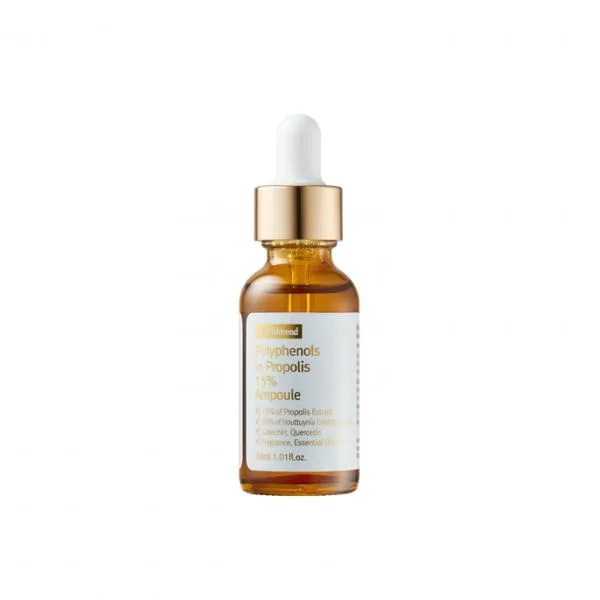 Sensitive Skin Soother
 Polyphenols In Propolis 15% Ampoule
A 15% propolis ampoule that earns its name with a real polyphenol stack — French Auvergne propolis layered over a houttuynia cordata base, with tulsi and pomegranate piling on. It's slightly sticky and not cheap by volume, but for sensitive, breakout-prone skin chasing calm, this is one of the most reliable K-beauty soothers in production.
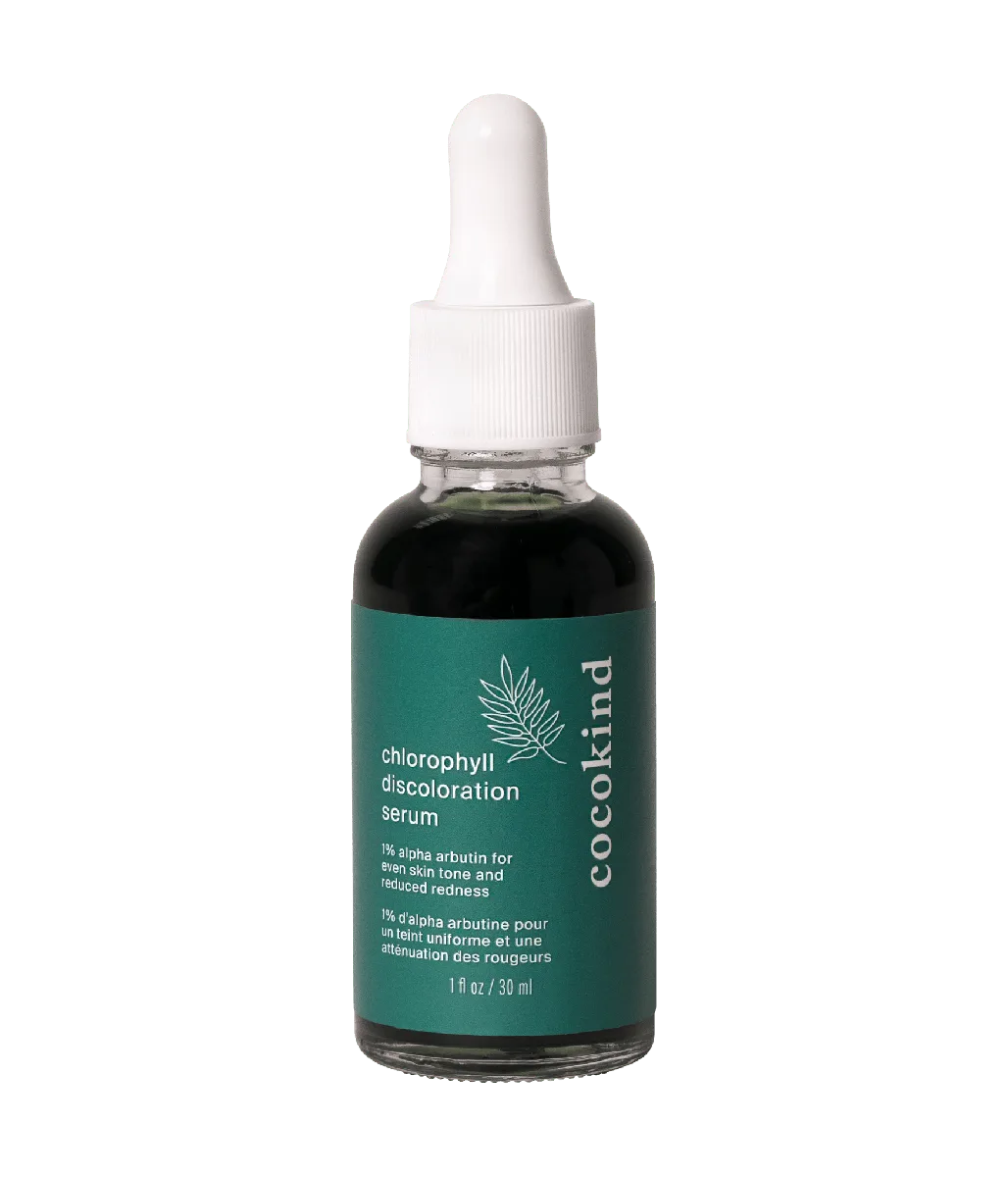 Budget Brightening Hero
 Chlorophyll Discoloration Serum
A quietly brilliant brightening serum that proves you do not need luxury prices or harsh actives to fade dark spots effectively. The alpha-arbutin and licorice root combination delivers genuine multi-pathway melanin inhibition, the sensitive-skin-friendly formula is impeccable, and $20 makes it accessible to virtually everyone. The chlorophyllin is more marketing differentiator than scientific powerhouse, but it does not hurt anything either.
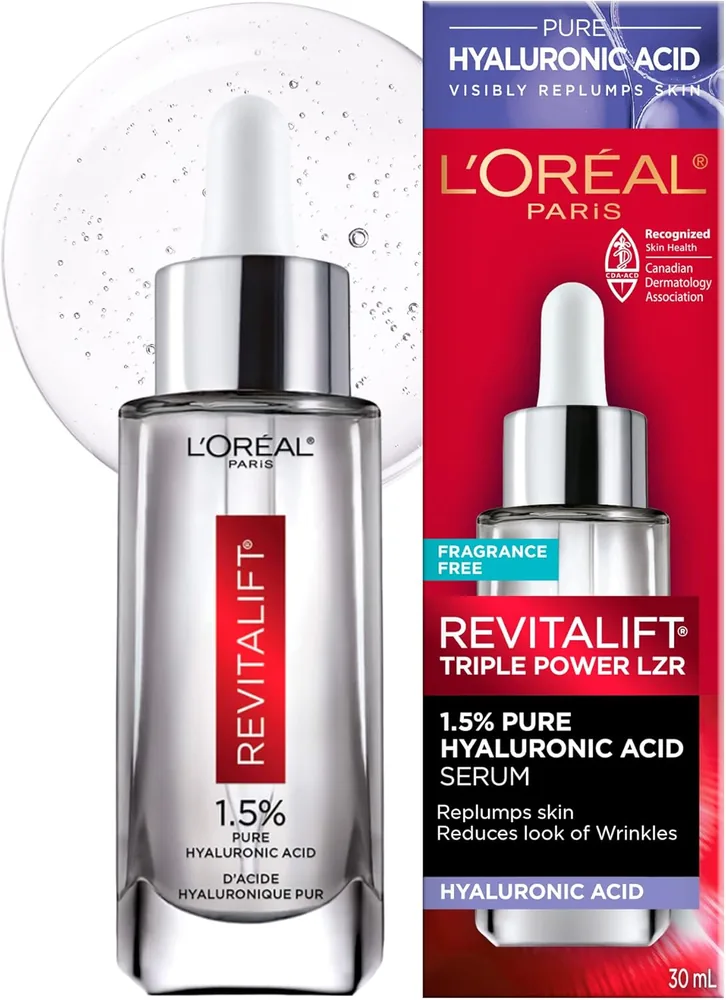 The People's HA Serum
 Revitalift Derm Intensives 1.5% Pure Hyaluronic Acid Serum
A masterclass in minimalist formulation — thirteen ingredients, no filler, four functional actives, and over thirty thousand glowing reviews. L'Oréal's multi-weight HA system delivers genuine hydration at every level of the skin, and the fragrance-free, alcohol-free formula is clean enough for virtually anyone. The drugstore serum that embarrasses its prestige competitors.
 Budget Hydration Holy Grail
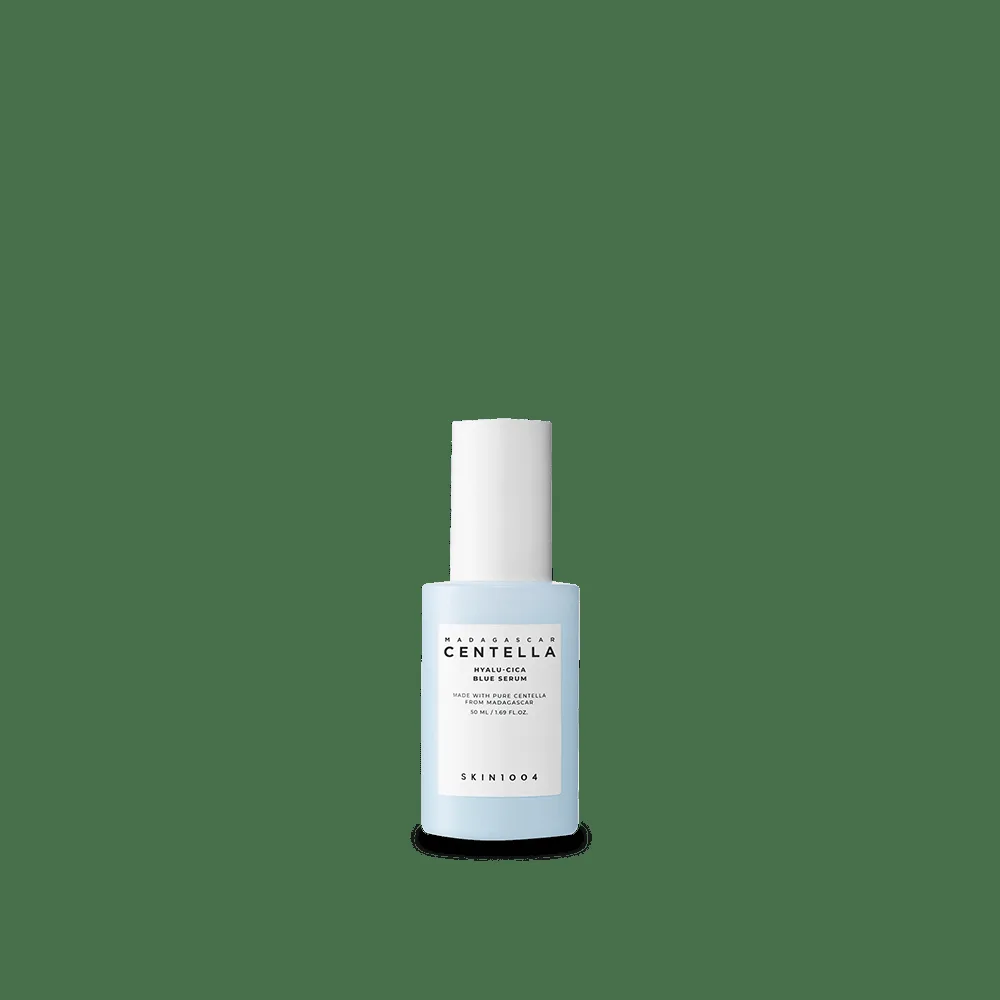
 Hyalu-Cica Blue Serum
A quietly excellent budget serum that stacks Centella asiatica leaf water, five types of hyaluronic acid, niacinamide, ceramide NP, and adenosine into a fragrance-free under-$20 bottle. It is genuinely one of the best hydration-plus-soothing serums at any price, and the fact that it costs less than a salad in Manhattan is the point.
 Sensitive Skin First-Line Defense
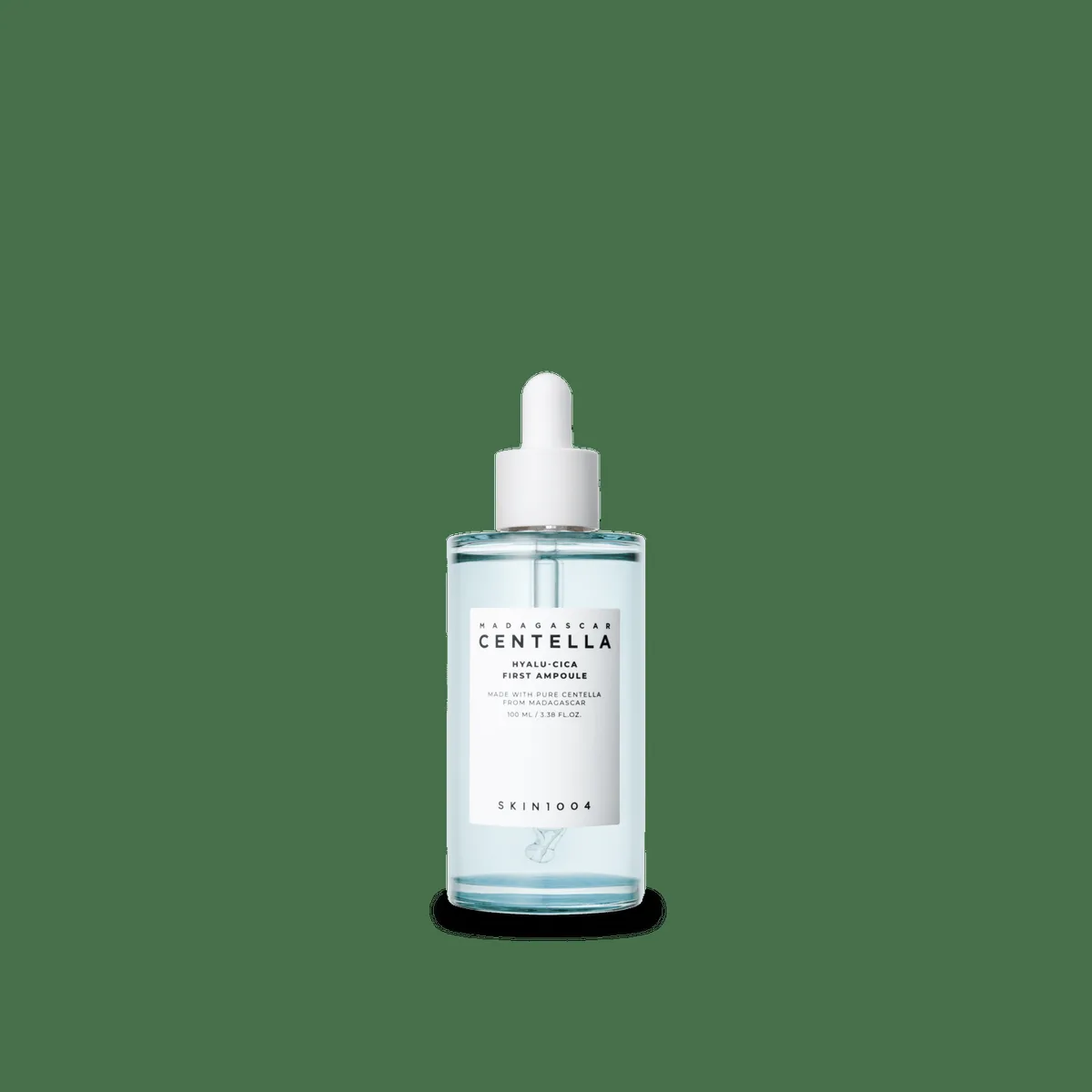
 Hyalu-Cica First Ampoule
A 92% Centella asiatica extract ampoule paired with niacinamide and a multi-weight HA complex, fragrance-free and purpose-built for sensitive, compromised, and reactive skin. At $25 for 100ml, it is one of the most justifiable skincare purchases a budget-conscious buyer can make, and it earns a place in almost any routine that needs a soothing anchor.
 Sensitive Skin MVP
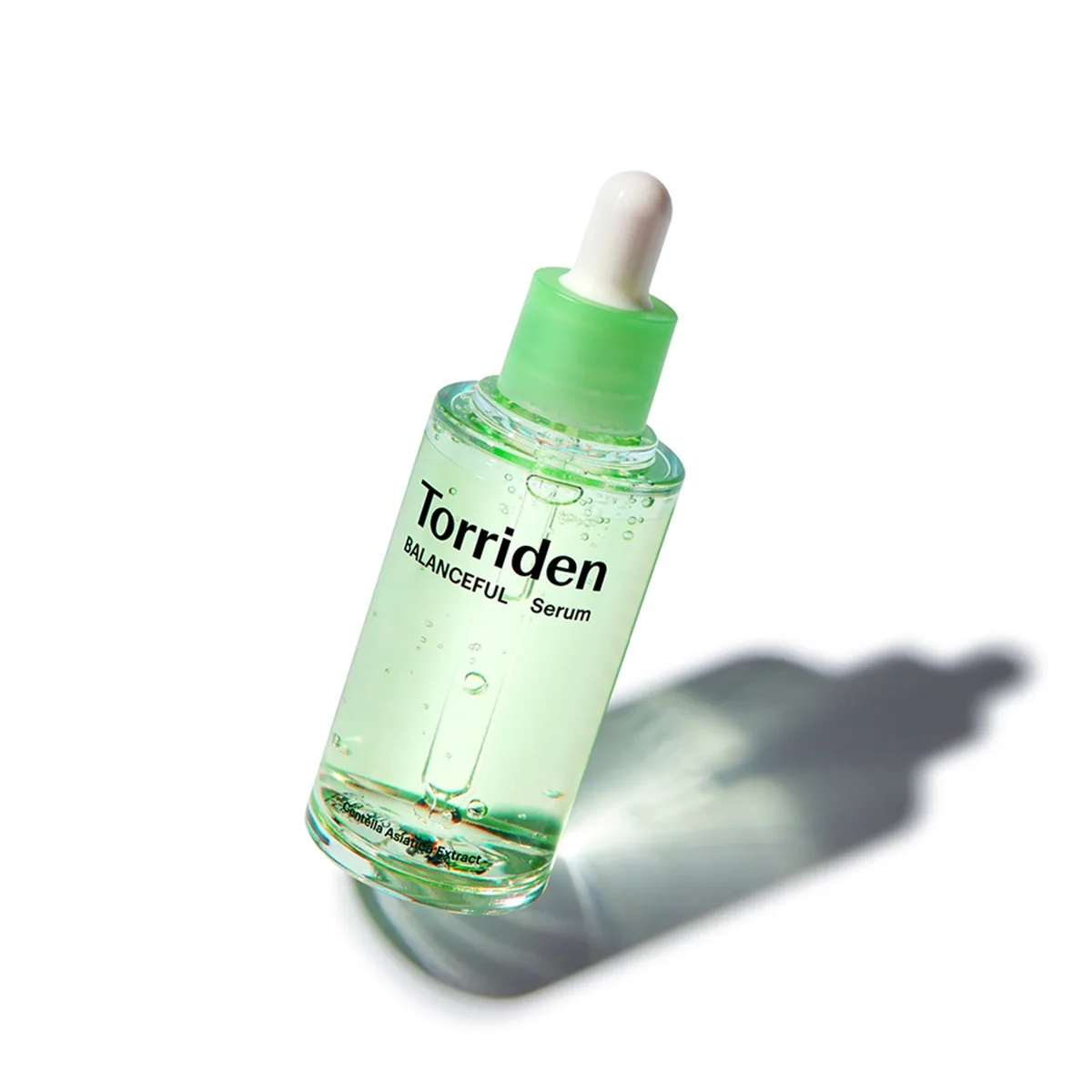
 Balanceful Cica Serum
Torriden's Balanceful Cica Serum is one of the most recommendable calming serums in K-beauty — a genuinely fragrance-free, multi-weight hyaluronic acid and 5D cica complex treatment that quietly reduces redness, supports the barrier, and buffers other actives without drama. At under $25 it's a near-automatic pick for sensitive, rosacea-prone, and barrier-compromised skin.