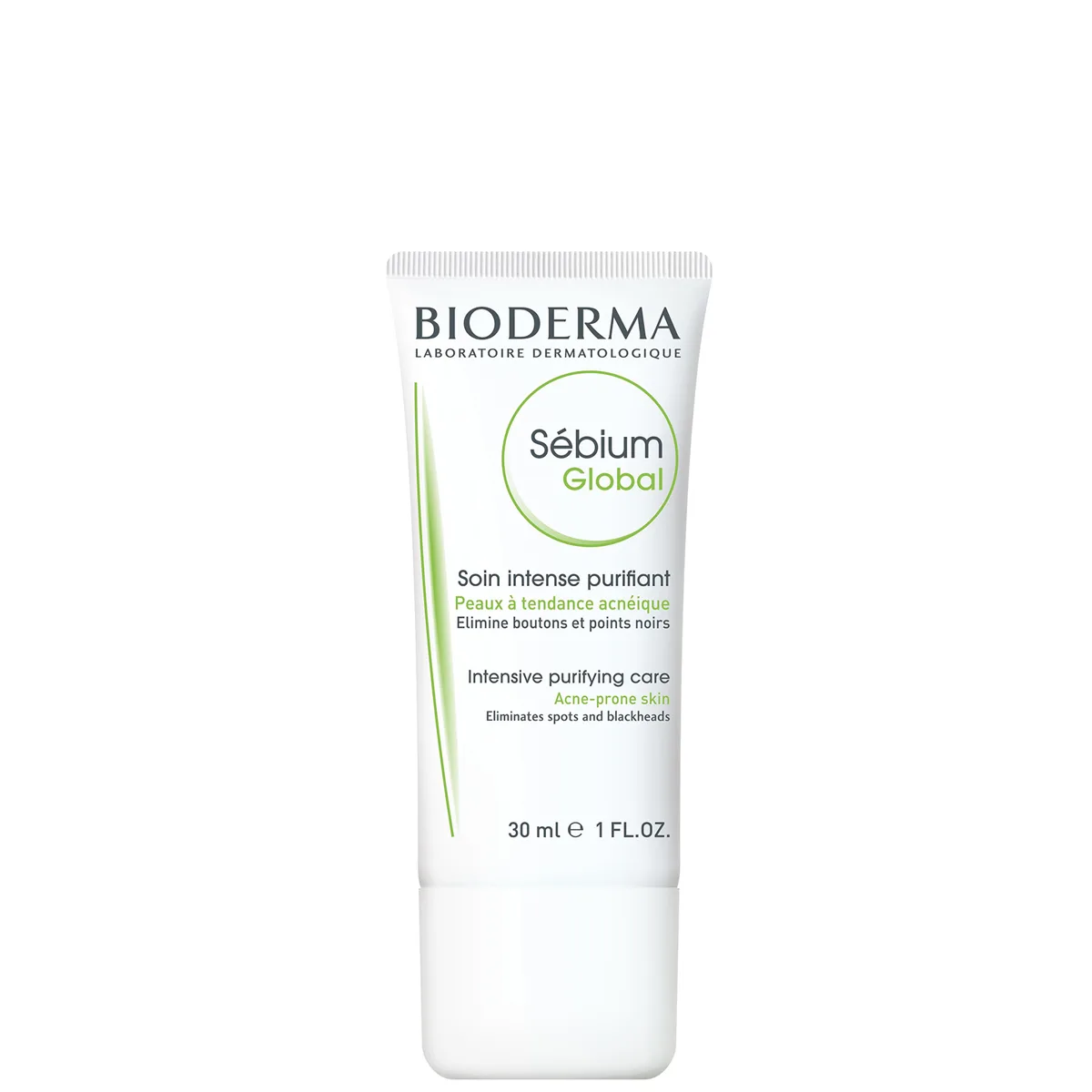
The most scientifically ambitious OTC acne treatment you'll find in a pharmacy — six active mechanisms in one tube, backed by an actual published clinical trial. Best for oily, acne-prone skin that can tolerate aggressive actives. The fragrance inclusion and tiny tube size are frustrating compromises in an otherwise impressive formulation.
Sébium Global Intensive Care
The most scientifically ambitious OTC acne treatment you'll find in a pharmacy — six active mechanisms in one tube, backed by an actual published clinical trial. Best for oily, acne-prone skin that can tolerate aggressive actives. The fragrance inclusion and tiny tube size are frustrating compromises in an otherwise impressive formulation.
Score Breakdown
Where this product gains points and where it loses them — broken down across the four scoring pillars.
A scientifically ambitious multi-mechanism acne treatment with a clinically validated active complex, but the aggressive cocktail of BHA, AHA esters, citric acid, and fragrance limits its suitability and drives up irritation risk. The small 30 ml tube at $26 is poor value for a daily-use treatment.
Pros & Cons
- ✓Six simultaneous anti-acne mechanisms — BHA, AHA ester, zinc, bakuchiol, anti-inflammatory, and sebum regulation
- ✓BGM complex backed by a peer-reviewed randomized controlled trial showing significant efficacy
- ✓Clinically validated to boost adapalene effectiveness from 41.5% to 62.7% lesion reduction
- ✓Lightweight matte finish functions as both treatment and moisturizer for oily skin
- ✓Fluidactiv patent addresses root-cause sebum quality, not just surface symptoms
- ✓Bioderma's own 12-week data shows 79% spot reduction and 65% blackhead reduction standalone
- ✗Contains fragrance — unnecessarily increases irritation risk in an already-aggressive formula
- ✗Small 30 ml tube at $26 is poor value for a treatment requiring 12+ weeks of daily use
- ✗Stings on application, especially on active or picked blemishes
- ✗High irritation potential from combined BHA + AHA ester + citric acid cocktail
- ✗Not suitable for dry, sensitive, or barrier-compromised skin at all
- ✗Initial purging period can last 2-3 weeks and be discouraging
Full Review
There's a quiet arms race happening in the acne treatment category, and Bioderma's Sébium Global might be the most loaded weapon on the pharmacy shelf. Where most OTC treatments pick one active — salicylic acid or benzoyl peroxide or adapalene — and build a product around it, Sébium Global deploys six distinct mechanisms in a single 30 ml tube. It's an ambitious approach that raises an obvious question: is more actually better, or is this just a cocktail of ingredients fighting for attention on the same face?
The answer, unusually, comes with a peer-reviewed receipt. A 2015 randomized controlled trial published in Clinical, Cosmetic and Investigational Dermatology tested the BGM complex — bakuchiol, Ginkgo biloba extract, and mannitol — on 111 acne patients aged 12-25. Combined with adapalene, the BGM complex achieved a 62.7% reduction in inflammatory lesions compared to 41.5% with adapalene alone. That's a statistically significant improvement, and it's rare for an OTC skincare product to have this level of clinical validation behind its specific formulation rather than just its individual ingredients.
Let's unpack the six mechanisms. Salicylic acid at 2% — the maximum OTC concentration — handles BHA-style exfoliation, penetrating into oily pores to dissolve the sebum-keratin plugs that form blackheads and whiteheads. C12-13 alkyl lactate, an AHA ester listed second in the formula at an estimated 10%, provides complementary surface exfoliation in a lipophilic delivery system designed to penetrate oily skin more effectively than water-soluble AHAs. Together, these two exfoliants address both surface and pore-level keratinization.
Zinc gluconate at approximately 1.5% brings antibacterial, anti-inflammatory, and sebum-regulating properties. A multicenter double-blind trial confirmed zinc's anti-inflammatory efficacy in acne, and a 2018 review in Dermatologic Therapy documented its multiple mechanisms. It's a well-studied acne ingredient that doesn't get the glamour of retinoids but consistently pulls its weight.
Bakuchiol — the retinoid alternative that's been generating buzz for years — appears at a modest 0.2-0.35% concentration. Its role in this formula isn't to replace a retinoid outright but to provide cell-turnover stimulation and P. acnes inhibition without retinoid-level irritation. Research on ResearchGate showed that bakuchiol and salicylic acid together achieved approximately 70% acne lesion reduction, significantly outperforming either ingredient alone. It's a synergy that validates the multi-active philosophy.
Glycyrrhetinic acid from licorice root serves as the formula's anti-inflammatory cushion. With this many exfoliating and antibacterial actives in one product, unchecked inflammation would be inevitable. The glycyrrhetinic acid dampens cytokine production, preventing the treatment from becoming the cause of new irritation.
Finally, the Fluidactiv complex — mannitol, xylitol, rhamnose, fructooligosaccharides, and laminaria ochroleuca extract — targets sebum quality. This is the most philosophically interesting mechanism: while the other actives clear existing acne, Fluidactiv prevents new comedones by keeping sebum fluid and non-comedogenic. It addresses why some sebum causes acne (squalene oxidation thickens it into a pore-clogging paste) rather than trying to eliminate all oil production.
The texture is better than you'd expect from something this active. The lightweight cream applies smoothly — cyclopentasiloxane and dimethicone provide the slip — and absorbs to a matte finish without heaviness. For oily skin, it functions as both treatment and moisturizer, which simplifies the routine. The mattifying effect controls shine for most of the day.
But the formula isn't without contradictions. The presence of fragrance in a product this aggressive is difficult to justify. You're already asking skin to tolerate 2% salicylic acid, approximately 10% AHA esters, citric acid at roughly 3.5%, and propylene glycol. Adding parfum to that cocktail increases sensitization risk without any functional benefit. Bioderma's pharmacy heritage makes this inclusion even more puzzling — they know better.
The 30 ml tube is the other frustration. For a product designed for daily use as a primary treatment, 30 ml lasts one to two months with twice-daily application. At $26, that's an ongoing cost that adds up quickly for a condition requiring months of consistent treatment. Bioderma's own clinical data measured results over 12 weeks — that's three or more tubes to see the full benefit.
There's also a learning curve. The combination of BHA, AHA ester, and citric acid means this product stings on application, especially over active breakouts or picked skin. The first two weeks typically involve purging — new small breakouts as the exfoliants push subsurface congestion to the surface. Some users, unfortunately, never get past this phase and mistake purging for worsening acne.
For those who can tolerate it, the results track with the clinical data. Users consistently report significant reduction in active breakouts, blackhead frequency, and skin texture issues by the four-to-six-week mark. The 12-week data is compelling: 79% spot reduction and 65% blackhead reduction in standalone use. Combined with adapalene, those numbers climb to 86% and 69%.
This is not a product for sensitive skin, dry skin, or casual use. It's an intensive treatment for moderate acne in oily skin, designed by a research team that understood acne as a multi-factorial condition and built a product to match that understanding. The clinical validation is real, the formulation science is sound, and the results — for the right skin type — are genuinely impressive. The fragrance and tube size are the compromises that keep an exceptional formulation from being an easy recommendation.
Formula
Key Ingredients
The hero actives that drive this product's performance.
| Ingredient | Function | Evidence |
|---|---|---|
| Salicylic Acid (2%) | The BHA workhorse in this formula, penetrating into oil-filled pores to dissolve the sebum-and-keratin plugs that form comedones. At 2% — the maximum OTC concentration — it provides meaningful keratolytic action. Here it works synergistically with bakuchiol: a ResearchGate study showed the combination of 2% salicylic acid + bakuchiol achieved approximately 70% reduction in acne lesions, significantly outperforming either ingredient alone. | well-established |
| Bakuchiol (0.2-0.35%) | A plant-derived retinoid alternative that provides anti-acne and anti-aging activity without retinoid-level irritation. Part of Bioderma's clinically validated BGM complex, bakuchiol inhibits P. acnes proliferation and promotes cell turnover. The 2015 Polakova et al. trial showed the BGM complex boosted adapalene's inflammatory lesion reduction from 41.5% to 62.7% — a statistically significant improvement. | promising |
| C12-13 Alkyl Lactate (~10%) | An AHA ester that provides lactic acid-like exfoliation in a lipophilic delivery system — meaning it penetrates oily skin more readily than water-soluble AHAs. Listed second in the formula, it's the primary exfoliating engine working alongside salicylic acid, providing both surface-level and deeper pore exfoliation in a single product. | promising |
| Zinc Gluconate (~1.5%) | Provides triple anti-acne action: antibacterial activity against P. acnes, anti-inflammatory effects that reduce the redness and swelling of active breakouts, and sebum-regulating properties. A multicenter double-blind trial (PubMed: 11586012) confirmed zinc's anti-inflammatory effects in acne, while a 2018 review in Dermatologic Therapy documented its antibacterial and sebum-reducing mechanisms. | well-established |
| Glycyrrhetinic Acid (Enoxolone) | The anti-inflammatory cushion in this formula — while the BHA and AHA ester exfoliate and the zinc fights bacteria, glycyrrhetinic acid from licorice root calms the inflammatory response that these active treatments can trigger. It prevents the formula from being too irritating by dampening cytokine production alongside the exfoliation. | well-established |
| Fluidactiv Complex (Mannitol, Xylitol, Rhamnose, Fructooligosaccharides, Laminaria Ochroleuca Extract) | Bioderma's patented complex that addresses a root cause of acne most treatments ignore: sebum quality. By preventing squalene oxidation, Fluidactiv keeps sebum fluid and non-comedogenic, so even as the exfoliants clear existing blockages, the sebum flowing into pores doesn't form new ones. The prebiotic fructooligosaccharides also support beneficial skin bacteria that compete with acne-causing P. acnes. | emerging |
Full INCI List
Aqua/Water/Eau, C12-13 Alkyl Lactate, Dipropylene Glycol, Citric Acid, Cyclopentasiloxane, Sodium Hydroxide, Glycerin, Zinc Gluconate, Methyl Methacrylate Crosspolymer, Salicylic Acid, Arachidyl Alcohol, Dimethicone, Mannitol, Xylitol, Rhamnose, Fructooligosaccharides, Laminaria Ochroleuca Extract, Ginkgo Biloba Leaf Extract, Behenyl Alcohol, Glyceryl Stearate, PEG-100 Stearate, Silica, Hydroxyethyl Acrylate/Sodium Acryloyldimethyl Taurate Copolymer, Xanthan Gum, Arachidyl Glucoside, C30-45 Alkyl Cetearyl Dimethicone Crosspolymer, Glycyrrhetinic Acid, Propylene Glycol, Polysorbate 60, Caprylic/Capric Triglyceride, Bakuchiol, Squalane, Fragrance (Parfum)
Product Flags
✗ Fragrance Free✓ Alcohol Free✗ Oil Free✗ Silicone Free✓ Paraben Free✓ Sulfate Free✗ Cruelty Free✗ Vegan✗ Fungal Acne Safe
Potential Irritants
Salicylic Acid (2%)C12-13 Alkyl Lactate (~10%)Citric Acid (~3.5%)Fragrance (Parfum)Propylene Glycol
Common Allergens
Fragrance (Parfum)
Compatibility
Skin Match
Best For
Works For
Not Ideal For
Addresses These Conditions
acne blackheads oiliness large pores texture dark spots
Use With Caution
sensitivity compromised skin barrier dryness rosacea
Avoid With
Routine Step
treatment
Time of Day
AM & PM
Pregnancy Safe
No ✗
Layering Tips
Apply a thin layer to clean, dry skin morning and/or evening. Can be used as the sole moisturizer for oily skin. If using in the AM, follow with sunscreen. In the PM, apply after cleansing as the final step. Do not layer with other BHA or AHA products to avoid over-exfoliation.
Results Timeline
Some users notice reduced oiliness within the first week. Initial purging may occur during weeks 1-3 as the BHA and AHA ester accelerate cell turnover. Noticeable reduction in active breakouts and blackheads by week 4. Bioderma's clinical data shows 79% spot reduction and 65% blackhead reduction after 12 weeks of standalone use.
Pairs Well With
gentle hydrating cleanserniacinamide serumnon-comedogenic SPF 30+ sunscreenadapalene (clinically validated combination)
Conflicts With
other AHA/BHA exfoliantsretinoids (except adapalene under dermatologist guidance)benzoyl peroxide (on same application)vitamin C at low pH
Sample AM Routine
- Gentle foaming cleanser
- Bioderma Sébium Global Intensive Care
- Non-comedogenic sunscreen SPF 30+
Sample PM Routine
- Gentle foaming cleanser
- Bioderma Sébium Global Intensive Care
Evidence
Who Should Skip
- Contains fragrance — unnecessarily increases irritation risk in an already-aggressive formula
- Small 30 ml tube at $26 is poor value for a treatment requiring 12+ weeks of daily use
- Stings on application, especially on active or picked blemishes
- High irritation potential from combined BHA + AHA ester + citric acid cocktail
Science & Expert Perspective
The Science
The Sébium Global's formulation is notable for having a peer-reviewed clinical trial validating its specific active combination. Polakova et al. (2015, Clinical, Cosmetic and Investigational Dermatology, PMC4401329) conducted a controlled randomized trial on 111 acne patients aged 12-25, testing the BGM complex (bakuchiol + Ginkgo biloba + mannitol) combined with adapalene. The combination achieved 62.7% reduction in inflammatory lesions versus 41.5% for adapalene alone — a statistically significant improvement (p<0.05) with 86% spot reduction and 69% blackhead reduction over 3 months.
Bakuchiol's anti-acne mechanism has additional independent support. Brownell et al. (2021, Journal of Drugs in Dermatology, PubMed: 33683079) showed that 0.5% bakuchiol significantly reduced inflammatory lesions and improved post-inflammatory hyperpigmentation over 12 weeks. Separate research demonstrated synergy between bakuchiol and salicylic acid, with the combination achieving approximately 70% acne lesion reduction — significantly outperforming either ingredient alone.
Zinc gluconate's role is supported by a multicenter randomized double-blind trial (PubMed: 11586012) comparing zinc gluconate to minocycline in 332 inflammatory acne patients. While zinc's clinical success rate (31.2%) was lower than the antibiotic (63.4%), it confirmed meaningful anti-inflammatory and sebum-regulating properties without antibiotic resistance concerns. A 2018 review by Cervantes et al. in Dermatologic Therapy (PubMed: 29193602) further documented zinc's antibacterial effects against P. acnes and its sebum-reducing mechanisms.
The AHA ester (C12-13 alkyl lactate) at an estimated 10% provides an additional exfoliation pathway. As a lipophilic lactic acid derivative, it penetrates the stratum corneum more readily than water-soluble AHAs in oily skin, complementing the oil-soluble salicylic acid's pore-level action. Glycyrrhetinic acid provides the anti-inflammatory counterbalance — this triterpenoid is one of the most documented topical anti-inflammatory ingredients, with multiple studies confirming its inhibition of pro-inflammatory cytokine production.
References
- A dermocosmetic containing bakuchiol, Ginkgo biloba extract and mannitol improves the efficacy of adapalene in patients with acne vulgaris — Clinical, Cosmetic and Investigational Dermatology (2015)
- A Clinical Study Evaluating the Efficacy of Topical Bakuchiol Cream on Facial Acne — Journal of Drugs in Dermatology (2021)
- Multicenter randomized comparative double-blind controlled clinical trial of zinc gluconate versus minocycline in inflammatory acne vulgaris — Dermatology (2001)
- The role of zinc in the treatment of acne: A review of the literature — Dermatologic Therapy (2018)
Dermatologist Perspective
Dermatologists note that the multi-mechanism approach aligns with current understanding of acne as a condition involving four interconnected pathways — sebum production, keratinization, bacterial colonization, and inflammation. Board-certified dermatologists frequently prescribe this product alongside adapalene, leveraging the clinically validated synergy demonstrated in the Polakova trial. The six-pathway targeting is considered more aligned with the retinoid + antibiotic combinations traditionally used in prescription acne therapy, offering a comparable breadth of action without antibiotic resistance concerns. Dermatologists caution that the multiple active ingredients make this unsuitable for sensitive skin and recommend gradual introduction — starting with once-daily use and increasing as tolerated.
Guidance
Usage Guide
How to Use
Apply a thin layer to clean, dry skin once or twice daily. Start with once daily (evening) for the first 2 weeks to assess tolerance, then increase to twice daily if no excessive irritation occurs. Avoid applying to broken, picked, or open blemishes — the acid content will sting. In the AM, always follow with broad-spectrum SPF 30+ sunscreen. Do not layer with other AHA/BHA products, retinoids (except adapalene under dermatologist supervision), or high-concentration vitamin C to avoid over-exfoliation.
Value Assessment
At $26 for 30 ml, this is on the expensive side for an OTC acne treatment — especially considering Bioderma's own 12-week clinical data suggests three or more tubes are needed for full results ($78+ total). However, the peer-reviewed clinical validation, multi-mechanism formulation, and patent-backed technology represent genuine value that most $10 salicylic acid gels cannot match. For moderate acne that hasn't responded to simpler single-active treatments, the per-tube cost is easier to justify. The real value limitation is the tube size — a 50 ml option would significantly improve the economics for sustained treatment.
Who Should Buy
People with oily, acne-prone skin dealing with moderate breakouts, persistent blackheads, and texture issues who haven't found success with single-active treatments. Ideal for those willing to commit to a 12-week treatment course and who can tolerate an initial adjustment period with potential purging.
Who Should Skip
Anyone with dry, sensitive, or barrier-compromised skin — the combined acid load is too aggressive. Skip if pregnant or breastfeeding due to the 2% salicylic acid. Also skip if fragrance in acne treatments is a dealbreaker, or if your acne is primarily inflammatory without comedonal component.
Ready to try Bioderma Sébium Global Intensive Care?
Details
Details
Texture
Lightweight cream with a smooth, slightly silicone-aided slip that absorbs quickly. Neither gel nor thick cream — a hybrid that melts into the skin leaving a matte, non-sticky finish.
Scent
Light fresh, slightly fruity-soapy scent consistent with the Sebium range. Noticeable during application but fades within minutes.
Packaging
30 ml squeeze tube with Bioderma's green Sebium line branding. 100% recyclable plastic with sustainably sourced paperboard outer packaging.
Finish
mattenon-greasy
What to Expect on First Use
Expect mild stinging on first application, especially on active breakouts — this is normal with 2% salicylic acid and AHA esters. The matte finish is noticeable from day one. Purging (new small breakouts) may occur during weeks 1-3 as the exfoliants push congestion to the surface. If irritation is significant, reduce to once daily or every other day initially.
How Long It Lasts
1-2 months with twice-daily use. 2-3 months with once-daily use. The 30 ml tube is small for a daily-use treatment cream.
Period After Opening
12 months
Best Season
All Year
Certifications
Non-comedogenicHypoallergenicParaben-free
Background
The Why
Developed as the intensive treatment anchor of Bioderma's Sebium line, Sébium Global emerged from NAOS Research's investigation into acne as a multi-factorial condition rather than a single-cause problem. While most brands addressed one or two acne mechanisms, Bioderma designed this product to target all four pillars: excess sebum, abnormal keratinization, bacterial proliferation, and inflammation. The clinically validated BGM complex was reformulated into the product to provide retinoid-like benefits without retinoid-level irritation.
About Bioderma Established Brand (5–20 years)
Bioderma was founded in 1977 by pharmacist-biologist Jean-Noël Thorel in Aix-en-Provence, France. The brand's Sebium line is backed by the patented Fluidactiv and SeboRestore technologies developed at NAOS Research laboratories. The BGM complex (bakuchiol + Ginkgo biloba + mannitol) used in this product was validated in a peer-reviewed randomized controlled trial published in Clinical, Cosmetic and Investigational Dermatology (2015).
Brand founded: 1977 · Product launched: 2013
Myth vs. Reality
Myths & Misconceptions
Myth
More active ingredients in an acne treatment always means more irritation
Reality
This formula includes glycyrrhetinic acid specifically to counterbalance the irritation potential of its exfoliating actives. The D.A.F. complex also raises the skin's tolerance threshold. While this product is still more irritating than gentle moisturizers, the anti-inflammatory cushion means it's more tolerable than using separate BHA and AHA products simultaneously.
Myth
OTC acne treatments can't match prescription results
Reality
The Polakova et al. (2015) clinical trial showed that the BGM complex combined with adapalene achieved 62.7% reduction in inflammatory lesions — and even used alone, Bioderma's usage testing showed 79% spot reduction and 65% blackhead reduction over 12 weeks. These numbers approach prescription-level efficacy through multi-pathway targeting rather than single-agent potency.
FAQ
Frequently Asked Questions
Can you use Bioderma Sebium Global with adapalene or Differin?
Yes — this is actually the clinically validated combination. The Polakova et al. (2015) randomized controlled trial showed that the BGM complex in Sébium Global combined with adapalene achieved 62.7% reduction in inflammatory lesions, significantly outperforming adapalene alone (41.5%). However, this combination should be introduced gradually and ideally under dermatologist supervision to manage potential irritation.
How long does it take for Bioderma Sebium Global to work?
Oil control is often noticeable within the first week. Expect potential purging during weeks 1-3 as the BHA and AHA ester accelerate cell turnover. Significant reduction in active breakouts typically occurs by week 4-6. Bioderma's 12-week clinical data showed 79% spot reduction and 65% blackhead reduction for the full treatment effect.
Is Bioderma Sebium Global safe during pregnancy?
No — this product contains 2% salicylic acid, which most dermatologists recommend avoiding during pregnancy. It also contains AHA esters and citric acid at notable concentrations. Consult your OB-GYN or dermatologist for pregnancy-safe acne treatment alternatives.
Can Bioderma Sebium Global replace moisturizer?
For oily skin, yes — the lightweight cream provides adequate hydration while treating acne. The squalane, glycerin, and silicone components offer enough moisture for oil-producing skin. For combination skin, you may need an additional lightweight moisturizer on drier areas (cheeks, jawline) while using Sébium Global on the T-zone.
What is the difference between Bioderma Sebium Global and Sebium Kerato+?
Sébium Global is the intensive multi-active treatment with salicylic acid, AHA esters, zinc, bakuchiol, and Fluidactiv. Sebium Kerato+ is a newer product focusing specifically on keratolytic action with a different active profile. Sébium Global takes a broader multi-mechanism approach, while Kerato+ targets keratinization more specifically.
Does Bioderma Sebium Global cause purging?
Yes — purging is common during weeks 1-3 due to the 2% salicylic acid and AHA esters accelerating cell turnover and pushing existing comedones to the surface. This typically resolves by week 4. If new breakouts continue beyond 6 weeks or worsen significantly, the product may not be compatible with your skin.
Community
Community Voices
Common Praise
"Effective reduction in active acne, blackheads, and spot frequency"
"Lightweight texture absorbs quickly and works well under sunscreen"
"Noticeable improvement in skin texture and pore appearance"
"Controls oiliness throughout the day without over-drying"
"Clinical backing gives confidence — backed by an actual published trial"
Common Complaints
"Stings and irritates on open or picked blemishes"
"Contains fragrance — contradicts its positioning as a treatment product"
"Some users experienced increased breakouts rather than improvement"
"Small 30 ml tube empties too quickly for the price"
"Can be too drying for combination skin's drier areas"
Notable Endorsements
BGM complex validated in peer-reviewed RCT (Polakova et al., 2015, Clinical, Cosmetic and Investigational Dermatology)WIMJ effectiveness score of 93/100Frequently dermatologist-prescribed in European pharmacy settings
Appears In
best treatment for acne best treatment for blackheads best treatment for oiliness best treatment for large pores
Related Conditions
acne blackheads oiliness large pores texture dark spots
Related Ingredients
You Might Also Like
 Barrier Rescue Hero
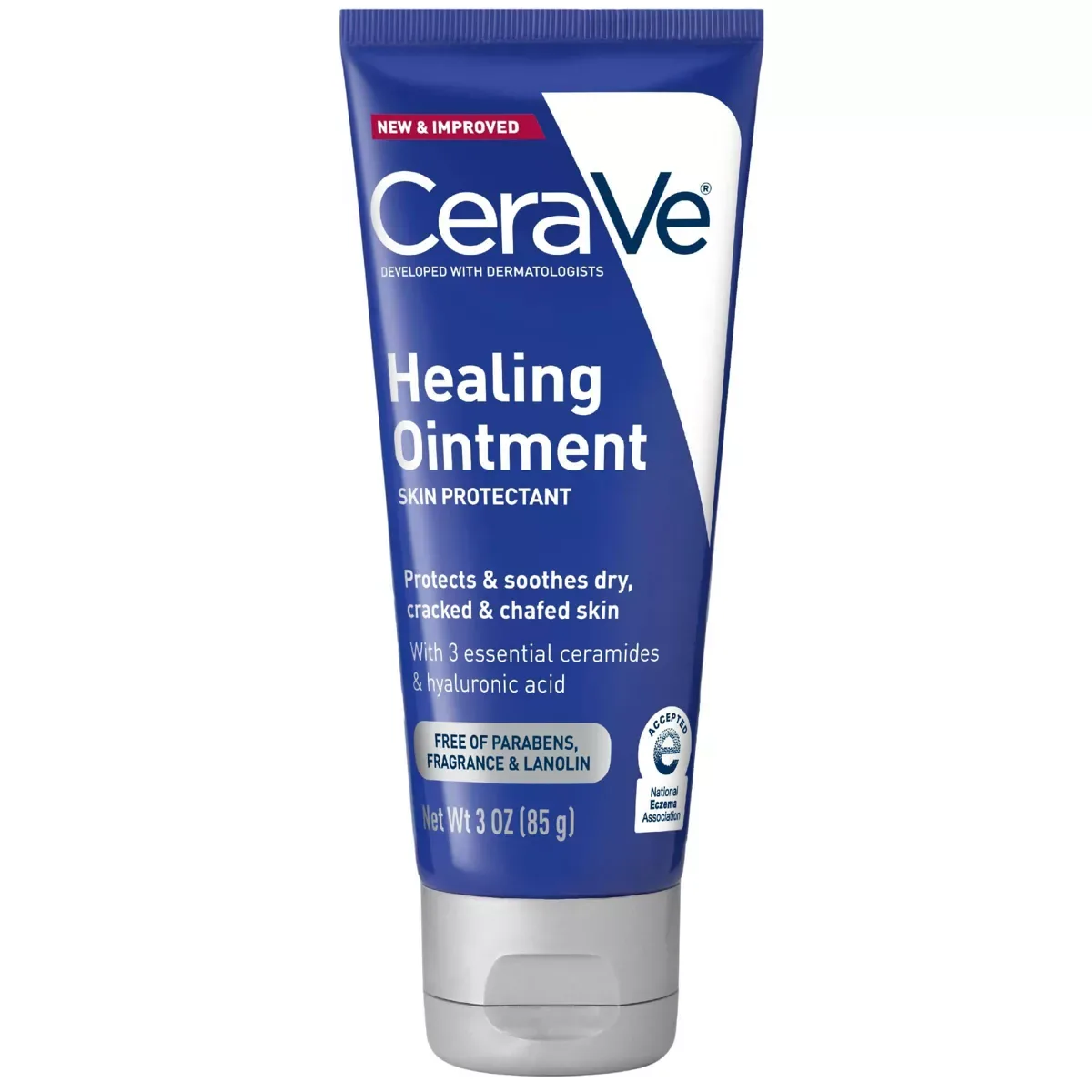
 Healing Ointment
CeraVe's Healing Ointment takes the simplest concept in skincare — seal the skin with petrolatum — and makes it genuinely intelligent by adding ceramides, hyaluronic acid, and panthenol beneath the occlusive layer. It is the gold standard drugstore occlusive for barrier rescue, slugging, and post-procedure care.
 Derm Office Staple
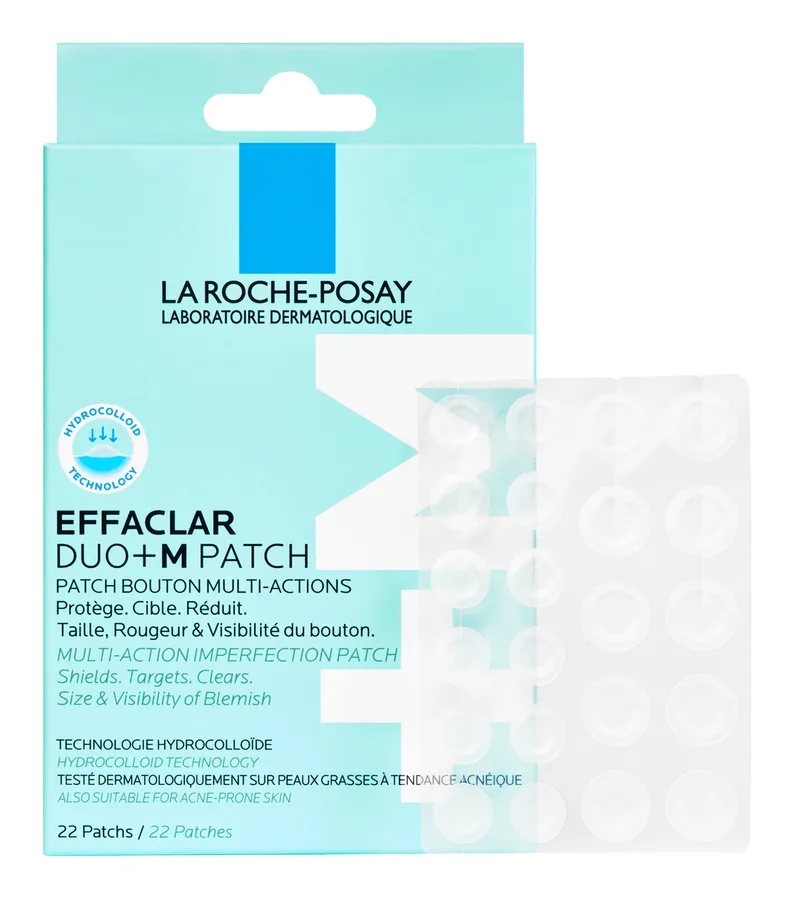
 Effaclar Multi-Target Blemish Patches
One of the few hydrocolloid pimple patches that actually stays on overnight without curling off at 3am. At 420 microns thick with two size options in one pack and zero actives to irritate sensitive skin, this is the Effaclar line's quiet overachiever — and a legitimately good answer for anyone whose acne routine has been sabotaged by thinner patches that refuse to stay put.
 Reactive-Skin Cult Favorite
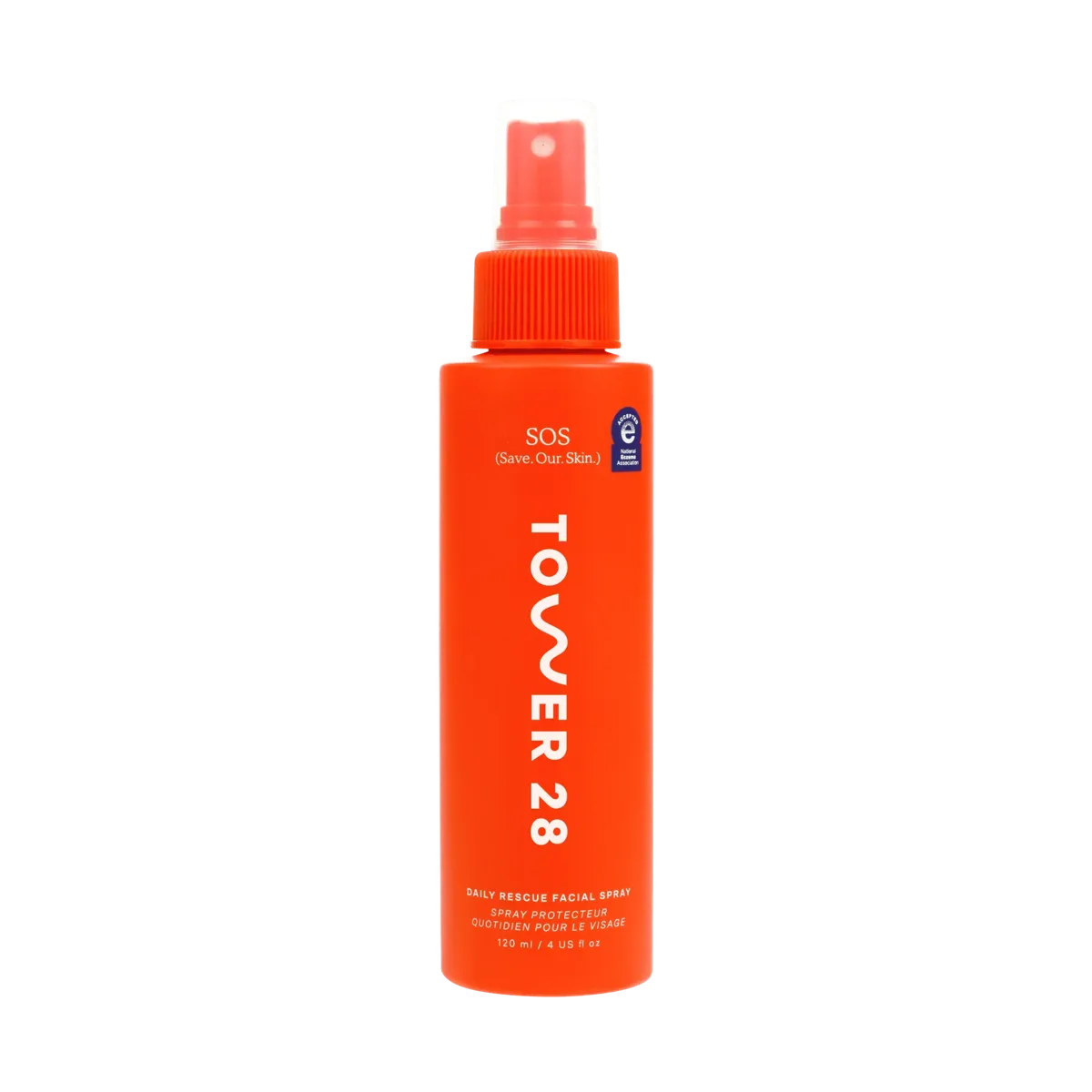
 SOS Save Our Skin Daily Rescue Facial Spray
The product that single-handedly brought hypochlorous acid into mainstream skincare. A fine-mist HOCl spray with genuine dermatology-organization validation, a near-perfect tolerability profile, and a cult following among people whose skin reacts to everything else. The price runs steeper than medical-grade HOCl, but the stabilization and design are worth the difference for daily use.
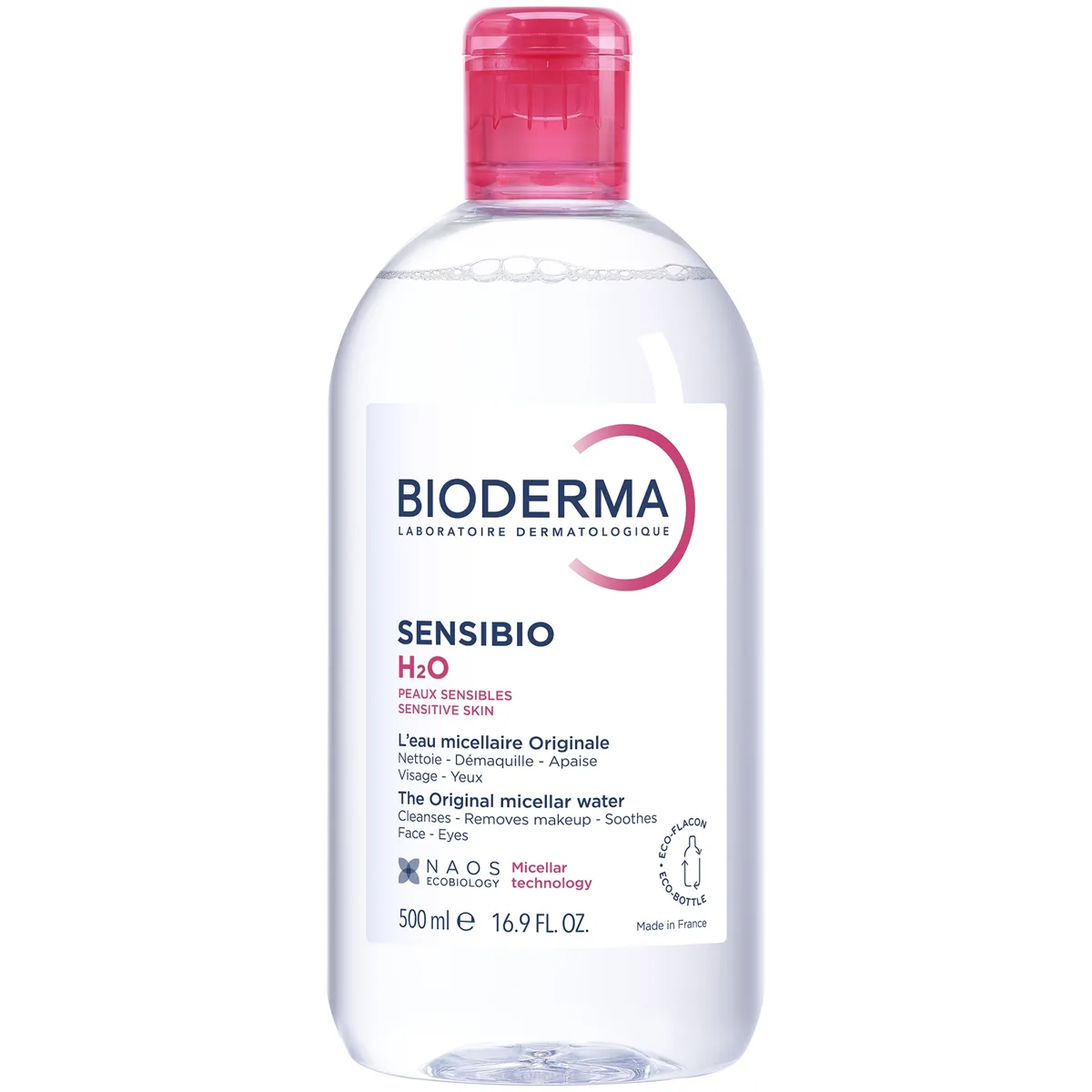 The Original Micellar Water
 Sensibio H2O Micellar Water
The product that launched an entire skincare category remains, three decades later, one of the gentlest and most effective no-rinse cleansers available. Bioderma Sensibio H2O earns its cult status through radical simplicity — 10 ingredients, zero fragrance, and a formula so mild it was originally dispensed by prescription.
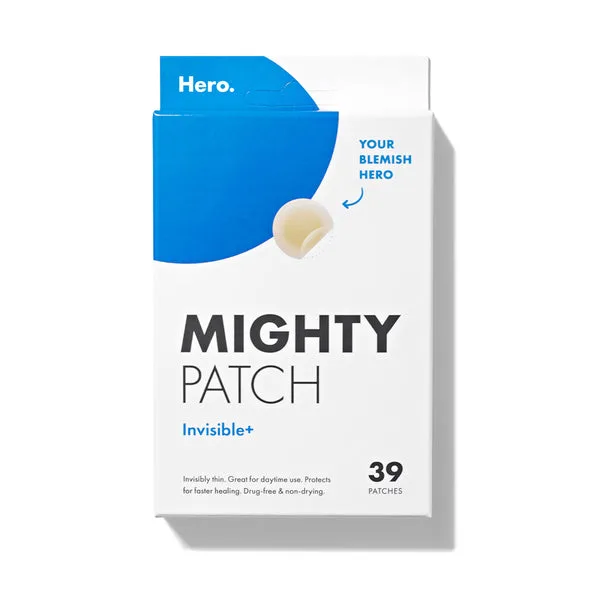
Mighty Patch Invisible+
The pimple patch that proved acne treatment could be invisible — Mighty Patch Invisible+ delivers the same fluid-absorbing hydrocolloid technology as the category-defining Original, but engineered thin enough to disappear under makeup. For daytime blemish management, nothing else comes this close to invisible.
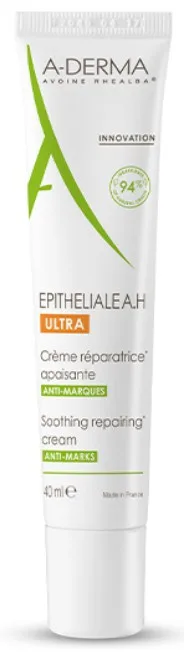 Post-Procedure MVP
 Epitheliale A.H Ultra Repairing Cream
One of the best-formulated French pharmacy repair creams on the market, full stop. Rhealba oat, three-weight HA, madecassoside, trace minerals, panthenol, and shea butter come together in a cream that handles post-procedure skin, eczema flares, friction damage, and compromised barriers with unusual competence for the price.
This review reflects our independent analysis of publicly available ingredient data, manufacturer claims, and verified user reviews. We are reader-supported — Amazon links may earn us a commission at no cost to you. We do not accept paid placements; rankings are based solely on the evidence.