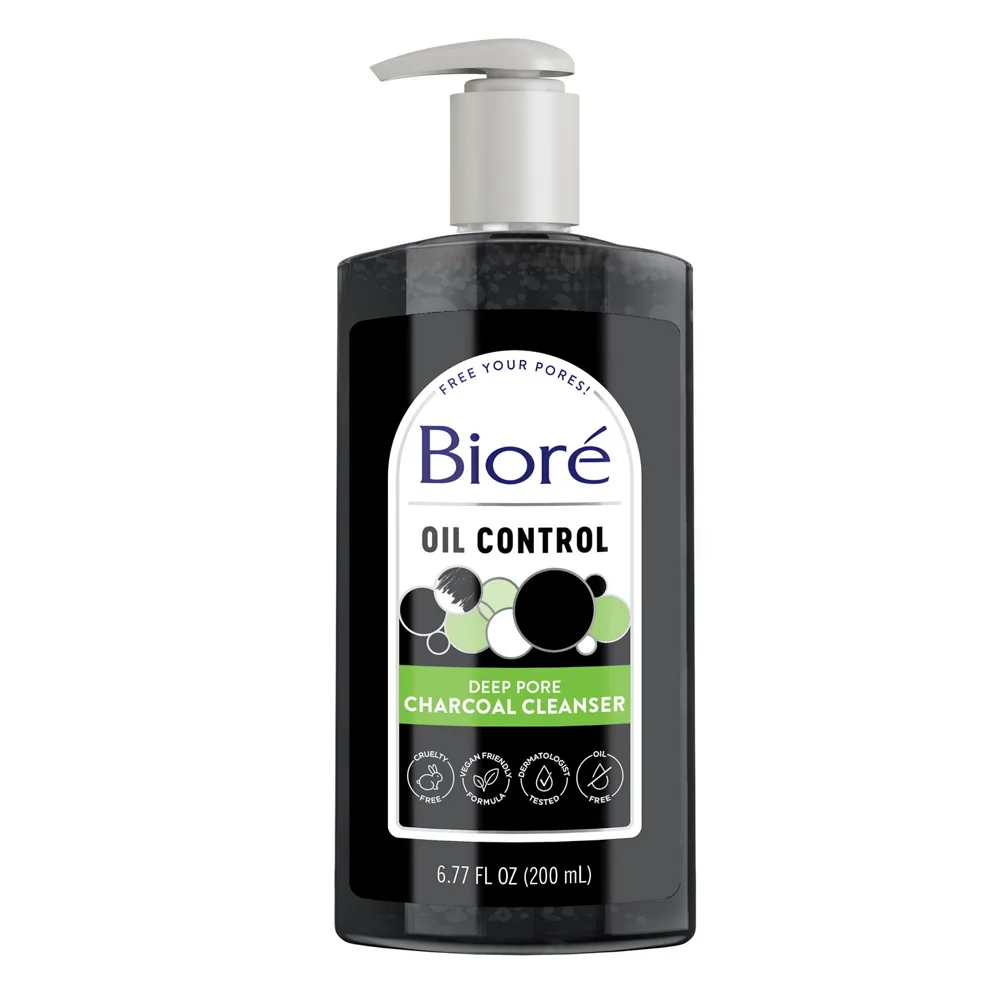
A divisive drugstore cleanser that does exactly what its 2010s marketing promised: strip oil aggressively, tingle like mouthwash, and leave an unmistakable squeaky finish. For genuinely oily teens and non-reactive adult oily skin it's a legitimate cheap staple; for anyone else it's an irritation risk disguised as efficacy. Cheap, effective for the right user, and almost comically wrong for the wrong one.
Deep Pore Charcoal Cleanser
A divisive drugstore cleanser that does exactly what its 2010s marketing promised: strip oil aggressively, tingle like mouthwash, and leave an unmistakable squeaky finish. For genuinely oily teens and non-reactive adult oily skin it's a legitimate cheap staple; for anyone else it's an irritation risk disguised as efficacy. Cheap, effective for the right user, and almost comically wrong for the wrong one.
Score Breakdown
Where this product gains points and where it loses them — broken down across the four scoring pillars.
A cheap, effective oil-stripping cleanser for a very specific user — oily, non-sensitive skin that genuinely tolerates strong surfactants and menthol. Scores are held back by the added fragrance, menthol, and SLES-first base, which make it a poor choice for most modern skincare users.
Pros & Cons
- ✓Extremely affordable at under $8 for a generous tube
- ✓Genuinely effective at removing surface oil and grime
- ✓Satisfying cooling sensation oily users often love
- ✓Small amount of salicylic acid supports oily, blackhead-prone skin
- ✓Thick foaming lather feels substantial and rinses clean
- ✓Widely available in almost every drugstore and supermarket
- ✗Added fragrance and menthol are significant irritation risks
- ✗Sulfate-based surfactant strips moisture from non-oily skin
- ✗Charcoal content is largely cosmetic, not functional
- ✗Not suitable for rosacea, eczema, or sensitive skin
- ✗Can leave a tight, over-cleansed feeling after rinsing
Full Review
There is a very specific tingle that this cleanser delivers, and once you've felt it you immediately understand why it has sold steadily through every shift in skincare trends since 2014. You massage the inky black gel into wet skin, it foams into a dense dark lather, and within about twenty seconds a prickly, minty, almost mouthwash-adjacent coolness blooms across your face. It's the exact sensation that makes people say 'oh yes, this is doing something.' And in the most literal sense, it is doing something — but what it's doing is probably not what most people assume. The tingle is menthol activating the cold-sensitive TRPM8 receptors in your skin. It's a neurological signal, not a pore-cleaning action. Understanding that distinction is actually the whole story with this cleanser, because once you stop crediting the cooling for efficacy and start looking at what's actually in the formula, the product makes much more sense as what it is: a mid-1990s idea of an oily-skin face wash, kept alive with small modern updates, for an audience that still likes the mid-1990s experience.
The cleansing work is done by sodium laureth sulfate as the primary surfactant, buffered by cocamidopropyl betaine, which is a sensible drugstore surfactant pair. This combination strips oil effectively — arguably too effectively for most modern skincare users, who have been trained away from squeaky-clean finishes toward gentler amino-acid cleansers and non-stripping syndet bars. But for a fifteen-year-old with a shiny T-zone that produces a new layer of sebum by the end of second period, the aggressive oil removal is the point. The squeaky finish feels like progress, the menthol feels like active medicine, and the black color feels like it's pulling something sinister out of your pores. It isn't — charcoal's adsorption happens under controlled contact conditions that no rinse-off cleanser can replicate — but the theater works. The later formula refresh added a small amount of salicylic acid, which gives the oily/blackhead-prone positioning slightly more evidence-backed weight, even if the contact time is still too short to do serious BHA work.
The trouble is that the same features that make this cleanser beloved by oily teenagers are exactly the features that disqualify it for most of the people picking it up off a drugstore shelf. The fragrance is assertive. The menthol is a known irritant for rosacea, eczema, and compromised barriers. The sulfates can over-strip normal or combination skin, which then rebounds with more oil or, worse, flakes and tightens. Read through any long-form review thread and you'll see the same pattern: one camp calling it holy grail, another camp describing cheeks that went red, tight, and itchy after a single use. Both are telling the truth. Bioré built a cleanser with a narrow ideal user, priced it at under ten dollars, and let the general public self-sort. When it works, it really works. When it doesn't, it doesn't just fail — it actively makes things worse.
The experience itself is honestly kind of fun if you're the right user. The gel is a dense, almost ink-like black that foams into a charcoal-gray lather most people find satisfying. It rinses cleanly without a slippery film. The packaging is a basic flip-top black tube that holds nearly seven ounces, which is a genuinely generous size at this price point, and it lasts roughly two to three months with daily use. None of this is luxurious — it's drugstore product design at its most utilitarian — but for under eight dollars, complaints about the tube feel missing the point.
Where you land on this cleanser is almost entirely determined by how oily your skin actually is and how tolerant it is of the irritation triad of sulfates, fragrance, and menthol. Honestly oily, non-reactive skin that wants an aggressive daily cleanser and loves the cooling sensation will get real mileage out of it and save money doing so. Everyone else should treat this as a cautionary example of how drugstore marketing still leans on dramatic sensory cues rather than formulation quality — and should shop for something gentler. The product isn't a scam, and it isn't junk; it's a 2010s-vintage oil cleanser that has outlived most of its peers because its exact use case still exists. It just doesn't deserve the general-audience halo its shelf placement suggests.
Formula
Key Ingredients
The hero actives that drive this product's performance.
| Ingredient | Function | Evidence |
|---|---|---|
| Charcoal Powder | Sits low on the ingredient list and acts primarily as a visual-and-marketing signal — it colors the cleanser black and suggests 'deep cleaning' but doesn't meaningfully adsorb impurities during the brief rinse-off contact. In this formula the real cleansing work is done by the SLES/cocamidopropyl betaine surfactant system; the charcoal is a visual cue more than a functional active. | limited |
| Salicylic Acid | Included in the reformulated version at cleanser-appropriate levels to offer mild oil-dissolving and anti-comedogenic support. Contact time is too short for a true BHA treatment effect, but it contributes to the oil-control positioning of this gel for the targeted oily-skin user. | well-established |
| Menthol | Provides the signature cooling tingle that's central to this cleanser's marketing — many users interpret the sensation as 'working.' Mechanically it activates cold receptors without actually cooling the skin, and it can be a genuine irritant for sensitized or rosacea-prone users. | well-established |
| Sodium Laureth Sulfate | The primary foaming surfactant in this gel. Delivers the thick, squeaky-clean lather that oily-skin users often prefer, but can over-strip the acid mantle if used twice daily on already-compromised skin. The cocamidopropyl betaine helps temper the harshness somewhat. | well-established |
Full INCI List · pH 6
Water, Glycerin, Sodium Laureth Sulfate, Cocamidopropyl Betaine, Sorbitol, Laureth-4 Carboxylic Acid, Ethylhexylglycerin, Acrylates/C10-30 Alkyl Acrylate Crosspolymer, Sodium Hydroxide, Menthol, Polyquaternium-39, Disodium EDTA, Salicylic Acid, Charcoal Powder, Mannitol, Cellulose, Iron Oxides, Caprylic/Capric Triglyceride, Sodium Benzoate, Fragrance, Hydroxypropyl Methylcellulose
Product Flags
✗ Fragrance Free✓ Alcohol Free✓ Oil Free✓ Silicone Free✓ Paraben Free✗ Sulfate Free✗ Cruelty Free✓ Vegan✓ Fungal Acne Safe
Potential Irritants
FragranceMentholSodium Laureth Sulfate
Common Allergens
Fragrance
Compatibility
Skin Match
Best For
Works For
Not Ideal For
Addresses These Conditions
Use With Caution
Avoid With
rosacea eczema sensitivity dryness
Routine Step
cleanser
Time of Day
AM & PM
Pregnancy Safe
Yes ✓
Layering Tips
Use as your main cleanser on oily days or evenings after a heavy sunscreen/makeup day. Follow with a hydrating toner and a non-stripping moisturizer to rebuild anything this surfactant system took off. If you feel tightness after rinsing, downshift to once daily or switch cleansers entirely.
Results Timeline
Immediately after rinse: clean, cool, squeaky feeling and visibly matte forehead. Short-term (1-2 weeks): some users see reduced shine and fewer surface blackheads. Full benefits (4-8 weeks): for the right oily-skin user, baseline oil production feels more controlled, but this is primarily a daily maintenance cleanser rather than an acne treatment.
Pairs Well With
hydrating-tonerniacinamide-serum
Conflicts With
benzoyl-peroxide
Sample AM Routine
- Bioré Deep Pore Charcoal Cleanser
- Alcohol-free hydrating toner
- Niacinamide serum
- Light gel moisturizer
- Sunscreen
Sample PM Routine
- Oil cleanser
- Bioré Deep Pore Charcoal Cleanser
- Hydrating toner
- BHA treatment
- Moisturizer
Evidence
Science & Expert Perspective
The Science
The most interesting science here isn't the charcoal — it's what's happening with the menthol. Menthol activates TRPM8, a cold-sensing ion channel in sensory neurons, which produces the cooling sensation users describe as 'tingling.' This has been well-characterized in peer-reviewed work (McKemy et al., Nature, 2002), and critically it's a nervous-system effect rather than any kind of local cleansing activity. The sensation is real; the implied efficacy isn't.
Activated charcoal's cleansing story is more complicated. Charcoal has genuine adsorption capacity in controlled conditions — for example in water filtration or acute poison management — but topical adsorption of skin impurities during a 30-second rinse-off contact period has not been demonstrated in peer-reviewed literature. The visible results of a charcoal cleanser are almost entirely attributable to the surfactant system, not the charcoal itself. The salicylic acid in the reformulated version is the one ingredient with robust evidence for oily and acne-prone skin; a well-cited review in the Journal of Clinical and Aesthetic Dermatology (2015) summarizes BHA's comedolytic and anti-inflammatory effects, though the data on cleanser-vehicle BHA is considerably weaker than on leave-on formulations because of short contact time.
The sulfate-plus-betaine surfactant system used here has extensive formulation data. SLES is effective and inexpensive but can disrupt the acid mantle and increase transepidermal water loss in already-compromised barriers. Cocamidopropyl betaine partially mitigates this by reducing harshness, but cannot fully offset it for reactive skin types.
References
- Identification of a cold receptor reveals a general role for TRP channels in thermosensation — Nature (2002)
- Salicylic Acid as a Peeling Agent: A Comprehensive Review — Clinical, Cosmetic and Investigational Dermatology (2015)
Dermatologist Perspective
Dermatologists generally regard menthol-forward drugstore cleansers with caution. Board-certified dermatologists note that the cooling sensation many users associate with efficacy is actually a well-characterized nervous-system effect that can trigger flares in rosacea, perioral dermatitis, and any compromised barrier. This product tends to be recommended — informally — only for a narrow slice of patients: genuinely oily, non-reactive skin that has demonstrated tolerance to strong surfactants. For everyone else, dermatologists typically steer patients toward gentle, fragrance-free cleansers with better barrier profiles. The small amount of salicylic acid in the reformulated version is a modest improvement, but most clinicians still prefer dedicated BHA cleansers with clearer labeling and without fragrance or menthol when treating acne-prone skin.
Guidance
Usage Guide
How to Use
Wet your face with lukewarm water, dispense a small amount of the black gel into damp hands, and work it into a lather. Massage across the face for 20-30 seconds, focusing on oilier areas like the T-zone, and avoid the immediate eye area. Rinse thoroughly with cool or lukewarm water — hot water will intensify any dryness. Pat dry, then immediately follow with a hydrating toner and a non-stripping moisturizer to rebuild anything the surfactants took off. Start with once daily in the evening; only add a morning use if your skin tolerates it without tightness.
Value Assessment
At roughly $7.99 for 6.77 fluid ounces, this is one of the cheapest charcoal cleansers on the US drugstore shelf and typical usage stretches a single tube across two to three months. For the right user, it's an easy-to-justify daily cleanser and a reasonable gateway product for teens working within an allowance. For the wrong user, the dollar value is irrelevant — a cleanser that triggers irritation or rebound oiliness isn't cheap at any price. Bioré's legacy standing and reliable drugstore distribution do add real value in the form of accessibility; you can replace it at almost any supermarket in the country. The price reflects the ingredient quality honestly, which is itself a kind of virtue in a skincare market full of overpriced fragrance-forward cleansers.
Who Should Buy
Oily or very oily skin that produces visible shine and tolerates strong surfactants. Teens and young adults who like the sensory experience of cooling, foaming cleansers and are working within a drugstore budget. Anyone who prefers a physically 'active' feeling over a gentle cleanser.
Who Should Skip
Sensitive, dry, or combination skin that tightens after cleansing. Anyone with rosacea, eczema, or a compromised barrier — the menthol and fragrance are genuine flare triggers. People who want a modern, fragrance-free, gentle cleanser; the formula's DNA is too rooted in the 2010s drugstore playbook to serve that goal.
Ready to try Bioré Deep Pore Charcoal Cleanser?
Details
Details
Texture
Thick, inky-black gel that foams into a dense lather with water. Slightly slippery rinse.
Scent
Strong fresh/menthol fragrance — very assertive.
Packaging
Opaque black plastic tube with flip-top cap. Utilitarian, travel-friendly, recyclable.
Finish
mattesqueaky-clean
What to Expect on First Use
Expect a very cooling, tingling sensation that builds over 20-30 seconds — this is the menthol and is the main reason this cleanser has its loyal audience. First-time users with any sensitivity will probably find it too intense. Oily-skin users typically feel a dramatic post-rinse mattifying effect that becomes the reason they keep buying it.
How Long It Lasts
A 6.77 oz tube lasts 2-3 months with once-daily use.
Period After Opening
12 months
Best Season
All Year
Background
The Why
Bioré expanded its US charcoal franchise in the mid-2010s as activated charcoal became a drugstore trend, and the Deep Pore Charcoal Cleanser has been a consistent seller ever since. The formula was refreshed later to drop parabens and add a touch of salicylic acid, aligning slightly closer to modern drugstore expectations.
About Bioré Legacy Brand (20+ years)
Bioré is a Kao Corporation brand founded in Japan in 1980, best known for pore-strip technology and affordable drugstore cleansers. The brand has decades of formulation history and wide dermatologist awareness in the US drugstore space, though its formulas sit at the mass-market rather than clinical-evidence end of the spectrum.
Brand founded: 1980 · Product launched: 2014
Myth vs. Reality
Myths & Misconceptions
Myth
The charcoal in this cleanser actually pulls impurities out of your pores.
Reality
Activated charcoal can adsorb molecules in lab conditions, but the contact time in a rinse-off cleanser is far too short for meaningful pore adsorption. The visible cleansing here comes from the surfactants, not the charcoal.
Myth
The cooling/tingling sensation means the cleanser is 'working' on your pores.
Reality
That feeling is menthol activating your cold receptors. It's a sensory effect, not a sign of active pore cleaning, and it can be irritating for reactive skin types.
FAQ
Frequently Asked Questions
Does the charcoal in this cleanser actually do anything?
Not really — activated charcoal can adsorb molecules in ideal conditions, but rinse-off contact time is too short to pull impurities from pores. The heavy lifting in this cleanser is done by its sulfate-based surfactant system, not the charcoal.
Is Bioré Deep Pore Charcoal Cleanser good for acne?
It contains a small amount of salicylic acid and is marketed for oily, acne-prone skin, but the formula also includes menthol, fragrance, and strong sulfates that can worsen inflammatory acne. For mild blackheads on oily, non-reactive skin it can help; for cystic or sensitized acne a gentler salicylic cleanser is a better choice.
Why does it tingle when I use it?
That cooling sensation is menthol activating cold receptors in your skin. It feels refreshing but isn't doing any additional cleansing — and it's a known irritant for people with rosacea, eczema, or sensitive skin.
Is this cleanser safe for sensitive skin?
No — between the sulfate-based surfactant, added fragrance, and menthol, it's one of the more irritating drugstore cleansers on the market for reactive skin types. If your skin reads as sensitive, there are better pharmacy-brand options.
Can I use it twice a day?
Once daily is safer for most users. Oily skin types with strong barriers may tolerate twice-daily use, but signs like tightness, flaking, or burning mean you should switch to once daily or rotate with a gentler cleanser.
Does it remove makeup and sunscreen?
It handles light makeup and sweat reasonably well, but for heavy sunscreen or full-coverage makeup you'll want to double-cleanse by starting with an oil or balm cleanser and using this as the second step.
Has the formula changed over the years?
Yes — Bioré has reformulated this cleanser to drop parabens, adjust preservatives, and add a small amount of salicylic acid. The menthol, fragrance, and sulfate-forward base remain core to the product.
Community
Community Voices
Common Praise
"Noticeable cooling/tingling sensation feels active"
"Effectively removes oil and surface grime"
"Very affordable at under $10"
"Visible mattifying effect on shiny T-zones"
Common Complaints
"Too drying for anything but oily skin"
"Menthol and fragrance irritate sensitive users"
"Can trigger rosacea flare-ups"
"Leaves skin tight after rinse"
Notable Endorsements
Long-running drugstore staple for oily/acne-prone teens
Appears In
best cleanser for oily skin best drugstore charcoal cleanser best cheap cleanser for teens best mattifying cleanser
Related Conditions
Related Ingredients
You Might Also Like
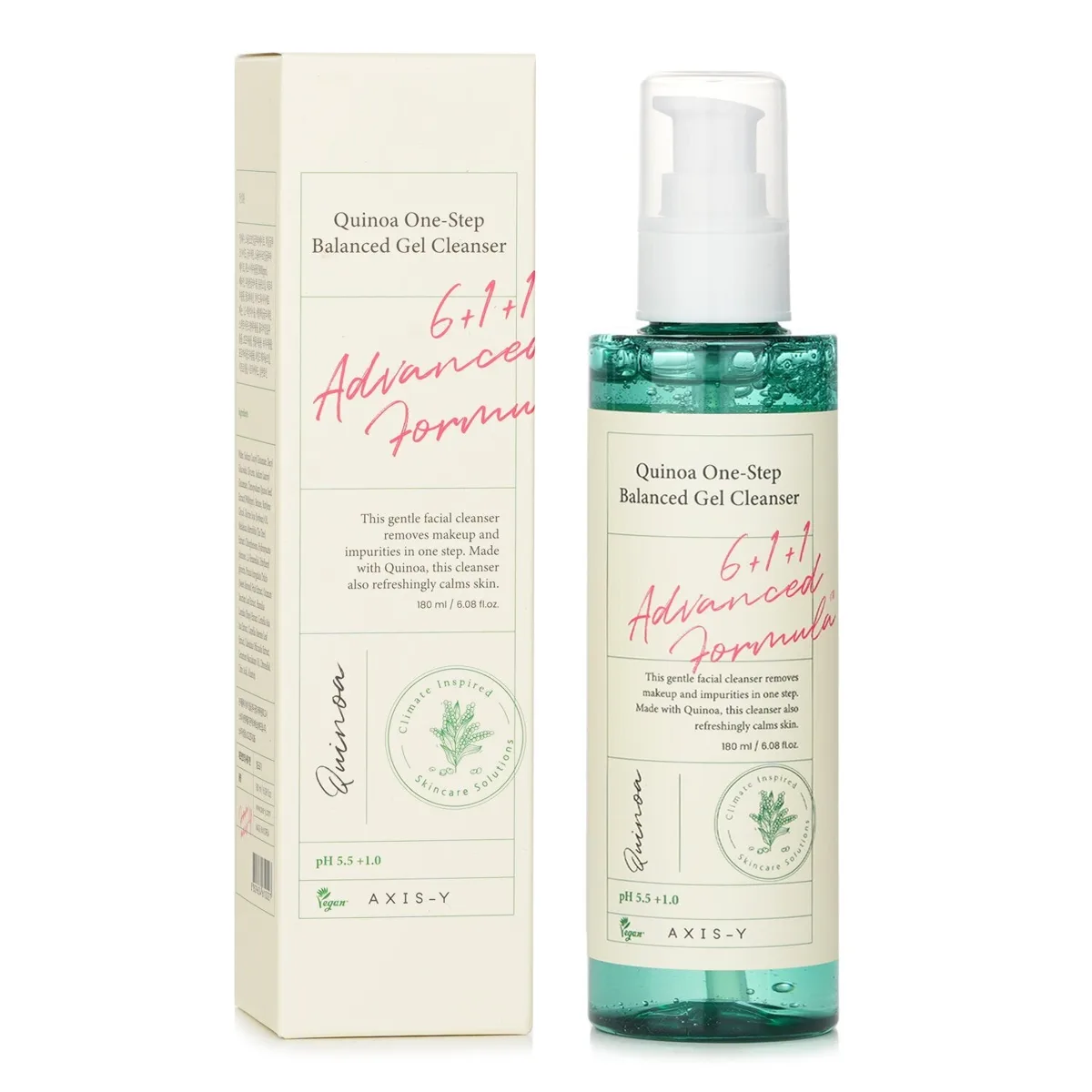 Quinoa-Led Gentle Daily Cleanser
 Quinoa One Step Balanced Gel Cleanser
A fragrance-free, sulfate-free gel cleanser built around quinoa seed extract and a gentle amphoteric-plus-nonionic surfactant pair. Non-stripping, broadly suitable, and priced reasonably — one of the safest recommendations in the daily gentle cleanser category.
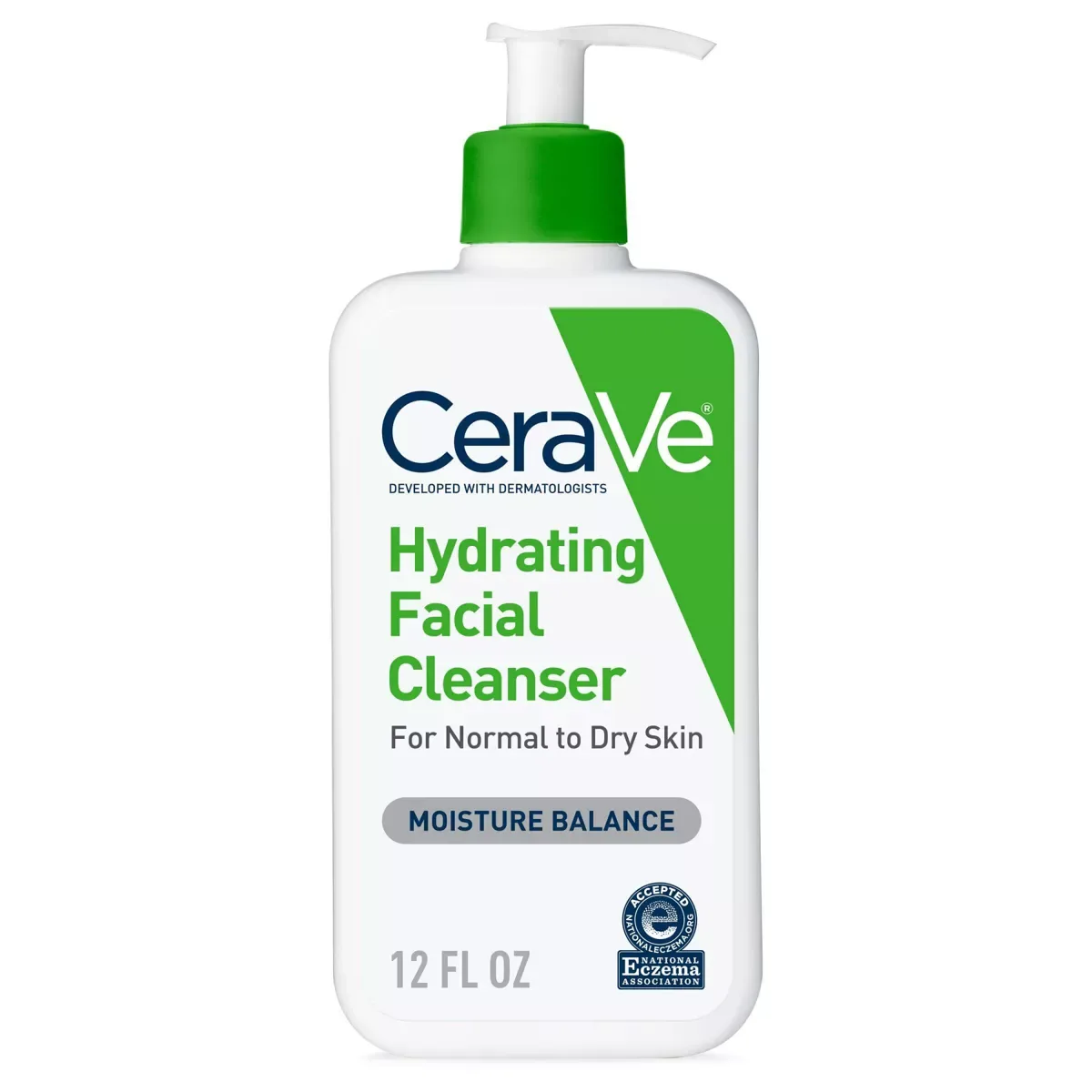 Sensitive Skin MVP
 Hydrating Facial Cleanser
The CeraVe Hydrating Facial Cleanser is the cleanser that taught a generation of dry-skin sufferers that washing your face does not have to mean punishing it. A lotion-textured, non-foaming formula that genuinely hydrates while it cleans, it remains the benchmark drugstore cleanser for anyone whose skin drinks moisture faster than most products can provide it.
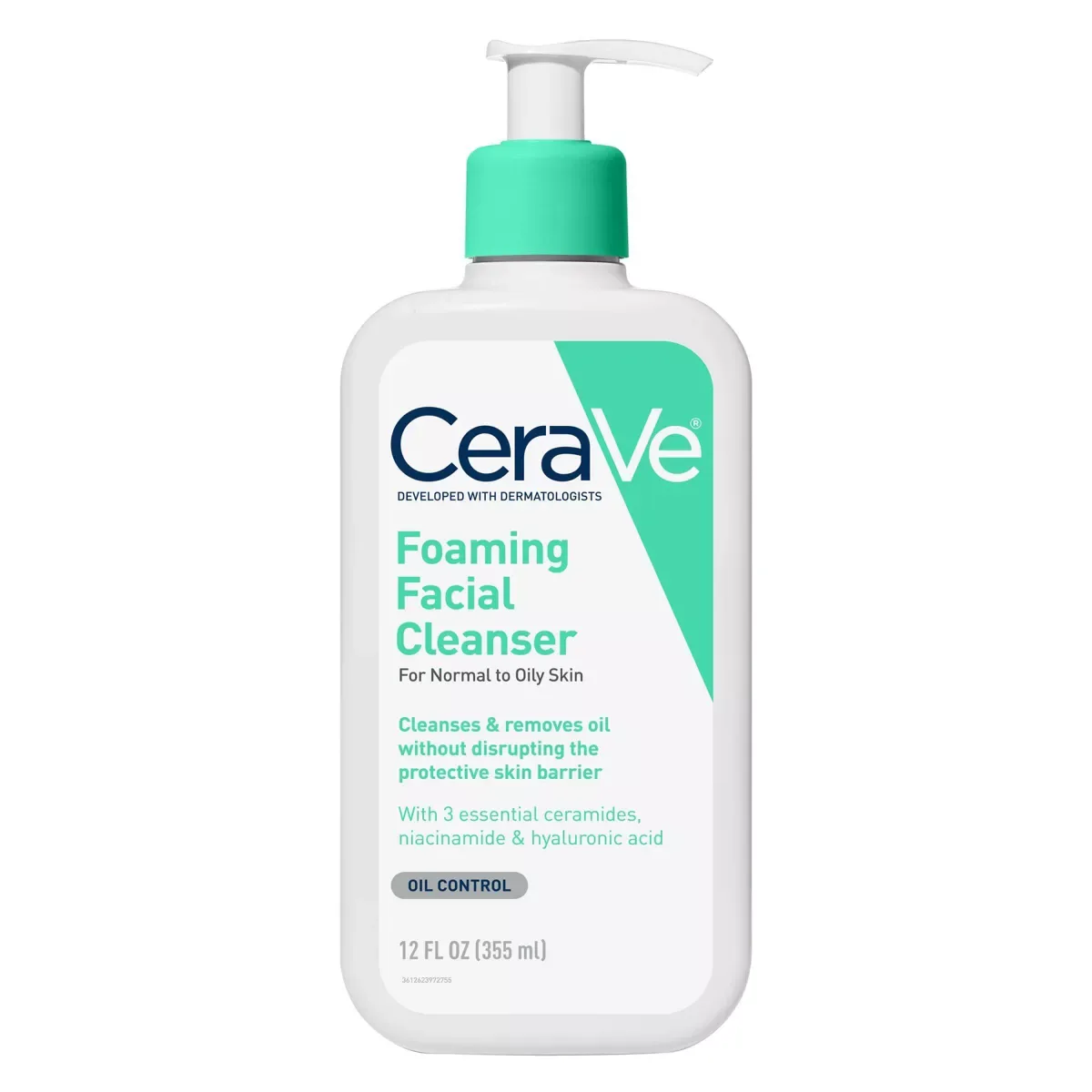 Derm Office Staple
 Foaming Facial Cleanser
The CeraVe Foaming Facial Cleanser is the rare drugstore cleanser that dermatologists actually use themselves — a genuinely gentle foaming wash that removes excess oil without triggering the rebound sebum production that plagues most lathering cleansers. At under sixteen dollars for a bottle that lasts months, it makes skipping it almost irrational.
 Cult-Status Makeup Eraser
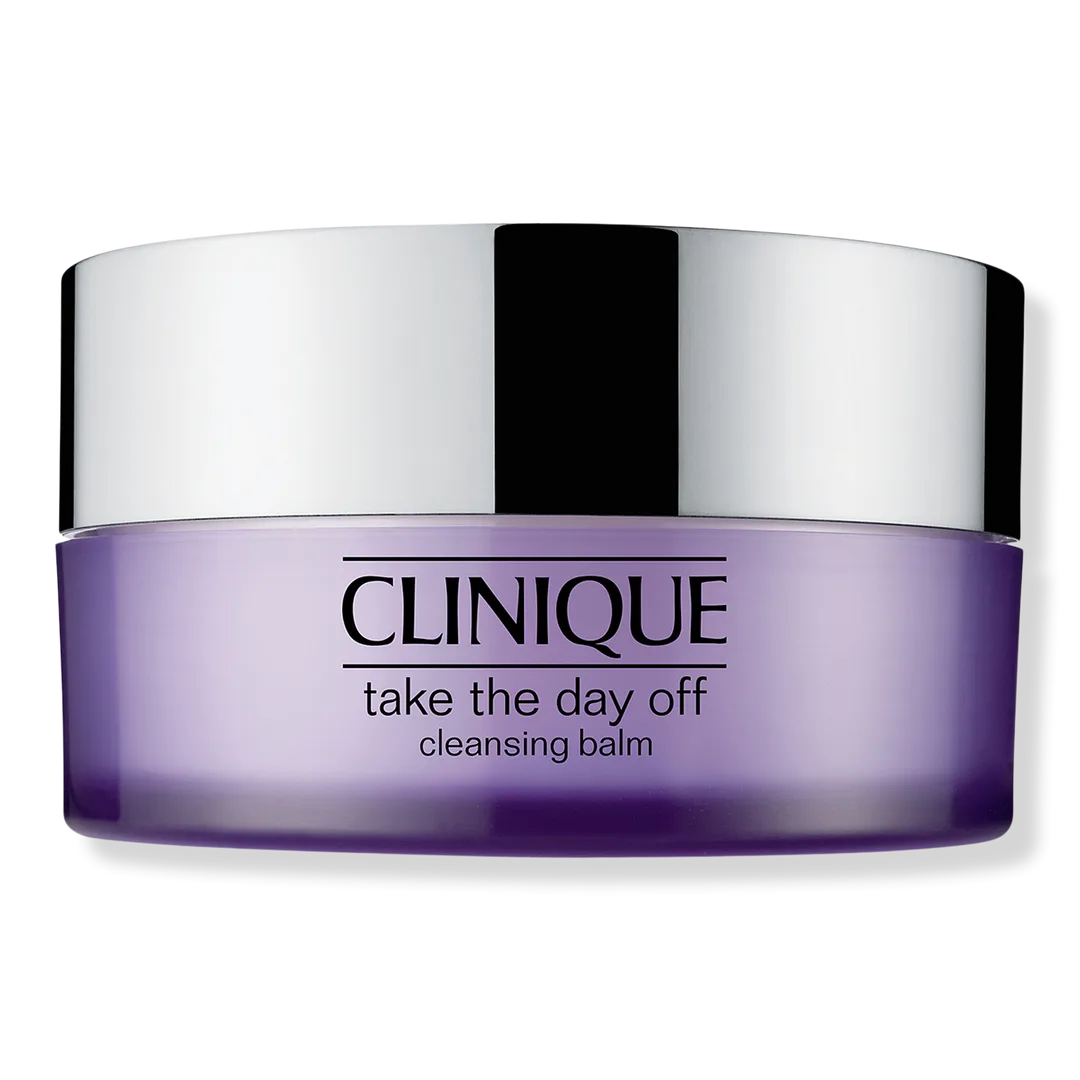
 Take the Day Off Cleansing Balm
The cleansing balm that earned its cult status through radical restraint — nine ingredients, zero fragrance, and the ability to dissolve anything from waterproof mascara to SPF 50 without disturbing even the most reactive skin. Not the most glamorous product in any routine, but possibly the most universally reliable.
 Japanese Drugstore Classic
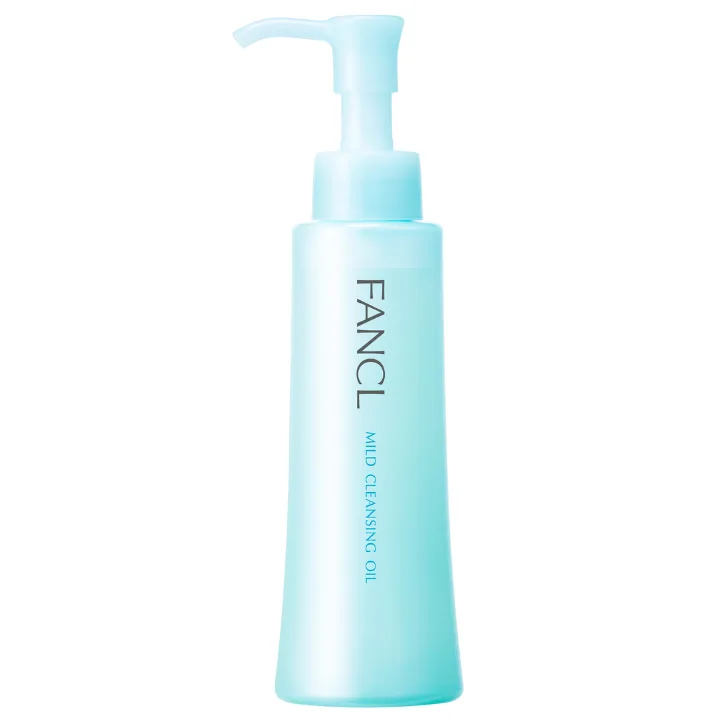
 Mild Cleansing Oil
A two-decade-old Japanese drugstore staple that still outperforms most modern cleansing oils on the single metric that matters: does it remove sunscreen cleanly without leaving a film. The fragrance-free, ester-based formula is gentle enough for reactive skin and thoughtfully augmented with vitamin C and plant oils. Quietly one of the best first-cleanse options on the market.
 The Original Micellar Water
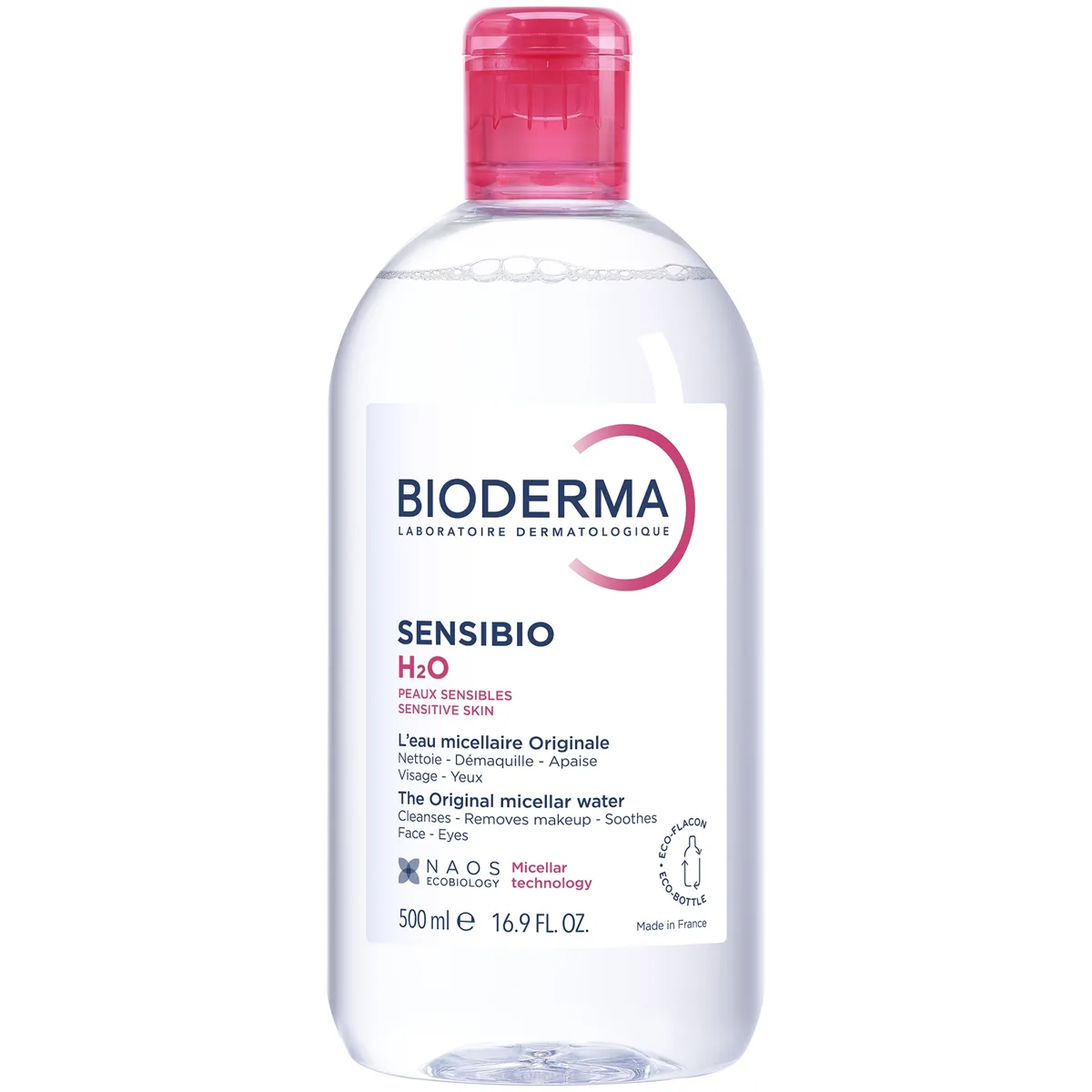
 Sensibio H2O Micellar Water
The product that launched an entire skincare category remains, three decades later, one of the gentlest and most effective no-rinse cleansers available. Bioderma Sensibio H2O earns its cult status through radical simplicity — 10 ingredients, zero fragrance, and a formula so mild it was originally dispensed by prescription.