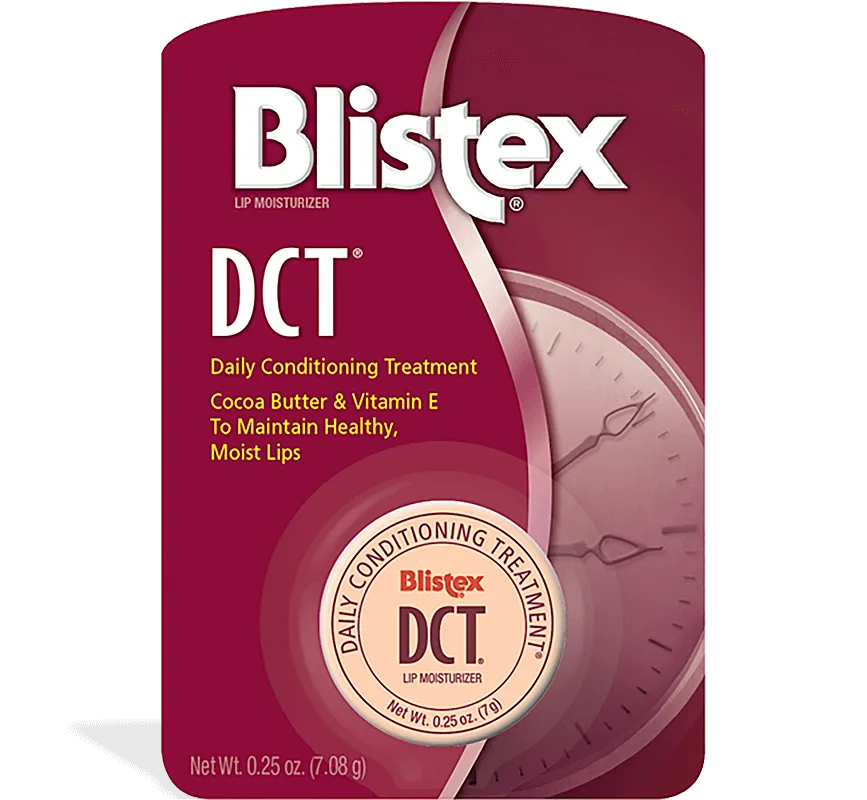
A petrolatum powerhouse that delivers serious lip moisture and SPF protection at a price that barely registers. The 55% petrolatum base is the gold standard of occlusive lip care. But the dated formulation — oxybenzone, menthol, camphor, phenol, and lanolin — reads like a 1990s ingredient list that never got the memo about modern clean formulation. Effective, affordable, and controversial.
DCT Daily Conditioning Treatment SPF 20
A petrolatum powerhouse that delivers serious lip moisture and SPF protection at a price that barely registers. The 55% petrolatum base is the gold standard of occlusive lip care. But the dated formulation — oxybenzone, menthol, camphor, phenol, and lanolin — reads like a 1990s ingredient list that never got the memo about modern clean formulation. Effective, affordable, and controversial.
Score Breakdown
Where this product gains points and where it loses them — broken down across the four scoring pillars.
An incredibly effective and affordable lip moisturizer with SPF, but the dated formula includes several known irritants (menthol, camphor, phenol, oxybenzone) that lower the irritation risk score significantly. The petrolatum base is dermatologically excellent; the supporting cast is questionable.
Pros & Cons
- ✓54.86% petrolatum provides the most effective occlusive lip barrier available in OTC products
- ✓SPF 20 offers meaningful daily sun protection for vulnerable lip tissue
- ✓Exceptionally affordable at approximately $3-4 per pot
- ✓Cocoa butter, aloe, and vitamin E provide genuine conditioning benefits
- ✓Heavy paste texture stays on lips for hours without frequent reapplication
- ✓Widely available at virtually every drugstore and pharmacy in the US
- ✗Contains oxybenzone — a controversial UV filter banned in some locations
- ✗Menthol, camphor, and phenol are irritants that can sting on damaged lips
- ✗Contains lanolin, a common contact allergen
- ✗Pot format requires finger application — less hygienic than stick balms
- ✗UVA protection from oxybenzone alone may be insufficient for comprehensive coverage
- ✗Not cruelty-free and contains animal-derived lanolin
Full Review
Some products exist in a kind of time capsule. They were formulated in an era with different standards, different ingredient philosophies, and different regulatory conversations — and they have persisted, unchanged, because they work. Blistex DCT is one of those products. It has been sitting in drugstore aisles for roughly three decades, in the same small pot, with the same formula, quietly doing what it has always done: aggressively moisturizing dry lips and providing sun protection.
The formula's foundation is petrolatum at 54.86%. More than half of what you are putting on your lips is pure petroleum jelly — the same ingredient that dermatologists have recommended for wound healing and skin protection for over a century. There is no more effective occlusive ingredient in the entire cosmetic and pharmaceutical inventory. Petrolatum reduces transepidermal water loss by up to 98%, creating an impermeable barrier that locks moisture into the lip tissue underneath. If your lips are dry, cracked, and miserable, petrolatum is what fixes them. Everything else is commentary.
And DCT does provide commentary — some of it excellent, some of it questionable.
On the excellent side: cocoa butter provides rich emollient conditioning that softens lips beyond what petrolatum alone achieves. Tocopheryl acetate (vitamin E) contributes antioxidant protection. Aloe vera extract soothes irritation. Candelilla wax gives the formula its paste-like structure. These are solid, time-tested lip care ingredients that complement the petrolatum base sensibly.
On the questionable side: menthol, camphor, and phenol. These counterirritant ingredients create the cooling tingle that DCT users know well. They serve no moisturizing purpose. Menthol and camphor produce a sensation that some interpret as the product working, but what they actually do is mildly irritate the lip tissue — which is why some dermatologists have long side-eyed lip balms that include them. In a product designed for daily conditioning of lips that may already be compromised, adding irritants is a choice.
The tingle is not dangerous. The concentrations are low. Most users tolerate it without issue and many actively enjoy the sensation. But for people with truly damaged, cracked, or eczema-affected lips, the menthol-camphor-phenol trio can sting on contact and may exacerbate sensitivity. It is worth knowing what causes the tingle and why it is there: sensation, not therapy.
Then there is oxybenzone. At 4.5%, it is one of two chemical sunscreen filters providing the SPF 20 protection (the other being octinoxate at 7.3%). Oxybenzone has become one of the most debated ingredients in sunscreen, with environmental concerns about coral reef toxicity leading to bans in Hawaii and Key West, and ongoing regulatory discussions about systemic absorption at levels exceeding FDA safety thresholds. For a lip product that is applied to mucous membrane tissue and inevitably ingested in small amounts throughout the day, the oxybenzone inclusion deserves consumer awareness rather than alarm — the dose makes the poison — but it is undeniably a dated choice that modern formulators would likely replace.
The SPF 20 itself is a genuine benefit. Lip tissue lacks melanin and has a thinner protective barrier than surrounding facial skin, making it disproportionately vulnerable to UV damage. Squamous cell carcinoma of the lower lip is a documented clinical concern, and dermatologists routinely recommend SPF lip protection. In this regard, DCT provides meaningful daily protection that plain petrolatum or wax-based balms cannot match.
The texture is unapologetically thick. This is not a sheer, barely-there lip gloss. DCT is a paste — dense, waxy, and visibly present on the lips after application. It requires finger application from its small pot, which some users find unhygienic compared to stick or tube formats. The trade-off is that the heavy consistency stays on lips for hours, outlasting lighter balms that need constant reapplication. For people who want a lip product they can apply once and forget about, the staying power is a genuine advantage.
The pot format also means the product has an exceptionally long life. At the rate most people use lip balm — a thin layer a few times daily — a single 0.25-ounce pot lasts two to three months. At roughly three to four dollars per pot, the cost per application is essentially negligible. This is one of the cheapest effective lip care products in existence.
The lanolin inclusion is worth noting for allergy-prone consumers. Lanolin is an effective emollient derived from sheep's wool, but it is also one of the more common contact allergens in lip products. If you have experienced allergic reactions to other lip balms, lanolin may be the culprit, and DCT should be patch-tested on the inner wrist before lip application.
For all its ingredient controversies, Blistex DCT endures because the core formula does what it promises. The petrolatum base is unimpeachable. The conditioning ingredients are effective. The SPF provides real protection. Thousands of users have relied on it for years — possibly decades — as their go-to lip rescue product. It works. The question is not whether it works. The question is whether a product formulated in the 1990s, with ingredients that raise legitimate modern concerns, should be your first choice when newer alternatives exist that deliver similar moisturizing benefits without the oxybenzone, menthol, camphor, and phenol.
The answer depends on what you prioritize. If you want maximum lip moisture and SPF at minimum cost and you tolerate the formula well, DCT is nearly impossible to beat. If you want a modern, clean-formulation lip treatment, this is not it — and it has never pretended to be.
Formula
Key Ingredients
The hero actives that drive this product's performance.
| Ingredient | Function | Evidence |
|---|---|---|
| Petrolatum (54.86%) (54.86%) | The foundation of this formula at over half the total composition, providing the most effective occlusive barrier available in dermatology. At this concentration, petrolatum seals in moisture and protects the delicate lip mucosa from environmental exposure — wind, cold, and dryness — while allowing the other conditioning ingredients to work under its protective film. | well-established |
| Cocoa Butter (Theobroma Cacao Seed Butter) | Provides rich emollient conditioning that softens and nourishes chapped lips beyond what petrolatum alone can achieve. The cocoa butter adds a natural slip to the balm texture and contributes fatty acids that integrate into the lip's delicate lipid structure, supporting repair of cracked or peeling skin. | well-established |
| Octinoxate (7.3%) (7.3%) | A UVB-absorbing chemical sunscreen filter that provides the bulk of the SPF 20 protection. In this lip-specific formula, it helps prevent the sun-induced dryness and photoaging that exposed lip tissue is particularly vulnerable to, given that lips lack melanin and the thicker stratum corneum of facial skin. | well-established |
| Tocopheryl Acetate (Vitamin E) | A stable vitamin E ester that provides antioxidant protection within the petrolatum matrix and supports healing of damaged lip tissue. In this formula, it works under the occlusive petrolatum seal to deliver conditioning benefits directly to the lip surface where moisture loss is greatest. | well-established |
| Aloe Barbadensis Leaf Extract | Provides soothing, anti-inflammatory relief for dry, cracked, or irritated lips. The aloe works within the petrolatum-sealed environment to calm inflammation while the occlusive barrier prevents further moisture loss from the treated tissue. | well-established |
Full INCI List
Active Ingredients: Octinoxate 7.3% (Sunscreen), Oxybenzone 4.5% (Sunscreen), Petrolatum 54.86% (Skin Protectant). Inactive Ingredients: Aloe Barbadensis Leaf Extract, Camphor, Cetyl Alcohol, Cocoyl Hydrolyzed Soy Protein, Euphorbia Cerifera (Candelilla) Wax, Flavor, Lanolin, Menthol, Ozokerite, Phenol, Saccharin, Theobroma Cacao (Cocoa) Seed Butter, Tocopheryl Acetate
Product Flags
✗ Fragrance Free✓ Alcohol Free✗ Oil Free✓ Silicone Free✓ Paraben Free✓ Sulfate Free✗ Cruelty Free✗ Vegan✗ Fungal Acne Safe
Comedogenic Ingredients
Lanolin
Potential Irritants
OxybenzoneCamphorMentholPhenolFlavor
Common Allergens
LanolinOxybenzone
Compatibility
Skin Match
Best For
Works For
Not Ideal For
Addresses These Conditions
Use With Caution
Routine Step
treatment
Time of Day
AM & PM
Pregnancy Safe
Unknown
Layering Tips
Apply directly to clean, dry lips as needed throughout the day. Can be used as a base under lipstick or lip gloss. Reapply after eating, drinking, or every 2 hours during sun exposure for maintained SPF protection.
Results Timeline
Immediate relief from dryness and chapping upon application. Lips feel smoother and more conditioned within minutes. The petrolatum barrier provides lasting moisture lock for several hours. SPF protection is immediate but requires regular reapplication.
Pairs Well With
Lip scrub for exfoliating before applicationOvernight lip mask for intensive repair
Sample AM Routine
- Lip scrub (optional)
- Blistex DCT Daily Conditioning Treatment SPF 20
Sample PM Routine
- Lip scrub (optional)
- THIS PRODUCT or overnight lip treatment
Evidence
Science & Expert Perspective
The Science
The petrolatum base at 54.86% is the formula's primary therapeutic agent. Petrolatum is the gold standard occlusive in dermatology, documented to reduce transepidermal water loss (TEWL) by up to 98% according to research published in the Journal of the American Academy of Dermatology. Its effectiveness stems from its ability to form a complete hydrophobic barrier over the skin surface, trapping endogenous moisture in the underlying tissue. For lip tissue — which lacks sebaceous glands and is therefore unable to produce its own protective oil film — this occlusive function is particularly valuable.
The UV protection system combines octinoxate (ethylhexyl methoxycinnamate) at 7.3% for UVB absorption and oxybenzone (benzophenone-3) at 4.5% for UVA/UVB absorption. Oxybenzone has been the subject of substantial regulatory and scientific scrutiny. A 2019 FDA maximal usage trial published in JAMA demonstrated systemic absorption of oxybenzone exceeding the threshold of 0.5 ng/mL after a single application, with plasma concentrations increasing with repeated use. The clinical significance of this absorption remains under investigation, and the FDA has requested additional safety data. For a lip product applied to mucous membrane tissue where absorption is enhanced, this is a relevant consideration.
The counterirritant trio — menthol, camphor, and phenol — works by activating TRPM8 and TRPA1 cold receptors in the lip tissue, producing the characteristic cooling sensation. While these ingredients have traditional use in lip care products, they provide no moisturizing benefit and can paradoxically increase lip sensitivity through repeated low-grade irritation. A study published in Contact Dermatitis identified camphor and menthol as contributors to lip lick dermatitis in susceptible individuals.
Dermatologist Perspective
Dermatologists have a complicated relationship with products like Blistex DCT. Board-certified dermatologists universally endorse petrolatum as the premier occlusive for dry, cracked lips and acknowledge that the SPF component provides valuable sun protection for this highly vulnerable tissue. However, dermatologists increasingly recommend lip products without menthol, camphor, and phenol, which can perpetuate a cycle of irritation in sensitive patients. For patients with chronic cheilitis or allergic contact dermatitis of the lips, dermatologists typically advise patch testing for lanolin sensitivity before recommending DCT. The oxybenzone inclusion adds another layer of clinical consideration, as lip products inevitably involve some oral ingestion. Many dermatologists now steer patients toward mineral SPF lip balms or newer chemical filter options that avoid oxybenzone while maintaining broad-spectrum protection.
Guidance
Usage Guide
How to Use
Using clean fingers, scoop a small amount from the pot and apply a thin, even layer to both lips. The thick paste spreads easily once warmed by body heat. Apply throughout the day as needed for moisture protection. For SPF benefits, apply 15 minutes before sun exposure and reapply every 2 hours during prolonged outdoor time or after eating and drinking. Can be used as a base layer under lipstick or lip gloss. Store at room temperature — the paste can harden in cold conditions and soften in heat.
Value Assessment
At approximately $3-4 for a 0.25 oz pot that lasts 2-3 months, Blistex DCT offers extraordinary value for effective lip care with SPF. The cost per application is essentially negligible, making this one of the most affordable lip treatments on the market. The product is available at every major drugstore, pharmacy, and mass retailer in the United States, ensuring universal accessibility. For budget-conscious consumers who tolerate the formula, the value proposition is nearly unbeatable.
Who Should Buy
Anyone looking for heavy-duty lip moisture with SPF protection at a drugstore price. Ideal for people with chronically dry lips, outdoor workers, and anyone who wants a thick, long-lasting lip treatment. Best for those who are not concerned about oxybenzone, lanolin, or counterirritant ingredients.
Who Should Skip
Anyone with lanolin allergies, oxybenzone sensitivity, or lips that react to menthol and camphor with stinging or increased dryness. Consumers seeking clean-formulation, cruelty-free, or vegan lip care should look elsewhere. Those who prefer the hygiene of stick or tube applicators may dislike the pot format.
Ready to try Blistex DCT Daily Conditioning Treatment SPF 20?
Details
Details
Texture
Thick, waxy paste in a small pot. Requires finger application. Very rich and occlusive — clings to the lips and creates a visible protective layer. Not the sheer, lightweight feel of a stick balm.
Scent
Slight medicinal scent from menthol and camphor. Has an added flavor (likely mint-adjacent) with saccharin for sweetness.
Packaging
Small round pot with screw-off lid. Compact and pocket-friendly. Requires finger application — no stick or tube applicator.
Finish
dewyglossy
What to Expect on First Use
On first application, the thick paste glides onto lips with a noticeable cooling tingle from the menthol and camphor. The sensation is mild but present and fades within a minute or two. Lips immediately feel coated and protected. The glossy finish is noticeable. The heavy petrolatum base means the product stays on lips rather than absorbing in.
How Long It Lasts
2-3 months with multiple daily applications
Period After Opening
24 months
Best Season
All Year
Background
The Why
Blistex introduced DCT as part of its lip care lineup to address the need for intensive daily lip conditioning with sun protection. The name says it all — Daily Conditioning Treatment — positioning it not as a reactive product for when lips are already damaged, but as a preventive treatment for maintaining lip health. The formula has remained essentially unchanged for decades, which is either a testament to getting it right the first time or a sign that modernization is overdue, depending on your perspective.
About Blistex Legacy Brand (20+ years)
Blistex was founded in 1947 by Charles Arch in Chicago and has been a pharmacy-brand staple in lip care for nearly eight decades. The family-owned company headquartered in Oak Brook, Illinois, has expanded through strategic acquisitions to include brands like Stridex and Odor-Eaters, with its own R&D and manufacturing facilities since 1967.
Brand founded: 1947 · Product launched: 1995
Myth vs. Reality
Myths & Misconceptions
Myth
Lip balms with menthol and camphor are addictive because they dry out your lips.
Reality
The 'lip balm addiction' theory is not supported by evidence. Menthol and camphor can cause mild irritation that makes lips feel like they need more balm, creating a perceived cycle, but the 54.86% petrolatum in this formula overwhelmingly counteracts any drying effect. The product genuinely moisturizes; the sensation ingredients are the issue, not the moisturizing efficacy.
Myth
SPF in lip balm is unnecessary — lips don't get sun damage.
Reality
Lips lack melanin and have a thinner stratum corneum than surrounding facial skin, making them highly vulnerable to UV damage. Lip skin cancer (particularly squamous cell carcinoma on the lower lip) is a real risk. SPF lip protection is recommended by dermatologists, especially for outdoor activities.
FAQ
Frequently Asked Questions
Does Blistex DCT contain oxybenzone?
Yes, the formula contains oxybenzone at 4.5% as one of two chemical sunscreen filters. Oxybenzone has been the subject of environmental and health debates — it is banned in Hawaii and Key West for coral reef concerns, and some consumers choose to avoid it. If oxybenzone is a concern for you, look for mineral or oxybenzone-free SPF lip balms as alternatives.
Why does Blistex DCT tingle when applied?
The tingling sensation comes from menthol, camphor, and phenol in the inactive ingredients. These are counterirritants — they create a cooling sensation on the lips. While not harmful in these concentrations, they can be irritating for people with very sensitive or severely cracked lips. The sensation fades within a minute or two.
Is Blistex DCT good for severely chapped lips?
The 54.86% petrolatum base is one of the most effective occlusive barriers available, making DCT excellent for protecting severely dry lips. However, if lips are cracked and bleeding, the menthol, camphor, and phenol may sting on open skin. For severely damaged lips, plain petrolatum without irritants may be more comfortable initially, with DCT used once the worst cracking has healed.
How often should I reapply Blistex DCT?
For moisturizing purposes, the thick petrolatum base lasts several hours before needing reapplication. For sun protection, reapply every 2 hours during continuous sun exposure and after eating or drinking, which removes the product from the lip surface.
Is Blistex DCT safe for daily use?
Yes, DCT is designed for daily use as its name implies. The petrolatum base, cocoa butter, and aloe provide genuine conditioning benefits. The only caveat is that the menthol, camphor, and phenol can cause mild irritation with very frequent application on already-sensitive lips.
Community
Community Voices
Common Praise
"Incredibly moisturizing for severely chapped lips"
"Lasts for hours without reapplication"
"Contains SPF for daily sun protection"
"Very affordable and widely available"
Common Complaints
"Cooling/tingling sensation from menthol and camphor"
"Contains oxybenzone, which some consumers avoid"
"Contains lanolin, which is a common allergen"
"Small pot requires finger application, which some find unhygienic"
Notable Endorsements
Drugstore staple for decadesAvailable at virtually every pharmacy in the US
Appears In
best lip balm with spf best drugstore lip treatment best lip balm for dry lips best budget lip care
Related Conditions
Related Ingredients
You Might Also Like
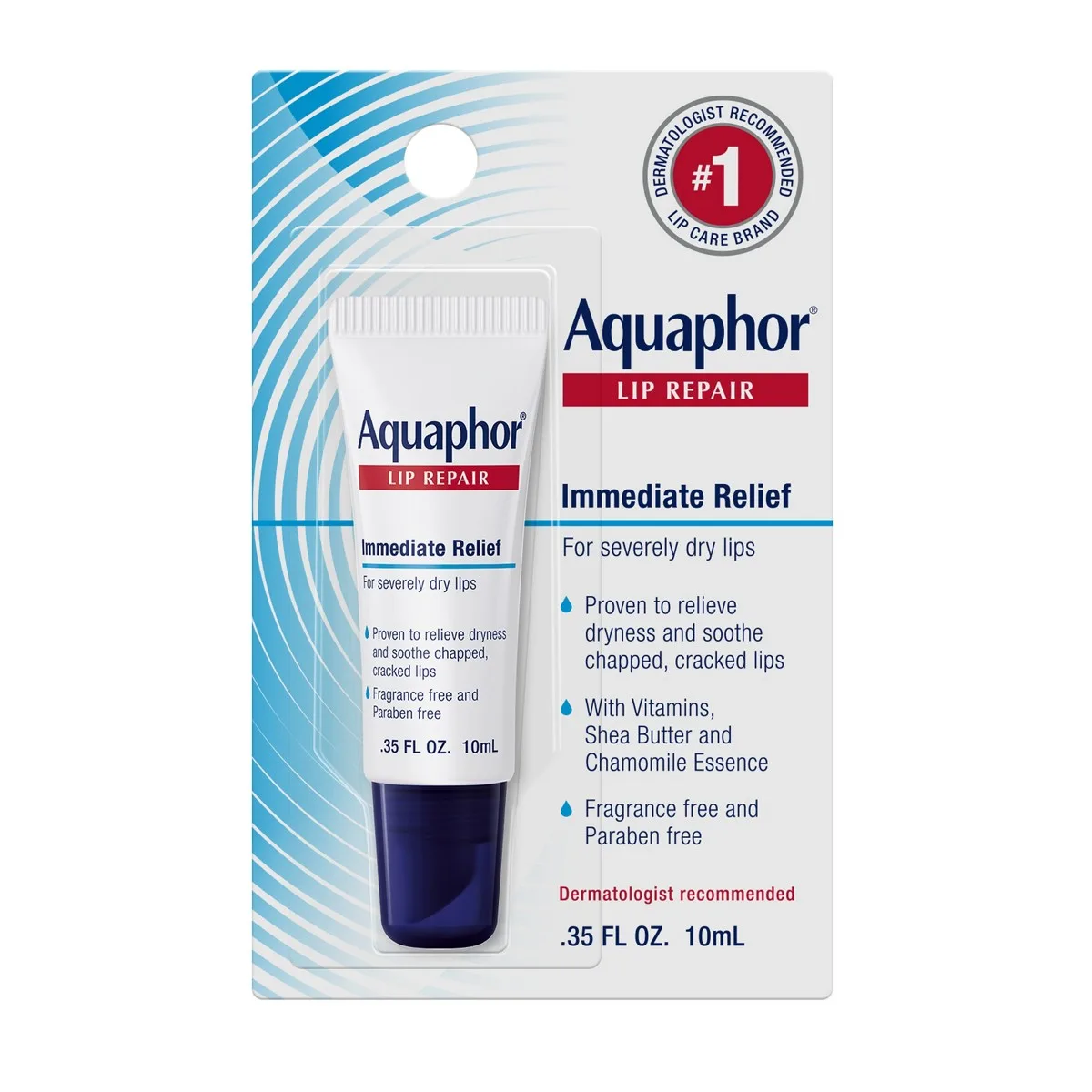 Derm Office Lip Staple
 Lip Repair
The lip balm that dermatologists actually recommend — not as marketing, but as clinical practice. Fifteen years and 50,000+ reviews have validated what the panthenol-bisabolol research confirms: this simple formula genuinely heals chapped lips rather than just coating them. The glossy finish and frequent reapplication needs are the only real drawbacks.
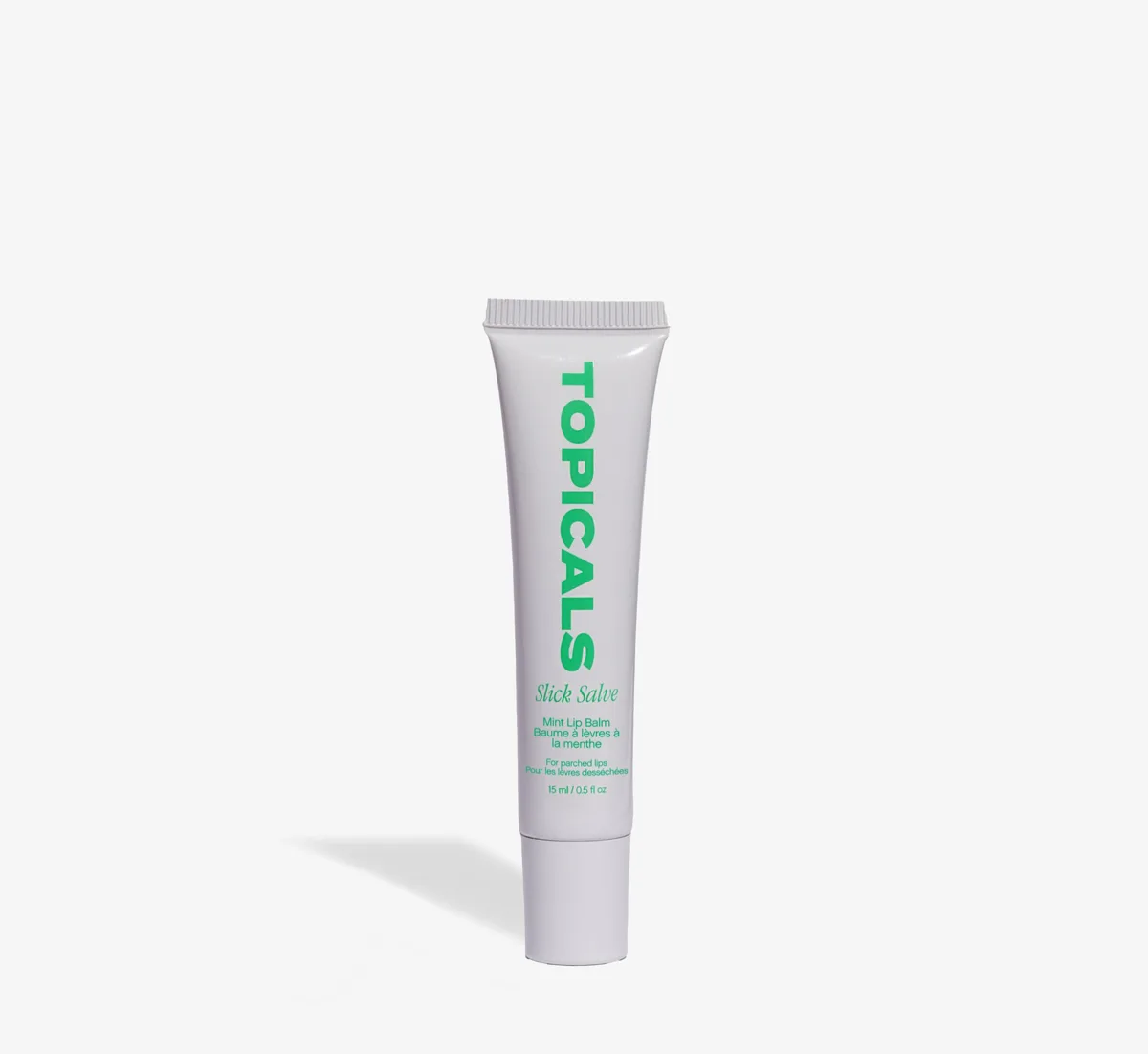 TikTok Cult Lip Treatment
 Slick Salve Glossy Lip Balm
The viral TikTok lip balm that actually deserves the hype — built on three ceramide types, cholesterol, peptides, and ergothioneine in a glossy wet-look format that looks like a beauty product and performs like a dermatology product. The mint essential oils are the only real caveat for sensitive users.
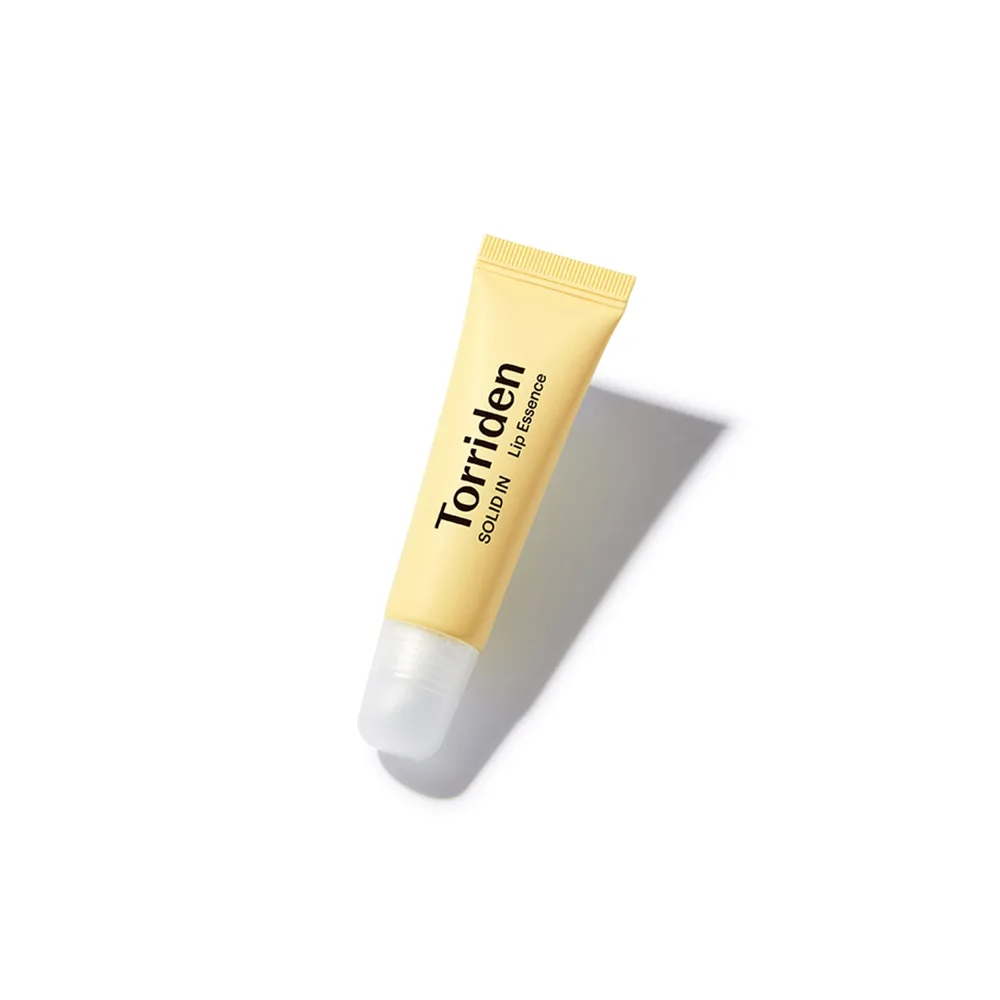 Ceramide Lip MVP
 SOLID-IN Lip Essence
Torriden ports its multi-ceramide-cholesterol repair architecture into lip-care format, producing one of the few lip products that actually addresses the underlying lipid loss behind chronically chapped lips. Fragrance-free, well-tolerated, and effective. The price feels slightly ambitious for the size, but the ingredient quality earns it.
 Sensitive-Skin Gloss MVP
 ShineOn Lip Jelly
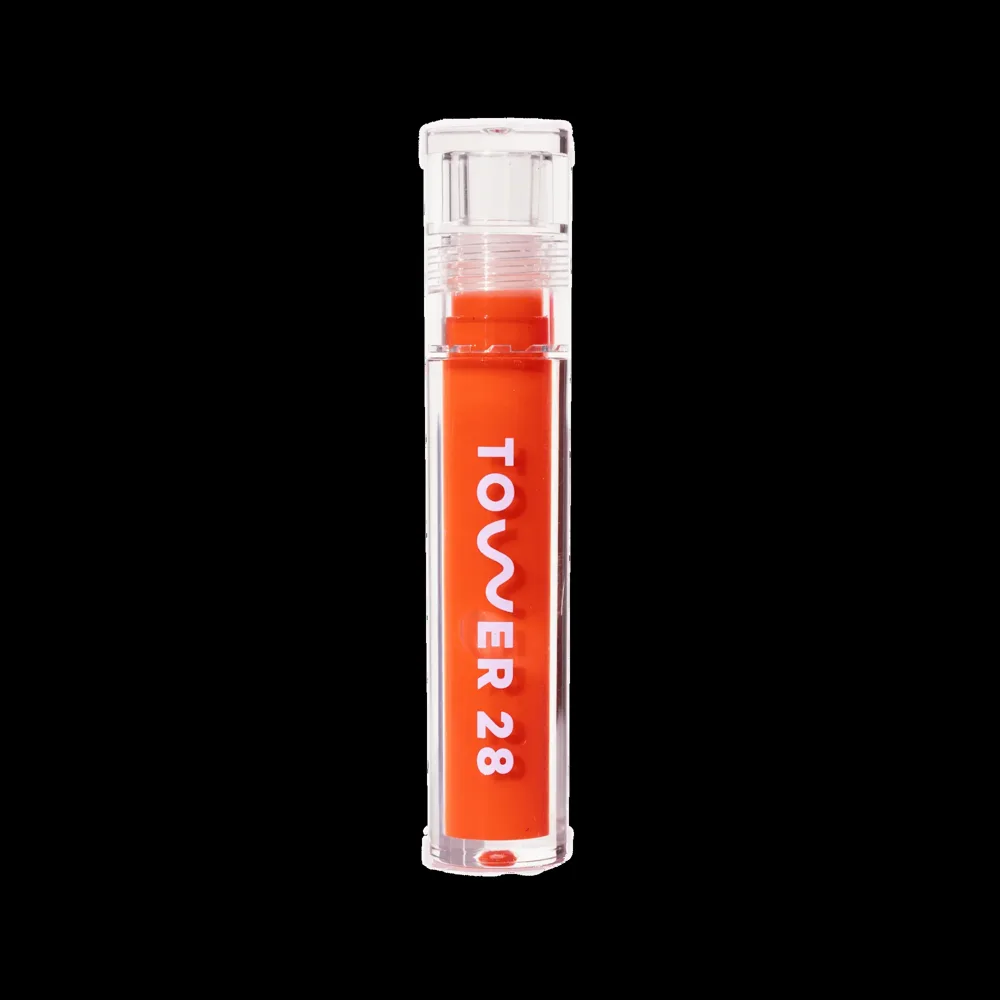
The product that built Tower 28's reputation: a fragrance-free, dye-free, lanolin-free lip jelly that delivers serious gloss and a sheer wash of color without stickiness, and is genuinely safe for eczema-prone lips. Sheer pigment and a Sephora price tag are the only honest gripes.
 Vegan Lip Essential
 Vegan Melting Lip Balm
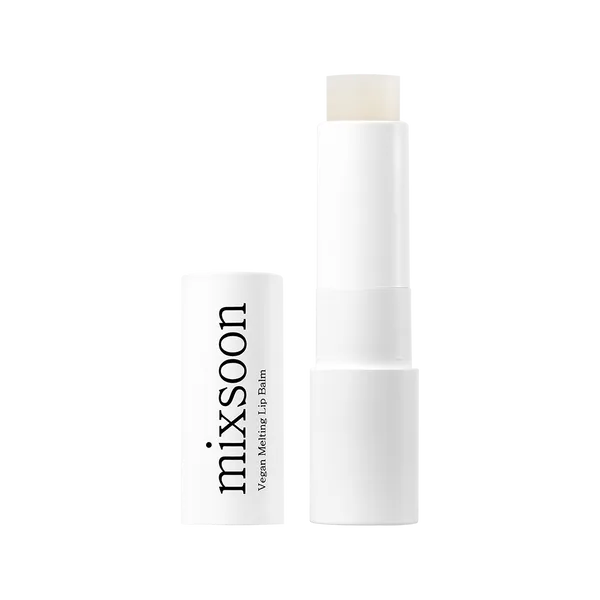
mixsoon's Vegan Melting Lip Balm brings the brand's minimalist, plant-based philosophy to lip care with a genuinely unique melting texture and clean ingredient list. It's a comfortable, fragrance-free lip treatment that softens dry lips effectively, though the $16 price and need for frequent reapplication are honest limitations in a crowded lip balm market.
 Australian Sun-Smart Essential
 Lip Balm SPF 30
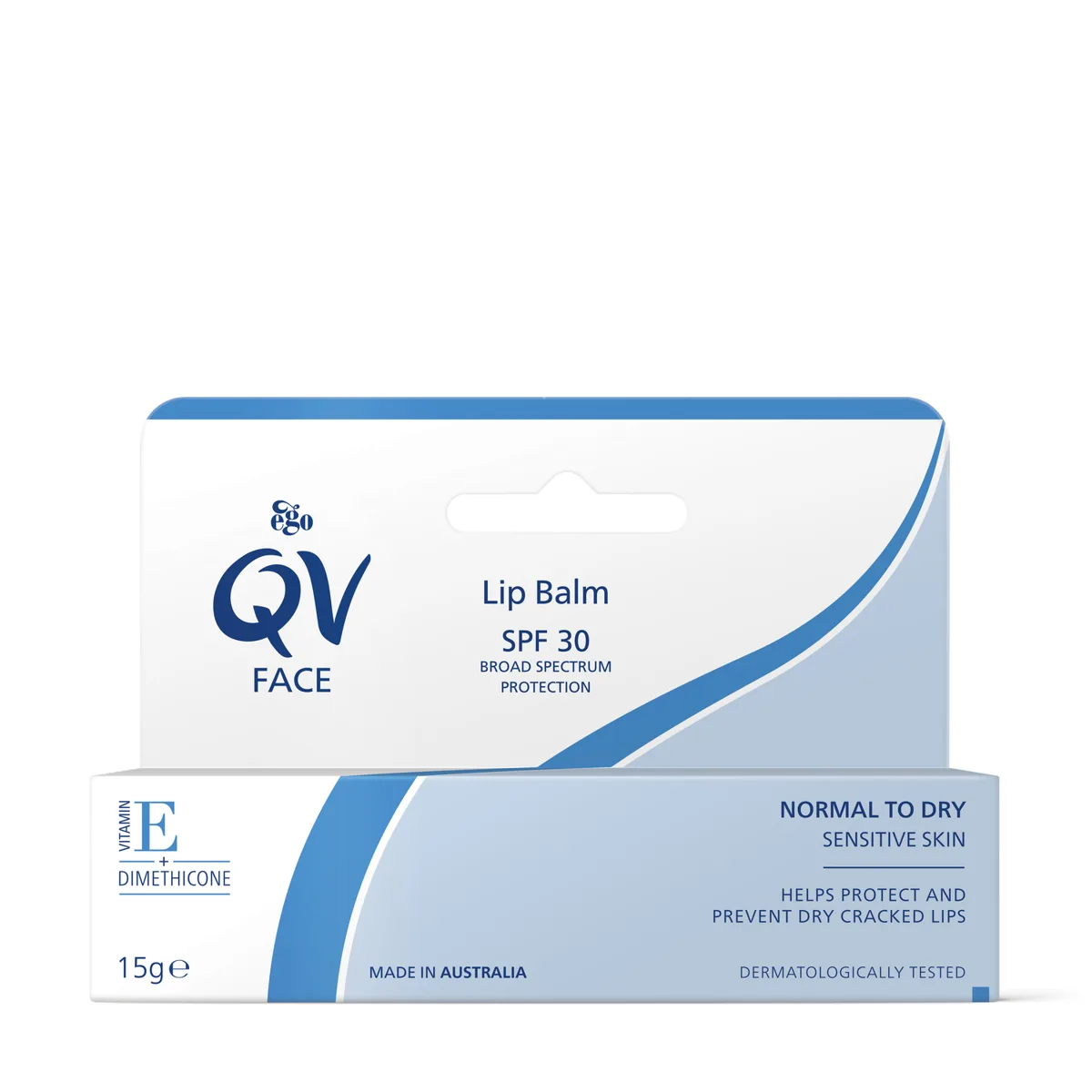
QV's Lip Balm SPF 30 is the rare drugstore lip balm that treats SPF as the point, not a garnish. With a four-filter broad-spectrum system in a petrolatum-and-wax base, it offers genuine daily lip protection from a brand whose parent company has been formulating Australian sun care since the 1970s.