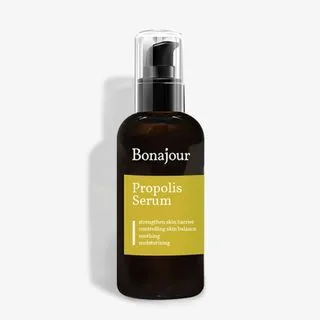
Bonajour packs roughly 80% propolis into a single jelly-textured bottle and calls it a day — and for acne-prone, reactive skin, that radical simplicity works. It's one of the most concentrated propolis serums on the market at a price that undercuts most Western competitors. Bee allergy is the only real dealbreaker.
Propolis Serum
Bonajour packs roughly 80% propolis into a single jelly-textured bottle and calls it a day — and for acne-prone, reactive skin, that radical simplicity works. It's one of the most concentrated propolis serums on the market at a price that undercuts most Western competitors. Bee allergy is the only real dealbreaker.
Score Breakdown
Where this product gains points and where it loses them — broken down across the four scoring pillars.
A propolis-forward soothing serum at an unusually generous price and size. Strong anti-inflammatory credentials for breakout-prone skin, with the only real knock being bee-allergen risk.
Pros & Cons
- ✓Roughly 80% propolis — one of the highest concentrations on the market
- ✓Visibly calms breakout inflammation within 1–2 weeks of daily use
- ✓Jelly texture absorbs quickly without oils or heavy silicones
- ✓Fungal acne safe — no triggering fatty alcohols or esters
- ✓Generous 100ml bottle delivers months of use at a low price
- ✓Layers cleanly with vitamin C, retinol, and other active treatments
- ✓No added fragrance, alcohol, or essential oils
- ✗Not suitable for anyone with bee or propolis allergies
- ✗Not vegan despite the brand's plant-forward marketing tone
- ✗Hydration is modest — dry skin will need a richer moisturizer on top
- ✗Faint natural honey scent is off-putting for some users
- ✗Glass bottle with dropper is not travel friendly
Full Review
Most propolis serums list the ingredient proudly somewhere in the middle of the INCI list, a polite 10 or 20 percent, buffered by water and glycerin. Bonajour decided that was boring. They took propolis extract, slammed it into the first slot of the ingredient list at a quoted 80 percent, and essentially built a water-free serum around the stuff. The result is one of the densest propolis formulas you can buy, and the reason a small Korean indie brand ended up on acne-subreddit wishlists years before most Western retailers figured out how to spell Bonajour correctly.
Propolis, if you haven't fallen down that rabbit hole yet, is the resinous material honeybees collect from tree buds and use to seal their hives. It's packed with flavonoids, phenolic acids, and terpenes, and a growing body of research suggests it has genuine antibacterial and anti-inflammatory activity — the kind of profile that makes it interesting for breakout-prone skin that can't handle stronger actives. When you concentrate it to 80 percent in a water-based serum, you basically get a flavonoid bath for your face.
The texture is the first thing that tells you this isn't a standard serum. It's a clear, pale-amber jelly that holds its shape for a second on the dropper before breaking into something almost water-thin on contact with skin. There's a brief tacky moment — about thirty seconds — and then it's gone, absorbed into a soft glazed finish that plays well under moisturizer and sunscreen. The scent is faint and honey-adjacent, natural rather than perfumed, and dissipates quickly.
What the formula does well is manage active inflammation. Users with reactive, acne-prone, or post-procedure skin consistently report that breakouts look calmer within a few days and that persistent redness quiets down over the first couple of weeks. The supporting cast — green tea, willow bark, saccharomyces ferment, a long list of botanical extracts — reinforces that anti-inflammatory positioning without throwing in any oils, butters, or fatty esters that could congest or trigger fungal flares. It's one of the few soothing serums you can reasonably recommend to someone managing both regular acne and seborrheic dermatitis without hedging.
Where it's less interesting is as a standalone hydrator for dry skin. The humectants are present but restrained, and there's no occlusive layer to keep moisture in. Dry-skinned users who expect a propolis serum to do the job of a glycerin-and-HA cocktail tend to come away underwhelmed. Pair it with a proper ceramide moisturizer and the experience improves dramatically, but on its own it's a treatment serum first and a hydrator second.
The honesty required on the vegan question: Bonajour markets itself with a lot of plant-forward imagery, but propolis is a bee-derived ingredient. It's cruelty-free by any reasonable definition, but it is not vegan, and anyone avoiding bee products for ethical reasons should skip this entire category. People with known bee or honey allergies should patch test before committing to a full-face application — propolis can provoke contact reactions in sensitized individuals, and at this concentration the risk is real if you're predisposed.
Value is where the serum quietly excels. A 100ml bottle typically lands somewhere between 15 and 22 dollars depending on retailer and sale — roughly double the size of most comparable K-beauty propolis serums at a lower price, and a fraction of what a Western soothing serum in this category would run you. For someone building a calm, acne-prone routine on a budget, the cost-per-milliliter math is hard to argue with.
This isn't a hero-active serum in the vitamin C or retinol sense — it won't fade hyperpigmentation or rebuild a collagen network. What it will do is quietly buffer reactive skin, reduce the visible inflammation that makes breakouts look worse than they are, and play beautifully in a routine alongside stronger actives as the calming middle step. In a category where most of the innovation is marketing, the decision to simply use more of the ingredient turns out to be the innovation.
Formula
Key Ingredients
The hero actives that drive this product's performance.
| Ingredient | Function | Evidence |
|---|---|---|
| Propolis Extract (~80%) | Sits as the first ingredient and effectively replaces the water phase of most serums — bringing flavonoids and antimicrobial compounds that calm active breakouts while the botanical extracts behind it amplify the soothing effect. | promising |
| Camellia Sinensis (Green Tea) Leaf Extract | Layers polyphenol antioxidants on top of propolis's flavonoids, doubling down on the serum's anti-inflammatory positioning and helping quiet the redness that often accompanies acne-prone skin. | well-established |
| Salix Alba (Willow) Bark Extract | Provides a mild naturally occurring salicin that offers gentle exfoliating and soothing support — a subtle boost for congested, bump-prone skin that can't tolerate stronger BHAs. | emerging |
| Saccharomyces Ferment | Delivers fermented amino acids and peptides that support the skin's natural barrier function, helping buffer this high-propolis serum against any sensitivity the raw ingredient might otherwise trigger. | emerging |
| Epigallocatechin Gallate (EGCG) | Green tea's most potent catechin, added at the tail of the formula to target free-radical damage and reinforce the anti-inflammatory profile the rest of the serum is built around. | well-established |
Full INCI List
Propolis Extract, Butylene Glycol, Glycerin, Water, Camellia Sinensis Leaf Extract, Salix Alba (Willow) Bark Extract, Saccharomyces Ferment, Cryptomeria Japonica Leaf Extract, Nelumbo Nucifera Leaf Extract, Plantago Asiatica Extract, Diospyros Kaki Leaf Extract, Ulmus Campestris (Elm) Bark Extract, Laminaria Digitata Extract, Gleditsia Australis Thorn Extract, Angelica Dahurica Root Extract, Cimicifuga Racemosa Root Extract, Bletilla Striata Root Extract, Oryza Sativa (Rice) Extract, Phaseolus Radiatus Seed Extract, Trichosanthes Kirilowii Root Extract, Broussonetia Kazinoki Root Extract, Eugenia Caryophyllus (Clove) Flower Extract, Amomum Xanthioides Seed Extract, Vaccinium Macrocarpon (Cranberry) Fruit Extract, Vaccinium Angustifolium (Blueberry) Fruit Extract, Sodium Carbomer, Pentylene Glycol, 1,2-Hexanediol, Caprylyl Glycol, Epigallocatechin Gallate
Product Flags
✓ Fragrance Free✓ Alcohol Free✓ Oil Free✓ Silicone Free✓ Paraben Free✓ Sulfate Free✓ Cruelty Free✗ Vegan✓ Fungal Acne Safe
Potential Irritants
propolis (bee allergen)
Common Allergens
propolisbee-derived ingredients
Compatibility
Skin Match
Best For
Works For
Not Ideal For
Addresses These Conditions
acne sensitivity dehydration compromised skin barrier dullness
Routine Step
serum
Time of Day
AM & PM
Pregnancy Safe
Yes ✓
Layering Tips
Apply to clean, slightly damp skin after toner and before moisturizer. The jelly texture sinks in fast and layers cleanly under other serums or SPF.
Results Timeline
Immediate calming and a glazed hydrated finish on day one. Reduction in breakout inflammation typically noted within 1–2 weeks. Full clarity and barrier improvements at the 4–8 week mark.
Pairs Well With
niacinamidecentella asiaticaceramide moisturizers
Sample AM Routine
- Gentle cleanser
- Hydrating toner
- Bonajour Propolis Serum
- Light moisturizer
- SPF 50
Sample PM Routine
- Oil cleanser
- Water cleanser
- Hydrating toner
- Bonajour Propolis Serum
- Ceramide moisturizer
Evidence
Science & Expert Perspective
The Science
Propolis has attracted real scientific interest over the past decade for its antibacterial, anti-inflammatory, and wound-healing potential. Its activity comes from a complex mix of flavonoids (notably pinocembrin and chrysin), phenolic acids like caffeic acid, and various terpenes, though the exact profile varies significantly with geographic origin and bee species. In vitro studies have repeatedly shown activity against Cutibacterium acnes and Staphylococcus aureus, the two bacteria most implicated in inflammatory acne, and several small clinical studies have reported improvements in acne lesion counts when propolis is used topically over 4–8 weeks.
What makes this specific formulation interesting is the concentration. Most commercial propolis products use the ingredient at 5–20%, where the flavonoid dose delivered to skin is modest. At roughly 80%, Bonajour is essentially maximizing the flavonoid payload while skipping the water phase entirely — an approach more common to essence-style Korean products than Western serums. The supporting ingredients aren't incidental either: green tea's epigallocatechin gallate and the willow bark salicin both contribute independent anti-inflammatory mechanisms, while saccharomyces ferment contributes amino acids and peptides that support barrier recovery. The combination targets inflammation through multiple parallel pathways rather than relying on any single active.
The limitation worth being honest about is that most propolis research to date has been in vitro or in small clinical populations, and standardized concentration-response data is still lacking. The evidence base is promising rather than definitive, and the ingredient's efficacy will depend somewhat on the specific propolis source used — something no brand, including Bonajour, discloses in detail.
Dermatologist Perspective
Dermatologists generally regard propolis as a reasonable adjunct ingredient for mild inflammatory acne and post-procedure redness, particularly for patients who can't tolerate prescription actives or who want to layer a soothing step into a retinoid-heavy routine. Board-certified dermatologists note that propolis is among the more common sources of allergic contact dermatitis in cosmetic ingredients — roughly 1–3% of patch-tested patients in some European studies — so a patch test before full-face use is commonly recommended, especially for anyone with a known history of bee sting reactions. When tolerated, this serum is frequently cited in K-beauty–savvy derm circles as a gentle anti-inflammatory option that pairs well with benzoyl peroxide, adapalene, or azelaic acid prescriptions without compounding irritation.
Guidance
Usage Guide
How to Use
Apply 2–4 drops to clean, slightly damp skin after toner and before moisturizer, morning and night. Press into the skin rather than rubbing to let the jelly texture absorb cleanly. It layers well under vitamin C in the morning or after retinol at night as a calming buffer. Patch test on the inner forearm for 48 hours before full-face use if you have a history of bee, pollen, or honey sensitivity. Store away from direct sunlight and use within 12 months of opening.
Value Assessment
At roughly $15–22 for 100ml, Bonajour Propolis Serum is one of the strongest per-milliliter values in the soothing-serum category. Comparable propolis serums from better-known K-beauty brands typically run $25–35 for 50ml, meaning Bonajour is delivering double the product at two-thirds the price. The size also makes it practical for twice-daily full-face use — most users report a bottle lasting 4–6 months. There is no larger size available, but the 100ml bottle is already generous by category standards. For budget-conscious acne-prone skincare buyers, the math here is unusually friendly.
Who Should Buy
Acne-prone, reactive, or post-procedure skin looking for a gentle anti-inflammatory serum that won't compound irritation from retinoids or exfoliating acids. Anyone building a budget-friendly K-beauty routine who wants one hero-concentration soothing product will find this hard to beat on value.
Who Should Skip
Anyone with a known bee, propolis, or honey allergy should avoid this outright. Strict vegans should look elsewhere. Very dry skin types who want a single serum to handle hydration and soothing in one step will find this underpowered on the moisture front and should pair it with a richer humectant step.
Ready to try Bonajour Propolis Serum?
Details
Details
Texture
Clear, pale amber jelly-serum that breaks into water on contact with skin
Scent
Faint natural honey and herbal note, no added fragrance
Packaging
Frosted glass bottle with plastic dropper — sturdy but not travel-friendly
Finish
dewynon-greasylightweight
What to Expect on First Use
First use feels cooling and slightly tacky for about 30 seconds before sinking in. No stinging or purging typical — most users see reduced redness within the first few days and calmer breakouts by week two.
How Long It Lasts
4–6 months with once-daily use, roughly 3 months with twice-daily full-face application
Period After Opening
12 months
Best Season
All Year
Background
The Why
Bonajour built a small cult following in Korea by stripping formulas down to one star ingredient per product and pushing its concentration as high as possible. The Propolis Serum was the breakout that put the brand on the map internationally, spreading through YesStyle and acne-focused Reddit threads before most Western retailers had even heard of it.
About Bonajour Established Brand (5–20 years)
Bonajour is a Korean indie skincare brand known for botanical-forward, minimalist formulations. The Propolis Serum has been available since at least 2017, giving it a reasonably established track record among K-beauty communities, though independent clinical validation of its specific formulas is limited.
Myth vs. Reality
Myths & Misconceptions
Myth
Propolis is vegan because it's a plant resin
Reality
Propolis is collected and processed by honeybees from plant resins, which makes it bee-derived and not vegan. Bonajour markets itself as natural but this serum is not suitable for strict vegans.
Myth
A high propolis percentage is guaranteed to break you out because it's sticky
Reality
In this formula the propolis is suspended in a lightweight water/glycerin base with no heavy oils or butters, so most acne-prone users report no congestion or fungal flares despite the density.
FAQ
Frequently Asked Questions
What percentage of propolis is in Bonajour Propolis Serum?
Bonajour markets this serum as containing roughly 80% propolis extract, with propolis listed as the first ingredient replacing the typical water base. That's an unusually high concentration for a propolis serum and is the main reason the formula feels dense on first application.
Is Bonajour Propolis Serum good for acne-prone skin?
Yes — the combination of propolis flavonoids, green tea polyphenols, and willow bark salicin targets the inflammation and bacterial component of acne without any oils that could clog pores. Most users report visibly calmer breakouts within 1–2 weeks.
Is this serum vegan?
No. Propolis is produced by honeybees, so this serum is not suitable for strict vegans despite the brand's otherwise plant-focused positioning. It is marketed as cruelty-free.
Can I use Bonajour Propolis Serum with retinol or vitamin C?
Yes. The formula is gentle and layers well with active treatments — many users apply it after a vitamin C serum in the morning or after retinol at night specifically to buffer irritation from those actives.
Is Bonajour Propolis Serum fungal acne safe?
Yes — the ingredient list contains no fatty alcohols, esters, or oils that typically trigger malassezia, making it a safe choice for anyone managing fungal acne or seborrheic dermatitis alongside regular breakouts.
Will this serum feel sticky?
It feels slightly tacky for the first 30 seconds or so, then sinks in completely. In very humid climates some users report lingering tackiness, but it layers cleanly under moisturizer and sunscreen for most people.
Community
Community Voices
Common Praise
"Jelly texture absorbs without tackiness"
"Visibly calms breakouts and redness"
"Generous 100ml size lasts months"
"Non-comedogenic on oily skin"
Common Complaints
"Faint honey-herbal scent some dislike"
"Minimal results for very dry skin"
"Bee-derived despite brand's natural marketing"
"Can feel slightly tacky in humid weather"
Notable Endorsements
Frequently featured in K-beauty YouTuber routines for acne-prone skin
Appears In
best serum for acne best k beauty serum for sensitive skin best propolis serum best budget korean serum best serum for compromised skin barrier
Related Conditions
acne sensitivity dehydration compromised skin barrier
Related Ingredients
You Might Also Like
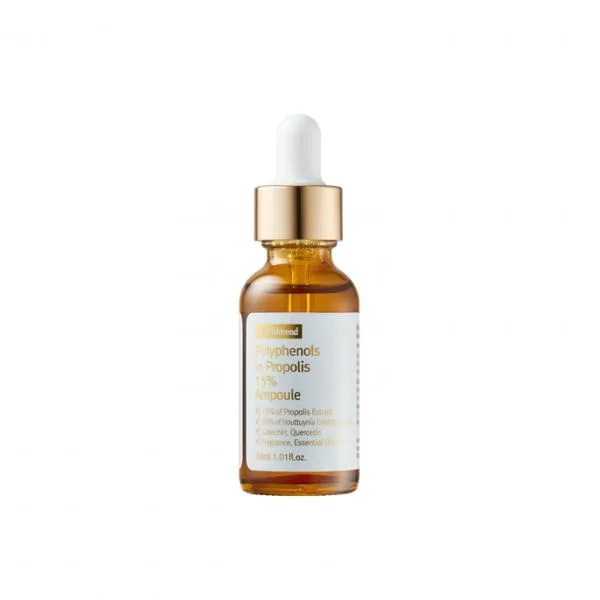 Sensitive Skin Soother
 Polyphenols In Propolis 15% Ampoule
A 15% propolis ampoule that earns its name with a real polyphenol stack — French Auvergne propolis layered over a houttuynia cordata base, with tulsi and pomegranate piling on. It's slightly sticky and not cheap by volume, but for sensitive, breakout-prone skin chasing calm, this is one of the most reliable K-beauty soothers in production.
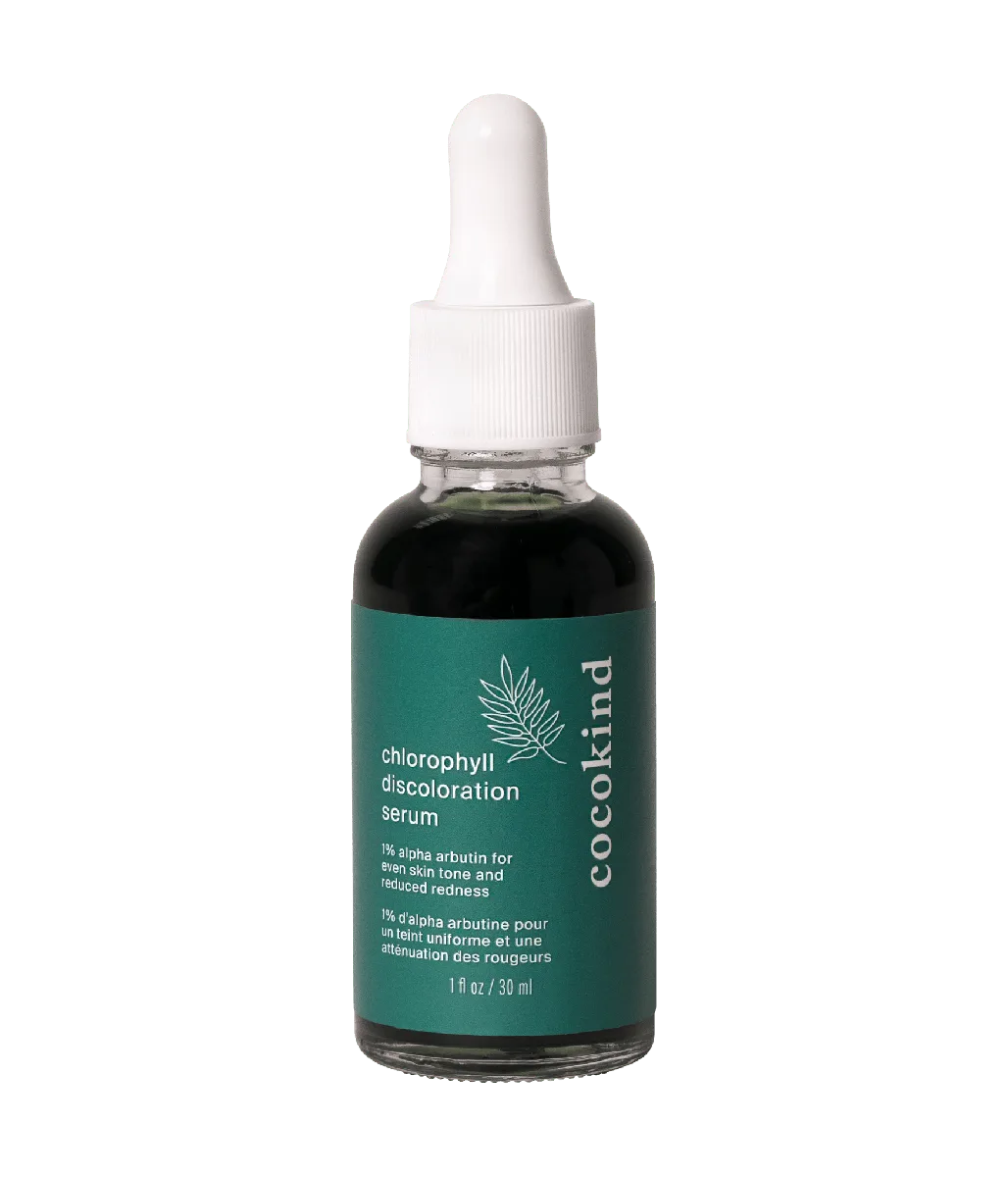 Budget Brightening Hero
 Chlorophyll Discoloration Serum
A quietly brilliant brightening serum that proves you do not need luxury prices or harsh actives to fade dark spots effectively. The alpha-arbutin and licorice root combination delivers genuine multi-pathway melanin inhibition, the sensitive-skin-friendly formula is impeccable, and $20 makes it accessible to virtually everyone. The chlorophyllin is more marketing differentiator than scientific powerhouse, but it does not hurt anything either.
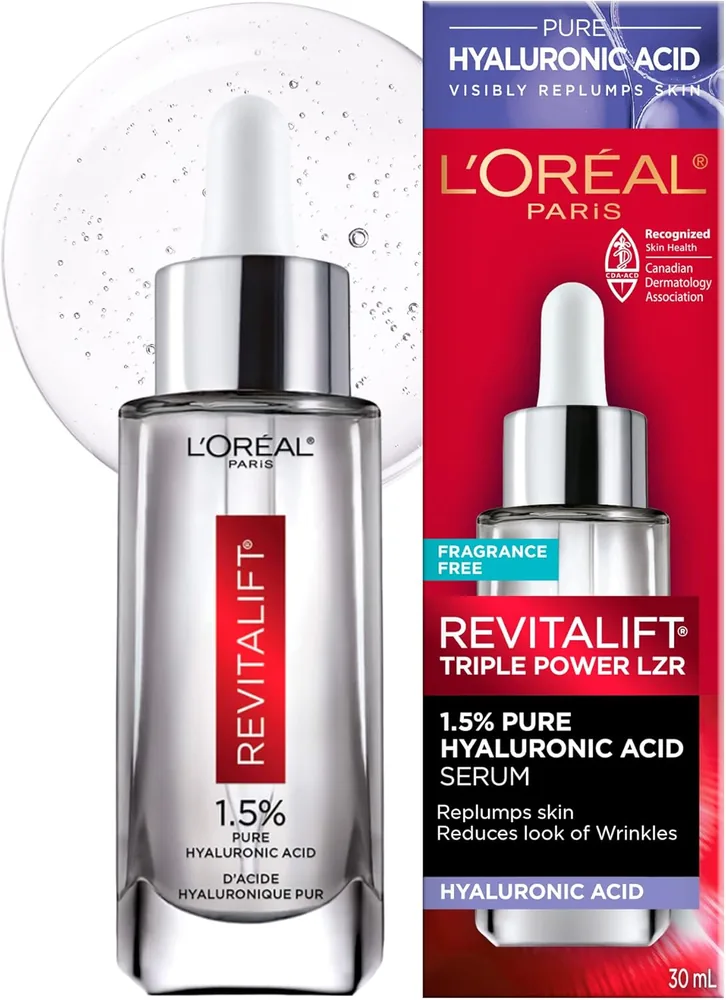 The People's HA Serum
 Revitalift Derm Intensives 1.5% Pure Hyaluronic Acid Serum
A masterclass in minimalist formulation — thirteen ingredients, no filler, four functional actives, and over thirty thousand glowing reviews. L'Oréal's multi-weight HA system delivers genuine hydration at every level of the skin, and the fragrance-free, alcohol-free formula is clean enough for virtually anyone. The drugstore serum that embarrasses its prestige competitors.
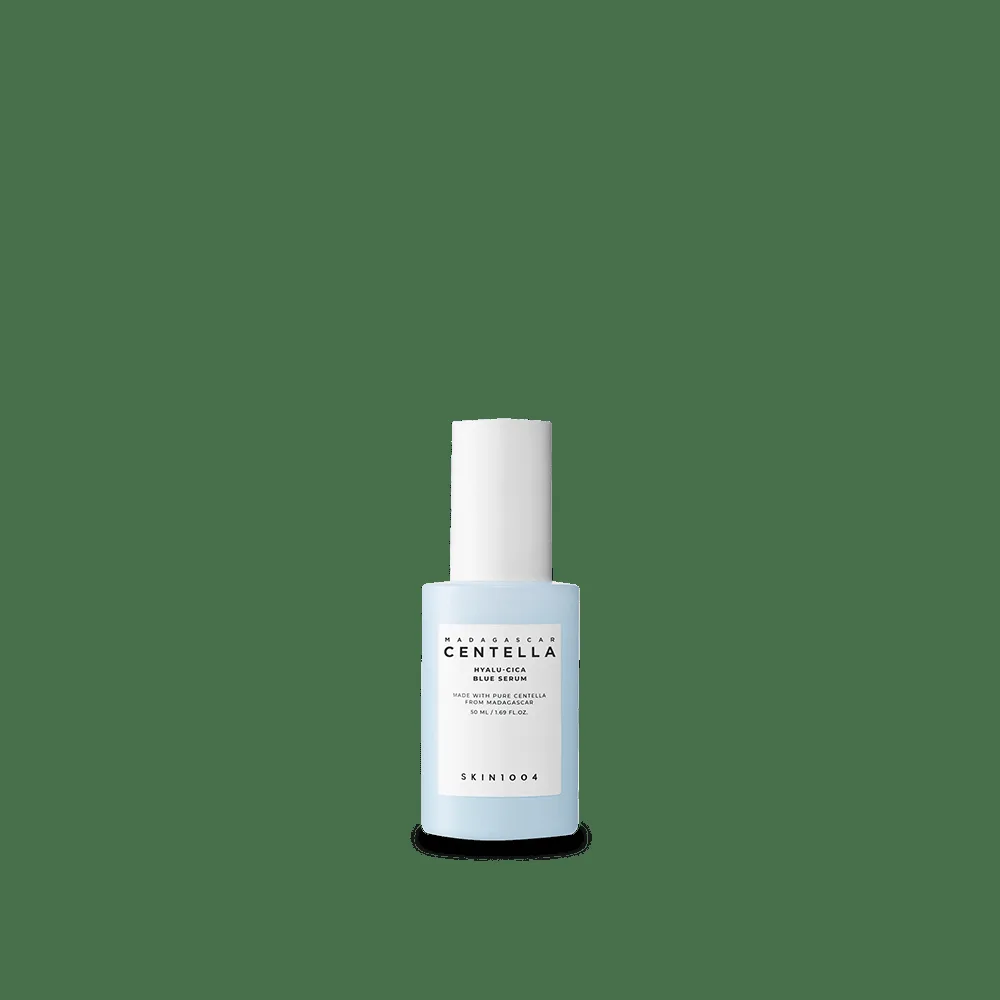 Budget Hydration Holy Grail
 Hyalu-Cica Blue Serum
A quietly excellent budget serum that stacks Centella asiatica leaf water, five types of hyaluronic acid, niacinamide, ceramide NP, and adenosine into a fragrance-free under-$20 bottle. It is genuinely one of the best hydration-plus-soothing serums at any price, and the fact that it costs less than a salad in Manhattan is the point.
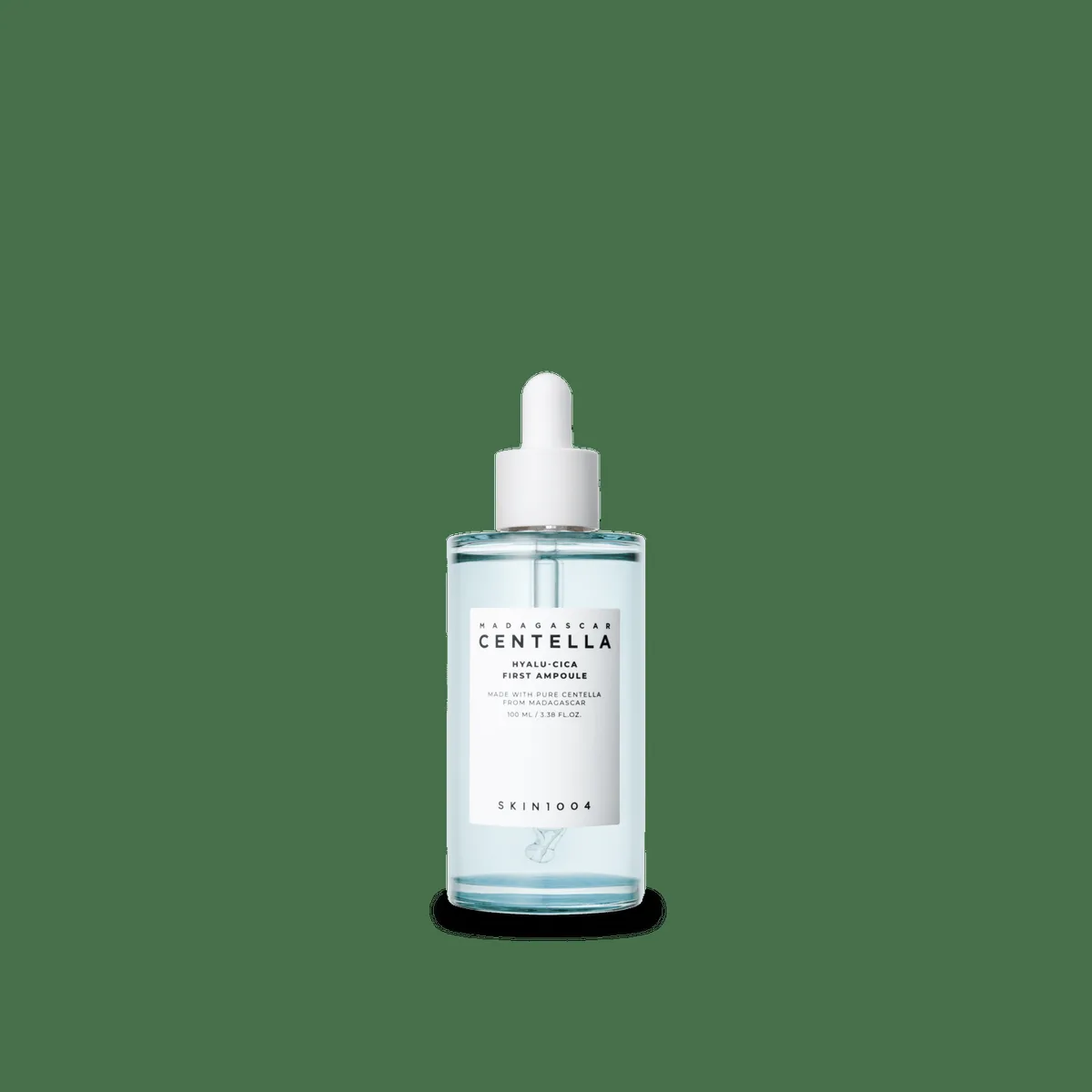 Sensitive Skin First-Line Defense
 Hyalu-Cica First Ampoule
A 92% Centella asiatica extract ampoule paired with niacinamide and a multi-weight HA complex, fragrance-free and purpose-built for sensitive, compromised, and reactive skin. At $25 for 100ml, it is one of the most justifiable skincare purchases a budget-conscious buyer can make, and it earns a place in almost any routine that needs a soothing anchor.
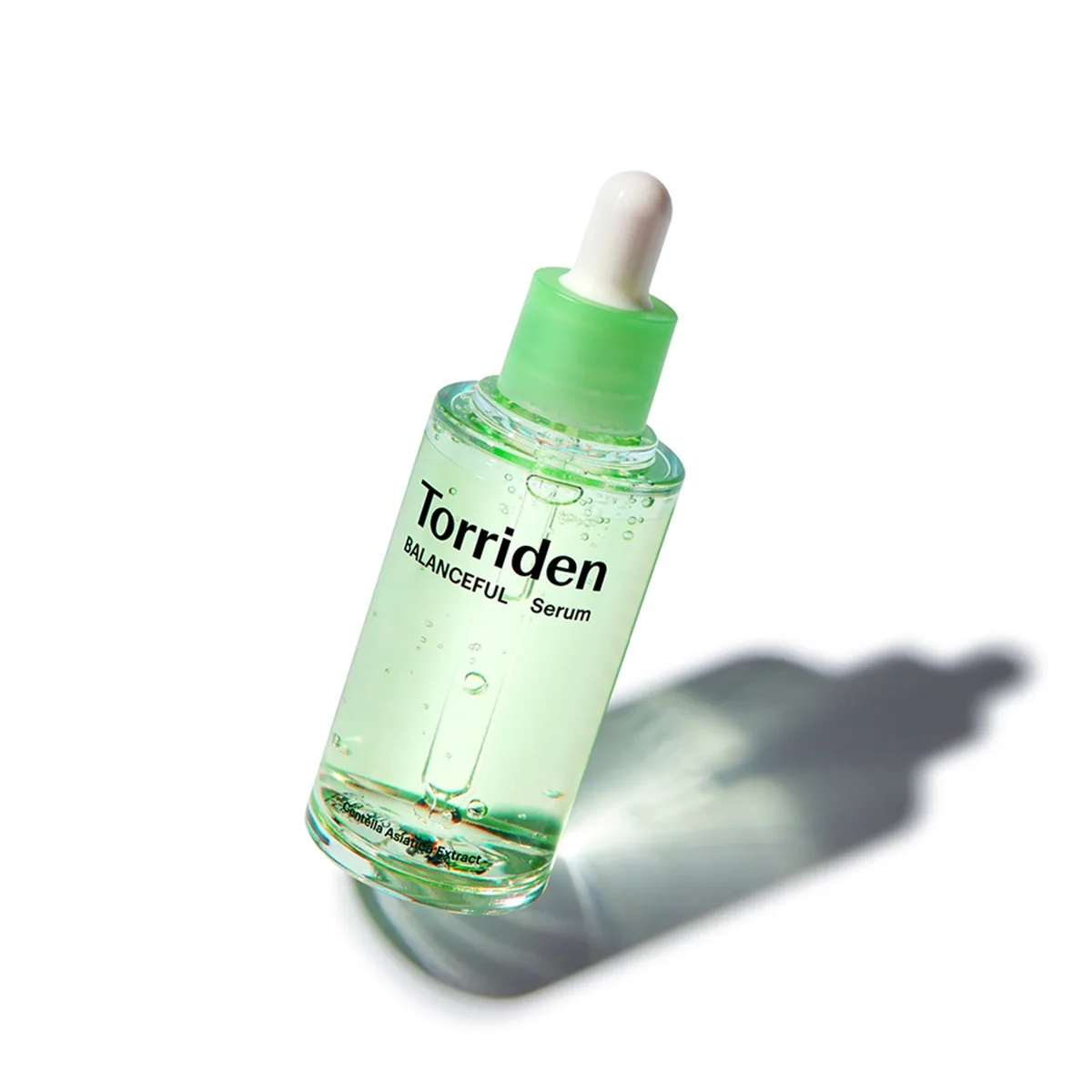 Sensitive Skin MVP
 Balanceful Cica Serum
Torriden's Balanceful Cica Serum is one of the most recommendable calming serums in K-beauty — a genuinely fragrance-free, multi-weight hyaluronic acid and 5D cica complex treatment that quietly reduces redness, supports the barrier, and buffers other actives without drama. At under $25 it's a near-automatic pick for sensitive, rosacea-prone, and barrier-compromised skin.