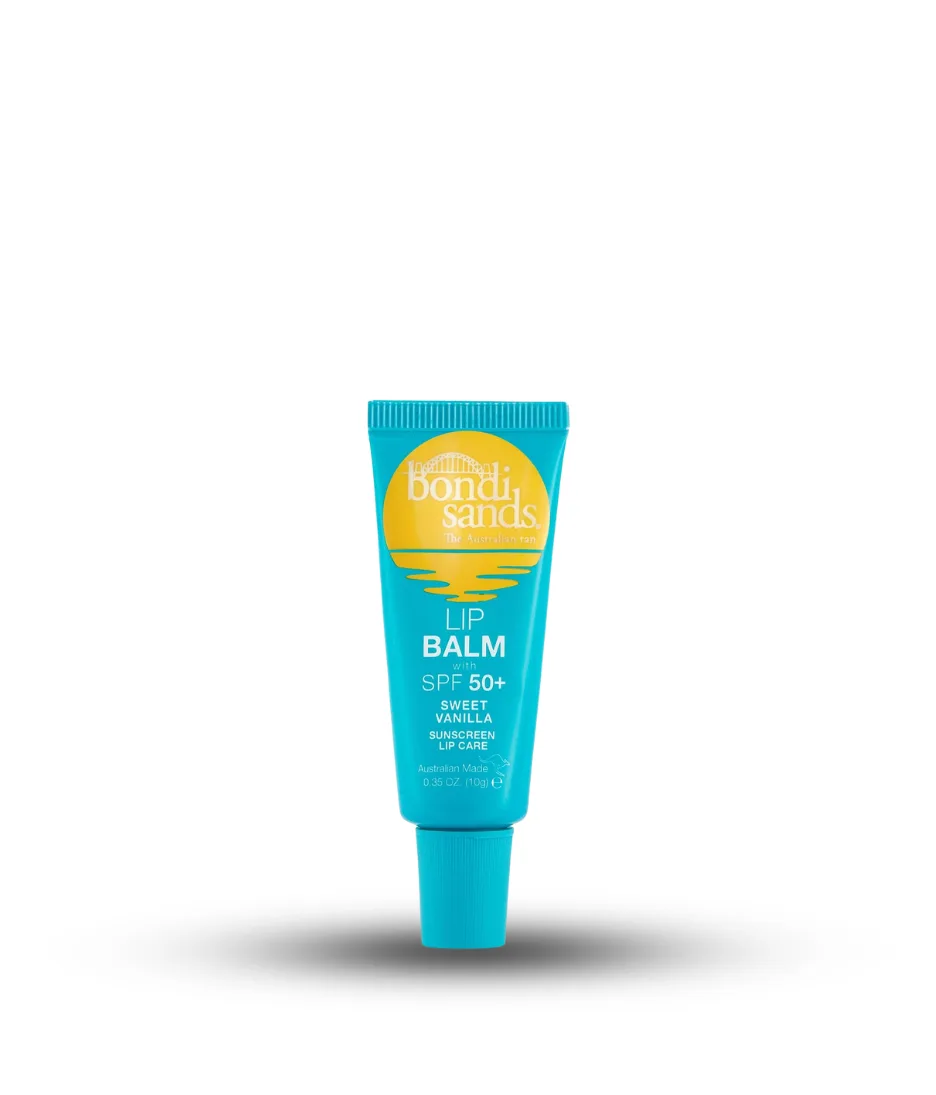
A legitimate SPF 50+ lip balm at a drugstore price, powered by the stricter Australian sunscreen regulations Bondi Sands operates under. The peppermint and beeswax exclude some users, but for anyone serious about actually protecting their lips from sun damage, this is one of the easiest wins on the market.
Lip Balm SPF 50+
A legitimate SPF 50+ lip balm at a drugstore price, powered by the stricter Australian sunscreen regulations Bondi Sands operates under. The peppermint and beeswax exclude some users, but for anyone serious about actually protecting their lips from sun damage, this is one of the easiest wins on the market.
Score Breakdown
Excellent broad-spectrum SPF 50+ protection in a stick format at a drugstore price. The peppermint oil and added flavor cost it points on irritation risk for sensitive users.
Data Confidence: high
Bondi Sands has been a major SPF brand in Australia for over a decade with thousands of independent reviews. This specific lip balm has been on the market since 2022 with strong retail distribution and user feedback volume.
0/100
Overall Score
Ingredient Quality 0
Value for Money 0
Suitability Breadth 0
Irritation Risk (↑ = safer) 0
Assessment
Pros
- Genuine SPF 50+ broad-spectrum protection in a stick format
- Five-filter system including stabilized avobenzone for UVA
- Drugstore pricing at around eight dollars
- Australian TGA regulatory standards behind the SPF claim
- Waxy base holds up through talking and light eating
- Widely available internationally
Cons
- Peppermint oil can irritate sensitive lips
- Beeswax base means it's not vegan
- Texture feels waxy compared to glossy lip balms
- Added flavor may bother fragrance-sensitive users
- Requires reapplication every two hours for full protection
Full Review
Here's a quirk of global sunscreen regulation that most skincare shoppers never learn: Australian sunscreens operate under the Therapeutic Goods Administration, which classifies them as therapeutic products requiring pharmaceutical-grade testing and ingredient scrutiny. The U.S., meanwhile, classifies sunscreens as cosmetics under FDA rules that haven't meaningfully updated their approved filter list since 1999. This regulatory asymmetry is why Australian sunscreens often outperform American ones on both protection and elegance — and it's why Bondi Sands can confidently put SPF 50+ on a lip balm and have it actually mean something. Most U.S. lip balms cap out at SPF 15 or 30 not because the technology isn't there, but because the testing and labeling regime makes higher claims harder to justify commercially.
What you're getting in this stick is a five-filter chemical sunscreen system packed into a waxy base designed to stay in place through talking, drinking, and eating. Homosalate, octocrylene, ethylhexyl salicylate, avobenzone, and octyl methoxycinnamate work together to cover both UVB (the burning spectrum) and UVA (the aging and damage spectrum). The octocrylene is important because it stabilizes the avobenzone, which is the primary UVA filter and also the one most likely to degrade under sunlight without a stabilizer. The overall filter load is higher than you'd find in most American lip balms, which is how Bondi Sands gets to SPF 50+ in a product you can stash in your pocket.
The base holding all those filters in place is mostly castor oil, beeswax, and ozokerite — a trio that gives the stick its structural hold and creates an occlusive film on lips. When you glide it on, the initial feel is slightly waxy, with a cool tingle from the peppermint oil. That tingle is noticeable but mild, and it fades within a minute or so. The wax layer cushions and stays put far longer than a glossy or creamy balm would, which is the point: a lip SPF that migrates off after twenty minutes isn't protecting you for the two hours between reapplications.
On actual sun protection, this stick delivers what it claims. Users report reduced lip burning on beach days, reduced chapping from sun exposure, and fewer of the cracked, peeling lips that come from unprotected UV exposure. For people living in high-UV environments — Australia, the southern U.S., high altitude — this is a meaningful upgrade over SPF 15 drugstore lip balms. The filter coverage also helps prevent actinic cheilitis, the chronic lip inflammation that can develop from years of unprotected sun exposure and is a real precursor to lip cancer in some cases.
The honest limitations: the peppermint oil and added flavor are both potential irritants for people with sensitized or eczema-prone lips. If you can't use mentholated lip products in general, this isn't for you. The beeswax base means it's not vegan, which rules it out for some users on principle. The texture is also noticeably heavier than a pure moisturizing lip balm — this isn't something you'd reach for at night just to condition dry lips, because it's built for protection, not conditioning. And while the SPF 50+ claim is legitimate, no lip product survives eating and drinking without reapplication, so the real-world protection depends on how disciplined you are about reapplying.
Value is where this product really earns its reputation. At eight dollars for a 4.2g stick, you're paying roughly what you'd pay for a standard drugstore lip balm without any SPF claim — and getting pharmaceutical-grade sun protection in the process. Compare it to premium SPF lip sticks from French pharmacy brands, which can run fifteen to twenty-five dollars, and Bondi Sands looks like a straightforward bargain. The per-use cost is maybe a few cents a day if you're reapplying twice, which is nothing for a product that's actively preventing cumulative UV damage.
The ideal buyer is anyone who spends real time outdoors and wants genuine lip sun protection without spending premium money. Beach regulars, hikers, runners, skiers, and people in sun-intense climates should all have something like this in their pocket. It's also a sensible everyday stick for anyone who drives long distances (your hands and lips take surprising UV through car windows). Skip it if you're sensitive to peppermint or mentholated products, or if beeswax is a dealbreaker for ethical reasons.
Formula
Ingredients
The hero actives that drive this product's performance.
| Ingredient | Function | Evidence |
|---|---|---|
| Homosalate + Octocrylene + Avobenzone + Octyl Methoxycinnamate + Octisalate | A five-filter chemical sunscreen system engineered to deliver broad-spectrum SPF 50+ on a mobile surface like lips. Octocrylene stabilizes avobenzone (the primary UVA filter) while the salicylates and cinnamate absorb UVB — important because lips burn faster than most other facial skin and have no natural melanin defense. | well-established |
| Castor Seed Oil | Provides the thick, clingy base that lets this stick stay put through talking and drinking water — important for an SPF that needs to stay in place to keep protecting. Also adds humectant-like conditioning that keeps lips from drying out under the filter load. | well-established |
| Beeswax + Ozokerite | Structural waxes that give the stick its shape and create the occlusive seal on lips that keeps filters from migrating. Not vegan, but the combination is what allows SPF 50+ protection in a stick format without needing to reapply every ten minutes. | well-established |
| Shea Butter | Softens the wax structure and adds a mild fatty-acid conditioning effect so the balm doesn't feel like pure wax on application. A supporting role rather than a hero in this filter-heavy formulation. | well-established |
Full INCI List
Homosalate, Octocrylene, Ethylhexyl Salicylate, Butyl Methoxydibenzoylmethane, Octyl Methoxycinnamate, Ricinus Communis (Castor) Seed Oil, Ozokerite, Ethylhexyl Palmitate, Caprylic/Capric Triglyceride, Beeswax, Cetyl Alcohol, Tocopheryl Acetate, Mentha Piperita Oil, Flavor, Butyrospermum Parkii (Shea) Butter, BHT
Product Flags
✗ Fragrance Free✓ Alcohol Free✗ Oil Free✓ Silicone Free✓ Paraben Free✓ Sulfate Free✓ Cruelty Free✗ Vegan✗ Fungal Acne Safe
Potential Irritants
peppermint oiladded flavor
Common Allergens
beeswaxpeppermint oil
Compatibility
Skin Match
Best For
normal dry combination oily sensitive
Works For
Not Ideal For
Addresses These Conditions
Use With Caution
Routine Step
sunscreen
Time of Day
AM
Pregnancy Safe
Unknown
Layering Tips
Apply as the final step in your morning routine. Reapply every two hours during sun exposure and after eating, drinking, or lip contact.
Results Timeline
Immediate sun protection upon application. Long-term prevention of lip photodamage, cheilitis, and actinic damage with consistent daily use.
Pairs Well With
all moisturizersother SPFstinted lip products
Sample AM Routine
- Cleanser
- Serum
- Moisturizer
- Facial SPF
- Bondi Sands Lip Balm SPF 50+
Sample PM Routine
- Cleanser
- Moisturizer
- Lip balm without SPF
Evidence
Science
The Science
The evidence base for SPF lip protection is established. Research in the Journal of the American Academy of Dermatology and related publications has shown that lip skin lacks the melanin defenses of facial skin, absorbs UV at high efficiency, and is a measurable site of cumulative photodamage. Lip cancer, particularly squamous cell carcinoma of the lower lip, is strongly associated with chronic UV exposure in outdoor workers and high-UV populations. The filter combination used in this balm — homosalate, octocrylene, ethylhexyl salicylate, avobenzone, and octinoxate — is well-studied individually and in combination. Octocrylene's role in stabilizing avobenzone has been documented repeatedly, with photostability testing showing that avobenzone degrades significantly under UV exposure without a stabilizer like octocrylene or an equivalent. The Australian TGA regulates sunscreens as therapeutic goods, requiring specific in-vitro and in-vivo testing protocols to validate SPF claims — a stricter framework than the U.S. OTC sunscreen monograph. What the TGA framework allows is higher confidence that the SPF 50+ label on this stick corresponds to measured protection, not a marketing estimate. The peppermint oil addition is the one ingredient worth flagging on a scientific basis: menthol and peppermint oils have documented effects on TRPM8 thermoreceptors and can cause contact dermatitis in sensitized users, so people with reactive lips should be aware.
References
- Lip cancer: A clinicopathological study and risk factor analysis — Journal of the American Academy of Dermatology (2013)
Dermatologist Perspective
Dermatologists consistently recommend daily SPF lip protection for patients who spend time outdoors, live in high-UV environments, or have a history of actinic cheilitis. Board-certified dermatologists note that lip sunscreen is chronically under-used compared to facial sunscreen, and that higher SPF values (30+) are preferred for consistent protection given how quickly lip products wear off through eating and drinking. This balm's SPF 50+ claim backed by Australian regulatory testing is considered credible in clinical contexts. Dermatologists sometimes advise patients with sensitive lips or a history of contact dermatitis to avoid mentholated and flavored lip products, which would flag the peppermint and flavor components in this formulation for that subgroup of patients.
Guidance
Usage Guide
How to Use
Apply to clean, dry lips as the final step in your morning sun protection routine. Reapply every two hours during sun exposure and after eating, drinking, or any contact that removes product. For beach or snow days, reapply more frequently. Can be layered under tinted lip products but will show more slip than usual. Store in a cool place — the waxy base can soften in hot cars.
Value Assessment
At roughly eight dollars for 4.2 grams, this is one of the most affordable high-SPF lip balms on the market. Comparable French pharmacy and derm-brand lip SPFs often run fifteen to twenty-five dollars for similar sizes and filter systems. The Bondi Sands brand doesn't charge a premium for the Australian regulatory backing behind its SPF claim — it passes that credibility to consumers at drugstore pricing. For anyone who reapplies regularly during sun exposure, a single stick lasts two to three months, making the per-day cost essentially negligible relative to the cumulative UV damage it prevents.
Who Should Buy
Anyone who wants genuine SPF 50+ lip protection at a drugstore price, especially people who spend real time outdoors, live in high-UV climates, or have a history of actinic lip damage. It's also a sensible everyday pick for anyone who wants to prevent cumulative lip photodamage without spending premium money.
Who Should Skip
People sensitive to peppermint or mentholated products, anyone avoiding beeswax for ethical reasons, and those who prefer glossy or purely conditioning lip balms without the waxy SPF texture. Consider a mineral-based lip stick instead for very sensitive users.
Ready to try Bondi Sands Lip Balm SPF 50+?
Details
Details
Texture
Firm stick that softens on contact with warm lips into a waxy protective layer
Scent
Peppermint with added flavor
Packaging
Twist-up plastic stick, 4.2g
Finish
satinnon-greasy
What to Expect on First Use
First application feels waxy and cool due to peppermint. Tingle is mild and fades within a minute. No purging. Most users notice reduced lip burning within the first beach day of use.
How Long It Lasts
2-3 months with daily use, depending on reapplication frequency
Period After Opening
12 months
Best Season
All Year
Certifications
cruelty-freeTGA approved
Background
The Why
Bondi Sands built its brand on tanning products but recognized early that Australian consumers expect serious sun protection alongside tanning options. This lip balm was part of the brand's sunscreen line expansion, bringing Australia's stricter SPF standards to a product category that's been chronically under-protected in global markets.
About Bondi Sands Established Brand (5–20 years)
Bondi Sands launched in 2012 in Melbourne and built a reputation first in self-tan before expanding into sun care. Australia's strict sunscreen regulations (TGA oversight) give the brand access to UV filters and SPF testing protocols that are more rigorous than the U.S. framework.
Brand founded: 2012 · Product launched: 2022
Myth vs. Reality
Myths
Myth
Lips don't need sunscreen
Reality
Lip cancer is one of the most common oral cancers and is strongly linked to UV exposure. Lips have minimal melanin and are exposed constantly — SPF protection matters here more than many realize.
Myth
Any lip balm is enough protection
Reality
Most lip balms without an SPF claim provide negligible UV protection. This balm's filter-heavy formulation is specifically engineered to deliver measurable SPF 50+ protection, not incidental sun shielding.
FAQ
FAQ
Is SPF 50+ in a lip balm worth it over SPF 15?
Yes — SPF 15 lets through roughly four times as much UV as SPF 50. For a surface that burns quickly and is difficult to keep covered through eating and drinking, higher baseline protection is meaningful. Australian regulators set a higher bar for lip SPF precisely because of this.
How often do I need to reapply?
Every two hours during sun exposure, and after eating, drinking, or wiping your lips. The waxy base helps the filters cling longer than a gel or cream formulation, but no SPF survives kissing a drink glass intact.
Does the peppermint oil irritate lips?
For most users, no — the peppermint is at a low concentration and provides a mild cooling sensation. For people with very sensitive or eczema-prone lips, the peppermint can be a trigger, so patch test first.
Can I wear it under lipstick?
Yes, though the waxy base means lipstick will sit on top of it and may slide more than usual. Tinted lip products generally work better than matte liquid lipsticks over an SPF stick.
Is it safe for kids?
The formula is appropriate for children old enough to use lip balms without eating them. The filter system is widely used in Australian children's sunscreens. Always check with a pediatrician for very young kids.
Why isn't it vegan?
The beeswax and ozokerite provide the structural integrity needed for a long-wearing SPF stick. Substituting pure plant waxes tends to compromise the stick's hold and the filter durability.
Community
Community
Common Praise
"Actually protects lips from burning"
"Affordable price"
"Stick format is convenient"
Common Complaints
"Peppermint tingle isn't for everyone"
"Not vegan (contains beeswax)"
"Can feel waxy at first"
Notable Endorsements
Australian TGA-certifiedBondi Sands global retail presence
Appears In
best spf lip balm best high spf lip protection best drugstore lip sunscreen best beach lip balm
Related Conditions
Related Ingredients
You Might Also Like
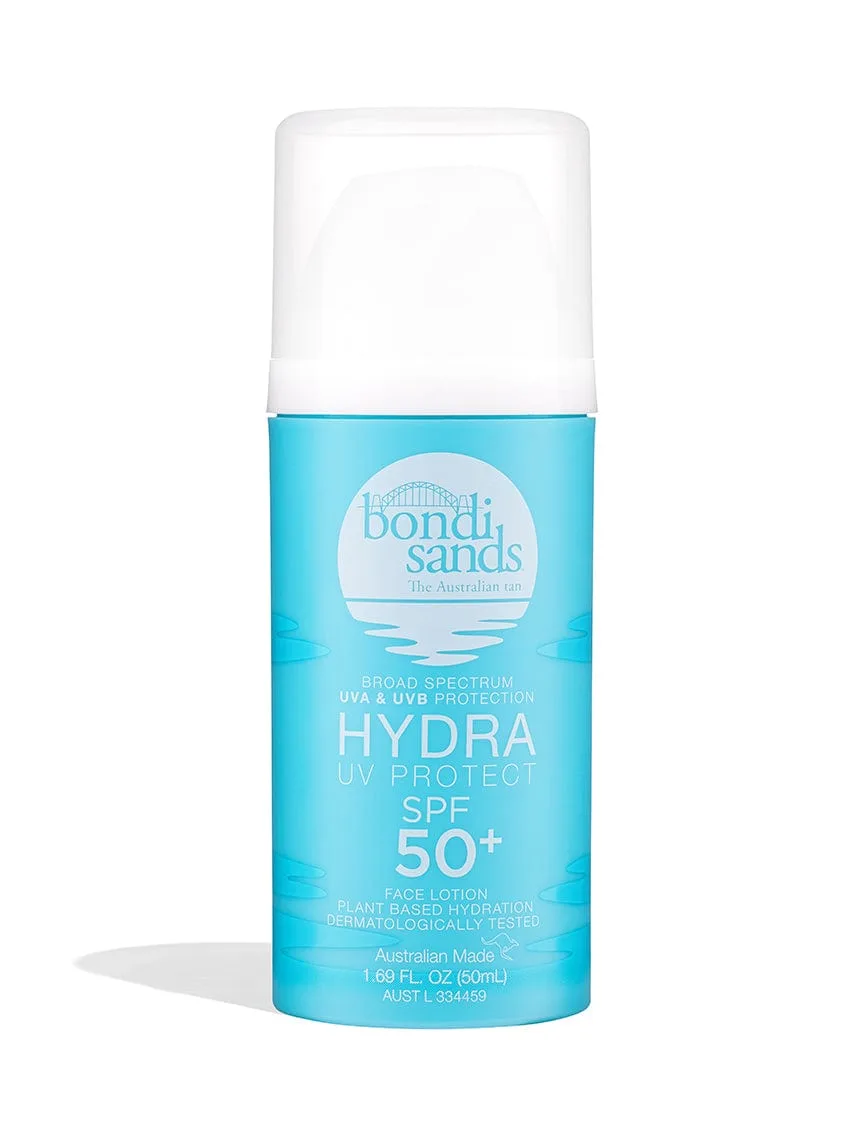 European-Filter Daily Driver
 Hydra UV Protect SPF 50+ Face Lotion
The AU/EU Hydra face lotion is what a Bondi Sands face sunscreen looks like when it gets to use next-generation filters unavailable in the US. Lightweight, fragrance-free, genuinely hydrating, and cosmetically elegant under makeup, it's one of the strongest-value European face SPFs on the shelf — if you can source it.
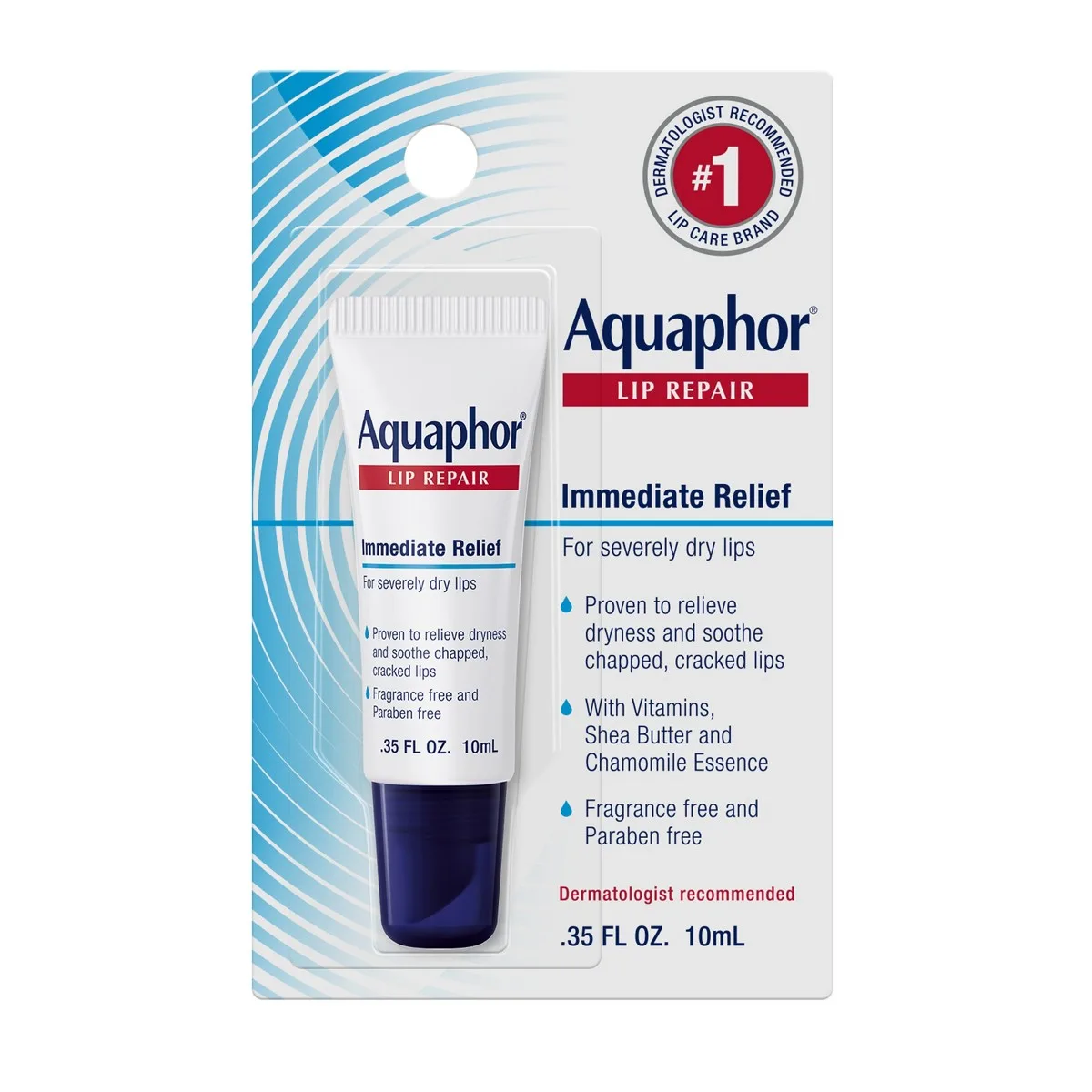 Derm Office Lip Staple
 Lip Repair
The lip balm that dermatologists actually recommend — not as marketing, but as clinical practice. Fifteen years and 50,000+ reviews have validated what the panthenol-bisabolol research confirms: this simple formula genuinely heals chapped lips rather than just coating them. The glossy finish and frequent reapplication needs are the only real drawbacks.
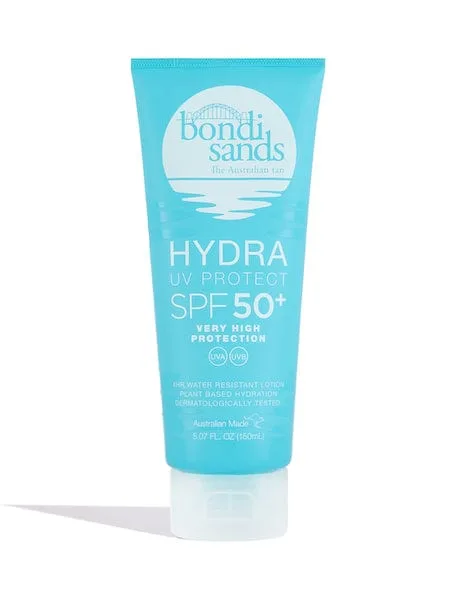 European-Filter Body SPF
 Hydra UV Protect SPF 50+ Body Sunscreen Lotion
A hydration-forward Australian body sunscreen that uses filters unavailable in the US, delivering stronger UVB coverage and a skincare-grade glycerin-and-algae base in one bottle. It's sold only through AU and EU retailers, but for shoppers who can source it, it's one of the best-formulated body SPFs at a drugstore price.
 Sensitive Skin Daily Driver
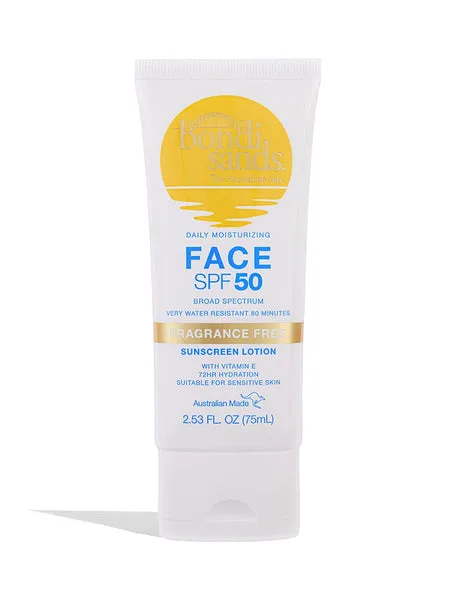
 Fragrance Free Face Sunscreen Lotion SPF 50+
A fragrance-free, chemical SPF 50+ face lotion formulated to Australia's stricter TGA sunscreen standards, delivering genuinely strong broad-spectrum coverage with zero white cast at a drugstore price. The beeswax base rules it out for vegans and fungal-acne sufferers, but for most reactive skin it's a quietly excellent daily driver.
 Mineral SPF for Melasma
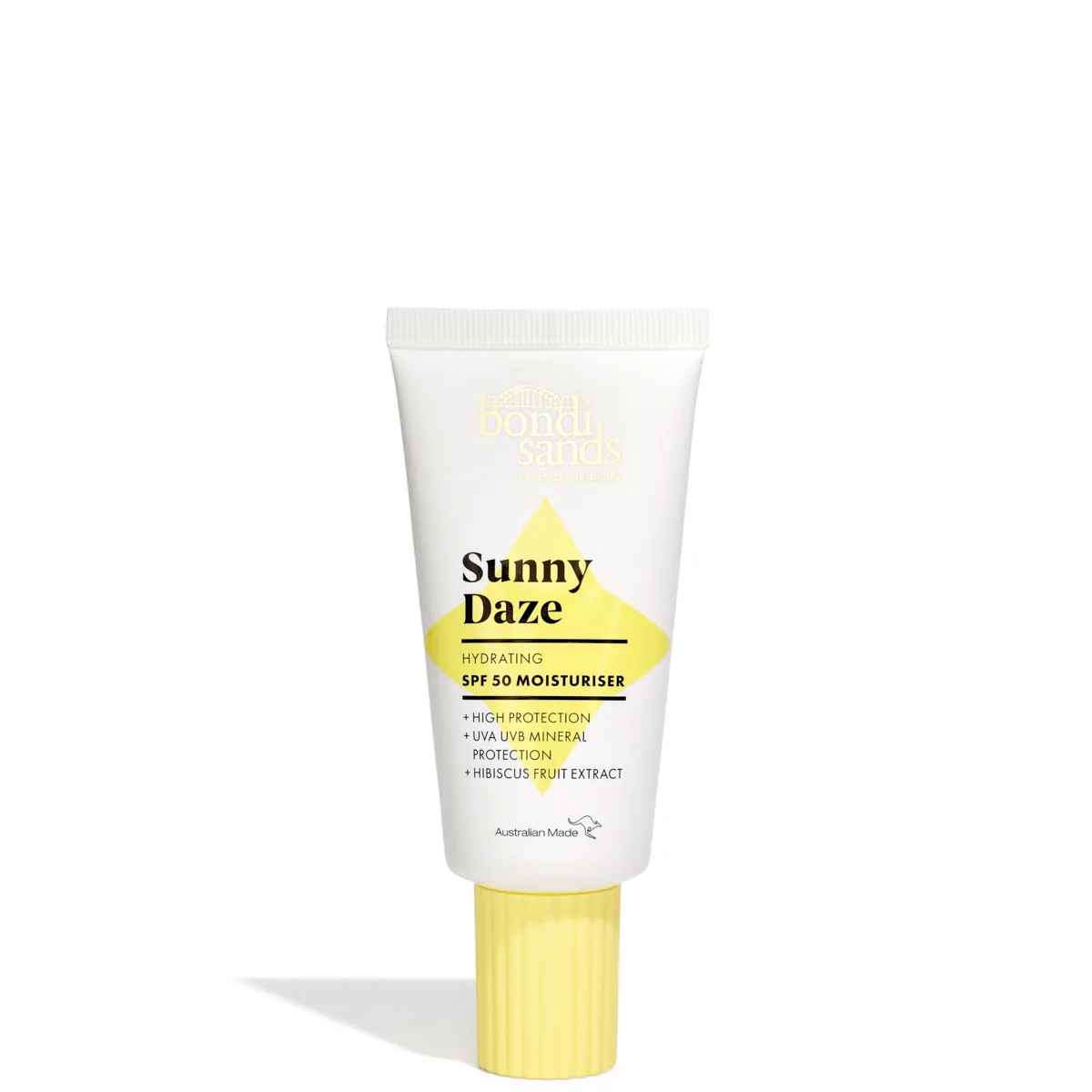
 Sunny Daze SPF 50 Moisturiser
A 25% zinc oxide mineral face moisturizer with a built-in universal tint that provides both visible-light protection and white-cast neutralization — one of the better-engineered mineral SPF moisturizers in its price tier. The single universal shade is a real limitation, but for anyone managing melasma or reactive skin, this is a surprisingly thoughtful drugstore option.
 TikTok Cult Lip Treatment
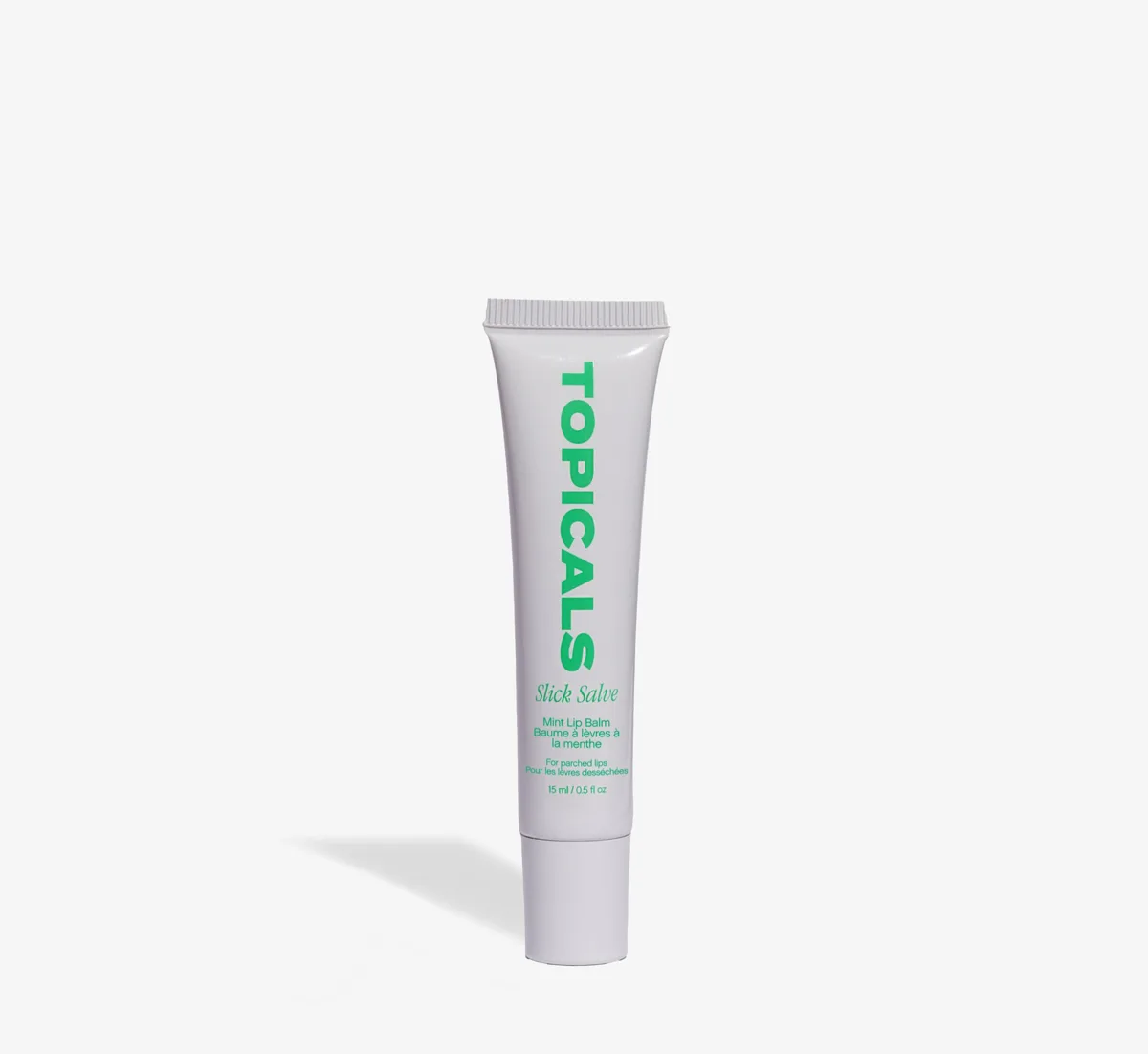
 Slick Salve Glossy Lip Balm
The viral TikTok lip balm that actually deserves the hype — built on three ceramide types, cholesterol, peptides, and ergothioneine in a glossy wet-look format that looks like a beauty product and performs like a dermatology product. The mint essential oils are the only real caveat for sensitive users.