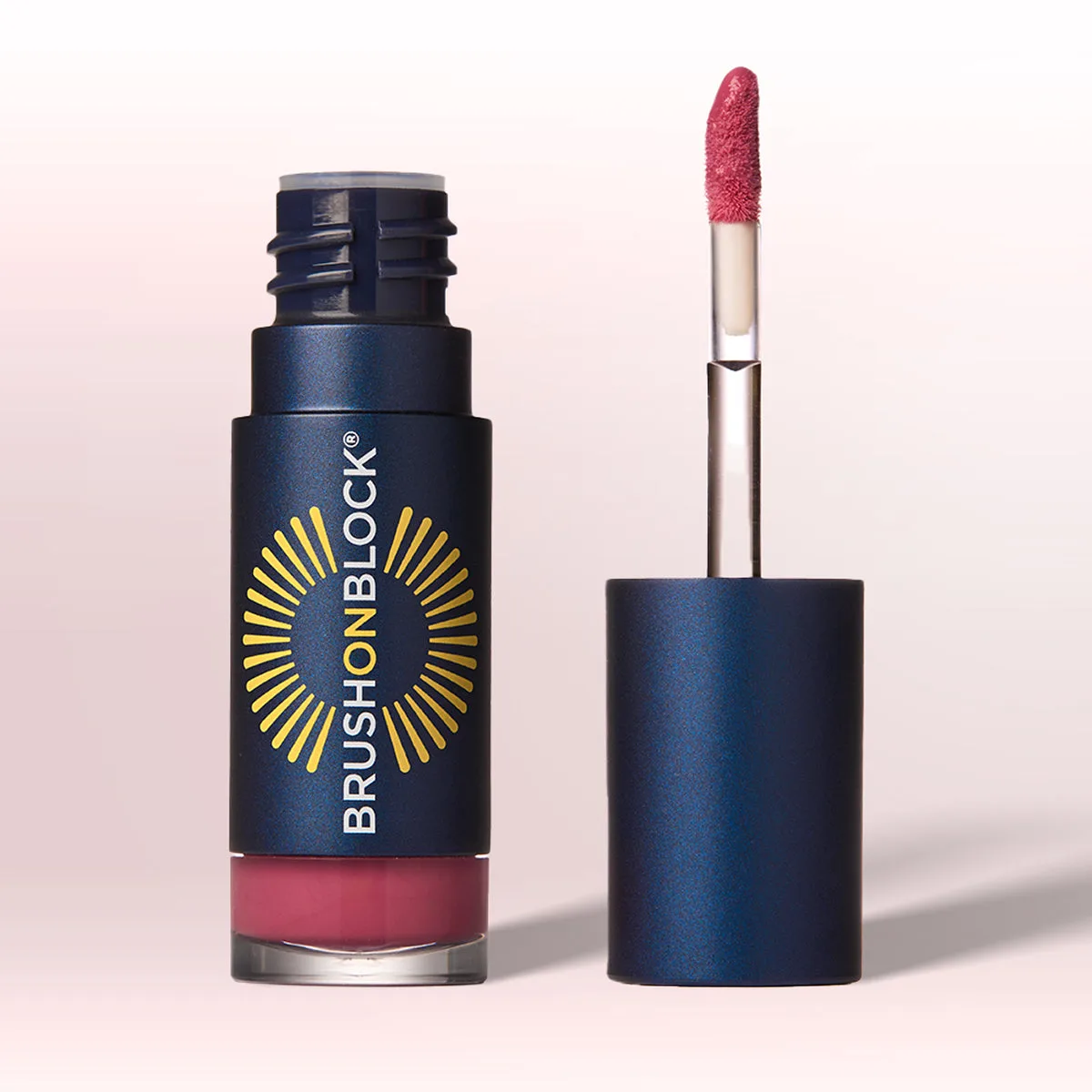
A mineral lip SPF that feels like a luxury lip oil — titanium dioxide and zinc oxide dispersed into an argan-and-castor-oil base that's glossy, cushiony, and genuinely pleasant to reapply. The $26 price for 6.8ml is premium, but for daily lip sun protection that actually gets used, it's one of the most well-engineered options on the market.
Protective Lip Oil SPF 30
A mineral lip SPF that feels like a luxury lip oil — titanium dioxide and zinc oxide dispersed into an argan-and-castor-oil base that's glossy, cushiony, and genuinely pleasant to reapply. The $26 price for 6.8ml is premium, but for daily lip sun protection that actually gets used, it's one of the most well-engineered options on the market.
Score Breakdown
A well-formulated mineral lip SPF that actually feels like a lip oil rather than a sunscreen, with broad-spectrum titanium-and-zinc coverage and a genuinely nourishing emollient base. Held back by premium pricing on a small tube and the tangerine essential oil that limits it for very reactive lips.
Data Confidence: medium
This lip oil has been on the US market since around 2019 with moderate review volume across Amazon, the brand site, and a scattering of clean-beauty retailers. Scoring reflects strong ingredient fundamentals and accumulated but still evolving user feedback.
0/100
Overall Score
Ingredient Quality 0
Value for Money 0
Suitability Breadth 0
Irritation Risk (↑ = safer) 0
Assessment
Pros
- Mineral SPF 30 broad-spectrum protection from titanium dioxide and zinc oxide
- Genuine lip oil texture — glossy, cushiony, non-sticky
- Argan and castor oil base makes reapplication pleasant
- Pleasant tangerine flavor without typical SPF aftertaste
- Vegan, cruelty-free, reef-friendly
- Doe-foot applicator makes for easy on-the-go touch-ups
- Available in sheer and tinted variants
Cons
- Small 6.8ml tube at premium pricing
- Tangerine essential oil not ideal for very reactive lips
- Tinted versions have universal-shade limitations
- Requires frequent reapplication for full SPF benefit
- Glossy finish wears off quickly with food and drink
Full Review
Ask any dermatologist what the most under-protected area of the face is, and they'll all say the same thing: lips. The skin on the vermilion border is thin, nearly melanin-free, and chronically exposed to UV through every car window, every walk to the coffee shop, every conversation on a park bench. It's also the first place to show photoaging in the form of fine lines, pigmentation, and actinic cheilitis — that rough, scaly sun damage that quietly develops on the lower lip of people who spent years outdoors without lip protection. The clinical fix is simple: wear a lip SPF every day. The behavioral problem is harder: most lip SPFs are waxy, chalky, medicinal-tasting balms that people apply once at the beach and forget about until next summer.
Brush On Block's Protective Lip Oil SPF 30 was built around that behavioral problem. The brand's founder, a professional makeup artist named Susan Posnick, launched the company in 2011 after a personal skin cancer scare pushed her to develop mineral SPF formats people would actually reapply. The original product was a brush-on powder sunscreen in a refillable brush — an innovation that solved the face-reapplication problem by making touch-ups feel like applying setting powder. The lip oil is an extension of the same philosophy: if the product feels good enough, people will reach for it often, and a lip SPF that gets reapplied every two hours provides better real-world protection than a superior formula that sits in a drawer.
The actives are straightforward — titanium dioxide at 4.5% and zinc oxide at 3.4%, a pure mineral pair that delivers SPF 30 broad-spectrum protection without any chemical filters. The engineering challenge with mineral lip products is keeping them from feeling chalky, heavy, or waxy, because those are the three failure modes that make people hate lip SPF. Brush On Block's answer is to suspend the mineral filters in a base built around hydrogenated polyisobutene, argan oil, castor oil, and caprylic/capric triglyceride — a fluid emollient system that behaves more like a lip oil than a balm. The result is genuinely glossy, cushiony, and non-sticky in a way that most mineral lip products simply can't match.
The flavor and scent come from tangerine peel oil. It's mild, natural, and pleasant for most users, reading as a soft citrus note rather than the artificial sunscreen flavor that ruins the experience of many SPF balms. The tangerine essential oil is the ingredient to be honest about, though: citrus essential oils can be irritating for very reactive lip skin, and anyone with a history of perioral dermatitis or lip allergies should patch-test before committing to daily use. For most users, it's a non-issue and actually one of the reasons the product feels luxurious rather than clinical.
Texture in practice: squeeze the doe-foot applicator onto the lips and you get a glossy, slightly tangerine-scented slip that settles within thirty seconds into a cushiony non-sticky finish. It's not a high-pigment lip gloss — the sheer version is nearly clear, and the tinted versions add a soft wash of color rather than opaque coverage. The finish stays glossy for a few hours on untouched lips, less on a coffee-and-breakfast morning, and the product is pleasant enough to reapply throughout the day without the chore feeling that plagues waxy SPF balms.
The limitations are mostly about format economics. The 6.8ml tube is small, and at $26 it lands firmly in the premium lip product tier despite being a sunscreen rather than a luxury makeup item. For someone who uses lip products heavily, the per-week cost is higher than a standard lip balm SPF would run. The tangerine flavor, while mild, isn't universal — some users strongly prefer unflavored lip products and will find it intrusive. And the tinted shades have the same universal-shade limitations any tinted product faces, reading more flattering on some lip tones than others.
What you're really buying with this oil is a lip SPF you'll actually use, which is worth more than most people credit. The clinical math on lip photoaging is clear: consistent daily mineral SPF on the lips reduces visible photoaging and lowers the long-term risk of actinic changes that can progress to squamous cell carcinoma. If a $26 luxury-feeling oil gets reapplied five times a day while a $6 waxy stick gets reapplied twice a month, the pricier product is doing more actual work. For daily daily drivers, the Brush On Block lip oil is one of the few lip SPFs that earns the 'daily driver' label honestly — and for anyone already spending on luxury lip oils without SPF, swapping in this one is basically a free upgrade in sun protection.
Formula
Ingredients
The hero actives that drive this product's performance.
| Ingredient | Function | Evidence |
|---|---|---|
| Titanium Dioxide (4.5%) | The primary mineral UV filter in the oil, dispersed into the hydrogenated polyisobutene base so it glides across the lip line without chalking — the technical challenge mineral lip SPFs usually struggle with. | well-established |
| Zinc Oxide (3.4%) | Partners with titanium dioxide to extend coverage into longer UVA wavelengths, giving this lip oil broad-spectrum protection against the photoaging component that typical flavored lip balms quietly ignore. | well-established |
| Argan Oil | Sits high in the inactive phase as the emollient that turns this product from a pure sunscreen into something that actually functions as a lip oil — delivering cushiony shine and fatty-acid nourishment to skin that's otherwise dried out by most mineral SPF formulas. | well-established |
| Castor Seed Oil | Provides the glossy viscous shine that gives the oil its signature non-sticky lip lacquer finish — the cosmetic reason users keep reapplying rather than avoiding the tube like most SPF lip products. | well-established |
| Bisabolol | A chamomile-derived soothing agent added at the end of the formula to calm the sensitive vermilion lip border, offsetting any irritation potential from the tangerine peel oil in the flavoring. | promising |
Full INCI List
Active: Titanium Dioxide 4.5%, Zinc Oxide 3.4%. Inactive: Hydrogenated Polyisobutene, Butyloctyl Salicylate, Caprylic/Capric Triglyceride, Ethylene/Propylene/Styrene Copolymer, Argania Spinosa (Argan) Kernel Oil, Ricinus Communis (Castor) Seed Oil, Helianthus Annuus (Sunflower) Seed Oil, Tocopheryl Acetate, Citrus Reticulata (Tangerine) Peel Oil, Polyhydroxystearic Acid, Stearic Acid, Caprylyl Glycol, Alumina, Flavor (Aroma), Bisabolol, Butylene/Ethylene/Styrene Copolymer, Pentaerythrityl Tetra-di-t-butyl Hydroxyhydrocinnamate. May Contain [+/-]: Red 7 Lake, Iron Oxides
Product Flags
✗ Fragrance Free✓ Alcohol Free✗ Oil Free✓ Silicone Free✓ Paraben Free✓ Sulfate Free✓ Cruelty Free✓ Vegan✗ Fungal Acne Safe
Potential Irritants
citrus reticulata (tangerine) peel oilflavor
Common Allergens
citrus essential oil
Compatibility
Skin Match
Best For
Works For
Not Ideal For
Addresses These Conditions
Use With Caution
Routine Step
sunscreen
Time of Day
AM & PM
Pregnancy Safe
Yes ✓
Layering Tips
Apply to clean lips as the final step of a morning skincare routine or over lipstick for shine plus SPF. Reapply every two hours during sun exposure and after eating or drinking.
Results Timeline
Immediate cushiony hydration and glossy finish from first application. Long-term benefits — reduced lip photoaging, less sun-induced pigmentation — accrue with consistent daily use.
Pairs Well With
matte lipsticklip linerface sunscreen
Sample AM Routine
- Face cleanser
- Serum
- Moisturizer
- Face sunscreen
- Brush On Block Protective Lip Oil SPF 30
Sample PM Routine
- Face cleanser
- Lip balm
- Night cream
Evidence
Science
The Science
The active filter combination in this product is the standard mineral pair: titanium dioxide and zinc oxide. Titanium dioxide absorbs primarily in the UVB and short UVA range, while zinc oxide extends coverage into the longer UVA wavelengths responsible for most photoaging and pigmentation changes in the lip vermilion. Together they provide broad-spectrum SPF 30 coverage, which is sufficient for most daily exposure scenarios but on the lower end for extended outdoor use — reapplication every two hours is essential for full label protection in direct sun.
Lips are particularly vulnerable to UV damage because the vermilion border has a thin, minimally keratinized epithelium with very low melanin content, meaning UV penetrates deeper and triggers photoaging and DNA damage more effectively than on facial skin. Clinical research on actinic cheilitis and lip squamous cell carcinoma has consistently shown that chronic UV exposure is the primary etiologic factor, and that regular use of lip sunscreen is associated with reduced progression of precancerous lip changes. The American Academy of Dermatology and most major dermatological organizations now recommend daily lip SPF as part of standard photoprotection.
The emollient base — argan oil, castor oil, sunflower oil, caprylic/capric triglyceride — is more than cosmetic. Fatty acid delivery to the lip barrier supports skin integrity and wound healing, which is relevant because sun-damaged lips often present with compromised barrier function. Tocopheryl acetate and bisabolol contribute antioxidant and soothing benefits that address the downstream oxidative damage UV leaves behind.
The limitation worth noting is that mineral lip SPFs in a fluid oil base tend to rub off faster than waxy stick formats, which is the tradeoff for the improved texture. Reapplication frequency matters more with this format than with a dense waxy balm — get that right and the protection is real.
Dermatologist Perspective
Dermatologists commonly flag lips as one of the most under-protected areas on the face and recommend daily lip SPF as part of any serious photoprotection routine. Board-certified dermatologists note that adherence is the primary driver of real-world lip sun protection outcomes, and that a pleasant-to-reapply lip product significantly outperforms a clinically superior but cosmetically unappealing one in practice. Mineral lip SPFs like this one are often suggested for patients with a history of actinic cheilitis, post-procedure lip sensitivity, or anyone using lip treatments like isotretinoin that increase photosensitivity. The luxury-feeling format is part of the clinical appeal rather than an unnecessary indulgence.
Guidance
Usage Guide
How to Use
Apply to clean lips as the final step of your morning skincare routine or over lipstick for added shine and SPF. Use the doe-foot applicator to sweep a thin layer across the lip line and onto the lip surface. Reapply every two hours during outdoor exposure and immediately after eating, drinking, or towel drying. For daily indoor wear, a single morning application with a midday touch-up is typically sufficient. Store in a cool place away from direct sunlight to preserve the mineral filter stability, and replace within 12 months of opening.
Value Assessment
At $26 for 6.8ml, this lip oil sits at the premium end of the lip SPF category — more expensive than a standard Sun Bum or Supergoop lip product, but roughly in line with luxury non-SPF lip oils from Dior or Clarins that offer no sun protection at all. Per milliliter, it's not cheap. What you're paying for is the combination of genuine mineral broad-spectrum SPF 30 protection and a cosmetic experience that rivals premium lip treatments, which is a legitimate premium rather than pure brand markup. For daily users, the per-week cost is noticeable but manageable; for occasional use, the price feels high. There is no larger size available in the line.
Who Should Buy
Anyone serious about daily lip photoprotection who wants a mineral SPF in a pleasant lip-oil format. Particularly worthwhile for people with a history of cold sores, actinic cheilitis, isotretinoin-related lip sensitivity, or anyone already spending on luxury lip oils without SPF who wants to upgrade with sun protection.
Who Should Skip
Budget-conscious shoppers can find cheaper mineral lip balms with similar SPF. Anyone with sensitivity to citrus essential oils should patch test first or choose an unscented lip SPF. Heavy lipstick wearers who layer matte products on top won't get the best use out of the glossy oil format.
Ready to try Brush On Block Protective Lip Oil SPF 30?
Details
Details
Texture
Lightweight glossy oil with cushiony non-sticky slip
Scent
Warm tangerine from citrus peel oil, mild and natural
Packaging
Small squeeze tube with doe-foot applicator wand
Finish
glowydewynon-greasy
What to Expect on First Use
First application feels hydrating and glossy with a faint tangerine flavor that settles within about a minute. No stinging, and unlike most mineral lip SPFs there's no chalky white residue or heavy waxy drag. Most users notice immediately that it behaves more like a lip oil than a sun product.
How Long It Lasts
About 6–10 weeks with daily application and occasional reapplication during sun exposure
Period After Opening
12 months
Best Season
All Year
Certifications
Cruelty-freeReef friendly
Background
The Why
Brush On Block was founded by professional makeup artist Susan Posnick in 2011 after a skin cancer scare pushed her to develop mineral SPF formats people would actually reapply. The brush-on powder was the flagship; the lip oil came later as an extension of the same philosophy — make the sunscreen format so pleasant to use that reapplication becomes automatic rather than a chore.
About Brush On Block Established Brand (5–20 years)
Brush On Block was founded in 2011 by professional makeup artist Susan Posnick after a personal skin cancer scare, with a focus on making mineral SPF reapplication easy through brush-on powder and portable lip formats. The brand has been on market over a decade and is manufactured in an FDA-inspected US facility.
Brand founded: 2011 · Product launched: 2019
Myth vs. Reality
Myths
Myth
Lip SPF is only necessary at the beach
Reality
Lips have thinner skin and less melanin than the rest of the face, making them one of the most sun-damage-prone areas on the body. Daily UV exposure — even through car windows and short outdoor walks — is implicated in lip photoaging, pigmentation, and actinic cheilitis. A daily lip SPF matters as much as a daily face SPF.
Myth
All mineral lip products feel chalky and heavy
Reality
This formula uses hydrogenated polyisobutene and argan oil to disperse the titanium and zinc in a fluid base rather than a waxy stick, which eliminates the typical chalky mineral-lip-balm feel. The result is closer to a lip oil than to a traditional SPF balm.
FAQ
FAQ
Is this a chemical or mineral lip sunscreen?
Mineral. The filters are titanium dioxide at 4.5% and zinc oxide at 3.4% — a pure mineral combination with no chemical UV filters, which is why it's a popular pick for anyone who specifically avoids chemical sunscreens on the lips.
Does it actually feel like a lip oil?
Yes. The mineral filters are suspended in an argan-and-castor-oil base that feels glossy, cushiony, and non-sticky — more like a luxury lip oil than a typical mineral lip balm. This is the main reason users choose it over cheaper SPF lip products.
Does it have flavor?
It has a natural tangerine flavor and scent from citrus reticulata peel oil. Most users find it mild and pleasant, though citrus essential oils can be an irritant for very reactive lips — patch test before daily use if you have a history of sensitivity.
Is it tinted?
The product is available in a sheer version and several tinted variants (Nude, Coral, Fig). The tinted versions add subtle color through iron oxides and Red 7 Lake, while the sheer version is clear. All offer the same SPF 30 protection.
How often should I reapply?
For sustained sun protection, reapply every two hours during outdoor exposure and immediately after eating, drinking, or towel drying. For daily indoor wear, a single morning application with touch-ups through the day is typically sufficient.
Is it worth $26 for 6.8ml?
It's premium-priced per milliliter, but comparable to luxury lip oils without SPF. If you value a glossy lip oil finish and broad-spectrum mineral lip protection in a single step, the value is reasonable. Shoppers on a budget may prefer a simpler mineral lip balm SPF instead.
Community
Community
Common Praise
"Feels like a luxury lip oil rather than a sunscreen"
"Glossy non-sticky finish comparable to premium lip glosses"
"Pleasant tangerine flavor without typical SPF aftertaste"
"Genuine broad-spectrum mineral lip protection"
Common Complaints
"Small 6.8ml size runs out quickly"
"$26 price feels steep for the volume"
"Tangerine flavor not universally loved"
"Tint variants can read washed-out on some lip tones"
Notable Endorsements
Featured in dermatology and clean beauty gift guides
Appears In
best spf lip oil best mineral lip sunscreen best lip sunscreen for dryness best reef friendly lip spf best luxury lip sunscreen
Related Conditions
Related Ingredients
You Might Also Like
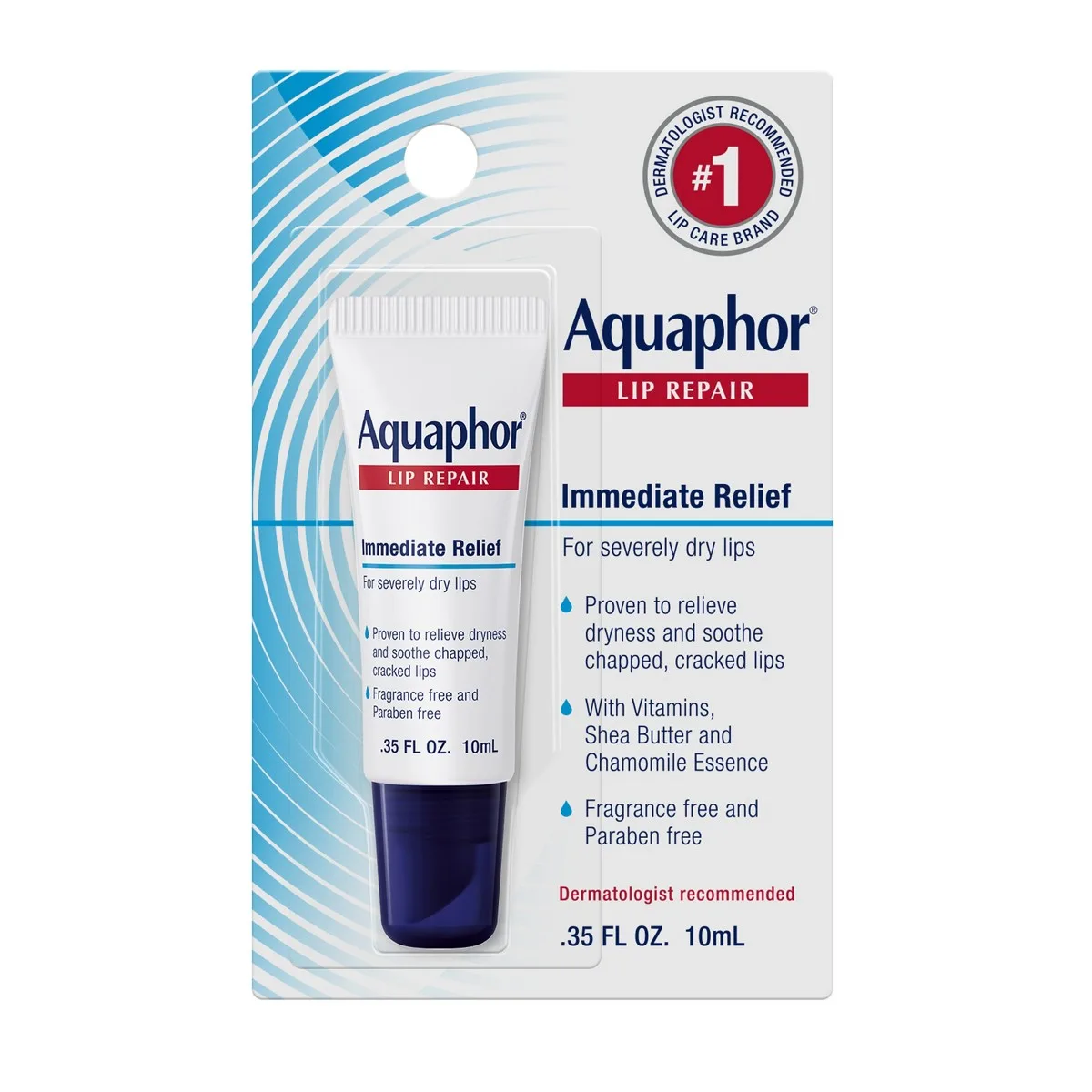 Derm Office Lip Staple
 Lip Repair
The lip balm that dermatologists actually recommend — not as marketing, but as clinical practice. Fifteen years and 50,000+ reviews have validated what the panthenol-bisabolol research confirms: this simple formula genuinely heals chapped lips rather than just coating them. The glossy finish and frequent reapplication needs are the only real drawbacks.
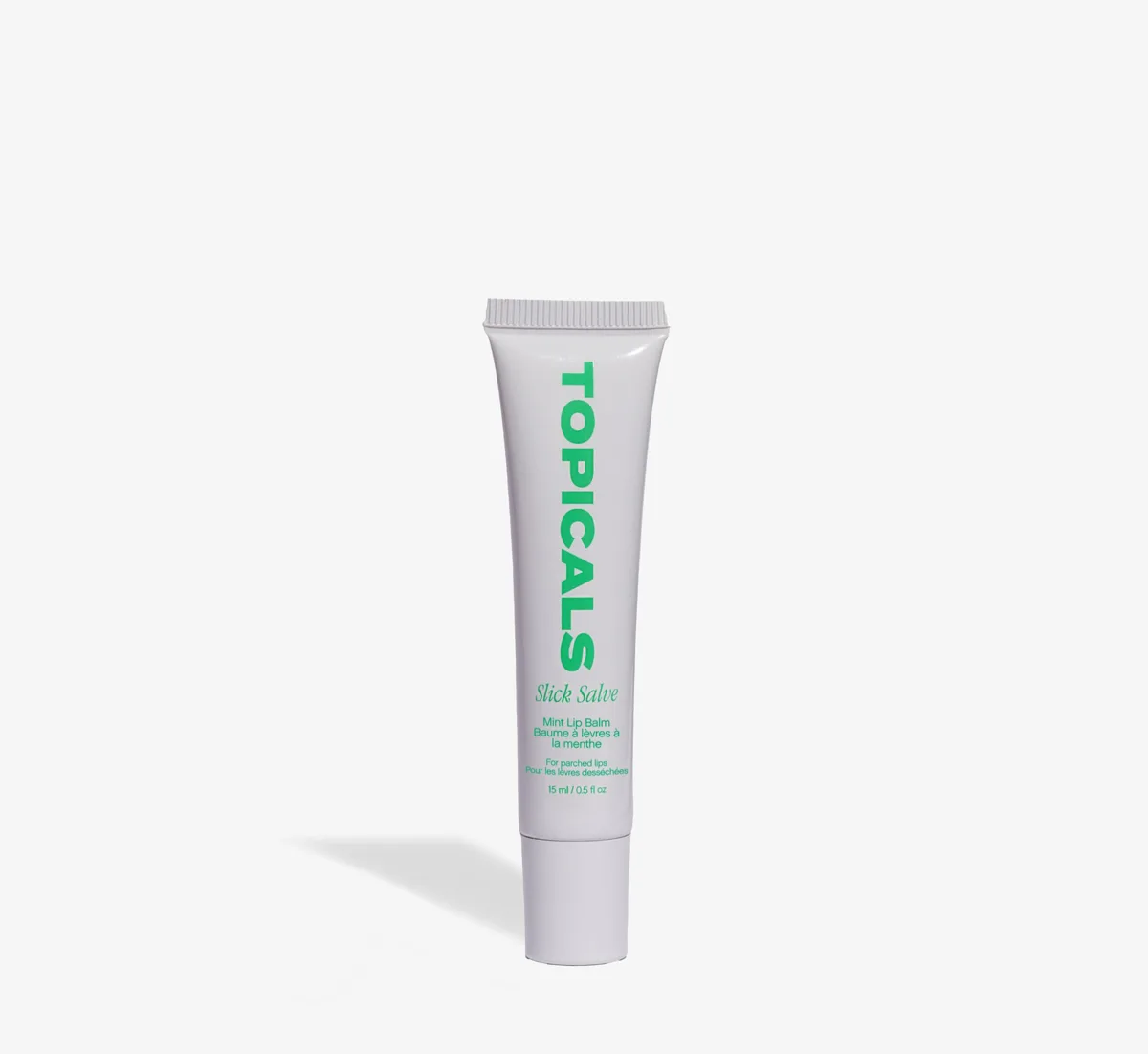 TikTok Cult Lip Treatment
 Slick Salve Glossy Lip Balm
The viral TikTok lip balm that actually deserves the hype — built on three ceramide types, cholesterol, peptides, and ergothioneine in a glossy wet-look format that looks like a beauty product and performs like a dermatology product. The mint essential oils are the only real caveat for sensitive users.
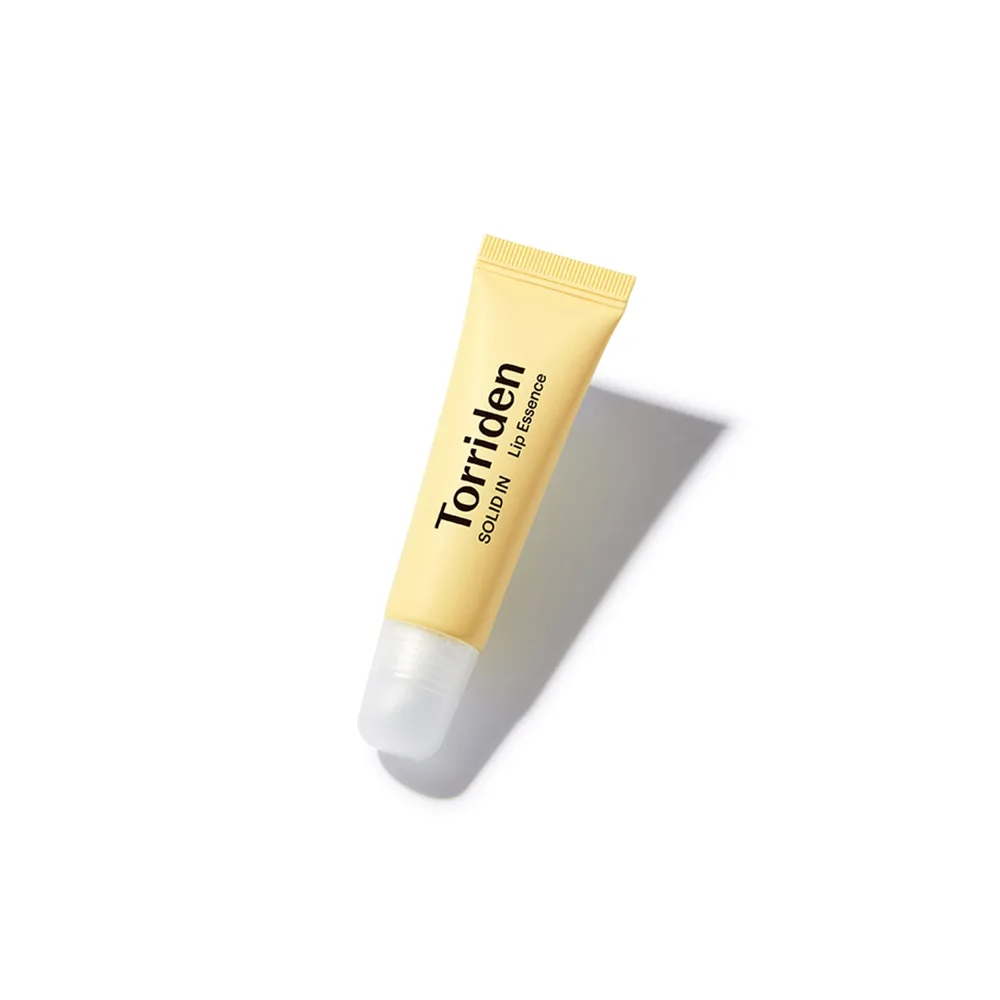 Ceramide Lip MVP
 SOLID-IN Lip Essence
Torriden ports its multi-ceramide-cholesterol repair architecture into lip-care format, producing one of the few lip products that actually addresses the underlying lipid loss behind chronically chapped lips. Fragrance-free, well-tolerated, and effective. The price feels slightly ambitious for the size, but the ingredient quality earns it.
 Sensitive-Skin Gloss MVP
 ShineOn Lip Jelly
The product that built Tower 28's reputation: a fragrance-free, dye-free, lanolin-free lip jelly that delivers serious gloss and a sheer wash of color without stickiness, and is genuinely safe for eczema-prone lips. Sheer pigment and a Sephora price tag are the only honest gripes.
 Vegan Lip Essential
 Vegan Melting Lip Balm
mixsoon's Vegan Melting Lip Balm brings the brand's minimalist, plant-based philosophy to lip care with a genuinely unique melting texture and clean ingredient list. It's a comfortable, fragrance-free lip treatment that softens dry lips effectively, though the $16 price and need for frequent reapplication are honest limitations in a crowded lip balm market.
 Australian Sun-Smart Essential
 Lip Balm SPF 30
QV's Lip Balm SPF 30 is the rare drugstore lip balm that treats SPF as the point, not a garnish. With a four-filter broad-spectrum system in a petrolatum-and-wax base, it offers genuine daily lip protection from a brand whose parent company has been formulating Australian sun care since the 1970s.