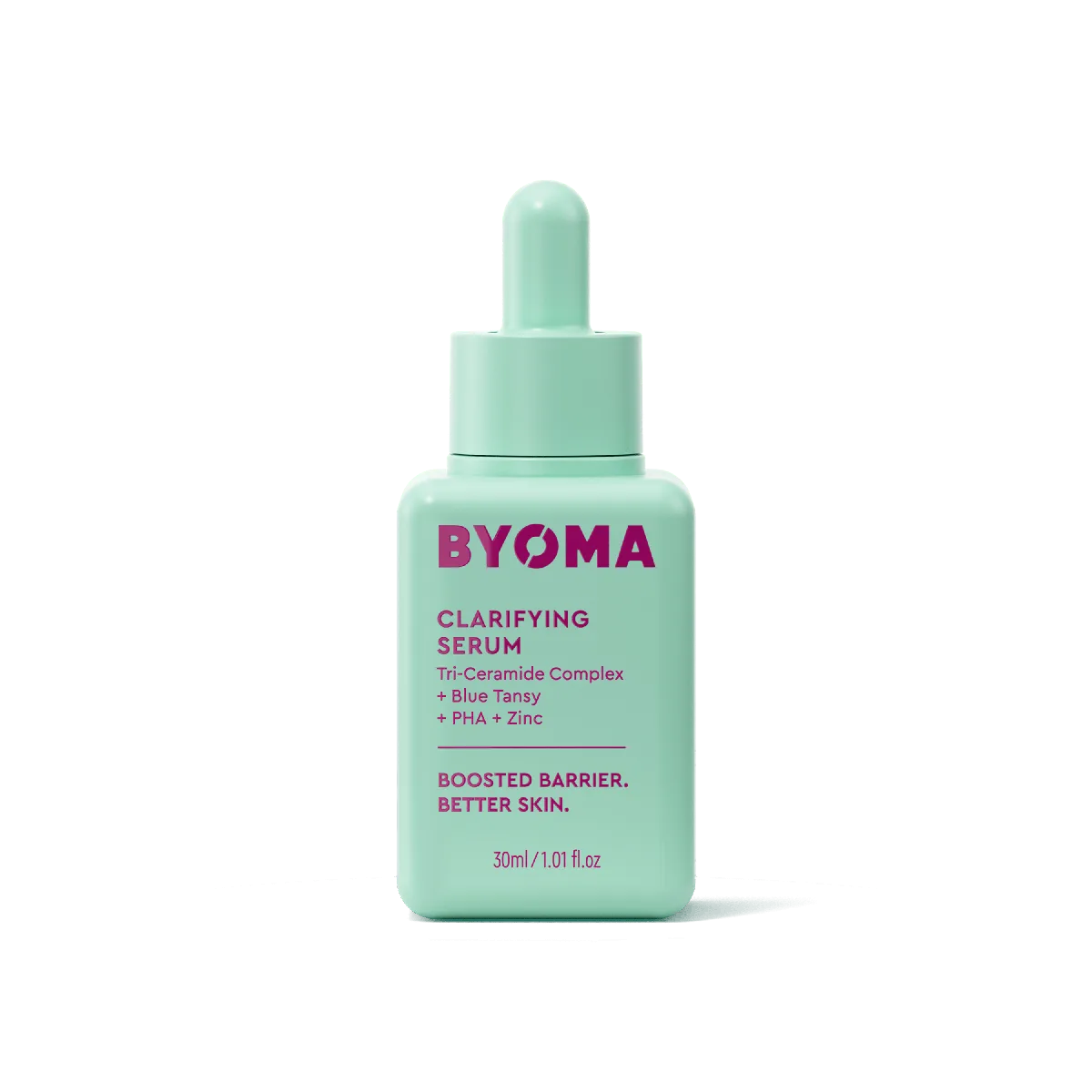
A smartly formulated clarifying serum that breaks the cycle of harsh acne treatments followed by barrier damage followed by more acne. PHA, zinc, and blue tansy manage breakouts gently while the tri-ceramide complex builds the barrier resilience that aggressive treatments strip away — all for sixteen dollars.
Clarifying Serum
A smartly formulated clarifying serum that breaks the cycle of harsh acne treatments followed by barrier damage followed by more acne. PHA, zinc, and blue tansy manage breakouts gently while the tri-ceramide complex builds the barrier resilience that aggressive treatments strip away — all for sixteen dollars.
Score Breakdown
Where this product gains points and where it loses them — broken down across the four scoring pillars.
A thoughtfully formulated clarifying serum that uses PHA and zinc instead of aggressive BHA, paired with barrier-repair ceramides — delivering effective, gentle acne management at an impressive price point.
Pros & Cons
- ✓PHA exfoliation provides effective clarifying action without BHA's barrier disruption
- ✓Triple clarifying system — gluconolactone, niacinamide, zinc — targets acne from three angles
- ✓Blue tansy oil delivers anti-inflammatory benefits that reduce post-acne pigmentation
- ✓Tri-ceramide complex actively repairs the barrier while clarifying actives work
- ✓Completely fragrance-free, alcohol-free, and allergen-free formula
- ✓Excellent value at $16 with refill pouches available
- ✓Gentle enough to use alongside retinol without compounding irritation
- ✗Not potent enough for severe or cystic acne — requires prescription intervention
- ✗Blue tint from tansy oil may initially alarm users unfamiliar with the ingredient
- ✗Results are gradual — expect weeks, not days, for visible improvement
- ✗Frequently sold out due to high demand and supply constraints
- ✗Emerging brand with limited long-term market track record
Full Review
There is a grim irony in the way most people treat acne. They reach for the strongest product they can find — high-percentage salicylic acid, benzoyl peroxide that bleaches their pillowcases, prescription-strength retinoids that peel their face like a sunburn — and succeed in clearing the current breakout. Then the barrier damage from those aggressive treatments triggers reactive inflammation, compromised defenses, and a fresh crop of breakouts. They reach for the strong product again. The cycle continues. Byoma designed this serum to break it.
The Clarifying Serum opens with a premise that sounds counterintuitive in the acne treatment aisle: what if clarifying your skin didn't require damaging it? What if you could unclog pores, regulate oil, and reduce inflammation without the redness, dryness, and peeling that have become accepted side effects of acne management? The formula is Byoma's answer to that question, and it is built on restraint.
Gluconolactone — a polyhydroxy acid — replaces the salicylic acid that most clarifying serums default to. The distinction matters. Salicylic acid is a small molecule that penetrates deep into the pore lining, dissolving sebum plugs with ruthless efficiency but also stripping lipids and irritating sensitive tissue along the way. Gluconolactone is a larger molecule. It cannot dive as deep, but it does not need to for surface congestion, texture irregularities, and mild comedonal acne. It exfoliates the outer stratum corneum, promotes gentle cell turnover, and — here is the PHA advantage — simultaneously functions as a humectant, drawing water into the skin while it exfoliates. You are hydrating and clarifying in the same molecular gesture.
Niacinamide at two and a half to four percent provides the oil regulation component. It is well-established in dermatological research that niacinamide reduces sebum production through mechanisms distinct from the drying effect of BHA. It modulates lipid production at the sebaceous gland level, which means the oil reduction is genuine physiological regulation rather than surface-level stripping that triggers compensatory oil overproduction. At this moderate concentration, the risk of niacinamide flush is negligible.
Zinc lactate adds a third clarifying mechanism: antimicrobial activity and sebum regulation through 5-alpha reductase inhibition. Zinc's role in acne management is well-documented in clinical literature, and the lactate form offers improved skin penetration compared to zinc oxide or zinc sulfate. The mild lactic acid component of the salt provides an additional gentle exfoliating contribution.
The blue tansy oil is the ingredient that gives this serum its distinctive blue-green tint and its anti-inflammatory edge. Tanacetum annuum contains chamazulene, a sesquiterpene with documented anti-inflammatory properties that rivals some pharmaceutical agents. In a clarifying serum, this is strategically important: acne is fundamentally an inflammatory condition, and reducing inflammation reduces both the severity of active breakouts and the post-inflammatory hyperpigmentation that follows them. The tint disappears upon application, leaving no visible residue.
Underneath all of these actives sits the tri-ceramide complex — Byoma's constant through every product in the line. Ceramide NP, cholesterol, and phytosphingosine repair and maintain the barrier while the clarifying ingredients work. This is not a token inclusion. For acne-prone skin, barrier health is directly related to acne severity: a compromised barrier allows bacteria to penetrate more easily, triggers inflammatory cascades, and reduces the skin's ability to heal post-breakout lesions. By building the barrier while clearing breakouts, this serum addresses acne from both the symptom and structural levels.
The texture is lightweight and absorbs quickly — no sticky residue, no visible film, no interference with subsequent products. The faint blue-green color from the tansy oil is momentarily visible during application and disappears within seconds. Under moisturizer and sunscreen, it is completely invisible.
Results follow the serum's gentle philosophy: gradual but genuine. Reduced oiliness is typically the first noticeable change, appearing within three to five days. Breakout frequency decreases over two to four weeks. Texture improvement and visible pore refinement develop over six to eight weeks. This is not a product that will clear severe cystic acne in a week — that requires prescription-grade intervention. But for the more common presentation of mild to moderate breakouts, persistent congestion, and uneven texture, this serum delivers consistent improvement without collateral damage.
The complete absence of irritants is remarkable for a clarifying product. No fragrance. No alcohol. No essential oils beyond the therapeutic blue tansy. No common allergens. For acne-prone skin that is also sensitive — a frustratingly common combination — this formula is one of the few clarifying options that does not require choosing between clear skin and comfortable skin.
At sixteen dollars with refill pouches available, the value challenges products three to four times its price. The PHA-niacinamide-zinc-ceramide combination is sophisticated formulation work priced at drugstore accessibility. The main limitation is Byoma's relative youth as a brand — there are no twenty-year track records here, no legacy of independent clinical studies on the specific product. But the individual ingredients are thoroughly validated, the formulation logic is sound, and the dermatologist testing provides clinical backing.
This is a serum for people who are tired of the acne treatment treadmill. For those who have tried the aggressive approach and found that it clears their skin for a moment before making it worse for weeks. The Byoma Clarifying Serum suggests, quietly, that maybe the way out of the cycle is not to fight harder but to fight smarter.
Formula
Key Ingredients
The hero actives that drive this product's performance.
| Ingredient | Function | Evidence |
|---|---|---|
| Niacinamide (2.5-3.8%) | At a moderate, well-tolerated concentration, niacinamide regulates sebum production and reduces inflammation — addressing two of the root causes of acne and congestion. In this formula, it partners with gluconolactone and zinc to create a multi-target clarifying system that manages breakouts without compromising the barrier. | well-established |
| Gluconolactone (PHA) | A polyhydroxy acid that provides gentle chemical exfoliation with significantly less irritation than AHAs or BHAs. Its larger molecular size means slower, more controlled penetration into the stratum corneum, making it safe for sensitive and acne-prone skin that cannot tolerate salicylic acid or glycolic acid. Also functions as a humectant, attracting water while it exfoliates. | well-established |
| Tri-Ceramide Complex (Ceramide NP, Cholesterol, Phytosphingosine) | Byoma's signature barrier-repair complex ensures that the clarifying actives — PHA, niacinamide, zinc — work within a supported barrier rather than against it. This is critical for acne-prone skin, where barrier damage from aggressive treatments often worsens the acne-inflammation cycle. | well-established |
| Zinc Lactate | Provides sebum-regulating and antimicrobial properties specifically relevant to acne-prone skin. Zinc inhibits 5-alpha reductase (reducing sebum production) and has documented anti-inflammatory effects. The lactate form offers better skin penetration than zinc oxide while providing a mild additional exfoliating component. | well-established |
| Blue Tansy Oil | Tanacetum annuum provides chamazulene — the compound responsible for its distinctive blue color — which delivers potent anti-inflammatory and calming properties. In this clarifying serum, blue tansy soothes the inflammation that accompanies acne and congestion, preventing the post-inflammatory hyperpigmentation that often follows breakouts. | emerging |
Full INCI List
Aqua, Glycerin, Niacinamide, 1,2-Hexanediol, Polyglyceryl-10 Laurate, Gluconolactone, Glyceryl Caprylate, Ceramide NP, Cholesterol, Caprylic/Capric Triglyceride, Phytosphingosine, Stearic Acid, Oleic Acid, Zinc Lactate, Hydrogenated Lecithin, Ethylhexylglycerin, Sodium Hyaluronate, Tanacetum Annuum Flower Oil, Hydroxyethylcellulose, Ammonium Acryloyldimethyltaurate/VP Copolymer, Glyceryl Acrylate/Acrylic Acid Copolymer, Sodium Phytate, Tocopherol, Lactic Acid, Caprylyl Glycol, Caprylhydroxamic Acid
Product Flags
✓ Fragrance Free✓ Alcohol Free✗ Oil Free✓ Silicone Free✓ Paraben Free✓ Sulfate Free✓ Cruelty Free✓ Vegan✗ Fungal Acne Safe
Compatibility
Skin Match
Best For
Works For
Not Ideal For
Addresses These Conditions
acne oiliness large pores blackheads texture compromised skin barrier
Routine Step
serum
Time of Day
AM & PM
Pregnancy Safe
Yes ✓
Layering Tips
Apply 2-3 drops to clean, slightly damp skin after toner. Allow to absorb for 30 seconds before applying moisturizer. Can be used alongside retinol — apply this serum first, then retinol, as the ceramide complex helps buffer potential irritation. In the AM, always follow with sunscreen.
Results Timeline
Reduced oiliness and improved skin texture within the first week. Breakout frequency should decrease over 2-4 weeks. Visible pore refinement and smoother skin texture develop over 6-8 weeks of consistent use.
Pairs Well With
hyaluronic-acidretinolceramidesniacinamide
Sample AM Routine
- Gentle cleanser
- Byoma face mist
- Byoma Clarifying Serum
- Lightweight moisturizer
- SPF 30+ sunscreen
Sample PM Routine
- Double cleanse
- Toner
- Byoma Clarifying Serum
- Retinol (2-3x per week)
- Barrier cream or lightweight moisturizer
Evidence
Science & Expert Perspective
The Science
Gluconolactone is a polyhydroxy acid with a molecular weight of 178.14 g/mol — significantly larger than glycolic acid (76.05 g/mol) or salicylic acid (138.12 g/mol). Research published in Dermatologic Surgery demonstrated that PHAs provide comparable exfoliating efficacy to AHAs at equivalent concentrations while producing significantly less stinging, burning, and irritation. The larger molecular size results in slower, more controlled stratum corneum penetration, and the multiple hydroxyl groups on the gluconolactone molecule provide humectant properties that AHAs and BHAs lack.
Zinc's role in acne management is supported by clinical evidence. A study published in the British Journal of Dermatology showed that zinc supplementation significantly reduced inflammatory acne lesion counts compared to placebo. Topical zinc compounds inhibit 5-alpha reductase — the enzyme that converts testosterone to dihydrotestosterone, a key driver of sebum overproduction — providing a mechanism-based approach to oil regulation that does not disrupt the barrier.
The anti-inflammatory properties of chamazulene (from blue tansy) have been documented in pharmacological research. Chamazulene inhibits leukotriene B4 synthesis and 5-lipoxygenase activity, reducing the inflammatory cascade at a molecular level. In the context of acne — which is fundamentally an inflammatory condition driven by Cutibacterium acnes and the immune response it triggers — this anti-inflammatory action addresses the root pathophysiology rather than just the visible symptoms.
Dermatologist Perspective
Dermatologists are increasingly interested in barrier-sparing acne treatments, particularly for patients with sensitive skin or those experiencing irritation from standard BHA and benzoyl peroxide regimens. Board-certified dermatologists note that the PHA-based approach in this serum aligns with emerging evidence that maintaining barrier integrity during acne treatment improves long-term outcomes and reduces the frequency of flare-ups. The zinc lactate inclusion is consistent with dermatological evidence supporting zinc's role in sebum regulation and antimicrobial activity. Dermatologists would recommend this serum as a first-line option for mild acne in sensitive skin, or as a supportive product alongside prescription treatments for moderate acne.
Guidance
Usage Guide
How to Use
Apply 2-3 drops to clean, slightly damp skin after toner or face mist. Gently press into the face, focusing on areas of congestion, breakouts, or enlarged pores. Allow 30-60 seconds to absorb before applying moisturizer. Use morning and evening for best results. In the AM, always follow with SPF 30+. Can be alternated with retinol in the PM — use this serum on non-retinol nights, or apply under retinol as a buffering layer on treatment nights.
Value Assessment
At $15.99 for 1.01 fluid ounces, this serum delivers exceptional value. The multi-active formula — PHA, niacinamide, zinc, blue tansy, tri-ceramide complex, hyaluronic acid — represents ingredient sophistication typically found in products priced $35-50. The refill option further reduces ongoing costs. While Byoma is an emerging brand, the formulation quality and dermatologist testing justify the modest price. Per-application cost with twice-daily use lasting two to three months is genuinely negligible.
Who Should Buy
Anyone with oily, combination, or acne-prone skin who wants effective clarifying treatment without the harshness of traditional BHA products. Ideal for sensitive skin types who have been unable to tolerate salicylic acid or benzoyl peroxide. Also excellent for those managing mild acne alongside barrier repair goals.
Who Should Skip
Those with severe cystic or nodular acne need prescription-grade treatments — this serum is not potent enough for those conditions. Very dry skin types may not benefit from the clarifying focus and would be better served by the Byoma Brightening or Hydrating serums. Anyone specifically seeking BHA's deep pore-penetrating action for stubborn blackheads may find PHA insufficient.
Ready to try Byoma Clarifying Serum?
Details
Details
Texture
Lightweight, slightly gel-like serum with a faint blue-green tint from the blue tansy oil
Scent
Fragrance-free — very faint herbal note from the blue tansy oil, barely perceptible
Packaging
1.01 fl oz pump bottle; refill pouches available
Finish
lightweightnon-greasyfast-absorbing
What to Expect on First Use
The serum has a subtle blue-green tint from the blue tansy oil, which disappears upon application. Texture is lightweight and absorbs within seconds. No tingling, no stinging — a refreshing contrast to harsh BHA products. Oilier skin may notice reduced shine within the first few days. No purging period is typical with PHA exfoliation.
How Long It Lasts
2-3 months with twice-daily use
Period After Opening
12 months
Best Season
All Year
Certifications
Dermatologist Tested and ApprovedNon-ComedogenicVeganCruelty-Free
Background
The Why
Created as part of Byoma's barrier-first philosophy, this serum was designed for people stuck in the acne treatment cycle — using aggressive products that clear breakouts but damage the barrier, which then triggers more breakouts. Founder Marc Elrick chose PHA over salicylic acid specifically because it exfoliates without the barrier disruption that perpetuates acne in sensitive skin. The addition of blue tansy oil for anti-inflammatory support gives the serum its distinctive tint and its calming edge.
About Byoma Emerging Brand (2–5 years)
Byoma launched in 2022 with barrier repair as its central philosophy. Founded by Marc Elrick, the brand is dermatologist-tested and sold at Target, Ulta, Boots, and Space NK. Every product features the same tri-ceramide complex of ceramide NP, cholesterol, and phytosphingosine.
Brand founded: 2022 · Product launched: 2022
Myth vs. Reality
Myths & Misconceptions
Myth
You need salicylic acid to treat acne effectively.
Reality
Gluconolactone (PHA) provides effective exfoliation for acne-prone skin with significantly less irritation than salicylic acid. Its larger molecular size means gentler, more controlled penetration. While salicylic acid is superior for deep comedonal acne, PHA handles surface congestion, texture, and mild breakouts effectively — especially for sensitive skin that cannot tolerate BHA.
Myth
Acne products should strip oil to prevent breakouts.
Reality
Over-stripping triggers reactive sebum production — the skin responds to barrier damage by producing more oil, creating a vicious cycle. This serum's zinc lactate regulates sebum at the enzymatic level while the ceramide complex maintains barrier integrity, preventing the compensatory oil overproduction that aggressive treatments cause.
FAQ
Frequently Asked Questions
Does Byoma Clarifying Serum contain salicylic acid?
No — this serum uses gluconolactone (a polyhydroxy acid) instead of salicylic acid for exfoliation. PHA provides gentler, more controlled exfoliation with added humectant properties. This makes it suitable for sensitive skin types who cannot tolerate BHA, while still effectively addressing congestion, texture, and mild breakouts.
Is Byoma Clarifying Serum good for cystic acne?
This serum is designed for mild to moderate acne, congestion, and texture issues. For severe cystic acne, the PHA and zinc approach may not be potent enough — prescription treatments like adapalene, benzoyl peroxide, or oral medications are typically needed. However, this serum can be an excellent supporting product alongside stronger prescriptions, as the ceramide complex helps maintain barrier health during aggressive treatment.
Why is Byoma Clarifying Serum blue?
The subtle blue-green tint comes from blue tansy oil (Tanacetum annuum), which contains chamazulene — a naturally blue compound with potent anti-inflammatory properties. The color disappears upon application and does not stain skin. Chamazulene helps calm the inflammation that accompanies and worsens acne breakouts.
Can I use Byoma Clarifying Serum with retinol?
Yes — the PHA exfoliation in this serum is gentle enough to use alongside retinol. Apply this serum first, allow it to absorb, then follow with retinol. The tri-ceramide complex actually supports retinol use by maintaining barrier integrity. Start with alternate evenings and increase frequency as tolerated.
Will Byoma Clarifying Serum cause purging?
Purging is less likely with this serum than with BHA or retinol products because gluconolactone (PHA) has a larger molecular size and provides gentler, more gradual exfoliation. Some users may experience a brief adjustment period, but the dramatic purging associated with potent actives is uncommon. If breakouts worsen significantly, discontinue and consult a dermatologist.
Community
Community Voices
Common Praise
"Absorbs quickly without sticky residue"
"Reduces breakouts without drying the skin"
"Gentle enough for sensitive, acne-prone skin"
"PHA exfoliation doesn't cause irritation or purging"
"Great affordable option for congested skin"
Common Complaints
"Not strong enough for severe acne"
"Blue tansy oil gives a slight tint that some find unusual"
"Results are gradual rather than immediate"
"Sold out frequently at Target and online"
Notable Endorsements
Dermatologist tested and approvedClinically proven to improve skin texture and hydration
Appears In
best serum for acne sensitive skin best pha serum best gentle acne treatment best affordable clarifying serum
Related Conditions
acne oiliness large pores blackheads texture
Related Ingredients
You Might Also Like
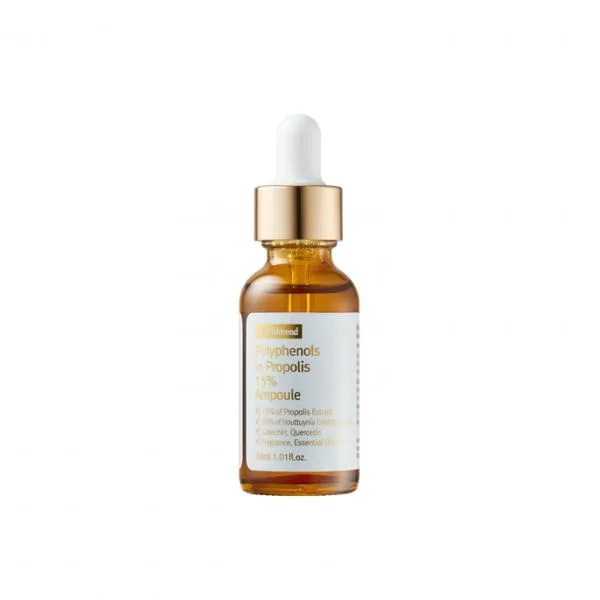 Sensitive Skin Soother
 Polyphenols In Propolis 15% Ampoule
A 15% propolis ampoule that earns its name with a real polyphenol stack — French Auvergne propolis layered over a houttuynia cordata base, with tulsi and pomegranate piling on. It's slightly sticky and not cheap by volume, but for sensitive, breakout-prone skin chasing calm, this is one of the most reliable K-beauty soothers in production.
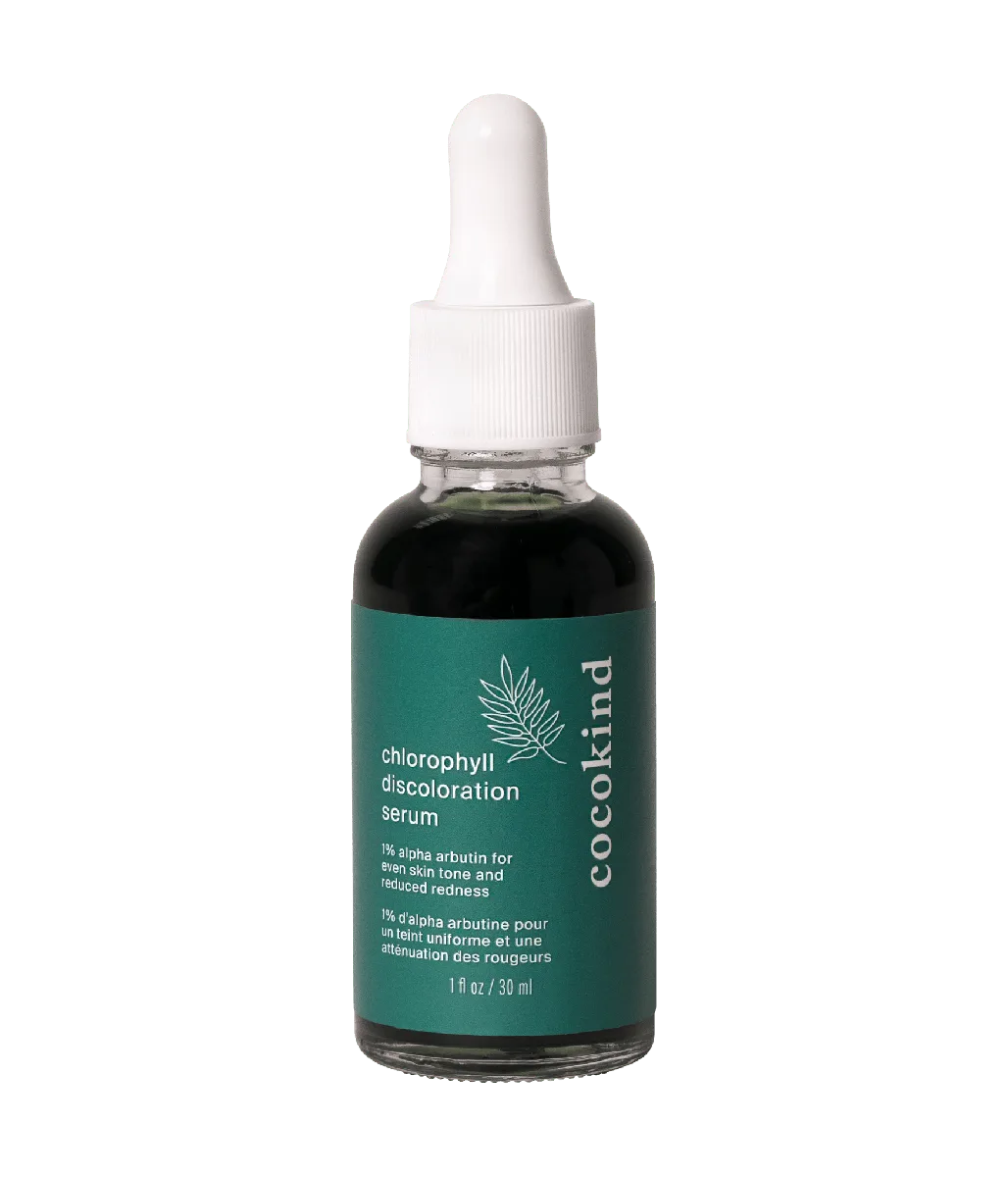 Budget Brightening Hero
 Chlorophyll Discoloration Serum
A quietly brilliant brightening serum that proves you do not need luxury prices or harsh actives to fade dark spots effectively. The alpha-arbutin and licorice root combination delivers genuine multi-pathway melanin inhibition, the sensitive-skin-friendly formula is impeccable, and $20 makes it accessible to virtually everyone. The chlorophyllin is more marketing differentiator than scientific powerhouse, but it does not hurt anything either.
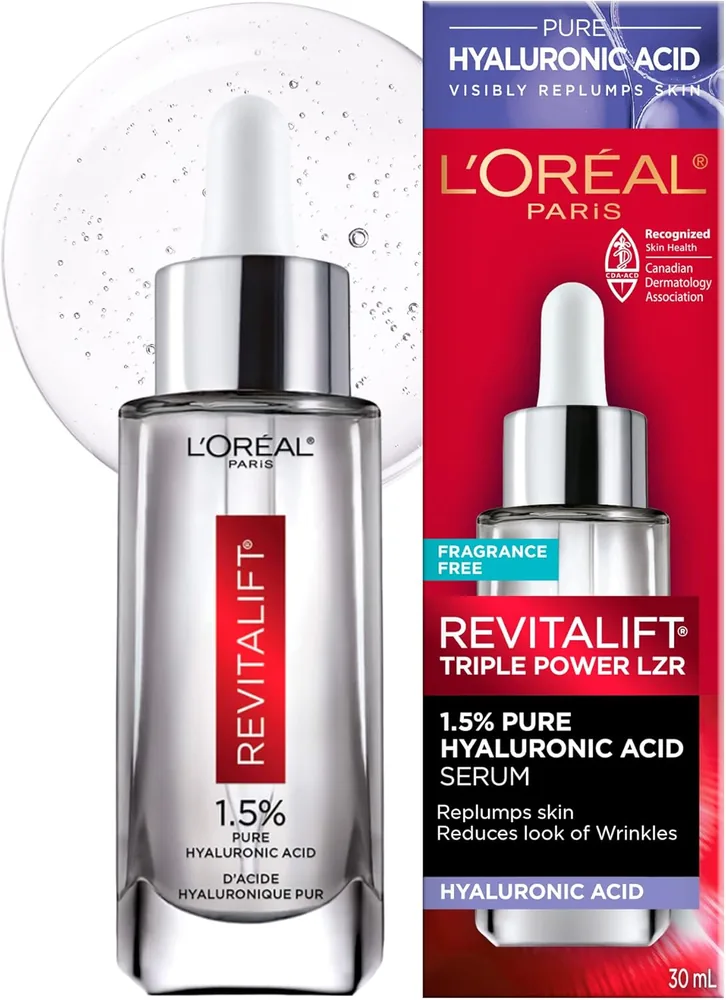 The People's HA Serum
 Revitalift Derm Intensives 1.5% Pure Hyaluronic Acid Serum
A masterclass in minimalist formulation — thirteen ingredients, no filler, four functional actives, and over thirty thousand glowing reviews. L'Oréal's multi-weight HA system delivers genuine hydration at every level of the skin, and the fragrance-free, alcohol-free formula is clean enough for virtually anyone. The drugstore serum that embarrasses its prestige competitors.
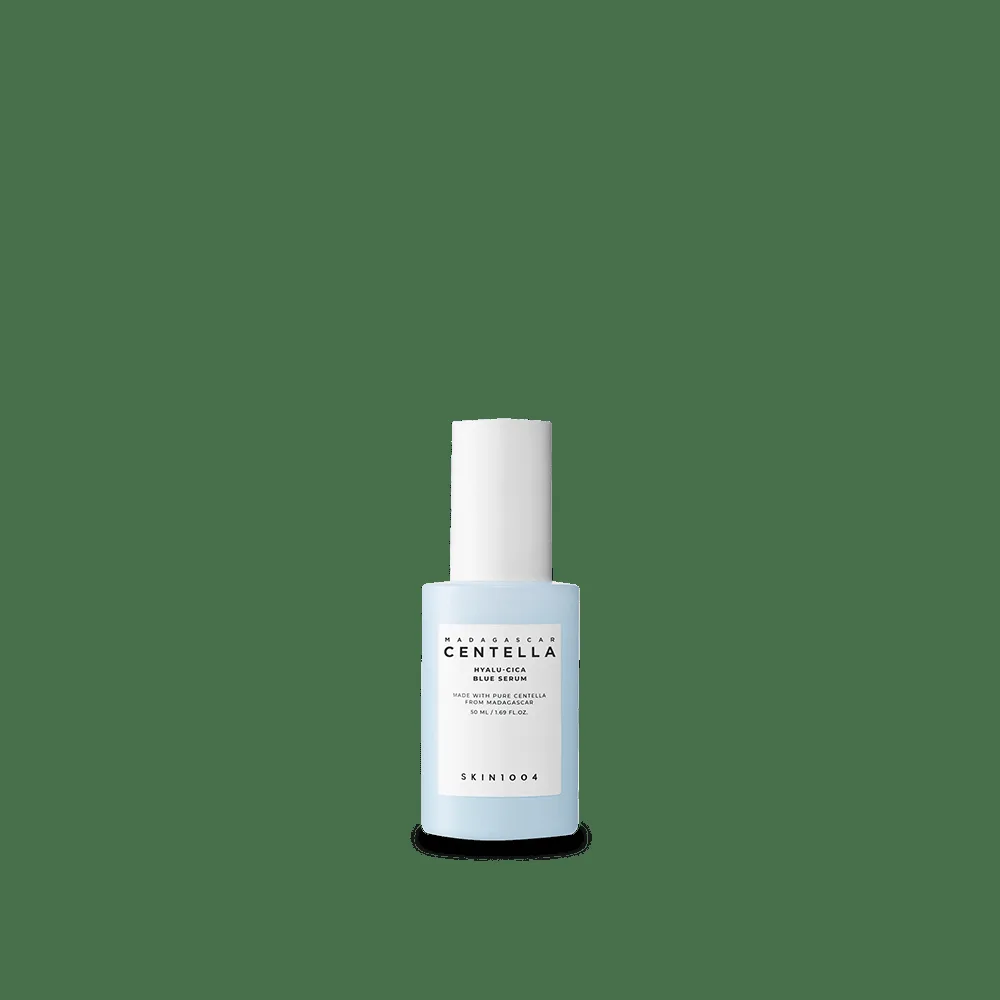 Budget Hydration Holy Grail
 Hyalu-Cica Blue Serum
A quietly excellent budget serum that stacks Centella asiatica leaf water, five types of hyaluronic acid, niacinamide, ceramide NP, and adenosine into a fragrance-free under-$20 bottle. It is genuinely one of the best hydration-plus-soothing serums at any price, and the fact that it costs less than a salad in Manhattan is the point.
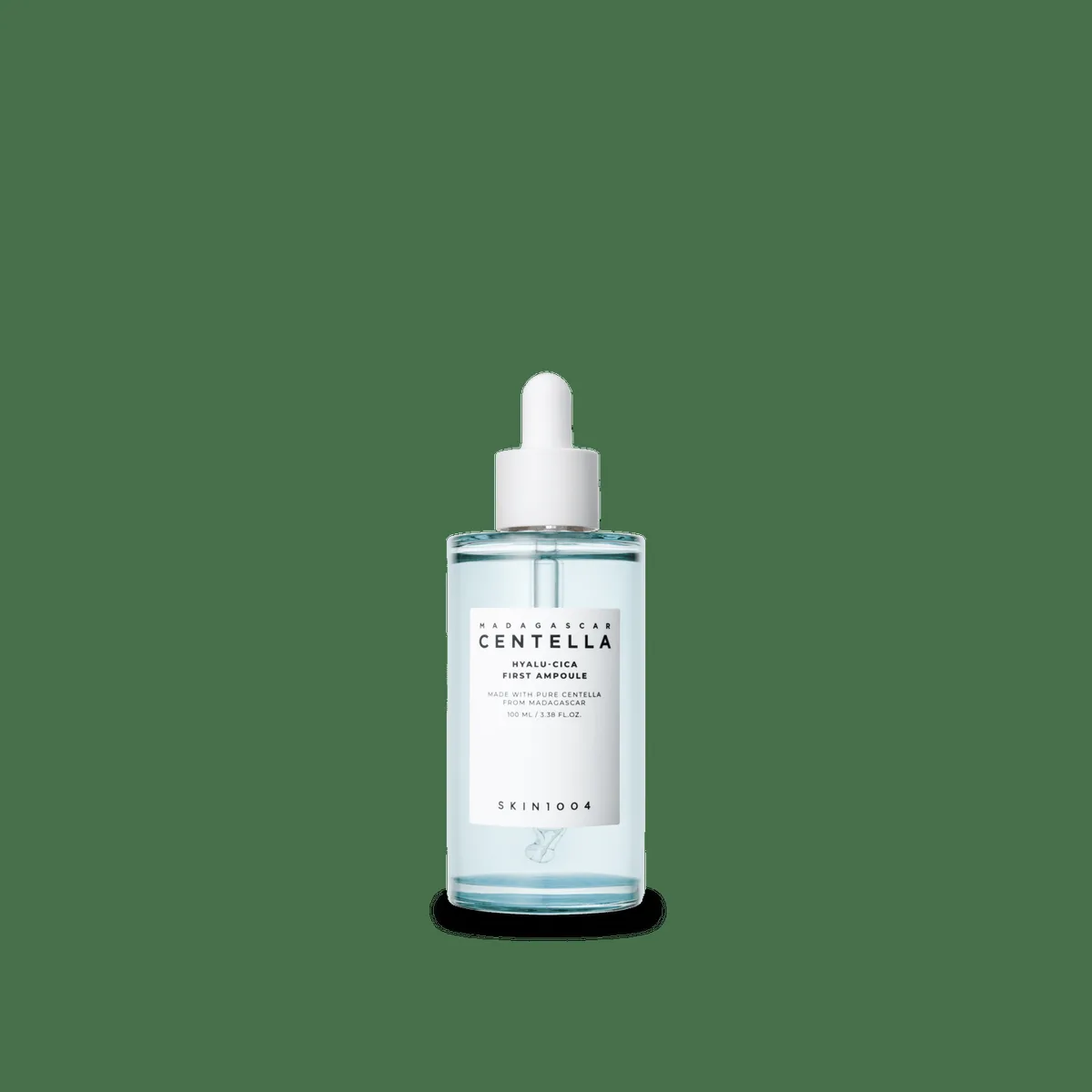 Sensitive Skin First-Line Defense
 Hyalu-Cica First Ampoule
A 92% Centella asiatica extract ampoule paired with niacinamide and a multi-weight HA complex, fragrance-free and purpose-built for sensitive, compromised, and reactive skin. At $25 for 100ml, it is one of the most justifiable skincare purchases a budget-conscious buyer can make, and it earns a place in almost any routine that needs a soothing anchor.
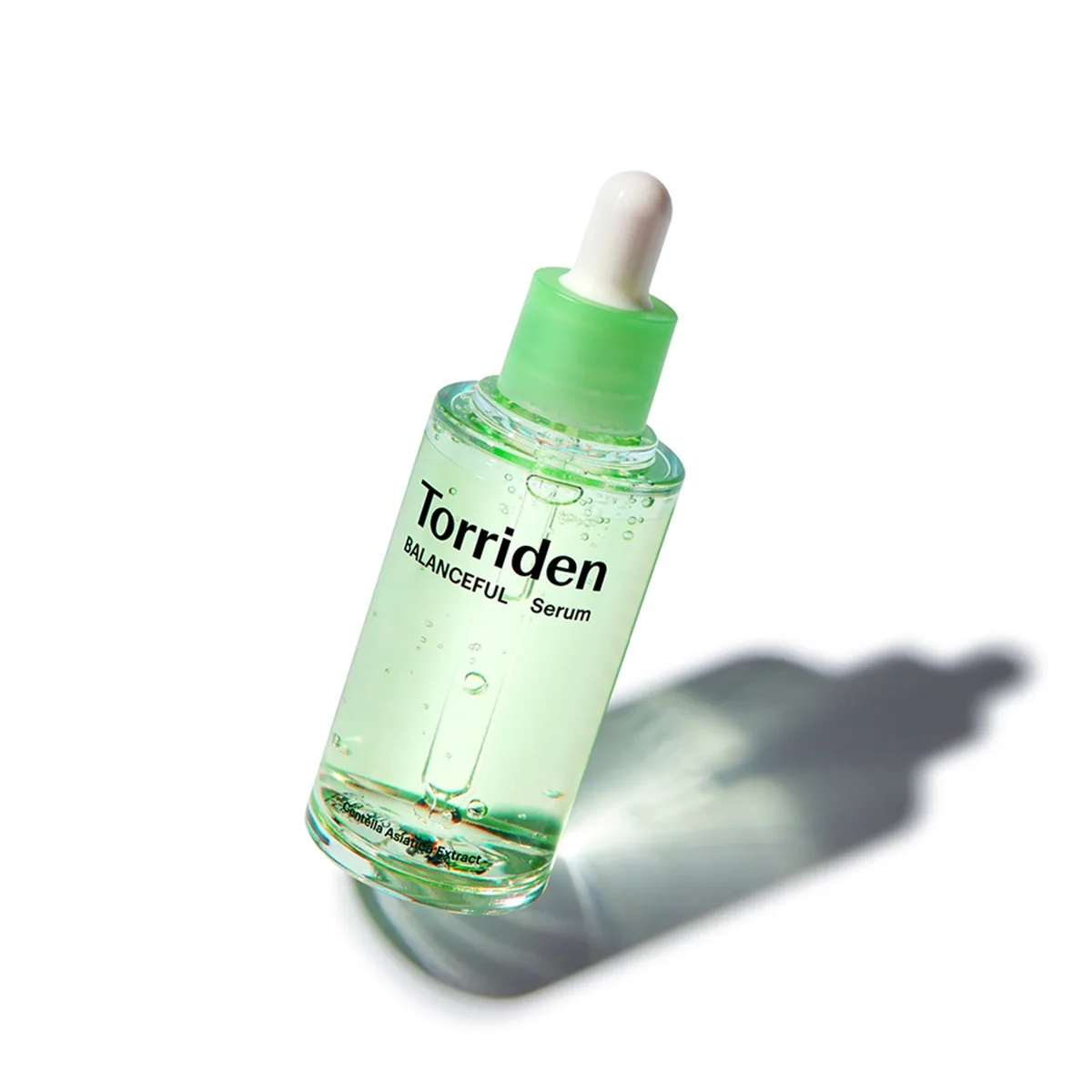 Sensitive Skin MVP
 Balanceful Cica Serum
Torriden's Balanceful Cica Serum is one of the most recommendable calming serums in K-beauty — a genuinely fragrance-free, multi-weight hyaluronic acid and 5D cica complex treatment that quietly reduces redness, supports the barrier, and buffers other actives without drama. At under $25 it's a near-automatic pick for sensitive, rosacea-prone, and barrier-compromised skin.