
The viral Boots cleansing bar that made Carbon Theory a brand — an unapologetically traditional alkaline soap with charcoal and real tea tree oil that genuinely works on oily acne-prone skin at a cartoonishly cheap price. Not gentle, not sensitive-skin-friendly, and not formulation-sophisticated, but a legitimate budget hero for the right user.
Charcoal & Tea Tree Oil Breakout Control Facial Cleansing Bar
The viral Boots cleansing bar that made Carbon Theory a brand — an unapologetically traditional alkaline soap with charcoal and real tea tree oil that genuinely works on oily acne-prone skin at a cartoonishly cheap price. Not gentle, not sensitive-skin-friendly, and not formulation-sophisticated, but a legitimate budget hero for the right user.
Score Breakdown
Where this product gains points and where it loses them — broken down across the four scoring pillars.
An inexpensive soap bar that earned its cult status on vibes and genuine results for oily acne users, but the high pH and essential-oil load hold back its suitability breadth.
Pros & Cons
- ✓Genuinely effective oil and surface-breakout reduction for oily skin
- ✓Extraordinarily cheap per use — lasts months
- ✓Works on body acne as well as facial breakouts
- ✓Tea tree adds a real antimicrobial mechanism
- ✓Plastic-free cardboard wrap packaging
- ✓Cruelty-free and vegan certified
- ✓Cult following backed by thousands of positive reviews
- ✗Alkaline pH 9-10 soap base is too stripping for dry or sensitive skin
- ✗Strong persistent tea tree scent
- ✗Leaves skin tight if not followed with a proper moisturiser
- ✗Can become mushy if not stored on a draining dish
- ✗Not suitable alongside active retinoid treatment or compromised barriers
Full Review
Every viral skincare product has a backstory that doesn't quite survive scrutiny, and this one is better than most. Rachael Henke was an adult acne sufferer fed up with spending money on prestige products that didn't work, so she taught herself traditional saponification and started making charcoal and tea tree soap bars in her kitchen. She pitched them to Boots on a whim. Boots took a small trial order. Within weeks of going on shelves, the bar was selling out repeatedly, Boots staff were having to ration stock, and UK skincare Twitter was briefly unable to talk about anything else. Eight years later it's still the best-selling product in the Carbon Theory range and still one of the most recognisable indie acne launches in modern UK skincare.
On formulation, though, it's worth being honest: this is not a modern syndet cleanser. The base is sodium palmate and sodium palm kernelate — classic hot-process saponified soap chemistry that runs pH 9-10, not the mildly acidic pH 5 gel cleansers most derms now recommend. The charcoal is pigmenting the bar and adding a mild surface-adsorbing effect. The tea tree is the real bioactive story, and the glycerin keeps the whole thing from stripping skin quite as aggressively as old-school carbolic soap. There's nothing in the INCI list that would impress a formulation chemist. That's not the point.
The point is what happens when an oily, blackhead-heavy, breakout-prone face meets this bar twice a day for three weeks. The mechanism is straightforward — traditional soap bars are extremely good at removing sebum, which is the substrate acne bacteria feed on, and the tea tree adds a mild but real antimicrobial pressure on top of that. On resilient oily skin, the net effect over weeks of consistent use is visibly fewer small comedones, less midday shine, and a smoother surface. It's not a clinical transformation, but for a user who couldn't afford prescription care or prestige products, it's a meaningful improvement in how their skin looks and feels, which is why the reviews run so strongly positive and why the bar has held its cult status longer than most viral launches.
The tactile experience is part of the charm. The bar feels dense and heavy in the hand, the lather comes up a thin silvery-grey colour from the charcoal, and the tea tree scent is strong enough to register immediately but dissipates quickly once rinsed. After-wash skin feels squeaky clean — sometimes uncomfortably so if you're not used to a proper soap — but this is where a good moisturiser step completes the routine and prevents the tightness from becoming actual dryness. On body acne, particularly back and chest breakouts, users consistently report meaningful improvement; the bar's size and economics make it natural to use in the shower.
Its honest limitations are the flip side of its strengths. This is categorically not a cleanser for dry, sensitive, rosacea-prone, or barrier-compromised skin. A pH 9 soap on a face that's already struggling is a recipe for tightness, flaking, and rebound oiliness. Users with eczema or seborrheic dermatitis should skip it entirely. Anyone running a strong retinoid or prescription treatment will find it too stripping. And the tea tree oil is strong enough that fragrance-sensitive users or people with known essential oil allergies should look elsewhere — there's no unscented version.
Value-wise, it's hard to overstate how much product you get for the price. At about ten dollars for a full 100g bar, this is cheaper per use than just about anything else in acne cleansing, and the bar format means no plastic packaging, no pump failures, and no accidental over-dispensing. The only real catch is storage — leave it sitting in a wet dish and it'll turn mushy and die before its time. Put it on a draining rack and it'll last three to four months of twice-daily face use, or longer if you alternate with another cleanser. For the oily, acne-prone, budget-conscious user it's easily one of the best single-product ROI decisions in skincare — and for the wrong user, it's an expensive mistake at any price.
Formula
Key Ingredients
The hero actives that drive this product's performance.
| Ingredient | Function | Evidence |
|---|---|---|
| Activated Charcoal | Gives the bar its signature jet-black color and acts as a physical adsorbent for surface oil and particulate during the wash — in a rinse-off where contact time is seconds rather than hours, its role is honestly more about decongesting surface grime than any deep-skin 'detox' marketing claim. | limited |
| Tea Tree Oil | Carries the bar's antimicrobial angle against C. acnes — paired with the high-pH surfactant system, the tea tree creates the brisk 'tingly clean' sensation that made this bar famous, even if its effectiveness in a wash-off is necessarily modest. | promising |
| Glycerin | Added as a humectant to soften the alkaline palmate surfactant base — without it, a pH 9-10 soap bar on oily acne skin would leave the after-wash feel dramatically tighter than this bar actually does. | well-established |
Full INCI List · pH 9.5
Sodium Palmate, Sodium Palm Kernelate, Aqua (Water), Glycerin, Charcoal Powder, Melaleuca Alternifolia (Tea Tree) Leaf Oil, Palm Kernel Acid, Sodium Chloride, Sodium Citrate, Tetrasodium EDTA, Tetrasodium Etidronate, CI 77266
Product Flags
✗ Fragrance Free✓ Alcohol Free✗ Oil Free✓ Silicone Free✓ Paraben Free✓ Sulfate Free✓ Cruelty Free✓ Vegan✓ Fungal Acne Safe
Potential Irritants
tea tree oilhigh pH
Compatibility
Skin Match
Best For
Works For
Not Ideal For
Addresses These Conditions
acne blackheads oiliness large pores
Use With Caution
sensitivity rosacea compromised skin barrier
Avoid With
Routine Step
cleanser
Time of Day
AM & PM
Pregnancy Safe
Unknown
Layering Tips
Lather in hands first, apply to damp skin, massage briefly, rinse thoroughly. Follow with a pH-adjusting toner or hydrating serum to offset the alkaline rinse.
Results Timeline
Visibly cleaner, less shiny skin from the first wash. Reduction in surface breakouts and small comedones within 2-4 weeks of twice-daily use.
Pairs Well With
hydrating tonersceramide moisturisers
Conflicts With
very compromised barriersactive retinoid peeling
Sample AM Routine
- Carbon Theory Charcoal & Tea Tree Oil Breakout Control Facial Cleansing Bar
- Hydrating toner
- Niacinamide serum
- Light moisturiser
- SPF
Sample PM Routine
- Carbon Theory Charcoal & Tea Tree Oil Breakout Control Facial Cleansing Bar
- BHA serum
- Ceramide moisturiser
Evidence
Science & Expert Perspective
The Science
The individual components here have varying levels of published support. Traditional soap-based cleansers are well-documented to remove sebum and surface contaminants more aggressively than syndet cleansers, which is precisely why they can be effective for acne-prone users but problematic for barrier-sensitive ones — the tradeoff is extensively covered in dermatology literature on cleanser selection. Tea tree oil has multiple clinical studies for mild-to-moderate acne; the most cited is a randomised Australian trial comparing 5% tea tree oil to 5% benzoyl peroxide which found tea tree slower to work but significantly better tolerated. Activated charcoal in rinse-off products has very limited published evidence for clinical effect — its surface adsorbent properties are real but contact time in cleansing is too short for meaningful skin-level 'detox,' and most dermatology sources treat its inclusion as largely cosmetic and marketing-driven rather than active. What's more interesting is the overall mechanism: this bar works because combining thorough sebum removal with a direct antimicrobial on oily skin hits two of the four pathological drivers of acne simultaneously. The published evidence doesn't specifically test this exact bar format but supports the individual mechanisms as legitimate.
Dermatologist Perspective
Dermatologists have a complicated relationship with this type of product. On one hand, board-certified dermatologists note that traditional alkaline soap bars are not aligned with modern cleanser recommendations, which favour pH-balanced syndet formulations to preserve the acid mantle and barrier lipids. On the other hand, derms recognise that consistent, affordable acne care matters more than theoretical ideal formulations — and for a user who can't afford prescription care, a tea tree cleansing bar that actually gets used twice a day is better than an expensive gentle cleanser that sits unused. The consensus perspective treats this bar as a legitimate budget option for resilient oily-acneic skin and an inappropriate choice for anyone with dryness, sensitivity, rosacea, or eczema.
Guidance
Usage Guide
How to Use
Wet skin with lukewarm water. Rub the bar between damp hands to generate a thin lather, then apply to the face and massage for 15-30 seconds, avoiding the immediate eye area. Rinse thoroughly and pat dry. Follow immediately with a hydrating toner or serum and a proper moisturiser — this is non-negotiable with an alkaline soap bar. Store the bar on a draining dish between uses to keep it dry. If skin feels tight or flaky for more than a few minutes after rinsing, cut back to once-daily use.
Value Assessment
At around ten dollars per 100g bar, this is genuinely one of the cheapest functional acne cleansers in skincare. A single bar easily lasts three to four months of twice-daily facial use, which puts the effective cost per wash at pennies. Compared to prestige acne cleansers from brands like SkinCeuticals, Dermalogica, or La Roche-Posay — which run $25-40 and don't necessarily outperform this for oily-skin acne — the value argument is overwhelming. Carbon Theory's emerging brand status makes it a slightly riskier recommendation than a legacy derm-developed brand, but the product's 8-year track record and the sheer volume of positive reviews offset most of that concern.
Who Should Buy
Oily and combination skin with active acne, blackheads, and surface congestion. Budget-conscious users. Body acne sufferers looking for a single bar that works on face and back. Users who like the tactile ritual of a soap bar over pumps and tubes.
Who Should Skip
Dry, sensitive, rosacea-prone, eczema-prone, or barrier-compromised skin. Users already running strong retinoid treatment. Fragrance-sensitive users and anyone with known tea tree allergies. Those who prefer modern low-pH cleansing.
Ready to try Carbon Theory Charcoal & Tea Tree Oil Breakout Control Facial Cleansing Bar?
Details
Details
Texture
Hard pressed soap bar that foams into a thin grey-black lather
Scent
Strong tea tree and herbal
Packaging
Simple cardboard wrap — no plastic
Finish
non-greasy
What to Expect on First Use
Expect a squeaky-clean after-wash feeling and a distinct tingle from the tea tree. Skin may feel mildly tight for the first minute before moisturiser — this is normal for an alkaline soap bar but a sign to follow up with hydrating steps.
How Long It Lasts
About 3-4 months with twice-daily facial use
Period After Opening
24 months
Best Season
All Year
Certifications
Leaping Bunnyvegan
Background
The Why
Rachael Henke was an adult acne sufferer who couldn't afford the prestige brands and built this bar in her kitchen after studying traditional saponification. She pitched it to Boots, got a small trial order, and watched it sell out so fast the brand had to scale manufacturing within months. The bar became the most talked-about UK skincare launch of 2018 and remains the brand's cornerstone product.
About Carbon Theory Emerging Brand (2–5 years)
Carbon Theory was founded in 2018 in the UK by Rachael Henke, and this cleansing bar is the hero product that made the brand — it famously sold out repeatedly at Boots UK shortly after launch. The product has strong anecdotal backing but limited formal clinical validation.
Brand founded: 2018 · Product launched: 2018
Myth vs. Reality
Myths & Misconceptions
Myth
The charcoal is actively pulling toxins out of your skin.
Reality
Activated charcoal in a wash-off sits on the skin for seconds and adsorbs some surface oil and particulate — 'detox' is marketing language, not mechanism. The real clearing effect comes from regular, thorough oil removal plus the tea tree's antimicrobial contribution.
FAQ
Frequently Asked Questions
Does this bar actually work for acne?
For oily, breakout-prone skin, yes — the combination of thorough oil removal and tea tree antimicrobial activity reduces surface breakouts for most users over 2-4 weeks. It won't touch hormonal cystic acne or deep inflammation; those need prescription treatment.
Isn't an alkaline soap bar bad for skin?
On sensitive, dry, or compromised skin, yes — a pH 9-10 bar can leave the barrier disrupted for hours after washing. On resilient oily skin, healthy skin self-regulates pH within an hour, so the concern is overstated but still real for the wrong user.
Can I use this on my body?
Yes, and it's one of the more common off-label uses. Users regularly report it helps with back and chest acne thanks to the combination of surfactant cleansing and tea tree activity.
How do I store it between uses?
On a draining soap dish that lets air circulate. Leaving it in a wet puddle makes it mushy and cuts its lifespan in half.
Will it dry my skin out?
If your skin runs dry or sensitive, likely yes — this is an alkaline soap bar, not a gentle syndet. Oily and combination skin usually handles it fine as long as you follow with a proper moisturiser.
Is it safe in pregnancy?
Opinions differ. Tea tree essential oil is one of the more commonly avoided-in-pregnancy ingredients, so we'd err on the side of swapping to a fragrance-free gentle cleanser if you're pregnant.
Community
Community Voices
Common Praise
"visibly clearer skin within weeks"
"unbeatable price"
"lasts a long time"
"effective on body acne too"
Common Complaints
"drying on non-oily skin"
"strong tea tree smell"
"too alkaline for sensitive users"
"messy after use"
Notable Endorsements
Boots best-sellerfeatured in UK beauty press as viral acne productwidespread TikTok coverage
Appears In
best cleanser for acne best budget acne cleanser best cleansing bar for oily skin best tea tree cleanser
Related Conditions
Related Ingredients
You Might Also Like
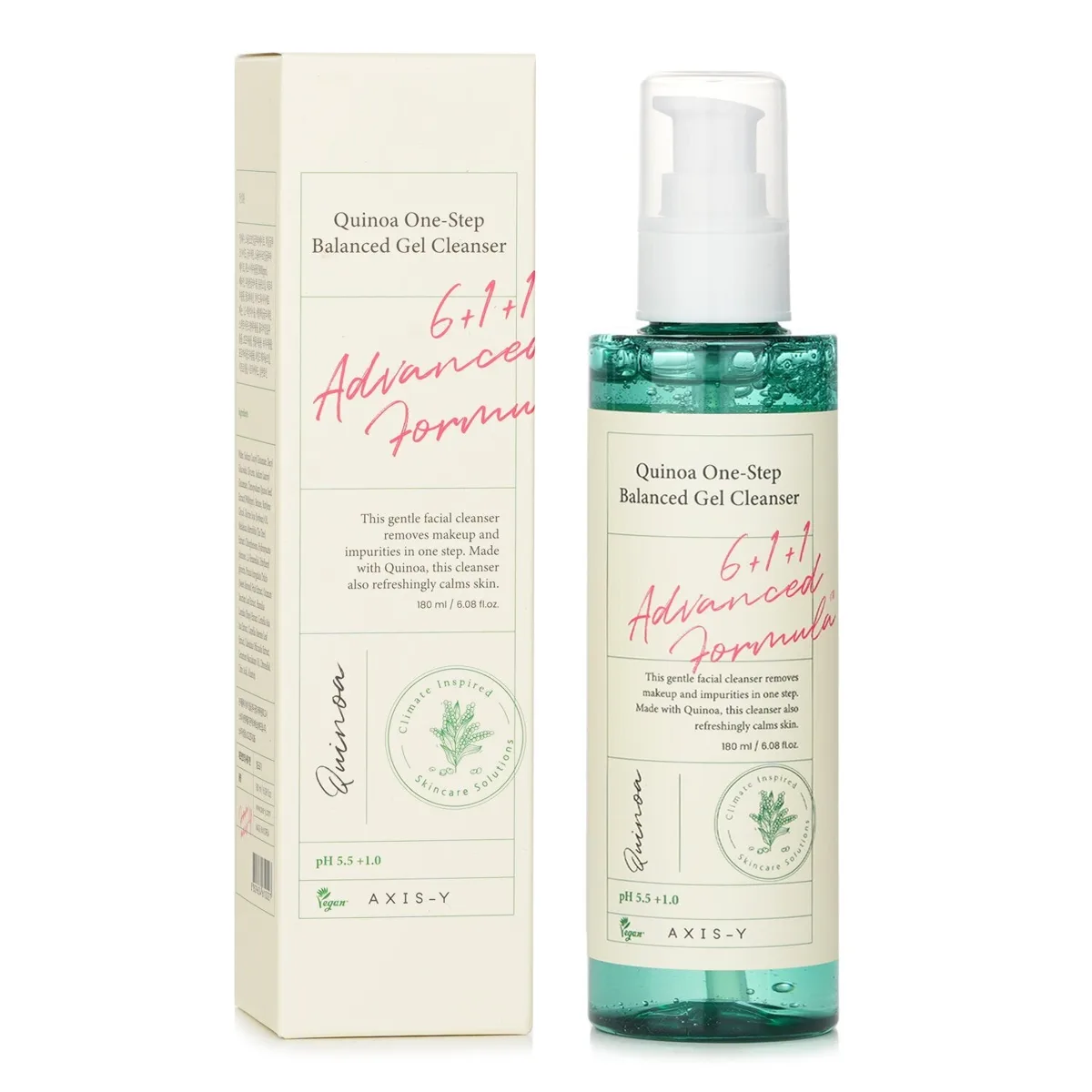 Quinoa-Led Gentle Daily Cleanser
 Quinoa One Step Balanced Gel Cleanser
A fragrance-free, sulfate-free gel cleanser built around quinoa seed extract and a gentle amphoteric-plus-nonionic surfactant pair. Non-stripping, broadly suitable, and priced reasonably — one of the safest recommendations in the daily gentle cleanser category.
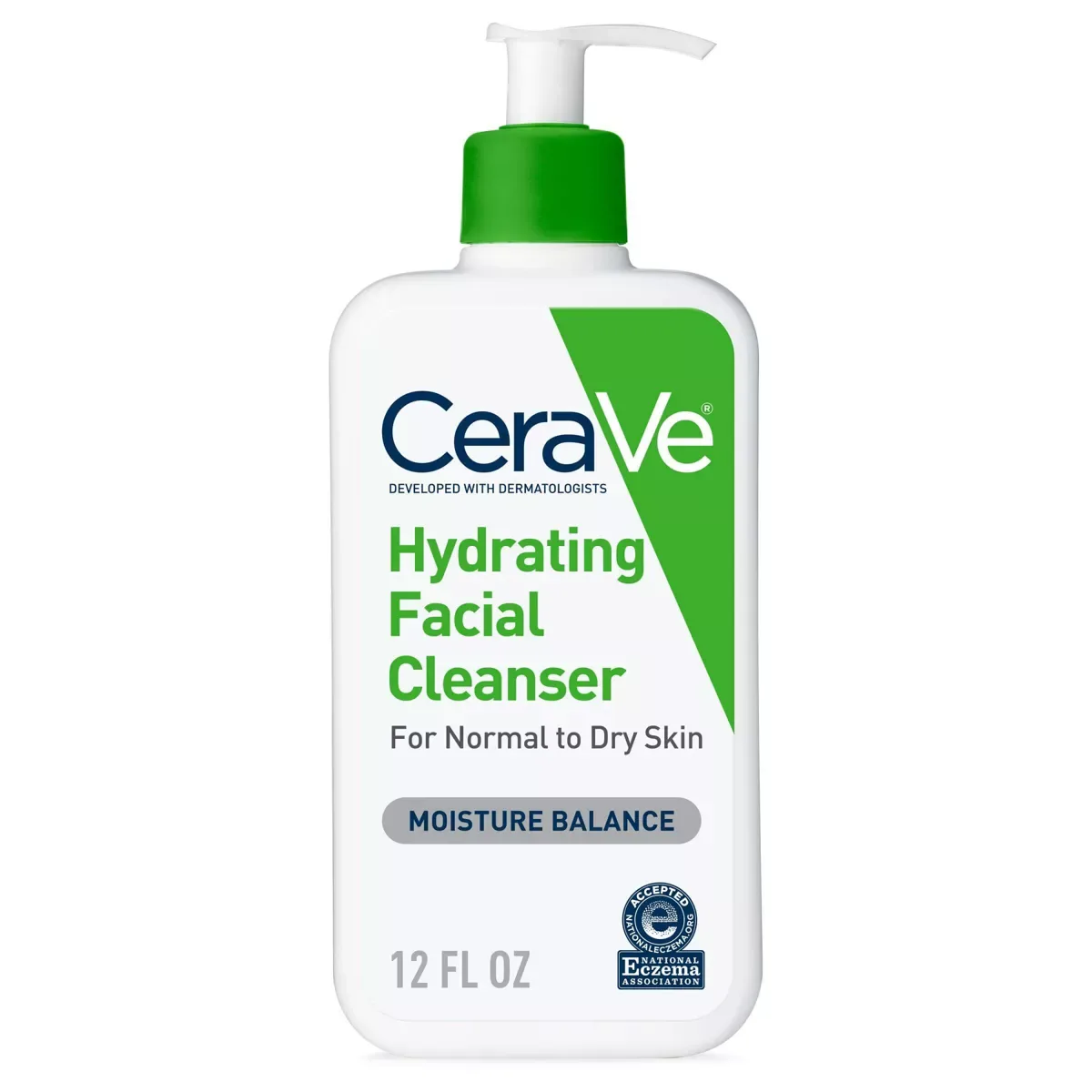 Sensitive Skin MVP
 Hydrating Facial Cleanser
The CeraVe Hydrating Facial Cleanser is the cleanser that taught a generation of dry-skin sufferers that washing your face does not have to mean punishing it. A lotion-textured, non-foaming formula that genuinely hydrates while it cleans, it remains the benchmark drugstore cleanser for anyone whose skin drinks moisture faster than most products can provide it.
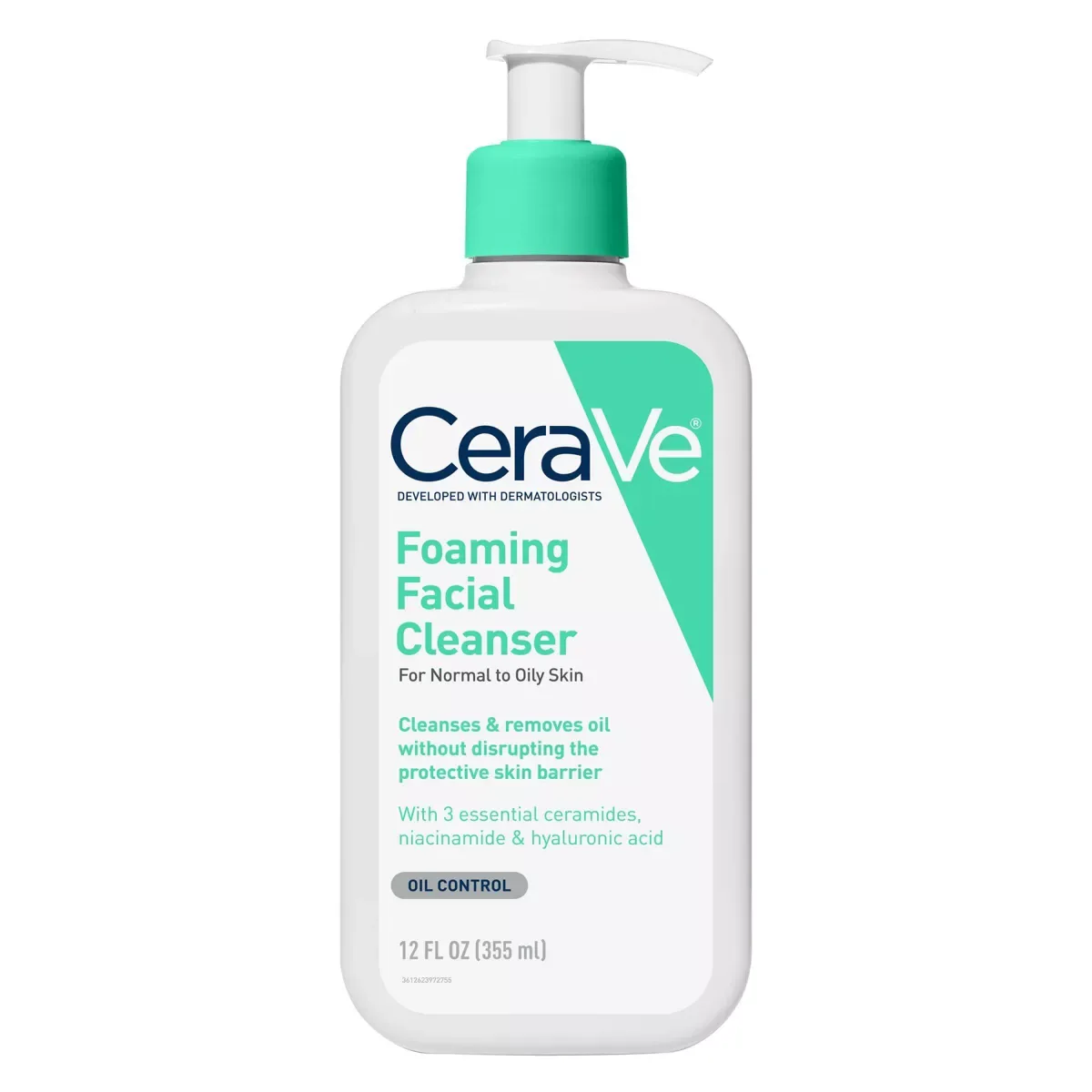 Derm Office Staple
 Foaming Facial Cleanser
The CeraVe Foaming Facial Cleanser is the rare drugstore cleanser that dermatologists actually use themselves — a genuinely gentle foaming wash that removes excess oil without triggering the rebound sebum production that plagues most lathering cleansers. At under sixteen dollars for a bottle that lasts months, it makes skipping it almost irrational.
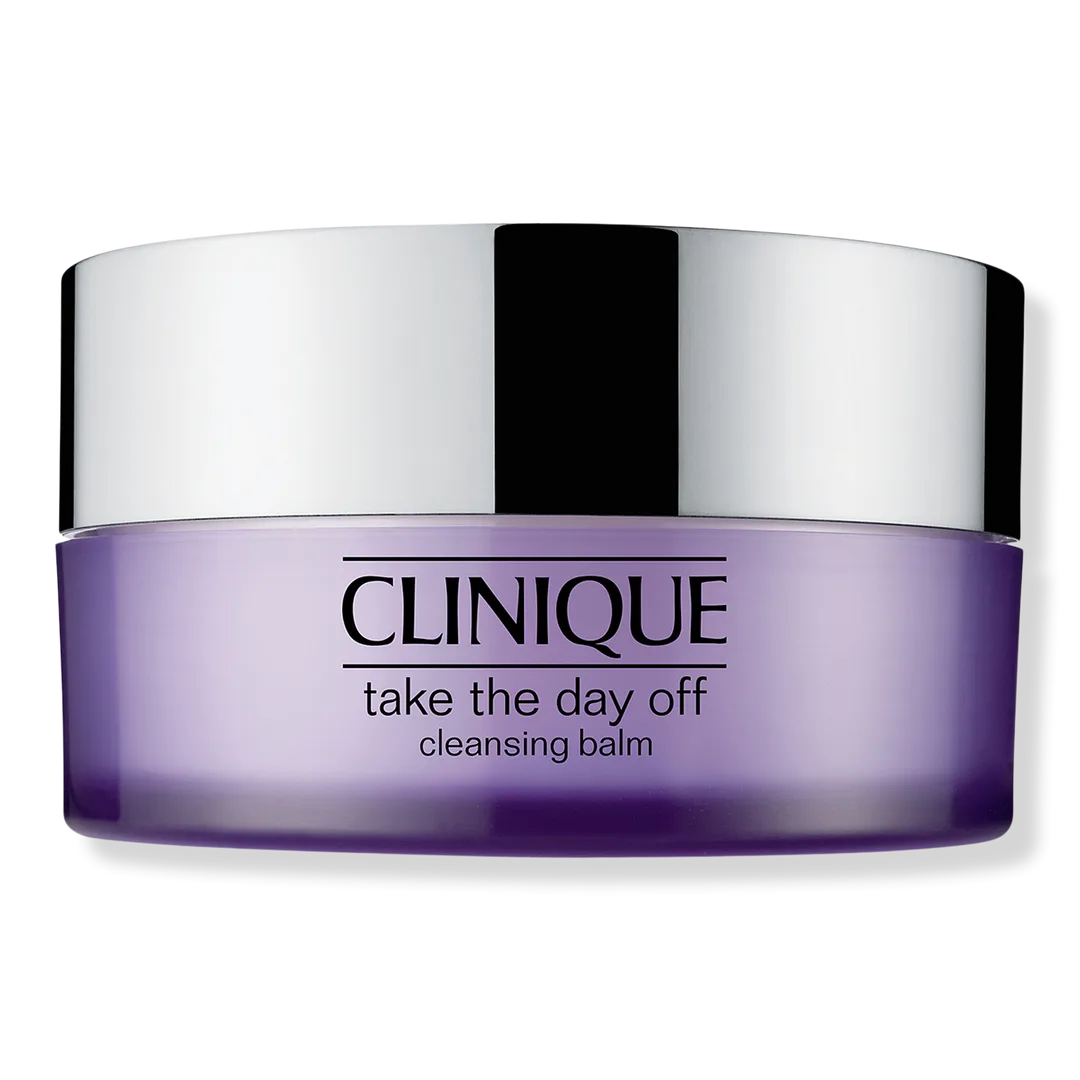 Cult-Status Makeup Eraser
 Take the Day Off Cleansing Balm
The cleansing balm that earned its cult status through radical restraint — nine ingredients, zero fragrance, and the ability to dissolve anything from waterproof mascara to SPF 50 without disturbing even the most reactive skin. Not the most glamorous product in any routine, but possibly the most universally reliable.
 Japanese Drugstore Classic
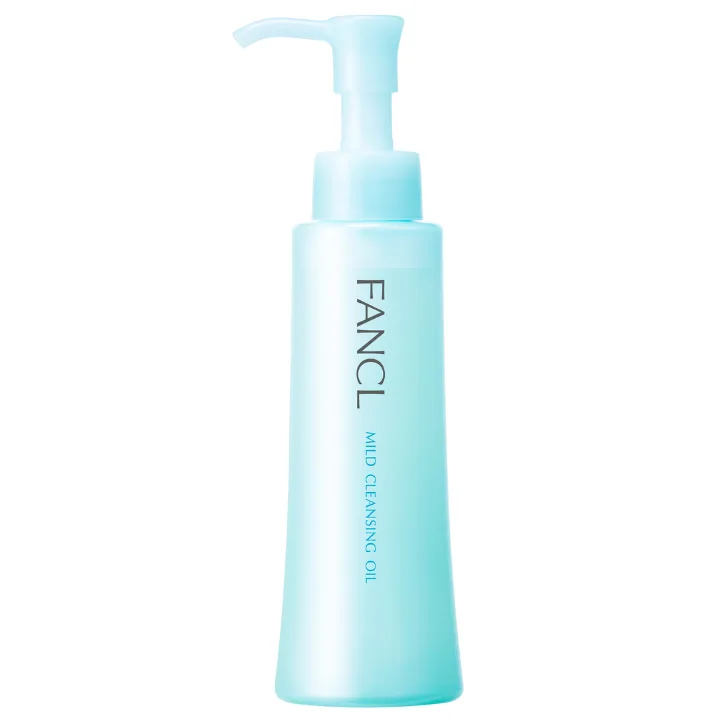
 Mild Cleansing Oil
A two-decade-old Japanese drugstore staple that still outperforms most modern cleansing oils on the single metric that matters: does it remove sunscreen cleanly without leaving a film. The fragrance-free, ester-based formula is gentle enough for reactive skin and thoughtfully augmented with vitamin C and plant oils. Quietly one of the best first-cleanse options on the market.
 The Original Micellar Water
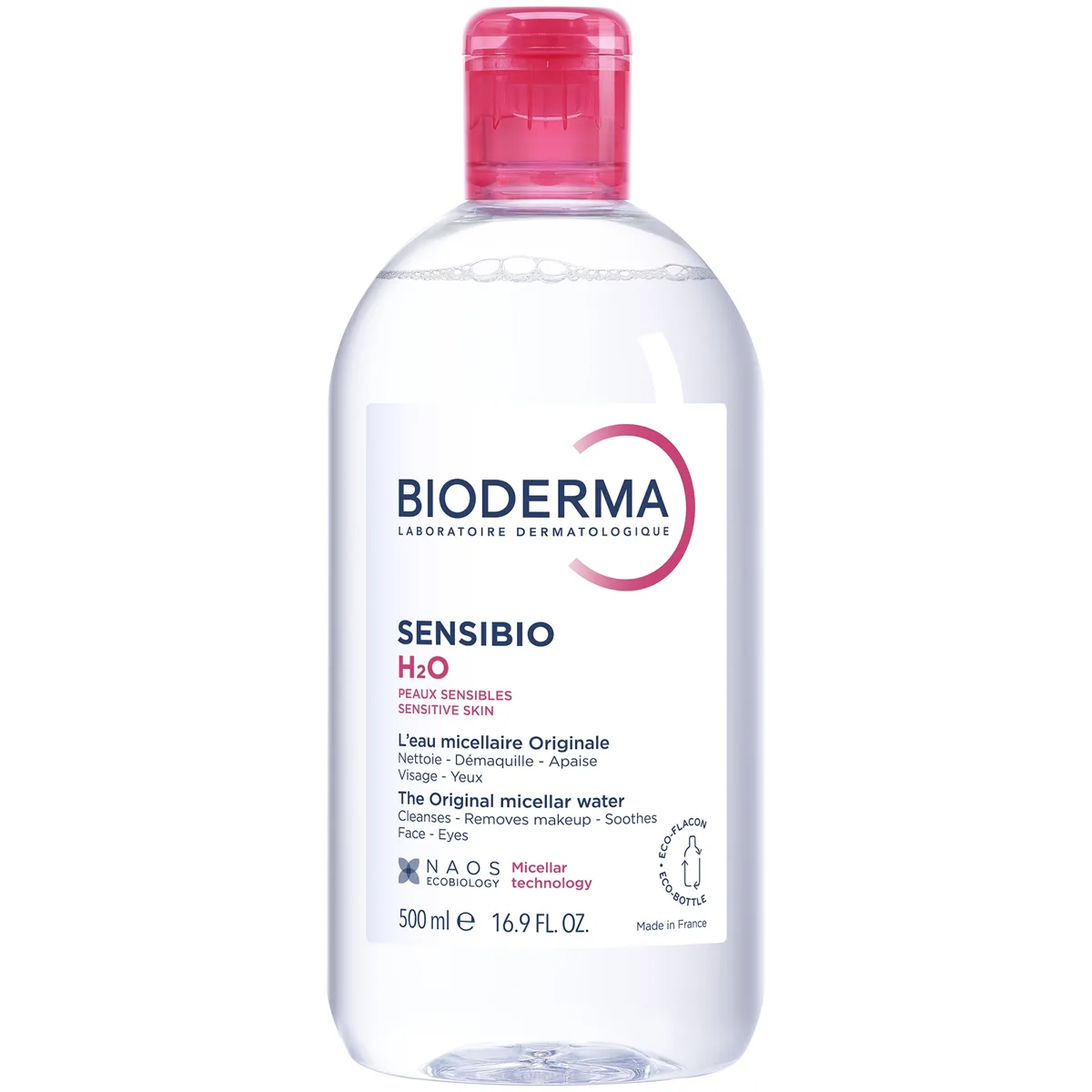
 Sensibio H2O Micellar Water
The product that launched an entire skincare category remains, three decades later, one of the gentlest and most effective no-rinse cleansers available. Bioderma Sensibio H2O earns its cult status through radical simplicity — 10 ingredients, zero fragrance, and a formula so mild it was originally dispensed by prescription.