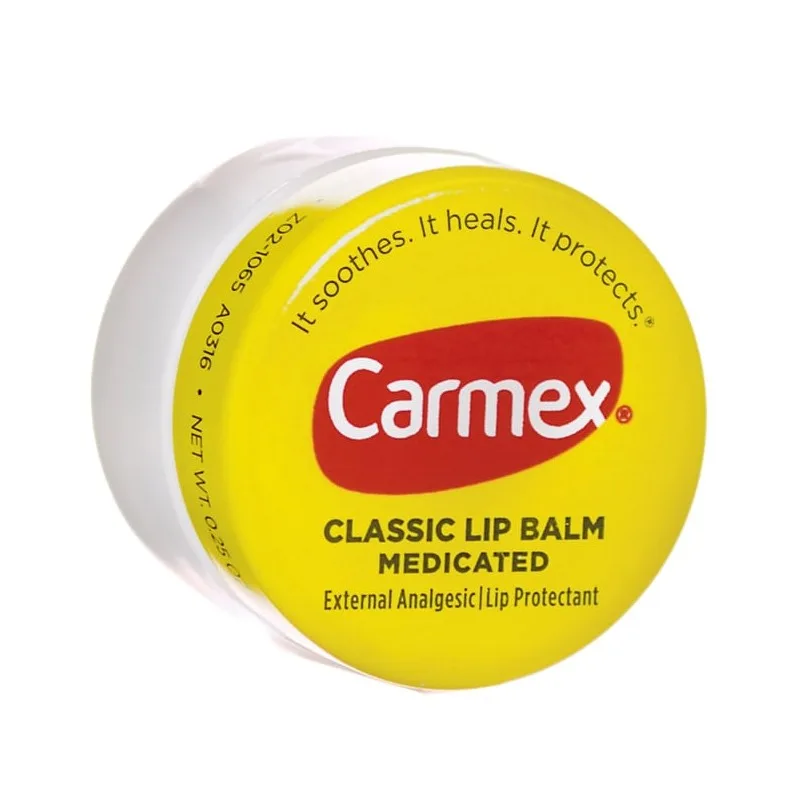
Nearly 90 years old and still polarizing — Carmex's camphor-menthol-petrolatum formula delivers undeniable occlusive protection and that signature medicated tingle, but its old-school ingredient list full of potential irritants makes it a love-it-or-debate-it classic.
Classic Medicated Lip Balm
Nearly 90 years old and still polarizing — Carmex's camphor-menthol-petrolatum formula delivers undeniable occlusive protection and that signature medicated tingle, but its old-school ingredient list full of potential irritants makes it a love-it-or-debate-it classic.
Score Breakdown
Where this product gains points and where it loses them — broken down across the four scoring pillars.
An iconic, incredibly affordable lip balm with proven occlusive protection, but the old-school formula contains multiple potential irritants — camphor, menthol, phenol, and salicylic acid — that can exacerbate sensitivity in some users and create a cycle of dependency for others.
Pros & Cons
- ✓White petrolatum at 45.30% provides powerful, proven occlusive protection
- ✓Camphor and menthol deliver immediate soothing relief for chapped lips
- ✓Salicylic acid gently exfoliates flaking skin for smoother lip texture
- ✓Incredibly affordable at approximately $2-3 per unit
- ✓Available in jar, tube, and stick formats for every preference
- ✓Formula has been trusted and essentially unchanged for nearly 90 years
- ✓Iconic accessibility — available at virtually every drugstore and gas station
- ✗Camphor, menthol, and phenol can irritate already-damaged or sensitive lips
- ✗Lanolin is a relatively common allergen affecting up to 7% of eczema sufferers
- ✗Salicylic acid may thin lip tissue with constant, long-term use
- ✗Jar format requires finger-dip application which is less hygienic
- ✗Not cruelty-free and contains animal-derived ingredients (lanolin, beeswax)
Full Review
Few products in personal care inspire the kind of passionate, almost theological debates that Carmex does. Is it a miracle healer or a secret saboteur? Does it rescue dry lips or create a dependency that keeps you reaching for that yellow jar? The arguments have raged since before social media existed to amplify them, and at this point, Carmex's most interesting ingredient might be its ability to generate strong opinions.
The formula itself is a time capsule. White petrolatum at a hefty 45.30% forms the backbone — one of the most thoroughly proven occlusives in dermatology, the same ingredient that makes Vaseline effective. Petrolatum doesn't moisturize in the traditional sense; it creates an airtight seal that prevents moisture from escaping, which on lips that can't produce their own sebum, is exactly what's needed. It's supported by lanolin (another excellent emollient that happens to be a relatively common allergen), beeswax and paraffin for structure, and cocoa butter for a touch of conditioning.
Then come the controversial players. Camphor at 1.70% is an FDA-approved topical analgesic — it's the reason you feel that immediate tingle. Menthol adds to the cooling chorus. Salicylic acid gently exfoliates dead, flaky skin from chapped lips, theoretically allowing the occlusives to work on fresher tissue. And phenol, a mild antiseptic and analgesic, rounds out what is essentially a pharmacy-counter treatment approach to lip care.
This combination creates the experience that Carmex fans describe as the product "working." That tingle, that slight sting on cracked lips, that medicinal scent with its vanillin sweetness — it's sensory feedback that feels therapeutic, even if the sensation itself is technically a mild irritant response. For millions of people, that feedback loop is satisfying and the results are real: lips feel better after using Carmex. The petrolatum barrier genuinely protects, and the camphor genuinely provides temporary comfort.
But here's where the skepticism has legitimate ground. Camphor, menthol, and phenol are all counter-irritants — they work by mildly irritating the skin to override other sensations. For healthy lips that are just a bit dry, this is harmless. For lips that are severely cracked, inflamed, or suffering from a dermatological condition like eczema or contact dermatitis, layering irritants on top of already-compromised tissue can extend the cycle of damage and healing. The salicylic acid, while useful for exfoliating flakes, also thins the already-thin lip tissue if used constantly — which is part of why some users feel their lips are worse when they stop using Carmex. They've been gently exfoliated into a state that needs more protection.
The lanolin is another consideration. It's an excellent emollient — arguably one of the best for lips — but lanolin allergy affects an estimated 1.7-6.9% of the general population, and higher rates among people with existing eczema. If your lips consistently feel worse after using a product that "should" be helping, lanolin sensitivity is worth investigating.
Usability is classic Carmex. The jar requires dipping a finger in, which isn't the most hygienic application method — especially if you're applying to cracked lips that might be hosting a cold sore. The tube and stick formats solve this, though fans often swear the jar version has a slightly different texture. The yellow cap is one of the most recognizable packaging designs in American drugstore history, right up there with the Chapstick cylinder.
At roughly $2-3, Carmex is essentially risk-free from a financial standpoint. You can try it, decide whether you're a believer or a skeptic, and move on without any meaningful investment. This accessibility is part of its enduring appeal — it costs less than a cup of coffee and has been reliably sitting in the same spot at every drugstore and gas station for decades.
Carmex is a product that works exactly as intended for the audience that loves it. If you want a medicated, tingling, old-school lip balm that feels like it's doing something, and your lips aren't particularly sensitive, it delivers. If you're looking for a gentle, modern, minimal-ingredient lip treatment, this is precisely the product that category was invented to replace. Both positions are valid. Carmex doesn't need to be everything to everyone — it just needs to keep being Carmex.
Formula
Key Ingredients
The hero actives that drive this product's performance.
| Ingredient | Function | Evidence |
|---|---|---|
| White Petrolatum 45.30% (45.30%) | The primary occlusive and active skin protectant in this formula, creating an impermeable barrier over chapped lips that locks in moisture and shields against wind, cold, and dry air. At nearly half the formula by weight, petrolatum does the heavy lifting while the waxes and butters provide structure. | well-established |
| Camphor 1.70% (1.70%) | An FDA-approved topical analgesic that produces a mild cooling and tingling sensation, providing temporary relief from the discomfort of dry, cracked lips. Works alongside menthol to create Carmex's signature medicated feel that signals the product is actively working. | well-established |
| Lanolin | A rich emollient derived from sheep's wool that closely mimics human skin lipids, providing deep conditioning and moisture retention. In this formula, lanolin bridges the gap between the heavy petrolatum occlusive and the waxy structure, adding suppleness to the balm's texture. | well-established |
| Salicylic Acid | A beta hydroxy acid that gently exfoliates dead, flaking skin from chapped lips, allowing the occlusive ingredients to work on fresh tissue. In a lip balm context, it helps remove the rough, peeling layer that traps moisture underneath from reaching the lip surface. | well-established |
| Menthol | A cooling agent that complements the camphor to create Carmex's characteristic tingling sensation. Provides temporary relief from lip discomfort through counter-irritation — the mild cooling distracts nerve endings from the pain and itching of severely chapped lips. | well-established |
Full INCI List
Active Ingredients: Camphor 1.70%, White Petrolatum 45.30%. Inactive Ingredients: Lanolin, Beeswax (Cera Alba), Cetyl Esters, Paraffin, Theobroma Cacao Seed Butter, Menthol, Salicylic Acid, Phenol, Vanillin, Flavor (Aroma)
Product Flags
✗ Fragrance Free✓ Alcohol Free✗ Oil Free✓ Silicone Free✓ Paraben Free✓ Sulfate Free✗ Cruelty Free✗ Vegan✗ Fungal Acne Safe
Comedogenic Ingredients
Lanolin
Potential Irritants
CamphorMentholPhenolSalicylic AcidFlavor (Aroma)
Common Allergens
LanolinFlavor (Aroma)Beeswax
Compatibility
Skin Match
Best For
Works For
Not Ideal For
Addresses These Conditions
Use With Caution
Routine Step
occlusive
Time of Day
AM & PM
Pregnancy Safe
Yes ✓
Layering Tips
Apply directly to clean, dry lips as needed throughout the day and before bed. Can be applied over lip liner as a base layer. For severely chapped lips, apply a thick layer before sleep to allow overnight healing.
Results Timeline
Immediate relief from dryness and discomfort due to the camphor and menthol. Noticeable improvement in lip texture within 2-3 days of consistent use. Severely chapped lips may take a week of regular application to fully heal.
Pairs Well With
lip scrubhydrating lip serum
Sample AM Routine
- Gentle cleanser
- Moisturizer
- Sunscreen
- THIS PRODUCT (on lips)
Sample PM Routine
- Gentle cleanser
- Evening moisturizer
- THIS PRODUCT (thick layer on lips before bed)
Evidence
Science & Expert Perspective
The Science
The efficacy of Carmex rests primarily on its petrolatum base. A landmark 1972 study by Kligman established that petrolatum reduces transepidermal water loss by over 98% — making it the gold standard occlusive in dermatology. At 45.30% concentration, Carmex delivers a substantial occlusive barrier that is particularly valuable on lips, which lack sebaceous glands and rely entirely on external moisture sources.
Camphor (1.70%) functions as an FDA Category I (safe and effective) topical analgesic at concentrations between 3-11% for general skin use, though the FDA allows lower concentrations in lip products. It works through counter-irritation — activating TRPV3 receptors to create a mild warming-then-cooling sensation that temporarily overrides pain signals from chapped tissue. Menthol operates through a complementary mechanism, activating TRPM8 cold receptors.
The salicylic acid in this formula serves a dual purpose: as a keratolytic agent that softens and removes dead, flaking lip skin, and as a mild anti-inflammatory. While salicylic acid at higher concentrations (2%+) is a well-established acne treatment, the sub-therapeutic concentration in Carmex is primarily exfoliative. A consideration for long-term daily users: chronic low-level exfoliation can reduce the thickness of the stratum corneum on lip tissue, potentially making lips feel drier when the product is discontinued — a phenomenon that may contribute to the perception of "Carmex dependency."
Phenol, present in trace amounts, has antiseptic and analgesic properties that have been used in lip care since the 19th century. While safe at low topical concentrations, it is a mild skin irritant that can cause transient redness and sensitivity, particularly on compromised tissue.
Dermatologist Perspective
Dermatologists have a nuanced view of Carmex. Board-certified dermatologists acknowledge that the petrolatum base is one of the most effective lip occlusives available, and the formula provides genuine temporary relief for routine chapped lips. However, many dermatologists note that the camphor, menthol, phenol, and salicylic acid combination can perpetuate a cycle of irritation and healing on sensitive or eczema-prone lip tissue. For patients presenting with chronic lip dryness or cheilitis, dermatologists typically recommend plain petrolatum or ceramide-based lip treatments over medicated formulas. Carmex is generally considered appropriate for occasional use on healthy lips experiencing temporary dryness, rather than as a daily maintenance product for chronically dry or sensitive lips.
Guidance
Usage Guide
How to Use
Apply a thin layer to clean, dry lips as needed throughout the day. For severe chapping, apply a generous layer before bed and let the formula work overnight. In cold or windy conditions, reapply after eating or drinking. The jar version works best when warmed slightly between fingertips before application. The tube and stick formats offer more hygienic, on-the-go application. Avoid applying to actively bleeding or deeply cracked lip tissue, as the camphor and menthol may cause stinging.
Value Assessment
At approximately $2-3 per tube (and even less for the jar), Carmex offers extraordinary value. You get nearly 90 years of formulation consistency, genuine occlusive protection from 45% petrolatum, and medicated relief — all for less than the cost of a latte. Multi-packs bring the per-unit cost down further. Even if you ultimately decide Carmex isn't for you, the financial barrier to trying it is essentially zero. There's a reason over a billion jars have been sold: at this price point, the risk-reward calculation is overwhelmingly favorable.
Who Should Buy
Anyone who loves the classic medicated lip balm experience — the tingle, the scent, the thick protective coating. Ideal for people dealing with occasional winter chapping, cold-weather exposure, or lips that just need a reliable occlusive barrier. If you've been using Carmex happily for years, there's no reason to stop.
Who Should Skip
People with sensitive lips, eczema around the mouth, or known lanolin allergy. Those experiencing chronic lip dryness or perioral dermatitis should see a dermatologist rather than self-treating with medicated lip balm. Anyone who finds their lips feel worse after stopping Carmex may benefit from switching to a simpler petrolatum-only product.
Ready to try Carmex Classic Medicated Lip Balm?
Details
Details
Texture
Dense, waxy balm that softens on contact with warm lips. Feels thick and coating — you know it's there. In the jar format, it has a smooth, slightly glossy consistency; the tube version is firmer.
Scent
Distinctive medicinal-sweet aroma from the combination of camphor, menthol, and vanillin. Immediately recognizable to anyone who's used it before — it smells like Carmex and nothing else.
Packaging
Available in the iconic yellow-capped round jar (0.25 oz), a squeezable tube (0.35 oz), and a twist-up stick format. The jar is the most recognized packaging in lip care — a design essentially unchanged since the 1930s.
Finish
dewyglowy
What to Expect on First Use
A distinctive tingle hits within seconds of application — the camphor and menthol creating a mild cooling sensation that fans interpret as the product 'working.' Lips immediately feel coated and protected. The medicinal scent is noticeable. Some users may experience slight stinging on severely cracked lips from the salicylic acid and phenol.
How Long It Lasts
2-4 months with regular daily use
Period After Opening
12 months
Best Season
fall winter
Background
The Why
Alfred Woelbing created Carmex in 1937 in his Wauwatosa, Wisconsin kitchen, pouring the balm into small yellow jars and selling them for 29 cents each. He personally delivered them to local pharmacies and gas stations. The brand remained family-owned and the formula virtually unchanged for nearly nine decades, becoming one of the best-selling lip balms in American history with over a billion jars sold.
About Carmex Legacy Brand (20+ years)
Carmex was founded in 1937 by Alfred Woelbing in Wauwatosa, Wisconsin and has been family-owned for nearly 90 years. The brand has been named the #1 Pharmacist Recommended Lip Balm and has sold over one billion jars worldwide. Its original formula has remained essentially unchanged since its creation.
Brand founded: 1937 · Product launched: 1937
Myth vs. Reality
Myths & Misconceptions
Myth
Carmex is addictive and makes your lips more chapped so you keep using it.
Reality
Lip balm addiction isn't a real medical condition. The tingling from camphor and menthol can create a habitual desire to reapply, and the salicylic acid may cause mild exfoliation that feels like peeling — but the product doesn't chemically damage lips. Users who feel dependent may simply have an underlying dryness condition that requires consistent treatment.
Myth
The phenol in Carmex is dangerous and dries out your lips.
Reality
Phenol at the trace concentrations in Carmex serves as an antiseptic and mild analgesic. While phenol in high concentrations can cause chemical burns, the amount in this formula is far below concerning levels. However, it can cause mild irritation on severely damaged or broken lip skin.
FAQ
Frequently Asked Questions
Is Carmex actually addictive?
No — lip balm addiction is not a recognized medical condition. The camphor and menthol in Carmex create a tingling sensation that some users enjoy and seek out repeatedly, and the salicylic acid provides mild exfoliation that may make bare lips feel rougher by comparison. But the product doesn't chemically alter your lips to create dependency.
Can Carmex be used on cold sores?
Carmex can provide temporary relief from cold sore discomfort thanks to its camphor and menthol analgesics, and the petrolatum barrier helps protect the area. However, it does not contain antiviral ingredients and will not treat or speed healing of cold sores. For antiviral treatment, look for products containing docosanol or consult a dermatologist.
Is Carmex safe during pregnancy?
The ingredients in Carmex Classic are generally considered safe for external use during pregnancy. The camphor, menthol, and salicylic acid concentrations are very low and applied topically to the lips rather than ingested. However, if you have concerns, consult your healthcare provider — some practitioners recommend avoiding salicylic acid during pregnancy as a precaution.
Why does Carmex tingle when you put it on?
The tingling comes from camphor (1.70%) and menthol, both counter-irritants that activate cold receptors in the skin to create a cooling sensation. This mild irritation temporarily overrides the discomfort signals from dry, cracked lips. The sensation is not a sign of healing — it's the active ingredients stimulating nerve endings.
Is Carmex better than Vaseline for lips?
Both rely on petrolatum as their primary occlusive. Carmex adds medicated actives (camphor, menthol, salicylic acid) that provide a tingling sensation and mild exfoliation, while Vaseline is pure petrolatum with no additives. For sensitive or damaged lips, Vaseline's simpler formula may be gentler. For the medicated treatment experience and mild analgesic relief, Carmex offers more.
Does Carmex contain SPF?
The Classic Medicated Lip Balm does not contain SPF. Carmex offers a separate Daily Care line with SPF 15 for sun protection. If you're using Classic Carmex outdoors, layer a lip product with SPF on top or use the SPF version instead.
Community
Community Voices
Common Praise
"Instantly soothes dry and cracked lips"
"Iconic medicated tingle feels effective"
"Incredibly affordable"
"The yellow jar is a purse and pocket staple"
"Works well in harsh winter conditions"
Common Complaints
"Tingling and menthol may irritate already-damaged lips"
"Some claim it creates a dependency cycle"
"Contains phenol which can be drying long-term"
"Not ideal for sensitive skin around the lips"
"Lanolin is a common allergen for some users"
Notable Endorsements
#1 Pharmacist Recommended Lip Balm BrandOver 1 billion jars sold worldwide
Appears In
best lip care for dryness best drugstore lip balm best medicated lip balm best lip care for winter skin
Related Conditions
Related Ingredients
You Might Also Like
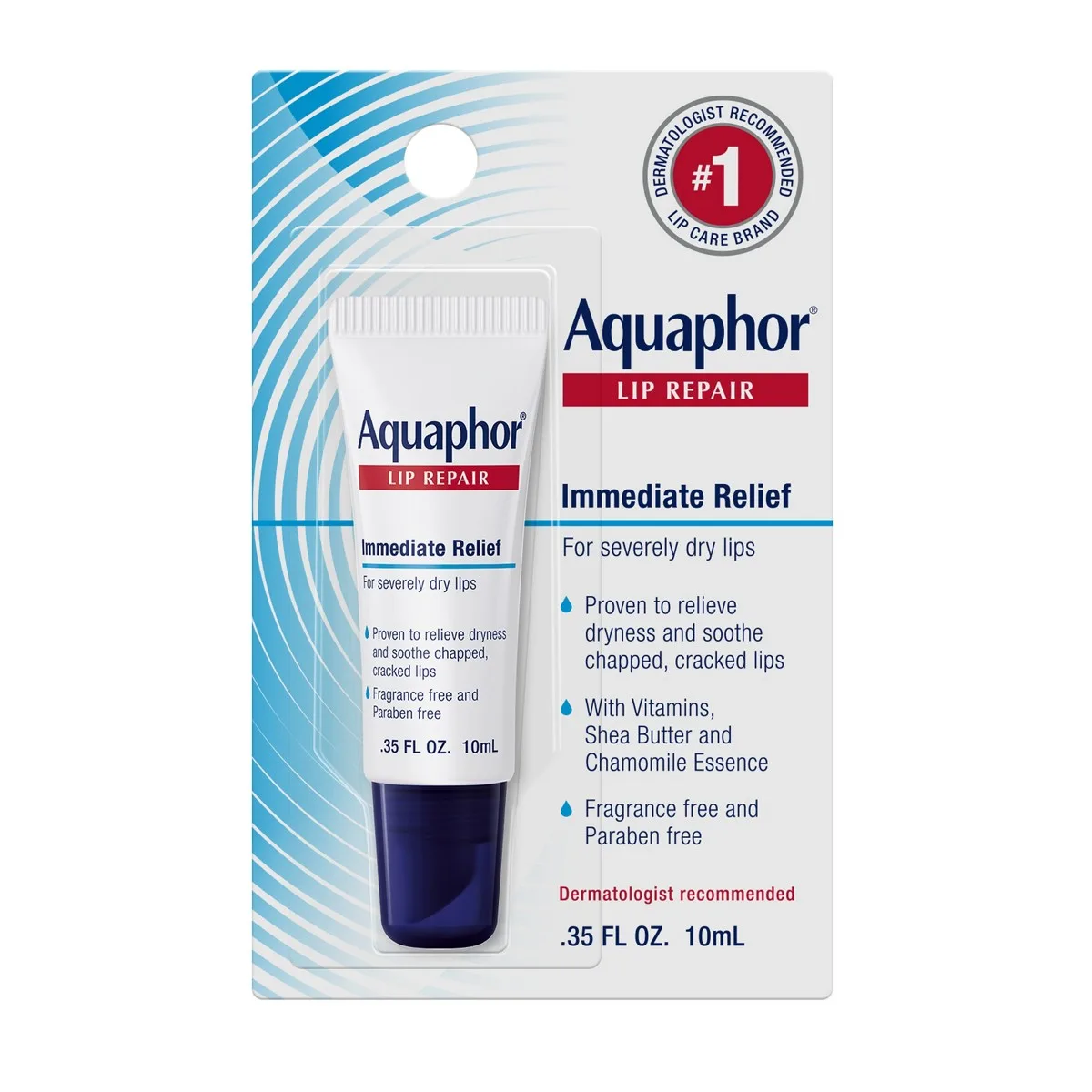 Derm Office Lip Staple
 Lip Repair
The lip balm that dermatologists actually recommend — not as marketing, but as clinical practice. Fifteen years and 50,000+ reviews have validated what the panthenol-bisabolol research confirms: this simple formula genuinely heals chapped lips rather than just coating them. The glossy finish and frequent reapplication needs are the only real drawbacks.
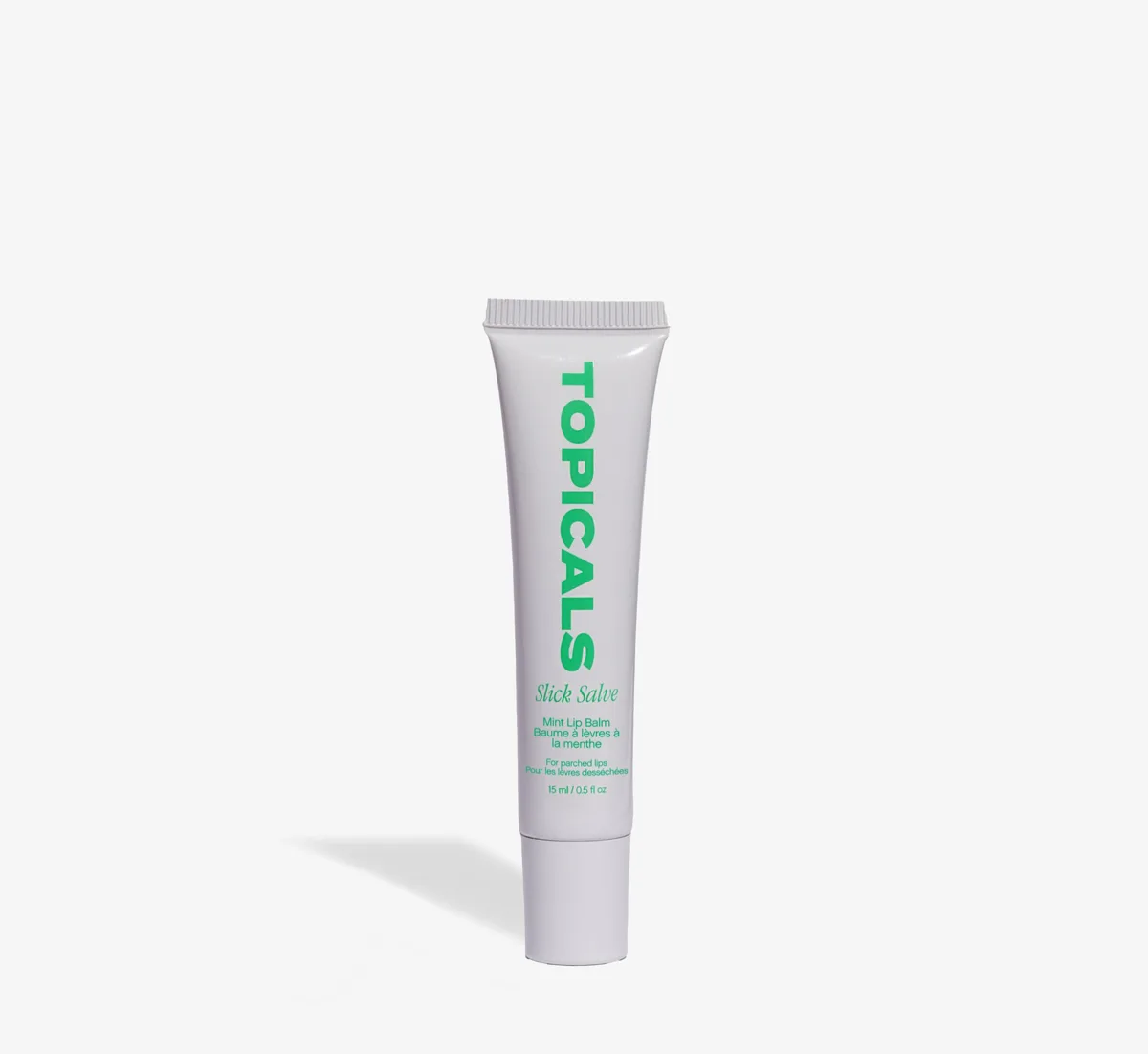 TikTok Cult Lip Treatment
 Slick Salve Glossy Lip Balm
The viral TikTok lip balm that actually deserves the hype — built on three ceramide types, cholesterol, peptides, and ergothioneine in a glossy wet-look format that looks like a beauty product and performs like a dermatology product. The mint essential oils are the only real caveat for sensitive users.
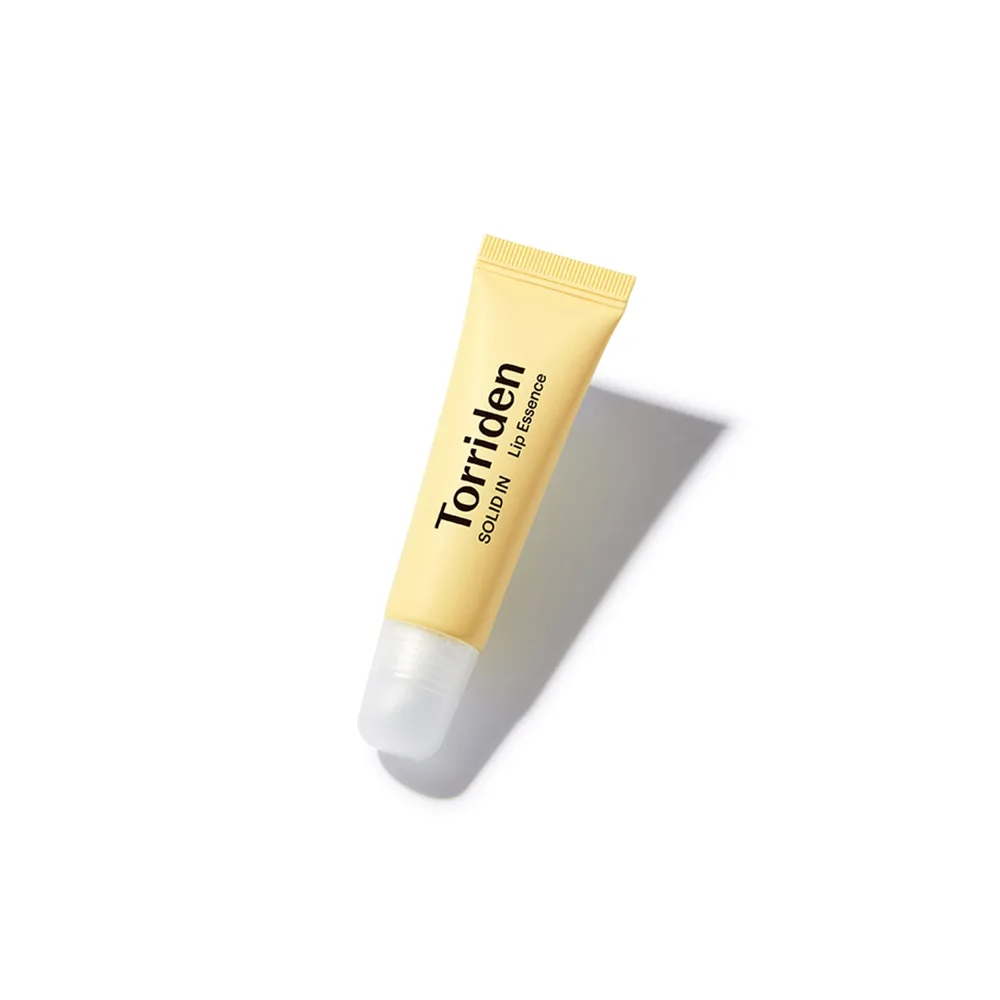 Ceramide Lip MVP
 SOLID-IN Lip Essence
Torriden ports its multi-ceramide-cholesterol repair architecture into lip-care format, producing one of the few lip products that actually addresses the underlying lipid loss behind chronically chapped lips. Fragrance-free, well-tolerated, and effective. The price feels slightly ambitious for the size, but the ingredient quality earns it.
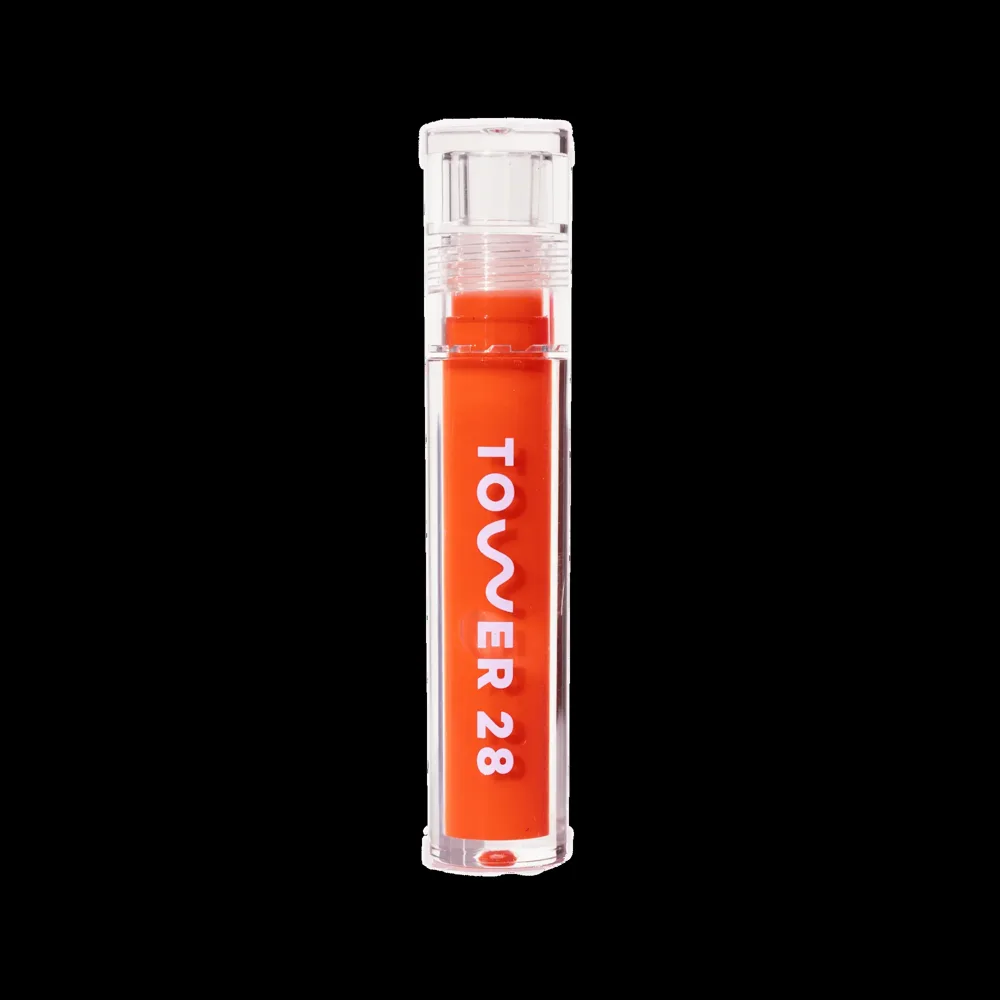 Sensitive-Skin Gloss MVP
 ShineOn Lip Jelly
The product that built Tower 28's reputation: a fragrance-free, dye-free, lanolin-free lip jelly that delivers serious gloss and a sheer wash of color without stickiness, and is genuinely safe for eczema-prone lips. Sheer pigment and a Sephora price tag are the only honest gripes.
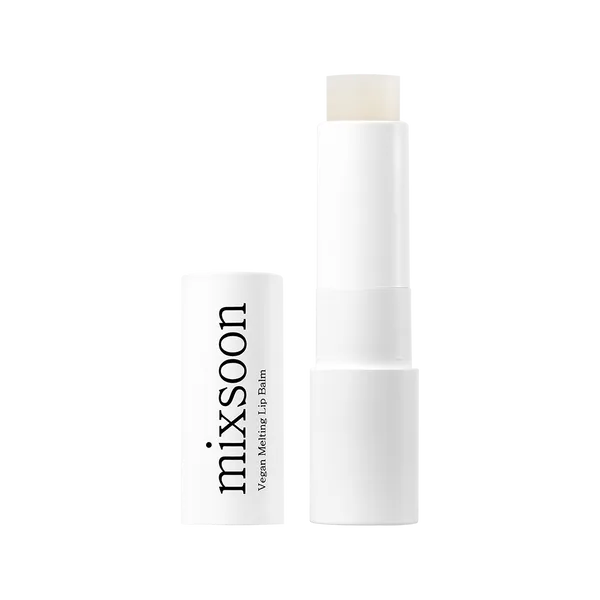 Vegan Lip Essential
 Vegan Melting Lip Balm
mixsoon's Vegan Melting Lip Balm brings the brand's minimalist, plant-based philosophy to lip care with a genuinely unique melting texture and clean ingredient list. It's a comfortable, fragrance-free lip treatment that softens dry lips effectively, though the $16 price and need for frequent reapplication are honest limitations in a crowded lip balm market.
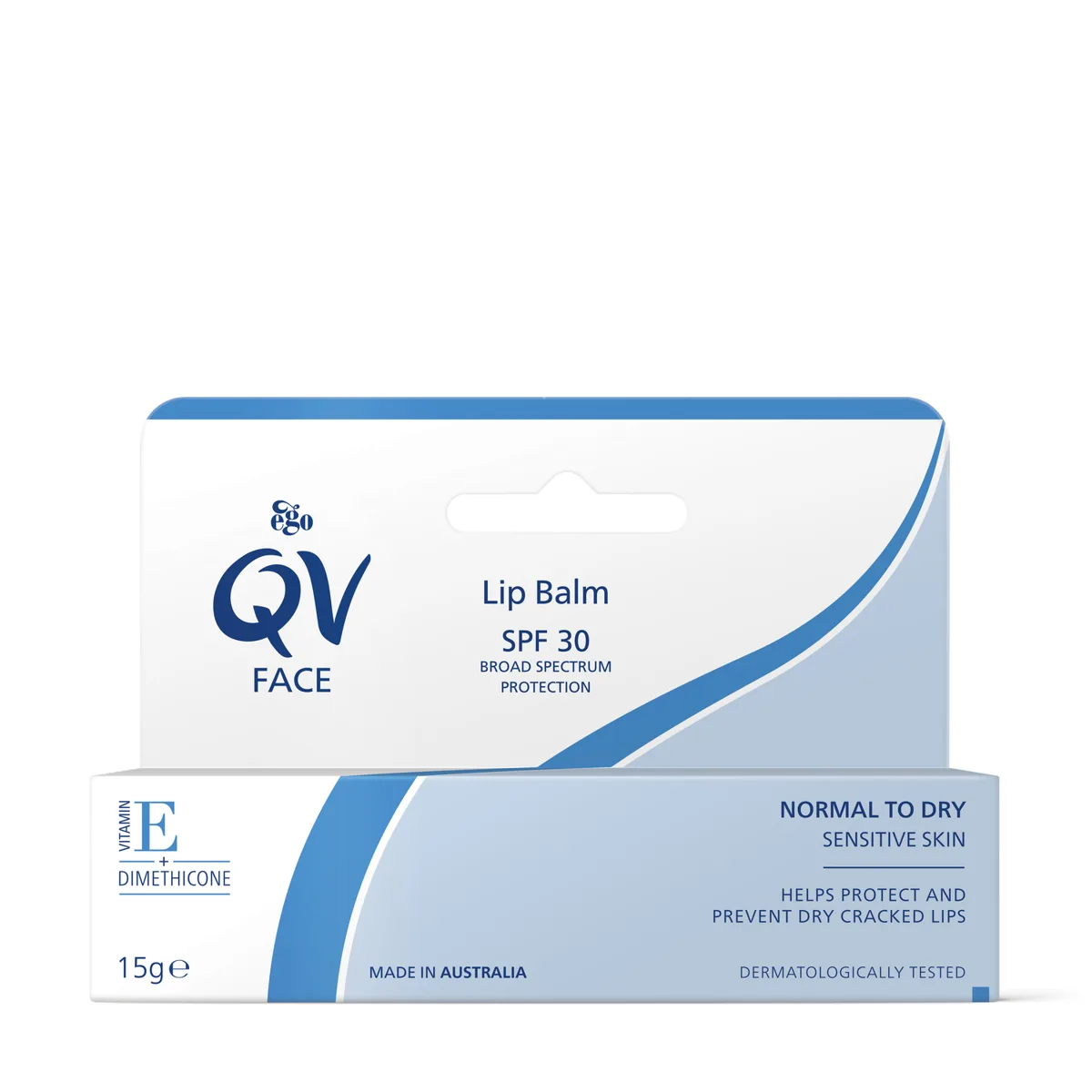 Australian Sun-Smart Essential
 Lip Balm SPF 30
QV's Lip Balm SPF 30 is the rare drugstore lip balm that treats SPF as the point, not a garnish. With a four-filter broad-spectrum system in a petrolatum-and-wax base, it offers genuine daily lip protection from a brand whose parent company has been formulating Australian sun care since the 1970s.