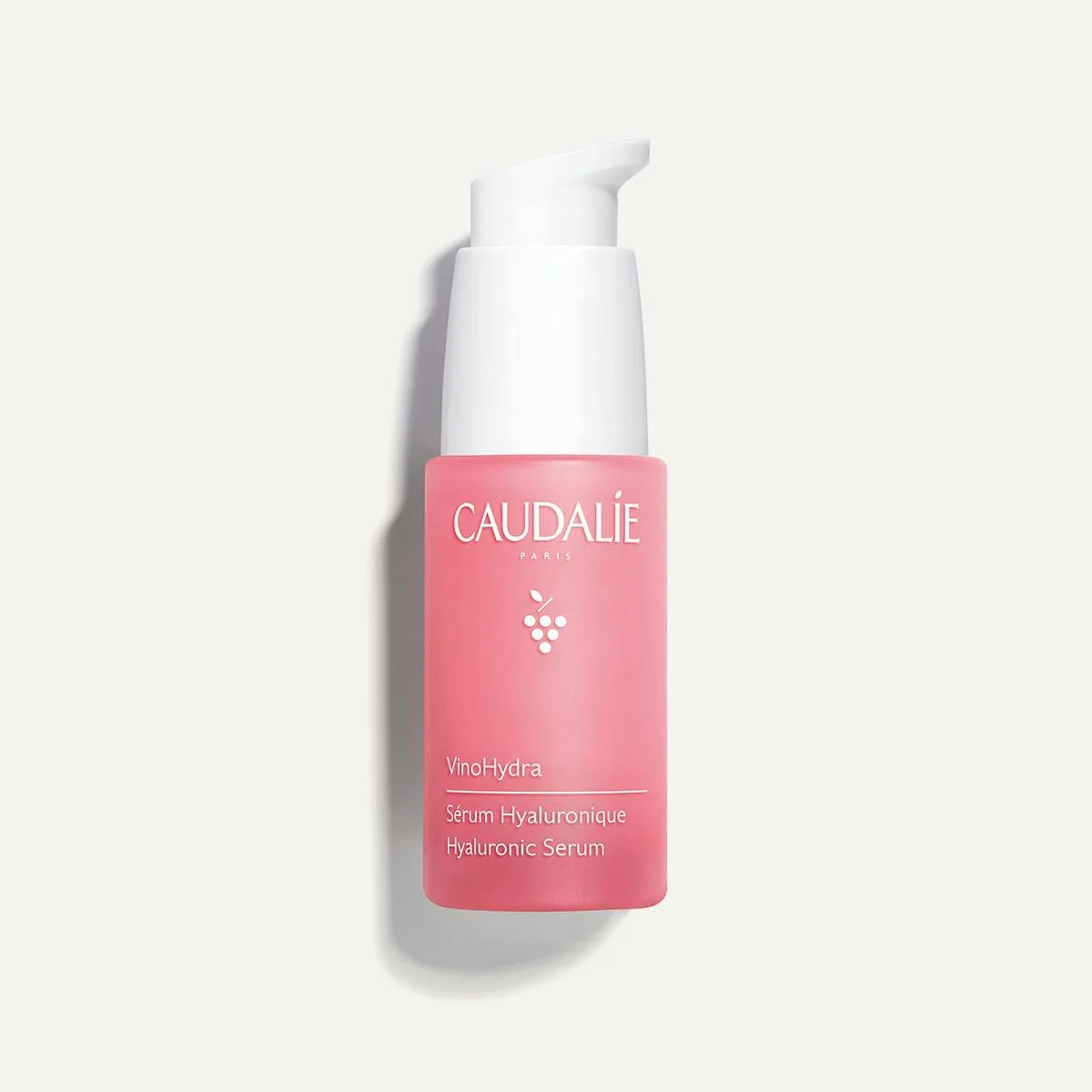
A pleasantly designed hybrid serum-emulsion that quenches dehydrated skin reliably and has enough emollient backbone to avoid the humectant-only pitfall of pulling moisture out in dry air. It's a competent, attractive hydrating layer that earns its place in winter routines — just priced above the functional best in class.
Vinosource-Hydra S.O.S Thirst-Quenching Serum
A pleasantly designed hybrid serum-emulsion that quenches dehydrated skin reliably and has enough emollient backbone to avoid the humectant-only pitfall of pulling moisture out in dry air. It's a competent, attractive hydrating layer that earns its place in winter routines — just priced above the functional best in class.
Score Breakdown
Where this product gains points and where it loses them — broken down across the four scoring pillars.
Solidly formulated humectant-and-emollient hydrating serum with a botanical identity, held back from higher marks by fragrance and pricing that's premium for the category.
Pros & Cons
- ✓Hybrid humectant-emollient base outperforms pure hydrating serums in dry air
- ✓Grape water, glycerin, and sodium hyaluronate create layered hydration
- ✓Squalane and grape seed oil provide meaningful lipid support
- ✓Fast-absorbing milky texture layers well under makeup and SPF
- ✓Suitable across dry, normal, combination, and oily-dehydrated skin
- ✓Pleasant sensory experience consistent with rest of Caudalie line
- ✗Fragrance complex limits use for very reactive skin
- ✗Premium pricing compared to equivalent clinical-brand hydrators
- ✗Not rich enough alone for very dry skin without a moisturizer layer
- ✗Pump dispenser can be hard to gauge for dosing
Full Review
Hydrating serums as a category have a quiet problem. Most of them are built around glycerin and hyaluronic acid in an aqueous base — which works beautifully in a humid environment where the humectants can pull water out of the air into the skin, and works rather less beautifully in dry winter air, low-humidity offices, or airplane cabins, where those same humectants will happily pull water out of the deeper skin instead. The fix is to pair the humectants with an emollient seal, and this is where Vinosource-Hydra S.O.S Serum quietly distinguishes itself from most of its competitors. The ingredient list opens with water and grape water, followed by glycerin and pentylene glycol — textbook humectant architecture. But then it pivots into squalane, coco-caprylate, and grape seed oil, lipids that create a thin emollient film once the serum sets. This is technically a hybrid serum-emulsion rather than a pure hydrating serum, and the distinction matters for real-world performance. On application, you get the immediate plumping effect of the glycerin-HA stack, and a few minutes later the lipids lock that hydration in instead of letting it evaporate. On dehydrated skin, the effect is noticeable within the first use. Morning tightness disappears, fine dehydration lines soften, and skin takes on the slightly more resilient feel that's the whole point of the hydrating step. After a week of consistent use, skin tends to reach a more stable baseline — less oscillation between taut-dry and over-moisturized, less reactivity to the usual environmental stressors. This isn't anti-aging or treatment-level performance; it's hydration that stays hydrated. The grape water deserves a mention beyond marketing. Caudalie sources it from organic Bordeaux vineyard partners, and at roughly 2% of the formula (based on its ingredient-list position) it adds mineral and polyphenol content that standard water doesn't bring. Whether this is meaningful versus simple deionized water in a rinse-off product is debatable; in a leave-on serum at this position, the contribution is small but non-zero. It's also the botanical identity the whole Vinosource-Hydra line is built around, which matters less for efficacy and more for the cohesive experience of using multiple products from the range together. The texture is where Caudalie's sensory design shows. Most hydrating serums are either watery (effective but unsatisfying) or gel-cream (richer but sometimes tacky under makeup). Vinosource-Hydra splits the difference with a milky emulsion that absorbs in under a minute and leaves a subtle satin finish that works under sunscreen and foundation without pilling. There's no sticky residue, no greasy afterfeel, and no visible white cast. It's the kind of texture you can reach for twice a day without thinking about whether it'll mess up your makeup. The caveats are familiar Caudalie caveats. The fragrance complex includes linalool, limonene, geraniol, and citronellol — enough to be a concern for very reactive or fragrance-allergic skin, fine for most other users. The price at $46 for 30ml is mid-to-premium for a hydrating serum, and several extremely competent alternatives exist at lower price points if botanical identity isn't the draw. And for very dry skin, this serum alone isn't enough — it needs a richer moisturizer stacked on top to provide occlusive sealing, which is true of most hydrating serums but worth mentioning since the S.O.S name implies standalone rescue. What Vinosource-Hydra actually is, honestly described: a well-engineered winter-rescue hydrator with enough lipid backbone to work in dry environments, wrapped in Caudalie's characteristically pleasant sensory package, and priced at the upper end of what the ingredient list technically justifies. If you're already committed to the Caudalie ecosystem or you specifically want the botanical-forward experience, it's a worthwhile purchase. If you want pure ingredient efficiency at the lowest possible cost, La Roche-Posay's Hyalu B5 or a well-chosen hyaluronic acid serum from a clinical brand will deliver similar hydration performance for less money. Both things can be true, and the decision is less about the formula's quality — which is solidly above average — and more about what you're paying for beyond the core function.
Formula
Key Ingredients
The hero actives that drive this product's performance.
| Ingredient | Function | Evidence |
|---|---|---|
| Organic Grape Water | The second ingredient after water in this reformulated Vinosource base, delivering a mineral-rich botanical hydrator that Caudalie positions as the spine of the whole Vinosource-Hydra line. It adds polyphenols and micronutrients missing from standard glycerin-heavy hydrating serums. | promising |
| Glycerin | Placed high to pull water into the stratum corneum and create the immediate plumped feel the 'S.O.S' branding promises. Works alongside the grape water and sodium hyaluronate to create a three-layer humectant system for layered hydration. | well-established |
| Squalane | Provides the emollient seal needed to keep all that humectant-drawn water from evaporating back out — turning what would otherwise be a transient surface hydration into longer-lasting moisture retention in this specific formula. | well-established |
| Grape Seed Oil | Adds linoleic acid and polyphenolic antioxidants that support the lipid layer of the barrier and reinforce the anti-oxidative stress story the rest of the Caudalie line builds around. In this formula it complements the squalane's purely occlusive role with a more biologically active lipid. | promising |
| Sodium Hyaluronate | The smaller-molecular-weight HA form that provides faster surface hydration than full hyaluronic acid, important for a serum marketed as an immediate thirst-quencher. Pairs with glycerin to deliver both short-term plumping and more sustained moisture draw. | well-established |
Full INCI List · pH 5.5
Aqua/Water/Eau, Vitis Vinifera (Grape) Fruit Water, Glycerin, Pentylene Glycol, Squalane, Propanediol, Coco-Caprylate, Hydrogenated Polyisobutene, Cetearyl Alcohol, Glyceryl Stearate SE, Vitis Vinifera (Grape) Seed Oil, Cetyl Alcohol, Sodium Hyaluronate, Polyglyceryl-3 Methylglucose Distearate, Tocopheryl Acetate, Sodium Acrylate/Sodium Acryloyldimethyl Taurate Copolymer, Isohexadecane, Polysorbate 80, Xanthan Gum, Benzyl Alcohol, Dehydroacetic Acid, Citric Acid, Disodium EDTA, Parfum/Fragrance, Linalool, Limonene, Geraniol, Citronellol.
Product Flags
✗ Fragrance Free✓ Alcohol Free✗ Oil Free✓ Silicone Free✓ Paraben Free✓ Sulfate Free✓ Cruelty Free✓ Vegan✗ Fungal Acne Safe
Potential Irritants
fragrancelinaloollimonenegeraniolcitronellol
Common Allergens
fragrance mix
Compatibility
Skin Match
Best For
Works For
Not Ideal For
Addresses These Conditions
dehydration dryness winter skin dullness
Use With Caution
Routine Step
serum
Time of Day
AM & PM
Pregnancy Safe
Yes ✓
Layering Tips
Apply to cleansed, slightly damp skin before moisturizer. Works well as a rescue layer under heavier creams in winter or after retinol/exfoliant-driven dryness.
Results Timeline
Immediate: skin feels plumper and softer within 5 minutes. Short-term (1-2 weeks): fine dehydration lines look softer, morning tightness gone. Full benefits (4-6 weeks): sustained improvement in overall skin suppleness with consistent twice-daily use.
Pairs Well With
moisturizerretinolfacial-oilspf
Sample AM Routine
- Gentle cleanser
- Caudalie Vinosource-Hydra S.O.S Thirst-Quenching Serum
- Moisturizer
- SPF
Sample PM Routine
- Cleanser
- Retinol (optional)
- Caudalie Vinosource-Hydra S.O.S Thirst-Quenching Serum
- Rich moisturizer
Evidence
Who Should Skip
- Fragrance complex limits use for very reactive skin
- Premium pricing compared to equivalent clinical-brand hydrators
- Not rich enough alone for very dry skin without a moisturizer layer
- Pump dispenser can be hard to gauge for dosing
Science & Expert Perspective
The Science
Hydration at the stratum corneum level involves two distinct mechanisms: drawing water from the environment or deeper skin layers (humectant action), and preventing transepidermal water loss back out through the barrier (emollient and occlusive action). A well-designed hydrating serum addresses both. Glycerin and sodium hyaluronate are among the most studied humectants in cosmetic science, with multiple peer-reviewed studies showing meaningful improvements in stratum corneum water content at low-single-digit concentrations. The combination of high- and low-molecular-weight humectants in Vinosource-Hydra's grape water-glycerin-HA stack is biologically sensible — different molecule sizes hydrate at different depths. The lipid side of the formula is where Caudalie's choices get interesting. Squalane is a well-characterized biomimetic lipid that mimics skin's natural squalene and is considered one of the safest, best-tolerated occlusive-emollient ingredients in cosmetic use. Grape seed oil adds linoleic acid, which is directly relevant to barrier lipid synthesis — keratinocytes incorporate linoleic acid into ceramide precursors, and linoleic acid deficiency is associated with barrier dysfunction. The combination means Vinosource-Hydra isn't just hydrating; it's providing raw material for barrier repair. Grape polyphenols including resveratrol have a reasonable in vitro evidence base as antioxidants, though at the concentrations present in grape water specifically the direct skin effect is likely modest. The overall formulation is a textbook example of competent hydrating-serum engineering — nothing flashy, nothing breakthrough, but the underlying biology is sound and the ingredient choices are justified by established science.
Dermatologist Perspective
Dermatologists broadly recommend hydrating serums that combine humectants with lipid-based emollients for patients with dehydrated or barrier-compromised skin, particularly in winter months or after procedures. Vinosource-Hydra fits this recommendation well — the formulation checks the boxes board-certified dermatologists typically look for in a supplementary hydrator. For patients with actively inflamed barriers (severe eczema, acute post-procedure), fragrance-free alternatives like Cerave Hyaluronic Acid Serum or La Roche-Posay Hyalu B5 are often preferred, but for general dehydration on otherwise healthy skin, this serum is a reasonable choice that dermatologists frequently include in winter-routine recommendations.
Guidance
Usage Guide
How to Use
Apply 2-3 pumps to cleansed, slightly damp skin morning and night, before moisturizer. The slight dampness helps the serum spread more efficiently and boosts the humectant action. Pat gently — no need to rub aggressively. Follow with a moisturizer appropriate for your skin type; for very dry skin, a richer cream on top is essential. Can be layered with actives like retinol (apply retinol first, this serum second, to buffer dryness) or vitamin C (either order works). Safe for twice-daily use.
Value Assessment
At $46 for 30ml, Vinosource-Hydra sits in the upper-mid tier for hydrating serums. Comparable formulations from La Roche-Posay and CeraVe can be found at $25-35 for larger sizes, but those don't include the grape water base or the cohesive sensory experience of the Caudalie line. For users who already own other Vinosource-Hydra products, the pricing is consistent with the range. For users shopping purely on efficacy-per-dollar, cheaper options deliver similar hydration performance. A single size is available in the US, which limits the per-ounce improvement path that some hydrating serums offer.
Who Should Buy
Users with dehydrated, dry, or combination skin looking for a well-engineered hydrating serum with both humectant and lipid components. Particularly useful in winter or for those in dry climates, and a solid pick for oily-dehydrated skin that needs hydration without heavy occlusives. Good for anyone already committed to the Caudalie ecosystem.
Who Should Skip
Those with fragrance sensitivities should look at fragrance-free alternatives. Budget-focused buyers can find equivalent hydration performance for less money at clinical brands. Users with very dry skin shouldn't expect this serum alone to do the job — it needs a richer moisturizer on top.
Ready to try Caudalie Vinosource-Hydra S.O.S Thirst-Quenching Serum?
Details
Details
Texture
Lightweight milky serum with a slight emollient finish — sits between a fluid and a cream.
Scent
Subtle grape-floral.
Packaging
White plastic bottle with pump dispenser.
Finish
lightweightnon-greasyfast-absorbingsatin
What to Expect on First Use
Absorbs within a minute leaving skin noticeably plumper and softer. No tingling or warming. First night of use often delivers a visible morning improvement in dehydrated skin.
How Long It Lasts
About 2-3 months with twice-daily application.
Period After Opening
12 months
Best Season
All Year
Certifications
Cruelty Free International Leaping Bunny
Background
The Why
Caudalie reformulated Vinosource in 2021 to build the line around organic grape water sourced directly from the brand's Bordeaux vineyard partners, rebranding it as Vinosource-Hydra. The S.O.S. serum was positioned as the line's cornerstone rescue product for acute dehydration.
About Caudalie Legacy Brand (20+ years)
Caudalie's Vinosource line dates to the brand's early years and was reformulated in 2021 as Vinosource-Hydra around an organic grape water base. Caudalie has built a decades-long track record in sensitive-skin hydration and holds multiple ingredient patents from its University of Bordeaux partnership.
Brand founded: 1995 · Product launched: 2021
Myth vs. Reality
Myths & Misconceptions
Myth
Hydrating serums are enough on their own for dry skin.
Reality
Even a well-formulated humectant serum like this one needs a moisturizer on top to seal the drawn-in water. Used alone on very dry skin, the humectants can actually pull moisture out of deeper layers in low-humidity environments.
FAQ
Frequently Asked Questions
Is Vinosource-Hydra good for very dry skin?
It's a helpful layer, but on its own it isn't rich enough for very dry skin. Use it as the hydrating serum step, then apply a richer cream on top (Caudalie's Vinosource-Hydra Moisturizing Cream is formulated to stack with it).
Can oily skin use this serum?
Yes — the emollient finish is light enough for oily skin, and the humectant-heavy base actually helps balance oily-dehydrated skin that overproduces oil to compensate for water loss.
Does it contain hyaluronic acid?
Yes, sodium hyaluronate is in the formula alongside glycerin and organic grape water — a three-layer humectant stack. It's not a high-molecular-weight HA showcase, but the hydration mechanism is solid.
Can you use it with retinol?
Yes, and it's particularly useful with retinol — apply it after your retinoid to buffer dryness and irritation. The squalane and grape seed oil add lipid support that helps the barrier recover from retinoid-driven stress.
Is it the same as the old Vinosource serum?
No — Caudalie reformulated the line in 2021 around organic grape water and renamed it Vinosource-Hydra. The new version is richer in botanical content and has a slightly more emollient finish than the original.
Community
Community Voices
Common Praise
"fast absorption"
"calming feel"
"works under makeup"
"winter rescue"
Common Complaints
"fragrance concerns"
"pricey for hydration serum"
"some find it insufficient for very dry skin alone"
Notable Endorsements
featured in winter skincare roundupsCaudalie best-seller tier
Appears In
best hydrating serum dry skin best winter serum best hydrating serum sensitive skin best caudalie hydrating serum
Related Conditions
dehydration dryness winter skin
Related Ingredients
You Might Also Like
 Sensitive Skin Soother
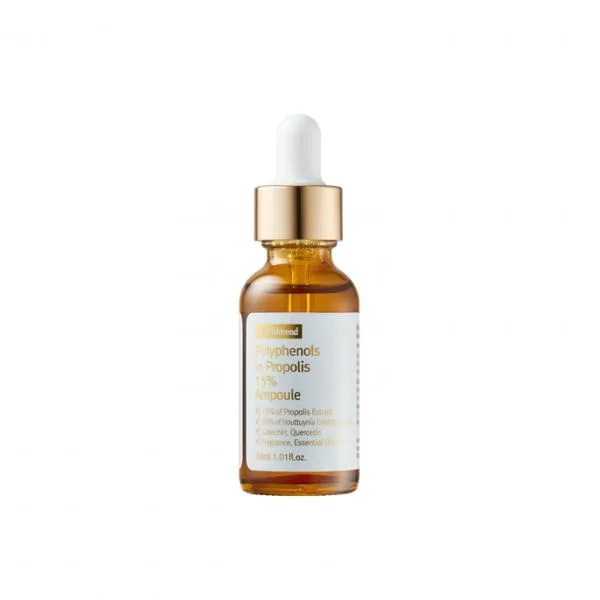
 Polyphenols In Propolis 15% Ampoule
A 15% propolis ampoule that earns its name with a real polyphenol stack — French Auvergne propolis layered over a houttuynia cordata base, with tulsi and pomegranate piling on. It's slightly sticky and not cheap by volume, but for sensitive, breakout-prone skin chasing calm, this is one of the most reliable K-beauty soothers in production.
 Budget Brightening Hero
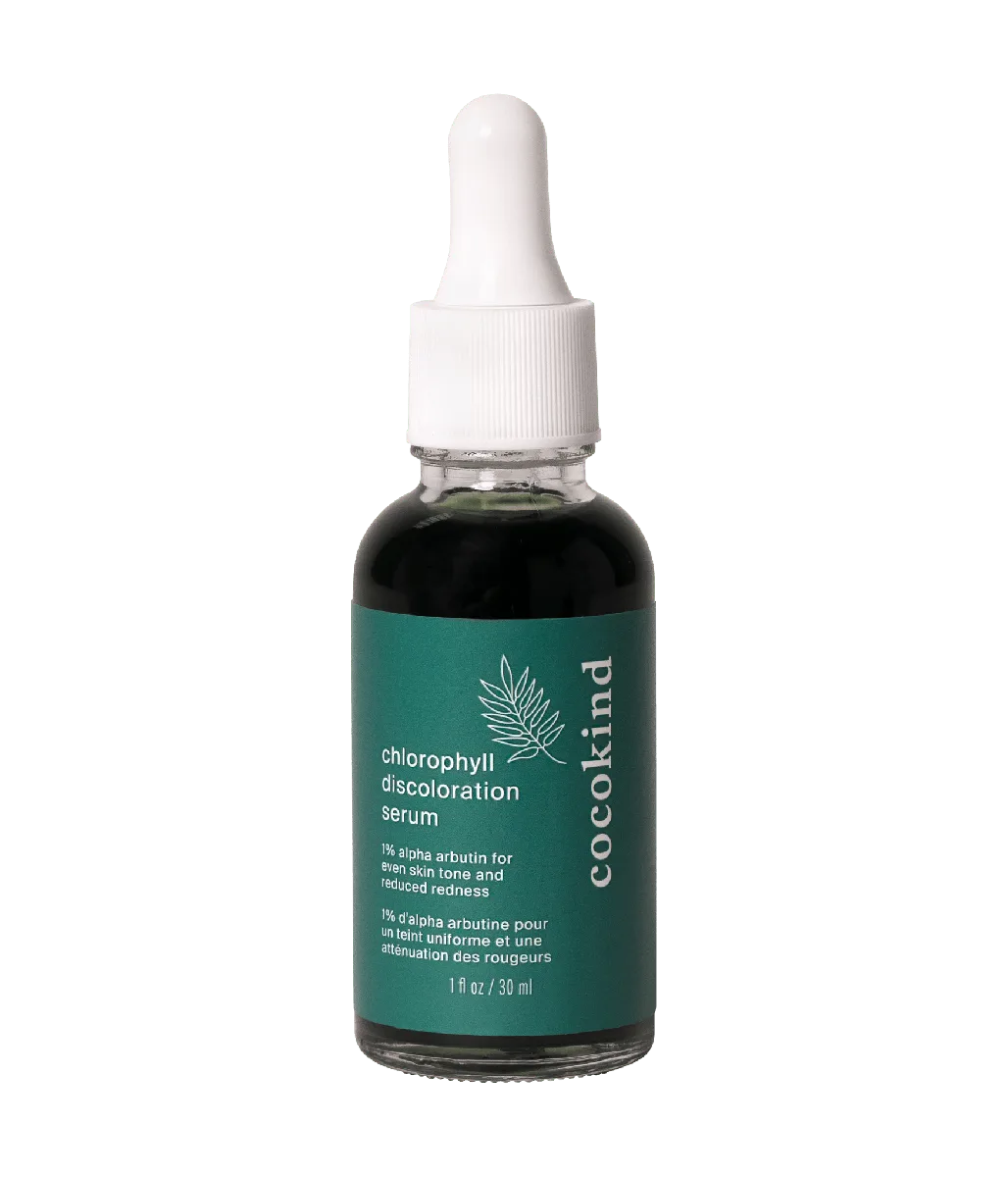
 Chlorophyll Discoloration Serum
A quietly brilliant brightening serum that proves you do not need luxury prices or harsh actives to fade dark spots effectively. The alpha-arbutin and licorice root combination delivers genuine multi-pathway melanin inhibition, the sensitive-skin-friendly formula is impeccable, and $20 makes it accessible to virtually everyone. The chlorophyllin is more marketing differentiator than scientific powerhouse, but it does not hurt anything either.
 The People's HA Serum
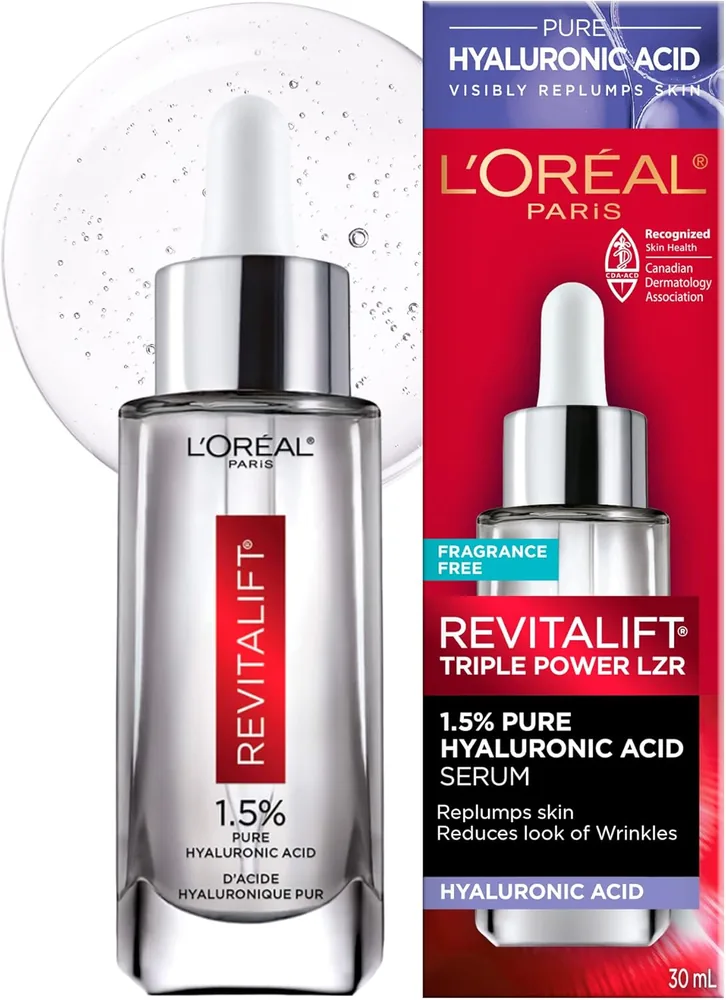
 Revitalift Derm Intensives 1.5% Pure Hyaluronic Acid Serum
A masterclass in minimalist formulation — thirteen ingredients, no filler, four functional actives, and over thirty thousand glowing reviews. L'Oréal's multi-weight HA system delivers genuine hydration at every level of the skin, and the fragrance-free, alcohol-free formula is clean enough for virtually anyone. The drugstore serum that embarrasses its prestige competitors.
 Budget Hydration Holy Grail
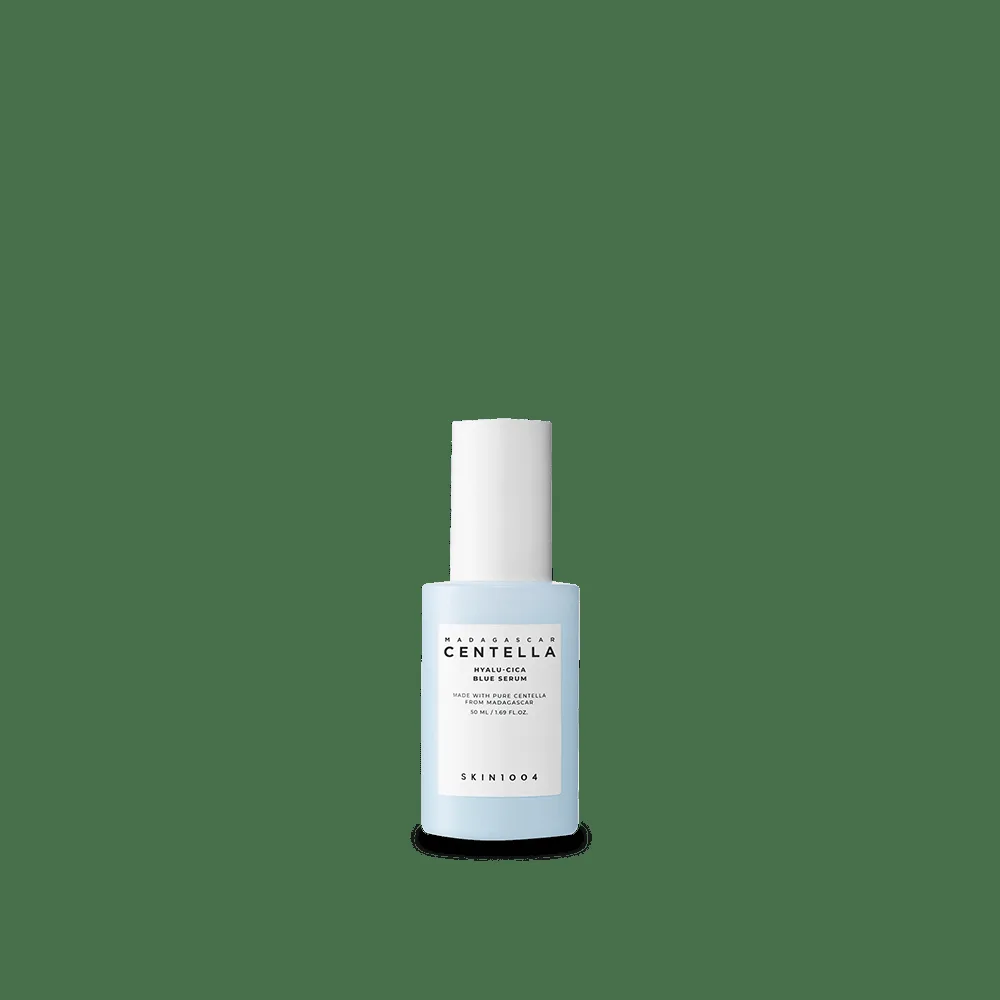
 Hyalu-Cica Blue Serum
A quietly excellent budget serum that stacks Centella asiatica leaf water, five types of hyaluronic acid, niacinamide, ceramide NP, and adenosine into a fragrance-free under-$20 bottle. It is genuinely one of the best hydration-plus-soothing serums at any price, and the fact that it costs less than a salad in Manhattan is the point.
 Sensitive Skin First-Line Defense
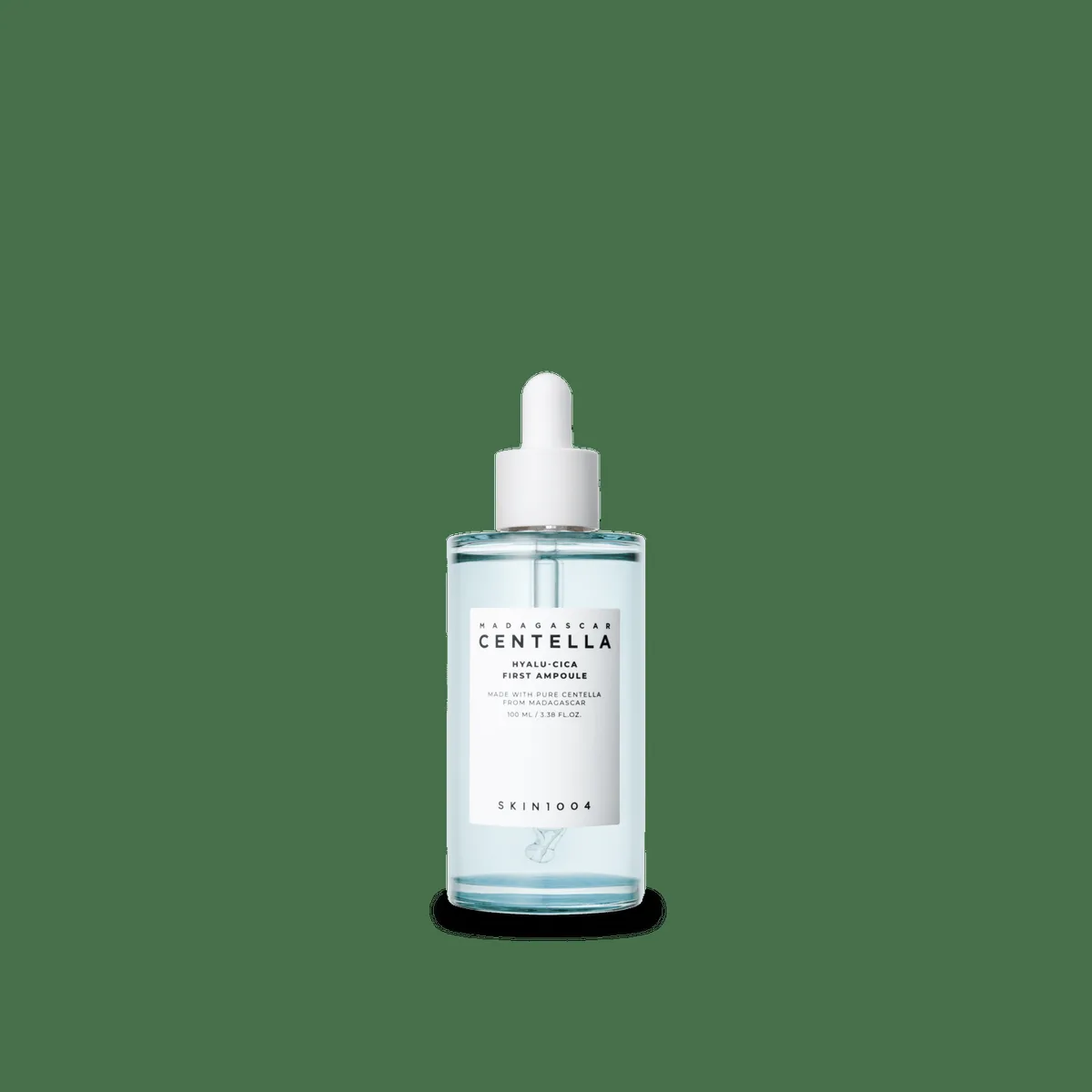
 Hyalu-Cica First Ampoule
A 92% Centella asiatica extract ampoule paired with niacinamide and a multi-weight HA complex, fragrance-free and purpose-built for sensitive, compromised, and reactive skin. At $25 for 100ml, it is one of the most justifiable skincare purchases a budget-conscious buyer can make, and it earns a place in almost any routine that needs a soothing anchor.
 Sensitive Skin MVP
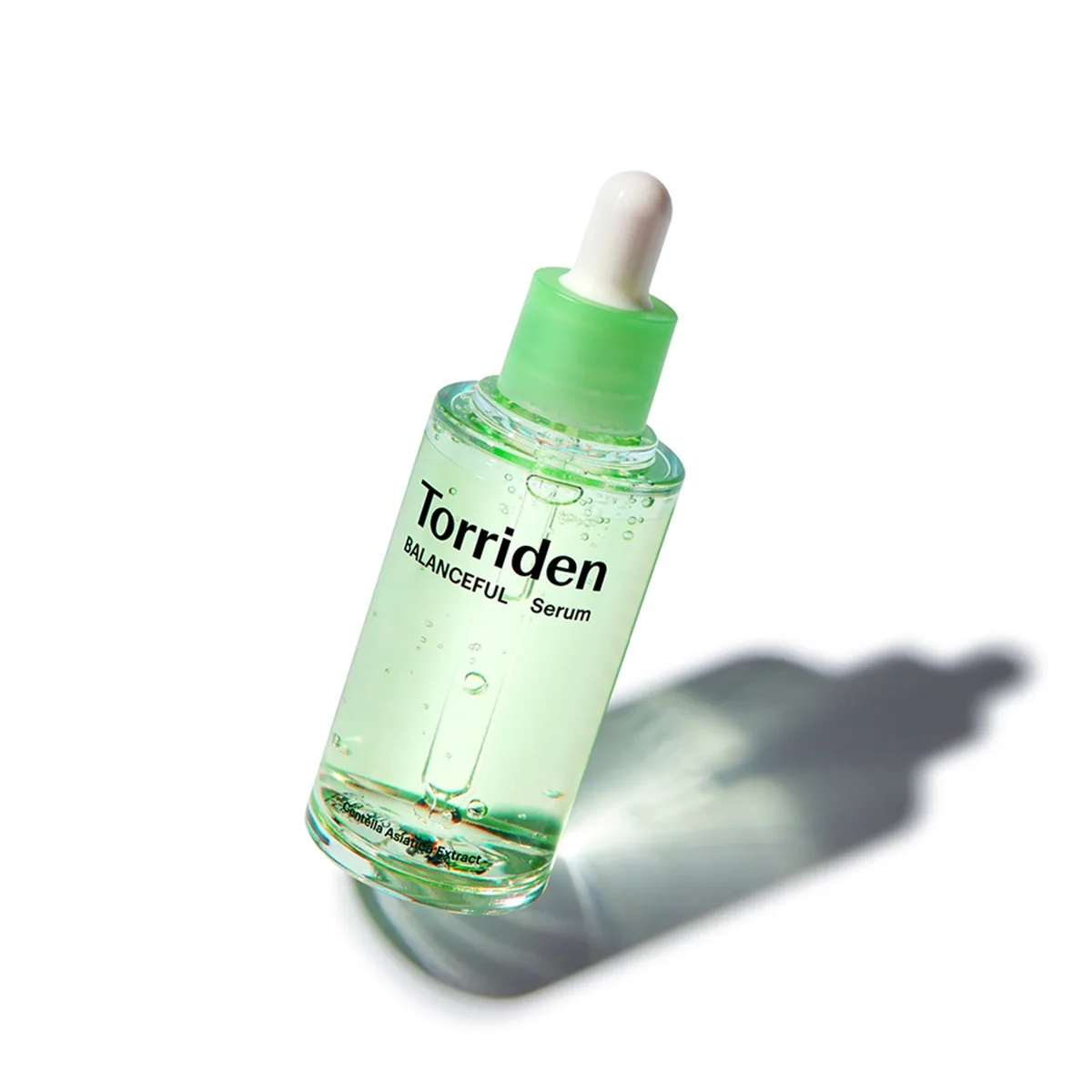
 Balanceful Cica Serum
Torriden's Balanceful Cica Serum is one of the most recommendable calming serums in K-beauty — a genuinely fragrance-free, multi-weight hyaluronic acid and 5D cica complex treatment that quietly reduces redness, supports the barrier, and buffers other actives without drama. At under $25 it's a near-automatic pick for sensitive, rosacea-prone, and barrier-compromised skin.
This review reflects our independent analysis of publicly available ingredient data, manufacturer claims, and verified user reviews. We are reader-supported — Amazon links may earn us a commission at no cost to you. We do not accept paid placements; rankings are based solely on the evidence.