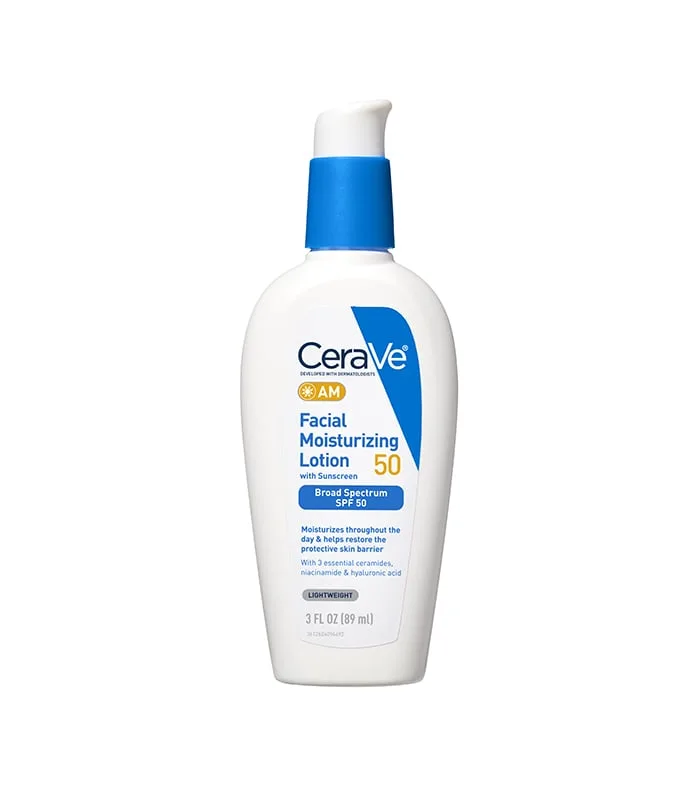
CeraVe listened to a decade of feedback on their bestselling SPF 30 and delivered a genuinely improved sequel — higher protection, paraben-free, less pilling, better cosmetic elegance. The ceramide-niacinamide core remains intact and excellent. Too new for the depth of real-world validation its predecessor enjoys, but the early signals are positive.
AM Facial Moisturizing Lotion SPF 50
CeraVe listened to a decade of feedback on their bestselling SPF 30 and delivered a genuinely improved sequel — higher protection, paraben-free, less pilling, better cosmetic elegance. The ceramide-niacinamide core remains intact and excellent. Too new for the depth of real-world validation its predecessor enjoys, but the early signals are positive.
Score Breakdown
An upgraded version of CeraVe's bestselling SPF moisturizer that addresses the pilling and paraben concerns of the SPF 30 while boosting UV protection. The ceramide-niacinamide-hyaluronic acid combination remains excellent, and the paraben-free reformulation is welcome. Chemical UV filter concerns persist, and the product is too new for the depth of real-world data the SPF 30 version enjoys.
Data Confidence: medium
This product launched in August 2024 and has approximately 1,200-1,500 user reviews across retailers. While the CeraVe brand has decades of trust and the ceramide technology is well-validated, this specific SPF 50 formulation has limited independent real-world data. Our scoring reflects the strong ingredient profile and early positive reception. We'll revisit as more long-term data becomes available.
0/100
Overall Score
Ingredient Quality 0
Value for Money 0
Suitability Breadth 0
Irritation Risk (↑ = safer) 0
Assessment
Pros
- Addresses the SPF 30's biggest complaints: less pilling, no parabens, reduced white cast
- Same three-ceramide MVE system and niacinamide that made the SPF 30 a bestseller
- Higher SPF 50 provides meaningful real-world protection margin for under-application
- InVisibleZinc technology at 7% minimizes white cast across skin tones
- Drops octinoxate — the most environmentally and hormonally controversial filter
- Same $19.99 price as the SPF 30 with meaningful improvements
Cons
- Too new for the depth of real-world data the SPF 30 version provides
- Contains soybean oil — a potential breakout trigger not present in the SPF 30
- Still contains chemical UV filters (homosalate, octocrylene) that some consumers avoid
- Only available in one size with no travel or economy options
- Not pregnancy safe due to chemical UV filter content
Full Review
When you have ninety thousand reviews and a product that's been the default dermatologist recommendation for almost two decades, there's an obvious temptation to leave it alone. CeraVe didn't. The AM Facial Moisturizing Lotion SPF 50, launched in August 2024, is a point-by-point response to the loudest complaints about their iconic SPF 30 — and it's the rare sequel that actually improves on the original.
The SPF 30 version earned its massive following through genuine formulation merit: three essential ceramides, niacinamide, and hyaluronic acid in a time-release delivery system, with broad-spectrum sun protection, at drugstore pricing. That formula still works. But ninety thousand reviews also surface every weakness with unflinching clarity. Pilling under makeup. White cast on darker skin. Parabens. Insufficient SPF for those who wanted more margin for error. The SPF 50 addresses all four.
The UV filter system has been thoughtfully reorganized. Octinoxate — the filter that raised the most environmental and hormonal concerns — is dropped entirely. Meradimate is gone too. In their place, octisalate appears alongside the retained homosalate and octocrylene, while zinc oxide steps up from 6.3% to 7%. The result is still a hybrid chemical-mineral system, but a cleaner one. CeraVe's InVisibleZinc technology at this concentration is specifically engineered to minimize white cast, using microfine particles that blend into skin rather than sitting on top of it.
The paraben removal is straightforward but meaningful. The SPF 30's methylparaben and propylparaben have been replaced with chlorphenesin, hydroxyacetophenone, caprylyl glycol, and benzoic acid. Whether parabens at cosmetic concentrations pose any real risk is debatable — regulatory agencies worldwide approve them — but consumer preference has spoken clearly enough that a paraben-free reformulation is a competitive necessity.
The texture improvement may be the most practically significant change. Early reviews consistently note less pilling — the SPF 30's most frustrating daily-use issue. The reformulated base, which includes cellulose and a different polymer system, seems to play more nicely with both serums applied underneath and makeup applied on top. It's smoother on application, absorbs more quickly, and doesn't ball up at the hairline or around the nose the way its predecessor notoriously could.
What hasn't changed is the core that made CeraVe CeraVe. The three essential ceramides — NP, AP, and EOP — are still delivered through MVE (MultiVesicular Emulsion) technology, providing time-released barrier repair throughout the wearing period. Niacinamide still stimulates endogenous ceramide production, creating the dual-source barrier repair system that distinguishes CeraVe from competitors who've added ceramides to their own formulas without the supporting delivery technology. Sodium hyaluronate provides immediate hydration. Cholesterol and phytosphingosine complete the physiological lipid profile.
The SPF 50 number itself is less important than people think. The difference between SPF 30 (97% UVB blocking) and SPF 50 (98%) is about one percentage point in laboratory conditions. But in real-world use — where most people apply roughly half the recommended amount — SPF 50 provides a meaningful safety margin. The person who under-applies an SPF 50 effectively gets the protection of an SPF 25-30, versus an SPF 15-20 with the same under-application of an SPF 30. It's insurance against imperfect use, and most use is imperfect.
The formula does introduce soybean oil, which the SPF 30 doesn't contain. This is relevant for acne-prone users — soybean oil has a moderate comedogenicity rating, and some users have reported breakouts. The product is still clinically tested as non-comedogenic, but individual reactions vary. If you were acne-free on the SPF 30 and switch to the SPF 50, monitor your skin for the first few weeks.
At $19.99 for 3 fl oz — the same price as the SPF 30 at most retailers — the value proposition is strong. You're getting higher SPF, a paraben-free formula, improved texture, and the same ceramide-niacinamide-hyaluronic acid core that made the original a category leader. A single tube lasts two to three months of daily use, putting annual cost at roughly $80-$120 for a barrier-repairing daily SPF moisturizer developed with dermatologists.
The caveat is novelty. With barely a year and a half on market and approximately 1,300 reviews, this product doesn't have the depth of real-world validation that makes its SPF 30 predecessor a near-certainty recommendation. The SPF 30 has been tested by virtually every skin type and routine combination possible. The SPF 50 is still collecting that data. Early signals are strongly positive — higher ratings than the SPF 30 at this stage, fewer pilling complaints, warm reception from reviewers — but the sample size is still growing.
For new buyers choosing between the two, the SPF 50 is the obvious pick: same price, higher protection, better texture, no parabens. For loyal SPF 30 users debating a switch, the main consideration is whether the soybean oil will cause issues for your skin. For everyone, this is a product that demonstrates CeraVe's rare willingness to improve a product that was already working — and the restraint to keep what made it work in the first place.
Formula
Ingredients
The hero actives that drive this product's performance.
| Ingredient | Function | Evidence |
|---|---|---|
| Three Essential Ceramides (NP, AP, EOP) | CeraVe's signature ceramide trio delivered via MVE time-release technology, replicating the skin's natural lipid barrier composition. In this SPF 50 formula, they provide sustained barrier repair throughout the day while the UV filters protect against the photodamage that accelerates barrier breakdown. The combination means sun protection and barrier repair happen simultaneously rather than sequentially. | well-established |
| Niacinamide | Stimulates the skin's own ceramide biosynthesis — up to 5.5-fold increase per published research — creating a dual-source barrier repair system alongside the exogenous ceramides. In this SPF formula, niacinamide also helps prevent UV-induced hyperpigmentation, a benefit validated in a 2025 study showing niacinamide-containing broad-spectrum sunscreen significantly prevented post-inflammatory hyperpigmentation. | well-established |
| Zinc Oxide (7%) (7%) | The mineral component of the hybrid UV system, providing broad UVA protection through absorption (not reflection, as commonly believed). At 7% — higher than the SPF 30 version's 6.3% — it anchors the UVA coverage while the chemical filters extend UVB protection. CeraVe's InVisibleZinc technology uses microfine particles specifically engineered to minimize white cast across all skin tones. | well-established |
| Sodium Hyaluronate | The salt form of hyaluronic acid with superior skin penetration, drawing and retaining moisture beneath the sunscreen layer. Ensures the SPF 50 formula feels like a moisturizer rather than a heavy sunscreen, providing the hydration comfort that encourages daily compliance. | well-established |
| Cholesterol + Phytosphingosine | Complete the physiological lipid barrier composition alongside the three ceramides. Most competitor SPF moisturizers omit these components, but they're essential for ceramides to properly integrate into the stratum corneum's lamellar structure rather than sitting inertly on the surface. | well-established |
Full INCI List
Active Ingredients: Homosalate 8%, Octisalate 5%, Octocrylene 5%, Zinc Oxide 7%. Inactive Ingredients: Water, Glycerin, Dimethicone, Propanediol, Butyloctyl Salicylate, Steareth-20, Cellulose, Niacinamide, Ethylhexyl Methoxycrylene, Steareth-2, Ceramide NP, Ceramide AP, Ceramide EOP, Sorbitan Isostearate, Carbomer, Glycine Soja (Soybean) Oil, Triethoxycaprylylsilane, Cetearyl Alcohol, Behentrimonium Methosulfate, Triethyl Citrate, Sodium Hyaluronate, Sodium Lauroyl Lactylate, Cholesterol, Ammonium Polyacryloyldimethyl Taurate, Tocopherol, Chlorphenesin, Hydroxyacetophenone, Caprylyl Glycol, Hydroxyethyl Acrylate/Sodium Acryloyldimethyl Taurate Copolymer, Trisodium Ethylenediamine Disuccinate, Phytosphingosine, Xanthan Gum, Polyhydroxystearic Acid, Polysorbate 60, Oryza Sativa (Rice) Bran Wax, Benzoic Acid, C12-22 Alkyl Acrylate/Hydroxyethylacrylate Copolymer
Product Flags
✓ Fragrance Free✓ Alcohol Free✗ Oil Free✗ Silicone Free✓ Paraben Free✓ Sulfate Free✗ Cruelty Free✗ Vegan✗ Fungal Acne Safe
Comedogenic Ingredients
Glycine Soja (Soybean) Oil
Potential Irritants
HomosalateOctocryleneOctisalate
Common Allergens
Glycine Soja (Soybean) Oil
Compatibility
Skin Match
Best For
Works For
Not Ideal For
Addresses These Conditions
dryness dehydration compromised skin barrier sun damage dullness aging
Use With Caution
Routine Step
sunscreen
Time of Day
AM
Pregnancy Safe
No ✗
Layering Tips
Apply as the last step of your morning routine. Use approximately a nickel-sized amount for the face and blend thoroughly. Allow 2-3 minutes for full absorption before applying makeup. The formula layers better than the SPF 30 version — less prone to pilling.
Results Timeline
Immediate broad-spectrum UV protection and hydration from first application. Improved skin barrier function within 1-2 weeks of daily use. Enhanced hydration and reduced dryness visible within 2-4 weeks. Long-term photoaging prevention with consistent daily use.
Pairs Well With
CeraVe Hydrating Facial Cleanservitamin C serum (apply first)hyaluronic acid serumCeraVe PM Facial Moisturizing Lotion (evening)
Sample AM Routine
- Gentle cleanser
- Vitamin C serum (optional)
- CeraVe AM Facial Moisturizing Lotion SPF 50
Sample PM Routine
- Gentle cleanser
- Treatment serum (retinol, etc.)
- CeraVe PM Facial Moisturizing Lotion
Evidence
Science
The Science
The CeraVe AM SPF 50 maintains the ceramide-niacinamide synergy that defines the brand's approach, supported by the same body of evidence as the SPF 30 version. Tanno et al. (2000, British Journal of Dermatology, PubMed: 10971324) established that niacinamide increases ceramide biosynthesis 4.1-5.5-fold, while the MVE delivery system ensures sustained release of the exogenous ceramides throughout the day (Zeichner and Del Rosso, 2016, Journal of Clinical and Aesthetic Dermatology).
The UV filter system merits specific attention. Zinc oxide at 7% provides broad UVA protection through photon absorption — not reflection as commonly stated. Cole et al. (2016, Photodermatology, Photoimmunology & Photomedicine, PubMed: 26431814) demonstrated that metal oxide sunscreens protect primarily through absorption of UV radiation, correcting the longstanding misconception about their mechanism.
A 2025 study in Dermatology and Therapy demonstrated that a broad-spectrum sunscreen containing niacinamide significantly prevented post-inflammatory hyperpigmentation in skin of color — a finding particularly relevant for this product given its InVisibleZinc reformulation targeting diverse skin tones.
The chemical filters have ongoing regulatory scrutiny. The EU Scientific Committee on Consumer Safety (SCCS) issued opinions in 2021 noting safety concerns about homosalate at current concentrations. The FDA classified homosalate and octocrylene as 'not GRASE' (not generally recognized as safe and effective) due to insufficient safety data — importantly, this is not an affirmative finding of danger, but an acknowledgment that more data is needed. These filters remain approved for use in the United States.
References
- Nicotinamide increases biosynthesis of ceramides as well as other stratum corneum lipids to improve the epidermal permeability barrier — British Journal of Dermatology (2000)
- Metal oxide sunscreens protect skin by absorption, not by reflection or scattering — Photodermatology, Photoimmunology & Photomedicine (2016)
- Multivesicular Emulsion Ceramide-containing Moisturizers: An Evaluation of Their Role in the Management of Common Skin Disorders — The Journal of Clinical and Aesthetic Dermatology (2016)
Dermatologist Perspective
Dermatologists view the SPF 50 version as a meaningful upgrade to an already-recommended product. Board-certified dermatologists note that the higher SPF provides a useful real-world protection margin for patients who typically under-apply sunscreen. The removal of octinoxate is welcomed given increasing environmental regulation, and the paraben-free reformulation addresses a frequent patient concern without compromising preservation efficacy. Dermatologists advise that the same application rules apply: use a generous amount, reapply with prolonged sun exposure, and switch to a mineral-only alternative during pregnancy.
Guidance
Usage Guide
How to Use
Apply a nickel-sized amount to clean, dry face and neck every morning as the last step of your skincare routine. Pat gently into skin rather than rubbing to minimize any potential pilling. Wait 2-3 minutes for full absorption before applying makeup. Reapply every 2 hours during prolonged direct sun exposure. For best results, pair with CeraVe PM Facial Moisturizing Lotion in the evening.
Value Assessment
At $19.99 for 3 fl oz — the same price as the SPF 30 at most retailers — this is an easy value recommendation. You're getting SPF 50 (vs 30), paraben-free formulation, improved texture, and InVisibleZinc technology, all while maintaining the three-ceramide MVE system that would cost $40-80 in prestige brands. A single tube lasts 2-3 months of daily use. The only value limitation is the single-size offering — a 5 oz economy option would be welcome for committed daily users.
Who Should Buy
Anyone currently using the CeraVe AM SPF 30 who wants higher protection and a paraben-free formula. New buyers looking for a barrier-repairing daily SPF moisturizer at drugstore pricing. People who previously avoided the SPF 30 due to pilling issues — the improved texture may solve the problem.
Who Should Skip
Those who strictly avoid chemical UV filters — mineral-only sunscreen users should look at CeraVe's Hydrating Mineral Sunscreen instead. Pregnant individuals, acne-prone users concerned about soybean oil, and anyone who needs the extreme real-world validation that only the SPF 30's 90,000-review track record can provide.
Ready to try CeraVe AM Facial Moisturizing Lotion SPF 50?
Details
Details
Texture
Lightweight lotion with a smooth, slightly silicone-aided feel. Blends easily but requires 2-3 minutes for full absorption. Less thick than the SPF 30 version on application.
Scent
Fragrance-free — no added scent
Packaging
3 fl oz tube in standard CeraVe blue-and-white packaging.
Finish
satinnon-greasy
What to Expect on First Use
Applies smoothly with a slight white cast that fades within 2-3 minutes as the InVisibleZinc particles blend into the skin. Feels hydrating without heaviness. Less prone to pilling than the SPF 30 version — a noticeable improvement. Skin feels comfortable and protected without the heavy sunscreen feeling.
How Long It Lasts
2-3 months with daily facial application using the recommended nickel-sized amount.
Period After Opening
12 months
Best Season
All Year
Certifications
Skin Cancer Foundation RecommendedNon-comedogenicAllergy-testedFragrance-freeParaben-freeHSA/FSA eligible
Background
The Why
After nearly two decades of the SPF 30 version dominating the drugstore SPF moisturizer category with 90,000+ reviews, CeraVe launched the SPF 50 in August 2024 as a modern reformulation addressing years of accumulated consumer feedback. The pilling complaints, paraben concerns, white cast issues, and growing demand for higher SPF drove a product that kept the ceramide-niacinamide core while upgrading the UV system and cosmetic elegance. It represents CeraVe's evolution from 'good enough for dermatologists' to 'good enough for everyone.'
About CeraVe Established Brand (5–20 years)
CeraVe was co-developed with dermatologists in 2005 and acquired by L'Oréal in 2017 for $1.3 billion. The brand achieved #1 Dermatologist Recommended Skincare Brand status in 2019 and surpassed $2 billion in global sales by 2024. CeraVe formulations are built around patented MVE (MultiVesicular Emulsion) ceramide delivery technology backed by peer-reviewed research.
Brand founded: 2005 · Product launched: 2024
Myth vs. Reality
Myths
Myth
SPF 50 is significantly more protective than SPF 30 and worth switching for
Reality
SPF 30 blocks approximately 97% of UVB rays while SPF 50 blocks about 98% — a marginal difference in absolute terms. The practical benefit of SPF 50 is a larger margin for error: since most people under-apply sunscreen, the higher SPF provides better real-world protection despite the small theoretical difference. The reformulated texture and improved ingredients in this SPF 50 may be more compelling reasons to switch than the SPF number alone.
Myth
All zinc oxide sunscreens leave a white cast that makes them unsuitable for darker skin tones
Reality
CeraVe's InVisibleZinc technology uses microfine zinc oxide particles specifically designed to minimize white cast. While a slight cast may be visible immediately on application, it fades within minutes. The 7% zinc oxide concentration is low enough to blend well while still providing meaningful UVA protection alongside the chemical filters.
FAQ
FAQ
What is the difference between CeraVe AM SPF 30 and SPF 50?
The SPF 50 version provides higher UV protection, uses a different chemical filter mix (drops octinoxate, adds octisalate), is paraben-free, and has improved texture that pills less under makeup. Both contain the same three ceramides, niacinamide, and hyaluronic acid with MVE technology. The SPF 50 also contains soybean oil and uses 7% zinc oxide (vs 6.3%), with InVisibleZinc technology for reduced white cast.
Does CeraVe AM SPF 50 leave a white cast?
The InVisibleZinc technology significantly reduces white cast compared to traditional mineral sunscreens. A slight cast may be visible immediately after application, but it fades within 2-3 minutes as the microfine zinc oxide particles blend into the skin. Most users on light to medium skin tones report no visible cast once absorbed. Results may vary on deeper skin tones.
Is CeraVe AM SPF 50 paraben-free?
Yes — unlike the SPF 30 version which contains methylparaben and propylparaben, the SPF 50 uses alternative preservatives (chlorphenesin, hydroxyacetophenone, caprylyl glycol, benzoic acid). This addresses one of the most common consumer concerns about the original SPF 30 formula.
Does CeraVe AM SPF 50 pill under makeup?
Early user reviews indicate significantly less pilling than the SPF 30 version. The reformulated texture absorbs more smoothly and layers better under makeup. For best results, still allow 2-3 minutes of absorption time before applying makeup, and avoid rubbing — pat the product into skin instead.
Is CeraVe AM SPF 50 safe during pregnancy?
The chemical UV filters (homosalate, octocrylene, octisalate) make this product not recommended during pregnancy. Dermatologists advise using mineral-only sunscreens during pregnancy. CeraVe's Hydrating Mineral Sunscreen SPF 50 is a pregnancy-safe alternative from the same brand.
Can CeraVe AM SPF 50 cause breakouts?
While tested as non-comedogenic, the formula contains soybean oil and cetearyl alcohol, which can trigger breakouts in some acne-prone individuals. If you're particularly sensitive to these ingredients, monitor your skin during the first 2-3 weeks of use. The ceramides and niacinamide in the formula may help offset acne concerns by strengthening the skin barrier.
Community
Community
Common Praise
"Higher SPF 50 protection while maintaining the ceramide-niacinamide formula users trust"
"Less pilling than the SPF 30 version — layers better under makeup"
"Paraben-free reformulation addresses a common concern with the SPF 30"
"Lightweight, non-greasy texture that provides all-day hydration"
"InVisibleZinc technology significantly reduces white cast compared to pure mineral sunscreens"
Common Complaints
"Some initial white cast that takes a few minutes to fade completely"
"Contains chemical UV filters that ingredient-conscious consumers prefer to avoid"
"Soybean oil inclusion may cause breakouts in acne-prone individuals"
"Only available in one size (3 fl oz) — no travel or economy options"
"Slightly more expensive than the long-established SPF 30 version"
Notable Endorsements
Skin Cancer Foundation Recommended#1 Dermatologist Recommended Skincare Brand (CeraVe)Developed with dermatologists
Appears In
best spf moisturizer for dryness best spf moisturizer for compromised skin barrier best sunscreen for aging best spf moisturizer for dehydration
Related Conditions
dryness dehydration compromised skin barrier sun damage aging dullness
Related Ingredients
You Might Also Like
 Budget Holy Grail
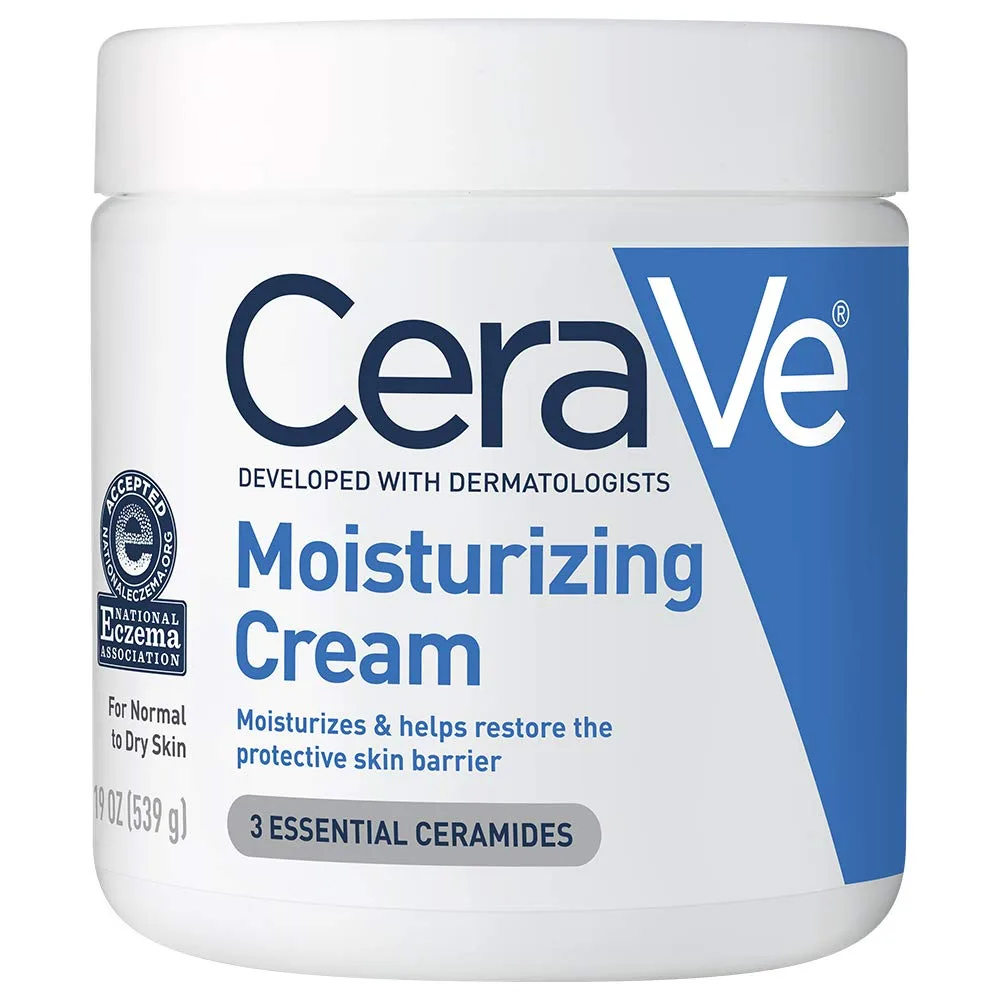
 Moisturizing Cream
The CeraVe Moisturizing Cream is the most important moisturizer in the drugstore — a ceramide-rich, dermatologist-developed formula that delivers barrier repair, multi-humectant hydration, and occlusive protection at a price so accessible it has no real excuse not to be in every household. Twenty-one years of consistent performance and universal dermatologist approval speak louder than any ingredient list.
 Barrier Rescue Hero
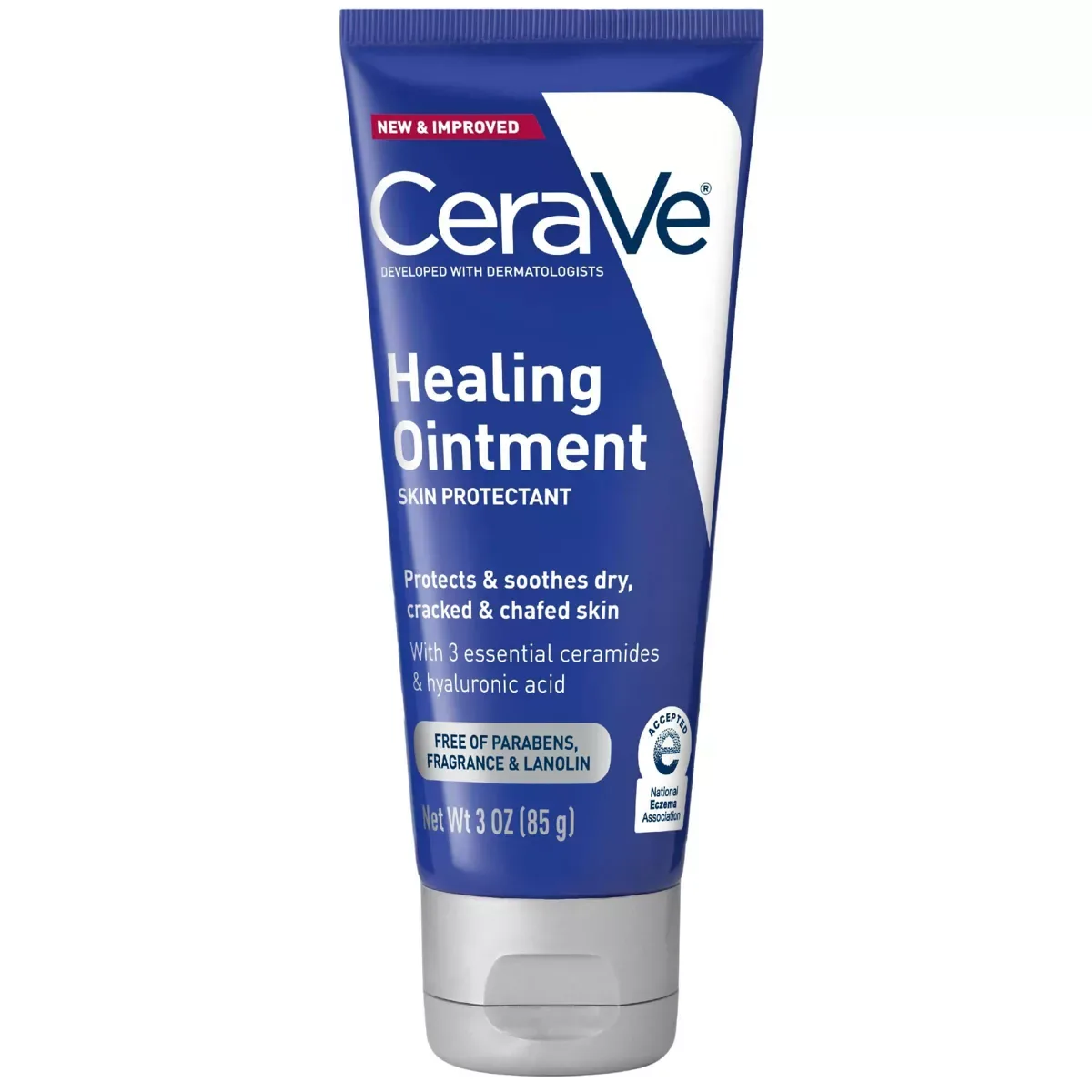
 Healing Ointment
CeraVe's Healing Ointment takes the simplest concept in skincare — seal the skin with petrolatum — and makes it genuinely intelligent by adding ceramides, hyaluronic acid, and panthenol beneath the occlusive layer. It is the gold standard drugstore occlusive for barrier rescue, slugging, and post-procedure care.
 Sensitive Skin MVP
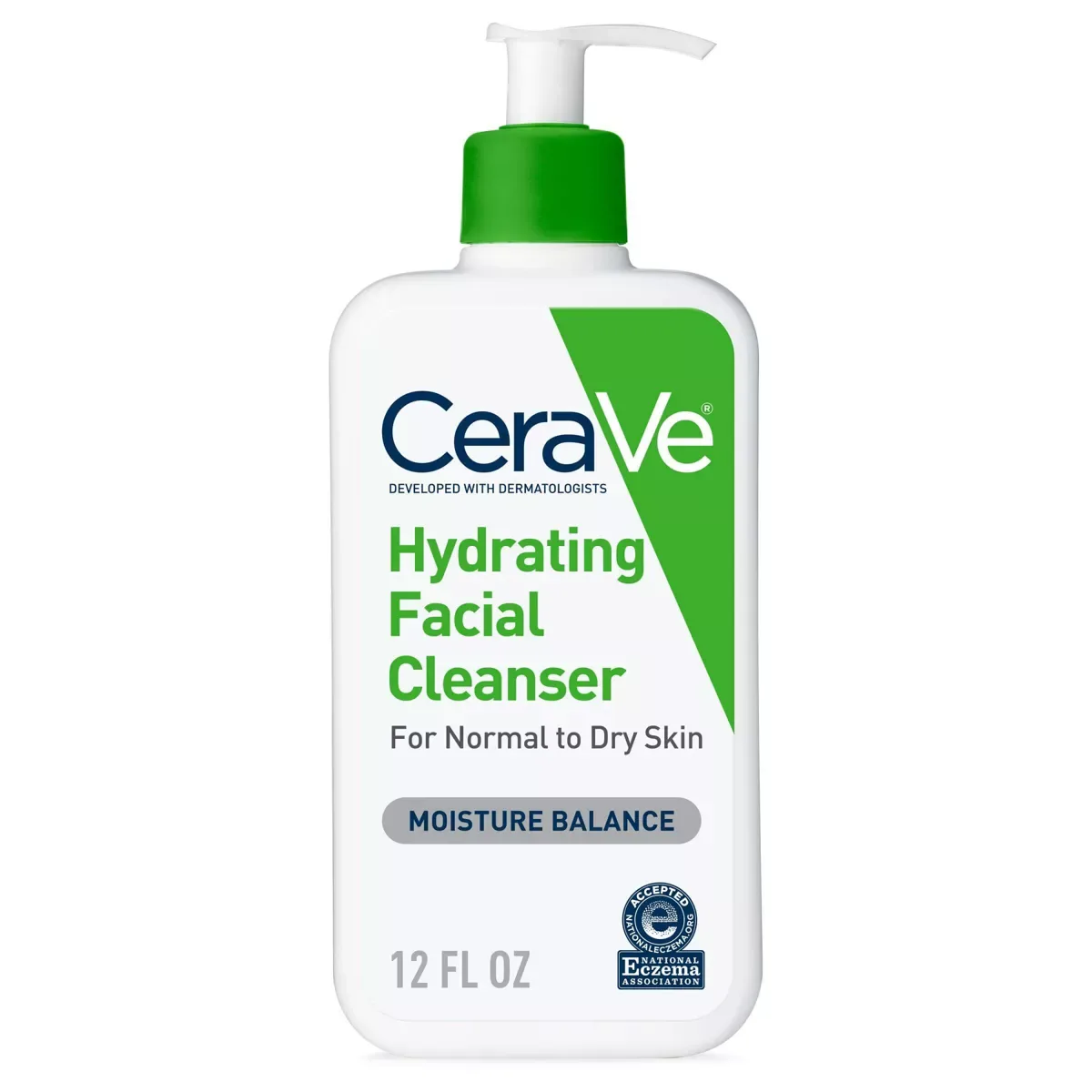
 Hydrating Facial Cleanser
The CeraVe Hydrating Facial Cleanser is the cleanser that taught a generation of dry-skin sufferers that washing your face does not have to mean punishing it. A lotion-textured, non-foaming formula that genuinely hydrates while it cleans, it remains the benchmark drugstore cleanser for anyone whose skin drinks moisture faster than most products can provide it.
 Derm Office Staple
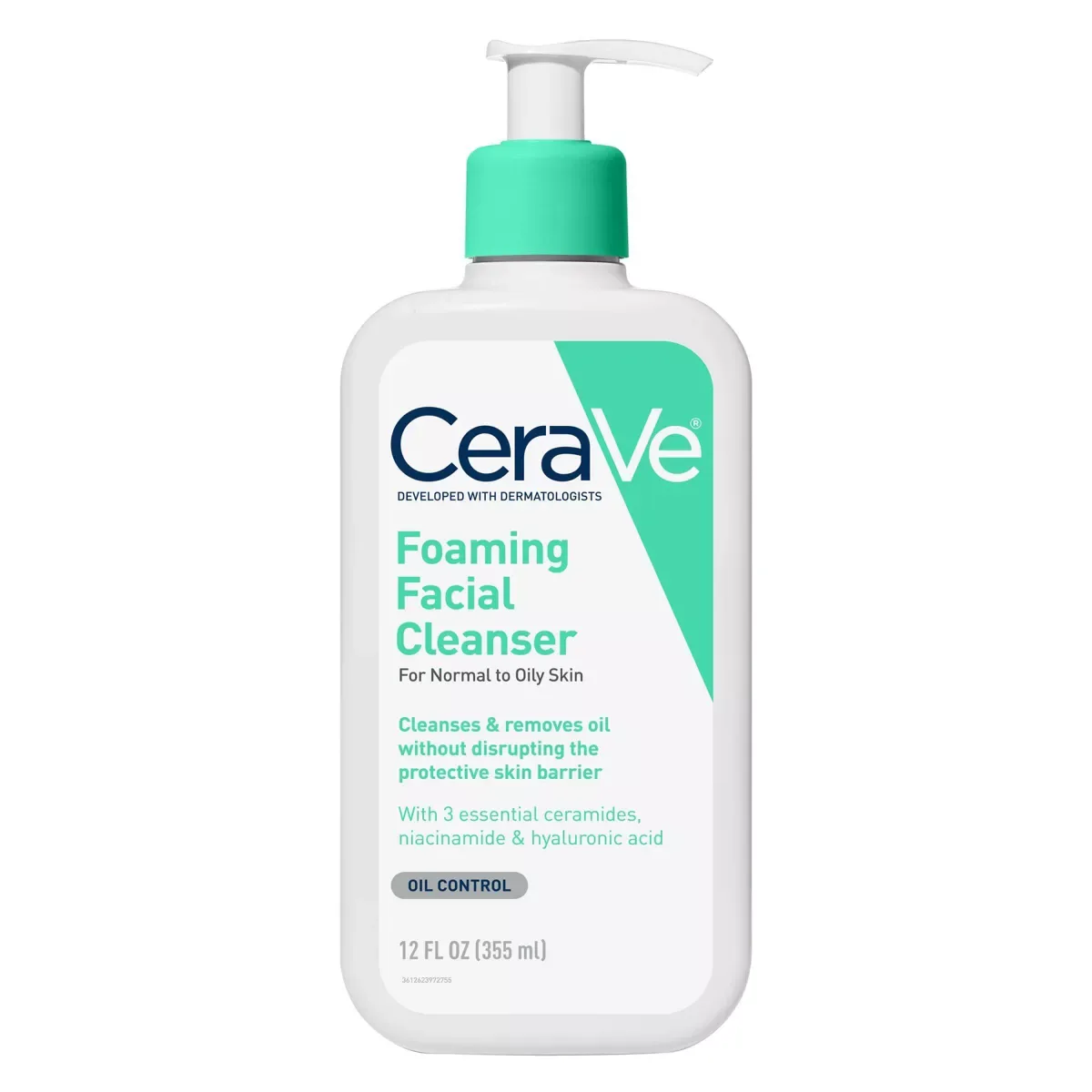
 Foaming Facial Cleanser
The CeraVe Foaming Facial Cleanser is the rare drugstore cleanser that dermatologists actually use themselves — a genuinely gentle foaming wash that removes excess oil without triggering the rebound sebum production that plagues most lathering cleansers. At under sixteen dollars for a bottle that lasts months, it makes skipping it almost irrational.
 Pediatric Derm Pick
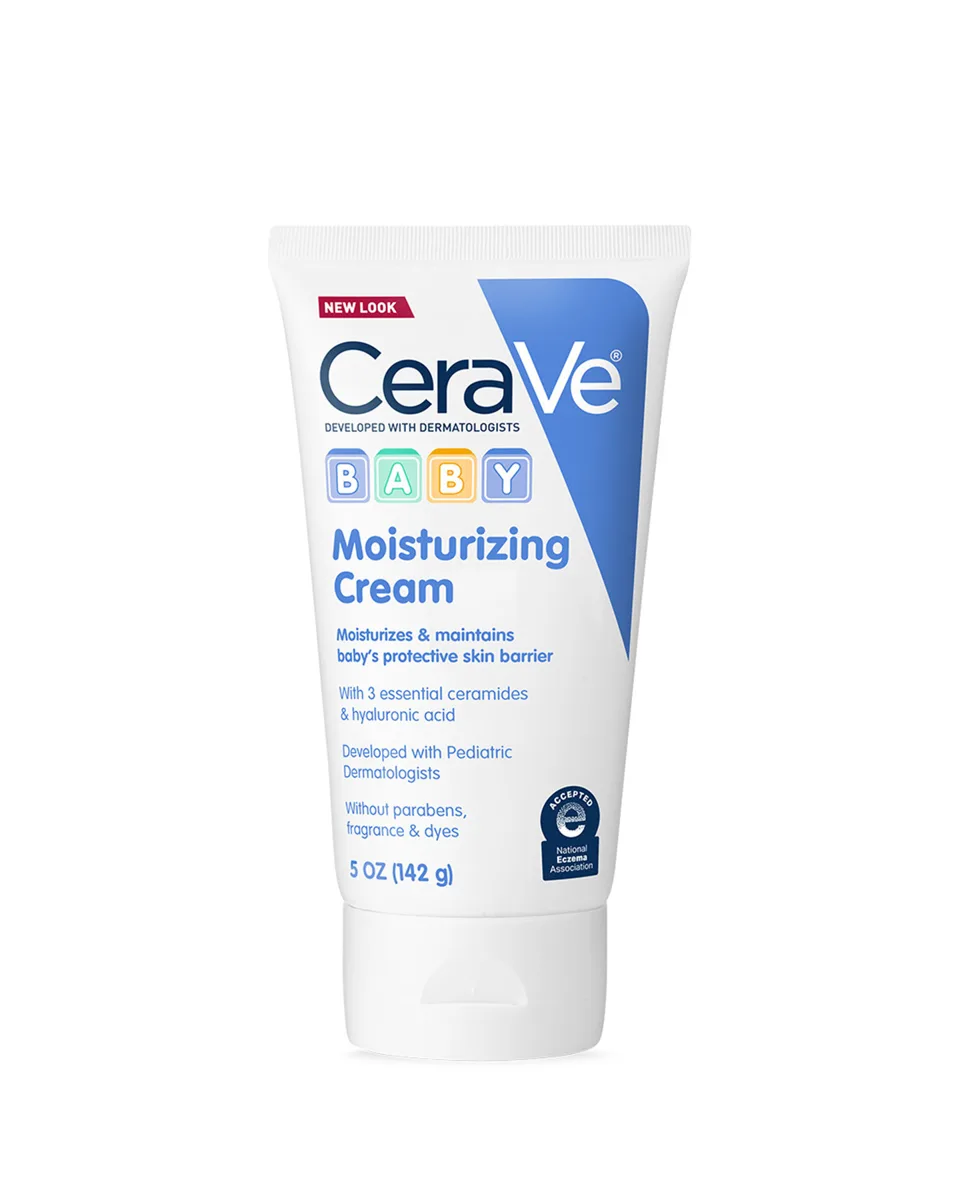
 Baby Moisturizing Cream
CeraVe's ceramide barrier technology adapted for the youngest, most vulnerable skin. The Baby Moisturizing Cream offers the same proven hydration as the adult version with a paraben-free preservative system and pediatric dermatologist development — a formula gentle enough for newborns yet effective enough that many adults have quietly adopted it for themselves.
 Everyday Essential
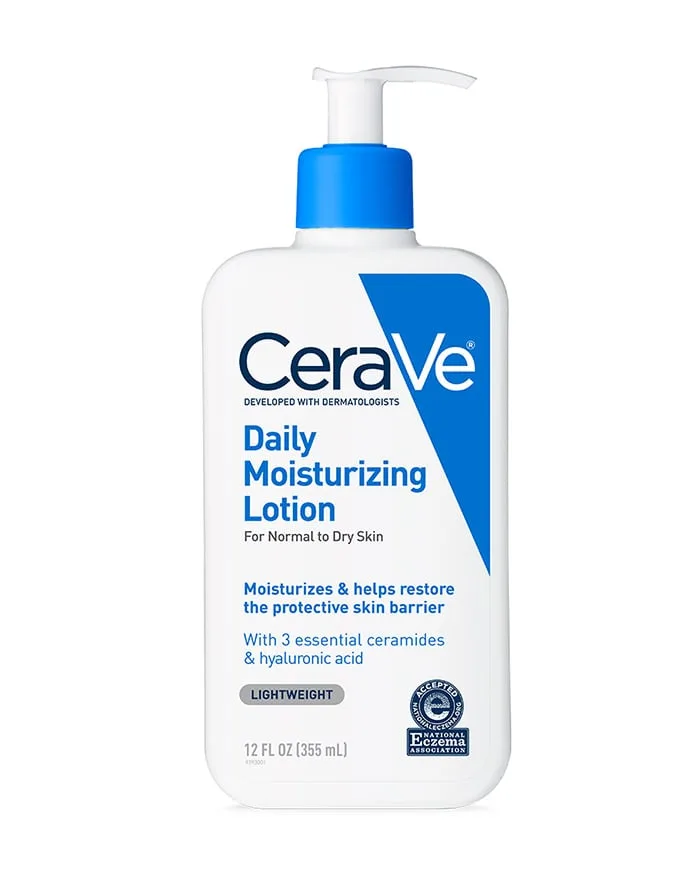
 Daily Moisturizing Lotion
The CeraVe product that quietly sits in more medicine cabinets than any other. The Daily Moisturizing Lotion delivers the brand's ceramide barrier technology in the most practical, everyday-friendly format — lightweight enough for summer, effective enough for daily use, and affordable enough to use head to toe without guilt.