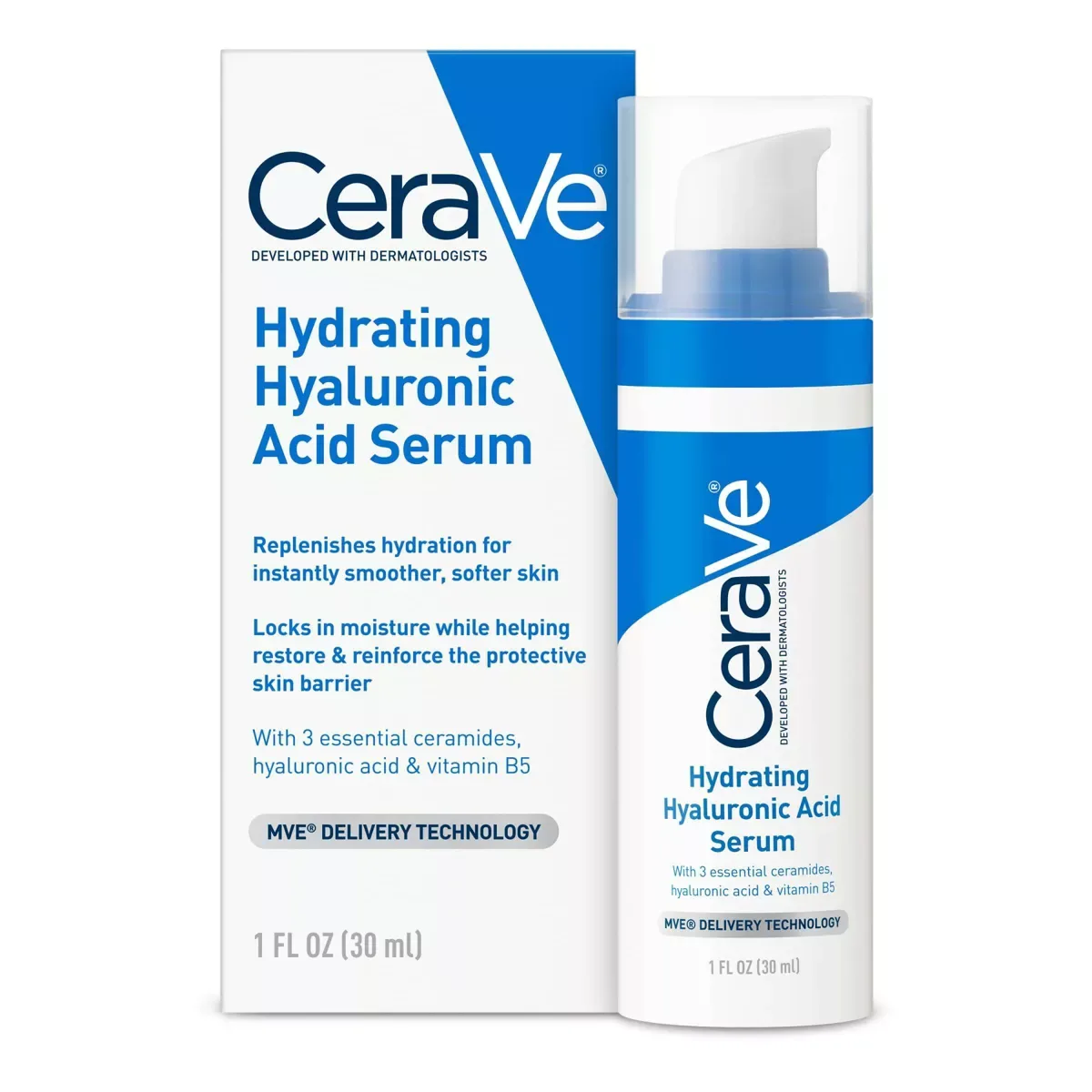
CeraVe's Hyaluronic Acid Serum solves the fundamental problem with most HA serums — moisture that gets pulled in but then escapes through a compromised barrier — by integrating ceramide repair directly into the hydrating formula. A smart, well-priced serum that delivers more complete hydration than its simple name suggests.
Hydrating Hyaluronic Acid Serum
CeraVe's Hyaluronic Acid Serum solves the fundamental problem with most HA serums — moisture that gets pulled in but then escapes through a compromised barrier — by integrating ceramide repair directly into the hydrating formula. A smart, well-priced serum that delivers more complete hydration than its simple name suggests.
Score Breakdown
A solid hyaluronic acid serum elevated by CeraVe's ceramide complex and panthenol, delivering more complete hydration than standalone HA products. The per-ounce price is higher than CeraVe's cleansers and moisturizers, and the formula contains isopropyl myristate which may concern acne-prone users.
Data Confidence: high
This score is based on six years of market presence, thousands of user reviews across major retailers, and well-established research on the individual ingredients. The serum has been widely reviewed by dermatologists and skincare experts.
0/100
Overall Score
Ingredient Quality 0
Value for Money 0
Suitability Breadth 0
Irritation Risk (↑ = safer) 0
Assessment
Pros
- Ceramide complex repairs the barrier that holds hydration in, solving HA's biggest limitation
- Panthenol at functional concentration adds soothing anti-inflammatory benefits beyond pure hydration
- Lightweight texture absorbs quickly without tackiness or residue
- Fragrance-free, paraben-free formula suitable for sensitive and reactive skin
- Immediate visible plumping effect on dehydration lines after first application
- Layers seamlessly under moisturizer and sunscreen without pilling
Cons
- One-ounce bottle lasts only 6-8 weeks with twice-daily use
- Contains isopropyl myristate which may trigger breakouts in acne-prone users
- Hydrating effect may not last a full day for very dry skin in arid climates
- Higher per-ounce cost than CeraVe's cleansers and moisturizers
- Dimethicone may not appeal to users who prefer silicone-free formulations
Full Review
By the time CeraVe launched their Hydrating Hyaluronic Acid Serum in 2019, the HA serum category was already drowning in options. Every brand from luxury to dollar-store had their version, most consisting of some concentration of hyaluronic acid in water with a thickener and a preservative. It was, frankly, the most commoditized product category in skincare. So when the number-one dermatologist-recommended brand entered the arena, the question was not whether they could make a decent HA serum — the question was whether they could make one worth choosing.
The answer lies in what surrounds the hyaluronic acid. Sodium hyaluronate — the sodium salt form chosen for its superior skin penetration compared to high-molecular-weight hyaluronic acid — is present at CeraVe's highest concentration across their entire product line, estimated between 1.4% and 2.0%. This is a meaningful concentration, though not the highest on the market. What makes this serum worth the attention is everything else the HA has to work with.
The ceramide trio — NP, AP, and EOP — appears here alongside cholesterol and phytosphingosine, forming the barrier-repair complex that is CeraVe's signature. In the context of a hyaluronic acid serum, this is not just a brand-consistency play. It addresses the single most valid criticism of HA products: that hyaluronic acid draws moisture into the stratum corneum, but if the barrier is compromised — which it often is in the dry, dehydrated skin types that reach for HA serums — that moisture escapes almost as quickly as it arrives. The ceramides repair the barrier that holds the hydration in, turning a temporary plumping effect into sustained moisture improvement.
Panthenol, present at an estimated 1.2-1.8%, adds a dimension that pure HA serums entirely lack. Provitamin B5 provides both humectant properties — it draws and holds moisture alongside the glycerin and hyaluronic acid — and genuine anti-inflammatory activity. For anyone using this serum to soothe retinol-irritated skin or to hydrate a compromised barrier, the panthenol is doing real therapeutic work, not just padding the ingredient list.
The texture strikes a balance that the best HA serums aim for and many miss. It is viscous enough to feel substantive on the skin — you want to know you have applied something, especially at this price point — but thin enough to absorb within a minute and leave no tacky residue. The dimethicone in the formula creates a barely perceptible silicone layer that smooths the skin surface and acts as a secondary moisture lock. Some purists object to dimethicone in serums, but in this context it serves a specific functional purpose: preventing the transepidermal water loss that would otherwise diminish the hyaluronic acid's effectiveness.
In practice, the serum delivers a noticeable plumping effect within minutes of application. Skin looks dewier, feels softer, and fine dehydration lines — those shallow creases that appear when skin is parched — visibly diminish. This immediate effect is largely the glycerin and HA at work, drawing water into the superficial layers of the stratum corneum. The longer-term benefit — skin that holds hydration better over days and weeks — comes from the ceramide complex rebuilding the barrier infrastructure that makes sustained moisture retention possible.
Where the serum's limitations emerge is in its staying power for very dry skin in dry climates. Several users report that the hydrating effect, while impressive in the first few hours, does not persist through a full day the way some higher-concentration or multi-molecular-weight HA formulations do. This is not a failure of the formula so much as an inherent limitation of a 1-ounce product trying to hydrate skin for sixteen hours — a moisturizer on top is not optional, it is essential.
The inclusion of isopropyl myristate in the formula deserves honest acknowledgment. It is an emollient that enhances spreadability, but it has a moderately high comedogenic rating and can trigger breakouts in acne-prone individuals. For a serum marketed primarily to dry and sensitive skin, this is less of a concern, but combination-skin users with acne-prone zones should patch-test before committing to full-face use.
At approximately twenty dollars for one ounce, this serum is positioned at the upper end of drugstore pricing but remains a fraction of the cost of prestige HA serums that offer less complete formulations. The small bottle size means it runs out in six to eight weeks with twice-daily use, making it a recurring cost that is modest per unit but adds up over a year. The dropper dispenser works well enough, though it requires two to three squeezes for adequate full-face coverage.
The paraben-free, fragrance-free formula with phenoxyethanol preservation represents a clean-label formulation that does not sacrifice efficacy for marketing appeal. This is notable for CeraVe, which has traditionally been pragmatic about preservative choices — the move to paraben-free in newer formulations reflects consumer preference without compromising the product's stability.
In a crowded category where most products are functionally interchangeable, the CeraVe Hydrating Hyaluronic Acid Serum earns its place by doing what most HA serums forget to do: it fixes the bucket while filling it. The ceramide-panthenol-HA trifecta creates a hydration system that is greater than the sum of its parts, and for dry, sensitive, or barrier-compromised skin, that systems-level thinking makes all the difference between a serum that plumps for an hour and one that genuinely improves how your skin holds moisture over time.
Formula
Ingredients
The hero actives that drive this product's performance.
| Ingredient | Function | Evidence |
|---|---|---|
| Sodium Hyaluronate (1.4-2.0%) | CeraVe's highest concentration of hyaluronic acid across their entire line, used in its sodium salt form for better penetration into the stratum corneum. Combined with the dimethicone and ceramide complex in this formula, the HA draws moisture that is then sealed in by the occlusive and barrier-repair layers — a triple-lock hydration strategy. | well-established |
| Panthenol (1.2-1.8%) | Vitamin B5 at a functional concentration provides both humectant and anti-inflammatory benefits, complementing the hyaluronic acid's moisture-drawing ability with skin-soothing properties that make this serum suitable for irritated or post-procedure skin. | well-established |
| Ceramide NP, Ceramide AP, Ceramide EOP | The three ceramides distinguish this from generic HA serums by actively rebuilding the lipid barrier that holds hydration in. Without barrier repair, hyaluronic acid pulls moisture that then escapes through a compromised stratum corneum — these ceramides close that exit route. | well-established |
| Glycerin (3.7-5.6%) | A workhorse humectant that provides immediate hydration while the sodium hyaluronate builds longer-term moisture reserves. At this concentration, glycerin contributes significantly to the serum's instant plumping effect upon application. | well-established |
| Cholesterol | Completes the physiological lipid ratio alongside the ceramides and phytosphingosine, ensuring the barrier-repair component of this serum mirrors the actual composition of healthy stratum corneum rather than simply adding isolated ceramides. | well-established |
Full INCI List
Water, Glycerin, Cetearyl Ethylhexanoate, Dimethicone, Ammonium Polyacryloyldimethyl Taurate, Sodium Hyaluronate, Panthenol, Ceramide NP, Ceramide AP, Ceramide EOP, Carbomer, Cetearyl Alcohol, Behentrimonium Methosulfate, Sodium Hydroxide, Sodium Lauroyl Lactylate, Cholesterol, Phenoxyethanol, Disodium EDTA, Isopropyl Myristate, Caprylyl Glycol, Citric Acid, Xanthan Gum, Phytosphingosine, Ethylhexylglycerin
Product Flags
✓ Fragrance Free✓ Alcohol Free✓ Oil Free✗ Silicone Free✓ Paraben Free✓ Sulfate Free✗ Cruelty Free✗ Vegan✗ Fungal Acne Safe
Comedogenic Ingredients
Isopropyl MyristateCetearyl Alcohol
Compatibility
Skin Match
Best For
Works For
Not Ideal For
Addresses These Conditions
dryness dehydration aging sensitivity compromised skin barrier
Use With Caution
Routine Step
serum
Time of Day
AM & PM
Pregnancy Safe
Yes ✓
Layering Tips
Apply to damp skin immediately after cleansing for maximum hyaluronic acid efficacy. Layer under moisturizer — the ceramides in this serum work synergistically with a ceramide-based moisturizer on top. Can be used morning and evening.
Results Timeline
Immediate plumping and hydration visible after first application. Within 1-2 weeks, skin texture should feel smoother and fine dehydration lines should diminish. After 4-8 weeks, sustained barrier improvement leads to skin that holds moisture more effectively on its own.
Pairs Well With
Ceramide moisturizersSPF sunscreensRetinol treatmentsNiacinamide productsVitamin C serums
Sample AM Routine
- Gentle cleanser
- CeraVe Hydrating Hyaluronic Acid Serum (on damp skin)
- Moisturizer
- SPF 30+ sunscreen
Sample PM Routine
- Gentle cleanser
- Treatment (retinol or exfoliant)
- CeraVe Hydrating Hyaluronic Acid Serum
- Night cream
Evidence
Science
The Science
The CeraVe Hydrating Hyaluronic Acid Serum's formulation addresses a well-documented limitation of topical hyaluronic acid: its hydrating effects are transient without adequate barrier support to prevent moisture loss. Sodium hyaluronate, the form used here, has a lower molecular weight than native hyaluronic acid, allowing better penetration into the stratum corneum. A 2011 study by Pavicic et al. published in the Journal of Drugs in Dermatology demonstrated that low-molecular-weight hyaluronic acid derivatives penetrate more deeply and provide more sustained hydration than high-molecular-weight forms.
The combination with ceramides NP, AP, and EOP is pharmacologically rational. Research has established that transepidermal water loss (TEWL) is directly correlated with ceramide depletion in the stratum corneum. By simultaneously replenishing ceramides while delivering hyaluronic acid, this serum addresses both the input side (moisture attraction) and the output side (moisture retention) of the hydration equation.
Panthenol at the estimated 1.2-1.8% concentration provides clinically meaningful benefits. A study published in Skin Pharmacology and Physiology confirmed that topical dexpanthenol improves stratum corneum hydration, reduces TEWL, and accelerates epidermal barrier recovery following disruption. In combination with hyaluronic acid and ceramides, panthenol creates a three-pronged hydration and repair system.
The glycerin concentration (estimated 3.7-5.6%) contributes additional humectant capacity. Research in the British Journal of Dermatology has demonstrated that glycerin not only acts as a humectant but also stimulates aquaporin-3 expression in keratinocytes, enhancing the skin's intrinsic water transport mechanisms.
References
- Efficacy of cream-based novel formulations of hyaluronic acid of different molecular weights in anti-wrinkle treatment — Journal of Drugs in Dermatology (2011)
Dermatologist Perspective
Dermatologists recommend the CeraVe Hydrating Hyaluronic Acid Serum as a practical step-up from basic moisturization for patients with persistently dehydrated or barrier-compromised skin. Board-certified dermatologists note that the ceramide-HA combination is particularly effective for patients on drying prescription treatments such as retinoids or benzoyl peroxide, where barrier recovery is ongoing. The panthenol component makes it a common recommendation for post-procedure hydration after chemical peels or laser treatments, where soothing and moisture restoration are both critical priorities.
Guidance
Usage Guide
How to Use
After cleansing, while skin is still damp, squeeze three to four drops onto your fingertips and press gently into the face and neck. The damp application is critical — hyaluronic acid needs available moisture to bind, and applying to dry skin can reduce its effectiveness. Follow immediately with moisturizer to seal in the hydration. Use morning and evening. Can be applied before or after treatment serums like retinol or vitamin C, depending on consistency — apply thinner products first.
Value Assessment
At approximately twenty dollars for one ounce, this serum sits at the premium end of CeraVe's pricing but remains significantly more affordable than prestige HA serums from brands that charge forty to eighty dollars for similar or smaller volumes. The addition of ceramides, panthenol, and cholesterol — ingredients that would typically require purchasing separate products — adds functional value beyond what a pure HA serum provides. The 6-8 week lifespan with twice-daily use means a yearly cost of approximately $130-170, which is reasonable for a cornerstone hydrating product from a dermatologist-developed brand.
Who Should Buy
Anyone with dry, dehydrated, or sensitive skin looking for a hydrating serum that does more than just temporarily plump. Especially valuable for retinoid users, post-procedure patients, and anyone whose moisturizer alone does not provide sufficient hydration. A smart choice for those who want hyaluronic acid with integrated barrier repair.
Who Should Skip
People with oily or acne-prone skin should approach with caution due to the isopropyl myristate and dimethicone content. Those on a tight budget who cannot commit to repurchasing every six to eight weeks may find better value in CeraVe's moisturizers, which provide ceramides and hyaluronic acid in a format that lasts significantly longer.
Ready to try CeraVe Hydrating Hyaluronic Acid Serum?
Details
Details
Texture
Lightweight, slightly viscous gel-serum that spreads easily and absorbs quickly without leaving a sticky or tacky residue. Feels like a thin, silky layer on the skin.
Scent
Completely fragrance-free with no discernible scent.
Packaging
Small frosted white bottle with a dropper applicator. Clean, clinical CeraVe branding in blue and green. The dropper provides precise dosing but some users find it dispenses less product than desired per squeeze.
Finish
lightweightdewynon-greasy
What to Expect on First Use
First application delivers an immediate plumping sensation — skin feels noticeably more hydrated and looks subtly dewier within minutes. There is no tingling, stinging, or adjustment period. The serum layers well under moisturizer without pilling or balling up.
How Long It Lasts
6-8 weeks with twice-daily use
Period After Opening
12 months
Best Season
All Year
Background
The Why
CeraVe entered the serum market relatively late, watching as hyaluronic acid serums became the most searched-for skincare category online. Rather than simply launching a generic HA serum, they applied their ceramide-first philosophy to the format, creating a serum that addresses the fundamental limitation of hyaluronic acid — that it pulls in moisture which then escapes through a damaged barrier — by repairing that barrier simultaneously.
About CeraVe Legacy Brand (20+ years)
CeraVe was developed with dermatologists in 2005 and is the number-one dermatologist-recommended skincare brand in the U.S. Its ceramide-based formulations are backed by peer-reviewed research, and the brand holds National Eczema Association seals across its core product line.
Brand founded: 2005 · Product launched: 2019
Myth vs. Reality
Myths
Myth
Hyaluronic acid serums can dry out your skin by pulling moisture from deeper layers.
Reality
While pure HA can theoretically draw moisture upward in very dry environments, this serum's dimethicone and ceramide complex create an occlusive and barrier-repair layer that prevents moisture from escaping the skin surface. The formula is designed to trap the hydration HA attracts, not let it evaporate.
Myth
All hyaluronic acid serums are essentially the same since HA is HA.
Reality
The vehicle matters enormously. This serum's combination of sodium hyaluronate with panthenol, three ceramides, cholesterol, and dimethicone creates a fundamentally different hydration mechanism than a pure HA-in-water serum. The barrier-repair and occlusive components transform how effectively the HA can do its job.
FAQ
FAQ
When should I apply CeraVe Hyaluronic Acid Serum in my routine?
Apply immediately after cleansing while your skin is still damp — this gives the sodium hyaluronate water to attract and bind. The serum goes on before moisturizer and sunscreen. The damp application step is critical for hyaluronic acid efficacy, as HA needs available moisture to work effectively.
Can I use CeraVe Hyaluronic Acid Serum with retinol?
Yes — this serum is an excellent companion for retinol treatments. The ceramides and panthenol help buffer retinol-induced irritation and dryness, while the hyaluronic acid replenishes the moisture that retinol can deplete. Apply the serum after your retinol product to provide hydration and barrier support.
Is CeraVe Hyaluronic Acid Serum good for oily skin?
It can work for oily skin, but the formula contains dimethicone and isopropyl myristate which may feel too heavy or trigger breakouts for some oily-skin users. If you have oily skin and want hyaluronic acid, test this serum on a small area first before full-face application.
How does CeraVe Hyaluronic Acid Serum compare to The Ordinary HA?
The CeraVe version includes three ceramides, panthenol, and cholesterol alongside the hyaluronic acid, providing barrier repair and soothing benefits that a pure HA serum does not. It is more expensive per ounce but delivers a more complete hydration-and-repair approach. The choice depends on whether you want standalone hydration or an integrated barrier-repair serum.
Can I use CeraVe Hyaluronic Acid Serum morning and night?
Yes — this serum is designed for twice-daily use and contains no photosensitizing ingredients. Apply to damp skin after cleansing both morning and evening. Note that the 1 oz bottle will last approximately 6-8 weeks with twice-daily use, so factor the repurchase frequency into your budget.
Community
Community
Common Praise
"Noticeable plumping effect after first application"
"Lightweight texture absorbs quickly without stickiness"
"Pairs well with other products in a routine"
"Affordable compared to prestige HA serums"
"Fragrance-free and gentle on sensitive skin"
Common Complaints
"Small 1 oz bottle does not last long for twice-daily use"
"Some users find hydration does not last through the full day"
"Contains isopropyl myristate which may concern acne-prone users"
"Less hydrating than some competing HA serums at higher concentrations"
Notable Endorsements
Developed with dermatologistsNumber-one dermatologist-recommended skincare brandFragrance-free and paraben-free
Appears In
best serum for dryness best serum for dehydration best serum for sensitive skin best drugstore serum best serum for aging
Related Conditions
dryness dehydration aging sensitivity compromised skin barrier
Related Ingredients
You Might Also Like
 Budget Holy Grail
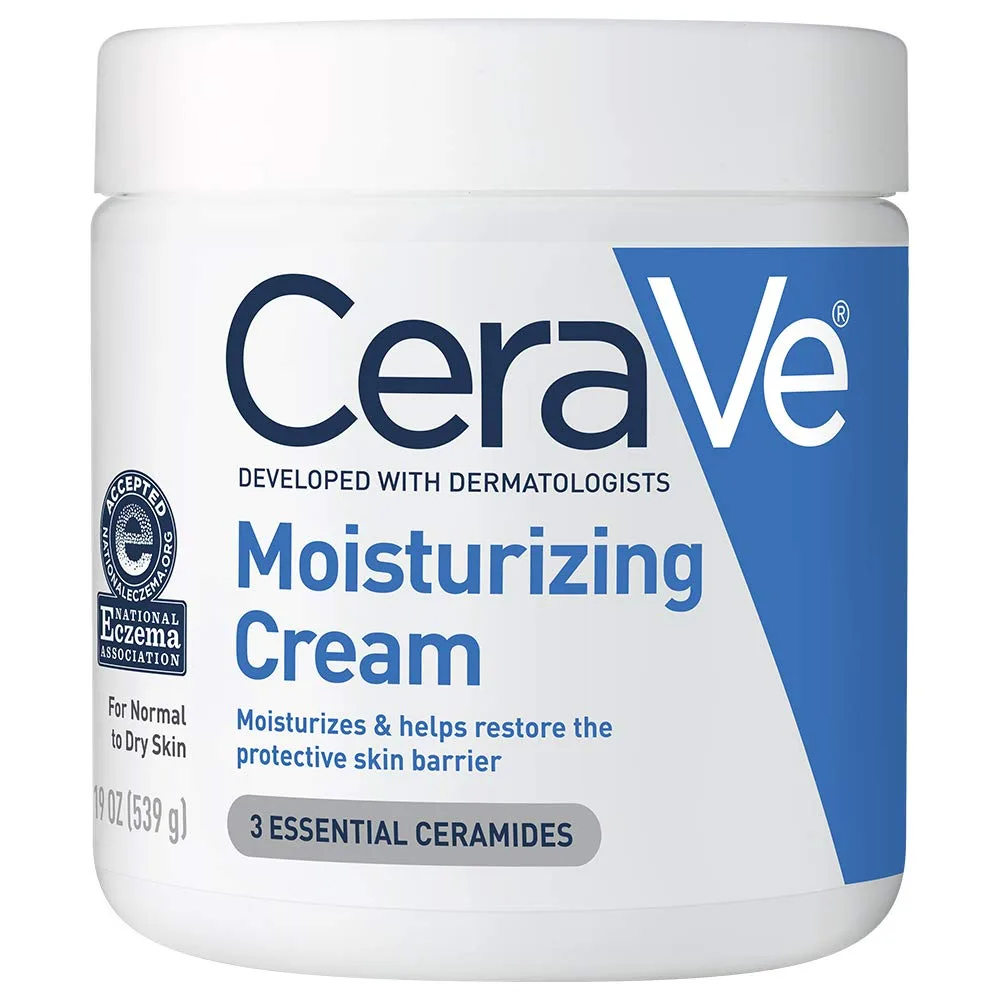
 Moisturizing Cream
The CeraVe Moisturizing Cream is the most important moisturizer in the drugstore — a ceramide-rich, dermatologist-developed formula that delivers barrier repair, multi-humectant hydration, and occlusive protection at a price so accessible it has no real excuse not to be in every household. Twenty-one years of consistent performance and universal dermatologist approval speak louder than any ingredient list.
 Barrier Rescue Hero
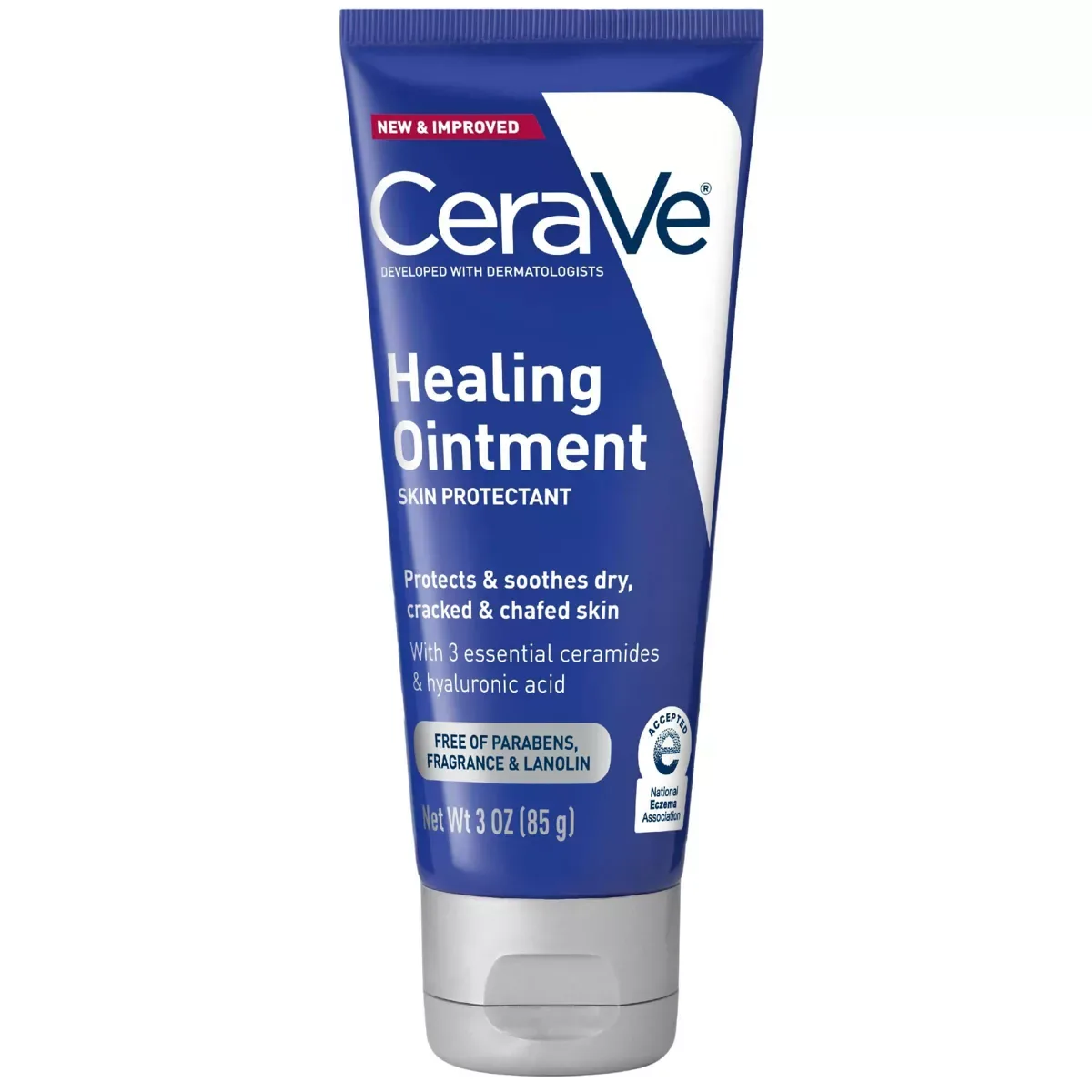
 Healing Ointment
CeraVe's Healing Ointment takes the simplest concept in skincare — seal the skin with petrolatum — and makes it genuinely intelligent by adding ceramides, hyaluronic acid, and panthenol beneath the occlusive layer. It is the gold standard drugstore occlusive for barrier rescue, slugging, and post-procedure care.
 Sensitive Skin MVP
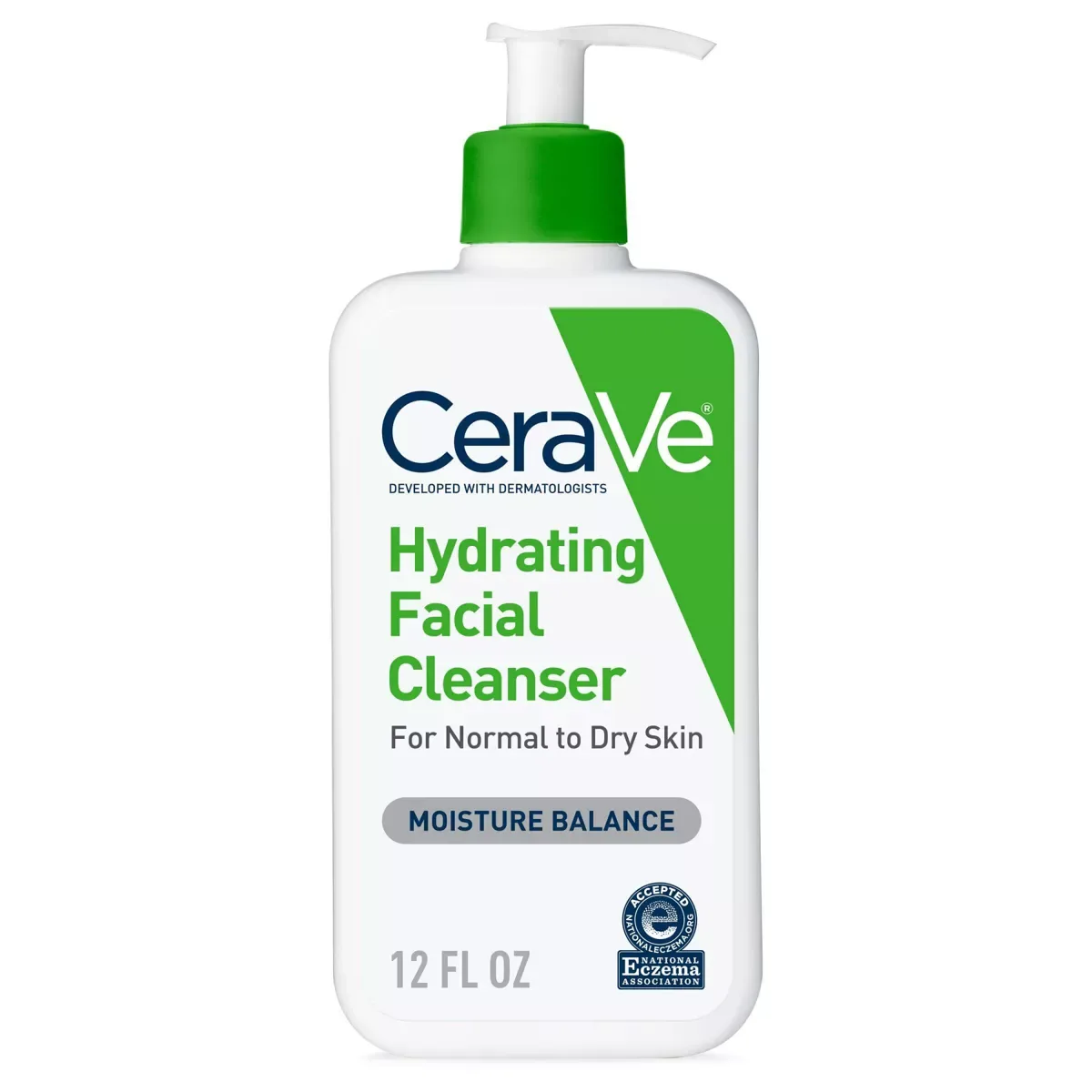
 Hydrating Facial Cleanser
The CeraVe Hydrating Facial Cleanser is the cleanser that taught a generation of dry-skin sufferers that washing your face does not have to mean punishing it. A lotion-textured, non-foaming formula that genuinely hydrates while it cleans, it remains the benchmark drugstore cleanser for anyone whose skin drinks moisture faster than most products can provide it.
 Sensitive Skin Soother
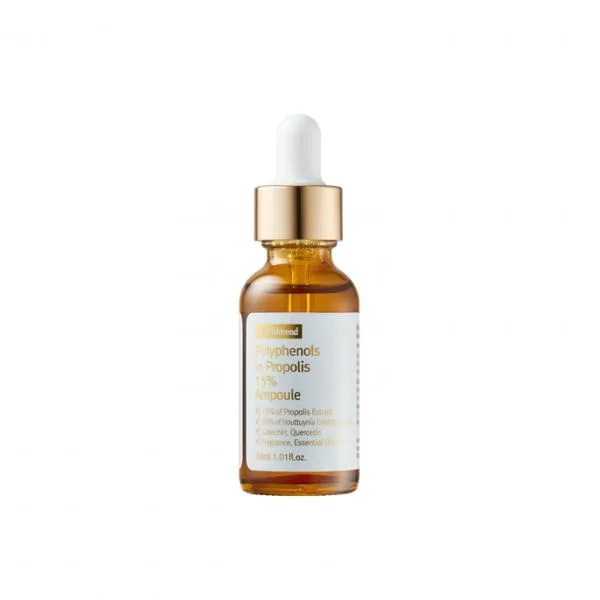
 Polyphenols In Propolis 15% Ampoule
A 15% propolis ampoule that earns its name with a real polyphenol stack — French Auvergne propolis layered over a houttuynia cordata base, with tulsi and pomegranate piling on. It's slightly sticky and not cheap by volume, but for sensitive, breakout-prone skin chasing calm, this is one of the most reliable K-beauty soothers in production.
 Derm Office Staple
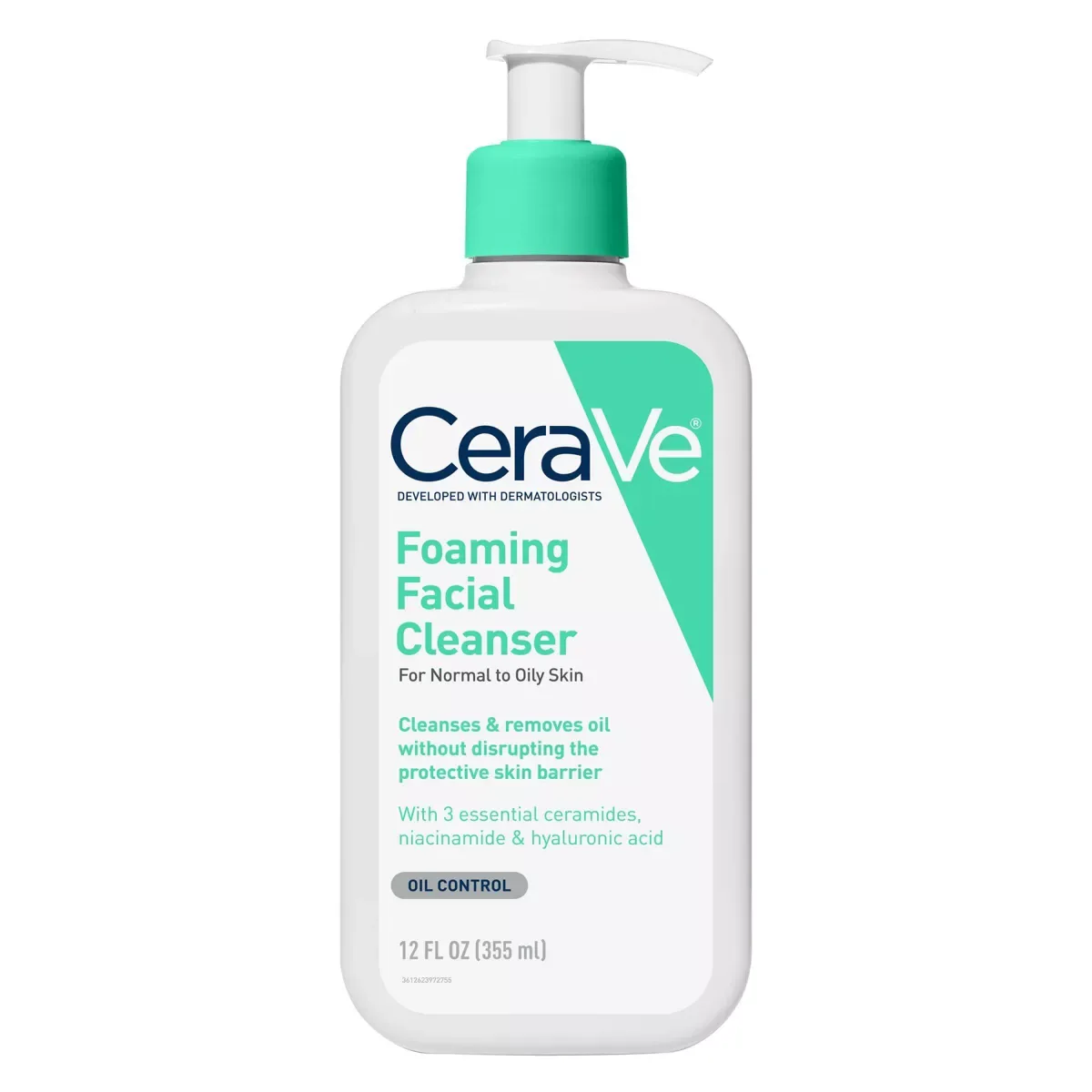
 Foaming Facial Cleanser
The CeraVe Foaming Facial Cleanser is the rare drugstore cleanser that dermatologists actually use themselves — a genuinely gentle foaming wash that removes excess oil without triggering the rebound sebum production that plagues most lathering cleansers. At under sixteen dollars for a bottle that lasts months, it makes skipping it almost irrational.
 Budget Brightening Hero
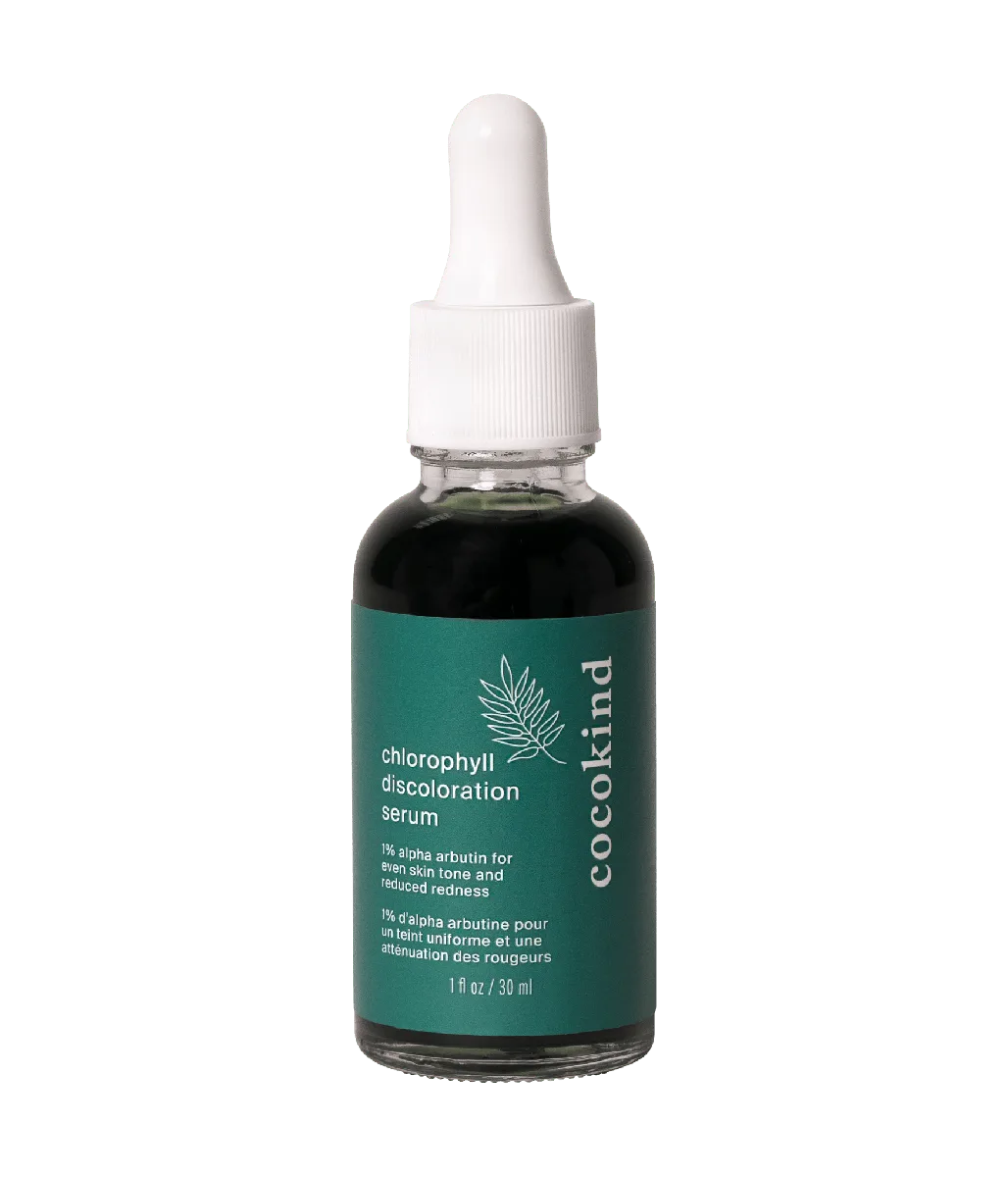
 Chlorophyll Discoloration Serum
A quietly brilliant brightening serum that proves you do not need luxury prices or harsh actives to fade dark spots effectively. The alpha-arbutin and licorice root combination delivers genuine multi-pathway melanin inhibition, the sensitive-skin-friendly formula is impeccable, and $20 makes it accessible to virtually everyone. The chlorophyllin is more marketing differentiator than scientific powerhouse, but it does not hurt anything either.