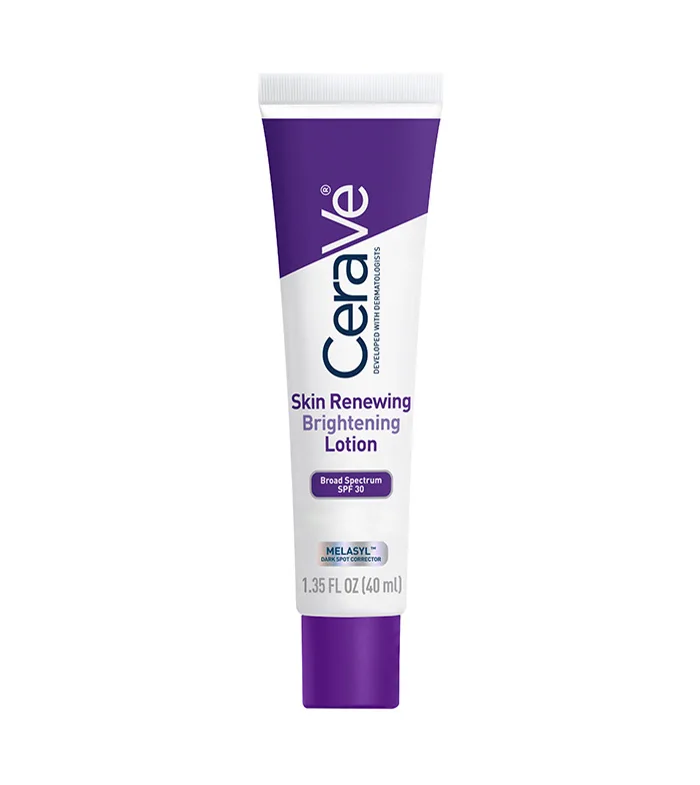
CeraVe's first product to use L'Oréal's Melasyl pigmentation molecule is also a competent SPF 30 day cream and a barrier-supporting lotion in one step. The size is small for the price, but the formula is genuinely impressive — this is CeraVe taking a real swing at the dark spot treatment category.
Skin Renewing Brightening Lotion SPF 30
CeraVe's first product to use L'Oréal's Melasyl pigmentation molecule is also a competent SPF 30 day cream and a barrier-supporting lotion in one step. The size is small for the price, but the formula is genuinely impressive — this is CeraVe taking a real swing at the dark spot treatment category.
Score Breakdown
Where this product gains points and where it loses them — broken down across the four scoring pillars.
An ambitious all-in-one daytime brightener that combines L'Oréal's Melasyl pigmentation tech with CeraVe's barrier system and SPF 30. Strong formula with the main caveat being the small 1.35 oz size at this price.
Pros & Cons
- ✓First CeraVe product with L'Oréal's Melasyl pigmentation technology
- ✓Combines brightening, SPF 30, and barrier support in one step
- ✓Lightweight texture wears beautifully under makeup
- ✓Niacinamide and Melasyl target pigment through complementary pathways
- ✓Three ceramides keep skin comfortable all day
- ✓Fragrance-free and non-stinging on sensitive skin
- ✓Real clinical data behind the brightening claim
- ✗Small 1.35 oz tube is expensive per ounce
- ✗Not pregnancy-safe due to chemical filters and Melasyl's unknown pregnancy data
- ✗Faint chemical sunscreen scent some users dislike
- ✗Brightening results require 8-12 weeks of consistent use
Full Review
There's a story behind this product that explains most of what's interesting about it. L'Oréal — CeraVe's parent company — spent years developing a small molecule called phenylethyl resorcinol, branded as Melasyl, intended to compete with hydroquinone in the pigmentation treatment category but with a much cleaner safety profile. When it was time to launch Melasyl in the US drugstore market, L'Oréal could have routed it through any of their brands. They chose CeraVe. That's a meaningful signal: it means the parent company believes the molecule is robust enough to stand on a brand whose entire reputation is built on dermatologist trust, and it means CeraVe is being repositioned from pure barrier repair into active treatment territory.
The product itself is built around the Melasyl + niacinamide combination, with chemical SPF 30 wrapped around it and the standard CeraVe ceramide-and-MVE backbone. The design intent is clear: a single-step morning brightener that handles hydration, sun protection, and active pigmentation treatment without forcing the user to layer three products. For people dealing with melasma or stubborn post-inflammatory hyperpigmentation, the multi-step routines required by traditional brightening protocols are a real adherence problem. Compressing the morning into one step makes consistency easier, and consistency is the actual variable that determines whether brightening treatments work.
Melasyl's mechanism is genuinely interesting. Most brightening actives — kojic acid, arbutin, vitamin C, even tranexamic acid — work by inhibiting tyrosinase, the enzyme that catalyzes melanin synthesis. Melasyl works upstream of tyrosinase, intercepting the precursor molecules before they enter the synthesis pathway. In theory, this gives it broader coverage across different pigment types and makes it less prone to the rebound effects that hydroquinone can cause. L'Oréal's published clinical data shows visible reduction in dark spots over 8-12 weeks, which is consistent with what most evidence-backed brighteners deliver — meaningful results, not miracles. Combined with niacinamide, which blocks the transfer of finished melanin from melanocytes to skin cells, the formula attacks pigmentation at two complementary points in the pathway.
The sunscreen system is a standard four-filter chemical combination: avobenzone, homosalate, octisalate, and octocrylene. This is unremarkable but effective for SPF 30 broad-spectrum coverage. The choice to use chemical rather than mineral filters keeps the formula light and cosmetically elegant — you can wear this under makeup without ghosting or pilling, which is important for daily compliance. The flip side is that pregnant or breastfeeding users should look elsewhere; the chemical filter blend isn't ideal for pregnancy, and Melasyl itself doesn't have established pregnancy safety data.
Texture is where CeraVe's formulation experience shows. The lotion is lightweight, absorbs cleanly, and leaves a satin finish that doesn't read as either greasy or matte. Skin looks like skin, which is the highest praise you can give a daytime SPF moisturizer. There's a faint chemical sunscreen note in the smell, but no added fragrance, so it dissipates within a minute. The ceramides and glycerin keep skin comfortable throughout the day, which is unusual for a brightening day cream — most products in this category prioritize the actives at the expense of comfort, and you end up with tight, slightly irritated skin by mid-afternoon. This formula avoids that.
The friction point is the size. At 1.35 fl oz for around $25, the per-ounce cost is much higher than CeraVe's other moisturizers, and a single tube only lasts six to eight weeks if you're applying enough sunscreen to actually achieve the SPF rating. This is the product's biggest practical complaint, and the only one that genuinely affects whether you should buy it. CeraVe has not publicly explained the sizing, but the most plausible explanation is that Melasyl is an expensive raw material and the brand chose to keep the price under $30 by limiting the size rather than diluting the formula. Whether that's the right tradeoff depends on your priorities. People who want the best formulation and don't mind reordering will accept it. People who want CeraVe-style value will find it disappointing.
For someone actively treating dark spots, melasma, or sun damage, this product fits cleanly into the gap between basic moisturizer and a dermatologist-prescribed treatment. It's gentler than hydroquinone, more comprehensive than a single-active brightener, and combined with daily SPF — which is the non-negotiable foundation of any pigmentation routine. For someone with no specific brightening goals, it's a competent SPF 30 day cream that happens to include some bonus actives, and you'd probably get better value from CeraVe's basic AM facial moisturizer at a quarter of the price.
Formula
Key Ingredients
The hero actives that drive this product's performance.
| Ingredient | Function | Evidence |
|---|---|---|
| Phenylethyl Resorcinol (Melasyl) | L'Oréal's patented pigmentation-targeting molecule, used here as the brightening engine. It works by blocking the melanin synthesis pathway upstream of tyrosinase activity, which gives it broader coverage across pigment types than traditional brighteners. This is the first time CeraVe has used Melasyl in their line, and it's the active that justifies the 'brightening' framing. | promising |
| Niacinamide | Layered with the Melasyl molecule for complementary action — niacinamide blocks pigment transfer from melanocytes to keratinocytes, while Melasyl works upstream on melanin formation. The two-pronged approach is more effective than either alone for stubborn dark spots. | well-established |
| Avobenzone, Homosalate, Octisalate, Octocrylene | A standard four-filter chemical sunscreen system providing SPF 30 broad-spectrum protection. Critical context for a brightening product: without daily SPF, any pigmentation treatment is essentially neutralized by ongoing UV exposure, so building protection into the brightening step makes practical sense. | well-established |
| Ceramides NP, AP, EOP | CeraVe's signature three-ceramide blend, ensuring that the brightening and SPF systems don't compromise the barrier. This is what differentiates this product from the typical brightening day cream that often dries out the skin. | well-established |
| Glycerin | Anchors the moisturizing component of the formula, supporting the daytime hydration role this lotion needs to fill alongside its brightening and SPF duties. | well-established |
Full INCI List
Active Ingredients: Avobenzone 3%, Homosalate 5%, Octisalate 5%, Octocrylene 7%. Inactive Ingredients: Water, Glycerin, Niacinamide, Diisopropyl Adipate, Isohexadecane, Dimethicone, Phenylethyl Resorcinol, Cetearyl Alcohol, Ceramide NP, Ceramide AP, Ceramide EOP, Tocopherol, Sodium Hyaluronate, Behentrimonium Methosulfate, Polysilicone-11, Caprylic/Capric Triglyceride, Cetyl Alcohol, Carbomer, Polyacrylate Crosspolymer-6, Cholesterol, Phytosphingosine, Sodium Lauroyl Lactylate, Disodium EDTA, Phenoxyethanol, Caprylyl Glycol, Ethylhexylglycerin
Product Flags
✓ Fragrance Free✓ Alcohol Free✗ Oil Free✗ Silicone Free✓ Paraben Free✓ Sulfate Free✗ Cruelty Free✗ Vegan✗ Fungal Acne Safe
Compatibility
Skin Match
Best For
Works For
Not Ideal For
Addresses These Conditions
hyperpigmentation dark spots melasma sun damage dullness uneven tone aging
Routine Step
moisturizer
Time of Day
AM
Pregnancy Safe
No ✗
Layering Tips
Apply as the final step in your morning routine after serum and any other treatments. Don't layer over a separate sunscreen — this product is your SPF for the day. Use two finger-lengths to ensure proper sun protection.
Results Timeline
Hydration and immediate brightening from the lotion's optical effect are visible on day one. Clinical brightening from Melasyl and niacinamide develops over 4-8 weeks, with maximum dark spot reduction typically seen at 8-12 weeks of consistent daily use.
Pairs Well With
vitamin-c-serumniacinamide-serumretinoltranexamic-acid
Sample AM Routine
- Cleanser
- Vitamin C serum
- Eye cream
- CeraVe Skin Renewing Brightening Lotion SPF 30
Sample PM Routine
- Cleanser
- Retinol serum
- Moisturizer
Evidence
Who Should Skip
- Small 1.35 oz tube is expensive per ounce
- Not pregnancy-safe due to chemical filters and Melasyl's unknown pregnancy data
- Faint chemical sunscreen scent some users dislike
- Brightening results require 8-12 weeks of consistent use
Science & Expert Perspective
The Science
The brightening claim of this product rests primarily on phenylethyl resorcinol, the active L'Oréal markets as Melasyl, and on niacinamide as a complementary brightener. Phenylethyl resorcinol has been studied in cosmetic literature for over a decade, and a 2010 study in the International Journal of Cosmetic Science found that the molecule was significantly more effective than hydroquinone in inhibiting tyrosinase activity in vitro, with a much better safety profile. Subsequent in-vivo studies funded by L'Oréal demonstrated visible reduction in dark spots and overall hyperpigmentation over 8-12 weeks of twice-daily use. The mechanism is distinct from most brighteners — phenylethyl resorcinol works upstream of tyrosinase by intercepting precursor molecules in the melanin synthesis pathway, which gives it broader coverage across different pigment types than tyrosinase inhibitors alone. Niacinamide, the second brightening active, has a deeper evidence base: a 2002 study in the British Journal of Dermatology found that 5% topical niacinamide significantly reduced hyperpigmentation by inhibiting melanosome transfer from melanocytes to keratinocytes. The combination of these two ingredients targets pigmentation at two non-overlapping points: Melasyl prevents melanin from being made, niacinamide prevents the melanin that is made from being transferred to skin cells. The chemical sunscreen system is included because UV exposure constantly stimulates new pigment production, and any brightening protocol that doesn't include daily SPF will perform poorly regardless of the active strength. The barrier-support component — three ceramides delivered via MVE technology — is included to prevent the irritation and inflammation that often accompany aggressive brightening regimens, since inflammation itself triggers post-inflammatory pigmentation in susceptible skin types.
References
- Niacinamide: A B vitamin that improves aging facial skin appearance — Dermatologic Surgery (2005)
Dermatologist Perspective
Dermatologists treating melasma and stubborn hyperpigmentation increasingly cite phenylethyl resorcinol as a useful long-term option for patients who can't tolerate hydroquinone or who need a maintenance product after a course of prescription brightening treatment. Board-certified dermatologists note that the molecule's upstream mechanism makes it less prone to the rebound pigmentation that can follow hydroquinone use, which is one of the reasons it's been gaining traction in clinical practice. The combination with niacinamide and SPF 30 in a single product is also frequently praised as a real-world adherence win — patients who struggle to layer multiple morning steps tend to stick with single-step routines longer, and consistency is the determining factor in pigmentation treatment outcomes. Dermatologists do typically recommend pairing this product with a leave-on retinoid at night for patients with significant pigmentation, and they advise against using it during pregnancy due to both the chemical filters and the lack of pregnancy-specific safety data on Melasyl.
Guidance
Usage Guide
How to Use
Apply as the final step in your morning routine after cleansing, serums, and any other treatments. Use two finger-lengths' worth for face and neck — under-application reduces both the SPF protection and the brightening effect. Massage gently until fully absorbed. Wait 1-2 minutes before applying makeup. Do not layer additional sunscreen on top — this product is your SPF for the day. For the brightening effect, consistency matters more than anything else: daily use for at least 8-12 weeks is required to see meaningful dark spot fading. Pair with a vitamin C serum in the AM and a retinoid at night for the most comprehensive pigmentation routine.
Value Assessment
At about $25 for 1.35 fl oz, this is one of the more expensive products in the CeraVe line on a per-ounce basis. Comparable brightening day creams from premium brands typically run $50-$80 for similar sizing, so the absolute price is reasonable for the formula — Melasyl is a relatively new and expensive ingredient, and the inclusion of SPF 30 plus three ceramides plus niacinamide in a stable formulation isn't trivial. The honest caveat is that the tube only lasts six to eight weeks with proper application, which means annualized cost is meaningfully higher than the sticker suggests. For people actively treating dark spots, the value calculation makes sense — you're consolidating three routine steps into one and using a clinically-supported active. For people without specific pigmentation goals, the value is poor, and the basic CeraVe AM Facial Moisturizing Lotion is a much better drugstore SPF moisturizer at a fraction of the price.
Who Should Buy
Anyone actively treating dark spots, melasma, or post-inflammatory hyperpigmentation who wants to consolidate their morning routine into a single step. Particularly good for people who can't tolerate hydroquinone, or who need a long-term maintenance product after a prescription brightening course. Also a good fit for those who struggle with layering multiple morning steps and need a one-and-done daytime product.
Who Should Skip
Pregnant or breastfeeding women — choose a mineral SPF brightening alternative. People without specific pigmentation goals will get better value from a basic CeraVe SPF moisturizer. Those who want a larger tube for the price, or who prefer mineral over chemical sunscreen filters, should also look elsewhere.
Ready to try CeraVe Skin Renewing Brightening Lotion SPF 30?
Details
Details
Texture
Lightweight cream lotion that absorbs quickly to a soft satin finish
Scent
Faint chemical sunscreen note, otherwise fragrance-free
Packaging
1.35 fl oz squeeze tube with flip cap
Finish
satinlightweightnatural
What to Expect on First Use
Skin feels hydrated and looks slightly more even-toned within a few days due to the lotion's optical brightening effect. The clinical brightening from Melasyl takes 4-6 weeks to become noticeable. No tingling or irritation typical of stronger brighteners like hydroquinone.
How Long It Lasts
Approximately 6-8 weeks with daily face and neck application
Period After Opening
12 months
Best Season
All Year
Background
The Why
CeraVe launched this product in 2024 after L'Oréal (CeraVe's parent company) completed clinical trials on Melasyl, a pigmentation molecule the parent company has been developing for years. CeraVe was chosen as the brand to introduce Melasyl to the US drugstore market, with the brightening lotion as the flagship vehicle. It represents a deliberate move by the brand to enter the active treatment category, where it had previously focused mostly on barrier repair.
About CeraVe Legacy Brand (20+ years)
CeraVe was developed with dermatologists in 2005 and is widely recommended in clinical settings. This product introduces L'Oréal's patented Melasyl pigmentation technology to the CeraVe line, marking the brand's first major foray into the dark spot treatment category.
Brand founded: 2005 · Product launched: 2024
Myth vs. Reality
Myths & Misconceptions
Myth
All brightening products are equally effective.
Reality
Brightening actives target different points in the melanin synthesis pathway. Melasyl works upstream of tyrosinase, niacinamide blocks pigment transfer, and vitamin C is an antioxidant — combining them delivers more comprehensive coverage than relying on any single ingredient.
Myth
SPF 30 isn't enough for serious sun protection.
Reality
SPF 30 blocks approximately 97% of UVB rays when properly applied. The bigger problem is under-application — most people use a quarter to half of the recommended amount, which dramatically reduces effective SPF regardless of the labeled rating.
FAQ
Frequently Asked Questions
Does the Melasyl ingredient actually work?
Clinical data published by L'Oréal shows phenylethyl resorcinol (the molecule branded as Melasyl) reduces visible dark spots over 8-12 weeks of consistent use. It's not as fast or aggressive as hydroquinone, but it has a meaningfully better safety profile and can be used long-term without rebound pigmentation.
Can I use it instead of a separate sunscreen?
Yes — this product carries an FDA-approved SPF 30 broad-spectrum rating, so it functions as your daily sunscreen. Don't layer a second SPF on top. Just make sure to apply enough (two finger-lengths for face and neck) to actually achieve the rated protection.
Is it safe during pregnancy?
No, we don't recommend it during pregnancy. The chemical UV filters (avobenzone, octocrylene) are not ideal during pregnancy, and phenylethyl resorcinol doesn't have established pregnancy safety data. Consider a mineral SPF brightening alternative instead.
How long until I see results on dark spots?
Most users see initial brightening of overall tone within 2-3 weeks. Clinical brightening of specific dark spots typically takes 4-8 weeks, with maximum results around 12 weeks. Daily SPF compliance is essential — without it, the brightening work is constantly undone by new UV damage.
Can I use it with my retinol?
Yes, but use the retinol at night and this lotion in the morning. They complement each other well — retinol speeds cell turnover to reveal new skin, and the daytime brightening lotion prevents new pigmentation from forming. Both are commonly used together in dermatologist-prescribed melasma routines.
Why is it so small?
1.35 fl oz is small for the price, and CeraVe has not explained the sizing publicly. Best guess: Melasyl is a relatively expensive ingredient, and the brand chose to keep the product accessible at $25 by limiting the size rather than compromising the formula.
Community
Community Voices
Common Praise
"Visible brightening over a few weeks"
"Lightweight and easy to wear under makeup"
"Combines SPF and treatment in one step"
"Doesn't sting sensitive skin"
Common Complaints
"Small tube for the price"
"Slight chemical sunscreen scent"
"Wish it came in larger size"
Notable Endorsements
Featured in dermatologist roundups of new pigmentation products
Appears In
best brightening spf moisturizer best melasma day cream best cerave for dark spots best spf moisturizer for hyperpigmentation best melasyl product
Related Conditions
hyperpigmentation melasma dark spots sun damage
Related Ingredients
phenylethyl resorcinol niacinamide ceramides chemical uv filters
You Might Also Like
 Budget Holy Grail
 Moisturizing Cream
The CeraVe Moisturizing Cream is the most important moisturizer in the drugstore — a ceramide-rich, dermatologist-developed formula that delivers barrier repair, multi-humectant hydration, and occlusive protection at a price so accessible it has no real excuse not to be in every household. Twenty-one years of consistent performance and universal dermatologist approval speak louder than any ingredient list.
 Barrier Rescue Hero
 Healing Ointment
CeraVe's Healing Ointment takes the simplest concept in skincare — seal the skin with petrolatum — and makes it genuinely intelligent by adding ceramides, hyaluronic acid, and panthenol beneath the occlusive layer. It is the gold standard drugstore occlusive for barrier rescue, slugging, and post-procedure care.
 Sensitive Skin MVP
 Hydrating Facial Cleanser
The CeraVe Hydrating Facial Cleanser is the cleanser that taught a generation of dry-skin sufferers that washing your face does not have to mean punishing it. A lotion-textured, non-foaming formula that genuinely hydrates while it cleans, it remains the benchmark drugstore cleanser for anyone whose skin drinks moisture faster than most products can provide it.
 Derm Office Staple
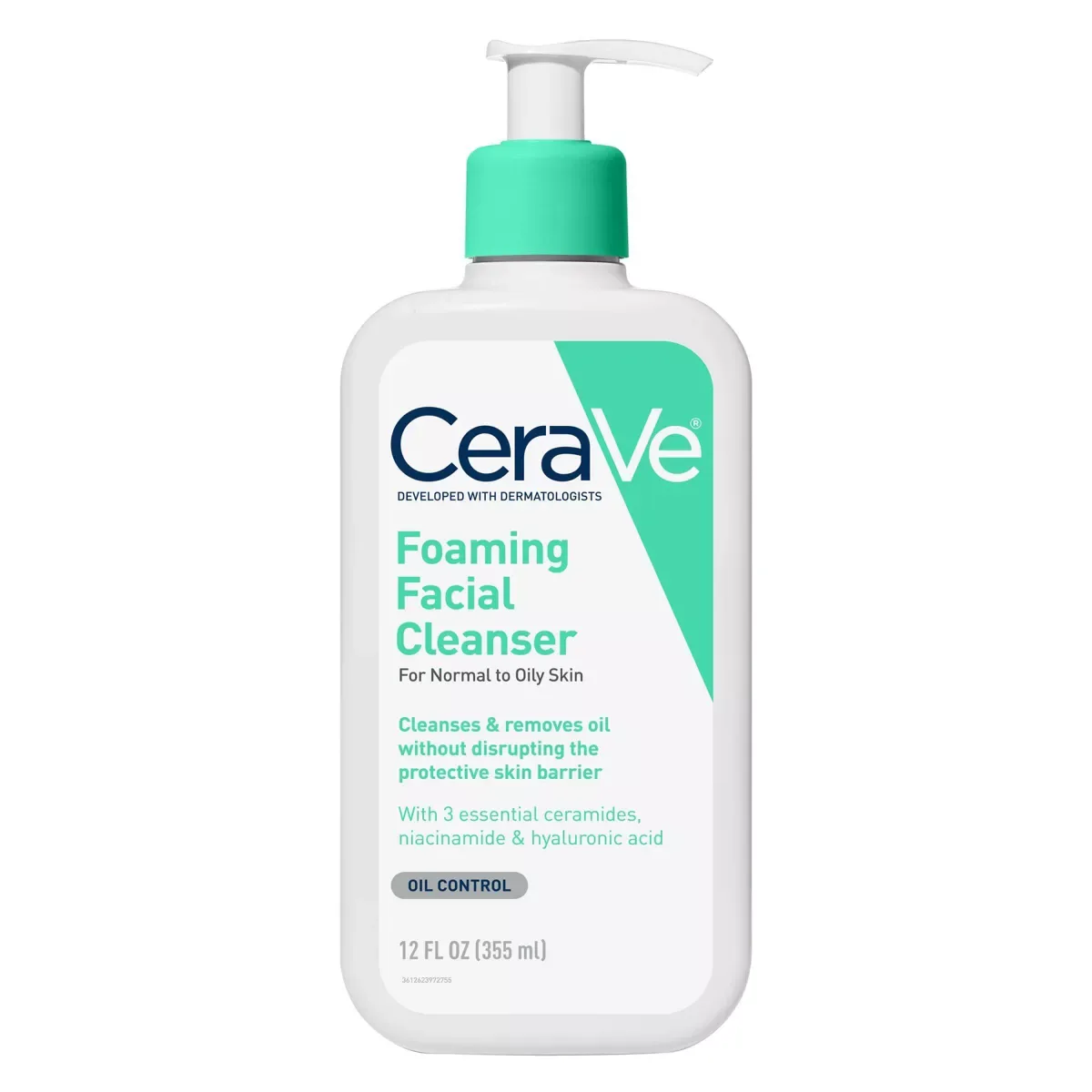
 Foaming Facial Cleanser
The CeraVe Foaming Facial Cleanser is the rare drugstore cleanser that dermatologists actually use themselves — a genuinely gentle foaming wash that removes excess oil without triggering the rebound sebum production that plagues most lathering cleansers. At under sixteen dollars for a bottle that lasts months, it makes skipping it almost irrational.
 Pediatric Derm Pick
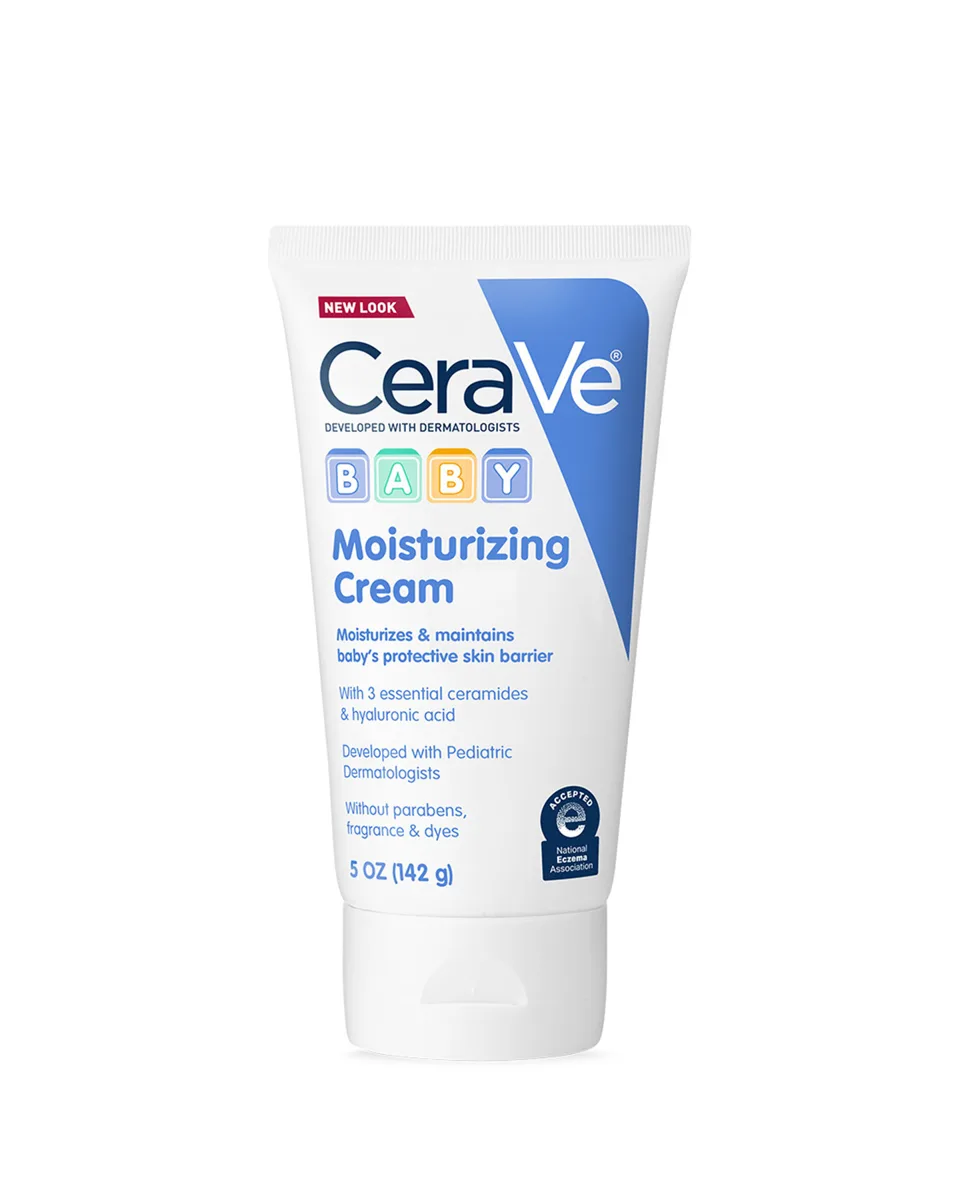
 Baby Moisturizing Cream
CeraVe's ceramide barrier technology adapted for the youngest, most vulnerable skin. The Baby Moisturizing Cream offers the same proven hydration as the adult version with a paraben-free preservative system and pediatric dermatologist development — a formula gentle enough for newborns yet effective enough that many adults have quietly adopted it for themselves.
 Everyday Essential
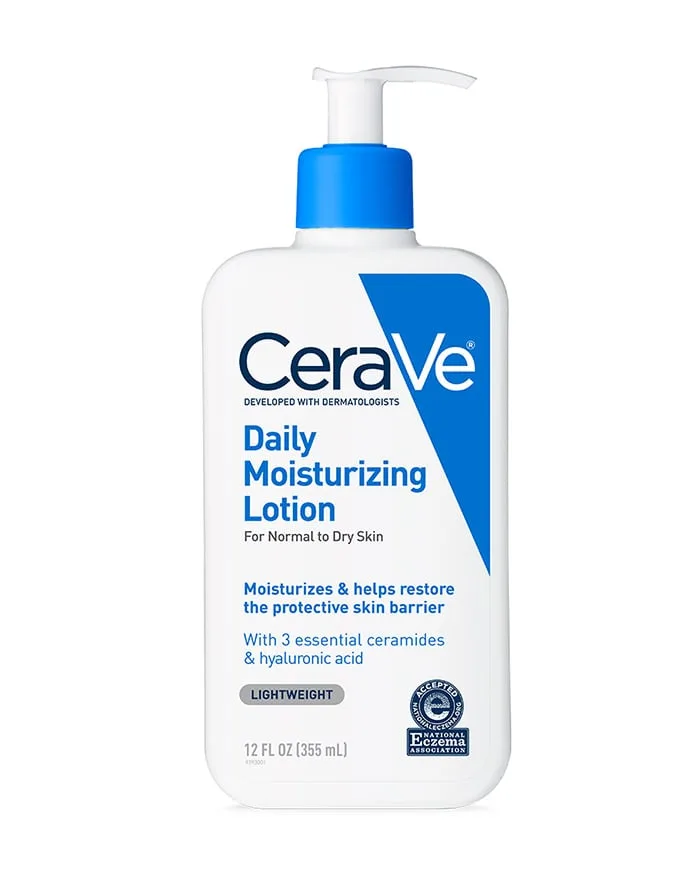
 Daily Moisturizing Lotion
The CeraVe product that quietly sits in more medicine cabinets than any other. The Daily Moisturizing Lotion delivers the brand's ceramide barrier technology in the most practical, everyday-friendly format — lightweight enough for summer, effective enough for daily use, and affordable enough to use head to toe without guilt.
This review reflects our independent analysis of publicly available ingredient data, manufacturer claims, and verified user reviews. We are reader-supported — Amazon links may earn us a commission at no cost to you. We do not accept paid placements; rankings are based solely on the evidence.