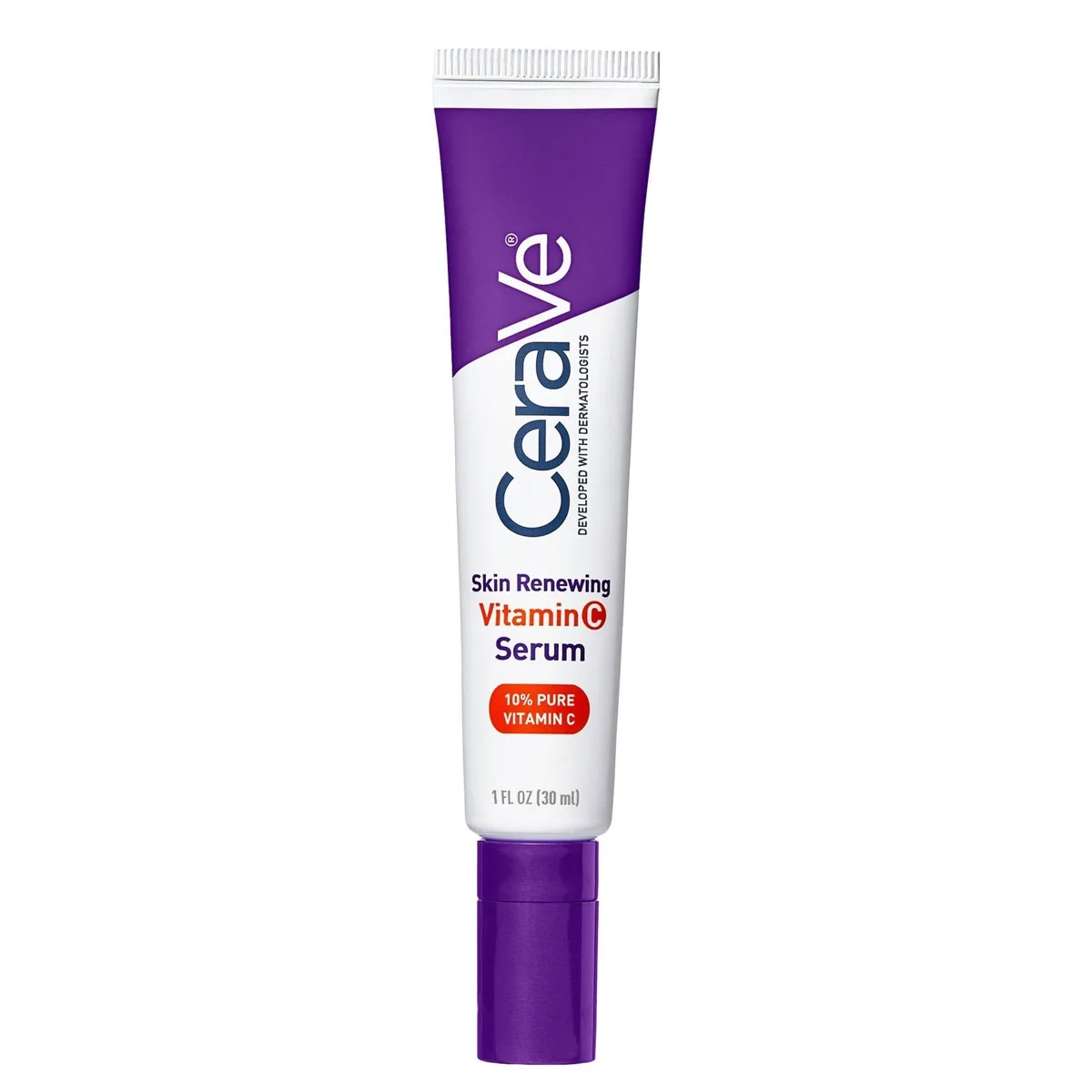
The people's vitamin C serum — a pure L-ascorbic acid formula at a price that disrupted the market, backed by CeraVe's ceramide science and protected by smart packaging. Not the most elegant texture, but the combination of effective form, functional concentration, and barrier support at under twenty dollars explains why this became America's bestselling vitamin C.
Vitamin C Serum with Hyaluronic Acid
The people's vitamin C serum — a pure L-ascorbic acid formula at a price that disrupted the market, backed by CeraVe's ceramide science and protected by smart packaging. Not the most elegant texture, but the combination of effective form, functional concentration, and barrier support at under twenty dollars explains why this became America's bestselling vitamin C.
Score Breakdown
Where this product gains points and where it loses them — broken down across the four scoring pillars.
A solid vitamin C serum with the CeraVe ceramide advantage, offered at a very competitive price. The 10% L-ascorbic acid is effective and well-tolerated by most skin types. The inclusion of denatured alcohol and isopropyl myristate lowers the irritation and comedogenicity scores, preventing it from reaching the highest tier.
Pros & Cons
- ✓Pure L-ascorbic acid at 10% — the gold-standard form with the deepest clinical evidence base
- ✓CeraVe's three-ceramide complex protects the moisture barrier during vitamin C treatment
- ✓Airless pump packaging significantly outperforms dropper bottles for vitamin C stability
- ✓America's #1 vitamin C serum by unit volume — validated by market success
- ✓Excellent value at ~$20 for a pure L-ascorbic acid serum with ceramide support
- ✓Vitamin E derivative (tocopheryl acetate) extends the antioxidant network
- ✓Fragrance-free formulation suitable for most skin types
- ✗Contains denatured alcohol, which may dry or irritate sensitive and compromised skin
- ✗Thick, silicone-heavy texture can pill under certain moisturizers and sunscreens
- ✗Isopropyl myristate carries moderate comedogenic potential for breakout-prone skin
- ✗10% concentration may be insufficient for severe or stubborn hyperpigmentation
- ✗The silicone-based vehicle gives a less elegant feel compared to water-based prestige serums
Full Review
The vitamin C serum market has a pricing problem. At the top, you have SkinCeuticals C E Ferulic at a hundred and eighty dollars, setting a gold standard that most dermatologists reference but few patients can sustain. At the bottom, you have dozens of serums using vitamin C derivatives — forms that are cheaper to formulate and more stable to bottle but have a fraction of the clinical evidence supporting their efficacy. In between, there was a gap: where was the pure L-ascorbic acid serum that a normal person could afford to use every day without wincing at the price?
CeraVe filled that gap so effectively that this became the number-one selling vitamin C serum in the United States by unit volume. And the formula itself explains why.
The active is L-ascorbic acid at 10% — the same form of vitamin C that has the deepest bench of clinical research behind it. L-ascorbic acid is the form your skin actually uses. It does not need to be converted enzymatically the way vitamin C derivatives do, which means it gets to work immediately upon contact with skin cells. At 10%, you are in the effective range established by multiple clinical studies: high enough for meaningful antioxidant protection, collagen stimulation, and brightening effects, but low enough that the irritation and instability issues that plague 15-20% formulations are largely avoided.
The ceramide complex is what makes this a CeraVe product rather than just another vitamin C serum. Pure L-ascorbic acid is harsh. It is acidic, it is oxidatively active, and at functional concentrations it can compromise the moisture barrier in sensitive or dry skin. CeraVe's three ceramides (NP, AP, and EOP), plus cholesterol and phytosphingosine, create a lipid support system around the vitamin C that actively protects the barrier during treatment. This is not a trivial addition — it is the difference between a vitamin C serum that some skin types cannot tolerate and one that most can.
The packaging deserves specific mention because it addresses the single biggest problem with L-ascorbic acid formulations: oxidation. Pure vitamin C is notoriously unstable — it degrades when exposed to air, light, and heat, turning from an effective antioxidant into a brown, inactive liquid. Most vitamin C serums use dropper bottles, which expose the entire formula to air with every use. CeraVe chose an opaque, airless pump that dispenses product without introducing air into the reservoir. It is a packaging decision that directly affects how long the product remains potent, and it represents a real advantage over more expensive competitors that charge three to ten times more while using inferior packaging.
On the skin, the texture is divisive. This is not the thin, water-like serum that vitamin C devotees may be accustomed to. The dimethicone base gives it a thicker, cream-serum hybrid consistency with a distinctly silicone-y slip. Some users find this luxurious and easy to spread; others find it heavy and prone to pilling under their moisturizer or sunscreen. The pilling issue is manageable — applying to slightly damp skin and using patting rather than rubbing motions helps significantly — but it is a real complaint that CeraVe could address in a reformulation.
The inclusion of denatured alcohol is the formula's most debated ingredient. It serves a functional purpose — helping the ascorbic acid dissolve into the silicone-based vehicle — but it carries the potential for drying and irritation, particularly in sensitive or compromised skin. For most users, the ceramide buffer and the relatively modest alcohol concentration prevent any noticeable effect. For those with very dry or reactive skin, it is a legitimate reason for caution.
Results follow the typical vitamin C timeline. Within the first week of daily morning use, skin often looks subtly brighter — not dramatically different, but as if someone turned up a very faint dimmer switch. By week three or four, the brightening is more obvious and skin tone begins to look more even. The real payoff for hyperpigmentation and dark spots comes at the eight-to-twelve-week mark, when cumulative oxidative protection and melanin inhibition produce visible lightening of post-inflammatory marks and sun spots. These results are well-documented in clinical literature for L-ascorbic acid at this concentration.
The antioxidant protection is the benefit users feel least but matters most. Every morning you apply this serum, you are adding a layer of free radical defense that amplifies your sunscreen's protection. UV radiation and urban pollution generate reactive oxygen species that damage DNA, degrade collagen, and accelerate photoaging. Vitamin C neutralizes these before they can do their work. You will never see this benefit in a mirror — but your future skin will reflect the difference.
Isopropyl myristate in the formula carries a moderate comedogenic rating. Most users will not experience breakouts from it, but genuinely acne-prone skin types should be aware and patch test accordingly. It is a formulation compromise — the ingredient helps the ascorbic acid penetrate effectively through the silicone base — but it narrows the audience slightly.
At approximately twenty dollars for a month to three months of daily use (depending on how many drops you apply), the value is exceptional. You are getting pure L-ascorbic acid — the same active that costs $180 in the most prestigious vitamin C serum on the market — wrapped in ceramide barrier support and protected by superior packaging, for roughly the cost of a decent lunch. CeraVe's scale (backed by L'Oreal) makes this pricing possible, and the bestselling status confirms that consumers recognized the value proposition.
This is not the most refined vitamin C serum you will ever use. The texture is thick, the silicone base is not for everyone, and the denatured alcohol is a concession to formulation chemistry. But measured by what actually matters — the active ingredient, its concentration, its stability, and the supporting ingredients — CeraVe delivered something the market needed: a serious vitamin C serum at an unserious price.
Formula
Key Ingredients
The hero actives that drive this product's performance.
| Ingredient | Function | Evidence |
|---|---|---|
| Ascorbic Acid (L-Ascorbic Acid) (10%) | The purest and most bioavailable form of vitamin C, L-ascorbic acid at 10% provides the antioxidant protection and collagen-stimulating benefits that have made vitamin C serums a morning routine staple. In this ceramide-buffered formula, the ascorbic acid neutralizes free radicals from UV and pollution exposure while stimulating collagen synthesis. The 10% concentration sits at the sweet spot — effective without the irritation that higher concentrations can provoke. | well-established |
| Ceramides NP, AP, EOP | CeraVe's three-ceramide complex addresses the drying, irritating potential that L-ascorbic acid serums are known for. By embedding the vitamin C in a ceramide-rich vehicle, this formula protects the skin barrier during the oxidative stress that even antioxidants can cause at functional concentrations. The ceramides also support the skin's own defense against environmental damage — complementing rather than competing with the vitamin C's antioxidant action. | well-established |
| Sodium Hyaluronate | Provides hydration that counterbalances the potentially drying effects of 10% ascorbic acid. In this formula, hyaluronic acid works with glycerin to maintain skin hydration while the vitamin C delivers its antioxidant and brightening effects — preventing the tight, dry feeling that many pure vitamin C serums cause. | well-established |
| Tocopheryl Acetate (Vitamin E) | A stable vitamin E derivative that serves double duty: it extends the antioxidant network beyond what vitamin C alone can achieve, and it helps stabilize the ascorbic acid against oxidation. The vitamin C + E combination is one of the most validated antioxidant pairings in dermatological research. | well-established |
| Panthenol (Vitamin B5) | Adds humectant and wound-healing properties that support skin during the oxidative stress of active vitamin C application. Panthenol helps maintain hydration and reduces any potential irritation from the ascorbic acid, particularly in sensitive skin types. | well-established |
Full INCI List
Water, Ascorbic Acid, Glycerin, Dimethicone, Cetearyl Ethylhexanoate, Alcohol Denat., Sodium Hydroxide, Ammonium Polyacryloyldimethyl Taurate, Panthenol, Ceramide NP, Ceramide AP, Ceramide EOP, Carbomer, Cetearyl Alcohol, Behentrimonium Methosulfate, Sodium Hyaluronate, Sodium Lauroyl Lactylate, Cholesterol, Phenoxyethanol, Tocopheryl Acetate, Disodium EDTA, Isopropyl Myristate, Caprylyl Glycol, Xanthan Gum, Phytosphingosine, Ethylhexylglycerin
Product Flags
✓ Fragrance Free✗ Alcohol Free✗ Oil Free✗ Silicone Free✓ Paraben Free✓ Sulfate Free✗ Cruelty Free✗ Vegan✗ Fungal Acne Safe
Comedogenic Ingredients
Isopropyl Myristate
Potential Irritants
Alcohol Denat.Ascorbic Acid
Compatibility
Skin Match
Best For
Works For
Not Ideal For
Addresses These Conditions
dullness hyperpigmentation aging sun damage dark spots texture
Use With Caution
Routine Step
serum
Time of Day
AM
Pregnancy Safe
Yes ✓
Layering Tips
Apply 4-6 drops to clean, dry skin in the morning before moisturizer and sunscreen. Allow 1-2 minutes for absorption before layering. The silicone-based texture means it can pill if applied over water-based serums — best applied directly to bare skin or over a hydrating toner.
Results Timeline
Subtle brightening within the first week of daily use. Visible improvement in dullness and more even skin tone at 3-4 weeks. Noticeable reduction in dark spots and hyperpigmentation at 8-12 weeks. Antioxidant protection benefits begin immediately with each application.
Pairs Well With
broad-spectrum SPF (always follow with sunscreen)hyaluronic acid serums (underneath)niacinamide moisturizersceramide-based moisturizers
Conflicts With
benzoyl peroxide (same routine)AHA/BHA exfoliants at high concentrations (same routine)retinol (use retinol PM, vitamin C AM)
Sample AM Routine
- Gentle cleanser
- CeraVe Vitamin C Serum with Hyaluronic Acid
- CeraVe Moisturizing Cream or Lotion
- Broad-spectrum SPF 30+
Sample PM Routine
- Gentle cleanser
- Retinol treatment (if using)
- Night moisturizer
Evidence
Science & Expert Perspective
The Science
L-ascorbic acid is arguably the most extensively studied topical antioxidant in dermatology. A foundational study by Pinnell et al. (2001) published in Dermatologic Surgery established that topical vitamin C at concentrations of 10-20% provides photoprotection by neutralizing reactive oxygen species generated by UV radiation. The study demonstrated that L-ascorbic acid at 15% concentration achieved a 20-fold tissue concentration increase over baseline, with significant protection against UV-induced erythema and thymine dimer formation.
The 10% concentration in this formula sits within the established effective range. Research published in the Journal of Clinical and Aesthetic Dermatology has shown that L-ascorbic acid concentrations as low as 5% provide measurable antioxidant benefits, with increasing efficacy up to approximately 20%, beyond which irritation increases without proportional efficacy gains. At 10%, this formula balances efficacy and tolerability — particularly important in a product designed for broad consumer use rather than clinical application.
The combination of vitamin C (ascorbic acid) and vitamin E (tocopheryl acetate) in this formula leverages a well-documented synergy. A study published in the Journal of the American Academy of Dermatology (Lin et al., 2005) demonstrated that combining vitamins C and E provides superior photoprotection compared to either antioxidant alone, as vitamin C regenerates oxidized vitamin E, extending the antioxidant cycling capacity of both ingredients.
The ceramide system addresses a practical concern with L-ascorbic acid formulations: barrier compromise. Ascorbic acid at functional concentrations (pH typically 2.5-3.5 for stability and penetration) can disrupt the stratum corneum lipid matrix. CeraVe's three-ceramide complex (NP, AP, EOP) with cholesterol and phytosphingosine directly replenishes the lipid species that acid exposure depletes, mitigating the barrier damage that causes many users to discontinue vitamin C serums.
Dermatologist Perspective
Dermatologists widely recommend vitamin C serums as a morning staple for antioxidant protection and photoaging prevention. Board-certified dermatologists note that CeraVe's use of pure L-ascorbic acid — rather than less-studied derivatives — aligns with the clinical evidence base. The 10% concentration is frequently cited as a good starting point for patients new to vitamin C serums, with the option to increase if tolerated. The ceramide complex is particularly valued by dermatologists who have seen patients abandon effective vitamin C serums due to irritation and dryness — the barrier support addresses this common compliance issue. Dermatologists emphasize that vitamin C is most effective when used consistently every morning before sunscreen.
Guidance
Usage Guide
How to Use
Apply 4-6 drops to clean, dry skin every morning. Gently press and pat into the face and neck — avoid rubbing, which can cause pilling with the silicone base. Wait 1-2 minutes for full absorption before applying moisturizer and sunscreen. Always follow with broad-spectrum SPF 30+, as vitamin C complements but does not replace sun protection. Store in a cool, dark place. Replace if the serum turns dark orange or brown, indicating significant oxidation.
Value Assessment
At approximately $20 for 1 fl oz, this is among the most affordable pure L-ascorbic acid serums on the market. For context, SkinCeuticals C E Ferulic (the clinical benchmark) costs $182 for 1 oz, Drunk Elephant C-Firma Day Serum is $78, and Paula's Choice C15 Super Booster is $52. CeraVe's formula uses the same gold-standard active ingredient at a concentration within the effective range, adds ceramide barrier support that competitors lack, and protects it in superior airless packaging. The value proposition is difficult to argue with — you get 80% of the prestige vitamin C serum experience at 10-15% of the prestige price.
Who Should Buy
Anyone looking for an effective, affordable daily antioxidant serum to brighten skin, fade dark spots, and provide environmental protection. Ideal for those in their mid-20s and older who want to start a vitamin C routine without committing to a premium price point. Particularly well-suited for those who value CeraVe's ceramide barrier support.
Who Should Skip
Those with very sensitive or compromised skin who react to denatured alcohol. Acne-prone individuals who have reacted to isopropyl myristate in the past. Anyone seeking a lightweight, water-based vitamin C serum texture — this silicone-heavy formula may not suit your preference. Those with severe hyperpigmentation who may need a higher concentration (15-20%) for adequate results.
Ready to try CeraVe Vitamin C Serum with Hyaluronic Acid?
Details
Details
Texture
Thick, silicone-based serum with a slightly opaque, cream-like consistency. Heavier than typical vitamin C serums. Leaves a smooth, slightly silicone-coated feel on the skin rather than a water-like finish.
Scent
No added fragrance. Faint metallic note common to L-ascorbic acid formulations — barely detectable and dissipates immediately.
Packaging
Airless pump bottle in opaque packaging, designed to protect the light-sensitive and oxidation-prone ascorbic acid. The airless pump minimizes air exposure with each use, significantly extending the serum's active life compared to dropper bottles. CeraVe deserves credit for this packaging choice.
Finish
satinnon-greasylightweight
What to Expect on First Use
No tingling or stinging for most users at 10% concentration. Absorbs within 1-2 minutes to a smooth, slightly silicone-y finish. Some users may notice a slight warmth on first application. If the serum has turned dark orange or brown, it has oxidized and should be replaced.
How Long It Lasts
2-3 months with daily morning use (4-6 drops)
Period After Opening
6 months
Best Season
All Year
Background
The Why
CeraVe entered the vitamin C serum market recognizing that most affordable options used vitamin C derivatives with weaker evidence, while pure L-ascorbic acid serums were concentrated in the $40-$150 price range. By applying their ceramide technology and investing in proper packaging, they brought a genuinely effective vitamin C serum to the drugstore at a price that disrupted the category — ultimately becoming the #1 vitamin C serum in the U.S. by volume.
About CeraVe Legacy Brand (20+ years)
CeraVe was developed with dermatologists in 2005 and has been recommended in clinical settings for over two decades. The brand's formulations are built around its patented MVE delivery technology and three essential ceramides. This vitamin C serum became the #1 selling vitamin C serum in the United States by unit volume.
Brand founded: 2005 · Product launched: 2020
Myth vs. Reality
Myths & Misconceptions
Myth
Vitamin C serums must contain 15-20% L-ascorbic acid to be effective.
Reality
Research shows that L-ascorbic acid at concentrations as low as 5% provides meaningful antioxidant protection. The 10% in this formula sits comfortably within the effective range while causing significantly less irritation than 15-20% formulations. Higher is not always better — it is often just more irritating.
Myth
You cannot use vitamin C and niacinamide together.
Reality
This myth originated from a decades-old study conducted at temperatures irrelevant to skincare use. Modern formulations of vitamin C and niacinamide coexist perfectly well. In fact, CeraVe's own moisturizers contain niacinamide and are recommended for use over this serum.
FAQ
Frequently Asked Questions
How does CeraVe Vitamin C Serum compare to more expensive vitamin C serums?
CeraVe uses the same gold-standard ingredient — pure L-ascorbic acid — that prestige brands charge $50-$150 for. At 10%, the concentration is effective without being irritating. The ceramide complex adds barrier support that most competitors lack, and the airless pump packaging protects the vitamin C better than the dropper bottles used by brands like SkinCeuticals and Drunk Elephant. The main trade-off is the silicone-heavy texture, which is less elegant than premium formulations.
Should I apply CeraVe Vitamin C Serum in the morning or at night?
Morning is ideal. Vitamin C's primary function as an antioxidant is most valuable during daytime, when your skin faces UV radiation and environmental pollutants. Apply it after cleansing and before moisturizer and sunscreen. If you use retinol, use that at night — the AM vitamin C / PM retinol split gives you the benefits of both without interference.
Why does my CeraVe Vitamin C Serum pill under moisturizer?
The dimethicone (silicone) base can interact with certain moisturizers and sunscreens, causing visible pilling. To avoid this: apply the serum to bare, slightly damp skin, use only 4-6 drops, wait 1-2 minutes for full absorption before applying moisturizer, and pat (don't rub) your next product over it. Water-based moisturizers tend to layer more smoothly over this serum than silicone-heavy ones.
How do I know if my CeraVe Vitamin C Serum has oxidized?
Fresh L-ascorbic acid serum ranges from colorless to pale yellow. If the serum turns dark orange or brown, it has oxidized and lost significant potency — replace it. The airless pump packaging slows this process considerably, but exposure to heat and light still accelerate oxidation. Store in a cool, dark place and use within 3-4 months of opening.
Is 10% vitamin C strong enough for dark spots?
For mild to moderate hyperpigmentation, 10% L-ascorbic acid provides meaningful improvement over 8-12 weeks of daily use. The ceramides and hyaluronic acid in this formula support skin health during the brightening process. For severe or stubborn dark spots, 10% may be insufficient — a higher concentration (15-20%) or a combination approach with niacinamide and AHA products may be needed.
Community
Community Voices
Common Praise
"Noticeably brighter, more even skin tone within weeks"
"Ceramides prevent the drying irritation typical of vitamin C serums"
"Excellent value compared to prestige vitamin C serums"
"Works well under moisturizer and sunscreen"
"Protective packaging helps maintain vitamin C stability"
Common Complaints
"Contains denatured alcohol which can be drying for some"
"Thick, silicone-heavy texture may not suit everyone"
"Can pill under certain moisturizers or sunscreens"
"Vitamin C at 10% may not be potent enough for stubborn hyperpigmentation"
"Isopropyl myristate may cause breakouts in acne-prone skin"
Notable Endorsements
#1 Vitamin C Serum in the U.S. by unit salesDeveloped with dermatologists
Appears In
best serum for dullness best serum for hyperpigmentation best vitamin c serum best drugstore serum best serum for dark spots
Related Conditions
dullness hyperpigmentation aging sun damage dark spots
Related Ingredients
You Might Also Like
 Budget Holy Grail
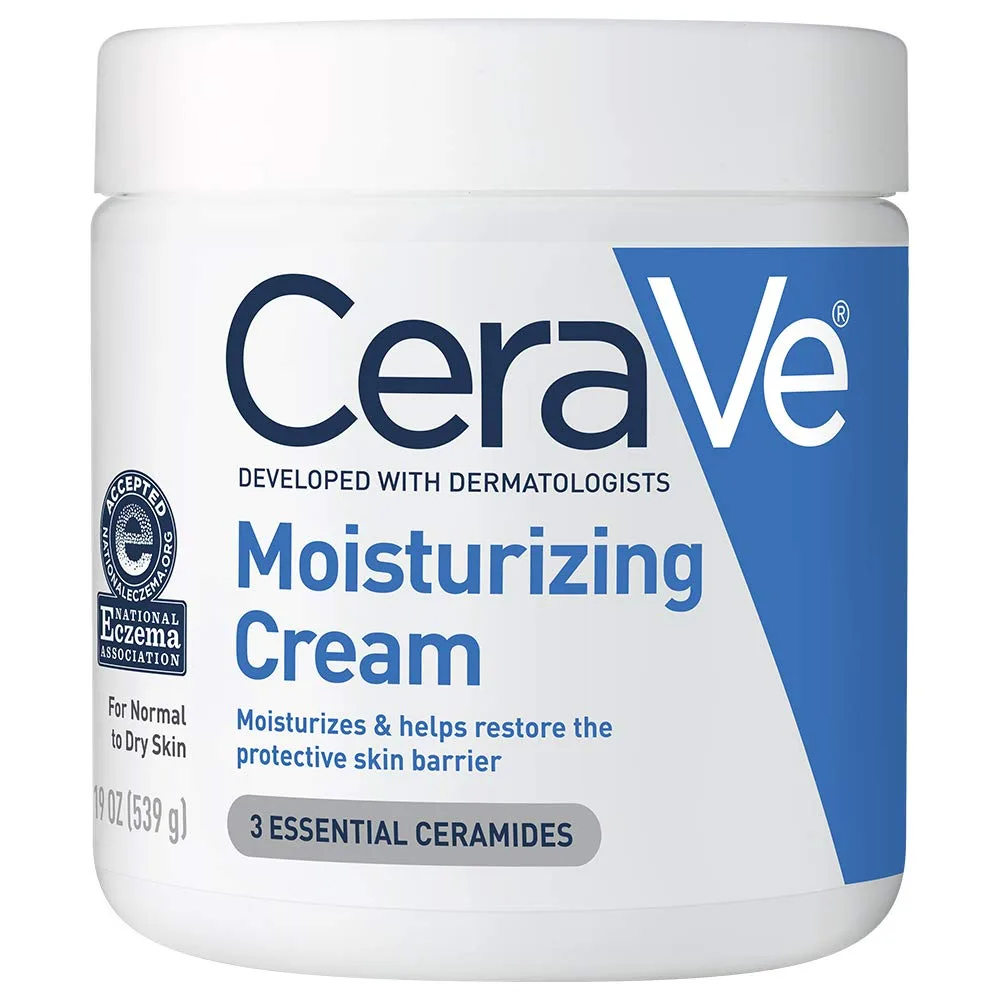
 Moisturizing Cream
The CeraVe Moisturizing Cream is the most important moisturizer in the drugstore — a ceramide-rich, dermatologist-developed formula that delivers barrier repair, multi-humectant hydration, and occlusive protection at a price so accessible it has no real excuse not to be in every household. Twenty-one years of consistent performance and universal dermatologist approval speak louder than any ingredient list.
 Barrier Rescue Hero
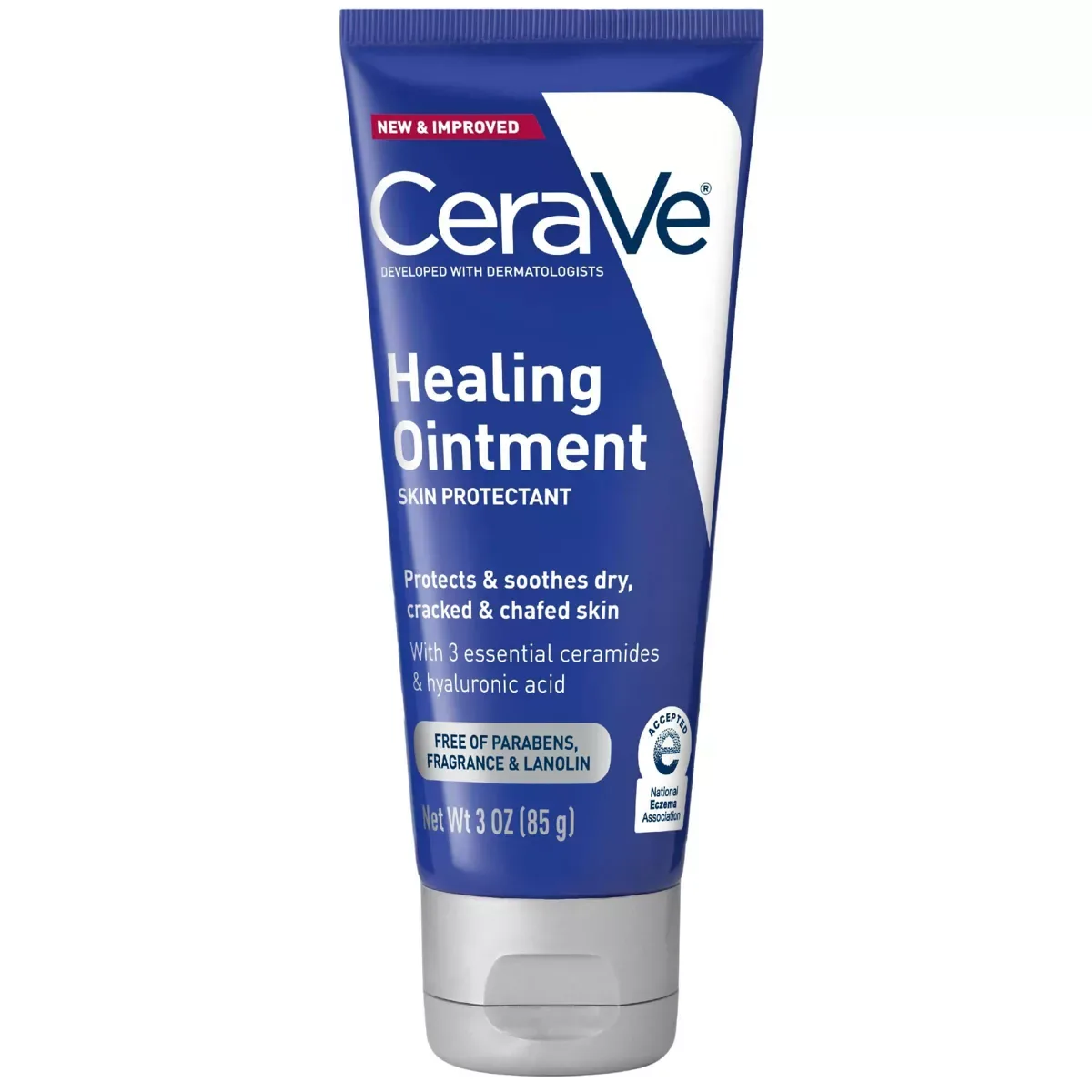
 Healing Ointment
CeraVe's Healing Ointment takes the simplest concept in skincare — seal the skin with petrolatum — and makes it genuinely intelligent by adding ceramides, hyaluronic acid, and panthenol beneath the occlusive layer. It is the gold standard drugstore occlusive for barrier rescue, slugging, and post-procedure care.
 Sensitive Skin MVP
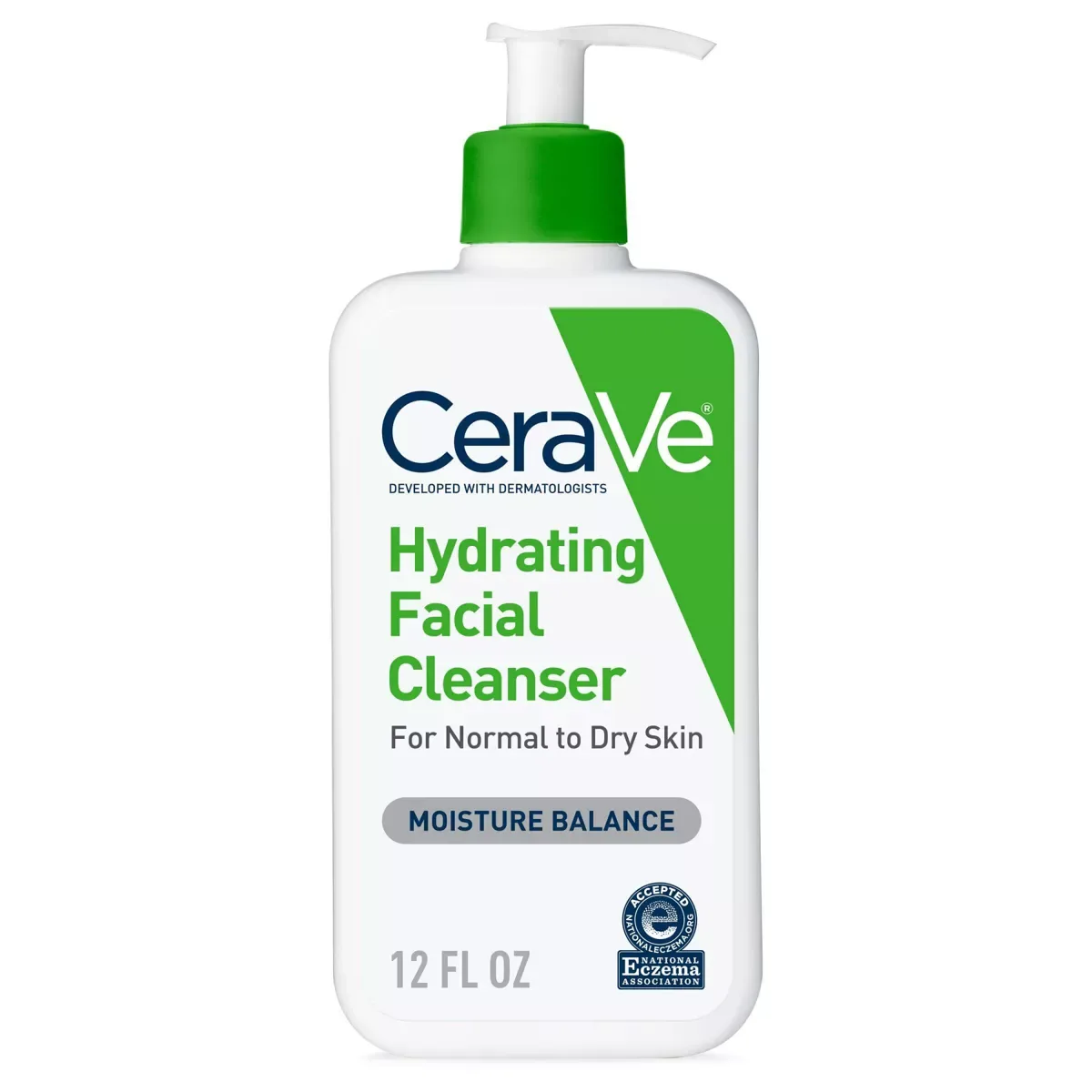
 Hydrating Facial Cleanser
The CeraVe Hydrating Facial Cleanser is the cleanser that taught a generation of dry-skin sufferers that washing your face does not have to mean punishing it. A lotion-textured, non-foaming formula that genuinely hydrates while it cleans, it remains the benchmark drugstore cleanser for anyone whose skin drinks moisture faster than most products can provide it.
 Sensitive Skin Soother
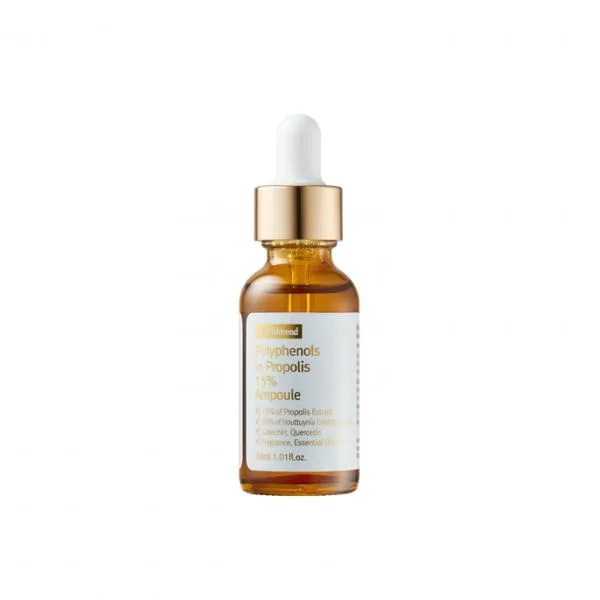
 Polyphenols In Propolis 15% Ampoule
A 15% propolis ampoule that earns its name with a real polyphenol stack — French Auvergne propolis layered over a houttuynia cordata base, with tulsi and pomegranate piling on. It's slightly sticky and not cheap by volume, but for sensitive, breakout-prone skin chasing calm, this is one of the most reliable K-beauty soothers in production.
 Derm Office Staple
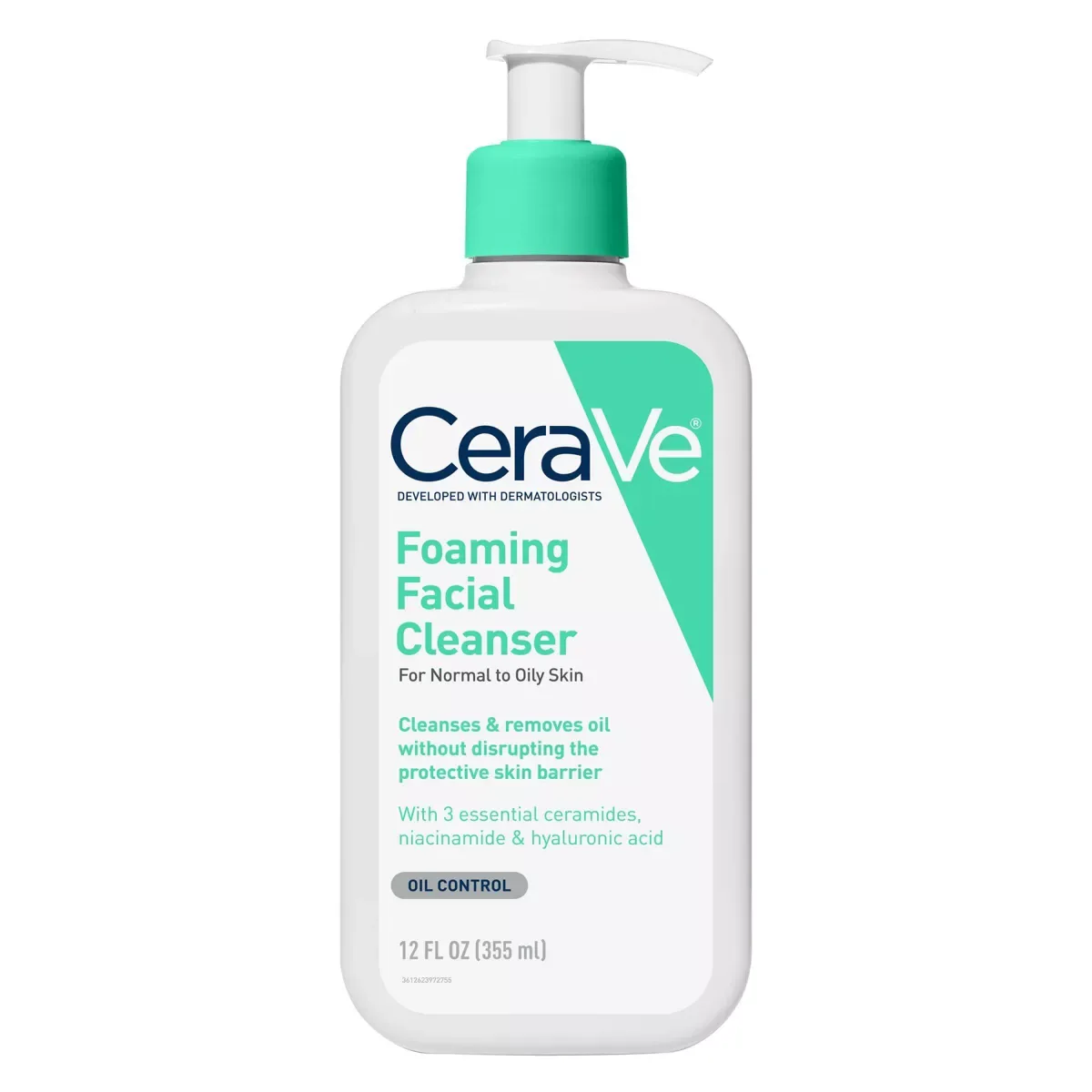
 Foaming Facial Cleanser
The CeraVe Foaming Facial Cleanser is the rare drugstore cleanser that dermatologists actually use themselves — a genuinely gentle foaming wash that removes excess oil without triggering the rebound sebum production that plagues most lathering cleansers. At under sixteen dollars for a bottle that lasts months, it makes skipping it almost irrational.
 Budget Brightening Hero
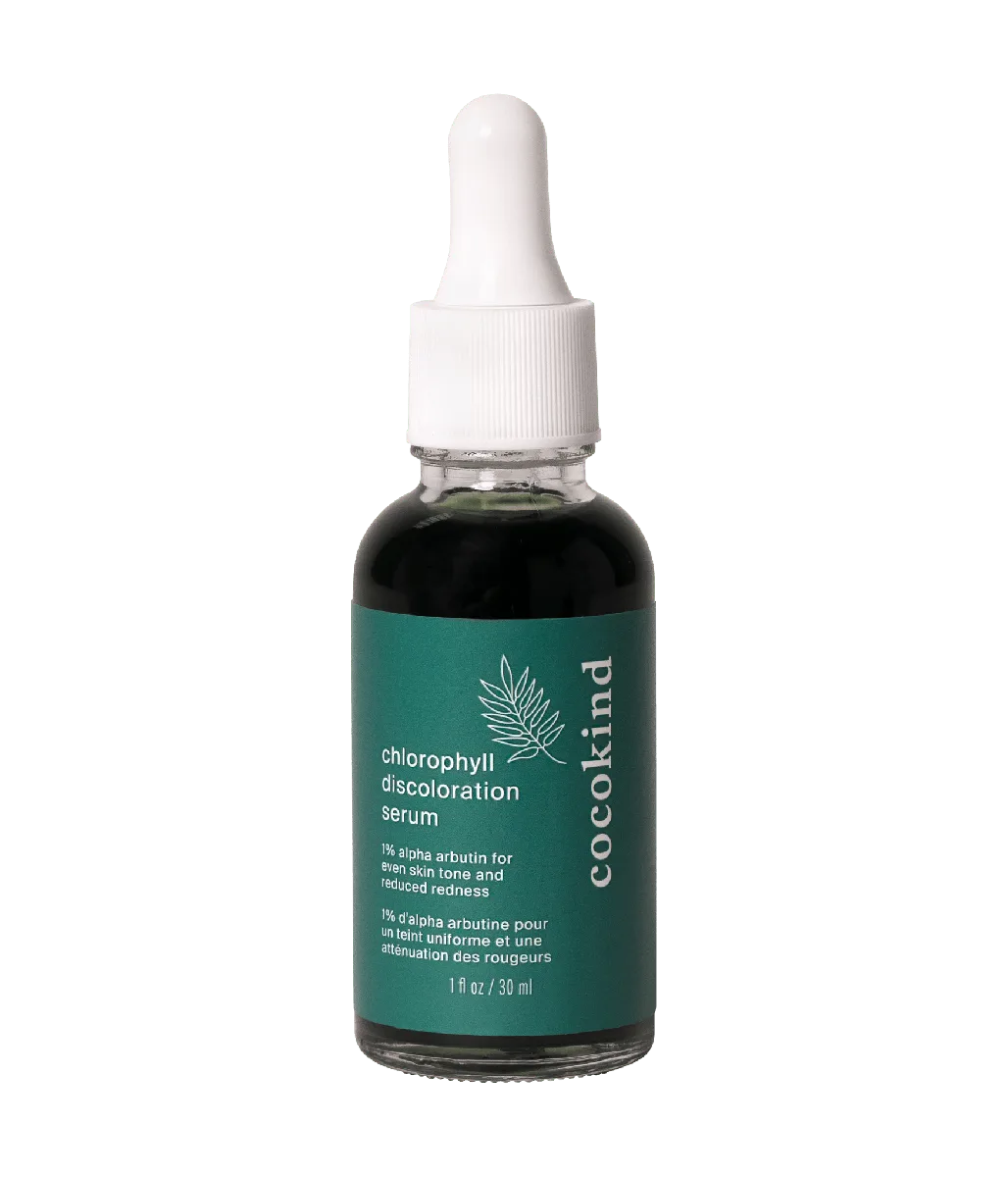
 Chlorophyll Discoloration Serum
A quietly brilliant brightening serum that proves you do not need luxury prices or harsh actives to fade dark spots effectively. The alpha-arbutin and licorice root combination delivers genuine multi-pathway melanin inhibition, the sensitive-skin-friendly formula is impeccable, and $20 makes it accessible to virtually everyone. The chlorophyllin is more marketing differentiator than scientific powerhouse, but it does not hurt anything either.