
The lip balm that invented the category and lent its name to an entire product class — ChapStick Original delivers dependable petrolatum occlusion at a price that barely registers, though its legacy formula with fragrance, dyes, and camphor feels increasingly dated in an era of clean simplicity.
Original Lip Balm
The lip balm that invented the category and lent its name to an entire product class — ChapStick Original delivers dependable petrolatum occlusion at a price that barely registers, though its legacy formula with fragrance, dyes, and camphor feels increasingly dated in an era of clean simplicity.
Score Breakdown
Where this product gains points and where it loses them — broken down across the four scoring pillars.
The world's most iconic lip balm delivers reliable petrolatum-based occlusion at an unbeatable price, but the dated formula includes fragrance, synthetic dyes, camphor, and lanolin — ingredients that narrow its suitability for sensitive and allergy-prone users and keep the ingredient quality score modest.
Pros & Cons
- ✓Petrolatum at 45% provides clinically proven, best-in-class occlusive protection
- ✓One of the most affordable personal care products available at roughly $2
- ✓Universally available — sold at virtually every retail location in the country
- ✓Smooth, comfortable application with the classic twist-up stick format
- ✓Cultural icon with over a century of consistent use and trust
- ✓Slim, pocket-friendly tube design is easy to carry anywhere
- ✗Contains fragrance and synthetic dyes with no functional purpose
- ✗Lanolin is a documented allergen for those with contact sensitivity
- ✗No SPF protection despite being a daily-use lip product
- ✗Not cruelty-free and contains animal-derived ingredients
- ✗Formula feels dated compared to modern clean lip balms
Full Review
There are maybe a handful of products in personal care history that have transcended their category to become the word for it. Nobody says 'adhesive bandage' — they say Band-Aid. Nobody says 'facial tissue' — they say Kleenex. And nobody says 'lip balm' — they say ChapStick. That linguistic achievement alone tells you everything you need to know about the brand's cultural penetration. The product is so embedded in American life that it's ceased to be a product and become a concept.
The formula behind this cultural monument is, to put it charitably, straightforward. White petrolatum at 45% does the work. Everything else — the carnauba wax, the cetyl alcohol, the paraffin, the mineral oil — provides structure, glide, and the physical form factor that makes a stick a stick rather than a tub of Vaseline. There are no actives of note beyond the petrolatum itself. No hyaluronic acid, no ceramides, no peptides. This is lip protection in its most elemental form: cover the lips in an occlusive barrier and prevent moisture from leaving.
And honestly? It works. Petrolatum is the single most effective occlusive ingredient in dermatology, backed by decades of research showing it reduces transepidermal water loss by over 98%. When you apply ChapStick Original, you are applying the dermatological gold standard for moisture sealing — just in a convenient tube with some wax to make it solid. The formula may lack the sophisticated ingredient lists of modern lip treatments, but it delivers the most important function a lip product can deliver: it keeps moisture in.
The application experience is familiar to the point of being almost invisible. The stick glides, the lips feel coated, and within a few seconds you've forgotten you applied anything at all. There's a subtle scent — sweet, slightly waxy, vaguely medicinal — that triggers memory more than it triggers olfaction. If you grew up with ChapStick, smelling it is like hearing a song from childhood. It just means 'lip balm.'
But familiarity shouldn't be confused with perfection, and ChapStick Original carries baggage that more modern formulations have shed. The ingredient list includes fragrance (parfum), which serves no functional purpose on lips and can cause low-grade irritation with repeated use. Red 6 Lake and Yellow 5 Lake are synthetic dyes — colorants added purely for aesthetics that are unnecessary in a product that goes on essentially clear. Camphor provides a barely perceptible cooling that most users probably don't consciously notice, but it's still a potential irritant included more for tradition than function. And lanolin, while an excellent emollient, is a well-documented allergen that affects a meaningful percentage of people with eczema or contact sensitivity.
None of these ingredients are dangerous. None of them are present at concentrations that should alarm anyone. But collectively, they represent a formula philosophy from a different era — one where fragrance, color, and mild medicinal sensation were considered essential to a 'quality' product. Today's lip care landscape has moved toward fewer ingredients, cleaner labels, and the understanding that for a product applied to one of the most sensitive areas of the body, less is often more.
The absence of SPF in the Original formula is worth noting. Lips are particularly vulnerable to UV damage — the lower lip is up to twelve times more susceptible to skin cancer than the upper lip, largely due to sun exposure. A lip product you reach for multiple times a day should ideally include sun protection, or at least, you should layer an SPF product on top. ChapStick makes SPF versions, but the Original — the one people grab by default — doesn't protect against UV.
At roughly $2-3 per tube, and available at literally every retailer that sells anything in the United States, ChapStick Original is essentially free. It costs less than a bottle of water and does its primary job — sealing moisture into lips — extremely well. For millions of people, it's the only lip product they've ever needed, and the only one they'll ever use.
ChapStick Original is a perfectly functional product that has earned its place in the American cultural lexicon through consistency and ubiquity rather than innovation. It is not the best lip balm available in 2026 — simpler, cleaner, SPF-inclusive options exist. But it is the most famous lip balm ever made, and for the basic task of keeping lips from getting dry, it does exactly what it's been doing since John Morton paid five dollars for the recipe over a century ago.
Formula
Key Ingredients
The hero actives that drive this product's performance.
| Ingredient | Function | Evidence |
|---|---|---|
| White Petrolatum 45% (45%) | The sole active ingredient and backbone of this formula, creating a nearly impermeable occlusive barrier over lip tissue that prevents moisture loss. At 45%, petrolatum is doing virtually all of the lip-protecting work here — everything else is texture, feel, and aesthetics. | well-established |
| Camphor | Provides the subtle cooling sensation that distinguishes ChapStick Original from plain petrolatum. Acts as a mild counter-irritant that creates a barely perceptible tingle, signaling to users that the product is 'doing something' beyond just coating the lips. | well-established |
| Lanolin | A wool-derived emollient that adds conditioning depth to the petrolatum base. Lanolin mimics human skin lipids and provides moisture retention that helps lips stay soft between applications. Present here alongside its derivative isopropyl lanolate for a layered emollient effect. | well-established |
| Phenyl Trimethicone | A silicone that provides a smooth, glossy slip to the formula, improving how the stick glides across lips. Adds a subtle shine to the finish and helps the waxy formula feel less draggy during application. | well-established |
Full INCI List
Active Ingredient: White Petrolatum 45%. Inactive Ingredients: Arachidyl Propionate, Camphor, Carnauba Wax (Copernicia Cerifera Wax), Cetyl Alcohol, Fragrance (Parfum), Isopropyl Lanolate, Isopropyl Myristate, Lanolin, Light Mineral Oil (Paraffinum Liquidum), Octyldodecanol, Oleyl Alcohol, Paraffin, Phenyl Trimethicone, Red 6 Lake (CI 15850), Titanium Dioxide, White Wax (Microcrystalline Wax), Yellow 5 Lake (CI 19140)
Product Flags
✗ Fragrance Free✓ Alcohol Free✗ Oil Free✗ Silicone Free✓ Paraben Free✓ Sulfate Free✗ Cruelty Free✗ Vegan✗ Fungal Acne Safe
Comedogenic Ingredients
LanolinIsopropyl Myristate
Potential Irritants
CamphorFragrance (Parfum)
Common Allergens
LanolinFragrance (Parfum)Red 6 Lake (CI 15850)Yellow 5 Lake (CI 19140)
Compatibility
Skin Match
Best For
Works For
Not Ideal For
Addresses These Conditions
Use With Caution
Routine Step
occlusive
Time of Day
AM & PM
Pregnancy Safe
Yes ✓
Layering Tips
Apply directly to clean lips as needed. Can be used as a base before lipstick or lip gloss. For overnight treatment, apply a thick layer before bed. Does not provide significant SPF — layer a dedicated SPF lip product over or under for sun protection.
Results Timeline
Immediate lip softening and moisture sealing upon application. Regular use over several days helps maintain lip conditioning and prevent chapping. Best used preventatively before lips become severely dry.
Pairs Well With
lip scrubSPF lip balm
Sample AM Routine
- Facial cleanser
- Moisturizer
- Sunscreen
- THIS PRODUCT (on lips) or SPF lip balm
Sample PM Routine
- Facial cleanser
- Evening moisturizer
- THIS PRODUCT (generous layer on lips)
Evidence
Science & Expert Perspective
The Science
The science behind ChapStick Original is essentially the science of petrolatum. A foundational 1972 study by Kligman established petrolatum as the most effective occlusive agent available, reducing transepidermal water loss (TEWL) by over 98%. This remains the benchmark against which all other occlusives are measured — by comparison, lanolin reduces TEWL by approximately 20-30%, and most plant oils perform in a similar range.
Petrolatum works by forming a hydrophobic barrier on the skin's surface that physically prevents water vapor from escaping. On lip tissue — which lacks sebaceous glands and cannot produce its own protective lipid layer — this external barrier is particularly important. Lips are structurally different from surrounding facial skin: thinner, without hair follicles or sweat glands, and with less melanin, making them more vulnerable to both dehydration and UV damage.
The camphor in this formula (at an inactive, sub-analgesic concentration) provides mild TRPV3 receptor activation — a slight warming-cooling sensation that most users perceive subconsciously. At the concentrations present in ChapStick Original, it functions more as a sensory marker than a therapeutic agent.
Lanolin and its derivative isopropyl lanolate contribute emolliency through their complex mixture of esters, fatty acids, and alcohols that structurally resemble human skin lipids. A 2017 review in the British Journal of Dermatology noted that while lanolin is an effective emollient, lanolin allergy (contact sensitization) affects approximately 1.7-6.9% of the general population, with significantly higher rates among individuals with pre-existing dermatitis — a consideration for a product applied to a mucosal-adjacent area multiple times daily.
References
- Lanolin allergy: a systematic review — British Journal of Dermatology (2017)
Dermatologist Perspective
Dermatologists view ChapStick Original as a functional but imperfect product. Board-certified dermatologists recognize petrolatum as the optimal occlusive for lip protection and frequently recommend it as a baseline lip care ingredient. However, many dermatologists note that the fragrance, dyes, and camphor in ChapStick Original are unnecessary additions that create potential for sensitization — particularly on lip tissue, which is thinner and more permeable than surrounding skin. For patients presenting with chronic cheilitis or lip dermatitis, dermatologists typically recommend switching to fragrance-free, dye-free alternatives like plain petrolatum or ceramide-based lip treatments. For healthy lips without sensitivity issues, ChapStick Original is considered a safe and effective occlusive.
Guidance
Usage Guide
How to Use
Twist up a small amount and glide across lips in smooth strokes. Apply as needed throughout the day — most users find 3-6 applications per day provides consistent protection. For overnight lip treatment, apply a slightly thicker layer before bed. Replace tubes that show signs of drying out or unusual smell. For sun protection, layer an SPF lip product on top, as ChapStick Original does not contain sunscreen.
Value Assessment
ChapStick Original may be the single best value proposition in all of personal care. At approximately $2-3 per tube (with multi-packs dropping the per-unit cost even further), you get a product whose active ingredient — petrolatum at 45% — is the dermatological gold standard for occlusive lip protection. The cost is so low that it's effectively a commodity. The primary argument against ChapStick's value isn't the price but the ingredients: for a dollar or two more, you can get a lip balm without fragrance, dyes, and camphor. Whether those extra dollars are worth it depends on your skin sensitivity.
Who Should Buy
Anyone who wants no-fuss, affordable lip protection and has no sensitivities to fragrance, dyes, or lanolin. The default choice for people who need lip balm at every checkout counter, in every car console, and in every jacket pocket. If you've been using ChapStick happily for years, there's no clinical reason to switch.
Who Should Skip
Anyone with lip sensitivity, contact dermatitis, or lanolin allergy should choose a fragrance-free, dye-free alternative. Those who prioritize clean beauty, vegan formulations, or cruelty-free products. Anyone who needs daily lip SPF protection — the Original does not provide sun protection.
Ready to try ChapStick Original Lip Balm?
Details
Details
Texture
Classic waxy stick that glides smoothly across lips. Firm enough to hold its shape in warm weather but soft enough to apply without dragging. Thinner coating than jar-style balms like Carmex.
Scent
Subtle, sweet, slightly medicinal fragrance that's instantly recognizable. The 'ChapStick smell' is a fragrance memory for millions — pleasant and unobtrusive but definitely present.
Packaging
The iconic cylindrical twist-up tube with a snap-off cap — one of the most recognizable packaging designs in personal care. Available in single tubes and multi-packs. Slim enough for any pocket or purse.
Finish
satinnatural
What to Expect on First Use
Smooth, effortless glide with an immediate sense of lip coating and protection. Slight waxy feel that quickly becomes comfortable. The familiar scent is oddly comforting. No tingle, no sting — just straightforward lip coverage. Lips feel sealed and softened within seconds.
How Long It Lasts
1-3 months depending on frequency of application
Period After Opening
12 months
Best Season
All Year
Background
The Why
In the 1880s, a Virginia physician named Charles Browne Fleet invented a waxy lip remedy that he sold locally without much success. In 1912, John Morton bought the recipe for five dollars — often called 'the world's smartest investment.' Morton and his wife refined the formula, and ChapStick gradually became a household staple. The brand has passed through multiple corporate hands but the core product remains essentially what it's been for over a century.
About ChapStick Legacy Brand (20+ years)
ChapStick was invented in the 1880s by physician Charles Browne Fleet in Lynchburg, Virginia, and commercially developed from 1912 onward. It is arguably the world's first lip balm and has become so ubiquitous that the name is often used generically to refer to any lip balm. The brand has been owned by multiple pharmaceutical companies and is currently under Suave Brands Co.
Brand founded: 1880 · Product launched: 1912
Myth vs. Reality
Myths & Misconceptions
Myth
ChapStick makes your lips dependent on it — stop using it and they get worse.
Reality
Petrolatum doesn't cause lip dependency. What it does is create an occlusive barrier that prevents moisture loss. When you stop using it, you lose that barrier, and your lips return to their baseline state — which, if your environment is dry, means they feel dry. That's not addiction; it's the absence of protection.
Myth
ChapStick Original contains SPF and provides sun protection.
Reality
The Original formula does not contain SPF. While titanium dioxide is listed as an inactive ingredient (used as a colorant), it's not present at concentrations that provide meaningful UV protection. ChapStick makes a separate Classic line with SPF 15 for sun protection.
FAQ
Frequently Asked Questions
Does ChapStick Original have SPF?
No — the Original formula does not provide SPF protection. Titanium dioxide appears in the ingredient list as a colorant, not at sun-protective concentrations. ChapStick offers a separate Classic Moisturizer with SPF 15 for lip sun protection.
Why does ChapStick contain artificial dyes?
Red 6 Lake and Yellow 5 Lake are used to give the product its characteristic slight tint. These are cosmetic colorants that don't affect the product's moisturizing function. Some users with dye sensitivities may want to choose the unscented or sensitive-skin variants instead.
Is ChapStick bad for your lips long-term?
The petrolatum base is well-studied and safe for long-term lip use — dermatologists consider petrolatum one of the most effective occlusives. However, the fragrance, camphor, and synthetic dyes in the Original formula can cause low-grade irritation in some users over time. If you notice your lips feel worse after extended use, try switching to a fragrance-free, dye-free alternative.
Is ChapStick cruelty-free or vegan?
No — ChapStick Original contains lanolin (derived from sheep's wool) and isopropyl lanolate, making it non-vegan. The brand is not currently certified cruelty-free by organizations like Leaping Bunny or PETA.
What is the difference between ChapStick Original and ChapStick Classic Medicated?
The Original formula uses petrolatum as its active skin protectant with camphor as an inactive ingredient. The Classic Medicated version uses both petrolatum and camphor as active ingredients at higher concentrations, providing a more pronounced medicated cooling sensation.
How was ChapStick invented?
ChapStick was invented in the 1880s by Dr. Charles Browne Fleet in Lynchburg, Virginia. He sold the recipe in 1912 to John Morton for five dollars — often called the world's smartest investment. Morton refined the formula and built ChapStick into the iconic brand it is today.
Community
Community Voices
Common Praise
"Reliable everyday lip protection"
"Ubiquitous availability — sold literally everywhere"
"Classic smooth texture and comfortable wear"
"Incredibly affordable"
"The go-to lip balm for millions of people"
Common Complaints
"Contains fragrance and synthetic dyes unnecessarily"
"Lanolin can cause allergic reactions"
"Camphor may irritate sensitive lips"
"No SPF in the Original formula"
"Some users feel it doesn't moisturize deeply enough"
Notable Endorsements
One of the first commercially available lip balms in historyBrand name used generically to refer to all lip balm
Appears In
best drugstore lip balm best lip care for dryness best lip care for winter skin
Related Conditions
Related Ingredients
You Might Also Like
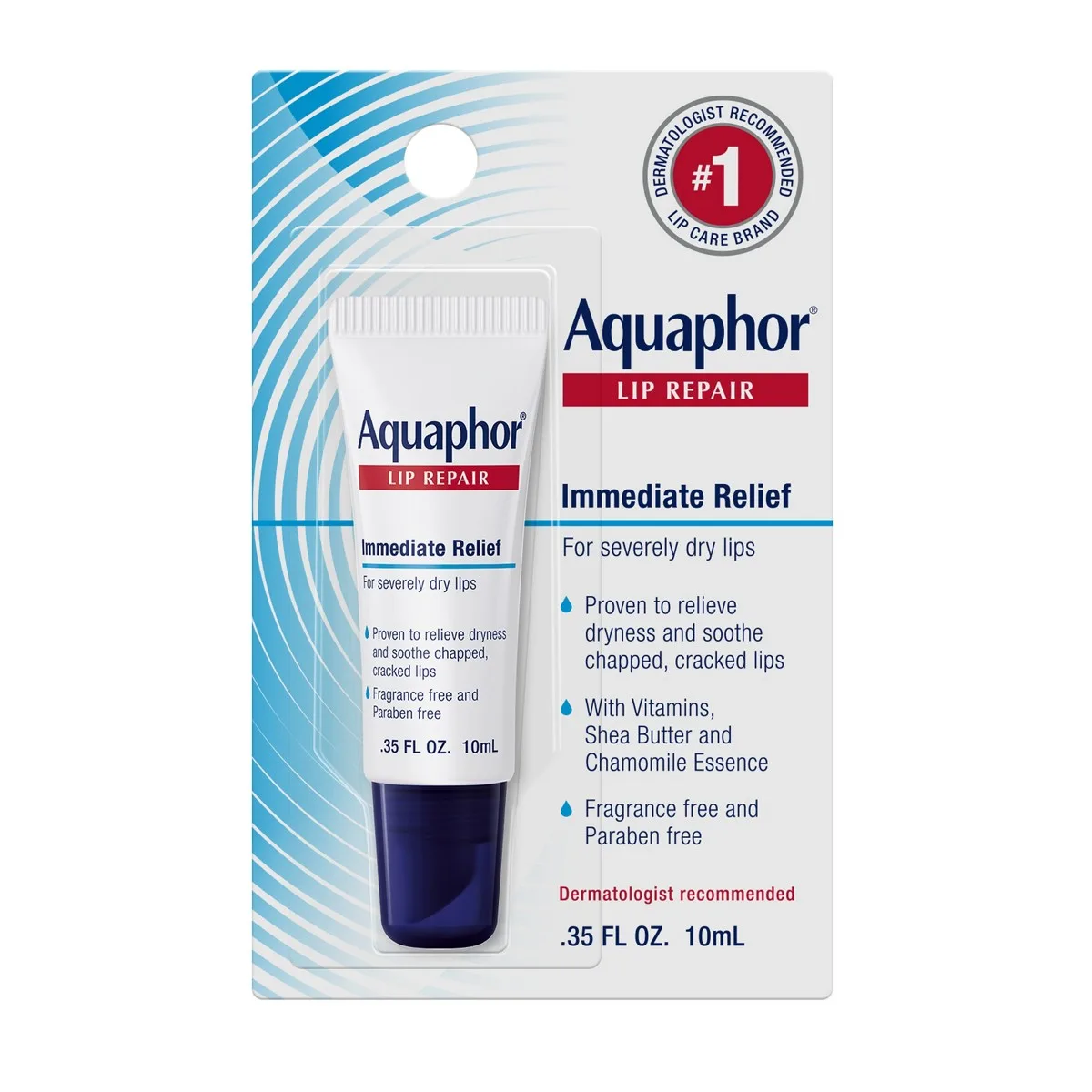 Derm Office Lip Staple
 Lip Repair
The lip balm that dermatologists actually recommend — not as marketing, but as clinical practice. Fifteen years and 50,000+ reviews have validated what the panthenol-bisabolol research confirms: this simple formula genuinely heals chapped lips rather than just coating them. The glossy finish and frequent reapplication needs are the only real drawbacks.
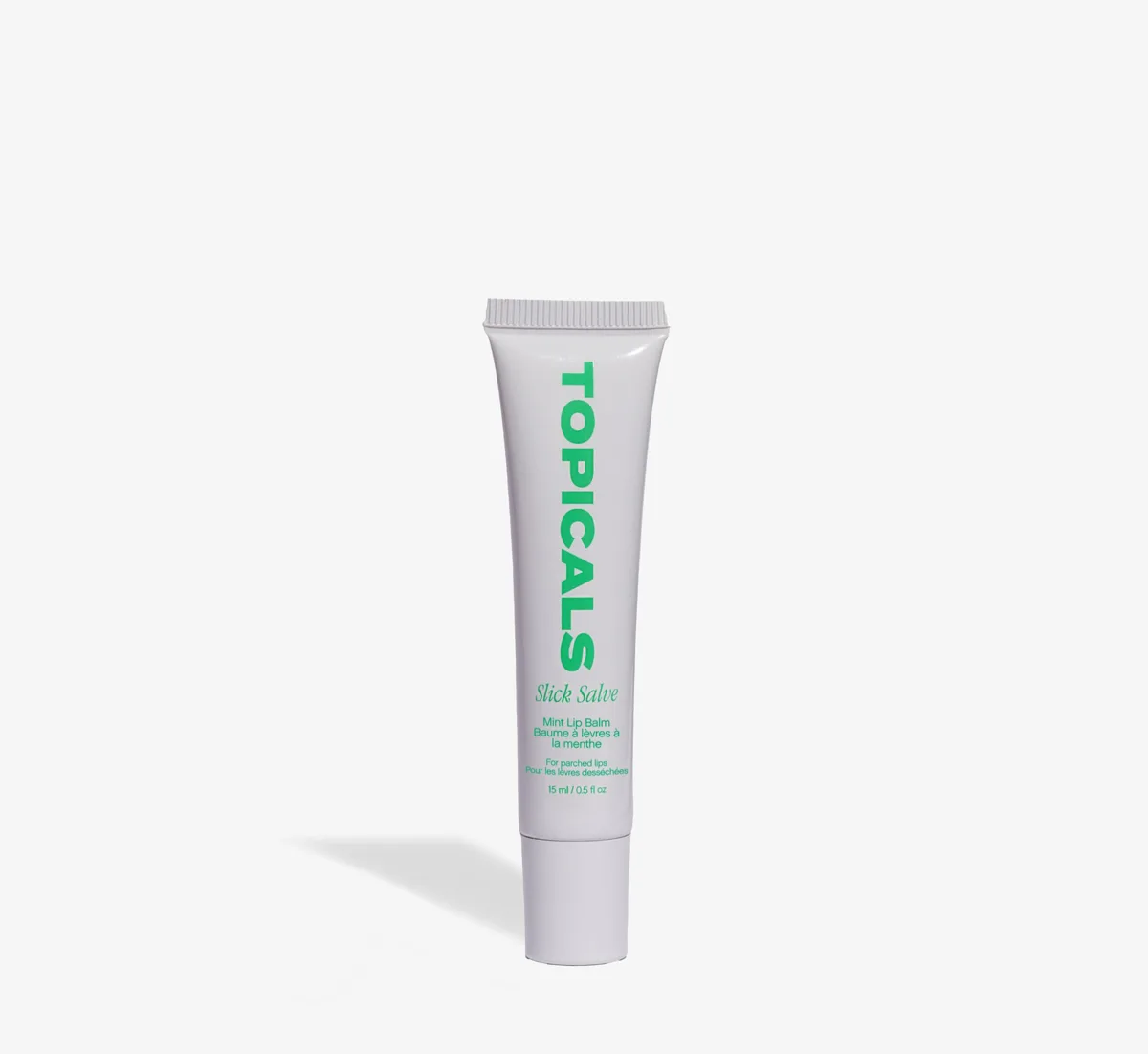 TikTok Cult Lip Treatment
 Slick Salve Glossy Lip Balm
The viral TikTok lip balm that actually deserves the hype — built on three ceramide types, cholesterol, peptides, and ergothioneine in a glossy wet-look format that looks like a beauty product and performs like a dermatology product. The mint essential oils are the only real caveat for sensitive users.
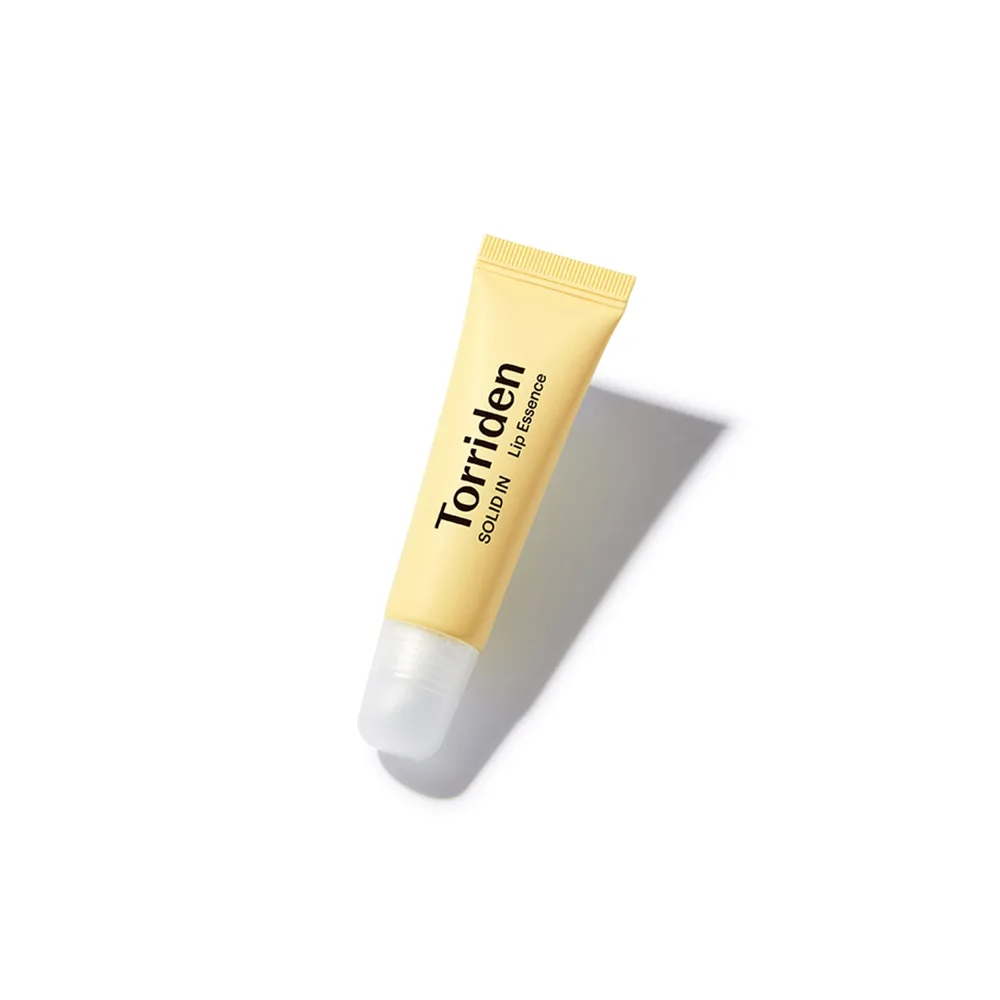 Ceramide Lip MVP
 SOLID-IN Lip Essence
Torriden ports its multi-ceramide-cholesterol repair architecture into lip-care format, producing one of the few lip products that actually addresses the underlying lipid loss behind chronically chapped lips. Fragrance-free, well-tolerated, and effective. The price feels slightly ambitious for the size, but the ingredient quality earns it.
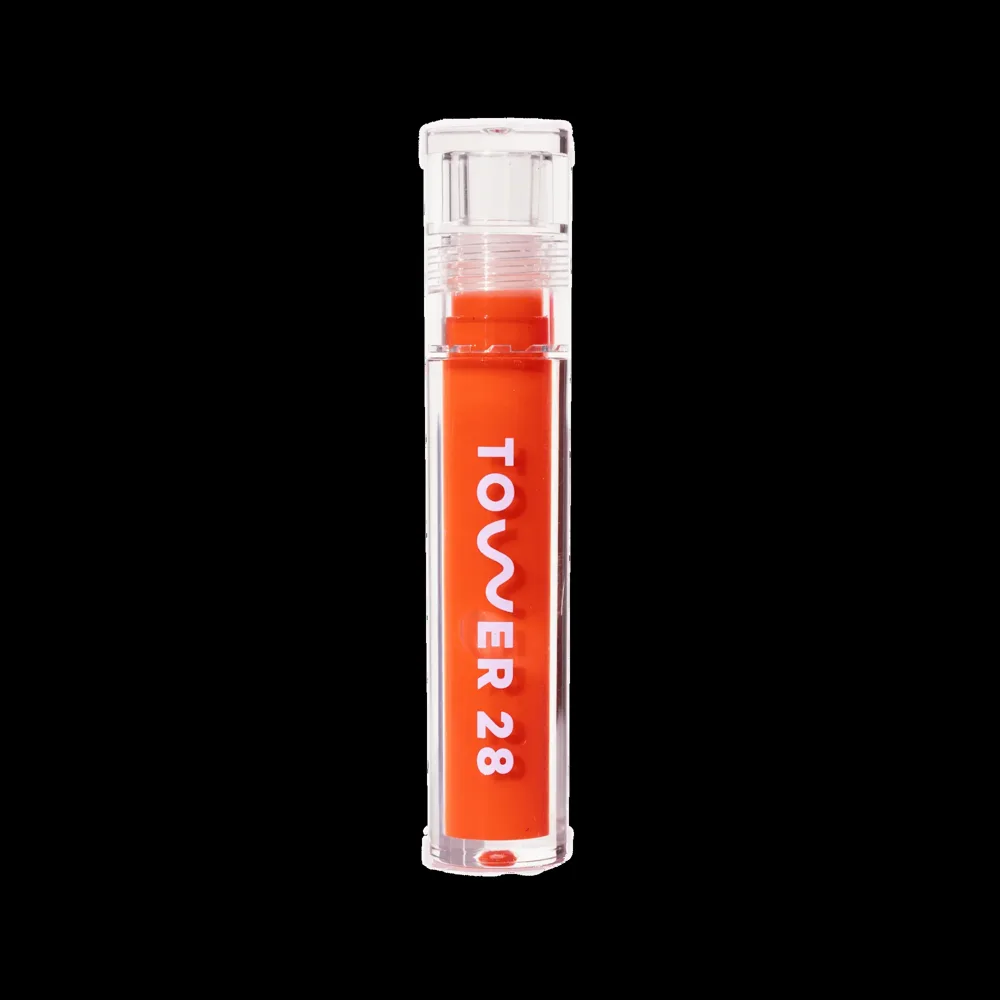 Sensitive-Skin Gloss MVP
 ShineOn Lip Jelly
The product that built Tower 28's reputation: a fragrance-free, dye-free, lanolin-free lip jelly that delivers serious gloss and a sheer wash of color without stickiness, and is genuinely safe for eczema-prone lips. Sheer pigment and a Sephora price tag are the only honest gripes.
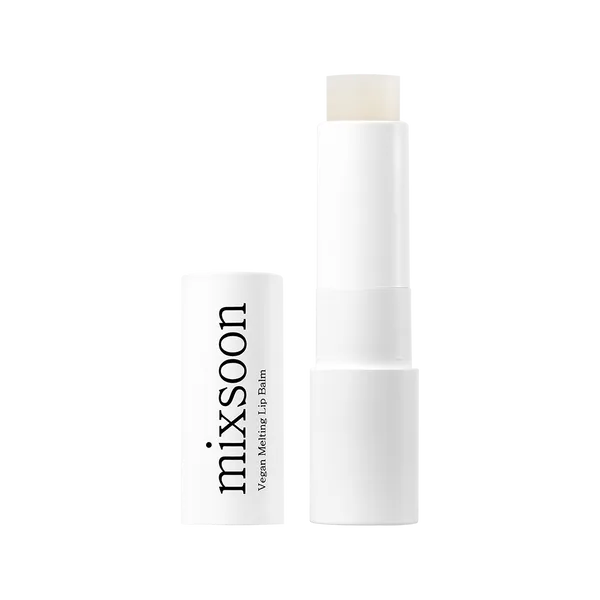 Vegan Lip Essential
 Vegan Melting Lip Balm
mixsoon's Vegan Melting Lip Balm brings the brand's minimalist, plant-based philosophy to lip care with a genuinely unique melting texture and clean ingredient list. It's a comfortable, fragrance-free lip treatment that softens dry lips effectively, though the $16 price and need for frequent reapplication are honest limitations in a crowded lip balm market.
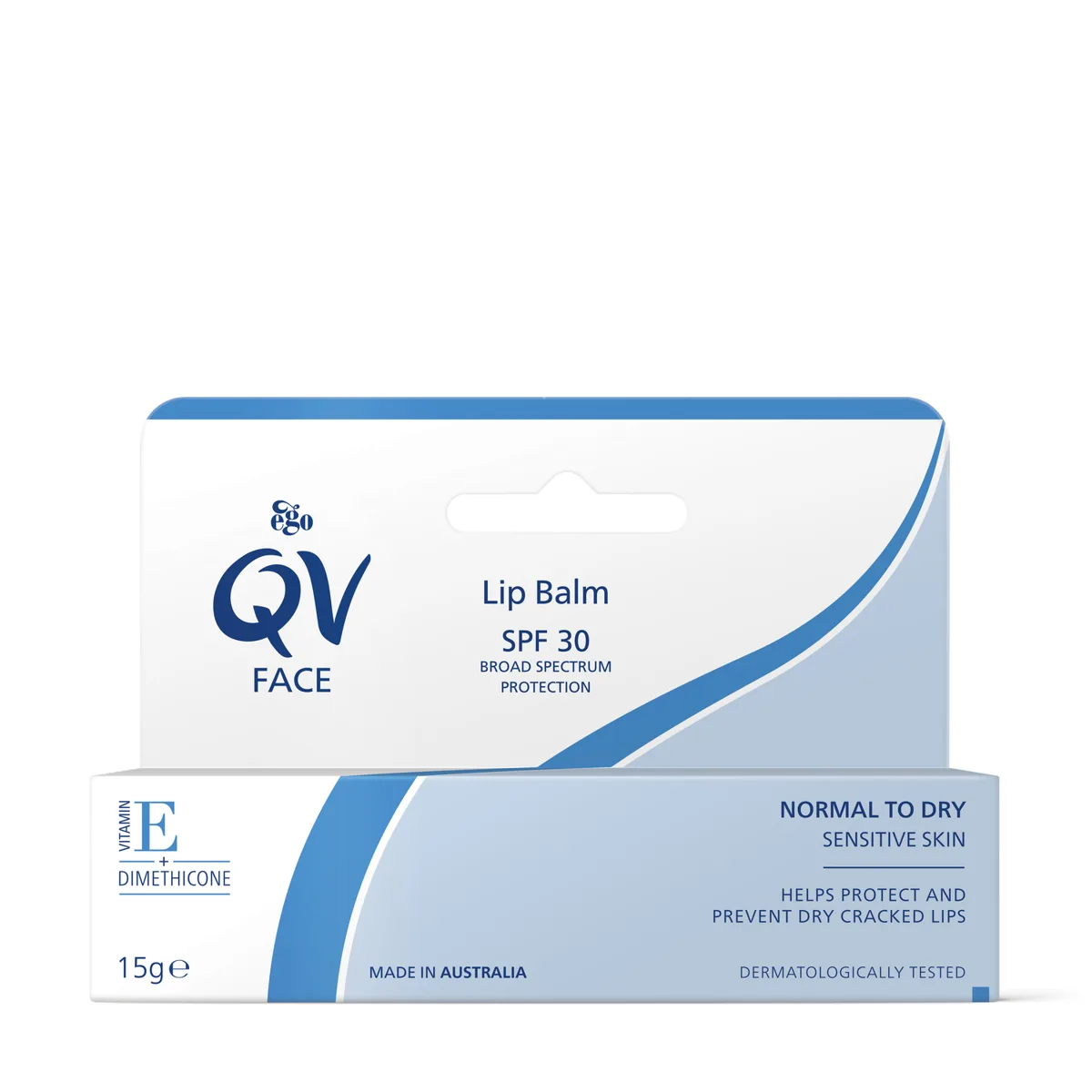 Australian Sun-Smart Essential
 Lip Balm SPF 30
QV's Lip Balm SPF 30 is the rare drugstore lip balm that treats SPF as the point, not a garnish. With a four-filter broad-spectrum system in a petrolatum-and-wax base, it offers genuine daily lip protection from a brand whose parent company has been formulating Australian sun care since the 1970s.