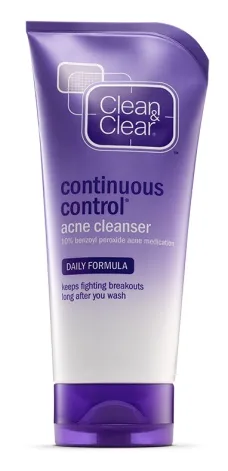
A blunt instrument that works — 10% benzoyl peroxide delivers undeniable antibacterial power at a rock-bottom price, but the formulation's menthol, fragrance, and maximum-concentration approach cause more collateral drying than modern alternatives. Now discontinued, which limits its practical relevance.
Continuous Control Acne Cleanser 10% Benzoyl Peroxide
A blunt instrument that works — 10% benzoyl peroxide delivers undeniable antibacterial power at a rock-bottom price, but the formulation's menthol, fragrance, and maximum-concentration approach cause more collateral drying than modern alternatives. Now discontinued, which limits its practical relevance.
Score Breakdown
Where this product gains points and where it loses them — broken down across the four scoring pillars.
The 10% benzoyl peroxide active is highly effective and well-studied, but the formulation includes unnecessary fragrance, menthol, and BHT. The maximum OTC BP concentration causes significant drying and irritation for many users. Narrow suitability — strictly for resilient, acne-prone skin. Discontinued status limits practical value.
Pros & Cons
- ✓10% benzoyl peroxide is bactericidal within 30 seconds — clinically proven and resistance-proof
- ✓Extremely affordable at under $10 for a 5 oz tube
- ✓Cream base with petrolatum and glycerin partially buffers the BP's drying effect
- ✓Zinc lactate adds anti-inflammatory support alongside antibacterial action
- ✓HSA/FSA eligible as an FDA-registered OTC acne medication
- ✓Consistent long-term efficacy without diminishing returns or resistance development
- ✗Menthol and fragrance add unnecessary irritation to an already potent formula
- ✗Very drying at 10% concentration — significant peeling and flakiness for many users
- ✗Bleaches towels, pillowcases, and clothing — an unavoidable BP reality
- ✗Discontinued by manufacturer — remaining stock only
- ✗10% BP is no more effective than 2.5-5% per Cochrane review, just more irritating
- ✗Contains BHT and benzyl alcohol as additional potential sensitizers
Full Review
For roughly two decades, the Clean & Clear Continuous Control Acne Cleanser occupied a specific niche in the American drugstore landscape: the cheapest, strongest thing you could buy without a prescription to fight acne. At under ten dollars for a tube of 10% benzoyl peroxide, it was the product parents picked up on the way home from work when their teenager's breakout hit critical mass. It wasn't elegant, it wasn't gentle, and it absolutely worked — with caveats.
The active ingredient needs no introduction. Benzoyl peroxide at 10% is the maximum over-the-counter concentration permitted by the FDA, and its antibacterial mechanism is both effective and elegantly simple: BP generates free radicals that oxidize the proteins of Cutibacterium acnes, the bacterium primarily responsible for inflammatory acne. A 2022 study published in Clinical, Cosmetic and Investigational Dermatology demonstrated that 10% BP achieves bactericidal effect within thirty seconds of contact — fast enough to work in a wash-off format where the product is on your skin for under a minute.
The cream base is an interesting choice that partially mitigates the harshness you'd expect from a maximum-strength BP cleanser. Petrolatum and glycerin provide emolliency and humectant hydration during the brief wash, creating a less stripping experience than the gel-based BP washes that dominate the market. Zinc lactate adds mild anti-inflammatory support. On paper, it's a formula that recognizes 10% BP needs some cushioning.
Then the formula undercuts its own consideration with menthol and fragrance — two ingredients that serve no therapeutic purpose and actively irritate the already-compromised skin that acne patients are washing. The menthol produces a pronounced cooling tingle that many users interpret as 'the product working,' when it's actually just a sensory distraction from the real mechanism happening at the bacterial level. For inflamed acne-prone skin, adding a cooling irritant alongside a potent oxidizer is like prescribing cough medicine with pepper.
The drying is real and significant. Most users report needing heavy moisturizer immediately after washing, and even then, flakiness and peeling are common during the first one to two weeks. This is partly inherent to benzoyl peroxide at any concentration, but the 10% dosing amplifies the effect. A 2020 Cochrane review found that 2.5%, 5%, and 10% BP are equally effective at treating acne — the higher concentration primarily increases irritation risk without proportional antibacterial benefit. For a leave-on product, this distinction matters enormously. For a thirty-second wash, the contact time is brief enough that 10% is tolerable for most resilient skin, but it's worth knowing you're not getting meaningfully more acne-fighting power than a gentler 5% wash would provide.
The bleaching is the other unavoidable reality. Benzoyl peroxide oxidizes fabric dyes the same way it oxidizes bacterial proteins. Every user of this product has a story about a ruined towel, a bleach-spotted pillowcase, or a discolored shirt collar. White towels and white pillowcases become non-negotiable lifestyle accessories. This isn't a product flaw — it's inherent to BP chemistry — but it's a practical burden that newer, lower-concentration formulations reduce.
The product's effectiveness at its core mission — killing acne bacteria — is well-documented. A 2011 study in the Journal of Clinical and Aesthetic Dermatology found that a 10% BP cleanser used twice daily achieved a 93.5% reduction in P. acnes at Day 5 and 97.5% reduction at Day 15. Another crucial advantage: BP does not promote antibiotic resistance, unlike topical antibiotics like clindamycin. You can use it for years without diminishing returns, which is part of why it became a medicine cabinet fixture.
At roughly nine dollars for a five-ounce tube, the value was always the product's strongest selling point alongside its efficacy. Nothing else at this price delivered this concentration of clinically validated antibacterial power. HSA and FSA eligibility as an OTC medication made it even more accessible.
But the product has been discontinued. Clean & Clear lists it on their discontinued products page, and remaining retail stock is dwindling. For the users who relied on it — and based on the reviews, there were many loyal long-term users — the search for alternatives is underway. PanOxyl Acne Foaming Wash offers the same 10% BP in a more modern formulation. Neutrogena and Differin provide gentler 2.5-5% options that research suggests are equally effective.
The discontinuation is a fitting end to a product that represented an older philosophy of acne care — maximum strength, minimum finesse. It worked through sheer force: the highest legal dose of the best-studied acne ingredient, applied directly to the problem. Modern acne care has evolved toward the recognition that gentler formulations with lower BP concentrations, paired with barrier-supporting ingredients and without unnecessary irritants, can achieve the same bacterial reduction with less collateral skin damage. The Continuous Control Acne Cleanser was effective, affordable, and honest about what it was. The skincare world has simply moved on.
Formula
Key Ingredients
The hero actives that drive this product's performance.
| Ingredient | Function | Evidence |
|---|---|---|
| Benzoyl Peroxide (10%) | The FDA-registered active — at maximum OTC concentration, it generates free radicals that oxidize bacterial proteins within Cutibacterium acnes biofilms. In a wash-off format, 10% BP achieves bactericidal effect within 30 seconds of contact, making the high concentration appropriate for brief rinse-off use. Critically, BP does not promote antibiotic resistance unlike topical antibiotics. | well-established |
| Glycerin | Provides humectant hydration during the cleansing process to partially offset the significant drying potential of 10% benzoyl peroxide — though many users still report needing heavy moisturizer afterward. | well-established |
| Zinc Lactate | Adds mild anti-inflammatory and sebum-regulating support to complement the BP's antibacterial action, helping address both the bacterial and inflammatory components of acne simultaneously. | promising |
Full INCI List
Active Ingredient: Benzoyl Peroxide 10%. Inactive Ingredients: Water, Cetyl Alcohol, Petrolatum, Zinc Lactate, Steareth-2, Glycerin, Potassium Cetyl Phosphate, Acrylates/C10-30 Alkyl Acrylate Crosspolymer, Xanthan Gum, Benzyl Alcohol, Fragrance, Disodium EDTA, Laureth-4, BHT, Menthol
Product Flags
✗ Fragrance Free✗ Alcohol Free✗ Oil Free✓ Silicone Free✓ Paraben Free✓ Sulfate Free✗ Cruelty Free✗ Vegan✗ Fungal Acne Safe
Comedogenic Ingredients
Cetyl Alcohol
Potential Irritants
Benzoyl Peroxide 10%MentholFragranceBenzyl Alcohol
Common Allergens
FragranceBenzyl AlcoholBHT
Compatibility
Skin Match
Best For
Works For
Not Ideal For
Addresses These Conditions
Use With Caution
Avoid With
eczema compromised skin barrier
Routine Step
cleanser
Time of Day
AM & PM
Pregnancy Safe
Yes ✓
Layering Tips
Start with once-daily use (PM) and gradually increase to twice daily if tolerated. Always follow with moisturizer. Sunscreen is mandatory during daytime use — benzoyl peroxide increases photosensitivity. Be aware that BP will bleach towels, pillowcases, and colored clothing.
Results Timeline
Antibacterial effect begins within 30 seconds of contact per clinical research. Visible reduction in active breakouts within 3-7 days for most users. Consistent preventive benefit established after 2-4 weeks of regular use. Full clearing of mild-to-moderate acne typically requires 6-8 weeks.
Pairs Well With
Non-comedogenic moisturizerHydrating tonerBroad-spectrum sunscreen SPF 30+
Conflicts With
Strong AHA/BHA exfoliants (compounded dryness)Retinoids (introduce cautiously)Other benzoyl peroxide products (redundant, increases irritation)
Sample AM Routine
- Clean & Clear Continuous Control Acne Cleanser 10% Benzoyl Peroxide
- Hydrating toner
- Non-comedogenic moisturizer
- Broad-spectrum SPF 30+
Sample PM Routine
- Clean & Clear Continuous Control Acne Cleanser 10% Benzoyl Peroxide
- Hydrating toner
- Treatment serum (optional)
- Rich moisturizer
Evidence
Who Should Skip
- Menthol and fragrance add unnecessary irritation to an already potent formula
- Very drying at 10% concentration — significant peeling and flakiness for many users
- Bleaches towels, pillowcases, and clothing — an unavoidable BP reality
- Discontinued by manufacturer — remaining stock only
Science & Expert Perspective
The Science
Benzoyl peroxide's mechanism of action is well-characterized: it decomposes into benzoic acid and oxygen, generating free radicals that oxidize proteins and lipids within the cell membranes and ribosomes of Cutibacterium acnes. This oxidative mechanism is bactericidal (killing bacteria) rather than bacteriostatic (inhibiting growth), and crucially does not induce antibiotic resistance — a major advantage confirmed in a 2009 comprehensive review in Expert Opinion on Pharmacotherapy (PMID: 19761357).
A 2022 study published in Clinical, Cosmetic and Investigational Dermatology (PMC8922035) tested BP at concentrations of 1.25%, 2.5%, 5%, and 10% for minimum contact time to achieve bactericidal effect. The study found that 10% BP achieved bactericidal effect within 30 seconds, confirming its suitability for wash-off formulations with brief contact times. However, the study also found that 5% BP achieved similar results in comparable timeframes.
The Cochrane Database published a systematic review in 2020 (PMC7077870) analyzing three randomized controlled trials involving 2,234 participants. The review concluded that BP is effective for acne improvement versus placebo, but found no significant difference in efficacy between 2.5%, 5%, and 10% concentrations. Higher concentrations were associated with increased irritant contact dermatitis.
A 2011 review in the Journal of Clinical and Aesthetic Dermatology (PMC3016935) specifically evaluated BP cleansers and found that a 10% BP cleanser used twice daily reduced C. acnes counts by 93.5% at Day 5 and 97.5% at Day 15. These reductions are clinically meaningful and support the use of BP washes as both treatment and prevention for acne.
The clinical consensus has evolved toward recommending lower BP concentrations (2.5-5%) for leave-on products while acknowledging that 10% in wash-off formats is acceptable due to brief contact times. The trade-off is clear: equal efficacy with more drying and irritation at higher concentrations.
References
- Minimum contact time of benzoyl peroxide for bactericidal activity against Cutibacterium acnes — Clinical, Cosmetic and Investigational Dermatology (2022)
- Topical benzoyl peroxide for acne (Cochrane systematic review) — Cochrane Database of Systematic Reviews (2020)
- Benzoyl peroxide cleansers and their effect on P. acnes counts and acne lesions — Journal of Clinical and Aesthetic Dermatology (2011)
Dermatologist Perspective
Board-certified dermatologists consider benzoyl peroxide a first-line OTC acne treatment, valued for its antibacterial efficacy and inability to promote bacterial resistance. Dermatologists increasingly recommend lower concentrations (2.5-5%) for leave-on products, while acknowledging that 10% in wash-off formulations is appropriate due to brief skin contact. Dermatologists commonly caution against the menthol and fragrance in this particular formulation, noting that inflamed acne-prone skin benefits from fewer irritants, not more. The cream base with petrolatum is a reasonable formulation choice for a high-concentration BP wash, though modern BP cleansers have moved toward more cosmetically elegant bases. With this product discontinued, dermatologists typically direct patients toward PanOxyl or pharmacy-brand BP washes.
Guidance
Usage Guide
How to Use
Wet face with lukewarm water. Apply a small amount of cleanser and massage gently for 20-30 seconds, avoiding the eye area, lips, and mouth. Rinse thoroughly and pat dry. Start with once-daily use (preferably PM) and increase to twice daily as tolerated. Always follow with moisturizer — the drying effect is significant. If using in the AM, apply broad-spectrum SPF 30+ sunscreen afterward. Use white towels to avoid bleaching. If excessive drying, peeling, or redness occurs, reduce to every other day.
Value Assessment
At approximately $9 for 5 oz, this was one of the most affordable maximum-strength acne treatments available — far less than prescription options and competitive even among drugstore alternatives. HSA/FSA eligibility added further value. A tube lasts 4-6 weeks with twice-daily use, making the annual cost roughly $80-120. The discontinuation limits current availability, but remaining stock at original pricing represents excellent value per dollar for maximum-strength BP. Kenvue's legacy as a Johnson & Johnson spinoff provides manufacturing credibility, though the formulation reflects older cosmetic chemistry standards.
Who Should Buy
Oily-skinned individuals with mild-to-moderate inflammatory acne who can tolerate strong actives and want maximum antibacterial punch at minimum cost. Best for resilient skin that has successfully used BP products before. Stock up while available if this is your go-to.
Who Should Skip
Anyone with dry, sensitive, eczema-prone, or rosacea-affected skin. Those who react to fragrance, menthol, or benzyl alcohol. Users who haven't tried benzoyl peroxide before should start with a lower-concentration product (2.5-5%) first. Anyone wanting a long-term repurchasable product, given the discontinuation.
Ready to try Clean & Clear Continuous Control Acne Cleanser 10% Benzoyl Peroxide?
Details
Details
Texture
Thick, creamy cleanser that doesn't foam significantly. Massages onto wet skin with a smooth feel from the petrolatum and cetyl alcohol base. The menthol produces an immediate cooling tingle during application.
Scent
Noticeable minty-menthol fragrance that users describe as strong and medicinal. The cooling sensation on skin reinforces the menthol scent experience. Polarizing — satisfying for some, overwhelming for others.
Packaging
White squeeze tube with Clean & Clear blue-and-teal branding. Simple, drugstore-standard packaging. The 5 oz tube is compact enough for travel but doesn't last long with twice-daily use.
Finish
matte
What to Expect on First Use
First use produces a pronounced cooling tingle from the menthol. Skin feels very clean after rinsing — perhaps too clean, with noticeable tightness within minutes. The drying effect of 10% BP becomes apparent after the first few days, with many users developing flakiness or peeling around the chin, nose, and cheeks. This typically stabilizes after 1-2 weeks as skin acclimates.
How Long It Lasts
4-6 weeks with twice-daily use
Period After Opening
12 months
Best Season
All Year
Certifications
FDA OTC Drug
Background
The Why
A drugstore acne staple for roughly two decades, this product built a devoted following among users who needed maximum-strength antibacterial cleansing at minimum cost. Its recent discontinuation has sent loyal users scrambling for remaining stock and alternatives — a pattern increasingly common as Kenvue reshapes the Clean & Clear product line.
About Clean & Clear Legacy Brand (20+ years)
Clean & Clear was created by Revlon in 1956 and acquired by Johnson & Johnson in 1991 (now operated by Kenvue). The brand has been a drugstore acne care mainstay for decades. Note: this specific product has been discontinued by the manufacturer.
Brand founded: 1956 · Product launched: 2004
Myth vs. Reality
Myths & Misconceptions
Myth
10% benzoyl peroxide is more effective than lower concentrations for acne.
Reality
A 2020 Cochrane review found that 2.5%, 5%, and 10% benzoyl peroxide are equally effective at treating acne, with higher concentrations primarily increasing irritation risk. For a wash-off product with brief contact time, 10% reaches bactericidal levels within 30 seconds — but 5% achieves the same in a similar timeframe. The extra concentration adds drying potential without proportional antibacterial benefit.
Myth
Benzoyl peroxide creates antibiotic resistance like topical antibiotics do.
Reality
This is one of BP's greatest clinical advantages — its oxidative mechanism of action does not induce bacterial resistance in Cutibacterium acnes. Unlike clindamycin or erythromycin, you can use benzoyl peroxide indefinitely without diminishing returns, which is why dermatologists often recommend BP alongside antibiotics to prevent resistance.
FAQ
Frequently Asked Questions
Has the Clean & Clear Continuous Control Acne Cleanser been discontinued?
Yes — the product appears on Clean & Clear's discontinued products page. Remaining stock may still be available on Amazon, Walmart, and eBay, but no new production is planned. Users looking for alternatives should consider other 10% BP washes from brands like PanOxyl, Neutrogena, or Differin.
Is 10% benzoyl peroxide too strong for everyday use?
In a wash-off format with brief contact time (30-60 seconds), 10% BP is generally tolerated by most acne-prone skin types when introduced gradually. Start with once daily and increase to twice daily as tolerated. However, research shows 2.5-5% BP is equally effective with less irritation — the higher concentration adds drying potential without proportional acne-fighting benefit.
Why does this cleanser bleach my towels and clothes?
Benzoyl peroxide is an oxidizing agent — it generates free radicals that kill acne bacteria, but the same oxidative action bleaches textiles. This is inherent to all BP products regardless of brand. Use white towels and pillowcases, and rinse thoroughly after washing to minimize transfer.
Can I use this cleanser with retinol or salicylic acid?
Yes, but introduce gradually. Using 10% BP alongside retinol or salicylic acid compounds the drying and irritation risk. Many dermatologists suggest using the BP wash in the morning and retinol/BHA at night, or alternating days, until your skin demonstrates it can handle the combination.
What are good alternatives now that this product is discontinued?
PanOxyl Acne Foaming Wash (10% BP) is the most direct equivalent and widely available. Neutrogena Stubborn Acne AM Treatment (2.5% BP) offers a gentler option. Differin Daily Deep Cleanser (5% BP) splits the difference. All are available at major drugstores and online retailers.
Community
Community Voices
Common Praise
"Highly effective at clearing active breakouts — many users see results within days"
"Extremely affordable compared to other OTC and prescription acne treatments"
"The cooling menthol sensation feels satisfying and clean"
"Works well as a daily preventive wash for persistently acne-prone skin"
"Long-time users report sustained clear skin with consistent use over years"
Common Complaints
"Very drying — most users need heavy moisturizer and still experience peeling"
"Bleaches towels, pillowcases, and colored clothing on contact"
"Strong menthol scent is polarizing and can sting sensitive skin"
"Can cause initial purging or increased breakouts before improvement"
"Now discontinued — increasingly difficult to find in retail stores"
Appears In
best benzoyl peroxide cleanser best drugstore acne cleanser best cleanser for acne
Related Conditions
Related Ingredients
You Might Also Like
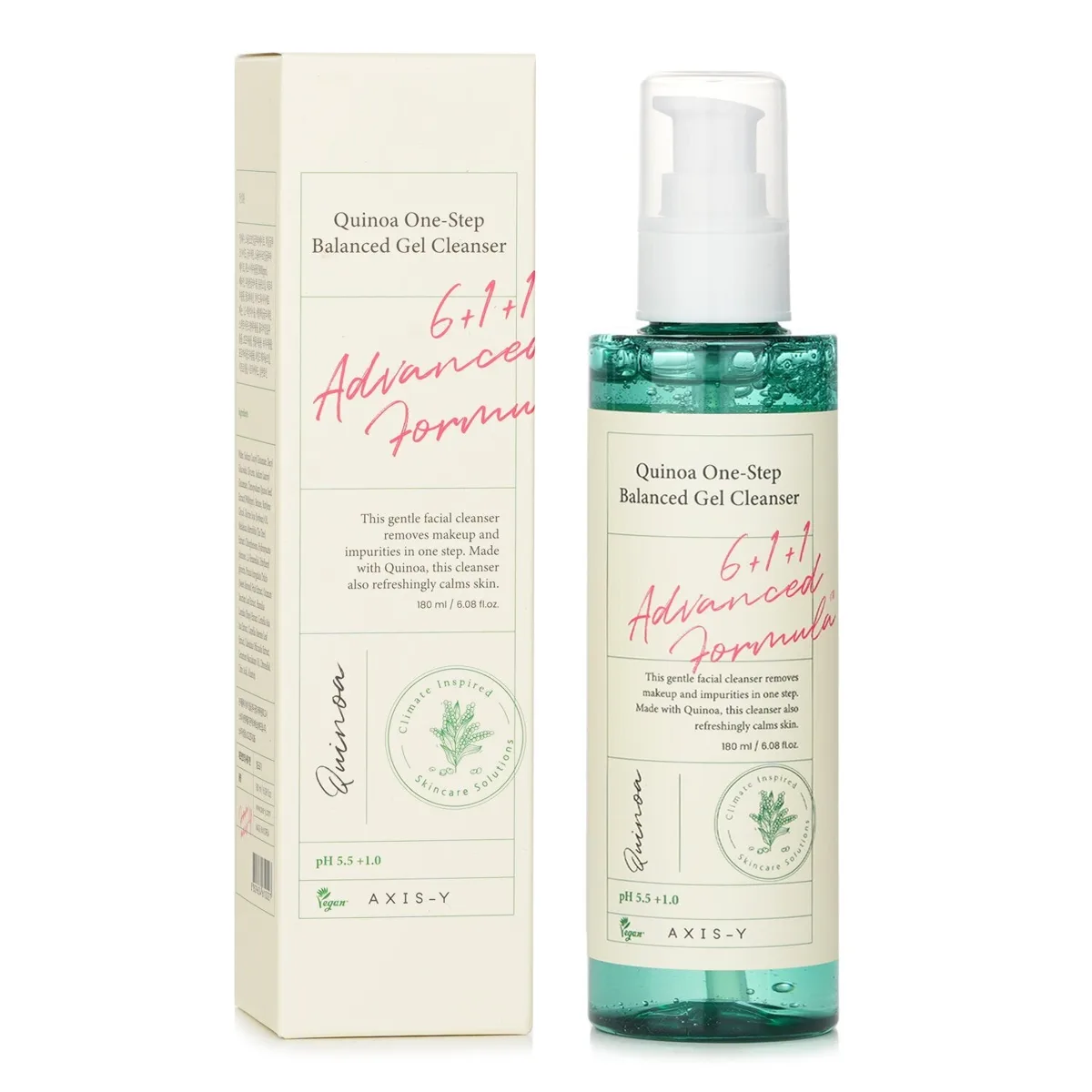 Quinoa-Led Gentle Daily Cleanser
 Quinoa One Step Balanced Gel Cleanser
A fragrance-free, sulfate-free gel cleanser built around quinoa seed extract and a gentle amphoteric-plus-nonionic surfactant pair. Non-stripping, broadly suitable, and priced reasonably — one of the safest recommendations in the daily gentle cleanser category.
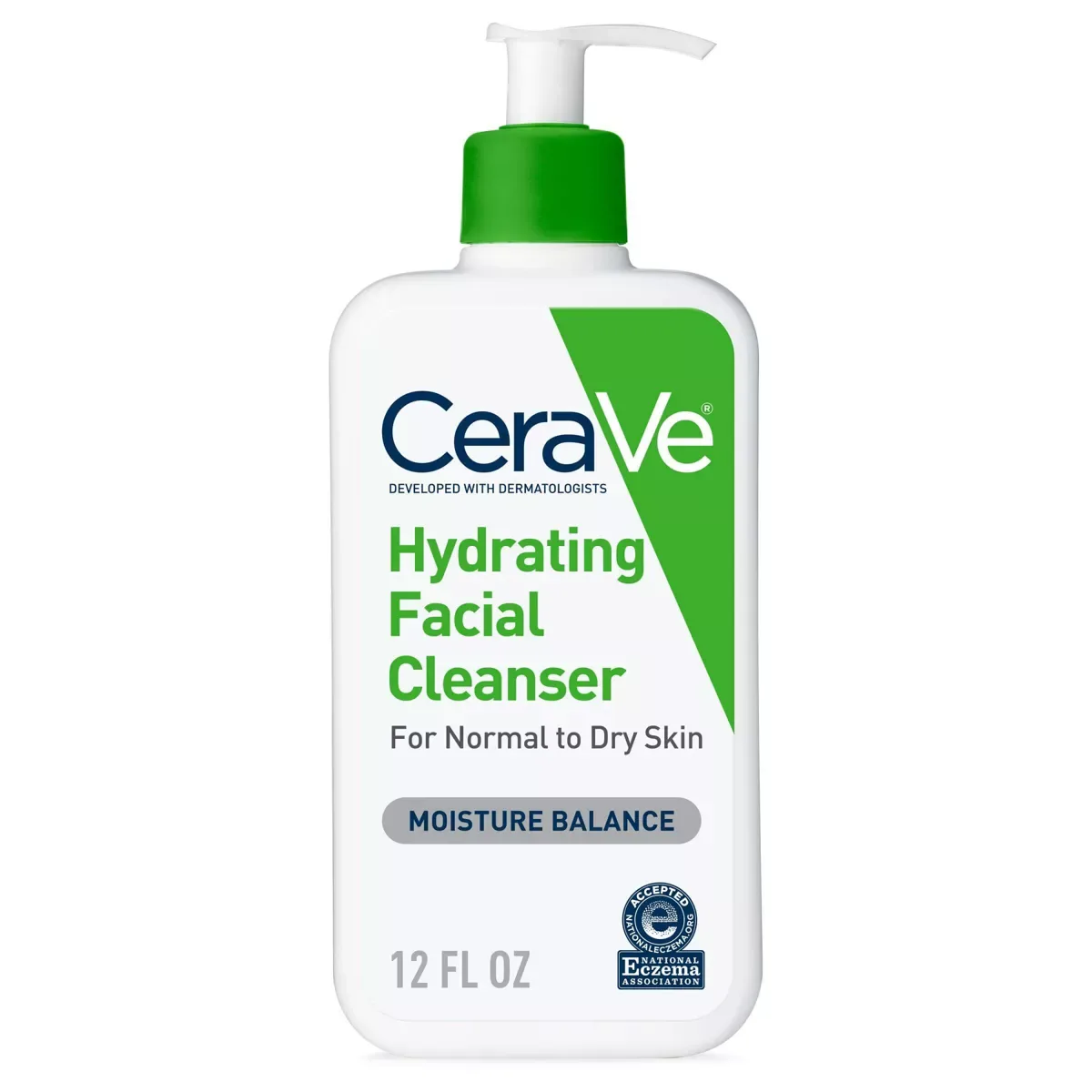 Sensitive Skin MVP
 Hydrating Facial Cleanser
The CeraVe Hydrating Facial Cleanser is the cleanser that taught a generation of dry-skin sufferers that washing your face does not have to mean punishing it. A lotion-textured, non-foaming formula that genuinely hydrates while it cleans, it remains the benchmark drugstore cleanser for anyone whose skin drinks moisture faster than most products can provide it.
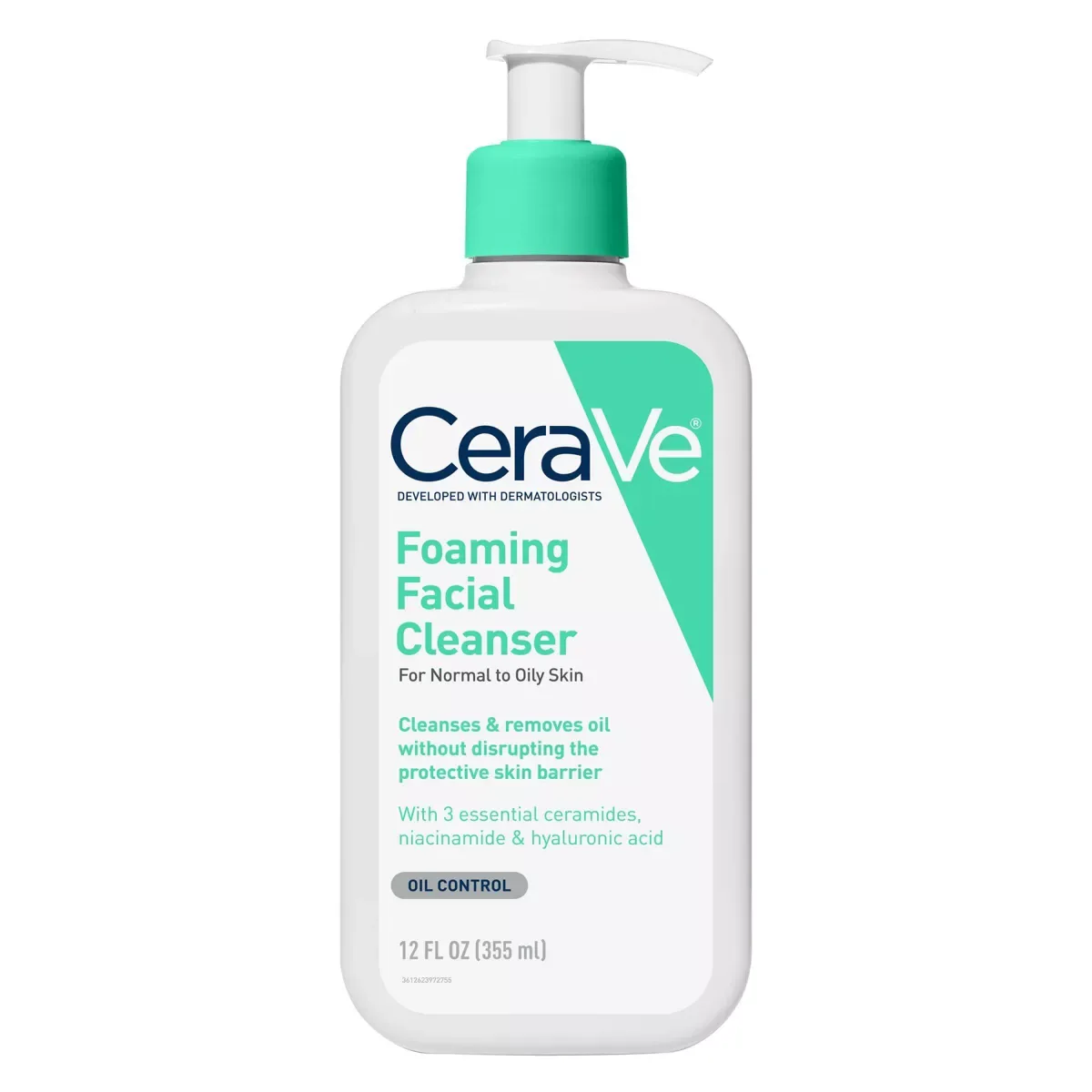 Derm Office Staple
 Foaming Facial Cleanser
The CeraVe Foaming Facial Cleanser is the rare drugstore cleanser that dermatologists actually use themselves — a genuinely gentle foaming wash that removes excess oil without triggering the rebound sebum production that plagues most lathering cleansers. At under sixteen dollars for a bottle that lasts months, it makes skipping it almost irrational.
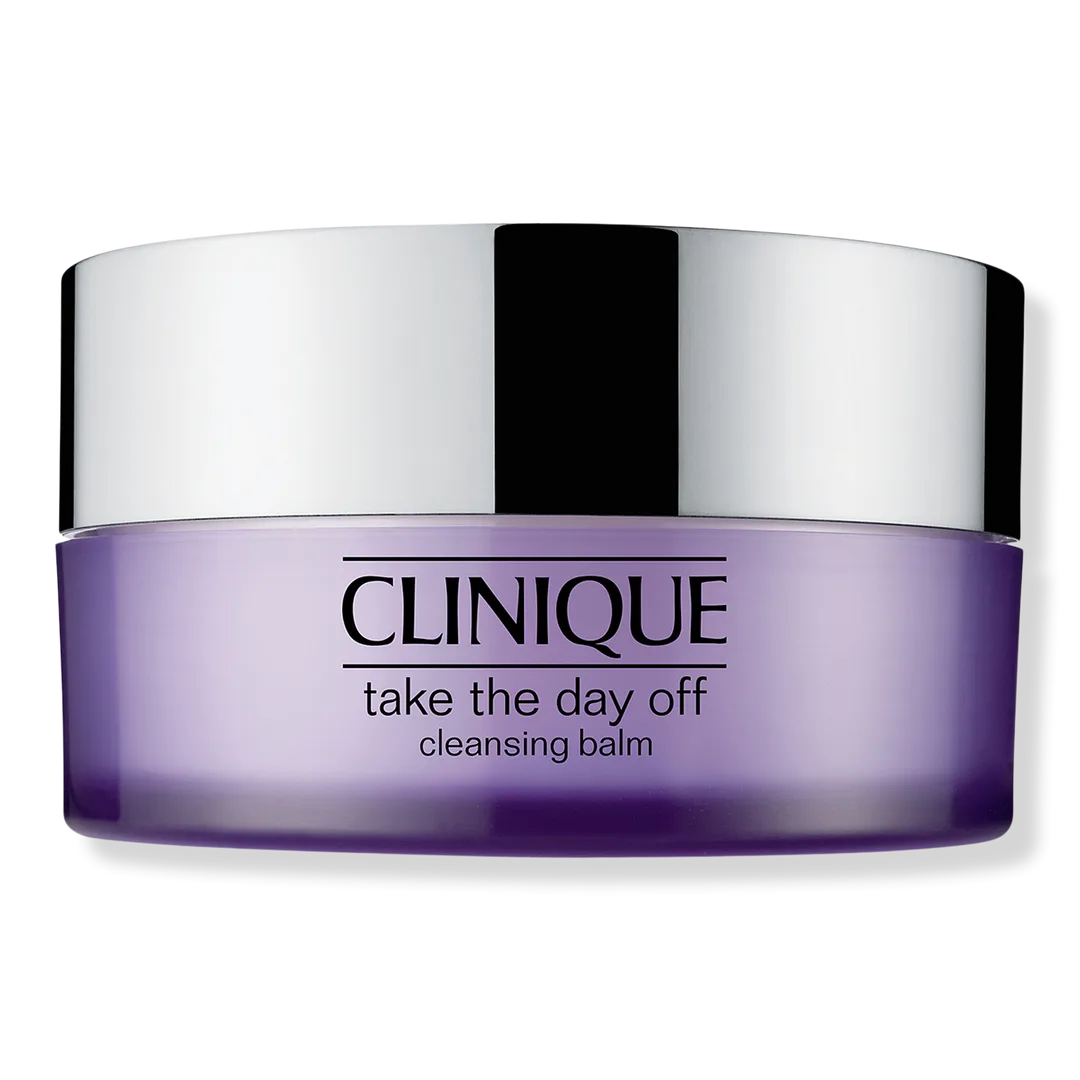 Cult-Status Makeup Eraser
 Take the Day Off Cleansing Balm
The cleansing balm that earned its cult status through radical restraint — nine ingredients, zero fragrance, and the ability to dissolve anything from waterproof mascara to SPF 50 without disturbing even the most reactive skin. Not the most glamorous product in any routine, but possibly the most universally reliable.
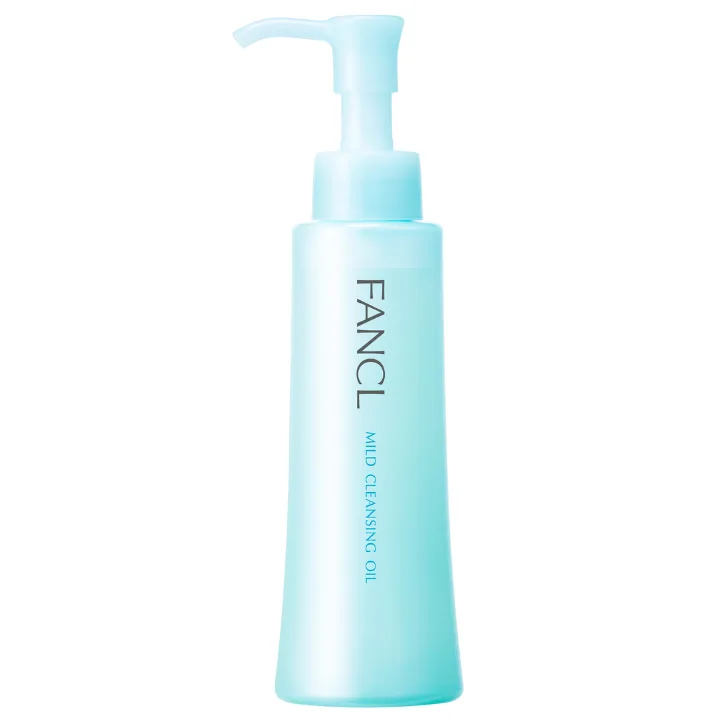 Japanese Drugstore Classic
 Mild Cleansing Oil
A two-decade-old Japanese drugstore staple that still outperforms most modern cleansing oils on the single metric that matters: does it remove sunscreen cleanly without leaving a film. The fragrance-free, ester-based formula is gentle enough for reactive skin and thoughtfully augmented with vitamin C and plant oils. Quietly one of the best first-cleanse options on the market.
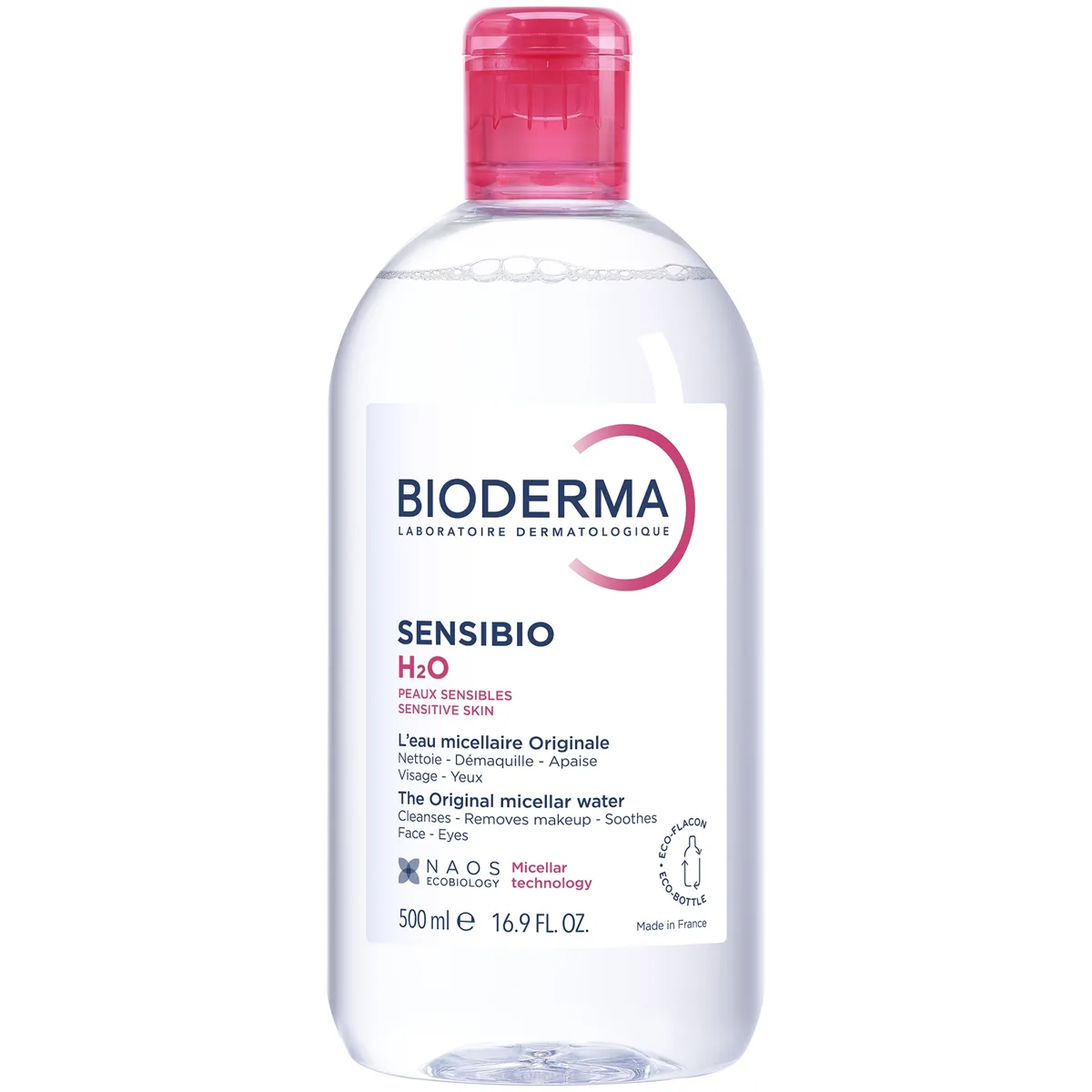 The Original Micellar Water
 Sensibio H2O Micellar Water
The product that launched an entire skincare category remains, three decades later, one of the gentlest and most effective no-rinse cleansers available. Bioderma Sensibio H2O earns its cult status through radical simplicity — 10 ingredients, zero fragrance, and a formula so mild it was originally dispensed by prescription.
This review reflects our independent analysis of publicly available ingredient data, manufacturer claims, and verified user reviews. We are reader-supported — Amazon links may earn us a commission at no cost to you. We do not accept paid placements; rankings are based solely on the evidence.