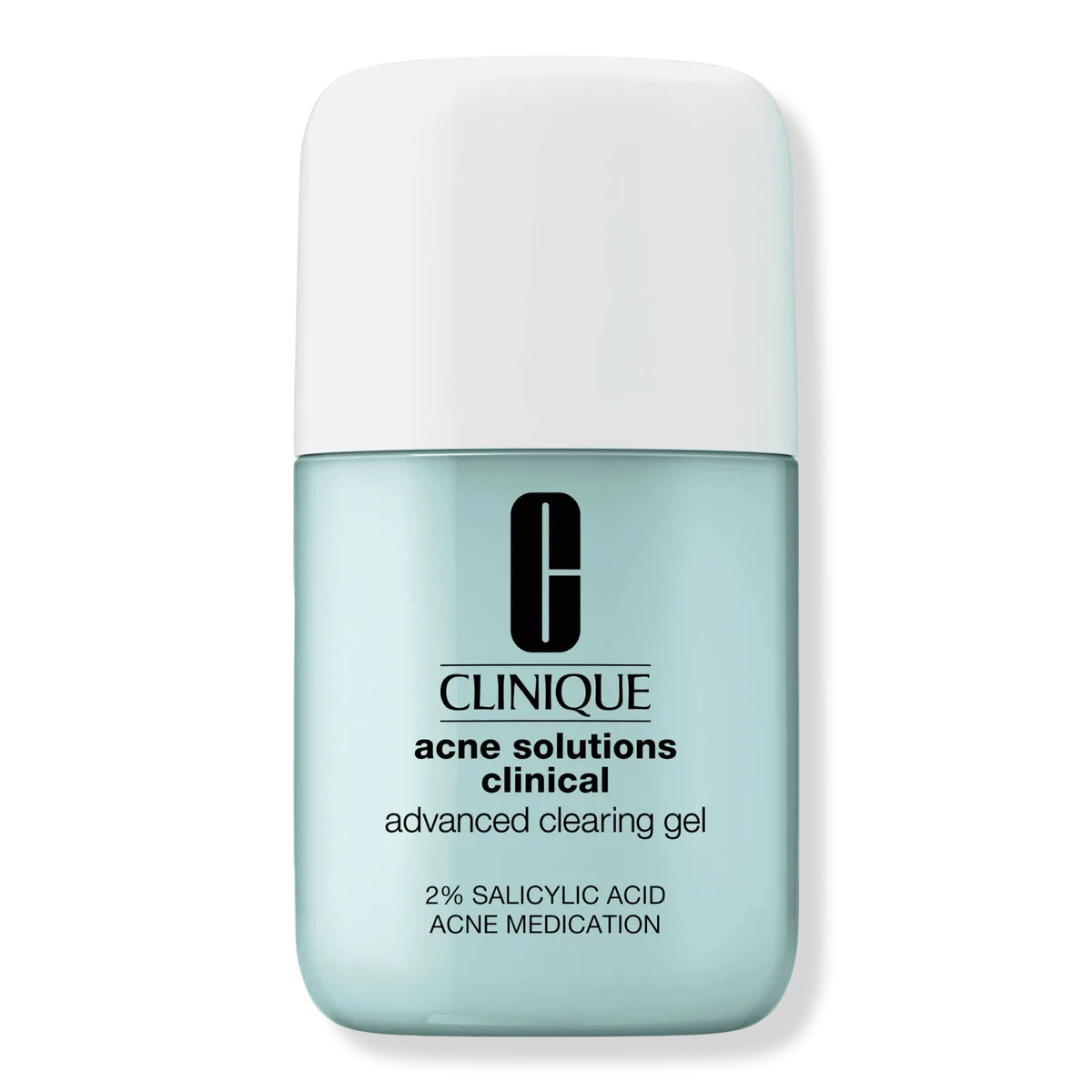
A no-nonsense, fast-acting spot treatment that delivers on its promise to visibly reduce blemishes within hours. The alcohol-heavy base is a genuine trade-off — it enables the invisible, quick-drying finish but limits this to oily skin types willing to moisturize diligently. Effective but demanding.
Acne Solutions Clinical Clearing Gel
A no-nonsense, fast-acting spot treatment that delivers on its promise to visibly reduce blemishes within hours. The alcohol-heavy base is a genuine trade-off — it enables the invisible, quick-drying finish but limits this to oily skin types willing to moisturize diligently. Effective but demanding.
Score Breakdown
Where this product gains points and where it loses them — broken down across the four scoring pillars.
An effective targeted acne treatment with the maximum OTC salicylic acid concentration, but the alcohol-heavy base, high price-per-ounce, and narrow suitability range limit its appeal. Best for oily skin types who need aggressive spot treatment.
Pros & Cons
- ✓Maximum 2% OTC salicylic acid concentration in a leave-on format for sustained pore-clearing
- ✓Dries to a completely invisible, matte finish within 60 seconds of application
- ✓Visibly reduces blemish size and redness within hours — genuinely fast-acting
- ✓Triple-action formula combines exfoliation, astringent, and sebum regulation
- ✓Fragrance-free and allergy tested — no unnecessary sensitizers beyond the functional alcohol
- ✓Layers invisibly under makeup without pilling or interfering with foundation
- ✗Alcohol denat. as the primary ingredient is significantly drying and can compromise skin barrier
- ✗Extremely expensive per ounce — $37 for less than one ounce of product
- ✗Too aggressive for dry, sensitive, or barrier-compromised skin types
- ✗Small product volume means frequent repurchasing for regular users
- ✗Stings noticeably on open or inflamed blemishes upon application
Full Review
Most spot treatments announce themselves. A dab of pink calamine here, a visible white paste there — wearing acne treatment in public has traditionally required either confidence or concealer. The Clinique Acne Solutions Clinical Clearing Gel took a different approach: what if the treatment simply vanished?
The answer involves alcohol. Quite a lot of it, actually. Alcohol denat. sits at the top of this ingredient list, functioning as both the primary vehicle and the reason this gel dries to a genuinely invisible finish within a minute of application. It is the ingredient that makes the product's best trick possible, and it is also the ingredient that will determine whether this gel works for you or works against you.
Clinique has been developing acne solutions since the brand's early decades, drawing on the dermatological DNA that has defined it since Dr. Norman Orentreich helped launch the line in 1968. This particular gel represents the targeted, intensive end of their acne spectrum — not a gentle daily preventer but a focused intervention designed to reduce active blemishes fast.
The active ingredient is salicylic acid at 2%, the maximum concentration allowed in OTC acne products. In a leave-on gel format, this concentration has meaningful contact time with skin, allowing the BHA to penetrate into clogged pores and dissolve the sebum-and-dead-cell mixture that forms comedones. This is fundamentally different from salicylic acid in a cleanser, which washes away before it can do its deepest work. The gel lets the acid sit and work for hours.
Hamamelis virginiana — witch hazel water — occupies the second ingredient position and adds astringent properties. Natural tannins in witch hazel temporarily tighten the appearance of pores and help control surface oil, complementing the salicylic acid's deeper pore-clearing action. Laminaria saccharina extract, a recurring player in Clinique's acne lineup, contributes sebum regulation. The idea is to attack breakouts from multiple angles: clearing existing congestion, tightening pore openings, and reducing the oil production that feeds future breakouts.
The formula also includes yeast extract and lactobacillus ferment — an interesting nod to microbiome science in an otherwise old-school formulation. These ingredients suggest Clinique's formulators were aware that the aggressive alcohol-and-acid combination could disrupt skin's microbial ecosystem and attempted to provide some counterbalance. Whether these ingredients are present in sufficient concentration to meaningfully protect the microbiome is debatable, but their inclusion shows thoughtfulness.
In use, the experience is straightforward and fast. A small amount of gel applied to a blemish or breakout-prone area dries within sixty seconds to a completely matte, completely invisible finish. There is no residue, no tackiness, no visible product. You could apply this in a meeting restroom and return to the table with no one the wiser. The cooling sensation from the alcohol is noticeable but brief, and there may be a mild sting on open or inflamed blemishes that subsides within seconds.
Results are genuinely fast by topical treatment standards. Visible reduction in redness and swelling within an hour or two of application is common, not marketing fiction. This is partly the salicylic acid working and partly the astringent action of the witch hazel and alcohol creating an immediate visible improvement. Over days of consistent use, individual blemishes resolve noticeably faster than they would untreated, and with regular application to breakout-prone zones, new blemishes become less frequent.
Now for the honest conversation about alcohol. Alcohol denat. as the primary ingredient means this gel is aggressively drying. On oily skin, this can actually feel beneficial — a mattifying, oil-controlling effect that some users actively appreciate. On combination skin, the drying effect is manageable with targeted application and diligent moisturizing. On dry, sensitive, or barrier-compromised skin, this product is a bad idea. Full stop. The alcohol will exacerbate dryness, potentially compromise the moisture barrier further, and create the kind of irritation cycle that makes acne worse, not better.
The price demands acknowledgment. At thirty-seven dollars for 0.68 ounces, this is among the most expensive per-ounce acne spot treatments on the market. A 0.34 oz size is also available, though the per-ounce cost only increases. You are paying for the Clinique name, the allergy-tested formulation assurance, and the genuinely elegant cosmetic experience of an invisible treatment. Whether that premium over a ten-dollar drugstore salicylic acid gel is justified depends entirely on how much you value the vanishing-act finish and the Clinique pedigree.
As a targeted spot treatment for oily, acne-prone skin, this gel does what it promises with efficiency and elegance. It is not a product for everyone — the narrow suitability range and aggressive alcohol base see to that. But for its specific audience, the Clinical Clearing Gel offers something genuinely useful: effective acne treatment that nobody can see you wearing.
Formula
Key Ingredients
The hero actives that drive this product's performance.
| Ingredient | Function | Evidence |
|---|---|---|
| Salicylic Acid (2%) | The maximum OTC-allowed concentration of this BHA delivers targeted comedolytic action in a leave-on gel format, penetrating oil-filled pores to dissolve the dead cell plugs that form acne lesions. Unlike wash-off formulations, this gel keeps the acid in contact with skin for continuous activity. | well-established |
| Hamamelis Virginiana (Witch Hazel) Water | Serves as the primary toning and astringent agent in this formula, helping to temporarily minimize pore appearance and control surface oil. Positioned high in the ingredient list, it works alongside the alcohol base to create the fast-drying, matte finish that makes this gel invisible under makeup or other products. | well-established |
| Laminaria Saccharina Extract | A brown algae extract that addresses acne from the oil-production side, helping to regulate sebum output so breakouts are less likely to form in the first place. This is the same sebum-targeting ingredient Clinique uses across their Acne Solutions range, providing formula consistency. | emerging |
| Yeast Extract | Provides skin-soothing and conditioning properties to counterbalance the potentially irritating combination of alcohol and salicylic acid in this formula. Rich in B vitamins and amino acids, it supports skin recovery while the actives do their clearing work. | promising |
| Lactobacillus Ferment | A probiotic-derived ingredient that supports the skin's natural microbiome, which is often disrupted in acne-prone skin. In this alcohol-heavy formula, it provides a balancing element that helps maintain skin's defensive ecosystem. | emerging |
Full INCI List
Active: Salicylic Acid 2%. Inactive: Alcohol Denat., Hamamelis Virginiana (Witch Hazel) Water, Acrylates/C10-30 Alkyl Acrylate Crosspolymer, Sucrose, Yeast Extract, Laminaria Saccharina Extract, Lactobacillus Ferment, Butylene Glycol, Water, Benzoic Acid, Phenoxyethanol, Potassium Sorbate
Product Flags
✓ Fragrance Free✗ Alcohol Free✓ Oil Free✓ Silicone Free✓ Paraben Free✓ Sulfate Free✗ Cruelty Free✗ Vegan✓ Fungal Acne Safe
Potential Irritants
Alcohol Denat.Hamamelis Virginiana (Witch Hazel) Water
Compatibility
Skin Match
Best For
Works For
Not Ideal For
Addresses These Conditions
Use With Caution
sensitivity dryness dehydration
Avoid With
eczema rosacea compromised skin barrier
Routine Step
treatment
Time of Day
AM & PM
Pregnancy Safe
Yes ✓
Layering Tips
Apply a thin layer to breakout-prone areas after cleansing and toning, before moisturizer. Can also be used as a targeted spot treatment on individual blemishes. Allow to dry completely before layering other products on top.
Results Timeline
Visible reduction in blemish size and redness within 1-2 hours of application. Meaningful breakout reduction within 1-2 weeks of consistent use. Optimal acne prevention benefits after 4-6 weeks of regular application.
Pairs Well With
gentle non-medicated cleansersoil-free moisturizersniacinamide serums
Conflicts With
other leave-on salicylic acid productsbenzoyl peroxide applied at the same timeretinoids applied simultaneously to the same area
Sample AM Routine
- Gentle cleanser
- THIS PRODUCT (to affected areas)
- Oil-free moisturizer
- SPF 30+ sunscreen
Sample PM Routine
- Gentle cleanser
- Hydrating toner
- THIS PRODUCT (to affected areas)
- Lightweight moisturizer
Evidence
Who Should Skip
- Alcohol denat. as the primary ingredient is significantly drying and can compromise skin barrier
- Extremely expensive per ounce — $37 for less than one ounce of product
- Too aggressive for dry, sensitive, or barrier-compromised skin types
- Small product volume means frequent repurchasing for regular users
Science & Expert Perspective
The Science
The 2% salicylic acid concentration in this leave-on gel represents the maximum allowed in OTC acne products, and the leave-on format maximizes its therapeutic contact time with skin. Salicylic acid is a beta-hydroxy acid with well-documented comedolytic, anti-inflammatory, and antibacterial properties. Its lipophilic nature allows it to penetrate the lipid-rich environment inside pores, dissolving the mixture of sebum and desquamated corneocytes that form microcomedones — the precursors to visible acne lesions.
A landmark 1992 study published in the Journal of the American Academy of Dermatology demonstrated that 2% salicylic acid pads significantly reduced both open and closed comedones compared to placebo over 12 weeks of treatment. More recently, a 2020 multicenter study in the Journal of the European Academy of Dermatology and Venereology confirmed that salicylic acid-based regimens produced significant reduction in both non-inflammatory and inflammatory acne lesions.
Hamamelis virginiana (witch hazel) contributes astringent properties via its natural tannin content. While witch hazel has a long history in dermatology, modern formulations using witch hazel water (distillate) provide milder astringent action compared to bark extracts. The tannins work by precipitating proteins on the skin surface, temporarily tightening pore openings and reducing surface oil.
The inclusion of lactobacillus ferment reflects emerging research on the skin microbiome's role in acne pathogenesis. Dysbiosis of the cutaneous microbiome — particularly overgrowth of certain Cutibacterium acnes strains — is now understood as a contributing factor in inflammatory acne. Probiotic-derived ingredients aim to support a balanced microbial ecosystem, though clinical evidence for topical probiotics in acne treatment is still in early stages.
References
- Treatment of acne vulgaris with salicylic acid pads — Clinical Therapeutics (1992)
- Effectiveness of a combination of salicylic acid-based products for the treatment of mild comedonal-papular acne — Journal of the European Academy of Dermatology and Venereology (2020)
Dermatologist Perspective
Dermatologists recognize 2% salicylic acid as a well-validated first-line OTC treatment for mild to moderate comedonal acne. Board-certified dermatologists frequently recommend leave-on salicylic acid formulations over wash-off versions due to the extended contact time that allows for deeper pore penetration. This Clinique gel's alcohol-based vehicle is a common trade-off in dermatological practice — it enables rapid drying and cosmetic elegance but requires patient counseling about potential dryness and barrier disruption. Dermatologists typically advise targeted application to affected areas only and emphasize the importance of concurrent moisturizer use to mitigate the drying effects of both the salicylic acid and the alcohol vehicle.
Guidance
Usage Guide
How to Use
Cleanse and tone skin first. Apply a thin layer of gel directly to breakout-prone areas or individual blemishes using clean fingertips. Allow 60-90 seconds for the gel to dry completely before applying moisturizer or other products. Use once or twice daily. For sensitive areas, start with once-daily application and increase to twice daily as tolerated. Always follow with an oil-free moisturizer to counteract the drying effects of the alcohol base. Apply sunscreen in the morning as salicylic acid increases photosensitivity.
Value Assessment
At $37 for 0.68 ounces, this is a premium-priced spot treatment by any measure. The per-ounce cost significantly exceeds drugstore salicylic acid gels that offer comparable active ingredient concentrations. What the premium buys is the genuinely invisible finish, Clinique's allergy-tested assurance, and supporting ingredients like laminaria saccharina and lactobacillus ferment. A smaller 0.34 oz size is also available but offers even less favorable per-ounce economics. For targeted spot treatment use, the bottle lasts six to eight weeks, but regular users covering larger breakout-prone zones will burn through it faster. The value proposition is strongest for those who specifically need an invisible, fragrance-free treatment from a dermatologist-developed brand.
Who Should Buy
Oily-skinned individuals dealing with recurring breakouts who need a fast-acting, invisible treatment that works under makeup or other products. Ideal for those who value cosmetic elegance in their acne treatment and want a fragrance-free, allergy-tested option from a trusted derm-developed brand.
Who Should Skip
Anyone with dry, sensitive, dehydrated, or barrier-compromised skin — the alcohol-heavy formula will make these conditions worse. Budget-conscious shoppers can find comparable 2% salicylic acid treatments at a fraction of this price. Those with severe or cystic acne need prescription-strength interventions.
Ready to try Clinique Acne Solutions Clinical Clearing Gel?
Details
Details
Texture
Lightweight, water-thin gel that dries quickly to a matte, invisible finish. Feels cooling on application due to the alcohol base.
Scent
Fragrance-free. Faint herbal note from witch hazel and a brief alcohol scent that dissipates quickly upon drying.
Packaging
Small clear glass bottle with a pump dispenser for controlled application. Clinical, minimalist Clinique design. Also available in a tube format for smaller sizes.
Finish
matteinvisiblefast-absorbing
What to Expect on First Use
Expect an immediate cooling sensation upon application from the alcohol base. Some users notice a slight sting on active or open blemishes — this subsides within seconds. The gel dries quickly to an invisible matte finish. Visible reduction in blemish redness can occur within the first few hours. During the first week, some mild dryness or flaking around treated areas is normal as skin adjusts.
How Long It Lasts
6-8 weeks with targeted application to breakout-prone areas
Period After Opening
12 months
Best Season
All Year
Certifications
Allergy Tested100% Fragrance FreeDermatologist Developed
Background
The Why
The Clinical Clearing Gel represents Clinique's answer to the demand for a fast-acting, professional-grade spot treatment that fits within a prestige skincare routine. Developed using over three decades of Clinique's acne research, it bridges the gap between gentle daily prevention and the aggressive approach of dermatological office treatments.
About Clinique Legacy Brand (20+ years)
Clinique was founded in 1968 as the first dermatologist-developed prestige skincare brand. Every product is allergy tested and fragrance free, backed by over five decades of clinical development and dermatologist oversight.
Brand founded: 1968 · Product launched: 2010
Myth vs. Reality
Myths & Misconceptions
Myth
The burning sensation means the product is working
Reality
The sting some users experience comes primarily from the alcohol denat. base contacting irritated skin, not from the salicylic acid actively clearing acne. Persistent burning or significant discomfort is a sign to reduce frequency, not proof of efficacy.
Myth
Alcohol in skincare is always bad and damaging
Reality
In this specific formulation, alcohol denat. serves as a vehicle for rapid delivery and quick drying — essential for a spot treatment meant to be invisible under other products. The trade-off is potential dryness with overuse, which is why targeted application rather than full-face use is recommended.
FAQ
Frequently Asked Questions
Can I use Clinique Clinical Clearing Gel all over my face?
While technically possible, this gel is designed for targeted application to breakout-prone areas rather than full-face use. The alcohol denat. base can be overly drying when applied to the entire face, particularly for combination or normal skin types. For full-face acne prevention, the Clinique Acne Solutions Cleansing Foam or an alcohol-free salicylic acid product would be more appropriate.
How quickly does Clinique Clinical Clearing Gel work on pimples?
Many users report visible reduction in blemish size and redness within 1-2 hours of the first application. For complete clearing of individual blemishes, expect 2-4 days of consistent application. For overall acne prevention when used on breakout-prone zones, meaningful improvement typically appears within 1-2 weeks.
Can I wear makeup over this acne treatment?
Yes — this is one of the gel's key advantages. The formula dries to a completely invisible, matte finish within 60-90 seconds, creating a smooth base for makeup application. Allow the gel to dry fully before applying primer or foundation to prevent pilling.
Is the alcohol in this product going to damage my skin barrier?
The alcohol denat. base can contribute to barrier disruption with excessive or full-face use, which is why targeted application is recommended. When used as directed — applied to specific breakout-prone areas rather than the entire face — and paired with a good moisturizer, most oily skin types tolerate this formula well.
Can I use this gel with retinol or tretinoin?
Use with caution. Combining 2% salicylic acid with retinoids can increase dryness, irritation, and peeling. If using both, apply them at different times of day — for example, this gel in the morning and retinoid at night. Reduce frequency if you experience excessive dryness or sensitivity.
Community
Community Voices
Common Praise
"Visibly reduces blemish size within hours"
"Dries clear and invisible under makeup"
"Controls oil effectively in breakout-prone zones"
"Fast-absorbing gel texture doesn't feel heavy"
Common Complaints
"Alcohol content is drying and can cause peeling with regular use"
"Small size for the price — expensive per ounce"
"Can sting on open or irritated blemishes"
"Not moisturizing enough for combination skin"
Notable Endorsements
Clinique's in-house dermatologist development teamAllergy tested certification
Appears In
best treatment for acne best spot treatment for oily skin best invisible acne treatment best fast acting spot treatment
Related Conditions
Related Ingredients
You Might Also Like
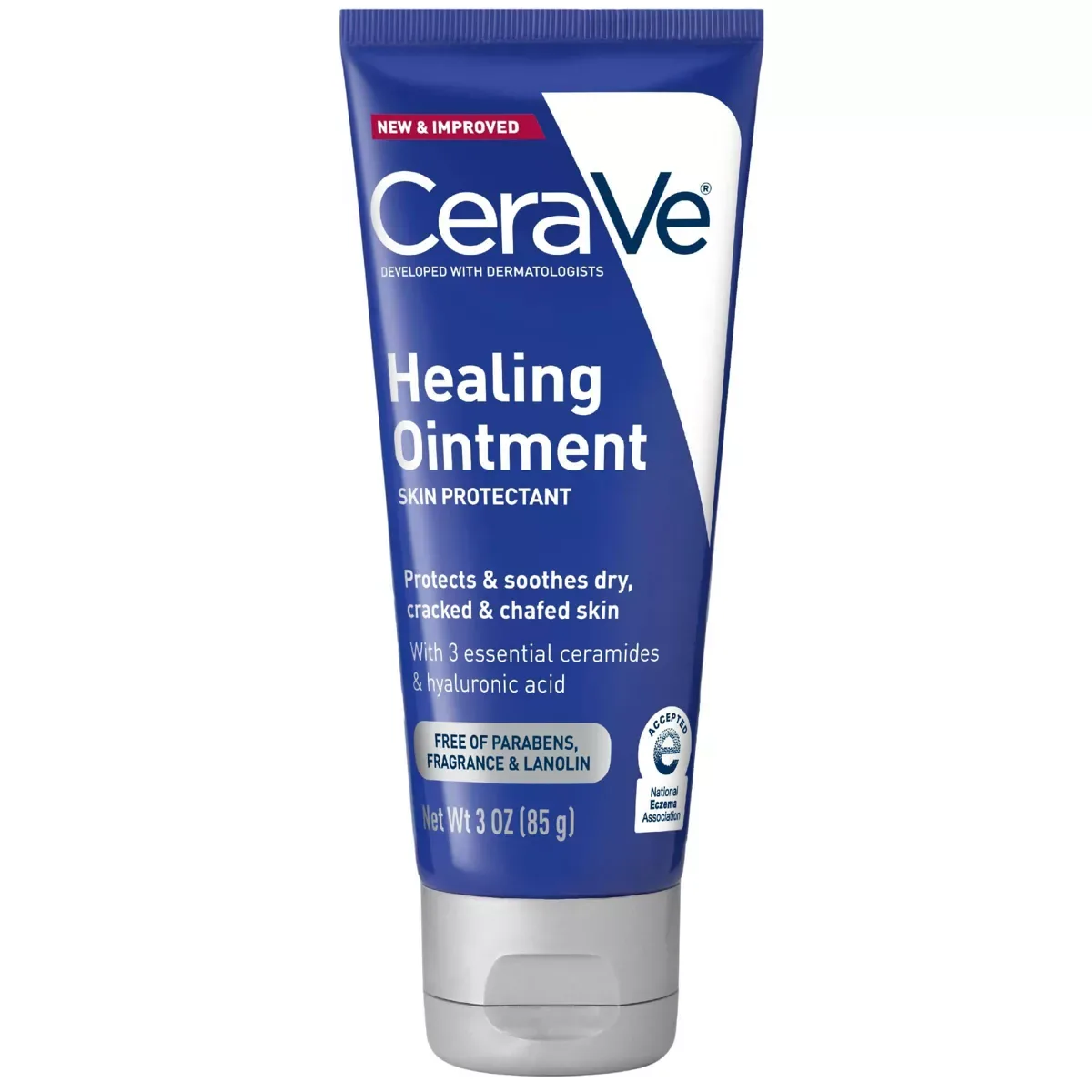 Barrier Rescue Hero
 Healing Ointment
CeraVe's Healing Ointment takes the simplest concept in skincare — seal the skin with petrolatum — and makes it genuinely intelligent by adding ceramides, hyaluronic acid, and panthenol beneath the occlusive layer. It is the gold standard drugstore occlusive for barrier rescue, slugging, and post-procedure care.
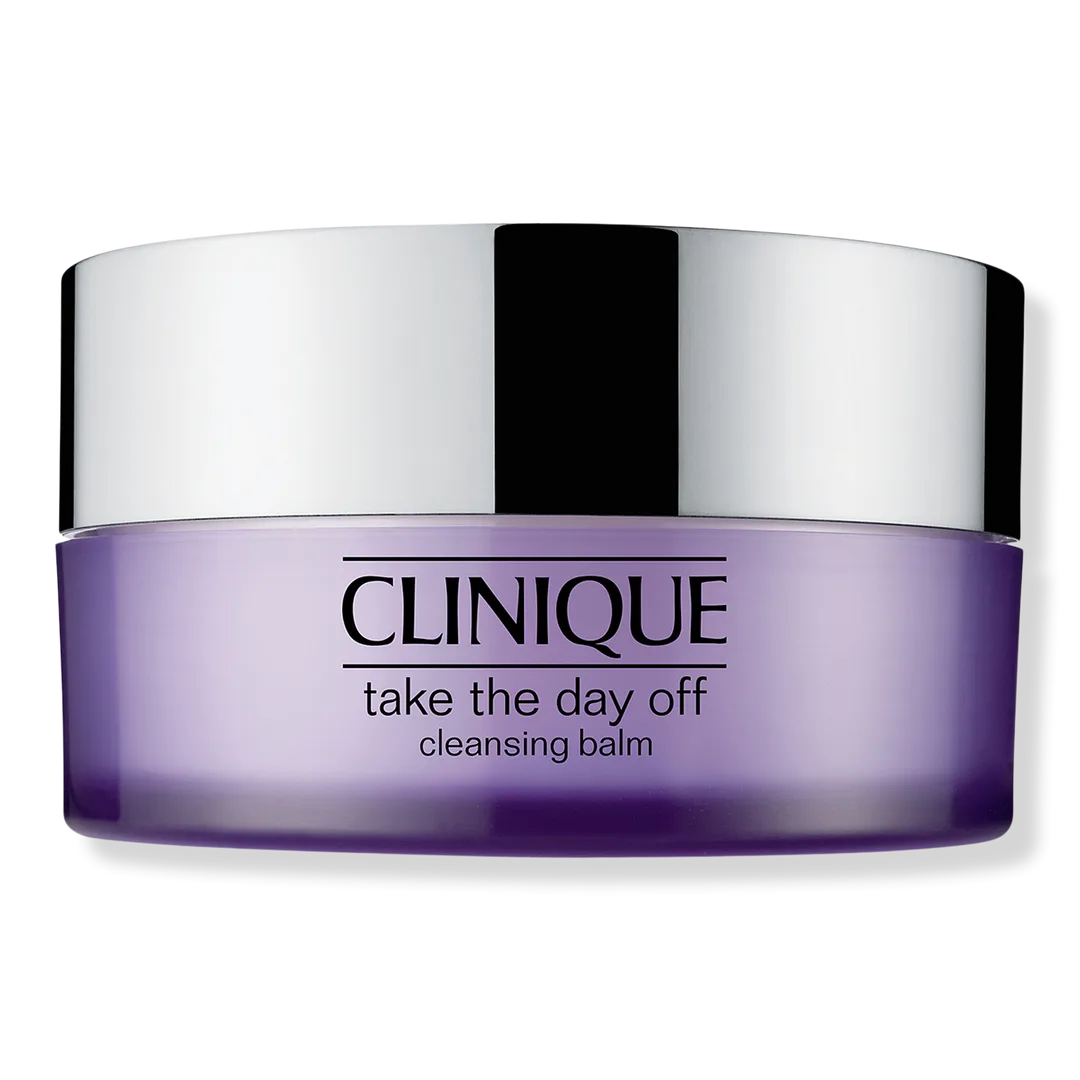 Cult-Status Makeup Eraser
 Take the Day Off Cleansing Balm
The cleansing balm that earned its cult status through radical restraint — nine ingredients, zero fragrance, and the ability to dissolve anything from waterproof mascara to SPF 50 without disturbing even the most reactive skin. Not the most glamorous product in any routine, but possibly the most universally reliable.
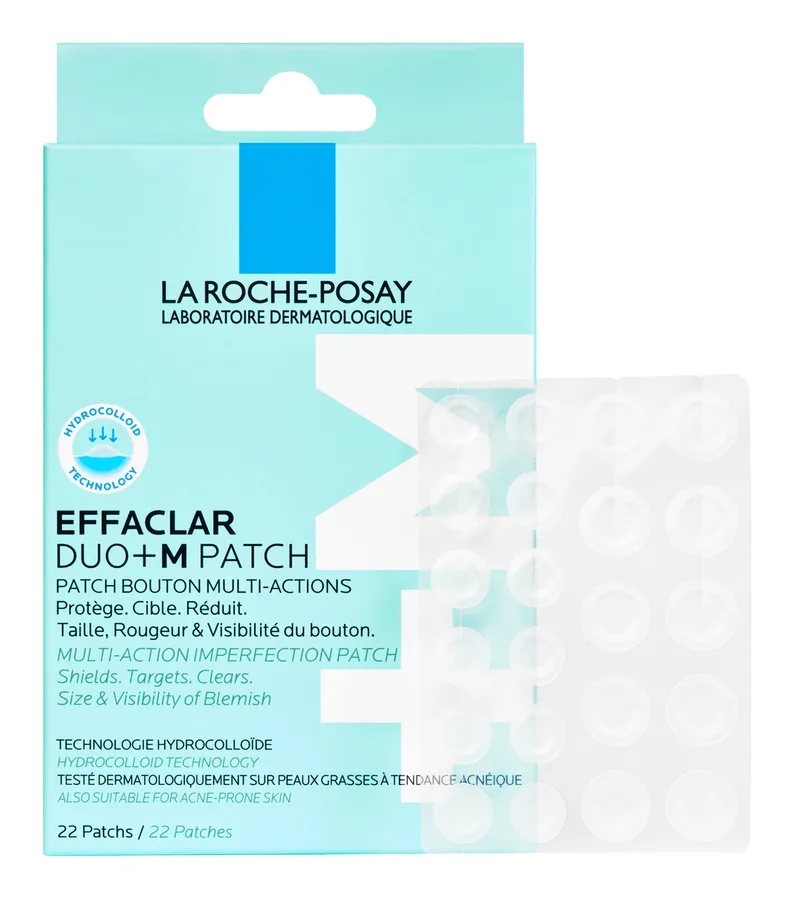 Derm Office Staple
 Effaclar Multi-Target Blemish Patches
One of the few hydrocolloid pimple patches that actually stays on overnight without curling off at 3am. At 420 microns thick with two size options in one pack and zero actives to irritate sensitive skin, this is the Effaclar line's quiet overachiever — and a legitimately good answer for anyone whose acne routine has been sabotaged by thinner patches that refuse to stay put.
 Reactive-Skin Cult Favorite
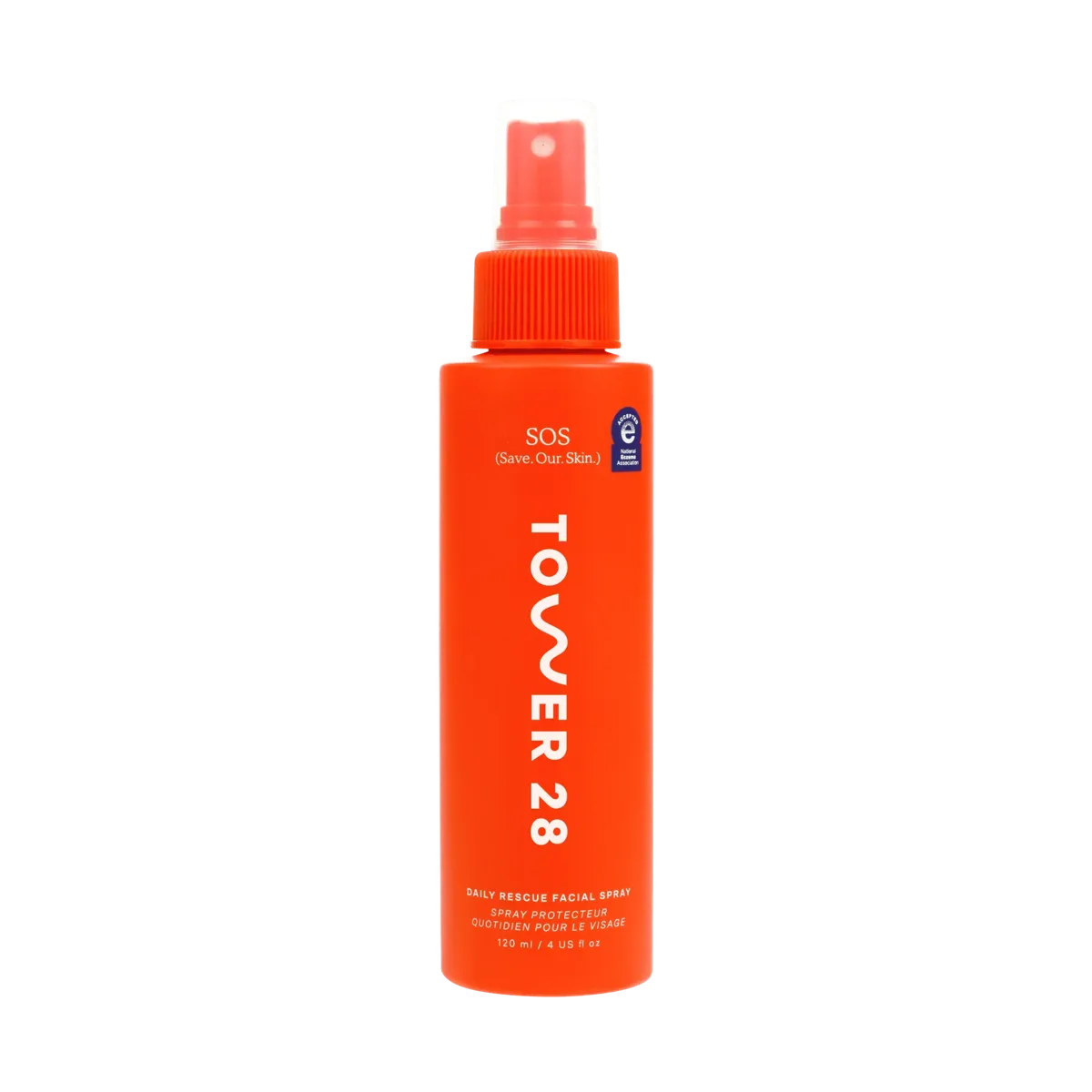
 SOS Save Our Skin Daily Rescue Facial Spray
The product that single-handedly brought hypochlorous acid into mainstream skincare. A fine-mist HOCl spray with genuine dermatology-organization validation, a near-perfect tolerability profile, and a cult following among people whose skin reacts to everything else. The price runs steeper than medical-grade HOCl, but the stabilization and design are worth the difference for daily use.
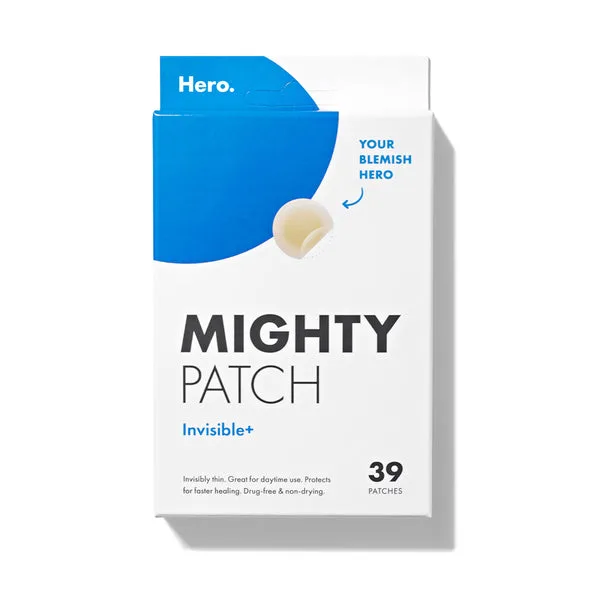
Mighty Patch Invisible+
The pimple patch that proved acne treatment could be invisible — Mighty Patch Invisible+ delivers the same fluid-absorbing hydrocolloid technology as the category-defining Original, but engineered thin enough to disappear under makeup. For daytime blemish management, nothing else comes this close to invisible.
 Post-Procedure MVP
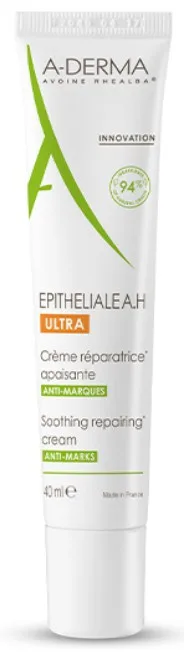
 Epitheliale A.H Ultra Repairing Cream
One of the best-formulated French pharmacy repair creams on the market, full stop. Rhealba oat, three-weight HA, madecassoside, trace minerals, panthenol, and shea butter come together in a cream that handles post-procedure skin, eczema flares, friction damage, and compromised barriers with unusual competence for the price.
This review reflects our independent analysis of publicly available ingredient data, manufacturer claims, and verified user reviews. We are reader-supported — Amazon links may earn us a commission at no cost to you. We do not accept paid placements; rankings are based solely on the evidence.