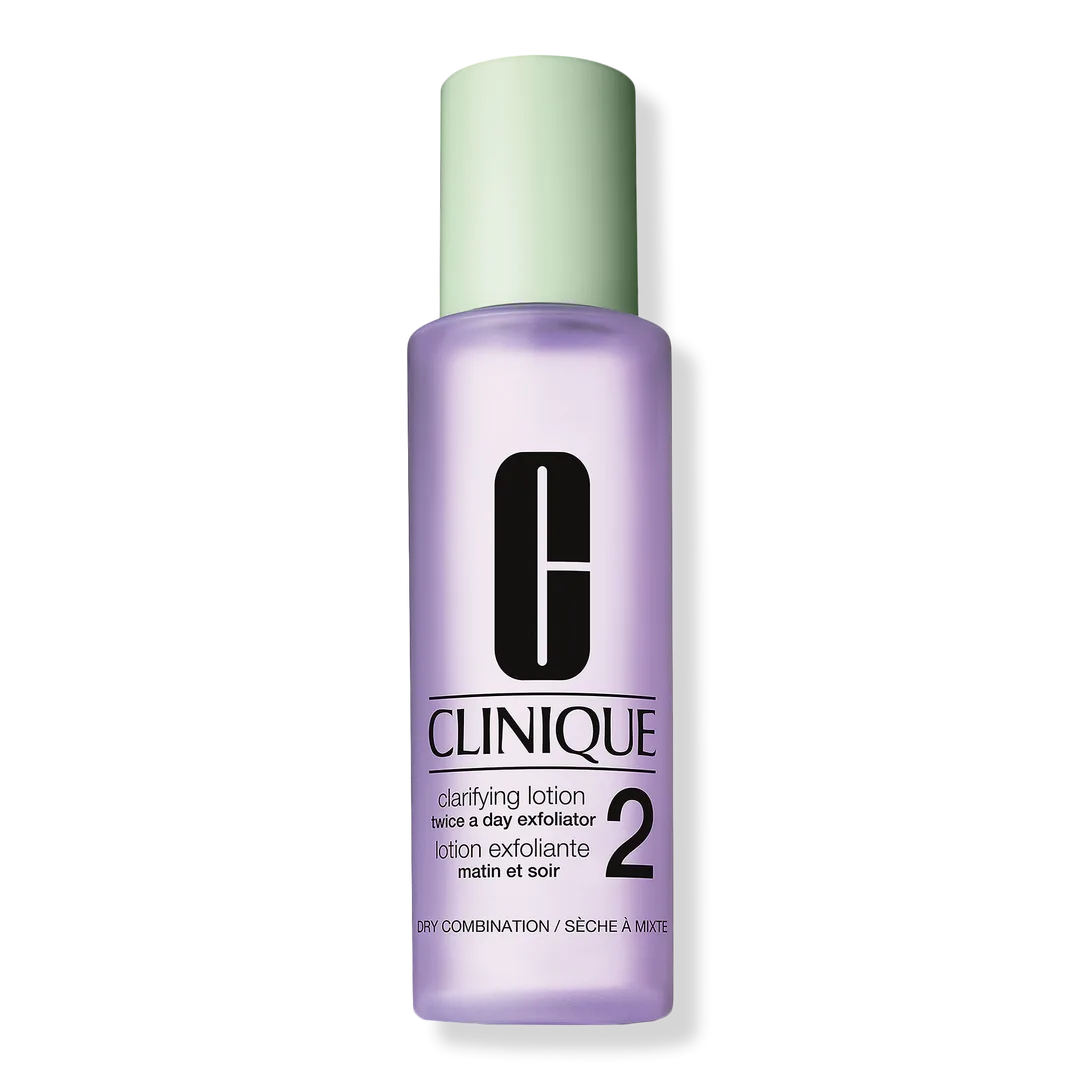
A piece of skincare history that still works — the acetyl glucosamine exfoliation is genuinely effective and the reformulated hydration buffers help, but the high alcohol content feels like an artifact of 1968 formulation philosophy in a market that has moved decisively toward gentler approaches.
Clarifying Lotion 2
A piece of skincare history that still works — the acetyl glucosamine exfoliation is genuinely effective and the reformulated hydration buffers help, but the high alcohol content feels like an artifact of 1968 formulation philosophy in a market that has moved decisively toward gentler approaches.
Score Breakdown
Where this product gains points and where it loses them — broken down across the four scoring pillars.
A legacy exfoliating toner with genuine historical significance but a formula that shows its age. The high alcohol content is the primary liability, partially mitigated by the addition of hyaluronic acid and trehalose in reformulation. The acetyl glucosamine exfoliation is gentler than acid alternatives.
Pros & Cons
- ✓Acetyl glucosamine provides genuine chemical exfoliation without requiring acidic pH conditions
- ✓Part of a historic three-step system with nearly sixty years of real-world validation
- ✓Reformulated with sodium hyaluronate glycerin and trehalose to buffer alcohol drying effects
- ✓Multiple size options from travel to jumbo offer excellent flexibility and per-ounce value
- ✓Fragrance-free and paraben-free with a simple twelve-ingredient formula
- ✓Visible exfoliation feedback on cotton pad confirms product is working
- ✗Alcohol denat. is the second ingredient creating significant drying and irritation potential
- ✗Formula feels dated compared to modern alcohol-free exfoliating toners
- ✗Can sting on sensitized compromised or freshly shaved skin
- ✗Not suitable for sensitive skin rosacea or eczema despite the mild #2 designation
- ✗The purple tint can temporarily stain cotton pads and light towels
Full Review
In 1968, the idea that you should exfoliate your skin every day was not something consumers believed, discussed, or practiced. Skincare routines were soap-and-water simple, and the concept of a dedicated exfoliation step — a liquid you swept across your face with a cotton pad to remove dead skin cells — was genuinely revolutionary. The Clinique Clarifying Lotion was that revolution. Step 2 of the original Three-Step Skin Care System, it introduced millions of people to the principle that healthy skin requires regular removal of the dead cell layer that dulls complexion, clogs pores, and prevents subsequent products from penetrating effectively.
Nearly sixty years later, the Clarifying Lotion 2 is still on shelves, still numbered for skin types (1 through 4, dry to oily), and still generating the same satisfying yellowish-brown residue on the cotton pad that convinced generations of users it was doing something meaningful. That residue, for the record, is primarily dead corneocytes and dissolved sebum — evidence of exfoliation, not dirt. The distinction matters because it tells you the product is functioning as intended: loosening and removing the uppermost layer of cells that have completed their biological purpose.
The exfoliating engine has been updated over the decades. The current formula centers acetyl glucosamine — an amino sugar that disrupts the glycosidic bonds between dead corneocytes without requiring the acidic pH that alpha hydroxy acids need. This is a meaningful advantage: it means the exfoliation works at the formula's native pH rather than requiring the kind of low-pH environment that can sting and irritate. Witch hazel extract provides supplementary astringent and antioxidant activity, though its role has diminished from the original formula as the acetyl glucosamine took on more of the exfoliating work.
The reformulation also added a hydration safety net that the 1968 version lacked entirely. Sodium hyaluronate, glycerin, and trehalose form a three-part humectant system designed to counteract the drying effect of what is, undeniably, a lot of alcohol. Alcohol denat. sits as the second ingredient — right after water — and this is where the formula's age shows most clearly. In 1968, alcohol was a standard vehicle for skincare liquids. In 2026, it's the ingredient that modern formulators work hardest to eliminate or minimize. The hydration additions help, but they're fighting an uphill battle against the volume of alcohol in the base.
The experience is distinctive. A brisk, slightly stinging sweep across the face with a soaked cotton pad, followed by seconds of that clean-tight feeling that alcohol creates, followed by a noticeable smoothness once the toner evaporates. It's a ritual — the Three-Step users who've been doing this for decades describe it as addictive, the sensory confirmation that they've properly prepared their skin. The purple tint is cosmetic, from the colorants at the end of the INCI list, and serves no functional purpose.
The #2 formula is calibrated for dry-combination skin — the mildest in the Clarifying range. It lacks the salicylic acid that the #3 formula includes for oilier, acne-prone skin, and it uses a lower concentration of astringent actives than the #3 and #4 versions. This makes it the most tolerable entry point for someone trying the Three-Step System, though 'most tolerable' still includes significant alcohol exposure.
Value is reasonable for the prestige category. Twenty-three dollars for 6.7 ounces lasts two to three months of twice-daily use, and larger sizes up to 16.5 ounces offer better per-ounce value for committed users. The multiple size options are a genuine convenience that many modern toner brands don't offer.
The honest assessment: this product works. The acetyl glucosamine exfoliation delivers measurable smoothing and brightening over weeks of consistent use. The witch hazel provides gentle astringent refinement. And for the millions of people who grew up with the Three-Step System and have built their entire skincare understanding around it, the Clarifying Lotion isn't just a toner — it's a foundational habit.
But it's a foundational habit built on a formulation philosophy from nearly sixty years ago. The alcohol content is the elephant in the bottle. Modern exfoliating toners deliver comparable or superior results with gentler vehicles — no alcohol, no stinging, no need for a hydration safety net to undo the damage of the exfoliation step itself. Clinique has reformulated thoughtfully within the constraints of the original concept, but the constraints remain real.
Formula
Key Ingredients
The hero actives that drive this product's performance.
| Ingredient | Function | Evidence |
|---|---|---|
| Acetyl Glucosamine | The gentle chemical exfoliant that replaced the harsher exfoliating agents in the original formula. Works by loosening the bonds between dead corneocytes in the upper stratum corneum, promoting desquamation without the pH-dependency of glycolic acid — allowing it to function within the alcohol-and-witch-hazel base without needing acidic conditions. | promising |
| Witch Hazel (Hamamelis Virginiana) Extract | The original exfoliating and astringent ingredient from the 1968 formula. Contains tannins that provide gentle astringent action, temporarily tightening pores while its gallic acid derivatives offer mild antioxidant protection. Calibrated here at a milder level than the #3 and #4 versions for dry-combination skin. | well-established |
| Sodium Hyaluronate | Added in the reformulation to offset the dehydrating potential of the alcohol denat. Draws moisture into the stratum corneum during the exfoliation step, providing a hydration counterbalance that the original 1968 formula lacked. | well-established |
| Trehalose | A stress-protective disaccharide sugar that stabilizes cell membranes against dehydration damage. Works alongside the sodium hyaluronate and glycerin to form a three-part hydration system that cushions skin against the alcohol's drying effects. | promising |
Full INCI List
Water/Aqua/Eau, Alcohol Denat., Glycerin, Hamamelis Virginiana (Witch Hazel) Extract, Acetyl Glucosamine, Trehalose, Sodium Hyaluronate, Butylene Glycol, Sodium Bicarbonate, Red 6 (CI 15850), Red 33 (CI 17200), Ext. Violet 2 (CI 60730)
Product Flags
✓ Fragrance Free✗ Alcohol Free✓ Oil Free✓ Silicone Free✓ Paraben Free✓ Sulfate Free✗ Cruelty Free✓ Vegan✓ Fungal Acne Safe
Potential Irritants
Alcohol Denat. (second ingredient)
Compatibility
Skin Match
Best For
Works For
Not Ideal For
Addresses These Conditions
Use With Caution
sensitivity compromised skin barrier rosacea dryness
Avoid With
Routine Step
toner
Time of Day
AM & PM
Pregnancy Safe
Yes ✓
Layering Tips
Sweep across face with a cotton pad after cleansing, avoiding the eye area. Follow immediately with serums and moisturizer to counteract the alcohol's drying effect. The #2 formula is the mildest in the Clarifying range — designed for the dry side of combination skin.
Results Timeline
Immediate refreshed, slightly tight feeling after application. After 1-2 weeks of twice-daily use, dead skin buildup decreases and skin appears smoother and more luminous. Full exfoliation benefits visible at 4-6 weeks.
Pairs Well With
hydrating serumsClinique Dramatically Different Moisturizing Lotion+ceramide moisturizers
Conflicts With
other exfoliating acids (same routine step)
Sample AM Routine
- Clinique cleanser
- Clinique Clarifying Lotion 2
- Serum
- Dramatically Different Moisturizing Lotion+
- Sunscreen
Sample PM Routine
- Clinique cleanser
- Clinique Clarifying Lotion 2
- Treatment serum
- Night moisturizer
Evidence
Science & Expert Perspective
The Science
Acetyl glucosamine works through a mechanism distinct from the hydroxy acids that dominate modern exfoliating toners. As an amino sugar, it interferes with the glycosidic bonds between corneocytes in the upper stratum corneum, promoting desquamation without the pH-dependent activity of glycolic or lactic acid. This means it can function at near-neutral pH — a significant advantage in a formula where the alcohol-water vehicle doesn't naturally create acidic conditions. Research has also shown acetyl glucosamine has skin-brightening properties through inhibition of tyrosinase, adding a tone-evening benefit beyond pure exfoliation.
Witch hazel extract contains tannins — polyphenolic compounds that bind to proteins and create a temporary tightening effect on pores. The gallic acid derivatives in witch hazel provide mild antioxidant activity. However, some dermatological research has questioned whether the astringent effect is genuinely beneficial or merely cosmetically satisfying, as the pore tightening is temporary and does not change actual pore size.
The trehalose inclusion reflects modern understanding of cellular stress protection. This disaccharide stabilizes cell membrane phospholipids during dehydration stress, preventing the protein denaturation and membrane damage that alcohol exposure can cause. In this formula, it serves as a molecular cushion that helps skin cells survive the alcohol contact intact.
Dermatologist Perspective
Dermatologists have a nuanced view of the Clarifying Lotion. Board-certified dermatologists acknowledge that the Three-Step System introduced millions of consumers to proper skincare habits, and the exfoliation principle it taught remains valid. However, most dermatologists today would not prescribe a high-alcohol exfoliating toner as a first choice — modern alternatives achieve comparable exfoliation with significantly less irritation risk. Dermatologists typically recommend the Clarifying Lotion for patients who have been using it successfully for years and see no reason to change, while steering new patients toward alcohol-free exfoliating options.
Guidance
Usage Guide
How to Use
After cleansing, saturate a cotton pad with the Clarifying Lotion and sweep across the entire face and neck, avoiding the eye area and lips. Use twice daily — morning and evening — as Step 2 in the Clinique Three-Step routine. Follow immediately with serum and moisturizer to replenish hydration. Do not let the toner sit on skin without subsequent moisturization.
Value Assessment
At twenty-three dollars for 6.7 ounces, this is competitively priced for a prestige toner and offers two to three months of twice-daily use. The 13.5 oz and 16.5 oz sizes provide excellent per-ounce value for committed Three-Step users. A 2.0 oz travel size is also available. For a product with nearly sixty years of market validation from a legacy dermatologist-guided brand, the price-to-heritage ratio is fair — though the formulation itself doesn't fully justify the prestige premium when compared to modern drugstore exfoliating toners.
Who Should Buy
Combination skin types on the drier side who want a gentle daily exfoliant within the trusted Clinique Three-Step framework. Ideal for longtime Three-Step users who know the formula works for their skin and value the ritual consistency. Good entry point for those new to the Clinique system with non-sensitive skin.
Who Should Skip
Sensitive, rosacea-prone, or eczema-affected skin. Anyone with a compromised skin barrier. Those who prefer alcohol-free skincare or who experience stinging from alcohol-based products. Oily or acne-prone skin should look at Clarifying Lotion 3 or 4 instead.
Ready to try Clinique Clarifying Lotion 2?
Details
Details
Texture
Thin, watery liquid with a distinctive purple tint. Applied with a cotton pad in a sweep-and-wipe motion. Light and non-viscous.
Scent
Fragrance-free but has a noticeable alcohol scent that dissipates within seconds of application.
Packaging
Iconic Clinique clear bottle with green cap, available in 2.0 oz, 6.7 oz, 13.5 oz, and 16.5 oz sizes. The multiple size options offer flexibility from travel to value.
Finish
cleanmatte
What to Expect on First Use
A brisk, slightly stinging sensation on application that the alcohol creates — this dissipates within seconds. Skin immediately feels clean and slightly tight. The cotton pad will show a yellowish-brown residue of removed dead skin and debris, which is oddly satisfying and provides visible feedback that the product is working.
How Long It Lasts
2-3 months with twice-daily use (6.7 oz size)
Period After Opening
18 months
Best Season
All Year
Background
The Why
When dermatologist Norman Orentreich and Vogue editor Carol Phillips created Clinique in 1968, the Clarifying Lotion was Step 2 of the revolutionary Three-Step System — cleanse, exfoliate, moisturize. It was radical at the time: the idea that daily exfoliation was essential for healthy skin was not mainstream consumer advice. The numbering system (1 through 4) matched skin types from driest to oiliest, creating one of skincare's first personalized product selection frameworks. Nearly sixty years later, the Three-Step System remains in production.
About Clinique Legacy Brand (20+ years)
Clinique was founded in 1968 as the first prestige cosmetics brand to be allergy-tested and fragrance-free, developed in partnership with dermatologist Norman Orentreich. A subsidiary of Estée Lauder Companies, Clinique pioneered dermatologist-guided skincare and remains one of the most recognized prestige skincare brands worldwide.
Brand founded: 1968
Myth vs. Reality
Myths & Misconceptions
Myth
The residue on the cotton pad after using Clarifying Lotion is dirt being removed
Reality
The yellowish-brown residue is primarily dead skin cells (corneocytes) loosened by the acetyl glucosamine and witch hazel, plus some dissolved sebum. It's exfoliation debris, not dirt — which is actually evidence the product is working as intended.
Myth
Alcohol in toner is always bad for skin
Reality
Alcohol denat. in this formula serves as a solvent and quick-drying vehicle. At this concentration it can be drying for sensitive or dry skin types, which is why the reformulation added hyaluronic acid, glycerin, and trehalose as hydration buffers. For normal and combination skin used within the Three-Step system with moisturizer, the alcohol is generally tolerated.
FAQ
Frequently Asked Questions
Which Clinique Clarifying Lotion number should I use?
Clinique Clarifying Lotion 2 is designed for dry-combination skin — the mildest formula in the range. If your skin is oilier, particularly in the T-zone, Clarifying Lotion 3 with added salicylic acid may be more appropriate. The number system matches skin type: lower numbers for drier skin, higher for oilier.
Does Clinique Clarifying Lotion 2 contain alcohol?
Yes — alcohol denat. is the second ingredient. The reformulated version includes sodium hyaluronate, glycerin, and trehalose to buffer the drying effects, but if you're sensitive to alcohol in skincare, this product will likely cause irritation. Consider alcohol-free exfoliating toner alternatives.
Can I use Clinique Clarifying Lotion with retinol?
Use caution. The acetyl glucosamine exfoliation combined with retinol can over-exfoliate sensitive or dry skin. If using both, apply the Clarifying Lotion in the morning and retinol at night, or alternate days. Ensure you're using adequate moisturizer and sunscreen.
Why does my cotton pad turn brown after using Clarifying Lotion?
The residue is primarily dead skin cells (corneocytes) loosened by the acetyl glucosamine and witch hazel, along with dissolved sebum and traces of remaining cleanser. This is evidence of exfoliation, not dirt removal. It's normal and expected.
Is Clinique Clarifying Lotion 2 a toner or an exfoliant?
Both. Clinique calls it a 'lotion' (their term for toner) but it functions as a daily chemical exfoliant using acetyl glucosamine and witch hazel. It exfoliates the upper layer of dead skin while also toning and preparing the skin for subsequent products. In the Clinique system, it's Step 2 — the exfoliation step.
Community
Community Voices
Common Praise
"Leaves skin feeling refreshed and smooth after every use"
"Visibly improves skin clarity and luminosity over time"
"Part of a trusted three-step system that simplifies routines"
"Cotton pad picks up visible residue confirming exfoliation is working"
"Multiple sizes available from travel to jumbo"
Common Complaints
"High alcohol content can be drying and irritating for sensitive skin"
"Alcohol scent is noticeable and off-putting for some users"
"Formula feels dated compared to modern alcohol-free exfoliating toners"
"Can sting on compromised or freshly shaved skin"
"The purple tint can temporarily stain cotton pads and towels"
Notable Endorsements
Part of Clinique's iconic 1968 Three-Step Skin Care SystemConsistently one of the top-selling toners in department stores
Appears In
best toner for dullness best toner for texture best toner for combination skin
Related Conditions
Related Ingredients
acetyl glucosamine witch hazel hyaluronic acid glycerin trehalose
You Might Also Like
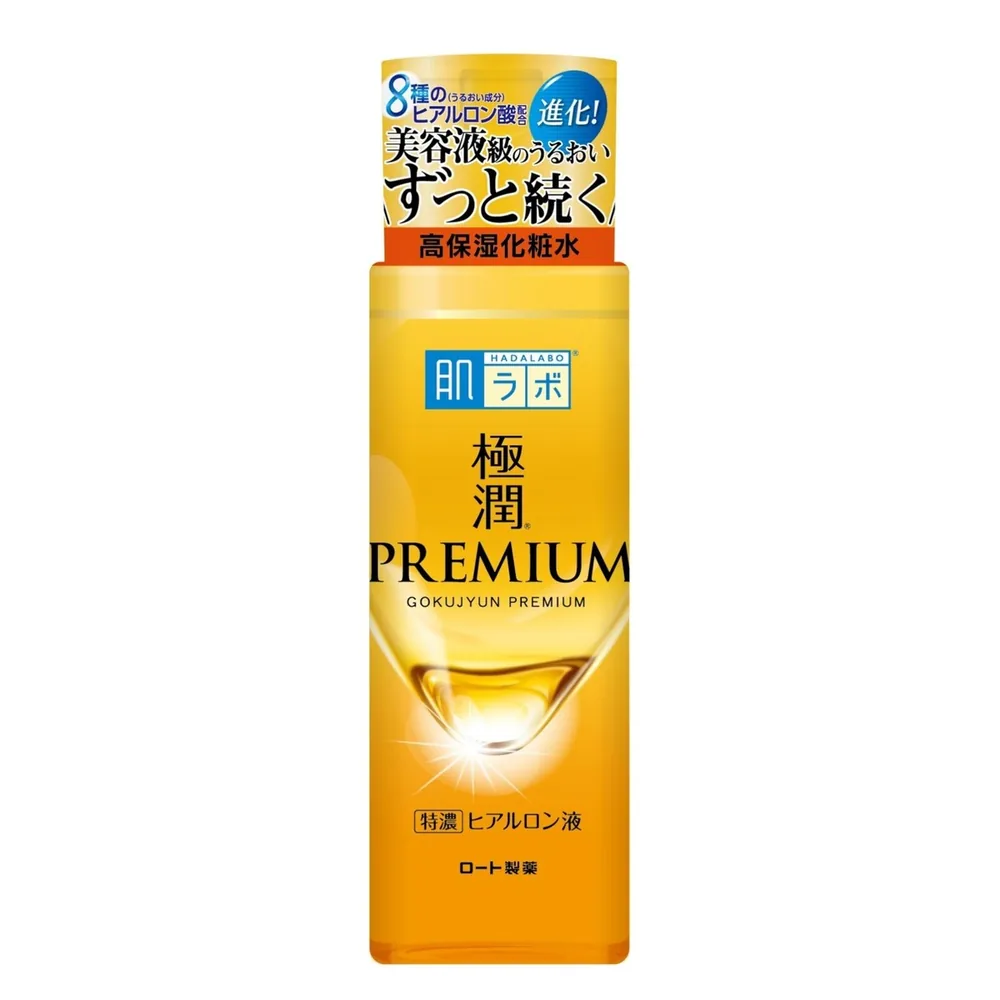 J-Beauty Holy Grail
 Gokujyun Premium Lotion
The single most impressive hyaluronic acid delivery system available in consumer skincare — seven distinct HA forms plus sacran and lipidure, in a fragrance-free formula that costs less than most drugstore serums. Japan's best-selling lotion earned that title honestly.
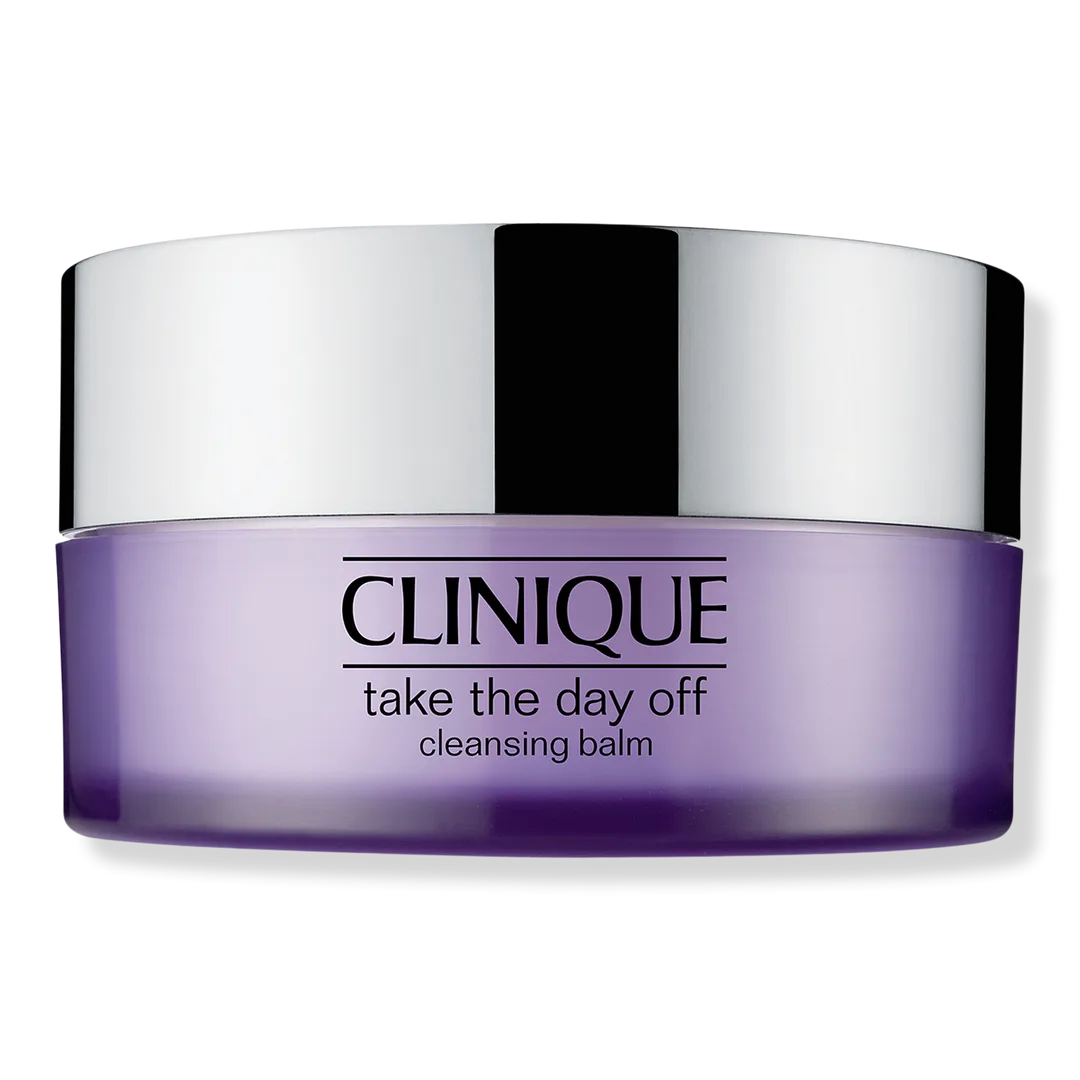 Cult-Status Makeup Eraser
 Take the Day Off Cleansing Balm
The cleansing balm that earned its cult status through radical restraint — nine ingredients, zero fragrance, and the ability to dissolve anything from waterproof mascara to SPF 50 without disturbing even the most reactive skin. Not the most glamorous product in any routine, but possibly the most universally reliable.
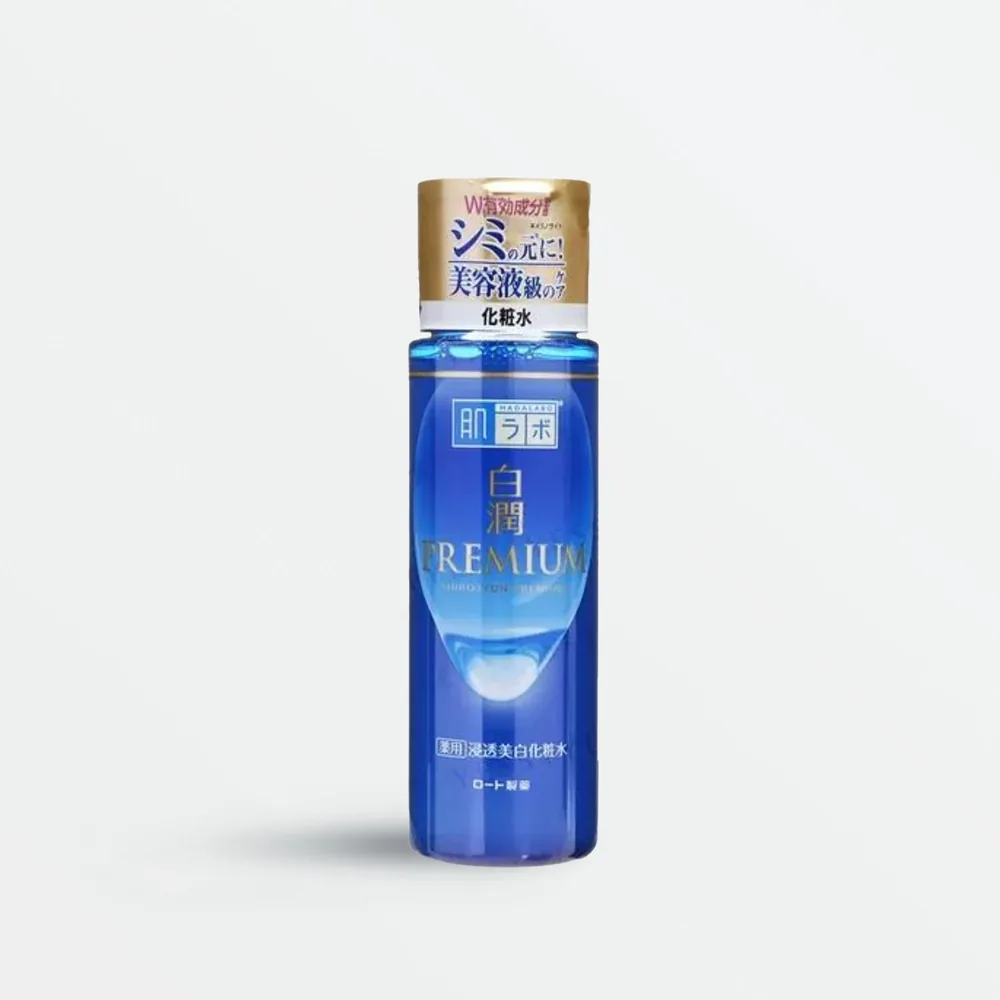 Budget Brightening Hero
 Shirojyun Premium Whitening Lotion
A triple-threat brightening toner that combines tranexamic acid, licorice root, and vitamin C in a hydrating, fungal-acne-safe formula that costs less than most single-active brightening products. The Shirojyun Premium Lotion is the Gokujyun Premium Lotion's equally brilliant, pigmentation-fighting sibling.
 K-Beauty Cult Favorite
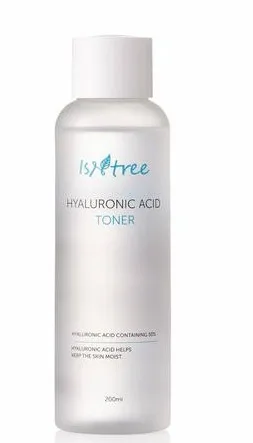
 Hyaluronic Acid Toner
One of the most quietly influential K-beauty products of the last decade — a fragrance-free, six-weight hyaluronic acid toner that helped establish Isntree as a trusted brand and made a mockery of premium HA toners charging three times the price. It's not glamorous, it's not reformulated every season, and it's still one of the first things a thoughtful K-beauty routine should consider.
 Beginner-Friendly Pick
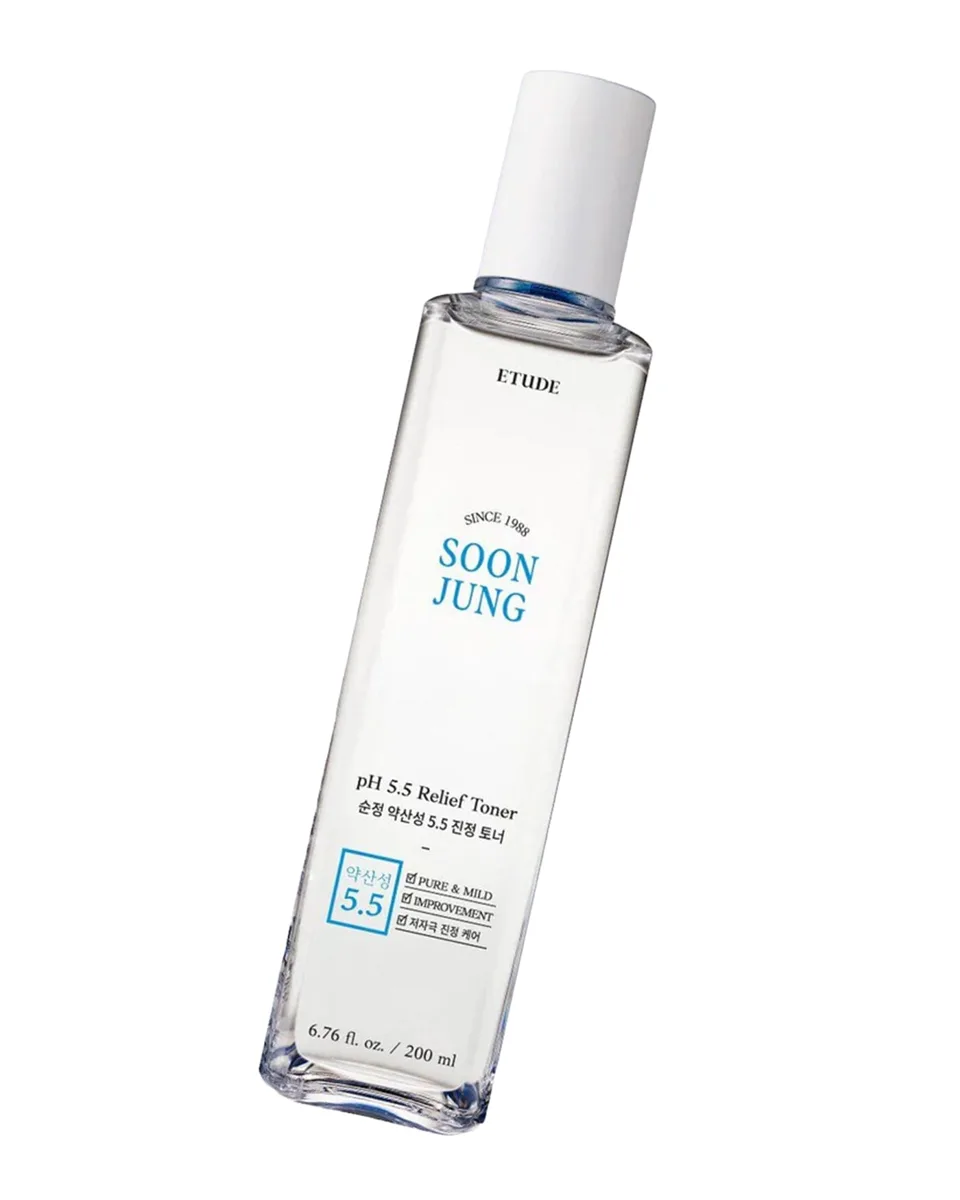
 Soon Jung Relief Toner
The gold standard for sensitive skin toners — 13 ingredients, pH 5.5, zero irritants, and genuinely effective hydration from a glycerin-betaine-panthenol system. At $20 for 200 mL, it's one of the best values in K-beauty and one of the safest products you can put on your face. It won't do anything dramatic, and that's exactly the point.
 Sensitive Skin MVP
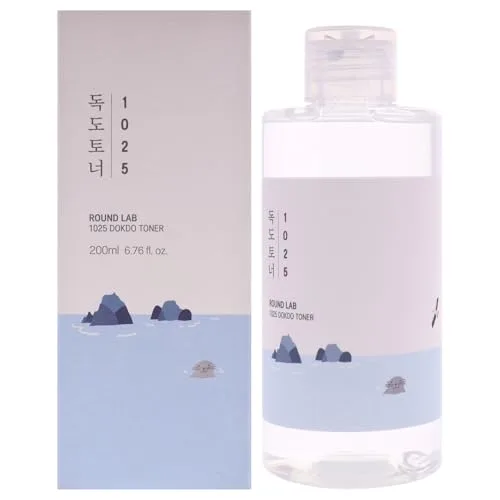
 1025 Dokdo Toner
A cult-favorite K-beauty hydrator that's earned its reputation by doing less on purpose. Deep seawater, a whisper of niacinamide, panthenol, and a handful of calming botanicals add up to one of the most reliable sensitive-skin toners on the market — and at under $20 for 200 ml, one of the best values in K-beauty.