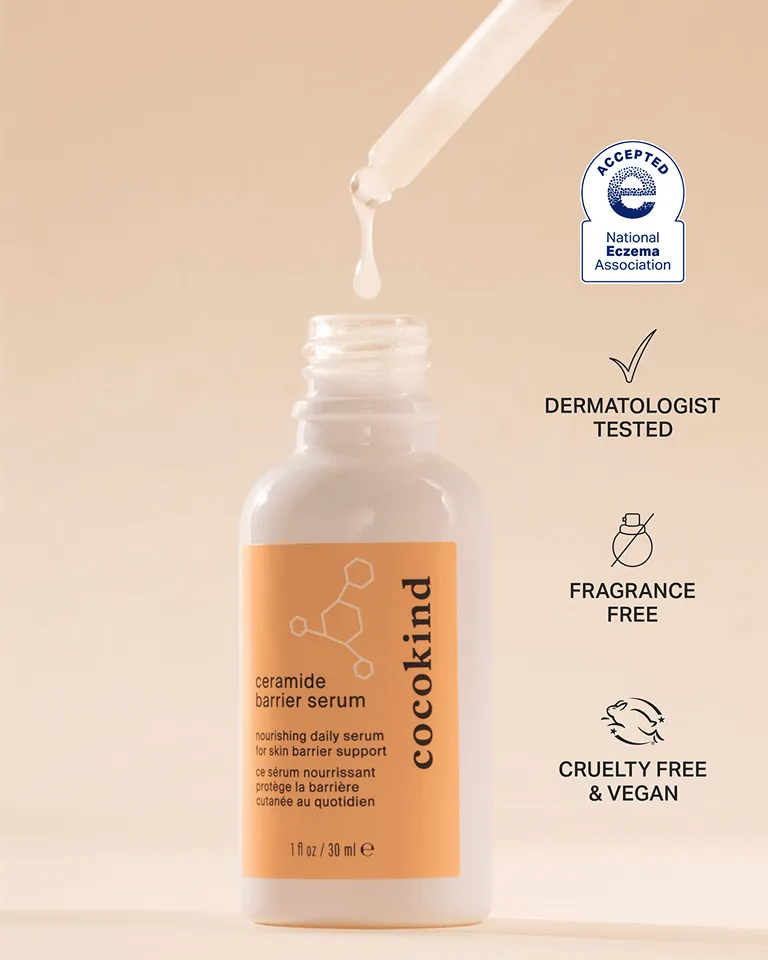
A quietly impressive barrier serum that gets the lipid science right where many competitors don't — five ceramides, cholesterol, and fatty acids in one lightweight formula that absorbs like water. At $22 for one ounce it's not the cheapest option, but the formulation depth justifies the price, and the jumbo size offers better value for committed users.
Ceramide Barrier Serum
A quietly impressive barrier serum that gets the lipid science right where many competitors don't — five ceramides, cholesterol, and fatty acids in one lightweight formula that absorbs like water. At $22 for one ounce it's not the cheapest option, but the formulation depth justifies the price, and the jumbo size offers better value for committed users.
Score Breakdown
Where this product gains points and where it loses them — broken down across the four scoring pillars.
A thoughtfully formulated ceramide serum with the complete lipid trio (ceramides, cholesterol, fatty acids) that many competitors skip. The five-ceramide complex and beta-glucan deliver genuine barrier support. Value is good but not exceptional given the 1 oz size.
Pros & Cons
- ✓Five distinct ceramide types (NP, NS, AP, EOS, EOP) plus cholesterol and behenic acid for complete barrier lipid support
- ✓5% beta-glucan provides meaningful humectant and anti-inflammatory support beyond typical barrier serums
- ✓Ultra-lightweight texture absorbs in seconds and layers perfectly under any moisturizer
- ✓Fragrance-free, silicone-free, vegan, and cruelty-free formula
- ✓Lysolecithin delivery system helps ceramides integrate into the skin's lipid matrix
- ✓Available in jumbo 2 oz size for better per-ounce value
- ✓Available at accessible retailers including Target, Ulta, and Whole Foods
- ✗Lactic acid in the formula causes stinging for some very sensitive users
- ✗Standard 1 oz bottle feels small for $22 — jumbo size offers better value
- ✗Texture may feel too thin for users expecting a richer barrier repair product
- ✗80% aloe base is more marketing philosophy than proven efficacy advantage over water
- ✗Results are gradual and subtle — not a dramatic overnight barrier fix
Full Review
Priscilla Tsai was working on Wall Street when her skin decided to stage a rebellion. Hormonal acne, a compromised barrier, and a skincare market that seemed to offer two options: expensive clinical products or cheap products that didn't work. She left finance, founded Cocokind in 2014, and started making skincare in her apartment. A decade later, the Ceramide Barrier Serum sits on Target shelves next to brands with ten times the marketing budget — and it holds its own because the formulation team actually did their homework.
The homework, in this case, is understanding that ceramides alone don't fix barriers. The skin's stratum corneum is organized like bricks and mortar — the 'bricks' are dead skin cells, and the 'mortar' is a precise mixture of three lipid classes: ceramides, cholesterol, and free fatty acids, in approximately a 3:1:1 ratio. Most affordable ceramide serums include one or two ceramide types and skip the cholesterol and fatty acids entirely, which is like trying to build a wall with mortar that's missing two of its three ingredients.
Cocokind includes five ceramide types: NP, NS, AP, EOS, and EOP. That's not just a marketing number — each ceramide subtype has a different molecular structure and plays a different role in barrier organization. NP and AP are among the most abundant in human skin. EOS and EOP are the ultra-long-chain ceramides that are critical for the lamellar phase organization that gives the barrier its waterproofing properties. The formula also includes cholesterol and behenic acid (a C22 saturated fatty acid), providing all three lipid classes needed for proper barrier assembly.
The delivery system is smart, too. Lysolecithin — a phospholipid derived from lecithin — serves as the emulsifier that keeps these lipids dispersed in the watery formula. Phospholipids are structurally similar to the skin's own lipid bilayers, which means they can help the ceramides, cholesterol, and fatty acids integrate more naturally into the stratum corneum rather than just sitting on the surface.
The 5% beta-glucan is the other standout ingredient. Beta-glucan is a polysaccharide derived from oats or yeast that has established humectant properties — it draws and holds water in the skin similarly to hyaluronic acid, but with the added benefit of documented anti-inflammatory and wound-healing properties. At 5%, this is a meaningful concentration, not a label-dusting amount. It provides the immediate hydration and soothing that makes the serum feel good on first application while the ceramides do their slower, structural work underneath.
The 80% aloe vera juice base is a Cocokind signature. Using aloe instead of water as the primary solvent provides natural polysaccharides and mild anti-inflammatory compounds. Whether this makes a clinically meaningful difference over purified water is debatable — the aloe concentration is high, but the active compounds in aloe leaf juice are present at relatively low levels even at 80%. It's not harmful, and it fits the brand's clean beauty positioning, but it's more of a philosophical choice than a formulation breakthrough.
Texturally, this serum is surprisingly thin. If you're expecting the rich, viscous feel of CeraVe's ceramide products, the lightweight, almost watery consistency of Cocokind's serum might seem insufficient. But thickness isn't efficacy. The thin texture allows rapid absorption — the serum sinks in within seconds, leaving no residue, no stickiness, and no interference with whatever you layer on top. It's the kind of product you might forget you applied ten minutes later, which is exactly what a well-formulated barrier serum should do.
The squalane in the formula provides lightweight emollience without the greasy feel of heavier oils. It's a biomimetic ingredient — squalane is naturally produced by human sebaceous glands — which means it integrates into the skin's lipid environment without disrupting it. In this formula, it likely assists the ceramide delivery by creating a compatible lipid environment for the ceramides to dissolve into.
A few caveats. The formula contains a small amount of lactic acid, which serves as a pH adjuster but can cause stinging in some very sensitive or compromised skin. A small minority of users report redness and irritation on first use — if your barrier is severely damaged, patch testing is advisable. The 1 oz bottle feels small for $22, though the jumbo 2 oz size at a lower per-ounce cost is available for those who've confirmed compatibility.
Cocokind's Ceramide Barrier Serum isn't the most glamorous product in the barrier repair category. It doesn't have the cult following of CeraVe or the clinical positioning of SkinCeuticals. But it may be one of the most formulation-savvy options at its price point — a serum that respects the actual science of skin barrier lipids rather than just name-dropping 'ceramides' and calling it done. For a brand that started in an apartment and now sits in Target, that's a genuinely impressive formulation achievement.
Formula
Key Ingredients
The hero actives that drive this product's performance.
| Ingredient | Function | Evidence |
|---|---|---|
| Five Ceramides (NP, NS, AP, EOS, EOP) | Five distinct ceramide types mirror the diversity of ceramides found in healthy human stratum corneum — NP, NS, AP for barrier lipid replacement, EOS and EOP for long-chain barrier organization — working alongside the cholesterol and behenic acid in this formula to recreate the three essential lipid classes (ceramides, cholesterol, fatty acids) needed for proper barrier function. | well-established |
| Squalane | Provides lightweight, non-comedogenic emollience that helps the ceramides integrate into the skin's lipid matrix — squalane mimics the skin's own sebum composition, creating a comfortable vehicle for the ceramide complex that won't leave a greasy residue or clog pores. | well-established |
| Beta-Glucan (5%) | At 5%, beta-glucan serves as the primary humectant and soothing agent, drawing moisture into the skin and calming inflammation — research shows beta-glucan can stimulate collagen synthesis and promote wound healing, making it a strong complement to the ceramide barrier repair in this formula. | promising |
| Cholesterol | One of the three essential lipid classes in the skin barrier's mortar-and-brick structure — cholesterol works alongside the five ceramides and behenic acid (a fatty acid) to recreate the complete lipid environment needed for proper stratum corneum organization, a detail that many ceramide serums overlook. | well-established |
| Aloe Barbadensis Leaf Juice (80%) | Serves as the formula's primary solvent (80% of the formula) instead of water, providing natural polysaccharides and anti-inflammatory compounds that create a soothing base for the ceramide and lipid complex — a more biologically active foundation than plain water, though the skincare benefits of the aloe concentration are modest at best. | traditional-use |
Full INCI List
Aloe Barbadensis Leaf Juice, Propanediol, Squalane, Glycerin, Sodium Citrate, Gluconolactone, Arginine, Lactic Acid, Musa Sapientum (Banana) Fruit Extract, Lysolecithin, Sclerotium Gum, Sodium Benzoate, Pullulan, Xanthan Gum, Ceteareth-25, Beta-Glucan, Tocopherol, Cetyl Alcohol, Caprylyl Glycol, Helianthus Annuus (Sunflower) Seed Oil, Silica, Behenic Acid, Cholesterol, Ceramide NP, Calcium Gluconate, Ceramide NS, Ceramide AP, Ceramide EOS, Ceramide EOP, Caprooyl Phytosphingosine, Caprooyl Sphingosine
Product Flags
✓ Fragrance Free✓ Alcohol Free✗ Oil Free✓ Silicone Free✓ Paraben Free✓ Sulfate Free✓ Cruelty Free✓ Vegan✗ Fungal Acne Safe
Potential Irritants
lactic acid
Compatibility
Skin Match
Best For
Works For
Not Ideal For
Addresses These Conditions
dryness dehydration compromised skin barrier sensitivity
Routine Step
serum
Time of Day
AM & PM
Pregnancy Safe
Yes ✓
Layering Tips
Apply to slightly damp skin after cleansing and toning. The lightweight texture absorbs quickly and layers well under moisturizer. Can be used morning and evening. Pairs especially well with a ceramide-rich moisturizer to lock in the serum's lipid delivery.
Results Timeline
Immediate soothing and hydrating effect from the aloe and beta-glucan. Skin feels softer and more comfortable within 1-2 days. Noticeable barrier improvement with reduced dryness and reactivity within 2-3 weeks. Full ceramide barrier restoration benefits typically appear after 4-6 weeks of consistent use.
Pairs Well With
ceramide moisturizersgentle cleanserssunscreenniacinamide
Sample AM Routine
- Gentle cleanser
- Cocokind Ceramide Barrier Serum
- Moisturizer
- Sunscreen SPF 30+
Sample PM Routine
- Oil cleanser
- Water-based cleanser
- Cocokind Ceramide Barrier Serum
- Rich moisturizer or sleeping mask
Evidence
Who Should Skip
- Lactic acid in the formula causes stinging for some very sensitive users
- Standard 1 oz bottle feels small for $22 — jumbo size offers better value
- Texture may feel too thin for users expecting a richer barrier repair product
- 80% aloe base is more marketing philosophy than proven efficacy advantage over water
Science & Expert Perspective
The Science
The five-ceramide approach in this serum reflects current understanding of stratum corneum lipid organization. Research published in the Journal of Lipid Research has identified at least 12 ceramide subclasses in human skin, with ceramides NP, NS, AP, EOS, and EOP among the most functionally important. EOS and EOP are ultra-long-chain ceramides (containing 30-34 carbon atoms) that are essential for the long periodicity phase (LPP) of the lamellar lipid structure — the organized lipid sheets that give the skin barrier its waterproofing and protective properties.
Critically, this formula includes all three lipid classes needed for proper barrier assembly: ceramides, cholesterol, and a fatty acid (behenic acid). A landmark study by Holleran et al. published in the Journal of Clinical Investigation demonstrated that all three lipid classes must be present in a roughly 3:1:1 molar ratio for optimal barrier repair — supplementing ceramides alone without cholesterol and fatty acids produces suboptimal barrier recovery.
Beta-glucan at 5% is a clinically relevant concentration. A study published in the International Journal of Biological Macromolecules (2020) demonstrated that topical beta-glucan at concentrations between 1-5% significantly improved skin hydration, reduced transepidermal water loss (TEWL), and promoted wound healing. Beta-glucan's mechanism involves both direct humectant hydration and immunomodulatory effects — it can stimulate macrophage activity and collagen synthesis, contributing to skin repair that complements the structural lipid restoration from the ceramides.
The lysolecithin delivery vehicle is worth noting. Lysophospholipids have been studied as penetration enhancers that facilitate the delivery of lipophilic actives through the stratum corneum. Their structural similarity to the skin's own phospholipid bilayers allows them to integrate ceramides more effectively into the existing lipid lamellae compared to conventional emulsifier systems.
Dermatologist Perspective
Board-certified dermatologists note that effective barrier repair products should include the complete lipid trio — ceramides, cholesterol, and fatty acids — rather than ceramides alone. This serum's five-ceramide complex with cholesterol and behenic acid aligns with the dermatological understanding of barrier lipid biology. Dermatologists frequently recommend ceramide-based serums for patients with compromised barriers from overuse of retinoids, chemical exfoliants, or environmental damage. The fragrance-free, silicone-free formulation is appropriate for most patients, though dermatologists may caution that the lactic acid content could irritate severely compromised skin.
Guidance
Usage Guide
How to Use
Dispense 3-4 drops into palms and press gently onto slightly damp face and neck after cleansing and toning. The lightweight texture absorbs quickly — no waiting required before applying moisturizer. Use morning and evening for best results. In the AM, follow with moisturizer and sunscreen. In the PM, follow with a richer moisturizer or sleeping mask. Pairs exceptionally well with ceramide-rich moisturizers to maximize barrier lipid restoration.
Value Assessment
At $22 for 1 ounce, this serum sits in the mid-range for barrier repair products. The formulation depth — five ceramides, cholesterol, fatty acid, 5% beta-glucan, squalane — provides genuine value at this price point. The jumbo 2 oz size improves the per-ounce economics for committed users. Cocokind, founded in 2014, has built credibility as an accessible clean beauty brand without the premium pricing of clinical lines. You're getting a formulation that rivals more expensive ceramide serums from clinical brands, wrapped in clean beauty packaging and available at Target.
Who Should Buy
Anyone experiencing barrier damage from over-exfoliation, retinoid use, harsh weather, or environmental stress. Ideal for dry, dehydrated, and sensitive skin types who want a lightweight, fragrance-free ceramide serum with genuine lipid science behind it. Clean beauty enthusiasts who want formulation depth without clinical-brand pricing.
Who Should Skip
Those with severely compromised, stinging skin should patch test first due to the lactic acid content. Users who prefer a richer, more viscous serum texture may find this too thin. Very oily skin types may find the squalane and lipid content unnecessary if their barrier is intact.
Ready to try Cocokind Ceramide Barrier Serum?
Details
Details
Texture
Very lightweight, almost watery serum with a slightly gel-like quality. Absorbs within seconds, leaving skin soft and hydrated without any residue or stickiness.
Scent
Unscented — no fragrance added. Very faint natural scent from the aloe base.
Packaging
Glass bottle with dropper. Clean, minimalist cream-colored design with recycled materials consistent with Cocokind's sustainability focus. A jumbo 2 oz size is also available.
Finish
lightweightnaturalfast-absorbing
What to Expect on First Use
The serum is thinner than you might expect from a 'barrier' product — it's almost watery, closer to an essence than a traditional serum. Absorbs within seconds, leaving skin immediately soft and slightly dewy. No tingling or adjustment period for most users, though a small minority reports initial stinging, possibly from the lactic acid. The lightweight texture makes it easy to layer under any moisturizer.
How Long It Lasts
2-3 months with twice-daily application to face and neck
Period After Opening
12 months
Best Season
All Year
Background
The Why
Cocokind founder Priscilla Tsai launched the brand in 2014 after struggling with hormonal acne and frustration with the clean beauty market's lack of affordable, science-backed options. The Ceramide Barrier Serum represents the brand's evolution from simple superfood-based products to more sophisticated formulations — it's become one of Cocokind's bestsellers and a Target shelf staple, proving that effective barrier repair doesn't need to cost $50.
About Cocokind Established Brand (5–20 years)
Cocokind was founded in 2014 by Priscilla Tsai, a former Wall Street banker who built the brand on affordable, clean skincare. Now available at Target, Ulta, and Whole Foods, Cocokind has built credibility through ingredient transparency and accessible pricing, though the brand's formulations lean more toward clean beauty philosophy than clinical-grade efficacy.
Brand founded: 2014 · Product launched: 2022
Myth vs. Reality
Myths & Misconceptions
Myth
More ceramides means better barrier repair.
Reality
The number of ceramide types matters less than whether the formula includes the supporting lipids — cholesterol and fatty acids — that ceramides need to organize properly in the stratum corneum. This serum includes all three lipid classes, which is more important than the ceramide count alone.
Myth
Barrier repair serums need to feel thick and heavy to be working.
Reality
The lightweight, watery texture of this serum doesn't diminish its efficacy. The ceramides, cholesterol, and fatty acids are delivered via lysolecithin — a phospholipid emulsifier that helps these lipids integrate into the skin's barrier without requiring a heavy occlusive base.
FAQ
Frequently Asked Questions
How many ceramides does the Cocokind Ceramide Barrier Serum contain?
This serum contains five distinct ceramide types: Ceramide NP, Ceramide NS, Ceramide AP, Ceramide EOS, and Ceramide EOP. It also includes cholesterol and behenic acid (a fatty acid), providing the complete three-class lipid system needed for proper barrier function — a detail that sets it apart from many single-ceramide competitors.
Can I use this serum with retinol?
Yes — this ceramide serum is an excellent companion for retinol. The five-ceramide complex helps reinforce the barrier that retinol can compromise, reducing dryness and irritation. Apply the serum before or after retinol, or on alternate nights if your skin is particularly reactive.
Is the Cocokind Ceramide Barrier Serum good for sensitive skin?
The fragrance-free, silicone-free formula is designed for sensitive skin. However, it contains a small amount of lactic acid that has caused stinging in some very reactive users. If you have severely compromised skin, patch test first. Most sensitive skin types tolerate it well.
Why is aloe vera the first ingredient instead of water?
Cocokind uses 80% aloe barbadensis leaf juice as the formula base instead of water. Aloe provides natural polysaccharides and anti-inflammatory compounds, creating a more soothing base for the ceramides and lipids. It's a clean beauty formulation choice that offers marginal benefits over purified water.
Is there a bigger size available?
Yes — Cocokind offers a jumbo 2 fl oz size of the Ceramide Barrier Serum, which provides better value per ounce than the standard 1 fl oz bottle for those who've confirmed the product works well for their skin.
Community
Community Voices
Common Praise
"Lightweight texture absorbs instantly without stickiness"
"Noticeably calmer, less reactive skin within days"
"Affordable five-ceramide formula with clean ingredient list"
"Fragrance-free and suitable for sensitive skin"
"Visible improvement in barrier function and hydration"
Common Complaints
"Caused redness and stinging for some sensitive users"
"1 oz bottle feels small for the price"
"Aloe base may not suit all skin types"
"Some found the texture too thin for their barrier repair needs"
"Results are subtle — not dramatic overnight changes"
Notable Endorsements
Voted 'Best Serums Under $30' by dermatologists
Appears In
best affordable ceramide serum best barrier repair serum best clean beauty serum best serum for dry skin
Related Conditions
dryness dehydration compromised skin barrier sensitivity
Related Ingredients
You Might Also Like
 Sensitive Skin Soother
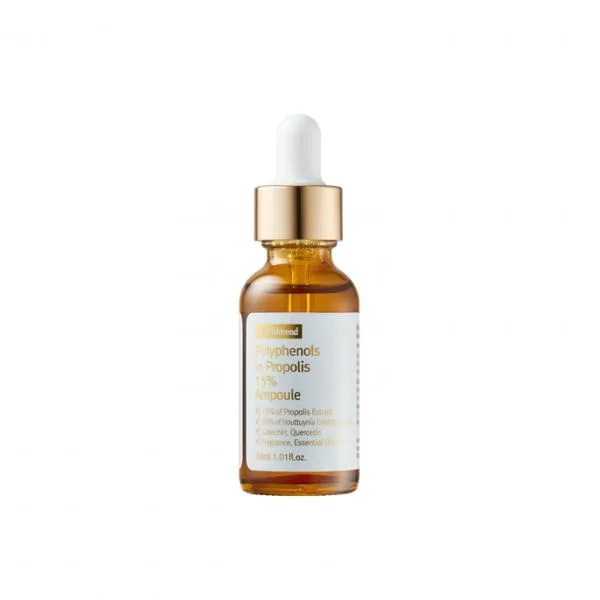
 Polyphenols In Propolis 15% Ampoule
A 15% propolis ampoule that earns its name with a real polyphenol stack — French Auvergne propolis layered over a houttuynia cordata base, with tulsi and pomegranate piling on. It's slightly sticky and not cheap by volume, but for sensitive, breakout-prone skin chasing calm, this is one of the most reliable K-beauty soothers in production.
 Budget Brightening Hero
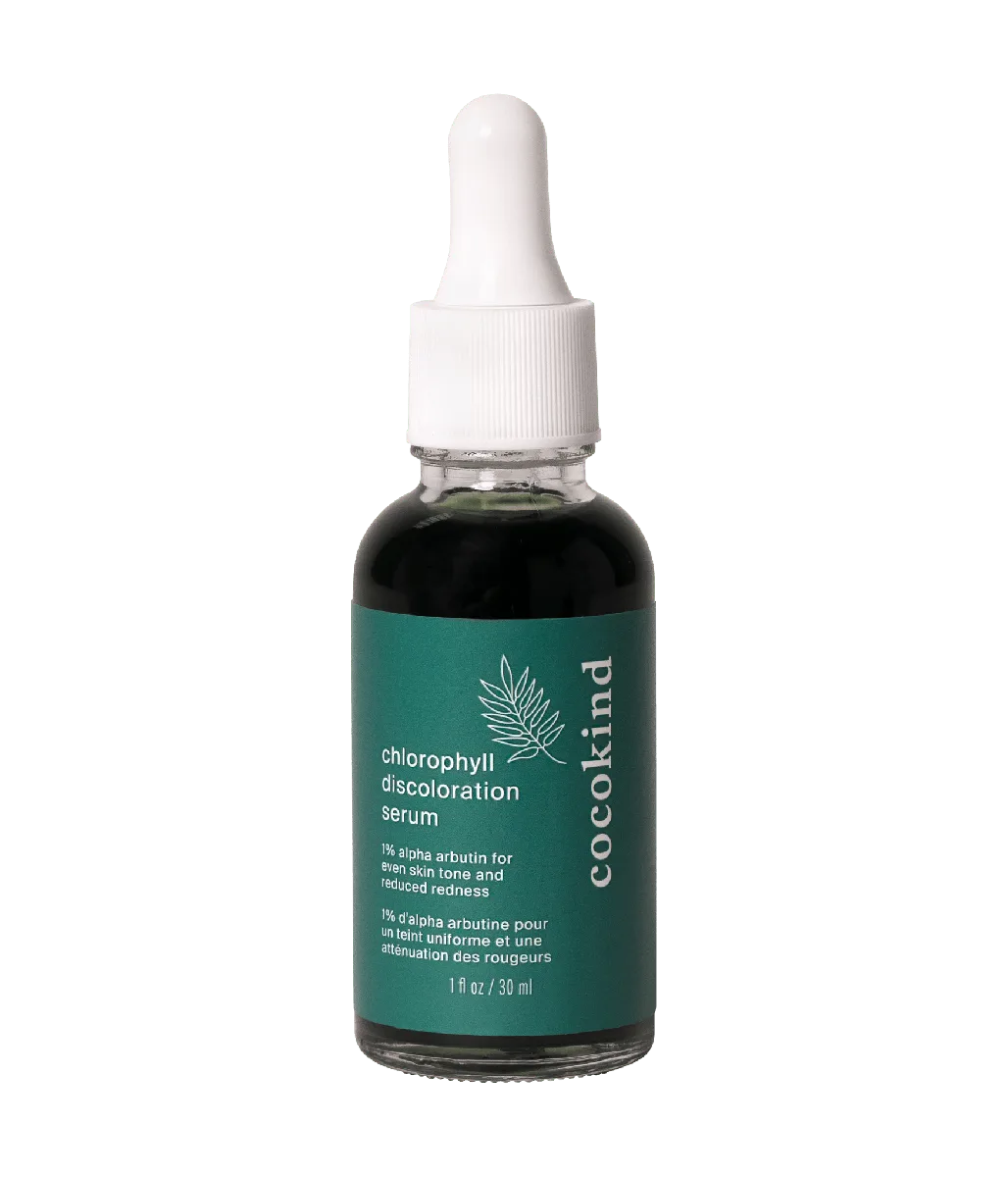
 Chlorophyll Discoloration Serum
A quietly brilliant brightening serum that proves you do not need luxury prices or harsh actives to fade dark spots effectively. The alpha-arbutin and licorice root combination delivers genuine multi-pathway melanin inhibition, the sensitive-skin-friendly formula is impeccable, and $20 makes it accessible to virtually everyone. The chlorophyllin is more marketing differentiator than scientific powerhouse, but it does not hurt anything either.
 The People's HA Serum
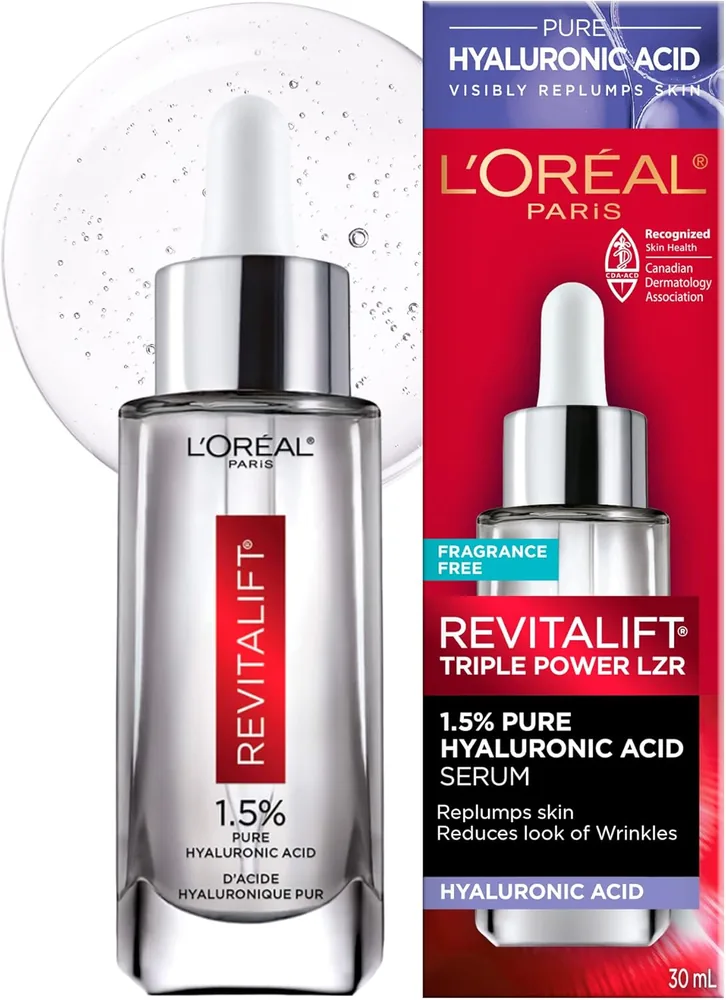
 Revitalift Derm Intensives 1.5% Pure Hyaluronic Acid Serum
A masterclass in minimalist formulation — thirteen ingredients, no filler, four functional actives, and over thirty thousand glowing reviews. L'Oréal's multi-weight HA system delivers genuine hydration at every level of the skin, and the fragrance-free, alcohol-free formula is clean enough for virtually anyone. The drugstore serum that embarrasses its prestige competitors.
 Budget Hydration Holy Grail
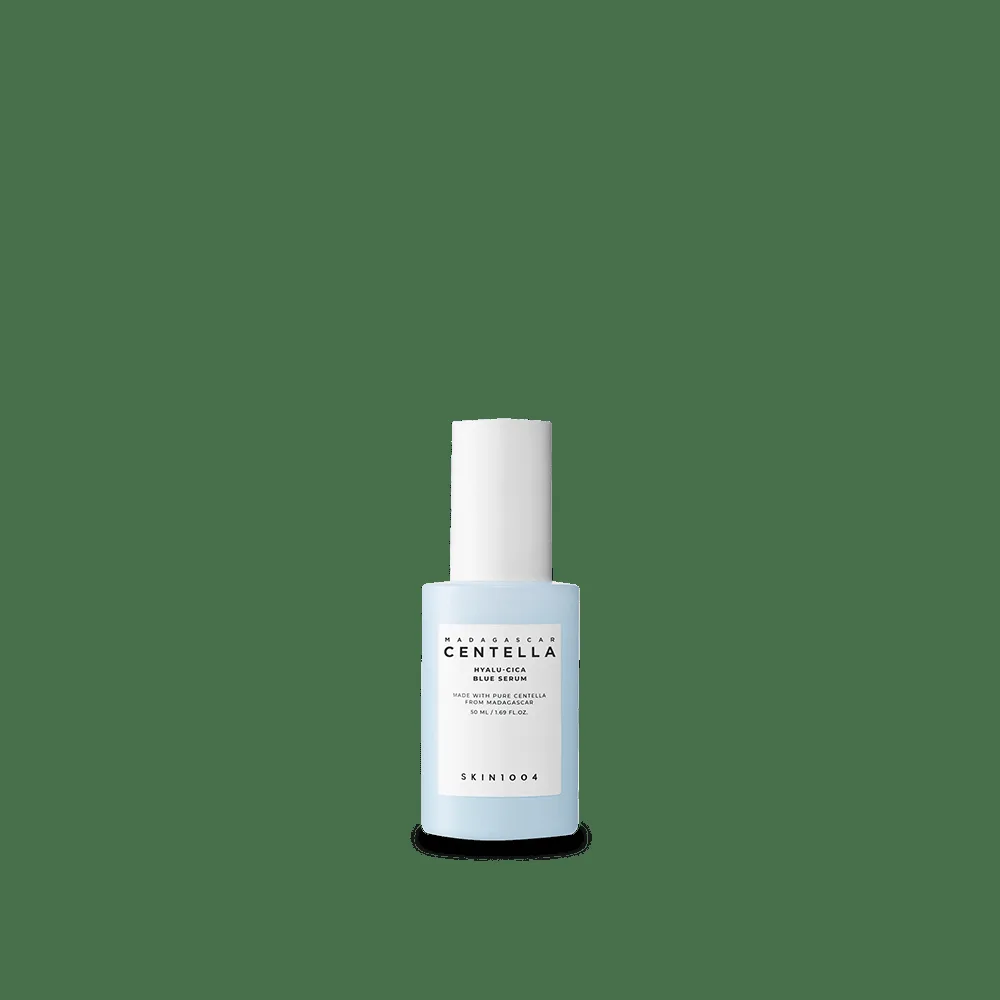
 Hyalu-Cica Blue Serum
A quietly excellent budget serum that stacks Centella asiatica leaf water, five types of hyaluronic acid, niacinamide, ceramide NP, and adenosine into a fragrance-free under-$20 bottle. It is genuinely one of the best hydration-plus-soothing serums at any price, and the fact that it costs less than a salad in Manhattan is the point.
 Sensitive Skin First-Line Defense
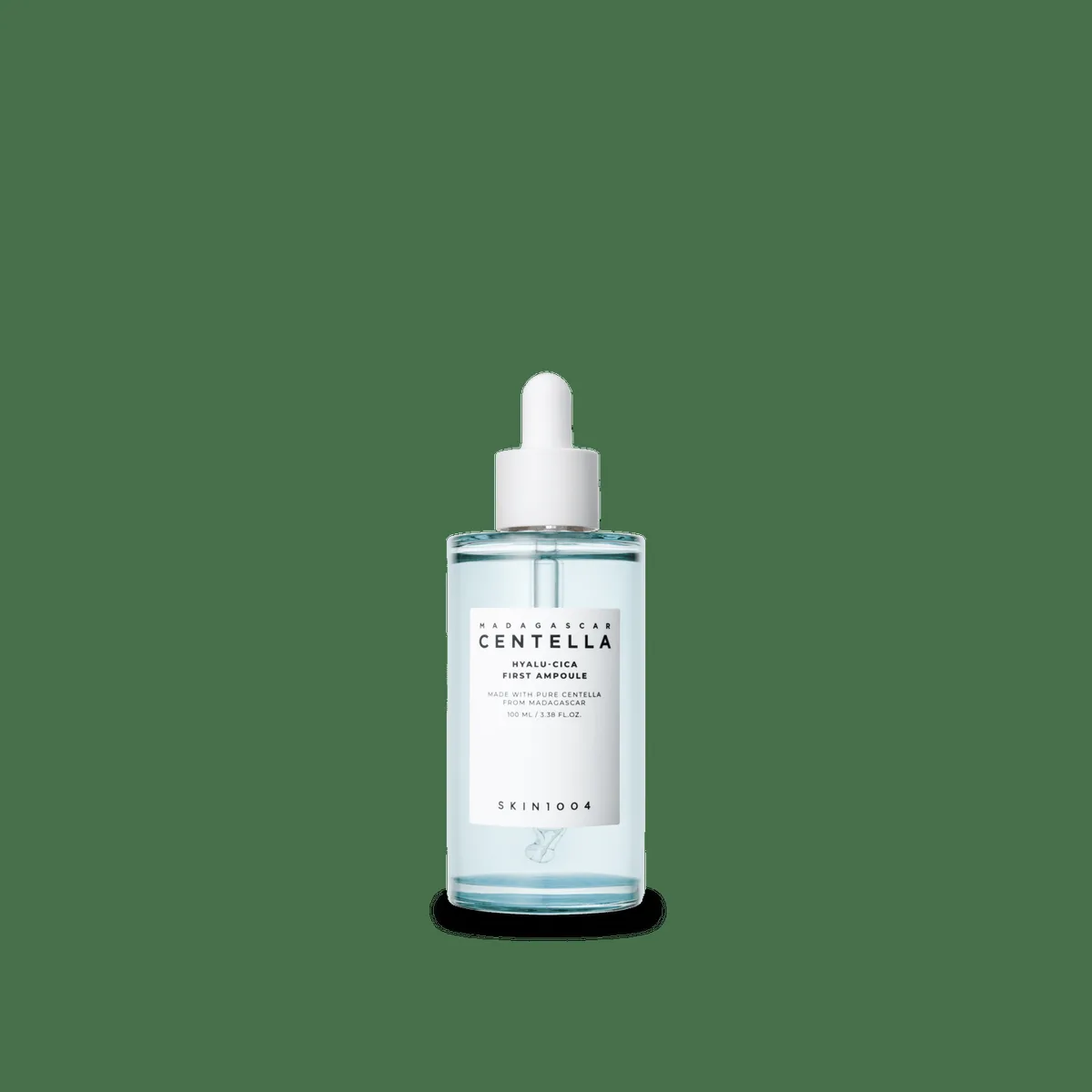
 Hyalu-Cica First Ampoule
A 92% Centella asiatica extract ampoule paired with niacinamide and a multi-weight HA complex, fragrance-free and purpose-built for sensitive, compromised, and reactive skin. At $25 for 100ml, it is one of the most justifiable skincare purchases a budget-conscious buyer can make, and it earns a place in almost any routine that needs a soothing anchor.
 Sensitive Skin MVP
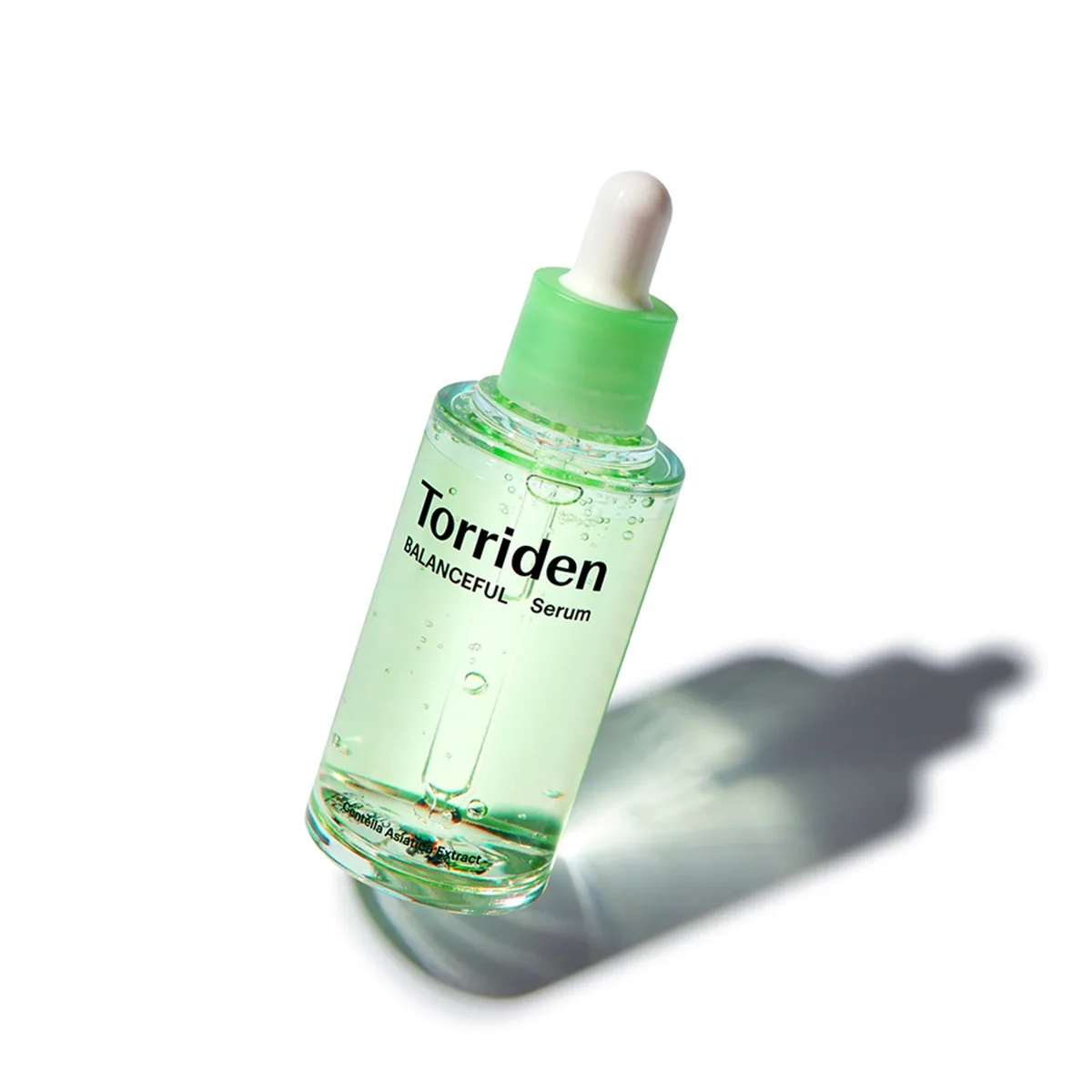
 Balanceful Cica Serum
Torriden's Balanceful Cica Serum is one of the most recommendable calming serums in K-beauty — a genuinely fragrance-free, multi-weight hyaluronic acid and 5D cica complex treatment that quietly reduces redness, supports the barrier, and buffers other actives without drama. At under $25 it's a near-automatic pick for sensitive, rosacea-prone, and barrier-compromised skin.
This review reflects our independent analysis of publicly available ingredient data, manufacturer claims, and verified user reviews. We are reader-supported — Amazon links may earn us a commission at no cost to you. We do not accept paid placements; rankings are based solely on the evidence.