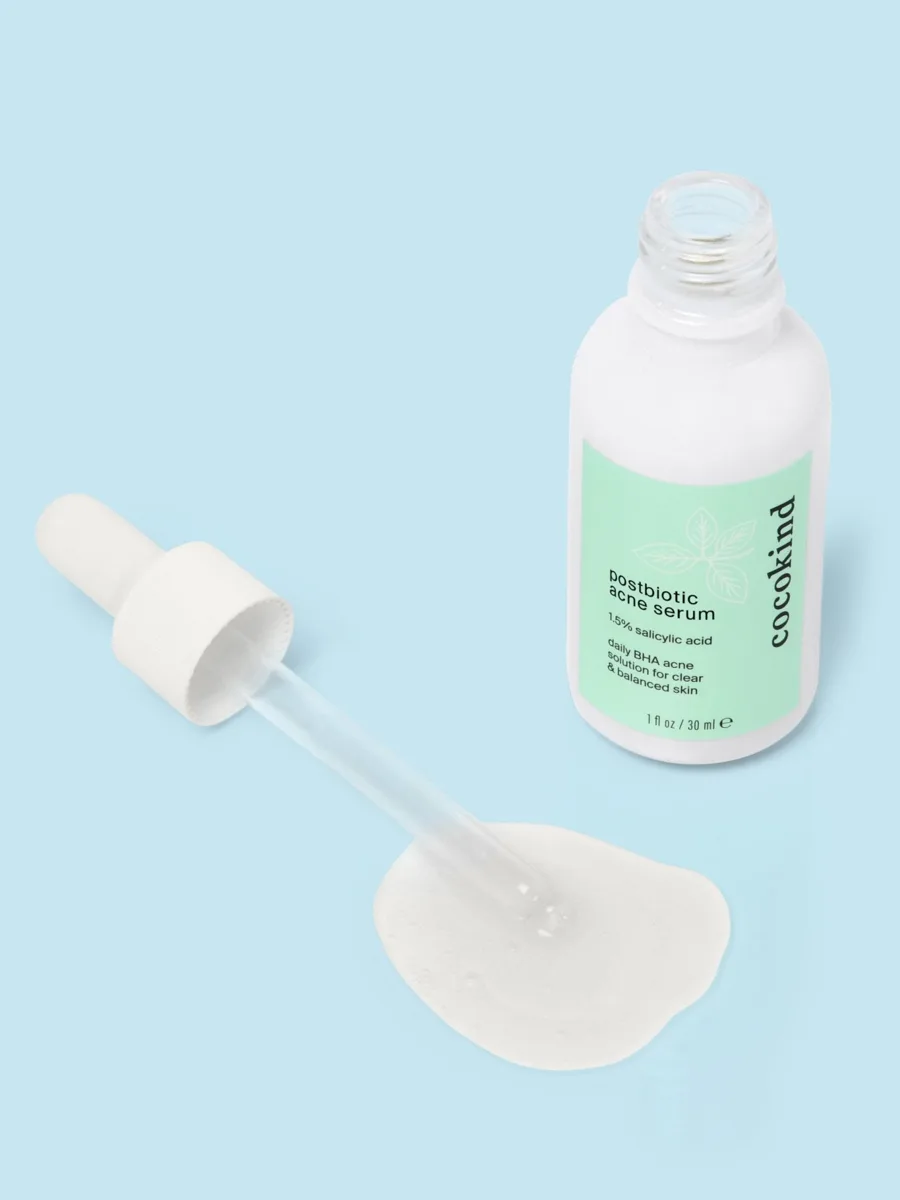
A refreshingly thoughtful acne treatment that fights breakouts without waging war on your skin's ecosystem. The combination of salicylic acid with postbiotic and beta-glucan support makes this one of the more intelligent clean beauty acne products available at an accessible price point.
Probiotic Acne Serum
A refreshingly thoughtful acne treatment that fights breakouts without waging war on your skin's ecosystem. The combination of salicylic acid with postbiotic and beta-glucan support makes this one of the more intelligent clean beauty acne products available at an accessible price point.
Score Breakdown
Where this product gains points and where it loses them — broken down across the four scoring pillars.
A thoughtfully formulated acne treatment that balances effective BHA exfoliation with microbiome support and hydration — a genuinely modern approach to acne care. The clean, fragrance-free formula and accessible pricing earn strong marks, though the targeted acne focus limits its suitability breadth.
Pros & Cons
- ✓Combines BHA acne treatment with postbiotic microbiome support — genuinely innovative approach
- ✓Aloe-first base provides inherent soothing benefits throughout the entire formula
- ✓Dual BHA/PHA exfoliation clears pores at multiple depths without excessive irritation
- ✓Fragrance-free, vegan, and Leaping Bunny certified with recyclable glass packaging
- ✓FSA/HSA eligible as an FDA-registered OTC acne drug
- ✓Excellent value at $20 with a 2-3 month supply per bottle
- ✓Over 3,000 reviews averaging 4.7 stars demonstrate consistent real-world effectiveness
- ✗Slightly tacky finish that takes time to fully absorb into skin
- ✗Sweet natural scent from banana extract may surprise fragrance-free expectations
- ✗Not potent enough for severe or cystic acne conditions
- ✗Single 1 oz size offers no bulk-buying savings option
- ✗Works preventatively — don't expect rapid clearing of existing active breakouts
Full Review
For decades, acne treatment philosophy could be summarized in three words: kill everything faster. Stronger acids, harsher benzoyl peroxide, alcohol-laden toners that left skin feeling like parchment. The Cocokind Probiotic Acne Serum — now officially called the Postbiotic Acne Serum, though the internet still largely knows it by its original name — represents a fundamentally different approach. What if you could treat acne while actually supporting the microbial community on your skin instead of napalming it?
The answer, based on over three thousand reviews and a remarkably consistent 4.7-star rating, is a qualified yes.
The formula starts with an unusual choice: aloe vera juice as the base instead of water. This is not a gimmick. By making aloe the first ingredient, every other active sits in a naturally soothing, anti-inflammatory vehicle. It is the skincare equivalent of delivering medicine in honey instead of a glass of rubbing alcohol.
The star active is salicylic acid at 1.5% — just shy of the FDA's 2% maximum for over-the-counter acne treatment. This is a smart concentration choice. It provides genuine pore-clearing power — salicylic acid is lipophilic, meaning it dissolves in oil and can actually penetrate into clogged pores rather than just skimming the surface — without the aggressive drying that higher concentrations or leave-on formulas often bring. Alongside the BHA, gluconolactone provides a complementary layer of exfoliation. As a polyhydroxy acid, it works at the surface level with larger molecules that cannot penetrate as deeply, creating a dual-exfoliation system that covers more ground than either acid alone.
But the ingredient that makes this formula genuinely interesting in 2026 is Lactobacillus Ferment. Most acne treatments treat the skin microbiome as collateral damage — an acceptable casualty in the war against breakouts. Cocokind's inclusion of a postbiotic ingredient reflects the growing scientific understanding that skin health depends on microbial balance, not microbial annihilation. The ferment lysate interacts with the skin's existing microbiome to support barrier function and modulate the inflammatory cascades that turn a clogged pore into a red, angry pustule.
Beta-glucan rounds out the active complex with hydration that feels almost counterintuitive in an acne serum. But here is the thing: dehydrated skin overproduces sebum to compensate, which clogs more pores, which creates more breakouts. By maintaining hydration within an acne treatment, Cocokind interrupts that cycle rather than accelerating it.
The texture is a semi-translucent, lightweight jelly that dispenses easily from the glass dropper. Two to three drops covers the entire face, which helps justify the one-ounce bottle — this is not a product you need to slather. It absorbs within a couple of minutes, though it does leave a slightly tacky residue that some users find annoying. The workaround is simple: apply to slightly damp skin, let it sit, then seal with moisturizer. The tackiness disappears under a cream.
The scent deserves a mention because it catches people off guard. Despite being genuinely fragrance-free — no perfumes, no essential oils — the banana fruit extract and aloe base create a faintly sweet smell that some reviewers love and others find unexpected. It fades quickly and does not linger on the skin, but if you are expecting the clinical nothingness of a medical-grade product, the sweetness may surprise you.
Performance-wise, this serum excels as a preventive treatment rather than an emergency responder. Do not reach for it expecting to flatten a cystic breakout overnight. Its strength is in the long game: reduced congestion, fewer new breakouts surfacing, gradually smoother texture. Most users report visible improvement in pore clarity within two weeks, with the real payoff arriving around the six-week mark when the cumulative effects of consistent BHA use, microbiome support, and maintained hydration begin to compound.
The limitations are real and worth acknowledging. Severe or cystic acne will likely need stronger interventions — prescription retinoids, higher-concentration BHA, or benzoyl peroxide. The one-ounce size, while lasting two to three months at the recommended usage, feels small for twenty dollars when you see it on the shelf. And the tacky finish, while manageable, is a genuine textural drawback in a market where competing serums absorb to a matte, weightless finish.
Cocokind's clean beauty credentials are solid rather than performative. Leaping Bunny certified, vegan, manufactured in the United States, packaged in recyclable glass with a light-protective coating. The brand does not sell in mainland China, avoiding the animal testing compromise that haunts many larger competitors. These are not just label claims — they reflect genuine supply chain decisions that cost money to maintain.
What elevates this product above the crowded field of clean beauty acne treatments is the coherence of its formulation philosophy. Every ingredient serves the central idea: treat acne while respecting the skin's ecosystem. The aloe base soothes. The beta-glucan hydrates. The postbiotic supports microbial balance. The BHA and PHA clear pores. Nothing in the formula contradicts the other ingredients' purpose. It is a small bottle with a big idea, and for mild to moderate acne that responds to thoughtful, consistent treatment rather than aggressive chemical intervention, it delivers.
Formula
Key Ingredients
The hero actives that drive this product's performance.
| Ingredient | Function | Evidence |
|---|---|---|
| Salicylic Acid (1.5%) | The FDA-registered active ingredient at 1.5% — a lipophilic BHA that penetrates into pores to dissolve sebum plugs and dead skin buildup. At this moderate concentration, it provides effective pore-clearing action while the aloe vera base and beta-glucan in the formula help buffer the drying effects that higher-strength BHA products typically cause. | well-established |
| Lactobacillus Ferment | A postbiotic ingredient that supports the skin's microbiome balance — a meaningful addition in an acne treatment, since most BHA products disrupt the microbial ecosystem while fighting breakouts. The ferment lysate can help modulate inflammatory pathways and support barrier function, potentially reducing the irritation cycle that perpetuates acne. | promising |
| Beta-Glucan | A polysaccharide humectant that provides hydration alongside the exfoliating actives in this formula, counteracting the typical drying effect of salicylic acid. Research suggests beta-glucan may also promote epidermal differentiation and reduce keratinocyte proliferation, complementing the BHA's pore-clearing action from a different angle. | promising |
| Gluconolactone | A polyhydroxy acid (PHA) that provides gentle surface-level exfoliation to complement the deeper pore-penetrating action of salicylic acid. PHAs are larger molecules than BHAs, so they exfoliate the skin's surface without the penetration depth that triggers sensitivity — creating a dual-exfoliation approach that's more thorough yet gentler than increasing the BHA concentration alone. | well-established |
| Aloe Barbadensis Leaf Juice | Used as the formula's base instead of water, providing inherent soothing and anti-inflammatory properties that help temper the exfoliating actives. This aloe-first approach delivers calming benefits throughout the entire formula rather than relegating soothing agents to trace amounts at the end of the INCI list. | well-established |
Full INCI List · pH 4.5
Active Ingredient: Salicylic Acid 1.5%. Inactive Ingredients: Aloe Barbadensis Leaf Juice, Propanediol, Glycerin, Sodium Citrate, Musa Sapientum (Banana) Fruit Extract, Gluconolactone, Lysolecithin, Sclerotium Gum, Maltodextrin, Sodium Benzoate, Sodium Hydroxide, Pullulan, Xanthan Gum, Lactobacillus Ferment, Tocopherol, Silica, Helianthus Annuus (Sunflower) Seed Oil, Calcium Gluconate, Beta-Glucan, 1,2-Hexanediol, Caprylyl Glycol, Pyrus Malus (Apple) Fruit Extract, Morinda Citrifolia Fruit Extract
Product Flags
✓ Fragrance Free✓ Alcohol Free✗ Oil Free✓ Silicone Free✓ Paraben Free✓ Sulfate Free✓ Cruelty Free✓ Vegan✗ Fungal Acne Safe
Potential Irritants
Salicylic Acid
Compatibility
Skin Match
Best For
Works For
Not Ideal For
Addresses These Conditions
acne blackheads oiliness large pores texture
Use With Caution
Avoid With
Routine Step
treatment
Time of Day
PM
Pregnancy Safe
No ✗
Layering Tips
Apply 2-3 drops to clean, dry skin after cleansing and toning. Allow to absorb for 1-2 minutes before layering moisturizer. Can be used twice daily for non-sensitive skin, but start with evening use only. Avoid layering with other BHA products or strong exfoliants.
Results Timeline
Reduced surface congestion and smoother texture within 1-2 weeks. Noticeable decrease in breakout frequency at 3-4 weeks. Full preventive benefits and clearer pores typically achieved at 6-8 weeks of consistent use.
Pairs Well With
gentle cleansersceramide moisturizersniacinamide serumsSPF products
Conflicts With
other BHA productsretinoids (use on alternate nights)AHA exfoliants (same routine)
Sample AM Routine
- Gentle cleanser
- Hydrating toner
- Moisturizer
- Sunscreen SPF 30+
Sample PM Routine
- Oil cleanser
- Gentle cleanser
- Cocokind Probiotic Acne Serum
- Moisturizer
Evidence
Science & Expert Perspective
The Science
The Cocokind Postbiotic Acne Serum's formulation reflects an evolving understanding of acne pathophysiology that goes beyond simple pore-clearing. The 1.5% salicylic acid provides the foundation — a well-established BHA with decades of clinical evidence supporting its ability to penetrate into the pilosebaceous unit, dissolve the lipid-rich plugs that cause comedones, and reduce inflammatory mediators.
The postbiotic component, Lactobacillus Ferment, represents the more novel scientific angle. A 2022 narrative review published in Microorganisms examined the evidence for probiotics and postbiotics in acne treatment, finding that microbial metabolites can disrupt Cutibacterium acnes biofilms, suppress lipase activity, and modulate inflammatory cytokine pathways — specifically reducing IL-8 and TNF-alpha while supporting antimicrobial peptide production. A 2023 study in Scientific Reports demonstrated that probiotic ferment lysate improved skin barrier function in a randomized self-controlled trial, suggesting that postbiotic ingredients may help maintain barrier integrity even alongside exfoliating actives.
Beta-glucan, the formula's hydration anchor, has been studied for its effects on skin repair and barrier function. A 2020 study published in the Journal of Cosmetic Dermatology found that beta-glucan-containing skincare regimens improved skin recovery after fractional laser therapy, demonstrating accelerated barrier repair. More recent research has explored beta-glucan's ability to decrease keratinocyte proliferation while promoting epidermal differentiation — mechanisms that could theoretically complement BHA's desquamation effects by normalizing the skin's turnover process rather than just accelerating it.
Gluconolactone, the PHA co-exfoliant, offers the advantage of humectant properties alongside its exfoliating action — it attracts water while dissolving intercellular cement between dead skin cells. Its larger molecular size compared to AHAs and BHAs means it works primarily at the skin's surface, making it less penetrating but also less irritating, and an intelligent complement to the deeper-acting salicylic acid.
References
- Microbiome and Probiotics in Acne Vulgaris — A Narrative Review — Microorganisms (2022)
- Effects of a lotion containing probiotic ferment lysate on enhancing skin barrier — Scientific Reports (2023)
- Administration of skin care regimens containing beta-glucan for skin recovery after fractional laser therapy — Journal of Cosmetic Dermatology (2020)
Dermatologist Perspective
Dermatologists would recognize the 1.5% salicylic acid as a well-dosed OTC acne treatment within the FDA-approved range, suitable for mild to moderate comedonal and inflammatory acne. The addition of a PHA (gluconolactone) alongside the BHA provides complementary exfoliation that board-certified dermatologists would note as a thoughtful approach to broadening efficacy without increasing irritation risk. The postbiotic and beta-glucan components align with the emerging dermatological consensus that maintaining barrier function and microbial balance during acne treatment improves long-term outcomes. Dermatologists would typically recommend this as a first-line OTC option for patients with mild acne who prefer clean beauty products, while noting that moderate to severe acne may require prescription-strength interventions. The pH of 4-5 is appropriate for salicylic acid activity.
Guidance
Usage Guide
How to Use
After cleansing and toning, dispense 2-3 drops onto fingertips and press gently onto dry skin, focusing on acne-prone areas. Allow 1-2 minutes for absorption before applying moisturizer. Start with once daily in the evening for the first two weeks, then increase to twice daily if tolerated. Always follow with sunscreen in the morning, as salicylic acid increases photosensitivity. Avoid applying directly to open or weeping breakouts. Do not combine with other BHA products or strong AHA exfoliants in the same routine.
Value Assessment
At $20 for 1 oz, the Cocokind Postbiotic Acne Serum offers strong value in the clean beauty acne treatment category. The efficient dropper format means 2-3 drops per application, stretching the bottle to 2-3 months of daily use — roughly 22 to 33 cents per day. As an FDA-registered OTC drug, it qualifies for FSA/HSA reimbursement, potentially reducing the effective cost to zero for insured consumers. The formulation complexity — combining a BHA active with postbiotics, PHA, and beta-glucan — exceeds what many products at double the price offer. The main value limitation is the single size with no bulk option, but given the bottle's longevity, this is a minor concern.
Who Should Buy
This serum is ideal for anyone with mild to moderate acne who wants an effective treatment that respects their skin's ecosystem. It is particularly well-suited for clean beauty enthusiasts, those transitioning from harsh acne products, and anyone who has experienced over-drying from conventional BHA treatments.
Who Should Skip
Those with severe or cystic acne should look to prescription-strength options. If you need immediate results on active breakouts rather than preventive care, this serum's gradual approach may frustrate you. Pregnant or nursing individuals should avoid salicylic acid products without medical guidance.
Ready to try Cocokind Probiotic Acne Serum?
Details
Details
Texture
Semi-translucent, lightweight jelly-like serum with a thin consistency. Blends into skin easily but leaves a slightly tacky feel until fully absorbed.
Scent
Lightly sweet natural scent from the banana and aloe ingredients — no added fragrance or essential oils. Some users find it pleasant, others notice it more than expected for a fragrance-free product.
Packaging
White-coated glass dropper bottle designed to protect the formula from light degradation. Minimalist Cocokind branding. Completely recyclable — bottle, labels, and dropper components can all be separated for recycling.
Finish
dewylightweight
What to Expect on First Use
On first use, expect a lightweight, slightly tacky serum that absorbs within a couple of minutes. No tingling or stinging at the 1.5% salicylic acid concentration for most users. The sweet scent may be surprising for a fragrance-free product. Results are gradual — don't expect overnight clearing, but reduced congestion should become visible within the first two weeks.
How Long It Lasts
2-3 months with once-daily use at 2-3 drops per application
Period After Opening
12 months
Best Season
All Year
Certifications
Leaping Bunny CertifiedDermatologist TestedFSA/HSA Eligible
Background
The Why
Launched in 2021 as part of Cocokind's expansion beyond clean beauty basics into targeted treatments, the Probiotic Acne Serum (later renamed Postbiotic Acne Serum) reflected the growing scientific understanding that effective acne treatment doesn't have to mean scorched-earth warfare against your skin. Founder Priscilla Tsai, who started Cocokind after struggling with her own skin sensitivities, designed the product to be the kind of gentle-but-effective treatment she wished she'd had access to.
About Cocokind Established Brand (5–20 years)
Cocokind was founded in 2014 by Priscilla Tsai in San Francisco, growing from hand-delivered samples at a single Whole Foods to nationwide availability at Target, Ulta, and Whole Foods. The brand emphasizes ingredient transparency, accessible pricing, and sustainability, with domestic manufacturing and recyclable packaging.
Brand founded: 2014 · Product launched: 2021
Myth vs. Reality
Myths & Misconceptions
Myth
Probiotic skincare means live bacteria are applied to your face.
Reality
This product contains Lactobacillus Ferment — a postbiotic, meaning it's the beneficial metabolites produced by bacteria during fermentation, not live organisms. These metabolites are stable, shelf-safe, and interact with the skin's existing microbiome to support barrier function and modulate inflammation.
Myth
A 1.5% salicylic acid concentration is too low to be effective for acne.
Reality
The FDA approves salicylic acid for OTC acne treatment at concentrations between 0.5% and 2%. At 1.5%, this formula sits near the upper end of the approved range and is combined with gluconolactone (PHA) for additional exfoliation, making the overall exfoliating effect comparable to higher-strength single-acid products with less irritation risk.
FAQ
Frequently Asked Questions
Does the Cocokind Probiotic Acne Serum actually work for acne?
With over 3,000 reviews averaging 4.7 stars, most users report reduced breakout frequency and improved texture within 3-4 weeks. The 1.5% salicylic acid is FDA-approved for acne treatment, and the addition of gluconolactone provides supplementary exfoliation. It works best as a preventive treatment for mild to moderate acne rather than clearing severe cystic breakouts.
Can you use the Cocokind Acne Serum with retinol?
Use with caution — both salicylic acid and retinol are active ingredients that increase cell turnover. If combining, use the acne serum in the morning and retinol at night, or alternate nights. Do not layer them in the same routine, as this can cause excessive dryness and irritation.
Is the Cocokind Probiotic Acne Serum safe during pregnancy?
Salicylic acid is generally advised against during pregnancy, particularly at higher concentrations. While 1.5% topical application carries lower risk than oral salicylates, most dermatologists recommend avoiding BHA products during pregnancy. Consult your healthcare provider before use.
Why does the Cocokind Acne Serum feel sticky?
The slightly tacky feel comes from the natural gums (sclerotium gum, xanthan gum, pullulan) and beta-glucan that help the formula adhere to skin and deliver sustained release of active ingredients. Applying to slightly damp skin and following with moisturizer helps reduce the tackiness.
What is the difference between probiotic and postbiotic in skincare?
Probiotics are live microorganisms, while postbiotics are the beneficial metabolites and compounds produced by bacterial fermentation. This serum contains Lactobacillus Ferment, a postbiotic — meaning stable, shelf-safe bacterial metabolites that support the skin microbiome without the stability challenges of live cultures. Cocokind renamed the product from 'Probiotic' to 'Postbiotic' to reflect this distinction more accurately.
How often should you use the Cocokind Postbiotic Acne Serum?
Start with once daily in the evening after cleansing. If your skin tolerates it well after 1-2 weeks, you can increase to twice daily. Apply 2-3 drops to dry skin, allow to absorb, then follow with moisturizer. If you experience dryness or irritation, reduce to every other day.
Is the Cocokind Acne Serum FSA/HSA eligible?
Yes — because the serum is registered with the FDA as an over-the-counter acne drug (containing salicylic acid 1.5% as the active ingredient), it qualifies for FSA and HSA reimbursement. This effectively reduces the out-of-pocket cost if you have a flexible spending or health savings account.
Community
Community Voices
Common Praise
"Effectively reduces breakouts without drying out the skin"
"Gentle enough for daily use even on reactive skin"
"A little goes a long way with just 2-3 drops per application"
"Noticeably improved skin texture and pore congestion over time"
"Affordable price point for an effective acne treatment"
"Layers well under moisturizer and other serums"
Common Complaints
"Slightly tacky or sticky feel after application that takes time to absorb"
"Sweet natural scent from banana extract that some find unpleasant"
"Works preventatively rather than clearing existing active breakouts quickly"
"Small 1 oz bottle feels limiting at the $20 price point"
"Not effective enough for severe or cystic acne"
Appears In
best treatment for acne best treatment for blackheads best clean beauty acne treatment best gentle acne serum
Related Conditions
acne blackheads oiliness large pores texture
Related Ingredients
salicylic acid probiotics prebiotics gluconolactone aloe vera
You Might Also Like
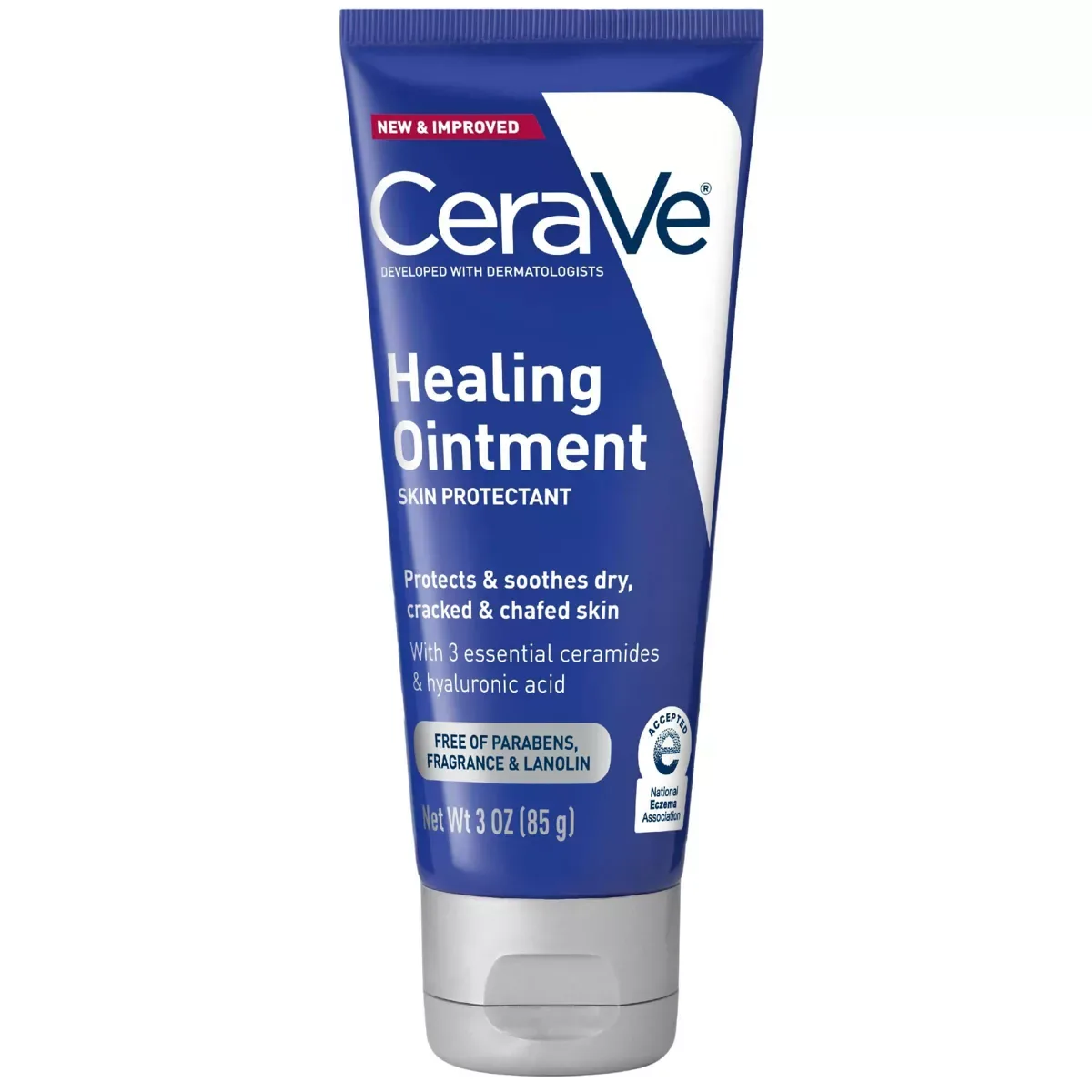 Barrier Rescue Hero
 Healing Ointment
CeraVe's Healing Ointment takes the simplest concept in skincare — seal the skin with petrolatum — and makes it genuinely intelligent by adding ceramides, hyaluronic acid, and panthenol beneath the occlusive layer. It is the gold standard drugstore occlusive for barrier rescue, slugging, and post-procedure care.
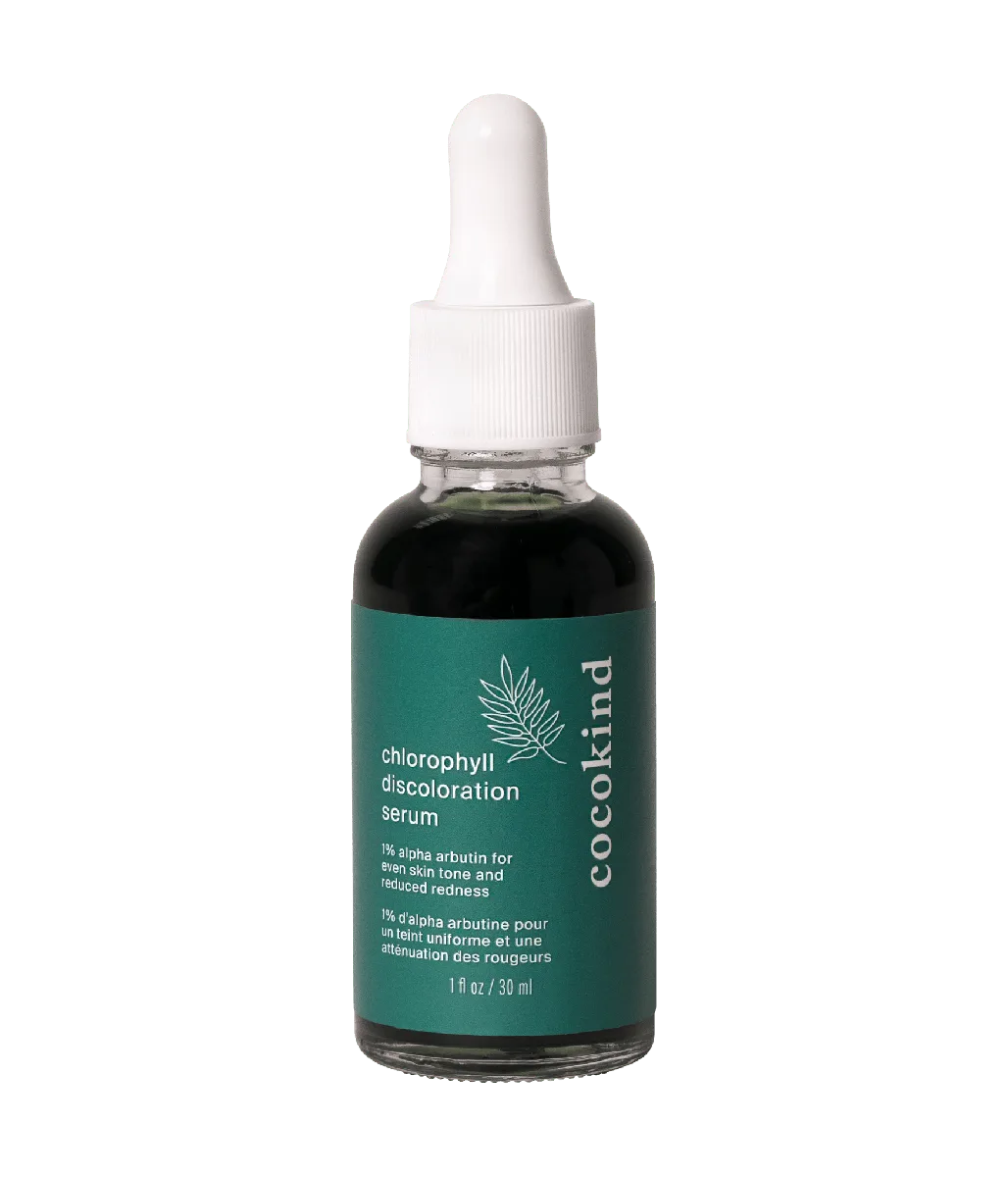 Budget Brightening Hero
 Chlorophyll Discoloration Serum
A quietly brilliant brightening serum that proves you do not need luxury prices or harsh actives to fade dark spots effectively. The alpha-arbutin and licorice root combination delivers genuine multi-pathway melanin inhibition, the sensitive-skin-friendly formula is impeccable, and $20 makes it accessible to virtually everyone. The chlorophyllin is more marketing differentiator than scientific powerhouse, but it does not hurt anything either.
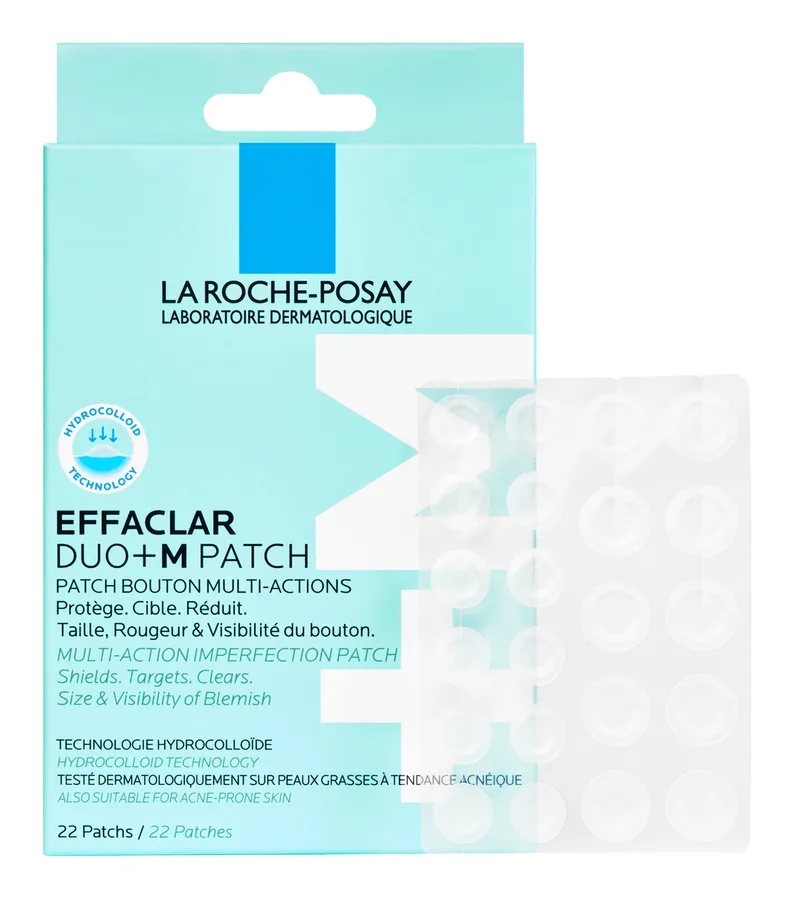 Derm Office Staple
 Effaclar Multi-Target Blemish Patches
One of the few hydrocolloid pimple patches that actually stays on overnight without curling off at 3am. At 420 microns thick with two size options in one pack and zero actives to irritate sensitive skin, this is the Effaclar line's quiet overachiever — and a legitimately good answer for anyone whose acne routine has been sabotaged by thinner patches that refuse to stay put.
 Reactive-Skin Cult Favorite
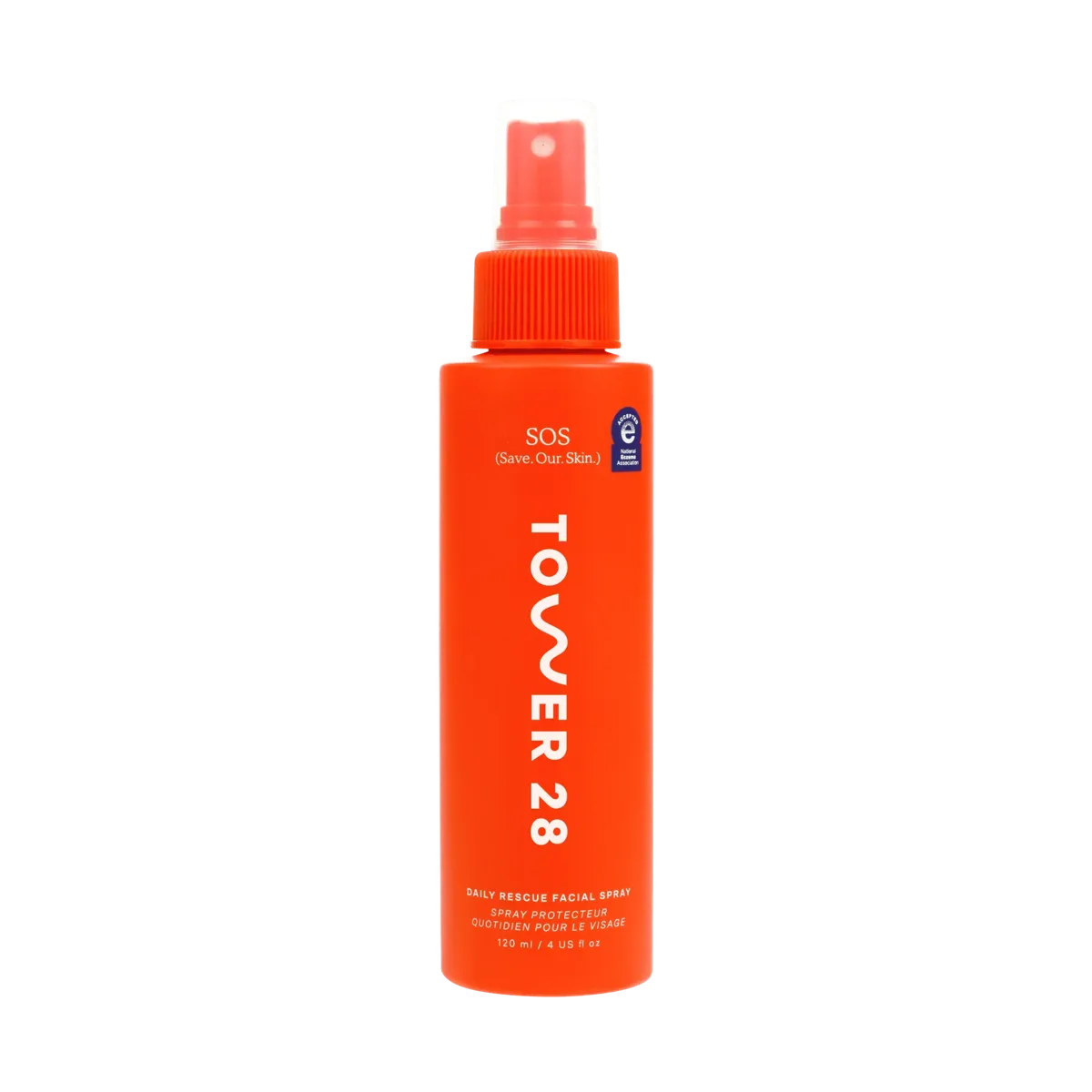
 SOS Save Our Skin Daily Rescue Facial Spray
The product that single-handedly brought hypochlorous acid into mainstream skincare. A fine-mist HOCl spray with genuine dermatology-organization validation, a near-perfect tolerability profile, and a cult following among people whose skin reacts to everything else. The price runs steeper than medical-grade HOCl, but the stabilization and design are worth the difference for daily use.
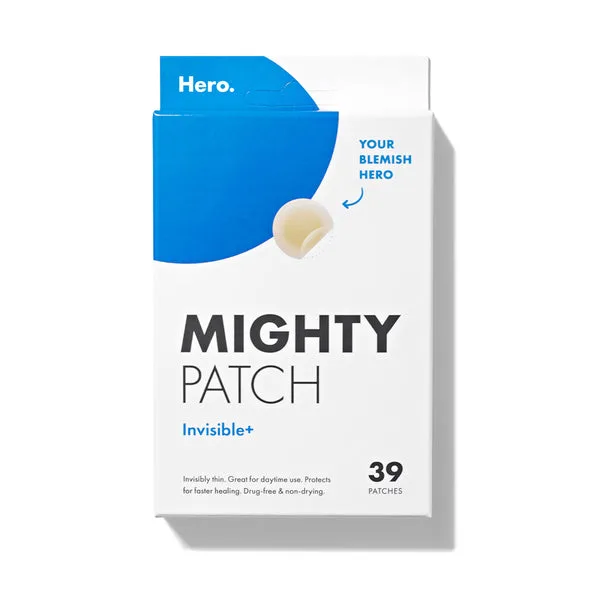
Mighty Patch Invisible+
The pimple patch that proved acne treatment could be invisible — Mighty Patch Invisible+ delivers the same fluid-absorbing hydrocolloid technology as the category-defining Original, but engineered thin enough to disappear under makeup. For daytime blemish management, nothing else comes this close to invisible.
 Post-Procedure MVP
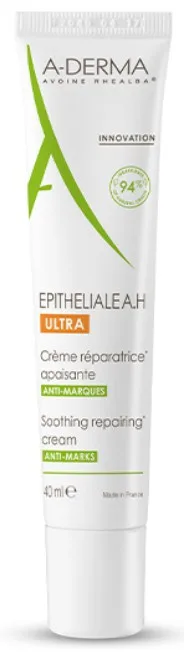
 Epitheliale A.H Ultra Repairing Cream
One of the best-formulated French pharmacy repair creams on the market, full stop. Rhealba oat, three-weight HA, madecassoside, trace minerals, panthenol, and shea butter come together in a cream that handles post-procedure skin, eczema flares, friction damage, and compromised barriers with unusual competence for the price.