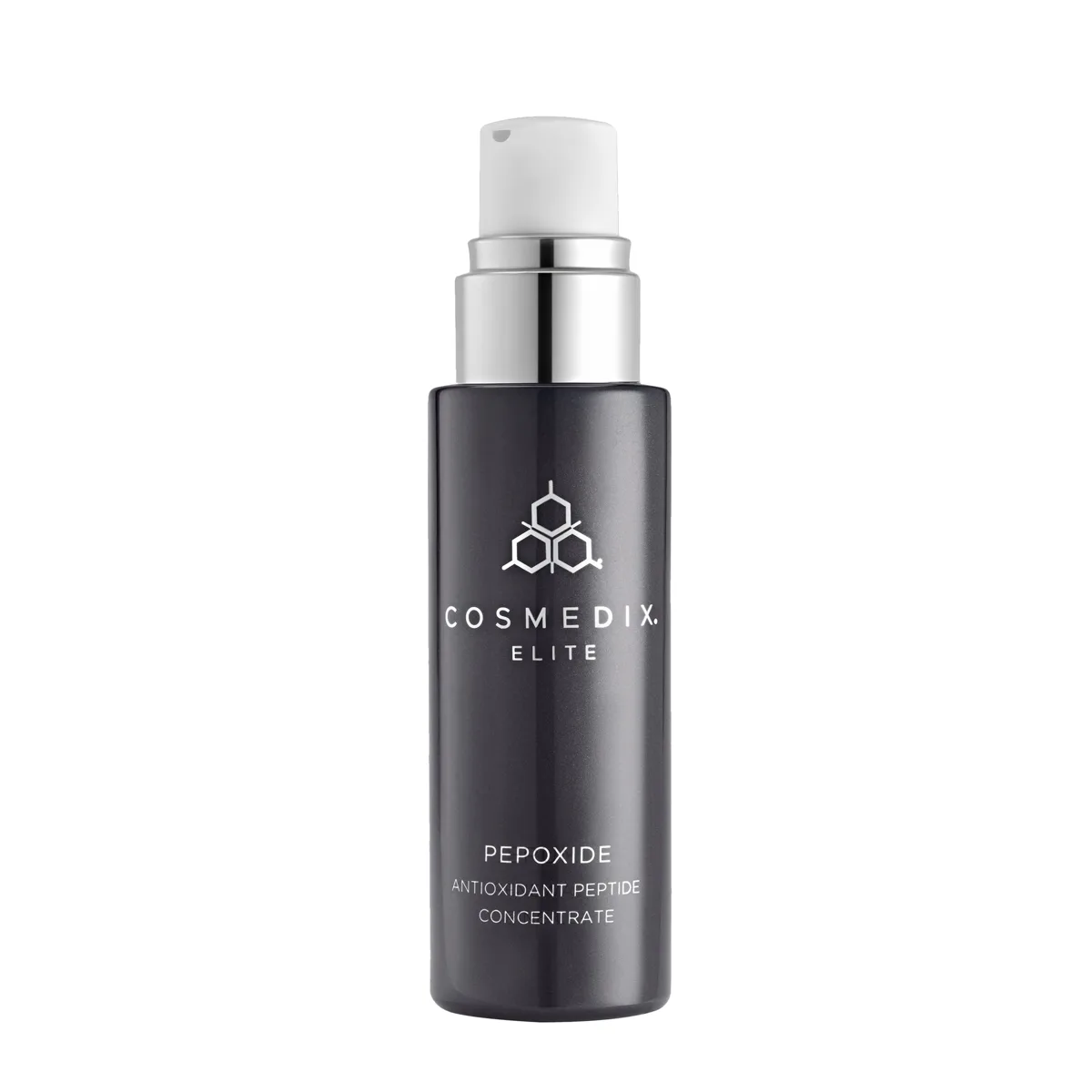
An ambitious professional-tier antioxidant serum built around superoxide dismutase and a genuinely unusual spin trap molecule — ingredients most brands can't be bothered to stabilize. The formulation architecture is impressive, but at $97 for 30ml and with alcohol high on the list, it's a harder sell than a well-executed vitamin C serum. For users who've hit the wall with ascorbic acid, it's worth considering.
Elite Pepoxide Antioxidant Peptide Concentrate
An ambitious professional-tier antioxidant serum built around superoxide dismutase and a genuinely unusual spin trap molecule — ingredients most brands can't be bothered to stabilize. The formulation architecture is impressive, but at $97 for 30ml and with alcohol high on the list, it's a harder sell than a well-executed vitamin C serum. For users who've hit the wall with ascorbic acid, it's worth considering.
Score Breakdown
Where this product gains points and where it loses them — broken down across the four scoring pillars.
An ambitious professional-tier antioxidant serum with a genuinely unusual SOD-and-spin-trap mechanism. The ingredient architecture is impressive, but the alcohol content, citrus essential oils, and $97 price tag combine to keep the overall score from matching the ingredient quality.
Pros & Cons
- ✓Unusual antioxidant matrix built around SOD and spin trap molecules
- ✓Acetyl hexapeptide-1 addresses pigmentation through a distinct mechanism
- ✓Lightweight texture absorbs quickly and layers well under SPF
- ✓Multiple complementary antioxidants cover different radical species
- ✓Professional-tier formulation with rigorous ingredient selection
- ✓Alternative for users who can't tolerate L-ascorbic acid serums
- ✗Very expensive at $97 for 30ml
- ✗Alcohol denat. high on the ingredient list is concerning for dry skin
- ✗Citrus and cypress essential oils introduce sensitization risk
- ✗Not widely available outside of professional distribution channels
- ✗Less clinical validation than established vitamin C alternatives
Full Review
If you read enough antioxidant serum reviews, you notice they all start to sound the same. L-ascorbic acid at 10-20 percent, vitamin E, ferulic acid, a pH around 3.5, claims about neutralizing free radicals and brightening skin over eight to twelve weeks. SkinCeuticals CE Ferulic set the template in 2005 and most of the category has been iterating on it ever since. Cosmedix's Pepoxide is one of the few serums on the market that doesn't bother with that template at all. There's no vitamin C in the formula. There's no low-pH ascorbic acid architecture. Instead, Cosmedix built the serum around a combination of ingredients that most brands either can't stabilize or don't consider worth the trouble: superoxide dismutase, an endogenous antioxidant enzyme that your body produces to neutralize free radicals intracellularly; phenyl t-butylnitrone, a spin trap molecule that physically immobilizes unstable radicals; L-glutathione, the master antioxidant that recycles other antioxidants; and acetyl hexapeptide-1, a peptide that specifically interferes with α-MSH signaling to modulate melanin production. Surrounding that core is a broader antioxidant matrix that includes astaxanthin, resveratrol from giant knotweed, quercetin, milk thistle extract, and ferulic acid. It's ambitious in a way that the category rarely is. The question is whether all that architectural ambition translates to real-world performance. The short answer is: yes, but with caveats, and not in a way that makes vitamin C obsolete. Users consistently report visible brightening and a subtle glow within a few days of use, with more substantive fine line and tone improvements developing over six to twelve weeks. The peptide component specifically addresses uneven pigmentation through a different pathway than vitamin C or tranexamic acid, which makes Pepoxide an interesting option for users who have hit a plateau with conventional brightening serums. The antioxidant defense story is harder to evaluate on a short timeline because the benefits of consistent free radical neutralization are preventive rather than immediately visible — you're investing in skin that looks better in three years, not three weeks. The formulation has real weaknesses. Alcohol denat. is the second ingredient on the list, which is a signal that Cosmedix is using it as a penetration enhancer and solvent rather than a trace preservative. For oily and combination skin, the alcohol concentration is probably fine — the glycerin and coconut water lower on the list compensate — but for dry, sensitive, or barrier-compromised skin, it's a real concern. The grapefruit peel oil and cypress oil near the bottom of the list don't help matters; they contribute to the herbal-citrus scent and also introduce essential oil sensitization risk. The texture is thin and watery with a slight cooling alcohol note on application that dissipates within a minute. Absorption is fast, makeup layers cleanly over it, and the product doesn't pill under sunscreen. Where it really stumbles is price. At $97 for 30ml, Pepoxide is priced at the top of the professional antioxidant tier, and you have to genuinely believe the SOD-and-spin-trap story to justify that cost over a well-formulated 15 percent vitamin C serum at half the price. The case for Pepoxide is strongest for users who already run a vitamin C serum and want to add a different mechanism of oxidative defense, or for users who specifically can't tolerate L-ascorbic acid and need an alcohol-tolerant alternative. It's also a reasonable pick for mature skin looking for a peptide component bundled with antioxidants in a single product. Ultimately, this is a serum that earns respect for trying something different in a category full of incremental iteration. It's not the best antioxidant serum for most people, and the value proposition is harder than at lower price points, but the ingredient list is genuinely interesting and the results are real for the users it fits. A professional-tier product that deserves consideration, even if it's not going to dethrone the CE Ferulic template.
Formula
Key Ingredients
The hero actives that drive this product's performance.
| Ingredient | Function | Evidence |
|---|---|---|
| Superoxide Dismutase (SOD) | One of the body's most potent endogenous antioxidant enzymes, rarely included in topical skincare because of stability challenges — Cosmedix uses it here as the headline active, paired with spin trap phenyl t-butylnitrone to neutralize free radicals at a mechanistic level most antioxidant serums can't match. | promising |
| L-Glutathione | A tripeptide antioxidant that works in tandem with SOD to regenerate other antioxidants like vitamin C and E — in this formula it's the recycling engine that keeps the broader antioxidant matrix functioning, and it contributes to the serum's brightening positioning by interfering with melanin synthesis. | promising |
| Acetyl Hexapeptide-1 (Melitane) | An α-MSH-antagonist peptide that specifically modulates melanin production — this is the brightening peptide that gives Pepoxide its pigmentation-regulating claims, paired with the antioxidant complex above to address both the oxidative and enzymatic drivers of uneven tone. | emerging |
| Resveratrol (from Giant Knotweed) | A polyphenol antioxidant sourced from Polygonum cuspidatum that supports the overall radical-scavenging network — it adds a plant-based antioxidant layer that rounds out the enzyme-based core of the formula and contributes to the serum's photoprotective positioning. | promising |
| Astaxanthin | A carotenoid antioxidant with one of the highest measured radical scavenging capacities in cosmetic ingredients — included here at a low concentration to extend the antioxidant matrix into the carotenoid family, covering a different spectrum of oxidative damage than the polyphenols and enzymes above. | promising |
| Ferulic Acid | A plant-derived antioxidant that stabilizes other actives in the formula and extends their functional half-life — the same role it plays in vitamin C+E+ferulic combinations, serving as a formulation partner rather than a primary active. | well-established |
Full INCI List · pH 5
Aqua/Water/Eau, Alcohol Denat., Glycerin, Cocos Nucifera (Coconut) Fruit Juice, Hydrolyzed Collagen, Mannitol, Gluconolactone, Caffeine, Superoxide Dismutase, Phenyl T-Butylnitrone (Spin Trap), Waltheria Indica Leaf Extract, Glutathione (L), Hamamelis Virginiana (Witch Hazel) Water, Polygonum Cuspidatum (Giant Knotweed) Extract, Silybum Marianum (Milk Thistle) Extract, Acetyl Hexapeptide-1, Dextran, Citrus Paradisi (White Grapefruit) Peel Oil, Cupressus Sempervirens (Cypress) Leaf/Nut/Stem Oil, Totarol, Xanthan Gum, Sodium Gluconate, Sodium Benzoate, Potassium Sorbate, Sodium Hydroxide, Polysorbate 20, Citric Acid, Sodium Citrate, Acetyl Tributyl Citrate, Astaxanthin, Quercetin, Dextrin, Ferulic Acid, Alcohol, Isopropyl Alcohol, Calcium Gluconate
Product Flags
✗ Fragrance Free✗ Alcohol Free✓ Oil Free✓ Silicone Free✓ Paraben Free✓ Sulfate Free✓ Cruelty Free✗ Vegan✗ Fungal Acne Safe
Potential Irritants
Alcohol Denat.Grapefruit Peel OilCypress Oil
Common Allergens
Citrus Oils
Compatibility
Skin Match
Best For
Works For
Not Ideal For
Addresses These Conditions
aging hyperpigmentation dullness sun damage texture
Use With Caution
sensitivity rosacea compromised skin barrier
Routine Step
serum
Time of Day
AM
Pregnancy Safe
Unknown
Layering Tips
Apply to clean, dry skin after toner and before moisturizer in the morning. Pepoxide is designed as an AM antioxidant step — skip the vitamin C serum on days you use this, since the two overlap functionally and the alcohol content can compound dryness.
Results Timeline
Immediate slight brightening and glow; visible improvement in tone and early fine lines after 4-6 weeks; fuller photoprotective and firming benefits after 8-12 weeks of consistent use.
Pairs Well With
hyaluronic-acid-serumniacinamide-serumceramide-moisturizer
Conflicts With
vitamin-c-serumstrong-acids
Sample AM Routine
- Gentle cleanser
- Cosmedix Elite Pepoxide Power Peptide Complex
- Hyaluronic acid serum
- Moisturizer
- SPF 30+
Sample PM Routine
- Cleanser
- Retinoid or peptide serum
- Ceramide night cream
Evidence
Science & Expert Perspective
The Science
The formulation architecture is the most interesting thing about this serum, and it deserves more scrutiny than a typical antioxidant product. Superoxide dismutase is an endogenous enzyme responsible for neutralizing superoxide radicals, one of the most damaging reactive oxygen species in skin tissue. Topical delivery of enzymes has historically been a formulation challenge because of stability and penetration issues, but research on cosmetic SOD delivery systems has demonstrated meaningful activity at the stratum corneum surface where much of the oxidative exposure from UV and pollution originates. Phenyl t-butylnitrone, the spin trap molecule included in Pepoxide, is a more unusual ingredient — it physically binds unstable radicals to prevent them from propagating cellular damage, a mechanism well-studied in research contexts but rarely commercialized in topical skincare. L-glutathione adds a second enzymatic layer, functioning both as a primary antioxidant and as a regenerator of other antioxidants like vitamin C and vitamin E in the skin's endogenous defense network. Glutathione has been widely studied for its role in melanin synthesis inhibition, and while the clinical evidence for topical glutathione brightening is mixed compared to oral or intravenous routes, the mechanism is well-characterized. The peptide component — acetyl hexapeptide-1 — is marketed as an α-MSH antagonist, meaning it interferes with the signaling pathway that activates melanocytes. Early research on this peptide has shown measurable reductions in melanogenesis in in-vitro studies, though large-scale clinical validation is still limited. The supporting cast of resveratrol, astaxanthin, ferulic acid, and quercetin rounds out the antioxidant matrix across multiple radical species, which is a more thorough approach than vitamin C-only formulations. The alcohol denat. in the formula functions as a solvent for the water-soluble actives and as a penetration enhancer, though it raises the irritation potential for sensitive skin types.
Dermatologist Perspective
Dermatologists frequently recommend professional-tier antioxidant serums as part of comprehensive anti-aging and photoprotection strategies, and board-certified dermatologists note that diversifying antioxidant mechanisms beyond vitamin C alone can offer broader protection against different reactive oxygen species. Superoxide dismutase, glutathione, and peptide-based ingredients have legitimate mechanistic rationale, though dermatologists typically caution that the clinical evidence base for enzymatic and peptide-based topicals is less robust than for L-ascorbic acid, which has decades of peer-reviewed research. For patients who cannot tolerate vitamin C serums due to sensitivity or low-pH irritation, products like Pepoxide are commonly positioned as reasonable alternatives. The alcohol content in this specific formulation is the concern dermatologists most often raise — patients with dry, reactive, or rosacea-prone skin are typically steered toward lower-alcohol alternatives. For combination to oily skin patients looking for a professional-tier antioxidant with an unusual mechanism, this product is generally considered a specialty option rather than a first-line recommendation.
Guidance
Usage Guide
How to Use
Apply three to four drops to clean, dry skin in the morning after toner and before moisturizer. Press gently into face and neck, avoiding the immediate eye area. Always follow with broad-spectrum SPF 30+ — antioxidant serums are meant to work synergistically with sunscreen, not replace it. Skip vitamin C serum on days you use this, since they overlap functionally. If your skin feels tight or stressed, use every other day until tolerance is established. Discontinue temporarily if persistent redness or irritation develops.
Value Assessment
At $97 for 30ml, this serum is priced at the upper end of the professional antioxidant market and competes with SkinCeuticals CE Ferulic, Obagi Professional-C Serums, and iS Clinical Super Serum Advance+. Whether it's worth the price depends entirely on whether you value the unusual SOD-and-peptide architecture over the more extensively validated vitamin C alternatives. For users who already run a vitamin C serum and want a complementary antioxidant approach, Pepoxide adds genuine diversification. For users looking for a single antioxidant serum as their sole active, SkinCeuticals CE Ferulic delivers more clinical evidence for less money. Cosmedix does not offer a larger size of this product. The verdict: justified for users who understand the formulation philosophy and specifically want the peptide-plus-enzyme mechanism; difficult to justify for users who just want the best antioxidant serum for the money.
Who Should Buy
Normal to oily skin types with anti-aging goals who want a professional-tier antioxidant serum with a genuinely unusual mechanism. Especially good for users who have tried vitamin C serums without sufficient results or who can't tolerate L-ascorbic acid. A fit for mature skin looking for a peptide component bundled with broad-spectrum antioxidant defense in a single product.
Who Should Skip
Dry, sensitive, or rosacea-prone skin types should avoid this serum because of the alcohol denat. content and citrus essential oils. Skip if you're budget-conscious — a well-formulated 15% vitamin C serum at half the price delivers most of the same category benefits with stronger clinical backing. Also skip if you prefer products with extensive peer-reviewed clinical validation rather than mechanistic rationale.
Ready to try Cosmedix Elite Pepoxide Power Peptide Complex?
Details
Details
Texture
Thin watery serum with slight alcohol feel on application
Scent
Herbal-citrus from the grapefruit and cypress oils
Packaging
Frosted glass bottle with dropper dispenser
Finish
lightweightfast-absorbinginvisible
What to Expect on First Use
Applies as a thin, slightly cooling liquid that absorbs within thirty seconds. The alcohol note is noticeable for the first minute before dissipating. Skin looks subtly brighter within a few days, with the cumulative antioxidant and peptide benefits building over weeks rather than delivering a dramatic immediate effect.
How Long It Lasts
About 3 months with once-daily AM use
Period After Opening
6 months
Best Season
All Year
Certifications
Cruelty-Free
Background
The Why
Cosmedix developed the Elite line as its professional-tier collection for dermatologists and medical aestheticians. Pepoxide was positioned as the brand's answer to the limitations of vitamin C serums — specifically the stability problems and irritation potential of L-ascorbic acid — by building the antioxidant architecture around enzymes and polyphenols instead.
About Cosmedix Established Brand (5–20 years)
Cosmedix was founded in 2002 as a professional cosmeceutical brand developed for dermatology and medical spa distribution, with a focus on chirally correct formulations and clinical actives. The brand operates within the professional skincare category and has a long track record of in-clinic use by licensed practitioners, though it's less widely recognized in consumer media than some peers.
Brand founded: 2002 · Product launched: 2015
Myth vs. Reality
Myths & Misconceptions
Myth
Topical superoxide dismutase is just a marketing ingredient because enzymes can't penetrate the skin.
Reality
SOD stability and penetration are genuine formulation challenges, but research on topical antioxidant enzymes has shown meaningful activity at the stratum corneum surface where much of the oxidative damage originates. The effect is different from intracellular enzymatic action, but it's not nothing — it addresses the outer layer of free radical exposure specifically.
Myth
Alcohol in skincare always dries out the skin.
Reality
Alcohol in this formula functions as a penetration enhancer for the water-soluble antioxidants and as a preservative support, and it's followed on the ingredient list by substantial humectants including glycerin and coconut water. The alcohol content is enough to matter for dry or reactive skin, but it's not the drying disaster the name suggests.
FAQ
Frequently Asked Questions
How does this compare to SkinCeuticals CE Ferulic?
CE Ferulic is built around vitamin C, vitamin E, and ferulic acid in a very specific stable concentration with robust clinical backing. Pepoxide takes a different approach, using superoxide dismutase, glutathione, peptides, and a broader antioxidant matrix without a dedicated vitamin C component. They're not substitutes — CE Ferulic has a more proven track record, while Pepoxide offers a more diverse antioxidant spectrum for users who don't tolerate vitamin C.
Can I use this with vitamin C serum?
Not typically — they occupy the same functional slot in your morning routine and the alcohol content plus antioxidant overlap makes stacking them redundant and potentially irritating. Choose one or the other for your AM antioxidant step.
Is this safe during pregnancy?
We recommend consulting your OB or dermatologist before using this product during pregnancy. The formulation contains no retinoids, but the peptide and essential oil combination hasn't been specifically studied for pregnancy safety, and the precautionary principle applies.
Why is this so expensive?
You're paying for the professional-tier formulation, the unusual inclusion of superoxide dismutase and spin trap molecules, the peptide complex, and the brand's positioning within the medical spa and dermatology distribution channel. It's priced in line with SkinCeuticals and Obagi professional serums rather than mass-market antioxidants.
Will the alcohol dry out my skin?
For oily and combination skin, no — the glycerin and coconut water in the formula offset the alcohol adequately. For dry or sensitive skin, the alcohol content is a real concern and you should patch test before committing. Dry skin types may be better served by a lower-alcohol antioxidant option.
Can I use it in the evening?
You can, but Pepoxide is designed as an AM product to provide daytime antioxidant protection against UV and pollution. Using it at night isn't harmful but wastes some of its photoprotective benefit. Save PM slots for retinoids, peptides, or barrier-repair products.
Community
Community Voices
Common Praise
"Noticeable brightening and glow"
"Lightweight absorbs quickly"
"Visible fine line improvement"
"Pairs well with in-office treatments"
Common Complaints
"Very expensive at $97"
"Alcohol content concerning for dry skin"
"Citrus oil scent noticeable"
"Not available at typical retailers"
Notable Endorsements
Distributed in dermatology and med spa settingsFeatured in professional skincare education materials
Appears In
best professional antioxidant serum best sod serum best cosmedix for aging best glutathione serum best enzyme antioxidant serum
Related Conditions
aging hyperpigmentation dullness sun damage
Related Ingredients
You Might Also Like
 Sensitive Skin Soother
 Polyphenols In Propolis 15% Ampoule
A 15% propolis ampoule that earns its name with a real polyphenol stack — French Auvergne propolis layered over a houttuynia cordata base, with tulsi and pomegranate piling on. It's slightly sticky and not cheap by volume, but for sensitive, breakout-prone skin chasing calm, this is one of the most reliable K-beauty soothers in production.
 Budget Brightening Hero
 Chlorophyll Discoloration Serum
A quietly brilliant brightening serum that proves you do not need luxury prices or harsh actives to fade dark spots effectively. The alpha-arbutin and licorice root combination delivers genuine multi-pathway melanin inhibition, the sensitive-skin-friendly formula is impeccable, and $20 makes it accessible to virtually everyone. The chlorophyllin is more marketing differentiator than scientific powerhouse, but it does not hurt anything either.
 The People's HA Serum
 Revitalift Derm Intensives 1.5% Pure Hyaluronic Acid Serum
A masterclass in minimalist formulation — thirteen ingredients, no filler, four functional actives, and over thirty thousand glowing reviews. L'Oréal's multi-weight HA system delivers genuine hydration at every level of the skin, and the fragrance-free, alcohol-free formula is clean enough for virtually anyone. The drugstore serum that embarrasses its prestige competitors.
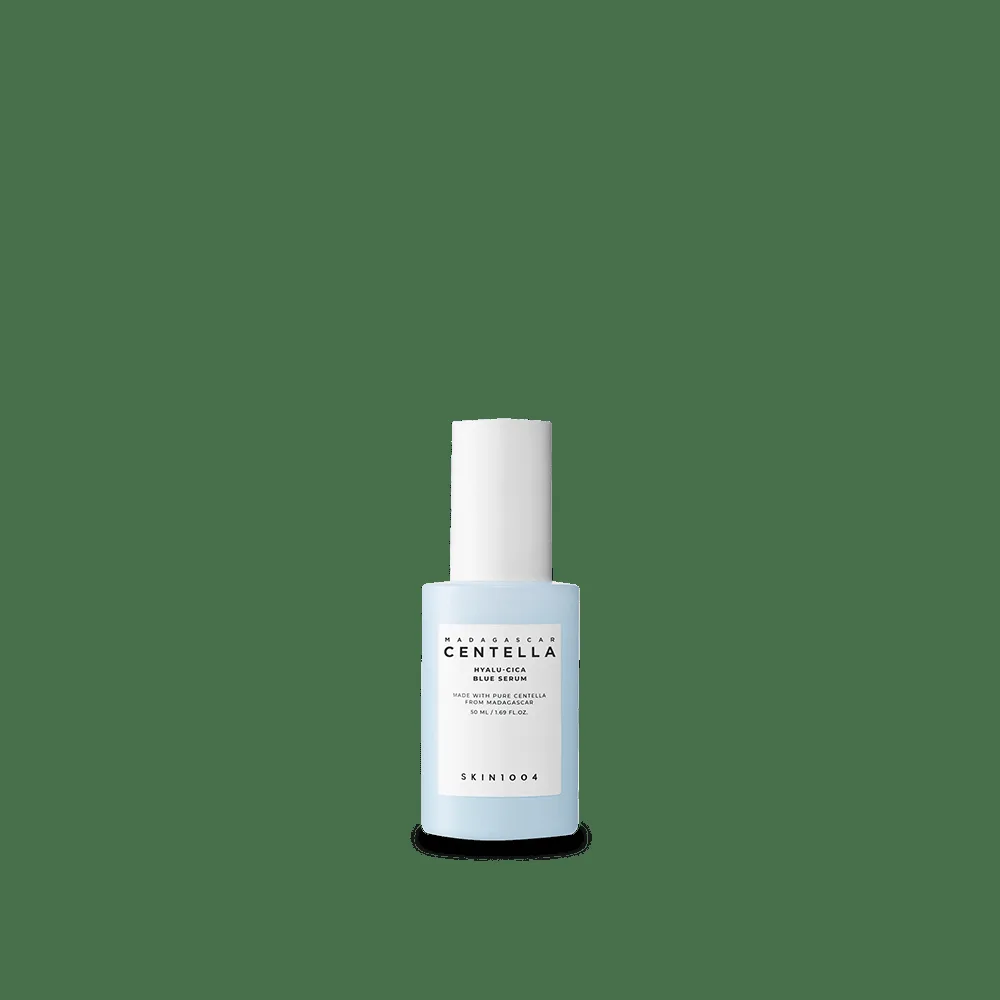 Budget Hydration Holy Grail
 Hyalu-Cica Blue Serum
A quietly excellent budget serum that stacks Centella asiatica leaf water, five types of hyaluronic acid, niacinamide, ceramide NP, and adenosine into a fragrance-free under-$20 bottle. It is genuinely one of the best hydration-plus-soothing serums at any price, and the fact that it costs less than a salad in Manhattan is the point.
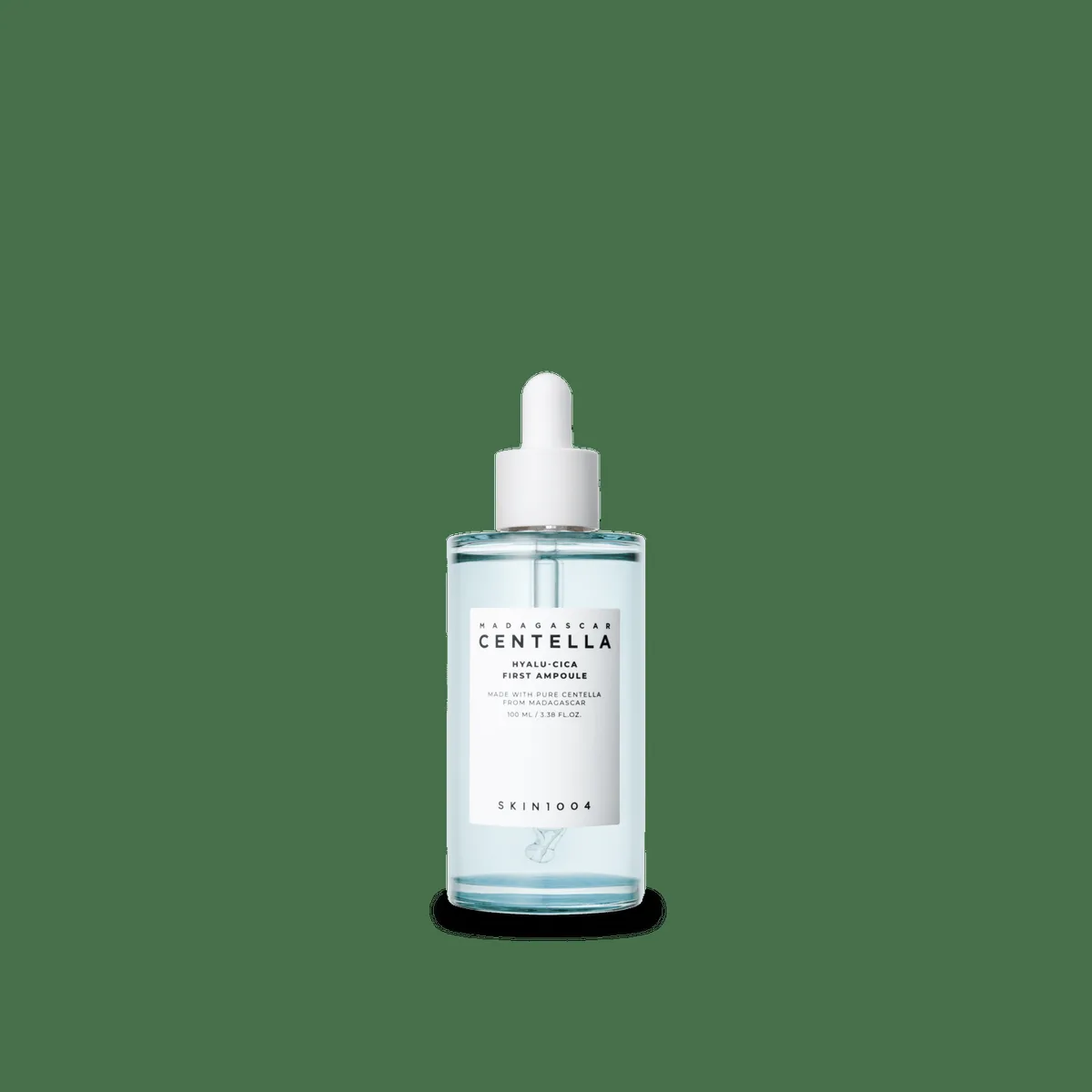 Sensitive Skin First-Line Defense
 Hyalu-Cica First Ampoule
A 92% Centella asiatica extract ampoule paired with niacinamide and a multi-weight HA complex, fragrance-free and purpose-built for sensitive, compromised, and reactive skin. At $25 for 100ml, it is one of the most justifiable skincare purchases a budget-conscious buyer can make, and it earns a place in almost any routine that needs a soothing anchor.
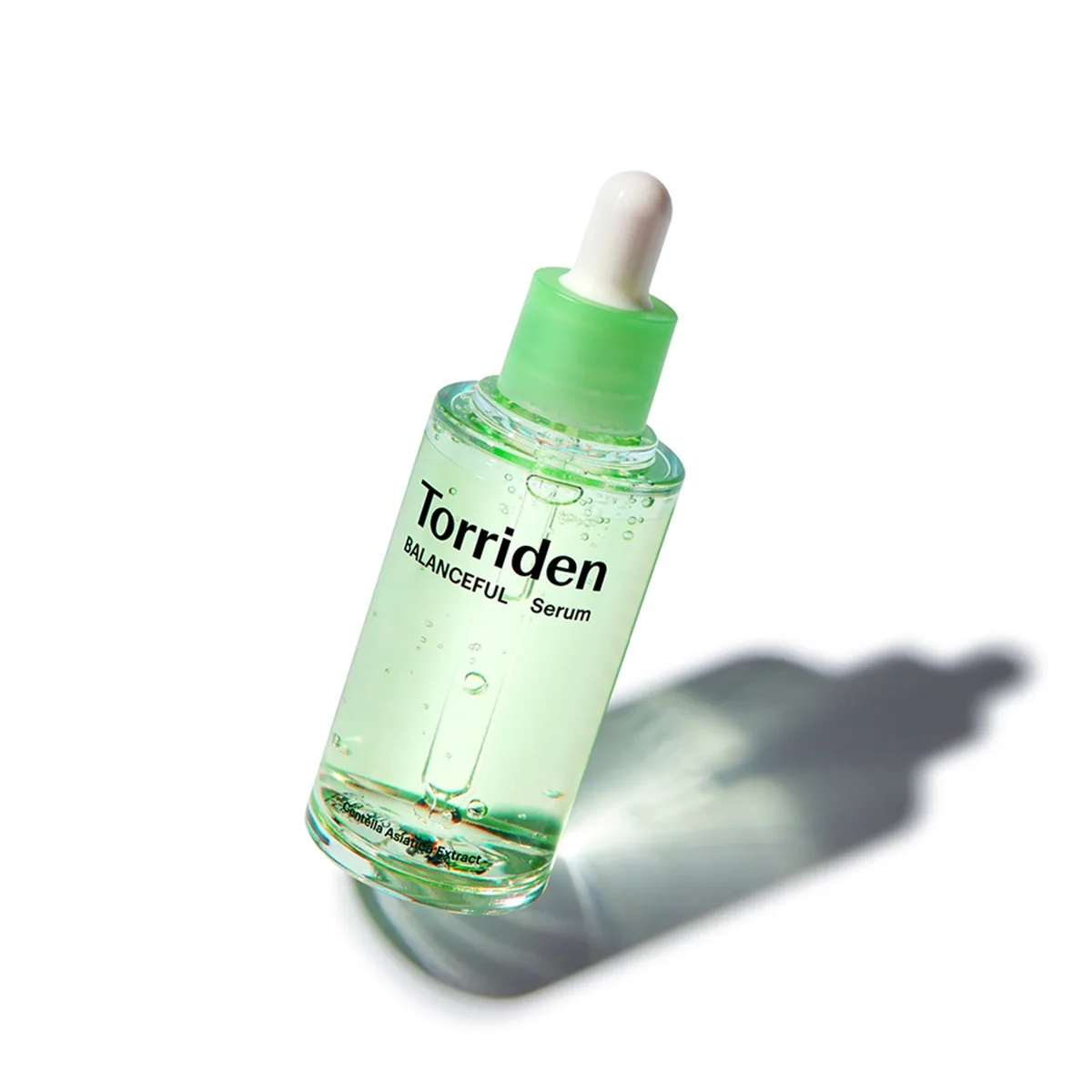 Sensitive Skin MVP
 Balanceful Cica Serum
Torriden's Balanceful Cica Serum is one of the most recommendable calming serums in K-beauty — a genuinely fragrance-free, multi-weight hyaluronic acid and 5D cica complex treatment that quietly reduces redness, supports the barrier, and buffers other actives without drama. At under $25 it's a near-automatic pick for sensitive, rosacea-prone, and barrier-compromised skin.