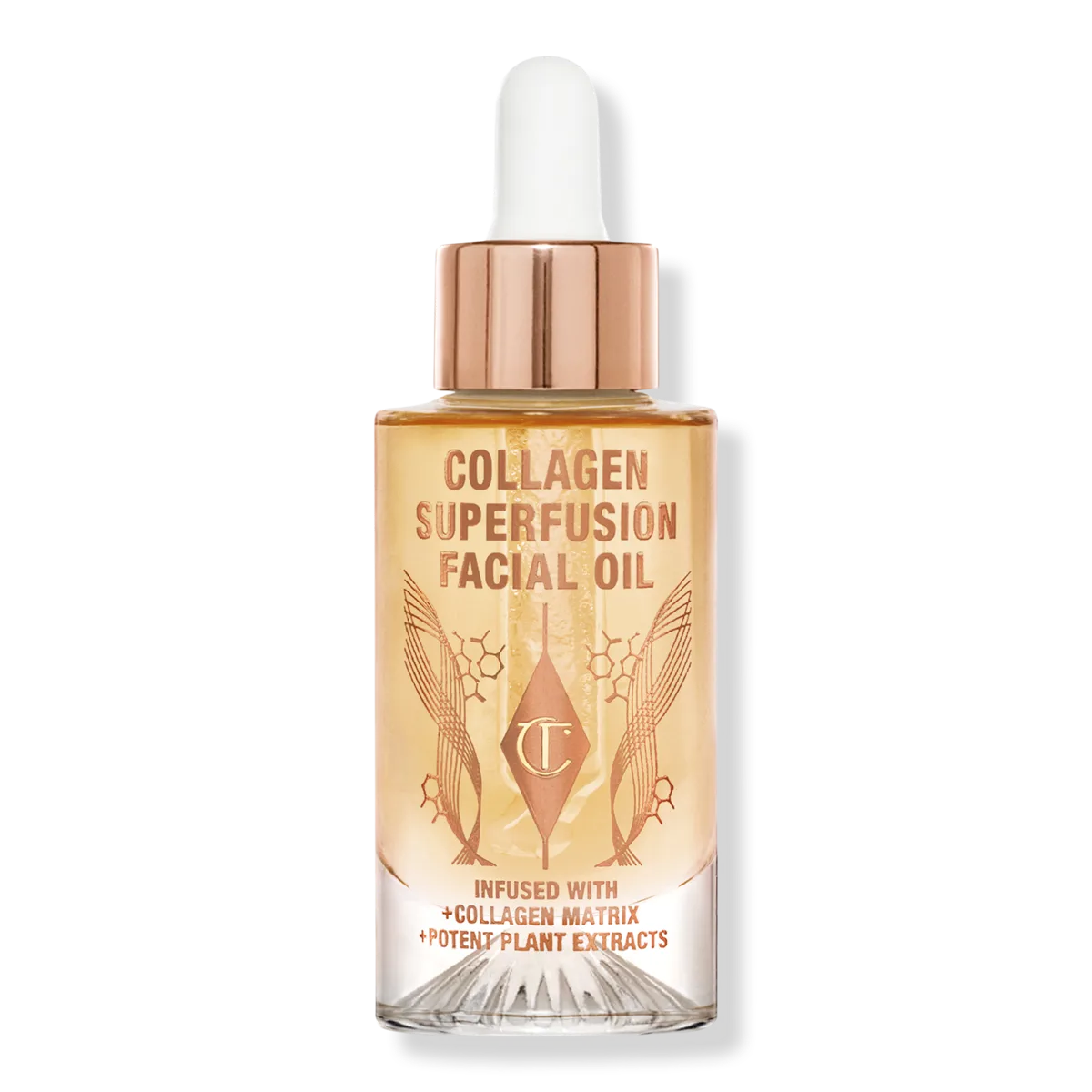
A cleverly stacked brightening serum that delivers more than its modest 13% headline suggests. The dual vitamin C system plus glutathione and tocotrienols make this a legitimate multi-pathway antioxidant treatment at an accessible price — if you can forgive the tiny bottle and its distinctly unromantic smell.
The Vitamin C 13 Serum
A cleverly stacked brightening serum that delivers more than its modest 13% headline suggests. The dual vitamin C system plus glutathione and tocotrienols make this a legitimate multi-pathway antioxidant treatment at an accessible price — if you can forgive the tiny bottle and its distinctly unromantic smell.
Score Breakdown
Where this product gains points and where it loses them — broken down across the four scoring pillars.
A well-formulated dual vitamin C serum with an impressive supporting cast of brightening agents. The small bottle size and stability concerns slightly ding the value proposition, but the formula itself punches above its price point.
Pros & Cons
- ✓Dual vitamin C system provides both immediate and stabilized brightening activity
- ✓Glutathione adds a unique second-pathway approach to melanin inhibition rarely found at this price
- ✓Lightweight watery texture absorbs in seconds, ideal for AM layering under sunscreen
- ✓Fragrance-free and dermatologist-tested with zero irritation in clinical testing
- ✓Tocotrienol-tocopherol vitamin E complex synergizes with vitamin C for enhanced photoprotection
- ✓Multi-active brightening stack (five melanin-inhibiting ingredients) in a single product
- ✓pH range of 3.0-4.5 sits within the clinically validated window for ascorbic acid efficacy
- ✗20ml bottle is quite small and lasts only 4-6 weeks with daily use
- ✗Noticeable metallic or fishy smell upon application despite being fragrance-free
- ✗Dropper packaging accelerates oxidation by exposing serum to air and light
- ✗Pure ascorbic acid base requires refrigeration to maintain potency beyond 2 months
- ✗Contains palm oil, which may concern fungal acne-prone users
Full Review
There's a quiet generosity to the COSRX The Vitamin C 13 Serum that you only notice when you actually read the ingredient list. The name suggests a straightforward 13% ascorbic acid serum — perfectly respectable, nothing groundbreaking. But then you keep scrolling past the ascorbic acid and find 3-O-Ethyl Ascorbic Acid, glutathione, niacinamide, licorice root extract, adenosine, and a tocotrienol-tocopherol vitamin E complex, and you start to wonder whether someone in the COSRX lab accidentally put the premium formula into the budget bottle.
Let's start with the architecture of this thing. The 13% pure L-ascorbic acid sits at the core, buffered by tromethamine to bring the pH into the 3.0-4.5 range — low enough for the vitamin C to penetrate effectively, high enough that most people won't feel like they just applied lemon juice to a paper cut. Then there's the 3-O-Ethyl Ascorbic Acid, a more stable derivative that continues working even as the pure ascorbic acid begins its inevitable oxidation dance. It's a belt-and-suspenders approach to vitamin C delivery that acknowledges a truth most brands ignore: pure vitamin C starts degrading the moment you open the bottle.
The glutathione inclusion is where this formula genuinely distinguishes itself. This endogenous antioxidant doesn't just sit there looking impressive on the label — it inhibits tyrosinase through a pathway completely different from ascorbic acid, and it has the ability to recycle oxidized vitamin C back to its active form. Think of it as a tiny molecular mechanic that extends the working life of the star ingredient. A 2014 clinical trial published in Clinical, Cosmetic and Investigational Dermatology found that topical oxidized glutathione lotion produced measurable skin-whitening effects — and here it's working alongside a vitamin C concentration already validated by decades of research.
The texture is unapologetically watery. This is not a serum that drapes across your skin in a luxurious veil — it's more like applying lightly thickened water from a dropper. It absorbs within seconds and leaves virtually nothing behind, which makes it excellent for layering under moisturizer and sunscreen but somewhat underwhelming as a sensory experience. You squeeze the dropper, the liquid runs down your fingers, you pat it in, and within a minute you've forgotten it's there. That efficiency is actually a virtue for morning routines, where every second counts and no one wants to wait for a sticky serum to dry down before applying SPF.
Now for the elephant in the room: this serum has a smell. It's not offensive in the way that a spoiled product would be, but it's distinctly present — a metallic, slightly fishy note that comes with the territory of unfragranced ascorbic acid formulas. It dissipates within a minute, and the fact that COSRX didn't mask it with fragrance is actually the right call for a product targeted at sensitive skin. But if you're someone who considers their skincare routine a sensory ritual, be prepared for this to be the practical, no-frills moment in your lineup.
The supporting cast deserves individual recognition. Panthenol and sodium hyaluronate provide hydration to cushion the low-pH active. Caffeine offers mild anti-inflammatory benefits. Adenosine contributes anti-aging support. The licorice root extract and niacinamide, both present at what appear to be lower concentrations, add two more melanin-inhibiting mechanisms to a formula that's already attacking hyperpigmentation from multiple angles. Acetyl glucosamine rounds things out as a gentle exfoliation promoter. It's a formulation that reads like someone was genuinely trying to solve a problem, not just checking boxes.
Where this product stumbles is in the practicalities. Twenty milliliters is a small bottle for daily use — most people will burn through it in four to six weeks, making the per-milliliter cost less impressive than the sticker price suggests. The dropper packaging, while common in this category, exposes the formula to air and light with every use, which is particularly unfortunate for a product whose star ingredient is famously unstable. Refrigeration helps, and the small size actually works in the formula's favor here — you'll likely finish the bottle before serious oxidation sets in. But an airless pump design would have been a meaningfully better choice.
The stability question is worth addressing directly. Multiple users report the serum turning yellow within two months of opening, which signals that the ascorbic acid is oxidizing. COSRX has addressed this partly through the dual vitamin C system and the inclusion of sodium sulfite as an antioxidant preservative, but the laws of chemistry are what they are. If you're diligent about refrigeration and using the product within its effective window, this is manageable. If you're the type to leave serums on your bathroom counter and forget about them for weeks, you may not get full value.
Performance-wise, this serum delivers on its core promise with quiet consistency. Users with hyperpigmentation and post-inflammatory dark spots report visible fading within four to eight weeks. Overall skin brightness improves earlier, often within the first two weeks. The formula has been dermatologist-tested with a primary dermal irritation study finding zero irritation across thirty subjects — a reassuring data point for those whose previous vitamin C attempts ended in redness and stinging.
At twenty-one dollars, this occupies an interesting position. It's not drugstore-cheap, and the small size means you're buying a new one every month or two. But the formulation quality genuinely exceeds what most serums offer at two or three times the price. The multi-pathway brightening approach — ascorbic acid plus ethylated vitamin C plus glutathione plus niacinamide plus licorice root — is the kind of thoughtful ingredient stacking you typically see in products north of fifty dollars. COSRX has essentially given you a premium brightening strategy in an economy-class bottle.
This is a serum for people who care about what's in the formula, not what the bottle looks like on their shelfie. It does its job quickly, quietly, and with more sophistication than it advertises.
Formula
Key Ingredients
The hero actives that drive this product's performance.
| Ingredient | Function | Evidence |
|---|---|---|
| Ascorbic Acid (13%) (13%) | The primary active in this formula, delivering pure L-ascorbic acid at 13% — a concentration within the clinically validated 8-20% sweet spot. Works in tandem with the stabilizing 3-O-Ethyl Ascorbic Acid and the antioxidant-recycling glutathione to provide both immediate brightening and collagen synthesis support. | well-established |
| 3-O-Ethyl Ascorbic Acid | A more stable vitamin C derivative that extends the brightening action beyond what the pure ascorbic acid provides alone. Its resistance to oxidation helps maintain the serum's efficacy even as the L-AA component begins to degrade over time. | promising |
| Glutathione | An endogenous antioxidant that inhibits tyrosinase through a different pathway than ascorbic acid, creating a multi-pronged brightening approach. Also helps recycle oxidized vitamin C back to its active form, extending the formula's working window on skin. | promising |
| Niacinamide | Supports the brightening agenda by inhibiting melanosome transfer to keratinocytes — a complementary mechanism to the vitamin C and glutathione. At the trace concentration here, it contributes to barrier support without the pH conflicts that high-dose niacinamide can create with low-pH ascorbic acid. | well-established |
| Tocotrienols | A lesser-used form of vitamin E with significantly greater antioxidant potency than standard tocopherol. Paired with tocopherol in this formula to create a full-spectrum vitamin E complex that synergizes with ascorbic acid — the classic C+E antioxidant network that boosts photoprotection. | promising |
| Sodium Hyaluronate | Provides hydration to counterbalance the potential drying effects of the low-pH ascorbic acid base. In this lightweight, watery formula, it helps the serum glide on smoothly while drawing moisture into the skin. | well-established |
Full INCI List · pH 3.5
Water, Ascorbic Acid, Butylene Glycol, Dipropylene Glycol, Tromethamine, 3-O-Ethyl Ascorbic Acid, Panthenol, Acetyl Glucosamine, Caffeine, Sodium Hyaluronate, Sodium Sulfite, Disodium EDTA, Glutathione, Adenosine, Gardenia Florida Fruit Extract, Allantoin, Dextrin, Squalane, Tocotrienols, Tocopherol, Elaeis Guineensis (Palm) Oil, Arginine, Niacinamide, Pentylene Glycol, Glycyrrhiza Glabra (Licorice) Root Extract
Product Flags
✓ Fragrance Free✓ Alcohol Free✗ Oil Free✓ Silicone Free✓ Paraben Free✓ Sulfate Free✗ Cruelty Free✗ Vegan✗ Fungal Acne Safe
Comedogenic Ingredients
Elaeis Guineensis (Palm) Oil
Potential Irritants
Ascorbic Acid (low pH may cause tingling)
Compatibility
Skin Match
Best For
Works For
Not Ideal For
Addresses These Conditions
hyperpigmentation dark spots dullness sun damage aging
Use With Caution
sensitivity compromised skin barrier
Routine Step
serum
Time of Day
AM
Pregnancy Safe
Yes ✓
Layering Tips
Apply to clean, dry skin before heavier products. Wait 1-2 minutes for absorption before layering moisturizer. Always follow with broad-spectrum sunscreen in the AM. Can be used on alternate days with exfoliating acids to avoid over-sensitization.
Results Timeline
Immediate subtle glow and hydration after first use. Within 2-4 weeks, noticeable improvement in overall brightness and skin tone evenness. Full dark spot fading and anti-aging benefits typically emerge after 6-8 weeks of consistent daily use.
Pairs Well With
Sunscreen (enhances photoprotection synergistically)Hyaluronic acid serums (additional hydration)Ceramide moisturizers (barrier support)
Conflicts With
Benzoyl Peroxide (can oxidize vitamin C)Strong AHA/BHA exfoliants at the same time (compounding low-pH irritation)
Sample AM Routine
- Gentle cleanser
- COSRX The Vitamin C 13 Serum
- Moisturizer
- Sunscreen SPF 30+
Sample PM Routine
- Oil cleanser or micellar water
- Gentle cleanser
- Treatment serum (retinol/peptides)
- Moisturizer
Evidence
Science & Expert Perspective
The Science
The 13% L-ascorbic acid concentration in this formula sits squarely within the evidence-supported sweet spot. A comprehensive review by Al-Niaimi and Chiang (2017) in the Journal of Clinical and Aesthetic Dermatology confirmed that topical vitamin C concentrations between 8% and 20% provide optimal bioavailability, with higher concentrations showing no additional biological significance. At this percentage, the ascorbic acid penetrates the stratum corneum effectively while maintaining tolerability for most skin types.
What elevates this formula beyond a standard vitamin C serum is the multi-agent antioxidant network. The pairing of ascorbic acid with vitamin E (here in both tocopherol and tocotrienol forms) is one of the most validated synergies in topical antioxidant research. Vitamin E is a lipid-phase antioxidant that works in the cell membrane, while vitamin C operates in the aqueous phase — together, they provide more comprehensive protection than either alone, and vitamin C regenerates oxidized vitamin E, creating a self-sustaining cycle.
The glutathione component adds a less commonly exploited mechanism. A 2014 randomized, double-blind clinical trial by Watanabe et al., published in Clinical, Cosmetic and Investigational Dermatology, demonstrated that topical oxidized glutathione produced significant skin-whitening and condition-improving effects compared to placebo. Glutathione inhibits melanogenesis by interfering with tyrosinase activity and shifting melanin production from darker eumelanin toward lighter pheomelanin — a pathway independent of the direct tyrosinase inhibition provided by ascorbic acid.
The inclusion of 3-O-Ethyl Ascorbic Acid as a secondary vitamin C form addresses the well-documented stability challenge of pure ascorbic acid. Research by Pereira et al. (2021) in Life (Basel) demonstrated that formulations containing 3-O-ethyl-L-ascorbic acid produced a 15.52% reduction in melanin content on reconstructed human pigmented epidermis, confirming its biological activity. Unlike pure L-AA, this ethylated form resists oxidation in aqueous solution, which means it continues delivering vitamin C activity even as the primary ascorbic acid degrades over the product's use life.
References
- Topical Vitamin C and the Skin: Mechanisms of Action and Clinical Applications — Journal of Clinical and Aesthetic Dermatology (2017)
- Pilot Study of Oxidized Glutathione Lotion Effects on Skin — Clinical, Cosmetic and Investigational Dermatology (2014)
- Assessment of the Anti-Ageing and Whitening Efficacy of 3-O-Ethyl-L-Ascorbic Acid — Life (Basel) (2021)
Dermatologist Perspective
Dermatologists frequently recommend vitamin C serums in the 10-20% L-ascorbic acid range as a cornerstone of any anti-aging and brightening regimen, and this product falls well within that window. Board-certified dermatologists note that the pH of 3.0-4.5 is appropriate for ascorbic acid absorption, as the molecule requires an acidic environment to penetrate the skin barrier effectively. The inclusion of glutathione and multiple vitamin C forms is viewed favorably from a clinical standpoint, as multi-pathway approaches to hyperpigmentation tend to produce more reliable outcomes than single-agent formulas. The dermatologist-tested designation, backed by a primary dermal irritation study showing zero irritation across thirty subjects, provides additional reassurance for patients with reactive skin.
Guidance
Usage Guide
How to Use
Apply 3-4 drops to clean, dry skin in the morning after cleansing and toning. Gently pat into the face and neck — avoid rubbing, which can increase irritation with the low-pH formula. Wait 1-2 minutes for full absorption before applying moisturizer. Always follow with a broad-spectrum SPF 30+ sunscreen, as vitamin C enhances but does not replace sun protection. Store the bottle in the refrigerator with the cap tightly sealed to maximize potency. If new to vitamin C, start with every-other-day use for the first week.
Value Assessment
At $21 for 20ml, the per-milliliter cost is $1.05 — which is moderate for a vitamin C serum but on the higher end when you consider you'll need a new bottle every four to six weeks. However, the formulation quality significantly exceeds what most brands offer at this price point. The dual vitamin C system, glutathione, tocotrienol-tocopherol complex, and multi-ingredient brightening stack would typically command $40-60 in a Western brand. No larger size is available, which limits the ability to get better per-unit value with a bigger purchase. For budget-conscious users, the formula-to-price ratio is strong — you're paying for a legitimately sophisticated product, just in a small package.
Who Should Buy
Anyone dealing with dullness, dark spots, or early photoaging who wants a science-backed vitamin C serum without the sticker shock. Particularly well-suited for sensitive skin types who've struggled with higher-concentration vitamin C products, and for K-beauty enthusiasts who appreciate a lightweight, layering-friendly texture.
Who Should Skip
If you prefer larger bottles that last several months, the 20ml size will frustrate you. Those with extremely reactive or compromised skin barriers should patch test first despite the gentle reputation. And if fragrance-free product smells genuinely bother you, the brief but noticeable metallic scent on application may be a dealbreaker.
Ready to try COSRX The Vitamin C 13 Serum?
Details
Details
Texture
Extremely lightweight and watery with a thin, almost water-like consistency. Glides on easily but can drip from the dropper due to low viscosity.
Scent
No added fragrance, but the ascorbic acid base produces a noticeable metallic or slightly fishy smell that dissipates within a minute of application.
Packaging
Dark opaque bottle with a dropper cap in 20ml size. The dark packaging helps protect the photosensitive vitamin C, though the dropper design introduces air with each use, which can accelerate oxidation.
Finish
lightweightnon-greasydewy
What to Expect on First Use
Expect a slight tingling sensation on first use, especially around sensitive areas like the nose and any active breakouts. This is normal for a low-pH vitamin C serum and should subside within minutes. The smell is noticeable but temporary. Most users adjust within the first week.
How Long It Lasts
4-6 weeks with once-daily application to face only
Period After Opening
12 months
Best Season
All Year
Certifications
Dermatologist-tested (Primary Dermal Irritation Study on 30 subjects)
Background
The Why
COSRX launched this serum in 2023 as the gentler entry point in their 'The RX' vitamin C duo, designed specifically for those intimidated by high-concentration vitamin C products. The 13% concentration was chosen to sit within the clinically effective range while remaining tolerable for K-beauty's sensitive-skin-first audience.
About COSRX Established Brand (5–20 years)
COSRX was founded in 2013 in Seoul, South Korea, combining 'Cosmetics' and 'Rx' to signal a science-forward approach. Over the past decade, the brand has earned a loyal global following for its minimalist, effective formulations and is widely recommended across dermatology and skincare communities.
Brand founded: 2013 · Product launched: 2023
Myth vs. Reality
Myths & Misconceptions
Myth
You can't use niacinamide with vitamin C because they cancel each other out.
Reality
This formula intentionally includes both. Modern formulation chemistry has debunked this myth — the interaction that produces niacin only occurs at very high temperatures not reached on skin. At the trace niacinamide concentration in this serum, there is zero concern.
Myth
If a vitamin C serum turns slightly yellow, it's completely useless.
Reality
A faint yellow tint indicates some oxidation has begun, but the serum retains significant activity. It's only when the color deepens to dark orange or brown that efficacy drops substantially. Refrigeration slows this process considerably.
FAQ
Frequently Asked Questions
Can I use COSRX Vitamin C 13 Serum every day?
Yes — this serum is designed for daily morning use. The 13% concentration is formulated to be gentle enough for everyday application. If you're new to vitamin C, start with every other day for the first week and build up to daily use as your skin adjusts to the low-pH formula.
Why does the COSRX Vitamin C 13 Serum smell bad?
The metallic or slightly fishy scent comes from the pure L-ascorbic acid and supporting ingredients like glutathione — this is normal for fragrance-free vitamin C serums. The smell is not a sign of a defective product and dissipates within a minute of application.
Should I refrigerate this vitamin C serum?
While not strictly required, refrigeration is strongly recommended. Pure ascorbic acid is inherently unstable and oxidizes when exposed to heat, light, and air. Storing it in the fridge can extend its effective life beyond the typical 2-3 month window after opening.
Is the COSRX Vitamin C 13 Serum good for dark spots?
This serum targets dark spots through multiple pathways — the 13% ascorbic acid inhibits melanin production, glutathione blocks tyrosinase through a separate mechanism, and licorice root extract provides additional brightening. Many users report visible fading of hyperpigmentation within 4-8 weeks.
What's the difference between COSRX Vitamin C 13 and 23?
The 13% version uses a lightweight watery formula with dual vitamin C forms for a gentler approach suited to sensitive or vitamin-C-new skin. The 23% version has a higher L-ascorbic acid concentration in a thicker suspension for more aggressive brightening but carries greater irritation risk.
Can I use this serum with retinol?
Yes, but use them at different times of day. Apply this vitamin C serum in the morning for antioxidant protection under sunscreen, and use retinol at night. Using both in the same routine can cause excessive irritation due to compounding low-pH stress on the skin.
How long does the 20ml bottle last?
With once-daily use on the face (3-4 drops per application), expect the 20ml bottle to last about 4-6 weeks. COSRX recommends using it within 2-3 months of opening to ensure potency, so the small size actually helps you finish it before significant oxidation occurs.
Community
Community Voices
Common Praise
"Gentle enough for sensitive skin with no burning or irritation"
"Visible brightening within a few weeks of consistent use"
"Lightweight watery texture absorbs quickly without stickiness"
"Effective at fading dark spots and hyperpigmentation"
"Works well under makeup and other products"
Common Complaints
"Unpleasant fishy or metallic smell upon application"
"Very small 20ml bottle runs out within 1-2 months"
"Oxidizes relatively quickly — can turn yellow within 2 months"
"Dropper packaging exposes product to air and light"
"Runny consistency makes dispensing imprecise"
Notable Endorsements
Dr. Jessica Lee (dermatologist) highlighted the multi-active ingredient approach on TikTok
Appears In
best serum for hyperpigmentation best serum for dullness best vitamin c serum for sensitive skin best k beauty serum
Related Conditions
hyperpigmentation dark spots dullness sun damage aging
Related Ingredients
You Might Also Like
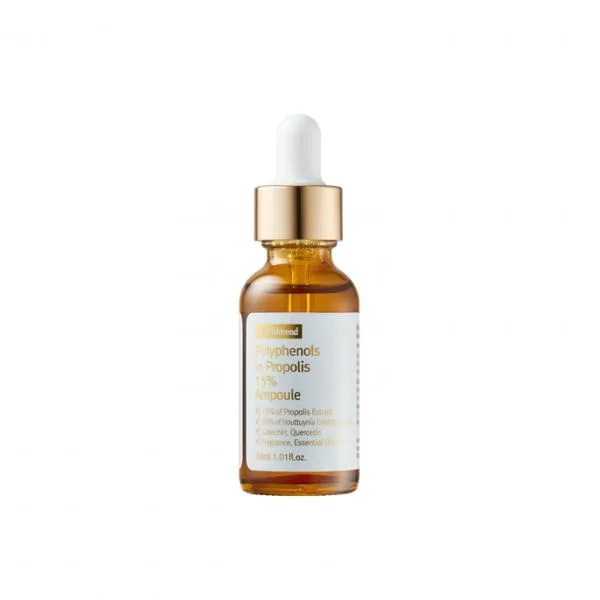 Sensitive Skin Soother
 Polyphenols In Propolis 15% Ampoule
A 15% propolis ampoule that earns its name with a real polyphenol stack — French Auvergne propolis layered over a houttuynia cordata base, with tulsi and pomegranate piling on. It's slightly sticky and not cheap by volume, but for sensitive, breakout-prone skin chasing calm, this is one of the most reliable K-beauty soothers in production.
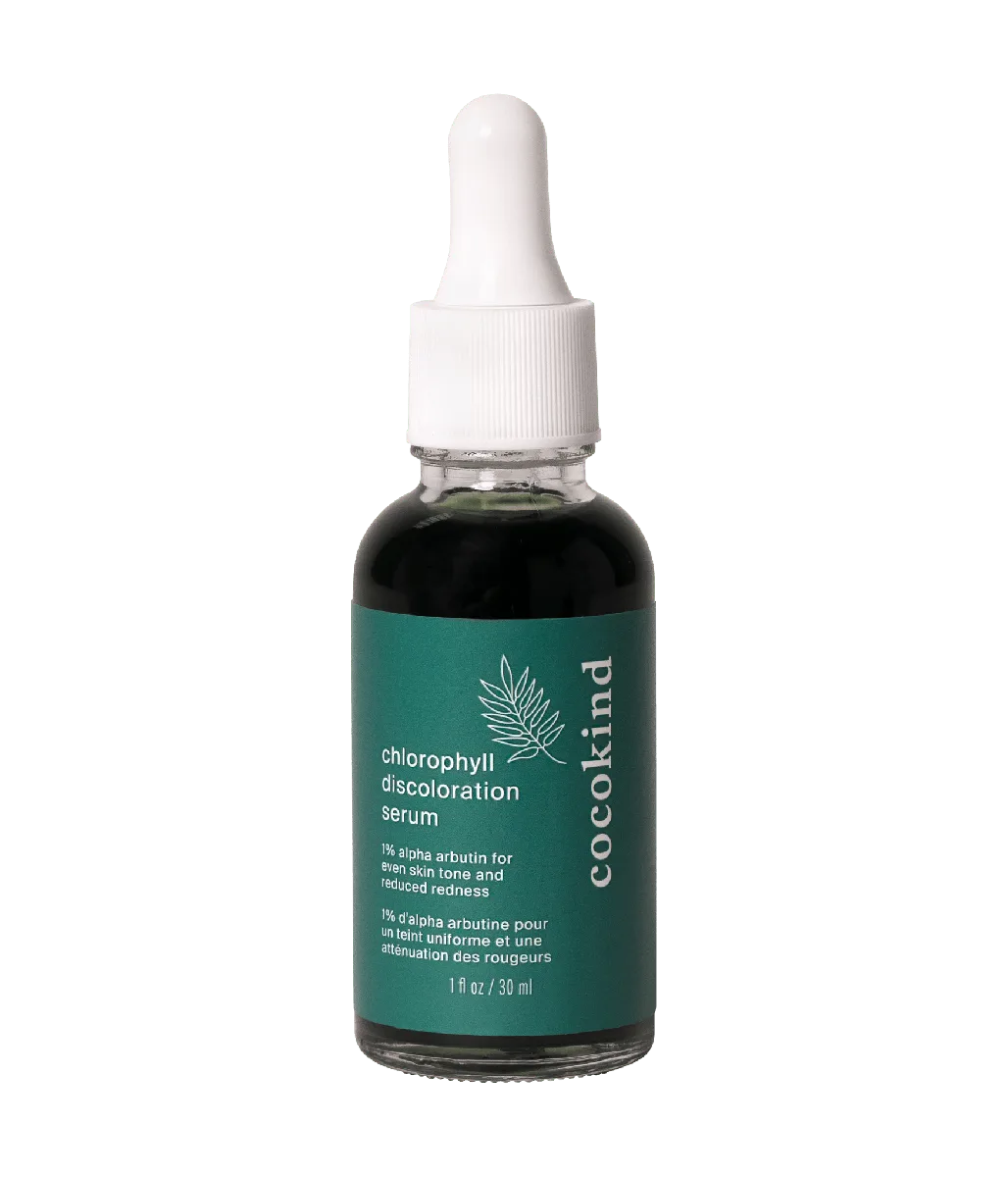 Budget Brightening Hero
 Chlorophyll Discoloration Serum
A quietly brilliant brightening serum that proves you do not need luxury prices or harsh actives to fade dark spots effectively. The alpha-arbutin and licorice root combination delivers genuine multi-pathway melanin inhibition, the sensitive-skin-friendly formula is impeccable, and $20 makes it accessible to virtually everyone. The chlorophyllin is more marketing differentiator than scientific powerhouse, but it does not hurt anything either.
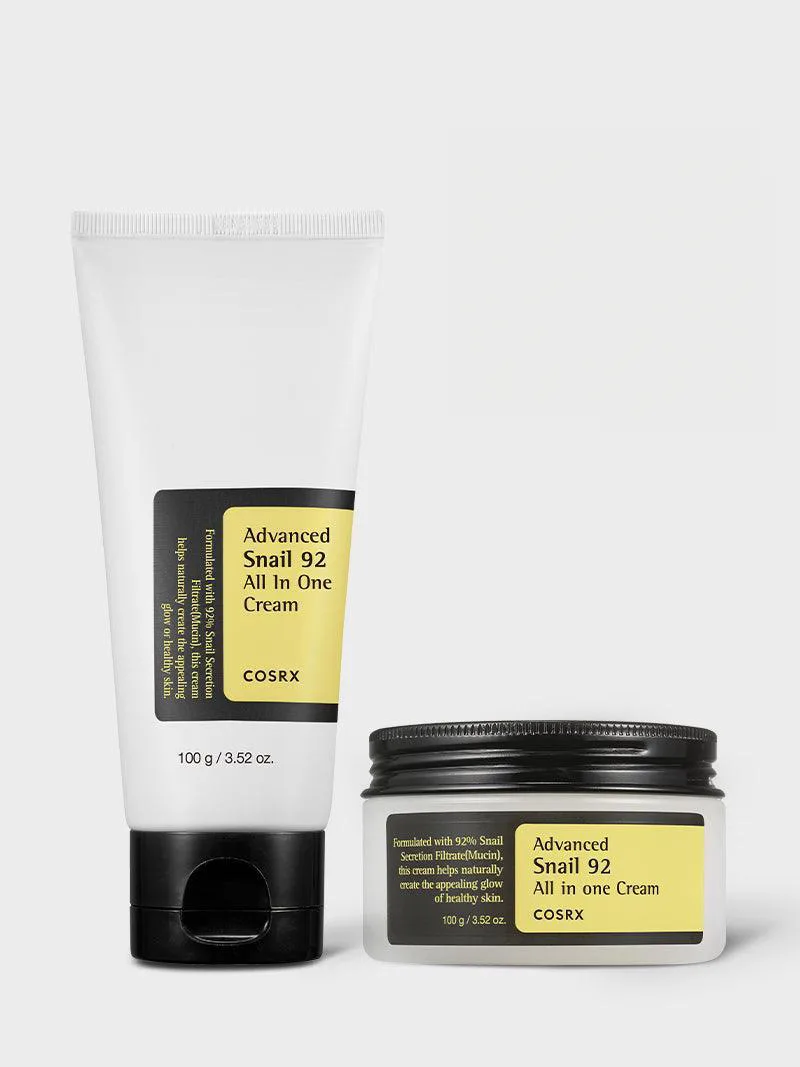 K-Beauty Icon
 Advanced Snail 92 All in One Cream
The cream that helped prove snail mucin to the world — and a decade later, it still deserves the reputation. At 92% snail secretion filtrate in a fragrance-free, gentle gel-cream, it delivers hydration, soothing, and gradual skin improvement across virtually every skin type. The texture takes getting used to, but 13 million sold units and 25,000+ reviews suggest most people manage.
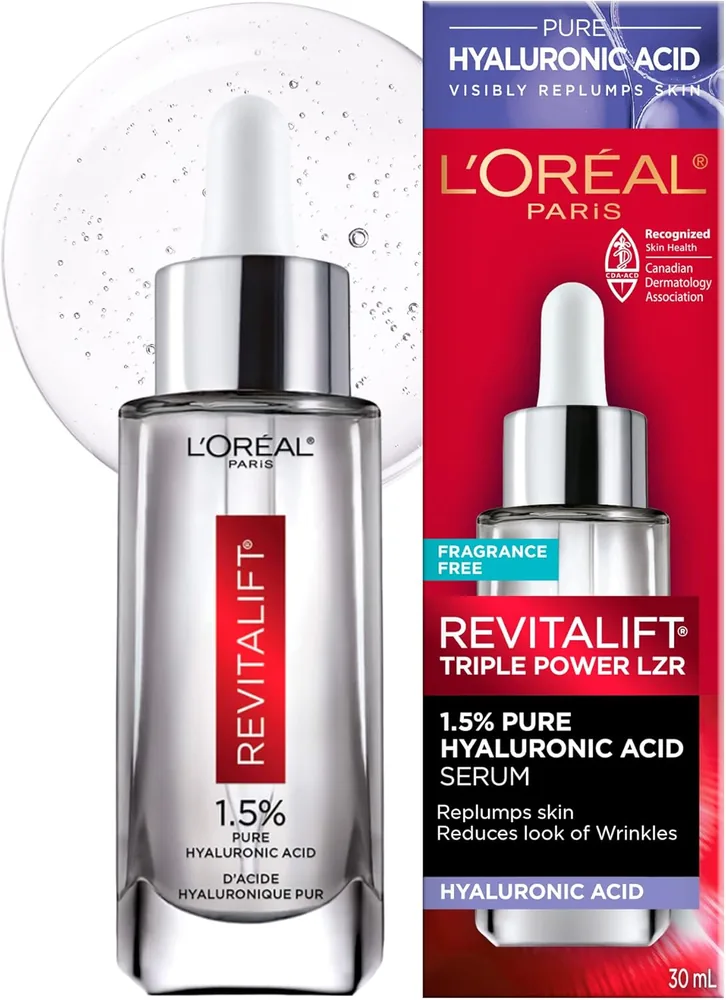 The People's HA Serum
 Revitalift Derm Intensives 1.5% Pure Hyaluronic Acid Serum
A masterclass in minimalist formulation — thirteen ingredients, no filler, four functional actives, and over thirty thousand glowing reviews. L'Oréal's multi-weight HA system delivers genuine hydration at every level of the skin, and the fragrance-free, alcohol-free formula is clean enough for virtually anyone. The drugstore serum that embarrasses its prestige competitors.
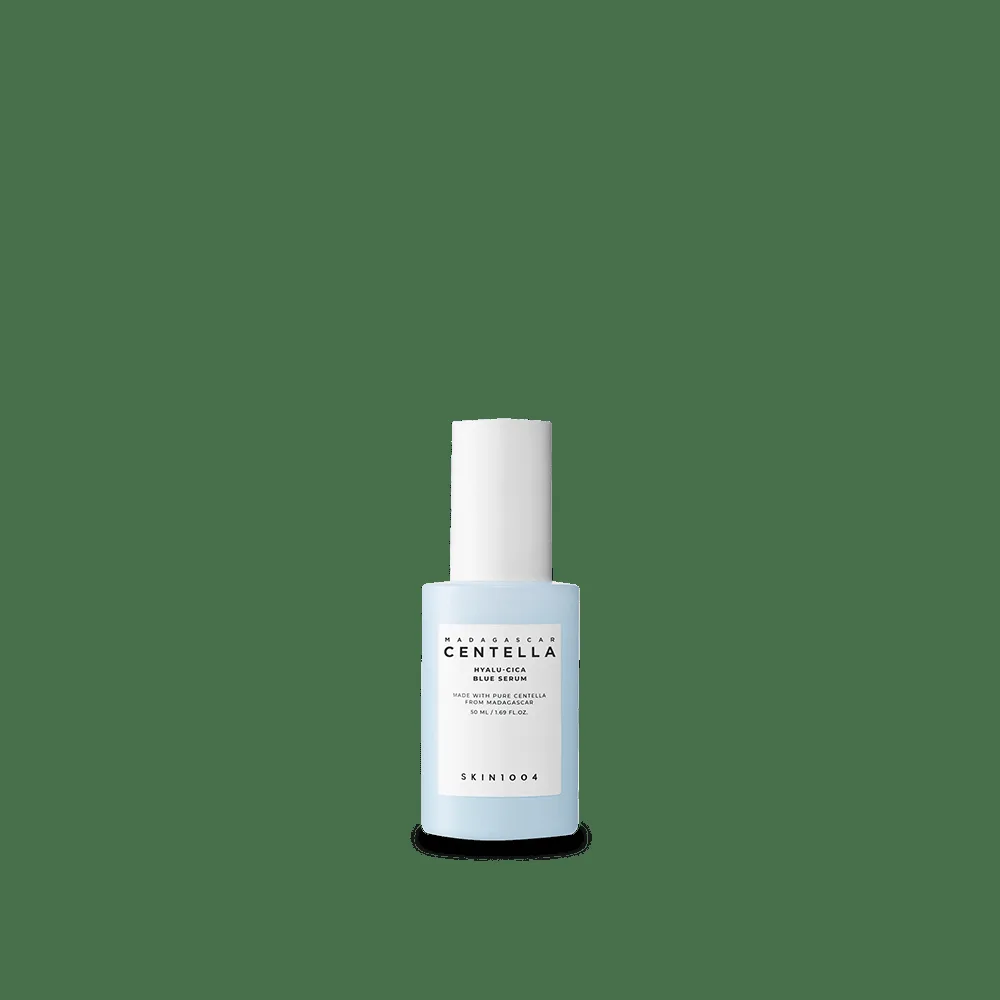 Budget Hydration Holy Grail
 Hyalu-Cica Blue Serum
A quietly excellent budget serum that stacks Centella asiatica leaf water, five types of hyaluronic acid, niacinamide, ceramide NP, and adenosine into a fragrance-free under-$20 bottle. It is genuinely one of the best hydration-plus-soothing serums at any price, and the fact that it costs less than a salad in Manhattan is the point.
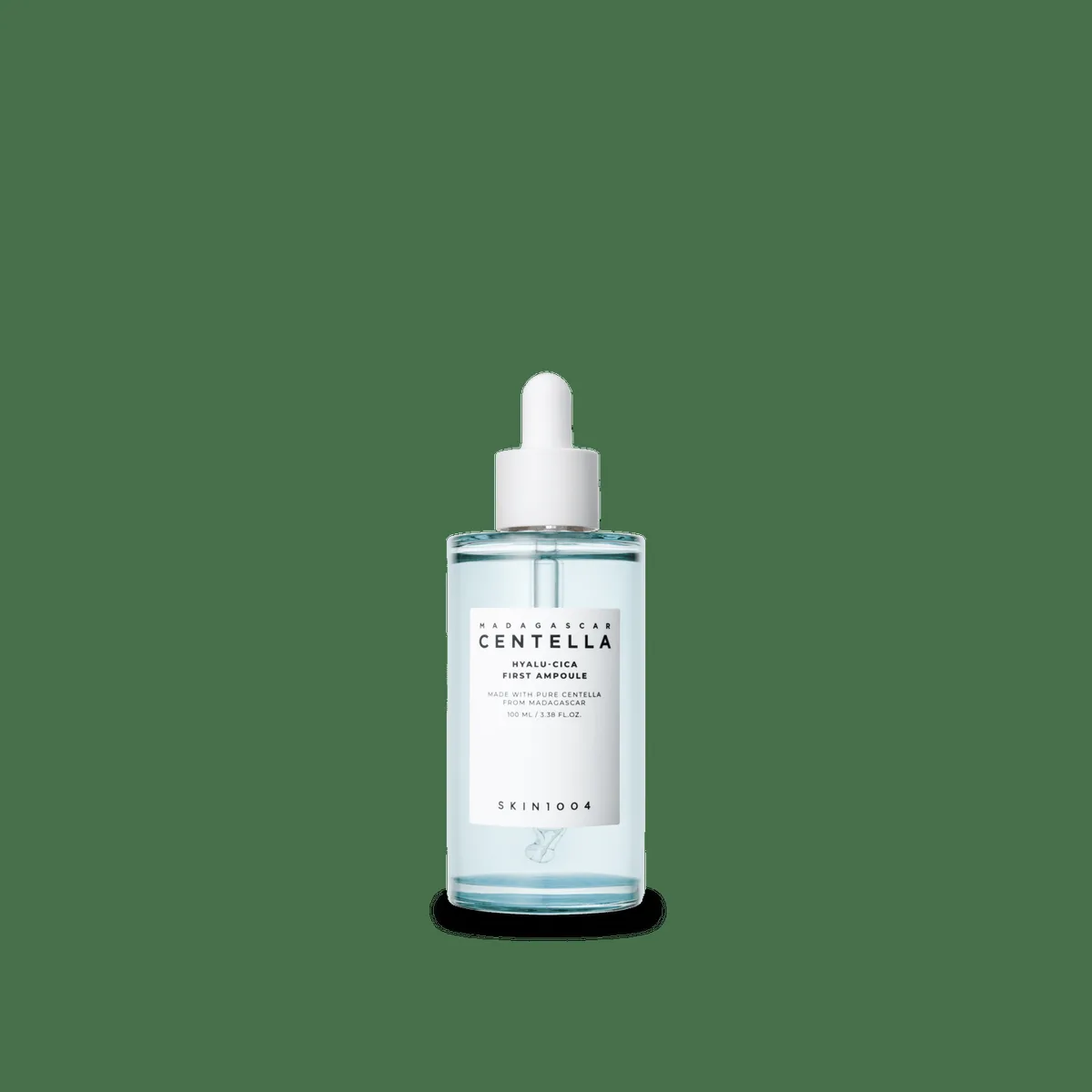 Sensitive Skin First-Line Defense
 Hyalu-Cica First Ampoule
A 92% Centella asiatica extract ampoule paired with niacinamide and a multi-weight HA complex, fragrance-free and purpose-built for sensitive, compromised, and reactive skin. At $25 for 100ml, it is one of the most justifiable skincare purchases a budget-conscious buyer can make, and it earns a place in almost any routine that needs a soothing anchor.