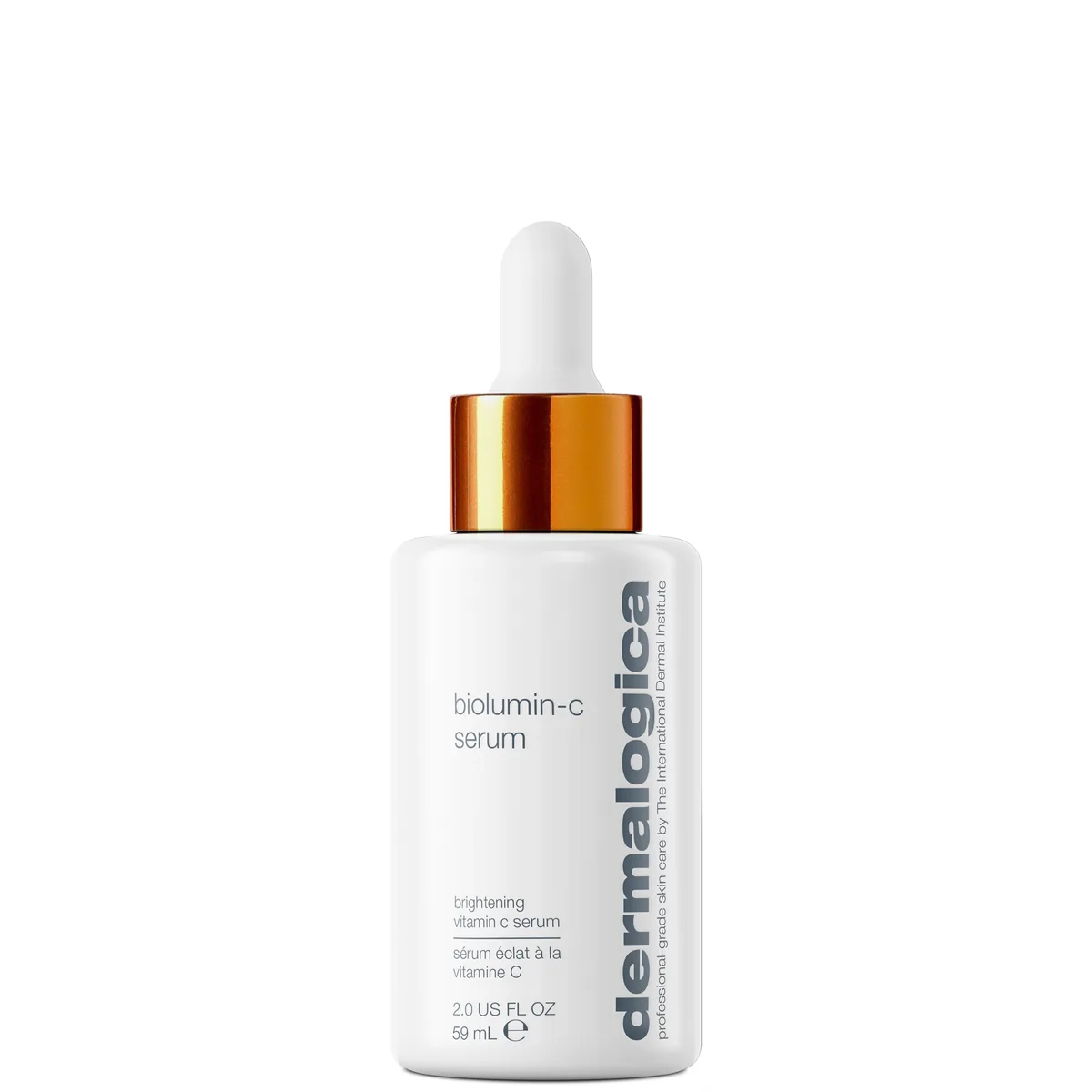
A beautifully engineered stability-first vitamin C serum that doubles as an AHA exfoliant. The 24-month shelf life is a genuine innovation for vitamin C products, but the 4.7% stabilized derivative concentration asks you to pay premium prices for a gentle approach when more potent alternatives exist for less.
Biolumin-C Serum
A beautifully engineered stability-first vitamin C serum that doubles as an AHA exfoliant. The 24-month shelf life is a genuine innovation for vitamin C products, but the 4.7% stabilized derivative concentration asks you to pay premium prices for a gentle approach when more potent alternatives exist for less.
Score Breakdown
Where this product gains points and where it loses them — broken down across the four scoring pillars.
A well-engineered multi-action serum with a stable vitamin C complex and intelligent supporting cast. The lactic acid adds genuine exfoliating value, but the premium price for 4.7% stabilized derivatives is a tough sell against competitors offering higher-potency vitamin C at lower prices.
Pros & Cons
- ✓Exceptional 24-month shelf stability eliminates the oxidation anxiety of pure vitamin C serums
- ✓Dual-action formula combines vitamin C brightening with lactic acid exfoliation for accelerated results
- ✓Silky texture and luminous finish make it a pleasure to use daily under makeup
- ✓Palmitoyl Tripeptide-5 adds legitimate collagen-stimulating anti-aging benefits
- ✓Over 4,000 reviews with a 4.6 average demonstrate consistent real-world satisfaction
- ✓Available in three sizes including a value-oriented 2.0 oz option
- ✗$99 for 1 oz is steep for 4.7% stabilized vitamin C when higher-potency options cost less
- ✗Grapefruit peel oil and limonene are unnecessary sensitizers in a product designed for daily use
- ✗Stabilized derivatives are less potent than pure L-ascorbic acid at equivalent concentrations
- ✗One full dropper per application means the 1 oz bottle may last only 4-6 weeks
- ✗Carrageenan in the formula may concern acne-prone users due to comedogenic potential
Full Review
There's a quiet deception in the name BioLumin-C. The 'C' directs your attention to vitamin C, and the marketing follows suit — stable vitamin C, bioavailable vitamin C, 3x the vitamin C of competitors. But look at the INCI list, where ingredients are ordered by concentration, and you'll find lactic acid sitting in fifth position while both vitamin C derivatives are buried further down the list. This is, by formulation hierarchy, more of a lactic acid serum than a vitamin C serum. And that's actually a compliment.
Lactic acid is arguably the most underrated AHA in skincare. It exfoliates like glycolic acid but with a larger molecular size that slows penetration, reducing irritation while still accelerating cell turnover. It also has humectant properties — it draws moisture into skin while it exfoliates. In this formula, the lactic acid does the heavy lifting of surface renewal: dissolving dead cells, improving texture, enhancing radiance. The vitamin C derivatives then work on the freshly revealed skin, where their antioxidant and melanin-inhibiting properties can penetrate more effectively.
That synergy between AHA exfoliation and vitamin C brightening is what makes this serum more effective than either ingredient alone would suggest. It's not that the 4.7% stabilized vitamin C is doing extraordinary things at that concentration — it's that the lactic acid is preparing the canvas, and the vitamin C is painting on a smoother surface.
The stability story is the brand's primary selling point, and it's legitimate. Pure L-ascorbic acid serums are notorious for oxidizing within weeks of opening — you open the bottle, expose it to air, and a molecular countdown begins. Within two to three months, your expensive serum is literally turning brown. Dermalogica's two stabilized derivatives (Ascorbyl Methylsilanol Pectinate and Aminopropyl Ascorbyl Phosphate) don't have this problem. The 24-month period after opening means you can use this serum at a leisurely pace without worrying about degradation. For the significant population of people who've thrown away half-used vitamin C serums because they oxidized, this solves a real problem.
The trade-off is potency. Stabilized vitamin C derivatives are not biochemically equivalent to pure L-ascorbic acid. They need to be converted to active ascorbic acid after penetrating the skin, and that conversion isn't 100% efficient. The 4.7% combined concentration translates to something less than 4.7% effective ascorbic acid. For comparison, many well-regarded vitamin C serums use 10-20% pure L-ascorbic acid. This doesn't make Dermalogica's approach wrong — it makes it different. You're choosing reliability over intensity.
Palmitoyl Tripeptide-5 adds the anti-aging dimension. This synthetic peptide signals collagen production through the TGF-beta pathway, theoretically firming skin from within. In a leave-on serum at a concentration high enough to appear in the mid-INCI list, it has a reasonable chance of delivering meaningful benefits — more so than the same peptide in the brand's rinse-off cleanser.
The texture is genuinely pleasant. It's a silky gel-serum that doesn't feel heavy, absorbs within a minute or two, and leaves a luminous base that works beautifully under moisturizer and makeup. The slight tackiness during absorption is real but brief, and the finish is a dewy glow that justifies the 'Lumin' in the name. This is one of those serums that makes your skin look immediately better even before the long-term ingredients have had time to work.
The grapefruit peel oil remains the formula's most puzzling inclusion. Dermalogica bills itself as a brand that doesn't use artificial fragrance — true — but grapefruit peel oil contains furanocoumarins and limonene, both documented sensitizers. In a serum that already contains lactic acid (which increases photosensitivity), adding a potentially phototoxic essential oil is a choice that seems driven by consumer experience rather than formulation science. It smells nice. It shouldn't be there.
The price conversation is unavoidable. At $99 for one ounce, this serum competes against pure vitamin C formulas with higher concentrations at half the price or less. The defense is the stability, the multi-action formula (vitamin C plus AHA plus peptide), the professional heritage, and the elegant delivery. Whether those factors justify a 2-3x price premium is personal. The 2.0 oz size at $154 offers substantially better value for committed users, and Dermstore's auto-replenish at 15% off further softens the blow.
With over 4,000 reviews averaging 4.6 stars across nearly eight years on market, the BioLumin-C Serum has earned its following through consistent, gentle results rather than dramatic before-and-after transformations. This is a serum for people who want their skin to look reliably luminous over time — not for people chasing the highest possible vitamin C potency. That's a valid choice, and Dermalogica makes the case for it well. Whether $99 is the right price for that choice is the question only your skin and your budget can answer.
Formula
Key Ingredients
The hero actives that drive this product's performance.
| Ingredient | Function | Evidence |
|---|---|---|
| Ascorbyl Methylsilanol Pectinate + Aminopropyl Ascorbyl Phosphate (4.7% combined) (4.7%) | A dual stabilized vitamin C complex designed to avoid the oxidation issues of pure L-ascorbic acid. The silanol component of Ascorbyl Methylsilanol Pectinate enhances skin penetration while the phosphate-stabilized form provides reliable antioxidant activity at neutral pH. Together they deliver brightening and collagen-supporting benefits without the irritation or instability of pure ascorbic acid. | promising |
| Lactic Acid | Listed fifth in the formula — higher than either vitamin C derivative — suggesting it's a meaningful active in this serum. Provides AHA exfoliation that accelerates cell turnover, enhances the brightening effect of the vitamin C, and improves the penetration of subsequent ingredients. | well-established |
| Palmitoyl Tripeptide-5 | A collagen-boosting peptide that mimics thrombospondin-1 to activate TGF-beta signaling and stimulate collagen production. In this multi-action serum, it provides the structural firming that vitamin C alone cannot fully deliver. | promising |
| Sophora Japonica Flower Extract | A flavonoid-rich antioxidant that works alongside the vitamin C complex to neutralize free radicals and calm oxidative stress. Provides additional protection against environmental damage that the stabilized vitamin C derivatives address from a different angle. | promising |
| Sodium Hyaluronate | Provides humectant hydration that supports the vitamin C and lactic acid's skin-renewing action. Plumps the skin to improve light reflection — contributing to the luminous finish that defines this serum's aesthetic. | well-established |
Full INCI List
Water/Aqua/Eau, Glycerin, Butylene Glycol, Ethoxydiglycol, Lactic Acid, Salvia Hispanica (Chia) Seed Extract, Sodium PCA, Palmitoyl Tripeptide-5, Sophora Japonica Flower Extract, Ascorbyl Methylsilanol Pectinate, Sodium Hyaluronate, Tocopherol, Dipotassium Glycyrrhizate, Aminopropyl Ascorbyl Phosphate, Polyacrylate-13, Propanediol, Citrus Grandis (Grapefruit) Peel Oil, Helianthus Annuus (Sunflower) Seed Oil, Polyisobutene, Methylpropanediol, Carrageenan, Pentylene Glycol, Glyceryl Polyacrylate, Caprylyl Glycol, Ethylhexylglycerin, Tetrasodium Glutamate Diacetate, Xanthan Gum, Polysorbate 20, Limonene, Sodium Hydroxide, Phenoxyethanol
Product Flags
✗ Fragrance Free✓ Alcohol Free✗ Oil Free✓ Silicone Free✓ Paraben Free✓ Sulfate Free✓ Cruelty Free✓ Vegan✗ Fungal Acne Safe
Comedogenic Ingredients
Carrageenan
Potential Irritants
Lactic AcidCitrus Grandis (Grapefruit) Peel OilLimonene
Common Allergens
LimoneneCitrus Grandis (Grapefruit) Peel Oil
Compatibility
Skin Match
Best For
Works For
Not Ideal For
Addresses These Conditions
dullness hyperpigmentation aging texture sun damage
Use With Caution
Routine Step
serum
Time of Day
AM
Pregnancy Safe
Unknown
Layering Tips
Apply one full dropper to clean skin in the morning. Pat gently into face and neck, avoiding the immediate eye area (use the dedicated BioLumin-C Eye Serum there). Wait 1-2 minutes for absorption before applying moisturizer. Always follow with SPF 30+ sunscreen, especially given the lactic acid content.
Results Timeline
Immediate subtle glow and smoother skin feel. Visible improvement in brightness and texture within 2-3 weeks. More significant evening of skin tone and fine line softening after 6-8 weeks of consistent morning use.
Pairs Well With
Sunscreen (vitamin C enhances photoprotection)Hydrating moisturizer (locks in the serum's benefits)Peptide treatments (complementary anti-aging)
Conflicts With
Other AHA/BHA exfoliants in the same routine (compounding acid irritation)Retinol at the same time (use at different times of day)
Sample AM Routine
- Gentle cleanser
- Dermalogica Biolumin-C Serum
- Moisturizer
- Sunscreen SPF 30+
Sample PM Routine
- Oil cleanser
- Gentle cleanser
- Retinol or peptide treatment
- Night moisturizer
Evidence
Who Should Skip
- $99 for 1 oz is steep for 4.7% stabilized vitamin C when higher-potency options cost less
- Grapefruit peel oil and limonene are unnecessary sensitizers in a product designed for daily use
- Stabilized derivatives are less potent than pure L-ascorbic acid at equivalent concentrations
- One full dropper per application means the 1 oz bottle may last only 4-6 weeks
Science & Expert Perspective
The Science
The dual vitamin C system in this serum prioritizes delivery and stability over raw concentration. Aminopropyl Ascorbyl Phosphate is a water-soluble derivative stabilized by a phosphate group that prevents the oxidation cascade responsible for the characteristic browning of pure ascorbic acid formulas. It functions at near-neutral pH, eliminating the irritation associated with the low-pH environment required by L-ascorbic acid. Ascorbyl Methylsilanol Pectinate uses a silanol (organosilicon) carrier for enhanced transdermal delivery — silicon compounds have demonstrated improved skin penetration in pharmaceutical research due to their compatibility with both aqueous and lipid phases of the stratum corneum.
The lactic acid component adds clinically validated AHA exfoliation. Research has established lactic acid as an effective keratolytic that promotes desquamation, improves skin texture, and enhances the penetration of co-formulated actives. Unlike glycolic acid, lactic acid has inherent humectant properties, drawing water into the stratum corneum while it exfoliates — a dual benefit particularly relevant in a serum designed to brighten without dehydrating.
Palmitoyl Tripeptide-5 is a synthetic lipopeptide designed to mimic thrombospondin-1, a naturally occurring protein that activates latent TGF-beta (transforming growth factor beta). TGF-beta signaling stimulates fibroblasts to increase production of type I collagen and other extracellular matrix components. In vitro studies have demonstrated that Palmitoyl Tripeptide-5 increases collagen synthesis in human dermal fibroblast cultures, supporting its inclusion as a firming active.
Dermalogica's clinical study (conducted independently on 30 participants over 8 weeks) reported that 97% found skin smoother, 82% found skin visibly rejuvenated, and 76% found skin looked brighter. These results, while promising, represent a small sample size and the methodology has not been published in peer-reviewed literature.
Dermatologist Perspective
Board-certified dermatologists would recognize this formula as a gentle, multi-action approach to brightening and anti-aging that sacrifices the immediate potency of pure L-ascorbic acid for dramatically improved stability and tolerance. Dermatologists frequently note that patient compliance is a critical factor in skincare outcomes — a product that doesn't oxidize, doesn't sting, and feels pleasant to apply is more likely to be used consistently than a higher-potency formula that degrades quickly and causes discomfort. The lactic acid component adds genuine exfoliating value, though dermatologists would recommend appropriate sun protection given the increased photosensitivity associated with AHA use. The grapefruit peel oil would be flagged as an unnecessary potential sensitizer by most cosmetic dermatologists.
Guidance
Usage Guide
How to Use
Apply one full dropper to clean, dry skin in the morning. Gently press the serum into face and neck using fingertips — avoid the immediate eye area. Wait 1-2 minutes for absorption before layering moisturizer and sunscreen. The lactic acid content makes daily SPF 30+ essential. Can be used nightly on alternate days from retinol. If mild tingling occurs during the first week, this is normal; persistent stinging indicates you should buffer with moisturizer or reduce frequency.
Value Assessment
At $99 for 1.0 oz, the per-ounce cost is significant — especially for a vitamin C serum with 4.7% stabilized derivatives rather than high-concentration pure ascorbic acid. The 2.0 oz size at $154 drops the per-ounce cost to $77, and Dermstore's 15% auto-replenish discount brings it further to about $66 per ounce. The 24-month shelf life means zero waste from oxidation — a real cost savings compared to pure vitamin C serums where you might throw away the last third of the bottle. The travel size (0.34 oz for $39) offers a trial entry point. The value case rests on the stability advantage, the multi-action formula, and whether you value the professional-grade positioning.
Who Should Buy
Anyone seeking a multi-action brightening serum with the convenience of long shelf stability and no oxidation concerns. Ideal for normal to combination skin types who want the combined benefits of vitamin C antioxidant protection and AHA exfoliation in one product. Well-suited for Dermalogica loyalists and those who've been frustrated by pure vitamin C serums that oxidize before they can finish the bottle.
Who Should Skip
Potency-focused consumers who want high-concentration L-ascorbic acid will find 4.7% stabilized derivatives underwhelming for the price. Those with citrus or essential oil sensitivities should avoid the grapefruit peel oil and limonene. Budget-conscious shoppers can find effective vitamin C and lactic acid products for a fraction of the $99 price point. Those with very sensitive skin may find the lactic acid plus vitamin C combination too stimulating.
Ready to try Dermalogica Biolumin-C Serum?
Details
Details
Texture
Lightweight gel-serum with a silky, slightly viscous consistency. Not water-thin but absorbs within a minute or two. Slight tackiness during absorption that settles to a smooth, dewy finish.
Scent
Noticeable citrus aroma from the grapefruit peel oil — pleasant for some, a concern for ingredient purists. No synthetic fragrance added, but the essential oil component means this is not truly fragrance-free.
Packaging
Glass dropper bottle with a double outer coating designed to protect the formula from light degradation. Available in 0.34 oz, 1.0 oz, and 2.0 oz sizes. The glass is recyclable and outer cartons use FSC-certified paper.
Finish
dewylightweight
What to Expect on First Use
Goes on silky with a faint citrus scent. Mild warmth from the lactic acid content is normal — if it progresses to stinging, buffer with a moisturizer or reduce frequency. The dewy glow is apparent from the first application. Some users notice mild peeling or increased sensitivity in the first week as the lactic acid accelerates cell turnover.
How Long It Lasts
4-6 weeks with once-daily use (1.0 oz size, one full dropper per application)
Period After Opening
24 months
Best Season
All Year
Certifications
PETA Cruelty-FreeLeaping BunnyVegan
Background
The Why
Launched in 2018 as a flagship product in Dermalogica's Age Smart line, the BioLumin-C Serum was developed to solve what the brand's skin therapists saw as the biggest consumer frustration with vitamin C: products that oxidized before you could finish the bottle. By choosing stabilized derivatives over pure L-ascorbic acid, Dermalogica traded some potency for dramatically improved shelf stability — a 24-month PAO versus the typical 2-3 months for pure vitamin C serums.
About Dermalogica Legacy Brand (20+ years)
Dermalogica was founded in 1986 by Jane Wurwand in Los Angeles and developed in partnership with the International Dermal Institute. The brand is used by over 100,000 professional skin therapists worldwide and has been owned by Unilever since 2015.
Brand founded: 1986 · Product launched: 2018
Myth vs. Reality
Myths & Misconceptions
Myth
Stabilized vitamin C derivatives work just as well as pure L-ascorbic acid.
Reality
Stabilized forms like those in this serum avoid oxidation and irritation issues but are generally considered less immediately potent than pure L-ascorbic acid. The 4.7% combined concentration of derivatives here is not equivalent to 4.7% L-ascorbic acid — the bioavailability and conversion rates differ. The trade-off is stability and tolerance over raw strength.
Myth
This is primarily a vitamin C serum.
Reality
Based on INCI order, lactic acid appears higher in the formula than either vitamin C derivative. This is as much an AHA exfoliating serum as a vitamin C brightening serum — which is actually an advantage, since the exfoliation enhances vitamin C penetration and accelerates the brightening results.
FAQ
Frequently Asked Questions
How much vitamin C is in Dermalogica BioLumin-C Serum?
The formula contains a combined 4.7% of two stabilized vitamin C derivatives: Ascorbyl Methylsilanol Pectinate and Aminopropyl Ascorbyl Phosphate. These are not pure L-ascorbic acid — they're engineered for stability and gentle delivery. Dermalogica claims this combination delivers 3x the vitamin C of leading competitors, though this refers to bioavailability rather than raw percentage.
Why is the Dermalogica BioLumin-C Serum so expensive?
The $99 price reflects Dermalogica's professional-grade positioning, the proprietary dual vitamin C delivery system, the collagen-boosting peptide, and the glass packaging with UV-protective coating. The 2.0 oz size at $154 offers significantly better per-ounce value if you're committed to the product.
Does this vitamin C serum expire or oxidize quickly?
No — this is one of the most stable vitamin C serums on the market. The stabilized derivatives used here have a 24-month period after opening, compared to 2-3 months for pure L-ascorbic acid serums. You won't see the formula turn orange or brown in the bottle.
Can I use this serum at night?
While you can use it at night, the vitamin C benefits are maximized in the morning when it provides antioxidant protection against daytime UV and pollution exposure. The lactic acid content also makes sunscreen essential if you use it during the day. If you prefer evening use, pair it with your retinol on alternating nights to avoid over-exfoliation.
Is the Dermalogica BioLumin-C Serum fragrance-free?
No — it contains Citrus Grandis (Grapefruit) Peel Oil and Limonene, which provide a natural citrus scent. Dermalogica describes it as free of artificial fragrances, but the essential oil component is a genuine sensitizer that those with fragrance sensitivity should be aware of.
Community
Community Voices
Common Praise
"Visibly brightens skin and evens out overall skin tone within weeks"
"Lightweight silky texture that absorbs well and layers under makeup"
"Stable formula that doesn't oxidize quickly in the bottle like pure vitamin C"
"Noticeable improvement in skin texture and smoothness"
"Firming effect on skin with consistent use"
Common Complaints
"$99 for 1 oz feels expensive for a 4.7% stabilized vitamin C serum"
"Exact vitamin C percentage was not disclosed until pressed by reviewers"
"Contains grapefruit peel oil and limonene — known sensitizers"
"Some users report pilling under makeup"
"Stabilized vitamin C derivatives are less potent than pure L-ascorbic acid"
Appears In
best serum for dullness best professional vitamin c serum best serum for aging best stable vitamin c serum
Related Conditions
dullness hyperpigmentation aging texture sun damage
Related Ingredients
You Might Also Like
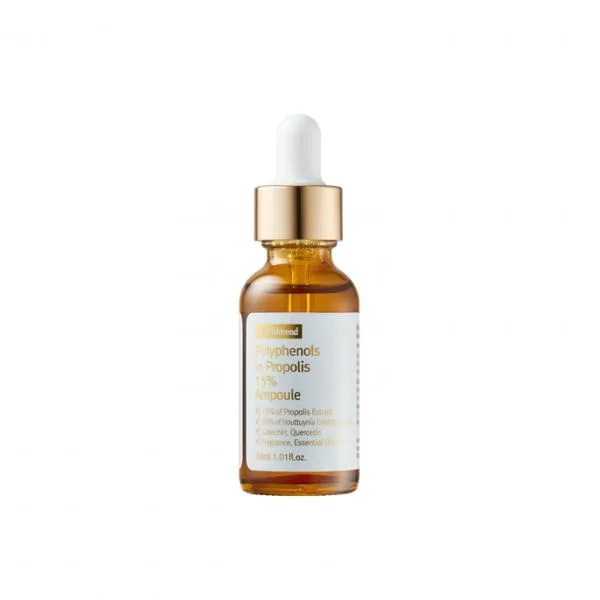 Sensitive Skin Soother
 Polyphenols In Propolis 15% Ampoule
A 15% propolis ampoule that earns its name with a real polyphenol stack — French Auvergne propolis layered over a houttuynia cordata base, with tulsi and pomegranate piling on. It's slightly sticky and not cheap by volume, but for sensitive, breakout-prone skin chasing calm, this is one of the most reliable K-beauty soothers in production.
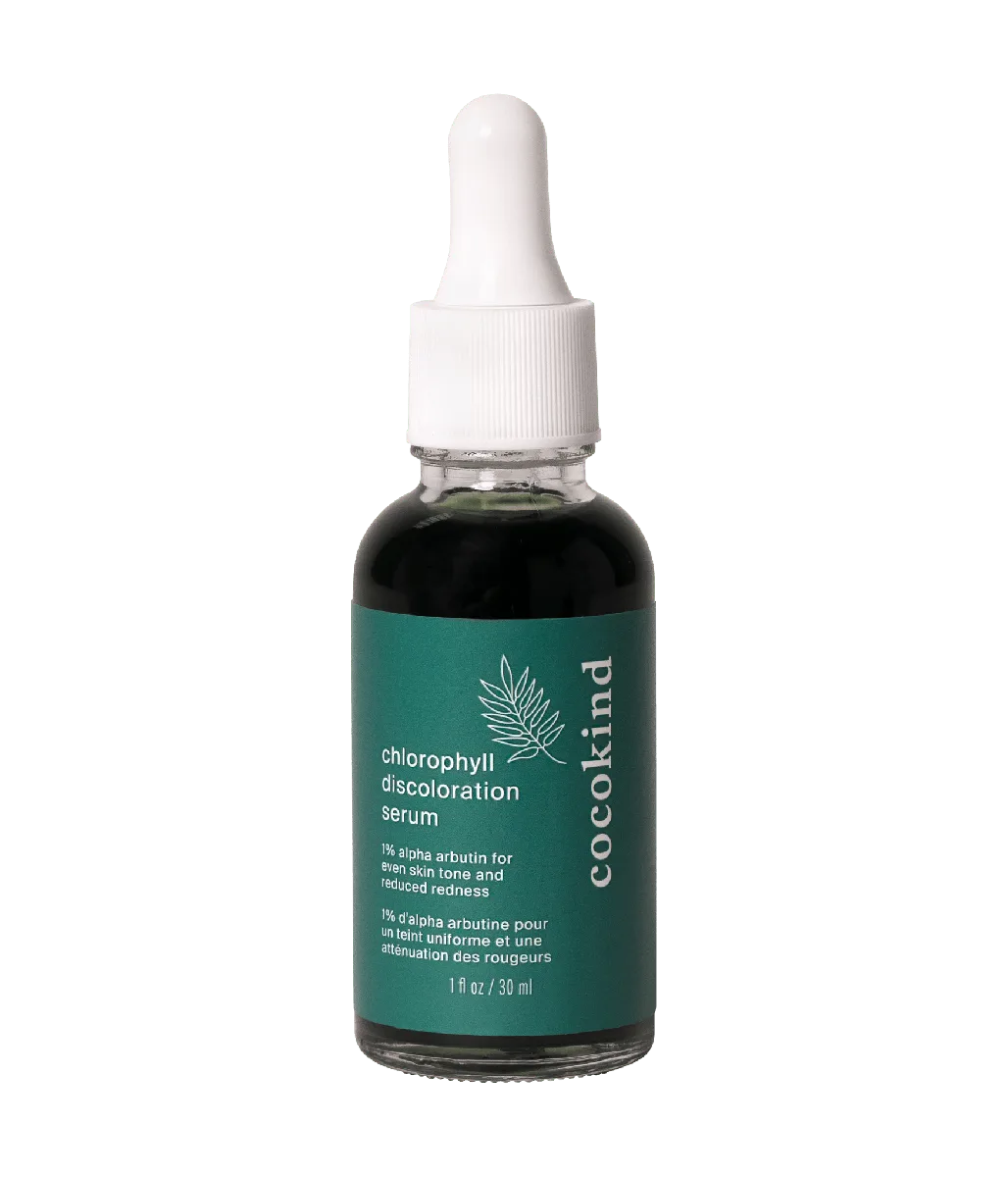 Budget Brightening Hero
 Chlorophyll Discoloration Serum
A quietly brilliant brightening serum that proves you do not need luxury prices or harsh actives to fade dark spots effectively. The alpha-arbutin and licorice root combination delivers genuine multi-pathway melanin inhibition, the sensitive-skin-friendly formula is impeccable, and $20 makes it accessible to virtually everyone. The chlorophyllin is more marketing differentiator than scientific powerhouse, but it does not hurt anything either.
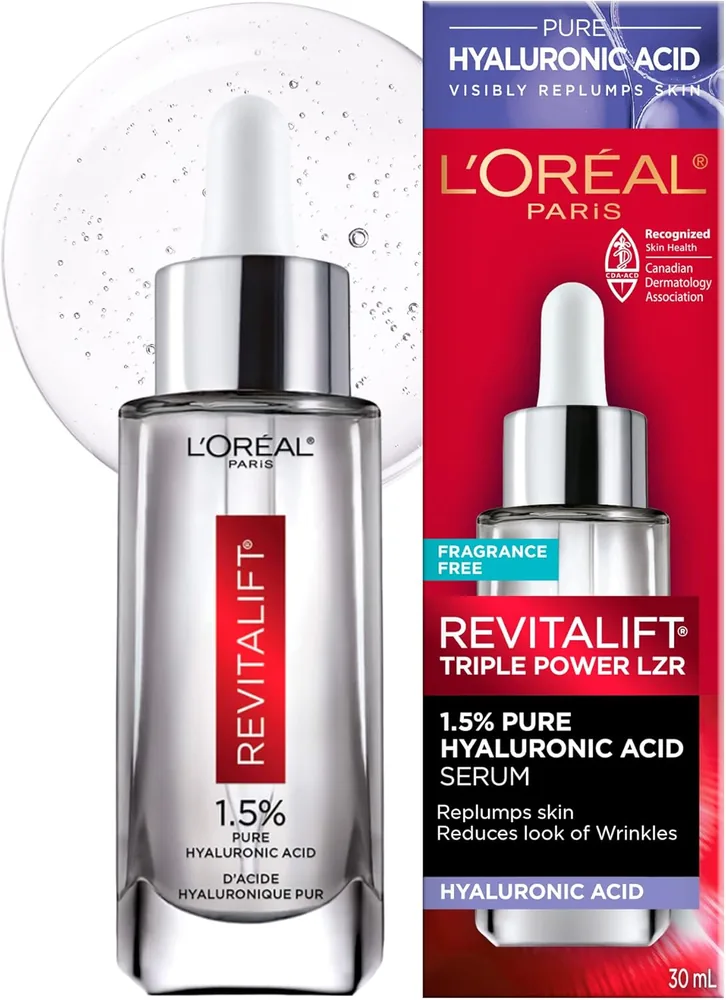 The People's HA Serum
 Revitalift Derm Intensives 1.5% Pure Hyaluronic Acid Serum
A masterclass in minimalist formulation — thirteen ingredients, no filler, four functional actives, and over thirty thousand glowing reviews. L'Oréal's multi-weight HA system delivers genuine hydration at every level of the skin, and the fragrance-free, alcohol-free formula is clean enough for virtually anyone. The drugstore serum that embarrasses its prestige competitors.
 Budget Hydration Holy Grail
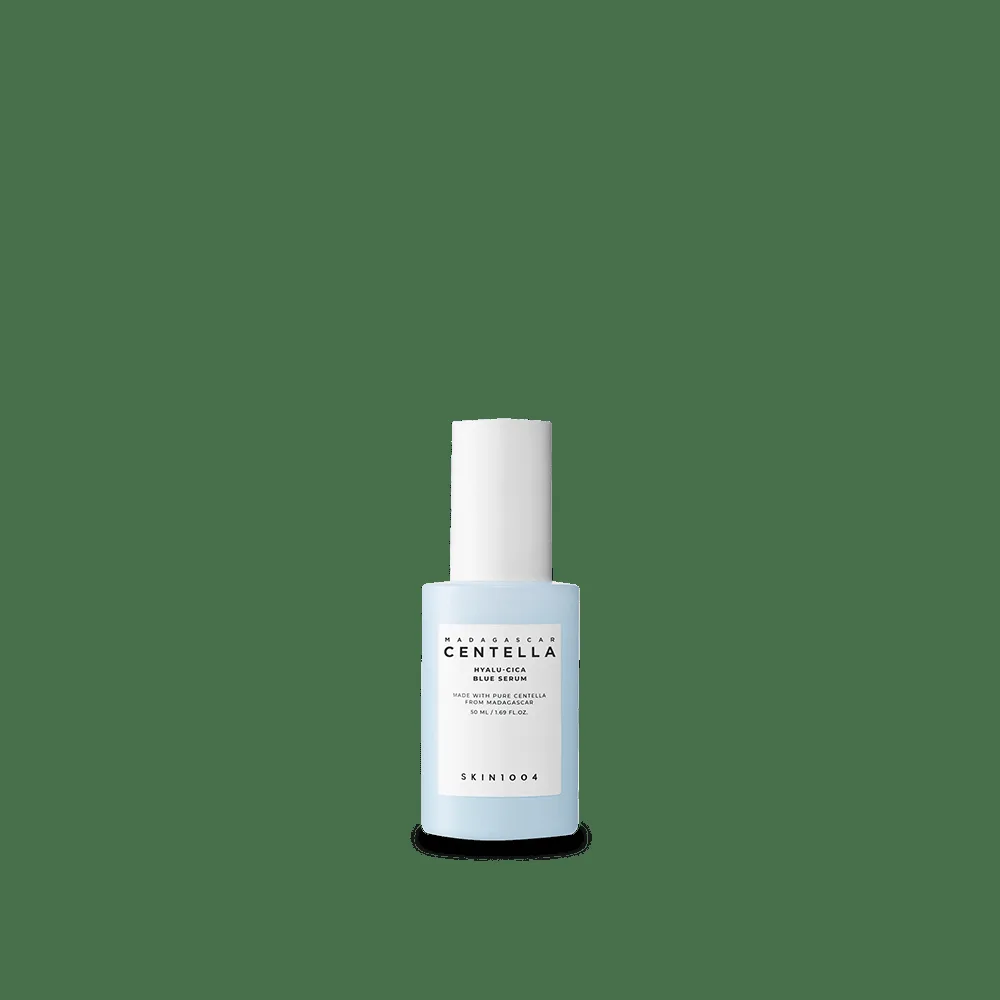
 Hyalu-Cica Blue Serum
A quietly excellent budget serum that stacks Centella asiatica leaf water, five types of hyaluronic acid, niacinamide, ceramide NP, and adenosine into a fragrance-free under-$20 bottle. It is genuinely one of the best hydration-plus-soothing serums at any price, and the fact that it costs less than a salad in Manhattan is the point.
 Sensitive Skin First-Line Defense
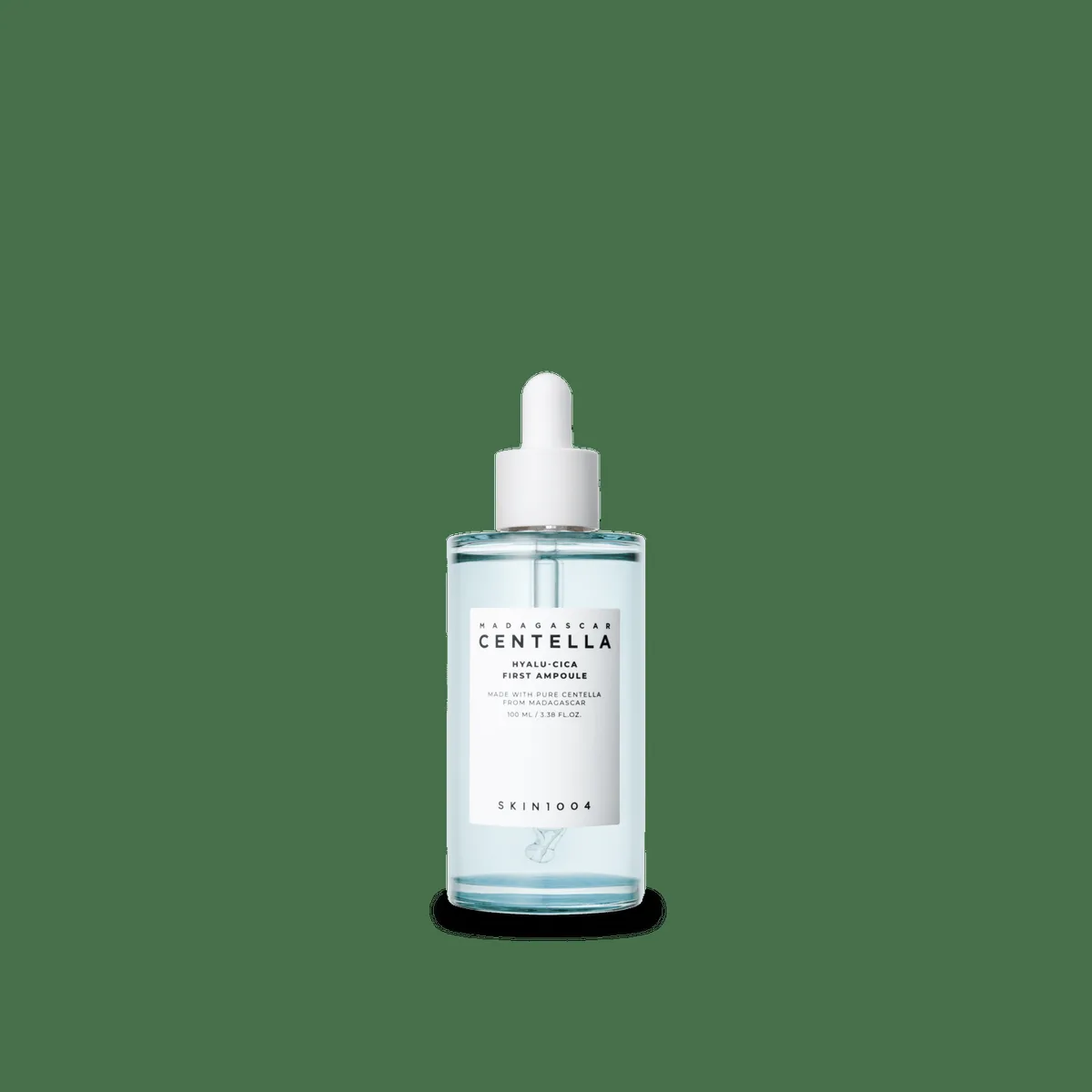
 Hyalu-Cica First Ampoule
A 92% Centella asiatica extract ampoule paired with niacinamide and a multi-weight HA complex, fragrance-free and purpose-built for sensitive, compromised, and reactive skin. At $25 for 100ml, it is one of the most justifiable skincare purchases a budget-conscious buyer can make, and it earns a place in almost any routine that needs a soothing anchor.
 Sensitive Skin MVP
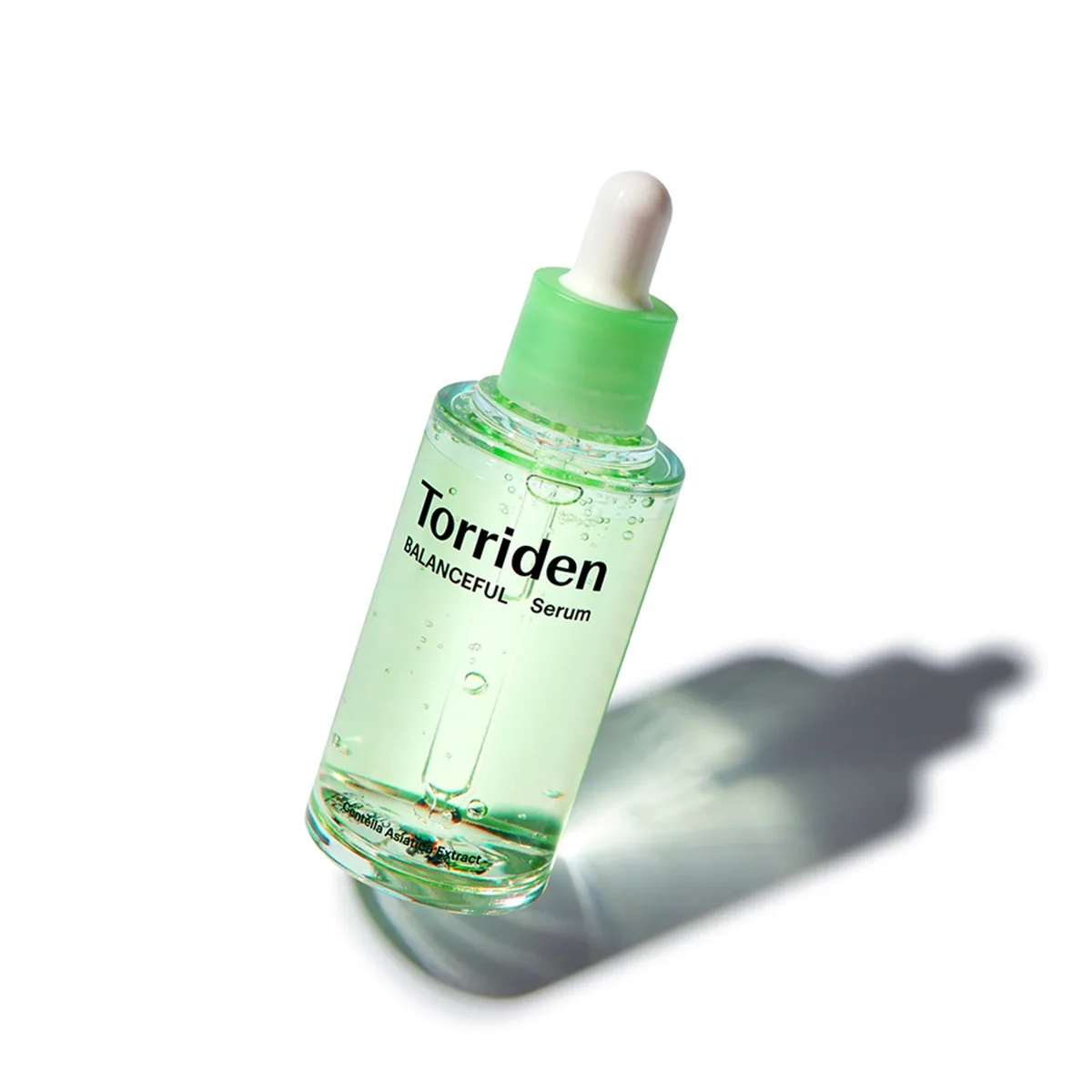
 Balanceful Cica Serum
Torriden's Balanceful Cica Serum is one of the most recommendable calming serums in K-beauty — a genuinely fragrance-free, multi-weight hyaluronic acid and 5D cica complex treatment that quietly reduces redness, supports the barrier, and buffers other actives without drama. At under $25 it's a near-automatic pick for sensitive, rosacea-prone, and barrier-compromised skin.
This review reflects our independent analysis of publicly available ingredient data, manufacturer claims, and verified user reviews. We are reader-supported — Amazon links may earn us a commission at no cost to you. We do not accept paid placements; rankings are based solely on the evidence.