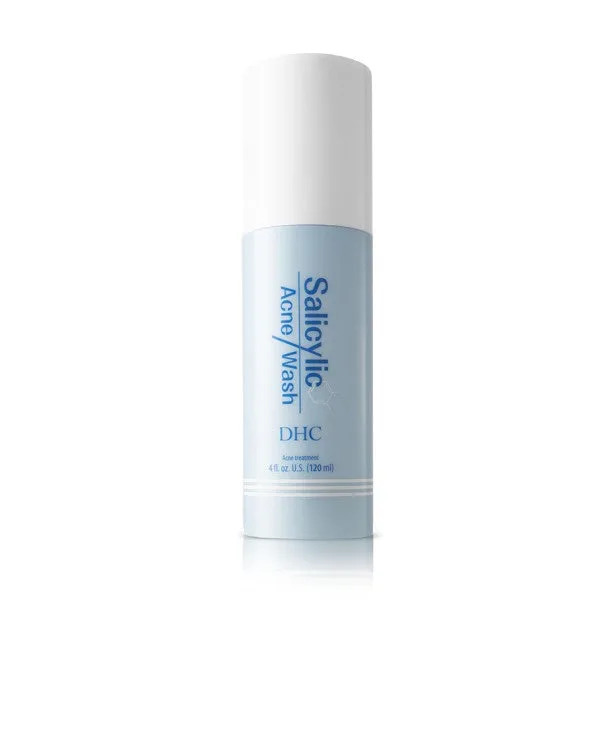
A solid 1% salicylic acid cleanser that trades the harshness of drugstore BHA washes for a milder surfactant base and a Chinese skullcap anti-inflammatory stack. It's effective on blackheads and surface oil without the over-drying rebound that ruins most drugstore acne cleansers, though the added grapefruit peel oil will rule it out for fragrance-sensitive users.
Salicylic Acne Wash
A solid 1% salicylic acid cleanser that trades the harshness of drugstore BHA washes for a milder surfactant base and a Chinese skullcap anti-inflammatory stack. It's effective on blackheads and surface oil without the over-drying rebound that ruins most drugstore acne cleansers, though the added grapefruit peel oil will rule it out for fragrance-sensitive users.
Score Breakdown
Where this product gains points and where it loses them — broken down across the four scoring pillars.
A well-formulated 1% salicylic acid cleanser with a milder surfactant base and botanical anti-inflammatory support. Loses points for citrus oil and a narrower skin-type range.
Pros & Cons
- ✓1% salicylic acid at the OTC maximum for rinse-off efficacy
- ✓Sodium cocoyl isethionate base is dramatically milder than drugstore SLS
- ✓Chinese skullcap root extract adds J-beauty anti-inflammatory support
- ✓Dense creamy foam rinses without leaving skin tight or stripped
- ✓Allantoin buffers the drying effect of BHA
- ✓Effective on both face and body acne at the same concentration
- ✓Works on blackheads, surface oil, and mild comedonal acne
- ✗Grapefruit peel oil makes it unsuitable for fragrance-sensitive users
- ✗Not appropriate for dry, sensitive, or rosacea-prone skin
- ✗5.2 oz tube is smaller than many drugstore salicylic cleansers at similar prices
- ✗Not safe during pregnancy due to salicylic acid content
Full Review
Most salicylic acid cleansers at the American drugstore fail for the same reason: it's not the salicylic acid that ruins your skin, it's the surfactant. Sodium lauryl sulfate and its aggressive cousins strip the skin barrier so thoroughly that the follow-up BHA ends up working on compromised skin — the acid penetrates deeper than it should, the barrier loses water faster, and the rebound sebum production from a skin desperately trying to recover its lipid layer actively makes your acne worse. DHC built this cleanser around sodium cocoyl isethionate instead — a coconut-derived, mild, non-sulfate surfactant that shows up in $25+ Korean cleansers and high-end French pharmacy products but almost never in sub-$20 acne washes — and the result is a salicylic acid cleanser that feels less punishing than almost any competitor at this price.
The 1% salicylic acid concentration is the OTC maximum for a standard cosmetic formula, and in a rinse-off product it's almost always the right amount. You get the BHA contact time (30-60 seconds of massage) during which the oil-soluble acid moves into sebum-clogged follicles and begins to dissolve the keratin plugs that cause blackheads. Unlike a toner, which delivers higher concentrations for longer, a cleanser has to accomplish most of its work during the brief cleansing window — and 1% is enough, provided the surrounding surfactant system isn't fighting it. Too many 2% formulations end up over-treating the skin because the acid lingers in a harsh base that continues to strip long after the acid itself has done its job.
What makes this formula distinctly J-beauty is the Chinese skullcap root extract, Scutellaria baicalensis, which you almost never see in Western acne cleansers. It has been studied for anti-inflammatory activity relevant to acne pathology and for modest 5-alpha-reductase inhibition, which is the enzyme that converts testosterone to dihydrotestosterone — the androgen most directly linked to sebum overproduction. The concentration in a rinse-off cleanser is too low to produce a dramatic hormonal effect, but it's present at a level where the anti-inflammatory benefit is meaningful, and it's paired with allantoin to soften the post-wash feel of the skin. This is a formulation choice that tells you DHC's chemists were thinking specifically about the acne cascade rather than just throwing a percentage of salicylic acid into a foam base.
Where the formula falters is the grapefruit peel oil. It's there for scent — a fresh, clean citrus note that most users find pleasant — but it's also a known fragrance sensitizer, and grapefruit peel in particular contains phototoxic furocoumarins that can cause post-sun irritation in some users even though the oil rinses off. For healthy skin with no fragrance sensitivity, it's a non-issue. For rosacea-prone skin, compromised-barrier skin, or anyone who's had a contact dermatitis flare from citrus-scented products, this is reason to choose a fragrance-free alternative like CeraVe's SA cleanser or a Cosrx BHA cleanser instead. DHC has never been a fragrance-free brand, and this product is consistent with that house style.
Texture-wise, the cleanser comes out as a creamy white gel that foams into a dense, pillowy lather when worked with water. It rinses cleanly without leaving a tight, stripped feeling — a clear sign the surfactant choice is doing its job. There's a mild tingling sensation on the first few uses, particularly around the nose and chin where blackheads cluster, but it subsides within a week and should not be painful or burning. If you're experiencing persistent stinging, that's a sign the product isn't for your skin and you should discontinue use.
For oily and combination skin with blackheads, mild comedonal acne, or moderate hormonal breakouts, this works as advertised. Most users see a softening of blackhead texture within a week and visible improvement in surface oil within two. Full reduction in active acne takes four to eight weeks of consistent use, consistent with the clinical timelines for topical BHA. It plays well with niacinamide, hyaluronic acid, and ceramide-based moisturizers, and should not be stacked same-step with other BHA or AHA products. For dry or sensitive skin, this is probably too much — a gentler option like CeraVe's SA or a willow bark-based cleanser will be a better fit.
At roughly $19 for 5.2 ounces, it's priced in a reasonable middle ground — more than a drugstore CeraVe SA cleanser, less than a Murad or Neutrogena specialty acne wash. You're paying for the mild surfactant base, the botanical anti-inflammatory stack, and DHC's brand heritage. For someone with acne who has been burned (literally) by harsh drugstore BHA washes, it's worth the small premium.
Formula
Key Ingredients
The hero actives that drive this product's performance.
| Ingredient | Function | Evidence |
|---|---|---|
| Salicylic Acid 1.0% (1.0%) | The OTC-maximum concentration in a rinse-off cleanser and the primary reason to buy this specific DHC product over their olive-oil cleansing line. Oil-soluble, so it penetrates into sebum-clogged pores during the 30-60 seconds it sits on the skin — longer contact time than you'd get from a toner, which is why BHA cleansers are effective for blackhead-prone skin despite the short exposure. | well-established |
| Sodium Cocoyl Isethionate | The primary surfactant here and a much milder alternative to the sodium lauryl sulfate that older acne cleansers used. Generates a creamy foam that rinses without stripping the lipid barrier — the reason this wash feels less 'squeaky' than typical salicylic acid cleansers at the drugstore. | well-established |
| Scutellaria Baicalensis (Chinese Skullcap) Root Extract | A J-beauty and K-beauty signature botanical with documented anti-inflammatory and 5-alpha-reductase-inhibiting activity, which is relevant in an acne formula because 5-AR drives sebum production. Paired here with the salicylic acid to address both the follicular blockage and the sebum overproduction side of acne simultaneously. | promising |
| Allantoin | Included to buffer the drying effect of a 1% salicylic acid cleanser on skin that's often already over-treated. Softens the barrier and promotes keratinocyte turnover without adding irritation, which matters in an acne product because the #1 user complaint about BHA cleansers is over-dryness. | well-established |
Full INCI List · pH 5
Active: Salicylic Acid 1.0%. Inactive: Water, Sodium Cocoyl Isethionate, Glycerin, Decyl Glucoside, Cocamidopropyl Betaine, Butylene Glycol, PEG-8, Stearic Acid, Myristic Acid, Lauric Acid, Potassium Hydroxide, Glycol Distearate, Sodium Methyl Cocoyl Taurate, Citrus Paradisi (Grapefruit) Peel Oil, Camellia Sinensis (Green Tea) Leaf Extract, Scutellaria Baicalensis Root Extract, Allantoin, Disodium EDTA, Phenoxyethanol.
Product Flags
✗ Fragrance Free✓ Alcohol Free✓ Oil Free✓ Silicone Free✓ Paraben Free✓ Sulfate Free✗ Cruelty Free✓ Vegan✓ Fungal Acne Safe
Potential Irritants
Grapefruit Peel OilSalicylic Acid
Common Allergens
Grapefruit Peel Oil
Compatibility
Skin Match
Best For
Works For
Not Ideal For
Addresses These Conditions
acne blackheads oiliness large pores
Use With Caution
rosacea sensitivity compromised skin barrier
Avoid With
Routine Step
cleanser
Time of Day
AM & PM
Pregnancy Safe
No ✗
Layering Tips
Massage onto damp skin for 30-60 seconds to allow BHA contact, then rinse. Follow with a non-stripping moisturizer and SPF. Don't stack with other salicylic acid products same-day.
Results Timeline
Mild tingling day one is normal. Visible reduction in blackheads and surface oil within 1-2 weeks. Full improvement in active acne takes 4-8 weeks of consistent use.
Pairs Well With
niacinamideceramideshyaluronic-acid
Conflicts With
other-bharetinoids (same step)
Sample AM Routine
- DHC Salicylic Acne Wash
- Niacinamide serum
- Moisturizer
- Sunscreen
Sample PM Routine
- Oil cleanser
- DHC Salicylic Acne Wash
- Treatment
- Moisturizer
Evidence
Science & Expert Perspective
The Science
Salicylic acid at 1% in a rinse-off cleanser is well-established in the acne literature. A 2009 randomized controlled trial published in Cutis compared 1% salicylic acid cleanser with a vehicle cleanser over 12 weeks in patients with mild-to-moderate acne vulgaris and found statistically significant reductions in inflammatory and non-inflammatory lesions in the salicylic acid group. The mechanism is two-fold: salicylic acid is a beta-hydroxy acid that is lipid-soluble, allowing it to penetrate sebum and enter follicular infundibula where comedones form, and it dissolves the keratinous plug that obstructs the follicle. A 2013 review in the Journal of Clinical and Aesthetic Dermatology summarized the comedolytic mechanism and confirmed that even short-contact-time BHA formulations (cleansers) deliver measurable comedone reduction when used consistently.
The surfactant choice is meaningful for barrier outcomes. A 2018 comparative study in the International Journal of Cosmetic Science evaluated the transepidermal water loss (TEWL) impact of several common cleansing surfactants and found that sodium cocoyl isethionate was significantly gentler than sodium lauryl sulfate, producing less post-wash TEWL increase and less disruption of stratum corneum lipid organization. This matters in an acne cleanser because a compromised barrier can paradoxically worsen acne by increasing reactive sebum production and inflammatory signaling.
Scutellaria baicalensis (Chinese skullcap) contains baicalein and baicalin, two flavonoids with documented anti-inflammatory activity. A 2013 in vitro study in the Archives of Dermatological Research showed that baicalein reduced IL-6 and TNF-alpha production in cultured keratinocytes and demonstrated modest inhibition of 5-alpha-reductase activity, though clinical evidence for topical application in acne specifically remains limited.
References
- Efficacy and safety of 1% salicylic acid cleanser in mild-to-moderate acne — Cutis (2009)
- Salicylic acid as a peeling agent: a comprehensive review — Journal of Clinical and Aesthetic Dermatology (2013)
Dermatologist Perspective
Dermatologists commonly include a 1% or 2% salicylic acid cleanser in the first-line treatment of mild-to-moderate comedonal and inflammatory acne, often alongside benzoyl peroxide and a topical retinoid. Board-certified dermatologists typically advise patients to choose formulations built on mild surfactant bases to minimize the over-drying effect that can worsen acne through barrier disruption. The addition of soothing botanicals like Chinese skullcap extract is considered a reasonable enhancement, though most dermatologists emphasize that the primary active (salicylic acid) and the surfactant system are the two factors most predictive of real-world outcomes. For patients with rosacea, sensitive skin, or active eczema, dermatologists generally recommend avoiding any fragranced salicylic acid cleanser and opting for a simpler, fragrance-free alternative.
Guidance
Usage Guide
How to Use
Wet your face with lukewarm water. Dispense a small amount into your palm and work into a lather with a splash of water. Massage onto damp skin for 30-60 seconds, focusing on areas prone to blackheads and breakouts — typically the nose, chin, and forehead. Allow the foam to sit on the skin for an additional 15-30 seconds to maximize BHA contact time. Rinse thoroughly with lukewarm water and pat dry. Follow with a hydrating toner, any treatment serums, a non-comedogenic moisturizer, and sunscreen during the day. Start once daily in the evening and increase to twice daily only if your skin tolerates it without dryness.
Value Assessment
At around $19 for 5.2 ounces, this sits in a middle tier — above drugstore salicylic cleansers from CeraVe or Neutrogena and below specialty acne brands like Murad or SkinCeuticals. You're paying a small premium for the milder surfactant base, the Chinese skullcap botanical, and DHC's forty-year brand heritage. A tube lasts 2-3 months with once-daily use and 6-8 weeks with twice-daily use, putting the annual cost at $80-120 depending on frequency. For users who've tried drugstore BHA cleansers and found them too harsh, the upgrade in gentleness is worth the price gap. For users with no barrier concerns, the drugstore options may deliver similar results at lower cost.
Who Should Buy
Oily or combination skin with blackheads, mild comedonal acne, or moderate hormonal breakouts who have been frustrated by the over-drying effect of drugstore salicylic acid cleansers. Also a good match if you appreciate J-beauty formulations with botanical anti-inflammatory ingredients beyond the primary active.
Who Should Skip
Skip if you have dry, sensitive, or rosacea-prone skin — the salicylic acid and grapefruit peel oil combined are too much for reactive barriers. Skip during pregnancy due to the salicylic acid content. Also skip if you prefer fragrance-free formulations.
Ready to try DHC Salicylic Acne Wash?
Details
Details
Texture
Creamy white gel that foams into a dense, pillowy lather when worked with water.
Scent
Noticeable fresh grapefruit scent from the peel oil.
Packaging
Pale tube with a flip cap. Hygienic and travel-friendly.
Finish
cleannon-stripping
What to Expect on First Use
Expect a mild tingling sensation on first use from the 1% salicylic acid, especially around the nose and chin. This subsides within 15-20 seconds and should disappear entirely within a few days as the skin acclimates. Most blackhead-prone users see softer texture and less surface oil within a week.
How Long It Lasts
2-3 months with once-daily full-face use, or 6-8 weeks with twice-daily use.
Period After Opening
12 months
Best Season
All Year
Background
The Why
DHC built its reputation on olive-oil-based cleansers, but added this targeted acne wash to address the growing J-beauty audience dealing with hormonal and combination-skin acne. It borrows the milder surfactant base from DHC's existing sensitive-skin line and pairs it with the OTC-maximum 1% salicylic acid.
About DHC Legacy Brand (20+ years)
DHC launched in 1983 in Tokyo and is one of Japan's largest cosmetics mail-order brands. While best known for olive-oil-based products, DHC has steadily expanded into acne-targeted cleansers using OTC actives like salicylic acid.
Brand founded: 1983
Myth vs. Reality
Myths & Misconceptions
Myth
Salicylic acid cleansers don't work because they rinse off too quickly.
Reality
Salicylic acid is oil-soluble and penetrates quickly into sebum-clogged pores during the 30-60 seconds of contact time. Multiple clinical studies confirm that BHA cleansers at 1% meaningfully reduce blackheads and mild comedonal acne with consistent use, despite the short exposure.
Myth
A cleanser with a higher salicylic acid percentage is always more effective.
Reality
In rinse-off products, the OTC ceiling is 2%, and formulas above 1% can be unnecessarily irritating for most users without proportional benefit. 1% in a mild-surfactant base often outperforms 2% in a harsh base.
FAQ
Frequently Asked Questions
How often should I use DHC Salicylic Acne Wash?
Start once daily in the evening as part of a double cleanse routine. If your skin tolerates it without dryness after a week, you can increase to twice daily. Users with dry or sensitive skin should stay at once daily and pair with a non-stripping moisturizer.
Does this cleanser actually clear blackheads?
Yes, for most users with surface-level blackheads and mild comedonal acne. The 1% salicylic acid penetrates pores during the massage step and softens sebum buildup. Visible results typically appear within 1-2 weeks of consistent use.
Can I use this with a retinoid?
Yes, but use them at different times. Use the salicylic acid wash in the morning or as your first cleanse at night, and apply your retinoid treatment at night after cleansing. Avoid stacking a BHA cleanser with a BHA toner in the same step.
Is DHC Salicylic Acne Wash safe during pregnancy?
No, we would not recommend it. While salicylic acid in a rinse-off cleanser has low systemic absorption, most obstetricians and dermatologists advise caution with any salicylic acid during pregnancy. Safer alternatives include azelaic acid cleansers and gentle glycolic acid products.
Is this cleanser fragrance-free?
No. It contains grapefruit peel oil, which gives it a noticeable fresh citrus scent. Fragrance-sensitive users and those with rosacea should choose a fragrance-free BHA cleanser instead.
Will this cleanser make my skin peel?
Mild flaking is possible in the first 1-2 weeks as the salicylic acid accelerates surface cell turnover. If peeling becomes severe or uncomfortable, reduce frequency to every other day. Full peeling or burning indicates overuse — scale back.
Can I use this on body acne?
Yes, it's effective on chest, back, and shoulder acne at the same 1% concentration. Massage onto damp skin during showers, let it sit for 60 seconds, and rinse. Follow with a non-comedogenic body moisturizer.
Community
Community Voices
Common Praise
"Clears blackheads within a couple of weeks"
"Doesn't over-dry like drugstore salicylic washes"
"Pleasant grapefruit scent"
"Creamy foam rinses cleanly"
Common Complaints
"Grapefruit scent bothers fragrance-sensitive users"
"Can still be drying if used twice daily on dry skin"
"Smaller tube than expected for the price"
Appears In
best salicylic acid cleanser best j beauty acne wash best cleanser for blackheads best bha cleanser under 25
Related Conditions
acne blackheads oiliness large pores
Related Ingredients
You Might Also Like
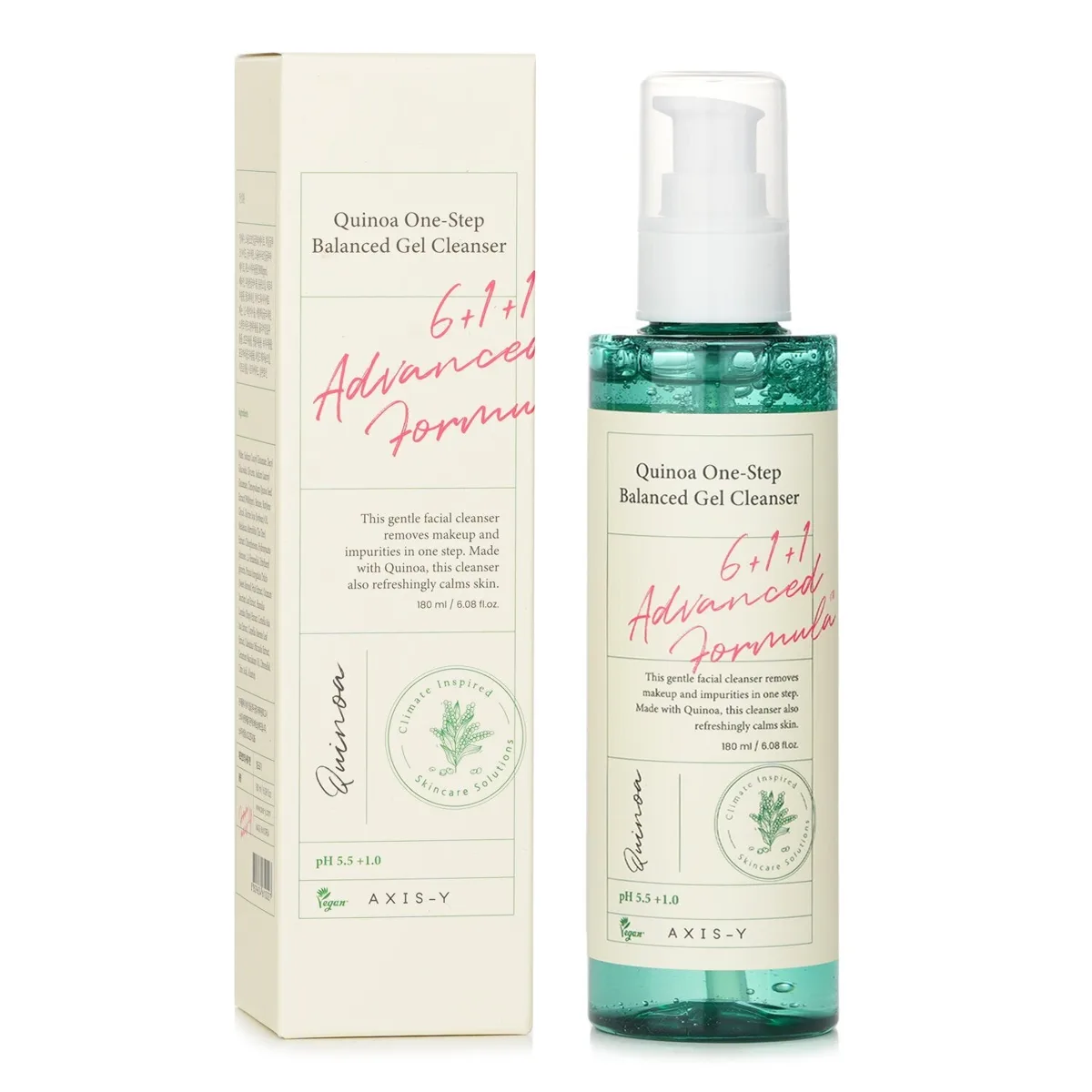 Quinoa-Led Gentle Daily Cleanser
 Quinoa One Step Balanced Gel Cleanser
A fragrance-free, sulfate-free gel cleanser built around quinoa seed extract and a gentle amphoteric-plus-nonionic surfactant pair. Non-stripping, broadly suitable, and priced reasonably — one of the safest recommendations in the daily gentle cleanser category.
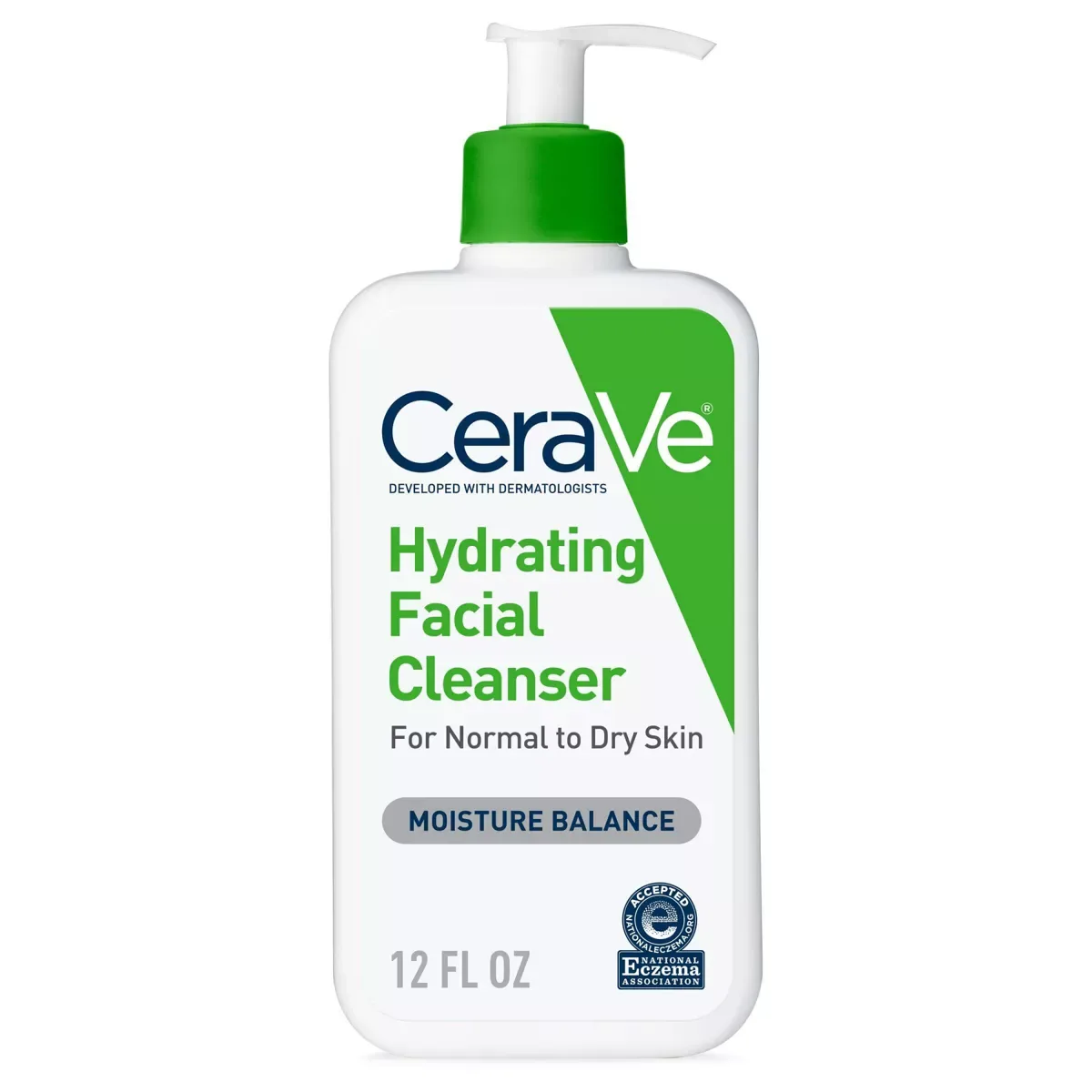 Sensitive Skin MVP
 Hydrating Facial Cleanser
The CeraVe Hydrating Facial Cleanser is the cleanser that taught a generation of dry-skin sufferers that washing your face does not have to mean punishing it. A lotion-textured, non-foaming formula that genuinely hydrates while it cleans, it remains the benchmark drugstore cleanser for anyone whose skin drinks moisture faster than most products can provide it.
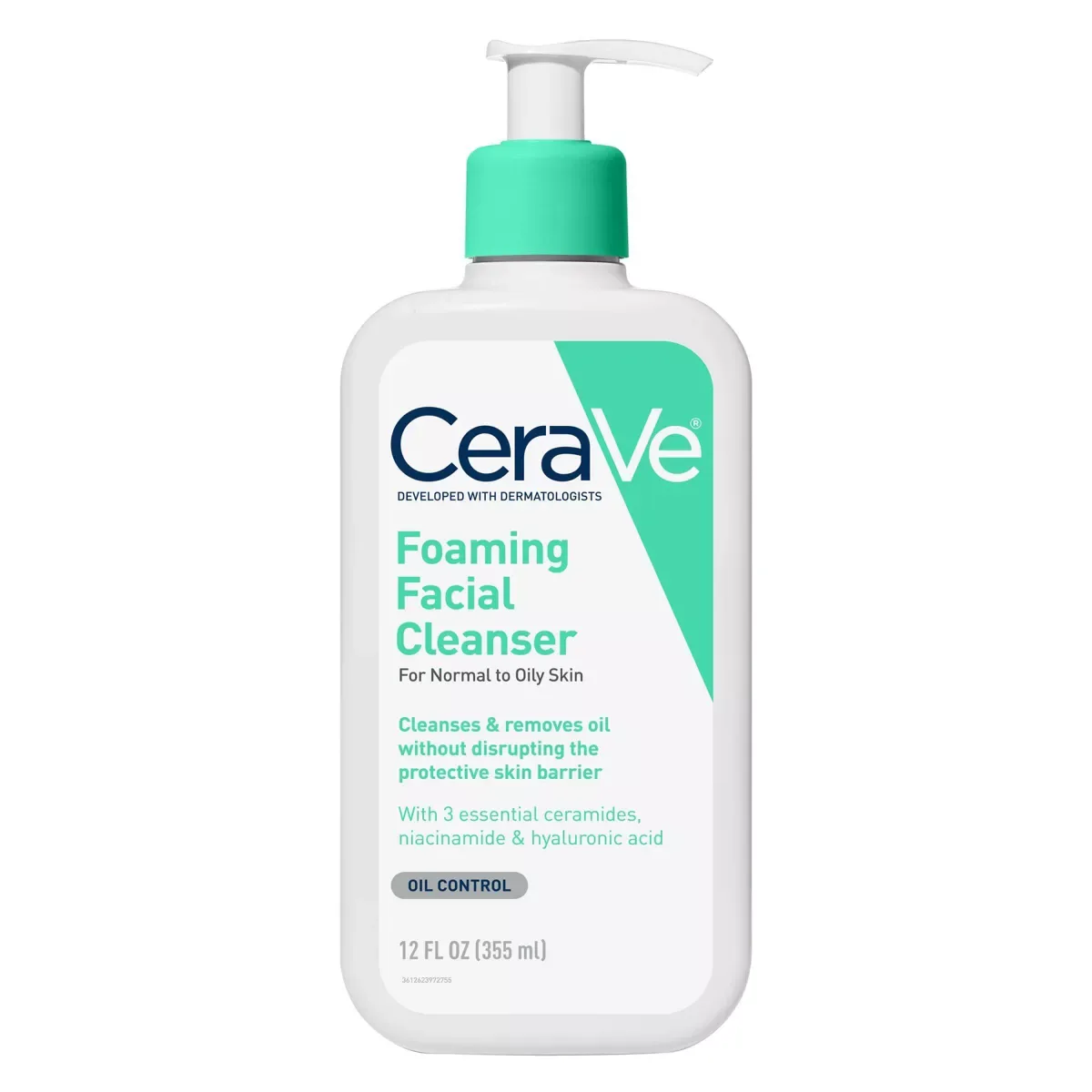 Derm Office Staple
 Foaming Facial Cleanser
The CeraVe Foaming Facial Cleanser is the rare drugstore cleanser that dermatologists actually use themselves — a genuinely gentle foaming wash that removes excess oil without triggering the rebound sebum production that plagues most lathering cleansers. At under sixteen dollars for a bottle that lasts months, it makes skipping it almost irrational.
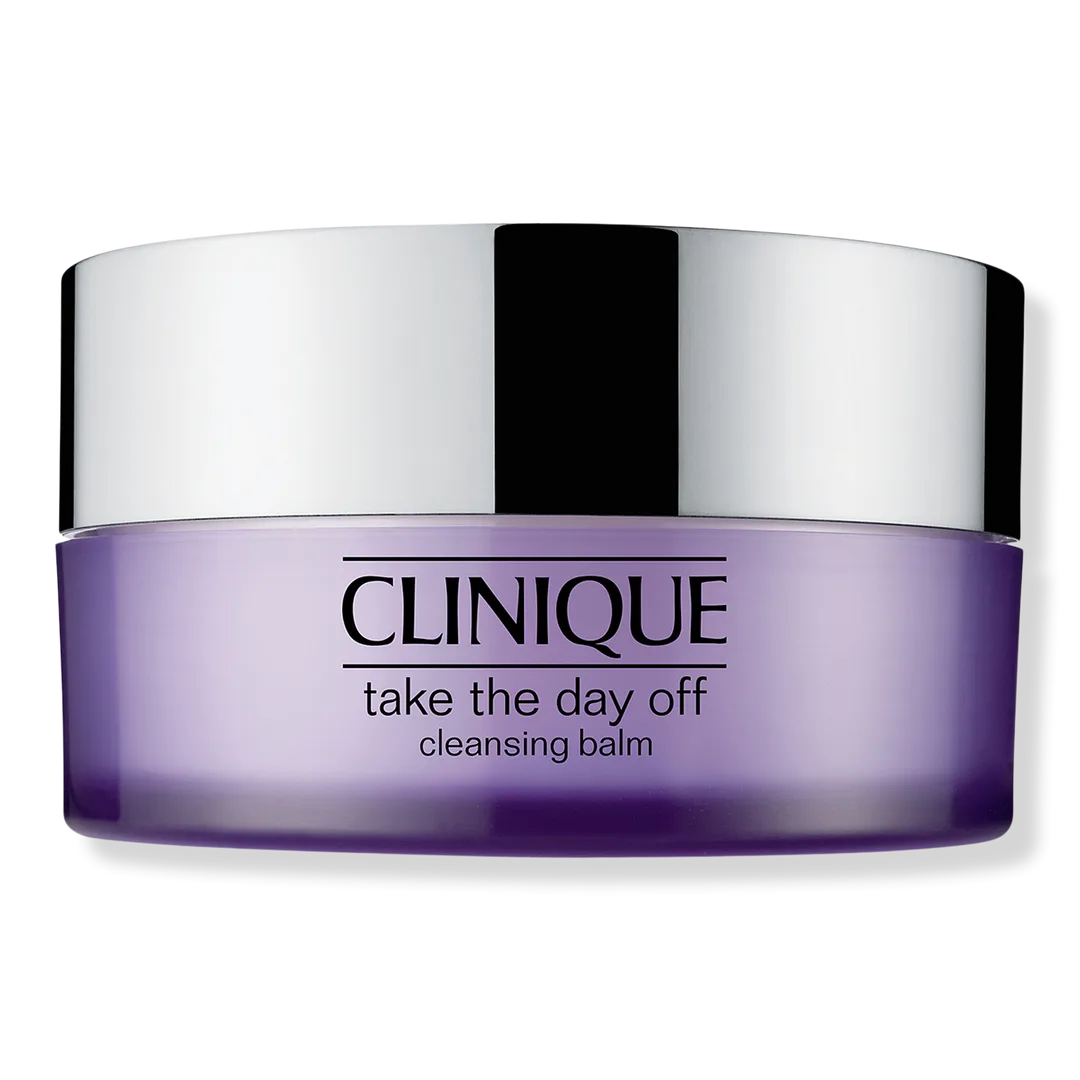 Cult-Status Makeup Eraser
 Take the Day Off Cleansing Balm
The cleansing balm that earned its cult status through radical restraint — nine ingredients, zero fragrance, and the ability to dissolve anything from waterproof mascara to SPF 50 without disturbing even the most reactive skin. Not the most glamorous product in any routine, but possibly the most universally reliable.
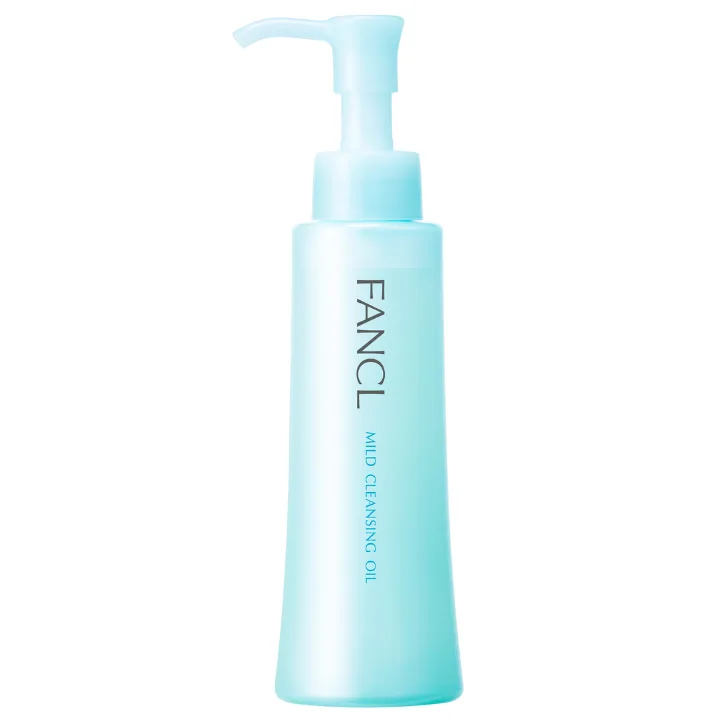 Japanese Drugstore Classic
 Mild Cleansing Oil
A two-decade-old Japanese drugstore staple that still outperforms most modern cleansing oils on the single metric that matters: does it remove sunscreen cleanly without leaving a film. The fragrance-free, ester-based formula is gentle enough for reactive skin and thoughtfully augmented with vitamin C and plant oils. Quietly one of the best first-cleanse options on the market.
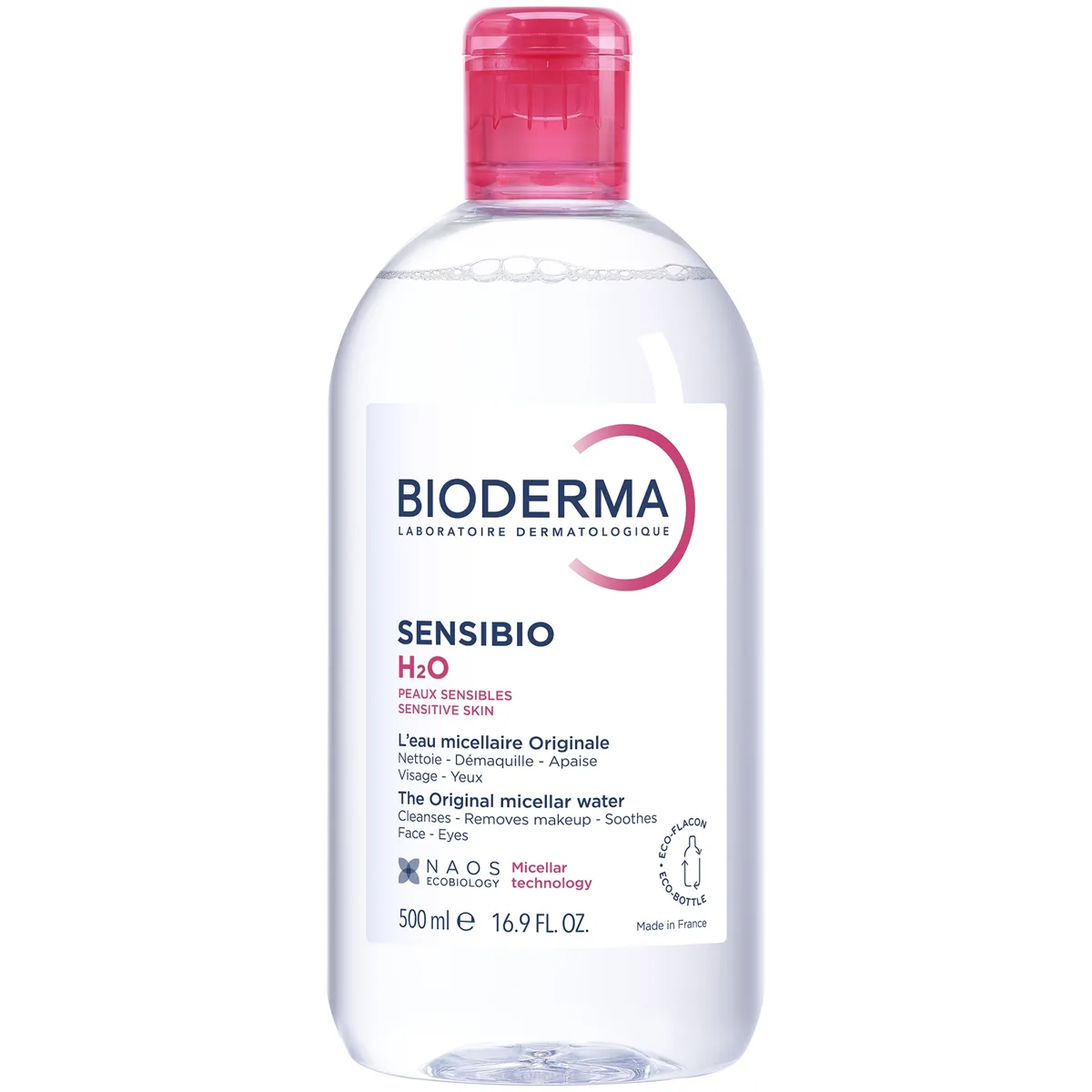 The Original Micellar Water
 Sensibio H2O Micellar Water
The product that launched an entire skincare category remains, three decades later, one of the gentlest and most effective no-rinse cleansers available. Bioderma Sensibio H2O earns its cult status through radical simplicity — 10 ingredients, zero fragrance, and a formula so mild it was originally dispensed by prescription.