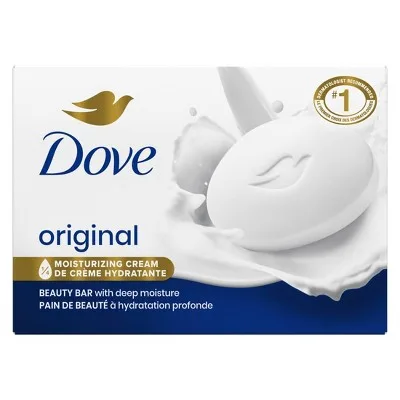
The product that proved cleansing doesn't have to mean stripping. Nearly seven decades after launch, the original Dove Beauty Bar remains the most accessible, affordable, and dermatologist-trusted gentle cleanser on Earth — a bar that isn't technically soap at all, and is better for it.
Beauty Bar White
The product that proved cleansing doesn't have to mean stripping. Nearly seven decades after launch, the original Dove Beauty Bar remains the most accessible, affordable, and dermatologist-trusted gentle cleanser on Earth — a bar that isn't technically soap at all, and is better for it.
Score Breakdown
Where this product gains points and where it loses them — broken down across the four scoring pillars.
The original that redefined how Americans cleanse their skin — nearly seven decades of proven performance, the most affordable entry in any skincare routine, and still the #1 dermatologist-recommended bar. The fragrance and tallow-based components prevent a perfect score, but the value and accessibility are unmatched.
Pros & Cons
- ✓Syndet formulation cleanses at near-neutral pH 7, dramatically less barrier-disrupting than soap's pH 9-10
- ✓1/4 moisturizing cream matrix deposits emollient fatty acids on skin during cleansing
- ✓#1 dermatologist-recommended bar soap in the US with nearly seven decades of clinical backing
- ✓Extraordinary value at roughly $1.50 per bar, with multi-pack options for even greater savings
- ✓Available in virtually every grocery store, drugstore, and mass retailer in the United States
- ✓Suitable for face, hands, and full body — simplifies the cleansing routine to a single product
- ✓Rich, creamy lather that makes the affordable price point feel luxurious
- ✗Contains fragrance, which may irritate users with sensitivities or allergies
- ✗Sodium tallowate is animal-derived — not suitable for vegans
- ✗Moisturizing cream content may feel too rich for oily or acne-prone skin
- ✗Bar format is less convenient and arguably less hygienic than pump-dispensed liquid cleansers
- ✗The near-neutral pH 7 is still above the skin's natural acid mantle of 4.5-5.5
Full Review
Every skincare product has an origin story, but few can trace theirs to a hospital ward. The Dove Beauty Bar was developed in the 1950s by Lever Brothers not as a luxury product or a beauty item, but as a clinical solution: a cleanser gentle enough for burn patients whose damaged skin couldn't tolerate soap. That medical pedigree still echoes in the formula that sits on drugstore shelves today, fundamentally unchanged in its core technology after nearly seven decades.
The crucial thing to understand about Dove is that it isn't soap. This isn't marketing semantics — it's chemistry that matters. Traditional bar soap is made through saponification, a reaction between fats and lye that produces surfactant molecules with an inherently alkaline pH, typically between 9 and 10. Your skin's natural acid mantle sits around pH 4.5-5.5. Every time you wash with soap, you're forcing your skin to recover from a significant pH assault that temporarily disrupts the barrier function. Do this twice a day for years and you're chronically undermining the very surface you're trying to keep clean.
Dove sidesteps this entirely. Its primary surfactant, sodium lauroyl isethionate, is a synthetic detergent — a syndet — that cleanses at approximately pH 7. That's the difference between jumping into cold water and falling into ice. Both are a shock, but one is dramatically less damaging. This single formulation decision, commercialized in 1957, is why dermatologists have recommended Dove over soap for longer than most of us have been alive.
The '1/4 moisturizing cream' claim, which has appeared on Dove packaging since the original launch, refers to the stearic acid content that forms a creamy emollient matrix within the bar. During cleansing, this matrix deposits a thin film of fatty acids on the skin surface, partially replenishing the lipids that the surfactant removes. The result is skin that feels cleaner without feeling stripped — the characteristic that Dove users have described for generations as 'softer after washing.'
In practice, the bar produces a rich, creamy lather that's immediately distinguishable from soap foam. Where soap lather feels thin and squeaky, Dove's foam feels silky and substantial. The rinse is clean — no heavy residue, no waxy coating — just skin that feels calm and comfortable rather than tight and parched.
The ingredient list is short and purposeful. Sodium tallowate and sodium palmitate provide structural integrity to the bar. Cocamidopropyl betaine boosts foam quality while further reducing irritation. The whole formula contains sixteen ingredients, which in an era of thirty-ingredient cleansers feels almost ascetic.
And here's where honesty requires balance. The formula contains fragrance — that classic Dove scent that's become one of the most recognizable in personal care. For the vast majority of users, it's a pleasant, familiar note that makes the cleansing experience feel a little more special than a clinical product. For the subset of users with fragrance sensitivities or allergies, it's a legitimate concern that Dove addresses with their Sensitive Skin variant.
The sodium tallowate is derived from animal fat, making this bar unsuitable for vegans. It's a functional ingredient that contributes to the bar's moisturizing properties and structural integrity, but it's worth noting for consumers who make purchasing decisions based on animal-derived ingredients.
For acne-prone and very oily skin, the moisturizing cream content can feel too rich, and the tallow-derived ingredients may contribute to comedogenicity for sensitive individuals. This is a cleanser optimized for normal, dry, and combination skin — it was never designed to degrease oily T-zones or treat acne.
The value proposition is almost absurd. At roughly a dollar fifty per bar, lasting three to five weeks of daily use, Dove Beauty Bar costs less per wash than virtually any skincare product in any category. Multi-packs reduce the cost further. This is a product that a dermatologist would recommend and a college student can afford — a combination that barely exists in skincare.
Some products earn their place through innovation. Others earn it through consistency. Dove has been doing the same thing, the same way, for the same reason, since Eisenhower was president. The fact that it remains the #1 dermatologist-recommended bar in America after sixty-eight years isn't nostalgia — it's evidence.
Formula
Key Ingredients
The hero actives that drive this product's performance.
| Ingredient | Function | Evidence |
|---|---|---|
| Sodium Lauroyl Isethionate | The first ingredient and the foundation of what makes this bar fundamentally different from soap. This synthetic surfactant cleanses at a near-neutral pH rather than the alkaline pH of traditional soap, which is why Dove technically isn't soap at all — it's a syndet (synthetic detergent) bar. The milder surfactant preserves the skin's acid mantle during cleansing, causing dramatically less barrier disruption than sodium tallowate-based bars. | well-established |
| Stearic Acid | The key component of Dove's famous '1/4 moisturizing cream' claim. This fatty acid creates the creamy, moisturizing matrix that distinguishes the bar from traditional soap, depositing a thin emollient film on skin during cleansing that replaces some of the lipids the surfactants remove. It's what makes skin feel softer after using Dove rather than tighter. | well-established |
| Cocamidopropyl Betaine | A secondary amphoteric surfactant that boosts the cleansing foam while further reducing the irritation potential of the primary surfactant system. Its amphoteric nature means it can carry both positive and negative charges, allowing it to mitigate the harshness of other surfactants in the formula — a foam quality enhancer that also serves as a gentleness booster. | well-established |
Full INCI List · pH 7
Sodium Lauroyl Isethionate, Stearic Acid, Sodium Tallowate, Sodium Palmitate, Lauric Acid, Sodium Isethionate, Water, Sodium Stearate, Cocamidopropyl Betaine, Sodium Cocoate, Sodium Palm Kernelate, Fragrance, Sodium Chloride, Tetrasodium EDTA, Tetrasodium Etidronate, Titanium Dioxide (CI 77891)
Product Flags
✗ Fragrance Free✓ Alcohol Free✗ Oil Free✓ Silicone Free✓ Paraben Free✓ Sulfate Free✗ Cruelty Free✗ Vegan✗ Fungal Acne Safe
Comedogenic Ingredients
Sodium TallowateSodium Palmitate
Potential Irritants
Fragrance
Common Allergens
FragranceCocamidopropyl Betaine
Compatibility
Skin Match
Best For
Works For
Not Ideal For
Addresses These Conditions
Use With Caution
Routine Step
cleanser
Time of Day
AM & PM
Pregnancy Safe
Yes ✓
Layering Tips
Use on face, hands, and body. Lather the bar in wet hands and apply the foam to damp skin rather than rubbing the bar directly on the face for a gentler cleanse. Rinse thoroughly and follow with your regular moisturizer and treatments. Can replace both face wash and body wash for a simplified routine.
Results Timeline
Immediate — skin feels cleaner and softer right after the first use compared to regular soap. Over 1-2 weeks of switching from harsh soap, many users notice reduced tightness, less flaking, and overall improved skin comfort.
Pairs Well With
any moisturizerany serumany treatmentsunscreen
Sample AM Routine
- Dove Beauty Bar White
- Moisturizer
- Sunscreen
Sample PM Routine
- Dove Beauty Bar White
- Treatment serum
- Night moisturizer
Evidence
Who Should Skip
- Contains fragrance, which may irritate users with sensitivities or allergies
- Sodium tallowate is animal-derived — not suitable for vegans
- Moisturizing cream content may feel too rich for oily or acne-prone skin
- Bar format is less convenient and arguably less hygienic than pump-dispensed liquid cleansers
Science & Expert Perspective
The Science
The scientific case for Dove over traditional soap rests on the fundamental difference between syndet and saponified surfactant systems. A landmark comparative study published in the Journal of the American Academy of Dermatology (Baranda et al., 2002) demonstrated that syndet bars like Dove cause significantly less disruption to the skin's stratum corneum than soap bars, as measured by transepidermal water loss (TEWL), skin surface pH, and corneocyte integrity.
The pH differential is central to this advantage. Traditional soap's alkaline pH of 9-10 causes swelling of the stratum corneum, disruption of the intercellular lipid lamellae, and temporary impairment of the acid mantle that protects against pathogenic microorganisms. Dove's near-neutral pH of approximately 7 produces measurably less of each of these effects.
A study published in Dermatology (Ananthapadmanabhan et al., 2004) provided detailed comparative analysis showing that soap-based cleansers cause greater skin protein damage, more lipid extraction, and higher surface roughness than syndet-based cleansers. The stearic acid-rich moisturizing cream in Dove's formula partially mitigates lipid loss by depositing a thin emollient film during cleansing.
The clinical recommendations from the American Academy of Dermatology for patients with atopic dermatitis and sensitive skin specifically suggest syndet bars over traditional soap, citing the reduced irritation potential and better preservation of skin barrier function. Dove's nearly seven-decade track record of safety and efficacy in this population is unmatched by any other consumer cleanser.
References
- Skin surface pH in acne patients and healthy individuals and its correlation with the skin type — Journal of the American Academy of Dermatology (2002)
- Cleansing without compromise: the impact of cleansers on the skin barrier and the technology of mild cleansing — Dermatologic Therapy (2004)
Dermatologist Perspective
Dermatologists have recommended Dove Beauty Bar for nearly seven decades, and it remains the most frequently cited gentle cleanser in dermatological practice. Board-certified dermatologists consistently note that the syndet formulation's near-neutral pH is its primary clinical advantage — preserving the acid mantle that traditional soap disrupts with every wash. Dermatologists commonly recommend Dove for patients with atopic dermatitis, post-procedural sensitivity, radiation therapy-related skin irritation, and general dry skin management. Pediatric dermatologists frequently recommend it for childhood eczema as well. The recommendation is particularly common for patients who cannot afford specialized medical cleansers — Dove provides comparable gentleness at a fraction of the cost.
Guidance
Usage Guide
How to Use
Wet the bar and your skin with lukewarm water. Lather the bar between your hands to build a creamy foam, then apply the foam to your face, body, or hands using gentle circular motions. For facial use, applying the foam from your hands rather than rubbing the bar directly on your face provides a gentler cleanse. Rinse thoroughly with lukewarm water. Use twice daily or as needed. Store the bar on a draining soap dish between uses to prevent it from dissolving prematurely in standing water.
Value Assessment
The Dove Beauty Bar may offer the best value proposition in all of skincare. At approximately $1.50 per bar — with multi-packs often dropping the per-bar cost below $1.00 — it provides a dermatologist-recommended gentle cleanser for face, body, and hands at a cost that approaches zero on a per-use basis. The bar lasts 3-5 weeks with daily use, making the annual cost under $20 for a product that replaces both face wash and body wash. No other product with this level of dermatological endorsement and clinical evidence can be obtained at this price point. The only value consideration is whether your skin type needs the specific performance this bar offers — for oily or acne-prone skin, a less moisturizing cleanser may be more appropriate regardless of price.
Who Should Buy
Anyone with normal, dry, combination, or sensitive skin looking for a gentle, affordable daily cleanser for face and body. Ideal for people switching from harsh soap who want immediate improvement in skin comfort, families looking for a single cleanser everyone can share, and patients whose dermatologist has recommended a mild, non-soap cleanser.
Who Should Skip
Those with very oily or acne-prone skin may find the moisturizing cream content too rich. Vegans should avoid this product due to sodium tallowate (animal-derived tallow). People with fragrance sensitivities should choose Dove Sensitive Skin bar instead. Anyone seeking active treatment ingredients (salicylic acid, benzoyl peroxide) needs a different type of cleanser.
Ready to try Dove Beauty Bar White?
Details
Details
Texture
Smooth, dense bar that produces a rich, creamy lather. The 1/4 moisturizing cream content gives the foam a distinctly silky quality compared to the thin, squeaky lather of traditional soap. Rinses clean without leaving a heavy residue.
Scent
The classic Dove scent — a clean, fresh, slightly floral fragrance that has become synonymous with the brand. It's mild and familiar, neither perfumey nor medicinal. One of the most recognizable scents in personal care.
Packaging
Individually wrapped in the iconic white-and-blue paper wrapper with the Dove bird logo. Sold individually and in multi-packs of 2, 4, 6, 8, 10, and 14 bars. The multi-pack options dramatically reduce the per-bar cost. Also available in a 3.17 oz travel size.
Finish
satinnon-greasylightweight
What to Expect on First Use
If you're switching from traditional bar soap, the difference is immediately noticeable — skin feels cleaner without the tight, stripped sensation. The creamy lather feels luxurious relative to the price point. Many first-time users describe it as the moment they realized soap had been drying their skin all along.
How Long It Lasts
3-5 weeks per bar with daily face and body use
Period After Opening
36 months
Best Season
All Year
Background
The Why
Dove was born from a surprisingly practical origin — it was developed in the 1950s by Lever Brothers as a non-irritating cleanser for burn patients and people with sensitive skin. The '1/4 moisturizing cream' tagline, which debuted with the original 1957 launch, isn't just marketing — the stearic acid content creates a genuine emollient matrix within the bar. Dove remained a niche player until 1979 when Unilever relaunched it with a dermatologist-backed campaign that proved it was measurably less drying than soap. By 1986, it was the best-selling bar in America.
About Dove Legacy Brand (20+ years)
Dove launched in 1957 as the first beauty bar alternative to soap, pioneering the concept of a cleanser that moisturizes rather than strips. The brand is the #1 dermatologist-recommended bar soap in the US and has been backed by clinical studies for nearly seven decades. Now a Unilever brand, Dove's credibility is built on one of the longest track records in consumer skincare.
Brand founded: 1957 · Product launched: 1957
Myth vs. Reality
Myths & Misconceptions
Myth
Dove is just soap with fancy marketing.
Reality
Dove is technically not soap at all. True soap is the product of saponification (fats + lye), which produces an alkaline pH of 9-10. Dove is a syndet bar using sodium lauroyl isethionate, which cleanses at a near-neutral pH of ~7. This fundamental chemical difference is why clinical studies consistently show Dove causes less skin barrier disruption than soap.
Myth
Bar cleansers are less hygienic than liquid body wash.
Reality
Studies have shown that bacteria present on bar soap do not transfer to the skin during normal use. The surfactants in the bar itself create a hostile environment for bacterial survival. A 1988 study published in Epidemiology and Infection found no evidence of bacterial transfer from contaminated bars to users' skin.
FAQ
Frequently Asked Questions
Is Dove Beauty Bar actually soap?
No — Dove is technically a syndet (synthetic detergent) bar, not soap. Traditional soap is made through saponification and has an alkaline pH of 9-10 that disrupts the skin barrier. Dove uses sodium lauroyl isethionate as its primary surfactant, which cleanses at a near-neutral pH of approximately 7. This is why dermatologists have recommended it over soap for nearly seven decades.
Can I use Dove Beauty Bar on my face?
Yes — Dove's near-neutral pH and mild surfactant system make it suitable for facial cleansing, and many dermatologists recommend it as a simple, affordable face wash. However, if you have very oily or acne-prone skin, the moisturizing cream content may feel too rich. For most skin types, lathering the bar in your hands and applying the foam to the face (rather than rubbing the bar directly) provides a gentle, effective cleanse.
Is Dove Beauty Bar good for eczema?
Many dermatologists recommend Dove as a gentle cleanser for eczema-prone skin because its syndet formulation is significantly less irritating than traditional soap. The near-neutral pH preserves the skin's acid mantle, and the moisturizing cream content helps prevent the post-wash dryness that can trigger eczema flares. For severe eczema, Dove also offers a Sensitive Skin variant without fragrance.
Why do dermatologists recommend Dove?
Dove is the #1 dermatologist-recommended bar in the US because clinical studies consistently demonstrate that its syndet formulation causes less skin barrier disruption, less transepidermal water loss, and less irritation than traditional soap. The near-neutral pH, mild surfactants, and built-in moisturizing cream combine to create a cleanser that dermatologists trust for sensitive, post-procedure, and compromised skin.
Is Dove Beauty Bar vegan?
No — the original Dove Beauty Bar contains sodium tallowate, which is derived from animal fat (tallow). This makes it unsuitable for vegans. Dove does not currently offer a vegan variant of the original Beauty Bar, though some of their other products may have plant-based formulations.
How long does a Dove Beauty Bar last?
With daily face and body use for one person, a standard 3.75 oz bar typically lasts 3-5 weeks. Using a soap dish that allows drainage between uses extends the life of the bar by preventing it from sitting in water and dissolving prematurely. Multi-packs offer significant per-bar savings for households that go through bars quickly.
Community
Community Voices
Common Praise
"Doesn't dry out skin like regular soap"
"Leaves skin feeling soft and moisturized"
"Incredibly affordable and available everywhere"
"Gentle enough for sensitive and eczema-prone skin"
"Perfect lather — rich and creamy without being slimy"
Common Complaints
"Contains fragrance, which some sensitive skin users prefer to avoid"
"Not ideal for very oily or acne-prone facial skin"
"Contains animal-derived ingredients (sodium tallowate) — not vegan"
"Bar format can be less hygienic in shared bathrooms"
"Can leave a film that feels too rich for oily skin types"
Notable Endorsements
#1 dermatologist-recommended bar soap in the USRecommended by radiation oncologists for sensitive post-treatment skinAmerican Academy of Dermatology-recognized gentle cleanser
Appears In
best cleanser for dryness best cleanser for sensitivity best bar soap for dry skin best affordable cleanser
Related Conditions
Related Ingredients
You Might Also Like
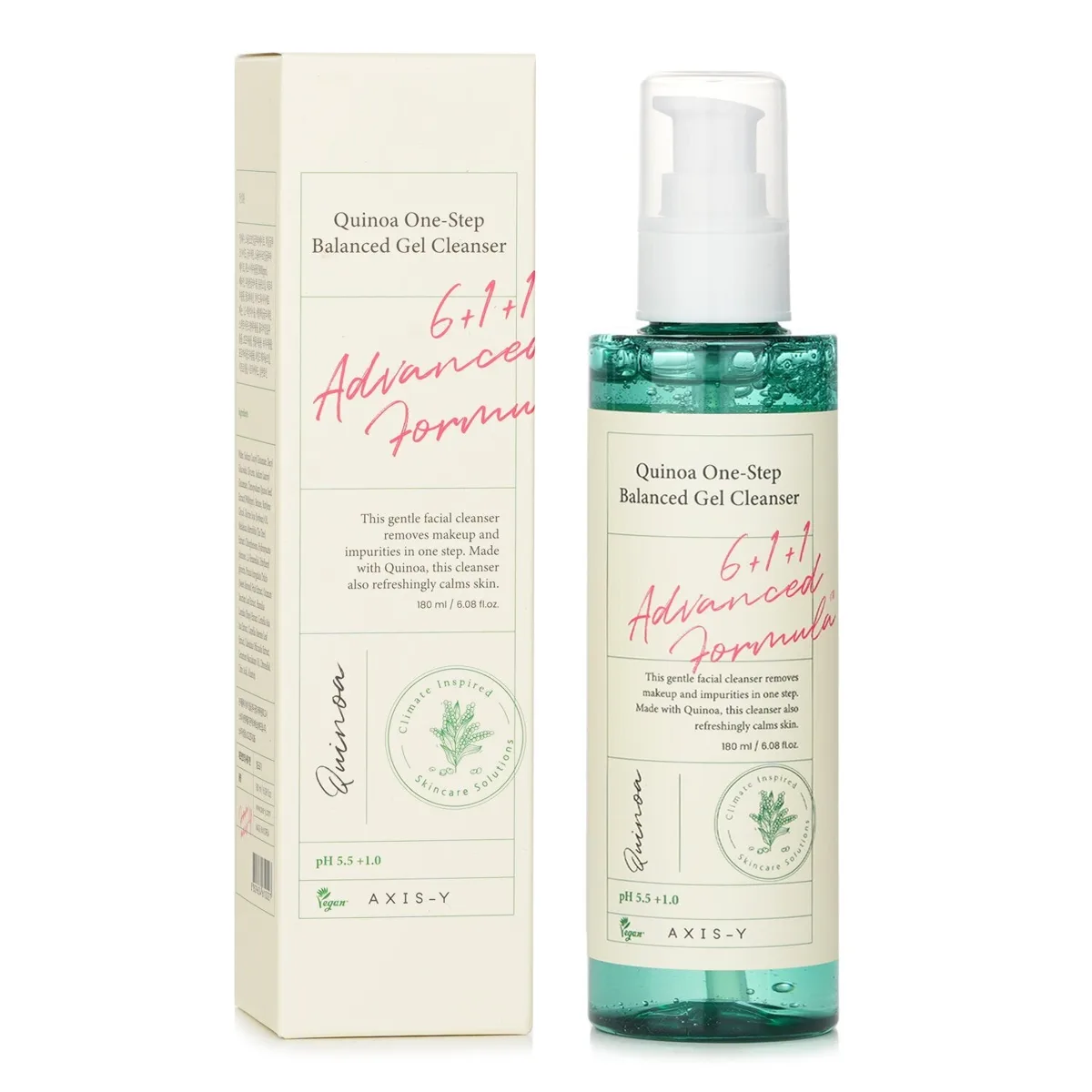 Quinoa-Led Gentle Daily Cleanser
 Quinoa One Step Balanced Gel Cleanser
A fragrance-free, sulfate-free gel cleanser built around quinoa seed extract and a gentle amphoteric-plus-nonionic surfactant pair. Non-stripping, broadly suitable, and priced reasonably — one of the safest recommendations in the daily gentle cleanser category.
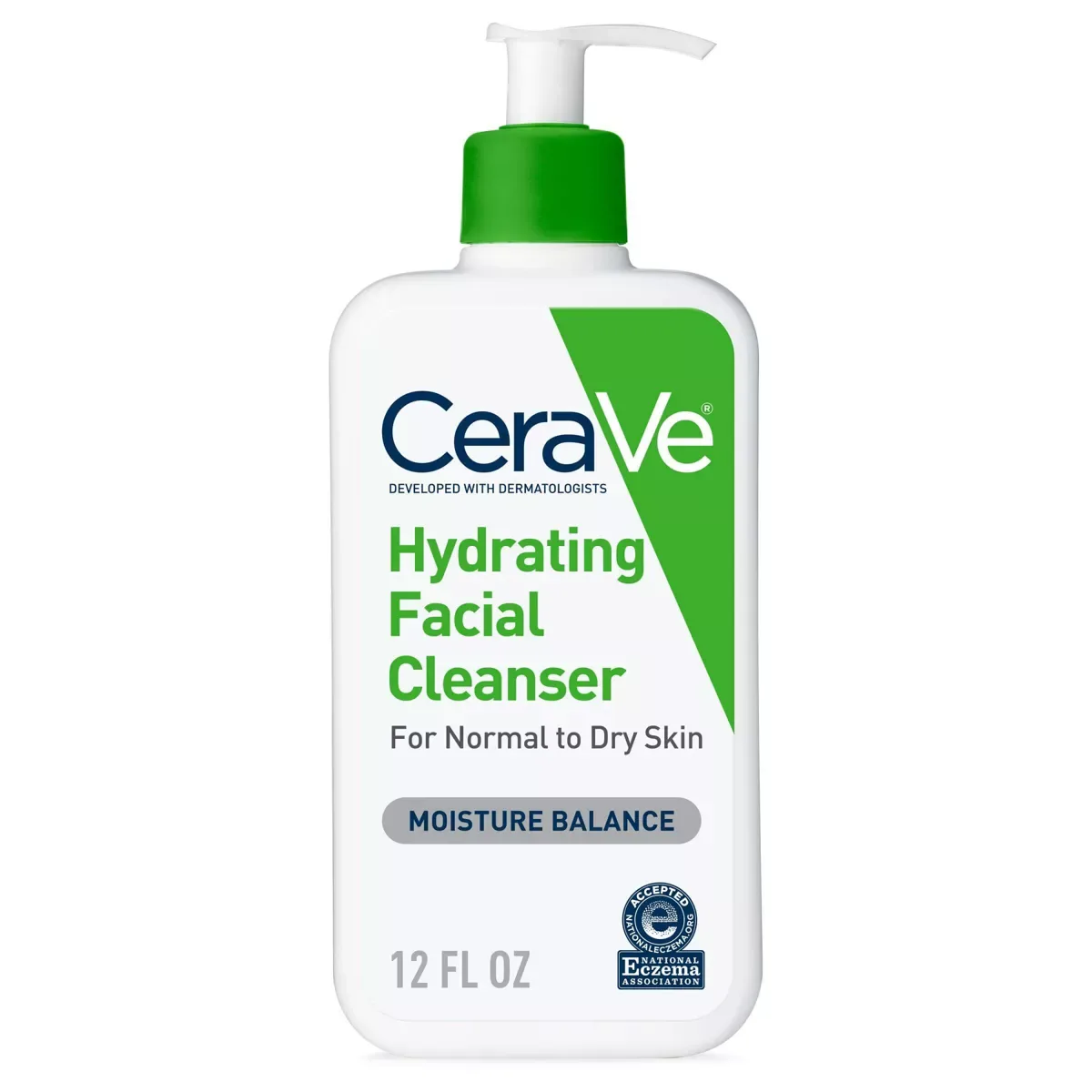 Sensitive Skin MVP
 Hydrating Facial Cleanser
The CeraVe Hydrating Facial Cleanser is the cleanser that taught a generation of dry-skin sufferers that washing your face does not have to mean punishing it. A lotion-textured, non-foaming formula that genuinely hydrates while it cleans, it remains the benchmark drugstore cleanser for anyone whose skin drinks moisture faster than most products can provide it.
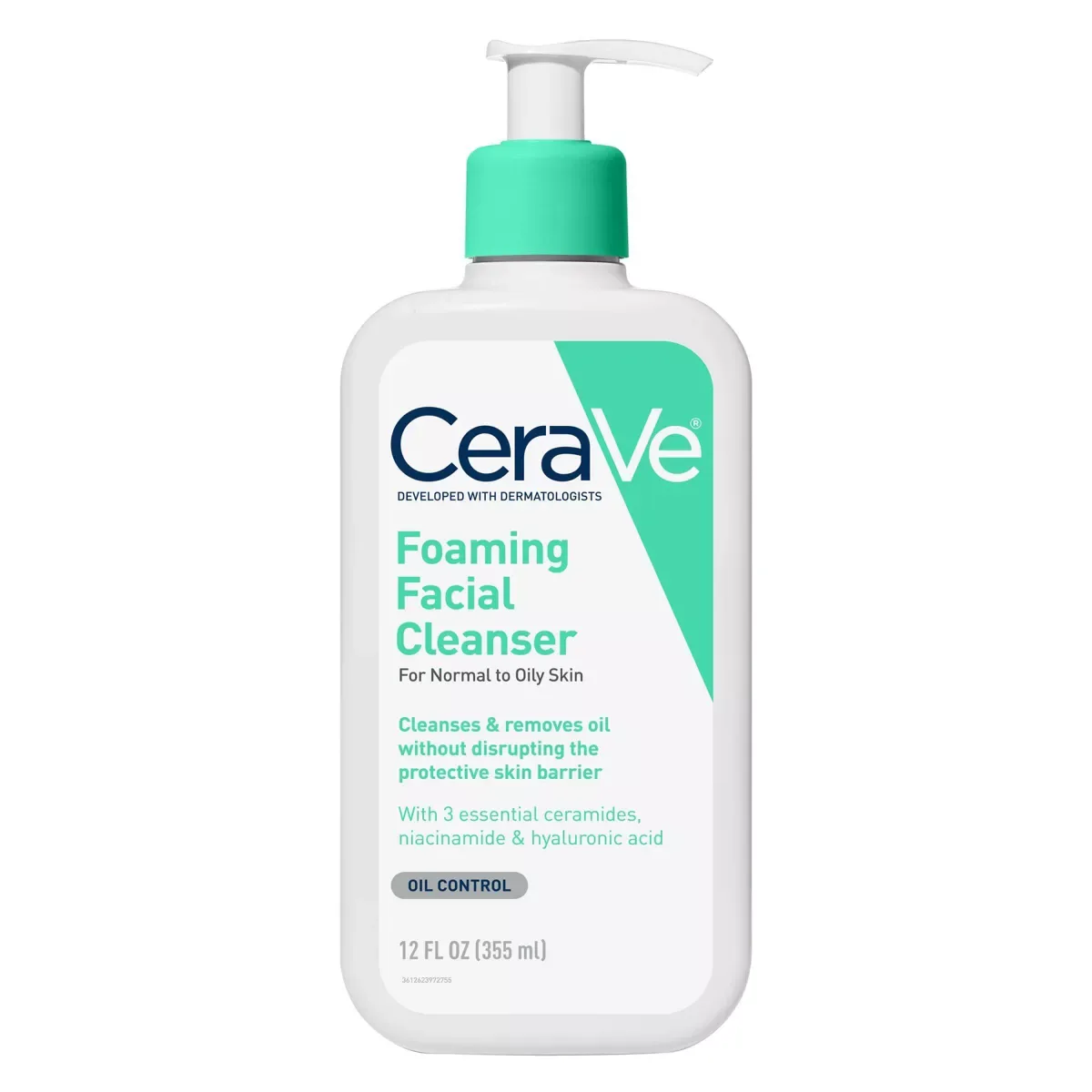 Derm Office Staple
 Foaming Facial Cleanser
The CeraVe Foaming Facial Cleanser is the rare drugstore cleanser that dermatologists actually use themselves — a genuinely gentle foaming wash that removes excess oil without triggering the rebound sebum production that plagues most lathering cleansers. At under sixteen dollars for a bottle that lasts months, it makes skipping it almost irrational.
 Cult-Status Makeup Eraser
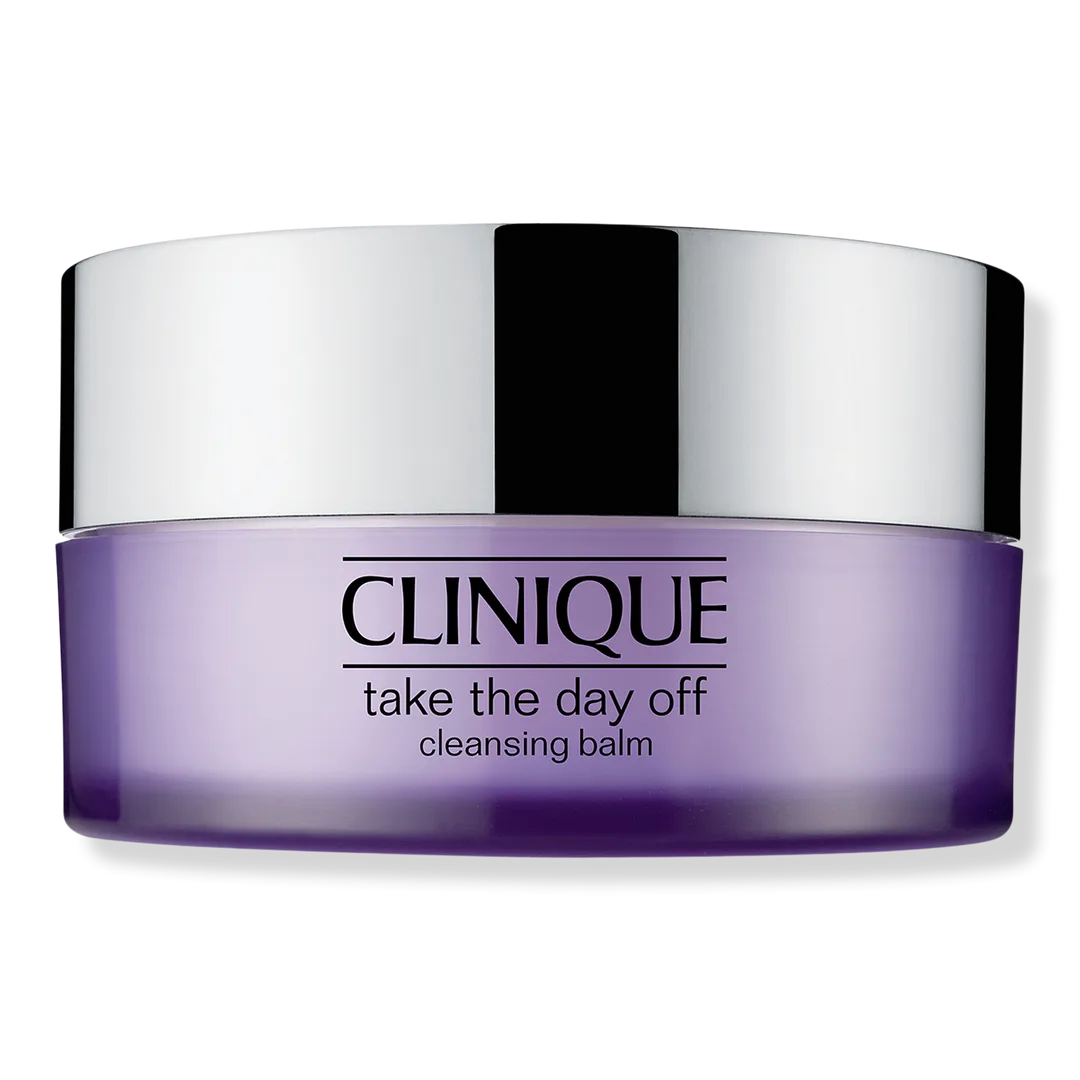
 Take the Day Off Cleansing Balm
The cleansing balm that earned its cult status through radical restraint — nine ingredients, zero fragrance, and the ability to dissolve anything from waterproof mascara to SPF 50 without disturbing even the most reactive skin. Not the most glamorous product in any routine, but possibly the most universally reliable.
 Japanese Drugstore Classic
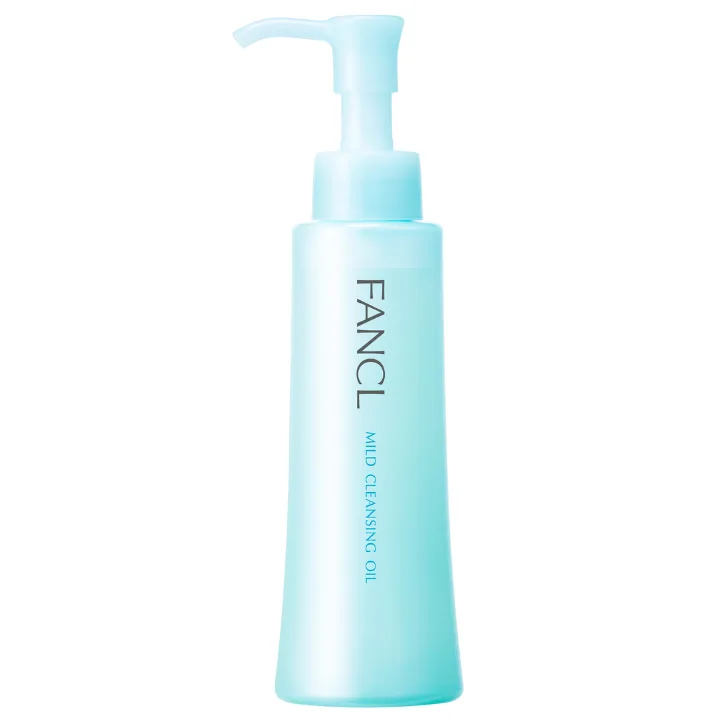
 Mild Cleansing Oil
A two-decade-old Japanese drugstore staple that still outperforms most modern cleansing oils on the single metric that matters: does it remove sunscreen cleanly without leaving a film. The fragrance-free, ester-based formula is gentle enough for reactive skin and thoughtfully augmented with vitamin C and plant oils. Quietly one of the best first-cleanse options on the market.
 The Original Micellar Water
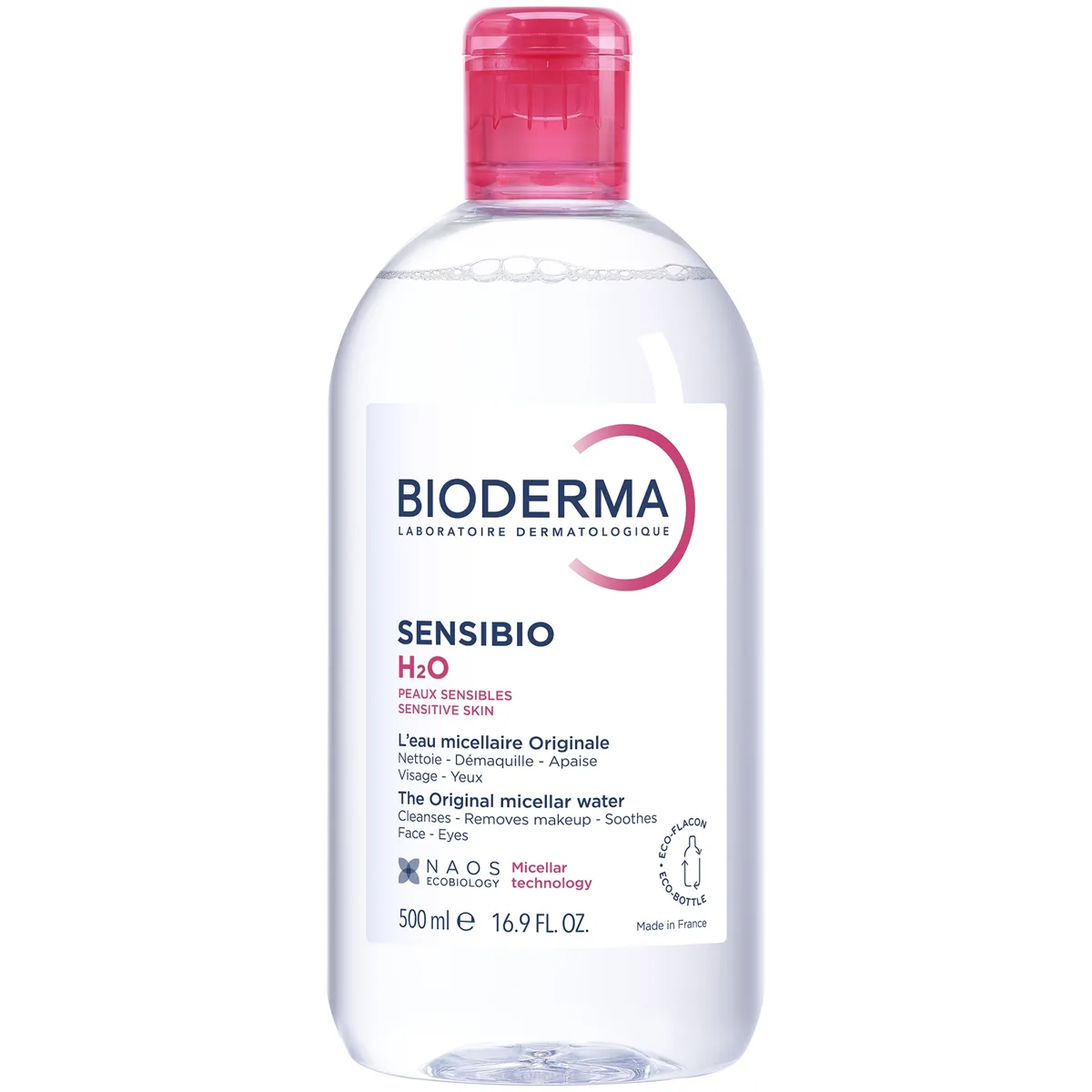
 Sensibio H2O Micellar Water
The product that launched an entire skincare category remains, three decades later, one of the gentlest and most effective no-rinse cleansers available. Bioderma Sensibio H2O earns its cult status through radical simplicity — 10 ingredients, zero fragrance, and a formula so mild it was originally dispensed by prescription.
This review reflects our independent analysis of publicly available ingredient data, manufacturer claims, and verified user reviews. We are reader-supported — Amazon links may earn us a commission at no cost to you. We do not accept paid placements; rankings are based solely on the evidence.