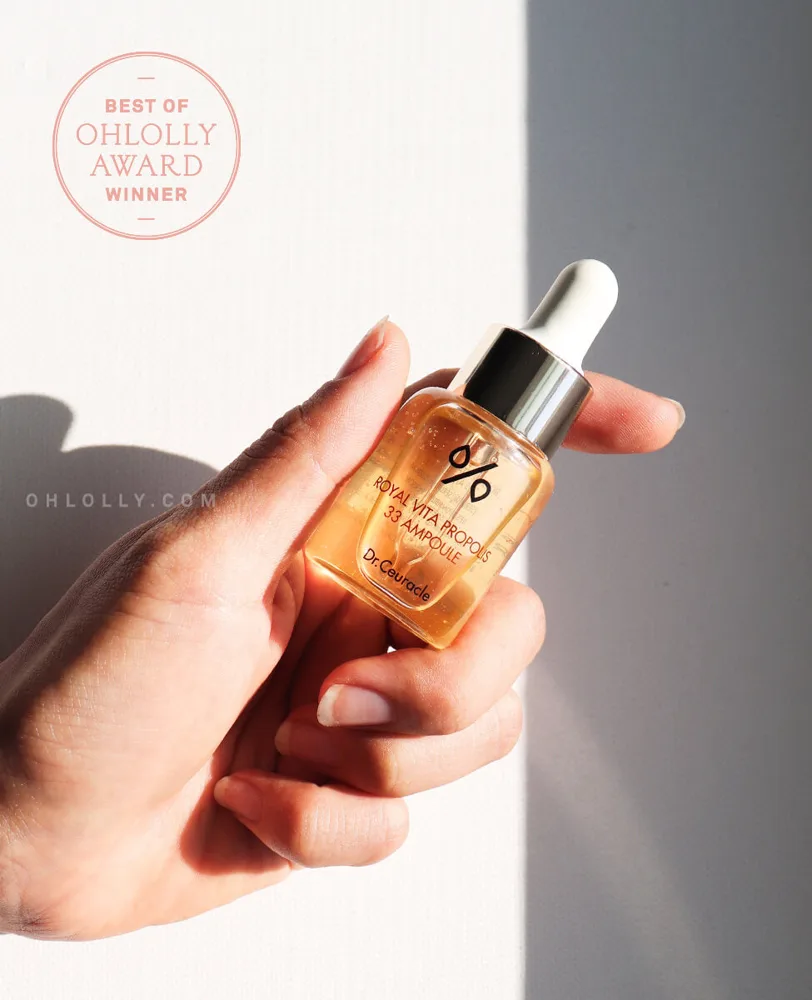
A rare K-beauty ampoule that earns its cult status: 33% propolis delivers genuine antibacterial action without the dryness of traditional acne serums, and the supporting cast of madecassoside and panthenol turns it into a full calming step. Strong value for what you get.
Royal Vita Propolis 33 Ampoule
A rare K-beauty ampoule that earns its cult status: 33% propolis delivers genuine antibacterial action without the dryness of traditional acne serums, and the supporting cast of madecassoside and panthenol turns it into a full calming step. Strong value for what you get.
Score Breakdown
A well-executed propolis ampoule at a fair price. Loses points on suitability because bee-derived ingredients disqualify vegans and those with bee allergies, and the high propolis load can occasionally irritate very reactive skin.
Data Confidence: high
This score reflects roughly six years on the market, thousands of reviews across Olive Young, Stylevana, and YesStyle, and consistent dermatologist commentary in the K-beauty community.
0/100
Overall Score
Ingredient Quality 0
Value for Money 0
Suitability Breadth 0
Irritation Risk (↑ = safer) 0
Assessment
Pros
- 33% propolis delivers meaningful antibacterial action without stinging
- Calms active blemishes and post-procedure redness within days
- Niacinamide and madecassoside address marks and barrier at the same time
- Safe for sensitive and compromised skin unlike most acne serums
- Fragrance-free aside from natural honey aroma
- Good value at around $32 for 50ml, lasts 2-3 months
- Layers well with retinol and vitamin C as a buffering step
- Dr. Ceuracle's quality control and transparent INCI are consistent
Cons
- Tacky initial finish can cause pilling if over-applied
- Natural honey scent is noticeable and bothers some users
- Bee-derived actives make it a hard no for vegans
- Possible reactions in users with bee or honey allergies
- Not fungal-acne safe due to ingredient profile
Full Review
There was a time around 2018 when every Korean acne routine seemed to start with tea tree oil, and then, almost overnight, propolis quietly took over. The shift wasn't about branding — it was about skin fatigue. Tea tree dries, stings, and over time wears out the barrier of the very people who need it most. Propolis, the resinous substance honeybees make to seal and sterilize their hives, turned out to offer most of the antibacterial benefits with none of the sandpaper side effects. Dr. Ceuracle's Royal Vita Propolis 33 Ampoule arrived in 2019 and became the reference point that other brands are now quietly measured against.
The headline number is the 33% propolis extract, which sits at the upper end of the category — most competing ampoules land somewhere between 10% and 80%, and the higher you go, the more the texture threatens to turn into actual honey. Dr. Ceuracle managed to hit a concentration that's meaningful without crossing the line into syrup. The ampoule pours out of its dropper as a thick but still fluid liquid, with a faint natural honey smell and no added fragrance. It goes on sticky — that's the propolis — and then settles into a hydrated, slightly tacky finish within a few minutes, which your moisturizer smooths out entirely.
The formula isn't just propolis on its own, which matters more than it might seem. Niacinamide is there at what feels like a functional dose, doing its usual work on sebum and post-inflammatory marks. Panthenol, the pro-vitamin B5 everyone calls "cica-adjacent," buffers any irritation and keeps the finish comfortable on compromised skin. Madecassoside and asiaticoside — purified centella fractions — add real anti-redness benefits rather than just name-dropped herbal cred. Royal jelly extract, beta-glucan, and a small dose of bee venom round out the bee-derived story, and the whole thing is held together by hyaluronic acid and glycerin so the skin reads as hydrated rather than stripped.
On the skin, the effect is quiet but measurable. Active blemishes don't scab over the way they can with salicylic acid or benzoyl peroxide — instead they lose their angry halo within a day or two and shrink without the surrounding skin flaking. Redness from maskne, shaving, or recent procedures calms within minutes of application. Over a few weeks, post-blemish marks fade faster than they would on their own, though that's primarily niacinamide's work; don't expect propolis alone to lift pigmentation. The ampoule is genuinely suitable for sensitized skin, which is not something you can say about most acne-focused Korean serums, and it holds up as a post-procedure layer for people easing back into their routine after a laser session or chemical peel.
Where the ampoule has limits, they're honest ones rather than formulation flaws. The tackiness is real, and if you layer it too heavily under a silicone-rich sunscreen it can pill — the fix is using 2 to 3 drops rather than trying to soak your face in it. The natural honey scent bothers a small minority of users. And because every hero ingredient here is bee-derived, the ampoule is a hard no for vegans, and a patch-test-first situation for anyone with a bee allergy. These aren't secrets, but they're worth stating plainly.
Priced around $32 for 50ml, it's not the cheapest propolis ampoule in the K-beauty space — iUNIK's version costs less — but it's also not trying to be a budget pick. The inclusion of madecassoside, the stable propolis extraction, and the clean supporting cast justify the extra few dollars, and 50ml at twice-daily usage tends to last two to three months, which works out to reasonable cost-per-use. For someone dealing with blemish-prone skin that also runs sensitive, or a barrier that's been through a rough patch, it's one of the more reliable single bottles you can buy.
The thing that earns Dr. Ceuracle its reputation here is restraint. The brand could have pushed this to 50% or 80% propolis for marketing impact, and it instead built a formula where propolis is the headline but not the entire show. That's why the ampoule ends up more useful than its single-ingredient pitch suggests. Skincare that works quietly — calming breakouts without drying, hydrating without greasing, fading marks without bleaching — is harder to sell than skincare that screams, but it's the kind that tends to stay in the routine.
Formula
Ingredients
The hero actives that drive this product's performance.
| Ingredient | Function | Evidence |
|---|---|---|
| Propolis Extract (33%) (33%) | The entire formula is built around this high-concentration propolis, which delivers antibacterial flavonoids and soothing resins that calm blemish-prone, stressed skin without the dryness of typical acne actives. Working alongside the niacinamide and panthenol in this ampoule, it helps reduce redness while reinforcing the barrier. | promising |
| Niacinamide | Supports the propolis by regulating sebum and fading post-blemish marks, a useful pairing since propolis addresses active bacteria while niacinamide tackles the discoloration left behind. | well-established |
| Panthenol | Pro-vitamin B5 that converts to pantothenic acid in the skin, offsetting any potential drying effect of the honey-derived actives and keeping this ampoule comfortable on compromised skin. | well-established |
| Madecassoside | Purified centella fraction that layers calming, redness-reducing support onto the propolis base, making the ampoule appropriate for irritated or post-procedure skin rather than just acne-focused routines. | promising |
| Royal Jelly Extract | Nutrient-rich bee-derived extract that complements propolis with amino acids and lipids, contributing to the ampoule's nourishing slip without turning the texture greasy. | emerging |
Full INCI List · pH 5.5
Propolis Extract (33%), Butylene Glycol, 1,2-Hexanediol, Niacinamide, Panthenol, Glycerin, Betaine, Sodium Hyaluronate, Hydrogenated Lecithin, Beta-Glucan, Allantoin, Adenosine, Royal Jelly Extract, Honey Extract, Bee Venom, Madecassoside, Asiaticoside, Madecassic Acid, Asiatic Acid, Tocopherol, Carbomer, Arginine, Ethylhexylglycerin, Disodium EDTA
Product Flags
✓ Fragrance Free✓ Alcohol Free✓ Oil Free✓ Silicone Free✓ Paraben Free✓ Sulfate Free✓ Cruelty Free✗ Vegan✗ Fungal Acne Safe
Potential Irritants
propolisbee venomroyal jelly
Common Allergens
bee-derived ingredients
Compatibility
Skin Match
Best For
Works For
Not Ideal For
Addresses These Conditions
acne dullness compromised skin barrier dehydration post procedure
Use With Caution
Routine Step
serum
Time of Day
AM & PM
Pregnancy Safe
Yes ✓
Layering Tips
Apply 2-3 drops after toner and before moisturizer. Patch test first if you have known bee allergies.
Results Timeline
Immediate calming and hydration within minutes of application. Visible reduction in active blemishes and redness within 1-2 weeks. Full benefits for post-blemish marks and overall tone after 4-8 weeks of consistent use.
Pairs Well With
niacinamidecentella-asiaticahyaluronic-acid
Sample AM Routine
- Gentle cleanser
- Hydrating toner
- Dr. Ceuracle Royal Vita Propolis 33 Ampoule
- Moisturizer
- Sunscreen
Sample PM Routine
- Oil cleanser
- Gentle cleanser
- Hydrating toner
- Dr. Ceuracle Royal Vita Propolis 33 Ampoule
- Moisturizer
Evidence
Science
The Science
Propolis has been studied for its antibacterial, anti-inflammatory, and wound-healing properties in both dermatological and dental literature. Published reviews in journals such as Evidence-Based Complementary and Alternative Medicine have documented propolis's activity against Cutibacterium acnes and Staphylococcus aureus, the two bacterial players most often implicated in acne, largely through its flavonoid content and caffeic acid phenethyl ester. What makes this ampoule's approach more interesting than a simple propolis tincture is the delivery system: at 33% extract in a hydrating vehicle with niacinamide, panthenol, and madecassoside, the formula addresses active bacteria, sebum regulation, and barrier repair simultaneously. Niacinamide's evidence for reducing sebum excretion and post-inflammatory hyperpigmentation is well-established, with studies showing measurable improvement at 2-5% concentrations over 8-12 weeks. Madecassoside, a purified triterpenoid from Centella asiatica, has been shown in dermatological research to accelerate wound healing and reduce erythema in sensitized and post-laser skin. The synergy here matters more than any single ingredient: propolis handles microbial load, niacinamide handles oil and pigmentation, and the centella fractions handle irritation — a three-axis approach that most single-active acne serums can't replicate.
Dermatologist Perspective
Dermatologists treating adult acne that overlaps with sensitive or reactive skin frequently recommend propolis-based ampoules as an alternative to benzoyl peroxide or high-strength salicylic acid for patients whose barriers cannot tolerate aggressive antimicrobial actives. Board-certified dermatologists note that propolis, while generally well-tolerated, is a known contact allergen and should be patch-tested before full-face use, particularly in patients with known bee or honey sensitivities. This type of ampoule is commonly suggested as an adjunct during the early recovery phase after procedures such as superficial chemical peels or non-ablative laser treatments, where calming and mild antimicrobial support are helpful but traditional actives would be too harsh.
Guidance
Usage Guide
How to Use
After cleansing and toning, dispense 2-3 drops into your palm and press into damp skin, focusing on blemish-prone areas. Allow 30-60 seconds for the ampoule to settle before following with moisturizer. Use twice daily. In the morning, layer a sunscreen on top. The ampoule can also be used as a targeted spot treatment on active blemishes between routine steps, or as a calming layer immediately after a retinol or acid exfoliant to buffer irritation. Patch test on the inner forearm for 48 hours before first use if you have any history of bee, honey, or propolis allergy.
Value Assessment
At around $32 for 50ml, this ampoule lands in the mid-range of the K-beauty propolis category — cheaper competitors exist but typically use lower propolis concentrations or less sophisticated supporting formulas. A bottle lasts roughly two to three months with twice-daily face application, which puts daily cost at a reasonable $0.35 to $0.55. Given that the formula pulls double duty as both a blemish-soothing step and a sensitivity buffer, it frequently replaces two separate products in the routine, which improves the value math further. The price is fair, the brand has a track record, and the ingredient spend clearly went into the formula rather than the packaging.
Who Should Buy
Anyone with adult acne, especially the kind that overlaps with sensitive or reactive skin that can't tolerate benzoyl peroxide or strong salicylic acid. Also a strong pick for post-procedure skin, stressed barriers, or routines that need a calming step with meaningful antibacterial support.
Who Should Skip
Vegans, anyone with known bee or honey allergies, and those specifically avoiding fungal acne triggers. Skin that's purely dry with no blemish or redness concerns will find more useful ampoules elsewhere in the K-beauty space, since the propolis angle won't earn its keep.
Ready to try Dr. Ceuracle Royal Vita Propolis 33 Ampoule?
Details
Details
Texture
Thick, slightly sticky liquid that spreads easily and absorbs into a hydrated, slightly tacky finish
Scent
Mild natural honey-propolis aroma with no added fragrance
Packaging
Frosted glass bottle with dropper applicator
Finish
dewynon-greasy
What to Expect on First Use
First use delivers immediate soothing and a noticeable tackiness that settles within 5-10 minutes. Expect a light honey smell and a slightly sticky feeling before your moisturizer goes on. No purging or tingling for most users.
How Long It Lasts
2-3 months with twice-daily use
Period After Opening
12 months
Best Season
All Year
Certifications
Cruelty-Free
Background
The Why
Dr. Ceuracle launched this ampoule in 2019 to answer Korean consumers' growing demand for antibacterial-yet-gentle acne skincare after tea tree fatigue set in. The brand leaned on its pharmacy-skincare roots to justify a high propolis percentage that most indie brands shy away from due to cost.
About Dr. Ceuracle Emerging Brand (2–5 years)
Dr. Ceuracle launched in 2017 as a dermatologist-developed K-beauty line from the same parent company behind Leegeehaam, drawing on clinical experience treating sensitive and compromised skin. The brand positions itself between pharmacy-skincare and indie K-beauty with transparent formulations.
Brand founded: 2017 · Product launched: 2019
Myth vs. Reality
Myths
Myth
Propolis ampoules are only for acne-prone skin
Reality
The calming and barrier-repair profile of this particular formula, which also contains madecassoside and panthenol, makes it a legitimate soothing option for sensitized, post-procedure, or generally compromised skin.
Myth
High-percentage propolis products are too sticky to wear under makeup
Reality
This ampoule is tacky on initial application but settles into a flexible finish within a few minutes, and layering a moisturizer on top largely eliminates pilling.
FAQ
FAQ
Is this safe for sensitive skin?
Yes — the propolis in this ampoule is buffered by panthenol and madecassoside, which reduce the risk of the stinging some sensitive users experience with raw propolis extracts. Patch test first if you have a known bee allergy.
Can I use this with retinol?
Yes. Apply the ampoule first as a calming layer, then your retinol on top. The panthenol and centella derivatives in this formula actively help buffer retinol irritation.
Is 33% propolis too strong for daily use?
For most users, no. The ampoule is designed for twice-daily application, and the 33% refers to the extract inclusion level, not a pharmaceutical-active concentration.
Does this help with post-acne marks?
Yes. The propolis addresses active bacteria while the niacinamide gradually fades post-inflammatory hyperpigmentation. Expect visible improvements over 4-8 weeks.
Is it vegan?
No. Propolis, royal jelly, honey extract, and bee venom are all bee-derived and make this ampoule unsuitable for vegan routines.
Will this pill under sunscreen?
It can if applied too heavily or if followed immediately by a silicone-heavy sunscreen. Use 2-3 drops and allow a minute of absorption before your next layer.
Community
Community
Common Praise
"Calms active breakouts without drying"
"Sticky but absorbs well"
"Visible reduction in redness"
"Good value for propolis concentration"
Common Complaints
"Tacky finish can pill under makeup"
"Bee scent noticeable to some"
"Not suitable for vegans"
Notable Endorsements
Featured in Allure KoreaPopular on r/AsianBeauty
Appears In
best propolis ampoule best k beauty serum for acne best calming ampoule best serum for compromised barrier
Related Conditions
acne compromised skin barrier dullness post procedure
Related Ingredients
You Might Also Like
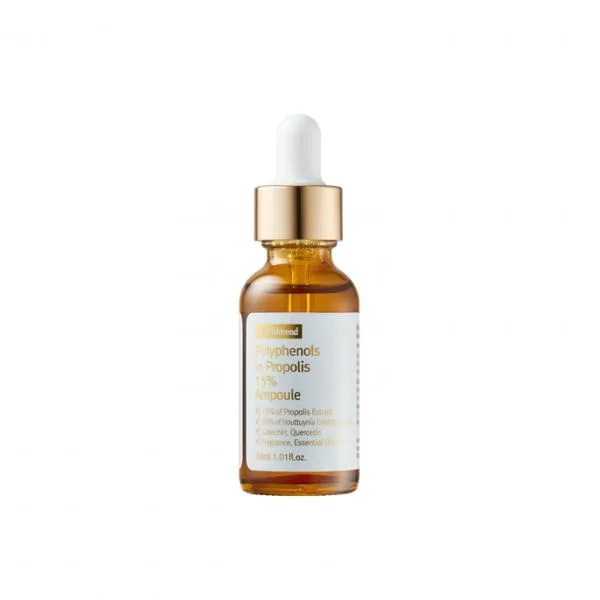 Sensitive Skin Soother
 Polyphenols In Propolis 15% Ampoule
A 15% propolis ampoule that earns its name with a real polyphenol stack — French Auvergne propolis layered over a houttuynia cordata base, with tulsi and pomegranate piling on. It's slightly sticky and not cheap by volume, but for sensitive, breakout-prone skin chasing calm, this is one of the most reliable K-beauty soothers in production.
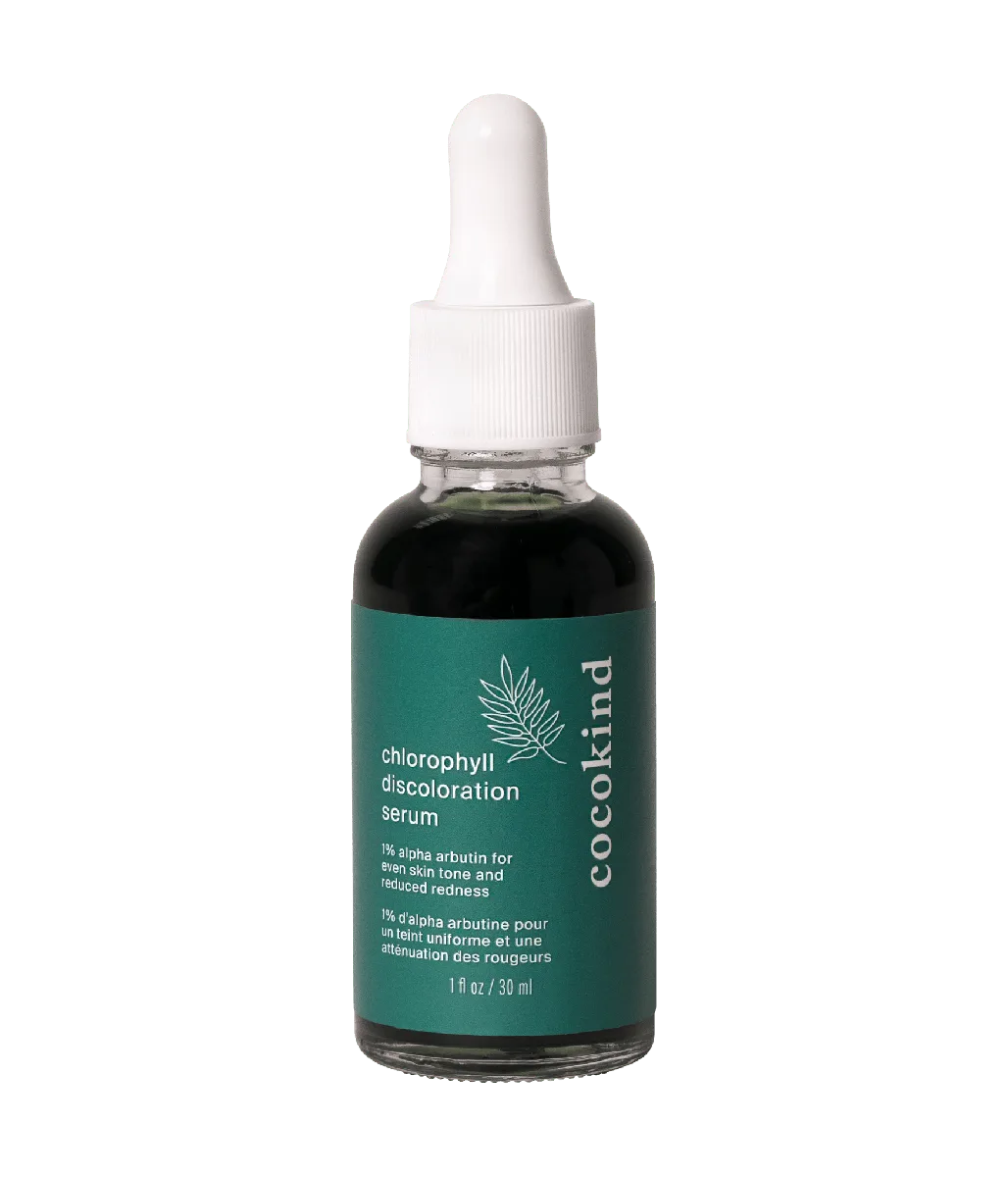 Budget Brightening Hero
 Chlorophyll Discoloration Serum
A quietly brilliant brightening serum that proves you do not need luxury prices or harsh actives to fade dark spots effectively. The alpha-arbutin and licorice root combination delivers genuine multi-pathway melanin inhibition, the sensitive-skin-friendly formula is impeccable, and $20 makes it accessible to virtually everyone. The chlorophyllin is more marketing differentiator than scientific powerhouse, but it does not hurt anything either.
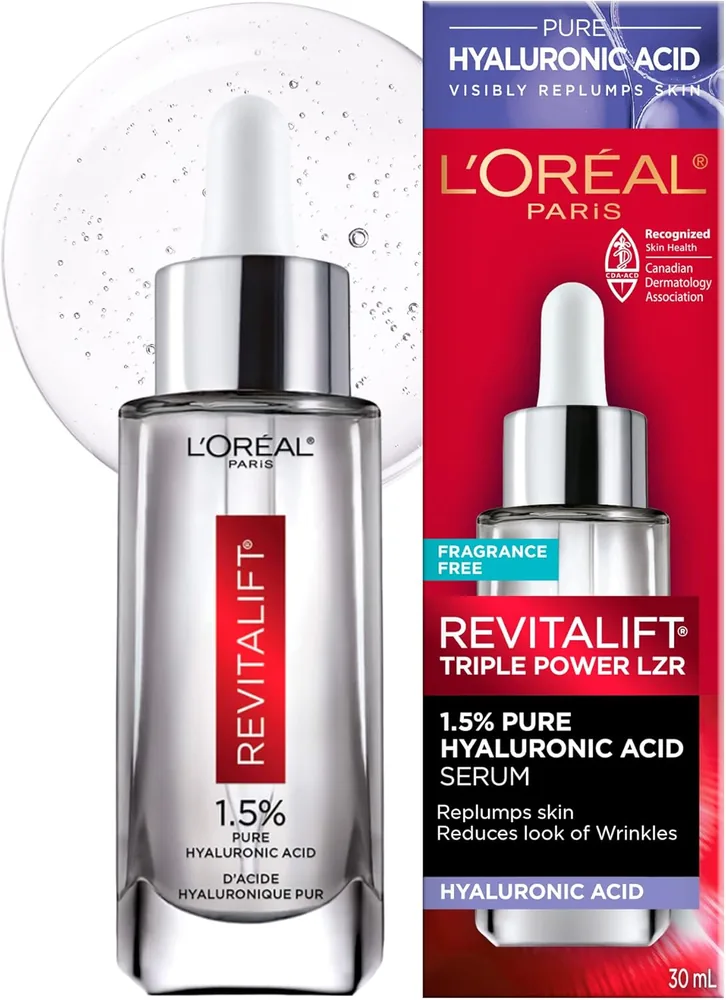 The People's HA Serum
 Revitalift Derm Intensives 1.5% Pure Hyaluronic Acid Serum
A masterclass in minimalist formulation — thirteen ingredients, no filler, four functional actives, and over thirty thousand glowing reviews. L'Oréal's multi-weight HA system delivers genuine hydration at every level of the skin, and the fragrance-free, alcohol-free formula is clean enough for virtually anyone. The drugstore serum that embarrasses its prestige competitors.
 Budget Hydration Holy Grail
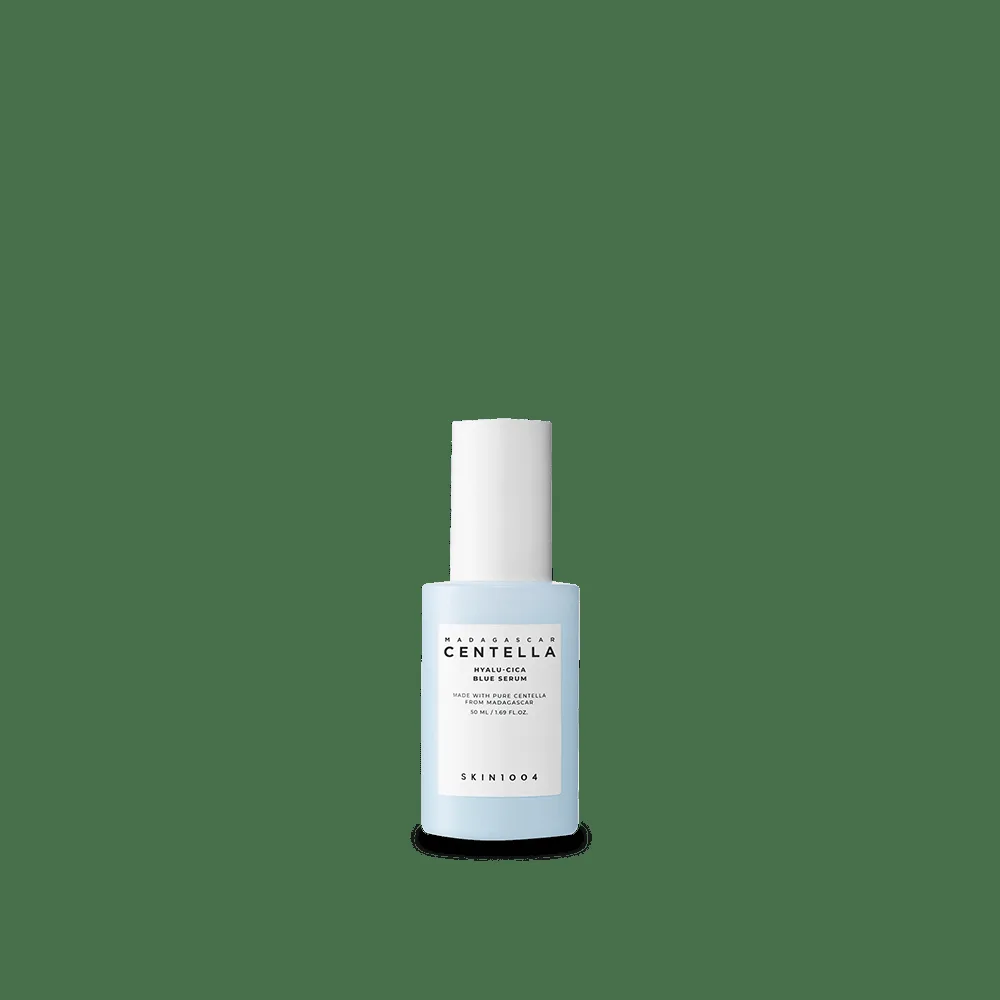
 Hyalu-Cica Blue Serum
A quietly excellent budget serum that stacks Centella asiatica leaf water, five types of hyaluronic acid, niacinamide, ceramide NP, and adenosine into a fragrance-free under-$20 bottle. It is genuinely one of the best hydration-plus-soothing serums at any price, and the fact that it costs less than a salad in Manhattan is the point.
 Sensitive Skin First-Line Defense
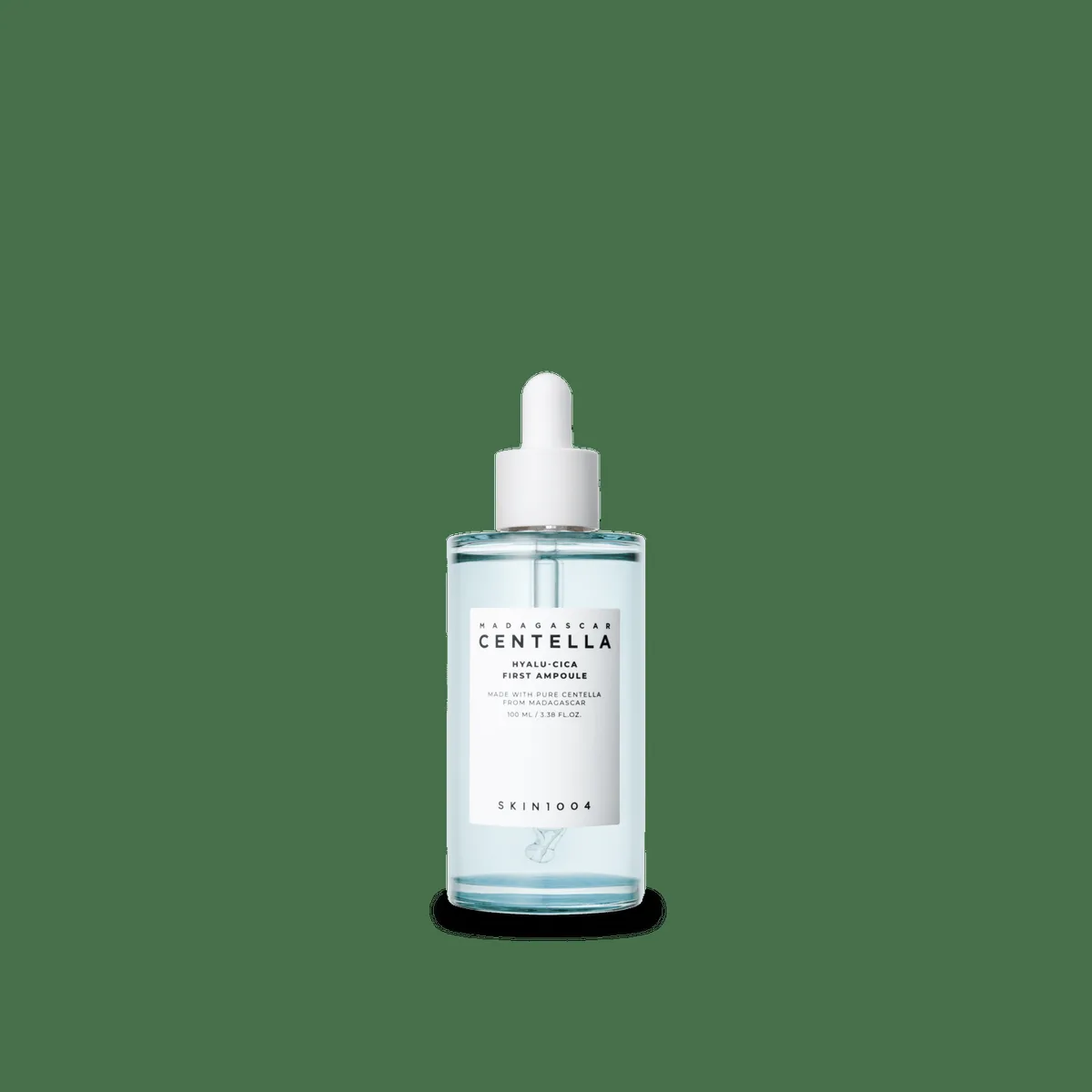
 Hyalu-Cica First Ampoule
A 92% Centella asiatica extract ampoule paired with niacinamide and a multi-weight HA complex, fragrance-free and purpose-built for sensitive, compromised, and reactive skin. At $25 for 100ml, it is one of the most justifiable skincare purchases a budget-conscious buyer can make, and it earns a place in almost any routine that needs a soothing anchor.
 Sensitive Skin MVP
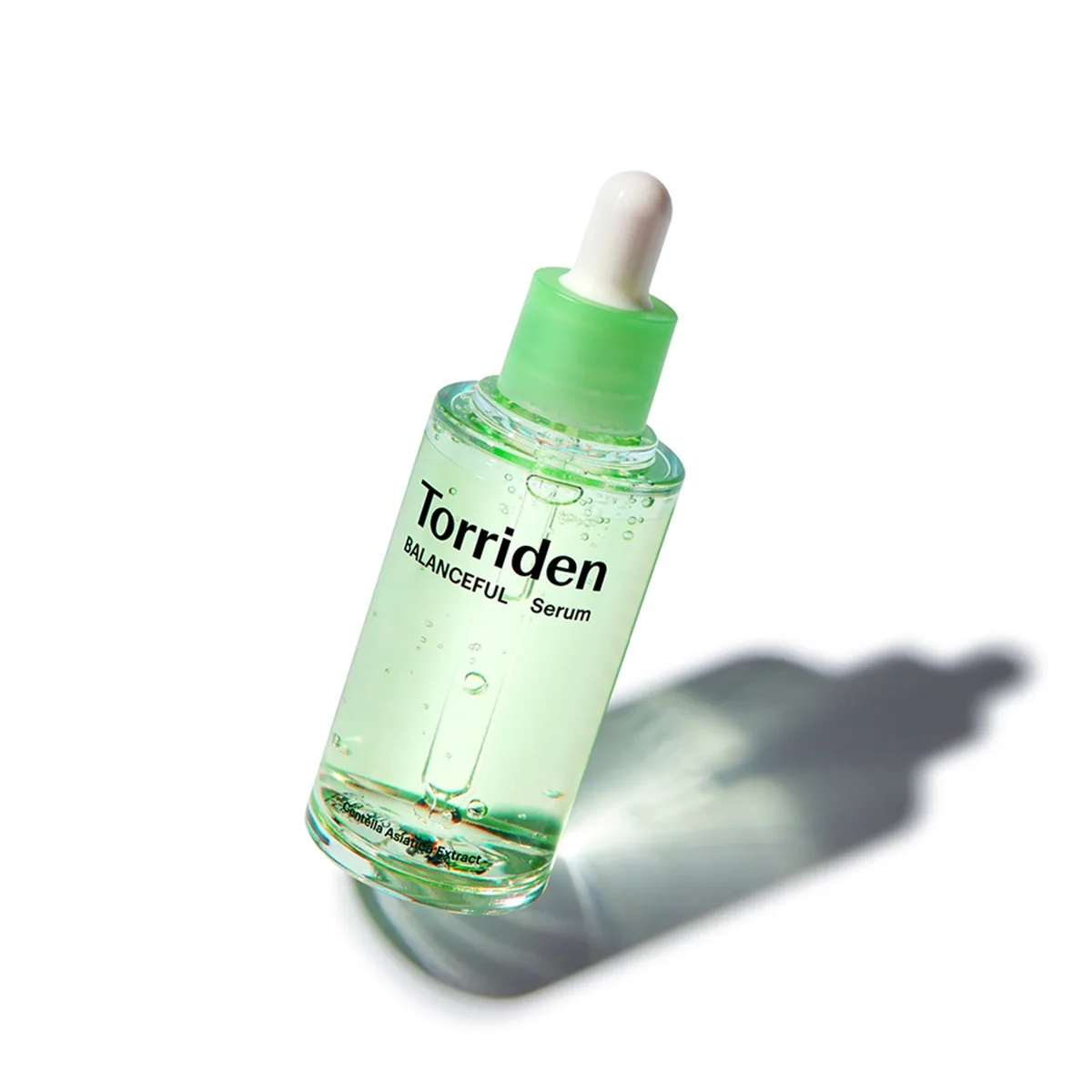
 Balanceful Cica Serum
Torriden's Balanceful Cica Serum is one of the most recommendable calming serums in K-beauty — a genuinely fragrance-free, multi-weight hyaluronic acid and 5D cica complex treatment that quietly reduces redness, supports the barrier, and buffers other actives without drama. At under $25 it's a near-automatic pick for sensitive, rosacea-prone, and barrier-compromised skin.