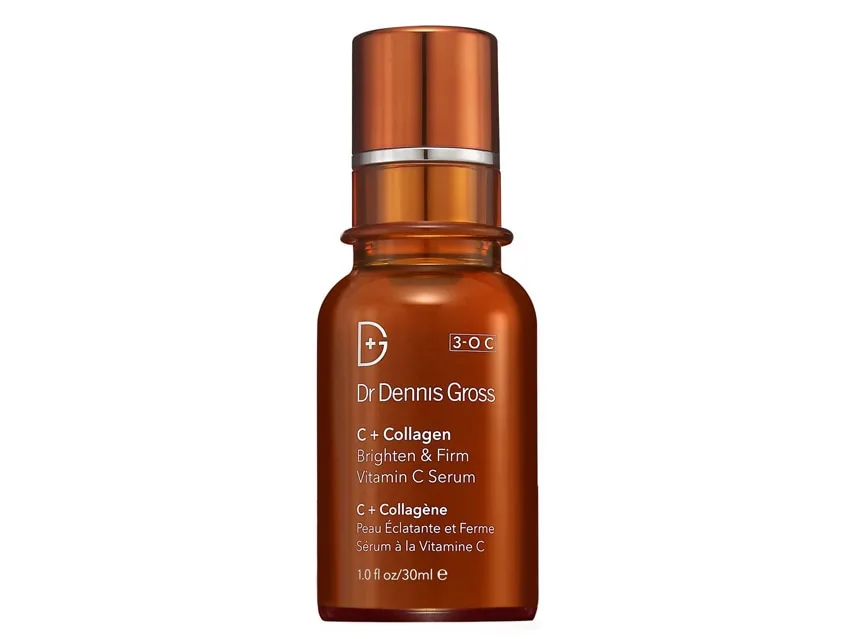
A multi-form vitamin C serum that stacks three ascorbic chemistries with hexylresorcinol and niacinamide for a genuinely layered brightening approach. The denatured alcohol and older water-gel architecture hold it back from greatness, but it still delivers visible glow within the first week for most skin types.
C+ Collagen Brighten & Firm Vitamin C Serum
A multi-form vitamin C serum that stacks three ascorbic chemistries with hexylresorcinol and niacinamide for a genuinely layered brightening approach. The denatured alcohol and older water-gel architecture hold it back from greatness, but it still delivers visible glow within the first week for most skin types.
Score Breakdown
Where this product gains points and where it loses them — broken down across the four scoring pillars.
Three vitamin C forms plus niacinamide and hexylresorcinol gives real brightening credibility. The denatured alcohol content and older formulation style keep the ingredient and irritation scores from landing higher.
Pros & Cons
- ✓Three forms of vitamin C cover multiple stability and penetration profiles
- ✓Niacinamide and hexylresorcinol add complementary brightening mechanisms
- ✓Fast-absorbing water-gel layers easily under sunscreen in the morning
- ✓Visible glow within the first week on most normal-to-oily skin
- ✓CoQ10 and superoxide dismutase provide meaningful antioxidant backup
- ✓Pregnancy-safe at the concentrations used
- ✗Contains denatured alcohol which can feel drying on sensitive skin
- ✗No larger size available, making the per-milliliter cost high
- ✗Pure ascorbic acid component oxidizes noticeably near the end of the bottle
- ✗Older formulation feels less refined than the brand's newer Vitamin C Lactic line
Full Review
Ask ten people how vitamin C serums work and you'll get roughly the same story: L-ascorbic acid at 15%, pH below 3.5, ferulic acid to stabilize it, vitamin E along for the ride. That's the Skinceuticals CE Ferulic template, and most of the category either copies it, tweaks it, or tries to be its cheaper cousin. The Dr. Dennis Gross C+ Collagen Brighten & Firm Vitamin C Serum does something different, and the difference is the reason this review exists.
Instead of picking one form of vitamin C and optimizing around it, Dr. Gross stacks three. 3-O-ethyl ascorbic acid leads the formula, sitting third on the INCI — that's a stable ether form that converts to ascorbate inside the skin and doesn't need the low pH environment that raw ascorbic acid requires. Then, further down, you'll find pure ascorbic acid itself, playing the classic potency role at a smaller inclusion level. And then tetrahexyldecyl ascorbate shows up again — a lipid-soluble ester that penetrates the stratum corneum differently from the water-soluble forms. The three together work on different pathways and at different depths, and they don't require each other to function. If the pure ascorbic oxidizes early, you still have two stable forms doing the work.
On top of that stack, the formula layers in niacinamide high on the list and hexylresorcinol further down, both of which attack pigment through mechanisms vitamin C doesn't touch. Niacinamide interrupts the transfer of melanin from melanocytes to keratinocytes; hexylresorcinol blocks tyrosinase upstream of melanin production. If you've been using a single-ingredient brightener and wondering why stubborn post-acne marks aren't fading, stacking four or five different brightening pathways — which is what this serum essentially does — is a more honest approach to how pigment actually resolves.
The sensory experience is where the product feels its age. It goes on as a slightly slick water-gel, absorbs in under a minute, and leaves a faint glow rather than a sticky finish. There's a cool flash from the denatured alcohol that fans call 'refreshing' and critics call 'drying.' The truth is probably somewhere in between: at the level the formula uses, the alcohol mostly serves to help the vitamin C absorb and evaporate off quickly, and most normal to oily skin won't notice a problem. Dry and sensitive skin can notice a slight tightness, especially if they follow with a light moisturizer that doesn't rehydrate enough. If you're in that group, the newer Vitamin C Lactic 15% from the same line is probably a better fit.
Within the first week, most users see a subtle morning-after brightness, the kind you notice more when you look at photos taken a week apart than when you stare at yourself in the mirror. Mild post-acne marks and general dullness start to fade between weeks three and six. The really interesting tone work, particularly on sunspots and melasma-adjacent pigment, arrives in the eight-to-twelve week window as the hexylresorcinol and niacinamide catch up with the vitamin C. Expectations matter here: this is a steady brightener, not an overnight miracle, and anyone hoping for dramatic depigmentation should be talking to a dermatologist about prescription options.
The honest limitations are real but specific. Price per milliliter is high and there's no larger size. The formula oxidizes visibly near the end — you'll notice a slight yellowing as the pure ascorbic acid converts to dehydroascorbic acid, and once it goes amber you're getting a lot less vitamin C than you're paying for. Store it away from direct sunlight and finish it within six months of opening, not twelve. And if you're committed to 'alcohol-free' as a rule, this isn't your serum, even though the inclusion is formulation-justified rather than filler.
For the right user — normal-to-oily or combination skin dealing with dullness and mild pigmentation, comfortable with a lightweight water-gel feel, using this in the morning alongside SPF — this is still one of the more thoughtful vitamin C serums in the prestige bracket. It's not the cheapest, it's not the newest, and it's not the most universally loved, but the formulation thinking is sound and the results arrive on a realistic timeline.
Formula
Key Ingredients
The hero actives that drive this product's performance.
| Ingredient | Function | Evidence |
|---|---|---|
| 3-O-Ethyl Ascorbic Acid | The lead vitamin C form in this serum, chosen because it's more stable than pure L-ascorbic acid in a water-heavy gel base. It converts to ascorbate in the skin and drives the brightening and collagen-stimulating side of the formula without the pH headaches of a classic Skinceuticals-style C+E+F serum. | promising |
| Ascorbic Acid + Tetrahexyldecyl Ascorbate | Included alongside the 3-O-ethyl form to hit multiple vitamin C pathways in a single bottle — pure ascorbic acid for classic potency and THD ascorbate as a lipid-soluble ester that penetrates deeper. Stacking three C forms is how Dr. Gross gets a brightening effect that outperforms single-form formulas on dull skin. | well-established |
| Niacinamide | Placed fourth on the ingredient deck to work on pigment transfer from melanocytes to keratinocytes — the complementary brightening pathway to vitamin C's melanogenesis inhibition. It also tempers the alcohol and lactic acid in the base by supporting barrier ceramide synthesis. | well-established |
| Hexylresorcinol | Adds a third brightening mechanism by inhibiting tyrosinase, the enzyme that kicks off melanin production. It's particularly useful against stubborn sunspots that don't respond to vitamin C alone. | promising |
| Superoxide Dismutase + CoQ10 (Ubiquinone) | The brand's signature 'Energy Complex' here quenches reactive oxygen species and supports mitochondrial function in fibroblasts, which is the mechanism Dr. Gross invokes for the 'collagen' half of the name. It meaningfully backs up the vitamin C stack on the antioxidant side. | promising |
| Lactic Acid | A low-level AHA that improves surface turnover and, more importantly here, helps the multi-form vitamin C penetrate by lightly lowering the surface pH. It's a classic Dr. Gross move — acid as a penetration enhancer rather than as the star. | well-established |
Full INCI List
Water/Aqua/Eau, Glycerin, 3-O-Ethyl Ascorbic Acid, Niacinamide, Glycereth-7 Triacetate, Lactic Acid, Alcohol Denat. (SD Alcohol 40-B), Dimethyl Isosorbide, Hydroxyethylcellulose, Ascorbic Acid, Collagen Amino Acids, Superoxide Dismutase, Glycine, Carnitine HCl, Ubiquinone, Hexylresorcinol, Emblica Officinalis Fruit Extract, Hydrolyzed Soy Protein, Tetrahexyldecyl Ascorbate, Isoquercetin, Mandelic Acid, Pueraria Lobata Root Extract, Curcuma Longa (Turmeric) Root Extract, Phytic Acid, Citric Acid, Tetrasodium EDTA, Sodium Citrate, Butylene Glycol, Xanthan Gum, Polysorbate 20, Sodium Hydroxide, Polysorbate 80, Phenoxyethanol, Benzyl Alcohol, Sodium Benzoate, Potassium Sorbate, Caramel
Product Flags
✓ Fragrance Free✗ Alcohol Free✓ Oil Free✓ Silicone Free✓ Paraben Free✓ Sulfate Free✓ Cruelty Free✗ Vegan✗ Fungal Acne Safe
Potential Irritants
Alcohol Denat.Lactic AcidAscorbic Acid
Common Allergens
Hydrolyzed Soy Protein
Compatibility
Skin Match
Best For
Works For
Not Ideal For
Addresses These Conditions
dullness hyperpigmentation aging sun damage dark spots
Use With Caution
Avoid With
Routine Step
serum
Time of Day
AM
Pregnancy Safe
Yes ✓
Layering Tips
Apply to clean dry skin in the morning before moisturizer and SPF. Pair with broad-spectrum sunscreen to compound photoprotection. Avoid layering with additional high-strength acids on the same morning.
Results Timeline
First week: slightly brighter, more luminous skin in the morning. 3-4 weeks: visible fading of mild post-acne marks and dullness. 8-12 weeks: more even tone, softened sunspots, and firmer feel from the antioxidant-peptide stack.
Pairs Well With
hyaluronic acid serumceramide moisturizermineral or chemical SPF 30+
Conflicts With
benzoyl peroxidehigh-strength glycolic toners in the morning
Sample AM Routine
- Gentle cleanser
- Dr. Dennis Gross Skincare C+ Collagen Brighten & Firm Vitamin C Serum
- Moisturizer
- SPF 50
Sample PM Routine
- Cleanser
- Retinol treatment
- Ceramide moisturizer
Evidence
Science & Expert Perspective
The Science
Vitamin C's dermal mechanisms — as a cofactor for prolyl and lysyl hydroxylase in collagen synthesis and as a tyrosinase inhibitor that reduces melanin production — are among the best-documented in cosmetic science, with foundational work by Pinnell and colleagues at Duke establishing the modern framework. Where this specific formula gets interesting is that it uses three ascorbic chemistries, not one. Work by Stamford published in the Journal of Cosmetic Dermatology reviewed stability and bioavailability of vitamin C derivatives and found that ether derivatives like 3-O-ethyl ascorbic acid remain stable at physiologic pH while still being metabolized to active ascorbate intracellularly, which is the rationale for this derivative leading the formula. Separately, lipid-soluble esters like tetrahexyldecyl ascorbate have been shown in in vitro work to penetrate the stratum corneum more effectively than hydrophilic forms, offering a complementary delivery route. Niacinamide's role in melanosome transfer inhibition was demonstrated by Hakozaki et al. in the British Journal of Dermatology, where 4% topical niacinamide significantly reduced hyperpigmentation over 8 weeks via interruption of melanin transfer from melanocytes to keratinocytes — a different mechanism than tyrosinase inhibition. Hexylresorcinol's tyrosinase inhibition has been characterized in studies where it demonstrated comparable activity to hydroquinone 2% with a substantially cleaner safety profile, making it a reasonable adjunct rather than a marketing add. The CoQ10 and superoxide dismutase inclusions have less direct brightening evidence but are supported by antioxidant mechanism studies on fibroblast function under oxidative stress.
References
- The effect of niacinamide on reducing cutaneous pigmentation and suppression of melanosome transfer — British Journal of Dermatology (2002)
Dermatologist Perspective
Dermatologists frequently recommend multi-pathway brightening serums like this one for patients dealing with general dullness, mild to moderate hyperpigmentation, or post-inflammatory pigment from resolved acne. Board-certified dermatologists note that stacking multiple vitamin C forms with niacinamide and a tyrosinase inhibitor addresses pigment through independent mechanisms, which is generally more effective than maximizing a single active. This serum is typically recommended for morning use alongside broad-spectrum sunscreen and is commonly passed over for patients with very dry or reactive skin who may not tolerate the denatured alcohol content.
Guidance
Usage Guide
How to Use
In the morning, cleanse and pat skin dry. Apply 3-4 drops to face and neck, avoiding the immediate eye area. Wait 60-90 seconds for absorption, then follow with moisturizer and broad-spectrum SPF 30 or higher. Use once daily; there's no meaningful benefit to twice-daily application with this format. Store the bottle away from direct sunlight and replace it if the color shifts from pale straw to amber-orange. Avoid layering directly under benzoyl peroxide, which can oxidize vitamin C on the skin surface.
Value Assessment
At $78 for 1 oz, this serum sits in the middle of the prestige vitamin C price band. The multi-form vitamin C approach, hexylresorcinol inclusion, and brand heritage justify the premium over drugstore single-form options. It's not a standout value — newer formulations from the same brand and from competitors offer comparable or better ingredient stories at similar or slightly lower prices — but given Dr. Dennis Gross's 25-year derm-developed track record, you're not paying for hype alone. The lack of a larger size hurts, as does the moderate shelf stability once opened, which together pull the value score down from where the ingredient quality would otherwise place it.
Who Should Buy
Adults with normal, combination, or oily skin dealing with dullness, uneven tone, or mild post-acne pigmentation who want a lightweight morning serum that doesn't feel heavy under sunscreen.
Who Should Skip
Very dry or sensitive skin types who react to denatured alcohol, anyone with active rosacea or barrier compromise, and users looking for the cleanest possible formulation — the 2016-era ingredient deck is functional but includes some older fillers newer formulations avoid.
Ready to try Dr. Dennis Gross Skincare C+ Collagen Brighten & Firm Vitamin C Serum?
Details
Details
Texture
Lightweight water-gel serum with a silky glide
Scent
Neutral with a faint citric note
Packaging
Amber glass bottle with dropper applicator
Finish
fast-absorbinglightweightglowy
What to Expect on First Use
Absorbs quickly with no sting on most skin. Some users notice a slight cooling sensation from the denatured alcohol. Expect a subtle morning-after brightness within the first week; the real tone work shows up between weeks four and eight.
How Long It Lasts
Approximately 2 months with twice-daily full-face application, or 3-4 months if used AM only
Period After Opening
6 months
Best Season
All Year
Certifications
Cruelty-free
Background
The Why
Launched in 2016, this serum predates the current Vitamin C Lactic line from the same brand and was Dr. Gross's first attempt to deliver a stable, water-based vitamin C that didn't require the pH-sensitive engineering of classic L-ascorbic formulas. The collagen amino acid inclusion was a marketing nod to consumer demand rather than a central mechanism.
About Dr. Dennis Gross Skincare Established Brand (5–20 years)
Dr. Dennis Gross Skincare was founded in 2000 and operates out of Dr. Gross's Manhattan dermatology practice, with formulations frequently reflecting his clinical approach to brightening and antioxidant care.
Brand founded: 2000 · Product launched: 2016
Myth vs. Reality
Myths & Misconceptions
Myth
Topical collagen amino acids rebuild your skin's collagen from the outside.
Reality
Topically applied collagen fragments are too large to meaningfully integrate into the dermis. In this serum the actual collagen work comes from the multi-form vitamin C stimulating endogenous collagen synthesis, plus the antioxidant protection from CoQ10 and superoxide dismutase. The 'collagen' in the name refers to the mechanism, not a literal ingredient transplant.
FAQ
Frequently Asked Questions
How is this different from the newer Vitamin C Lactic 15% serum?
This is the original C+ Collagen formula that uses three vitamin C forms in a water-gel base with a smaller amount of lactic acid. The Vitamin C Lactic 15% serum is a more concentrated single-focus ascorbic formula with a higher lactic component. Both brighten; this one is lighter, more polished, and less clinical feeling.
Can I use this with retinol?
Yes — use this serum in the morning and retinol at night. That's the classic split routine and the combination that gives the best overall anti-aging result.
Does the denatured alcohol damage my barrier?
Denatured alcohol in a fast-evaporating serum is controversial. At the level used here — below niacinamide — it primarily helps the vitamin C absorb. Dry or sensitive skin may notice tightness; normal and oily skin usually don't.
Why does it turn yellow?
The pure ascorbic acid component gradually oxidizes even in amber glass. A light straw color is fine; a brown-orange color means the product has lost significant potency and should be replaced.
Is it pregnancy safe?
Yes. Vitamin C, niacinamide, low-level lactic acid, and hexylresorcinol are all considered pregnancy-safe at the levels used in this serum.
How long does a bottle last?
Roughly 2 months at twice-daily use or 3-4 months if you use it only in the morning, which is how most owners eventually settle into using it.
Community
Community Voices
Common Praise
"Noticeable glow within the first week"
"Lightweight gel feels pleasant in humid weather"
"Fades mild dark spots over time"
Common Complaints
"Contains denatured alcohol which can dry sensitive skin"
"Faintly yellow tint from ascorbic acid oxidation late in bottle"
"Expensive given the older formulation style"
Notable Endorsements
Sephora bestseller in the vitamin C categoryAllure coverage of the multi-C approach
Appears In
best vitamin c serum for dullness best multi form vitamin c serum best vitamin c for dark spots best lightweight vitamin c serum
Related Conditions
dullness hyperpigmentation aging sun damage dark spots
Related Ingredients
vitamin c niacinamide hexylresorcinol lactic acid coenzyme q10
You Might Also Like
 Sensitive Skin Soother
 Polyphenols In Propolis 15% Ampoule
A 15% propolis ampoule that earns its name with a real polyphenol stack — French Auvergne propolis layered over a houttuynia cordata base, with tulsi and pomegranate piling on. It's slightly sticky and not cheap by volume, but for sensitive, breakout-prone skin chasing calm, this is one of the most reliable K-beauty soothers in production.
 Budget Brightening Hero
 Chlorophyll Discoloration Serum
A quietly brilliant brightening serum that proves you do not need luxury prices or harsh actives to fade dark spots effectively. The alpha-arbutin and licorice root combination delivers genuine multi-pathway melanin inhibition, the sensitive-skin-friendly formula is impeccable, and $20 makes it accessible to virtually everyone. The chlorophyllin is more marketing differentiator than scientific powerhouse, but it does not hurt anything either.
 The People's HA Serum
 Revitalift Derm Intensives 1.5% Pure Hyaluronic Acid Serum
A masterclass in minimalist formulation — thirteen ingredients, no filler, four functional actives, and over thirty thousand glowing reviews. L'Oréal's multi-weight HA system delivers genuine hydration at every level of the skin, and the fragrance-free, alcohol-free formula is clean enough for virtually anyone. The drugstore serum that embarrasses its prestige competitors.
 Budget Hydration Holy Grail
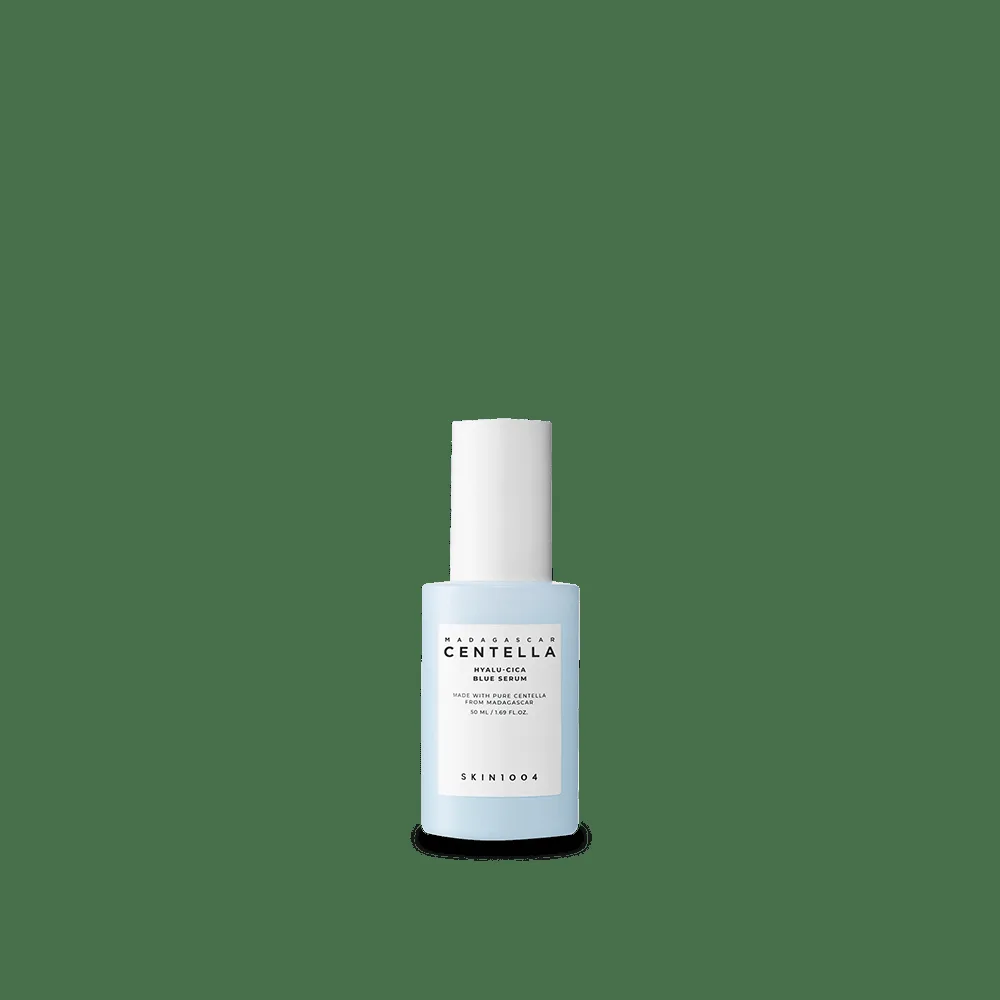
 Hyalu-Cica Blue Serum
A quietly excellent budget serum that stacks Centella asiatica leaf water, five types of hyaluronic acid, niacinamide, ceramide NP, and adenosine into a fragrance-free under-$20 bottle. It is genuinely one of the best hydration-plus-soothing serums at any price, and the fact that it costs less than a salad in Manhattan is the point.
 Sensitive Skin First-Line Defense
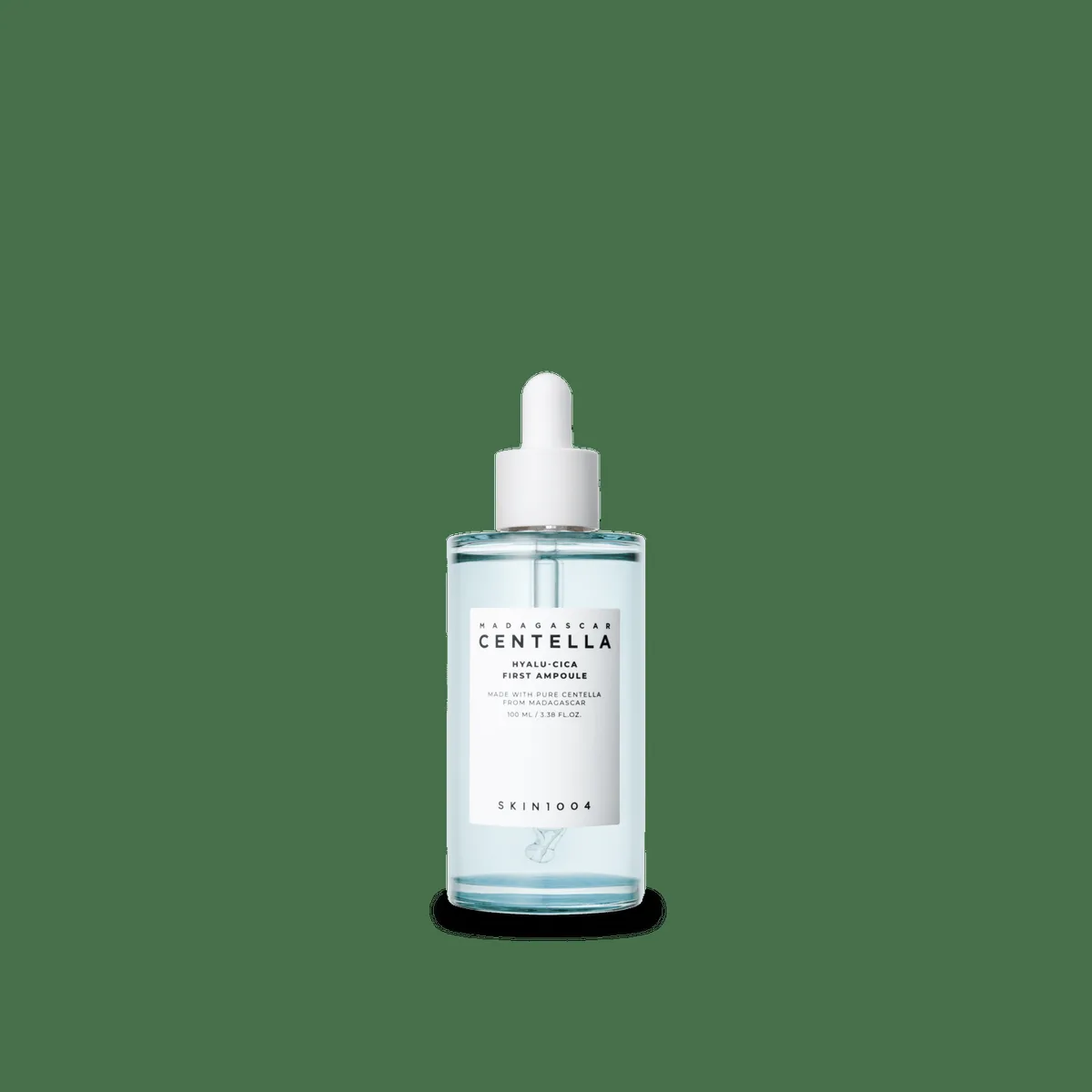
 Hyalu-Cica First Ampoule
A 92% Centella asiatica extract ampoule paired with niacinamide and a multi-weight HA complex, fragrance-free and purpose-built for sensitive, compromised, and reactive skin. At $25 for 100ml, it is one of the most justifiable skincare purchases a budget-conscious buyer can make, and it earns a place in almost any routine that needs a soothing anchor.
 Sensitive Skin MVP
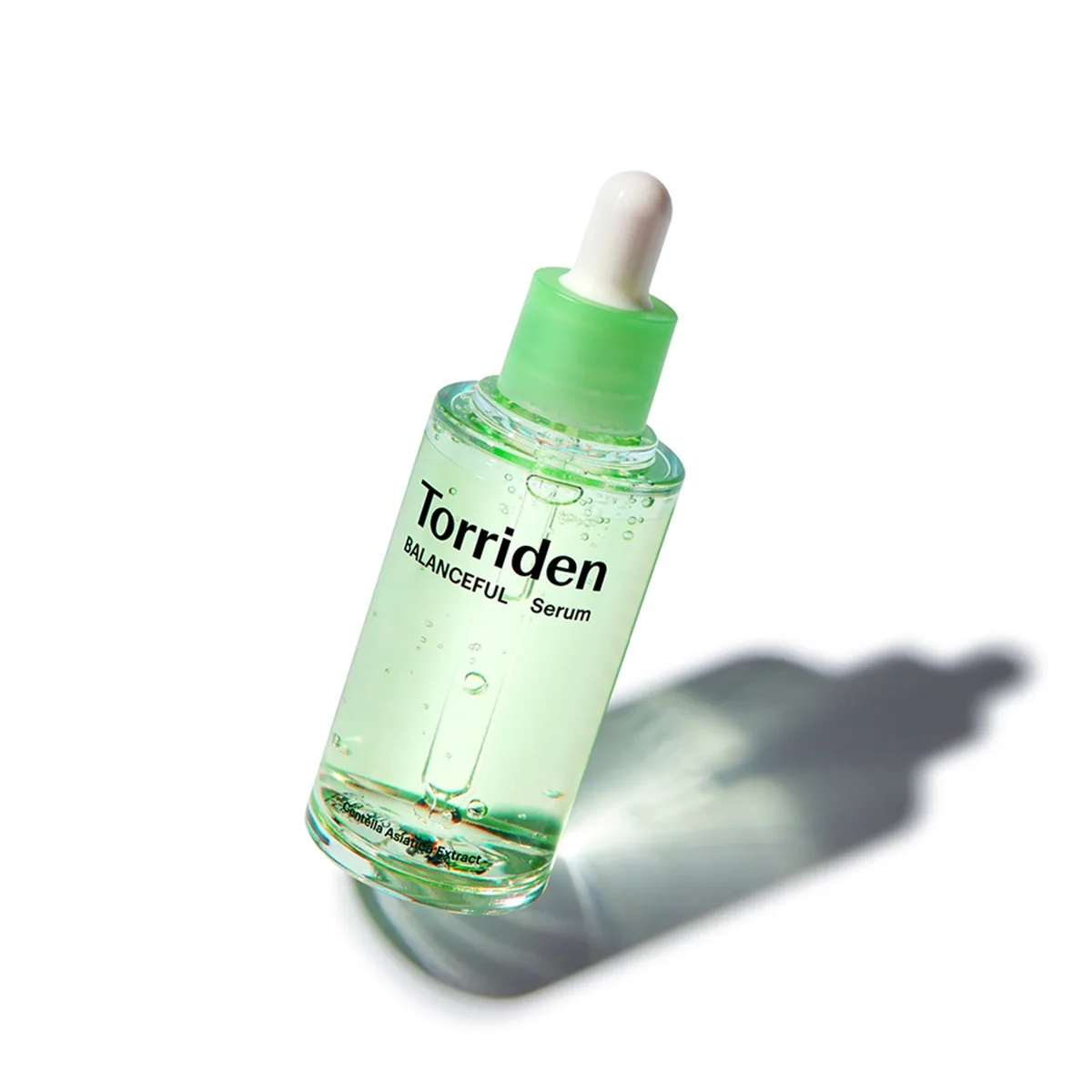
 Balanceful Cica Serum
Torriden's Balanceful Cica Serum is one of the most recommendable calming serums in K-beauty — a genuinely fragrance-free, multi-weight hyaluronic acid and 5D cica complex treatment that quietly reduces redness, supports the barrier, and buffers other actives without drama. At under $25 it's a near-automatic pick for sensitive, rosacea-prone, and barrier-compromised skin.