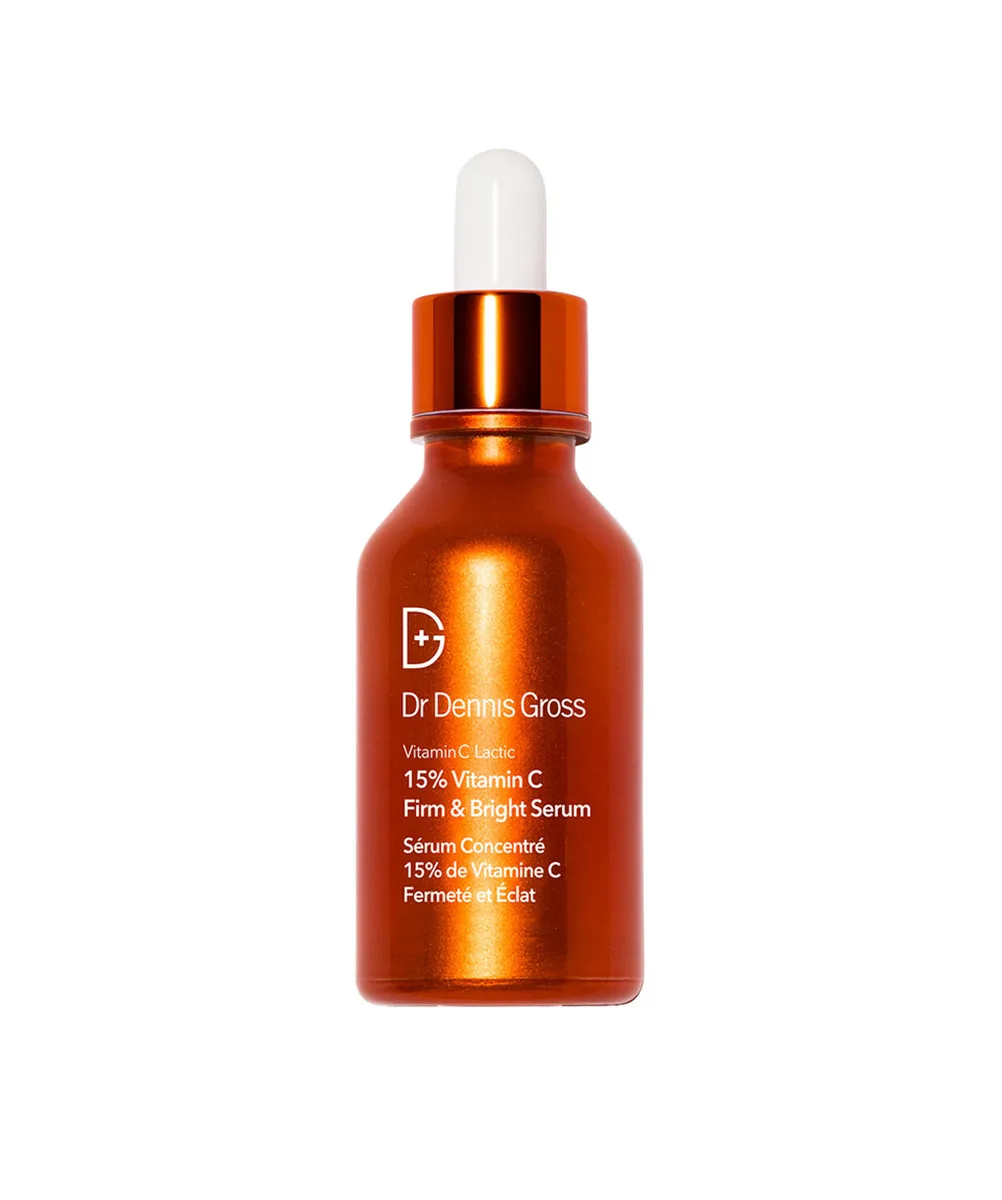
A 15% L-ascorbic acid serum with classic C+E+F stability architecture upgraded by a meaningful lactic acid penetration enhancer and a licorice-mulberry brightening pair. It's the best serum Dr. Dennis Gross has ever made in the vitamin C category and a legitimate alternative to the Skinceuticals gold standard for users who want more brightening mechanisms in one bottle.
Vitamin C Lactic 15% Firm & Bright Serum
A 15% L-ascorbic acid serum with classic C+E+F stability architecture upgraded by a meaningful lactic acid penetration enhancer and a licorice-mulberry brightening pair. It's the best serum Dr. Dennis Gross has ever made in the vitamin C category and a legitimate alternative to the Skinceuticals gold standard for users who want more brightening mechanisms in one bottle.
Score Breakdown
A genuinely strong 15% L-ascorbic serum with a classic C+E+F stability architecture plus a smart lactic and glycolic penetration-enhancer layer. Value takes a hit at $87 for 1 oz, and the low pH combined with multiple acids pushes sensitive skin into the 'not ideal' column.
Data Confidence: high
Launched in 2022, this serum has thousands of cumulative Sephora, Dermstore, and Amazon reviews and ongoing beauty press coverage, providing a solid basis for scoring.
0/100
Overall Score
Ingredient Quality 0
Value for Money 0
Suitability Breadth 0
Irritation Risk (↑ = safer) 0
Assessment
Pros
- 15% L-ascorbic acid at clinical therapeutic concentration
- Complete C+E+F stability architecture with tocopherol and ferulic acid
- Lactic acid penetration enhancer boosts vitamin C delivery
- Licorice and mulberry add independent brightening pathways
- Clean, functional ingredient deck with no fragrance or filler
- Fast absorption layers cleanly under SPF and other AM products
Cons
- Low pH plus multiple acids unsuitable for sensitive or reactive skin
- Pure L-ascorbic acid oxidizes within six months once opened
- Expensive at $87 for 1 oz with no larger size option
- Can cause transient tingling for new users or during acid acclimation
Full Review
For more than a decade, the vitamin C serum conversation has been dominated by a single template: 15% L-ascorbic acid, 1% vitamin E, 0.5% ferulic acid, pH around 3.5. Skinceuticals CE Ferulic wrote that template in 2005 and the rest of the prestige category has been iterating on it ever since. Most of those iterations are minor — a different glycerin level here, a slightly different preservative there — because the original formulation is genuinely good and there's not much room to improve on the core chemistry without breaking stability. The Vitamin C Lactic 15% Firm & Bright Serum is the first product in recent memory to make a real architectural change, and the change is lactic acid.
Lactic acid at this level is almost never paired with pure L-ascorbic acid in prestige formulas, and the reason is mostly paranoia. Formulators worry that adding another acid to an already low-pH ascorbic system will cause stability issues, complicate preservation, or push the formula into sting territory. Dr. Gross, whose brand has spent 25 years working on lactic-acid-based peel pads, was never going to be that paranoid. Here he pairs the 15% ascorbic with a meaningful lactic acid dose because he understands — from his own clinical work — that lactic acid acts as a gentle corneocyte desquamator that improves ascorbic penetration, not as a destabilizer. The result is a serum that delivers the classic C+E+F benefits plus a measurable surface polish that the original template can't match.
Open the bottle and the difference is immediately visible in the INCI list. Ascorbic acid at position three, up front. Dimethyl isosorbide as a penetration enhancer. Aminomethyl propanol as a pH buffer. Lactic acid at position seven — higher than you'd see in almost any other vitamin C product. Tocopherol, licorice root, ferulic acid, mulberry fruit, sodium hyaluronate, glycolic acid, adenosine, glycerin, and phenoxyethanol finish the formula. That's a remarkably clean, functional list with no filler and no marketing botanicals — one of the cleanest stripped-back ingredient decks in the category.
The first application is where the 15% ascorbic acid reminds you it's there. A brief, warm tingle lasts maybe 30 seconds, then fades. If you've used Skinceuticals CE Ferulic, the feel is nearly identical, maybe very slightly more active because of the lactic. The serum absorbs fast, leaves no tackiness, and layers cleanly under any moisturizer or sunscreen. Within the first week, most users see the subtle ascorbic glow — that specific morning brightness that's hard to describe until you've experienced it — and the lactic polish is most visible around week two, when surface texture starts looking refined without any dedicated exfoliant step.
The real interest starts around week four, when the pigment work shows up. L-ascorbic acid inhibits tyrosinase and interrupts melanogenesis; licorice root's glabridin adds a parallel tyrosinase-inhibiting mechanism; mulberry fruit extract contributes a third brightening pathway. Stacked together, these three produce faster and more visible fading of sunspots and post-acne marks than ascorbic acid alone. Users reporting on this serum consistently mention that stubborn pigment that plateau-ed under Skinceuticals starts moving again after a month or so on this formula, and the reason is almost certainly the combined-pathway approach.
Where the serum meets its honest limits is the same place every 15% ascorbic formula does. The shelf life is short — once opened, pure L-ascorbic acid oxidizes within six months even in amber glass, and any serum that goes from pale straw to amber-brown has lost significant potency. The low pH combined with multiple acids makes it unsuitable for sensitive, rosacea-prone, or barrier-compromised skin; this is a well-engineered but still fundamentally aggressive formula. And the price — $87 for 1 oz, no larger size — is a real hit. Skinceuticals CE Ferulic runs similar money with more established clinical backing; this serum is competing on formulation innovation rather than on price.
Is it worth it? For the right user — tolerant combination or oily skin, photo-damaged with mild to moderate hyperpigmentation, willing to commit to morning use alongside SPF and to finish a bottle within six months — it's probably the best 15% L-ascorbic acid serum Dr. Dennis Gross has ever released, and a legitimate alternative to the gold-standard formulas that have defined the category for 20 years. It's not for beginners, it's not for bargain hunters, and it's not for sensitive skin. For everyone else, it's one of the more interesting vitamin C products in the prestige bracket right now.
Formula
Ingredients
The hero actives that drive this product's performance.
| Ingredient | Function | Evidence |
|---|---|---|
| L-Ascorbic Acid (15%) (15%) | The headline active, sitting at third on the INCI at a declared 15% — the well-studied therapeutic concentration for topical L-ascorbic acid. It drives the brightening and collagen-stimulating work of this serum and is stabilized by tocopherol and ferulic acid in the classic Pinnell-style architecture. | well-established |
| Lactic Acid | Included here meaningfully higher than it would be in a typical vitamin C serum, for two reasons: it gently resurfaces the stratum corneum so the ascorbic acid penetrates better, and it contributes its own mild brightening and hydration benefits. This is the differentiating move Dr. Gross makes on the rest of the prestige vitamin C category. | well-established |
| Tocopherol (Vitamin E) | Regenerates oxidized ascorbic acid and adds its own lipid-soluble antioxidant protection, completing half of the Pinnell-style C+E+F stability architecture that's the gold standard for topical vitamin C formulation. | well-established |
| Ferulic Acid | The other half of the C+E+F architecture, ferulic acid roughly doubles the photostability of the vitamin C and vitamin E system and adds its own antioxidant activity. Without it, a 15% ascorbic serum would oxidize much faster in the bottle. | well-established |
| Licorice Root + Mulberry Fruit Extract | A brightening duo that works via tyrosinase inhibition — a different pathway than vitamin C's melanin suppression — so the three brighteners stack rather than overlap. Particularly helpful for stubborn pigment that vitamin C alone struggles with. | promising |
| Glycolic Acid | A low-dose AHA inclusion that rounds out the surface renewal story. At this position in the INCI it's operating as a polish enhancer rather than a primary exfoliant, reinforcing the 'firm' claim by improving light reflection off smoother skin. | well-established |
Full INCI List · pH 3.5
Water/Aqua/Eau, Dipropylene Glycol, Ascorbic Acid, Dimethyl Isosorbide, Ricinoleth-40, Aminomethyl Propanol, Lactic Acid, Tocopherol, Glycyrrhiza Glabra (Licorice) Root Extract, Ferulic Acid, Morus Alba Fruit Extract, Sodium Hyaluronate, Glycolic Acid, Adenosine, Glycerin, Phenoxyethanol
Product Flags
✓ Fragrance Free✓ Alcohol Free✓ Oil Free✓ Silicone Free✓ Paraben Free✓ Sulfate Free✓ Cruelty Free✓ Vegan✗ Fungal Acne Safe
Potential Irritants
Ascorbic Acid (15%)Lactic AcidGlycolic Acid
Compatibility
Skin Match
Best For
Works For
Not Ideal For
Addresses These Conditions
dullness hyperpigmentation aging sun damage dark spots texture
Use With Caution
rosacea sensitivity compromised skin barrier
Avoid With
Routine Step
serum
Time of Day
AM
Pregnancy Safe
Yes ✓
Layering Tips
Apply to clean dry skin first thing in the morning, before any other serum. Wait 60-90 seconds before moisturizer and SPF. Do not layer additional acid products on the same morning.
Results Timeline
First week: slightly brighter, more polished morning skin. 3-4 weeks: visible fade of mild dullness and post-acne marks. 8-12 weeks: softened sunspots, firmer feel, and more even overall tone from cumulative collagen stimulation.
Pairs Well With
broad-spectrum SPF 50hyaluronic acid serumceramide moisturizerPM retinol
Conflicts With
benzoyl peroxideniacinamide at very high concentrationadditional acid toners
Sample AM Routine
- Gentle cleanser
- Dr. Dennis Gross Skincare Vitamin C Lactic 15% Firm & Bright Serum
- Moisturizer
- SPF 50
Sample PM Routine
- Cleanser
- Retinol treatment
- Moisturizer
Evidence
Science
The Science
The formula's core mechanism rests on decades of published work on topical L-ascorbic acid. Pinnell's foundational studies at Duke established that 15% is the upper limit of useful topical ascorbic acid concentration — higher doesn't increase dermal bioavailability — and that pH must remain below 3.5 for the charged ascorbate molecule to penetrate the stratum corneum. This serum's INCI position, declared concentration, and presence of aminomethyl propanol as a pH buffer align with that framework. Lin and Pinnell's 2005 Journal of Investigative Dermatology paper then showed that adding tocopherol roughly doubles the photoprotective effect of ascorbic acid and that adding ferulic acid doubles it again and significantly improves photostability of the combined system — the 'C+E+F' architecture used here. The innovation in this particular formula is the meaningful lactic acid inclusion. Work by Smith and by Kornhauser et al. documented that lactic acid at polishing concentrations acts as a corneocyte desquamator, reducing stratum corneum thickness in a dose-dependent manner, which improves topical absorption of subsequently applied or co-formulated actives. Combining lactic with ascorbic acid therefore creates a cooperative effect: the lactic enhances delivery while the ascorbic delivers the primary benefit. Finally, the licorice root extract contribution is grounded in glabridin research — Yokota et al. (Pigment Cell Research, 1998) demonstrated glabridin's tyrosinase inhibition and anti-inflammatory activity in human melanocytes — and mulberry fruit extract contains arbutin-related compounds that act on the same enzyme. Stacking three tyrosinase-inhibiting pathways is why this serum reaches deeper pigment results than pure ascorbic formulas alone.
References
- Ferulic acid stabilizes a solution of vitamins C and E and doubles its photoprotection of skin — Journal of Investigative Dermatology (2005)
Dermatologist Perspective
Dermatologists frequently recommend 15% L-ascorbic acid serums for patients with photoaging, hyperpigmentation, or general dullness, and this formulation's inclusion of a lactic acid penetration enhancer aligns with clinical strategies used in professional chemical peels. Board-certified dermatologists note that combining L-ascorbic acid with complementary tyrosinase inhibitors like licorice root extends the brightening ceiling beyond what ascorbic acid achieves alone. This serum is commonly passed over for patients with active rosacea, barrier compromise, or known sensitivity to low-pH formulations, and is suggested for patients who have plateaued on single-mechanism vitamin C products and want a more layered brightening approach.
Guidance
Usage Guide
How to Use
Apply in the morning on cleansed, dry skin as the first step after cleansing. Dispense 3-4 drops, press into the face and neck, and wait 60-90 seconds before layering moisturizer and broad-spectrum SPF 30 or higher. Start every other morning if you're new to 15% ascorbic acid, and progress to daily once your skin acclimates. Do not layer directly under benzoyl peroxide. Store away from sunlight and replace the bottle if the color darkens to amber-brown.
Value Assessment
At $87 for 1 oz, this sits at the upper end of the prestige vitamin C bracket, comparable to Skinceuticals CE Ferulic and more expensive than most mid-range options. The price is defensible given the 15% ascorbic concentration, complete C+E+F architecture, lactic penetration enhancer, and brightening pathway stacking — each contributes real formulation cost. Dr. Dennis Gross's 25-year track record and the serum's clean ingredient deck justify the premium against hype-based alternatives, though the lack of a larger size and the short post-opening shelf life limit the per-use value. For users who will actually finish the bottle within six months, it's a sound purchase; for anyone who forgets vitamin C for weeks at a time, a cheaper stable-derivative formula may offer better real-world value.
Who Should Buy
Adults with normal, combination, or oily skin dealing with photoaging, sunspots, post-acne marks, or general dullness who want a clinical-strength vitamin C serum with more brightening mechanisms than a classic CEF formula.
Who Should Skip
Sensitive, rosacea-prone, or barrier-compromised skin, anyone who struggles with low-pH formulations, and bargain-focused shoppers — competent stable-derivative vitamin C products exist at a fraction of this price.
Ready to try Dr. Dennis Gross Skincare Vitamin C Lactic 15% Firm & Bright Serum?
Details
Details
Texture
Lightweight water serum with a near-invisible finish
Scent
Faintly acidic, no added fragrance
Packaging
Amber glass bottle with dropper applicator
Finish
fast-absorbinglightweightinvisible
What to Expect on First Use
A brief tingle is normal on first use from the combined ascorbic and lactic acids at pH 3.5. The serum absorbs in under a minute with no residue. Expect a slightly brighter morning complexion within the first week; the bigger tone work shows up between weeks four and eight.
How Long It Lasts
Approximately 2 months with daily morning full-face application
Period After Opening
6 months
Best Season
All Year
Certifications
Cruelty-freeVegan
Background
The Why
Introduced in 2022 as the modern replacement for Dr. Gross's original 2016-era C+ Collagen serum. Where the older formula leaned on multiple stable vitamin C derivatives, this one commits to pure L-ascorbic acid at clinical strength and adds lactic acid as the signature differentiator — a move that reflects Dr. Gross's long history with acid-based resurfacing.
About Dr. Dennis Gross Skincare Established Brand (5–20 years)
Dr. Dennis Gross Skincare has 25 years of prestige retail history and a Manhattan-based dermatology practice underpinning its formulations. The Vitamin C Lactic line is the brand's modern answer to its own 2016-era C+ Collagen serum.
Brand founded: 2000 · Product launched: 2022
Myth vs. Reality
Myths
Myth
15% L-ascorbic acid is always too irritating for daily use.
Reality
The irritation of an ascorbic serum depends on pH, base formulation, and adjacent actives. This formula pairs the 15% concentration with tocopherol and ferulic acid stability support, a fairly simple vehicle, and no denatured alcohol. For most normal-to-oily skin it's tolerated daily once acclimated; sensitive skin should start every other day.
FAQ
FAQ
How is this different from Skinceuticals CE Ferulic?
Both use 15% L-ascorbic acid with vitamin E and ferulic acid for stability. The Dr. Gross version adds lactic acid and low-dose glycolic for extra surface polish, plus licorice and mulberry for additional brightening pathways. CE Ferulic is the gold standard for a reason, but this serum has more brightening mechanisms in the bottle.
How is it different from the older C+ Collagen serum?
The C+ Collagen uses three derivative vitamin C forms in a water-gel base. This one commits to pure L-ascorbic acid at 15% and centers the lactic acid penetration enhancer. If you want maximum vitamin C potency, this is the stronger choice. If you want a gentler, multi-derivative approach, the older C+ Collagen is still the better fit.
Can I use it at night?
You can, but morning is where it delivers the most benefit. Vitamin C compounds with daytime SPF to give better photoprotection than sunscreen alone, so that's the routine slot it was designed for.
Is this pregnancy safe?
Yes. L-ascorbic acid, lactic acid, ferulic acid, vitamin E, and the botanical extracts are all considered safe during pregnancy and breastfeeding.
Why does it tingle?
The tingle is from the combined vitamin C, lactic, and glycolic acids at approximately pH 3.5. It should subside within a minute and diminish with consistent use. If it persists or causes stinging, use every other day until your skin acclimates.
How should I store it?
In a cool, dark place away from direct sunlight. Once opened, use within six months for best potency. A slight darkening from pale straw to amber is normal; a brown-orange color means significant oxidation has occurred.
Community
Community
Common Praise
"Visible glow within the first few applications"
"Fades post-acne marks faster than previous vitamin C products"
"Lightweight feel layers cleanly under SPF"
Common Complaints
"Tingles on first application for some users"
"Short shelf life once opened due to pure ascorbic acid"
"Expensive compared to The Ordinary or Skinceuticals dupes"
Notable Endorsements
Sephora bestseller in the vitamin C categoryAllure Beauty Award consideration
Appears In
best 15 percent vitamin c serum best vitamin c serum for aging best vitamin c for dark spots best ferulic acid serum
Related Conditions
dullness hyperpigmentation aging sun damage dark spots
Related Ingredients
vitamin c vitamin e ferulic acid lactic acid licorice root glycolic acid
You Might Also Like
 Sensitive Skin Soother
 Polyphenols In Propolis 15% Ampoule
A 15% propolis ampoule that earns its name with a real polyphenol stack — French Auvergne propolis layered over a houttuynia cordata base, with tulsi and pomegranate piling on. It's slightly sticky and not cheap by volume, but for sensitive, breakout-prone skin chasing calm, this is one of the most reliable K-beauty soothers in production.
 Budget Brightening Hero
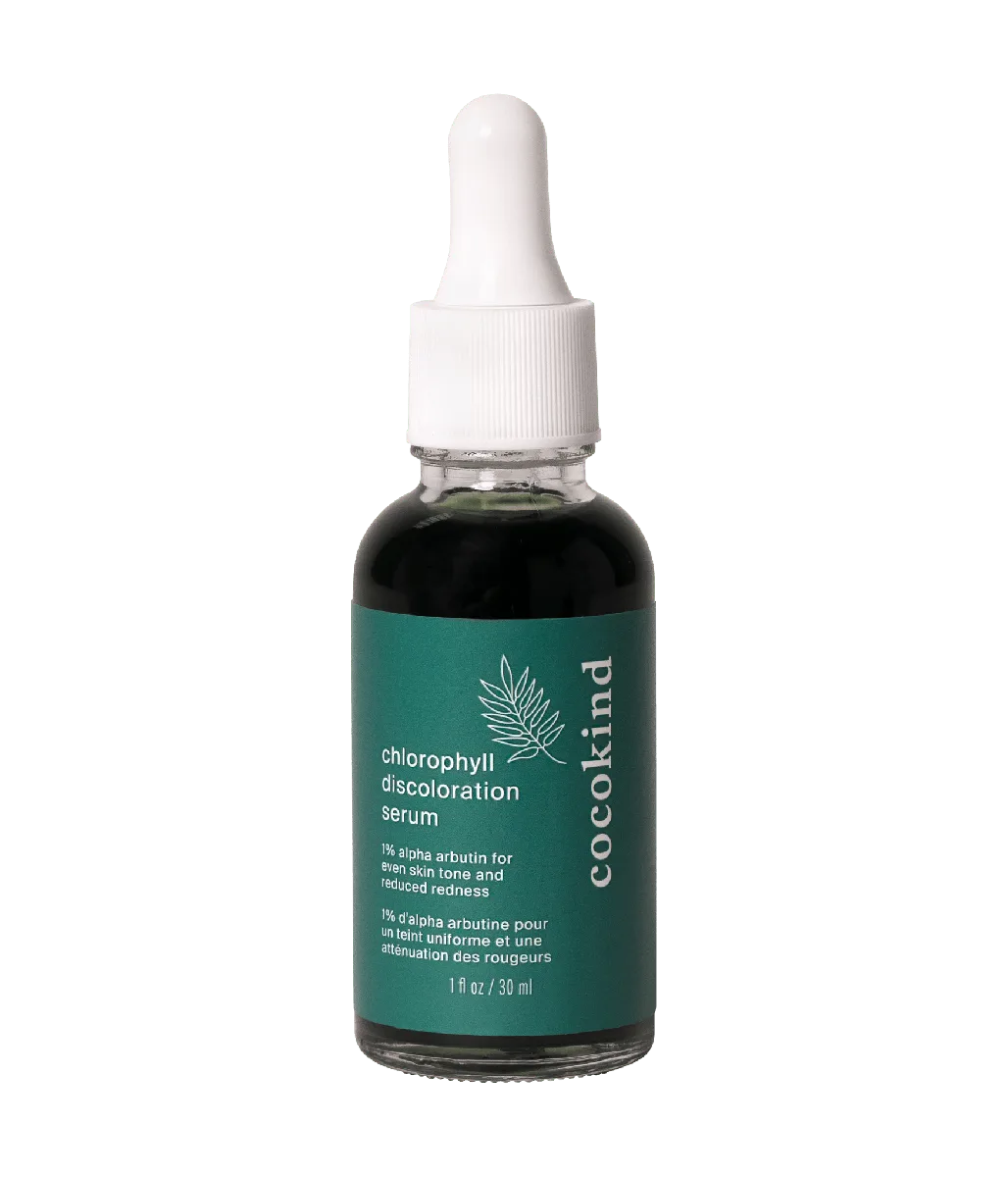
 Chlorophyll Discoloration Serum
A quietly brilliant brightening serum that proves you do not need luxury prices or harsh actives to fade dark spots effectively. The alpha-arbutin and licorice root combination delivers genuine multi-pathway melanin inhibition, the sensitive-skin-friendly formula is impeccable, and $20 makes it accessible to virtually everyone. The chlorophyllin is more marketing differentiator than scientific powerhouse, but it does not hurt anything either.
 The People's HA Serum
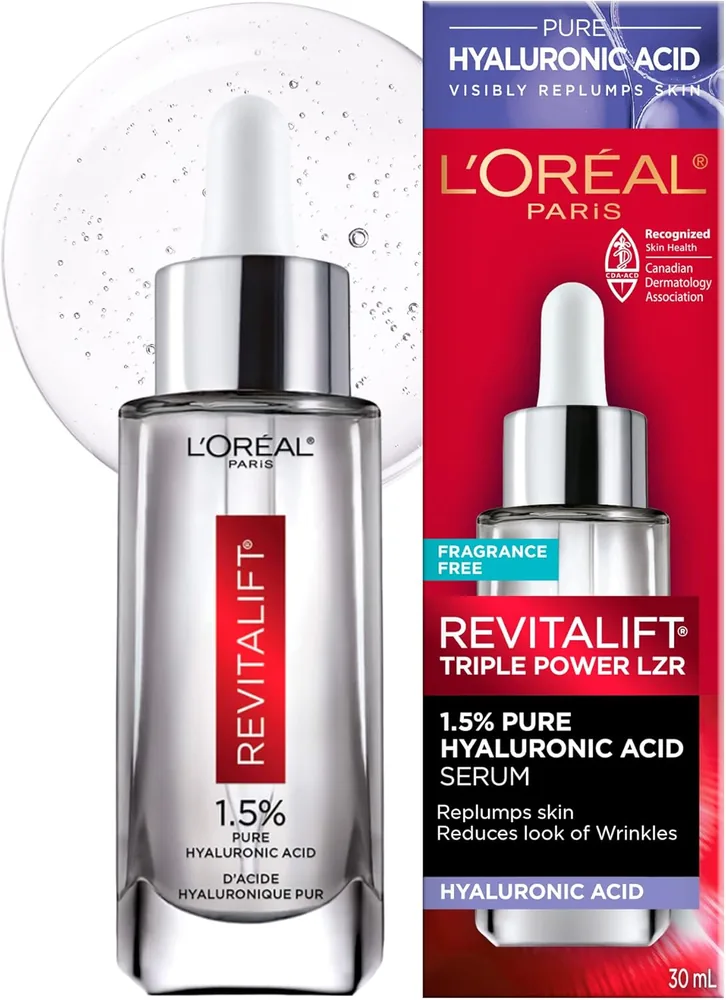
 Revitalift Derm Intensives 1.5% Pure Hyaluronic Acid Serum
A masterclass in minimalist formulation — thirteen ingredients, no filler, four functional actives, and over thirty thousand glowing reviews. L'Oréal's multi-weight HA system delivers genuine hydration at every level of the skin, and the fragrance-free, alcohol-free formula is clean enough for virtually anyone. The drugstore serum that embarrasses its prestige competitors.
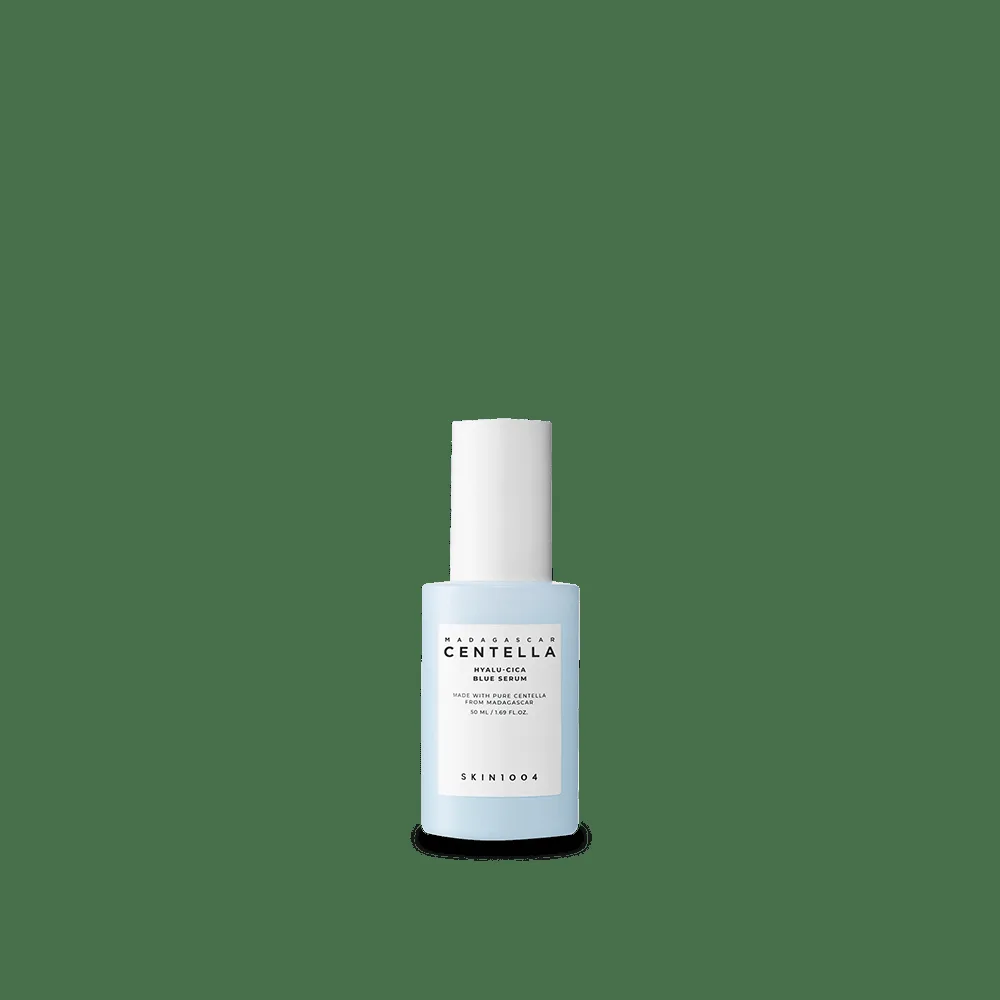 Budget Hydration Holy Grail
 Hyalu-Cica Blue Serum
A quietly excellent budget serum that stacks Centella asiatica leaf water, five types of hyaluronic acid, niacinamide, ceramide NP, and adenosine into a fragrance-free under-$20 bottle. It is genuinely one of the best hydration-plus-soothing serums at any price, and the fact that it costs less than a salad in Manhattan is the point.
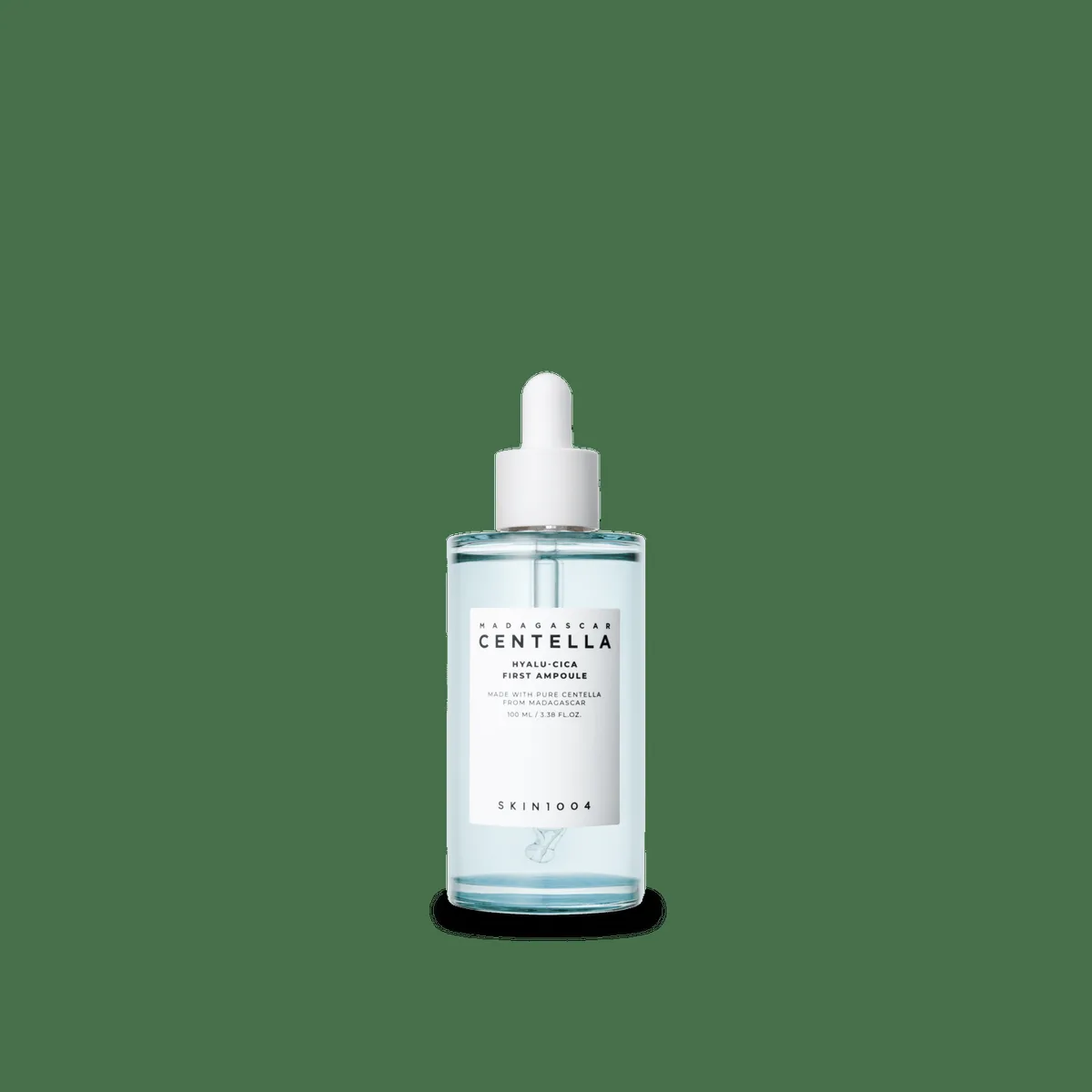 Sensitive Skin First-Line Defense
 Hyalu-Cica First Ampoule
A 92% Centella asiatica extract ampoule paired with niacinamide and a multi-weight HA complex, fragrance-free and purpose-built for sensitive, compromised, and reactive skin. At $25 for 100ml, it is one of the most justifiable skincare purchases a budget-conscious buyer can make, and it earns a place in almost any routine that needs a soothing anchor.
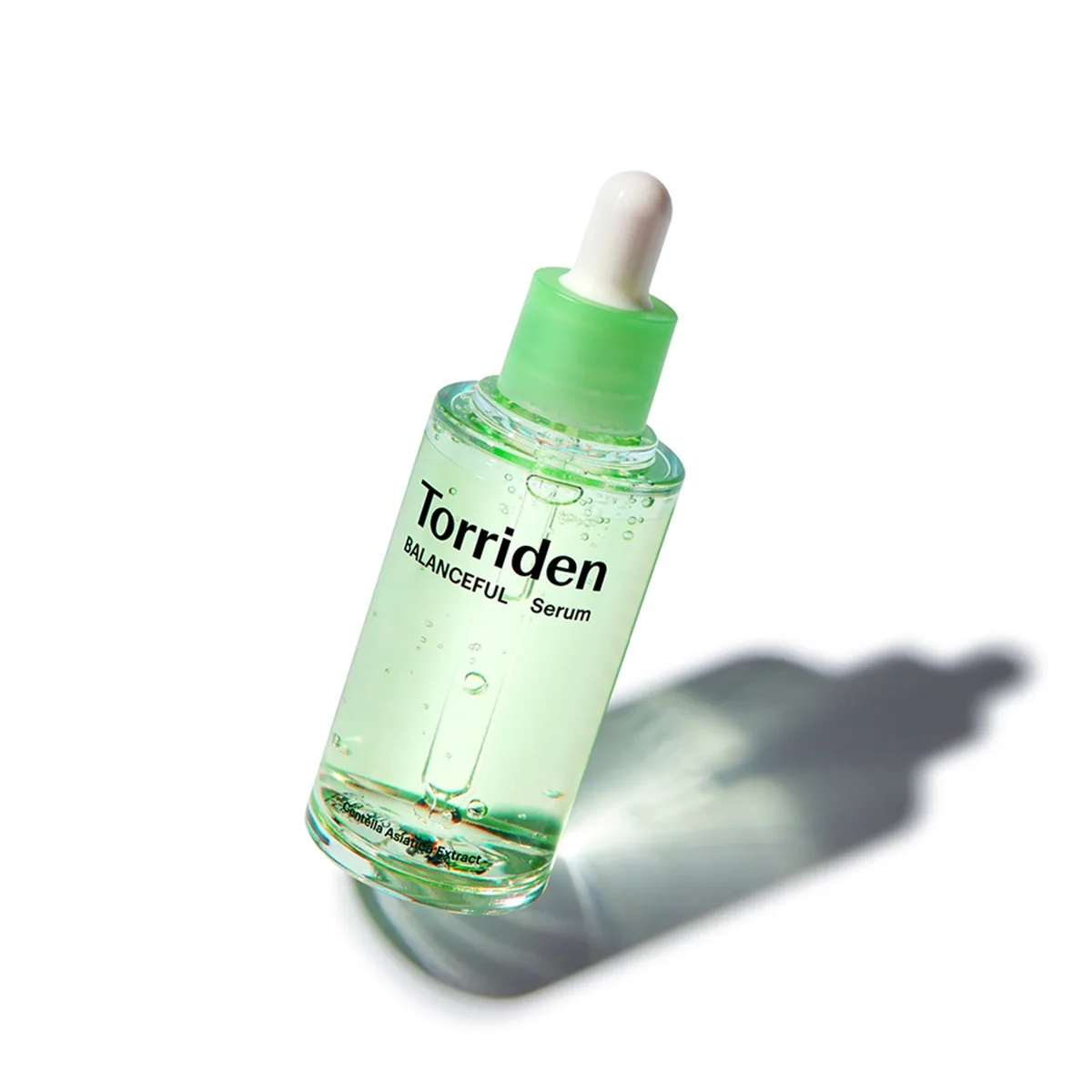 Sensitive Skin MVP
 Balanceful Cica Serum
Torriden's Balanceful Cica Serum is one of the most recommendable calming serums in K-beauty — a genuinely fragrance-free, multi-weight hyaluronic acid and 5D cica complex treatment that quietly reduces redness, supports the barrier, and buffers other actives without drama. At under $25 it's a near-automatic pick for sensitive, rosacea-prone, and barrier-compromised skin.