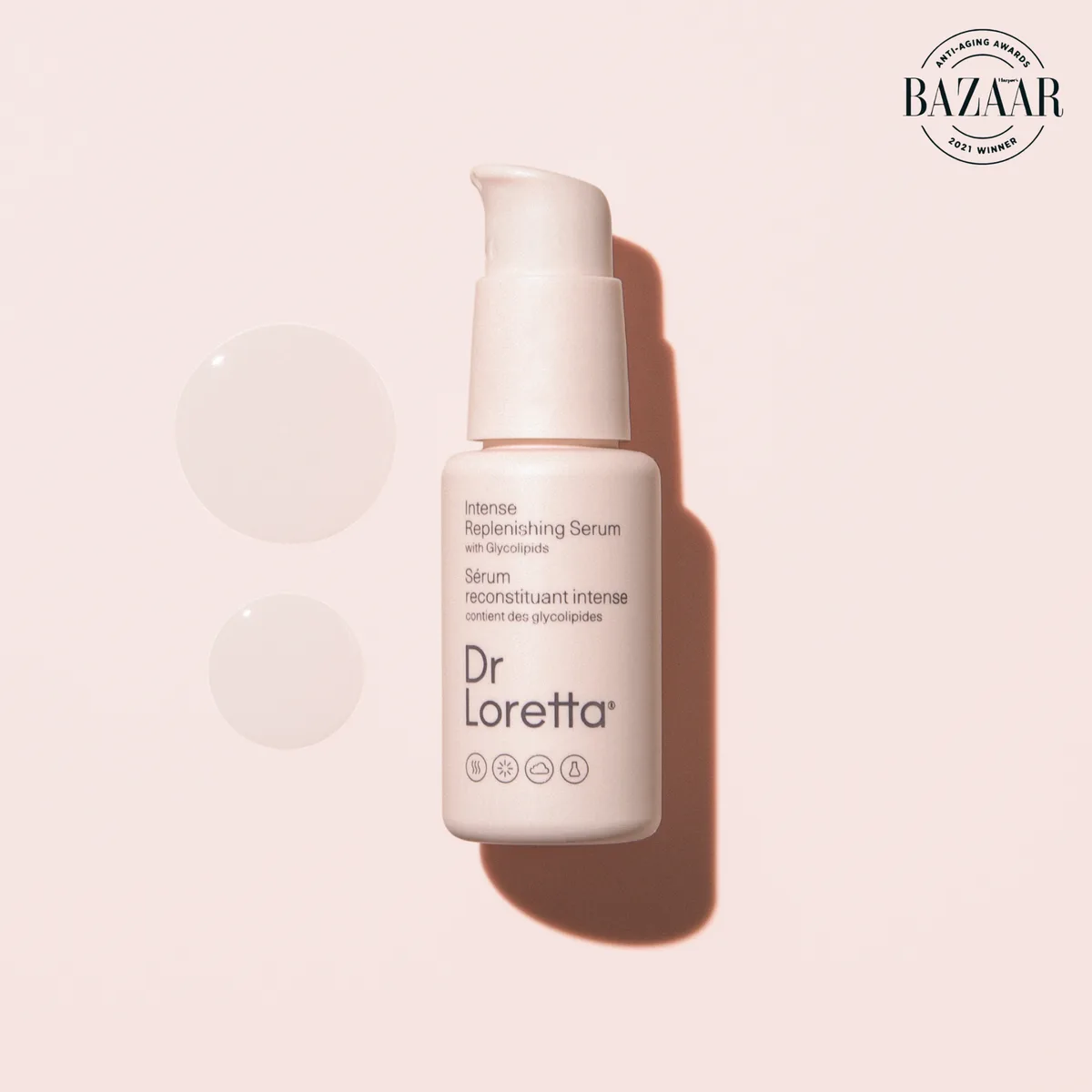
A genuinely unusual barrier repair serum that bypasses the standard ceramide playbook in favor of a glycolipid and fatty acid blend, stabilized by one of the more potent synthetic antioxidants in cosmetic use. Expensive and not fungal-acne safe, but for dry, flaking, over-exfoliated skin it's one of the few serums that produces visible results in a week.
Intense Replenishing Serum
A genuinely unusual barrier repair serum that bypasses the standard ceramide playbook in favor of a glycolipid and fatty acid blend, stabilized by one of the more potent synthetic antioxidants in cosmetic use. Expensive and not fungal-acne safe, but for dry, flaking, over-exfoliated skin it's one of the few serums that produces visible results in a week.
Score Breakdown
Where this product gains points and where it loses them — broken down across the four scoring pillars.
A genuinely differentiated lipid-repair serum with a strong antioxidant stabilization system. Expensive but one of the more effective picks for compromised-barrier skin.
Pros & Cons
- ✓Fatty acid and glycolipid approach addresses barrier problems ceramide creams miss
- ✓Strong multi-layer antioxidant system protects the lipid blend from oxidation
- ✓Silicone-lipid texture absorbs fast and layers cleanly under SPF and makeup
- ✓Visibly reduces flaking and tightness within 7-10 days on most compromised barriers
- ✓Excellent retinol partner that buffers dryness without undoing the retinol
- ✓Fragrance-free and free of known common allergens
- ✗Expensive at $75 for 30 ml
- ✗Not fungal-acne safe due to glyceryl esters
- ✗Heavy silicone finish is polarizing for some users
- ✗Not suitable for oily, sebum-heavy skin that doesn't have a lipid deficit
- ✗30 ml bottle empties in 2-3 months with twice-daily use
Full Review
Most of the barrier repair conversation in skincare revolves around ceramides. That's for good reason — ceramides are one of the three major lipid classes in the skin's intercellular matrix and they've been extensively validated by decades of research. But ceramides aren't the only lipid that matters. The healthy barrier is built from ceramides, cholesterol, and free fatty acids in roughly equal measure, and if your barrier problem is a fatty acid deficit rather than a ceramide deficit, a ceramide cream isn't going to solve it the way you expected. This is the exact gap the Intense Replenishing Serum was built to fill, and once you know that, the ingredient list reads like a straightforward clinical thesis statement.
The upper half of the formula is dominated by a blend of glyceryl linoleate, glyceryl oleate, glyceryl palmitate, glyceryl linolenate, glycolipids, and soybean oil — collectively, a supply of the specific fatty acids and esterified lipids that make up the intercellular matrix on the non-ceramide side. These aren't sitting on top of the skin the way a heavy facial oil would. Lecithin phospholipids and the silicone carrier system help them distribute into the upper epidermis, where they integrate with the existing lipid structure and functionally replace what's been stripped out by age, over-exfoliation, or sun damage. The effect is more like a transplant than a coating. That's why dry, flaking, chronically tight skin often responds to this serum within a week or two when heavier creams hadn't been making progress — you're giving the skin something different, not just more of the same.
The second detail worth knowing is the antioxidant system. The formula includes dimethylmethoxy chromanol, marketed under the trade name Lipochroman, which is a synthetic chromanol with free radical scavenging capacity significantly higher than tocopherol in head-to-head comparisons. Pairing that with traditional vitamin E and the palmitate-bound form of the same chromanol gives the serum a multi-layer antioxidant stabilization system that protects the fatty acid components from oxidation both in the bottle and on the skin. This isn't a trivial addition — unstabilized lipid blends in a silicone base can go rancid in months, and the fact that this product has been on the market for nearly a decade with no reformulation complaints points to the antioxidant system doing its job.
The texture is where the formula surprises first-time users. Given the ingredient list, you'd expect something heavy, greasy, or slow-absorbing. It's the opposite — the cyclopentasiloxane and dimethiconol base gives the serum a silky, almost watery slip that disappears into the skin within a minute, leaving a velvety soft finish that layers cleanly under sunscreen or makeup. Many users end up treating it as a lightweight all-in-one step, skipping their usual moisturizer entirely and finding that their skin is actually more comfortable for it. In dry climates you'll still want a moisturizer over the top, but in humid environments this can be your only leave-on.
The limitations are focused. It is not fungal-acne safe — the glyceryl esters can feed Malassezia, so if you're managing folliculitis, this is not the serum for you. The silicone-heavy finish is polarizing; a minority of users who dislike silicones in skincare will find the slip off-putting on first application. It is priced like a treatment serum, at seventy-five dollars for thirty milliliters, and you can assemble a functional barrier repair routine for less money if you're willing to combine a cheap linoleic-rich oil like safflower with a separate antioxidant. What you're paying for here is the integration — the lipid blend is pre-balanced, pre-stabilized, and delivered in a texture that makes the whole thing actually wearable. That's a real engineering accomplishment, not just brand premium, but it is still a premium.
Where this serum earns its keep is the specific patient profile Ciraldo originally designed it for: over-exfoliated skin that won't calm down, aging skin with chronic flakiness that hasn't responded to ceramide creams, post-procedure skin rebuilding after laser or peel work, and retinol users whose barrier needs a buffer that doesn't undo the retinol's job. For those scenarios, this is one of the most targeted serums on the market, and the visible difference within a week of consistent use is unusual enough to make the price feel reasonable. For healthy, balanced skin that doesn't have a lipid deficit, you're overpaying for a problem you don't have.
The bottom line: a specialist tool, not a general-purpose serum, and very good at what it does for the people who actually need it.
Formula
Key Ingredients
The hero actives that drive this product's performance.
| Ingredient | Function | Evidence |
|---|---|---|
| Glycolipids and Glyceryl Linoleate/Oleate/Linolenate | The backbone of this serum — a bioidentical blend of the fatty acid esters and glycolipids that make up the skin's own lipid matrix. Rather than hydrating at the surface, they sink into the upper epidermis and functionally replace lipids lost to aging, over-exfoliation or environmental damage. | well-established |
| Dimethylmethoxy Chromanol | A potent synthetic antioxidant (trade name Lipochroman) with free radical quenching ability significantly higher than vitamin E in comparative studies — a carefully chosen addition that protects the delicate lipid blend from oxidation both in the bottle and on the skin. | promising |
| Tocopherol (Vitamin E) | Works alongside Lipochroman to stabilize the fatty acid components and adds a layer of membrane-level antioxidant support that complements the daytime vitamin C companion in the rest of the Dr. Loretta line. | well-established |
| Lecithin | A phospholipid that acts as a natural emulsifier and a delivery vehicle for the oil-soluble actives in the formula, helping the lipid components distribute evenly across the skin surface in a thin, non-greasy film. | well-established |
| Soybean Oil | Contributes additional linoleic and alpha-linolenic acids to the lipid repair blend, reinforcing the barrier-replenishment thesis alongside the synthetic glyceryl esters near the top of the list. | well-established |
Full INCI List
Cyclopentasiloxane, Ethylhexyl Cocoate, Dimethiconol, Phenoxyethanol, Dimethylmethoxy Chromanyl Palmitate, Glyceryl Linoleate, Glyceryl Oleate, Dimethylmethoxy Chromanol, Tocopheryl Acetate, Glyceryl Palmitate, Glycolipids, Aqua (Water/Eau), Glyceryl Linolenate, Glyceryl Stearate, Lecithin, Tocopherol, Glycine Soja (Soybean) Oil, Caprylyl Glyceryl Ether
Product Flags
✓ Fragrance Free✓ Alcohol Free✗ Oil Free✗ Silicone Free✓ Paraben Free✓ Sulfate Free✓ Cruelty Free✗ Vegan✗ Fungal Acne Safe
Compatibility
Skin Match
Best For
dry normal sensitive combination
Works For
Not Ideal For
Addresses These Conditions
dryness dehydration compromised skin barrier aging sensitivity post procedure winter skin
Use With Caution
Routine Step
serum
Time of Day
AM & PM
Pregnancy Safe
Yes ✓
Layering Tips
Apply after water-based serums and before moisturizer, or use on its own over damp skin if you find cream moisturizers too heavy. Especially effective as a nighttime barrier repair step.
Results Timeline
Immediate softening and reduction in tightness within minutes. Visible flake reduction and improved barrier resilience within 7-10 days. Long-term strengthening of barrier function at 4-8 weeks.
Pairs Well With
hyaluronic-acidvitamin-cretinolceramides
Sample AM Routine
- Gentle cleanser
- Vitamin C serum
- Dr. Loretta Intense Replenishing Serum
- SPF
Sample PM Routine
- Cleanser
- Retinol
- Dr. Loretta Intense Replenishing Serum
- Night cream
Evidence
Science & Expert Perspective
The Science
The clinical case for this serum rests on the model of the stratum corneum as a 'brick and mortar' structure in which corneocytes are embedded in an intercellular lipid matrix composed of ceramides, cholesterol, and free fatty acids in roughly equimolar proportions. Published research has demonstrated that disruption of the free fatty acid component of this matrix — whether from aging, photodamage, detergent exposure, or over-exfoliation — produces measurable increases in transepidermal water loss and a characteristic pattern of dryness that doesn't fully respond to ceramide-only replacement. Linoleic acid in particular is consistently found to be depleted in both aging and acne-prone skin, and topical linoleic acid delivery has been shown to improve barrier parameters in controlled trials. This serum's delivery strategy — glycolipids plus esterified fatty acids in a phospholipid-assisted silicone carrier — is designed to deposit those lipids into the upper epidermis rather than leaving them to sit on the surface as a traditional facial oil would. The antioxidant system is the second layer of the scientific story. Dimethylmethoxy chromanol (Lipochroman) has been reported in manufacturer-sponsored and some independent comparative studies to have free radical scavenging capacity several times that of alpha-tocopherol, with documented stability against oxidative degradation of polyunsaturated fatty acids. Combined with vitamin E and the palmitate-bound chromanol derivative, the serum carries an unusually robust stabilization package for a lipid-heavy formula, which matters both for shelf stability and for in-use efficacy during the hours after application when environmental oxidants would otherwise be attacking the fresh lipid blend. The take-home: this is a scientifically coherent lipid-replacement therapy in a wearable delivery system, not a hydration serum dressed up with oils.
Dermatologist Perspective
Dermatologists frequently recommend lipid replacement therapies for patients with chronically compromised barriers, post-procedure recovery, and cases of over-exfoliation or retinoid dermatitis. Board-certified dermatologists often note that while ceramide-based creams are the most common first-line recommendation, a subset of patients experiences incomplete improvement and benefits from free fatty acid delivery as a complementary mechanism. This serum's approach is consistent with that clinical framework, and the robust antioxidant stabilization system is the kind of formulation detail dermatologists tend to value because it ensures the lipid components remain active rather than oxidizing on the skin. Dermatologists do point out that patients with oily or acne-prone skin without a clear lipid deficit are generally not the ideal candidates for this type of treatment, and that alternative ceramide-dominant formulations are more widely tolerated across skin types.
Guidance
Usage Guide
How to Use
Apply 3-4 drops to clean skin after any water-based serums and before moisturizer. Press gently into the face and neck and allow about a minute to absorb before the next step. Can be used morning and night. For retinol routines, apply retinol first, wait 1-2 minutes, then layer this over top to buffer dryness. In humid climates, many users find this functions as a complete last step and skip a heavier moisturizer. In dry or cold climates, follow with an occlusive cream to seal in the lipid blend. Safe for twice-daily use.
Value Assessment
At $75 for 30 ml, this is priced firmly in the luxury treatment tier. You can assemble a rough functional equivalent from a cheap linoleic-rich oil plus a separate antioxidant serum for a fraction of the cost, but you lose the integration, the stable delivery system, and the wearable silky texture that makes this formula actually usable under makeup and sunscreen. A smaller 10 ml trial size is offered, which is a reasonable way to test the mechanism without committing to the full purchase, and a subscription option provides a modest discount. For the specific barrier-compromised, dry, flaking, post-retinol, or mature-skin audience this product is designed for, the price is defensible. For general dry-skin users without a specific barrier issue, cheaper options do most of the job.
Who Should Buy
People with chronically dry, flaking, or over-exfoliated skin who haven't responded fully to ceramide creams, retinol users needing a barrier buffer, post-procedure recovery cases, and mature skin types with age-related lipid depletion looking for a wearable non-greasy repair serum.
Who Should Skip
Oily and acne-prone skin types without a lipid deficit, fungal-acne sufferers, users who dislike silicone textures, and budget-conscious shoppers who can address most dry-skin concerns with cheaper ceramide creams or facial oils.
Ready to try Dr. Loretta Intense Replenishing Serum?
Details
Details
Texture
Silky clear-to-pale-yellow fluid with a pronounced silicone-lipid slip
Scent
Fragrance-free with a very faint natural oil note
Packaging
Glass dropper bottle
Finish
satinvelvetynon-greasy
What to Expect on First Use
Immediate softening of dry patches and tightness. No tingling or purging. Flaking and roughness noticeably decrease within the first week for most users with compromised barriers.
How Long It Lasts
About 2-3 months with twice-daily use
Period After Opening
12 months
Best Season
All Year
Background
The Why
Created as part of the original 2016 Dr. Loretta launch, this was Ciraldo's answer to the problem of patients whose skin had been over-exfoliated or dried out by decades of sun exposure and needed a lipid replacement therapy rather than a humectant.
About Dr. Loretta Established Brand (5–20 years)
Dr. Loretta was founded in 2016 by Dr. Loretta Ciraldo, a board-certified Miami dermatologist with over forty years of clinical practice. Her line emphasizes environmental damage defense and barrier support.
Brand founded: 2016 · Product launched: 2016
Myth vs. Reality
Myths & Misconceptions
Myth
Barrier repair products must contain ceramides
Reality
Ceramides are one type of skin lipid, but the intercellular matrix also depends on free fatty acids and cholesterol in a roughly 1:1:1 ratio. This serum supplies the fatty acid side of that equation via glycolipids and glyceryl linoleate/oleate/linolenate — a different but valid mechanism.
Myth
Oil-containing serums clog pores
Reality
Linoleic-rich fatty acids like those in this formula are associated with less acne, not more — research has linked low linoleic acid in sebum to acne-prone skin. That said, silicones and esters here mean it isn't suitable for fungal-acne sufferers.
FAQ
Frequently Asked Questions
Is this serum a moisturizer replacement?
For some people, yes. If your main issue is barrier dysfunction and lipid loss rather than water loss, this serum can function as a standalone treatment that bypasses the need for a heavy occlusive cream. Dry climates may still require a sealing moisturizer on top.
Can I use it with retinol?
Yes — it's a near-ideal retinol partner. Apply retinol first, let it absorb for a minute, then layer this over top. The lipid blend specifically helps buffer retinol's characteristic dryness and flaking.
Does it feel greasy?
No. The cyclopentasiloxane and dimethiconol base gives it a silky, fast-absorbing texture despite the high oil content. It settles into a soft velvet finish within a minute or two.
Is it fungal-acne safe?
No — the glyceryl esters may feed Malassezia. If you're managing fungal acne, look for a ceramide-forward alternative instead.
Can I use it in the morning under makeup?
Yes, and many users prefer it to a traditional primer because the lipid-silicone finish smooths fine lines and creates a soft base for foundation. Wait a minute or two before applying SPF.
How is this different from a facial oil?
Facial oils are typically triglyceride-heavy and sit on the surface. This serum breaks down those triglycerides into specific free fatty acid esters and glycolipids that penetrate and integrate into the skin's own barrier, which is a functionally distinct mechanism.
Community
Community Voices
Common Praise
"Dramatic reduction in flaking"
"Non-greasy despite oil content"
"Soothes after retinol"
"Lasts on dry skin"
Common Complaints
"Expensive for 30 ml"
"Silicone finish isn't for everyone"
"Not oil-free"
Notable Endorsements
Dr. Loretta Ciraldo
Appears In
best barrier repair serum best serum for dry flaky skin best retinol partner serum best lipid repair serum
Related Conditions
dryness compromised skin barrier aging post procedure winter skin
Related Ingredients
skin lipids vitamin e lecithin soybean oil dimethylmethoxy chromanol
You Might Also Like
 Sensitive Skin Soother
 Polyphenols In Propolis 15% Ampoule
A 15% propolis ampoule that earns its name with a real polyphenol stack — French Auvergne propolis layered over a houttuynia cordata base, with tulsi and pomegranate piling on. It's slightly sticky and not cheap by volume, but for sensitive, breakout-prone skin chasing calm, this is one of the most reliable K-beauty soothers in production.
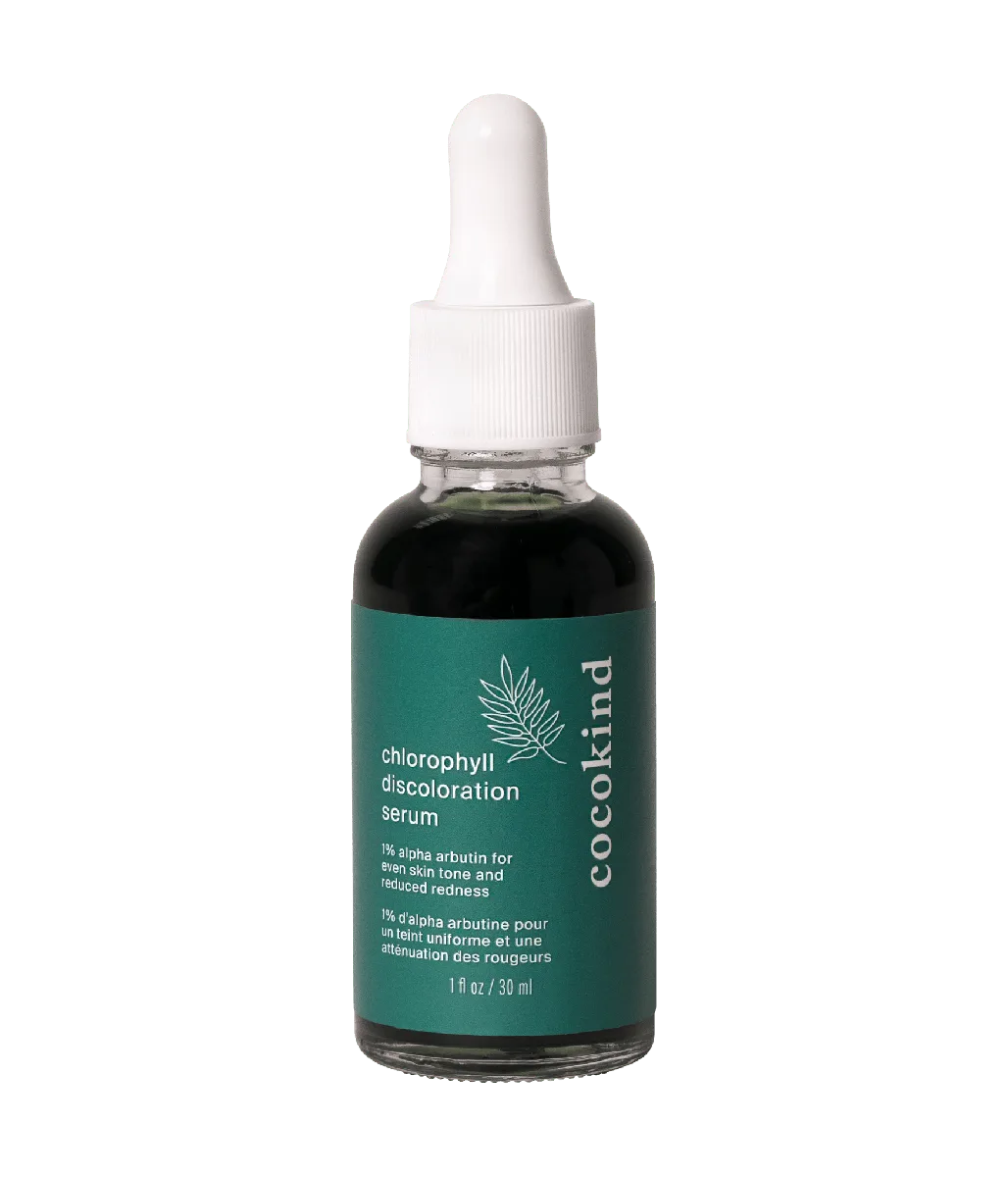 Budget Brightening Hero
 Chlorophyll Discoloration Serum
A quietly brilliant brightening serum that proves you do not need luxury prices or harsh actives to fade dark spots effectively. The alpha-arbutin and licorice root combination delivers genuine multi-pathway melanin inhibition, the sensitive-skin-friendly formula is impeccable, and $20 makes it accessible to virtually everyone. The chlorophyllin is more marketing differentiator than scientific powerhouse, but it does not hurt anything either.
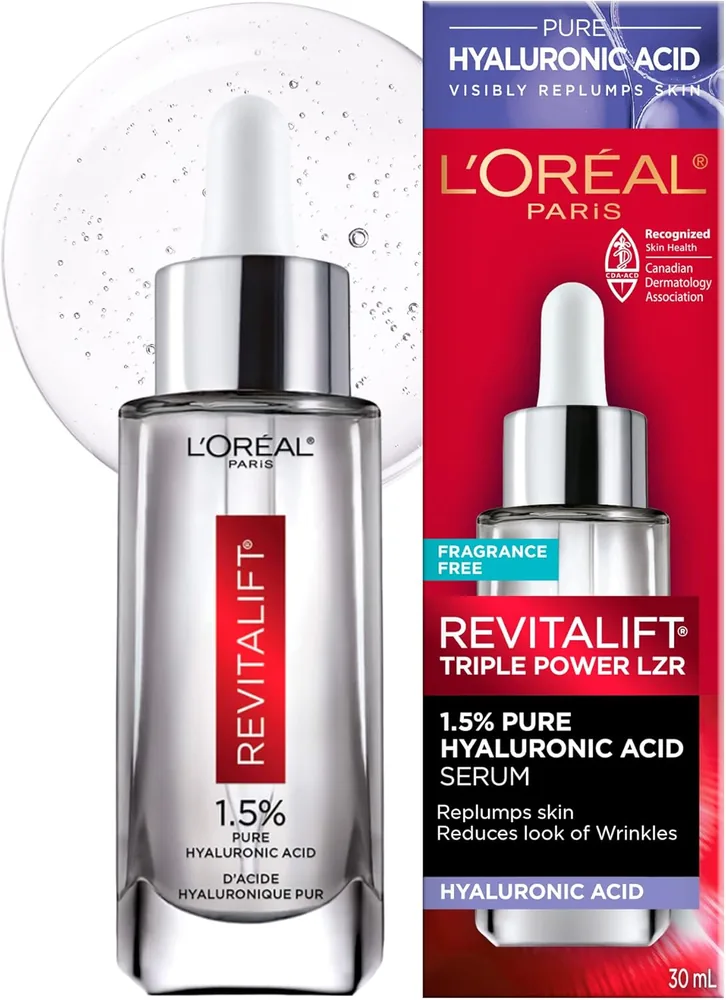 The People's HA Serum
 Revitalift Derm Intensives 1.5% Pure Hyaluronic Acid Serum
A masterclass in minimalist formulation — thirteen ingredients, no filler, four functional actives, and over thirty thousand glowing reviews. L'Oréal's multi-weight HA system delivers genuine hydration at every level of the skin, and the fragrance-free, alcohol-free formula is clean enough for virtually anyone. The drugstore serum that embarrasses its prestige competitors.
 Budget Hydration Holy Grail
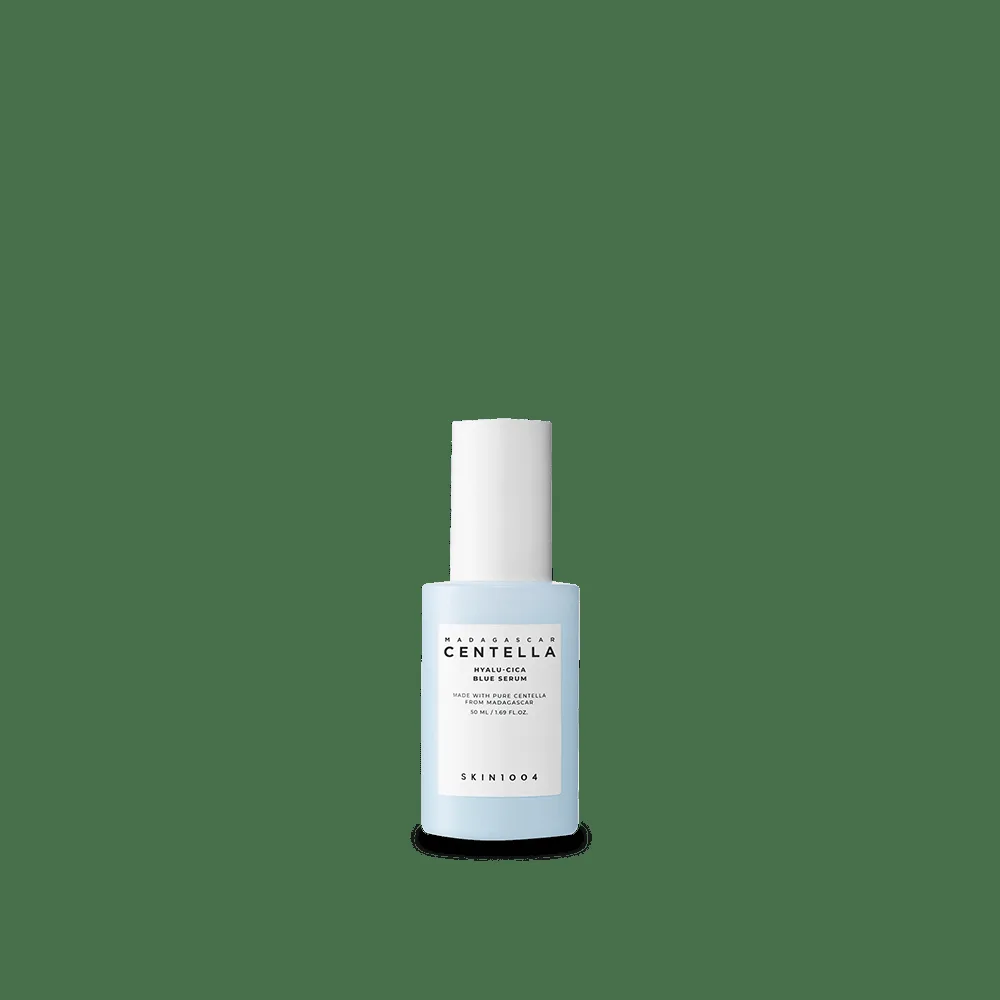
 Hyalu-Cica Blue Serum
A quietly excellent budget serum that stacks Centella asiatica leaf water, five types of hyaluronic acid, niacinamide, ceramide NP, and adenosine into a fragrance-free under-$20 bottle. It is genuinely one of the best hydration-plus-soothing serums at any price, and the fact that it costs less than a salad in Manhattan is the point.
 Sensitive Skin First-Line Defense
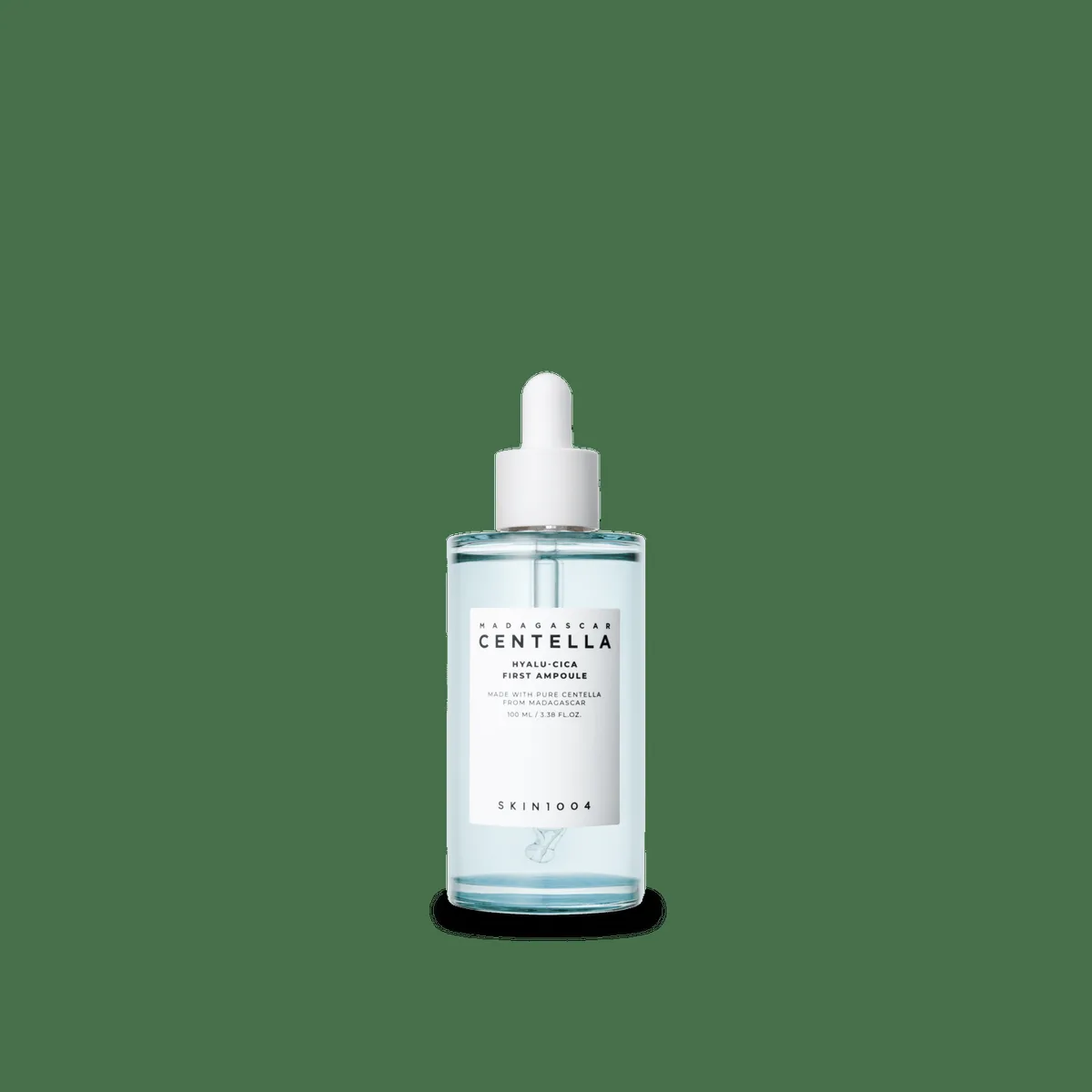
 Hyalu-Cica First Ampoule
A 92% Centella asiatica extract ampoule paired with niacinamide and a multi-weight HA complex, fragrance-free and purpose-built for sensitive, compromised, and reactive skin. At $25 for 100ml, it is one of the most justifiable skincare purchases a budget-conscious buyer can make, and it earns a place in almost any routine that needs a soothing anchor.
 Sensitive Skin MVP
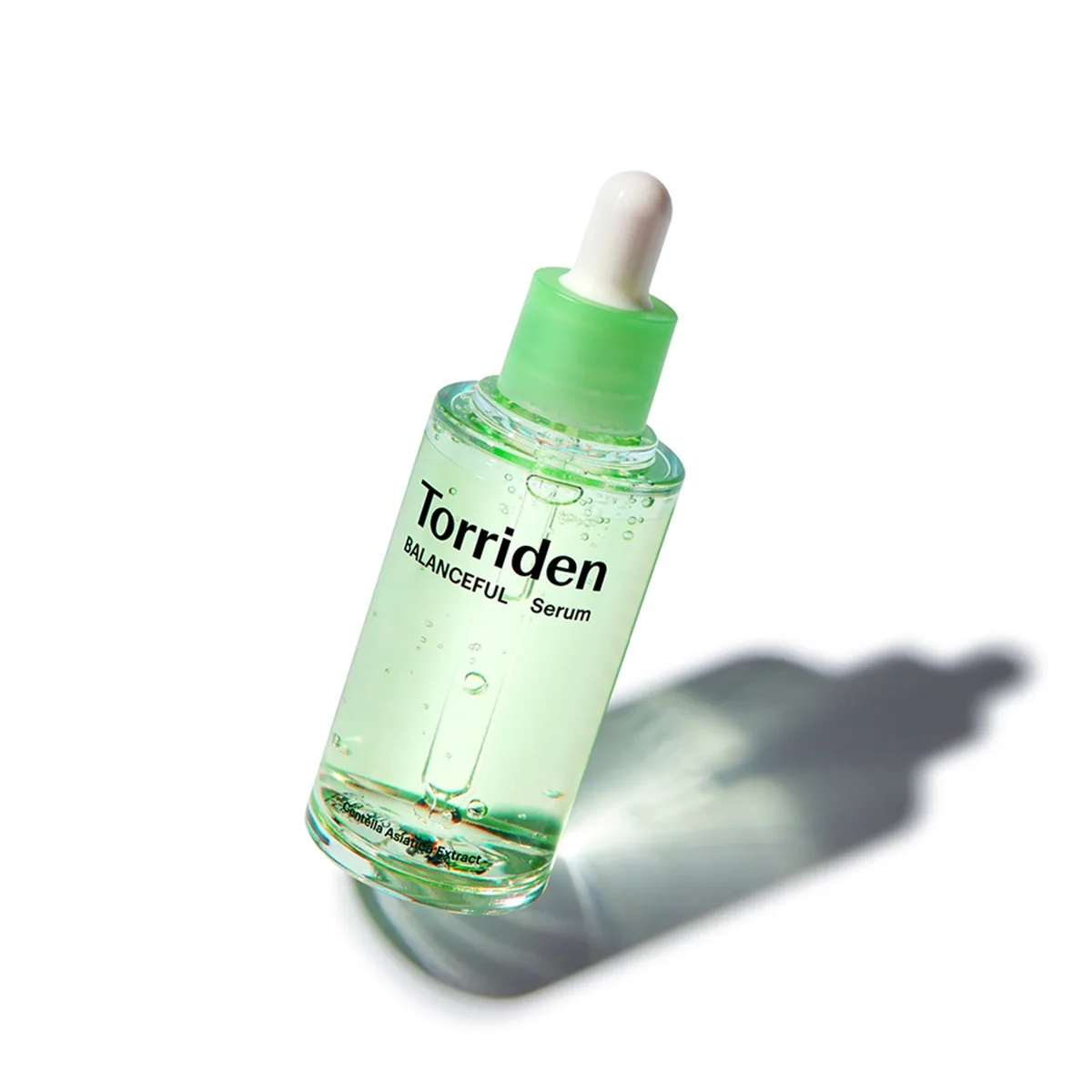
 Balanceful Cica Serum
Torriden's Balanceful Cica Serum is one of the most recommendable calming serums in K-beauty — a genuinely fragrance-free, multi-weight hyaluronic acid and 5D cica complex treatment that quietly reduces redness, supports the barrier, and buffers other actives without drama. At under $25 it's a near-automatic pick for sensitive, rosacea-prone, and barrier-compromised skin.