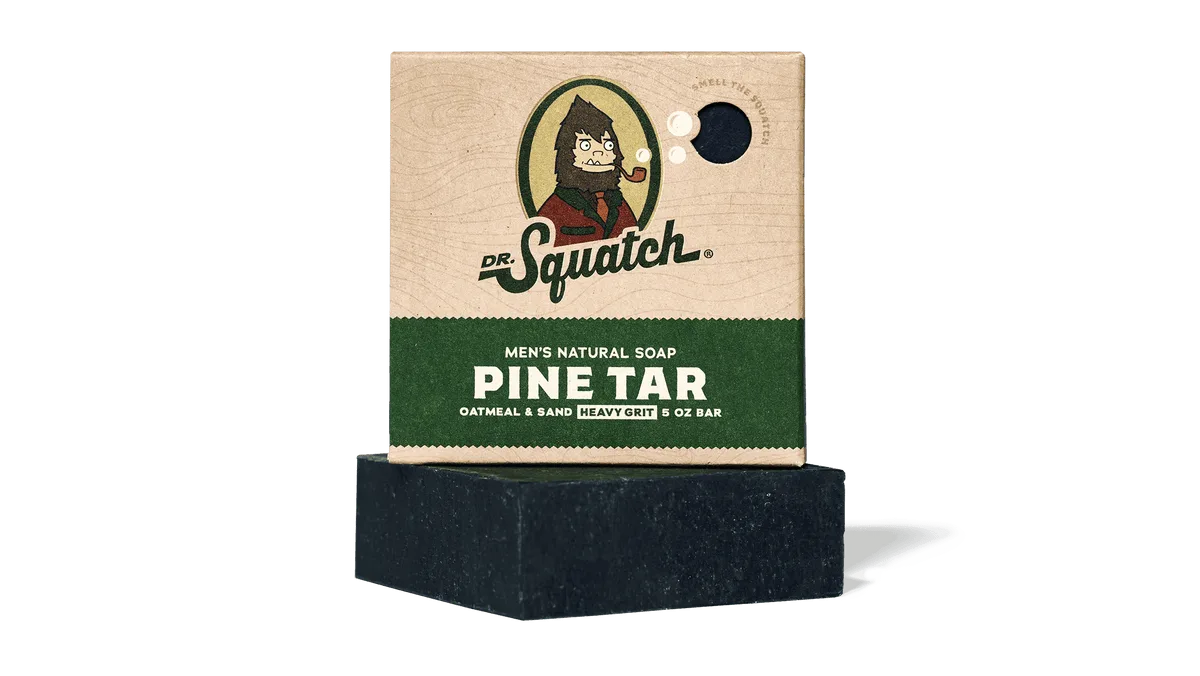
The most dermatologically interesting bar in the Dr. Squatch catalog and the one with real historical credibility. Actual pine tar, colloidal oatmeal, activated charcoal, and mild silica exfoliation add up to a multi-functional body bar that earns its reputation for rough skin, keratosis pilaris, and bacne. The smoky campfire scent is polarizing and not for everyone.
Pine Tar Natural Bar Soap
The most dermatologically interesting bar in the Dr. Squatch catalog and the one with real historical credibility. Actual pine tar, colloidal oatmeal, activated charcoal, and mild silica exfoliation add up to a multi-functional body bar that earns its reputation for rough skin, keratosis pilaris, and bacne. The smoky campfire scent is polarizing and not for everyone.
Score Breakdown
Where this product gains points and where it loses them — broken down across the four scoring pillars.
Pine Tar is the most dermatologically interesting bar in the Dr. Squatch catalog thanks to actual pine tar and colloidal oatmeal — it earns ingredient quality points but loses on suitability breadth because the smoky scent and physical exfoliation won't work for everyone.
Pros & Cons
- ✓Only Dr. Squatch bar with genuine folk-dermatology heritage and functional actives
- ✓Real pine tar, colloidal oatmeal, and activated charcoal — not just scent
- ✓Mild silica exfoliation helpful for keratosis pilaris and rough body skin
- ✓Distinctive smoky campfire scent for people who love woodsy fragrance
- ✓Traditional pine tar soap users find it effective for mildly itchy skin
- ✓Long-lasting scent throw that holds for hours post-shower
- ✓Plastic-free kraft paper packaging
- ✗Scent is polarizing and unsuitable for fragrance-sensitive environments
- ✗Alkaline pH still too harsh for active eczema or compromised barriers
- ✗Silica grit may be too much for daily use on sensitive skin
- ✗Pine tar and charcoal can stain light-colored washcloths
- ✗Pregnancy caution — some guidelines recommend avoiding pine tar topicals
Full Review
Pine tar soap is older than Dr. Squatch by more than a century. Commercial pine tar bars were sold in general stores and pharmacies in the late 1800s for itchy, flaky, scaly skin — for conditions that would later be called eczema and psoriasis, and for the rough, bumpy, keratinized body skin that generations of farmers, soldiers, and outdoor workers just dealt with. Pine tar was the thing you used. It had a smell like a wet campfire, it turned the water in your washbasin a dark grey-brown, and it worked well enough that it stayed in continuous commercial production for over a hundred years. When Dr. Squatch launched in 2013 and picked Pine Tar as one of its founding bars, it wasn't inventing a new concept — it was taking a venerable folk-dermatological tradition and wrapping it in modern branding, viral YouTube marketing, and a cold-process build quality most of the old-school pine tar brands had quietly lost over the decades.
That heritage is what makes this bar actually different from the rest of the Dr. Squatch catalog. Most bars in the lineup are primarily about the scent experience, with the cold-process formulation as a supporting actor. Pine Tar flips that relationship. Yes, the smoky campfire scent is the headline, and yes, it's the most polarizing fragrance in the brand's range — people either love it desperately or actively dislike it, with very little middle ground. But underneath the scent is a legitimately multi-functional body bar: pine tar with its folk-dermatology track record, colloidal oatmeal for soothing and anti-itch activity, activated charcoal for adsorptive cleansing, and silica sand for moderate physical exfoliation. This isn't a scent vehicle dressed up with decorative actives. This is a bar that does things.
The use case where Pine Tar genuinely shines is rough body skin. Keratosis pilaris — the chicken-skin bumps on the backs of arms and fronts of thighs that affect somewhere between 40 and 80 percent of the population at some point — responds reasonably well to a combination of gentle physical exfoliation, moisturizing lipids, and mild soothing actives. That's essentially this bar's job description. The silica grit is enough to buff down the hardened keratin plugs without being aggressive, the pine tar and oatmeal reduce the mild underlying irritation, and the shea butter and olive oil base keep the skin from feeling stripped after. Users with keratosis pilaris, back acne, or generally rough body skin on elbows, knees, shoulders, and feet often report visible smoothness after a week or two of consistent use. That's not a miracle cure — keratosis pilaris has a genetic component and won't fully resolve from any topical — but it's a real improvement you can feel.
The scent deserves its own paragraph because it's the single most distinctive thing about this product and the reason most people either buy it repeatedly or never buy it again. Pine tar has an intensely smoky, woodsy, campfire-meets-wet-forest profile that lingers on the skin for hours longer than any other Dr. Squatch bar. If you love the smell of a wood-burning stove or a campfire at the end of a long hike, this will scratch that specific itch and you will want to subscribe. If you don't like smoky scents, or if you work in an environment where strong fragrance is a problem, or if your partner has opinions about the bathroom smelling like a forest fire, this is not the bar for you. There's no version of Pine Tar that smells subtle. That's the trade.
The honest limitations. The cold-process pH is still alkaline, and even with the oatmeal and pine tar content this is not a substitute for proper medical treatment of eczema or psoriasis — if you have an active flare, talk to a dermatologist before experimenting. The silica grit, while mild, can be too much for genuinely sensitive skin or for daily use on thinner skin areas. The pine tar will stain light-colored washcloths and can briefly tint the wash water in the shower. And pine tar is one of the ingredients some pregnancy guidelines flag for avoidance out of general caution, so expectant mothers may want to switch to a different variant. None of these are dealbreakers for the right user, but they're all worth knowing up front.
The value conversation is a little different for Pine Tar than for the rest of the Dr. Squatch catalog. At $7 per five-ounce bar it's priced the same as the other scents, but it's delivering more — real multi-functional actives with genuine dermatological heritage, not just a nice smell in a cold-process base. If you compare it to a dedicated pine tar soap from a traditional heritage brand, it's in the same ballpark price and arguably a better formulation. For users who actually benefit from pine tar's effects on rough or itchy skin, this bar earns its money in a way most of the other scents in the lineup don't.
Who's this for? People with keratosis pilaris, back acne, rough body skin, mild itchy patches, or just a genuine love for smoky campfire scents. Outdoor types, winter sports enthusiasts, and people who like the feel of a slightly gritty exfoliating bar. Users looking for a body bar with actual functional actives beyond shea butter and kaolin. Who should skip? Anyone with very sensitive skin or active eczema who should talk to a dermatologist first. Anyone who dislikes strong scents. Pregnant users who want to be cautious about pine tar. People who share a shower with a fragrance-sensitive partner. For everyone else — and especially anyone dealing with rough body skin — this is the Dr. Squatch bar that actually does something beyond smell good.
Formula
Key Ingredients
The hero actives that drive this product's performance.
| Ingredient | Function | Evidence |
|---|---|---|
| Pine Tar | The signature active in this bar and its namesake. Pine tar has a documented folk-dermatology history for itchy, flaky, and mildly inflamed skin, with phenolic compounds that contribute mild antibacterial and anti-pruritic activity. In this specific formula, the pine tar works alongside the oatmeal and charcoal to create the only Dr. Squatch bar with a genuine dermatological heritage rather than purely sensory appeal. | traditional-use |
| Colloidal Oatmeal | Provides mild anti-itch and soothing activity from oat polysaccharides and avenanthramides. Here it partners with the pine tar to support the bar's traditional use for itchy, rough, or mildly irritated body skin, adding a meaningful soothing component to what would otherwise be a straightforward scrub bar. | well-established |
| Activated Charcoal | Provides mild adsorptive cleansing and gives the bar its distinctive dark color. In Dr. Squatch Pine Tar it's a functional addition alongside the pine tar and oatmeal for users looking for a deep-cleansing ritual bar — effective for body sweat and grime without the harshness of a detergent scrub. | promising |
| Silica Sand | The gritty texture in Pine Tar comes from silica sand, which provides moderate physical exfoliation for rough body skin on elbows, knees, feet, and shoulders. In this formulation it's balanced against the softening oils and shea butter so the exfoliation doesn't cross into abrasive territory. | well-established |
Full INCI List · pH 9.5
Saponified Oils of: Elaeis Guineensis (Sustainable Palm) Oil, Cocos Nucifera (Coconut) Oil, Olea Europaea (Olive) Oil; Butyrospermum Parkii (Shea) Butter, Pinus Palustris (Pine) Tar, Pinus Sylvestris (Pine) Leaf Oil, Avena Sativa (Oat) Kernel Meal, Sand (Silica), Charcoal Powder, Kaolin, Sea Salt, Fragrance (Natural)
Product Flags
✗ Fragrance Free✓ Alcohol Free✗ Oil Free✓ Silicone Free✓ Paraben Free✓ Sulfate Free✓ Cruelty Free✓ Vegan✗ Fungal Acne Safe
Comedogenic Ingredients
coconut-oil
Potential Irritants
pine-tarpine-oilnatural-fragrancesilica-sand
Common Allergens
limonenelinaloolpine-tar
Compatibility
Skin Match
Best For
Works For
Not Ideal For
Addresses These Conditions
keratosis pilaris dullness texture
Use With Caution
eczema sensitivity compromised skin barrier
Routine Step
cleanser
Time of Day
AM & PM
Pregnancy Safe
Unknown
Layering Tips
Body cleanser with mild exfoliating action. Use on wet skin with a washcloth or directly, focusing on rougher areas like shoulders, back, elbows, and feet. Avoid the face. Rinse thoroughly and follow with body moisturizer.
Results Timeline
Immediate: an intensely smoky, campfire-like scent and a visible dark lather with mild grit. Short-term (1-2 weeks): users with rough body skin, keratosis pilaris, or bacne often notice smoother texture. Full benefits: consistent use for physical exfoliation and the classic pine tar soap experience.
Pairs Well With
body-moisturizerbody-lotionceramide-body-cream
Sample AM Routine
- Shower
- Dr. Squatch Pine Tar Natural Bar Soap
- Body Moisturizer
- Face Routine
- SPF
Sample PM Routine
- Shower
- Dr. Squatch Pine Tar Natural Bar Soap
- Body Lotion
- Face Routine
Evidence
Science & Expert Perspective
The Science
Pine tar itself has a long history of dermatological use and a reasonable body of evidence for its effects on itchy, flaky, and mildly inflamed skin. A 2008 review in the American Journal of Clinical Dermatology assessed the evidence for pine tar's anti-inflammatory and anti-pruritic effects and concluded that while modern randomized controlled trials are limited, the long history of use combined with in vitro data on its phenolic constituents supports its traditional use for conditions like seborrheic dermatitis, psoriasis, and chronic itch. Pine tar is chemically distinct from coal tar — the latter has had some concerns raised about high-concentration occupational exposure, while pine tar (derived from pine wood through destructive distillation) has not been associated with similar risks in rinse-off consumer products. Colloidal oatmeal is an FDA-monograph skin protectant with well-documented anti-itch and soothing effects from its avenanthramide and polysaccharide content — multiple clinical trials have shown efficacy for atopic dermatitis symptom relief and general pruritus. Activated charcoal is commonly included in cleansing products for its adsorptive properties, though its real-world benefit in a short-contact wash-off bar is modest. Silica sand at the particle size used here provides moderate physical exfoliation without the micro-tearing concerns raised about some harder scrub particles like walnut shell. The essential oil fragrance includes pine oil (with limonene and alpha-pinene) and natural fragrance compounds that do contain standard fragrance allergens, so the bar isn't a sensitive-skin choice despite its traditional dermatological positioning. Overall the formulation is one of the few cold-process men's bars on the market with ingredient-level credibility beyond just marketing copy.
Dermatologist Perspective
Pine tar soap has a long traditional role in dermatological practice, though its place in modern evidence-based treatment is more limited than it was 50 years ago. Dermatologists occasionally still recommend pine tar-containing products as an adjunct for patients with chronic itchy conditions like seborrheic dermatitis, chronic simple pruritus, or mild keratosis pilaris, particularly for patients who prefer natural approaches or who have not responded to first-line treatments. For active eczema or psoriasis flares, modern prescription therapies — topical corticosteroids, calcineurin inhibitors, JAK inhibitors, biologics — are considered the standard of care, and self-treating with a bar soap is generally not recommended. For healthy adult skin looking for a functional body cleanser with some gentle exfoliation and soothing activity, Dr. Squatch Pine Tar is generally considered a reasonable choice, with the usual caveats about fragrance sensitivity and the recommendation to follow with a ceramide-based body moisturizer.
Guidance
Usage Guide
How to Use
Wet the bar with warm water and build a lather on damp skin or in your hands. Apply to the full body from the neck down, with extra attention to rougher areas like elbows, knees, shoulders, back, and the tops of thighs where keratosis pilaris is common. The silica grit provides gentle physical exfoliation — don't scrub aggressively. Rinse thoroughly. Dark-colored washcloths are recommended to avoid staining. Store on a draining soap dish between uses. Follow with a ceramide-rich body moisturizer, particularly on exfoliated areas.
Value Assessment
At $7 per 5-ounce bar, Pine Tar is priced the same as other Dr. Squatch variants but arguably delivers more functional value — the pine tar, oatmeal, charcoal, and silica blend is legitimately multi-functional rather than being a scent vehicle. Compared to dedicated traditional pine tar soap brands, which often sell similar products for $8-12 per bar, the pricing is competitive or better. Compared to drugstore body wash, it's still premium territory. For users who benefit from the actual functional effects — rough skin, keratosis pilaris, mild itchy conditions — the value argument is clearly stronger than for the scent-only variants. For users just curious about the smoky fragrance experience, the value depends on how much you love the scent.
Who Should Buy
People with keratosis pilaris, rough body skin, mild back acne, or chronic mildly itchy skin looking for a functional cold-process bar with real dermatological heritage. Fans of smoky, woodsy, campfire-style scents who want a long-lasting fragrance experience. Outdoor enthusiasts and users who value the traditional pine tar soap tradition.
Who Should Skip
Anyone with active eczema or psoriasis flares — consult a dermatologist for proper treatment. Fragrance-sensitive users or those with partners who dislike smoky scents. Pregnant users who want to err on the side of caution about pine tar. People with very sensitive or thin skin that can't tolerate mild physical exfoliation.
Ready to try Dr. Squatch Pine Tar Natural Bar Soap?
Details
Details
Texture
Dense cold-process bar with visible dark color, gritty exfoliating feel, and a dark creamy lather
Scent
Old Forest Growth — smoky, woodsy pine tar with a distinctive campfire-and-wet-forest profile
Packaging
Recycled kraft paper box, fully plastic-free
Finish
non-greasylightweight
What to Expect on First Use
The scent hits you before you even get the bar wet — smoky, woodsy, unmistakably campfire-like. Lather builds into a grey-brown foam thanks to the charcoal and pine tar. The mild grit from silica sand is noticeable but not harsh, and most users adjust quickly. The scent lingers longer than any other Dr. Squatch bar — expect to smell it for hours post-shower.
How Long It Lasts
3-4 weeks with daily full-body use on a draining soap dish
Period After Opening
12 months
Best Season
fall winter
Background
The Why
Pine Tar was one of Dr. Squatch's founding bars and the one most responsible for putting the brand on the viral-ad map in the mid-2010s. The pine tar soap tradition itself goes back over 150 years — commercial pine tar soaps have been sold since the late 1800s for use on itchy, flaky, or irritated skin, and it was a staple in general stores and pharmacies long before the modern 'natural soap' category existed. Dr. Squatch's version is a modernized take on that heritage.
About Dr. Squatch Established Brand (5–20 years)
Pine Tar is one of Dr. Squatch's founding bars, in production since the brand's 2013 launch. Dr. Squatch is not a dermatologist-developed brand, but pine tar soap itself has a long history of folk dermatological use for eczema and psoriasis, which lends some traditional credibility to the formulation category.
Brand founded: 2013 · Product launched: 2013
Myth vs. Reality
Myths & Misconceptions
Myth
Pine tar soap is unsafe because tar is a carcinogen
Reality
Coal tar has been flagged for high-concentration concerns, but pine tar is a distinct material derived from pine wood, and has been used in consumer skincare for over a century. Rinse-off pine tar bars at typical cosmetic concentrations have not been associated with cancer risk in available safety assessments.
Myth
You should use pine tar soap on your face for acne
Reality
The alkaline pH, strong scent, and silica grit make this bar far too harsh for facial skin. Use a proper pH-balanced salicylic or benzoyl peroxide cleanser for facial acne, and reserve this for body use.
FAQ
Frequently Asked Questions
What is pine tar soap good for?
Pine tar soap has a long folk-dermatology history for itchy, flaky, or mildly inflamed skin conditions. Modern users often find Dr. Squatch Pine Tar helpful for keratosis pilaris (rough bumps on arms and thighs), back acne, and general rough body skin. The combination of pine tar, colloidal oatmeal, and mild silica exfoliation gives it genuine multi-functional value beyond just the scent experience.
What does Pine Tar soap smell like?
Exactly like a campfire. It's smoky, woodsy, and intensely evocative of a wet forest or a wood-burning stove. This is the most polarizing scent in the Dr. Squatch lineup — people either love it or actively dislike it. There is no middle ground. The scent lingers on skin for hours post-shower.
Can I use Pine Tar soap for eczema?
Traditional pine tar soap has folk-medical history for eczema, and some users find it helpful for mild flares. However, this is still a cold-process bar at an alkaline pH, which can be counterproductive for actively compromised skin. If you have eczema, check with a dermatologist before trying this — prescription treatments or syndet cleansers may be more appropriate.
Is Pine Tar soap safe?
Yes — pine tar (distinct from coal tar) has been used in consumer soap for over a century and has no documented cancer risk at typical cosmetic concentrations in rinse-off products. The main safety concerns are fragrance allergy, contact dermatitis from pine essential oils, and pregnancy (some sources recommend avoiding pine tar during pregnancy out of caution — check with your doctor).
Will the dark color stain my washcloth?
It can. The pine tar and activated charcoal will transfer to light-colored washcloths, especially new ones. Use a dark washcloth if this bothers you, or lather the bar directly on your skin instead. The color rinses off skin completely.
Can I use Pine Tar soap during pregnancy?
There's no strong evidence against it, but some obstetricians recommend avoiding pine tar topicals during pregnancy out of general caution about phenolic compound absorption. If you're pregnant and want to keep using a Dr. Squatch bar, switching to Cool Fresh Aloe is a safer default.
Community
Community Voices
Common Praise
"Helps with keratosis pilaris and bacne"
"Distinctive smoky campfire scent"
"Effective for rough body skin and back"
"Traditional pine tar benefits in a modern bar"
Common Complaints
"Scent is polarizing — either love or hate"
"Grit can be too aggressive for some skin types"
"Dark color can stain light washcloths"
Notable Endorsements
Men's HealthGQEsquire
Appears In
best pine tar soap best bar soap for keratosis pilaris best bar soap for bacne best exfoliating mens soap
Related Conditions
keratosis pilaris texture dullness
Related Ingredients
You Might Also Like
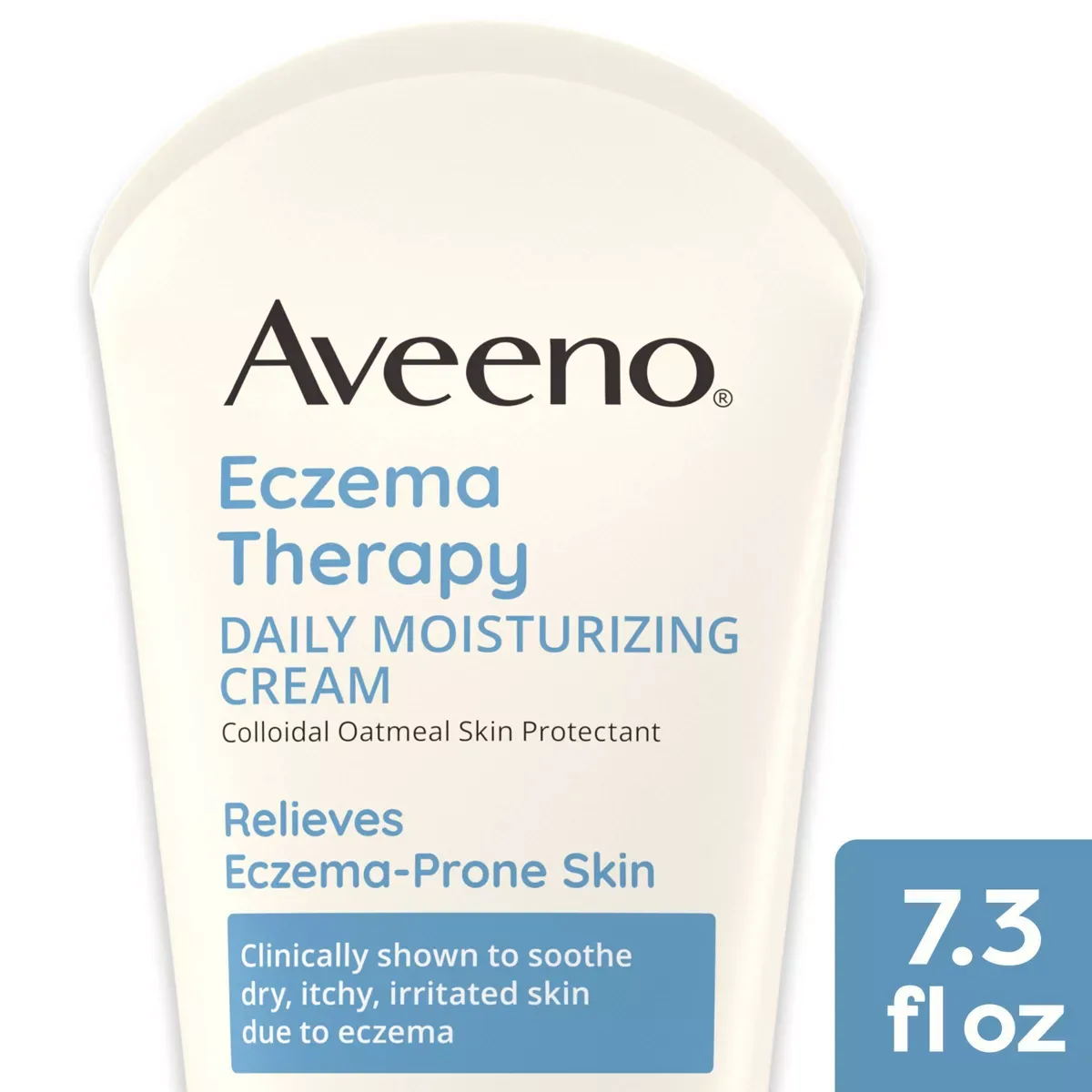 Eczema Gold Standard
 Eczema Therapy Moisturizing Cream
The strongest formulation in Aveeno's lineup for eczema-prone skin, combining FDA-regulated colloidal oatmeal with ceramide NP and panthenol for a multi-mechanism approach to barrier repair. Steroid-free, fragrance-free, and HSA/FSA eligible — this is the drugstore eczema cream dermatologists actually recommend by name.
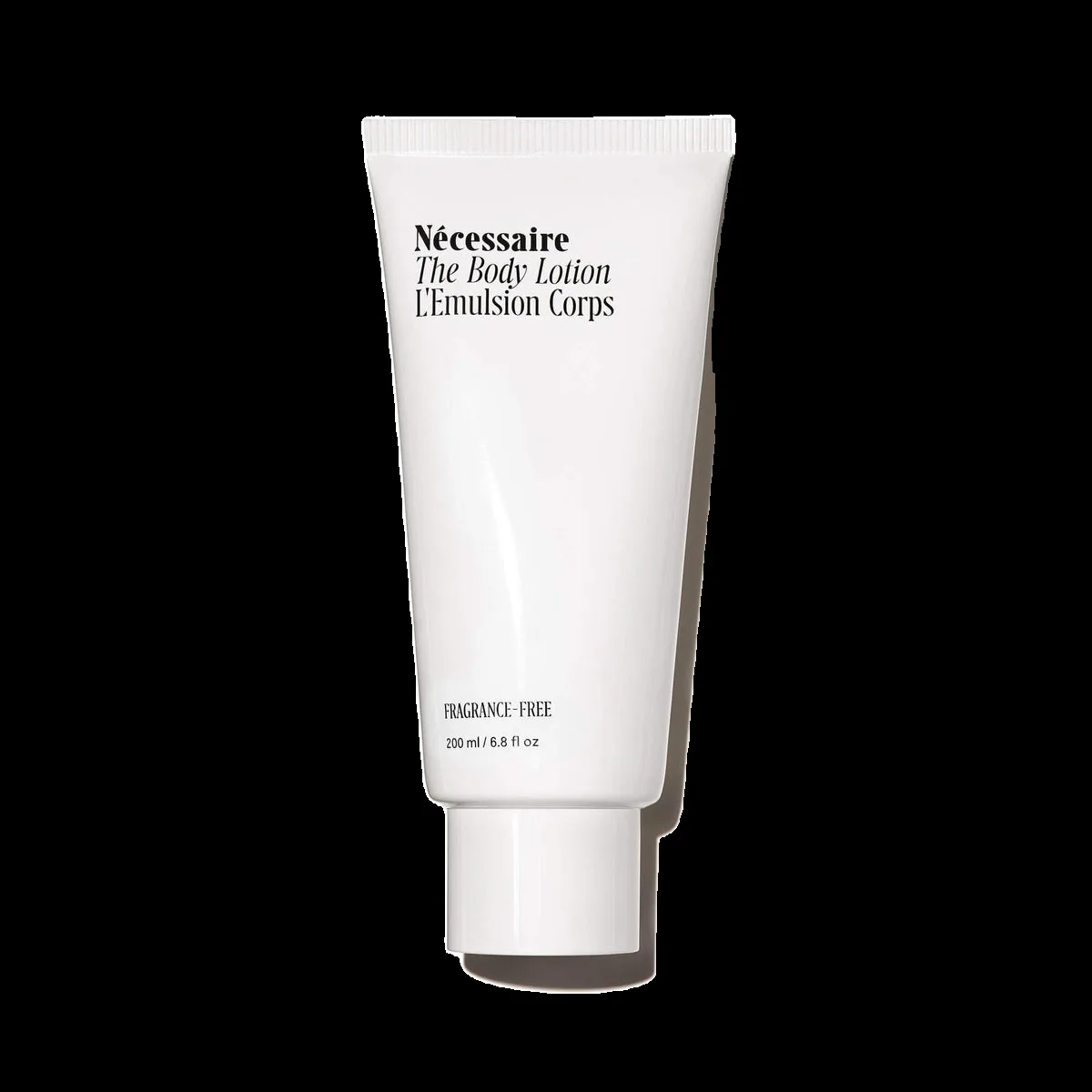 Sensitive Skin MVP
 The Body Lotion Fragrance-Free
The scented version's equal on active ingredients with none of the fragrance risk — and that makes this the better pick for sensitive skin, eczema-prone users, and anyone pregnant who wants to play it safe. At $25 it's still a premium price, but the formula genuinely earns it.
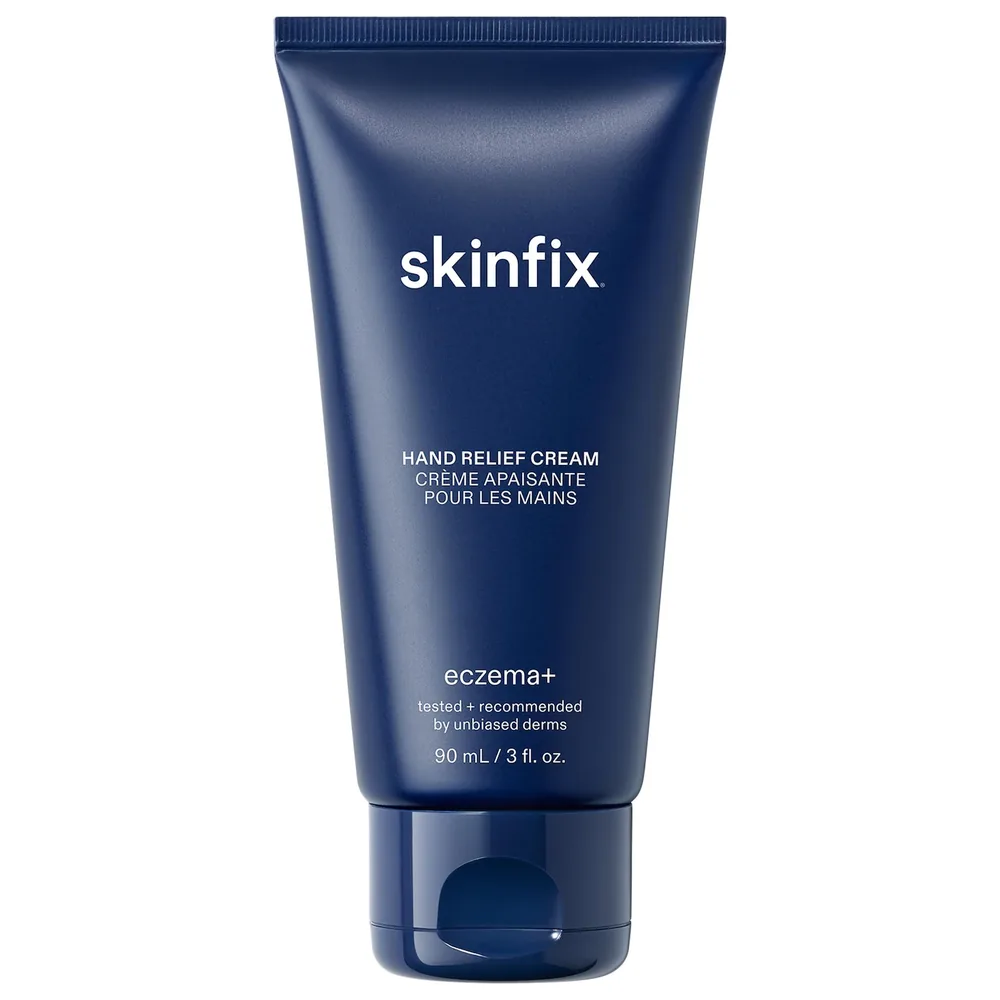 Sensitive Skin MVP
 Eczema+ Hand Repair Cream
A serious, NEA-seal-certified hand cream that treats the underlying mechanism of hand eczema rather than just coating it. Colloidal oatmeal, ceramide-cholesterol lipid repair, and panthenol combine in a texture that actually absorbs fast enough to use at the sink. At eighteen dollars it's genuinely well-priced for what it does.
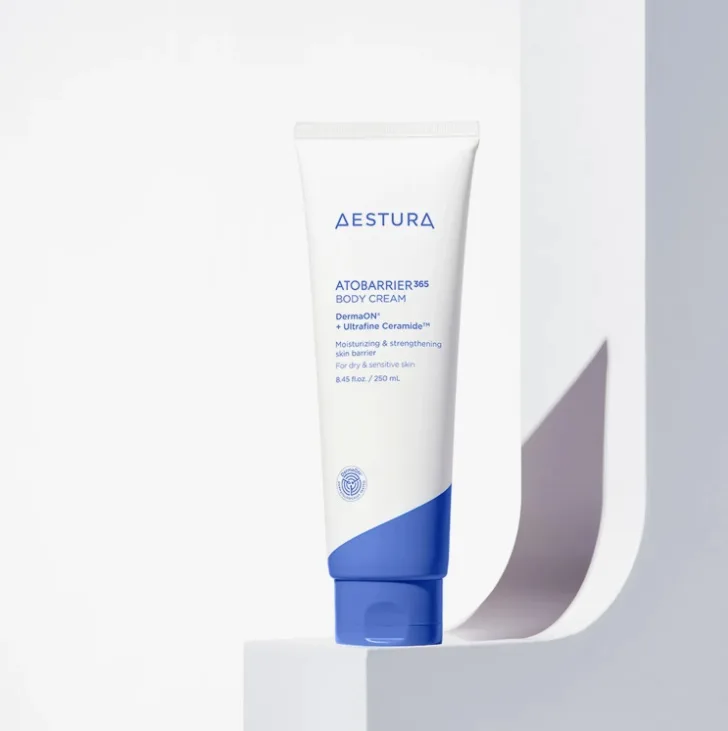 Korean Derm-Clinic Staple
 Atobarrier 365 Body Cream
A genuinely outstanding ceramide-forward body cream from a dermatologist-developed Korean brand with real clinical backing. Fragrance-free, effective for compromised body barriers, and reasonably priced for a 300ml jar — this is one of the better body moisturizers available in the barrier-repair category.
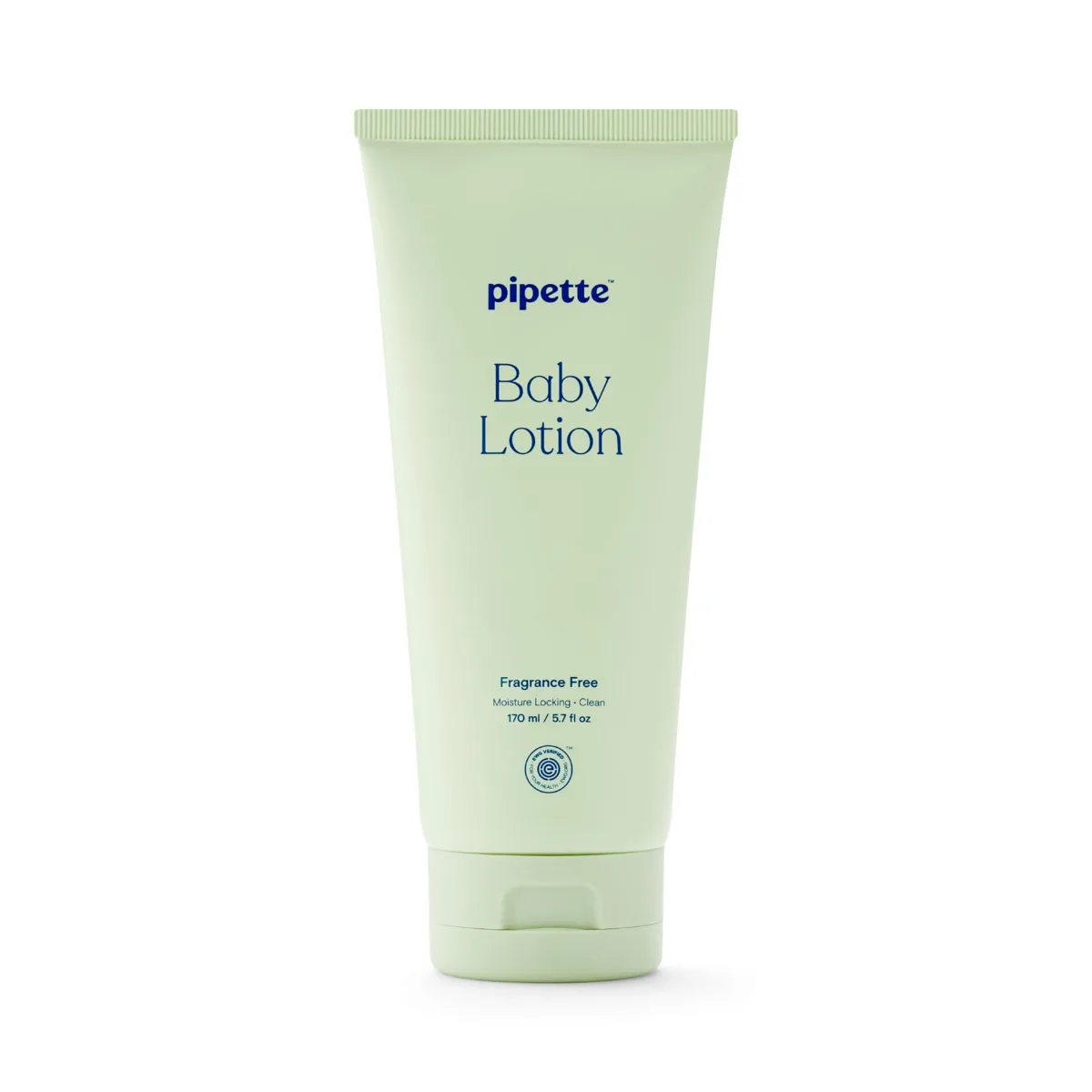 Clean Baby Staple
 Baby Lotion Fragrance Free
A lightweight, biomimetic baby lotion that proves you do not need mineral oil, silicones, or fragrances to deliver serious hydration. The squalane-ceramide-glycerin core provides evidence-based barrier support, and the olive-derived emulsifier system ensures it integrates into skin rather than sitting on top. At under $12 for 5.7 ounces with EWG Verified certification, the value is genuinely remarkable.
 Daily Atopic Companion
 Exomega Control Emollient Cream
The lighter sibling of A-Derma's Exomega Control balm — same Rhealba oat, sunflower oil unsaponifiables, and niacinamide active set, in a cream base that works better for year-round daily use and milder atopic-prone skin. For most adult users and for summer routines, this is the more practical choice of the two Exomega variants.