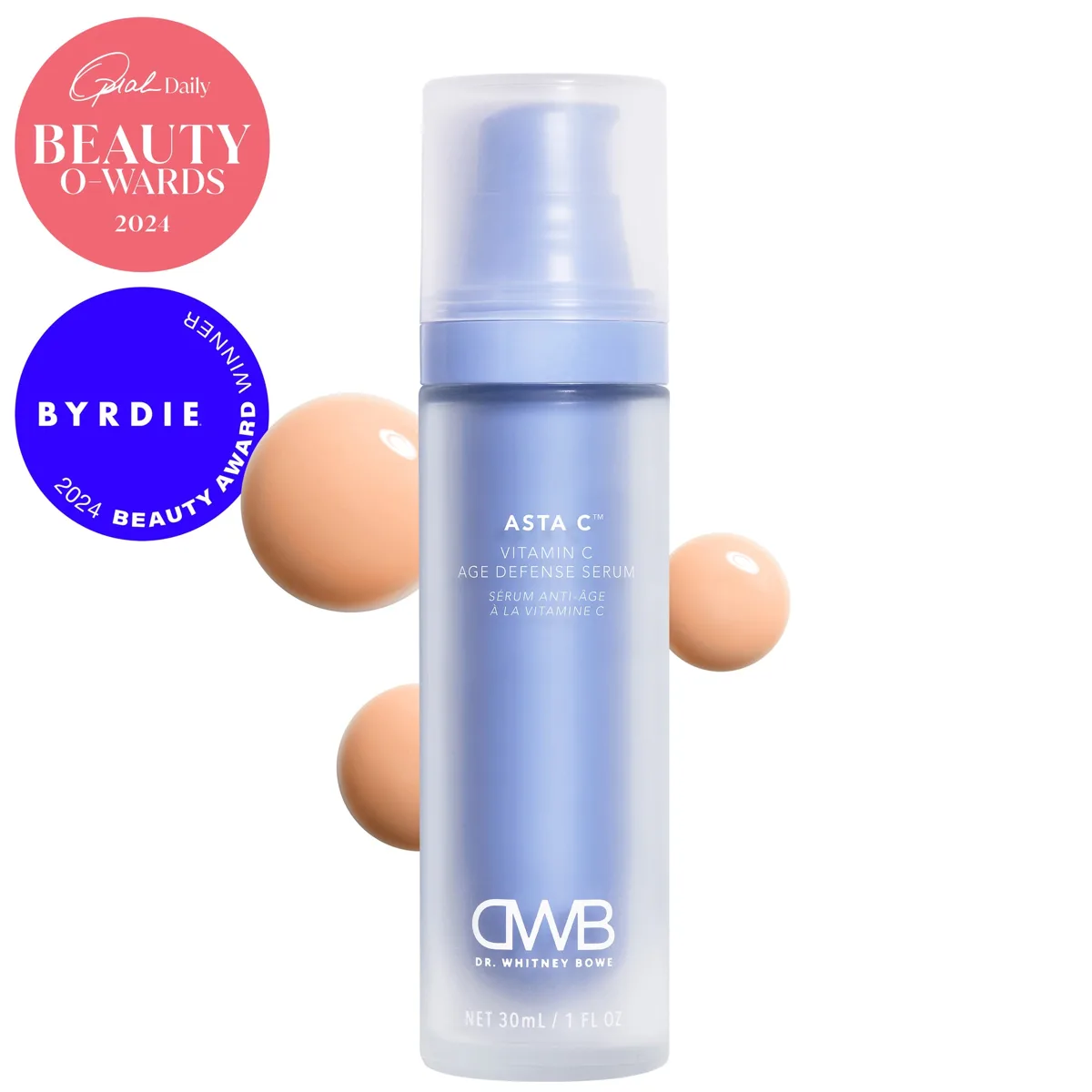
An award-winning dual-form vitamin C serum with astaxanthin, turmeric, and a microbiome-friendly ferment — noticeably more sophisticated than the legacy L-ascorbic acid serums that dominate the category. It's gentle enough for sensitive skin, stable enough to actually deliver on its promise, and comes in a refillable bottle. Premium pricing is the main friction point.
Asta C Vitamin C Age Defense Serum
An award-winning dual-form vitamin C serum with astaxanthin, turmeric, and a microbiome-friendly ferment — noticeably more sophisticated than the legacy L-ascorbic acid serums that dominate the category. It's gentle enough for sensitive skin, stable enough to actually deliver on its promise, and comes in a refillable bottle. Premium pricing is the main friction point.
Score Breakdown
A thoughtfully formulated dual-vitamin-C serum with synergistic antioxidants, microbiome support, and a stable formulation base. Strong ingredient quality and broad skin-type suitability balanced against premium pricing from a new brand.
Data Confidence: medium
This product launched with Dr. Whitney Bowe Beauty in 2023 and has approximately 2-3 years of market presence. It has earned multiple beauty industry awards and accumulated a moderate review footprint across the brand's site and Dermstore. Scoring combines formulation analysis with available user feedback.
0/100
Overall Score
Ingredient Quality 0
Value for Money 0
Suitability Breadth 0
Irritation Risk (↑ = safer) 0
Assessment
Pros
- Dual-form stable vitamin C architecture delivers antioxidant activity without irritation
- Astaxanthin provides synergistic antioxidant coverage beyond vitamin C alone
- Fragrance-free, non-stinging formulation suitable for sensitive skin
- Refillable glass bottle system reduces waste and maintains formula freshness
- Multi-layered antioxidant cascade with turmeric, rosemary, and ferment support
- Award recognition from multiple beauty industry outlets in first two years
- Pregnancy-compatible formulation from a dermatologist-founder brand
Cons
- Premium price at $88 for 30ml
- Brand launched in 2023 — limited long-term track record
- Results more gradual than aggressive L-ascorbic acid serums
- Users happy with cheaper effective C serums won't see clear upgrade value
- Vitamin C derivatives have less clinical research than traditional L-ascorbic acid
Full Review
For twenty-five years, the default answer to 'what vitamin C serum should I buy' has been some variation of the same recipe: 15 to 20 percent L-ascorbic acid at a very low pH, buffered with vitamin E and ferulic acid, packaged in a dark glass dropper, and priced somewhere between $80 and $180. That recipe, pioneered by SkinCeuticals in the early 2000s, has remained remarkably durable because L-ascorbic acid has the most clinical research behind it and because the formulation gives visible results when it's fresh. But the recipe has also aged poorly in some specific ways: the acidic pH stings sensitive skin, the formulation oxidizes on the shelf and in your bathroom within weeks, and the whole category has been slow to adopt newer vitamin C chemistries that solve those problems without giving up efficacy. Asta C is one of the better examples of what happens when a dermatologist-founder actually rebuilds the vitamin C serum from scratch for the 2020s.
The technical centerpiece is the dual-derivative vitamin C architecture. Instead of L-ascorbic acid, this serum uses tetrahexyldecyl ascorbate — a lipid-soluble, pH-stable form that penetrates well through the lipid-rich stratum corneum — paired with 3-O-ethyl ascorbic acid, a water-soluble stable derivative that covers the aqueous compartment. Both forms are well-documented in the cosmetic chemistry literature for their stability and their ability to convert to active ascorbic acid in the skin, and the combination gives you a more complete delivery profile than any single-form serum. The total vitamin C content is marketed at 15%, which in a stable formulation is meaningfully more active than an unstable 20% L-ascorbic acid serum that has already partially oxidized in the dropper.
The astaxanthin is the hero the brand actually wants you to care about, and it's earned a little bit of headline space here. Astaxanthin is a carotenoid pigment from haematococcus pluvialis microalgae, and it's one of the most potent antioxidants in nature — research on topical and ingested astaxanthin has documented strong effects against singlet oxygen and lipid peroxidation, two oxidative stress pathways that vitamin C alone doesn't fully cover. In cosmetic formulations it's been gaining attention over the past few years as a vitamin C synergist, and this serum is one of the more credible executions of that combination I've seen in a consumer product. Add turmeric extract (curcumin), rosemary extract, and lactobacillus ferment, and you have a legitimately multi-layered antioxidant cascade rather than the single-active-plus-supporting-cast architecture that most vitamin C serums use.
In use, the experience is notably different from a traditional L-ascorbic acid serum. There's no stinging, no tingling, no weird tangy smell, no color shift over time. The texture is light and silky, absorbs cleanly, and layers beautifully under moisturizer and SPF. Sensitive skin types who have struggled with burning or redness from legacy C serums almost always find this tolerable. The visible results build over the same timeline as any well-formulated vitamin C — brightening and radiance within two to four weeks of daily use, dark spot and fine line improvement taking eight to twelve weeks of consistent AM use under SPF. Don't expect overnight transformation. Do expect that in three months, the skin looks meaningfully more even, more luminous, and a little firmer.
The refillable packaging deserves genuine credit. Vitamin C is an oxidation-sensitive ingredient, and most serums come in disposable glass bottles that either oxidize visibly during their three-to-four-month life or require you to throw out the bottle when you've finished. Dr. Whitney Bowe Beauty's refillable system lets you replace the internal cartridge while keeping the glass bottle, which reduces waste and also (at least in theory) keeps the formula fresher between uses. It's a nice touch and a genuine sustainability improvement over the category standard.
The honest limitations. At $88 for 30ml, this is premium pricing in a category where perfectly effective serums exist at a quarter of the price. The brand launched in 2023, so while Dr. Bowe's clinical credibility is well-established, the long-term user track record that you'd get from a legacy dermatologist brand isn't there yet. The dual-derivative approach delivers real results, but people who are used to the aggressive tingling and fast-track brightening of a high-percentage L-ascorbic acid serum may find this one too subtle — it's a more gradual, lower-drama experience than the traditional category leaders. And while the formulation is pregnancy-compatible and broadly suitable, users already happily using a cheaper effective vitamin C serum won't find a clear reason to switch unless they've specifically struggled with irritation or oxidation issues.
The value case comes down to what you're paying for. Eighty-eight dollars buys you an award-winning formulation from a credible dermatologist, a genuinely thoughtful dual-derivative vitamin C architecture, synergistic antioxidants with real evidence behind them, a refillable bottle, and the brand positioning of a Dr. Whitney Bowe line that a lot of consumer skincare press has paid attention to. Whether that bundle is worth the premium depends heavily on your current vitamin C experience. For someone who's happily using a $35 drugstore C serum and not having problems, the upgrade isn't obvious. For someone who's tried three legacy L-ascorbic serums and bailed because of stinging or oxidation issues, this is worth the price.
Who's this for? Normal, combination, dry, or sensitive skin types dealing with dullness, hyperpigmentation, early aging, or accumulated photodamage who want a stable, non-irritating vitamin C serum from a credible dermatologist-developed brand. People who've struggled with traditional L-ascorbic acid serums and are ready for a modern alternative. Who should skip? Shoppers happy with a cheaper L-ascorbic serum and not experiencing problems. People who want the fastest possible brightening at any cost — traditional high-percentage serums still edge out for raw speed. And budget-conscious users who don't value the refillable packaging or dermatologist-founder premium.
Formula
Ingredients
The hero actives that drive this product's performance.
| Ingredient | Function | Evidence |
|---|---|---|
| Tetrahexyldecyl Ascorbate (THD Ascorbate) | An oil-soluble, pH-stable form of vitamin C that penetrates the skin more easily than the more common L-ascorbic acid and doesn't oxidize nearly as fast. In this serum it's the primary antioxidant workhorse, chosen specifically because it's compatible with a higher-pH, microbiome-friendly formulation that L-ascorbic acid would destabilize. | promising |
| 3-O-Ethyl Ascorbic Acid | A water-soluble, stable vitamin C derivative that complements the lipid-soluble THD ascorbate for dual-phase delivery. Together the two forms are marketed at 15% total vitamin C content, and they work synergistically on different cellular compartments — a more modern approach than single-form L-ascorbic acid serums. | promising |
| Astaxanthin | A powerful carotenoid antioxidant derived from haematococcus pluvialis algae, estimated to be up to 500 times more potent than vitamin E in quenching certain free radicals. In this serum it's the headline synergistic antioxidant alongside the vitamin C, addressing oxidative stress pathways that vitamin C alone doesn't fully cover. | promising |
| Lactobacillus Ferment | The signature microbiome-supportive ferment that runs through the entire Dr. Whitney Bowe Beauty line. Here it's included to help maintain the skin's commensal bacterial balance while delivering potent antioxidant actives — the brand's core thesis applied to a brightening serum format. | emerging |
| Turmeric Root Extract (Curcumin) | Contributes anti-inflammatory and additional antioxidant support from curcumin and related polyphenols. In this formulation it amplifies the overall antioxidant cascade alongside vitamin C, astaxanthin, and rosemary, making the serum's effect on oxidative stress broader than most single-active vitamin C products. | promising |
Full INCI List · pH 5.5
Water/Aqua/Eau, Tetrahexyldecyl Ascorbate, Glycerin, Squalane, Propanediol, 3-O-Ethyl Ascorbic Acid, Ethylhexyl Olivate, Sodium Acrylates Copolymer, Citric Acid, Curcuma Longa (Turmeric) Root Extract, Astaxanthin, Lactobacillus Ferment, Haematococcus Pluvialis Oil, Melia Azadirachta Flower Extract, Melia Azadirachta Leaf Extract, Corallina Officinalis Extract, Betaine, Coccinia Indica Fruit Extract, Helianthus Annuus (Sunflower) Seed Oil, Rosmarinus Officinalis (Rosemary) Extract, Tocopherol, Silica, Phenoxyethanol, Polyglyceryl-4 Oleate, Ethylhexylglycerin, Maltodextrin, Sodium Phytate, 1,2-Hexanediol, Mica, Butylene Glycol, Tin Oxide (CI 77861), Xanthan Gum, Titanium Dioxide (CI 77891)
Product Flags
✓ Fragrance Free✓ Alcohol Free✗ Oil Free✓ Silicone Free✓ Paraben Free✓ Sulfate Free✓ Cruelty Free✓ Vegan✗ Fungal Acne Safe
Compatibility
Skin Match
Best For
normal combination dry sensitive
Works For
Not Ideal For
Addresses These Conditions
aging hyperpigmentation dullness dark spots sun damage
Routine Step
serum
Time of Day
AM
Pregnancy Safe
Yes ✓
Layering Tips
Apply in the morning after cleansing and toning, before moisturizer and SPF. Two to four drops for the full face and neck. This is the ideal pre-SPF antioxidant step — vitamin C and astaxanthin together provide meaningful additional photoprotection beyond what sunscreen alone delivers.
Results Timeline
Immediate: a smooth, slightly radiant finish after absorption. Short-term (2-4 weeks): brighter, more even skin tone and improved luminosity. Full benefits (8-12 weeks): visible reduction in dark spots, fine lines, and overall photoaging with consistent daily AM use under SPF.
Pairs Well With
niacinamidehyaluronic-acidpeptidesspfmoisturizer
Sample AM Routine
- Gentle Cleanser
- Toner
- Dr. Whitney Bowe Beauty Asta C Vitamin C Age Defense Serum
- Moisturizer
- SPF 30+
Sample PM Routine
- Cleanser
- Retinol or Peel
- Moisturizer
Evidence
Science
The Science
The two vitamin C forms in this serum represent a meaningful evolution from traditional L-ascorbic acid chemistry. Tetrahexyldecyl ascorbate (THD ascorbate) is a lipophilic ascorbyl ester that has been shown in published research to penetrate deeper into the skin than water-soluble ascorbic acid and to convert to active vitamin C in the epidermis. A 2017 study in the Journal of Cosmetic Dermatology evaluated THD ascorbate for its effects on skin brightness and found measurable improvements in melanin reduction and skin luminosity over 8 weeks of use. 3-O-ethyl ascorbic acid is a stable ether-derivatized form of vitamin C that retains the L-enantiomer active configuration and has been documented in cosmetic chemistry literature for its penetration and brightening activity; it's been increasingly adopted in Asian and European skincare brands over the past decade. Astaxanthin's antioxidant activity has a solid research base — a 2018 review in the journal Marine Drugs summarized evidence for astaxanthin's effects on oxidative stress markers, UV-induced skin damage, and collagen preservation, concluding that its potency against singlet oxygen and lipid peroxidation makes it one of the most effective carotenoid antioxidants studied in skin. Turmeric extract (curcumin) has a large body of anti-inflammatory and antioxidant research, though topical bioavailability is a known limitation at standard formulation concentrations. The lactobacillus ferment component reflects the broader emerging evidence for postbiotic skincare ingredients, which have shown effects on barrier function and microbiome composition in both in vitro and early clinical research. The overall formulation architecture is well-constructed: stable actives, synergistic antioxidants, non-irritating delivery base, and packaging designed to minimize oxidation.
Dermatologist Perspective
Dermatologists increasingly recommend stable vitamin C derivatives — particularly tetrahexyldecyl ascorbate and 3-O-ethyl ascorbic acid — for patients who have struggled with the irritation or instability of traditional L-ascorbic acid serums. The newer derivatives offer a more tolerable introduction to vitamin C for sensitive, rosacea-prone, or barrier-compromised patients, and are commonly suggested in clinical guidance for morning antioxidant protection before sunscreen. Astaxanthin has been gaining attention in the dermatological literature as an underutilized topical antioxidant, and its inclusion alongside vitamin C reflects a more current understanding of oxidative stress pathways in skin aging. Dermatologists generally note that any vitamin C serum — regardless of form — is most effective when used consistently in the morning under broad-spectrum SPF 30+, and that patience is essential: visible brightening and dark spot improvement take weeks, not days. For patients seeking a gentle but effective vitamin C serum from a credible source, this type of dual-derivative formulation is commonly considered a reasonable choice.
Guidance
Usage Guide
How to Use
Apply 2-4 drops to clean, dry skin in the morning after toning and before moisturizer. Smooth gently across the face and neck, avoiding the eye area. Wait 30-60 seconds for absorption, then follow with moisturizer and broad-spectrum SPF 30 or higher. Use daily for best results. The formula is non-irritating enough to use twice daily if desired, though AM is optimal for photoprotection purposes. A single 30ml bottle typically lasts 2-3 months with daily full-face use.
Value Assessment
At $88 for 30ml, Asta C is priced in line with premium dermatologist-brand C serums like SkinCeuticals CE Ferulic and in the upper range for stable-derivative serums. A refillable option reduces long-term costs somewhat and delivers genuine environmental value. Compared to drugstore stable vitamin C serums at $25-40, this is three to four times more expensive for formulation complexity that's real but not uniquely available at this price point. The value argument depends on whether you need the specific combination of dual derivatives, astaxanthin, and microbiome-friendly positioning — if those factors matter to you, the premium is defensible. If you just need a functional morning vitamin C, cheaper options will serve you well.
Who Should Buy
Normal, combination, dry, or sensitive skin types looking for a stable, non-irritating vitamin C serum with synergistic antioxidant support. People who have struggled with the stinging or oxidation issues of traditional L-ascorbic acid serums. Users who value dermatologist-founder credibility, refillable packaging, and microbiome-conscious formulation.
Who Should Skip
Budget shoppers who need effective vitamin C at the lowest cost. Users happy with a cheaper L-ascorbic or stable-derivative serum without irritation issues. People seeking the fastest, most dramatic brightening — traditional high-percentage L-ascorbic serums still edge out for raw speed.
Ready to try Dr. Whitney Bowe Beauty Asta C Vitamin C Age Defense Serum?
Details
Details
Texture
Lightweight, silky serum with a subtle slip that absorbs quickly and layers smoothly
Scent
Fragrance-free
Packaging
Refillable glass bottle with dropper applicator and airless-style refill system — a rarity in the vitamin C category and appropriate for minimizing oxidation
Finish
lightweightfast-absorbingglowy
What to Expect on First Use
First use delivers a smooth, slightly glowing finish without any stinging or tingling — a notable contrast to traditional L-ascorbic acid serums, which often burn on application. Most users find it immediately pleasant and tolerable. Visible brightening typically becomes apparent within 2-4 weeks of consistent morning use.
How Long It Lasts
2-3 months with daily morning use on full face and neck
Period After Opening
12 months
Best Season
All Year
Background
The Why
Asta C launched alongside the broader Dr. Whitney Bowe Beauty collection in 2023 and quickly became one of the line's most awarded products, picking up nods from Allure's Best of Beauty and Byrdie's Eco Beauty Awards in its first two years. The 'Asta' in the name refers to the astaxanthin — a carotenoid Dr. Bowe has highlighted as an underutilized antioxidant in consumer skincare — and the dual-vitamin-C-plus-astaxanthin architecture is the technical hook that differentiates this serum from the dozens of other dermatologist brand C serums on the market.
About Dr. Whitney Bowe Beauty New Brand (<2 years)
Dr. Whitney Bowe Beauty was launched in 2023 by Dr. Whitney Bowe, a board-certified dermatologist and author whose clinical and publishing work has focused on the skin microbiome. The brand is new, but the founder's clinical credibility and published research add meaningful legitimacy to the line's formulation decisions.
Brand founded: 2023 · Product launched: 2023
Myth vs. Reality
Myths
Myth
Vitamin C derivatives don't work as well as L-ascorbic acid
Reality
L-ascorbic acid has the most research, but it's also the most unstable and irritating. Modern derivatives like tetrahexyldecyl ascorbate and 3-O-ethyl ascorbic acid have documented penetration and conversion to active vitamin C with far less oxidation and irritation. They're not inferior — they're a different engineering tradeoff.
Myth
Vitamin C should always be used at 20% for maximum results
Reality
Concentration only matters if the vitamin C is actually stable at that concentration. A stable 15% formulation with synergistic antioxidants often outperforms a 20% L-ascorbic acid serum that has already oxidized on the shelf.
FAQ
FAQ
Is this better than a traditional L-ascorbic acid serum?
It depends on what you value. L-ascorbic acid has the most clinical research, but it's unstable, oxidizes quickly, and can be irritating, especially for sensitive skin. This serum uses tetrahexyldecyl ascorbate and 3-O-ethyl ascorbic acid — both stable, non-irritating forms — plus astaxanthin for synergistic antioxidant activity. For sensitive users or people who have struggled with traditional C serums, this is often the better choice.
Can I use this with retinol?
Yes — use vitamin C in the morning and retinol at night for the best of both worlds. This serum's non-irritating profile makes it compatible with most evening retinol routines without barrier overload. If your skin is sensitive, start both at lower frequencies and build up.
Does it really contain 15% vitamin C?
Yes, the brand claims a combined 15% from the two vitamin C derivatives. Because these are stable forms rather than L-ascorbic acid, you won't see the concentration-driven tingling that high-percentage traditional C serums produce — but the antioxidant activity and conversion to active vitamin C in the skin is well-documented for both ingredients.
Is this safe during pregnancy?
Yes — vitamin C derivatives and astaxanthin are generally considered pregnancy-compatible, and this formula contains no retinoids, salicylic acid, or hydroquinone. Check with your OB if you have specific concerns, but this is one of the more pregnancy-friendly antioxidant serums on the market.
How long before I see results?
Brightening and improved radiance typically appear within 2-4 weeks of consistent daily morning use. Dark spot and fine line improvements take longer — 8-12 weeks of daily use under SPF for visible change. Vitamin C is a long-game ingredient, not an overnight fix.
What makes astaxanthin special?
Astaxanthin is a carotenoid pigment from microalgae that has been shown in research to be one of the most potent antioxidants in nature, with particular strength against singlet oxygen and lipid peroxidation. It complements vitamin C's antioxidant activity by addressing different oxidative pathways, making the combination stronger than either alone.
Community
Community
Common Praise
"Gentle on sensitive skin compared to L-ascorbic serums"
"Visible brightening within a few weeks"
"Elegant texture that layers well under SPF"
"Award-winning formulation from a credible dermatologist"
Common Complaints
"Expensive at $88 for 30ml"
"Results more subtle than higher-percentage L-ascorbic serums"
"New brand with less long-term track record"
Notable Endorsements
Allure Best of BeautyByrdie Eco Beauty AwardsVogue
Appears In
best stable vitamin c serum best vitamin c for sensitive skin best astaxanthin serum best dermatologist vitamin c serum best non irritating vitamin c
Related Conditions
aging hyperpigmentation dullness dark spots
Related Ingredients
You Might Also Like
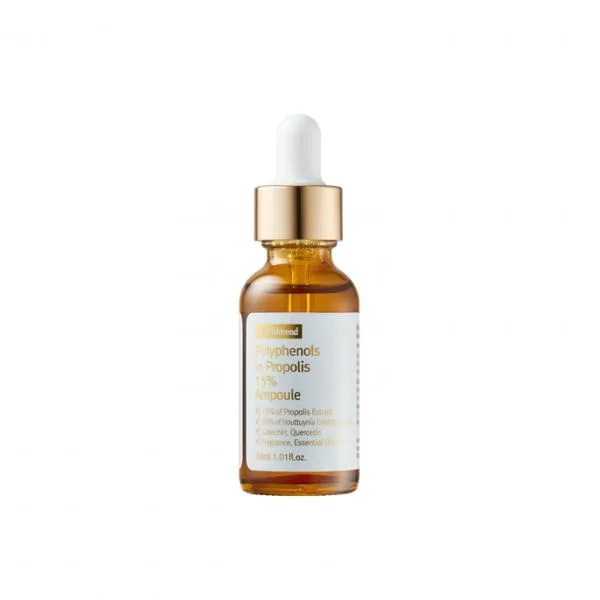 Sensitive Skin Soother
 Polyphenols In Propolis 15% Ampoule
A 15% propolis ampoule that earns its name with a real polyphenol stack — French Auvergne propolis layered over a houttuynia cordata base, with tulsi and pomegranate piling on. It's slightly sticky and not cheap by volume, but for sensitive, breakout-prone skin chasing calm, this is one of the most reliable K-beauty soothers in production.
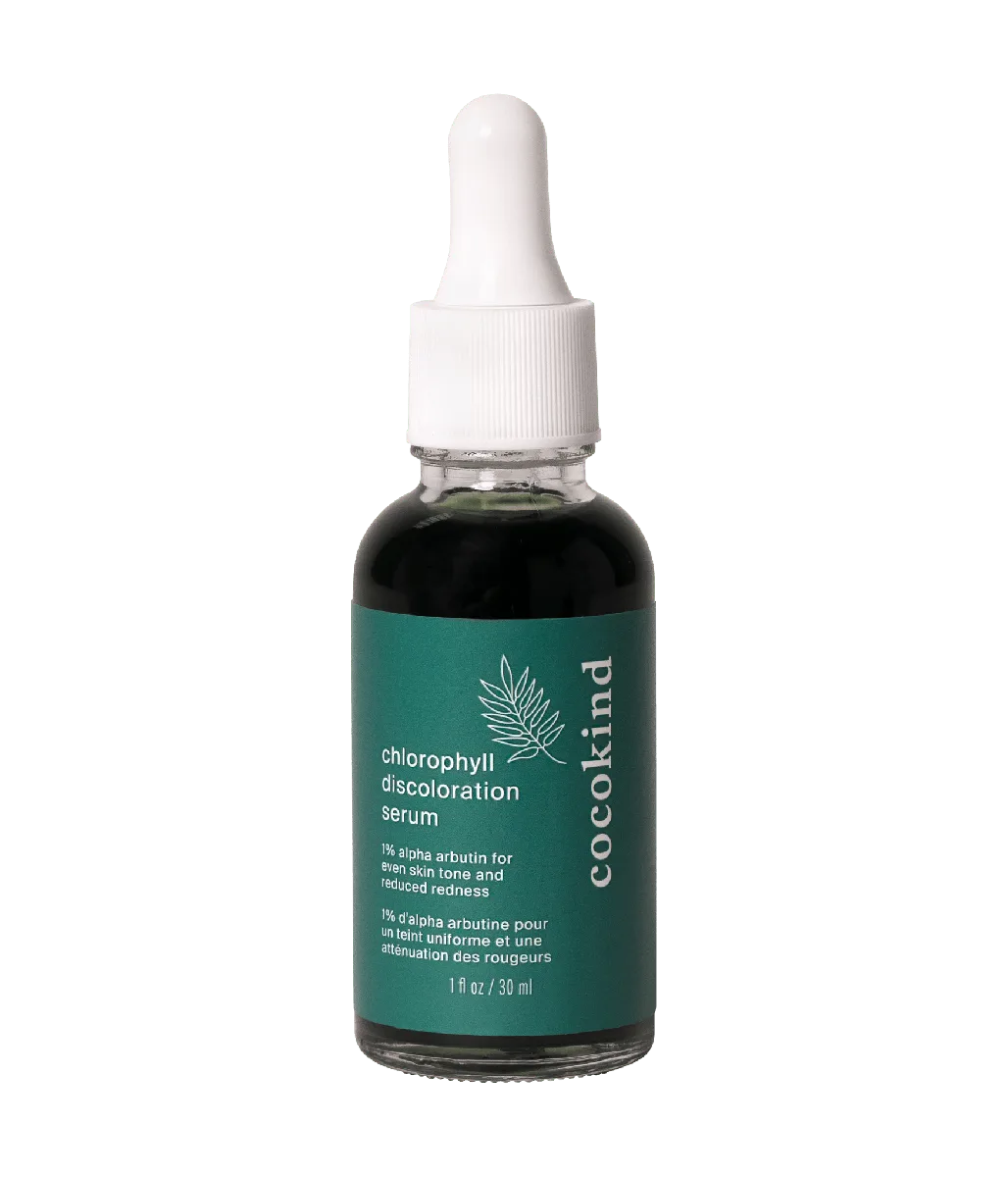 Budget Brightening Hero
 Chlorophyll Discoloration Serum
A quietly brilliant brightening serum that proves you do not need luxury prices or harsh actives to fade dark spots effectively. The alpha-arbutin and licorice root combination delivers genuine multi-pathway melanin inhibition, the sensitive-skin-friendly formula is impeccable, and $20 makes it accessible to virtually everyone. The chlorophyllin is more marketing differentiator than scientific powerhouse, but it does not hurt anything either.
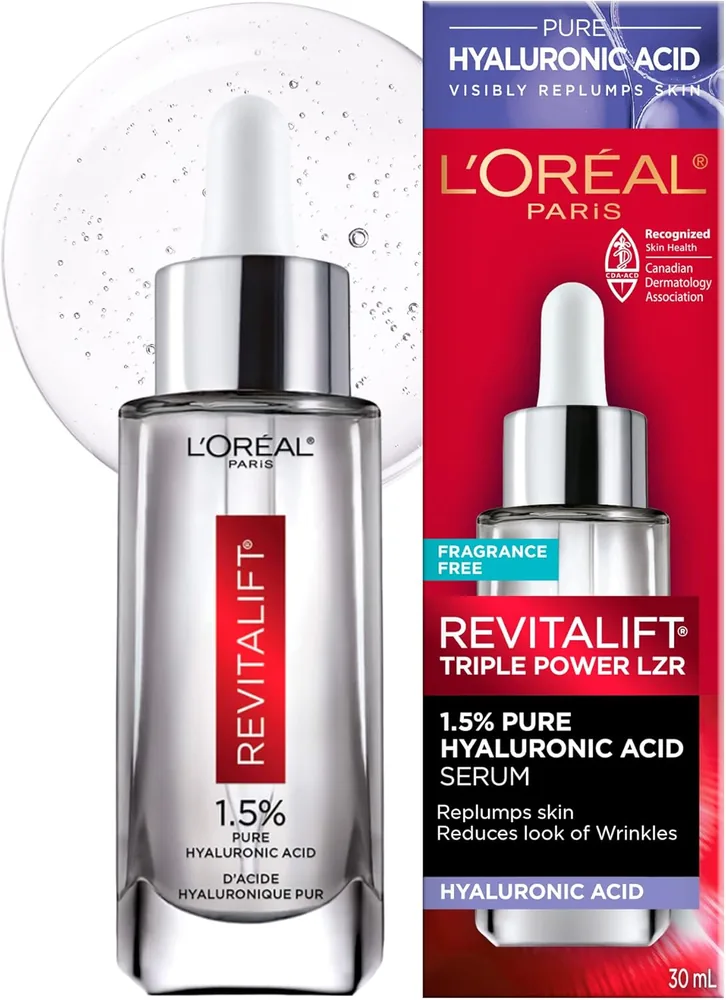 The People's HA Serum
 Revitalift Derm Intensives 1.5% Pure Hyaluronic Acid Serum
A masterclass in minimalist formulation — thirteen ingredients, no filler, four functional actives, and over thirty thousand glowing reviews. L'Oréal's multi-weight HA system delivers genuine hydration at every level of the skin, and the fragrance-free, alcohol-free formula is clean enough for virtually anyone. The drugstore serum that embarrasses its prestige competitors.
 Budget Hydration Holy Grail
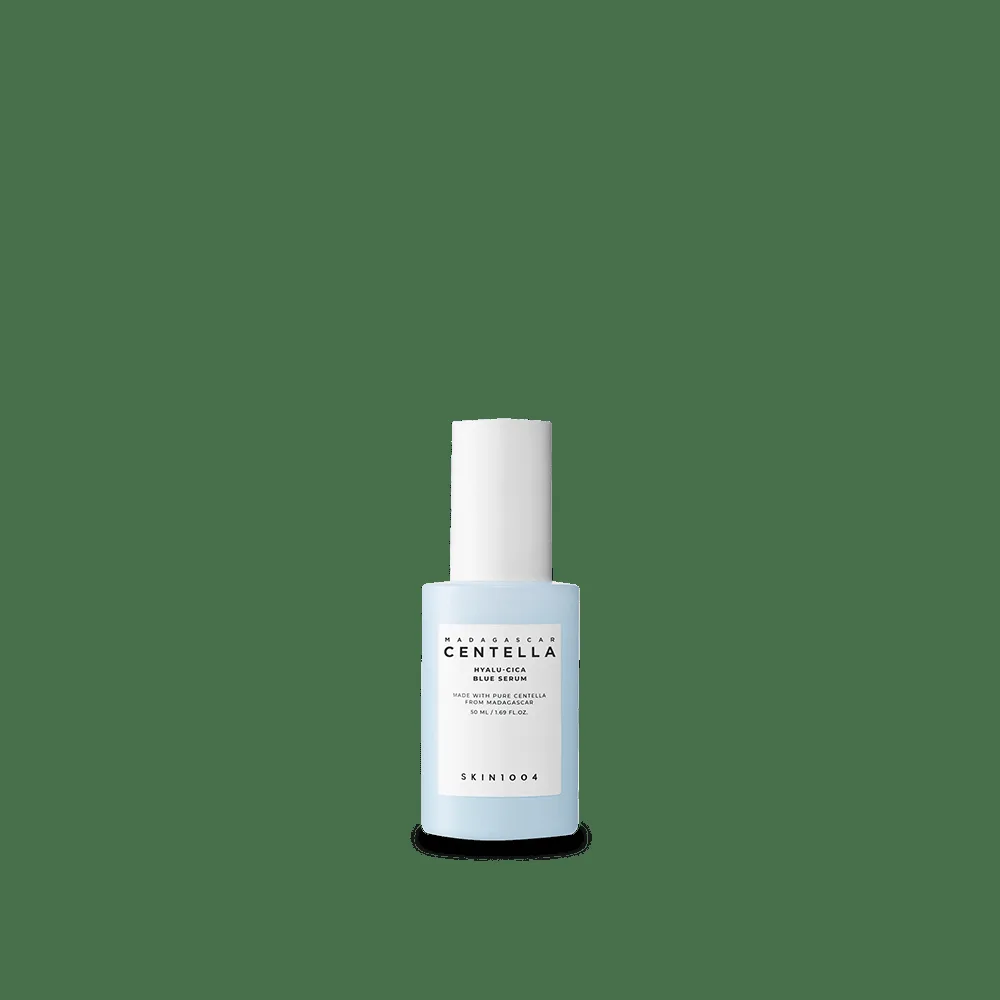
 Hyalu-Cica Blue Serum
A quietly excellent budget serum that stacks Centella asiatica leaf water, five types of hyaluronic acid, niacinamide, ceramide NP, and adenosine into a fragrance-free under-$20 bottle. It is genuinely one of the best hydration-plus-soothing serums at any price, and the fact that it costs less than a salad in Manhattan is the point.
 Sensitive Skin First-Line Defense
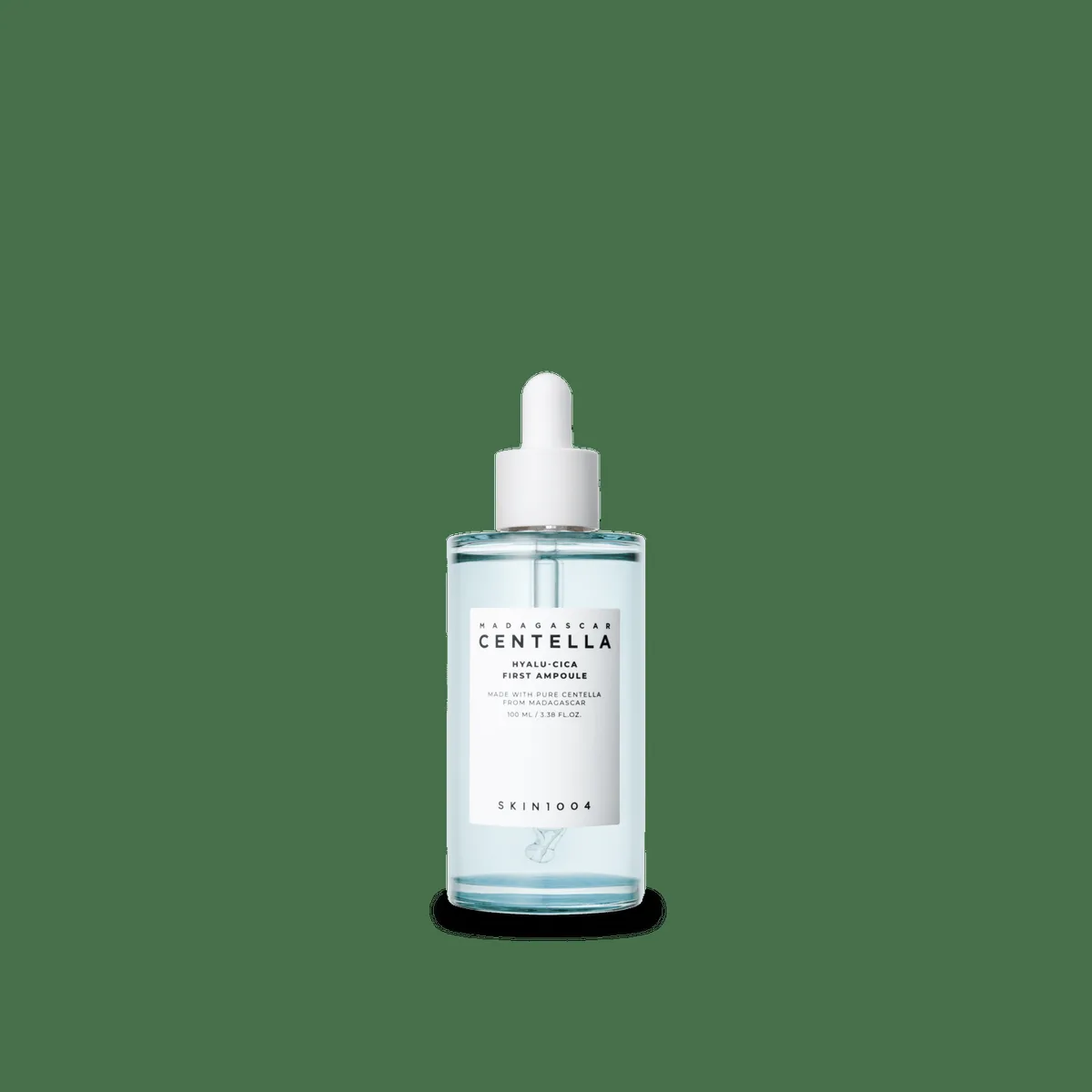
 Hyalu-Cica First Ampoule
A 92% Centella asiatica extract ampoule paired with niacinamide and a multi-weight HA complex, fragrance-free and purpose-built for sensitive, compromised, and reactive skin. At $25 for 100ml, it is one of the most justifiable skincare purchases a budget-conscious buyer can make, and it earns a place in almost any routine that needs a soothing anchor.
 Sensitive Skin MVP
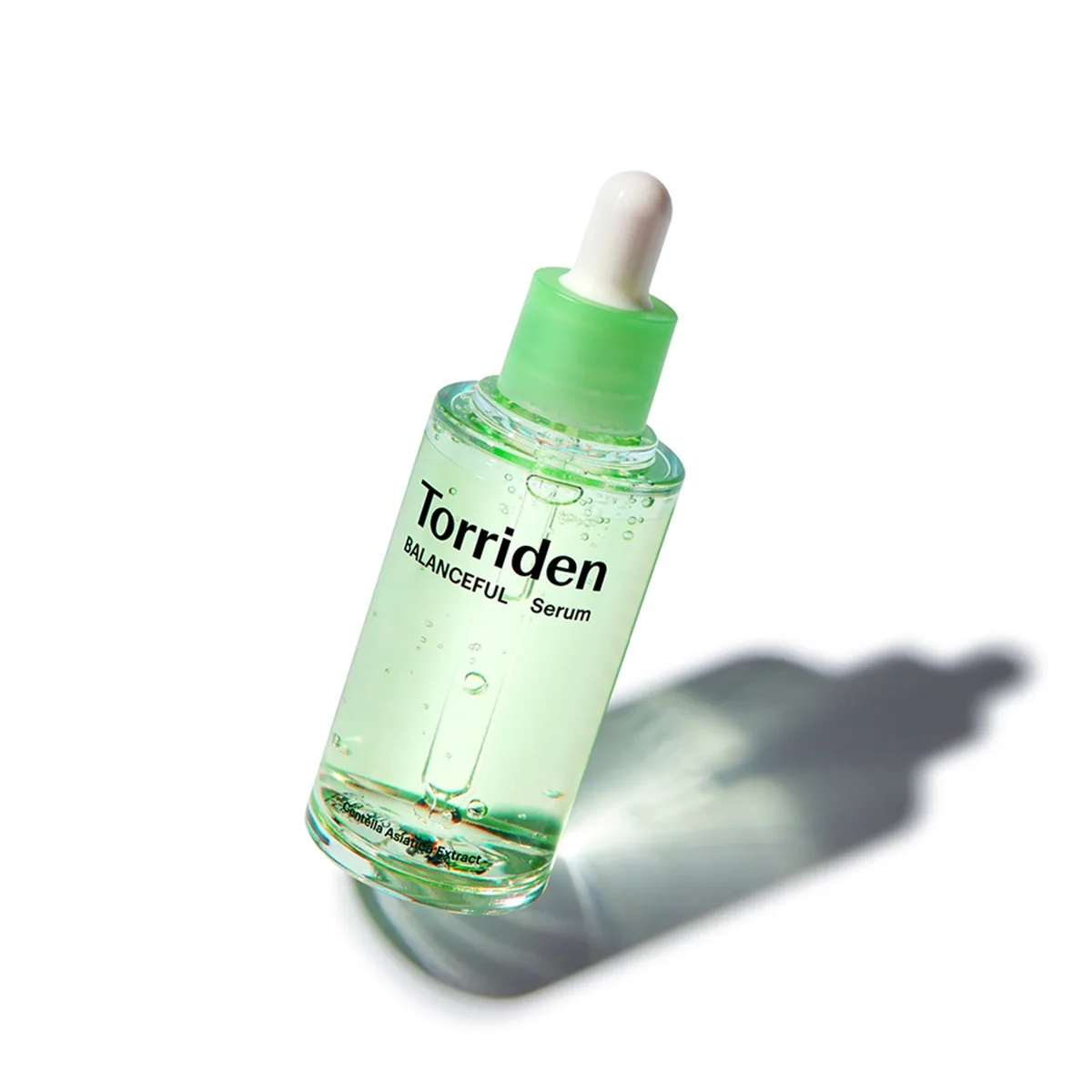
 Balanceful Cica Serum
Torriden's Balanceful Cica Serum is one of the most recommendable calming serums in K-beauty — a genuinely fragrance-free, multi-weight hyaluronic acid and 5D cica complex treatment that quietly reduces redness, supports the barrier, and buffers other actives without drama. At under $25 it's a near-automatic pick for sensitive, rosacea-prone, and barrier-compromised skin.