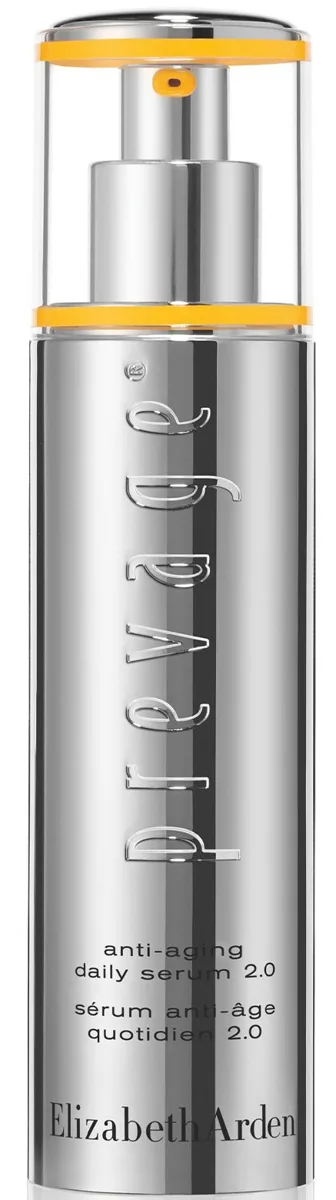
Prevage 2.0 is one of the few mass-market luxury serums built around idebenone instead of vitamin C, and the multi-pathway antioxidant strategy — idebenone, ferulic acid, vitamin E, ergothioneine, and niacinamide — is genuinely well thought out. Visible results are slow but real, and the texture is excellent under makeup and SPF. At $178 it's hard to defend on pure ingredient value, but for fans of the franchise it earns its place.
Prevage Anti-Aging Daily Serum 2.0
Prevage 2.0 is one of the few mass-market luxury serums built around idebenone instead of vitamin C, and the multi-pathway antioxidant strategy — idebenone, ferulic acid, vitamin E, ergothioneine, and niacinamide — is genuinely well thought out. Visible results are slow but real, and the texture is excellent under makeup and SPF. At $178 it's hard to defend on pure ingredient value, but for fans of the franchise it earns its place.
Score Breakdown
Where this product gains points and where it loses them — broken down across the four scoring pillars.
A genuinely thoughtful multi-pathway antioxidant serum built around idebenone, ferulic acid, vitamin E, ergothioneine, and niacinamide. The active strategy is sound, but the $178 price is steep for what is ultimately an antioxidant prep serum.
Pros & Cons
- ✓Multi-pathway antioxidant network covers UV, pollution, and mitochondrial stress
- ✓Idebenone is genuinely well-formulated and stabilized here
- ✓Ferulic acid and dual vitamin E forms extend antioxidant working life
- ✓Ergothioneine adds modern mitochondrial protection coverage
- ✓Niacinamide contributes brightening and barrier support
- ✓Lightweight silky texture absorbs instantly under makeup and SPF
- ✓Tolerated by most skin types as a daily morning serum
- ✗Price is hard to defend on pure ingredient value
- ✗Visible results develop slowly — antioxidants are prevention-focused
- ✗Added fragrance may bother very reactive skin
- ✗Pump can dispense more product than needed in one press
- ✗No retinoid or acid for users wanting visible resurfacing
Full Review
When the original Prevage launched in 2005 through a partnership between Elizabeth Arden and Allergan, idebenone was the headline active, and the marketing built itself around the molecule's antioxidant capacity. At the time, this was unusual. Vitamin C was already the entrenched antioxidant in luxury skincare, and most brands chasing the anti-aging shopper were reformulating around L-ascorbic acid, not chasing a more obscure synthetic analog of coenzyme Q10. Prevage's bet was that idebenone — originally developed for medical use and shown in comparative dermatology work to have higher antioxidant capacity than CoQ10 in skin contexts — could anchor a different kind of anti-aging franchise. That bet has held up, more or less. Idebenone never displaced vitamin C as the dominant antioxidant in luxury serums, but Prevage has remained one of the only places to find a thoughtful, well-formulated idebenone product at any price.
The 2.0 reformulation, released in 2017, did what a smart reformulation should do — kept the founding active and built a more modern antioxidant network around it. Idebenone is still the headliner, joined by ferulic acid, two forms of vitamin E, ergothioneine, and a supporting cast of niacinamide, sodium hyaluronate, caffeine, and adenosine. The strategy is multi-pathway antioxidant defense, which matters because oxidative stress in skin doesn't come from a single source. UV generates one kind of free radical, pollution generates another, mitochondrial respiration generates a third, and a serum that addresses only one of them is leaving coverage on the table. Pairing idebenone with ferulic acid is conceptually similar to the famous vitamin C plus E plus ferulic stabilization model that anchors several other luxury serums — the ferulic acid extends the working life of the other antioxidants both in the bottle and on the skin. Adding ergothioneine, which has growing dermatological interest for its mitochondrial protection profile, broadens the coverage further. Niacinamide rounds it out with barrier support and visible brightening, and it's also the ingredient that makes this serum genuinely tolerable on most skin types as a daily morning prep.
Texture is where Prevage 2.0 earns the practical compliments it gets in reviews. It's a lightweight, slightly silky serum that absorbs almost instantly and leaves no residue. There's no tackiness, no white cast from incomplete absorption, no pilling under sunscreen or foundation. The serum sits in that ideal morning-product zone — present enough to feel like you put something on, light enough to disappear under everything else in your routine. Most users find their skin looks brighter and more refreshed within two to three weeks, and the slower-developing benefits — fine line softening, tone improvement, that overall less-tired look — show up over a couple of months of consistent use.
The slow-burn nature of antioxidant skincare is also where the honest expectations have to come in. Antioxidants are prevention. They're not retinoids and they're not exfoliants. They don't dramatically resurface skin or fade dark spots in a matter of weeks. What they do is keep new oxidative damage from accumulating, which over time means slower visible aging than you'd see without them. That's a real benefit, and the published evidence for the antioxidant approach is substantial — but it's the kind of benefit you have to take on faith for the first few weeks. If you need fast visible drama, you need a retinoid or an acid, and you should put those into your evening routine instead.
The price is the place where any honest review of this product has to sit for a moment. At $178 for 50ml, Prevage 2.0 is firmly in luxury department-store serum territory, and the math gets uncomfortable. Functionally similar multi-pathway antioxidant serums exist at $30-50 from brands focused on ingredient transparency rather than counter presence. Even Skinceuticals C E Ferulic, the gold-standard antioxidant serum that Prevage is implicitly competing with, costs less at most retailers. What you're paying for here is the idebenone provenance — Elizabeth Arden has more institutional history with this molecule than almost any other brand — plus the texture, the packaging, and the franchise. For longtime Prevage users who like the experience and trust the brand, that price gap is part of the deal. For anyone making a coldly practical decision about cost-per-benefit, it's harder to defend.
The other small note is fragrance. There's a light floral added to this formula, and while it's not as aggressive as the lavender in some of Arden's other products, very reactive skin should patch test first. Everyone else will find the scent inoffensive and gone within a minute of application. Overall, this is a well-built antioxidant serum with a coherent ingredient strategy, a luxury experience, and a price that asks you to value the franchise as much as the chemistry. It's a recommendation for the right buyer, and an easy skip for someone shopping by ingredient cost.
Formula
Key Ingredients
The hero actives that drive this product's performance.
| Ingredient | Function | Evidence |
|---|---|---|
| Idebenone (0.5-1%) | The signature Prevage active — a synthetic analog of coenzyme Q10 with stronger antioxidant capacity, originally evaluated in dermatology for protection against environmental oxidative stress. In this serum it's the workhorse antioxidant carrying the brand's anti-aging positioning, supported by ferulic acid and vitamin E in a stabilized antioxidant network. | promising |
| Ferulic Acid | Stabilizes the idebenone and vitamin E in the formula and adds independent antioxidant action. The combination is conceptually similar to the well-known C+E+ferulic stabilization model — ferulic extends the active life of the other antioxidants in the bottle and on skin. | well-established |
| Vitamin E (Tocopheryl Acetate and Tocopherol) | Provides the lipid-soluble antioxidant arm of the network, complementing the more water-compatible idebenone and ferulic acid. Both forms appear here — the acetate ester for stability in formulation and the free tocopherol for immediate antioxidant activity on skin. | well-established |
| Ergothioneine | A naturally occurring amino acid antioxidant with growing dermatological interest for its mitochondrial protection profile. It rounds out the multi-pathway antioxidant strategy in this serum, addressing oxidative stress that the idebenone-ferulic-vitamin E core might miss. | promising |
| Niacinamide | Provides barrier support and visible brightening, layering well with the antioxidant core to address both prevention (oxidative damage) and current concerns (uneven tone, dullness). It also helps the serum feel suitable for daily morning use without irritation. | well-established |
Full INCI List
Water, Glycerin, Methyl Trimethicone, Cetyl Alcohol, Hydroxyethyl Acrylate/Sodium Acryloyldimethyl Taurate Copolymer, Idebenone, Ferulic Acid, Tocopheryl Acetate, Tocopherol, Sodium Hyaluronate, Ergothioneine, Caffeine, Niacinamide, Adenosine, Marrubium Vulgare Extract, Bisabolol, Allantoin, Phenoxyethanol, Disodium EDTA, Polysorbate 60, Xanthan Gum, Fragrance
Product Flags
✗ Fragrance Free✓ Alcohol Free✗ Oil Free✗ Silicone Free✓ Paraben Free✓ Sulfate Free✗ Cruelty Free✗ Vegan✗ Fungal Acne Safe
Potential Irritants
Fragrance
Common Allergens
Fragrance
Compatibility
Skin Match
Best For
Works For
Not Ideal For
Addresses These Conditions
aging sun damage dullness hyperpigmentation
Use With Caution
Routine Step
serum
Time of Day
AM
Pregnancy Safe
Yes ✓
Layering Tips
Apply in the morning after cleansing and toning, before moisturizer and sunscreen. The antioxidant network is designed to layer under SPF and amplify daytime protection. Two to three drops covers the full face.
Results Timeline
Skin typically looks brighter and more refreshed within 2-3 weeks. Visible improvements in fine lines and tone develop over 8-12 weeks of consistent daily use, with maximum benefit around the 3-month mark.
Pairs Well With
sunscreenvitamin-cpeptideshyaluronic-acid
Sample AM Routine
- Gentle cleanser
- Elizabeth Arden Prevage Anti-Aging Daily Serum 2.0
- Moisturizer
- Sunscreen
Sample PM Routine
- Gentle cleanser
- Retinol
- Moisturizer
Evidence
Science & Expert Perspective
The Science
Idebenone is a synthetic benzoquinone analog of coenzyme Q10 originally developed for medical use in conditions involving mitochondrial dysfunction. Published comparative work in dermatology has reported that idebenone demonstrates higher in-vitro antioxidant capacity than CoQ10, vitamin E, vitamin C, and other commonly used topical antioxidants under specific assay conditions, which is the basis for its inclusion in this and the original Prevage formulations. The clinical evidence in human skin is more limited than for vitamin C or retinol, which is why we classify idebenone as 'promising' rather than 'well-established.' Ferulic acid has a stronger evidence base, with published research demonstrating both independent antioxidant activity and a stabilizing effect on other antioxidants like vitamin C and vitamin E in topical formulations. Vitamin E in both ester and free forms has well-established antioxidant activity. Ergothioneine is a naturally occurring sulfur-containing amino acid with growing dermatological interest, and published in-vitro work supports its role in protecting against oxidative damage to mitochondria specifically — a pathway distinct from typical surface antioxidants. Niacinamide has a robust evidence base for barrier function support, sebum regulation in some contexts, melanosome transfer inhibition, and improvement in the appearance of fine lines with regular use. The overall formulation strategy of pairing multiple antioxidants targeting different free radical species and stabilization pathways is well-supported in dermatology literature as more effective than any single antioxidant alone. The specific clinical performance of this proprietary blend rests primarily on the brand's own consumer testing data rather than independent peer-reviewed trials.
Dermatologist Perspective
Dermatologists frequently recommend antioxidant serums as part of a morning routine for prevention of UV and pollution-induced photoaging, with vitamin C plus E plus ferulic acid being the most commonly cited combination. Idebenone is less universally prescribed but is recognized in dermatology literature as a legitimate antioxidant with a distinct mechanism, and board-certified dermatologists familiar with the Prevage line often note that it can be a useful alternative for patients who don't tolerate L-ascorbic acid serums due to irritation or instability concerns. Dermatologists emphasize that no antioxidant serum is a substitute for sunscreen — the layering matters, and the antioxidant works as a backup to the photoprotection rather than a replacement. The fragrance content in this formula is generally not a major concern for most patients but may be a flag for very reactive skin or those with rosacea. For aggressive anti-aging protocols, dermatologists typically pair an antioxidant serum like this in the morning with a prescription retinoid at night.
Guidance
Usage Guide
How to Use
Apply in the morning after cleansing and toning, before moisturizer and sunscreen. Press 2-3 drops into the face and neck, working upward and outward. Allow 30 seconds to absorb before layering moisturizer, then sunscreen as the final step. The antioxidant network is designed to layer under SPF and amplify daytime free-radical defense, so morning use is essential. Can be used alongside a vitamin C serum (apply C first, then Prevage) for a stacked antioxidant approach, or alternated on different mornings. Avoid the immediate eye area. Pair in the evening with a retinoid for a complete prevention-plus-treatment routine.
Value Assessment
At $178 for 50ml, Prevage 2.0 sits at the upper end of luxury department-store antioxidant serums and competes directly with Skinceuticals C E Ferulic and similar high-end options. Smaller sizes are sometimes available through Elizabeth Arden gift sets, and the larger size when offered provides moderately better per-ml value. Functionally similar multi-pathway antioxidant serums exist at $30-50 from ingredient-focused brands, which makes the value proposition challenging on pure formulation grounds. The justification for the price is the idebenone provenance — Elizabeth Arden has been working with this molecule longer than nearly any other brand — plus the silky texture, the franchise loyalty factor, and the department store experience. For longtime Prevage users, the price is a known cost. For new shoppers prioritizing ingredient cost-effectiveness, this is a hard sell against cheaper alternatives that deliver similar functional results.
Who Should Buy
Anyone with normal, dry, or combination skin who wants a luxury morning antioxidant serum with a multi-pathway active strategy and the texture to layer well under makeup and SPF. It's also a good pick for users who don't tolerate L-ascorbic acid vitamin C serums and want a different antioxidant route.
Who Should Skip
Budget-focused shoppers will find similar functional results in serums at one-quarter the price. Very reactive or fragrance-sensitive skin should patch test first or choose an unscented alternative.
Ready to try Elizabeth Arden Prevage Anti-Aging Daily Serum 2.0?
Details
Details
Texture
Lightweight, slightly silky serum that absorbs quickly without residue
Scent
Light floral fragrance
Packaging
Frosted gold pump bottle
Finish
satinnon-greasyfast-absorbing
What to Expect on First Use
First impressions are of a lightweight, fast-absorbing serum with a barely detectable amber tint from the idebenone. There's no tingling or stinging on most skin, and a light floral fragrance fades within a minute. Skin feels primed and ready for moisturizer and SPF immediately.
How Long It Lasts
Approximately 3-4 months with daily morning face and neck use
Period After Opening
12 months
Best Season
All Year
Background
The Why
The original Prevage launched in 2005 as a partnership between Elizabeth Arden and Allergan, making it one of the earliest mass-market idebenone products. The franchise has gone through several reformulations as the science around antioxidant networks has evolved. Version 2.0, released in 2017, added ergothioneine and niacinamide to the core idebenone-ferulic-vitamin E system to broaden the antioxidant pathway coverage.
About Elizabeth Arden Legacy Brand (20+ years)
Elizabeth Arden was founded in 1910 and the Prevage range, originally developed in partnership with Allergan and built around the antioxidant idebenone, has been one of the brand's flagship anti-aging franchises since the mid-2000s. The 2.0 reformulation maintains the idebenone backbone alongside more recently popularized actives, with substantial in-house consumer testing data.
Brand founded: 1910 · Product launched: 2017
Myth vs. Reality
Myths & Misconceptions
Myth
Idebenone is just an expensive version of CoQ10
Reality
Idebenone is a synthetic analog of CoQ10 with a different molecular profile and was originally developed for medical use. Published comparative work suggests it has higher antioxidant capacity than CoQ10 in skin contexts, though the clinical evidence base is still smaller than for vitamin C or retinol.
Myth
An antioxidant serum can replace your sunscreen
Reality
No. Antioxidants neutralize free radicals generated by UV that gets through your sunscreen — they're a backup, not a replacement. Prevage 2.0 is designed to layer under SPF, and the sunscreen is still doing the primary photoprotection work.
FAQ
Frequently Asked Questions
Is Prevage 2.0 worth the $178 price?
It depends on what you value. The multi-pathway antioxidant strategy is genuinely sound and the formulation is well-stabilized, but functionally similar antioxidant serums exist at one-quarter to one-third the price. You're paying for the idebenone provenance, the experience, and Elizabeth Arden's brand.
Can I use Prevage 2.0 with vitamin C?
Yes — they work in different but complementary ways. Many users layer a vitamin C serum first and Prevage 2.0 over it, or alternate them on different mornings. Both are antioxidant strategies, and stacking them increases free-radical defense.
Should I use it morning or night?
Morning is the intended use. Antioxidants like idebenone, ferulic acid, and vitamin E are designed to neutralize free radicals generated by UV and pollution during the day, so they pay off most when worn under sunscreen.
Is it good for sensitive skin?
Mostly tolerable, but the added fragrance is a flag for very reactive skin. The actives themselves are non-irritating and the serum doesn't contain acids or retinoids, so most users handle it well — sensitive users should patch test first.
How long until I see results?
Brightening and a more refreshed look typically appear within 2-3 weeks. Improvements in fine lines and tone develop over 8-12 weeks of consistent daily use. Antioxidants are prevention-focused, so much of the benefit is keeping new damage from accumulating.
Does it work under makeup?
Yes — the silky lightweight texture absorbs quickly and leaves no residue, so it sits well under moisturizer, SPF, and foundation without pilling or interference.
Community
Community Voices
Common Praise
"Visible brightening over time"
"Lightweight texture under makeup"
"Smooth application"
"Skin looks more even"
Common Complaints
"Very expensive"
"Fragrance is noticeable"
"Slow visible results"
"Pump can dispense too much"
Notable Endorsements
Allure Best of Beauty alumnus through earlier Prevage versions
Appears In
best antioxidant serum best luxury anti aging serum best idebenone serum best am serum
Related Conditions
Related Ingredients
You Might Also Like
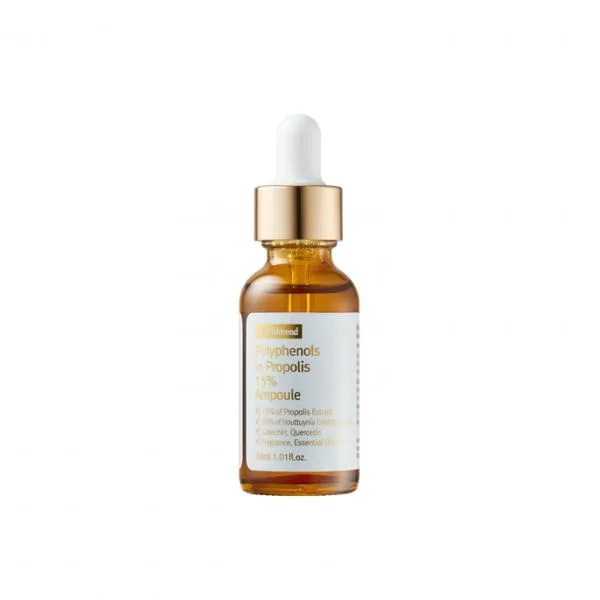 Sensitive Skin Soother
 Polyphenols In Propolis 15% Ampoule
A 15% propolis ampoule that earns its name with a real polyphenol stack — French Auvergne propolis layered over a houttuynia cordata base, with tulsi and pomegranate piling on. It's slightly sticky and not cheap by volume, but for sensitive, breakout-prone skin chasing calm, this is one of the most reliable K-beauty soothers in production.
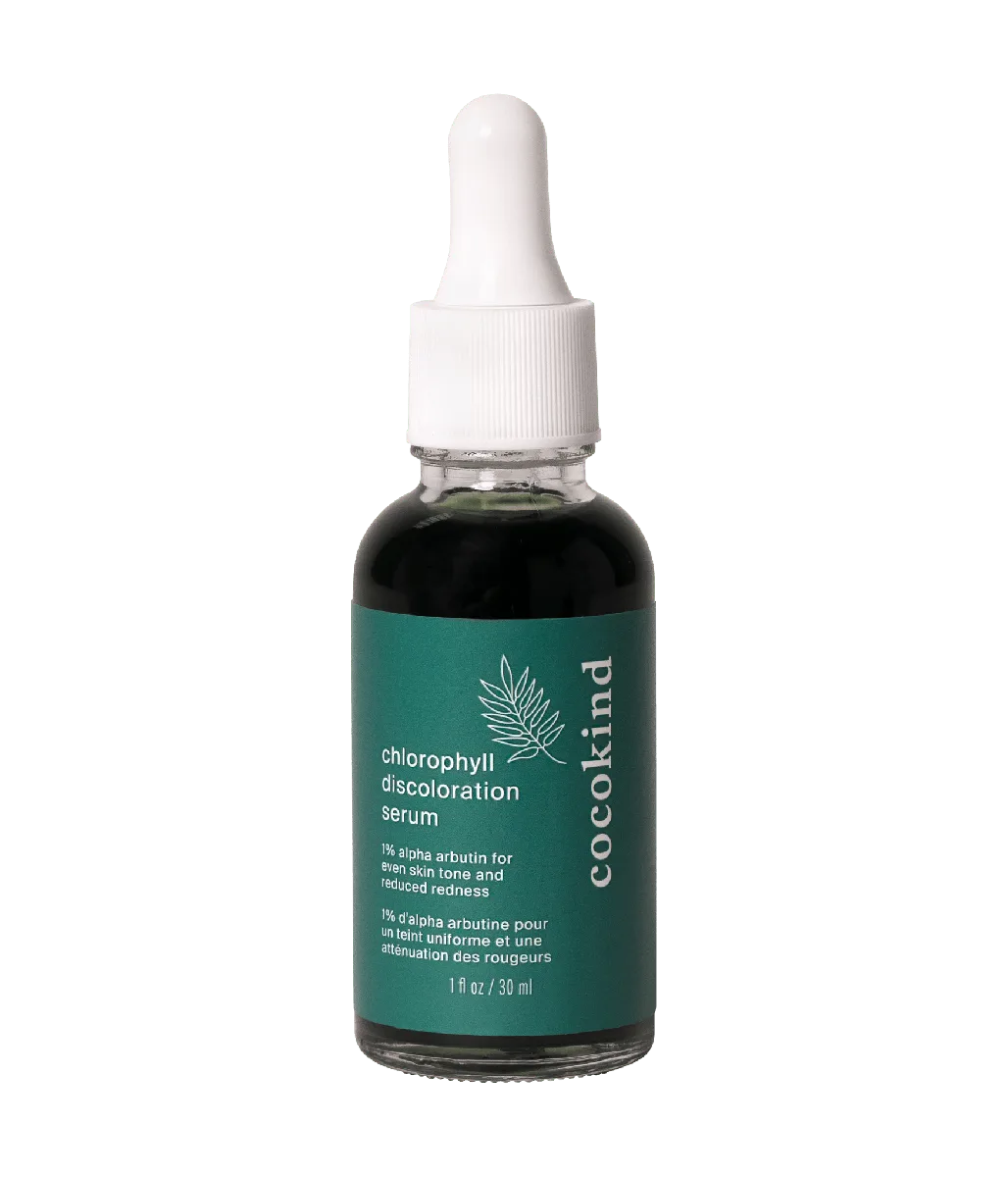 Budget Brightening Hero
 Chlorophyll Discoloration Serum
A quietly brilliant brightening serum that proves you do not need luxury prices or harsh actives to fade dark spots effectively. The alpha-arbutin and licorice root combination delivers genuine multi-pathway melanin inhibition, the sensitive-skin-friendly formula is impeccable, and $20 makes it accessible to virtually everyone. The chlorophyllin is more marketing differentiator than scientific powerhouse, but it does not hurt anything either.
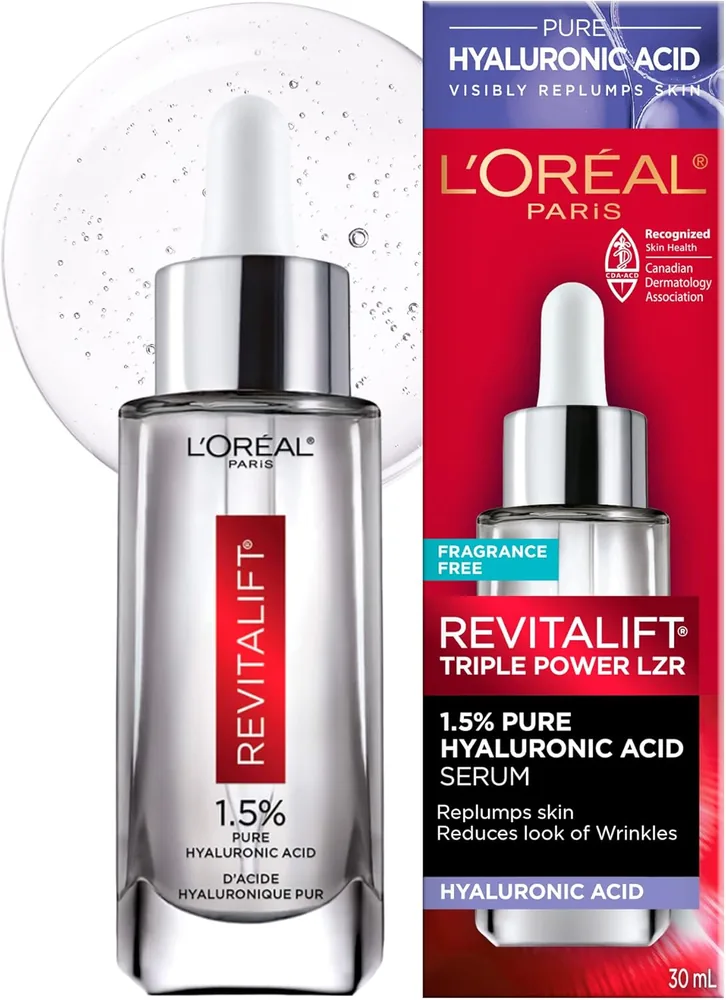 The People's HA Serum
 Revitalift Derm Intensives 1.5% Pure Hyaluronic Acid Serum
A masterclass in minimalist formulation — thirteen ingredients, no filler, four functional actives, and over thirty thousand glowing reviews. L'Oréal's multi-weight HA system delivers genuine hydration at every level of the skin, and the fragrance-free, alcohol-free formula is clean enough for virtually anyone. The drugstore serum that embarrasses its prestige competitors.
 Budget Hydration Holy Grail
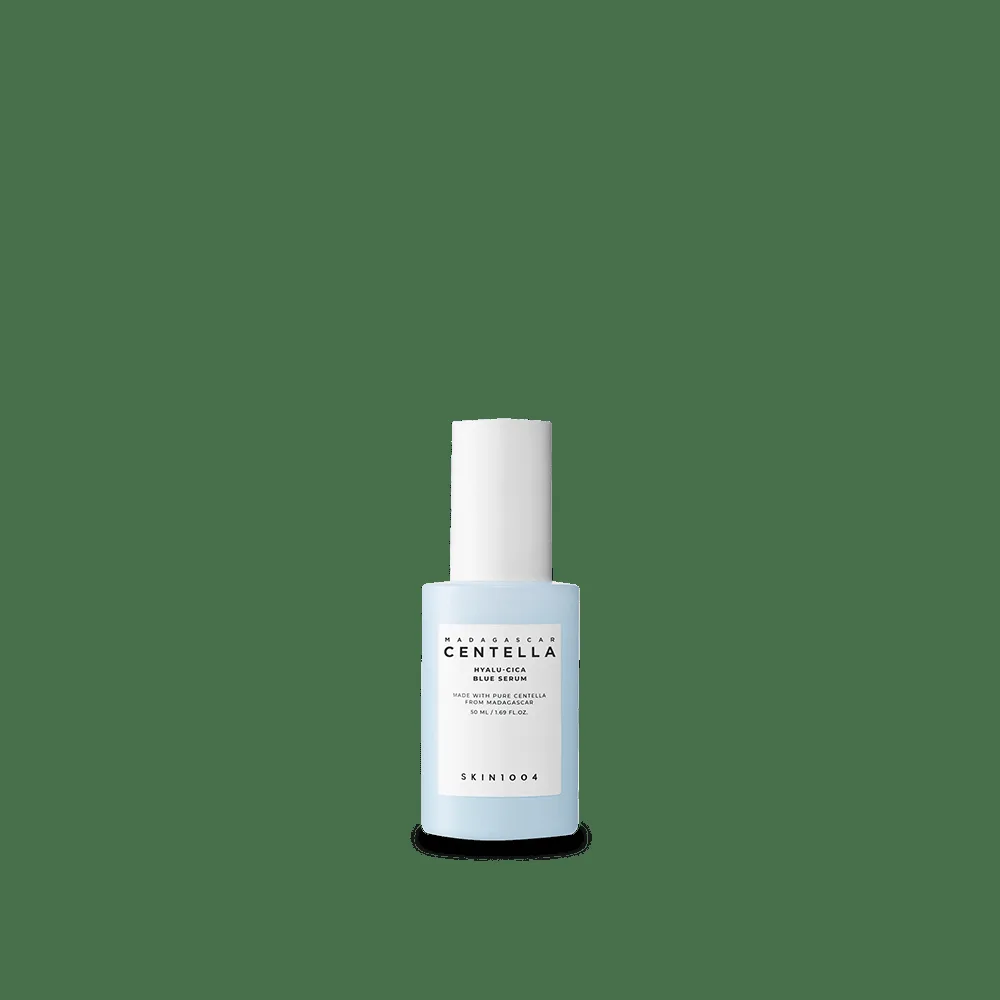
 Hyalu-Cica Blue Serum
A quietly excellent budget serum that stacks Centella asiatica leaf water, five types of hyaluronic acid, niacinamide, ceramide NP, and adenosine into a fragrance-free under-$20 bottle. It is genuinely one of the best hydration-plus-soothing serums at any price, and the fact that it costs less than a salad in Manhattan is the point.
 Sensitive Skin First-Line Defense
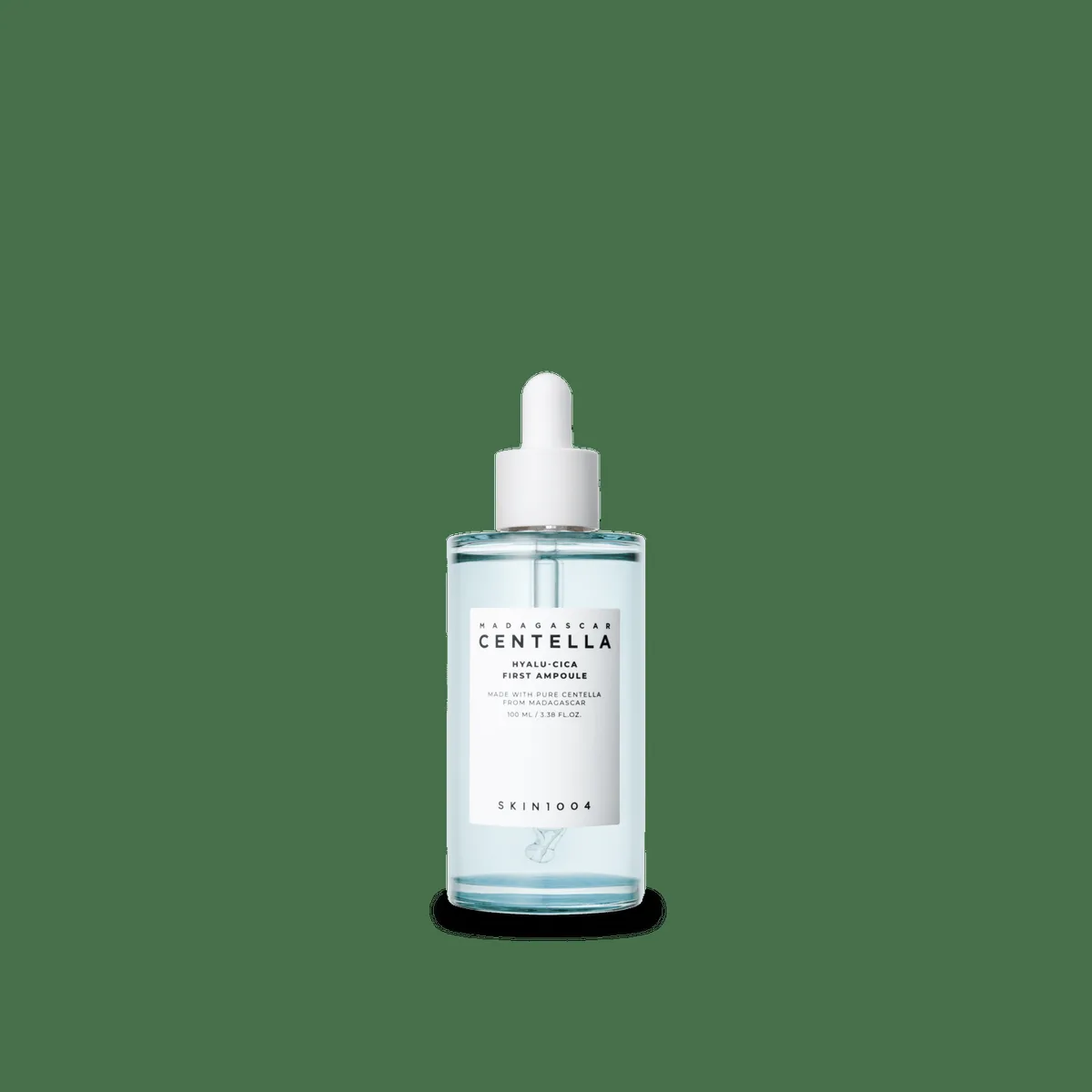
 Hyalu-Cica First Ampoule
A 92% Centella asiatica extract ampoule paired with niacinamide and a multi-weight HA complex, fragrance-free and purpose-built for sensitive, compromised, and reactive skin. At $25 for 100ml, it is one of the most justifiable skincare purchases a budget-conscious buyer can make, and it earns a place in almost any routine that needs a soothing anchor.
 Sensitive Skin MVP
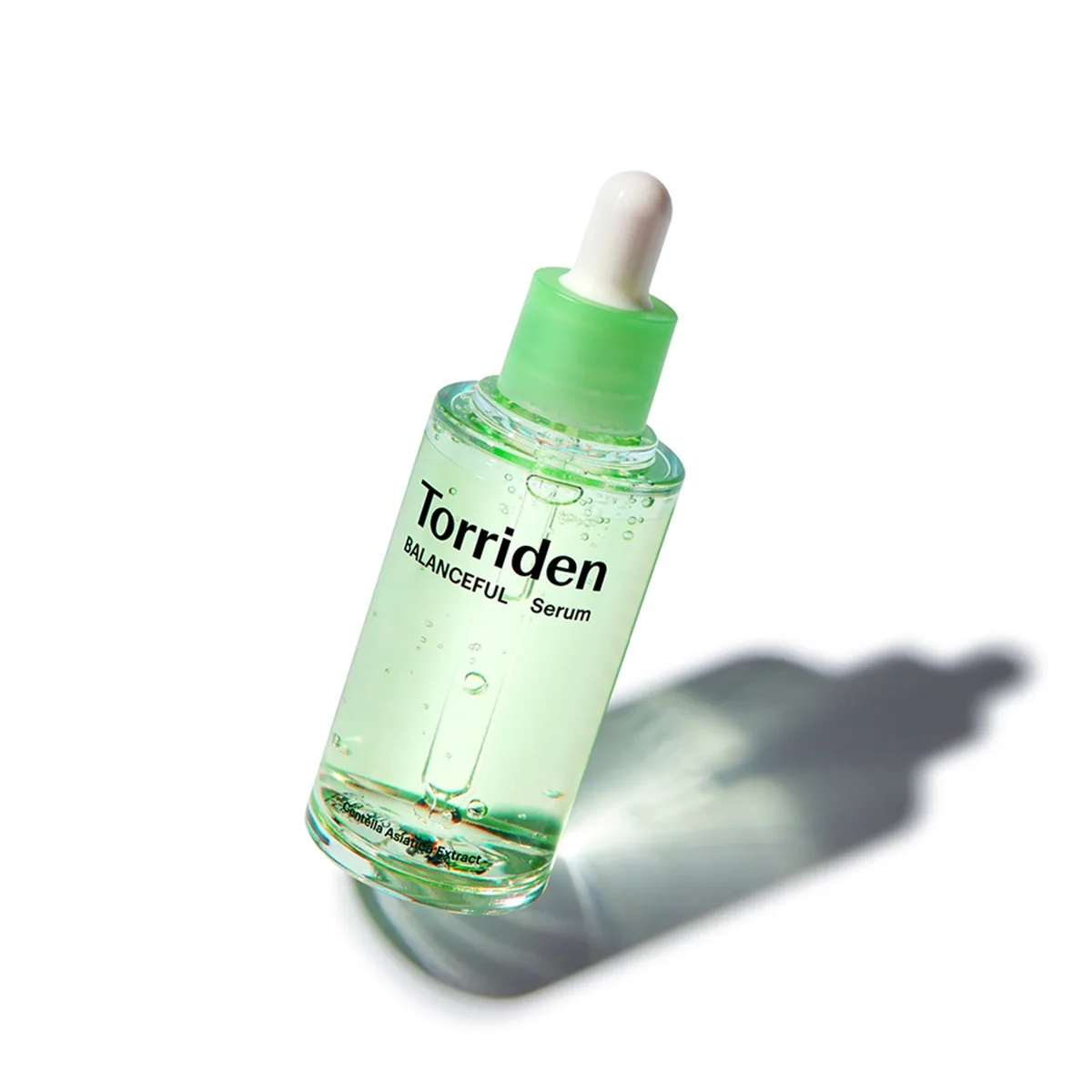
 Balanceful Cica Serum
Torriden's Balanceful Cica Serum is one of the most recommendable calming serums in K-beauty — a genuinely fragrance-free, multi-weight hyaluronic acid and 5D cica complex treatment that quietly reduces redness, supports the barrier, and buffers other actives without drama. At under $25 it's a near-automatic pick for sensitive, rosacea-prone, and barrier-compromised skin.